
Interior Architecture Program Ohio University Drafting Overview Matthew
- Slides: 46
Interior Architecture Program Ohio University Drafting Overview Matthew Ziff, M. Arch, Associate Professor
The linked video on this page is a good place to begin learning about, and how to do, hand drafting. • Basic Drafting Techniques - Penn State University • This is an excellent, but amusingly old fashioned, twenty-eight minute long video about basic hand drafting techniques. • Google ‘how to do hand architectural drafting’ for a rich array of videos about drafting.
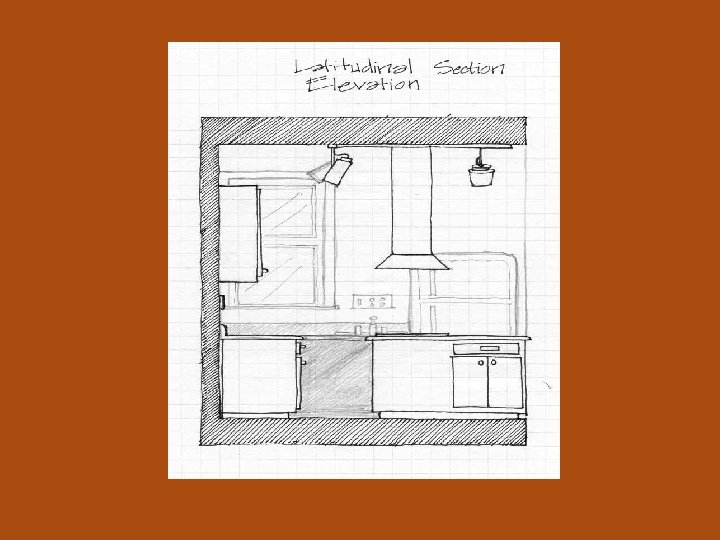
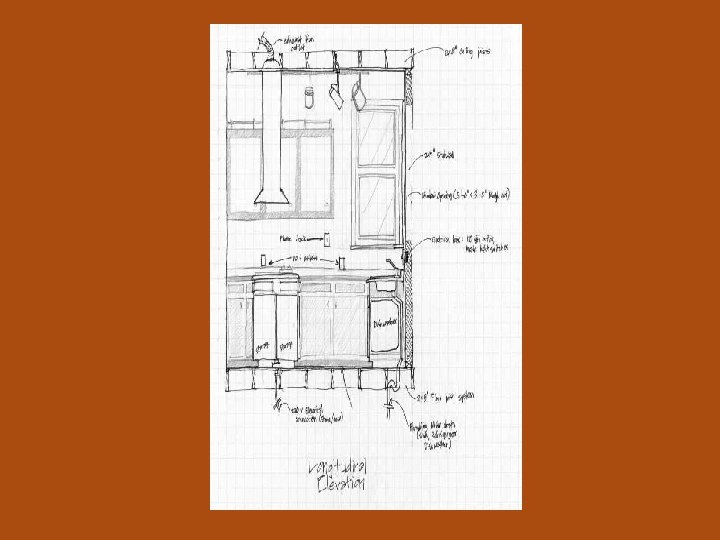
Drafting Terminology • Plan: • properly called ‘plan section’. A horizontal view that is the result of ‘cutting’ through the object/space horizontally, to reveal what is below the cut. • Section: usually, but not always, meaning ‘vertical section’. A vertical cut through an object or space to reveal the thicknesses of the objects that have been cut, such as walls in a building. • Elevation: • a straight on, frontal view of a surface, such as a chair, a wall, a guitar, et cetera. An elevation drawing only shows the surface characteristics of its subject Axonometric & Isometric: three dimensional images that convey the mass and some of the surface of an object or space.
Scale • What is a scale drawing? • A scale is a ratio representing the size of an illustration or reproduction, especially a map or a model, in relation to the object it represents. • It is a comparison of sizes. • The purpose of creating scale drawings is to allow the drafter to create a drawing which is proportionately the same as the artifact it represents.
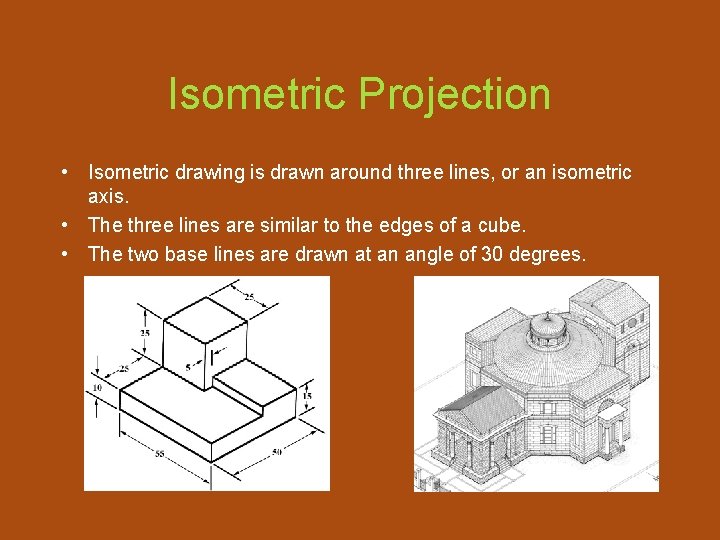
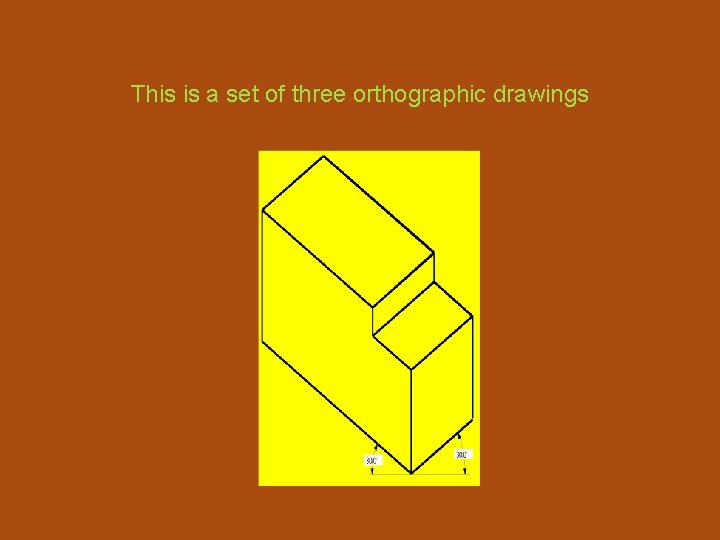
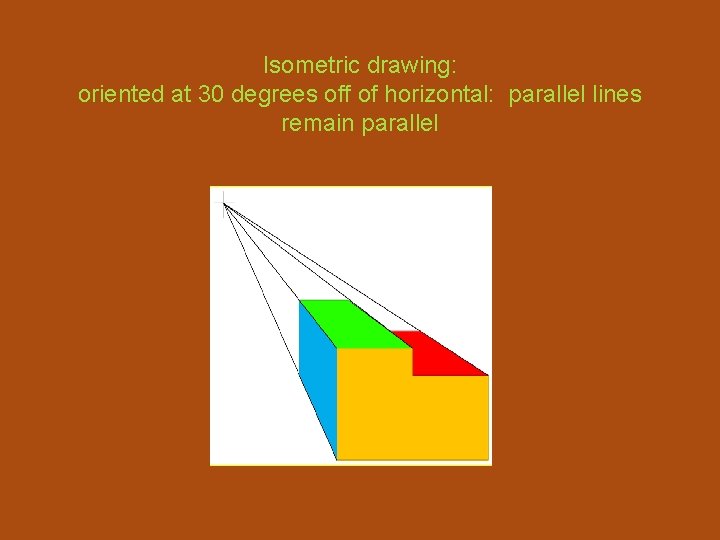
Isometric Projection • Isometric drawing is drawn around three lines, or an isometric axis. • The three lines are similar to the edges of a cube. • The two base lines are drawn at an angle of 30 degrees.
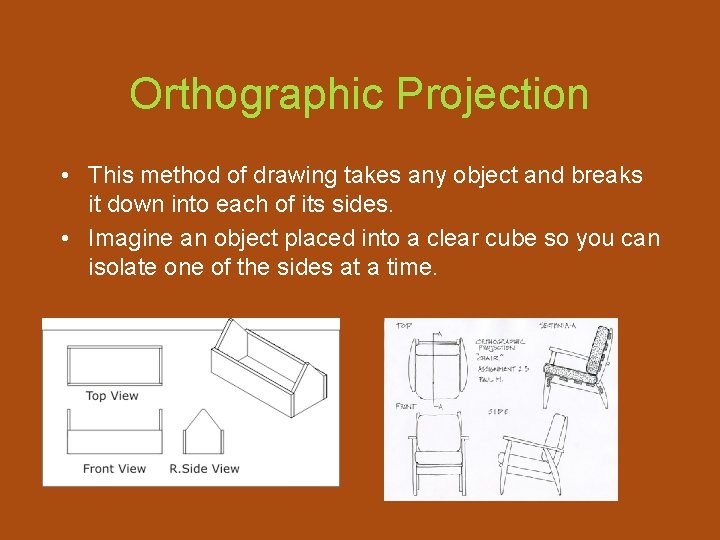
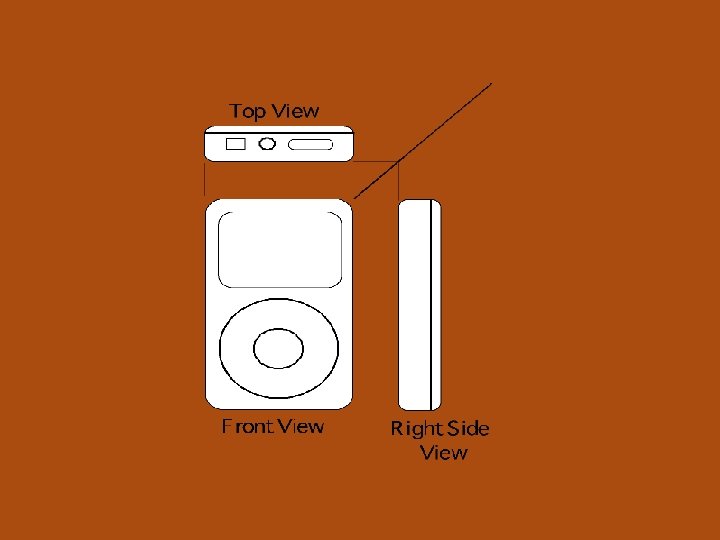
Orthographic Projection • This method of drawing takes any object and breaks it down into each of its sides. • Imagine an object placed into a clear cube so you can isolate one of the sides at a time.
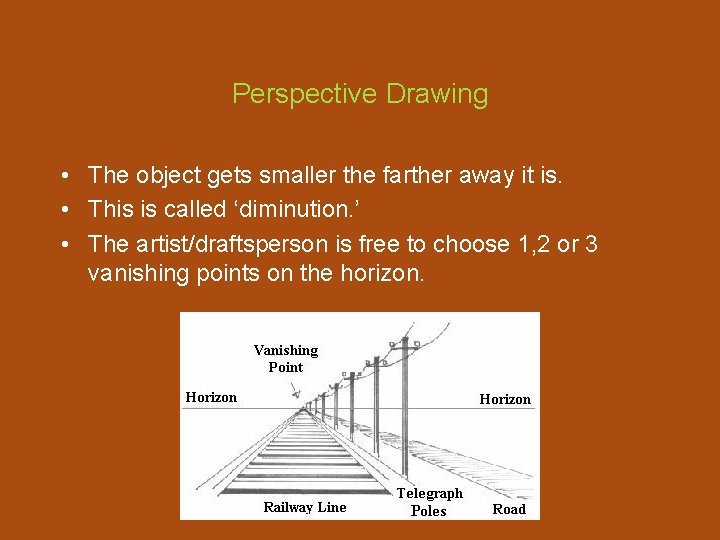
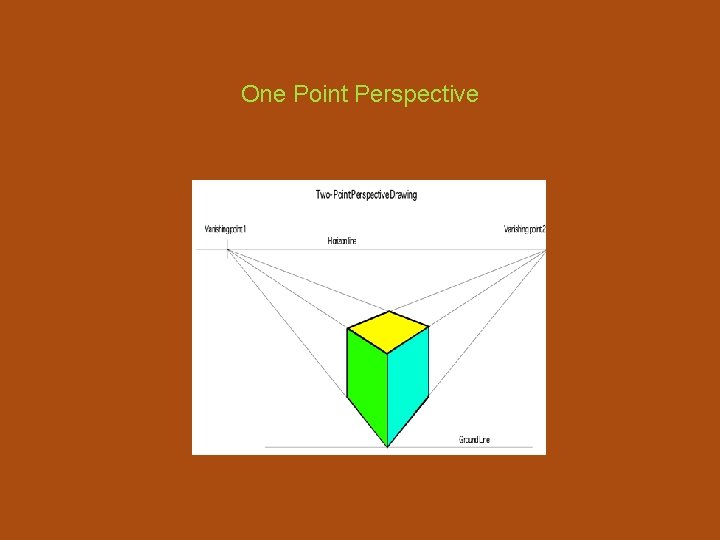
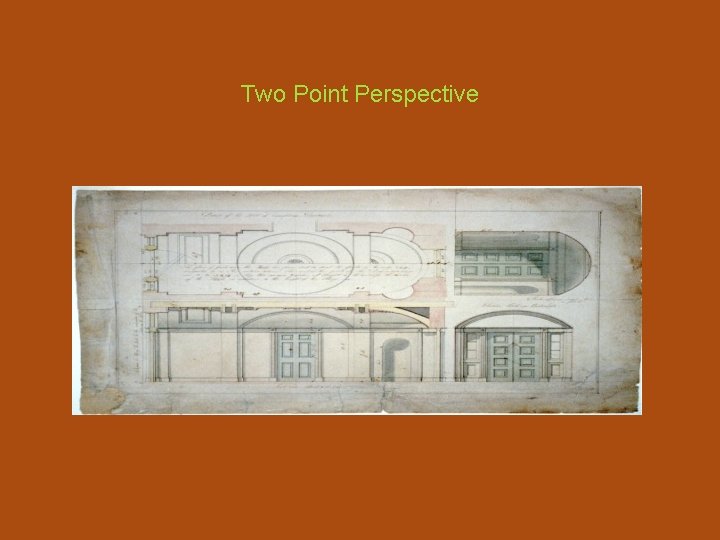
Perspective Drawing • The object gets smaller the farther away it is. • This is called ‘diminution. ’ • The artist/draftsperson is free to choose 1, 2 or 3 vanishing points on the horizon.
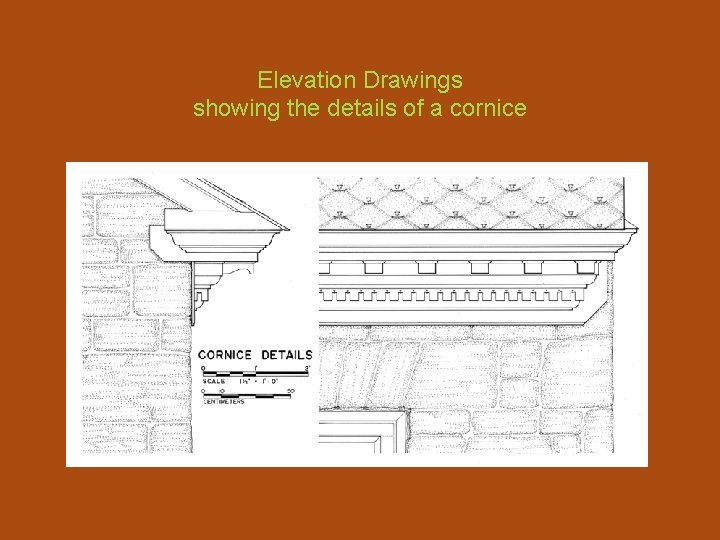
Elevation Drawings showing the details of a cornice
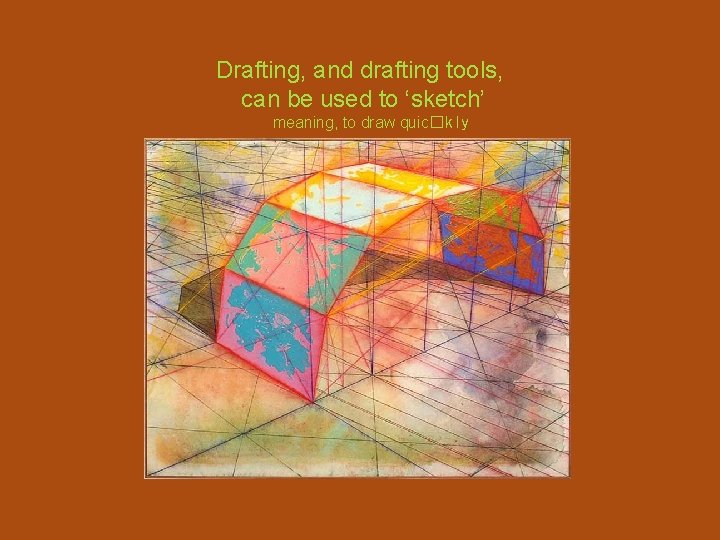
Drafting, and drafting tools, can be used to ‘sketch’ meaning, to draw quic�kly
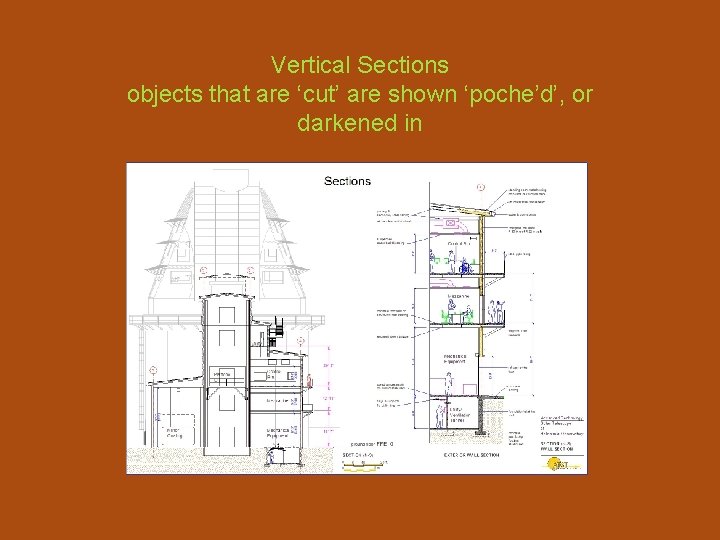
Vertical Sections objects that are ‘cut’ are shown ‘poche’d’, or darkened in
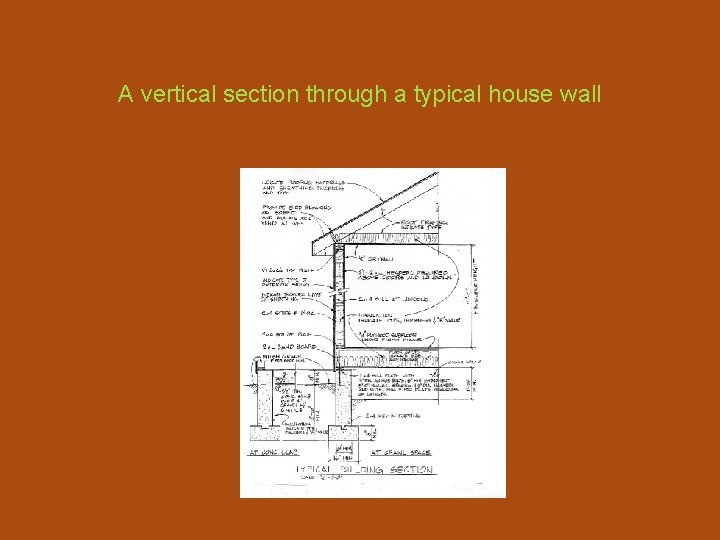
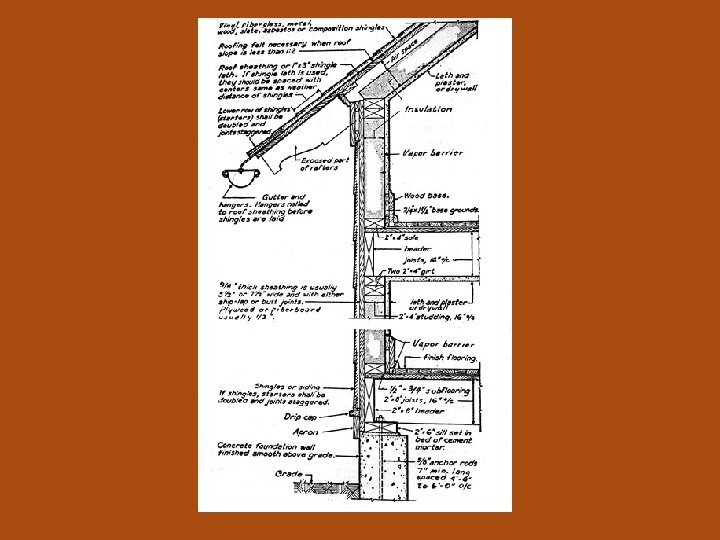
A vertical section through a typical house wall
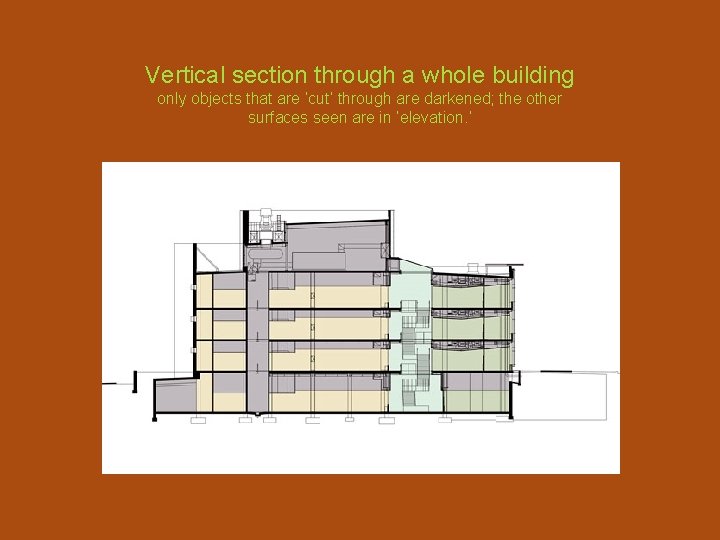
Vertical section through a whole building only objects that are ‘cut’ through are darkened; the other surfaces seen are in ‘elevation. ’
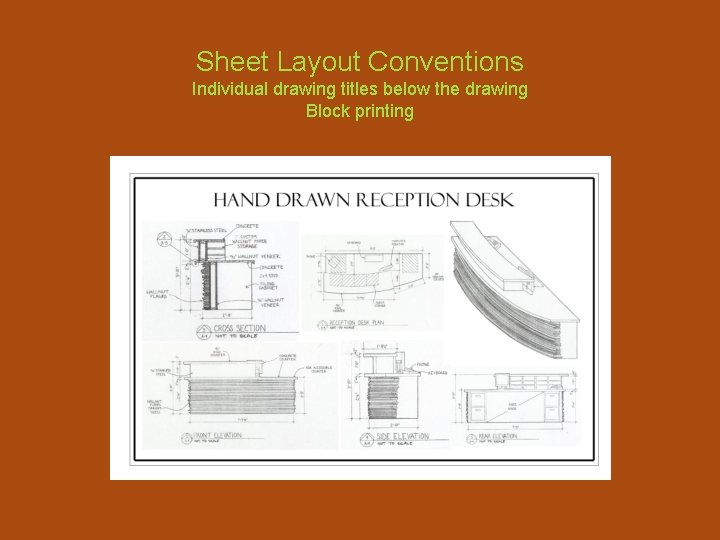
Sheet Layout Conventions Individual drawing titles below the drawing Block printing
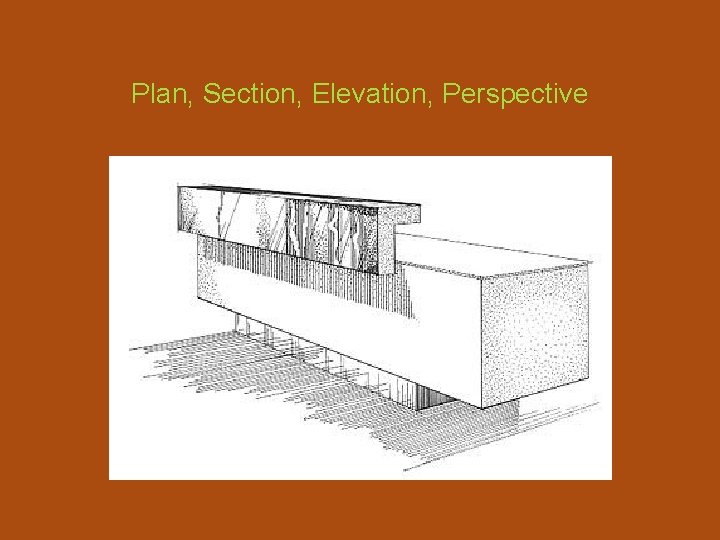
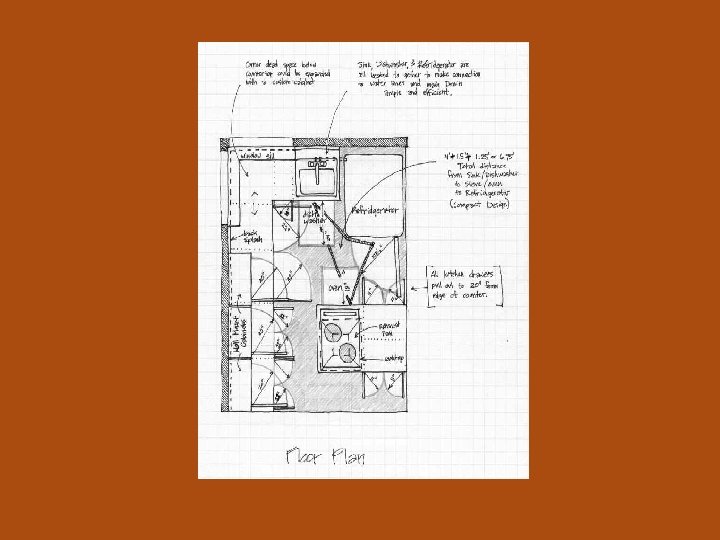
Plan, Section, Elevation, Perspective
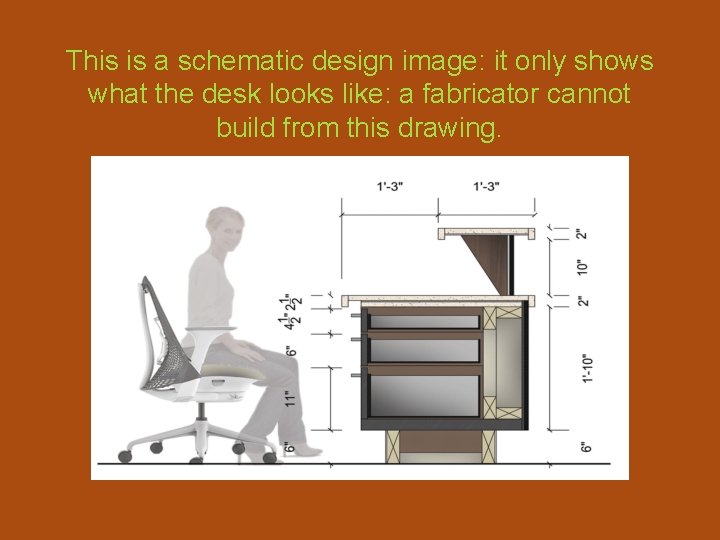
This is a schematic design image: it only shows what the desk looks like: a fabricator cannot build from this drawing.
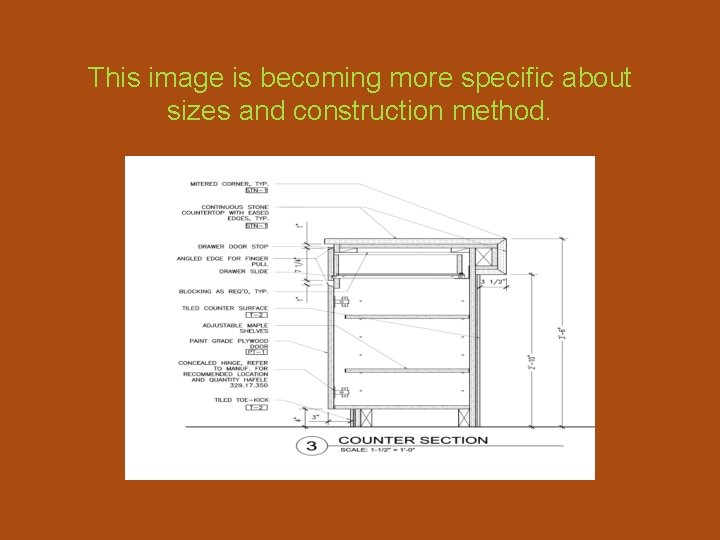
This image is becoming more specific about sizes and construction method.
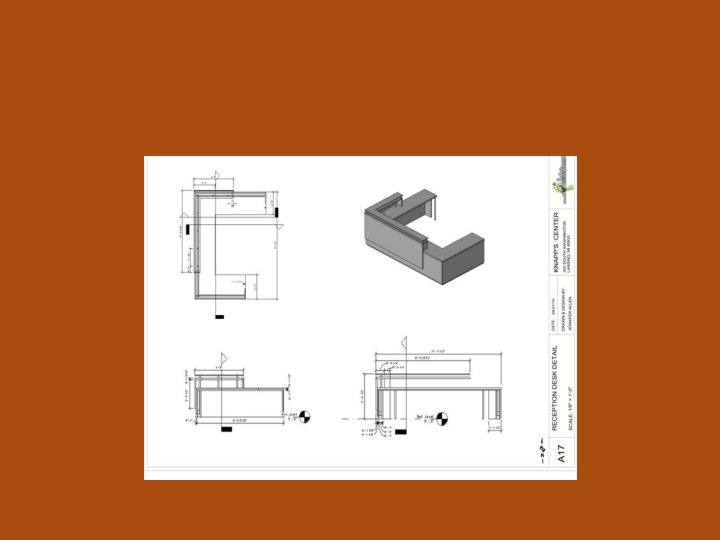
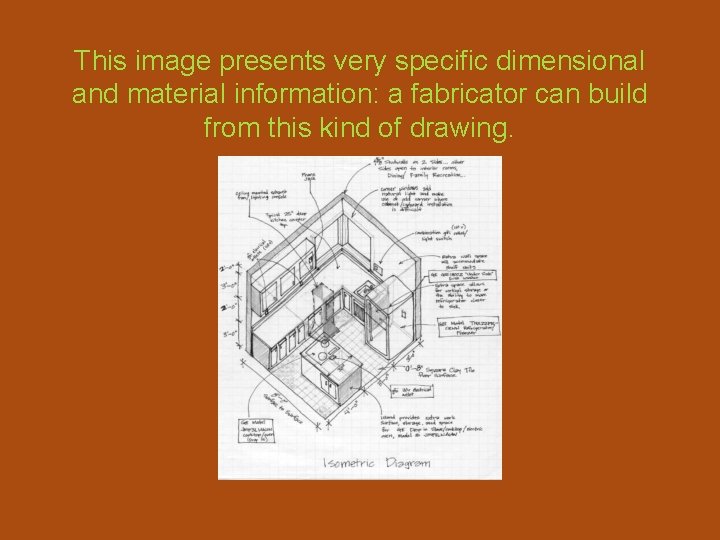
This image presents very specific dimensional and material information: a fabricator can build from this kind of drawing.
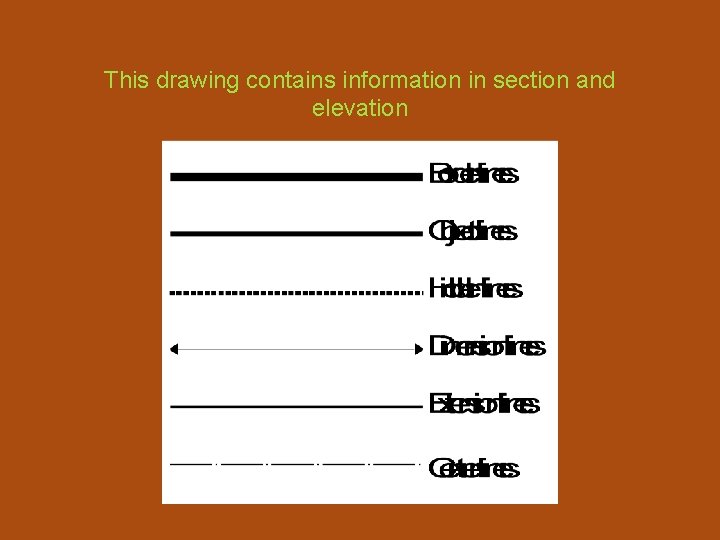
This drawing contains information in section and elevation
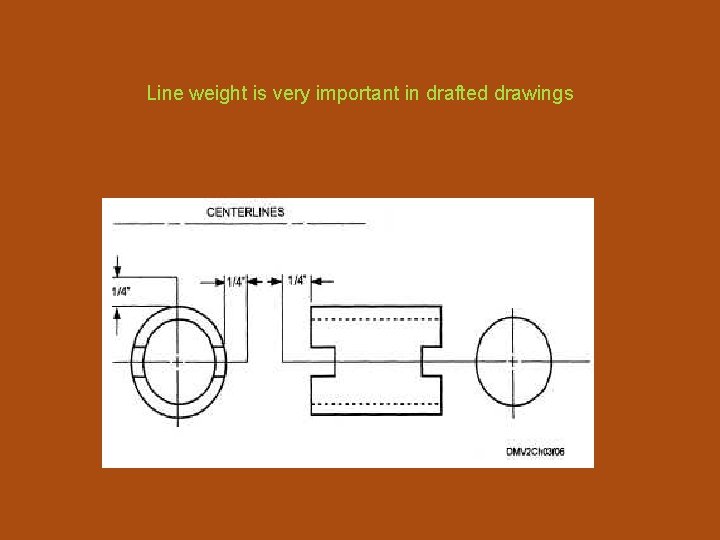
Line weight is very important in drafted drawings
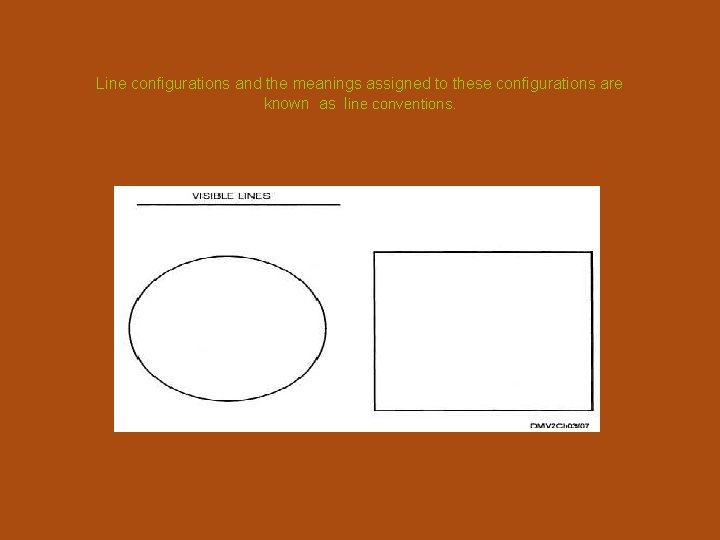
Line configurations and the meanings assigned to these configurations are known as line conventions.
Any lines visible in a view that define edges or outlines of objects are drawn with lines referred to as visible lines. Visible lines are drawn as solid, thick lines. In drawings that do not have cutting planes, visible lines will be thickest lines drawn.
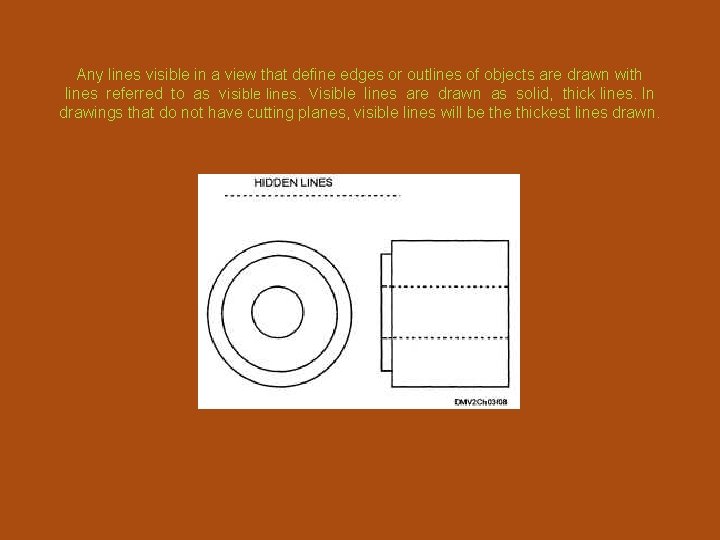
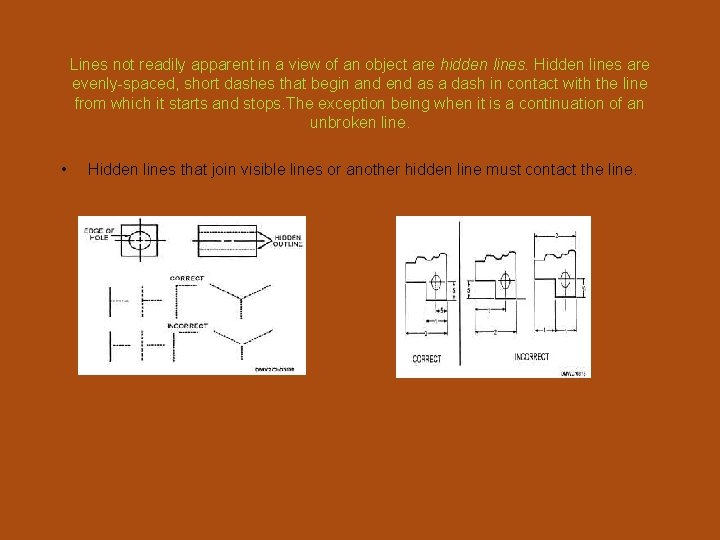
Lines not readily apparent in a view of an object are hidden lines. Hidden lines are evenly-spaced, short dashes that begin and end as a dash in contact with the line from which it starts and stops. The exception being when it is a continuation of an unbroken line. • Hidden lines that join visible lines or another hidden line must contact the line.
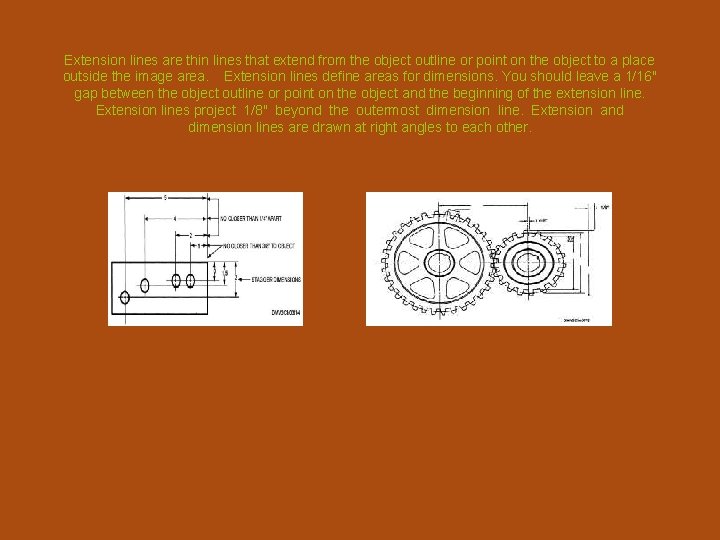
Extension lines are thin lines that extend from the object outline or point on the object to a place outside the image area. Extension lines define areas for dimensions. You should leave a 1/16" gap between the object outline or point on the object and the beginning of the extension line. Extension lines project 1/8" beyond the outermost dimension line. Extension and dimension lines are drawn at right angles to each other.
Dimension Lines • • Lines that define the parameters of a dimension are called dimension lines. Dimension lines are thin lines terminating in arrowheads. Place dimension lines no closer than 3/8" from the object outline. Parallel dimension lines should be a minimum of 1/4" apart. You may place parallel dimension lines more than 1/4" apart so long as the spacing between dimension lines is uniform throughout the drawing. Dimension lines are generally broken in the center of the line to provide a space for the dimension figure. Dimension figures for parallel dimension lines are staggered.
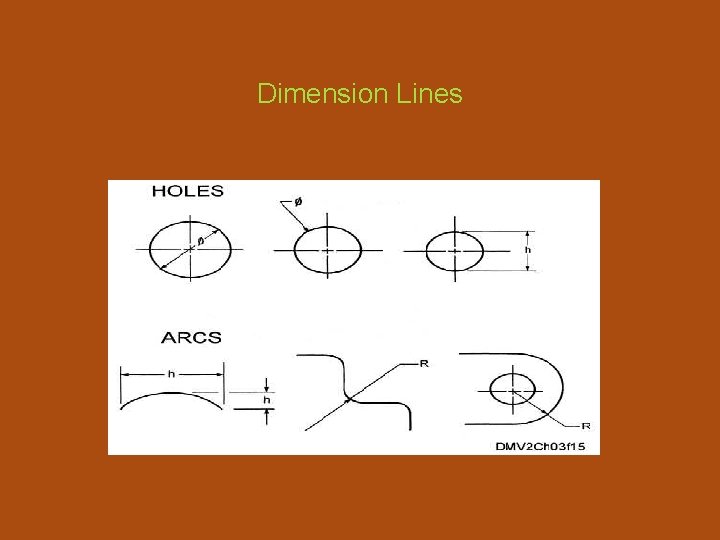
Dimension Lines
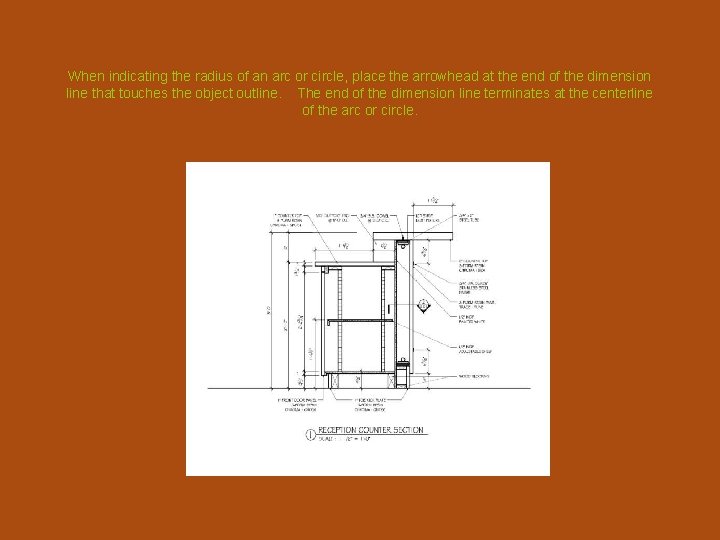
When indicating the radius of an arc or circle, place the arrowhead at the end of the dimension line that touches the object outline. The end of the dimension line terminates at the centerline of the arc or circle.
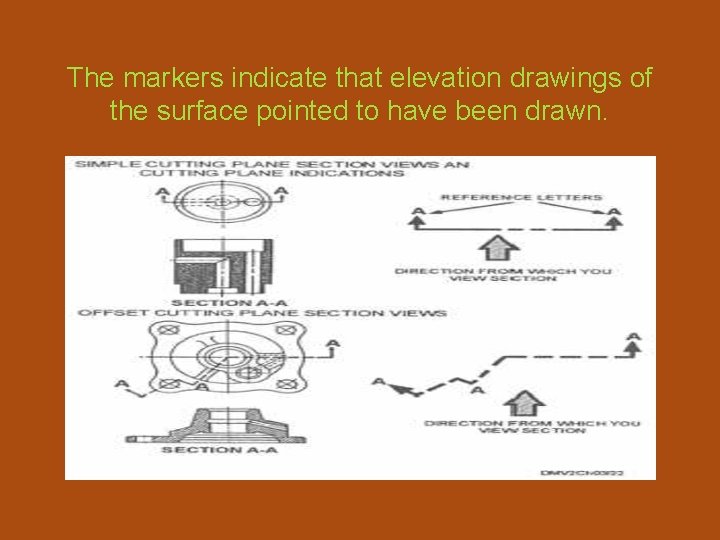
Showing where a section is cut in a drawing • • • Cutting plane lines, together with arrowheads and letters, make up the cutting plane indications. Arrowheads at the end of cutting plane lines indicate the direction from which you view the section. The cutting plane may be a simple, continuous plane, or it may be offset to show the interior detail to better advantage. Identify all cutting plane indications by the use of reference letters placed at the point of the arrowheads. Where a change in the direction of the cutting plane is not clear, place reference letters at each change of direction. Where more than one sectional view appears on a drawing, letter the cutting plane indications alphabetically preceded by the word SECTION or abbreviation SECT. Place the title directly under the section drawing. If you exhaust the single letter alphabet, use multiples of letters.
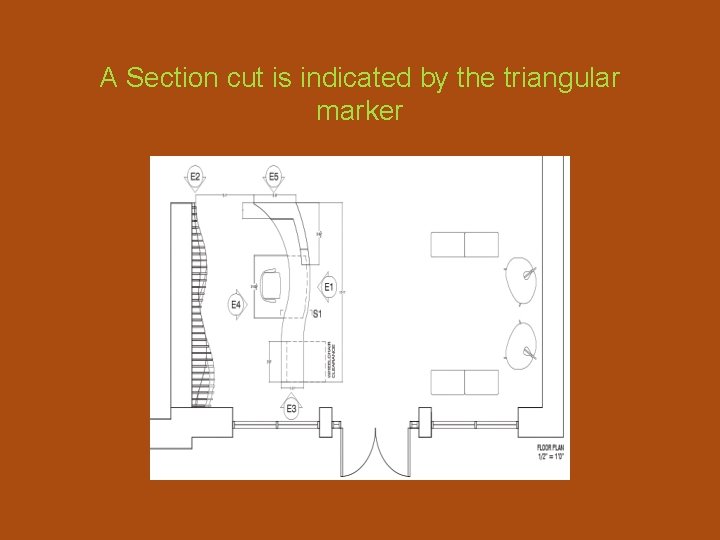
A Section cut is indicated by the triangular marker
The markers indicate that elevation drawings of the surface pointed to have been drawn.
This is a set of three orthographic drawings
Isometric drawing: oriented at 30 degrees off of horizontal: parallel lines remain parallel
One Point Perspective
Two Point Perspective
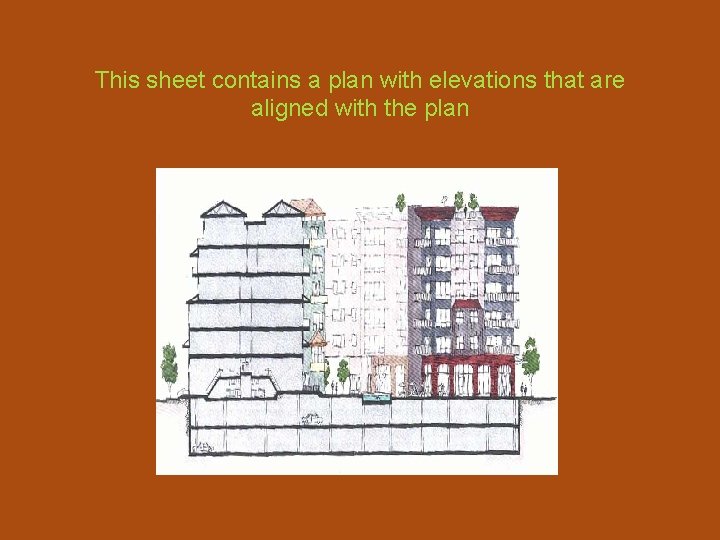
This sheet contains a plan with elevations that are aligned with the plan
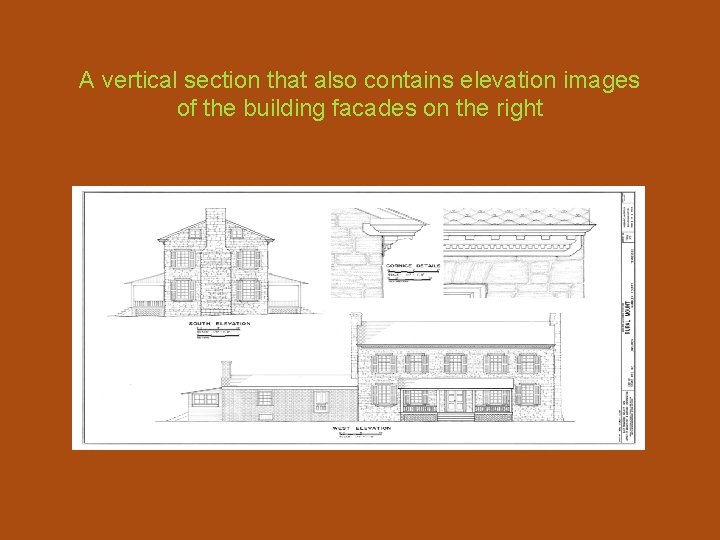
A vertical section that also contains elevation images of the building facades on the right
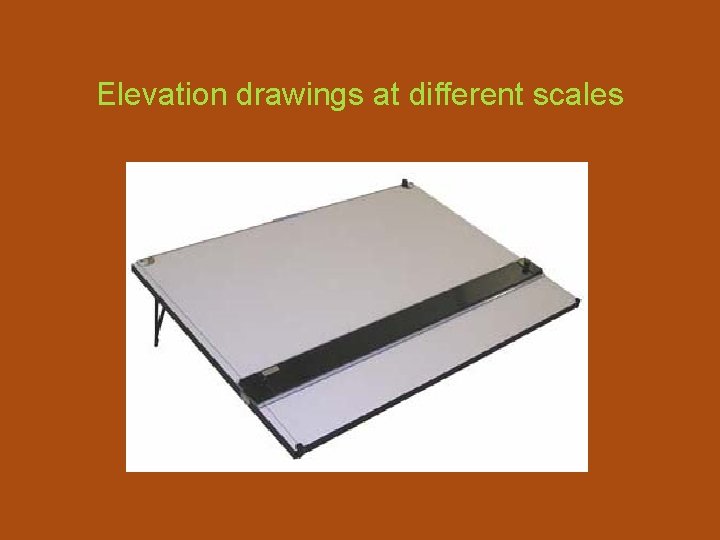
Elevation drawings at different scales
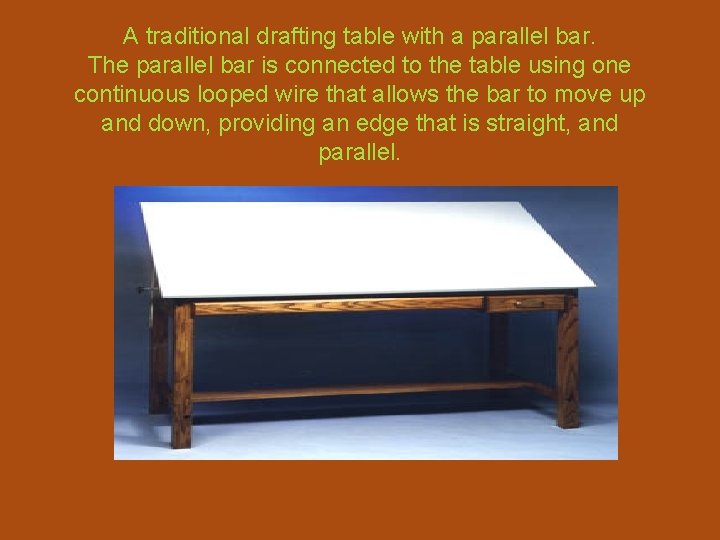
A traditional drafting table with a parallel bar. The parallel bar is connected to the table using one continuous looped wire that allows the bar to move up and down, providing an edge that is straight, and parallel.
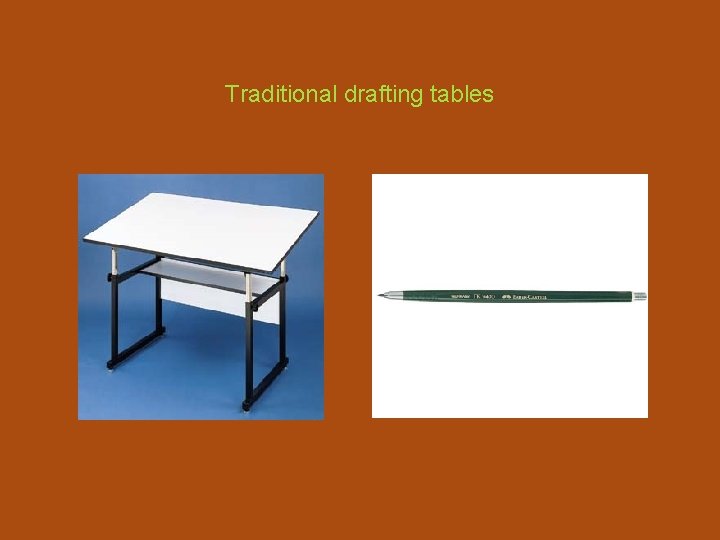
Traditional drafting tables
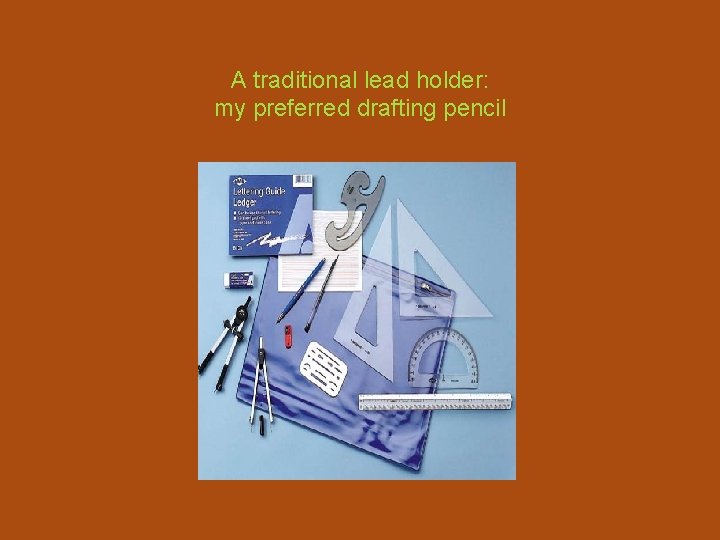
A traditional lead holder: my preferred drafting pencil
Typical drafting tools: eraser, compass, lead holder, lead pointer, extra leads, french curve erasing shield, 30/60 triangle, 45 degree triangle, protractor, architect’s scale