
Interdisciplinary connections of DL The recent striking success

- Slides: 34
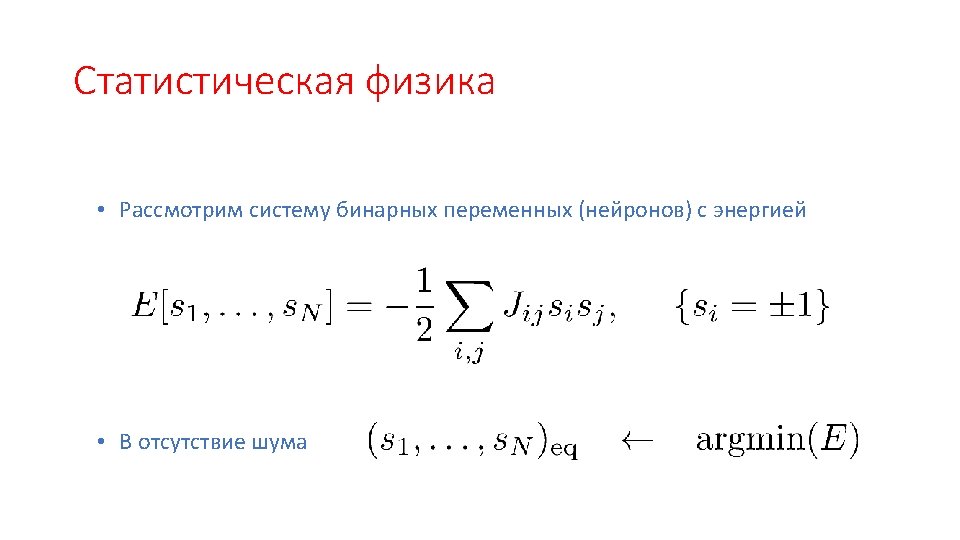
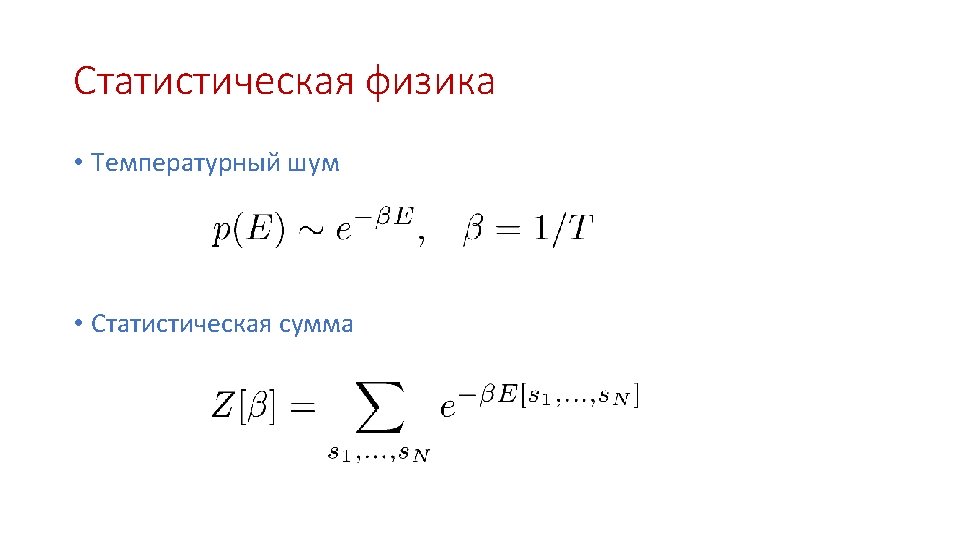
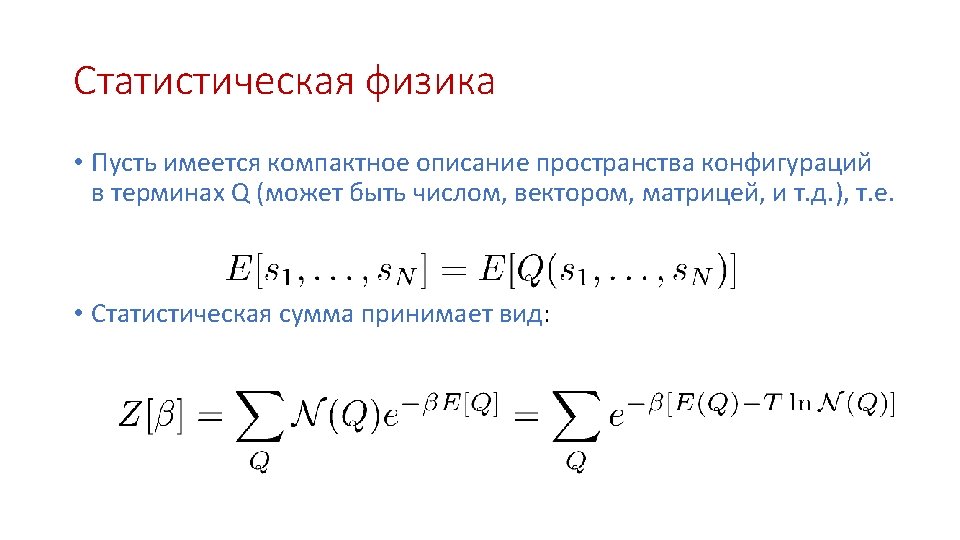
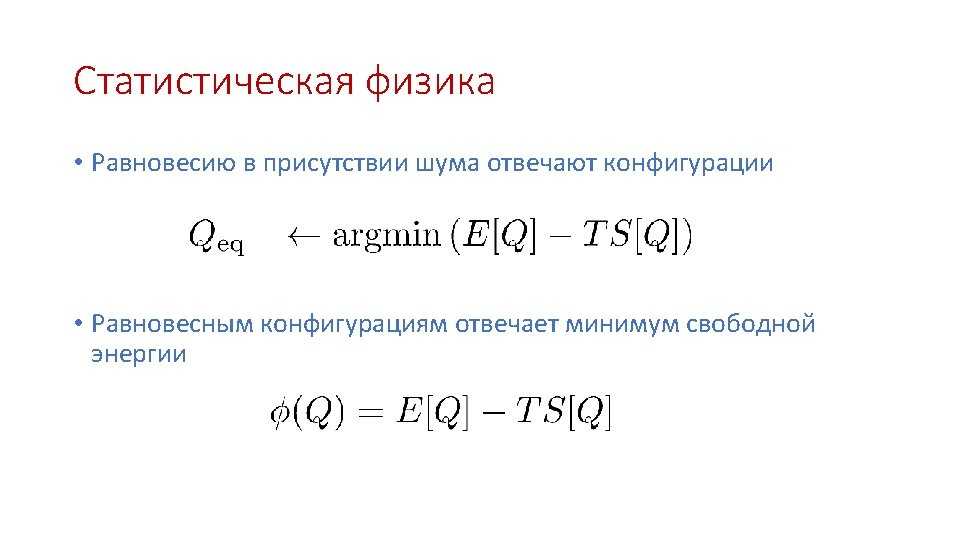
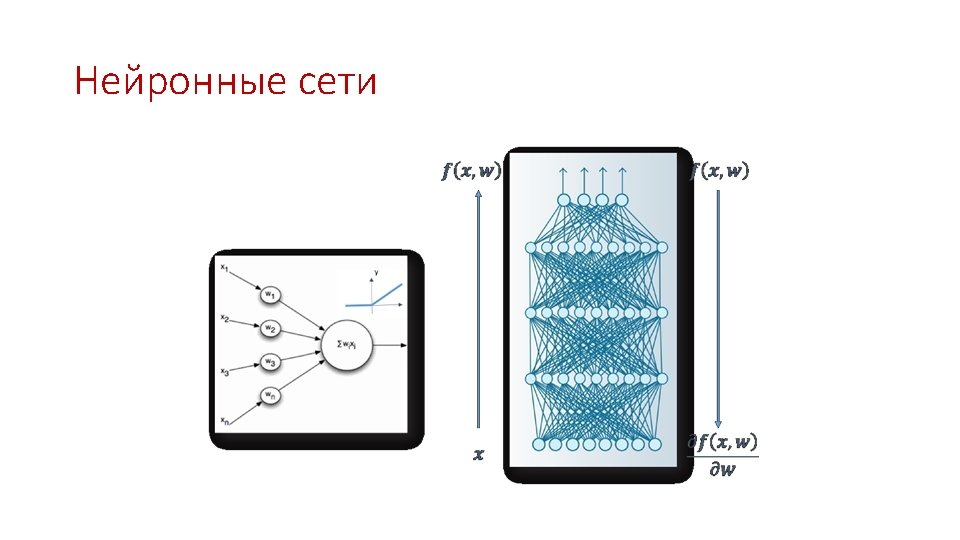
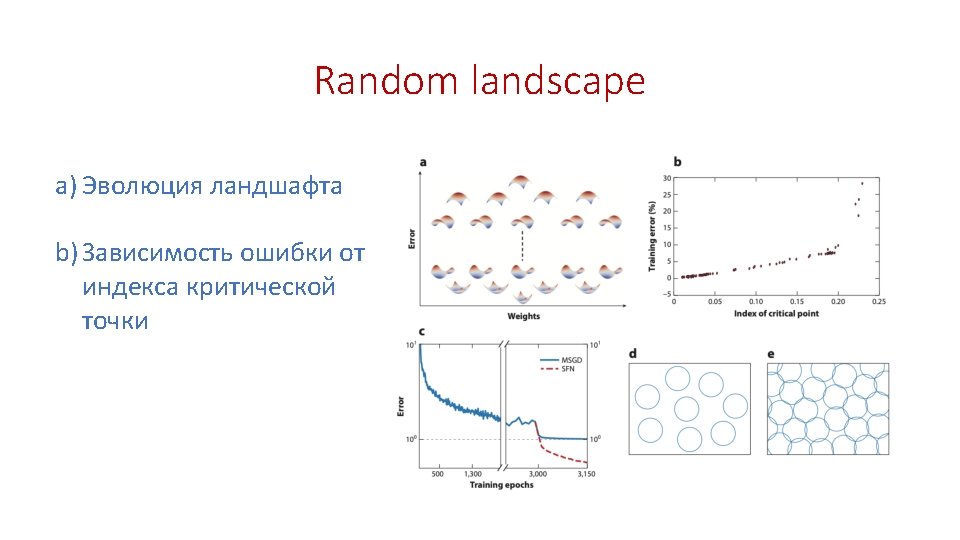
Interdisciplinary connections of DL • The recent striking success of deep neural networks in machine learning raises profound questions about theoretical principles underlying their success. For example, what can such deep networks compute? How can we train them? How does information propagate through them? Why can they generalize? And how can we teach them to imagine? • Methods of physical analysis rooted in statistical mechanics have begun to shed conceptual insights into these questions. These insights yield connections between deep learning and diverse physical and mathematical topics, including random landscapes, spin glasses, jamming, dynamical phase transitions, chaos, Riemannian geometry, random matrix theory, free probability, and nonequilibrium statistical mechanics. . Y. Barhi et al, Statistical Mechanics of Deep Learning, Annu. Rev. Condens. Matter Phys. 2020. 11: 501– 28
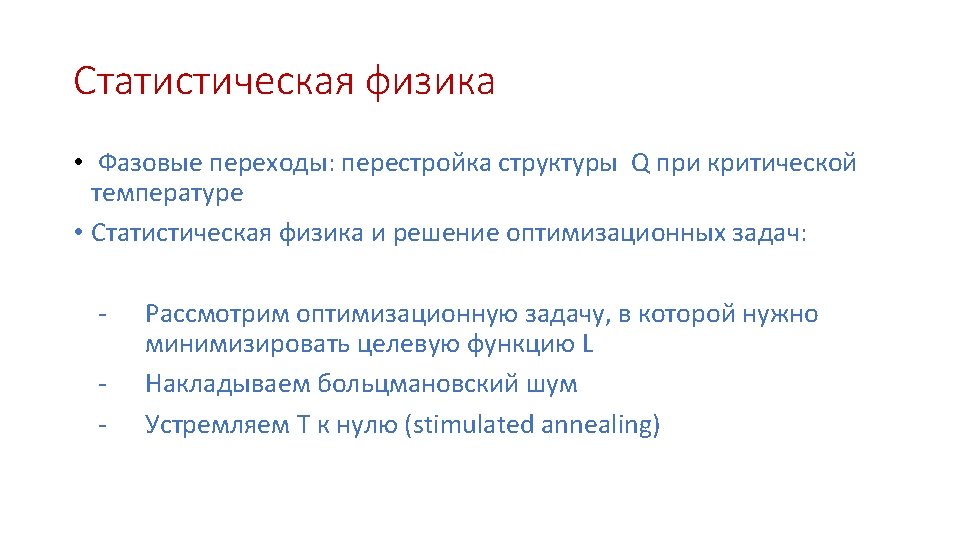
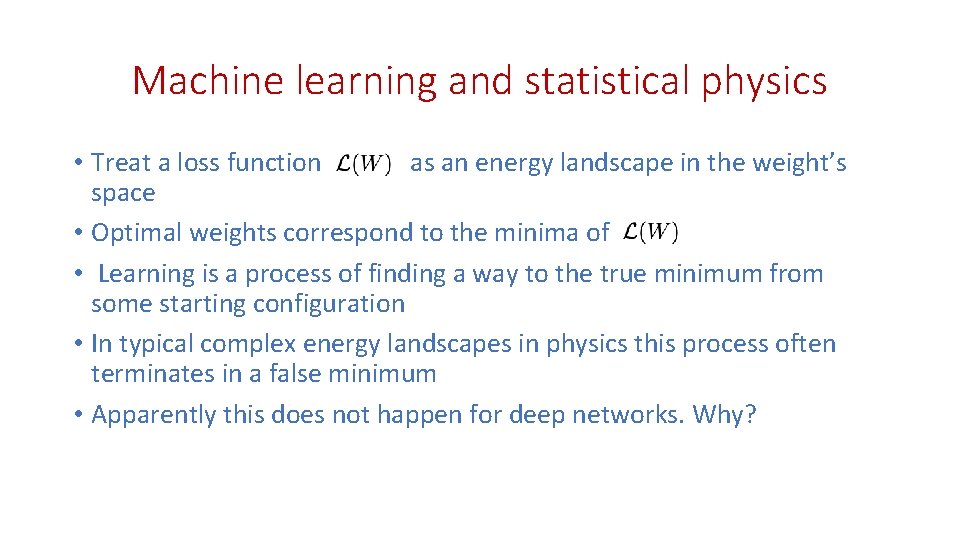
Machine learning and statistical physics • Treat a loss function as an energy landscape in the weight’s space • Optimal weights correspond to the minima of • Learning is a process of finding a way to the true minimum from some starting configuration • In typical complex energy landscapes in physics this process often terminates in a false minimum • Apparently this does not happen for deep networks. Why?
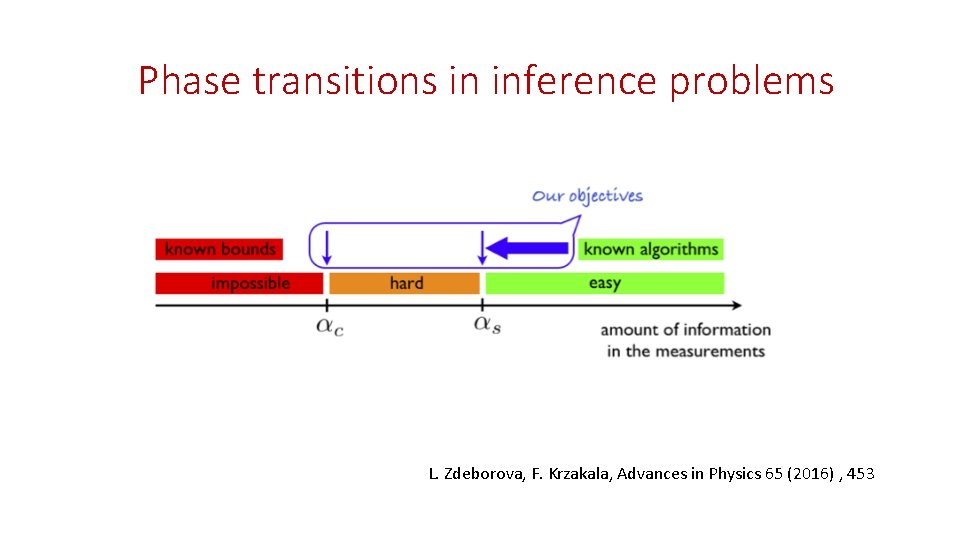
Phase transitions in inference problems L. Zdeborova, F. Krzakala, Advances in Physics 65 (2016) , 453
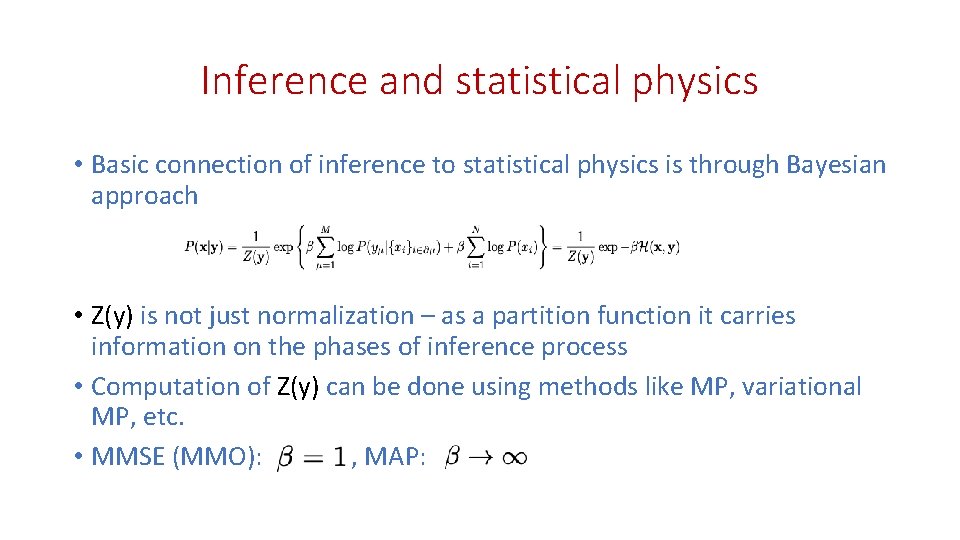
Inference and statistical physics • Basic connection of inference to statistical physics is through Bayesian approach • Z(y) is not just normalization – as a partition function it carries information on the phases of inference process • Computation of Z(y) can be done using methods like MP, variational MP, etc. • MMSE (MMO): , MAP:
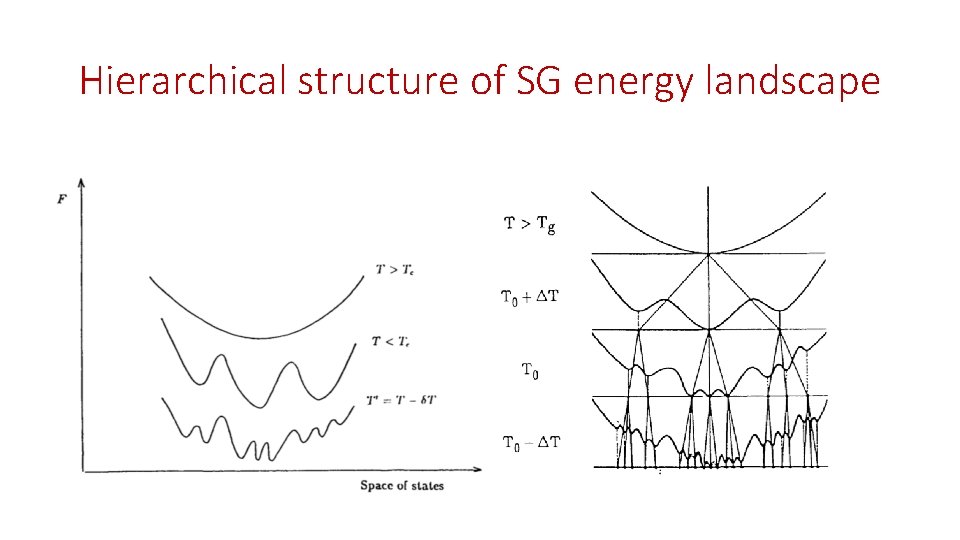
Hierarchical structure of SG energy landscape
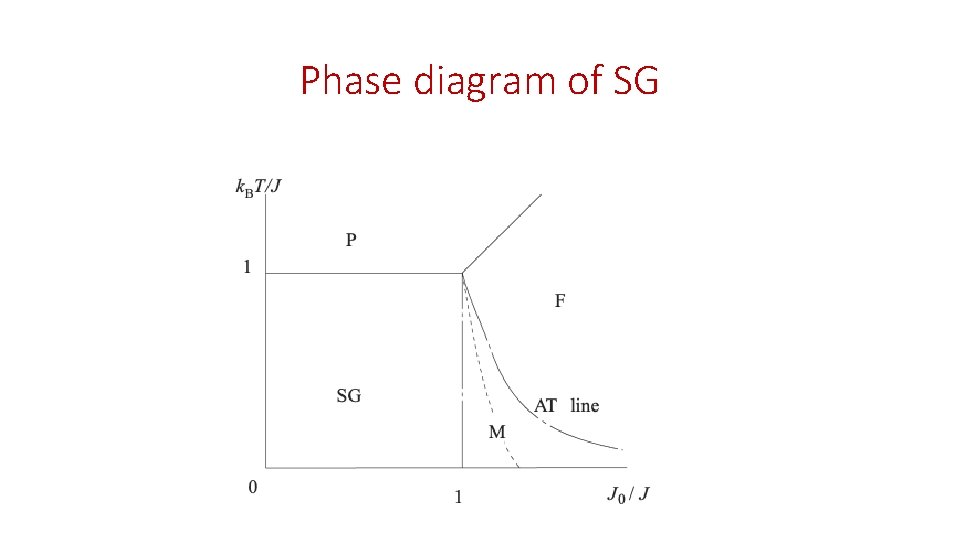
Phase diagram of SG
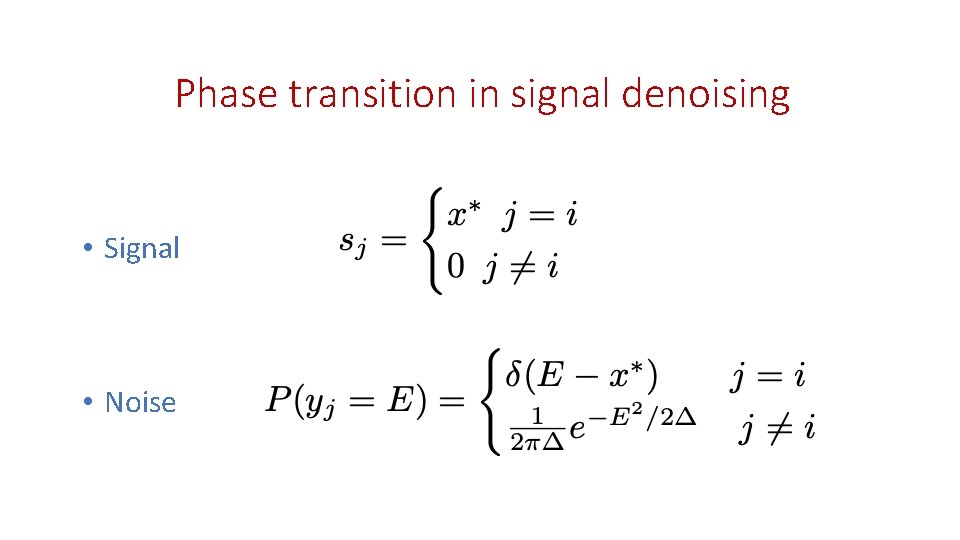
Phase transition in signal denoising • Signal • Noise
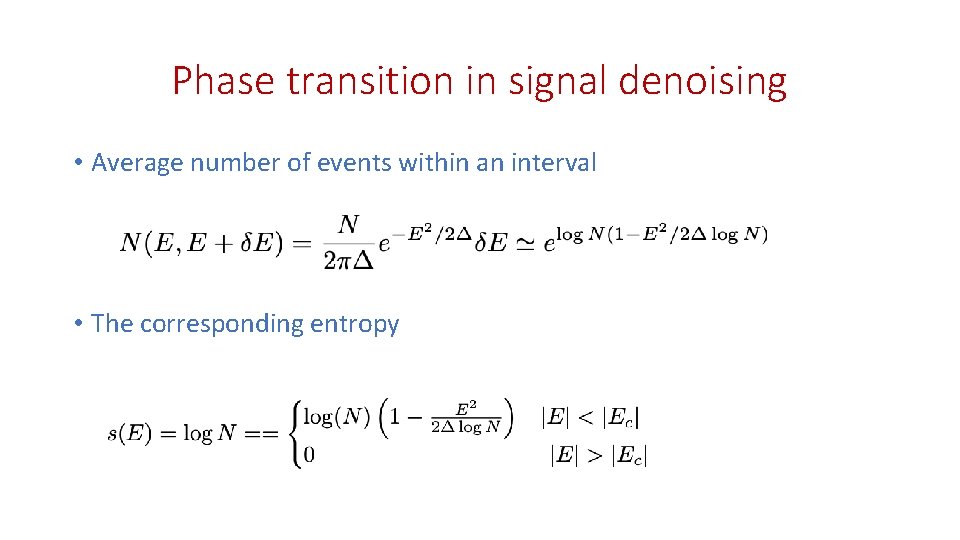
Phase transition in signal denoising • Average number of events within an interval • The corresponding entropy
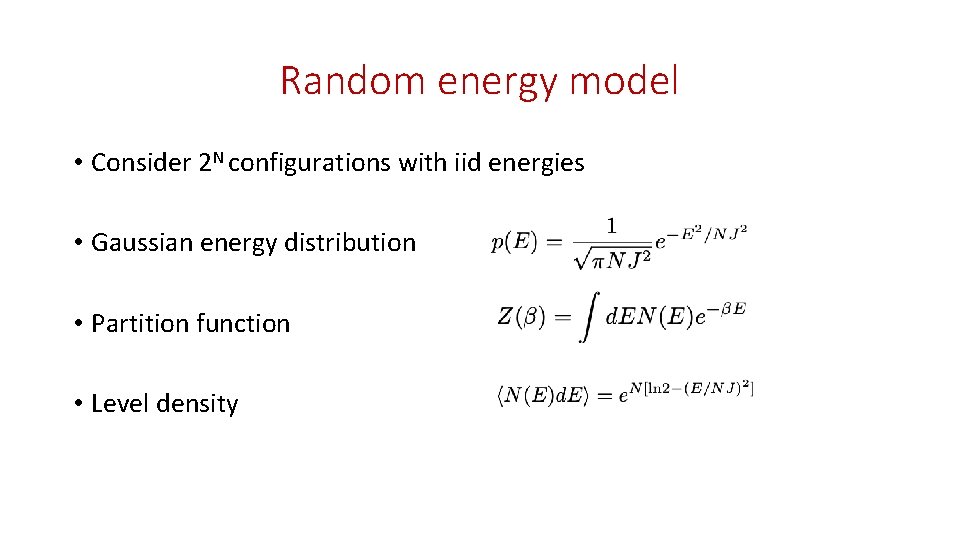
Random energy model • Consider 2 N configurations with iid energies • Gaussian energy distribution • Partition function • Level density
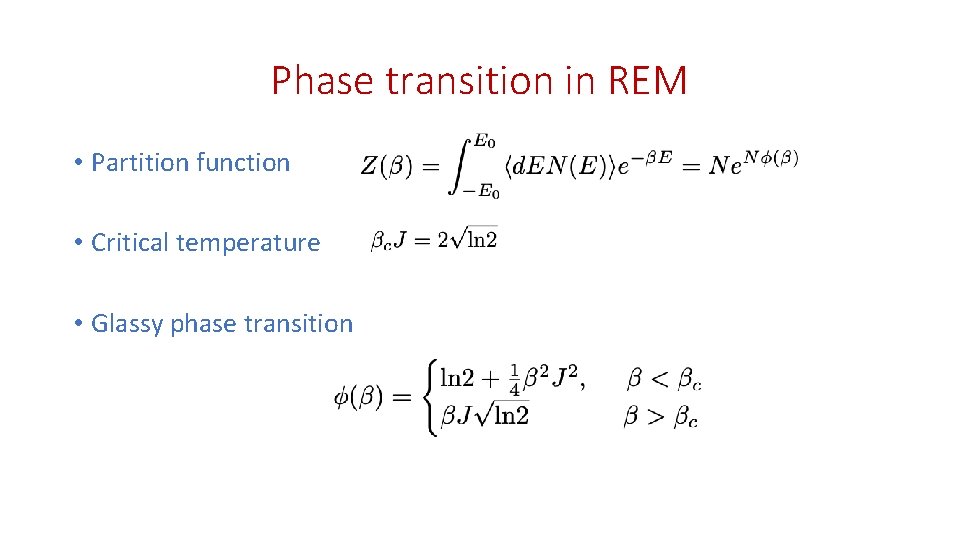
Phase transition in REM • Partition function • Critical temperature • Glassy phase transition
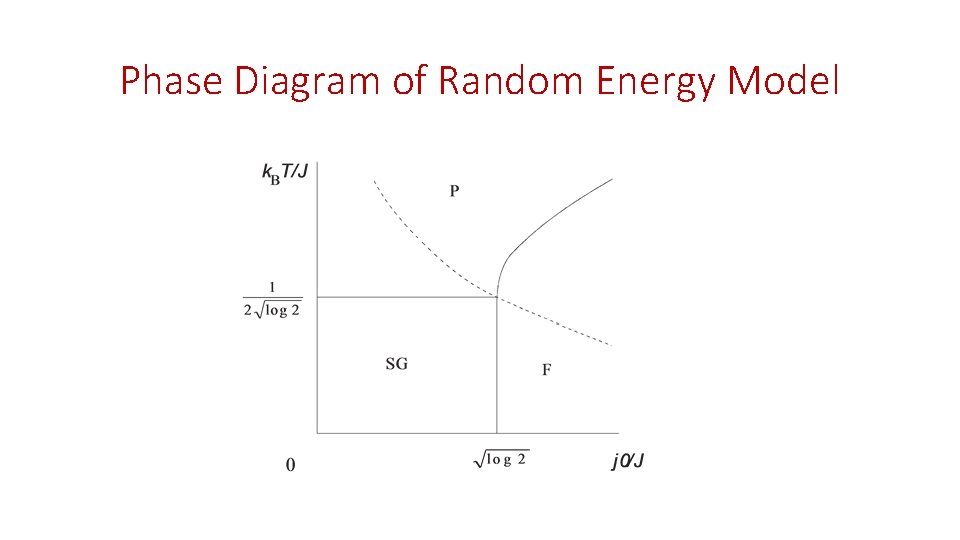
Phase Diagram of Random Energy Model
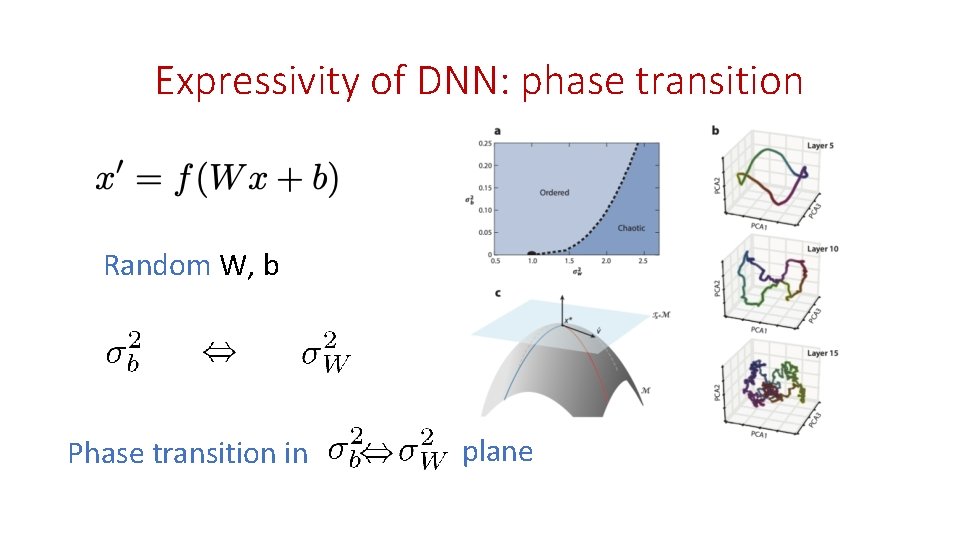
Expressivity of DNN: phase transition Random W, b Phase transition in plane
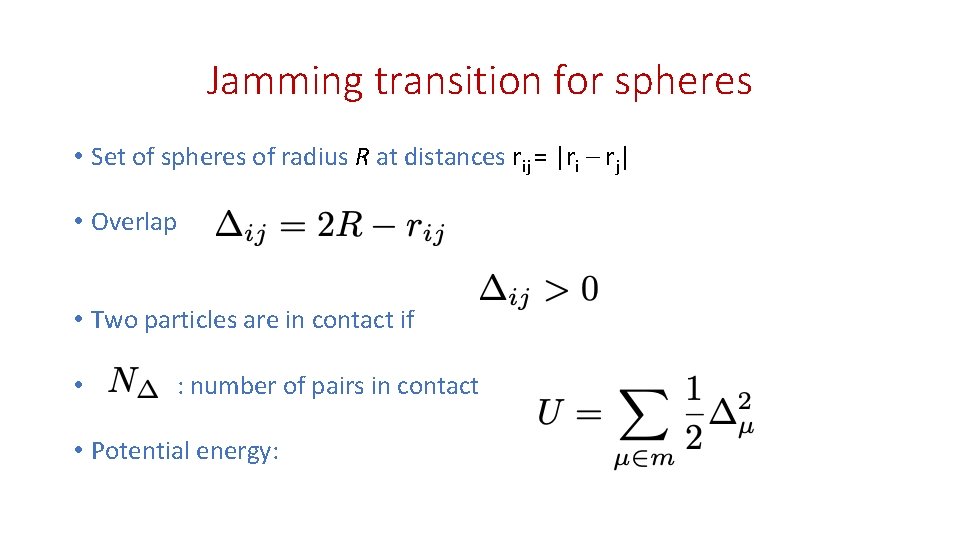
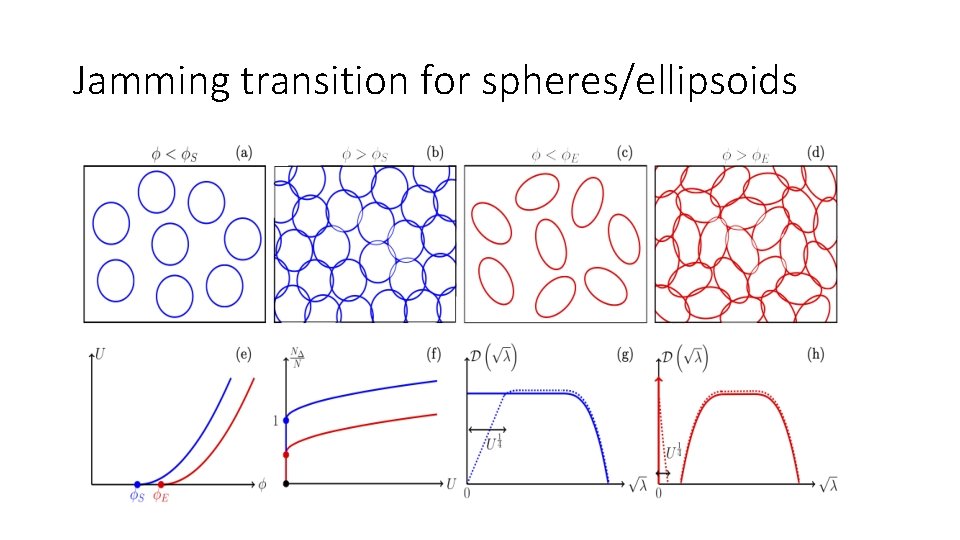
Jamming transition for spheres • Set of spheres of radius R at distances rij = |ri – rj| • Overlap • Two particles are in contact if • : number of pairs in contact • Potential energy:
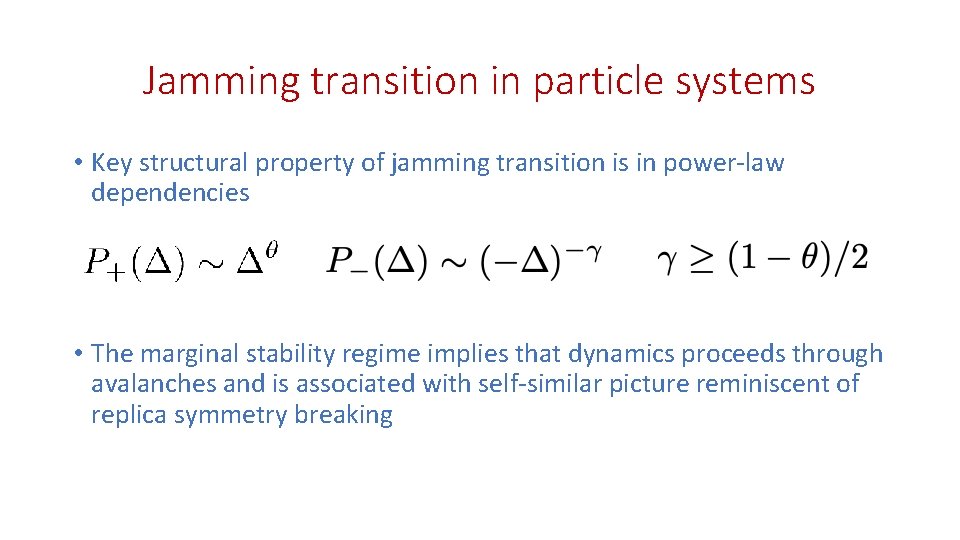
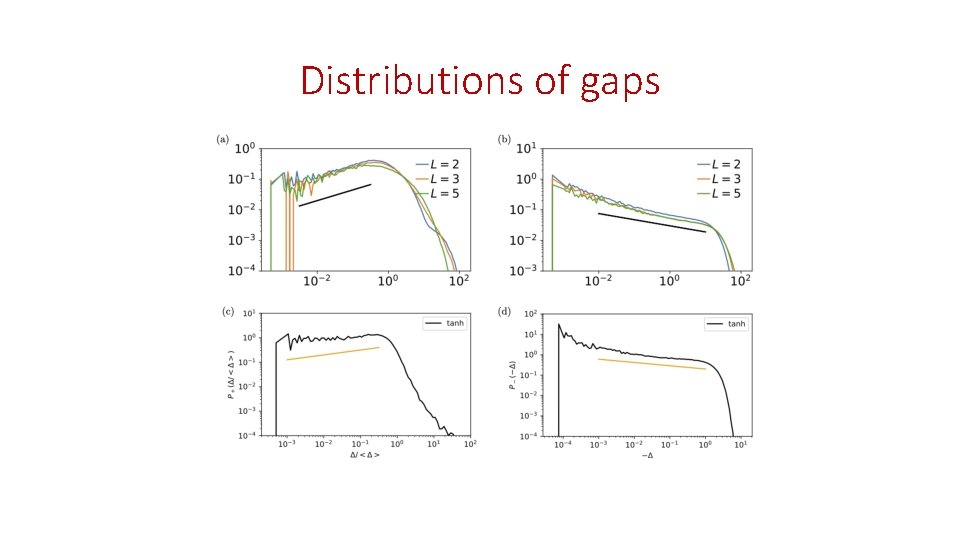
Jamming transition in particle systems • Key structural property of jamming transition is in power-law dependencies • The marginal stability regime implies that dynamics proceeds through avalanches and is associated with self-similar picture reminiscent of replica symmetry breaking
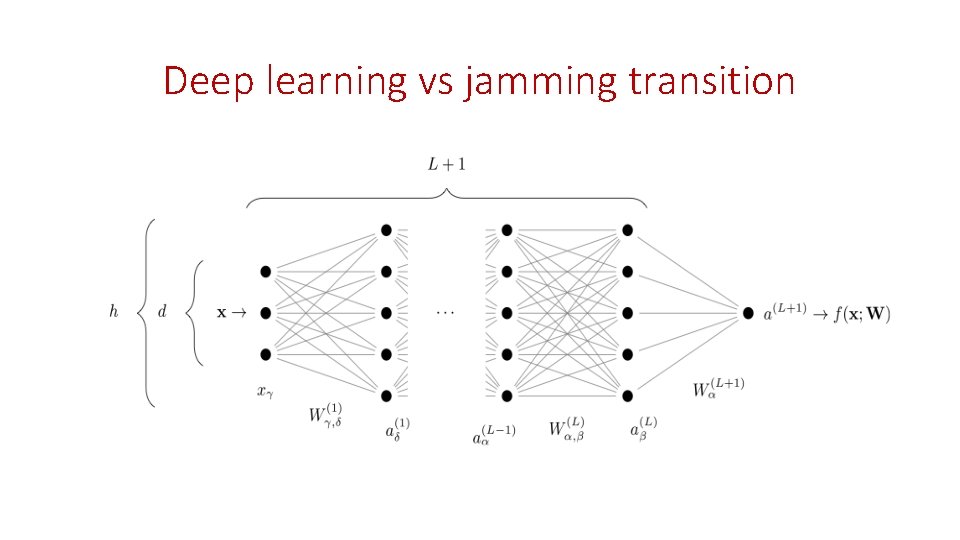
Deep learning vs jamming transition
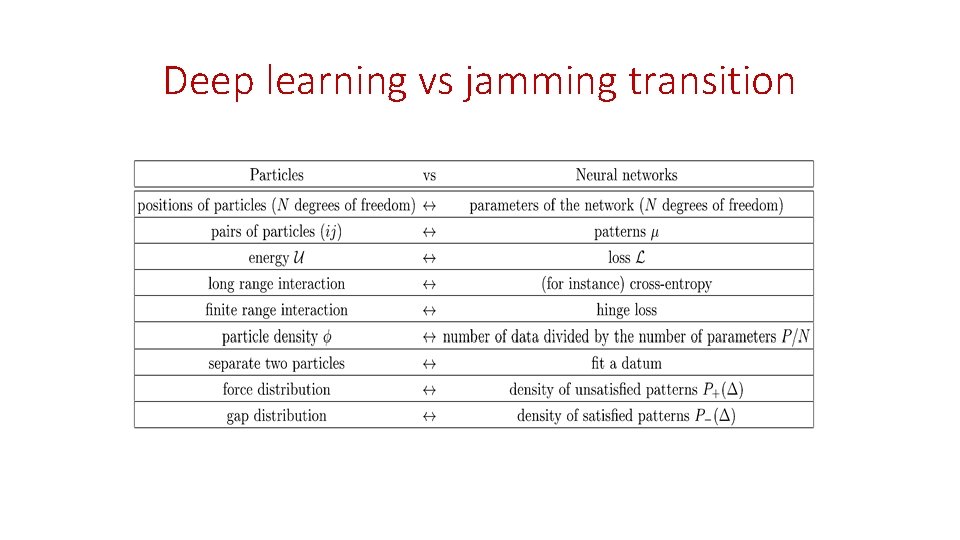
Deep learning vs jamming transition
Jamming transition for spheres/ellipsoids
Distributions of gaps
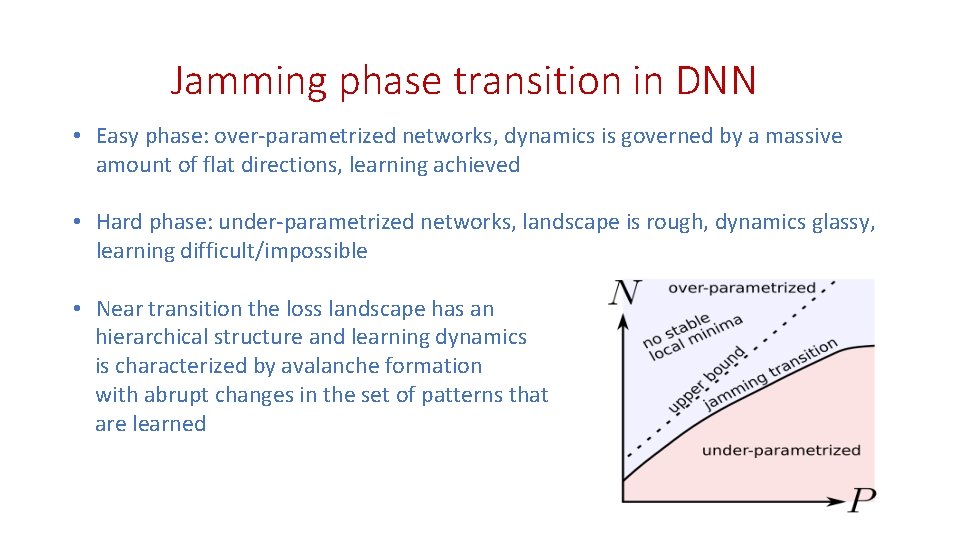
Jamming phase transition in DNN • Easy phase: over-parametrized networks, dynamics is governed by a massive amount of flat directions, learning achieved • Hard phase: under-parametrized networks, landscape is rough, dynamics glassy, learning difficult/impossible • Near transition the loss landscape has an hierarchical structure and learning dynamics is characterized by avalanche formation with abrupt changes in the set of patterns that are learned
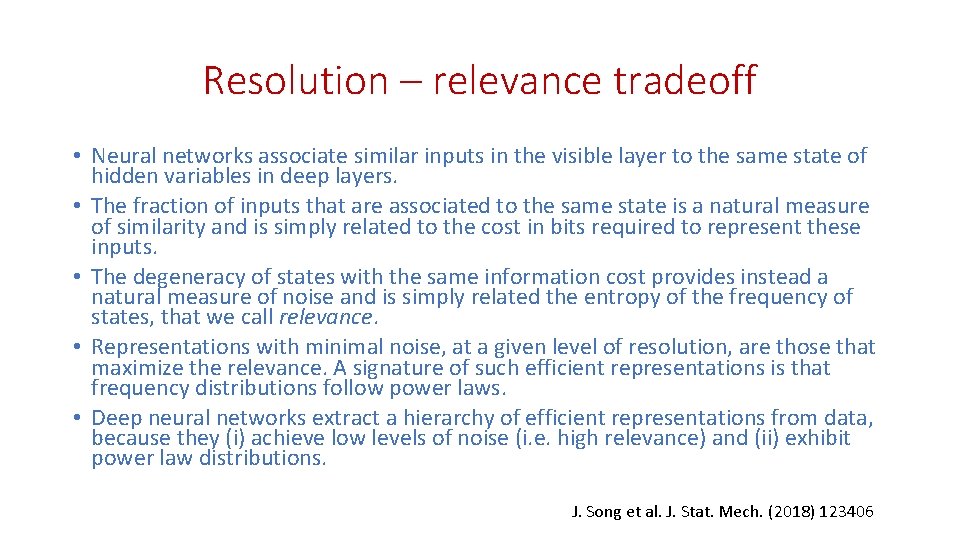
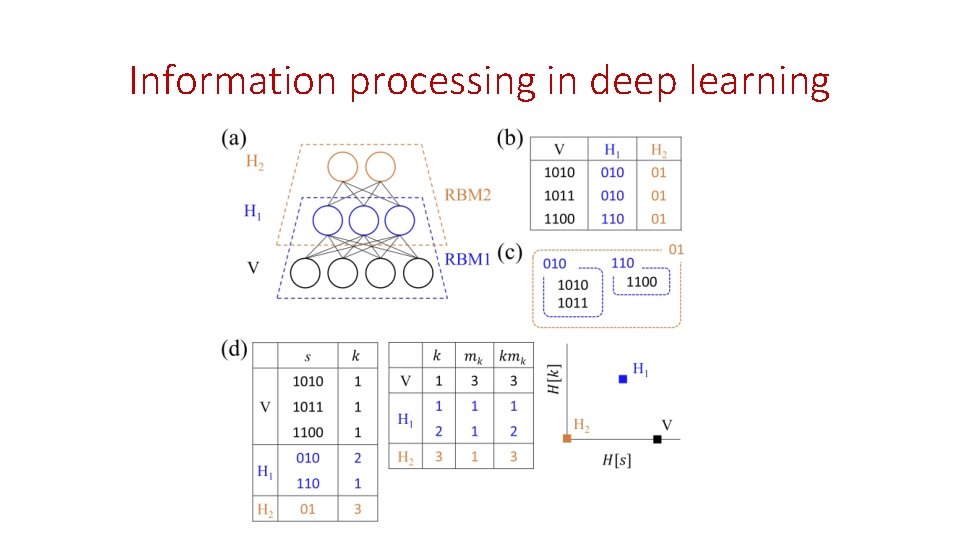
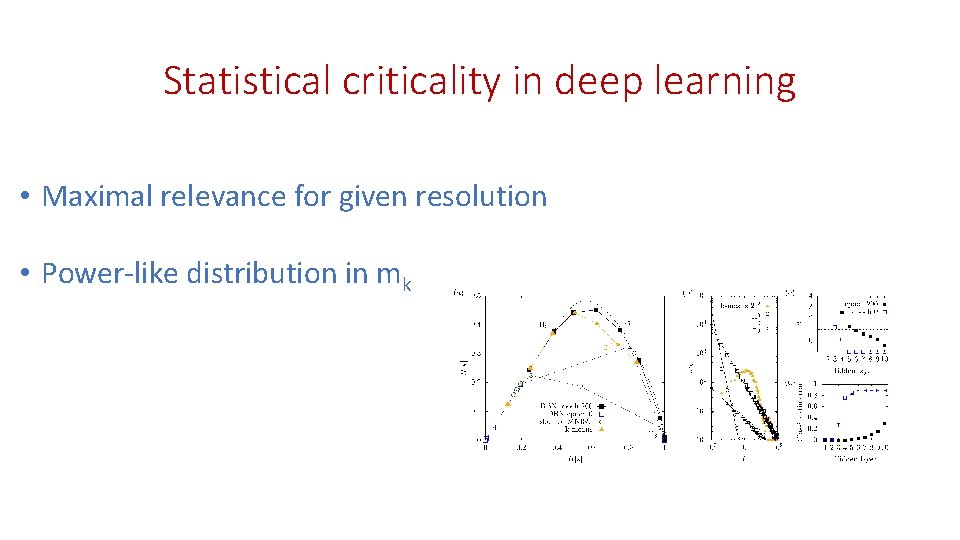
Resolution – relevance tradeoff • Neural networks associate similar inputs in the visible layer to the same state of hidden variables in deep layers. • The fraction of inputs that are associated to the same state is a natural measure of similarity and is simply related to the cost in bits required to represent these inputs. • The degeneracy of states with the same information cost provides instead a natural measure of noise and is simply related the entropy of the frequency of states, that we call relevance. • Representations with minimal noise, at a given level of resolution, are those that maximize the relevance. A signature of such efficient representations is that frequency distributions follow power laws. • Deep neural networks extract a hierarchy of efficient representations from data, because they (i) achieve low levels of noise (i. e. high relevance) and (ii) exhibit power law distributions. J. Song et al. J. Stat. Mech. (2018) 123406
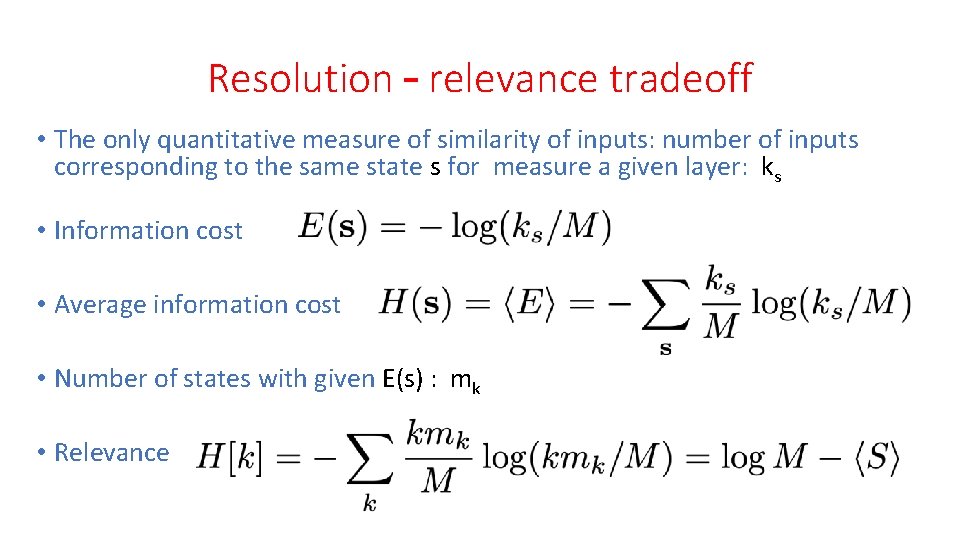
Resolution – relevance tradeoff • The only quantitative measure of similarity of inputs: number of inputs corresponding to the same state s for measure a given layer: ks • Information cost • Average information cost • Number of states with given E(s) : mk • Relevance
Information processing in deep learning
Statistical criticality in deep learning • Maximal relevance for given resolution • Power-like distribution in mk