
Interdependent Relationships in Ecosystems Ecology Ecosystems Ecosystem a
- Slides: 16
Interdependent Relationships in Ecosystems
Ecology & Ecosystems Ecosystem: a unit of nature and the focus of study in ecology. It consists of all the biotic and abiotic factors in an area and their interactions. Biotic factors are living factors in an organism’s environment. Abiotic factors are nonliving factors in an organism’s environment Ecology is the study of how organisms react with one another and their environment.
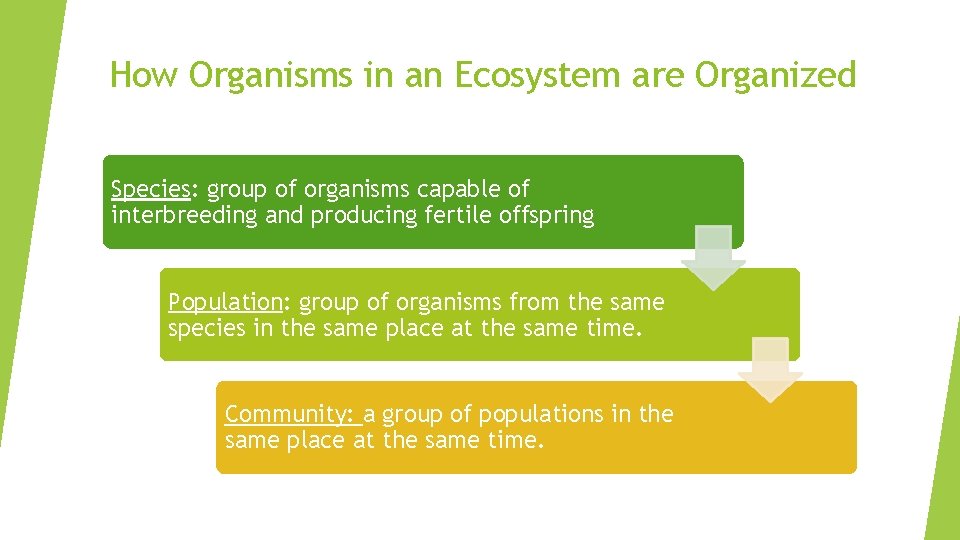
How Organisms in an Ecosystem are Organized Species: group of organisms capable of interbreeding and producing fertile offspring Population: group of organisms from the same species in the same place at the same time. Community: a group of populations in the same place at the same time.
Examples red squirrel- species A bunch of red squirrels living in the forest behind your housepopulation A bunch of red squirrels, coyotes, wood peckers and salamanders living in the forest behind your house- community
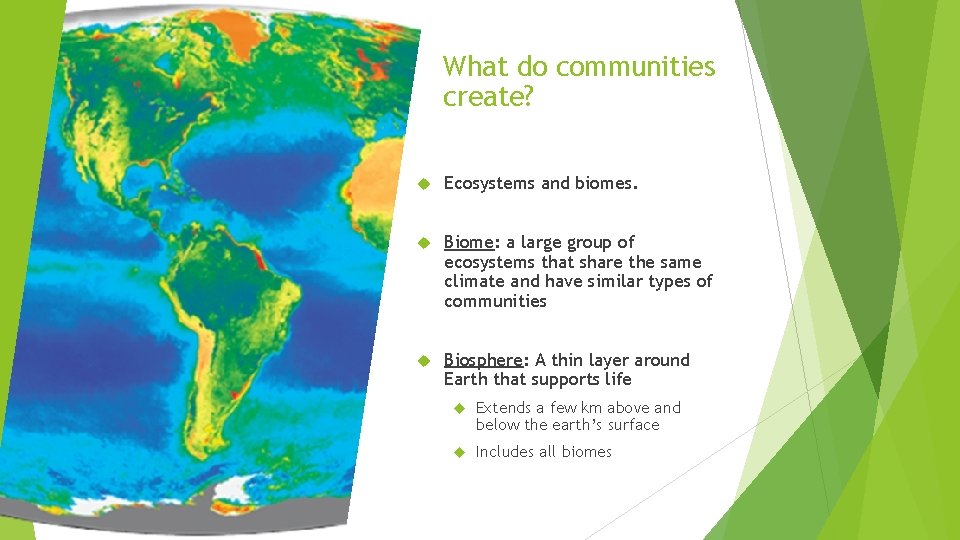
What do communities create? Ecosystems and biomes. Biome: a large group of ecosystems that share the same climate and have similar types of communities Biosphere: A thin layer around Earth that supports life Extends a few km above and below the earth’s surface Includes all biomes
“Fitting in” in the Ecosystem Habitat- place where an organism lives E. g. Mr. Carter’s habitat during the school day is his science classroom. Niche-role or job, of an organism in the ecosystem. E. g. Mr. Carter’s role in the school is to teach you about science.
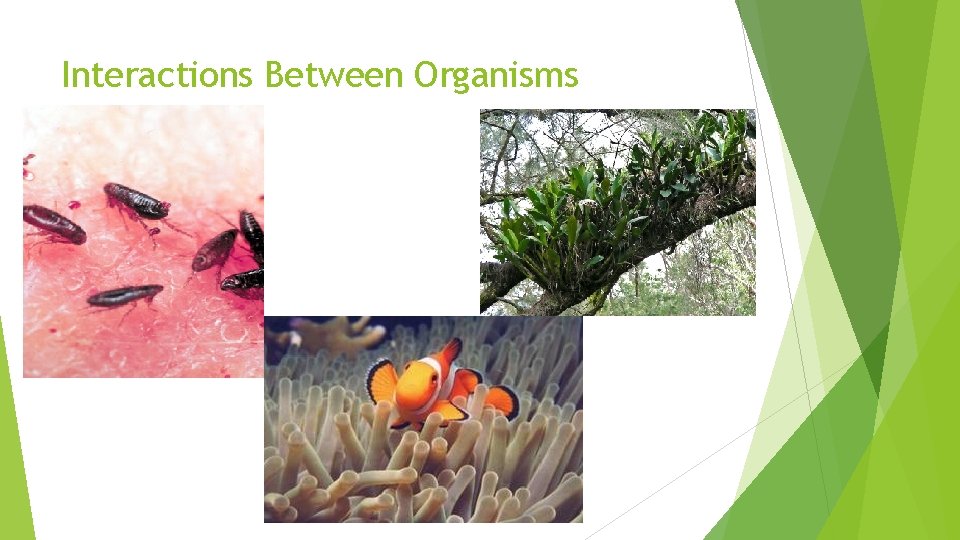
Interactions Between Organisms Symbiosis is the interactions between two different species. Mutualism: is an interaction between two species in which both species benefit Commensalism: interaction between two species in which one species benefits and the other neither benefits nor is harmed Parasitism: interaction between two species in which one species benefits while the other is harmed.
Interactions Between Organisms
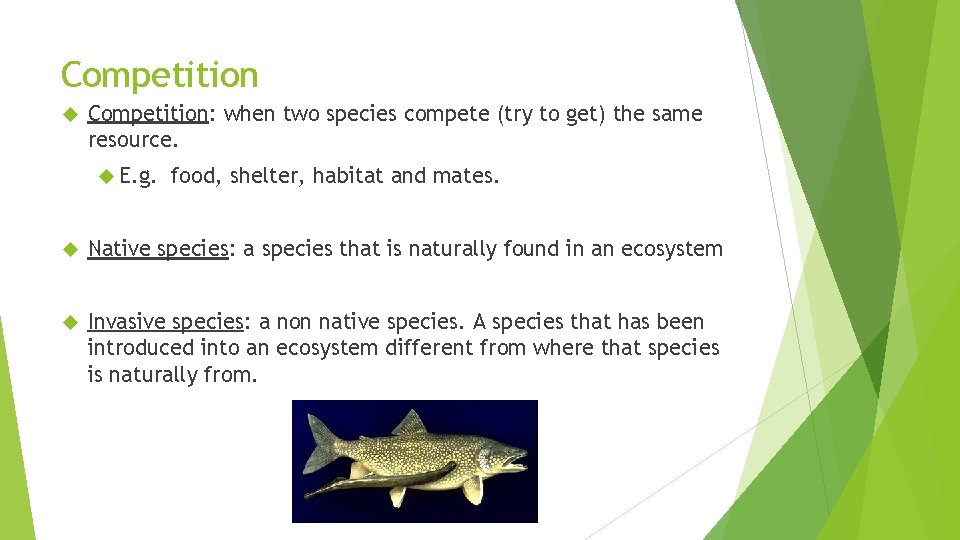
Competition Competition: when two species compete (try to get) the same resource. E. g. food, shelter, habitat and mates. Native species: a species that is naturally found in an ecosystem Invasive species: a non native species. A species that has been introduced into an ecosystem different from where that species is naturally from.
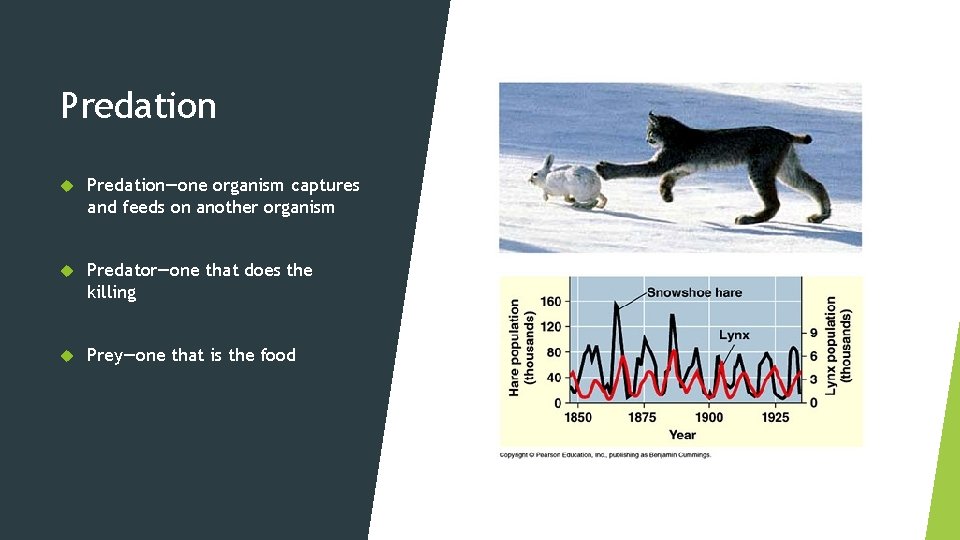
Predation Predation—one organism captures and feeds on another organism Predator—one that does the killing Prey—one that is the food
Characteristics of population Population Density- number of organisms in a population that occupy a definite area. Ex. MI-175 people/square mile; U. S. - Limiting 88 people/square mile Factors- any abiotic or biotic factors that limits the number of organisms in a population. What might some of these be?
Characteristics of population Carrying capacity- the largest number of organisms of a species that an environment can support and maintain for a long period of time. What are some limiting factors that have an influence on carrying capacity?
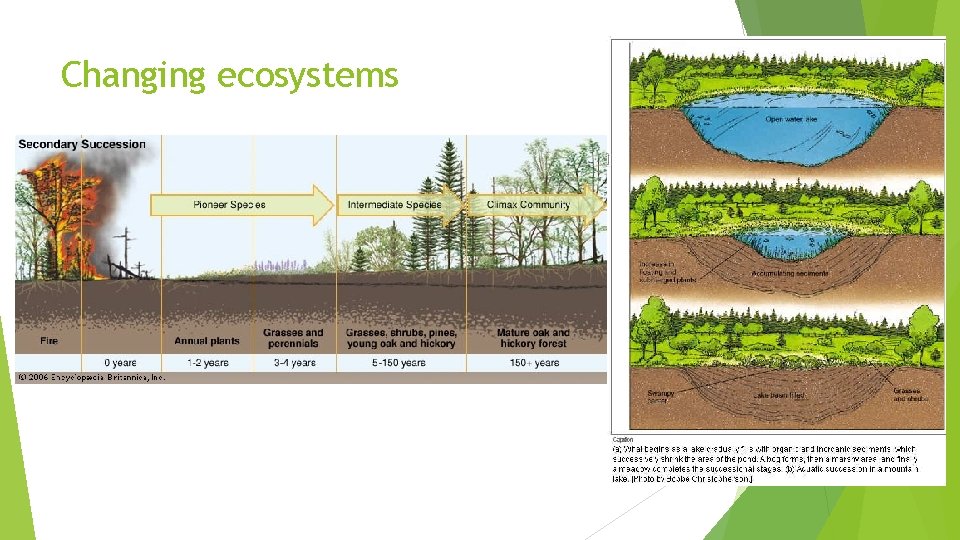
Changing ecosystems Succession- when ecosystems change naturally over time. Pioneer Species- First species to start inhabiting an area after change has occurred. (Ex. lichens) Ecosystems can change naturally(succession) or can be altered by humans. Human intervention can sometimes restore a ecosystem that has been damaged by nature or humans.
Changing ecosystems
Environmental Concerns in Ecosystems Habitat destruction: Human impacts and natural disasters Runoff: Leads to coastal dead zones, eutrophication and general poisoning. Dead zones and eutrophication are the result of extreme algae growth and then die off. Bacteria decomposing algae use up all dissolved oxygen in the water. NO OXYGEN= NO LIFE Industrial Pollution: Acid rain, increased green house gases and environmental contamination Resource use and abuse: overfishing/hunting, littering/dumps, deforestation, extraction of resources.
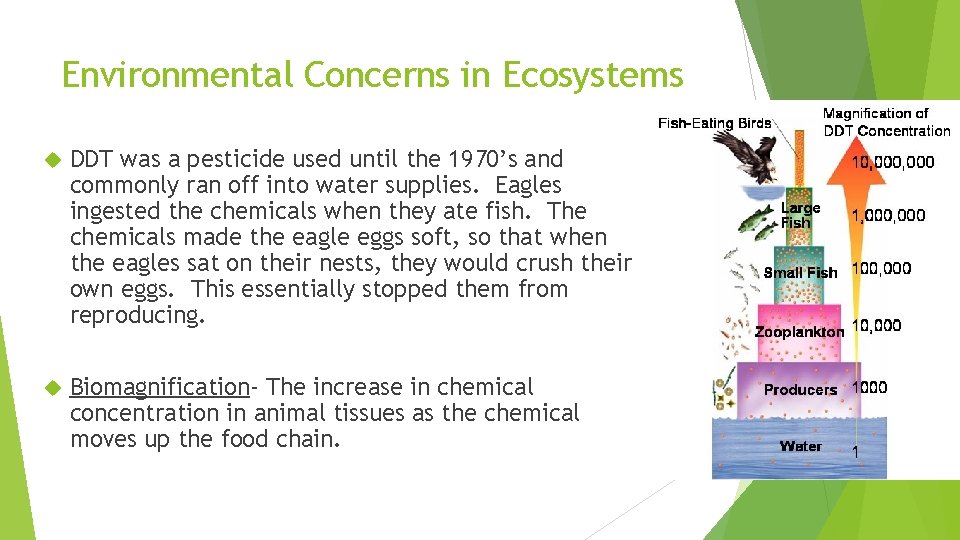
Environmental Concerns in Ecosystems DDT was a pesticide used until the 1970’s and commonly ran off into water supplies. Eagles ingested the chemicals when they ate fish. The chemicals made the eagle eggs soft, so that when the eagles sat on their nests, they would crush their own eggs. This essentially stopped them from reproducing. Biomagnification- The increase in chemical concentration in animal tissues as the chemical moves up the food chain.