
Intercultural Communication ArabIslamic culture Joud Shafiq WORDS ACTIONS
Intercultural Communication Arab/Islamic culture Joud Shafiq
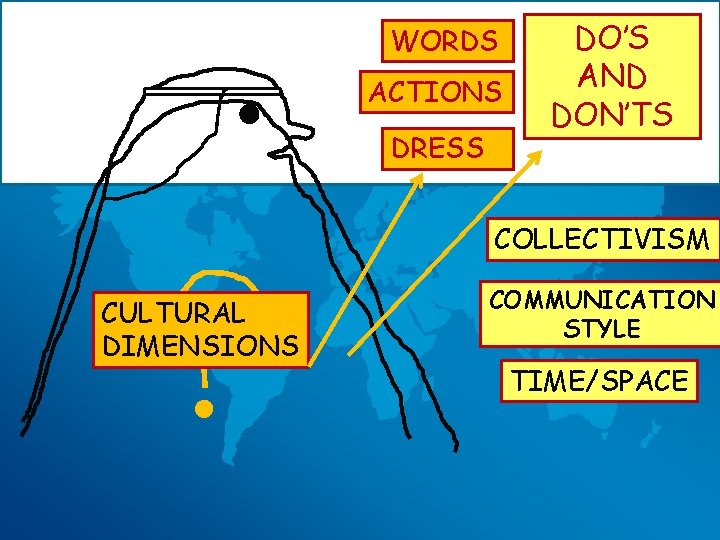
WORDS ACTIONS DRESS DO’S AND DON’TS COLLECTIVISM CULTURAL DIMENSIONS COMMUNICATION STYLE TIME/SPACE
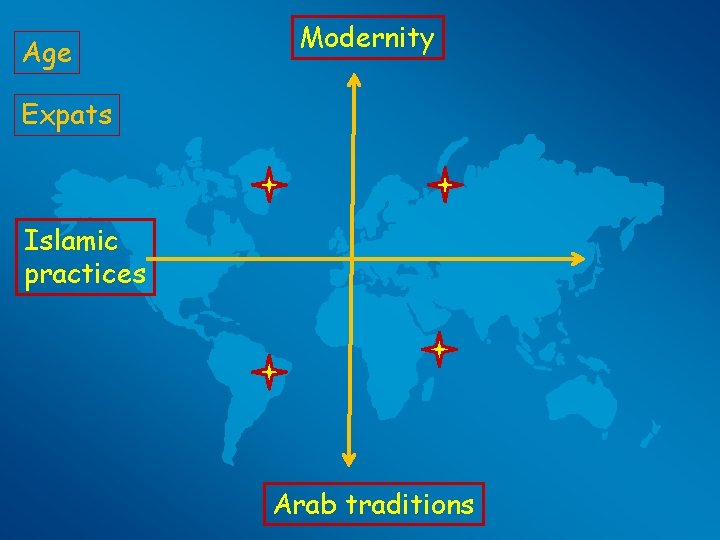
Age Modernity Expats Islamic practices Arab traditions
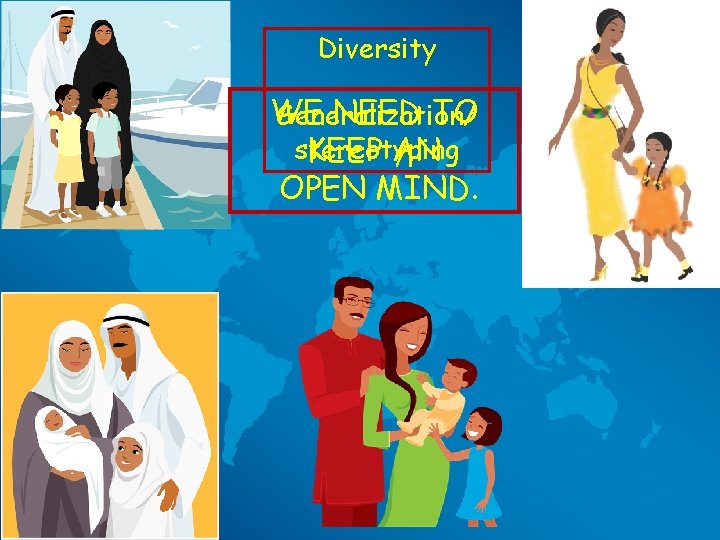
Diversity WE NEED TO Generalization/ stereotyping KEEP AN OPEN MIND.
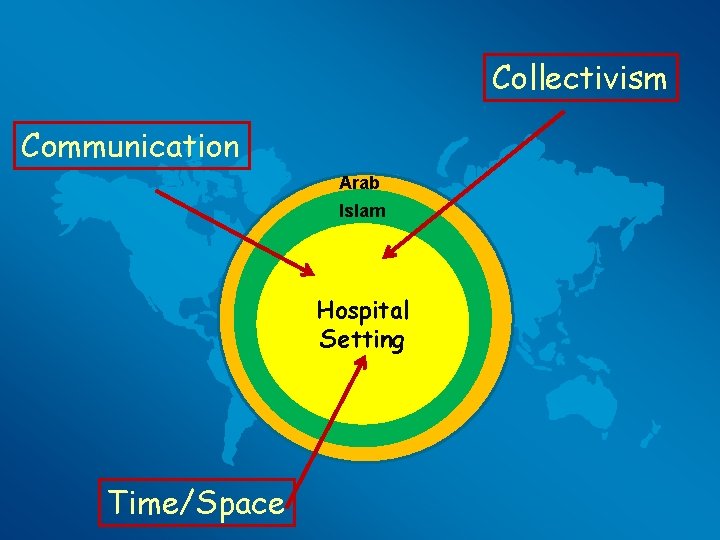
Collectivism Communication Arab Islam Hospital Setting Time/Space
Collectivism/Individualism Hofstede
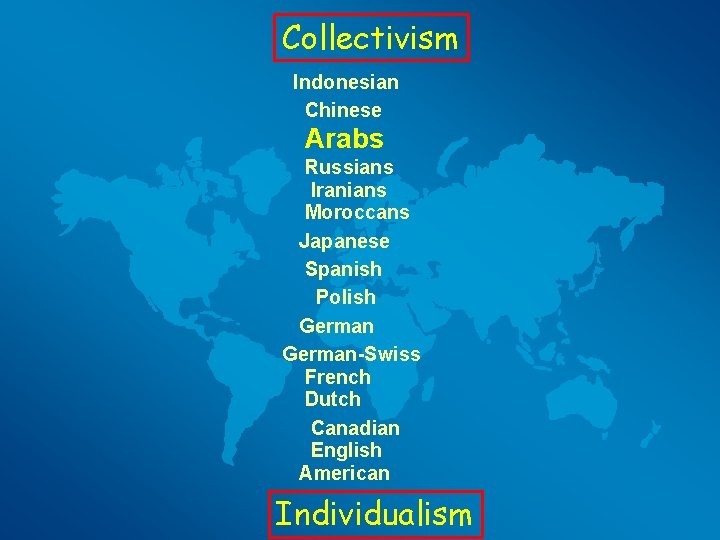
Collectivism Indonesian Chinese Arabs Russians Iranians Moroccans Japanese Spanish Polish German-Swiss French Dutch Canadian English American Individualism
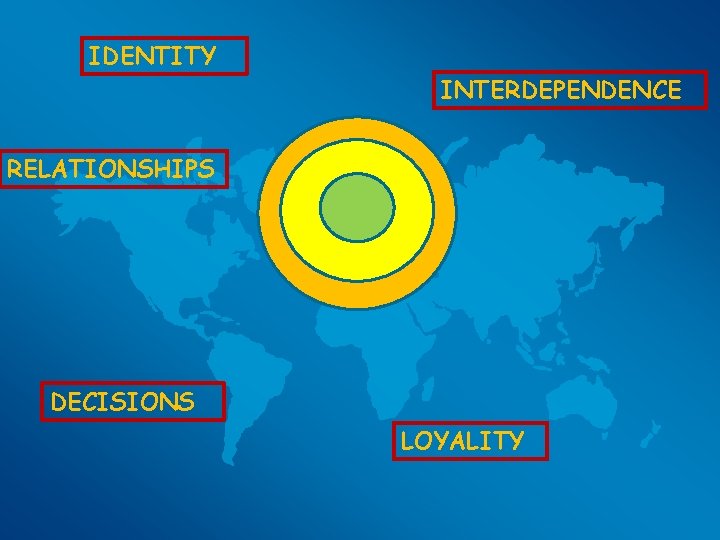
IDENTITY INTERDEPENDENCE RELATIONSHIPS DECISIONS LOYALITY
COMMUNICATION • Context/Content. • Direct/Indirect. Hall
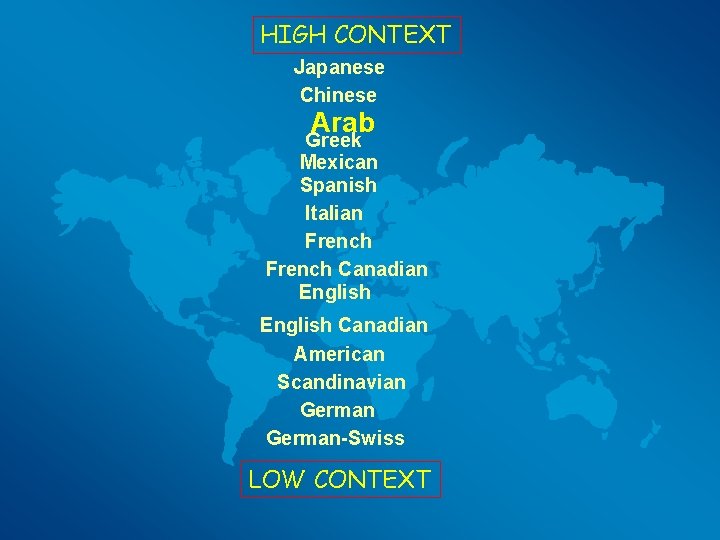
HIGH CONTEXT Japanese Chinese Arab Greek Mexican Spanish Italian French Canadian English Canadian American Scandinavian German-Swiss LOW CONTEXT
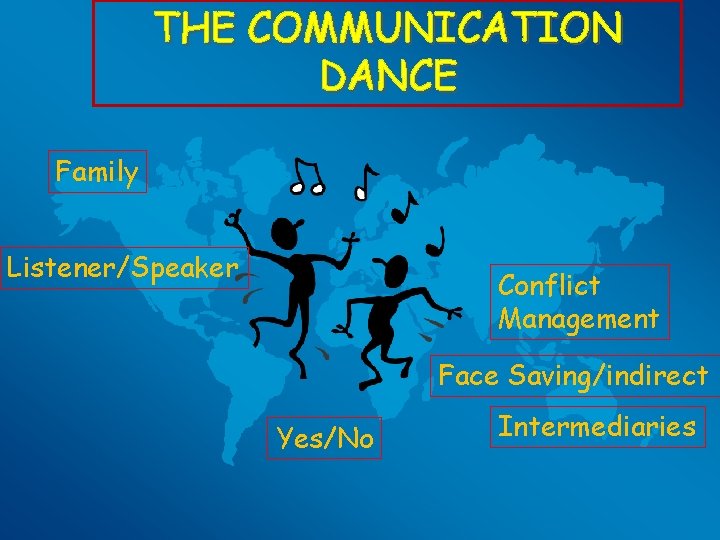
THE COMMUNICATION DANCE Family Listener/Speaker Conflict Management Face Saving/indirect Yes/No Intermediaries
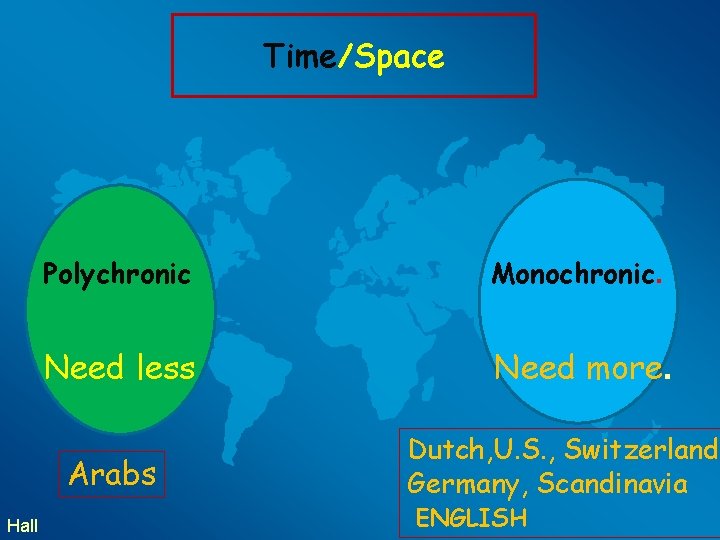
Time/Space Polychronic Monochronic. Need less Need more. Arabs Hall Dutch, U. S. , Switzerland Germany, Scandinavia ENGLISH
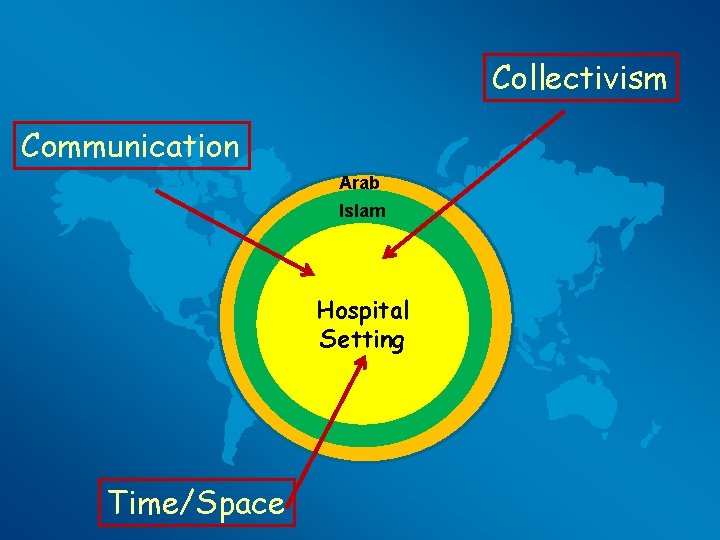
Collectivism Communication Arab Islam Hospital Setting Time/Space
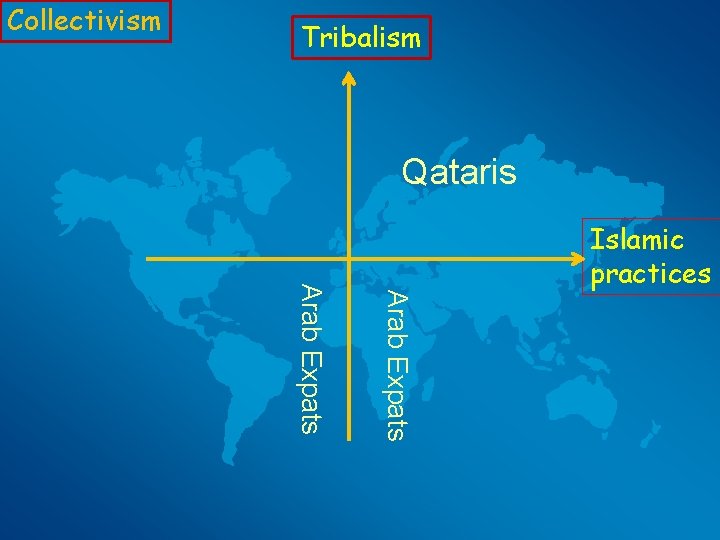
Collectivism Tribalism Qataris Arab Expats Islamic practices
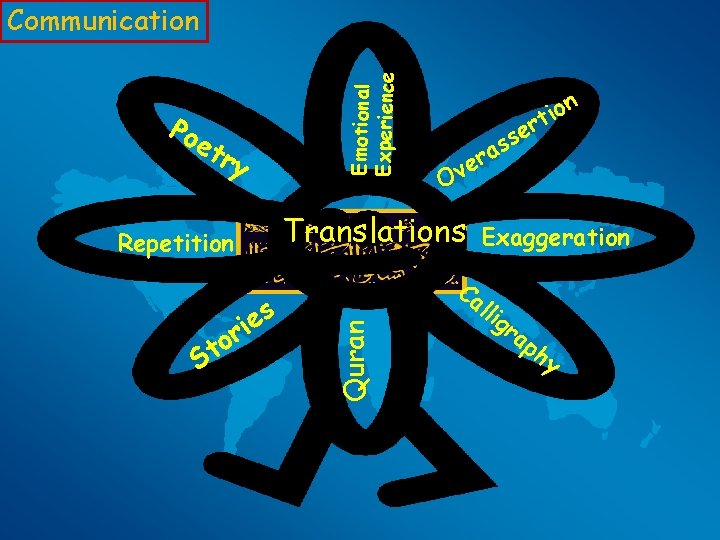
et ry o t S Ov s e i r n o i t r e ss a r e Translations Repetition Exaggeration Ca l Quran Po Emotional Experience Communication lig ra ph y
Significance of the “Right”. Interaction between the sexes.
Preventative measures Modesty
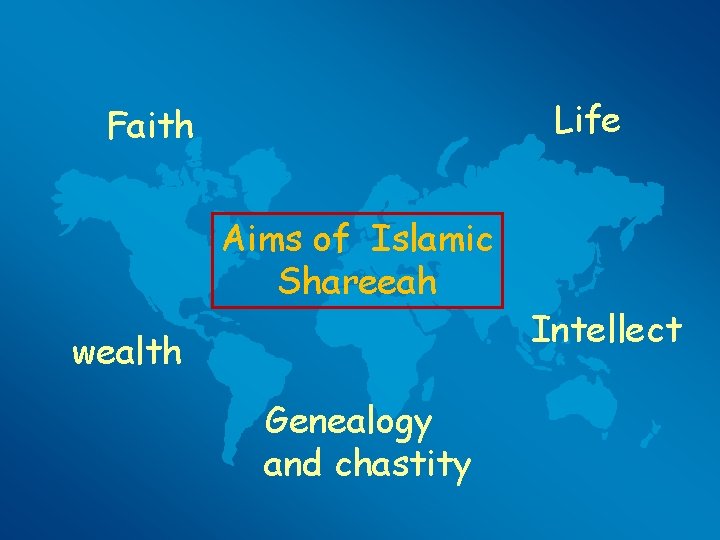
Life Faith Aims of Islamic Shareeah wealth Genealogy and chastity Intellect
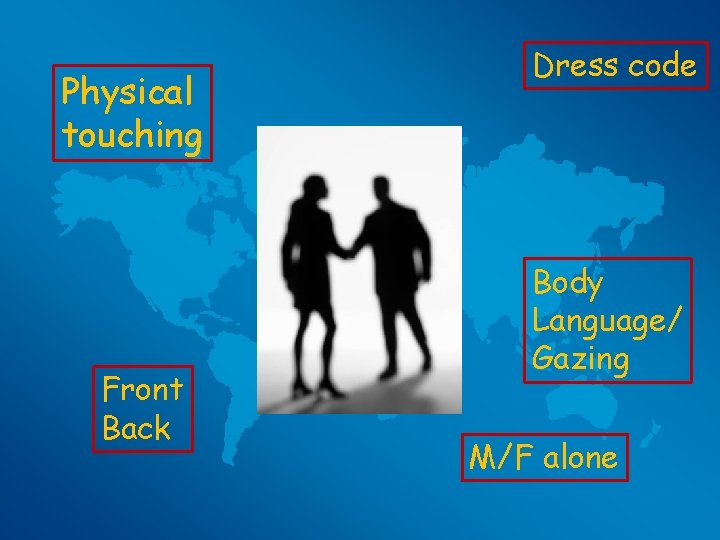
Physical touching Front Back Dress code Body Language/ Gazing M/F alone
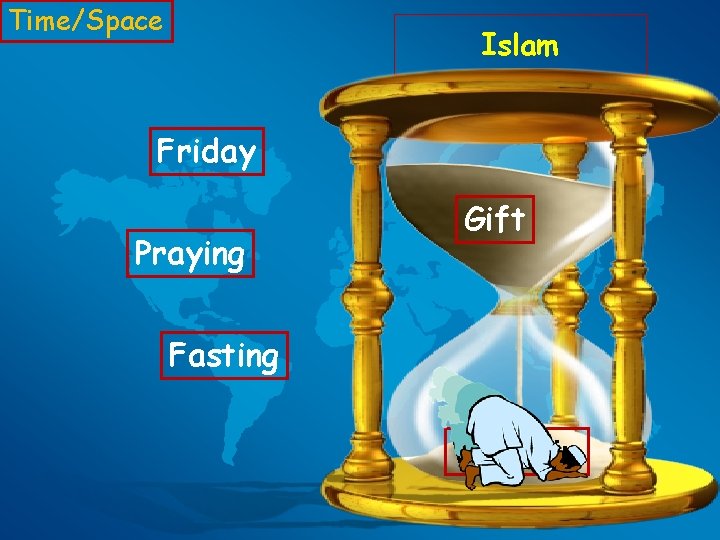
Time/Space Islam Friday Praying Gift Fasting Worship
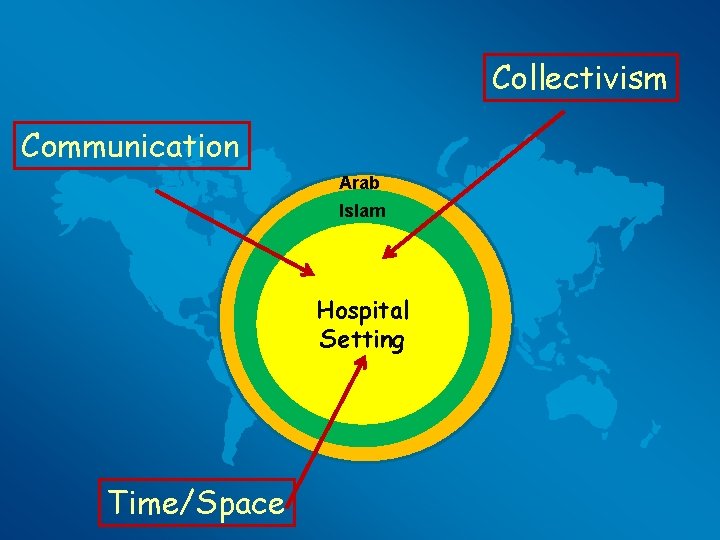
Collectivism Communication Arab Islam Hospital Setting Time/Space
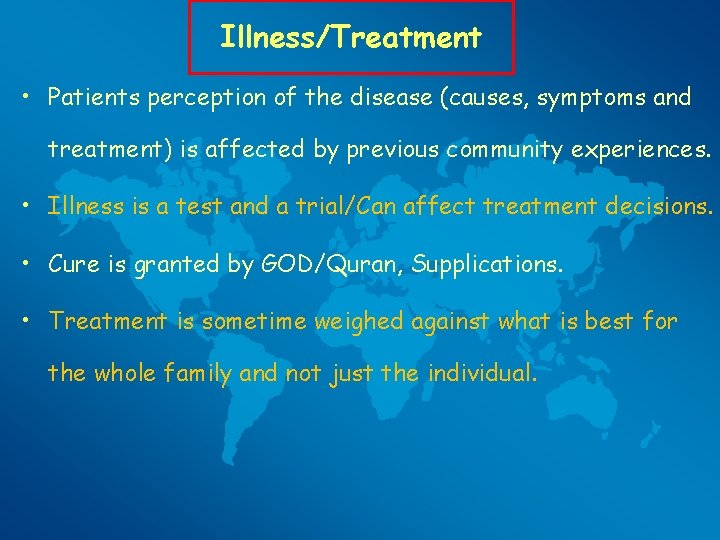
Illness/Treatment • Patients perception of the disease (causes, symptoms and treatment) is affected by previous community experiences. • Illness is a test and a trial/Can affect treatment decisions. • Cure is granted by GOD/Quran, Supplications. • Treatment is sometime weighed against what is best for the whole family and not just the individual.
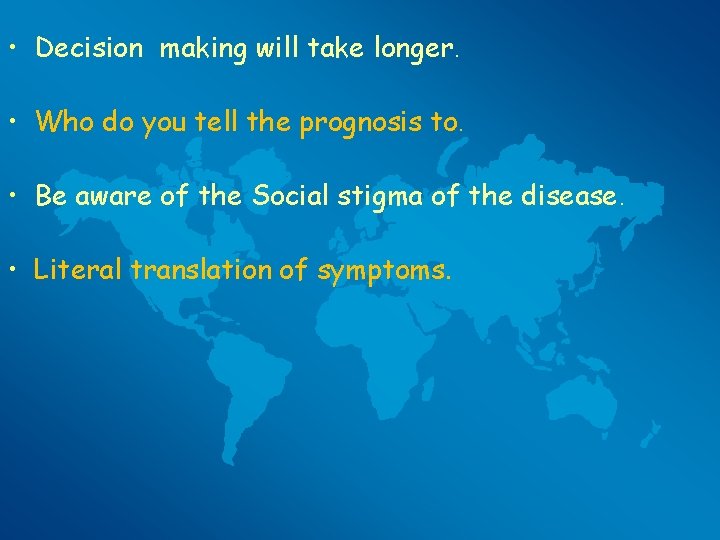
• Decision making will take longer. • Who do you tell the prognosis to. • Be aware of the Social stigma of the disease. • Literal translation of symptoms.
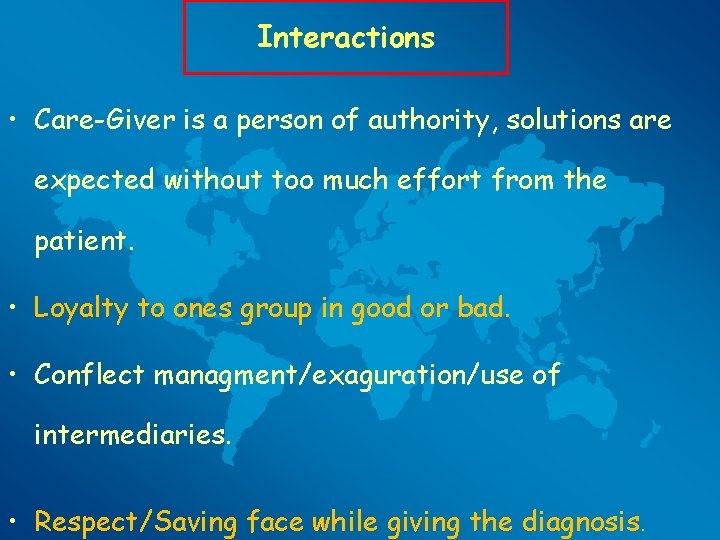
Interactions • Care-Giver is a person of authority, solutions are expected without too much effort from the patient. • Loyalty to ones group in good or bad. • Conflect managment/exaguration/use of intermediaries. • Respect/Saving face while giving the diagnosis.
• Shaking hands/Dress code/eye contact. /Khulwa. • Privacy/Modesty with both sexes. • Practice your social skills/a bond of trust.
Services • Relationships take precedence. • Status of mothers/Female names. • The Number of visitors/Special arrangments.

• References: • Al-Omari J. , Understanding the Arab Culture , A Practical Cross-Cultural Guide to Working in the Arab World, UK, How TO Books, 2008. Hall Edward T, The Silent Language, U. S. A. , Anchor Books, 1990. Hofstede G and Hofstede G. J. , Cultures and Organizations Software of the Mind, Intercultural Cooperation and Its Importance for Survival, , 2 nd edition, U. S. A. , Mc. Graw Hill, 2005. Jammal Elias, Leistikow M. and Kilian-Yasin K. , Trust and Culture, Conceptualization and Intercultural Training Implication in German-Arab Business Relationships, Aachen, Germany Shaker Verlag, 2010. Lewis Richard D. , When Cultures Collide, Leading Across Cultures, 3 rd Edition, London, UK Nicholas Brealey International. 2010. Williams J. , Don't They Know It's Friday? A Cross-Cultural Guide for Business and Life in the Gulf, 2 nd edition, UAE, Motivate Publishing, 2010. http: //www. cyborlink. com/besite/uae. htm. http: //www. clearlycultural. com/geert-hofstede-cultural-dimensions/ • • • • Nasir, L. S. and Abdul-Haq A. , K. Editors, Caring for Arab Patients a biopsychosocial approach, Radcliffe Publishing Ltd, United Kingdom, 2008.
Joud Shafiq Joud 88@gmail. com Joud 4 shafiq. wordpress. com

MA SHA ALLAH • What God wills. • When they encounter something good. • They invoke God's protection.
N SHA ALLAH • If God wills. • Asking for God's help.
HARAM • Religiously forbidden. • Abused expression. • To exaggerate the effect.
ALHAMDULLILAH • Praise be to God. • Everything comes from God. • To express satisfaction and contentment.
- Slides: 33