
Interactive Multimedia Systems COMP 3013 Course Overview Dave
- Slides: 26
Interactive Multimedia Systems: (COMP 3013) Course Overview Dave Millard (dem) Paul Lewis (phl)
Plan for Today � Introduction � Structure of the Course � What is a Conference? � Examples from previous years � Have a break � What is Multimedia?
Introduction Structure of the Course
This course is different � Based around participation in the Multimedia Conference – which you will run! � You learn by: � Writing a paper for the conference � Reviewing each others papers � Participating in the conference � Lecture sessions guide you through the process � Also there are guest seminars � Multimedia researchers within ECS
Why do it this way? � We want to give you an opportunity to experience and participate in real-life research activities � Advanced Level Course � Realistic Approach � Its more fun!
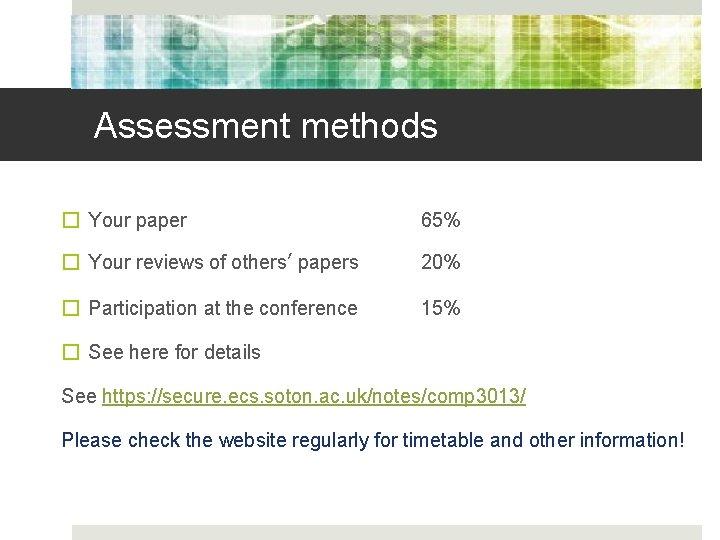
Assessment methods � Your paper 65% � Your reviews of others’ papers 20% � Participation at the conference 15% � See here for details See https: //secure. ecs. soton. ac. uk/notes/comp 3013/ Please check the website regularly for timetable and other information!
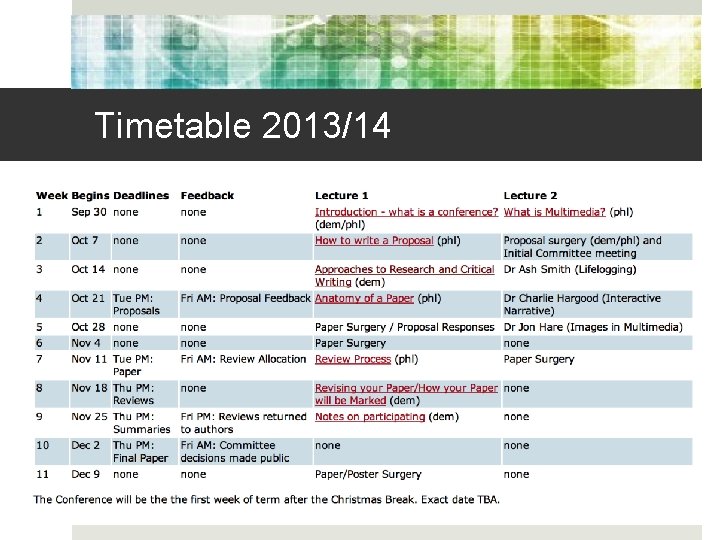
Timetable 2013/14
What is a Conference? Examples from Previous Years
Conferences � International Conferences are run by many national and professional institutions: � EU, ACM, IEEE, BCS � Anyone can submit papers � � Long papers ( typically eg 6 -12 pages, 2000 -4000 words) Short papers ( typically eg 2 -4 pages, 1000 words) Papers are refereed A Program Committee selects the papers to be presented based on reviews
Structure � Academic conferences can consist of several activities: � � � Paper sessions Poster sessions Demo sessions Panel Session Workshops Doctorial Consortiums � But the most important aspect of a conference is meeting other researchers and discussing your/their work.
Multimedia Systems 2005 Avenue Campus, Southampton
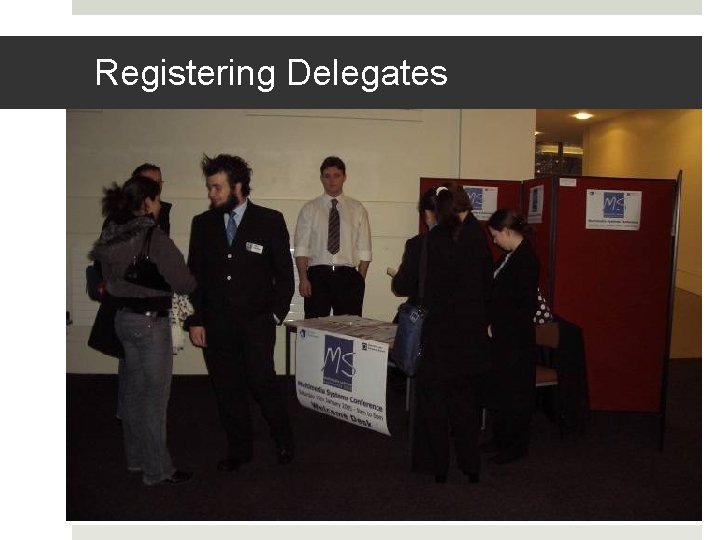
Registering Delegates
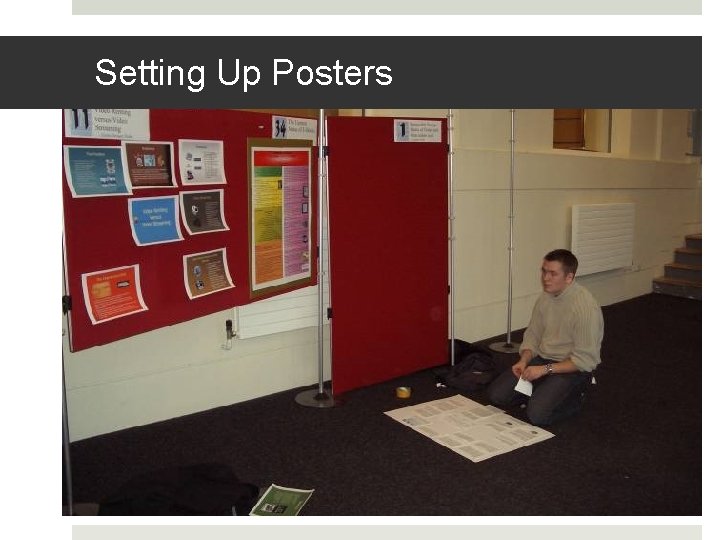
Setting Up Posters
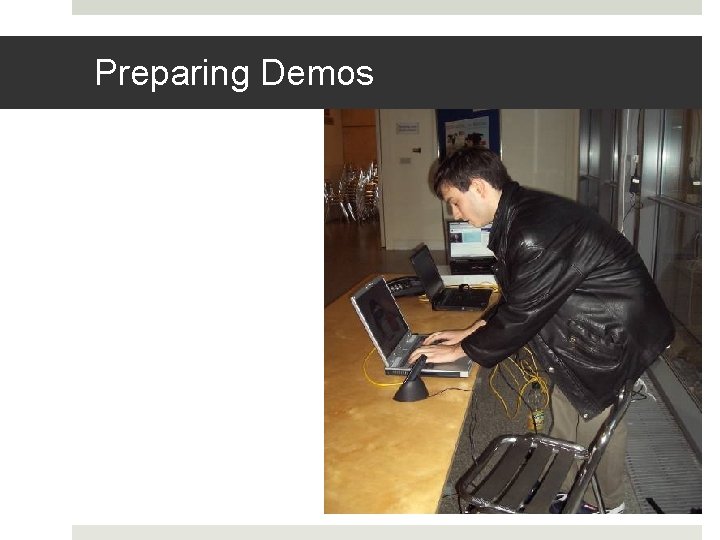
Preparing Demos
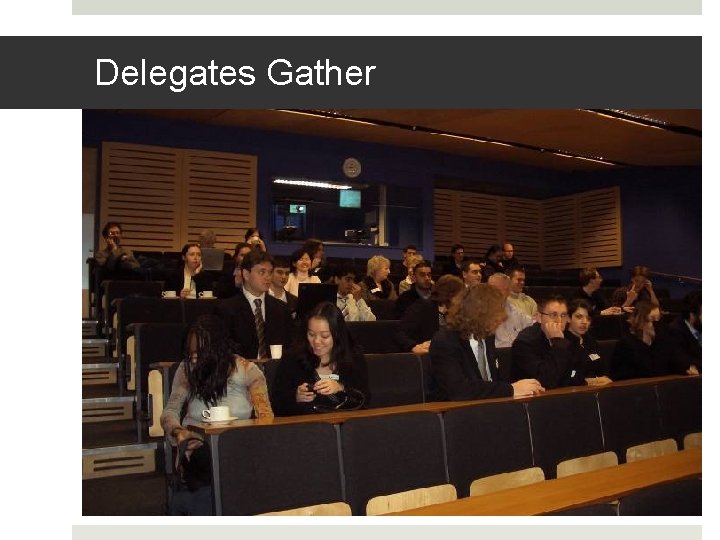
Delegates Gather
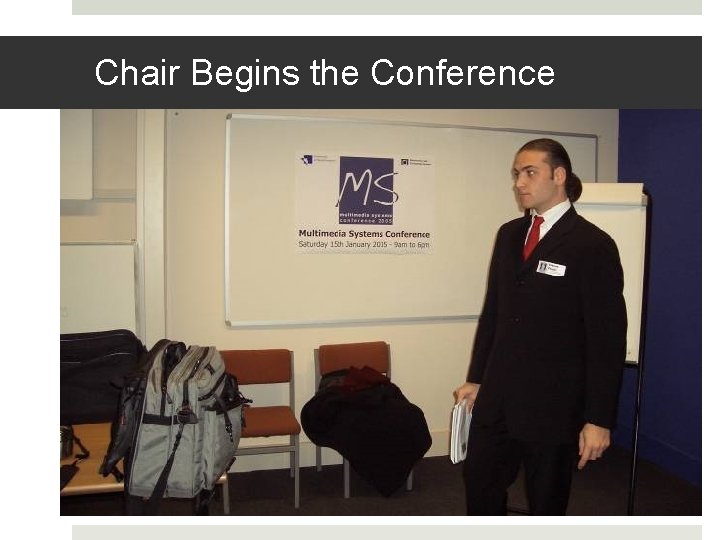
Chair Begins the Conference
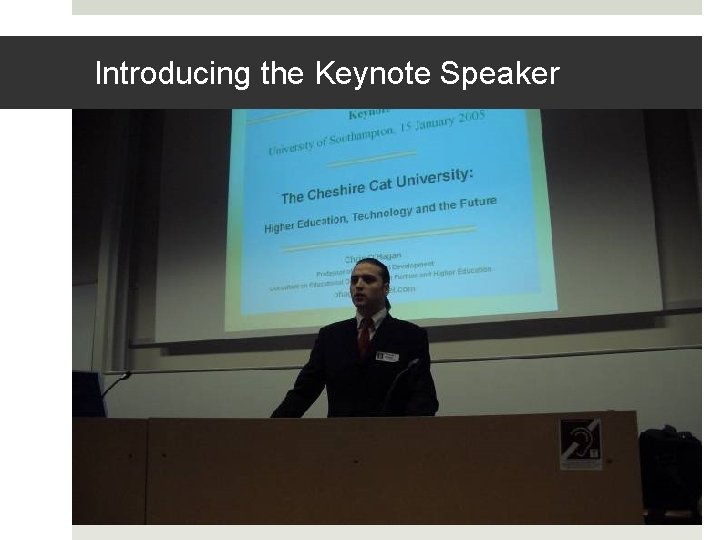
Introducing the Keynote Speaker
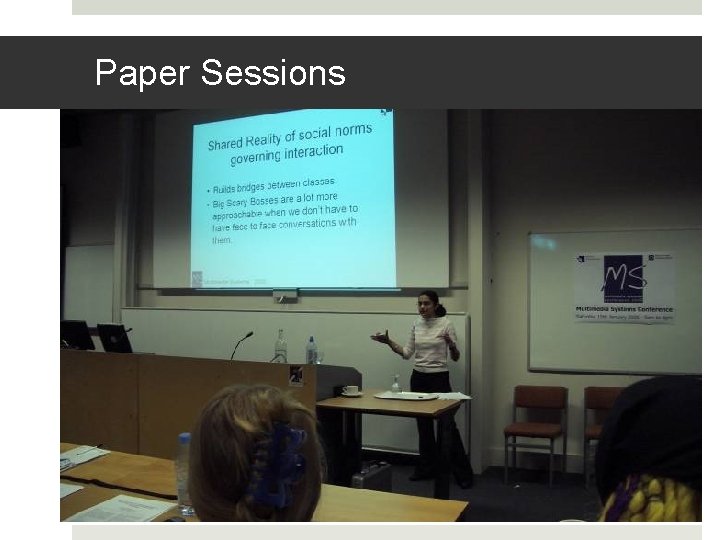
Paper Sessions
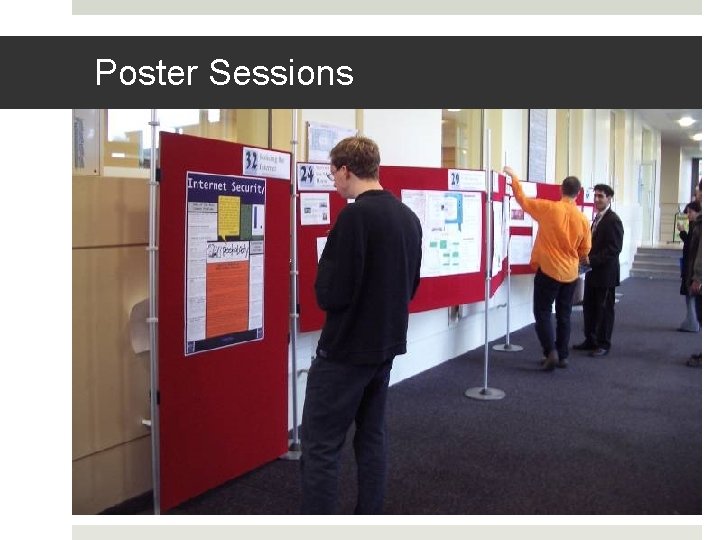
Poster Sessions
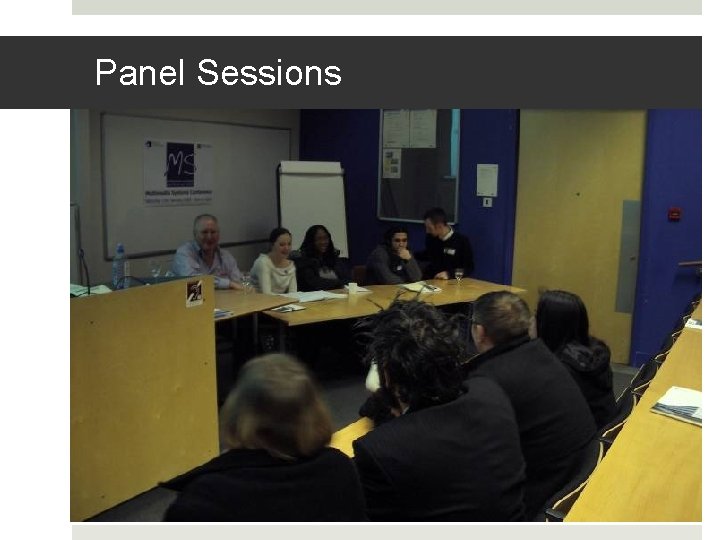
Panel Sessions
Organisation � Just like a real conference � We have a conference committee � We will also need helpers on the day � We will invite post-grads from the research groups � We may also have industrial visitors/sponsors
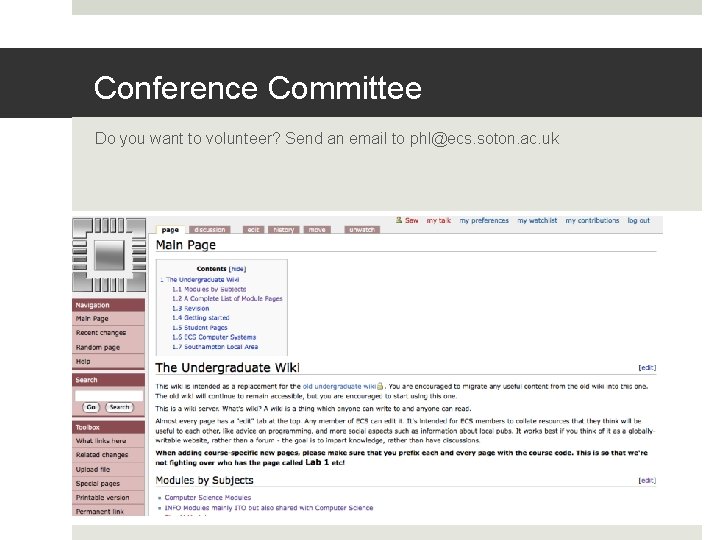
Conference Committee Do you want to volunteer? Send an email to phl@ecs. soton. ac. uk
Other Stuff � In the past we have had a wine reception afterwards � There will be prizes � 15% of course marks for participation First week of next term
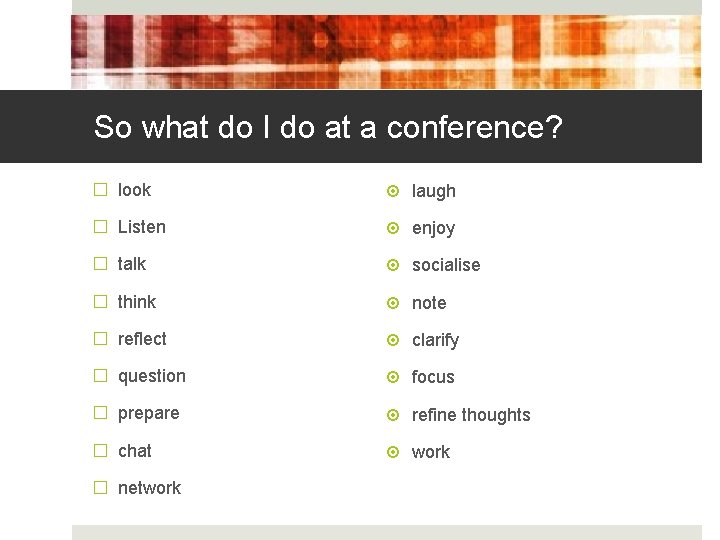
So what do I do at a conference? � look laugh � Listen enjoy � talk socialise � think note � reflect clarify � question focus � prepare refine thoughts � chat work � network
How you will learn: researching and preparing your paper/presentation Reading, reviewing and analysing other conference papers discussing proposals and papers with your fellow students presenting your paper/poster demo attending/understanding and participating in paper presentations and posters/demos attending and participating in seminar series from subject experts engaging in private study to underpin the course
Time for a break… Next… What is Multimedia?