
INTERACTIONS WITHIN A COMMUNITY Populations of different species






- Slides: 69
INTERACTIONS WITHIN A COMMUNITY Populations of different species = COMMUNITY This illustration presents a community of interacting living and nonliving organisms. Producers, consumers, decomposers, and abiotic matter form an integrated, functioning whole driven by the sun’s energy. 1
consists of populations of different species (plants and animals) living and interacting in the same place at the same time. − This populations/organisms depend on one another. − The composition of community is called community structure (animals and plants) − The relative abundance of any other species can affect the abundance/number of other species, − And thus alter community structure in an ecosystem 2
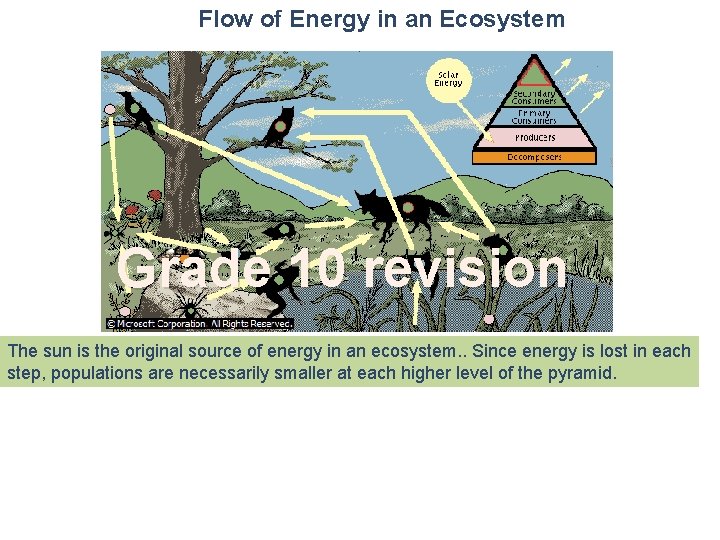
Flow of Energy in an Ecosystem Grade 10 revision The sun is the original source of energy in an ecosystem. . Since energy is lost in each step, populations are necessarily smaller at each higher level of the pyramid.
Five Main Types of Interactions in a Community − Populations of a community interact and affect one another in a variety of ways. − The interaction can either be harmful or beneficial to organisms involved. −The interactions are: o Predation o Mutualism o Competition o Parasitism o Commensalism 5
KNOW FOR THIS SECTION!!! • Name of interaction • Definition • South African e. g.
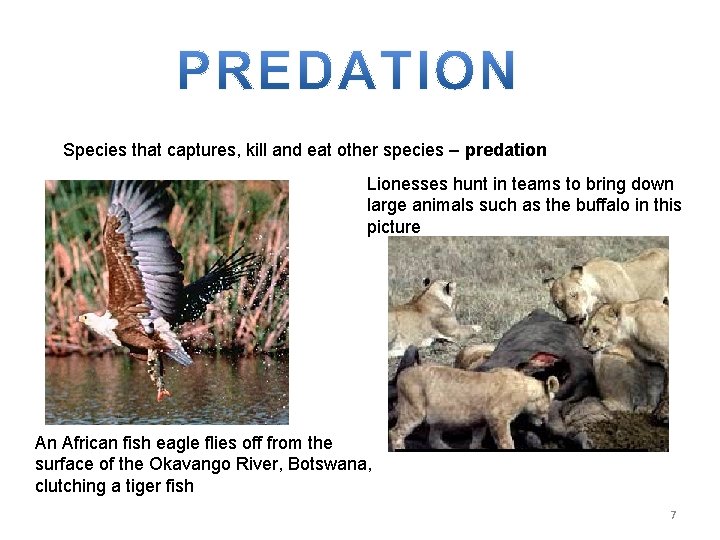
Species that captures, kill and eat other species – predation Lionesses hunt in teams to bring down large animals such as the buffalo in this picture An African fish eagle flies off from the surface of the Okavango River, Botswana, clutching a tiger fish 7
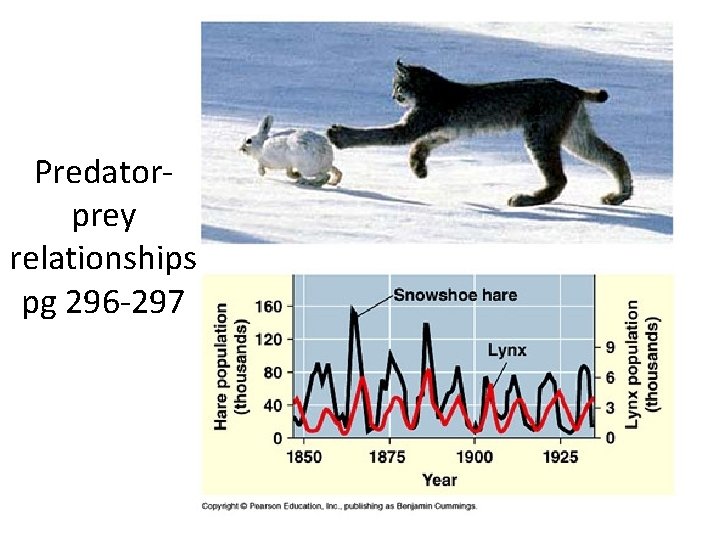
PREDATION − Predation is the feeding interaction between the predator and prey. − The predator is an animal that hunt, capture and kill other animals (prey) for food. − The prey is the animal being hunted and killed. − In this way the number of prey might fluctuate(because of availability of food, shelter, etc). − This in turn causes a corresponding fluctuation in predators. Predation is a density-dependent factor 8
Predatorprey relationships pg 296 -297
ACT 3. 2. 2 pg 298 no 1 only
Species may compete for various resource Competition − Occurs when a large number of organisms depend on a common source that is in short supply. − Competition (plants) − can be for : - light : - water minerals : - space : - food (animals) : - nesting/shelter/space : - mating partners 11
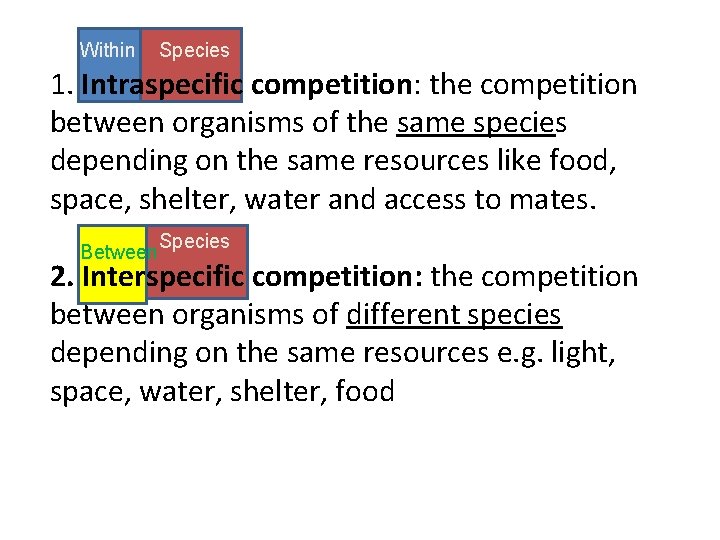
Within Species 1. Intraspecific competition: the competition between organisms of the same species depending on the same resources like food, space, shelter, water and access to mates. Between Species 2. Interspecific competition: the competition between organisms of different species depending on the same resources e. g. light, space, water, shelter, food
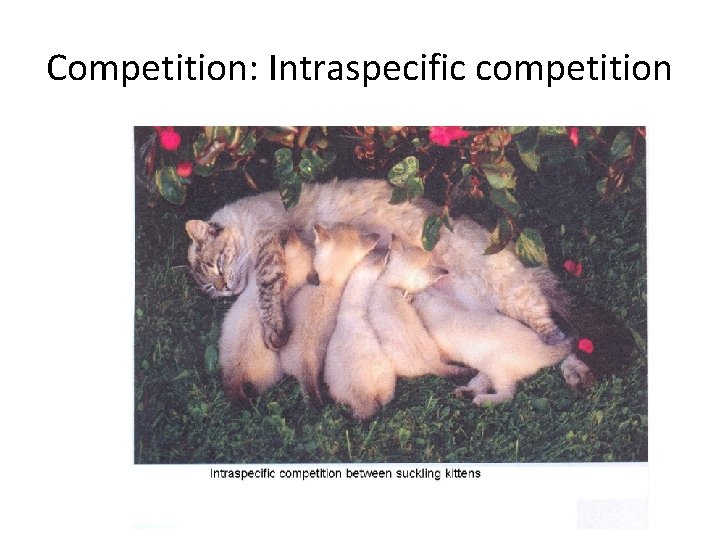
Competition: Intraspecific competition
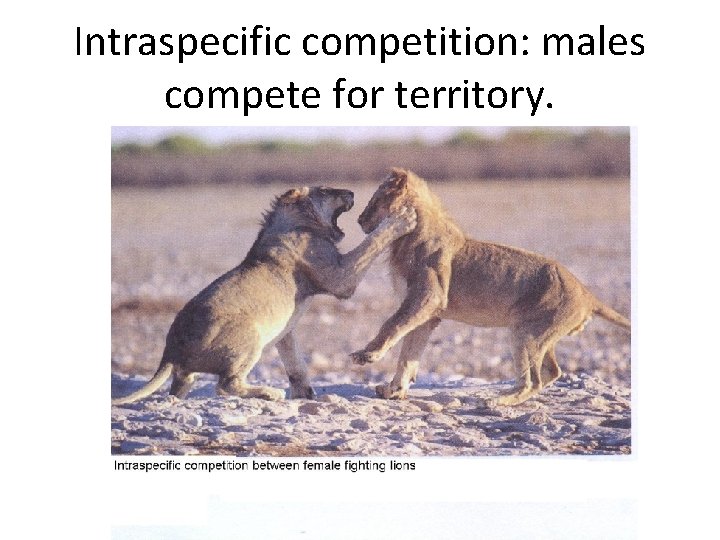
Intraspecific competition: males compete for territory.
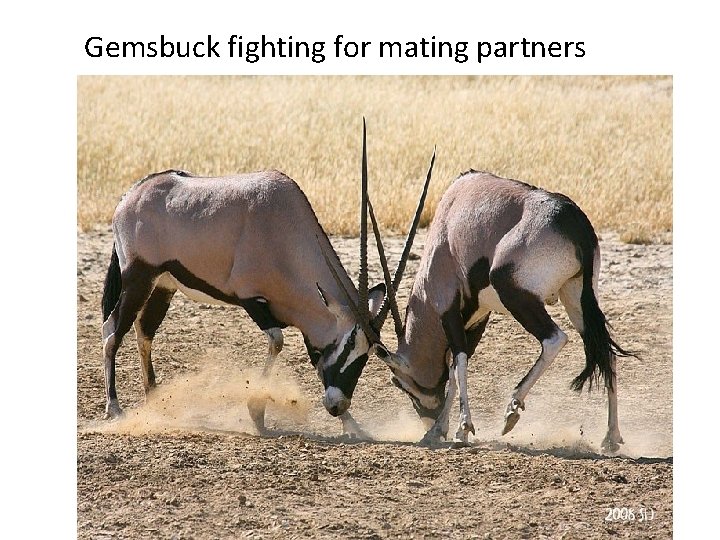
Gemsbuck fighting for mating partners
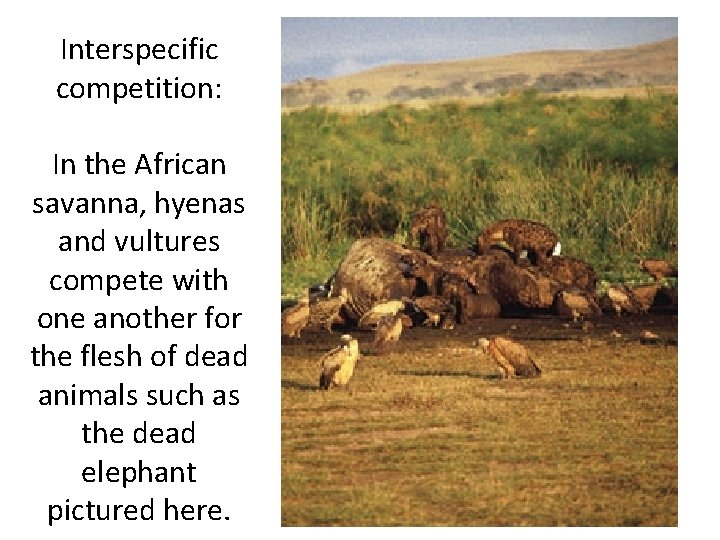
Interspecific competition: In the African savanna, hyenas and vultures compete with one another for the flesh of dead animals such as the dead elephant pictured here.
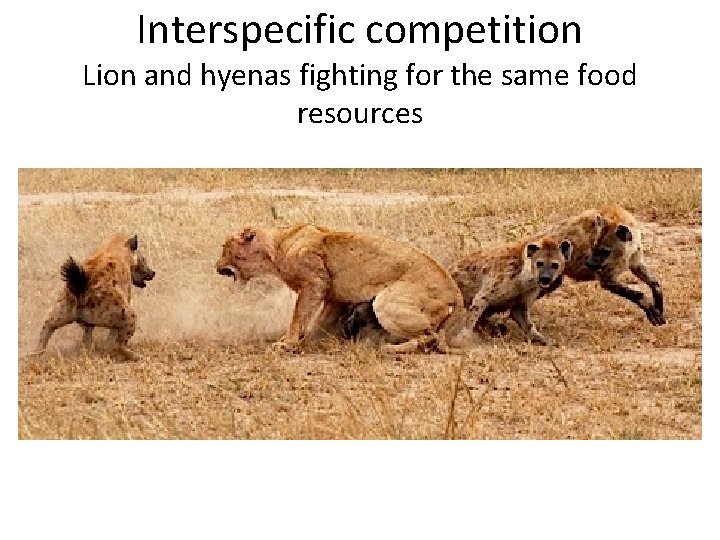
Interspecific competition Lion and hyenas fighting for the same food resources
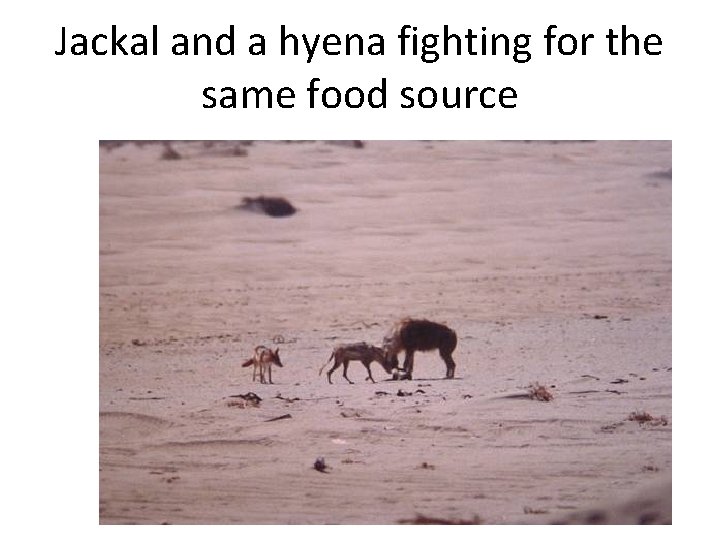
Jackal and a hyena fighting for the same food source
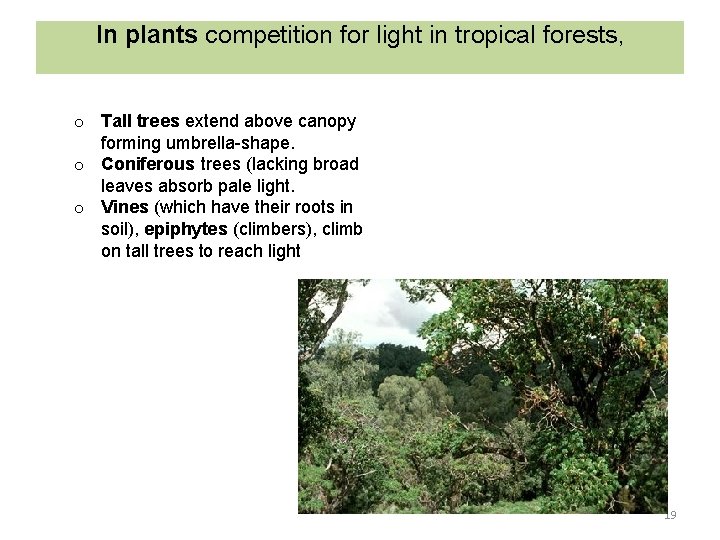
In plants competition for light in tropical forests, o Tall trees extend above canopy forming umbrella-shape. o Coniferous trees (lacking broad leaves absorb pale light. o Vines (which have their roots in soil), epiphytes (climbers), climb on tall trees to reach light 19
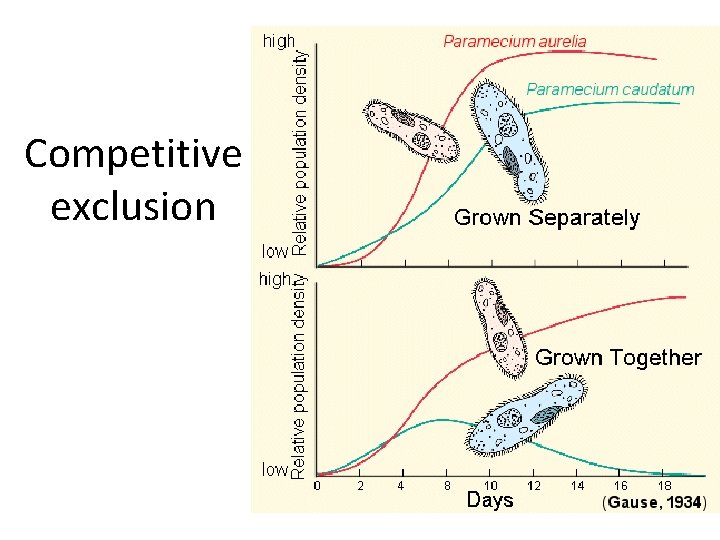
1. Competitive exclusion: the competition in which one of the two competing species is much more successful that the other such that the successful species survives and the other species disappears.
Competitive exclusion
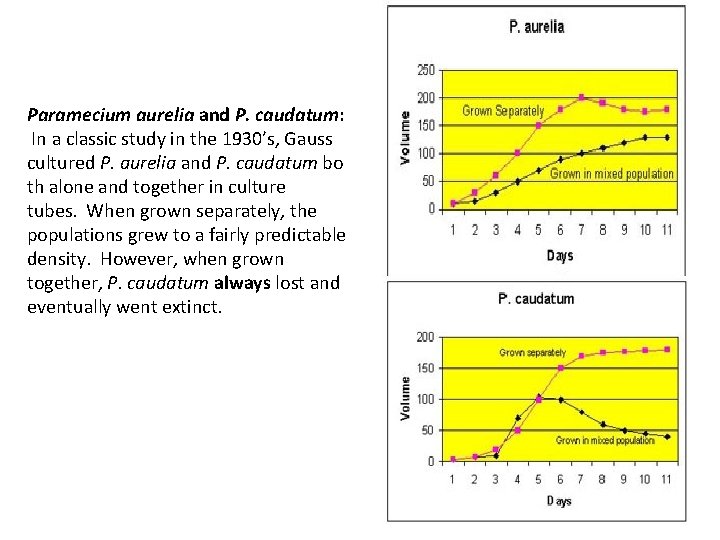
Paramecium aurelia and P. caudatum: In a classic study in the 1930’s, Gauss cultured P. aurelia and P. caudatum bo th alone and together in culture tubes. When grown separately, the populations grew to a fairly predictable density. However, when grown together, P. caudatum always lost and eventually went extinct.
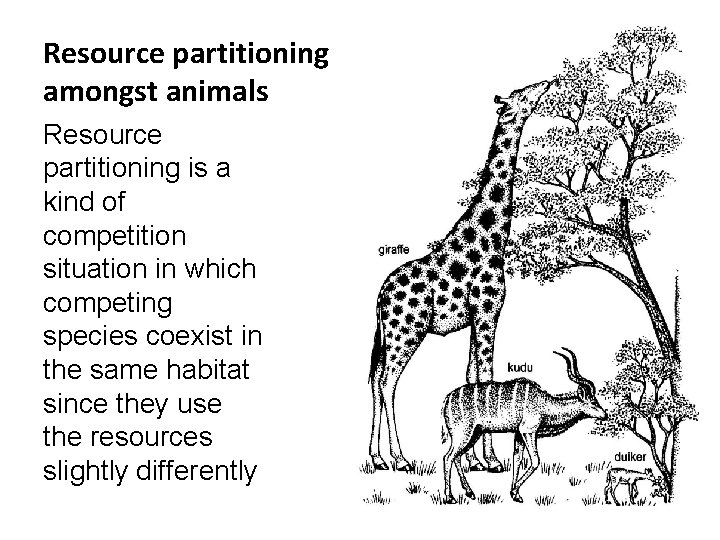
Resource partitioning 2. Resource partitioning: The kind of competition situation in which competing species coexist in the same habitat since they use the resources slightly differently
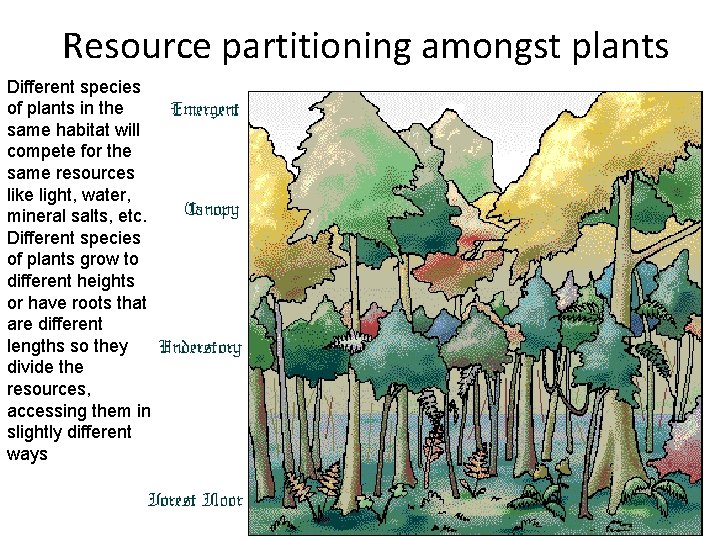
Resource partitioning amongst plants Different species of plants in the same habitat will compete for the same resources like light, water, mineral salts, etc. Different species of plants grow to different heights or have roots that are different lengths so they divide the resources, accessing them in slightly different ways
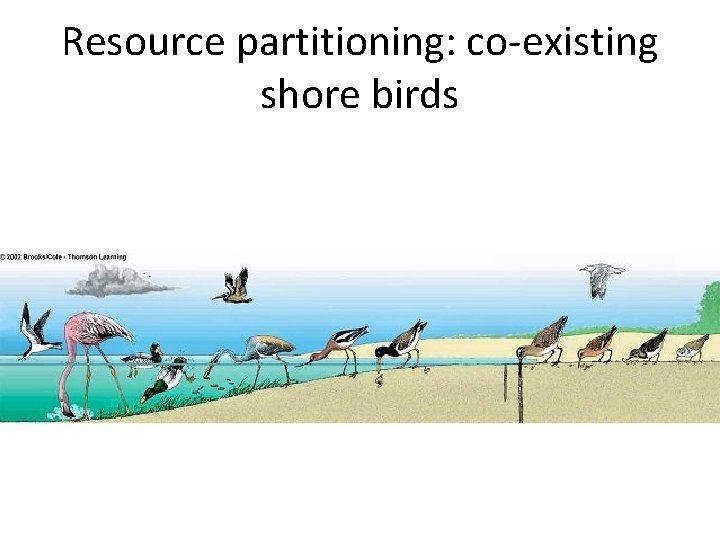
Resource partitioning: co-existing shore birds
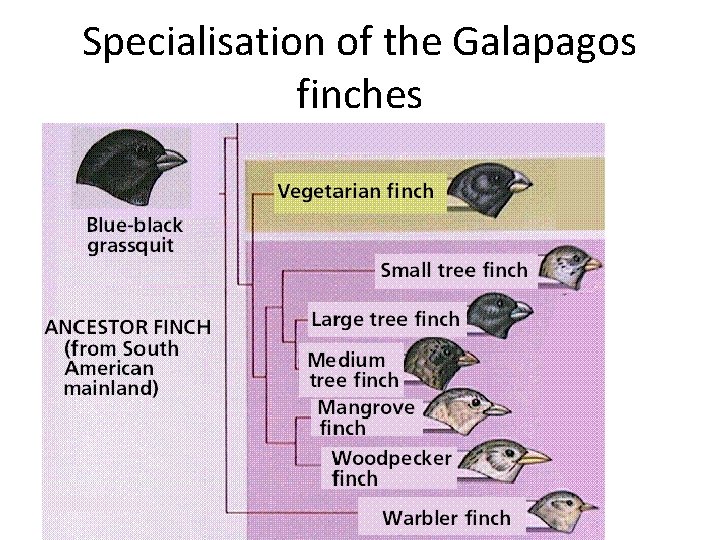
Specialisation of the Galapagos finches
Resource partitioning amongst animals Resource partitioning is a kind of competition situation in which competing species coexist in the same habitat since they use the resources slightly differently
Symbiosis Together living • A close interaction between two organisms such that at least one benefits.
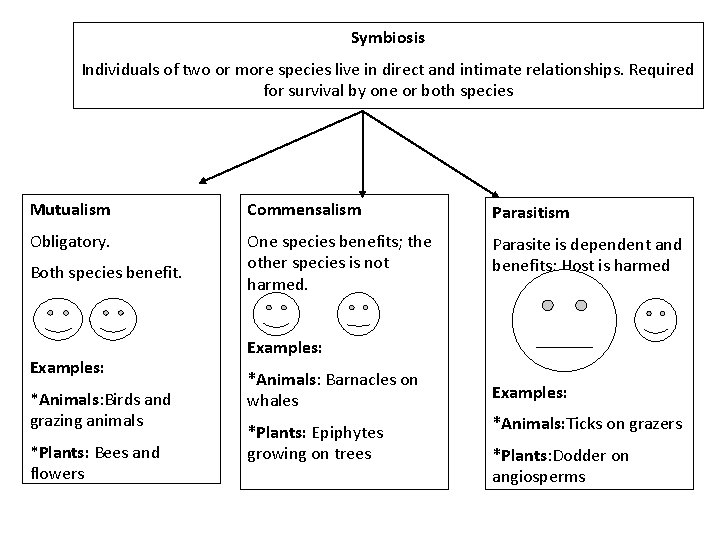
Symbiosis Individuals of two or more species live in direct and intimate relationships. Required for survival by one or both species Mutualism Commensalism Parasitism Obligatory. One species benefits; the other species is not harmed. Parasite is dependent and benefits; Host is harmed Both species benefit. Examples: *Animals: Birds and grazing animals *Plants: Bees and flowers Examples: *Animals: Barnacles on whales *Plants: Epiphytes growing on trees Examples: *Animals: Ticks on grazers *Plants: Dodder on angiosperms
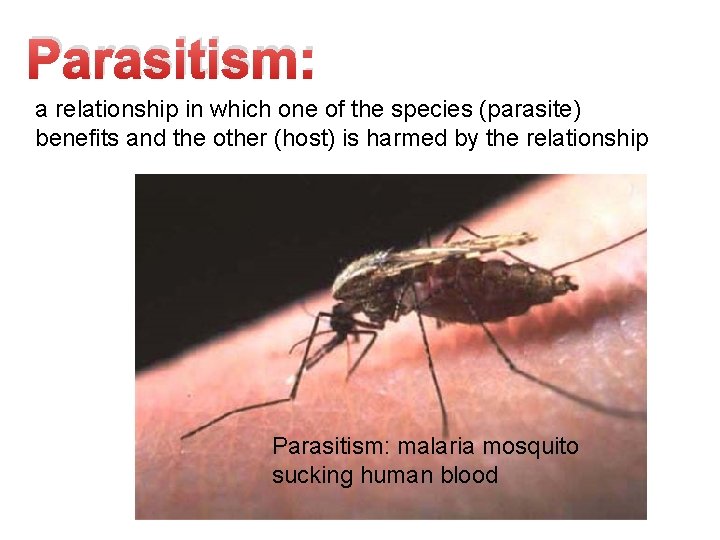
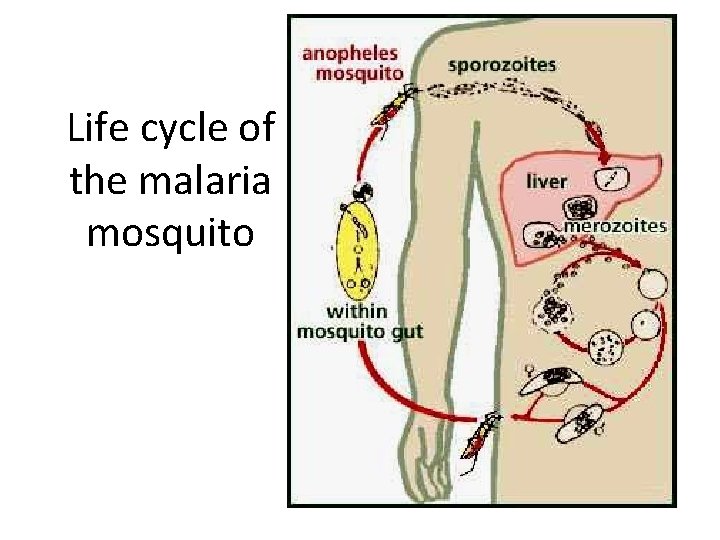
Parasitism: a relationship in which one of the species (parasite) benefits and the other (host) is harmed by the relationship Parasitism: malaria mosquito sucking human blood
Life cycle of the malaria mosquito
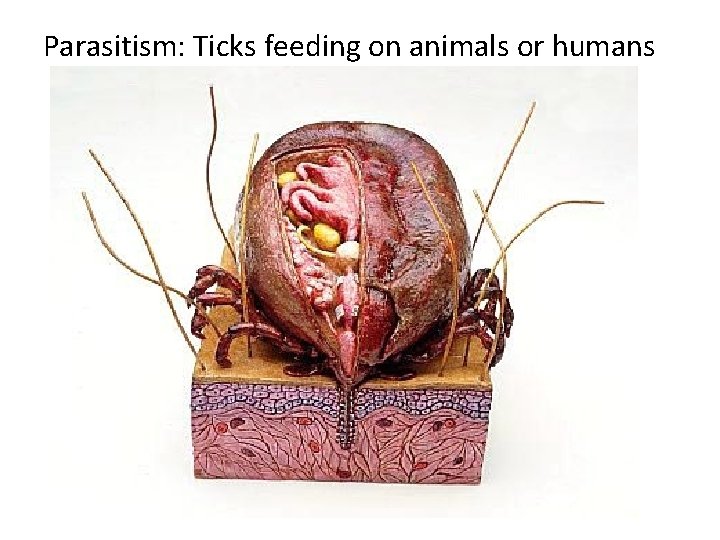
Parasitism: Ticks feeding on animals or humans
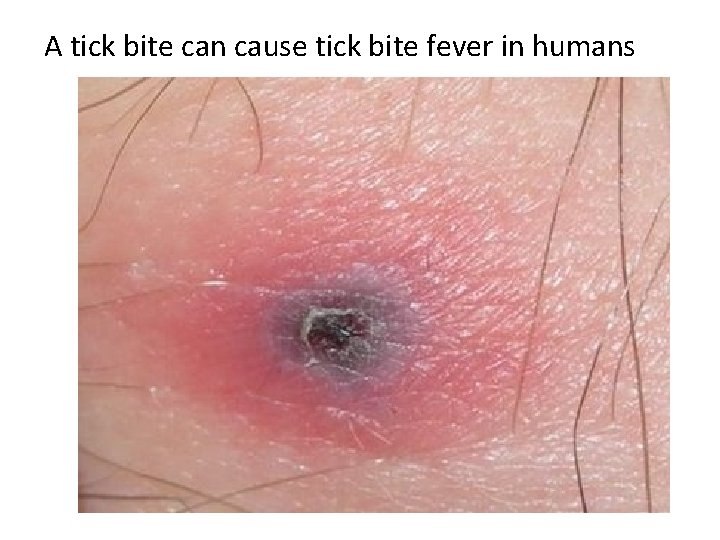
A tick bite can cause tick bite fever in humans
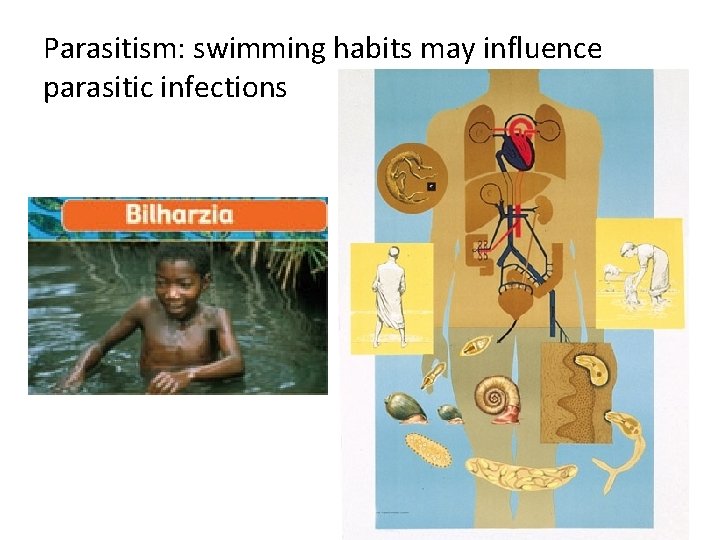
Parasitism: swimming habits may influence parasitic infections
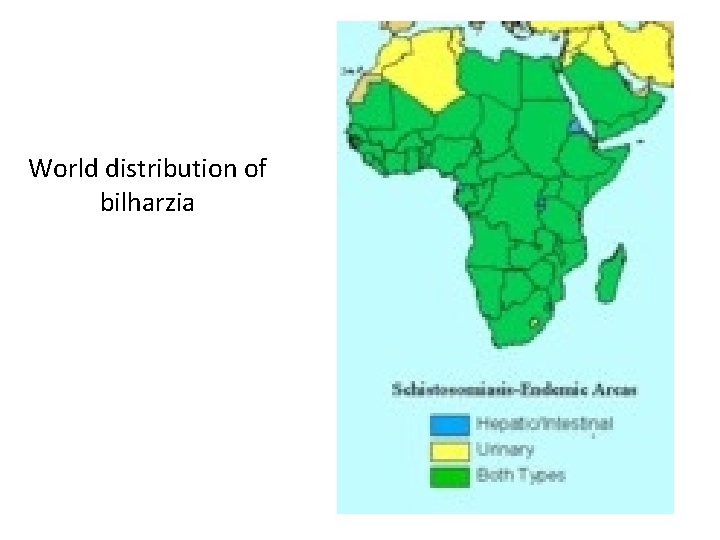
World distribution of bilharzia
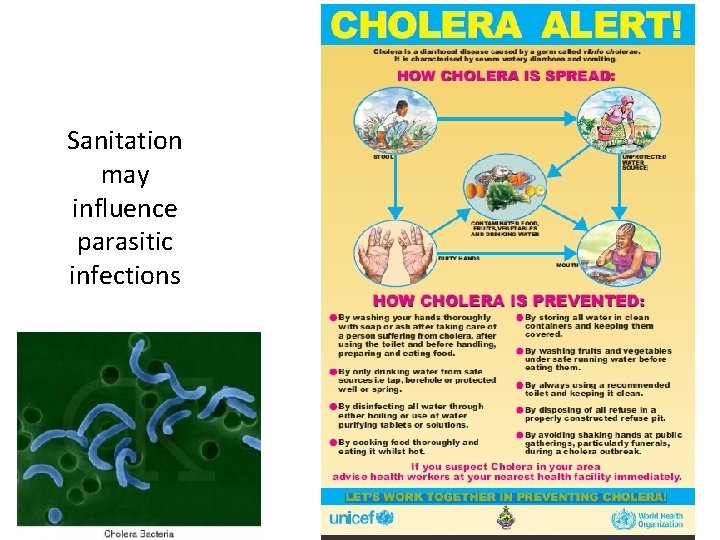
Sanitation may influence parasitic infections
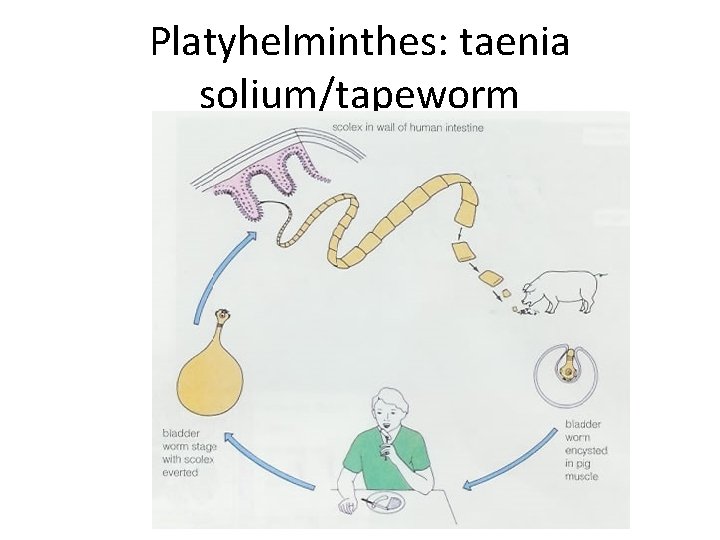
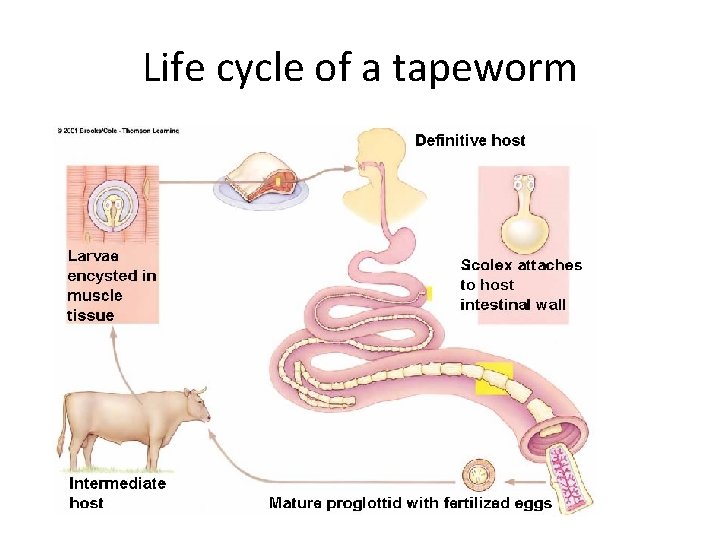
Platyhelminthes: taenia solium/tapeworm
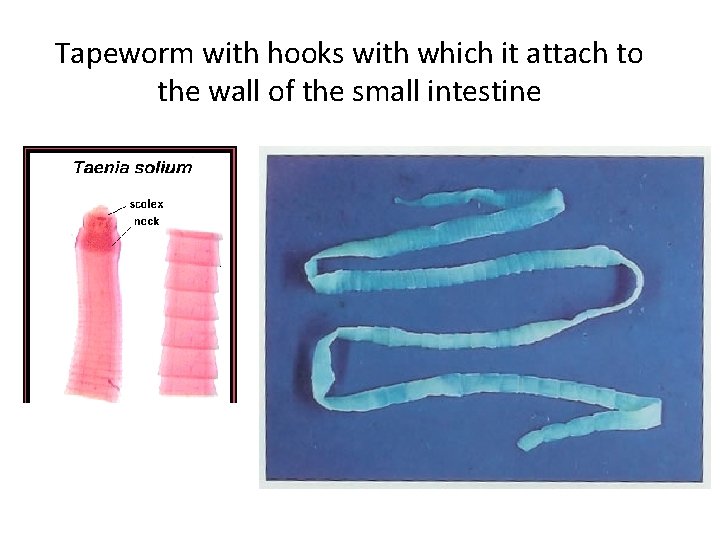
Tapeworm with hooks with which it attach to the wall of the small intestine
Life cycle of a tapeworm
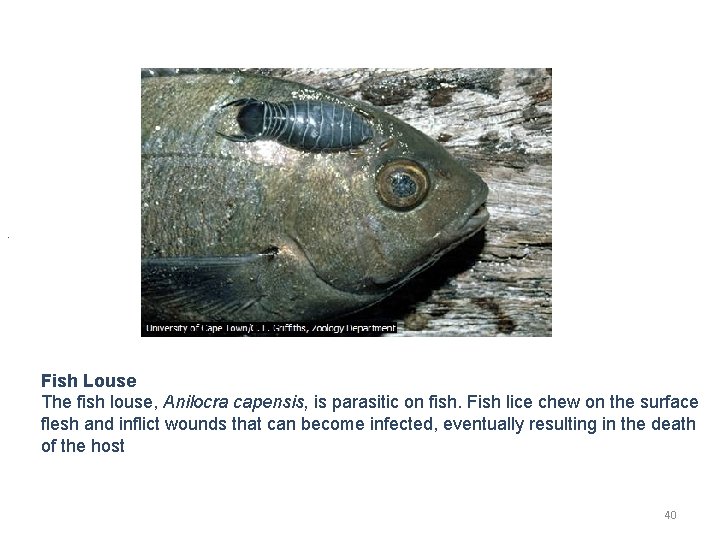
. Fish Louse The fish louse, Anilocra capensis, is parasitic on fish. Fish lice chew on the surface flesh and inflict wounds that can become infected, eventually resulting in the death of the host 40
Mutualism The symbiotic relationship in which both of the species benefit from the association.
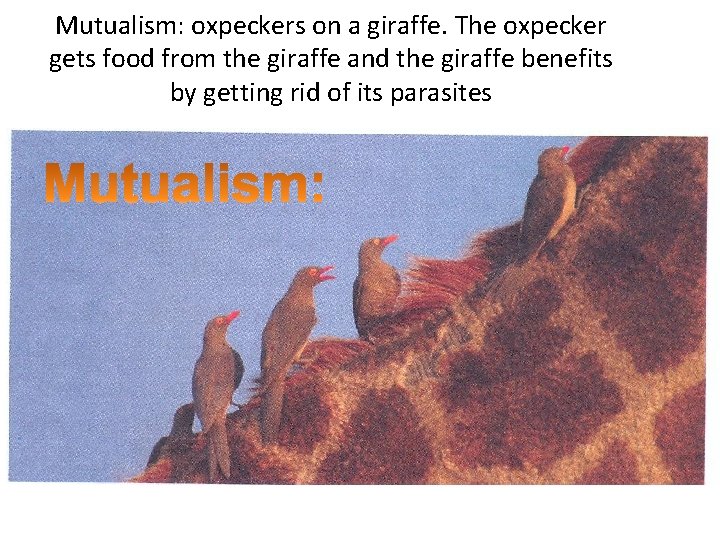
Mutualism: oxpeckers on a giraffe. The oxpecker gets food from the giraffe and the giraffe benefits by getting rid of its parasites
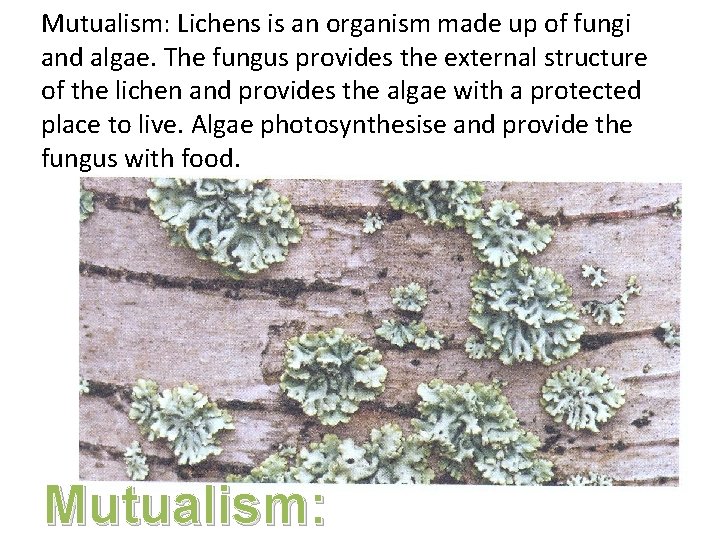
Mutualism: Lichens is an organism made up of fungi and algae. The fungus provides the external structure of the lichen and provides the algae with a protected place to live. Algae photosynthesise and provide the fungus with food. Mutualism:
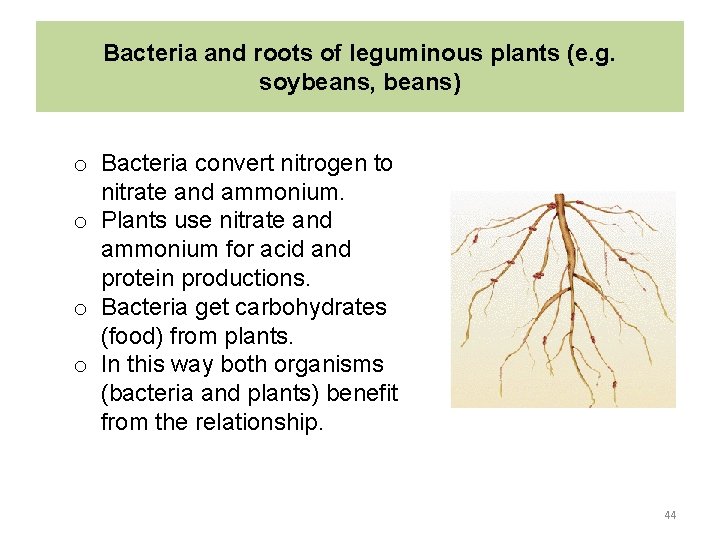
Bacteria and roots of leguminous plants (e. g. soybeans, beans) o Bacteria convert nitrogen to nitrate and ammonium. o Plants use nitrate and ammonium for acid and protein productions. o Bacteria get carbohydrates (food) from plants. o In this way both organisms (bacteria and plants) benefit from the relationship. 44
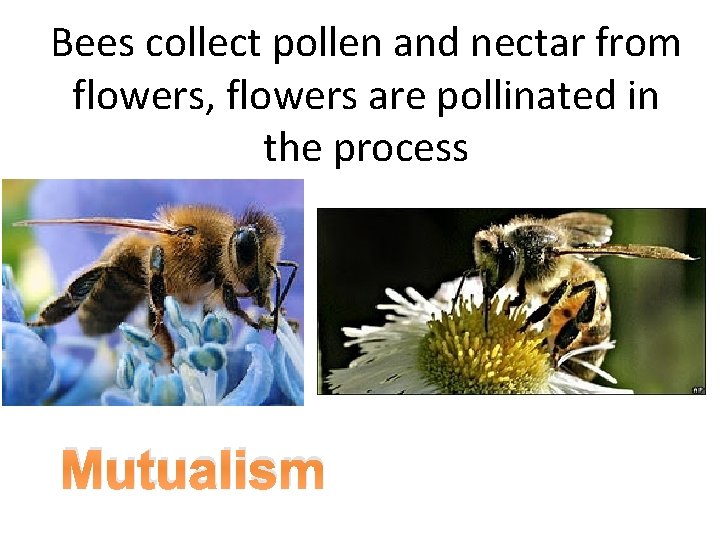
Bees collect pollen and nectar from flowers, flowers are pollinated in the process Mutualism
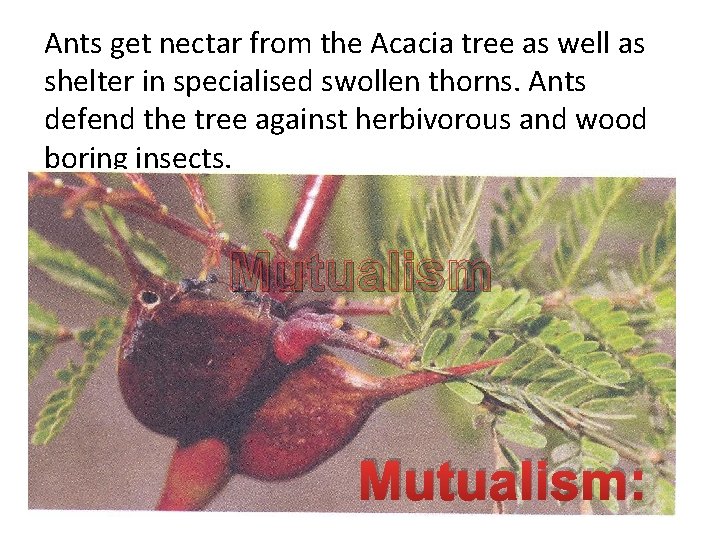
Ants get nectar from the Acacia tree as well as shelter in specialised swollen thorns. Ants defend the tree against herbivorous and wood boring insects. Mutualism:
Commensalism Two species living together where one species benefits and the other neither benefits nor suffers any disadvantage
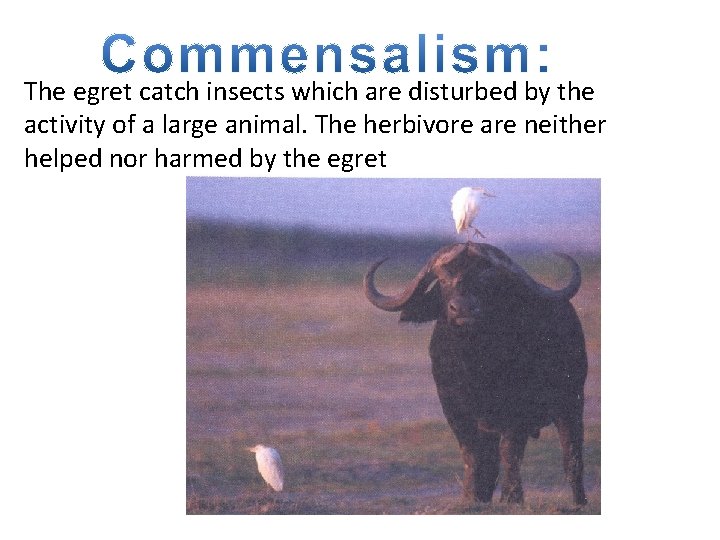
The egret catch insects which are disturbed by the activity of a large animal. The herbivore are neither helped nor harmed by the egret
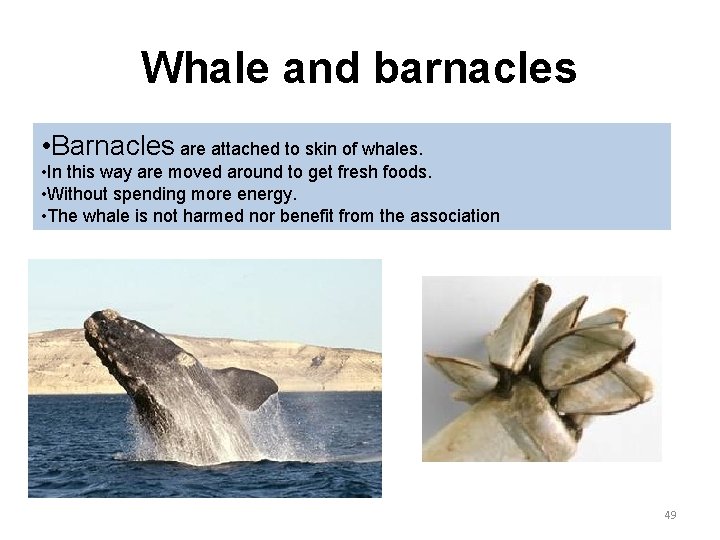
Whale and barnacles • Barnacles are attached to skin of whales. • In this way are moved around to get fresh foods. • Without spending more energy. • The whale is not harmed nor benefit from the association 49
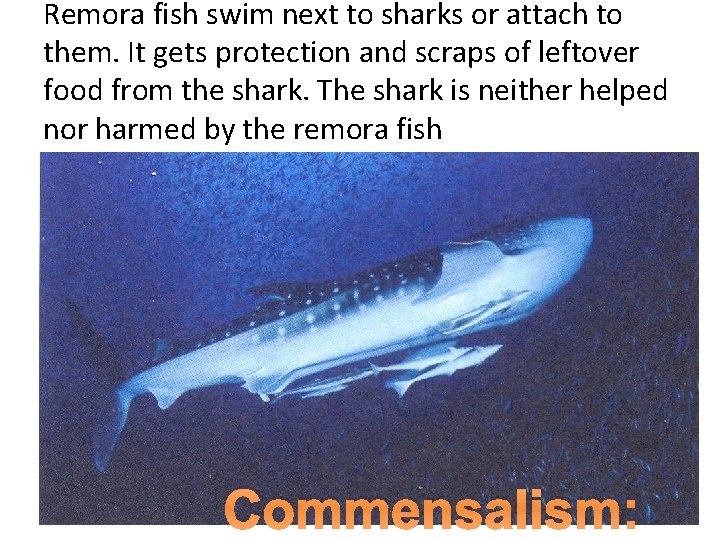
Remora fish swim next to sharks or attach to them. It gets protection and scraps of leftover food from the shark. The shark is neither helped nor harmed by the remora fish Commensalism:
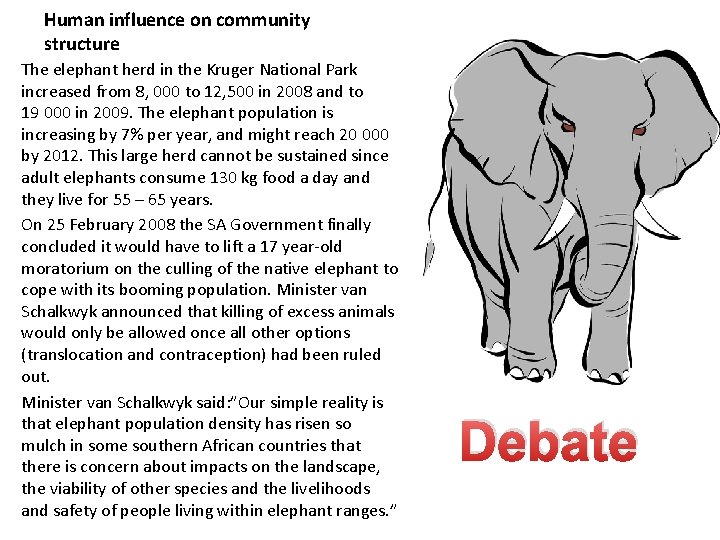
Human influence on community structure The elephant herd in the Kruger National Park increased from 8, 000 to 12, 500 in 2008 and to 19 000 in 2009. The elephant population is increasing by 7% per year, and might reach 20 000 by 2012. This large herd cannot be sustained since adult elephants consume 130 kg food a day and they live for 55 – 65 years. On 25 February 2008 the SA Government finally concluded it would have to lift a 17 year-old moratorium on the culling of the native elephant to cope with its booming population. Minister van Schalkwyk announced that killing of excess animals would only be allowed once all other options (translocation and contraception) had been ruled out. Minister van Schalkwyk said: ”Our simple reality is that elephant population density has risen so mulch in some southern African countries that there is concern about impacts on the landscape, the viability of other species and the livelihoods and safety of people living within elephant ranges. ” Debate
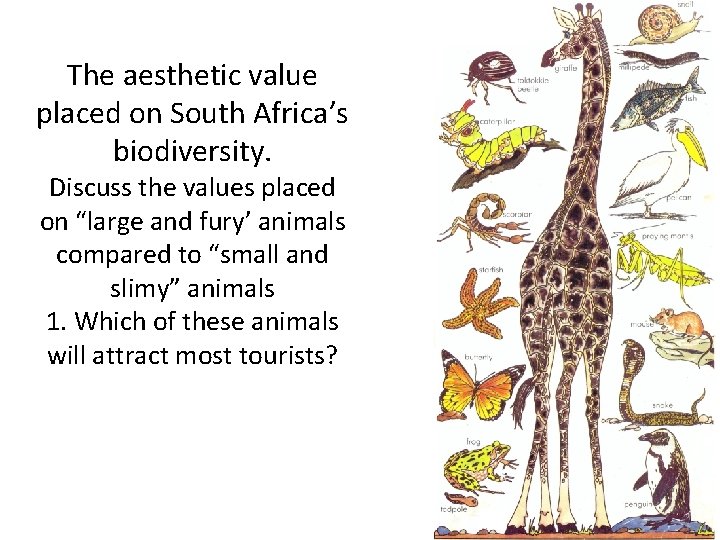
The aesthetic value placed on South Africa’s biodiversity. Discuss the values placed on “large and fury’ animals compared to “small and slimy” animals 1. Which of these animals will attract most tourists?
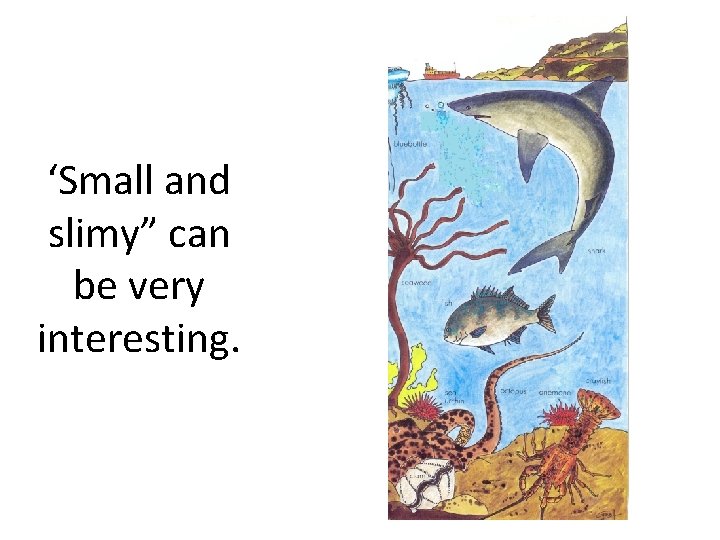
‘Small and slimy” can be very interesting.
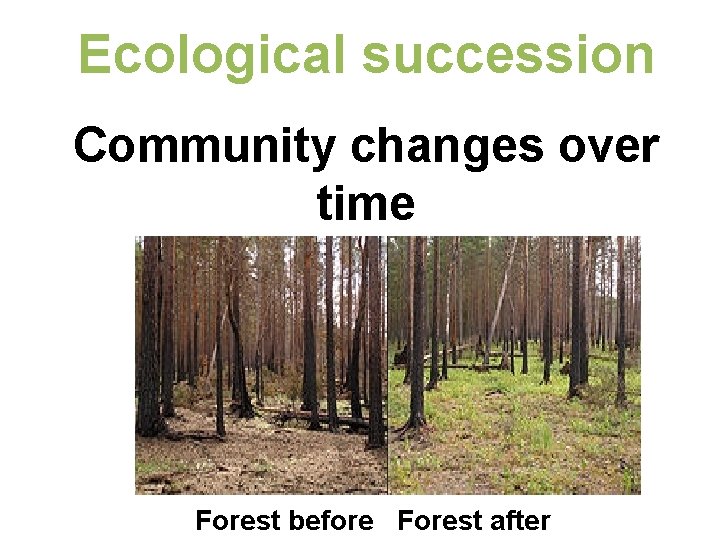
Ecological succession Community changes over time Forest before Forest after
Definition of Ecological succession • Succession is a process of ecological change in which a series of natural communities are established and then replaced over time. • Natural, gradual changes in the types of species that live in an area.
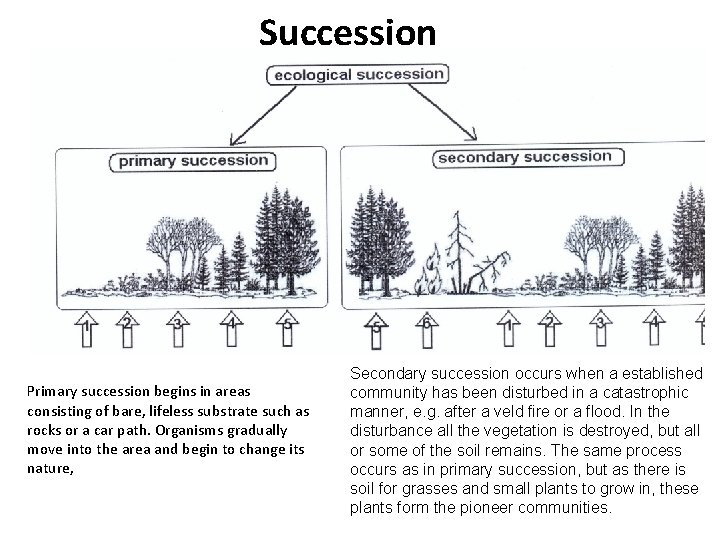
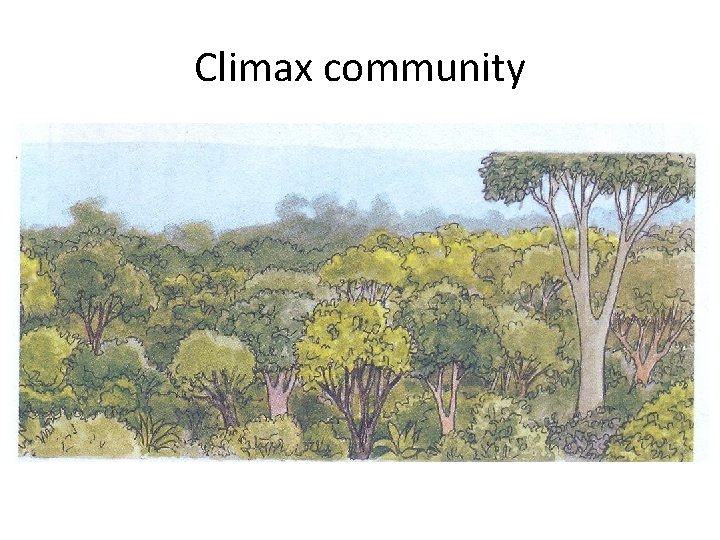
Terminology 1. Pioneer plant: a plant that can colonise bare soil and that is part of the community that forms the first stage in the process of succession 2. Climax community: the final stage in the process of succession that refers to a mature community of plants that will remain stable with few, if any, changes over time 3. Primary succession: the sequence of organisms that occupy a new habitat. (a place without soil) 4. Secondary succession: the sequence of organisms that occupy a disturbed habitat (where soil exists) or when an established community has been disturbed in a catastrophic manner.
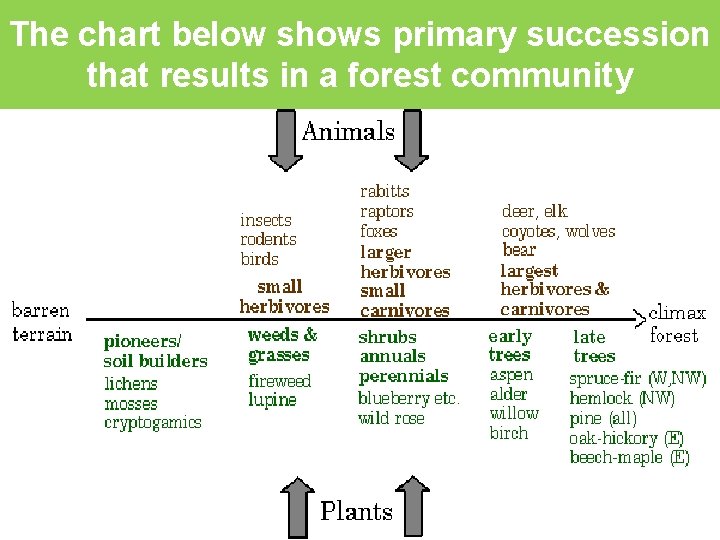
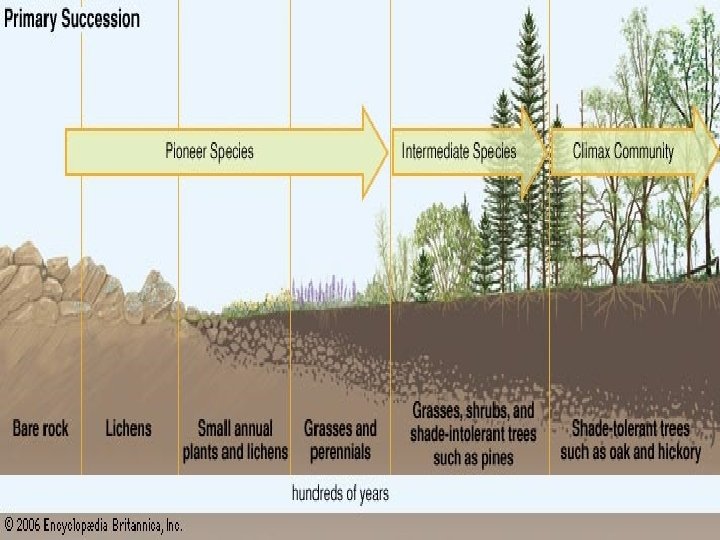
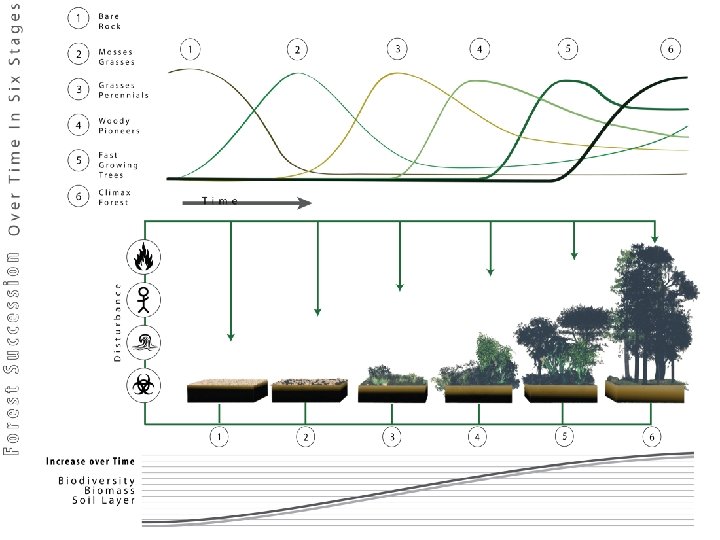
The chart below shows primary succession that results in a forest community
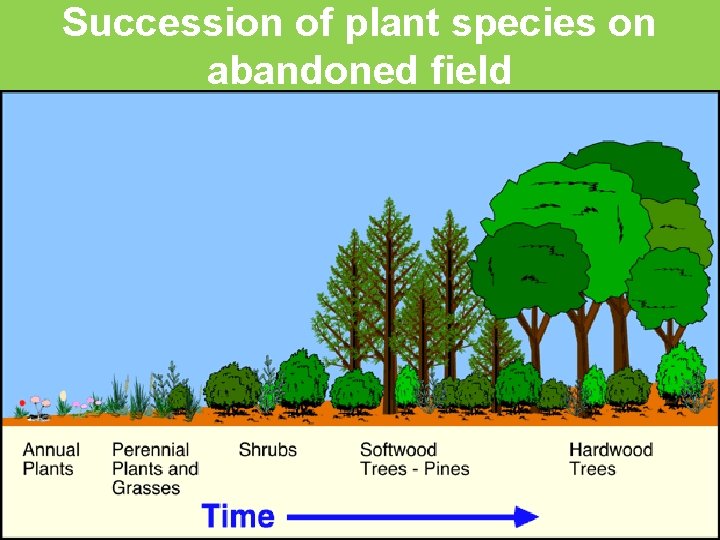
Succession of plant species on abandoned field
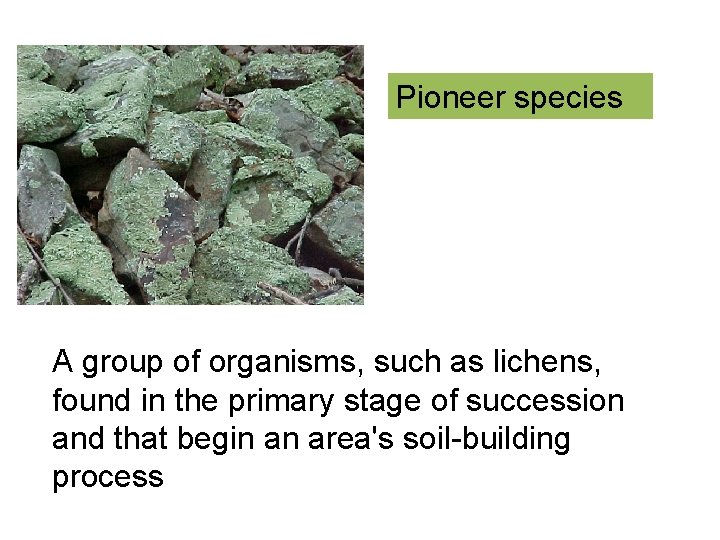
Pioneer species A group of organisms, such as lichens, found in the primary stage of succession and that begin an area's soil-building process
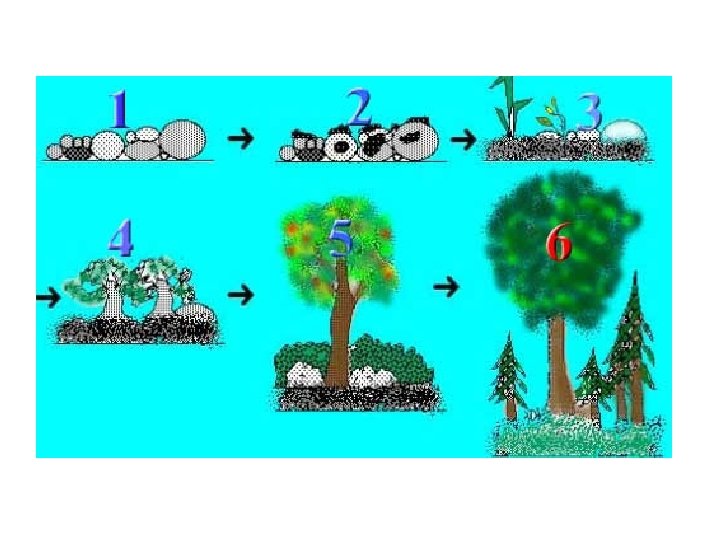
Succession Primary succession begins in areas consisting of bare, lifeless substrate such as rocks or a car path. Organisms gradually move into the area and begin to change its nature, Secondary succession occurs when a established community has been disturbed in a catastrophic manner, e. g. after a veld fire or a flood. In the disturbance all the vegetation is destroyed, but all or some of the soil remains. The same process occurs as in primary succession, but as there is soil for grasses and small plants to grow in, these plants form the pioneer communities.
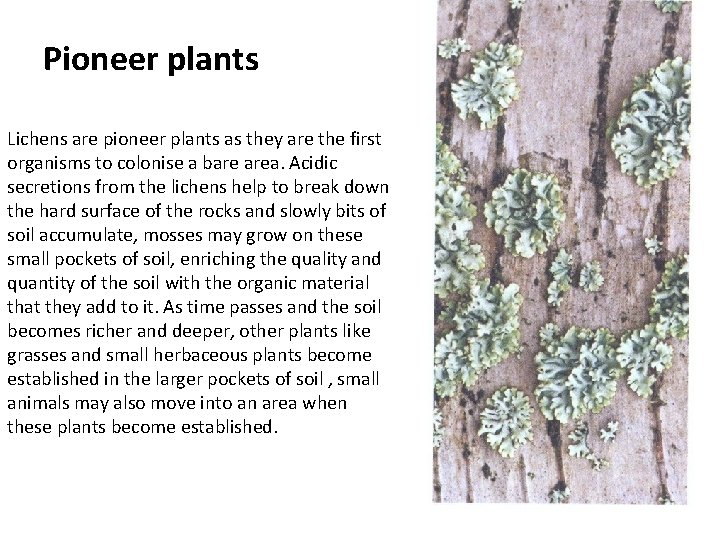
Pioneer plants Lichens are pioneer plants as they are the first organisms to colonise a bare area. Acidic secretions from the lichens help to break down the hard surface of the rocks and slowly bits of soil accumulate, mosses may grow on these small pockets of soil, enriching the quality and quantity of the soil with the organic material that they add to it. As time passes and the soil becomes richer and deeper, other plants like grasses and small herbaceous plants become established in the larger pockets of soil , small animals may also move into an area when these plants become established.
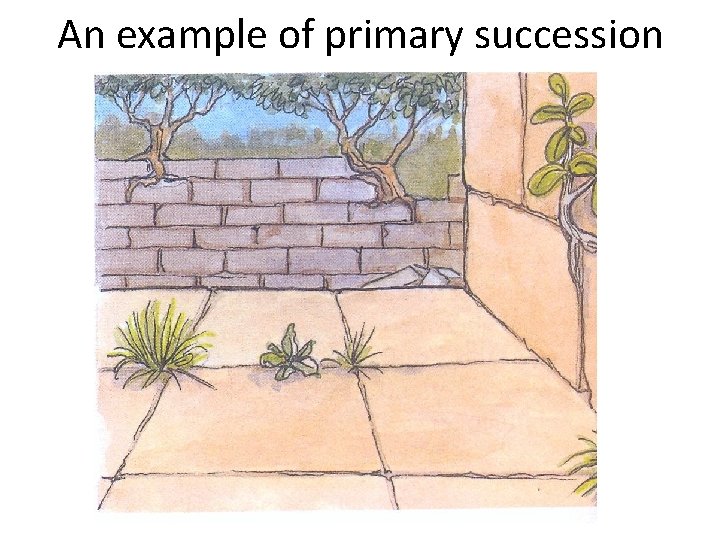
An example of primary succession
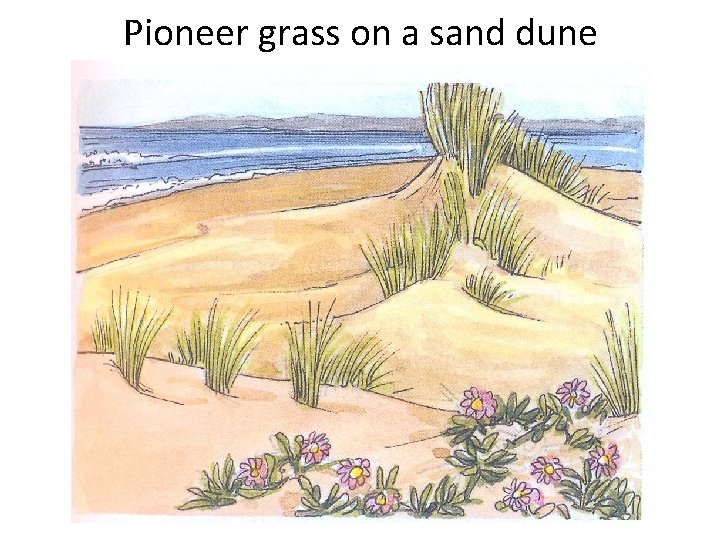
Pioneer grass on a sand dune
Climax community
Secondary succession cont. • Secondary succession arises on sites where the vegetation cover has been disturbed by humans or other animals (an abandoned crop field or cutover forest, or natural forces such as water, wind storms, and floods. ) • Secondary succession is usually more rapid as the colonizing area is rich in leftover soil, organic matter and seeds of the previous vegetation.
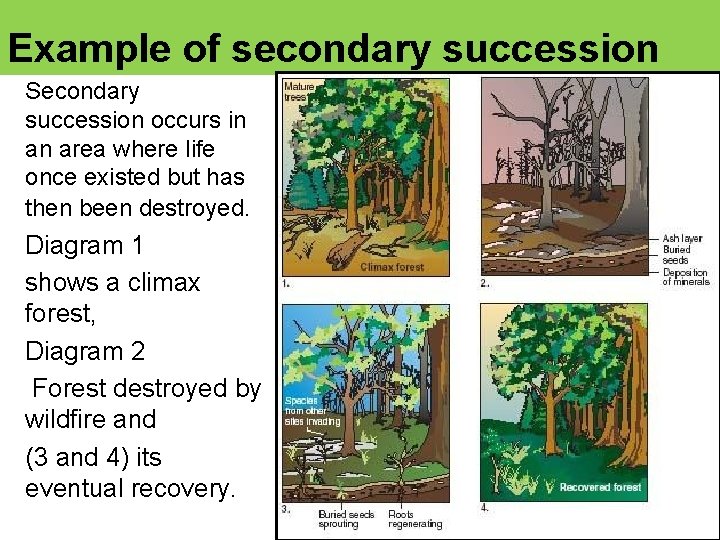
Example of secondary succession Secondary succession occurs in an area where life once existed but has then been destroyed. Diagram 1 shows a climax forest, Diagram 2 Forest destroyed by wildfire and (3 and 4) its eventual recovery.