
Integumentary system Organization Skin Epidermis Dermis Accessory Structures
- Slides: 42
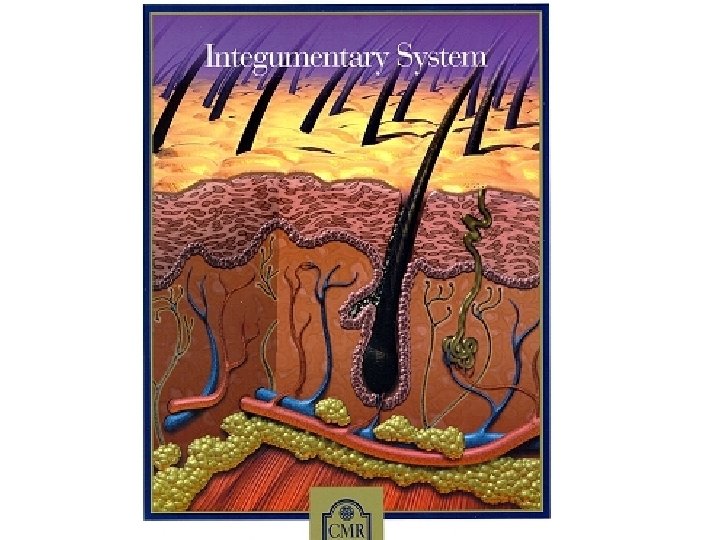
Integumentary system
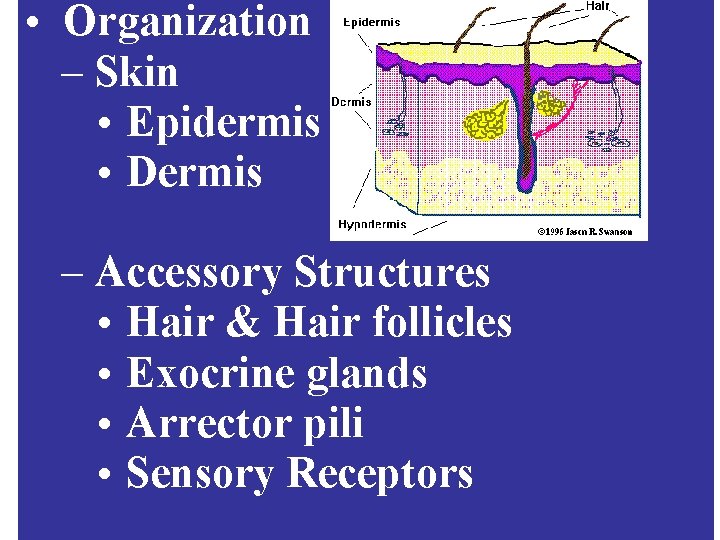
• Organization – Skin • Epidermis • Dermis – Accessory Structures • Hair & Hair follicles • Exocrine glands • Arrector pili • Sensory Receptors
• Layers beneath the skin – Subcutaneous layer – Deep fascia ____________
• Functions of the Skin – – – – Protection Water-resistance Temperature regulation Vitamin D synthesis Sensations Immunity Social signaling
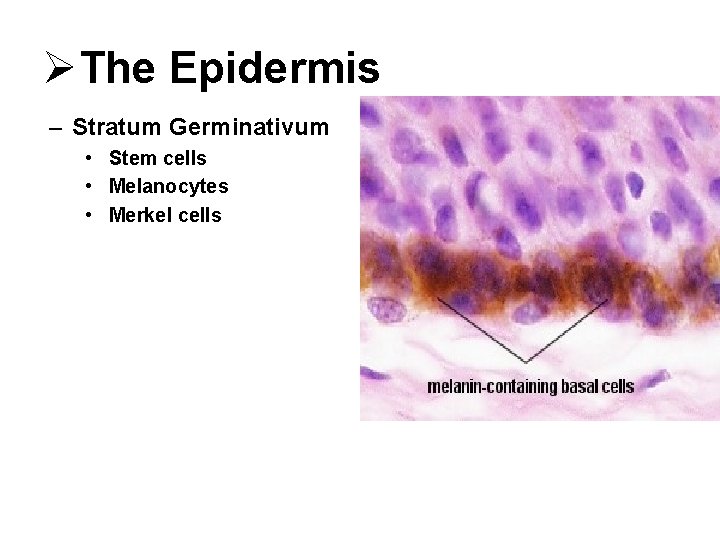
ØThe Epidermis – Stratum Germinativum • Stem cells • Melanocytes • Merkel cells
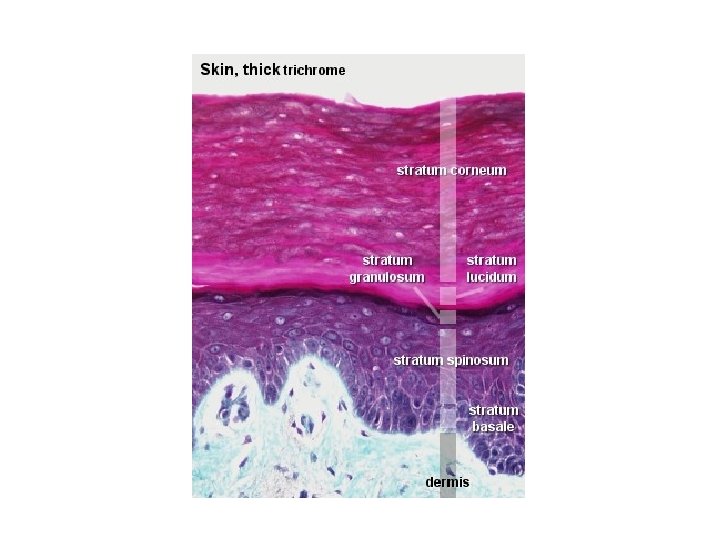
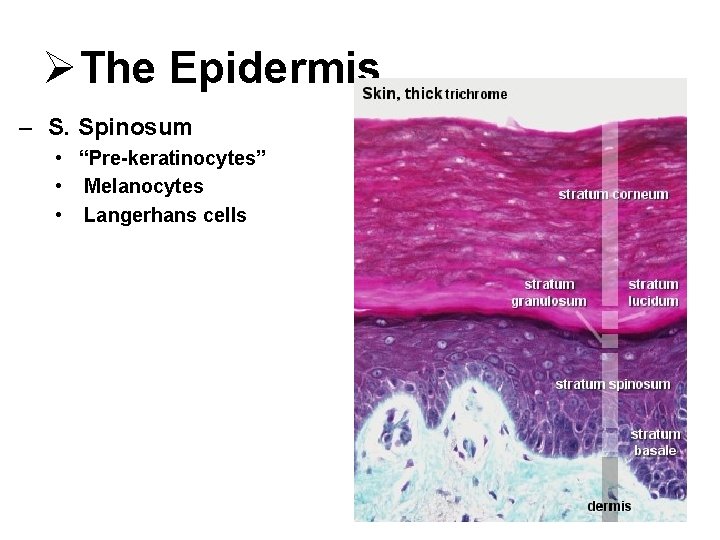
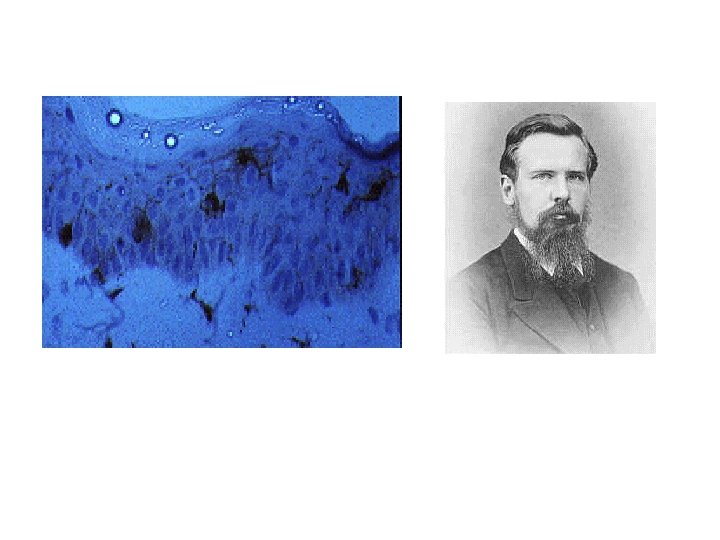
ØThe Epidermis – S. Spinosum • “Pre-keratinocytes” • Melanocytes • Langerhans cells
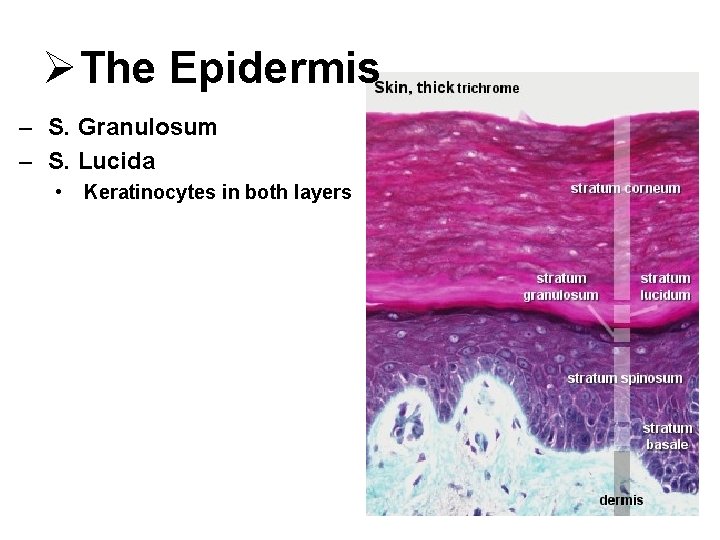
ØThe Epidermis – S. Granulosum – S. Lucida • Keratinocytes in both layers
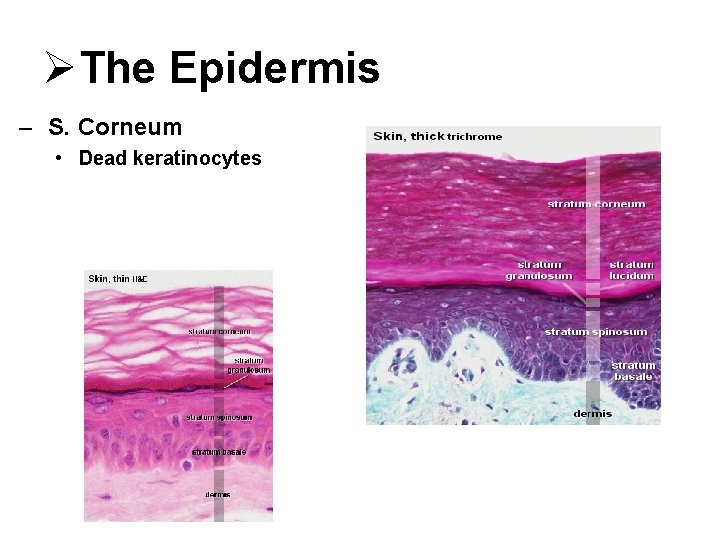
ØThe Epidermis – S. Corneum • Dead keratinocytes
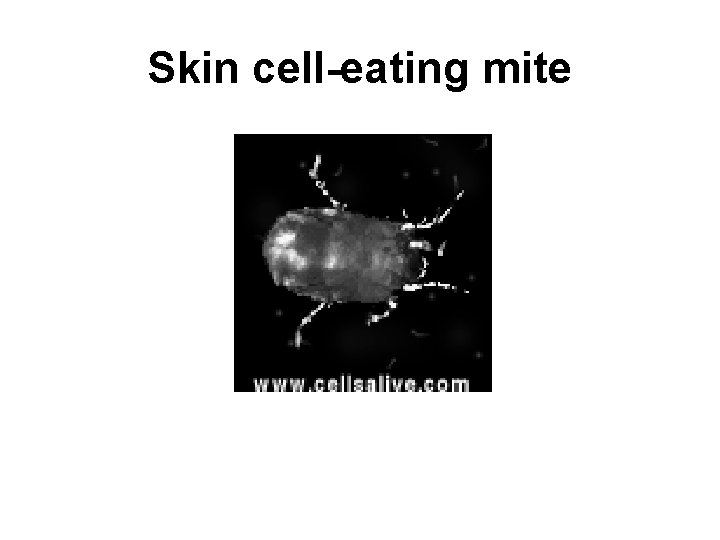
Skin cell-eating mite
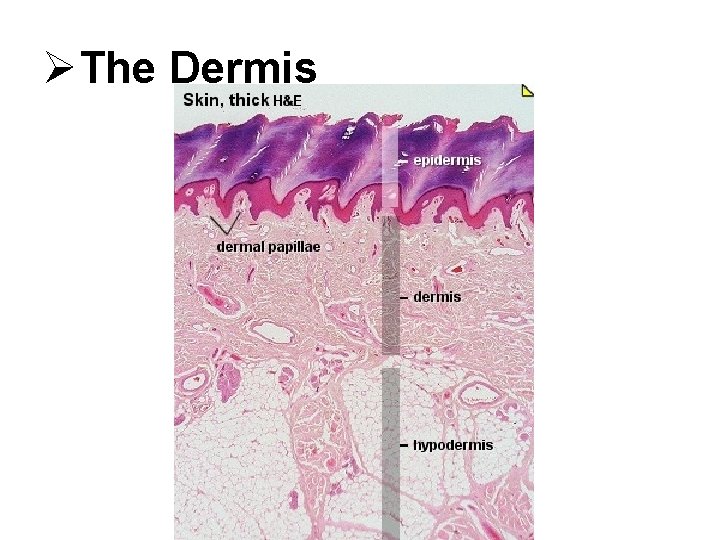
ØThe Dermis
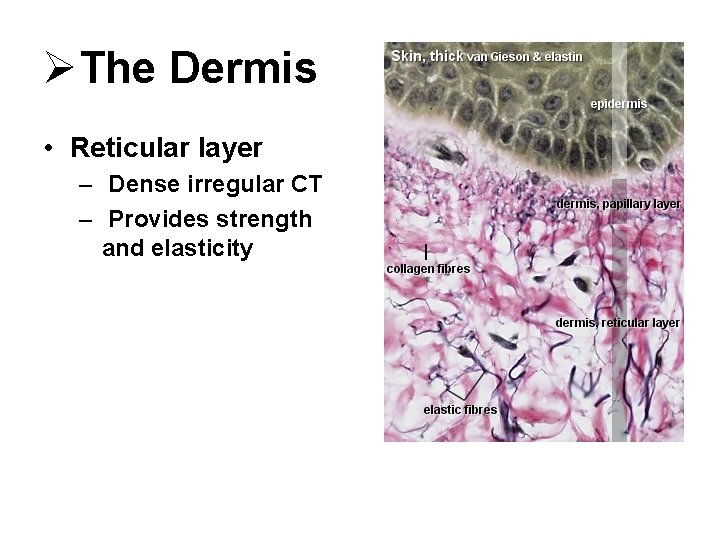
ØThe Dermis • Reticular layer – Dense irregular CT – Provides strength and elasticity
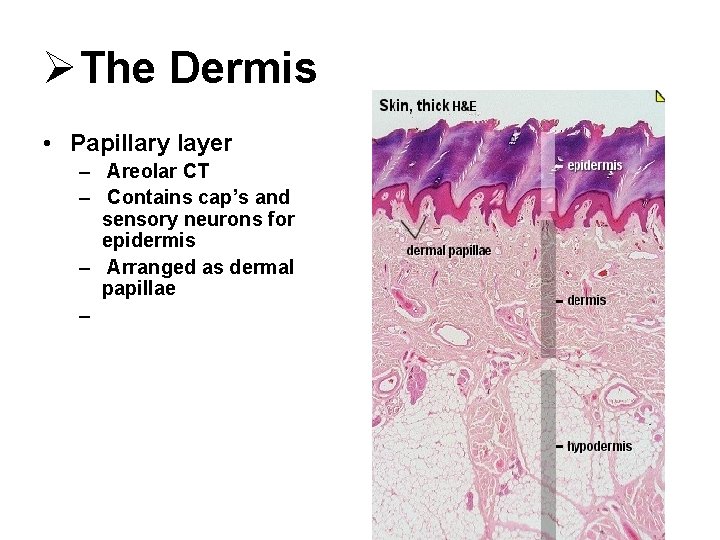
ØThe Dermis • Papillary layer – Areolar CT – Contains cap’s and sensory neurons for epidermis – Arranged as dermal papillae –
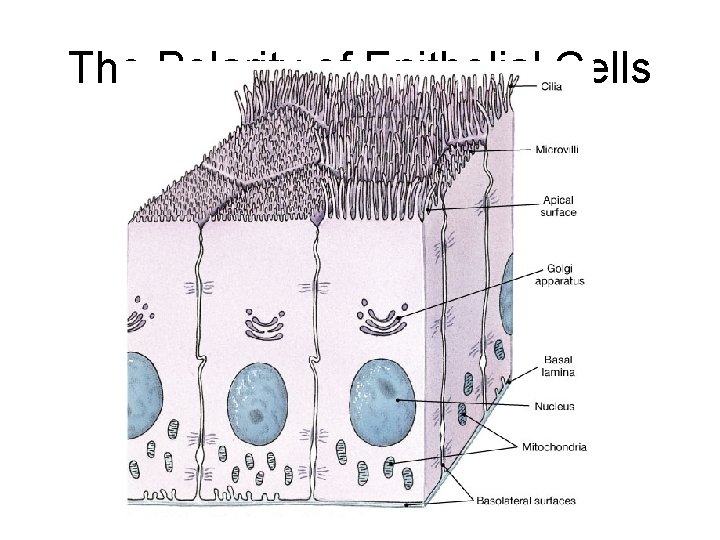
Specializations of epithelium • • Perform secretory functions Perform transport functions Maintain physical integrity Ciliated epithelia move materials across their surface
The Polarity of Epithelial Cells
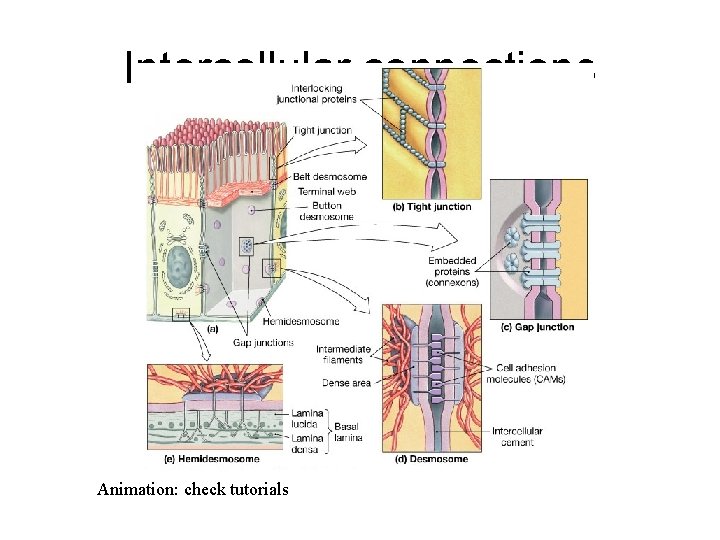
Maintaining the integrity of epithelium • Cells attach via cell adhesion molecules (CAM) • Cells attach at specialized cell junctions – Tight junctions – Desmosomes – Gap junctions
Intercellular connections Animation: check tutorials
Structure of typical epithelium • Basal lamina attaches to underlying surface – Lamina lucida – Lamina densa • Germinative cells replace short-lived epithelial cells
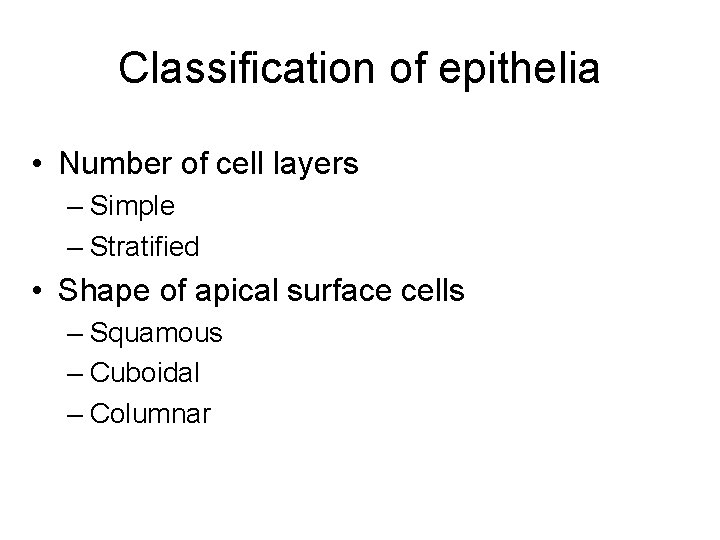
Classification of epithelia • Number of cell layers – Simple – Stratified • Shape of apical surface cells – Squamous – Cuboidal – Columnar
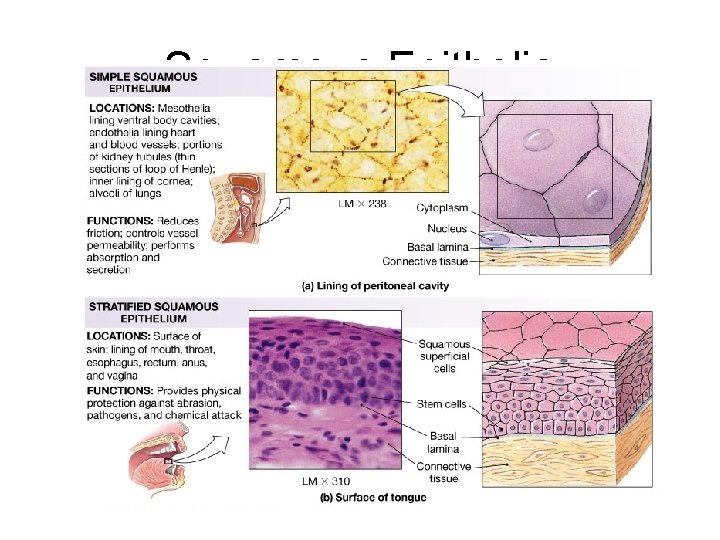
Squamous Epithelia
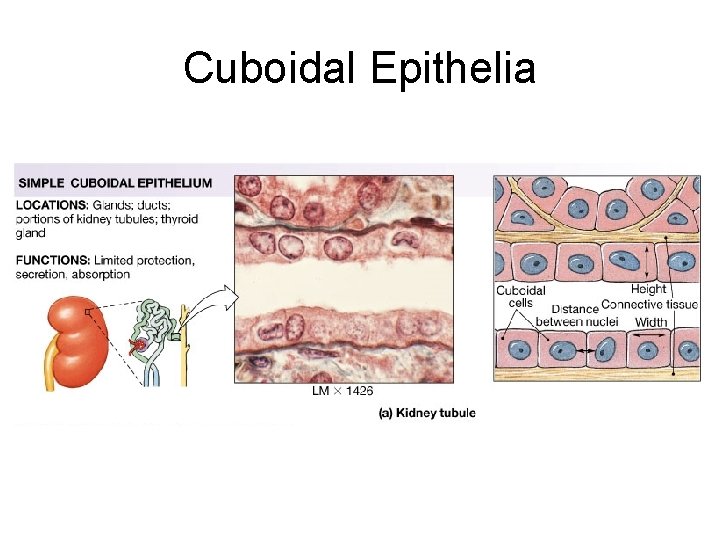
Cuboidal Epithelia
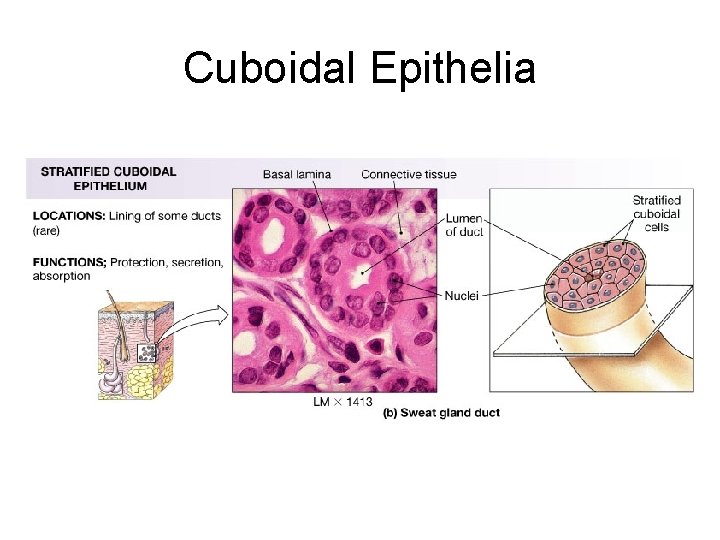
Cuboidal Epithelia
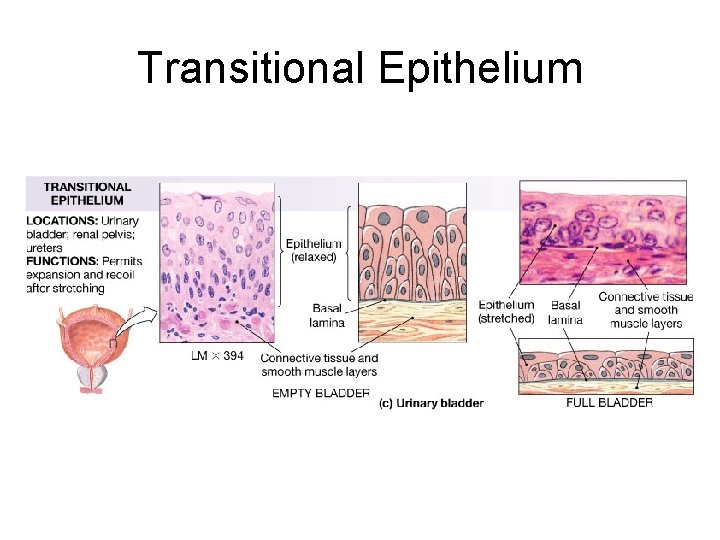
Transitional Epithelium
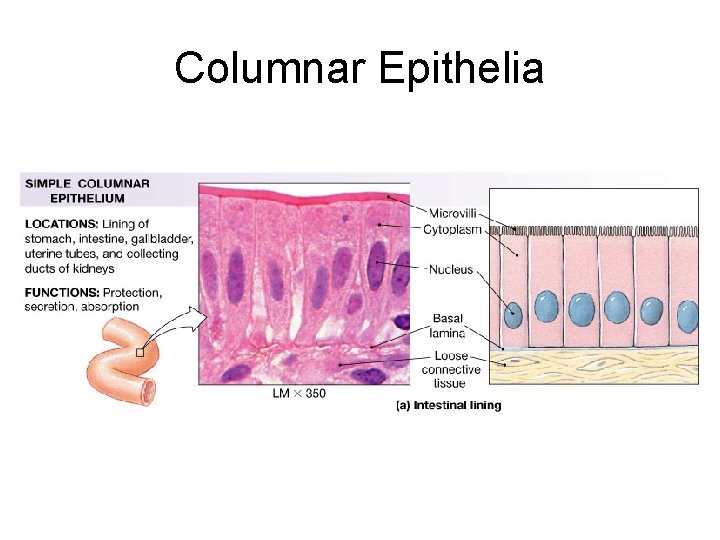
Columnar Epithelia
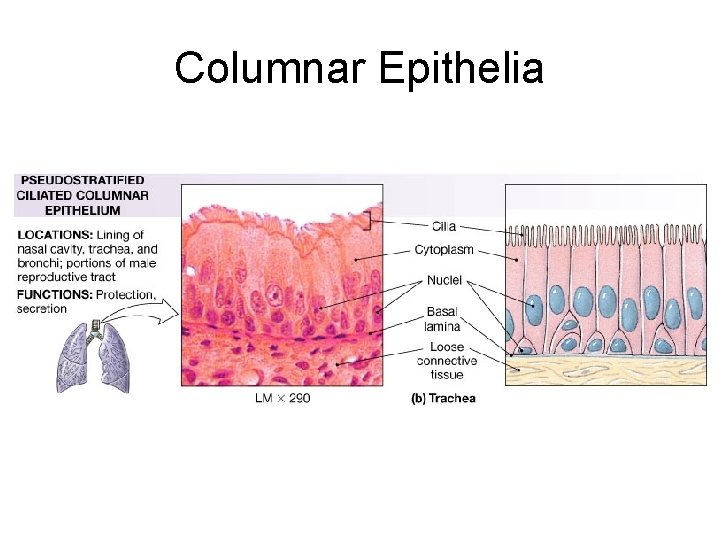
Columnar Epithelia
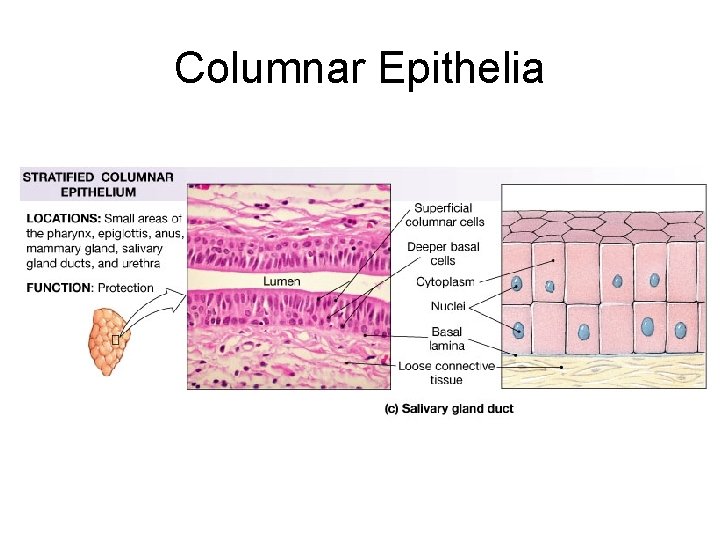
Columnar Epithelia
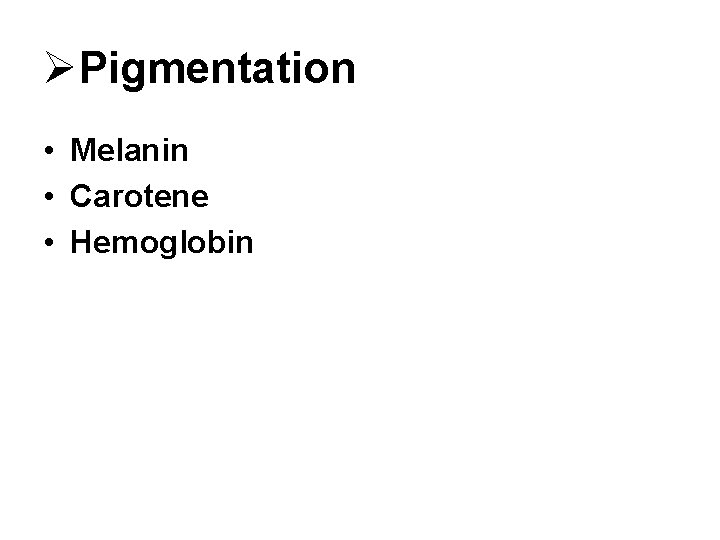
ØPigmentation • Melanin • Carotene • Hemoglobin
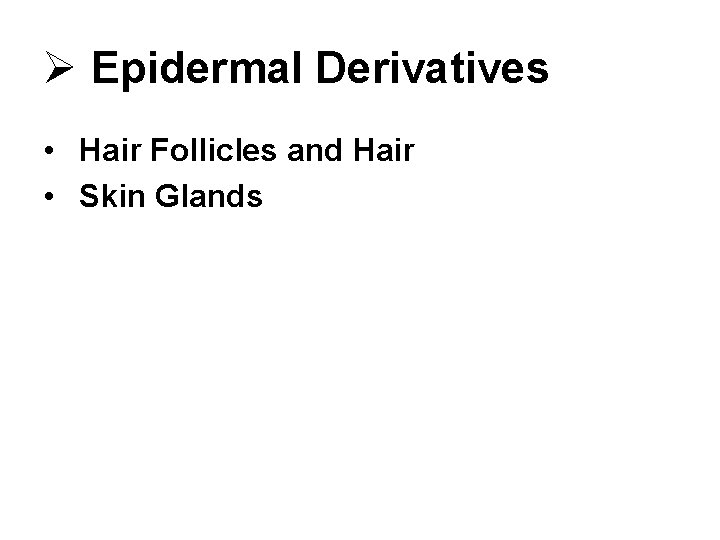
Ø Epidermal Derivatives • Hair Follicles and Hair • Skin Glands
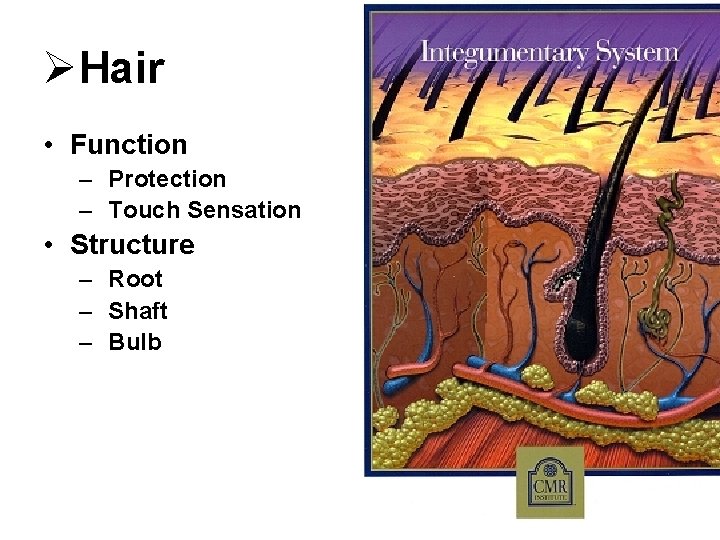
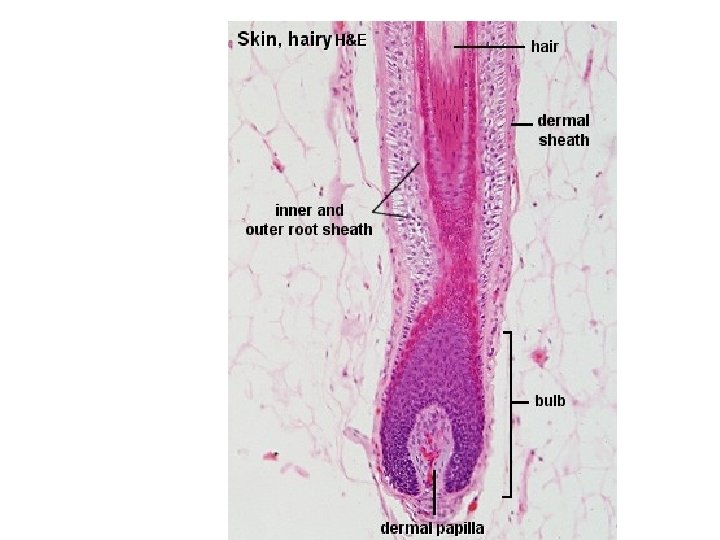
ØHair • Function – Protection – Touch Sensation • Structure – Root – Shaft – Bulb
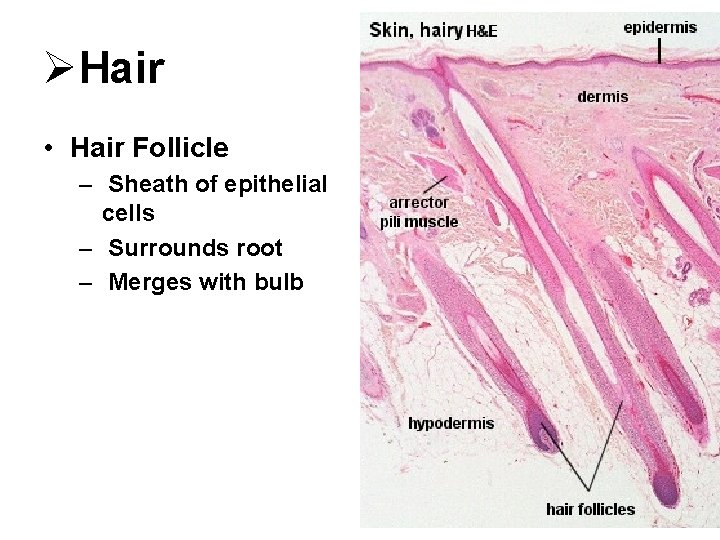
ØHair • Hair Follicle – Sheath of epithelial cells – Surrounds root – Merges with bulb
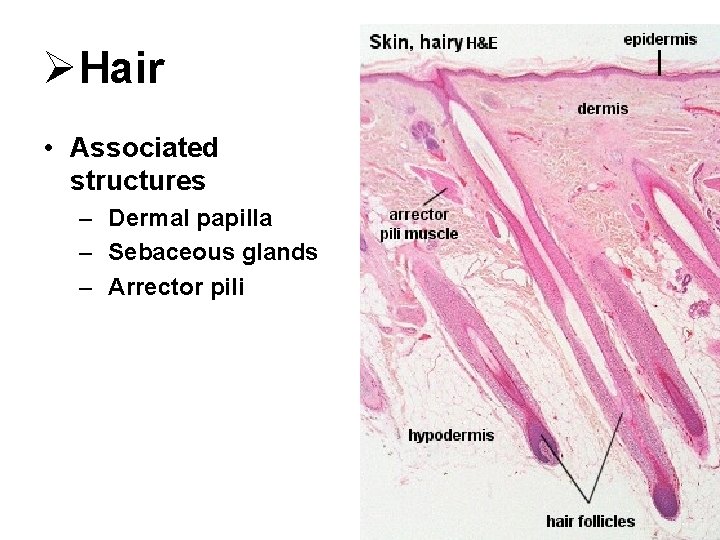
ØHair • Associated structures – Dermal papilla – Sebaceous glands – Arrector pili
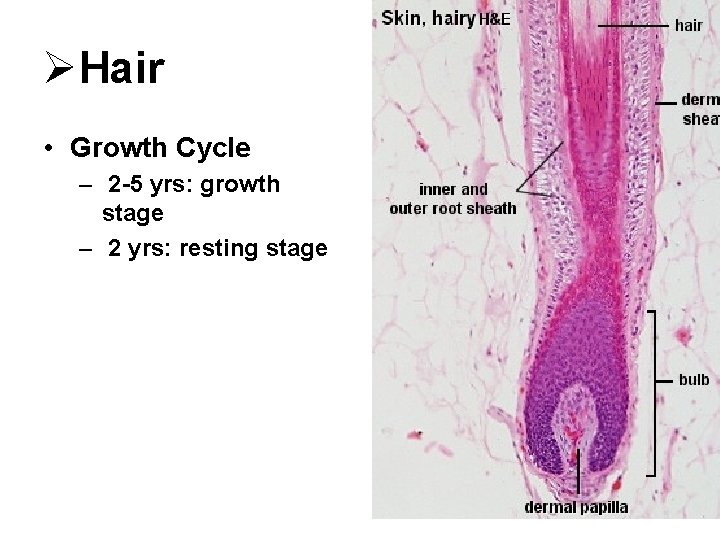
ØHair • Growth Cycle – 2 -5 yrs: growth stage – 2 yrs: resting stage
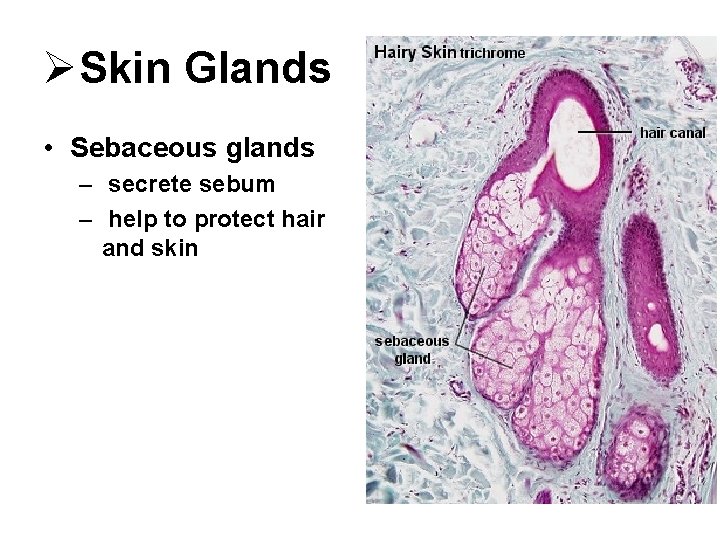
ØSkin Glands • Sebaceous glands – secrete sebum – help to protect hair and skin
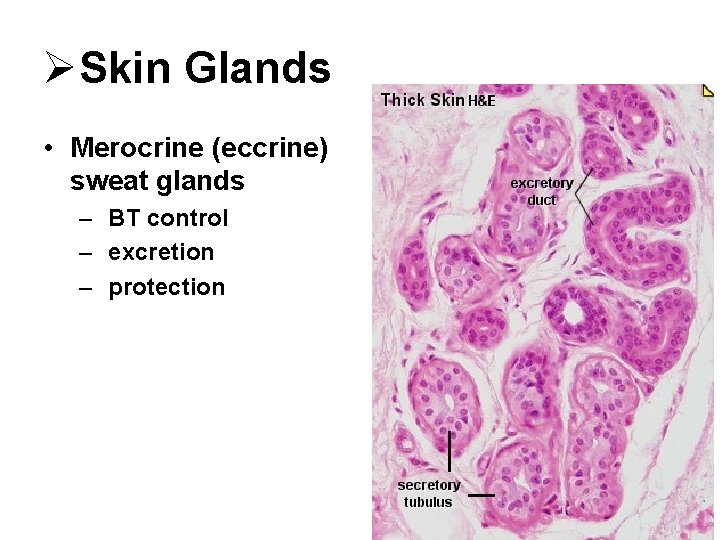
ØSkin Glands • Merocrine (eccrine) sweat glands – BT control – excretion – protection
ØSkin Glands • Apocrine sweat glands – Secrete pheromones?
ØSkin Glands • Mammary glands • Ceruminous glands
ØSkin Sensory Receptors • Free nerve endings • Pacinian corpuscles • Meissner’s corpuslces
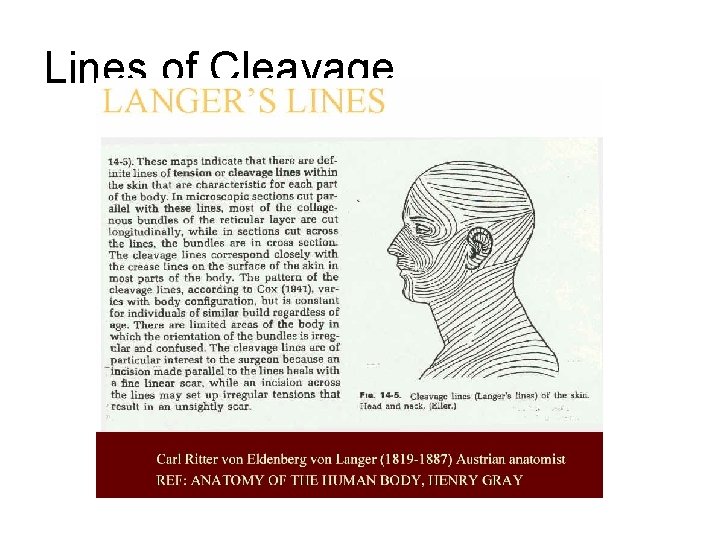
Lines of Cleavage •