
Integrative Therapies for Pediatric Pain Anjana Kundu MBBS
Integrative Therapies for Pediatric Pain Anjana Kundu, MBBS, DA Associate Professor, Dept of Anesthesiology & Pain Medicine Seattle Children’s Hospital University of Washington Seattle
Objectives • Introduction: Definitions • Commonly used integrative therapies • Evaluating commonly used integrative therapies • How to guide a patient/family regarding CAM therapies
Complementary and Alternative Medicine • Complementary and Alternative Medicine Group of diverse medical and health care systems, practices, and products that are not presently considered to be part of conventional medicine. • Conventional medicine - medicine as practiced by holders of M. D. or D. O. degrees and by their allied health professionals, such as physical therapists, psychologists, and registered nurses.
Complementary or Alternative? • Complementary medicine is used together with conventional medicine. • Alternative medicine is used in place of conventional medicine. • Integrative medicine combines treatments from conventional medicine and CAM for which there is evidence of safety and efficacy.

NIH-NCCAM Classification • Alternate Medical systems – Homeopathy, Traditional Chinese Medicine, Ayurveda, Naturopathy • Mind Body Medicine – Hypnosis, Biofeedback, Guided imagery, Meditation, spirituality • Biologically based practices – Herbs, Supplements, aromatherapy • Manipulative or body based practices – Massage, Chiropractic, Craniosacral, Yoga • Energy medicine – Therapeutic touch, Qi-gong, Reiki – Acupuncture
Pain • Chronic Pain – More than 3 months duration – Ongoing nerve damage, infection, muscle spasm, inflammation – Persists after initial injury healed – And/or may relate to emotional, cognitive, learned behavioral issues
Context • Incidence of chronic pain 15 -30% • Significant disabilities – School absence – Sleep disturbance – Higher distress, anxiety, depression • Higher incidence of persistence into adulthood • Long history of under-treatment of pain in children
Context • Effective treatment may lessen the economic burden and social impact • Non-Drug Options for Pain –underutilized • 25% of families were still unhappy with pain management in 2006
Context • General academic pediatricians (3 MD’s)investigated children presenting with chronic pain • 134 patients, 8 -18 yrs, chart review • 60% had psychiatric co-morbidity • Did not agree on cause of pain for 57% of pts • Did not agree on appropriate diagnostic workup for 37% of patients • Konijnenberg et al, 2004, Pediatrics
CAM for Chronic Pain
Incidence • 30% pediatric patients use CAM • More than 75% for chronic illness, cancer and pain • Children use more Mind Body Medicine based therapies compared to adults. » Kundu et al, Clin Pediatr 2010 » Barnes et al 2007 » Hagen et al 2003
CAM for Chronic Pain • Commonly used CAM for pediatric pain • Mind Body Medicine • Acupuncture • Massage • Aromatherapy • Yoga • Supplements
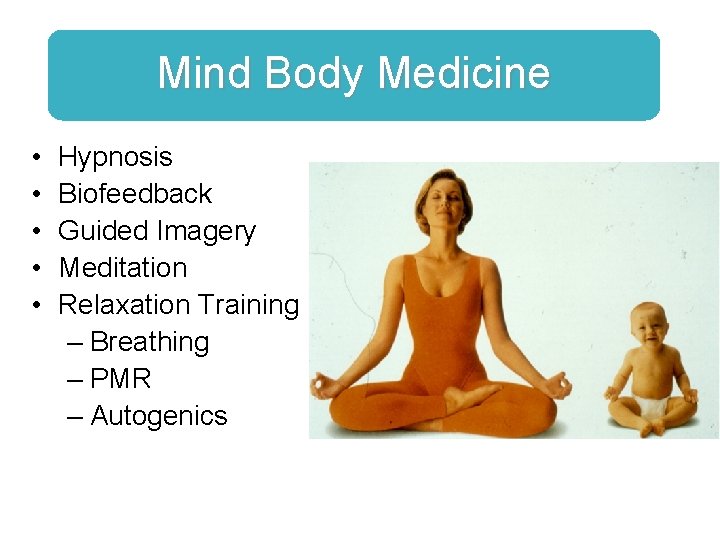
Mind Body Medicine • • • Hypnosis Biofeedback Guided Imagery Meditation Relaxation Training – Breathing – PMR – Autogenics
Hypnosis • An altered state of awareness within which persons experience heightened suggestibility (and other phenomena) – Mental imagery – Self-hypnosis – Visualization • 8 -14 y/o have higher hypnotizability
Biofeedback (BFB) l Records a physiological process, processes information, presenting it to subject l Attends to the process and attempts to alter the process l The BFB loop is completed when the person attends to the displayed information Provide signal Process feedback
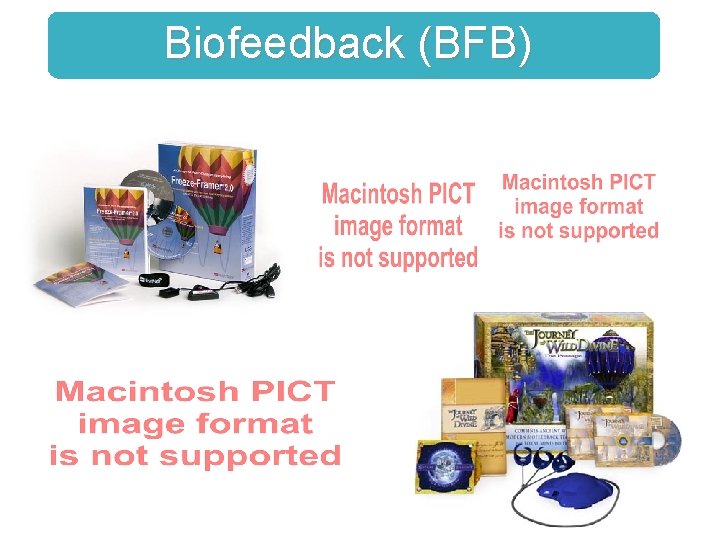
Biofeedback (BFB) Feedback Tool Skin Temperature Digital Thermal Gauge Heart Rate Pulse / Respiratory Monitor Respiratory rate Galvonic Skin Response GSR meter s. EMG Electromyography Heart Rate Finger / Earlobe sensor Variability (HRV)
Biofeedback (BFB)
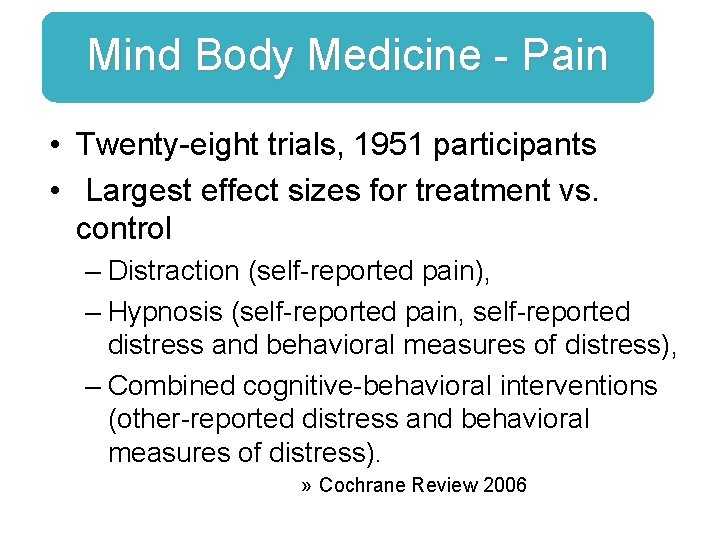
Mind Body Medicine - Pain • Twenty-eight trials, 1951 participants • Largest effect sizes for treatment vs. control – Distraction (self-reported pain), – Hypnosis (self-reported pain, self-reported distress and behavioral measures of distress), – Combined cognitive-behavioral interventions (other-reported distress and behavioral measures of distress). » Cochrane Review 2006
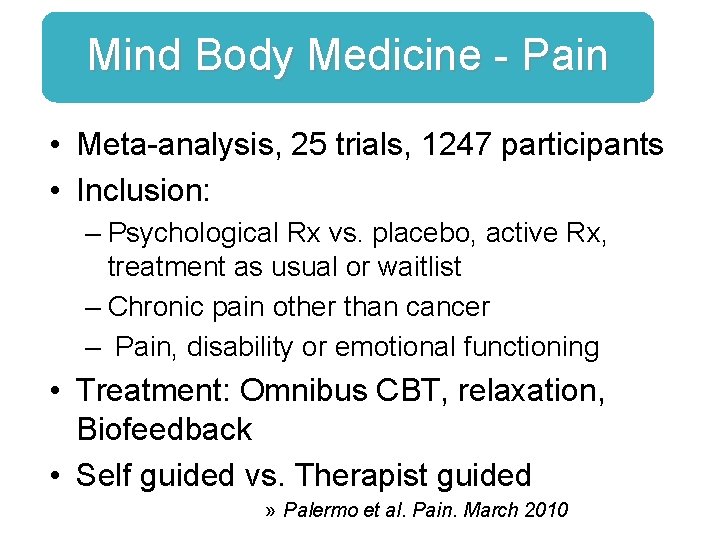
Mind Body Medicine - Pain • Meta-analysis, 25 trials, 1247 participants • Inclusion: – Psychological Rx vs. placebo, active Rx, treatment as usual or waitlist – Chronic pain other than cancer – Pain, disability or emotional functioning • Treatment: Omnibus CBT, relaxation, Biofeedback • Self guided vs. Therapist guided » Palermo et al. Pain. March 2010
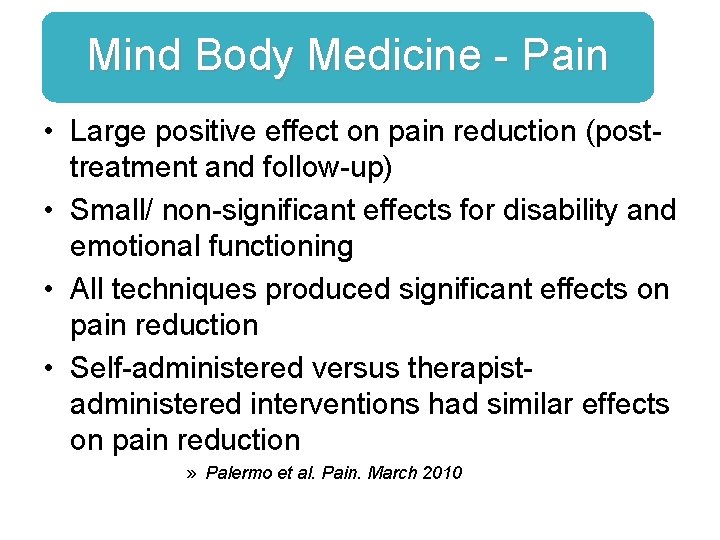
Mind Body Medicine - Pain • Large positive effect on pain reduction (posttreatment and follow-up) • Small/ non-significant effects for disability and emotional functioning • All techniques produced significant effects on pain reduction • Self-administered versus therapistadministered interventions had similar effects on pain reduction » Palermo et al. Pain. March 2010
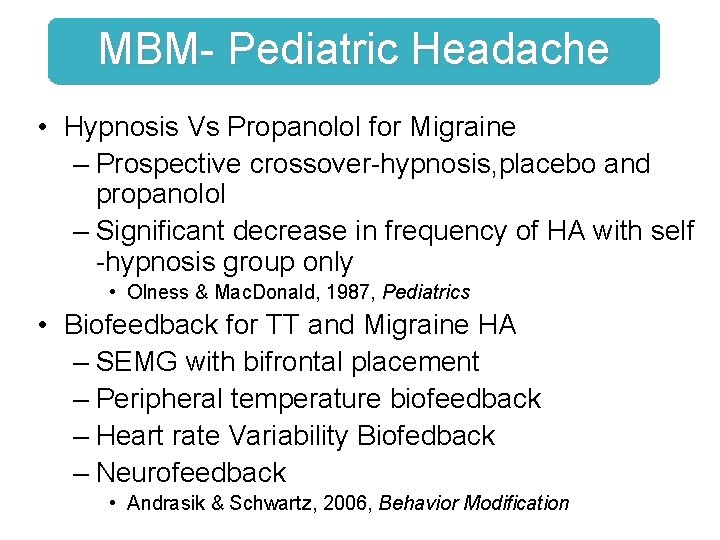
MBM- Pediatric Headache • Hypnosis Vs Propanolol for Migraine – Prospective crossover-hypnosis, placebo and propanolol – Significant decrease in frequency of HA with self -hypnosis group only • Olness & Mac. Donald, 1987, Pediatrics • Biofeedback for TT and Migraine HA – SEMG with bifrontal placement – Peripheral temperature biofeedback – Heart rate Variability Biofedback – Neurofeedback • Andrasik & Schwartz, 2006, Behavior Modification
MBM- Pediatric Headache • Long term follow up of Hypnosis – – – 52 youth, previously trained 85% continued relief, 44% decrease headache frequency 31 % decreased severity 56% decreased intensity 50% reported importance of hypnosis with stressors. • Cohen et al, 2010, Int J Clin Exp Hypn
MBM – Pediatric Headache • Migraine Patient Seminar (MIPAS) – a multimodal behavioral program for patient and family • Compared with BFB, for HA • 34 patients, 7 -16 yrs, RCT • MIPAS – 8 sessions for children , 4 sessions for parents • BFB – 20 sessions • Both groups had decreased intensity and duration of HA, • No statistically significant differences between 2 groups • Wolf-Dieter et al. J Headache Pain 2010
Acupuncture
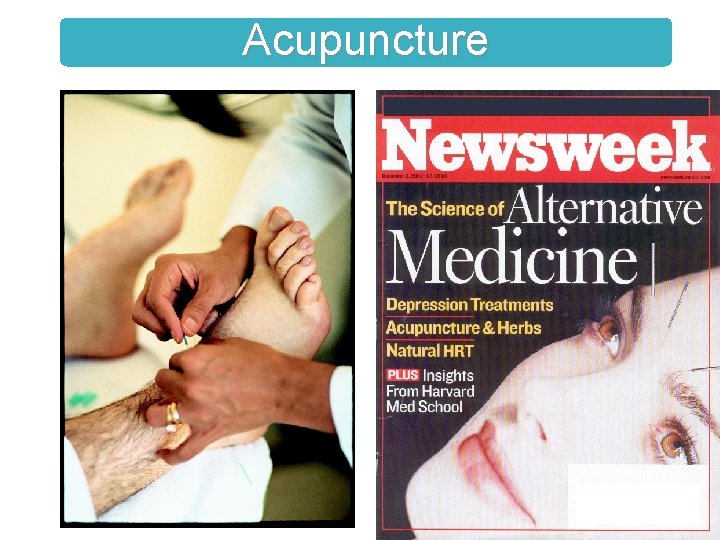
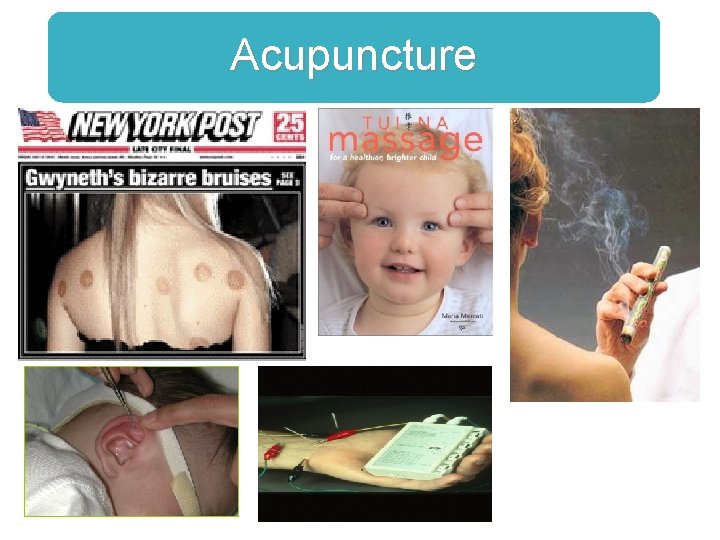
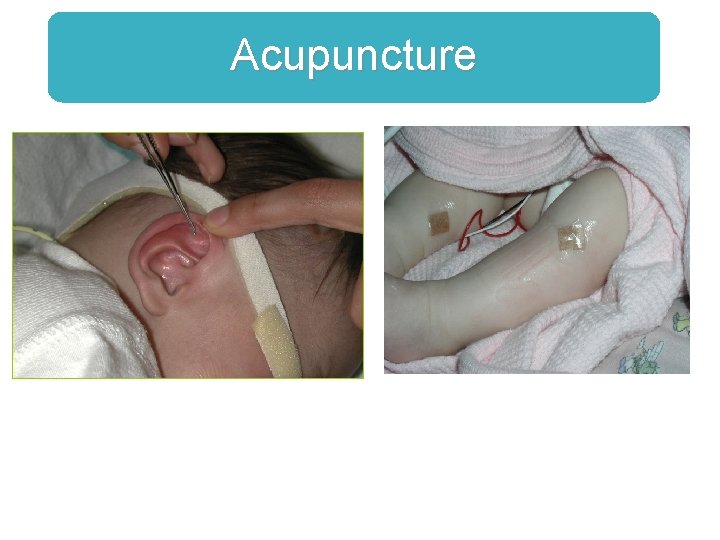
Acupuncture • Manipulation of specific points on the body • Meridians-14 invisible channels of energy flow-forming a network • Qi (chee) ebbs and flows with changes in a person’s mental, physical and spiritual well being • Practiced in China for thousands of years !
Acupuncture
Acupuncture
Acupuncture Mechanism • CSF analysis following acupuncture treatment shows increased levels of endorphins, encephalins, monoamines – Eriksson et al. 1977, Pomeranz 1996, Sims 1997 • Antagonism of EA by naloxone – Mayer et al. 1977 & Pomeranz et al 1989 • f. MRI studies demonstrating effects of stimulating various acupuncture points and effects on CNS – Cho et al. 2000, Liu et al 2004 • Polymodal Receptors Mechanism – Kawakita et al. 2007
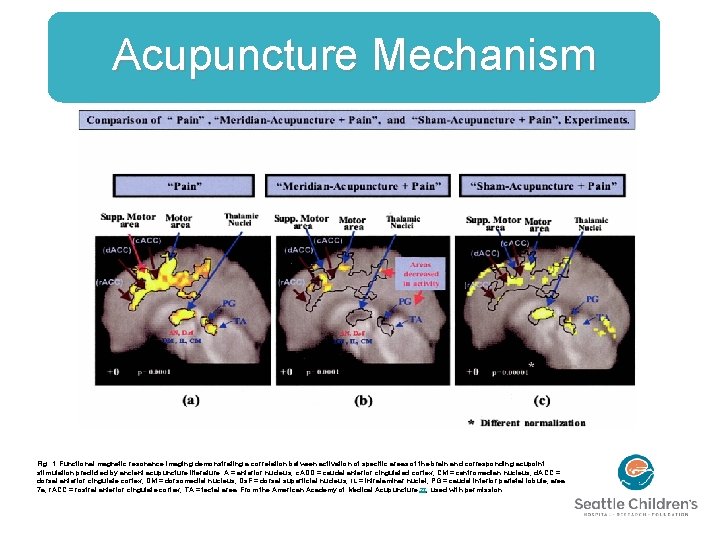
Acupuncture Mechanism Fig. 1. Functional magnetic resonance imaging demonstrating a correlation between activation of specific areas of the brain and corresponding acupoint stimulation predicted by ancient acupuncture literature. A = anterior nucleus; c. ADD = caudal anterior cingulated cortex; CM = centromedian nucleus; d. ACC = dorsal anterior cingulate cortex; DM = dorsomedial nucleus; Ds. F = dorsal superficial nucleus; IL = intralaminar nuclei; PG = caudal inferior parietal lobule, area 7 a; r. ACC = rostral anterior cingulate cortex; TA = tectal area. From the American Academy of Medical Acupuncture 27; used with permission.
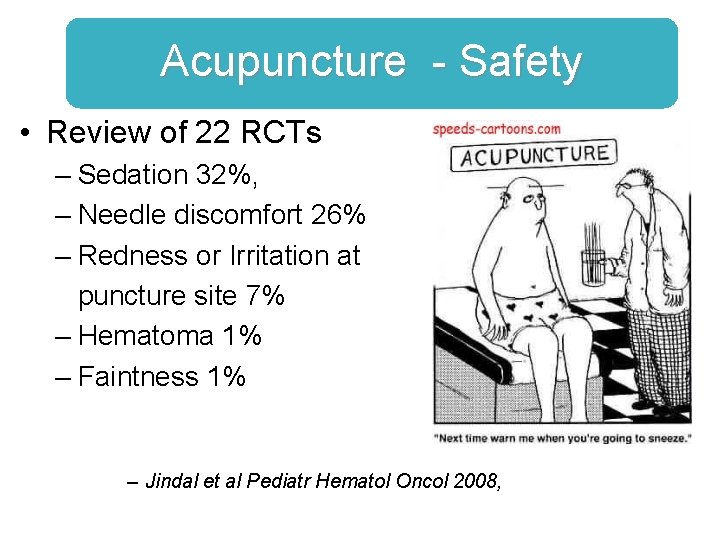
Acupuncture - Safety • Review of 22 RCTs – Sedation 32%, – Needle discomfort 26% – Redness or Irritation at puncture site 7% – Hematoma 1% – Faintness 1% – Jindal et al Pediatr Hematol Oncol 2008,
Acupuncture - Acceptability – Positive experience – Relaxing – Many patients sleep • • Zempsky, 2005 Lin et al 2002 Zeltzer et al 2002 Kemper et al 2000
Chronic Pain- Acupuncture • 47 participants, median age 16 yrs, with chronic pain • 70 % reported improvement in pain • 59 % of parents rated improved pain Kemper et al, Pediatrics 2000
Chronic Pain- Acupuncture • N=33, 6 -18 yrs, with chronic pain • 6 weeks Acupuncture + hypnotherapy • Pre - post treatment pain reduction 4. 4, interference reduction 2. 6 • Parents rating - improved pain 3. 4, interference reduction 3. 1 Zeltzer et al, J Pain Symptom Manag 2002
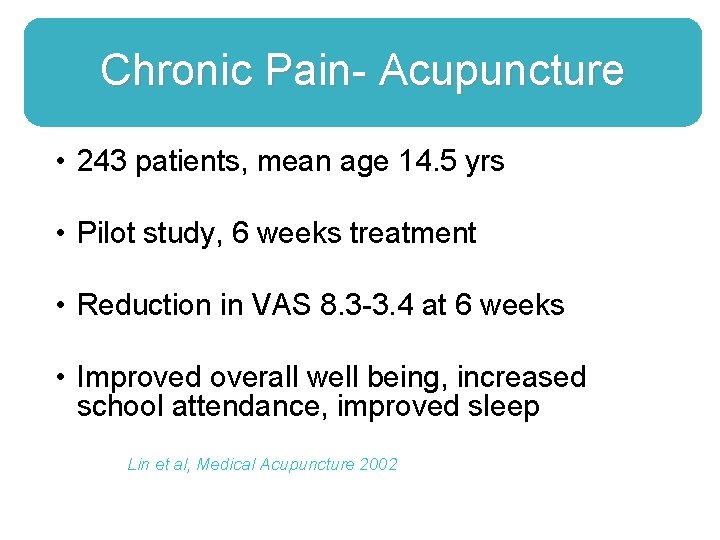
Chronic Pain- Acupuncture • 243 patients, mean age 14. 5 yrs • Pilot study, 6 weeks treatment • Reduction in VAS 8. 3 -3. 4 at 6 weeks • Improved overall well being, increased school attendance, improved sleep Lin et al, Medical Acupuncture 2002
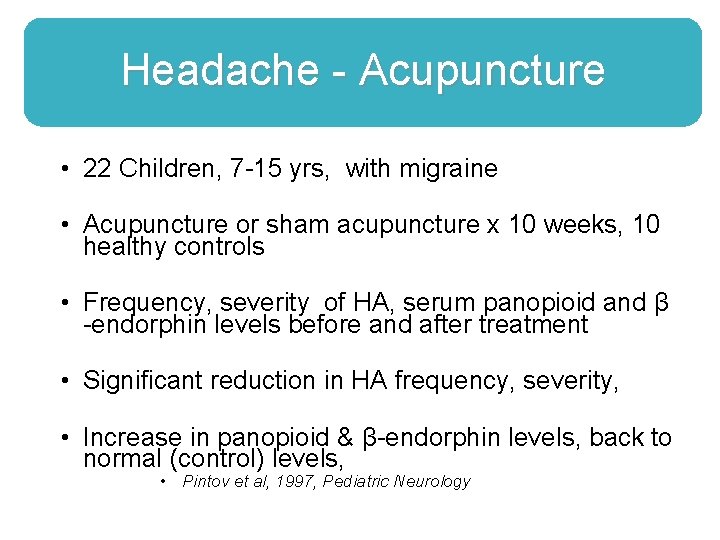
Headache - Acupuncture • 22 Children, 7 -15 yrs, with migraine • Acupuncture or sham acupuncture x 10 weeks, 10 healthy controls • Frequency, severity of HA, serum panopioid and β -endorphin levels before and after treatment • Significant reduction in HA frequency, severity, • Increase in panopioid & β-endorphin levels, back to normal (control) levels, • Pintov et al, 1997, Pediatric Neurology
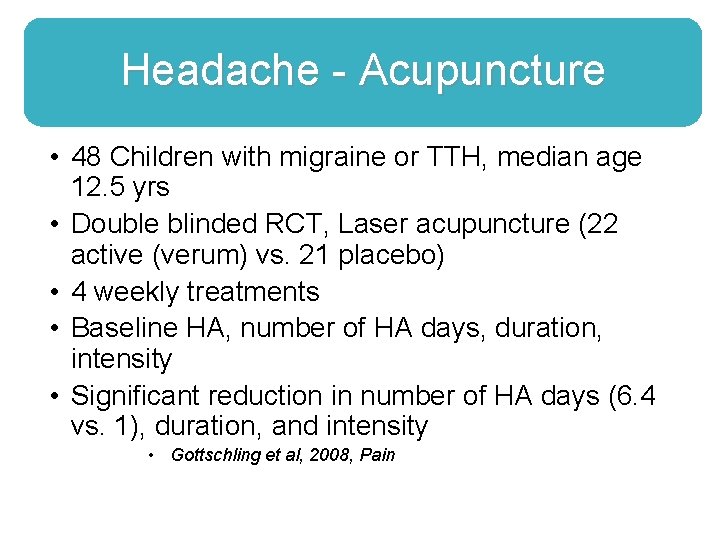
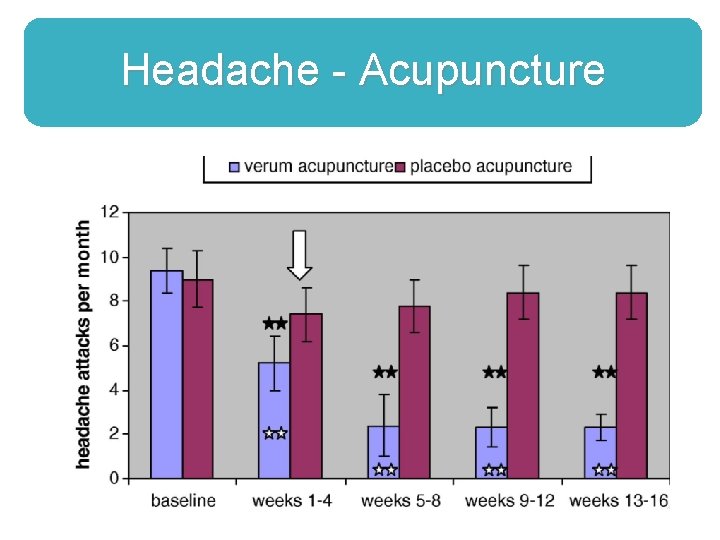
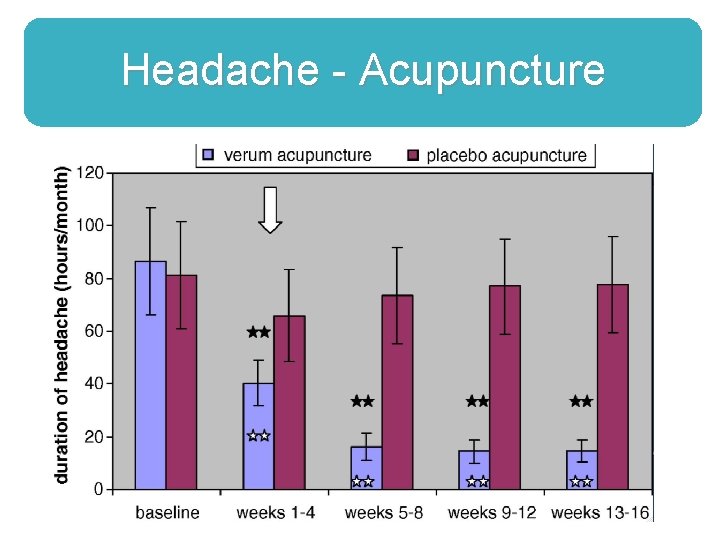
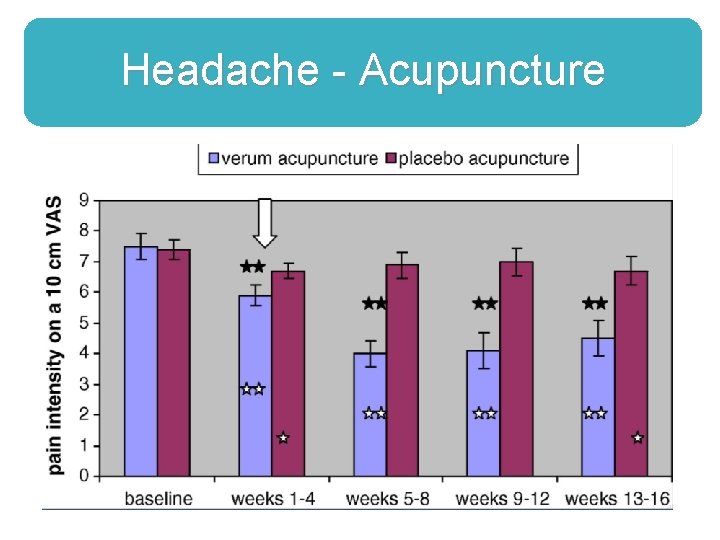
Headache - Acupuncture • 48 Children with migraine or TTH, median age 12. 5 yrs • Double blinded RCT, Laser acupuncture (22 active (verum) vs. 21 placebo) • 4 weekly treatments • Baseline HA, number of HA days, duration, intensity • Significant reduction in number of HA days (6. 4 vs. 1), duration, and intensity • Gottschling et al, 2008, Pain
Headache - Acupuncture
Headache - Acupuncture
Headache - Acupuncture
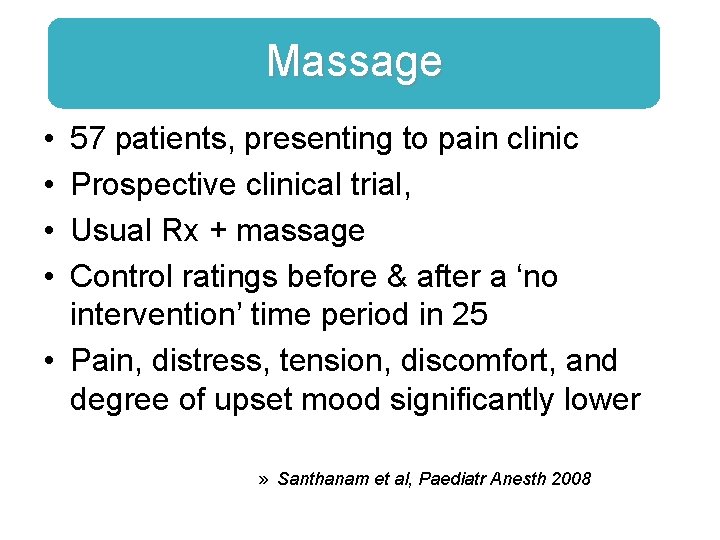
Massage • • 57 patients, presenting to pain clinic Prospective clinical trial, Usual Rx + massage Control ratings before & after a ‘no intervention’ time period in 25 • Pain, distress, tension, discomfort, and degree of upset mood significantly lower » Santhanam et al, Paediatr Anesth 2008
Yoga • 25 IBS patients, 11 -18 yrs • RCT, Yoga vs. wait list control • Baseline GI sx, pain, functional disability, coping and anxiety/depression • Lower functional disability, GI sx, anxiety, emotion focused avoidance with yoga intervention • Pain excluded from analysis due to differences in baseline scores » Kuttner et al, Pain Res Manage 2006
Aromatherapy
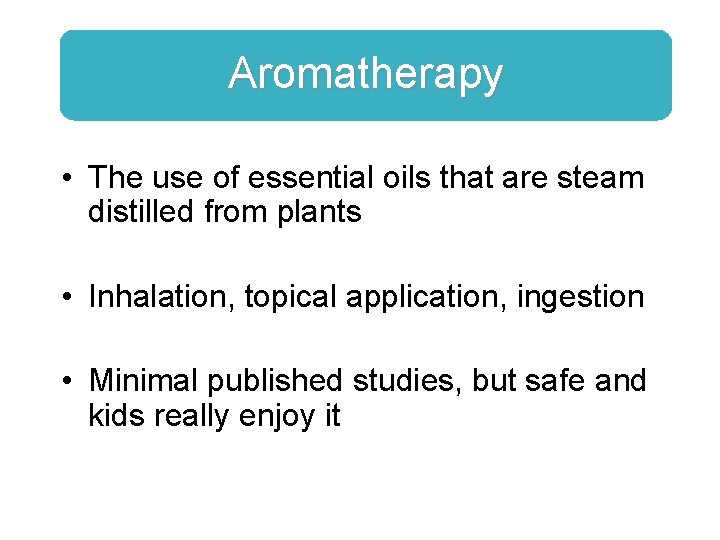
Aromatherapy • The use of essential oils that are steam distilled from plants • Inhalation, topical application, ingestion • Minimal published studies, but safe and kids really enjoy it
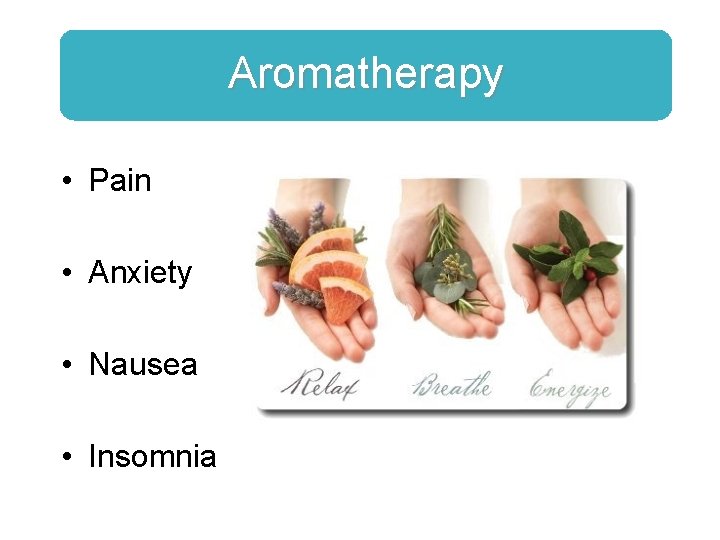
Aromatherapy • Pain • Anxiety • Nausea • Insomnia
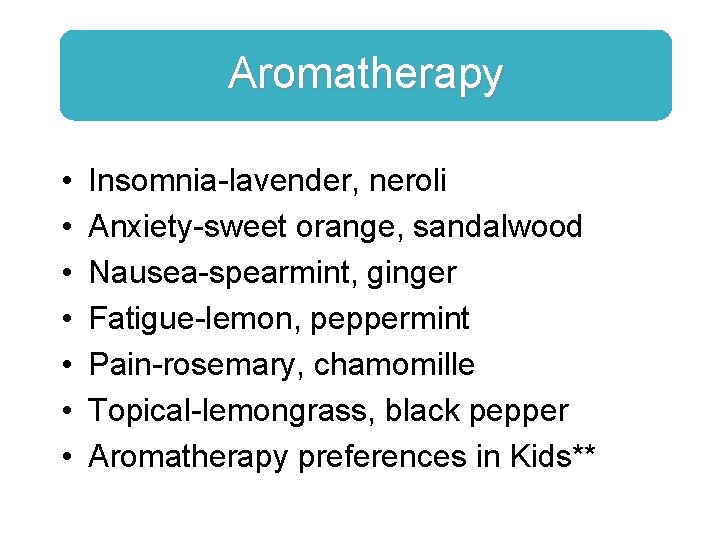
Aromatherapy • • Insomnia-lavender, neroli Anxiety-sweet orange, sandalwood Nausea-spearmint, ginger Fatigue-lemon, peppermint Pain-rosemary, chamomille Topical-lemongrass, black pepper Aromatherapy preferences in Kids**
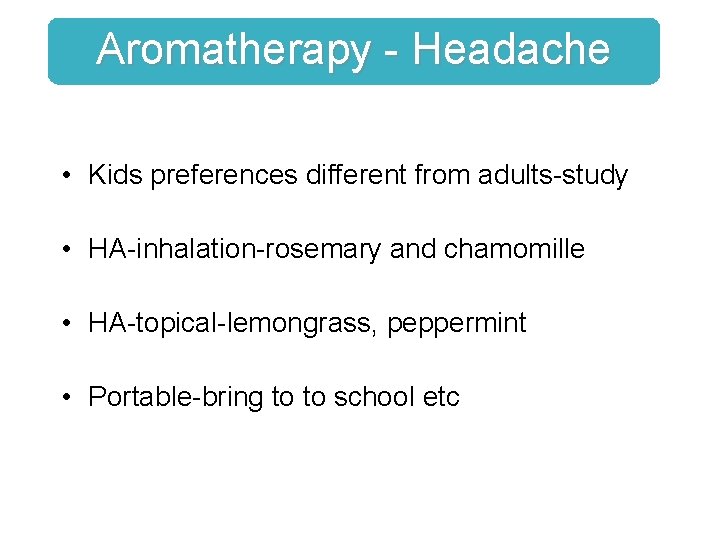
Aromatherapy - Headache • Kids preferences different from adults-study • HA-inhalation-rosemary and chamomille • HA-topical-lemongrass, peppermint • Portable-bring to to school etc
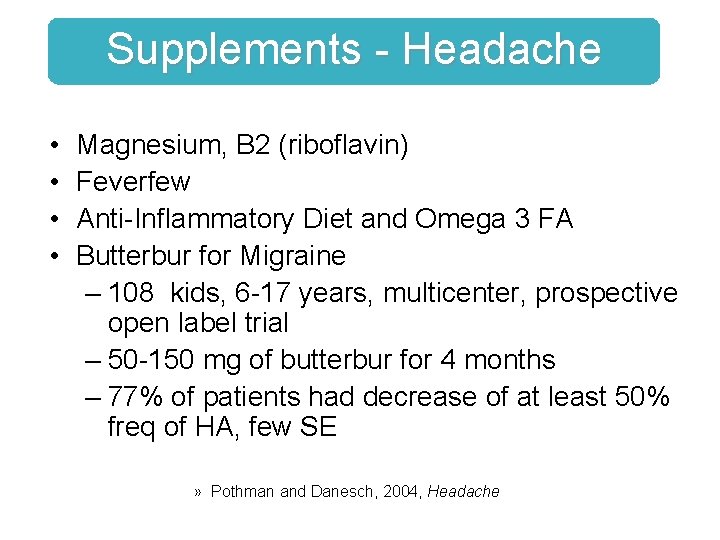
Supplements - Headache • • Magnesium, B 2 (riboflavin) Feverfew Anti-Inflammatory Diet and Omega 3 FA Butterbur for Migraine – 108 kids, 6 -17 years, multicenter, prospective open label trial – 50 -150 mg of butterbur for 4 months – 77% of patients had decrease of at least 50% freq of HA, few SE » Pothman and Danesch, 2004, Headache
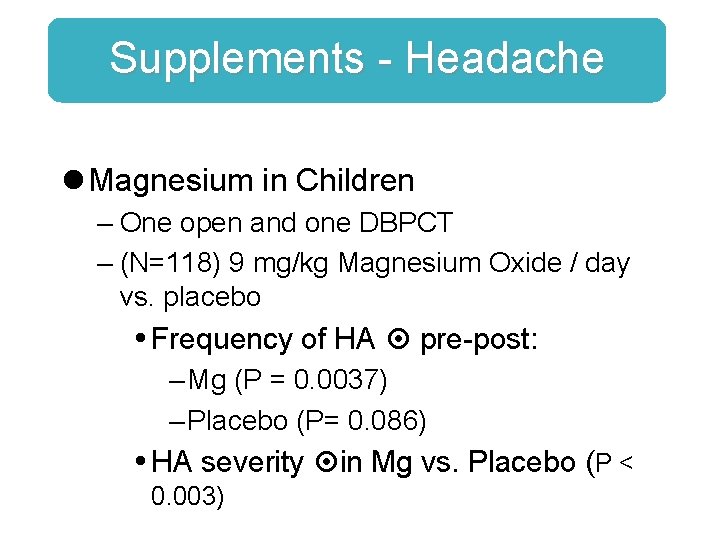
Supplements - Headache l Magnesium in Children – One open and one DBPCT – (N=118) 9 mg/kg Magnesium Oxide / day vs. placebo Frequency of HA pre-post: – Mg (P = 0. 0037) – Placebo (P= 0. 086) HA severity in Mg vs. Placebo (P < 0. 003)
How to Advise Patients/Families? • Encourage disclosure of CAM use • Consider their choice and autonomy in the determining therapy • Age appropriate therapies • Evidence based, whenever possible
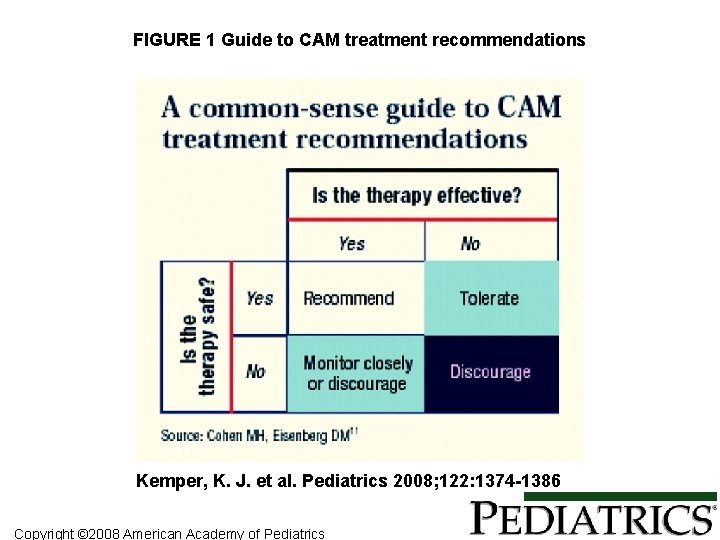
FIGURE 1 Guide to CAM treatment recommendations Kemper, K. J. et al. Pediatrics 2008; 122: 1374 -1386 Copyright © 2008 American Academy of Pediatrics
Summary • The impact of un/undertreated pain extends beyond the patient and beyond childhood • Use and acceptance of CAM prevalent in Kids • Integrating appropriate CAM may enhance therapeutic outcomes. • Active participation and self-management strategies should be encouraged • Evidence base for CAM in Pediatric Pain is increasing

Please save the date and join us in Seattle for Regional Anesthesia in Children August 26 -28, 2011 Hosted by • Local, national and international speakers including: Bernard Dales (Quebec City, Canada) Ben Walker (Madison, USA) • • • Arjunan Ganesh (Philadelphia, USA) Brian Ross (Seattle, USA) Didactic lectures and small group workshops Ultrasound practice on live models and phantoms Team Stepps/Crew Resource Management Training Regional anesthesia simulation Cadaveric anatomy workshop More information available on our website shortly: http: //www. seattlechildrens. org/cme

anjana. kundu@seattlechildrens. org Thank You
- Slides: 54