
Integrating Technology into Problem and Project Based Learning
Integrating Technology into Problem and Project Based Learning GLOBAL LEARN 2016 LIMERICK IRELAND
Why Problem and Project Based Learning?
Why Problem and Project Based Learning? Kids Speak Out on Student Engagement Edutopia "Students are most interested when the curriculum applies to more than just the textbook. The book is there -- we can read a book. If we're given projects that expand into other subjects and make us think, it'll help us understand the information. ” "I like to explore beyond the range of what normal textbooks allow us to do through hands-on techniques such as project-based learning. Whenever I do a project, I always seem to remember the material better than if I just read the information straight out of a textbook. "
Why Problem and Project Based Learning?
Problem Based Learning Students conducting research Integrate theory and practice Apply knowledge and skills to solve a problem.
Project Based Learning Standards based content Meaningful problem or challenge Rigorous process of asking questions, discovering resources, and applying new and previous knowledge
Making these activities relevant Teachers report that students demonstrate a stronger connection between what they were learning and their own world when incorporating project and problem based learning (Boss & Krauss, 2014). For project and problem based assignments to now be relevant to students, it is essential to incorporate digital tools (Boss & Krauss, 2014). These tools do not need to be elaborate or expensive. However, digital tools must incorporate seamlessly into the activity and mirror skills students will practice in a professional setting.
Why Problem and Project Based Learning? When completing project based assignments students report higher levels of elaboration, critical thinking, and metacognition while project based assignments resulted in a higher perception of learning autonomy (Stefanou, et al, 2013).
Communication and Collaboration For learning to take place, students must build relationships while interacting with the content and each other using communication and collaboration tools Discussion Board Twitter Google Plus Google Hangout Today’s Meet Face. Book

Today’s Meet Todays. Meet https: //todaysmeet. com/Global. Learn-2016
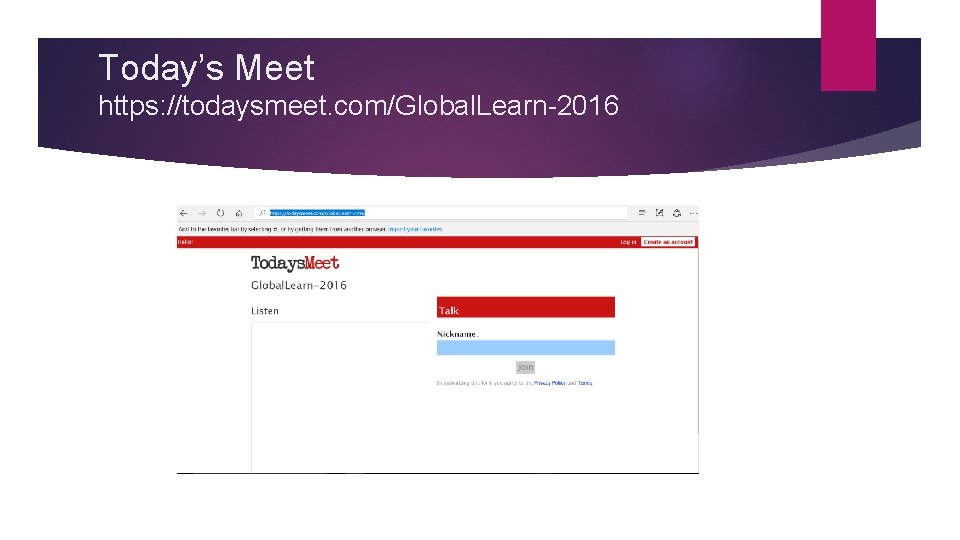
Today’s Meet https: //todaysmeet. com/Global. Learn-2016
Communicate With Experts in the Topic Wetoku Skype oo. Voo
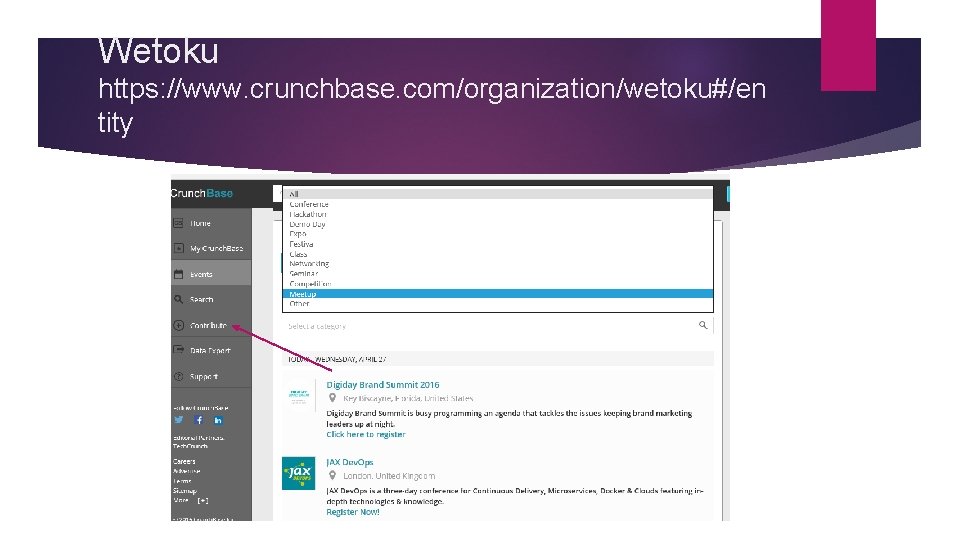
Wetoku https: //www. crunchbase. com/organization/wetoku#/en tity
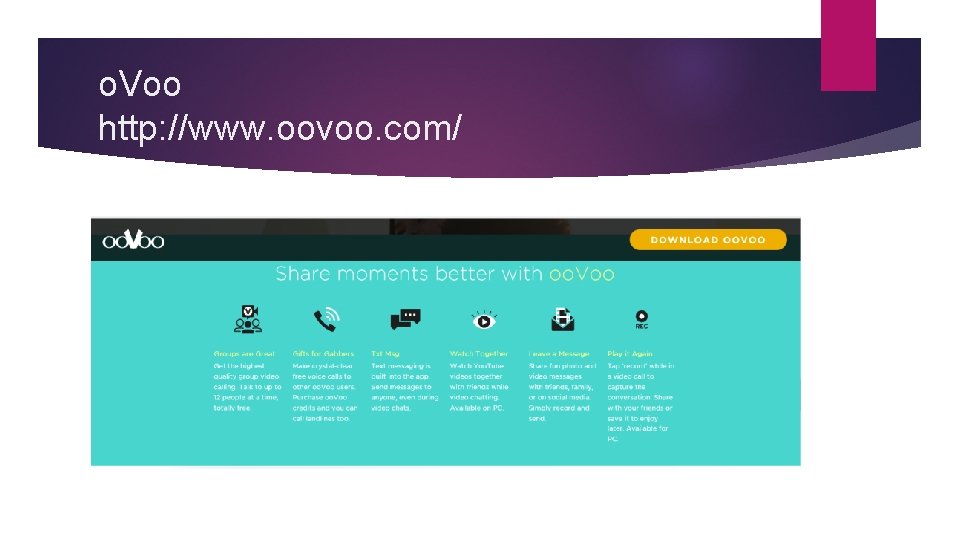
o. Voo http: //www. oovoo. com/
More than just communicating…… Vygotsky explained that cultural artifacts are important to learning (Fire, 2009). Both project based and problem based activities require students to construct a product of some type to demonstrate assimilation of information. Teacher Created Online resources: Flash. Card Machine, the BBC Learning Zone, and the Library of Congress Digital Collection Student Created Linoit Padlet, or a graphic organizer using Popplet.
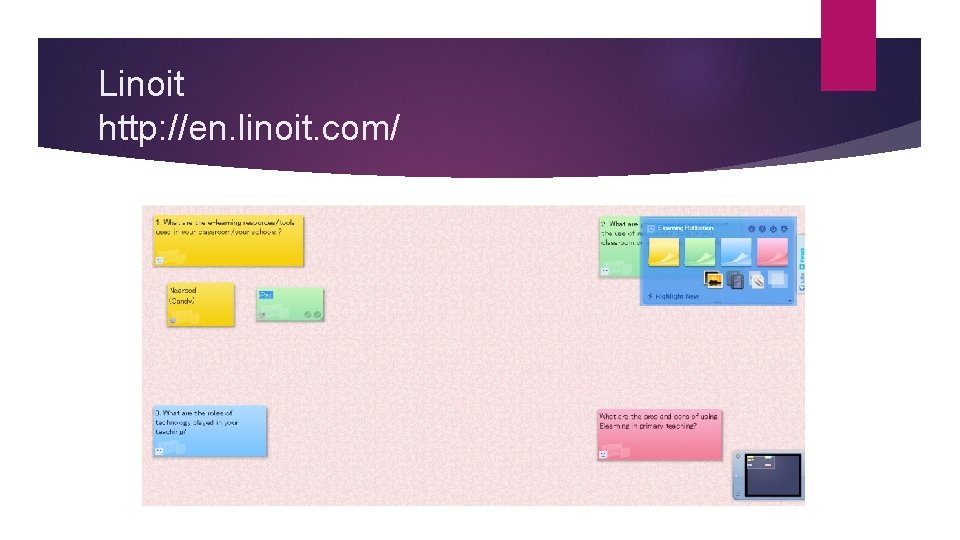
Linoit http: //en. linoit. com/
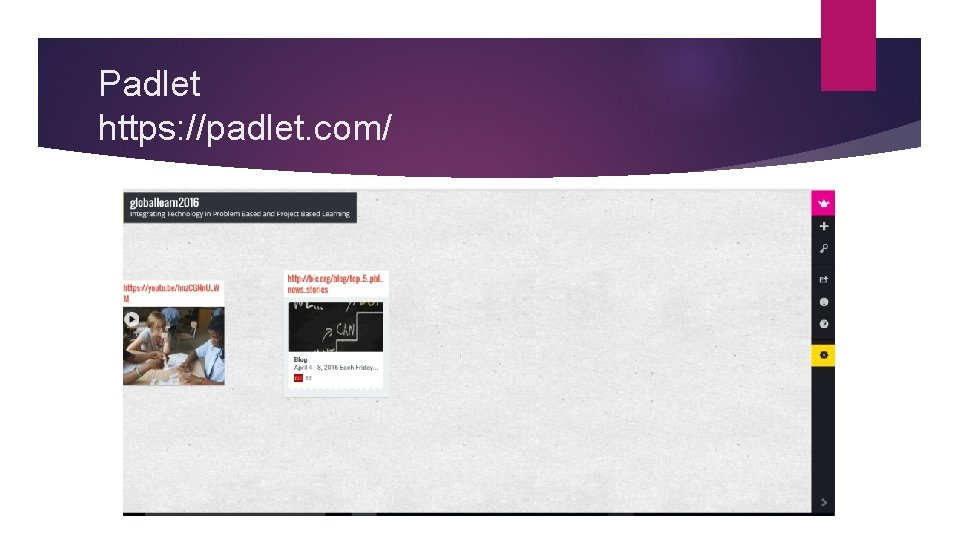
Padlet https: //padlet. com/
Student Centered Activities When completing project and problem based learning, students are granted a degree of autonomy as they design specific products.

Smore https: //www. smore. com/
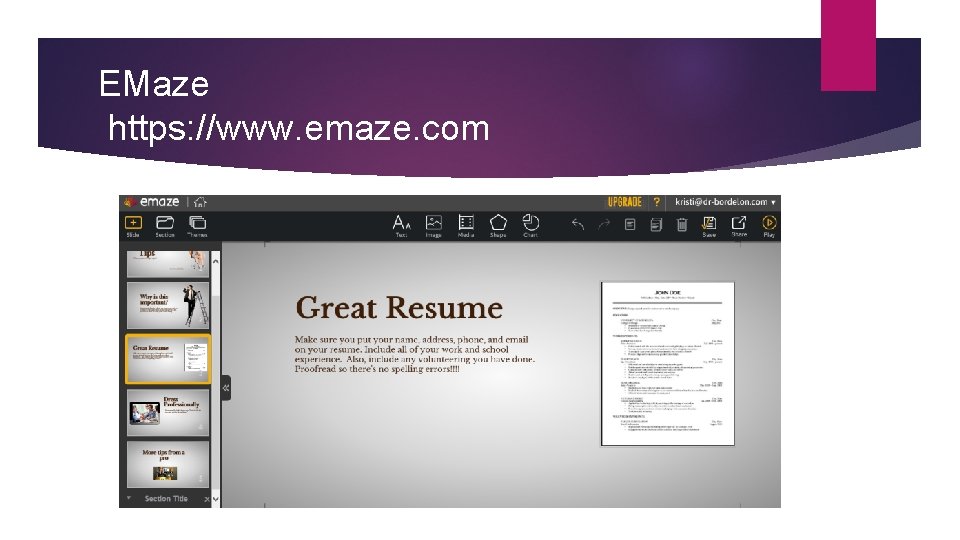
EMaze https: //www. emaze. com
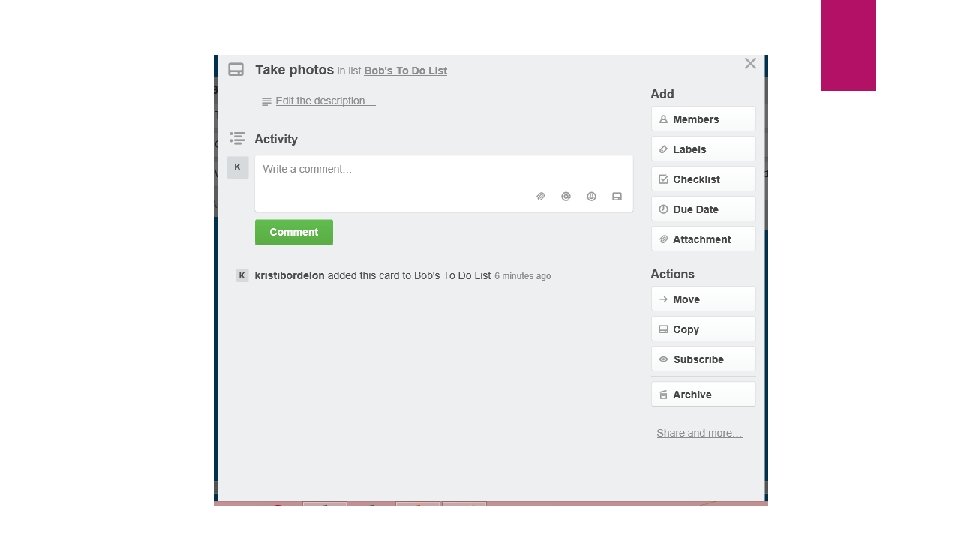
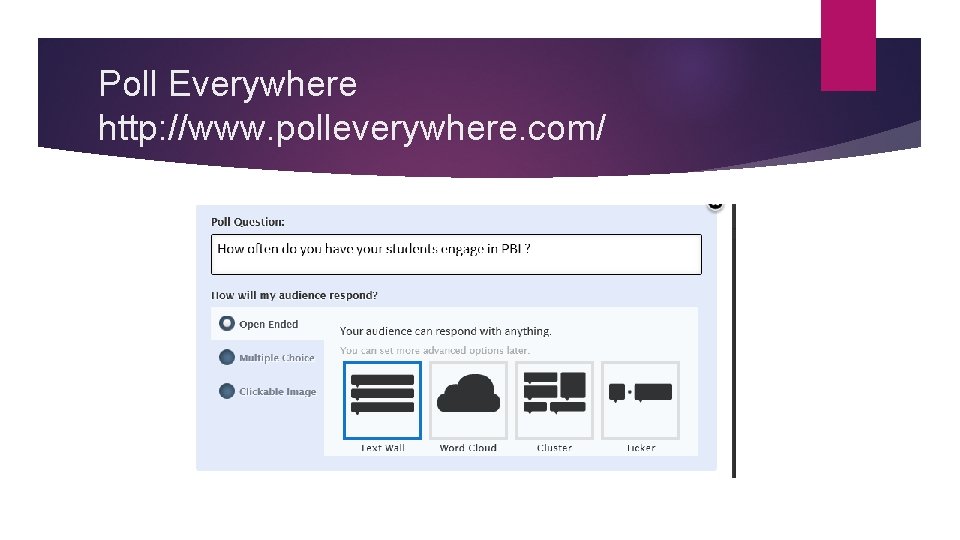
Organization and Creating…. Online resources such as Livebinders and Text to Mindmap allow students the opportunity to organize materials. Tools such as Educannon, Emaze, and Instagrok can be used to combine the materials into a cohesive artifact. Students can use tools such as Trello and Google + to communicate, collaborate, and track their progress on the final product. Informal peer reviews and self-reflections can take place using Poll Anywhere and Easy. Generator.
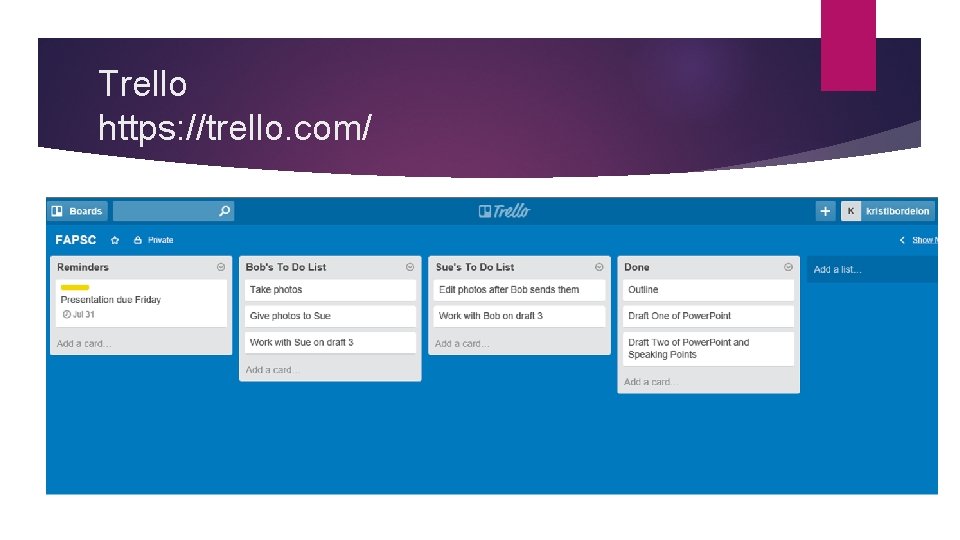
Trello https: //trello. com/
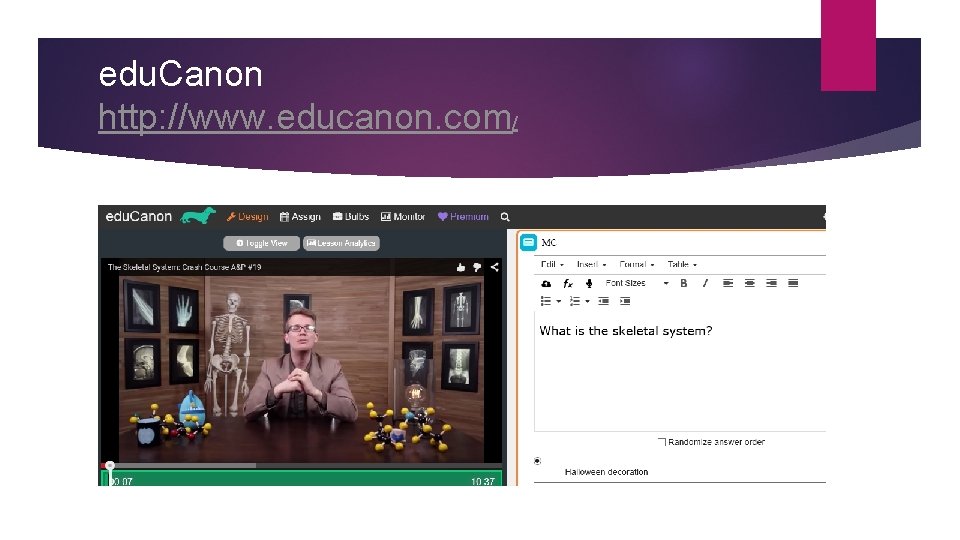
edu. Canon http: //www. educanon. com/
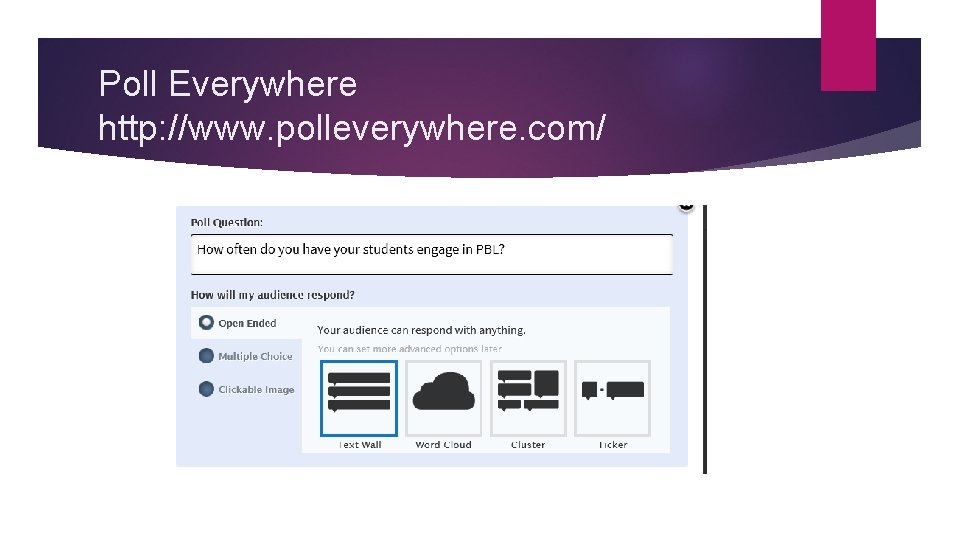
Poll Everywhere http: //www. polleverywhere. com/
Poll Everywhere http: //www. polleverywhere. com/
Familiar Sites, Different Uses Social networking sites such as Pinterest and Learnist can be used to share student created products with the outside world. For long term projects, student groups can create podcasts to share new knowledge and update classmates and others on their progress. To demonstrate the understanding of the various components of the projects, students can use Rubistar, i. Rubric, or the Rubric Machine
Why Problem and Project Based Learning? Problem and project based learning brings content to life and demonstrates the relevance to the real world. Integrating technology tools into the process increases the relevance and prepares the students to use the new knowledge in a professional setting
Why Problem and Project Based Learning?

Thank you! Kristi@dr-bordelon. com http: //www. dr-bordelon. com/research. html
- Slides: 30