
Integrated Pest Management IPM IPM Definition Use of


- Slides: 73
Integrated Pest Management (IPM)
IPM: Definition Use of all available knowledge (methods) to keep pest populations below economically damaging levels in a manner that causes no harm to human health and the environment.
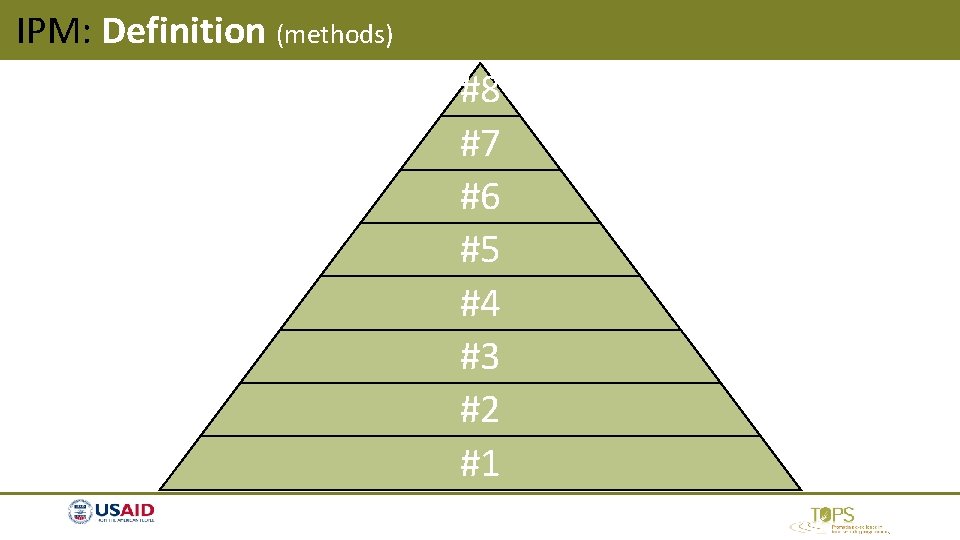
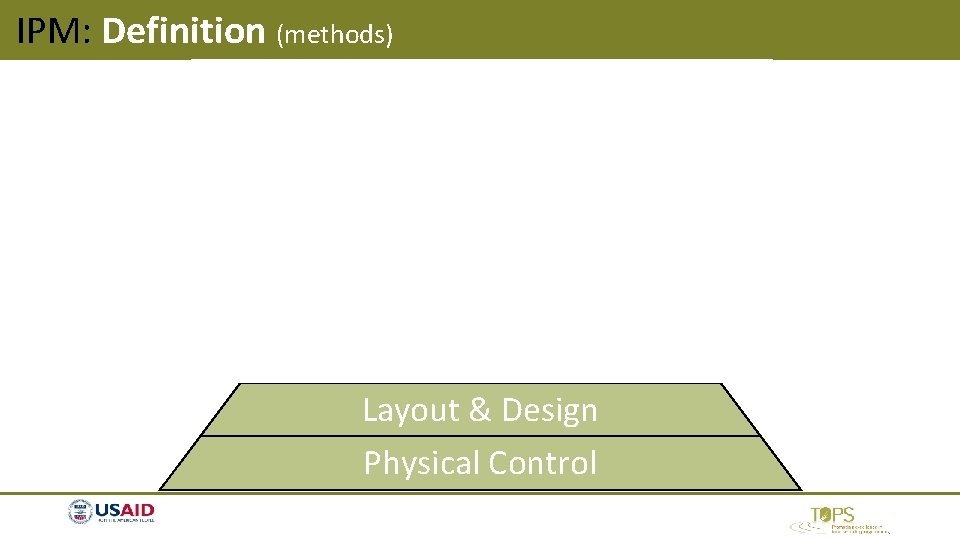
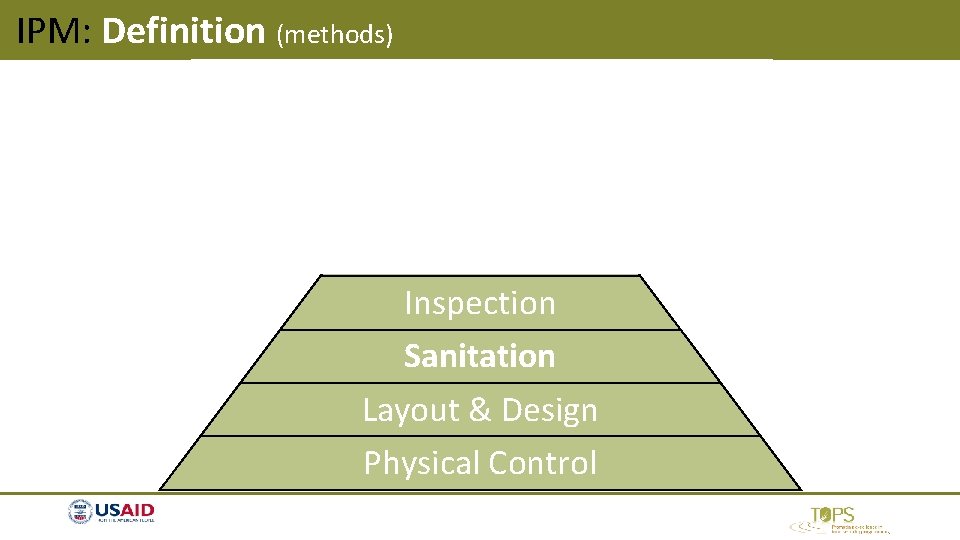
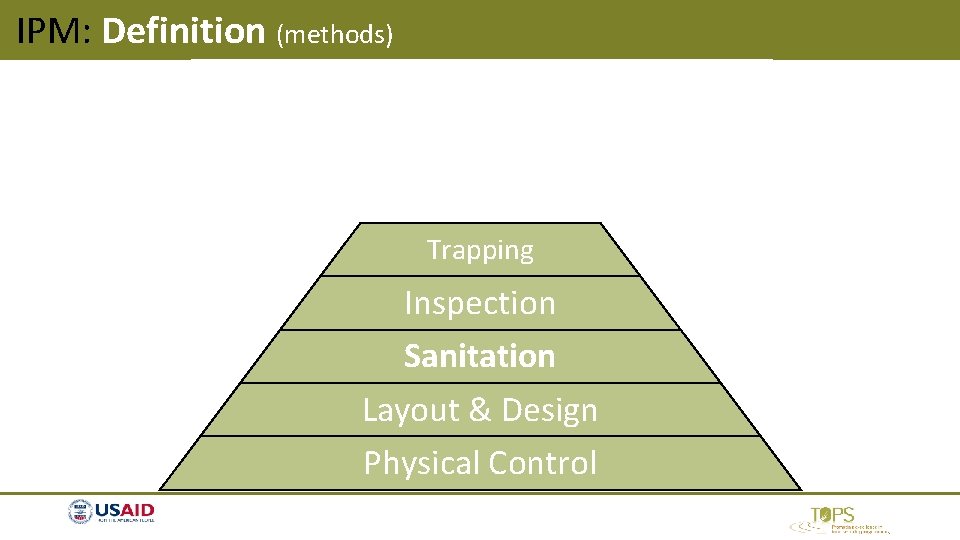
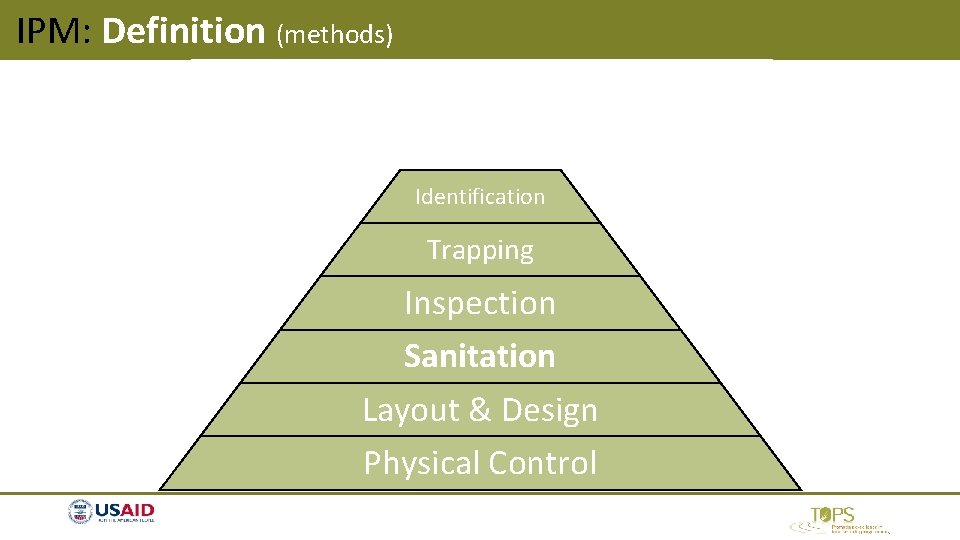
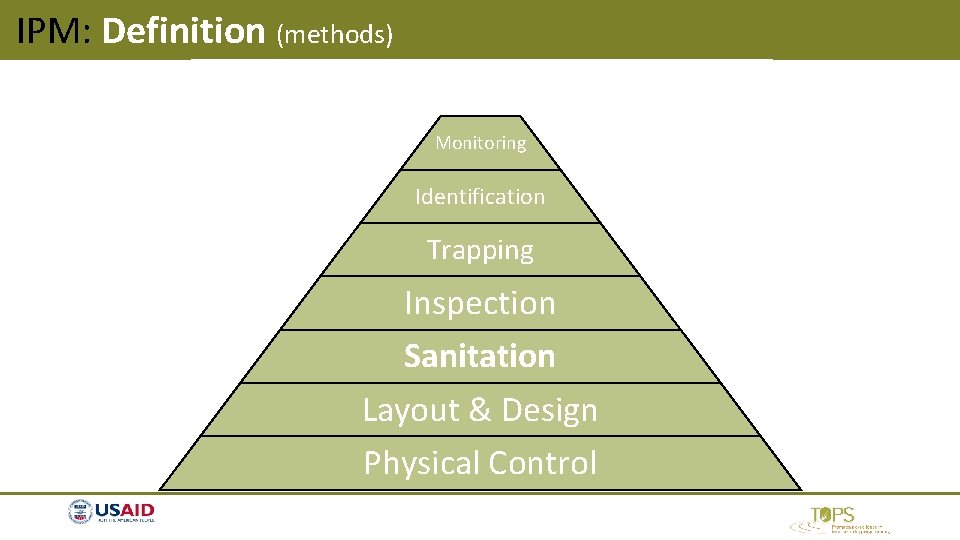
IPM: Definition (methods) #8 #7 #6 #5 #4 #3 #2 #1
IPM: Definition (methods) Small Group Activity: Each group has 8 cards – each card with a different IPM method / practice listed on it 1. Form 4 groups 2. Place cards in order from 1 to 8, as shown on pyramid #1 is the most basic, fundamental practice
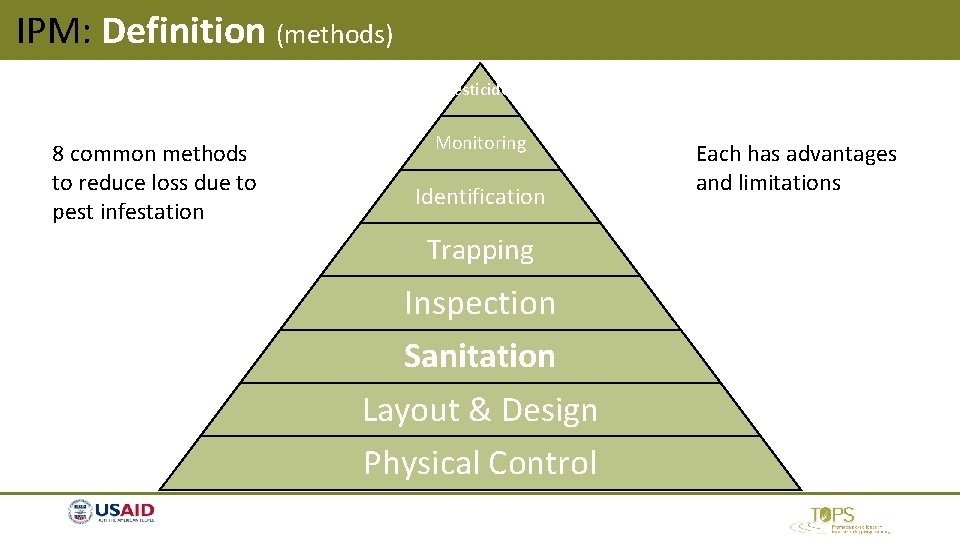
IPM: Definition (methods) Pesticides Monitoring Identification Trapping Inspection Sanitation Layout & Design Physical Control
IPM: Definition (methods) Pesticides Monitoring Identification Trapping Inspection Sanitation Layout & Design Physical Control
IPM: Definition (methods) Pesticides Monitoring Identification Trapping Inspection Sanitation Layout & Design Physical Control
IPM: Definition (methods) Pesticides Monitoring Identification Trapping Inspection Sanitation Layout & Design Physical Control
IPM: Definition (methods) Pesticides Monitoring Identification Trapping Inspection Sanitation Layout & Design Physical Control
IPM: Definition (methods) Pesticides Monitoring Identification Trapping Inspection Sanitation Layout & Design Physical Control
IPM: Definition (methods) Pesticides Monitoring Identification Trapping Inspection Sanitation Layout & Design Physical Control
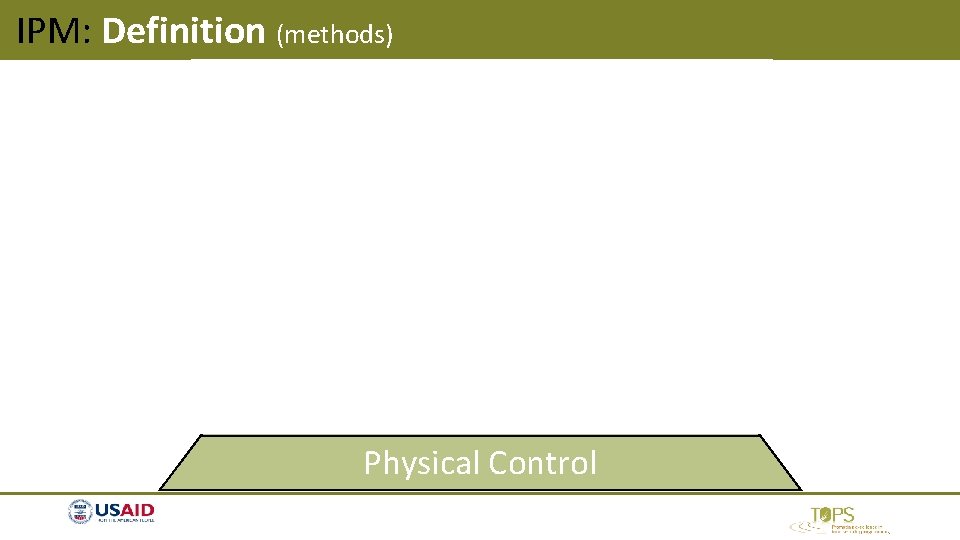
IPM: Definition (methods) Pesticides 8 common methods to reduce loss due to pest infestation Monitoring Identification Trapping Inspection Sanitation Layout & Design Physical Control Each has advantages and limitations
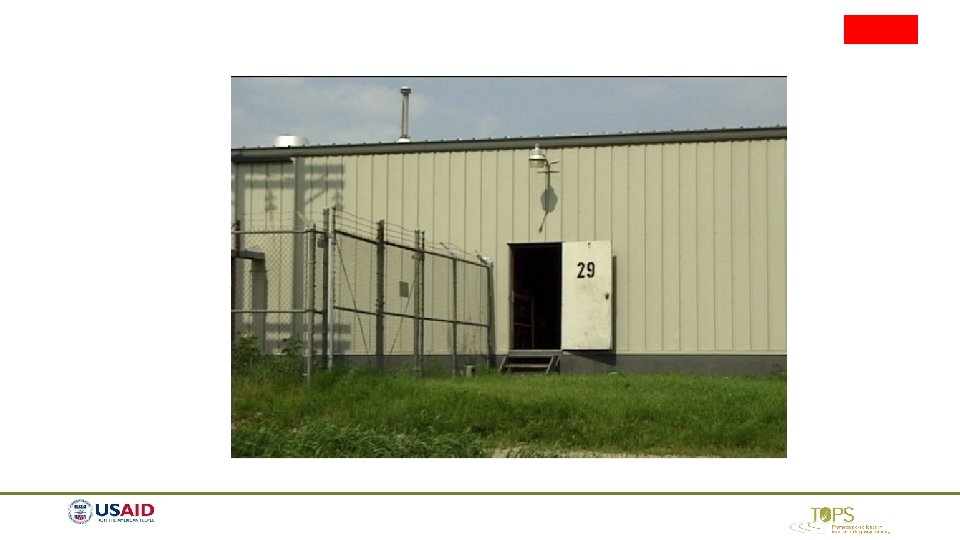
IPM: Physical Control Exclude what you can, especially rodents and birds
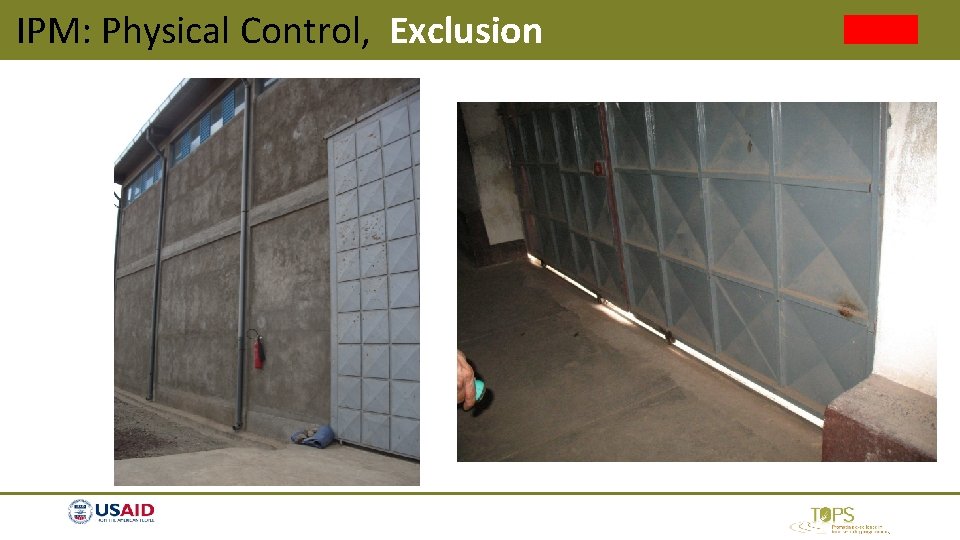
IPM: Physical Control, Exclusion
IPM: Physical Control Exclude what you can, especially rodents and birds • Keep doors closed – tight! • Seal all gaps - from below ground to the rooftop • Well-lighted interior warehouse spaces (discourage rodents) • Screen vents and windows • Exterior lights on ground shining up, not on or above doors; white lights away from buildings, high pressure sodium lights near buildings
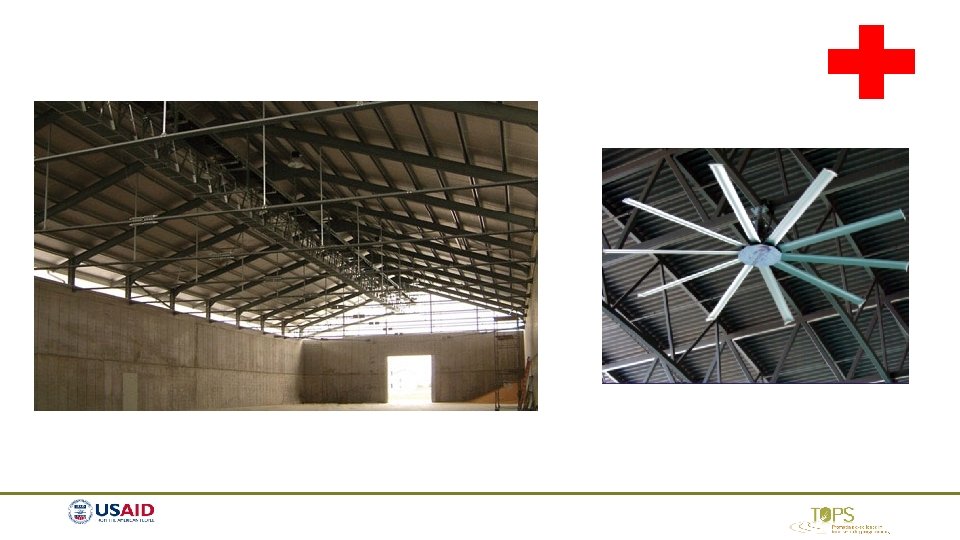
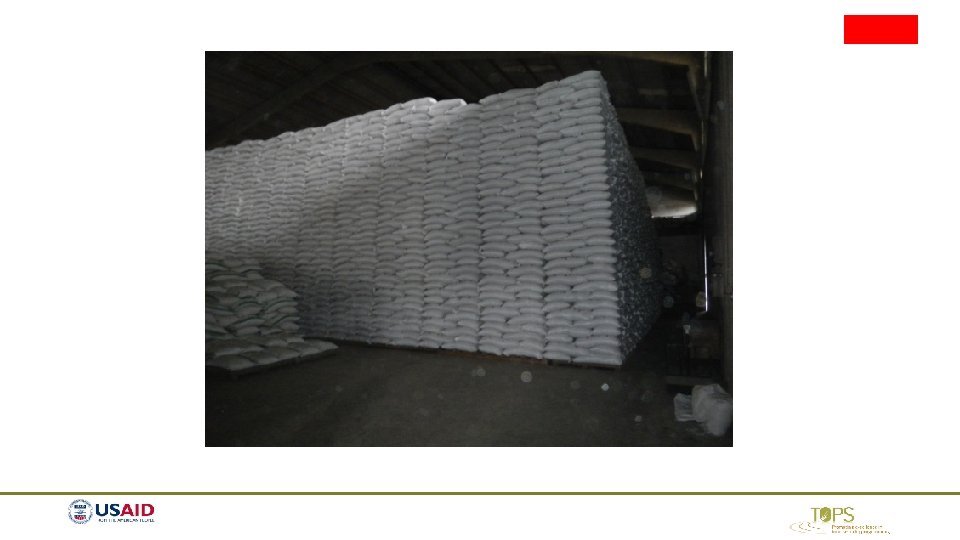
IPM: Layout & Design To exclude insects, think up, down, and in-between
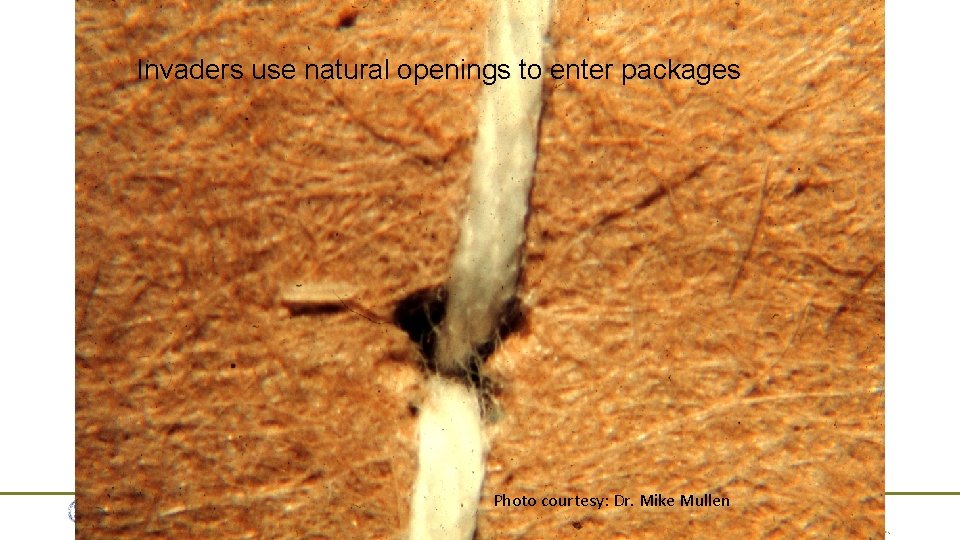
Invaders use natural openings to enter packages Photo courtesy: Dr. Mike Mullen
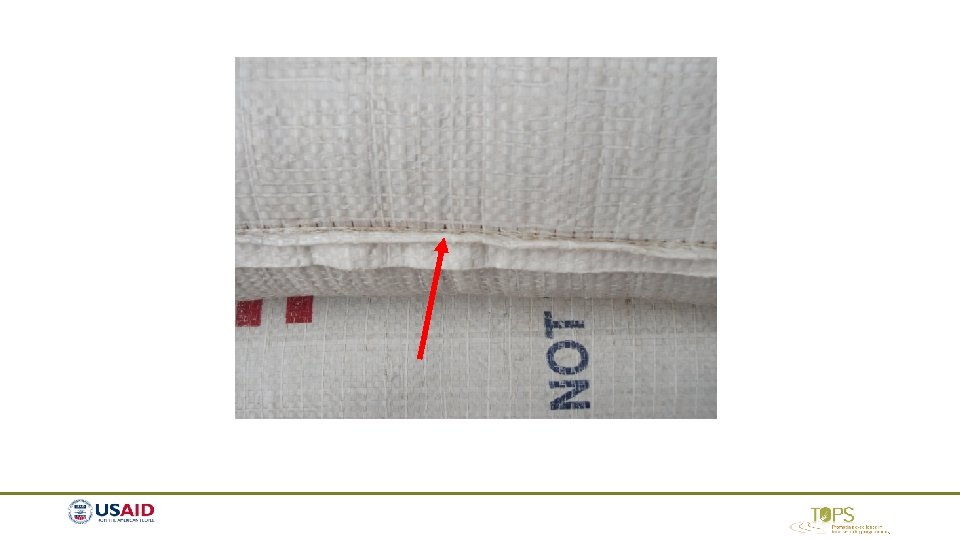
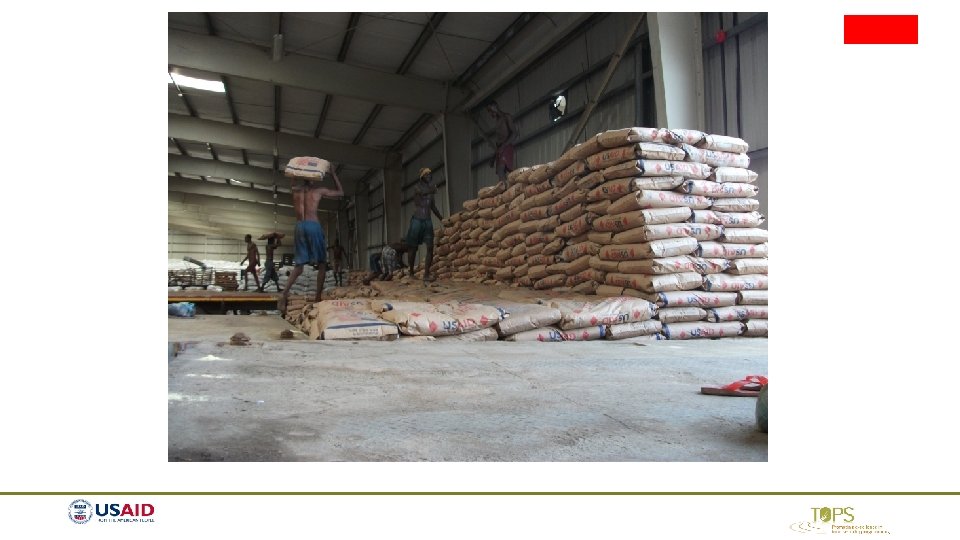
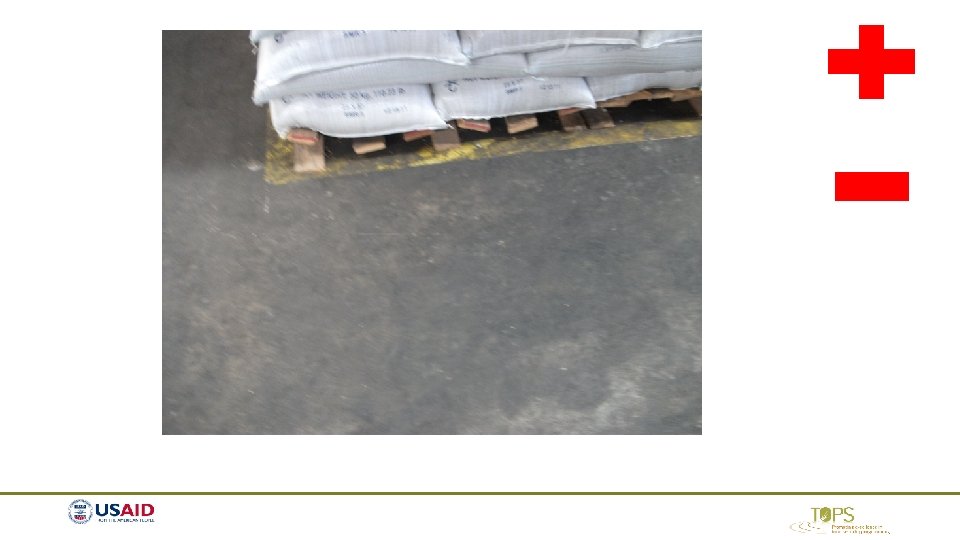
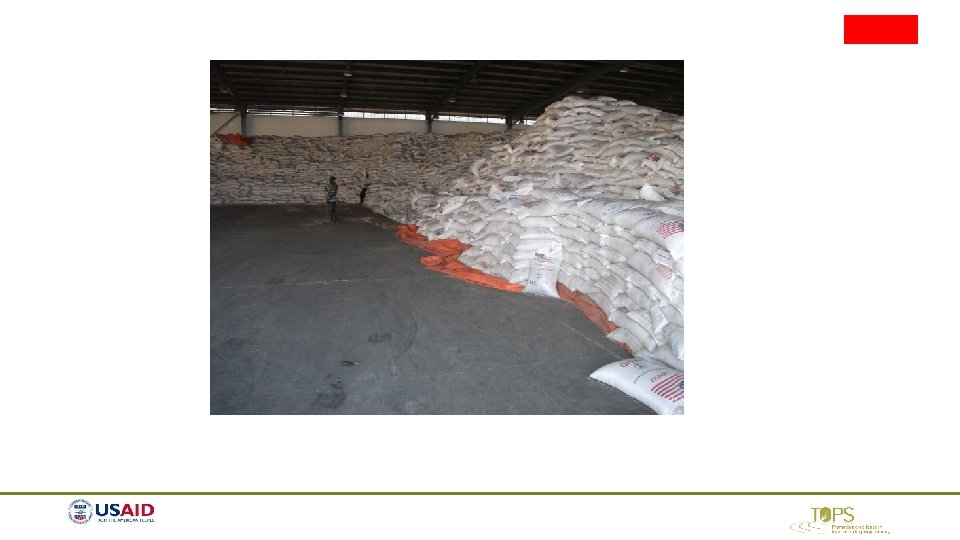
IPM: Layout & Design To control insects, think up, down, and in-between • • • Good ventilation and air movement will promote a dry environment and discourage certain insects Strain on seams of bags at bottom of stacks creates holes big enough for insects to enter Rough floors collect dust, grain Pallets allow air circulation and cleaning underneath stacks Allow adequate space for alleys and between stacks.
IPM: Sanitation is 90% of IPM
IPM: Sanitation Why is sanitation so important? Depriving pests of what they need (food, water, harborage and favorable environments) puts stress on them. Stressed insects are easier to kill with chemicals.
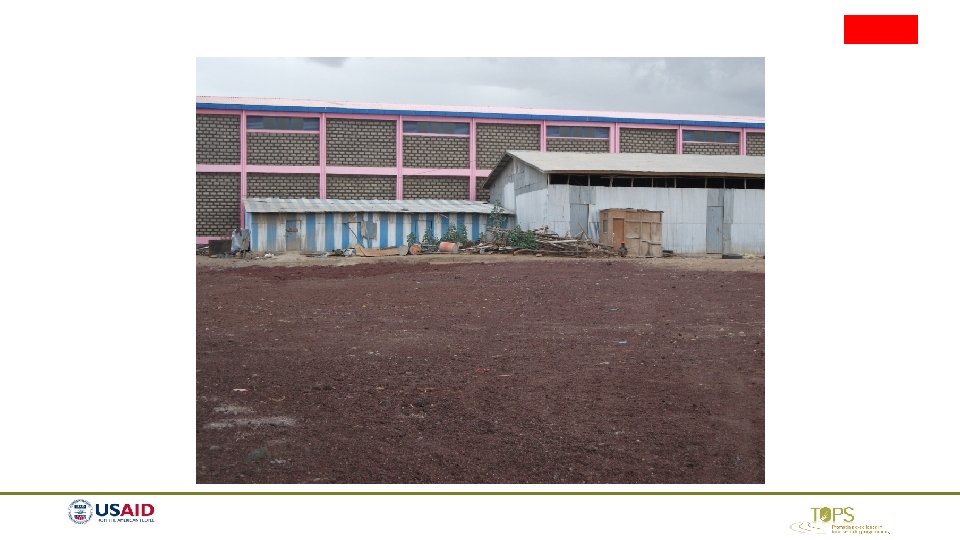
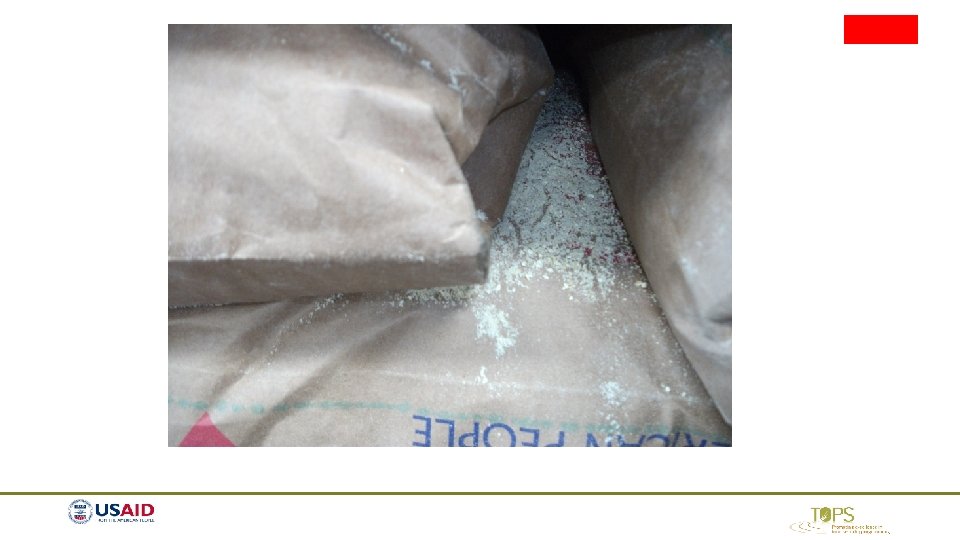
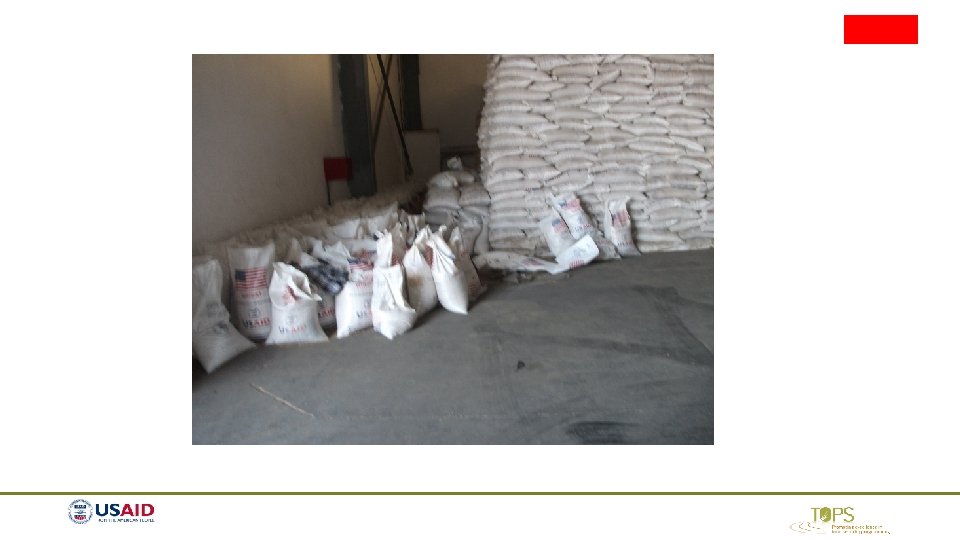
IPM: Sanitation is 90% of IPM • • Deprive pests of what they need Clean outdoors & indoors Beware of importing infestations; segregate commodities as necessary First in / First out (get out in 6 -8 months)
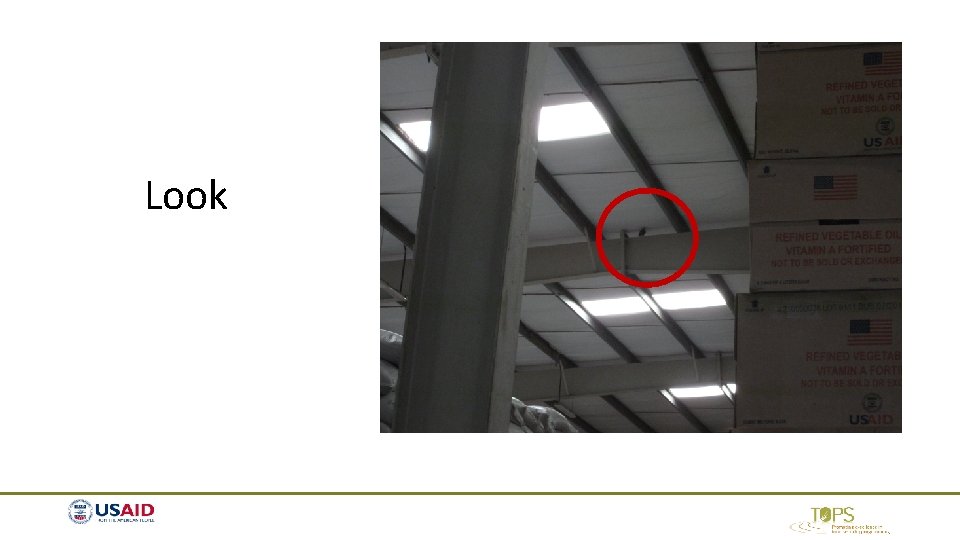
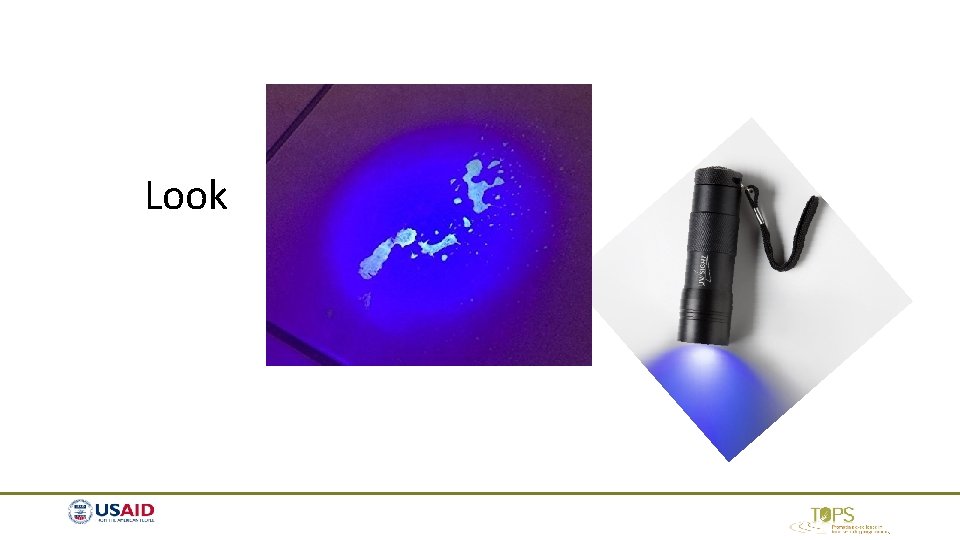
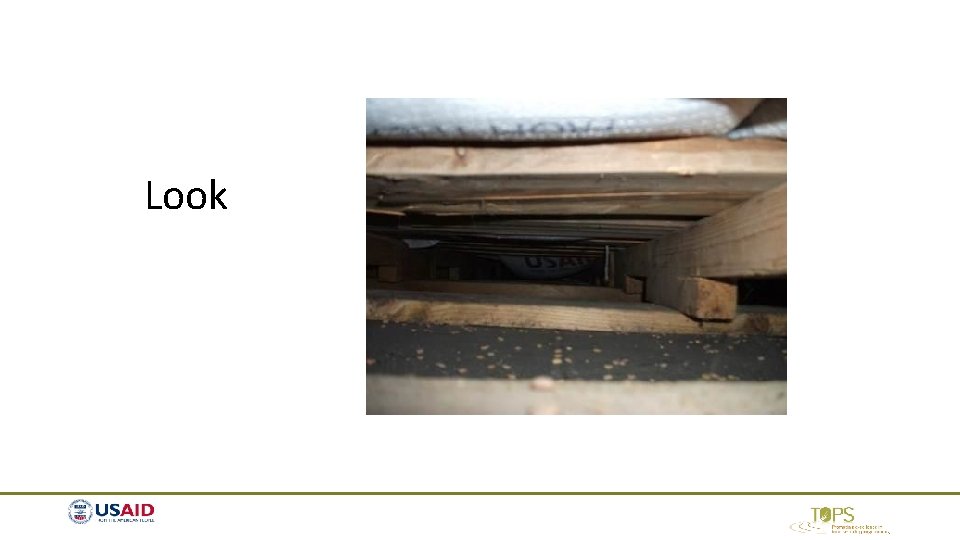
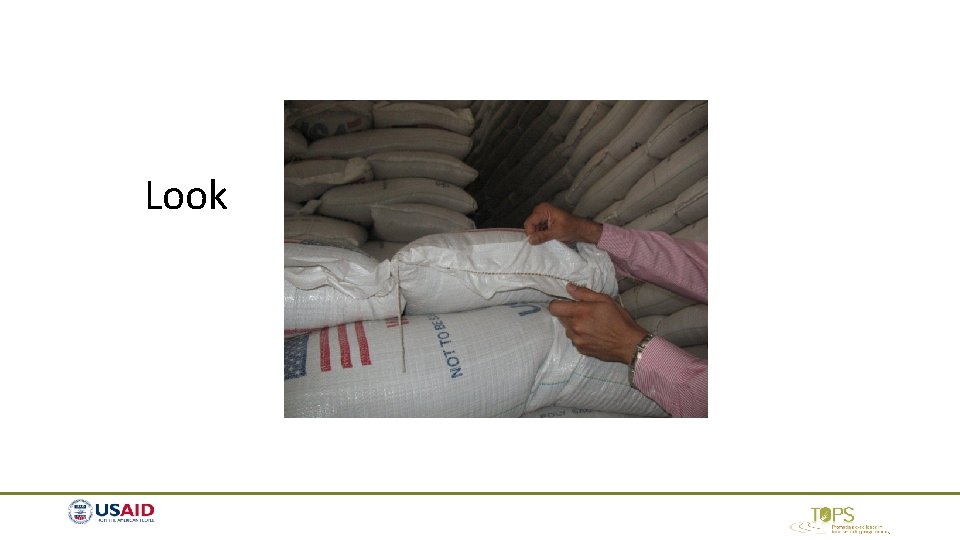
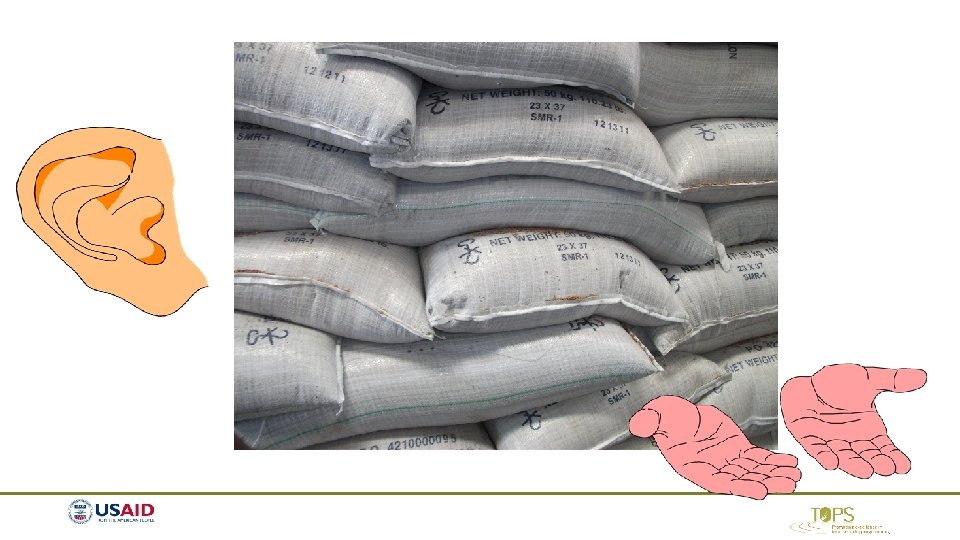
IPM: Inspection Look, Listen, Touch, Smell
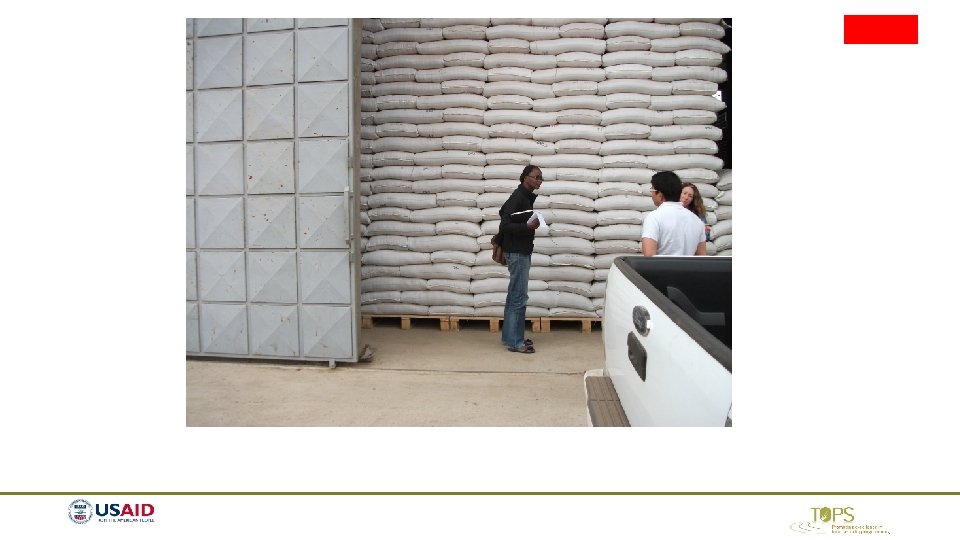
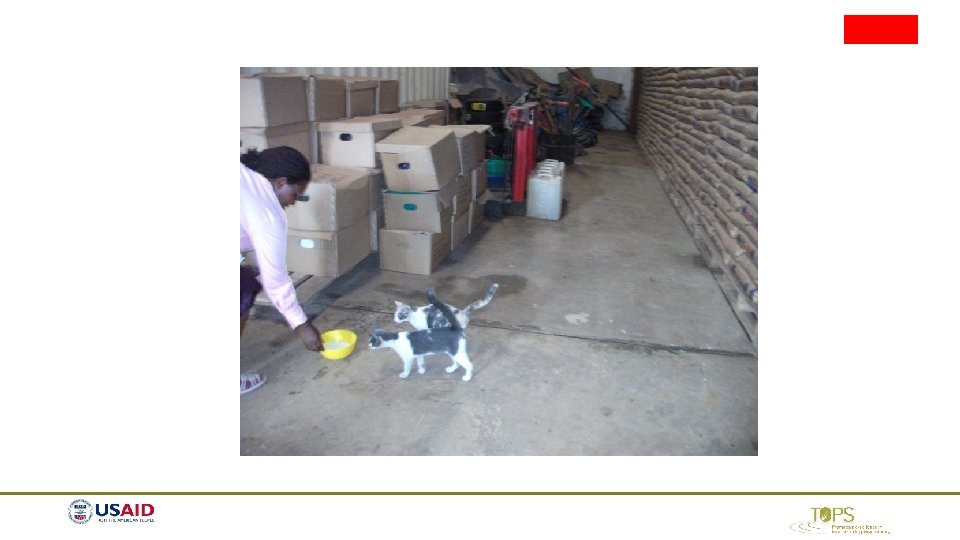
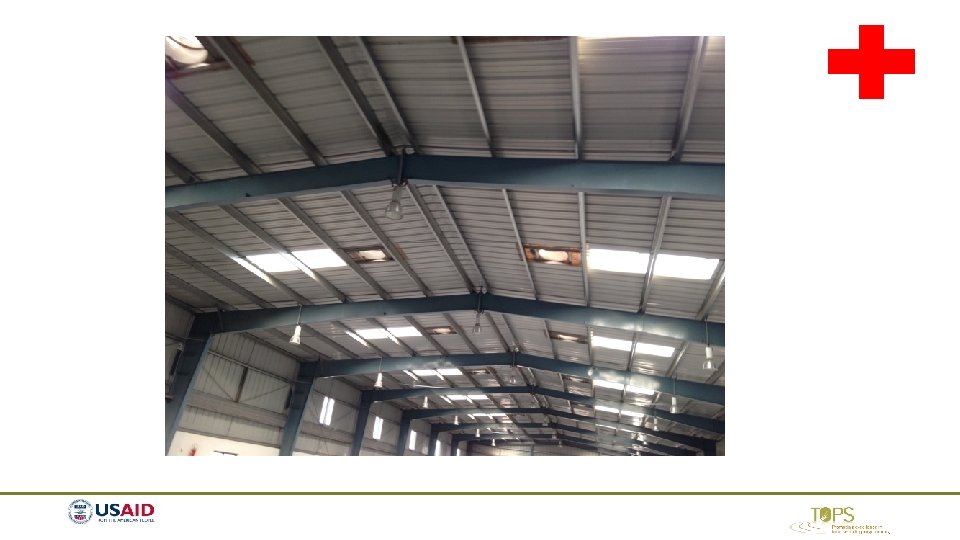
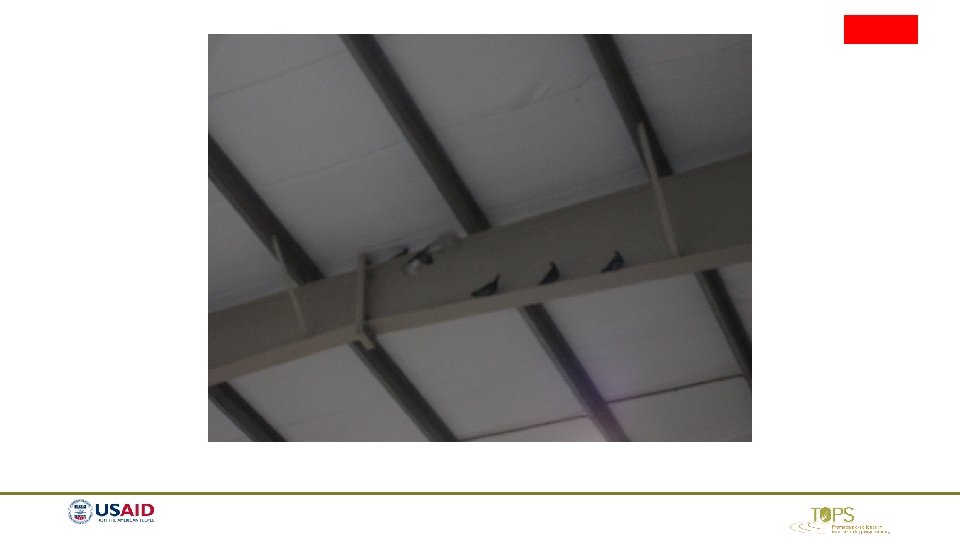
Look
Look
Look
Look
What can you smell in the warehouse?
IPM: Inspection Small Group Activity: Part 1 1. Form 4 groups 2. Brainstorm items to be on an IPM inspection list Part 2 3. Compare your list to Annex T-6 Template 4. In plenary, describe any concerns with Annex T-6
IPM: Inspection Look, Listen, Touch, Smell • • • Don’t bring infestation in, inspect arriving commodities Identify conditions that can be corrected before problems develop Localized pest activity can be managed before spreading
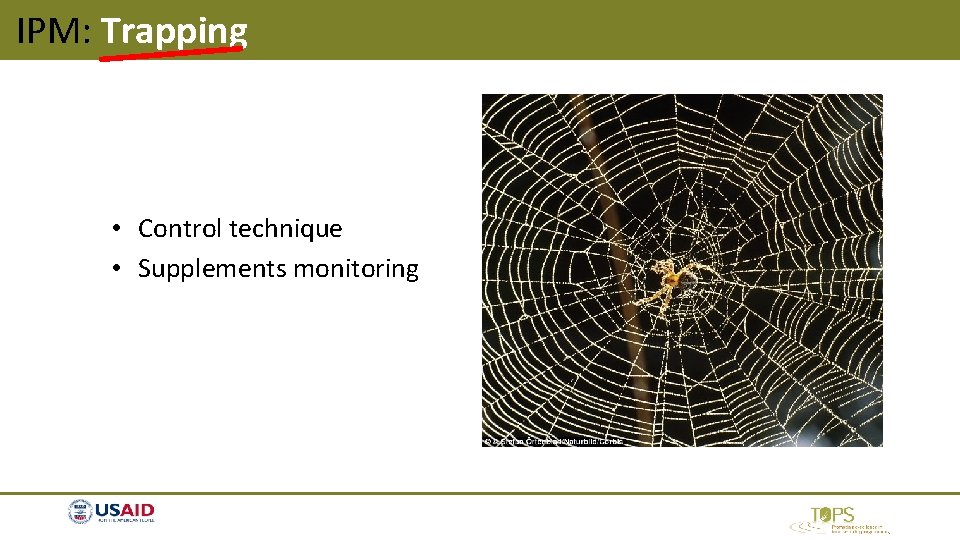
IPM: Trapping • Control technique • Supplements monitoring
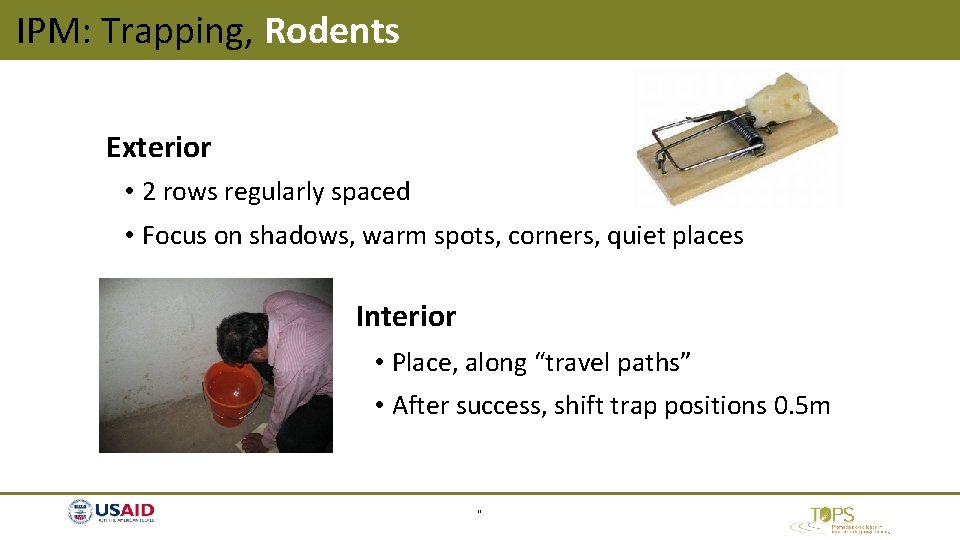
IPM: Trapping, Rodents Exterior • 2 rows regularly spaced • Focus on shadows, warm spots, corners, quiet places Interior • Place, along “travel paths” • After success, shift trap positions 0. 5 m “
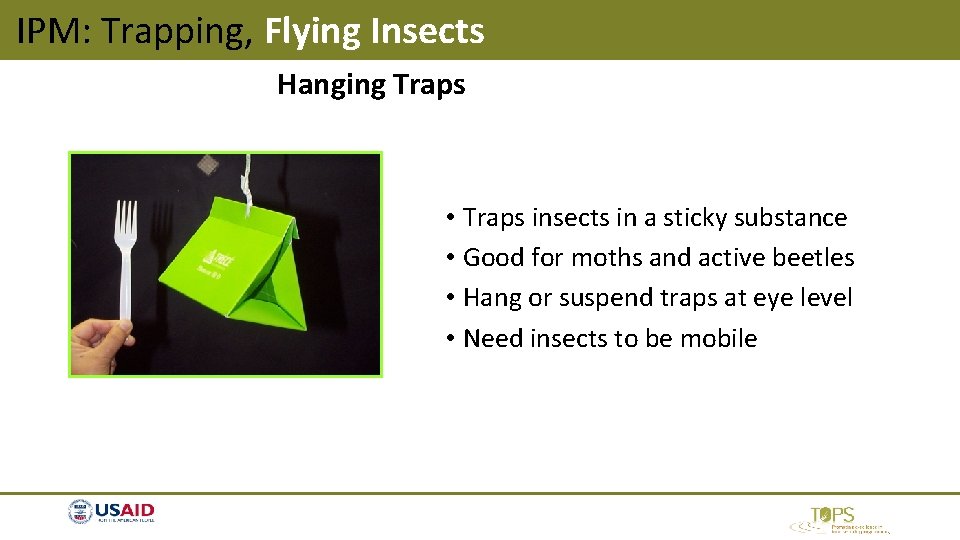
IPM: Trapping, Flying Insects Hanging Traps • Traps insects in a sticky substance • Good for moths and active beetles • Hang or suspend traps at eye level • Need insects to be mobile
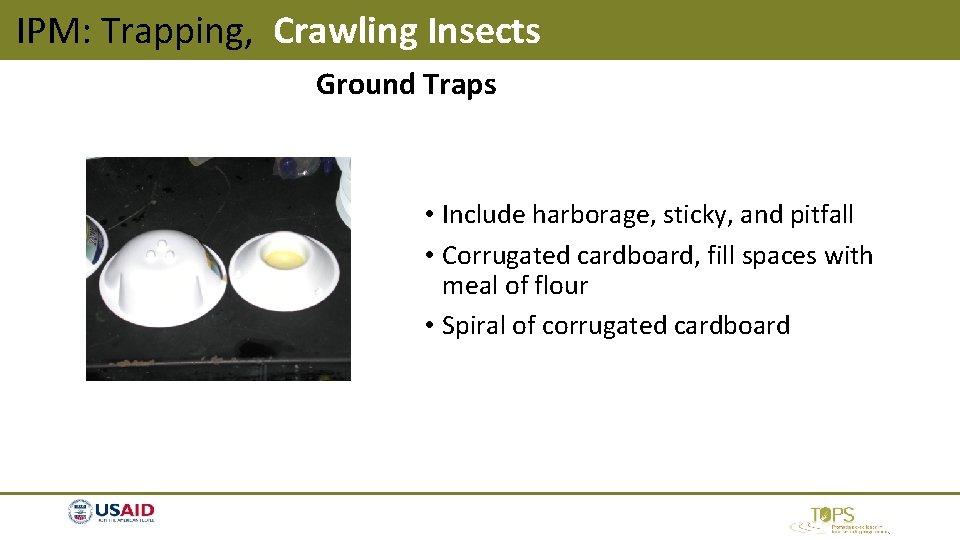
IPM: Trapping, Crawling Insects Ground Traps • Include harborage, sticky, and pitfall • Corrugated cardboard, fill spaces with meal of flour • Spiral of corrugated cardboard
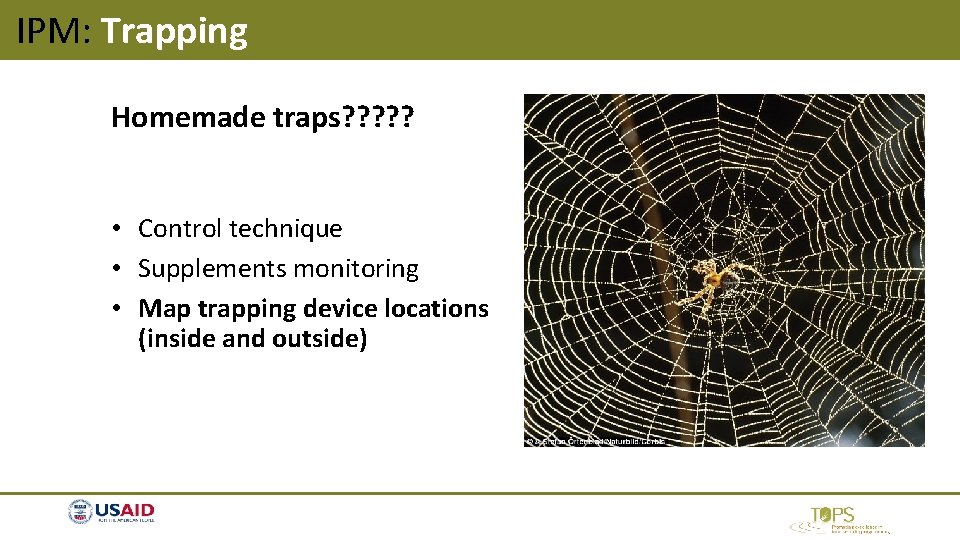
IPM: Trapping Homemade traps? ? ? • Control technique • Supplements monitoring • Map trapping device locations (inside and outside)
IPM: Identification
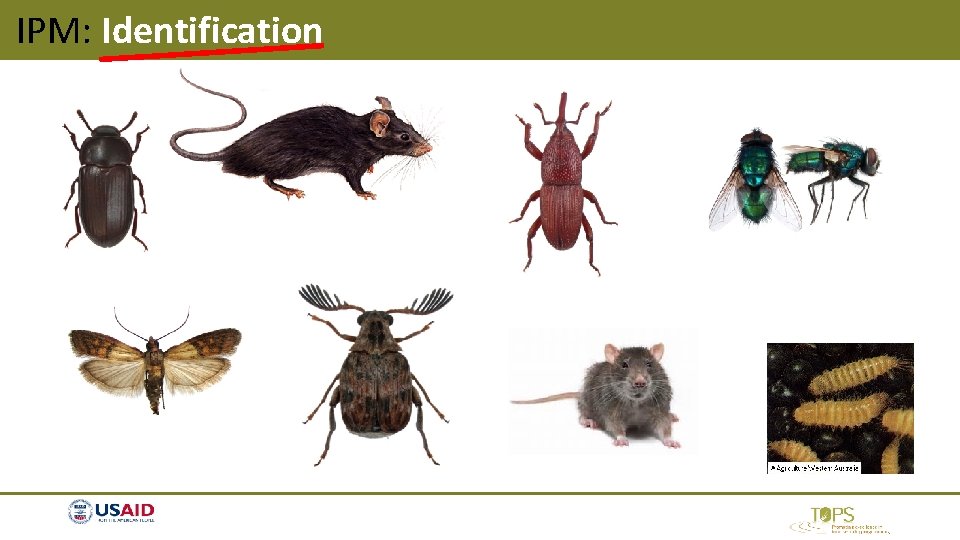
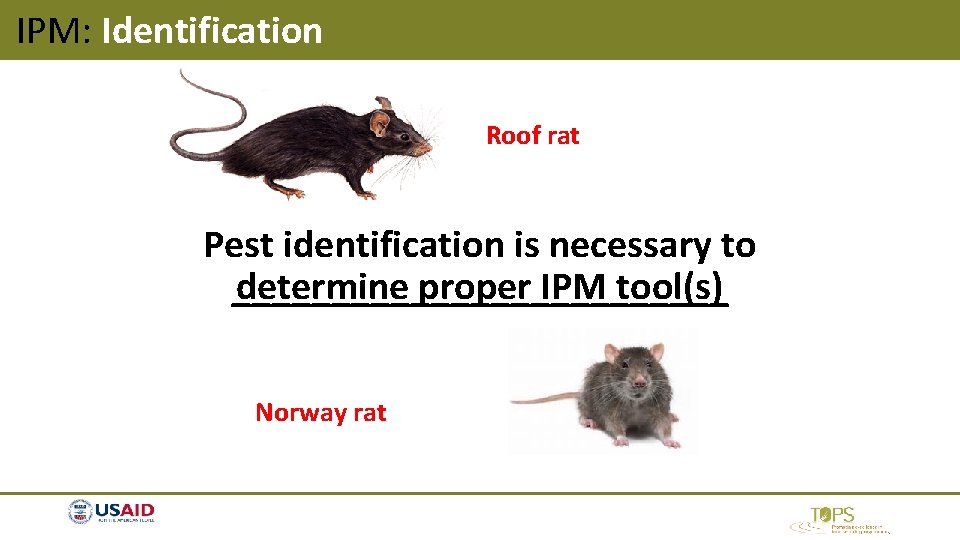
IPM: Identification Roof rat Pest identification is necessary to determine proper IPM tool(s) _____________ Norway rat
IPM: Identification Small Group Activity
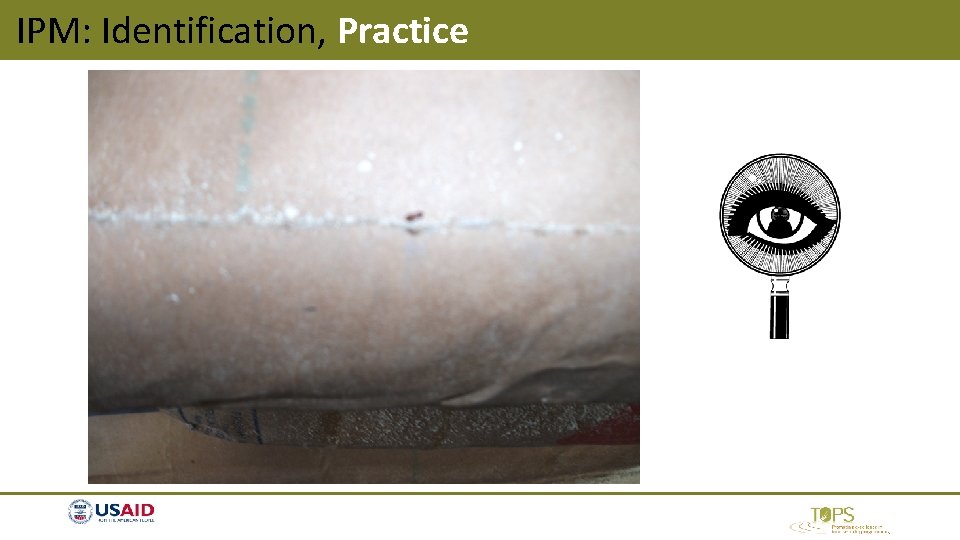
IPM: Identification, Practice
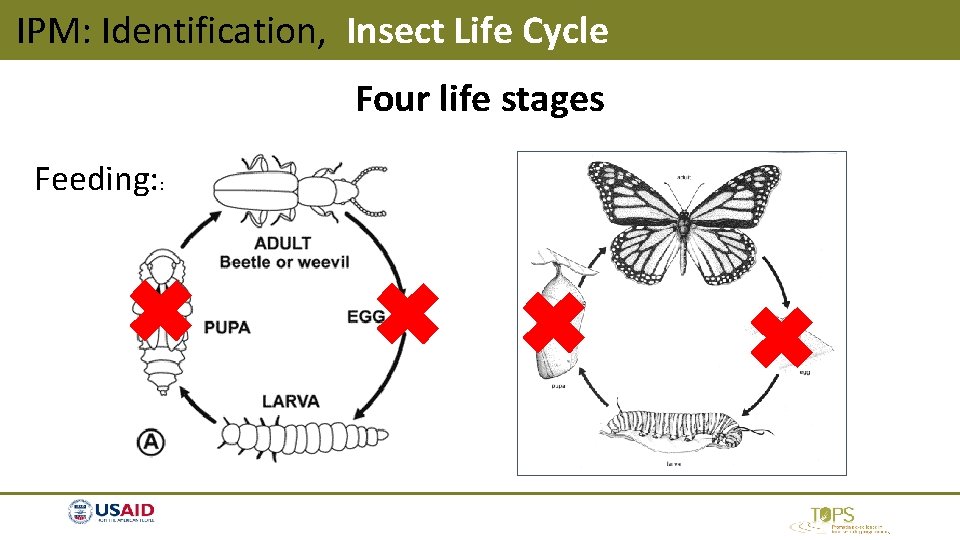
IPM: Identification, Insect Life Cycle Four life stages Feeding: :
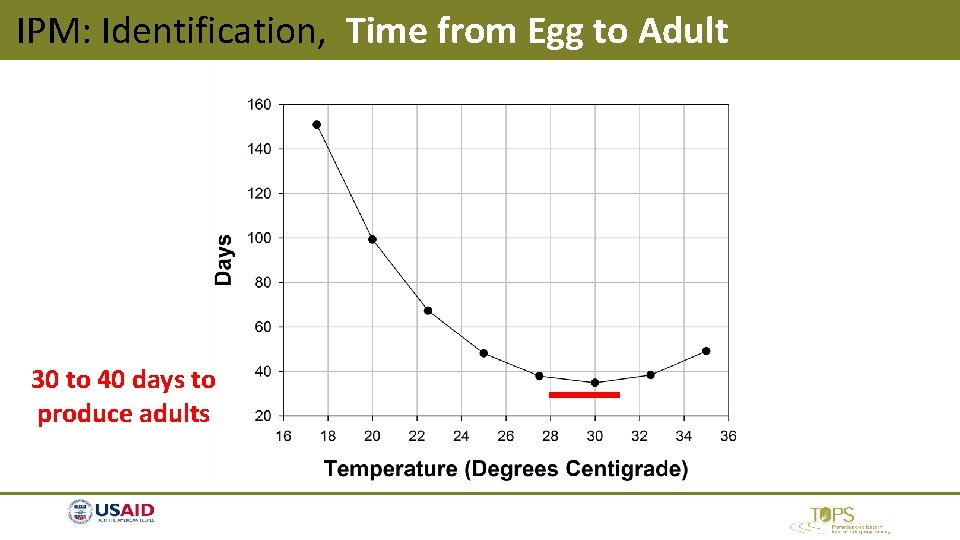
IPM: Identification, Time from Egg to Adult 30 to 40 days to produce adults
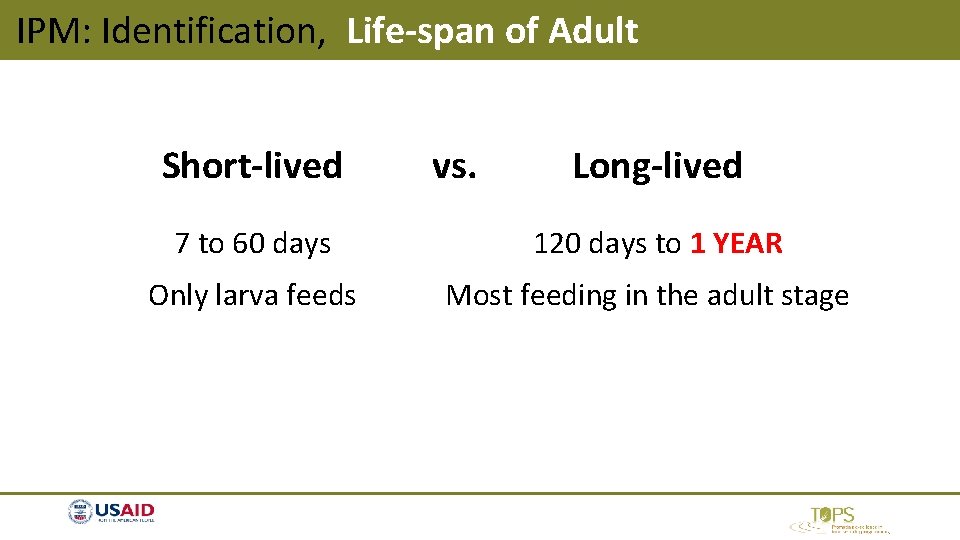
IPM: Identification, Life-span of Adult Short-lived 7 to 60 days Only larva feeds vs. Long-lived 120 days to 1 YEAR Most feeding in the adult stage
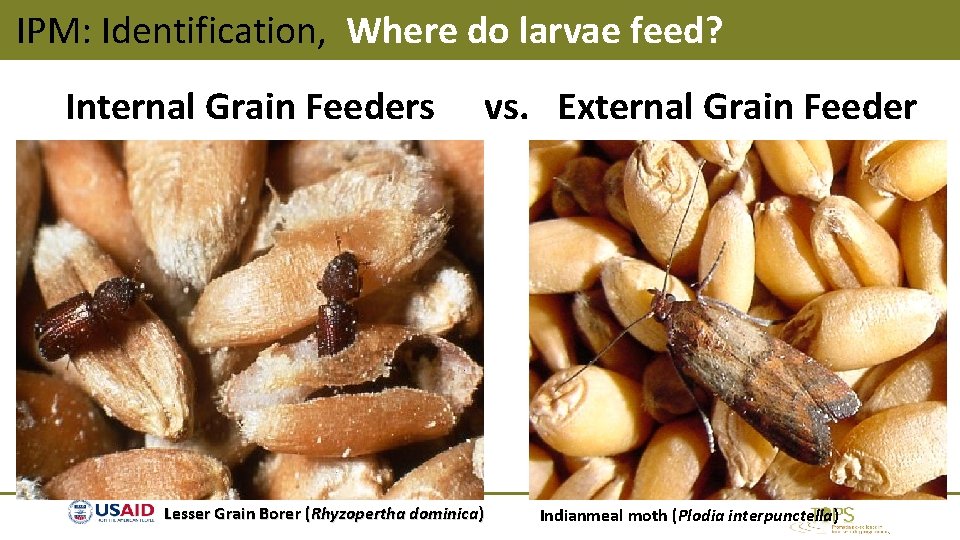
IPM: Identification, Where do larvae feed? Internal Grain Feeders vs. External Grain Feeder Lesser Grain Borer (Rhyzopertha dominica) Indianmeal moth (Plodia interpunctella)
IPM: Identification is necessary to determine proper IPM tool(s) • • • Insect eggs and pupae don’t feed, but harder to kill Short-lived insects: only larvae feed Internal grain feeders: larvae develop inside whole kernel Egg to adult: 30 – 40 days at optimum temperature Time sanitation activities to break development cycle
IPM: Monitoring IPM decisions should be based on monitoring info Why?
IPM: Monitoring, How Protocols needed • Who collects data? How? • Who analyzes data? How? • What are the “triggers” for action?
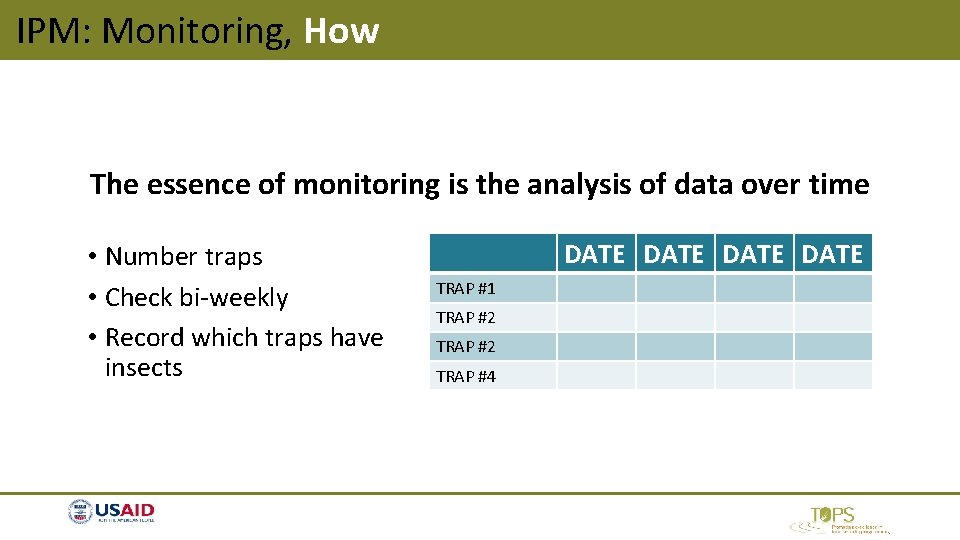
IPM: Monitoring, How The essence of monitoring is the analysis of data over time • Number traps • Check bi-weekly • Record which traps have insects DATE TRAP #1 TRAP #2 TRAP #4
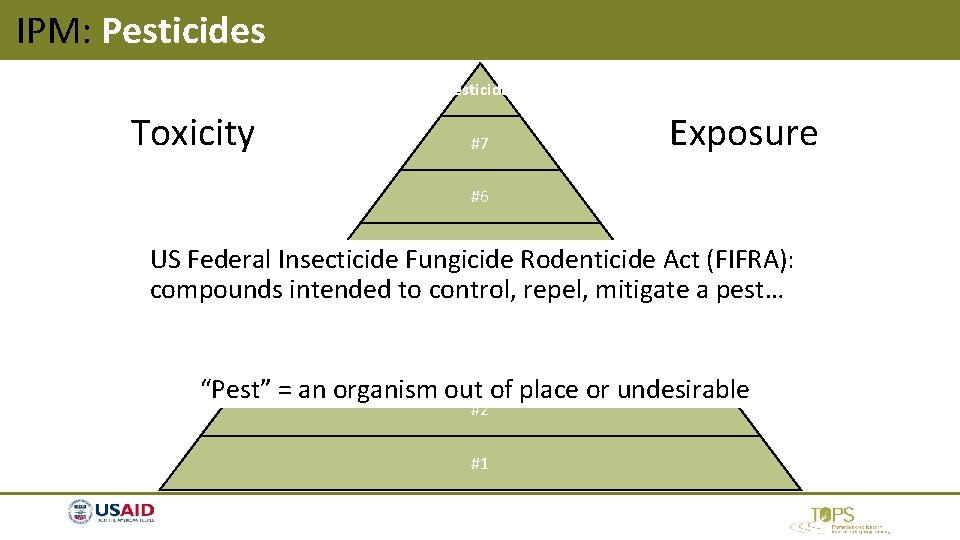
IPM: Pesticides Toxicity #7 Exposure #6 #5 US Federal Insecticide Fungicide Rodenticide Act (FIFRA): compounds intended to control, repel, mitigate a pest… #4 #3 “Pest” = an organism out of place or undesirable #2 #1
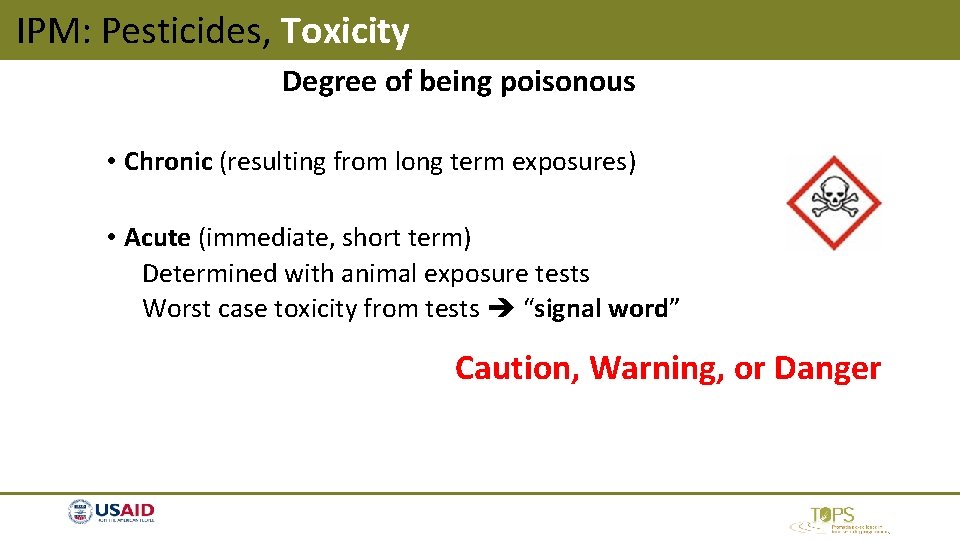
IPM: Pesticides, Toxicity Degree of being poisonous • Chronic (resulting from long term exposures) • Acute (immediate, short term) Determined with animal exposure tests Worst case toxicity from tests “signal word” Caution, Warning, or Danger
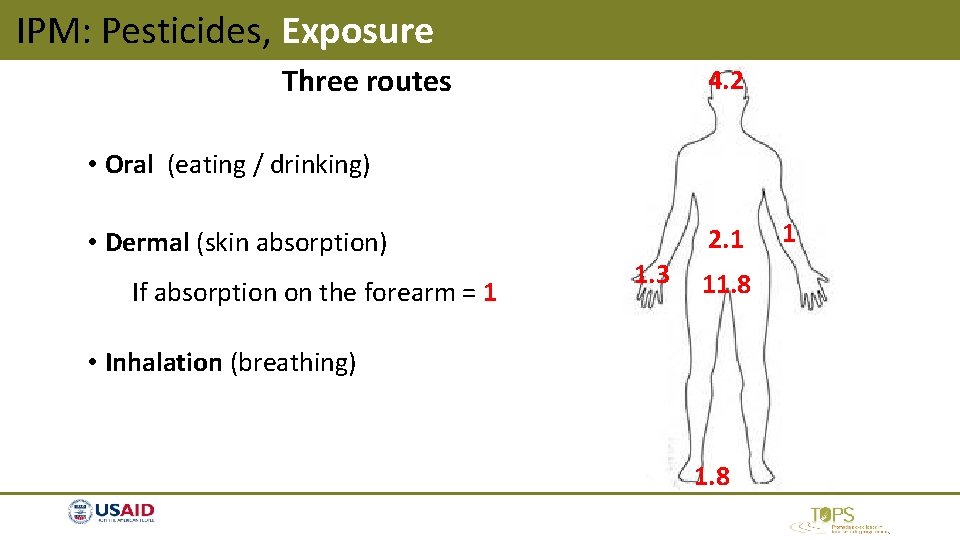
IPM: Pesticides, Exposure Three routes 4. 2 • Oral (eating / drinking) • Dermal (skin absorption) If absorption on the forearm = 1 2. 1 1. 3 11. 8 • Inhalation (breathing) 1. 8 1
IPM: Pesticides • Rodenticides • Residual Insecticides • Fumigants
IPM: Pesticides Small Group Activity: 1. Form 4 groups 2. Answer the questions for your group 3. Report to plenary
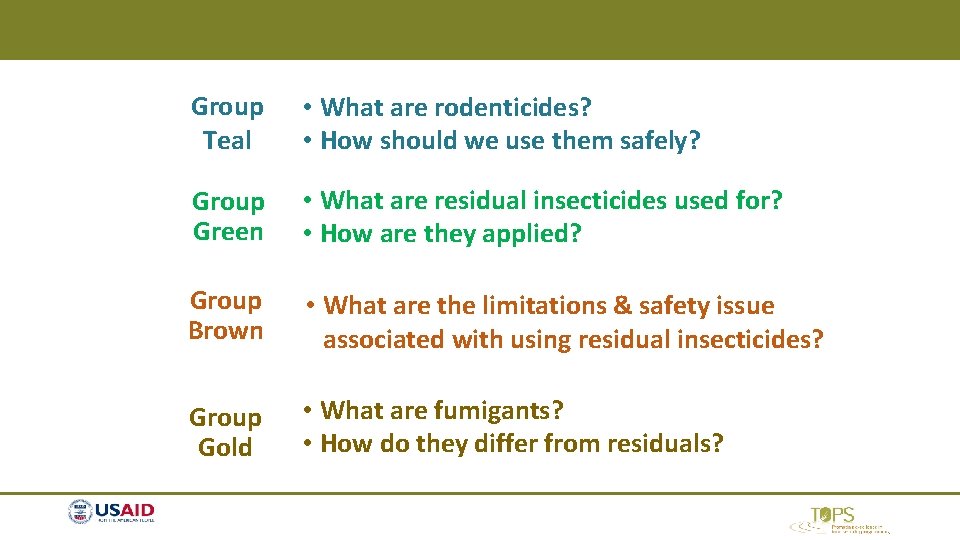
Group Teal • What are rodenticides? • How should we use them safely? Group Green • What are residual insecticides used for? • How are they applied? Group Brown • What are the limitations & safety issue associated with using residual insecticides? Group Gold • What are fumigants? • How do they differ from residuals?
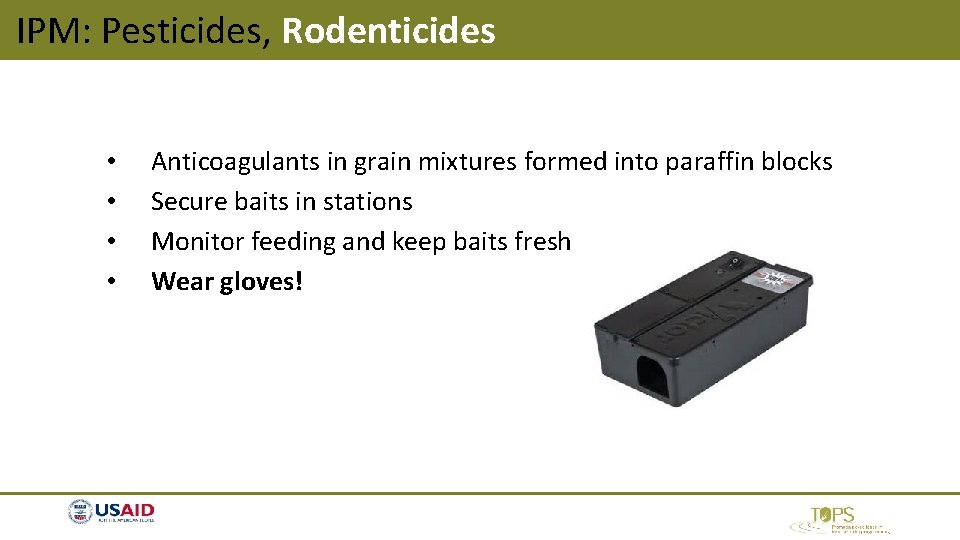
IPM: Pesticides, Rodenticides • • Anticoagulants in grain mixtures formed into paraffin blocks Secure baits in stations Monitor feeding and keep baits fresh Wear gloves!
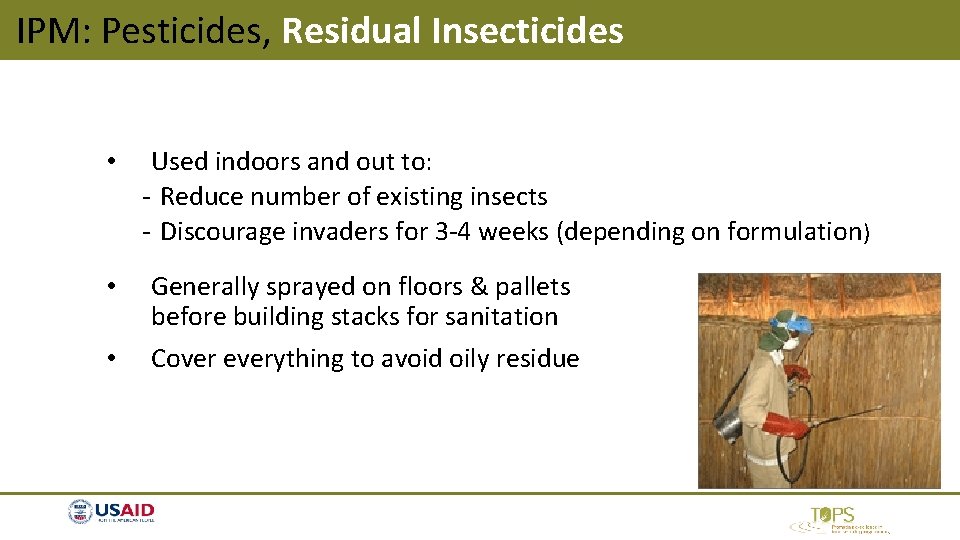
IPM: Pesticides, Residual Insecticides • Used indoors and out to: - Reduce number of existing insects - Discourage invaders for 3 -4 weeks (depending on formulation) • Generally sprayed on floors & pallets before building stacks for sanitation • Cover everything to avoid oily residue
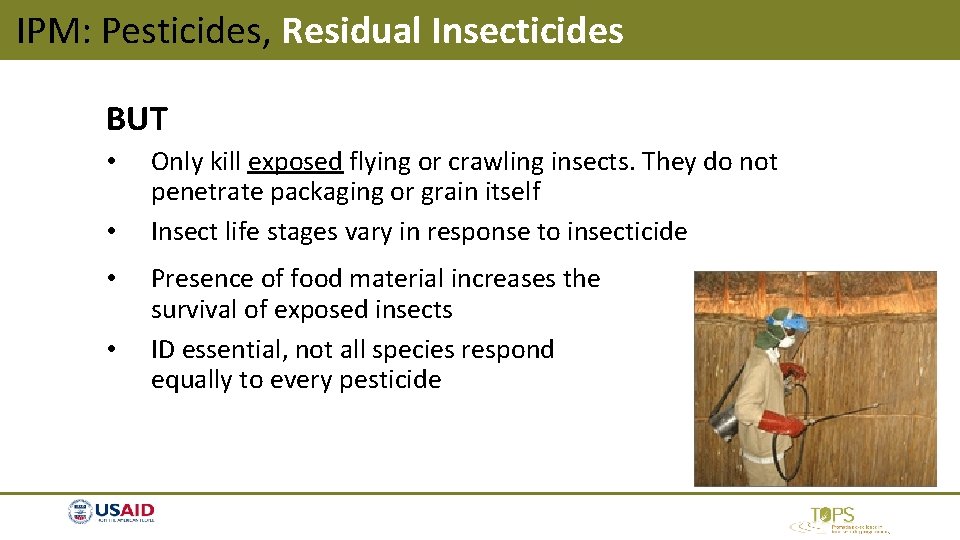
IPM: Pesticides, Residual Insecticides BUT • • Only kill exposed flying or crawling insects. They do not penetrate packaging or grain itself Insect life stages vary in response to insecticide Presence of food material increases the survival of exposed insects ID essential, not all species respond equally to every pesticide
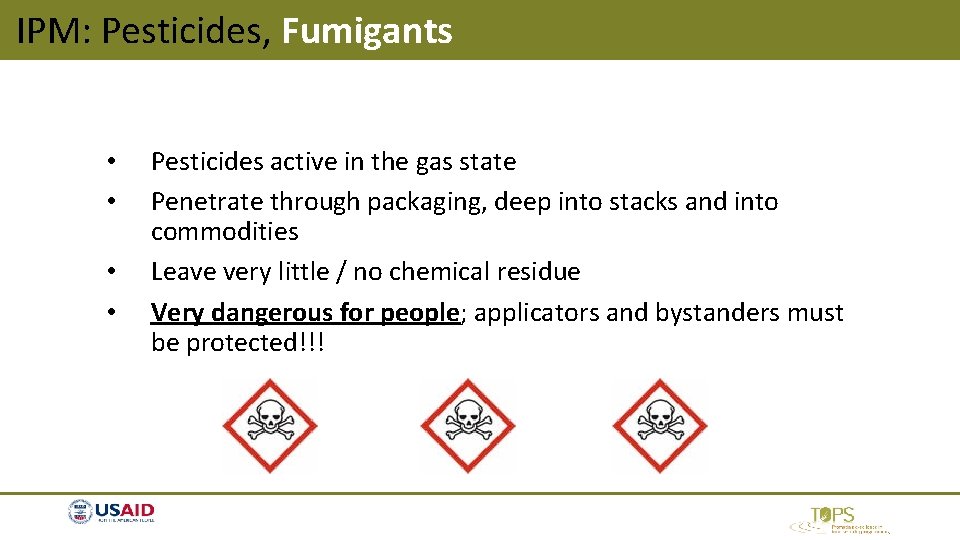
IPM: Pesticides, Fumigants • • Pesticides active in the gas state Penetrate through packaging, deep into stacks and into commodities Leave very little / no chemical residue Very dangerous for people; applicators and bystanders must be protected!!!
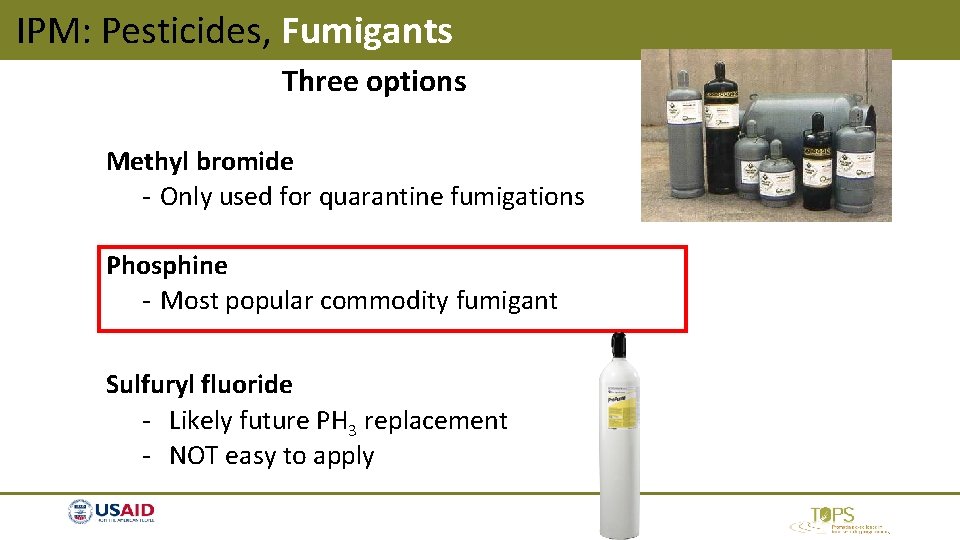
IPM: Pesticides, Fumigants Three options Methyl bromide - Only used for quarantine fumigations Phosphine - Most popular commodity fumigant Sulfuryl fluoride - Likely future PH 3 replacement - NOT easy to apply
TOP TEN