
Instrumentation on OIR Large Telescopes A Case Study
![Keck Telescopes • Keck I, commissioned in 1993 [$93 M] • Keck II, commissioned](https://slidetodoc.com/presentation_image_h2/ae06ef0640a061b8d544c610a1c8394c/image-6.jpg "Keck Telescopes • Keck I, commissioned in 1993 [$93 M] • Keck II, commissioned")



- Slides: 40
Instrumentation on OIR Large Telescopes – A Case Study S. R. Kulkarni Caltech Optical Observatories
• Workhorse Instruments – Optical Imagers & Spectrographs – NIR Imagers & Spectrographs and so on • Specialized Instruments – Polarimeters, Rapid spectroscopy, . . • Adaptive Optics & related instruments • “Mega” instruments – Very powerful capabilities (e. g. PFS, GPI, NGAO)
Motivation • Cost of workhorse instruments is increasing much faster than inflation • The cost of Adaptive Optics facility (let alone instruments) is significant • The cost of mega instruments is now approaching that of the telescope itself
Issues: Prioritization & Opportunity Costs • Given a fixed budget how to prioritize instrumentation – New instruments versus Upgrades – Which instruments should be built? • Mega-instrument – Say cost of a mega instrument is $50 M – Per night usage is $50 M/N where N=total number of nights – Inversely the opportunity cost of Mega instruments is significant both in money and nights
A CASE STUDY: ANALYZE THE OUTPUT OF THE KECK TELESCOPES
Keck Telescopes • Keck I, commissioned in 1993 [$93 M] • Keck II, commissioned in 1996[$73 M] • Other than thermal-IR Keck has a complement of instruments from blue to NIR
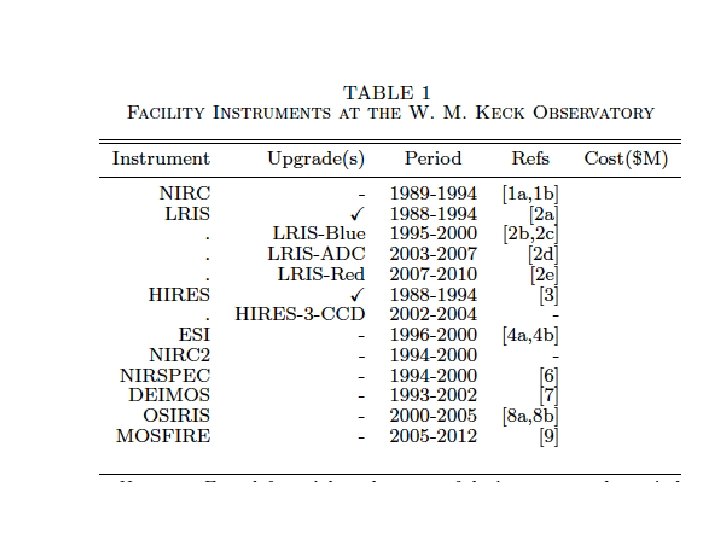
The Instruments • • • NIRC 2 NIRSPEC OSIRIS MOSFIRE • • • LRIS HIRES ESI DEIMOS KCWI
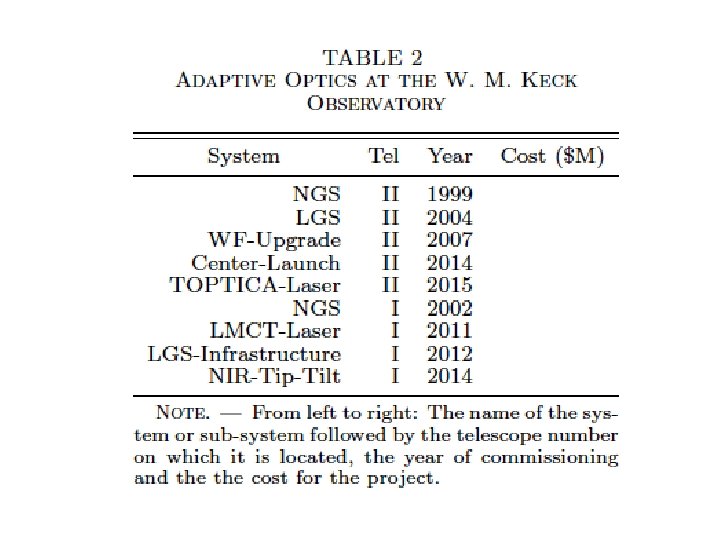
Keck AO Facility • • We have LGS AO on both telescopes. NIRC 2 is at Keck II OSIRIS at Keck I Continuous upgrades (Center Launch, NIR Tiptilt, wavefront controller upgrades etc)
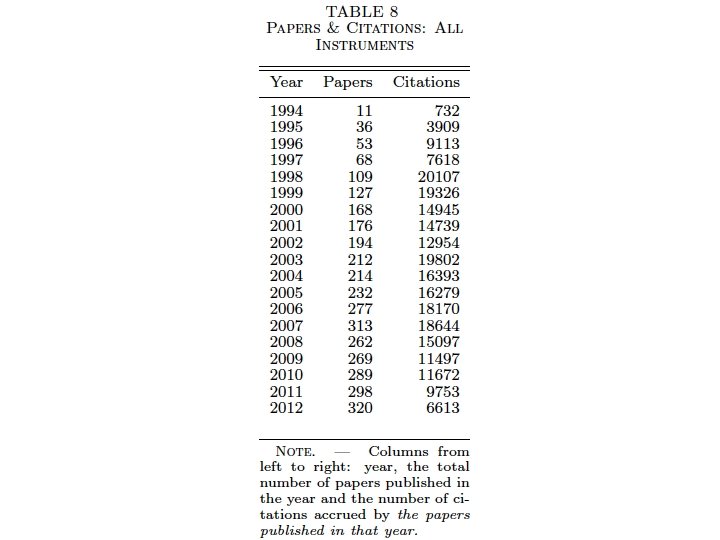
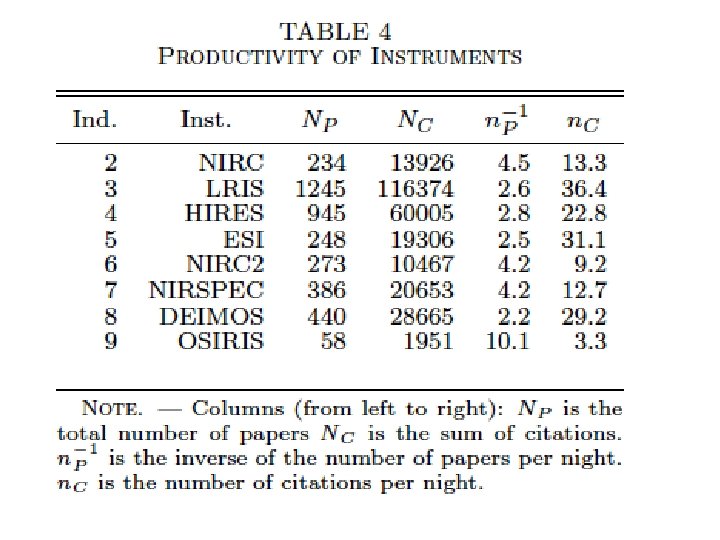
Primary data • Use the publications which are listed on the WM Keck site – http: //www 2. keck. hawaii. edu/library/keck_papers. html • This list is due to Peggi Kamisato and Taft Armandroff.
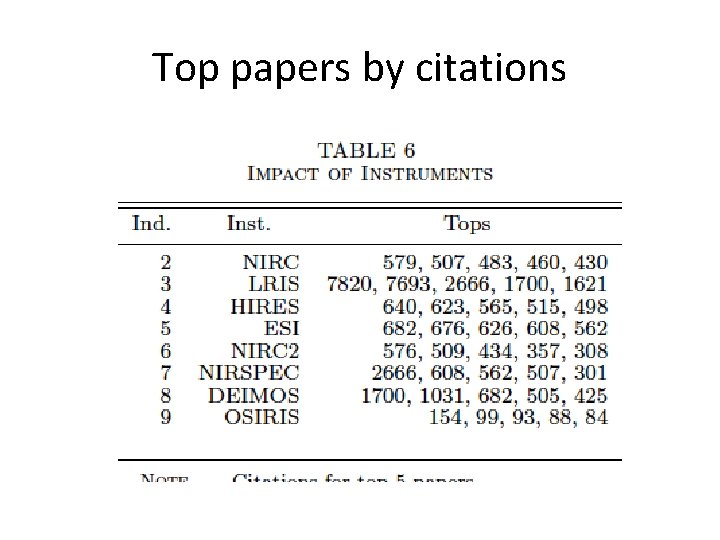
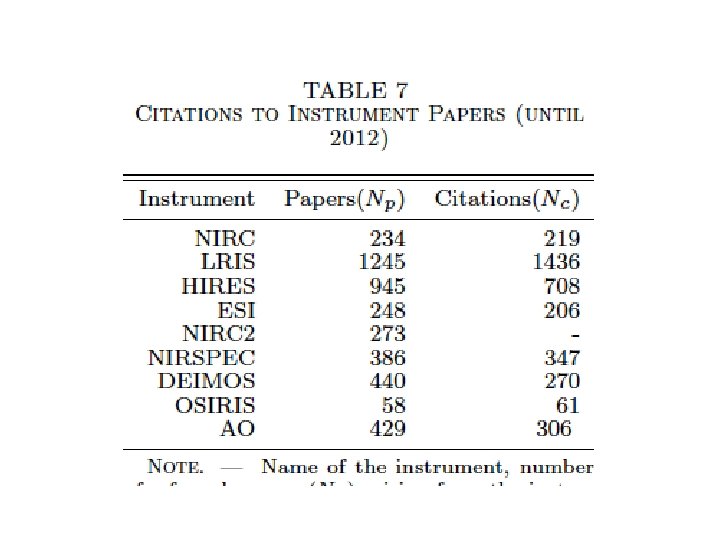
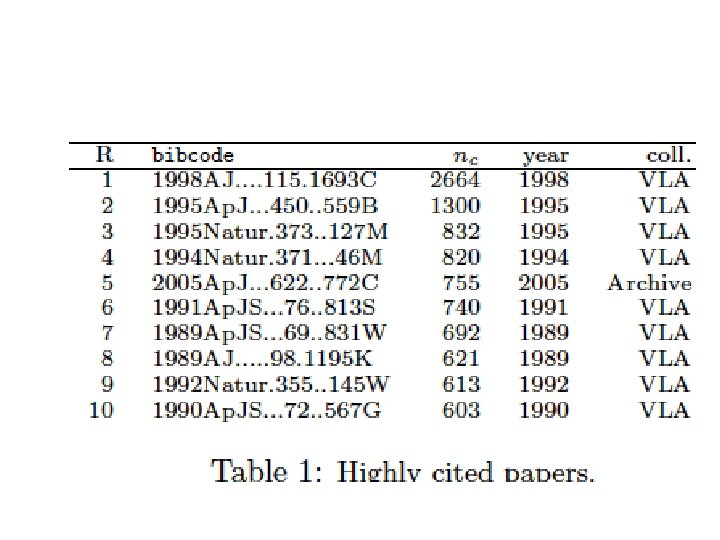
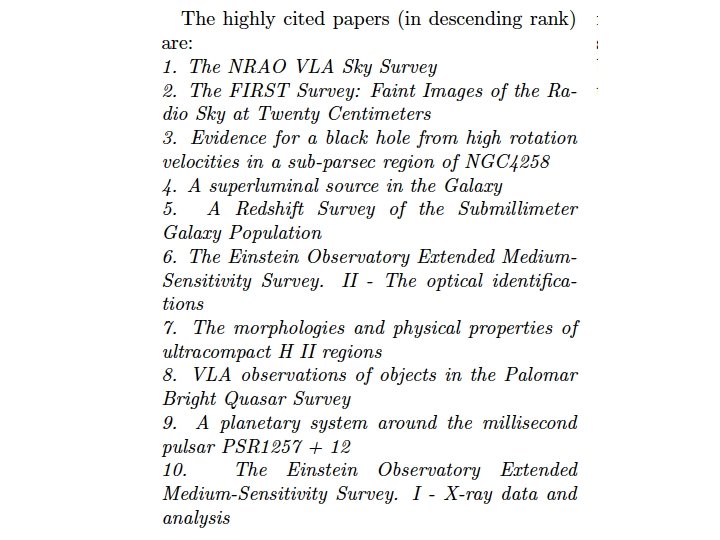
Top papers by citations
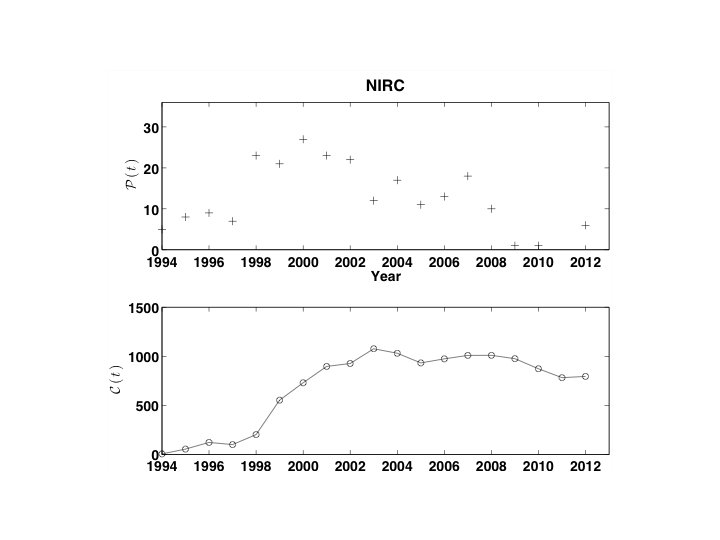
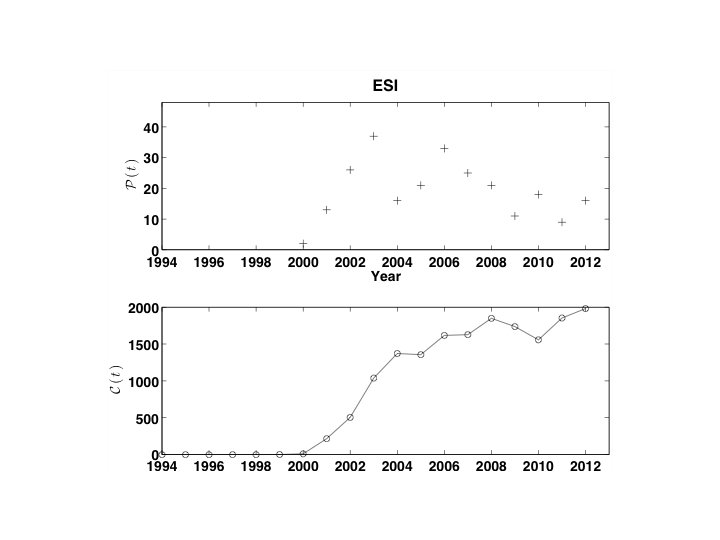
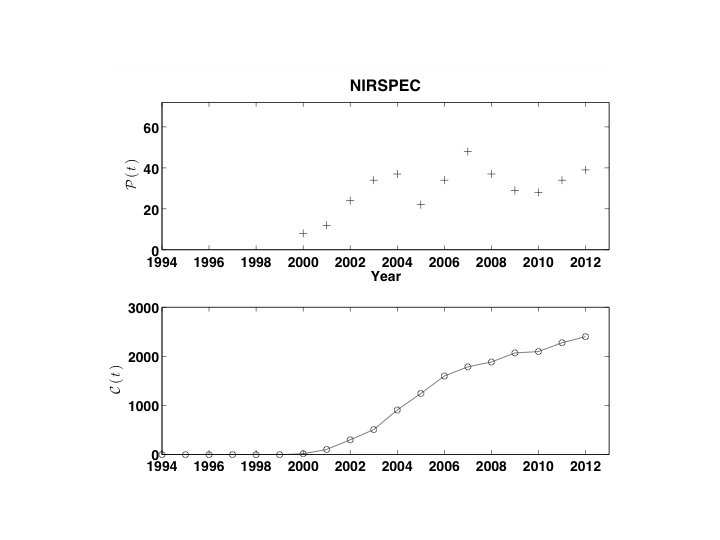
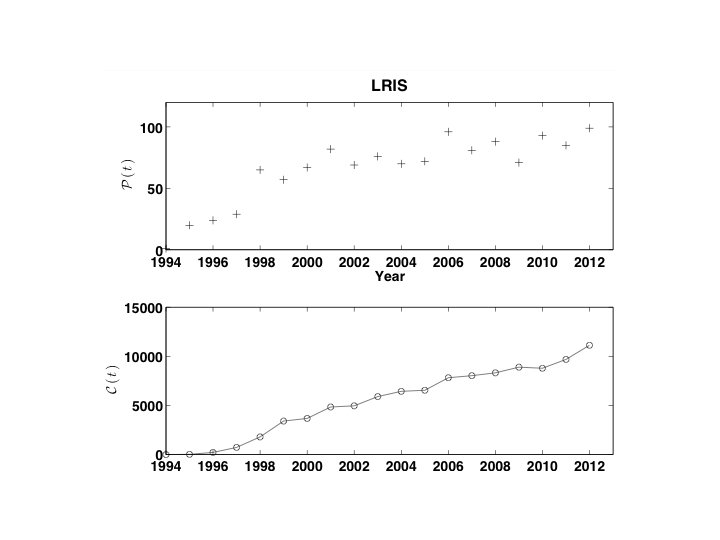
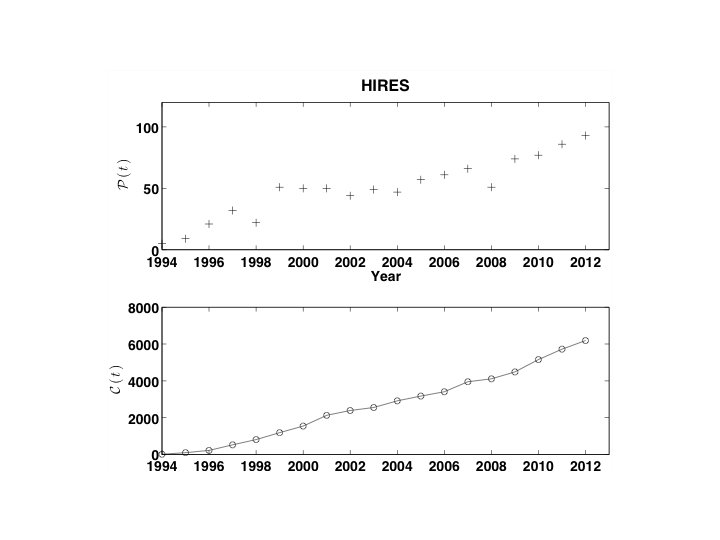
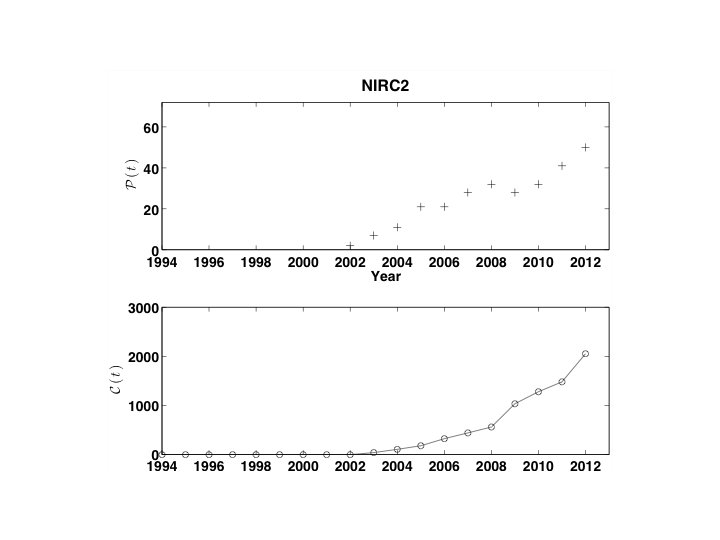
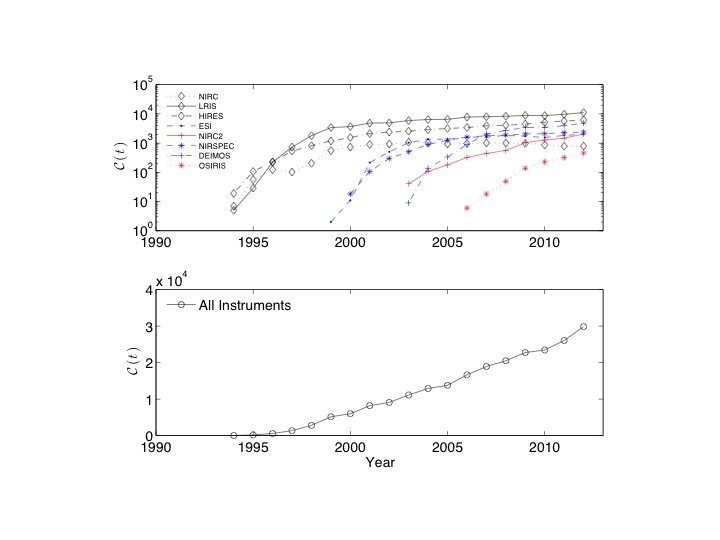
LIGHT CURVES
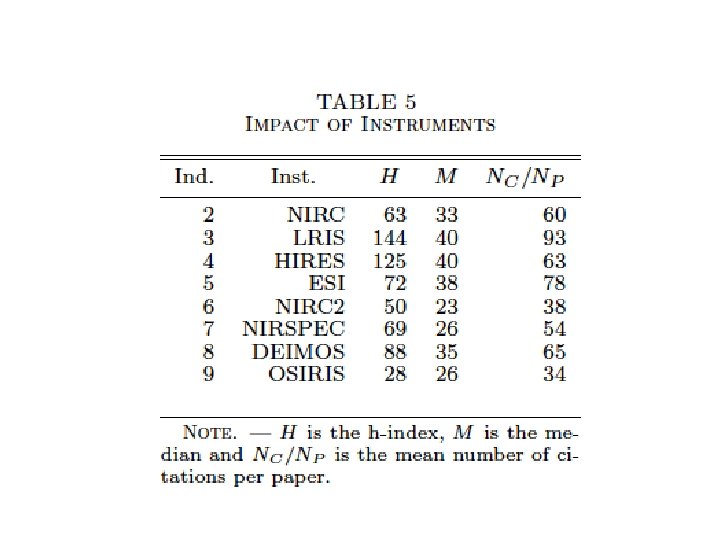
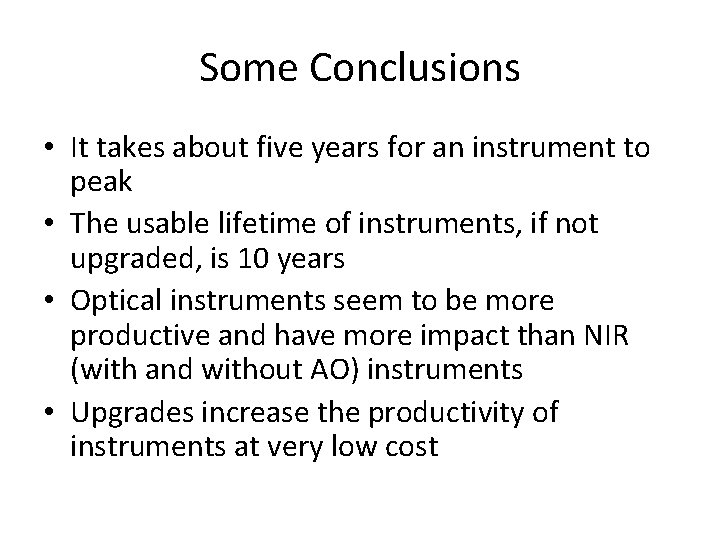
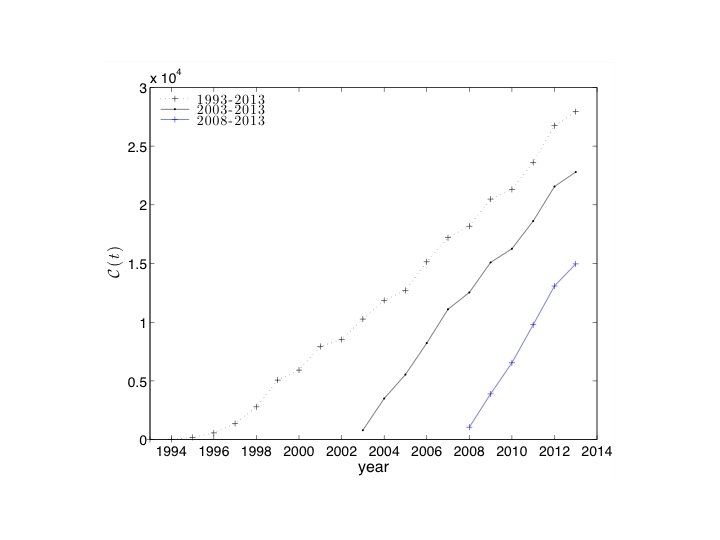
Some Conclusions • It takes about five years for an instrument to peak • The usable lifetime of instruments, if not upgraded, is 10 years • Optical instruments seem to be more productive and have more impact than NIR (with and without AO) instruments • Upgrades increase the productivity of instruments at very low cost
ARE BUILDERS WELL RECOGNIZED?
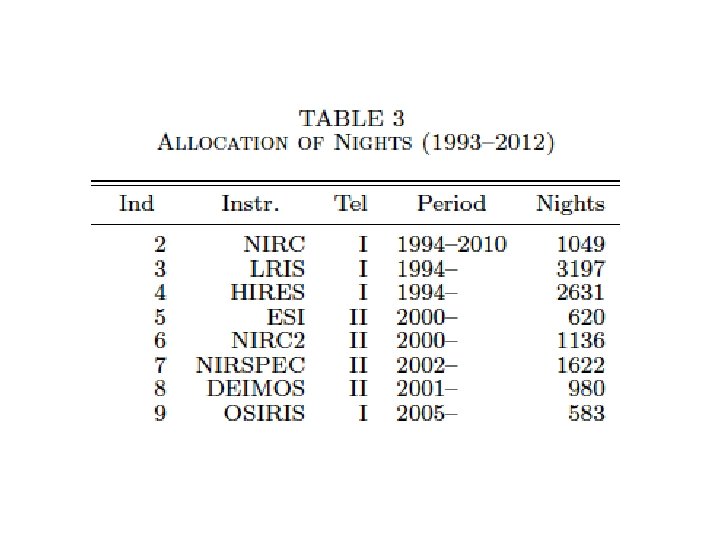
COST & VALUE OF A NIGHT
CASE STUDY: THE VERY LARGE ARRAY
Should a new all-sky survey be undertaken by the VLA?
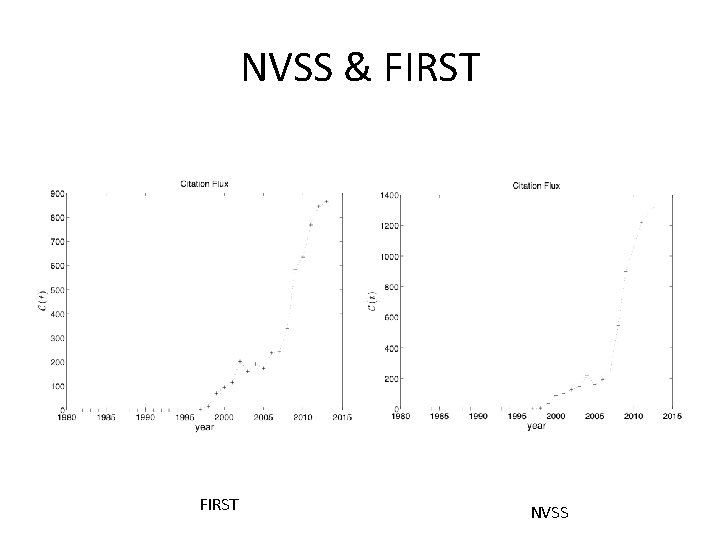
NVSS & FIRST NVSS
Survey returns • NVSS and FIRST started off with linear returns for five years and another decade to reach peak fluxes • NVSS is returning three times more citations than the typical mix of programs • A second sky survey is eminently reasonable and should be undertaken rapidly
DISCUSSION FOR THE AUDIENCE
Mega Instruments & Surveys • Mega-instruments are powerful but also expensive. – eg. HSC, PFS, Big. BOSS, GPI, SPHERE • Once built must be used extensively – Presumably the science returns demand it • Age of Surveys – Even PTF can keep Palomar and Keck quite busy – Let alone HSC – Let alone GAIA – Let alone planned radio surveys
Lack of Followup telescopes • Mega-instruments remove telescopes from routine use • Surveys demand extensive follow up • But no new telescopes are being contemplated ……