
Instructional Phonics Inventory IPII Administration Pronunciation and Scoring








- Slides: 90
Instructional Phonics Inventory (IPI-I) Administration, Pronunciation and Scoring Guide
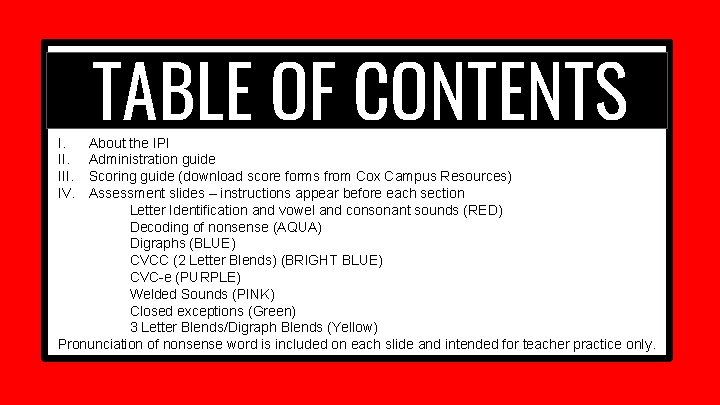
I. III. IV. TABLE OF CONTENTS About the IPI Administration guide Scoring guide (download score forms from Cox Campus Resources) Assessment slides – instructions appear before each section Letter Identification and vowel and consonant sounds (RED) Decoding of nonsense (AQUA) Digraphs (BLUE) CVCC (2 Letter Blends) (BRIGHT BLUE) CVC-e (PURPLE) Welded Sounds (PINK) Closed exceptions (Green) 3 Letter Blends/Digraph Blends (Yellow) Pronunciation of nonsense word is included on each slide and intended for teacher practice only.
About IPI The IPI is an informal assessment tool developed by the Wardlaw School at the Atlanta Speech School. The IPI was designed to be used as a diagnostic assessment of phonics for students from kindergarten through the upper grades (as deemed appropriate). The IPI assesses a student’s understanding of vowels and their consonant contexts within the syllable types of the English language. Each Closed and open syllable, CVC-e, R-Controlled, Vowel Team and Multisyllabic word is presented in a nonsense syllable/word format to prevent the impact of potential memorization of the combinations presented over time. As a result, the IPI can also be used for progress monitoring students’ phonics skills throughout the school year.
Administration Choosing whether to begin with the IPI-I or IPI-II depends on the student’s skill level. As a general rule of thumb, kindergarten and 1 st grade students should begin with the IPI-I. For any student who is demonstrating significant reading difficulty, regardless of grade level, you can begin with the IPI-I. If the CVC words prove to be too simple, the examiner should move to the IPI -II. You may decide to give portions of each inventory. Teachers should use their own discretion to determine when to discontinue testing. If the child is struggling, move to the next section or discontinue the assessment. You may choose to provide a “warm up” to all skill levels by beginning with the identification of upper and lower case letters and letter sounds before moving to the more advanced nonsense syllables.
Administration The IPI-I and IPI-II are informal, nonstandardized assessments. Before beginning, familiarize yourself with the administration and scoring procedures. It is critically important that you're familiar with the pronunciation of the nonsense words and syllable types so that you’re able to score the student’s responses correctly. Download the Powerpoint presentation and go through each slide, clicking on the audio to hear the pronunciation of the words before you administer. The audio files should not be played for the students at any time - they are included for teacher practice only. Decide on which form you will administer (IPI-I or IPI-II) and decide on where you will start.
Administration In-Person 1. 2. 3. 4. Download the selected Powerpoint (either IPI-I or IPI-II) and score form from the Cox Campus Resource Center. Open the slides in “presentation” mode. Examiner and student should be seated side by side Read the prompt from the section header slide
Administration Virtually The IPI-I and II can be administered virtually using web conferencing (e. g. , Zoom, Google Hangout, Web. Ex, Skype, etc. ). To ensure accuracy of student data, it will be important to consider implementing the following if possible: • The student and teacher should wear headphones to minimize background noise. If they can’t wear headphones, both the examiner and student should be in a quiet room. • The student and examiner should use a microphone for clearest transmission of sound • The examiner should record the student’s responses and score later off-line so that the examiner has time to make judgments about the student’s pronunciation. As words increase in syllable length, it may be harder to determine whether the student’s response was correct or incorrect. Some web programs have recording features built in that can be used to audio record students. Examiners should follow appropriate protocol to obtain the necessary permissions to be able to audio record students.
Administration Virtually An adult should be with a younger student for technical support but not sitting next to the child (to prevent cueing). Tips for getting parents set up: • Child should be in a quiet room to minimize background noise and limit distractions • Check volume to ensure that the child can hear the examiner and that the examiner can hear the child • Check screen resolution and brightness to ensure that the letters and words are shown clearly on the screen
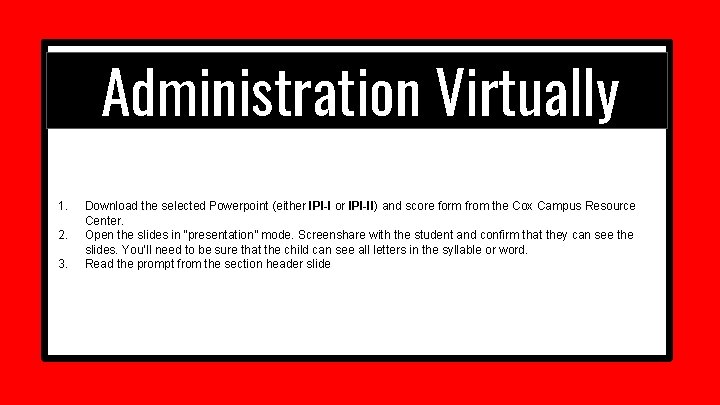
Administration Virtually 1. 2. 3. Download the selected Powerpoint (either IPI-I or IPI-II) and score form from the Cox Campus Resource Center. Open the slides in “presentation” mode. Screenshare with the student and confirm that they can see the slides. You’ll need to be sure that the child can see all letters in the syllable or word. Read the prompt from the section header slide
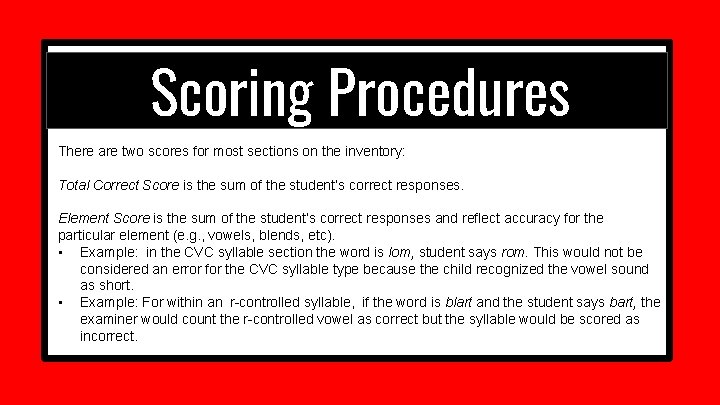
Scoring Procedures There are two scores for most sections on the inventory: Total Correct Score is the sum of the student’s correct responses. Element Score is the sum of the student’s correct responses and reflect accuracy for the particular element (e. g. , vowels, blends, etc). • Example: in the CVC syllable section the word is lom, student says rom. This would not be considered an error for the CVC syllable type because the child recognized the vowel sound as short. • Example: For within an r-controlled syllable, if the word is blart and the student says bart, the examiner would count the r-controlled vowel as correct but the syllable would be scored as incorrect.
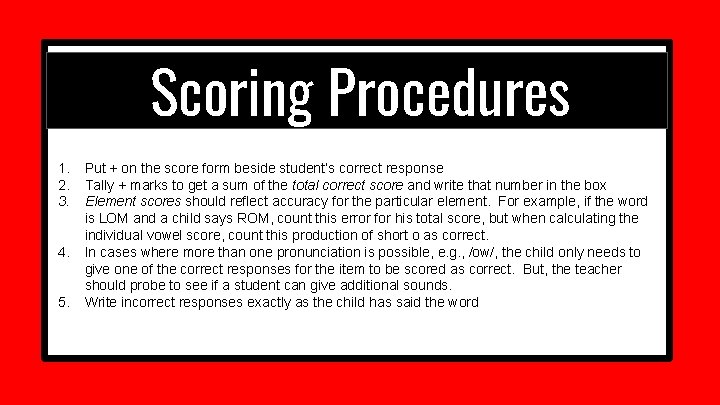
Scoring Procedures 1. 2. 3. 4. 5. Put + on the score form beside student’s correct response Tally + marks to get a sum of the total correct score and write that number in the box Element scores should reflect accuracy for the particular element. For example, if the word is LOM and a child says ROM, count this error for his total score, but when calculating the individual vowel score, count this production of short o as correct. In cases where more than one pronunciation is possible, e. g. , /ow/, the child only needs to give one of the correct responses for the item to be scored as correct. But, the teacher should probe to see if a student can give additional sounds. Write incorrect responses exactly as the child has said the word
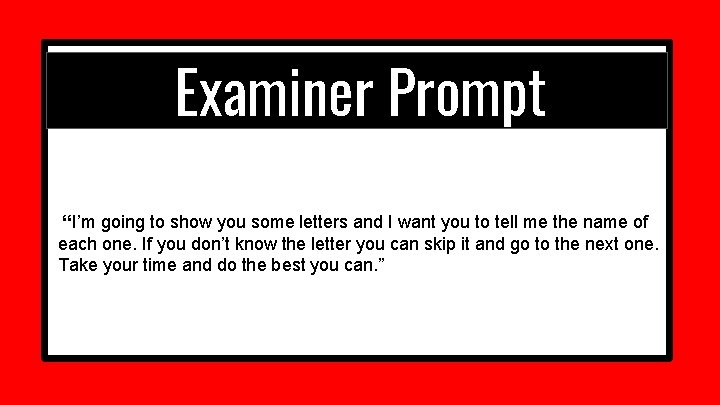
Examiner Prompt “I’m going to show you some letters and I want you to tell me the name of each one. If you don’t know the letter you can skip it and go to the next one. Take your time and do the best you can. ”
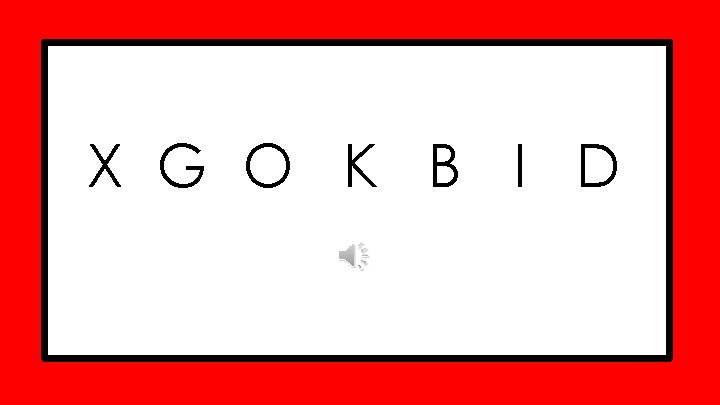
X G O K B I D
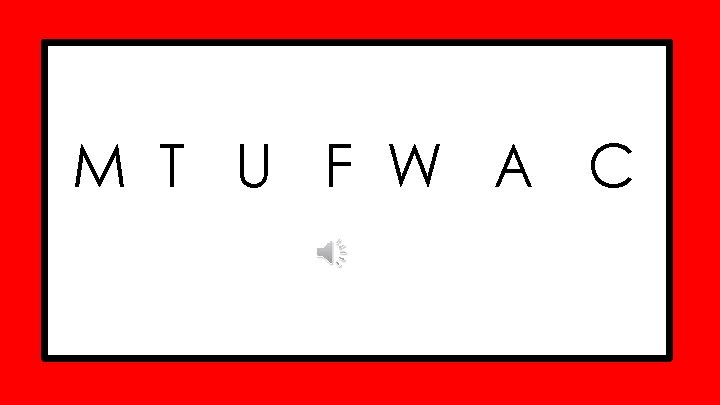
M T U F W A C
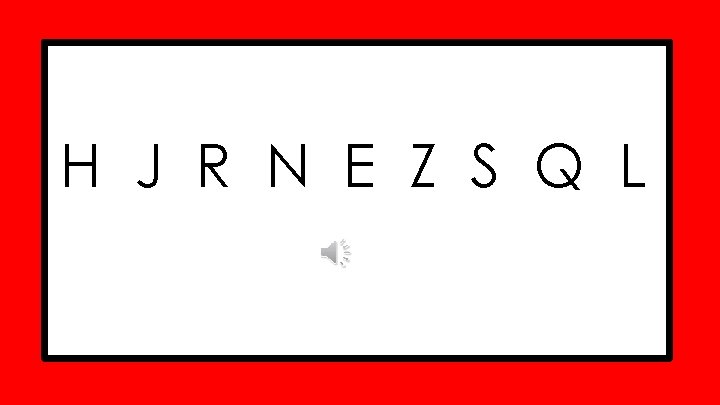
H J R N E Z S Q L
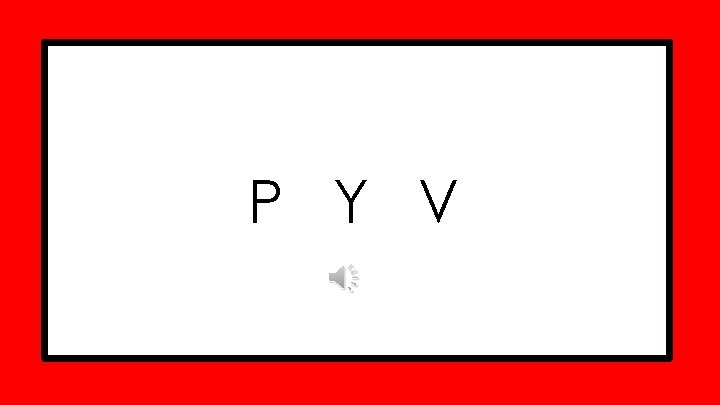
P Y V
o w r a b k e
m d y t u x f
c i v g h j n
q s z l p
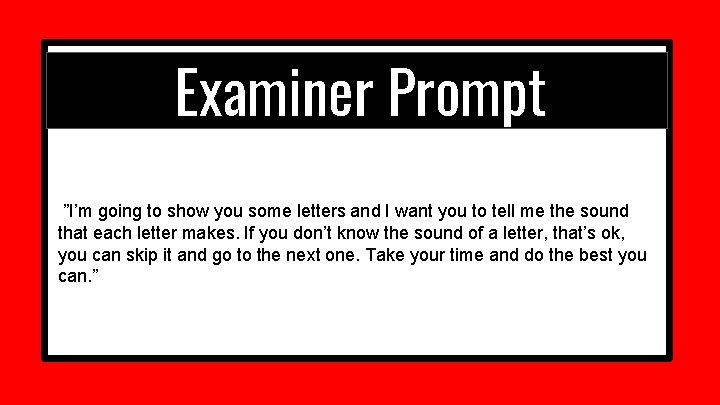
Examiner Prompt ”I’m going to show you some letters and I want you to tell me the sound that each letter makes. If you don’t know the sound of a letter, that’s ok, you can skip it and go to the next one. Take your time and do the best you can. ”
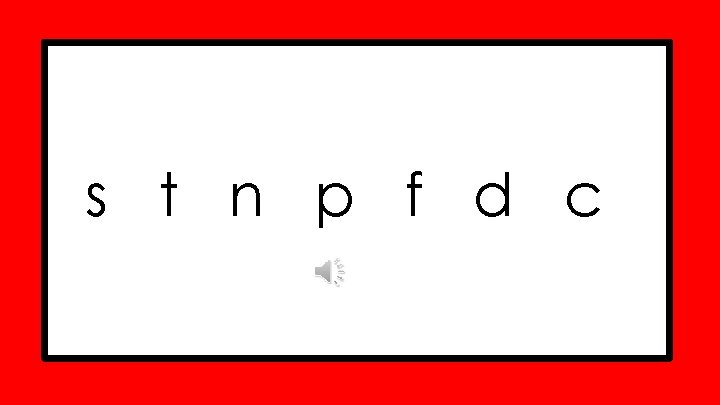
s t n p f d c
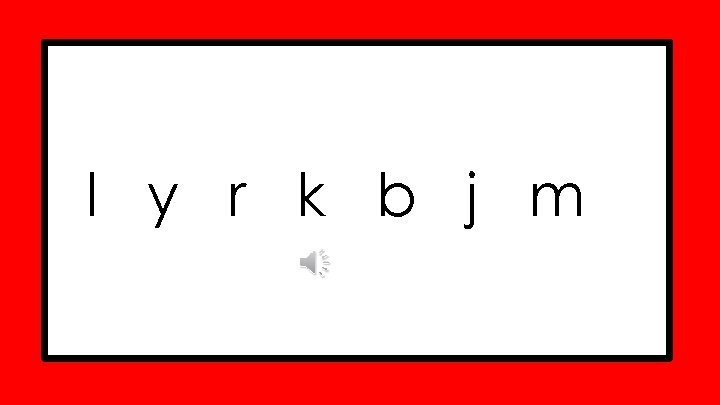
l y r k b j m
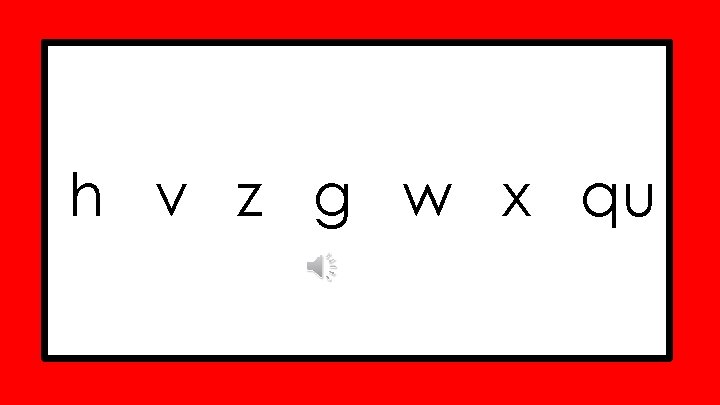
h v z g w x qu
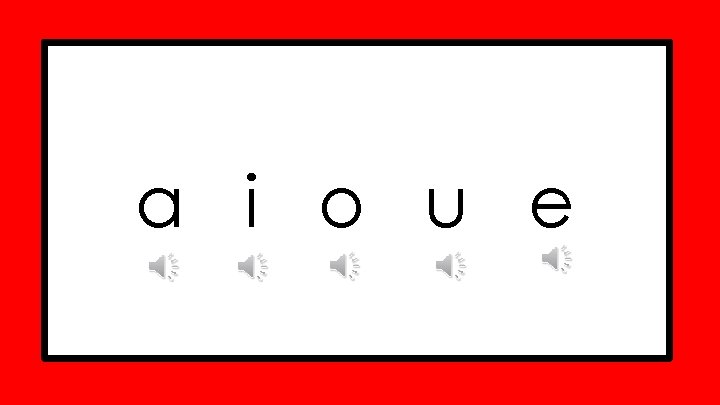
a i o u e
Examiner Prompt “I’m going to show you some words that are not real words, they are made up words and sort of silly. I want you to read each word to me as best as you can. Some of the words may be long and tricky. If you come to a word you don’t know, give it your best try. Take your time and do the best you can. ” This same prompt can be used for the remainder of the assessment
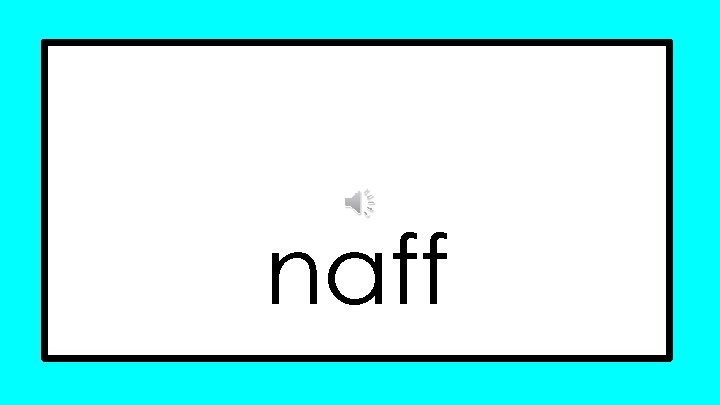
naff
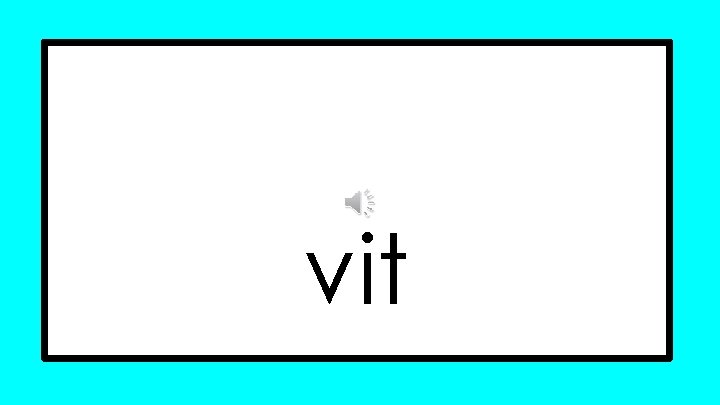
vit
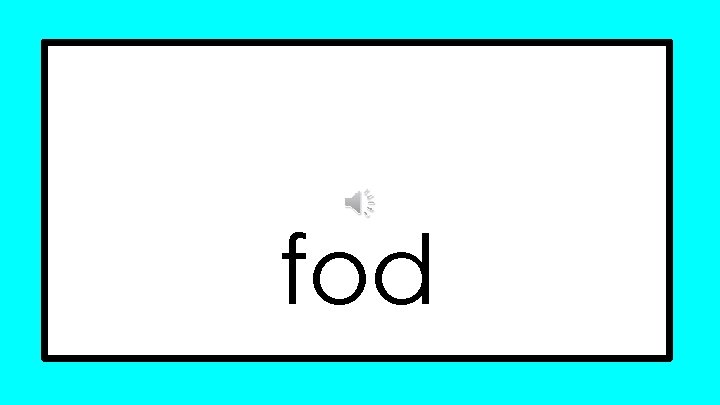
fod
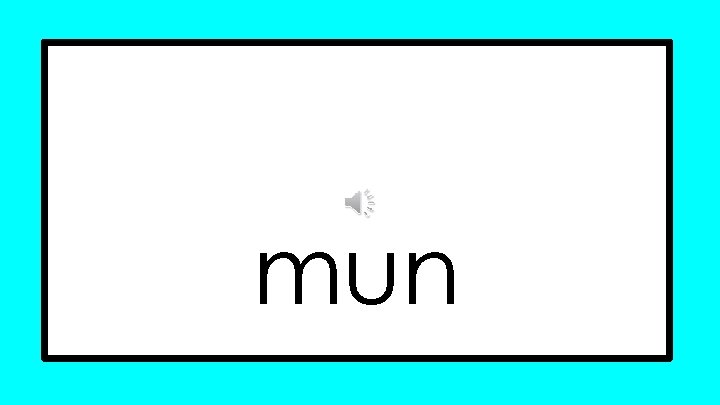
mun
ved
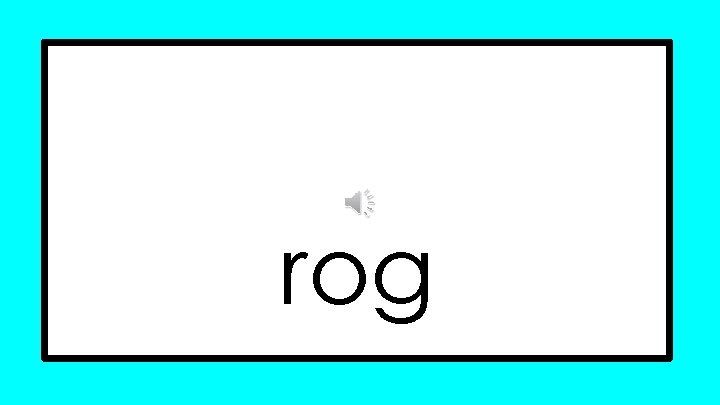
rog
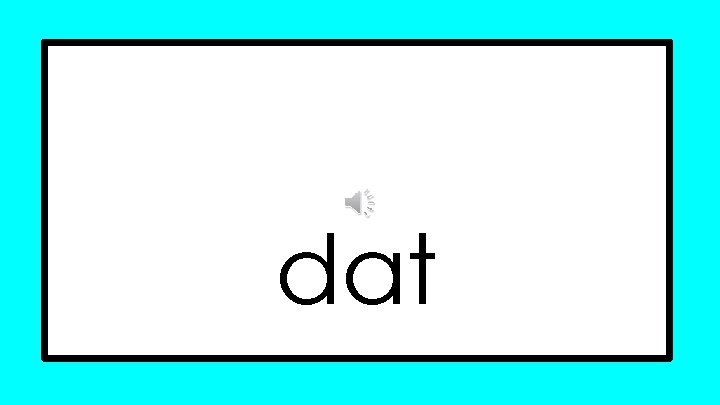
dat
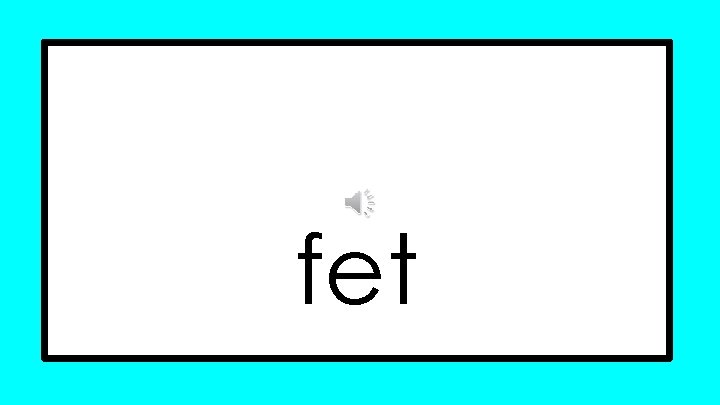
fet
nug
hin
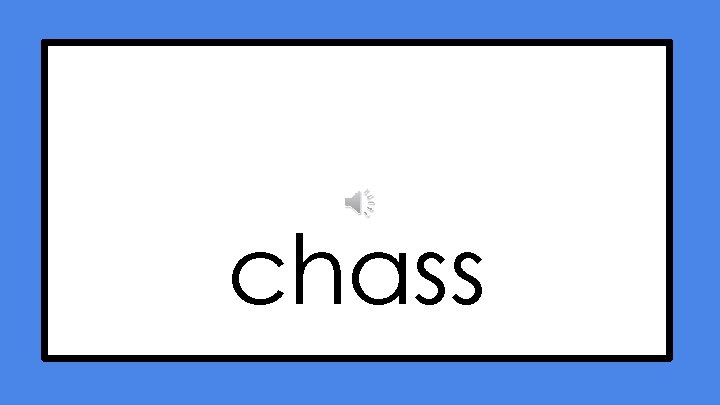
chass
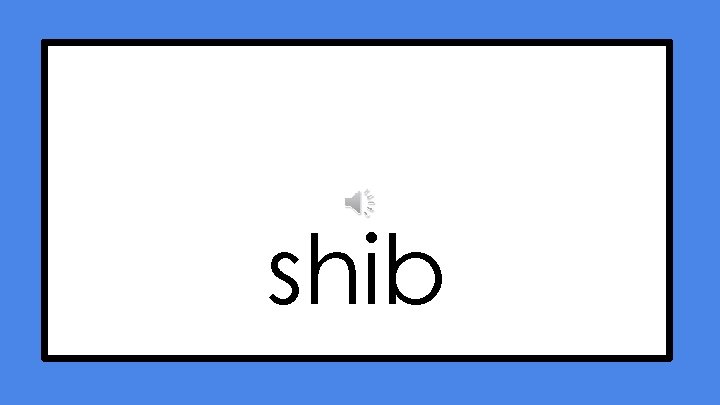
shib
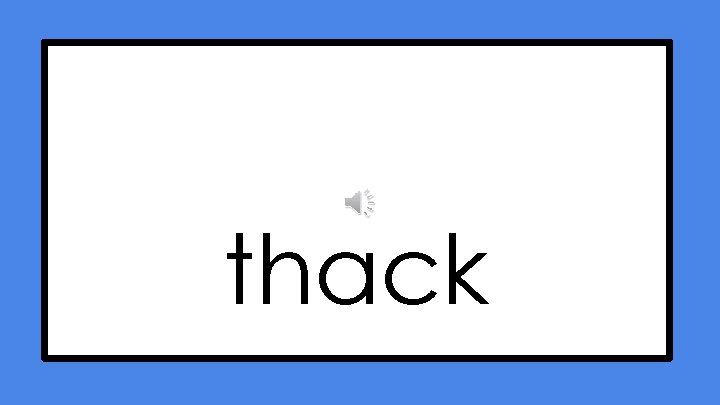
thack
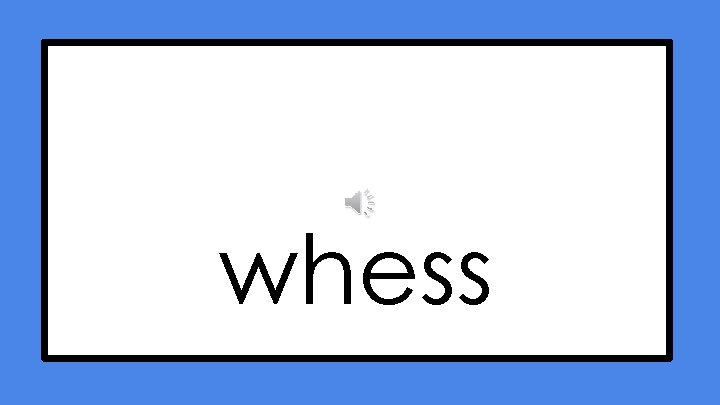
whess
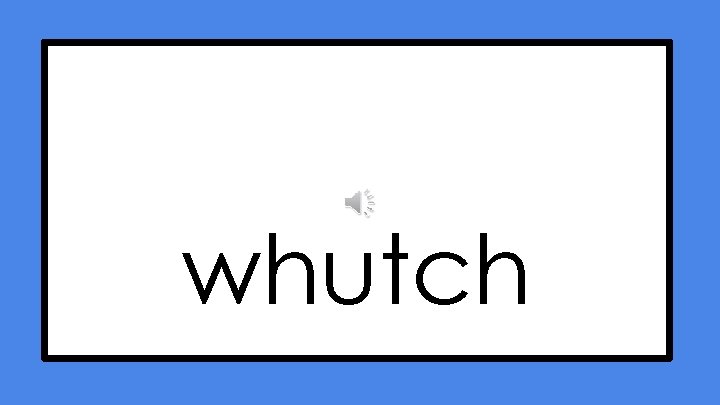
whutch
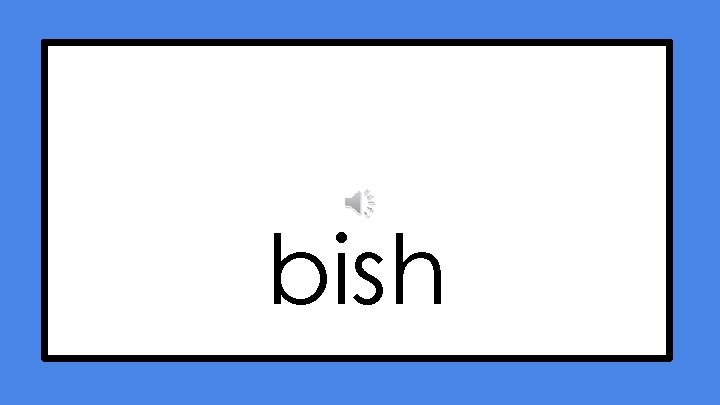
bish
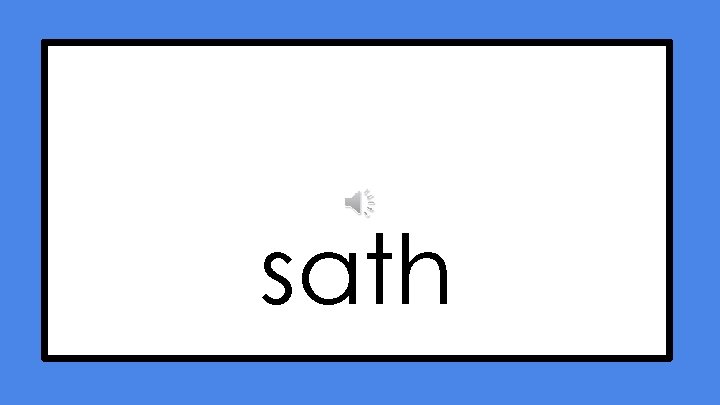
sath
phop
slock
spuff
scop
skack
smod
stap
sweb
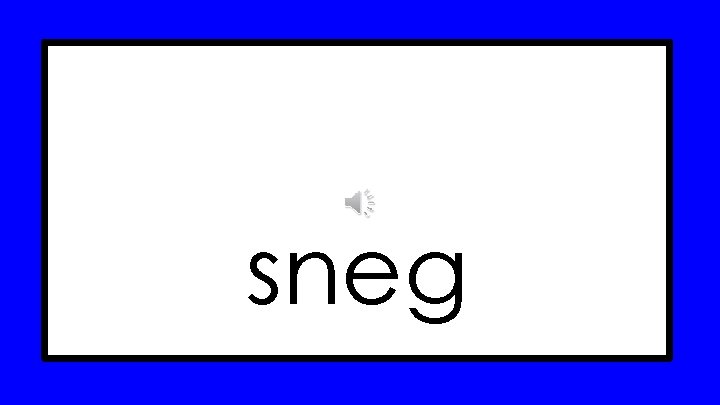
sneg
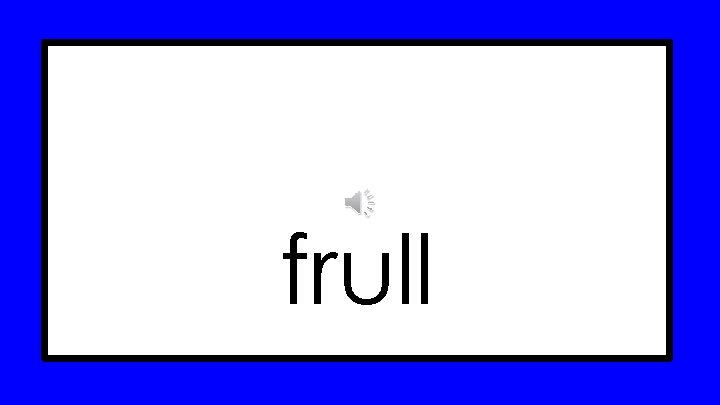
frull
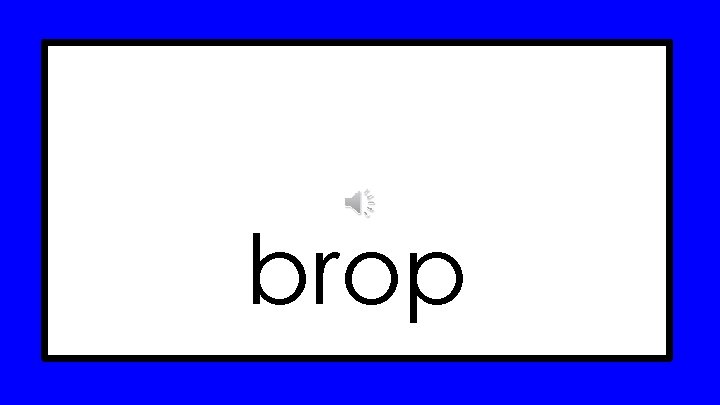
brop
grum
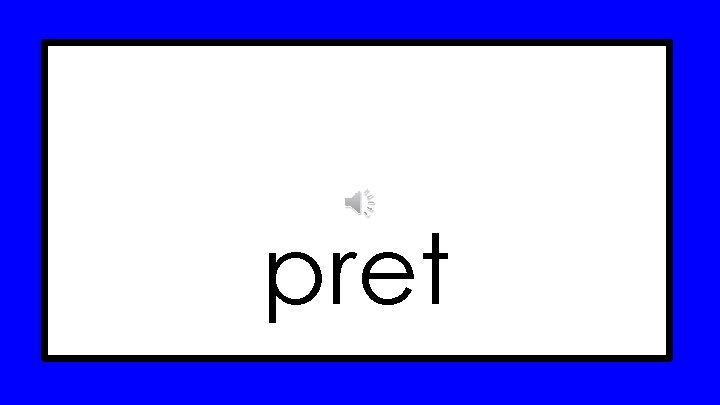
pret
trib
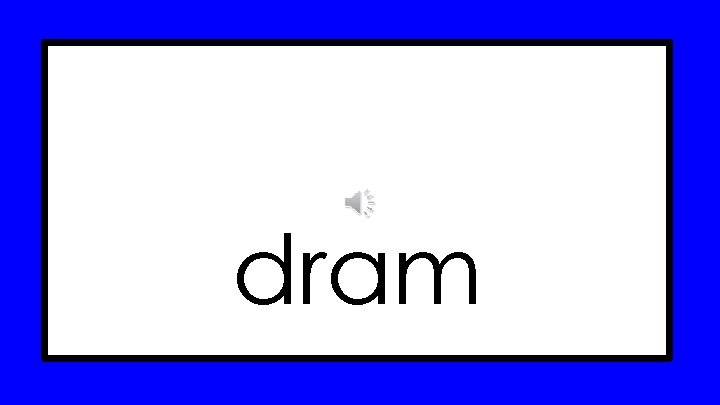
dram
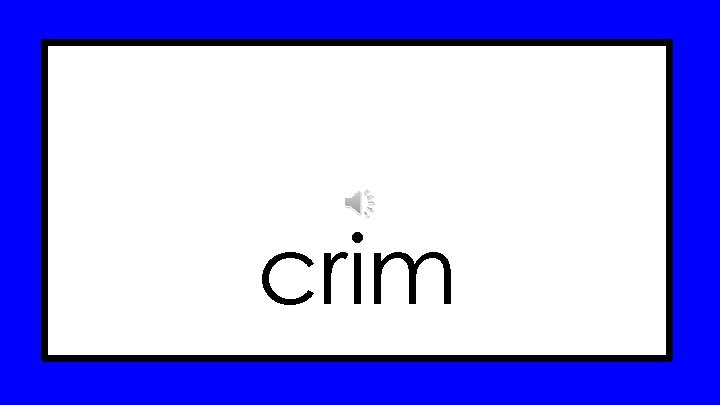
crim
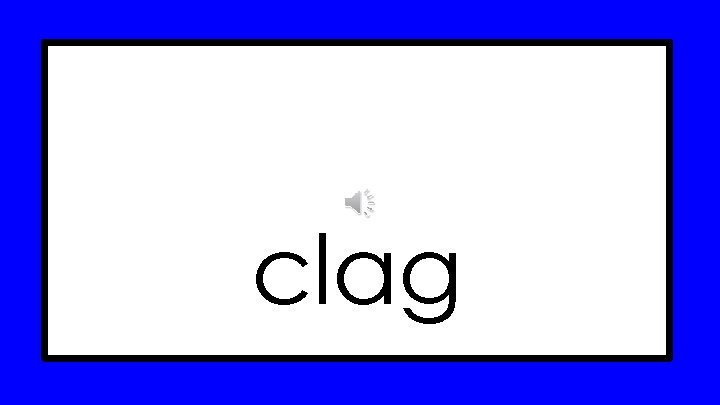
clag
glot
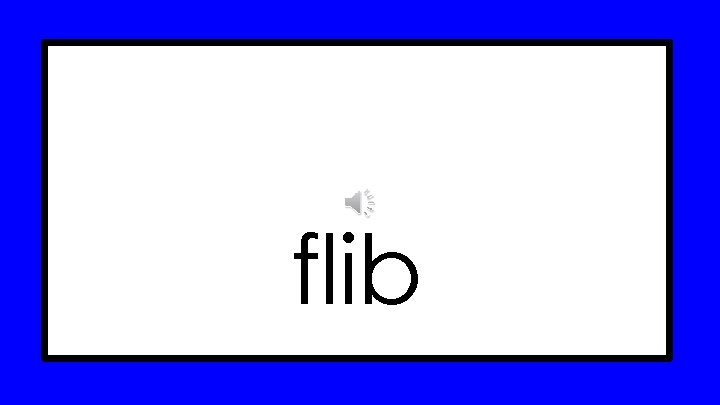
flib
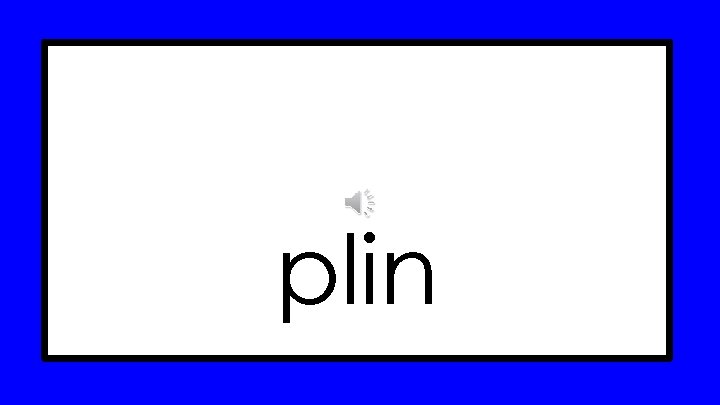
plin
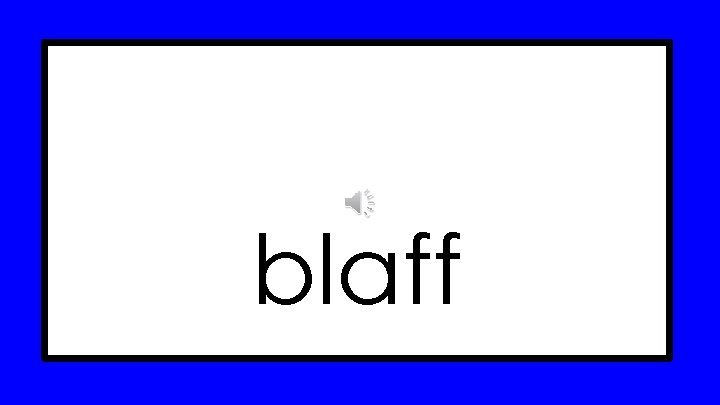
blaff
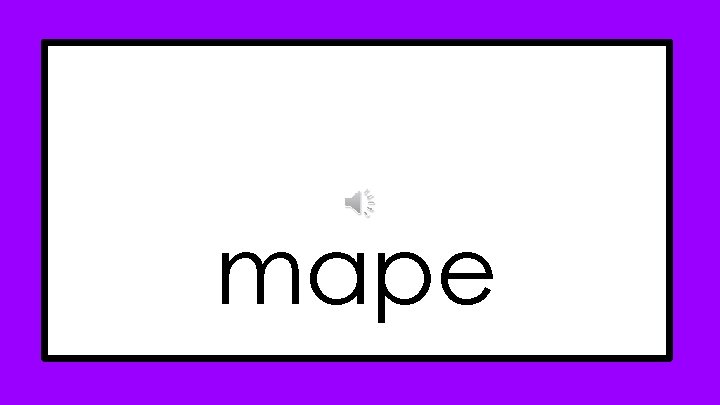
mape
sike
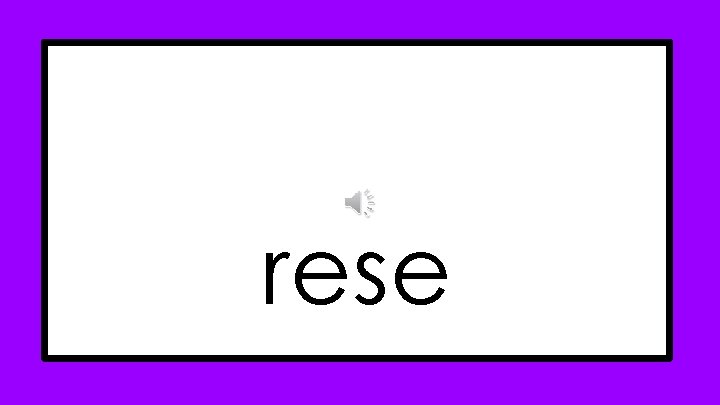
rese
tuse
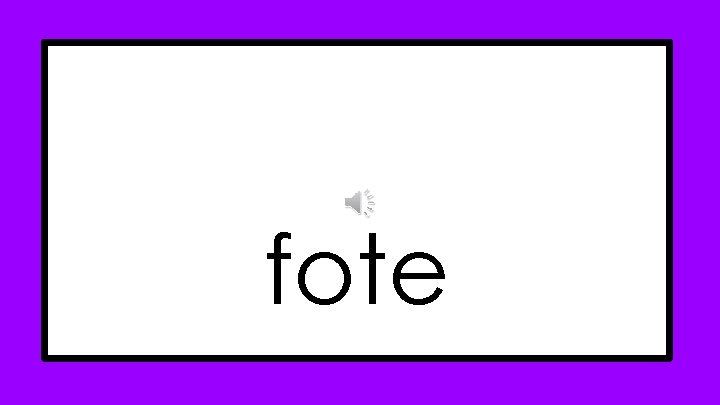
fote
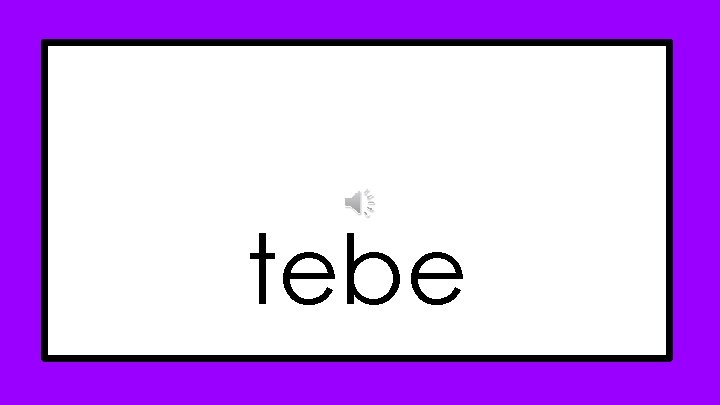
tebe
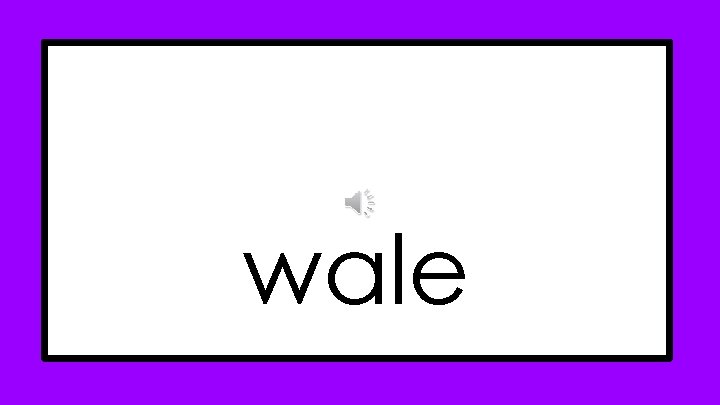
wale
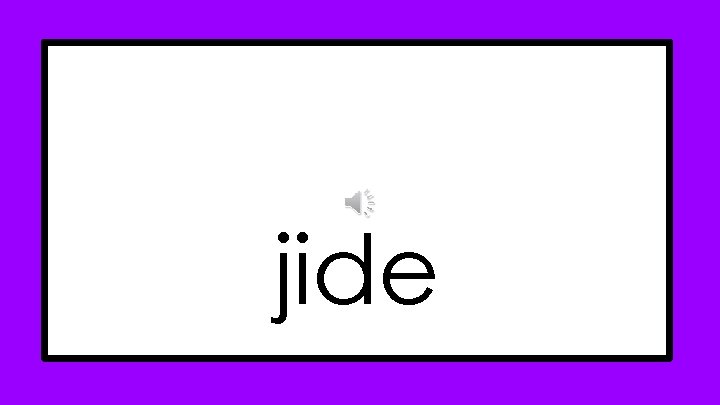
jide
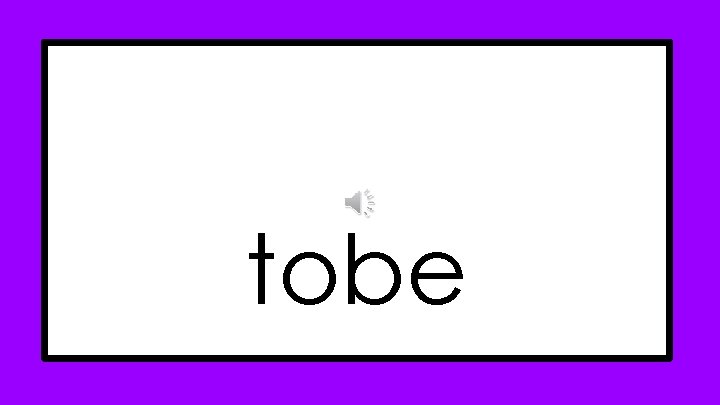
tobe
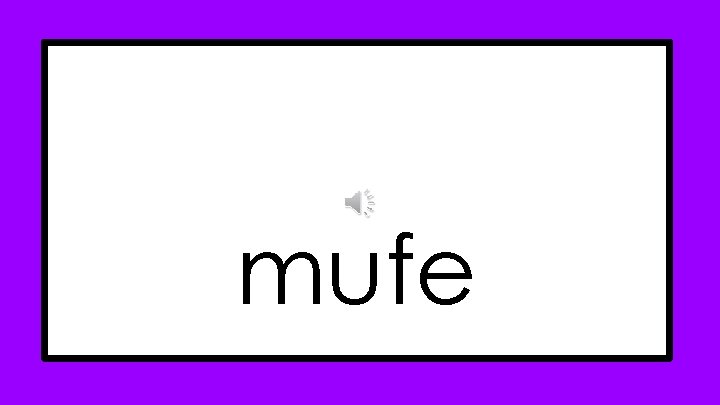
mufe
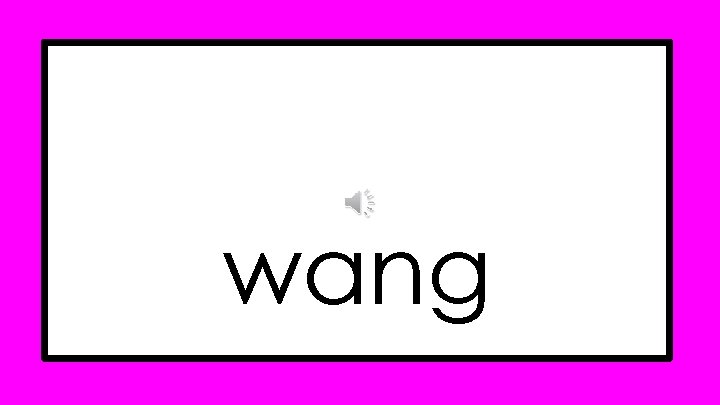
wang
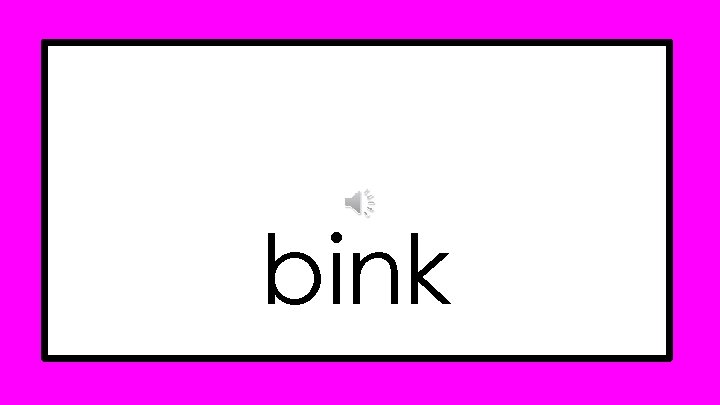
bink
tonk
runk
hing
jong
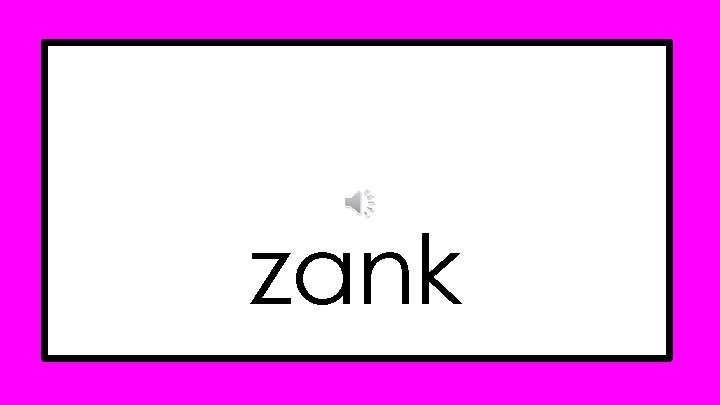
zank
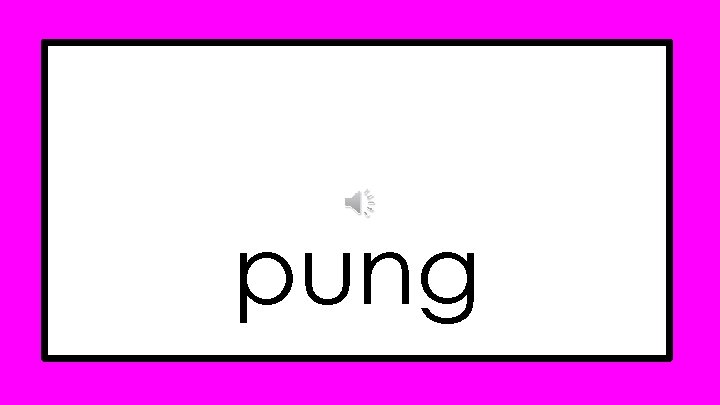
pung
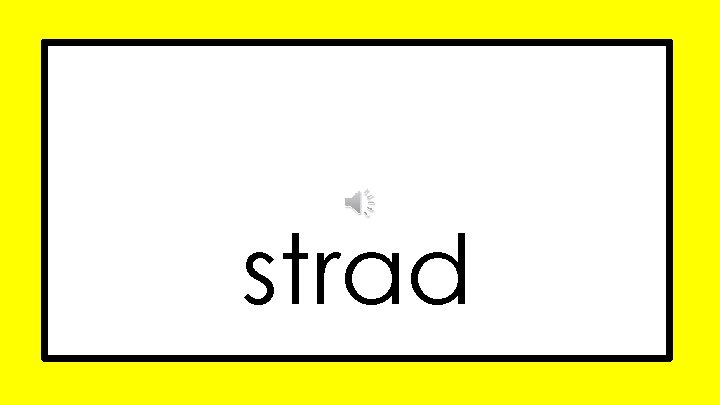
strad
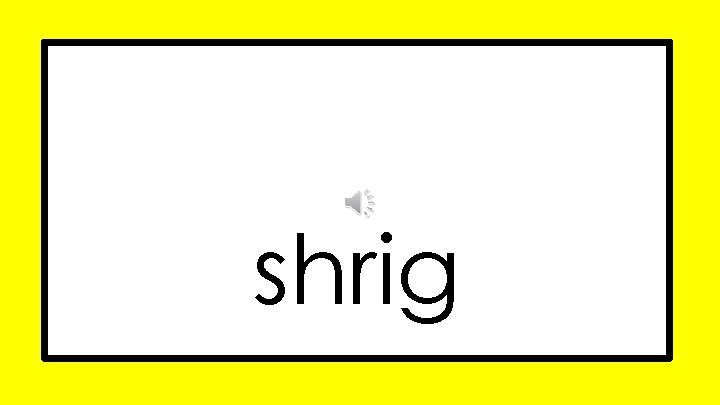
shrig
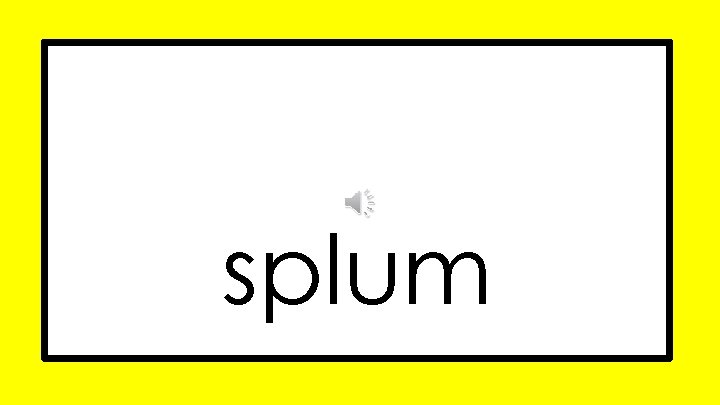
splum
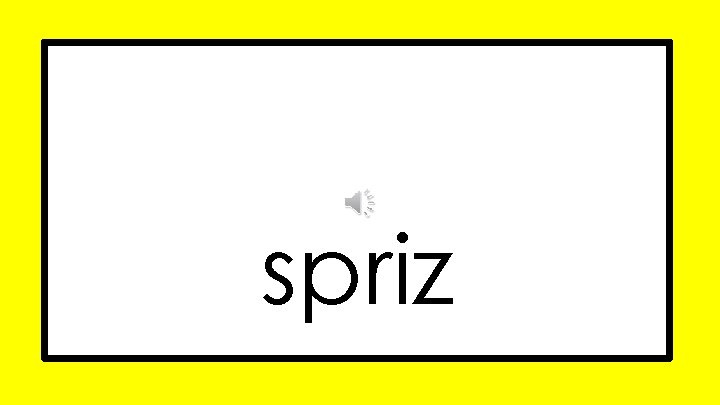
spriz
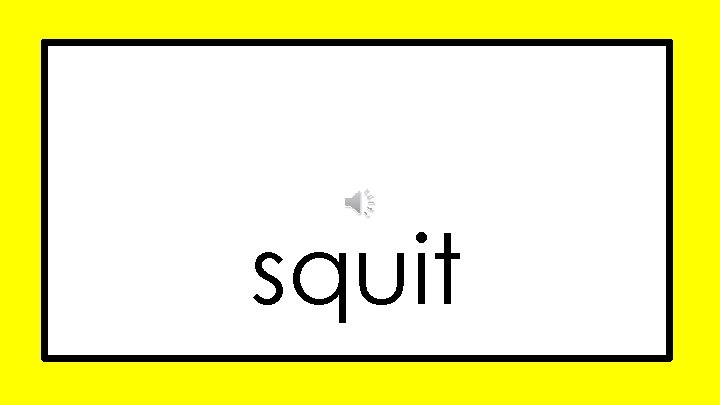
squit
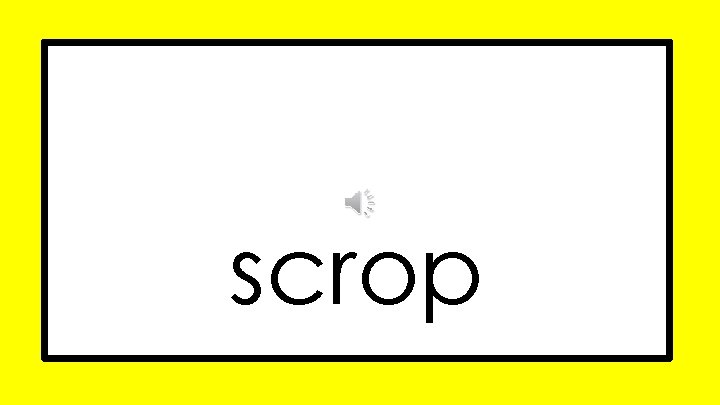
scrop
throg
tinch