
Insect Physiology Endocrine Systems WuChun Tu Department of

- Slides: 73
Insect Physiology Endocrine Systems 內分泌系統 Wu-Chun Tu Department of Entomology National Chung Hsing University
Internal Communication Two systems of internal communication – Nervous system 神經系統 Rapid Short-term responses Direct action between effectors and receptors – Endocrine system 內分泌系統 Slower More long-term responses Blood-borne
CONTENTS Hormone in Insects Early Experiments that Set the Stage for Current Understanding Types of Hormones in Insects Prothoracicotropic Hormones Ecdysteroids The Juvenile Hormones Other Neuropeptides Found in Insects Vertebrate-Type Hormones in Insects
What Are Hormones? Classical definition – Hormones are chemical substances produced by specialized tissues (glands) and secreted into blood, in which they are carried to target organs. Modern definition – Hormones are chemical substances that carry information between two or more cells at micromolar concentration or less.
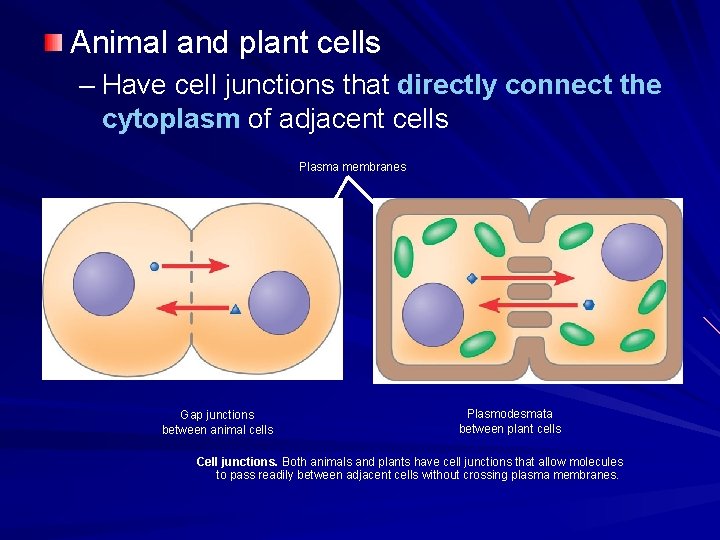
Animal and plant cells – Have cell junctions that directly connect the cytoplasm of adjacent cells Plasma membranes Gap junctions between animal cells Plasmodesmata between plant cells Cell junctions. Both animals and plants have cell junctions that allow molecules to pass readily between adjacent cells without crossing plasma membranes.
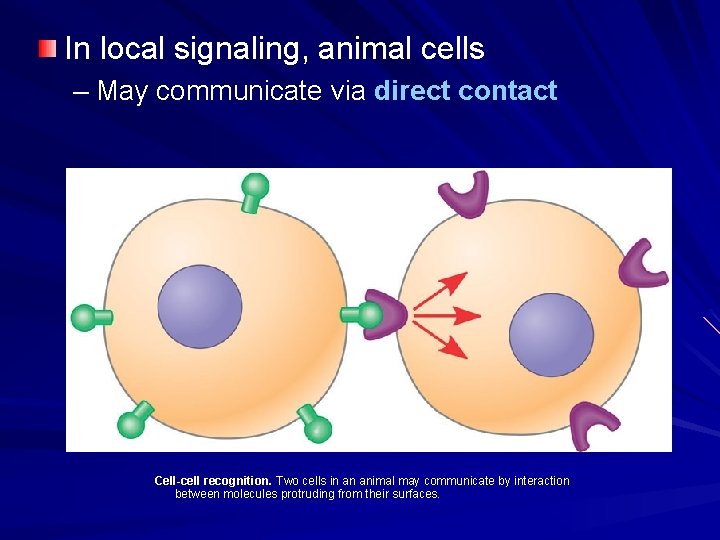
In local signaling, animal cells – May communicate via direct contact Cell-cell recognition. Two cells in an animal may communicate by interaction between molecules protruding from their surfaces.
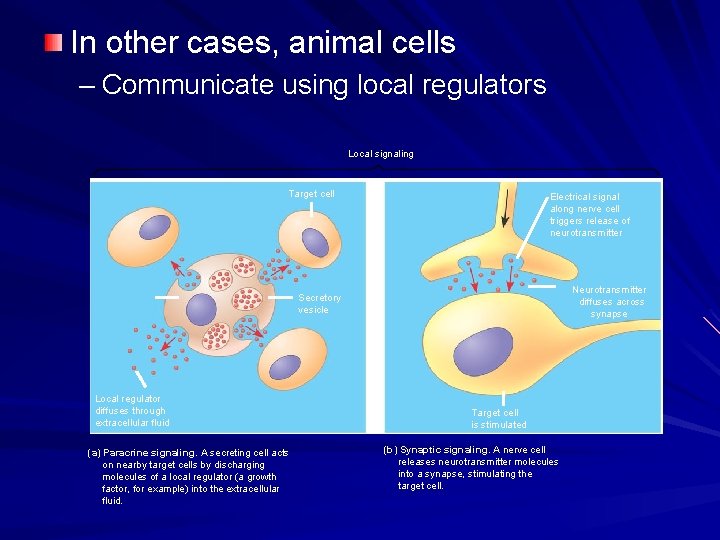
In other cases, animal cells – Communicate using local regulators Local signaling Target cell Electrical signal along nerve cell triggers release of neurotransmitter Neurotransmitter diffuses across synapse Secretory vesicle Local regulator diffuses through extracellular fluid (a) Paracrine signaling. A secreting cell acts on nearby target cells by discharging molecules of a local regulator (a growth factor, for example) into the extracellular fluid. Target cell is stimulated (b) Synaptic signaling. A nerve cell releases neurotransmitter molecules into a synapse, stimulating the target cell.
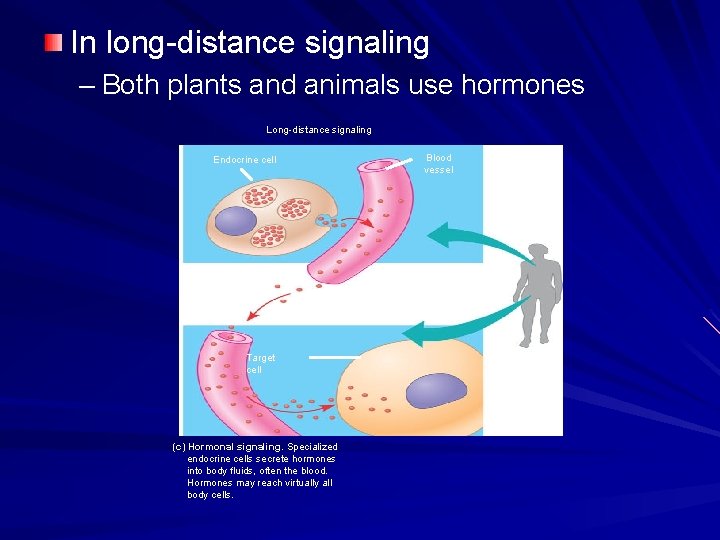
In long-distance signaling – Both plants and animals use hormones Long-distance signaling Blood vessel Endocrine cell Hormone travels in bloodstream to target cells Target cell (c) Hormonal signaling. Specialized endocrine cells secrete hormones into body fluids, often the blood. Hormones may reach virtually all body cells.
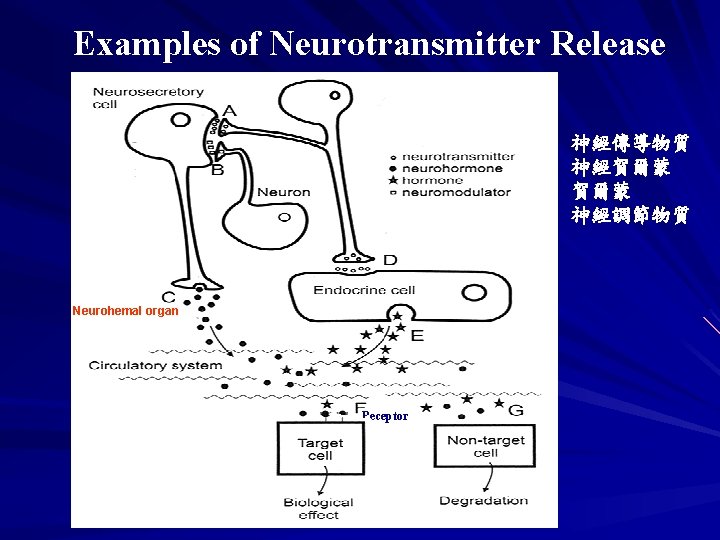
Examples of Neurotransmitter Release 神經傳導物質 神經賀爾蒙 神經調節物質 Neurohemal organ Receptor
Hormone in Insects Insect hormones affect a wide variety of physiological processes including – – – Embryogenesis 胚胎發育 postembryonic development 後胚期發育 Behavior 行為 water balance 水分平衡 Metabolism 代謝 Caste determination 位階決定作用 Polymorphism 多型性 Mating 交配 Reproduction 生殖 Diapause 滯育 Others
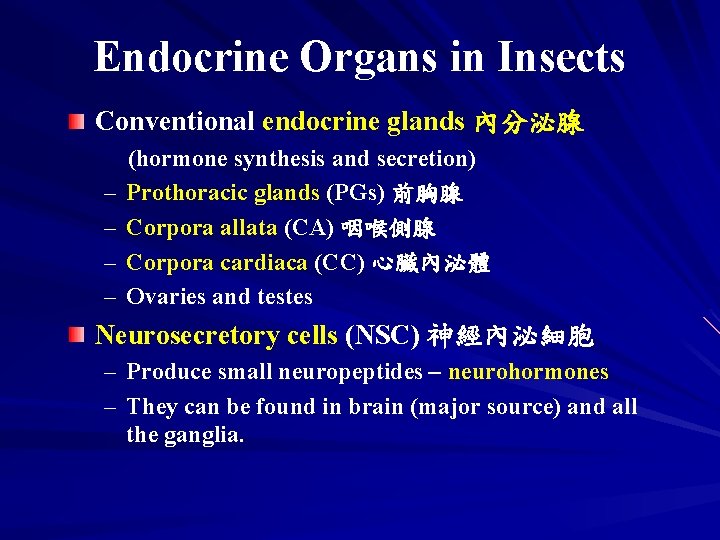
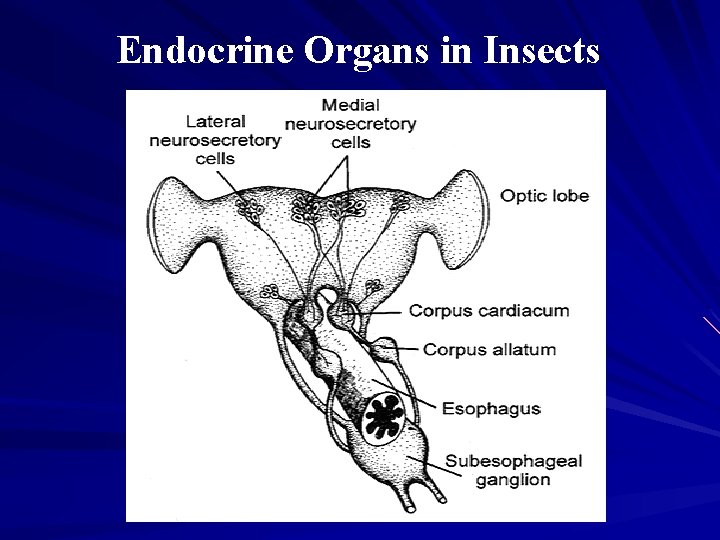
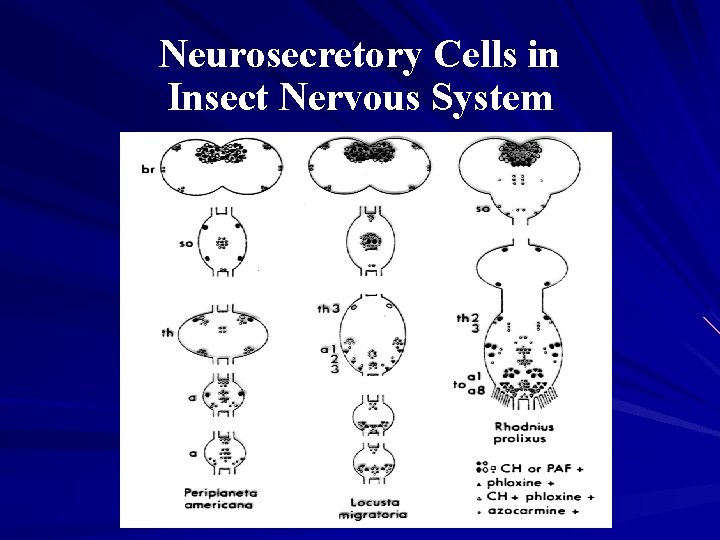
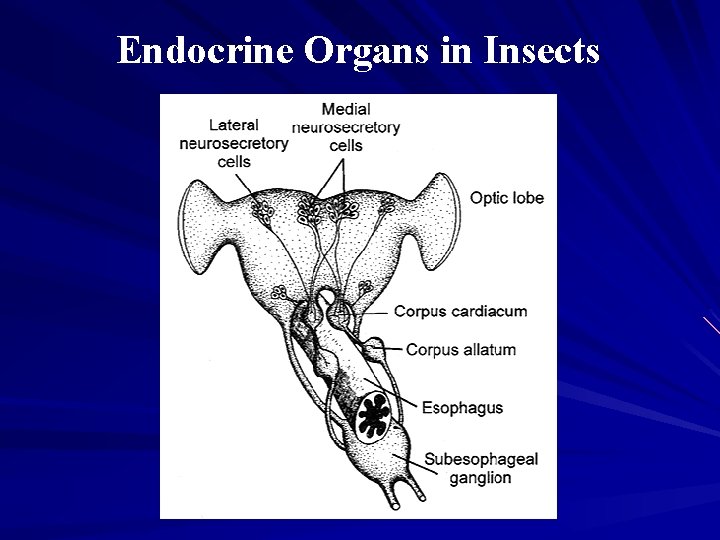
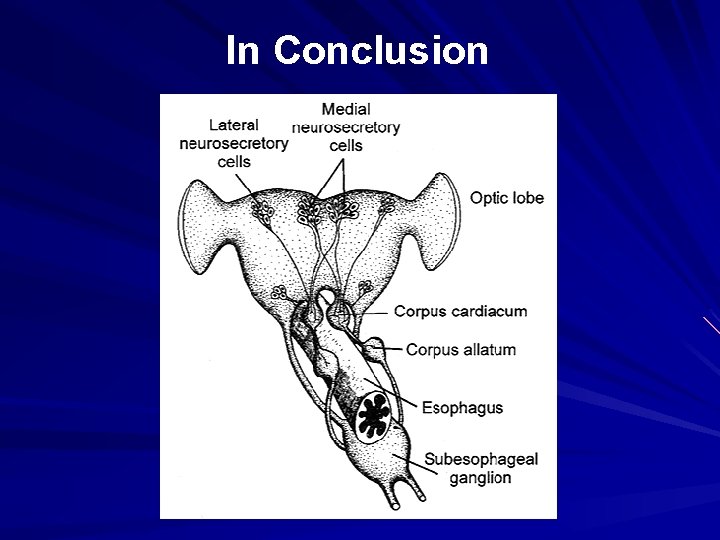
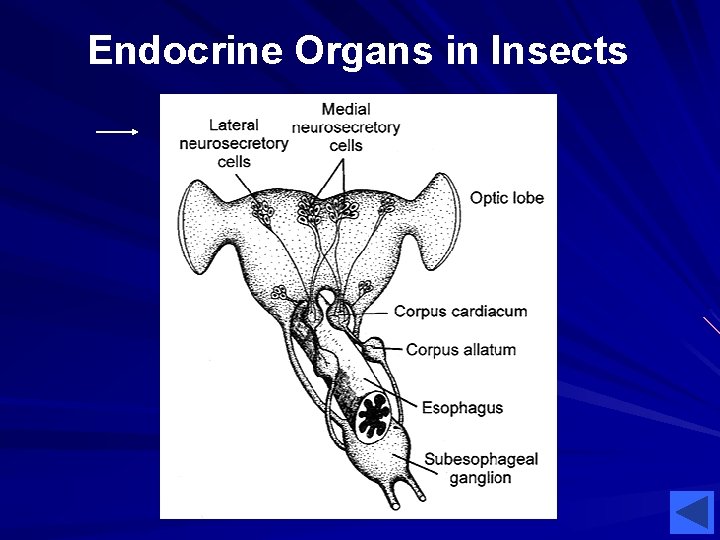
Endocrine Organs in Insects Conventional endocrine glands 內分泌腺 – – (hormone synthesis and secretion) Prothoracic glands (PGs) 前胸腺 Corpora allata (CA) 咽喉側腺 Corpora cardiaca (CC) 心臟內泌體 Ovaries and testes Neurosecretory cells (NSC) 神經內泌細胞 – Produce small neuropeptides – neurohormones – They can be found in brain (major source) and all the ganglia.
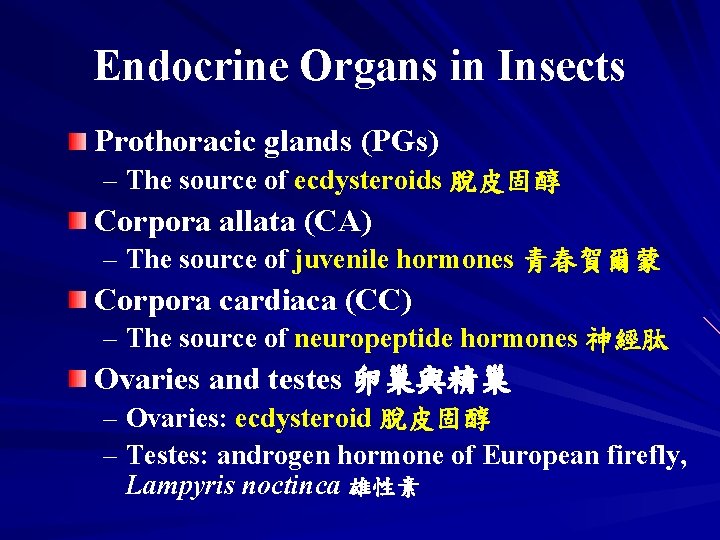
Endocrine Organs in Insects Prothoracic glands (PGs) – The source of ecdysteroids 脫皮固醇 Corpora allata (CA) – The source of juvenile hormones 青春賀爾蒙 Corpora cardiaca (CC) – The source of neuropeptide hormones 神經肽 Ovaries and testes 卵巢與精巢 – Ovaries: ecdysteroid 脫皮固醇 – Testes: androgen hormone of European firefly, Lampyris noctinca 雄性素
Endocrine Organs in Insects
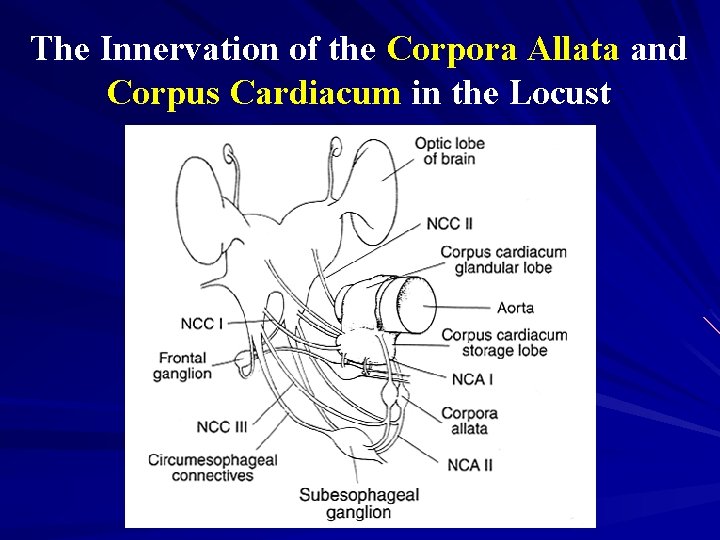
The Innervation of the Corpora Allata and Corpus Cardiacum in the Locust
Neurosecretory Cells in Insect Nervous System
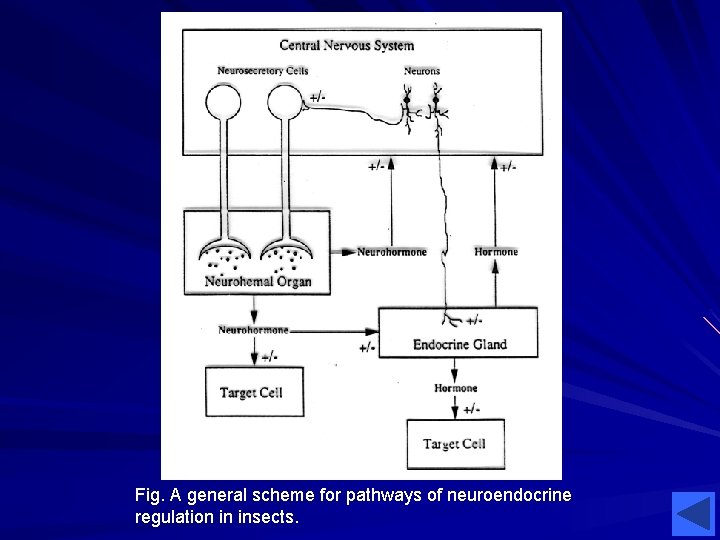
Fig. A general scheme for pathways of neuroendocrine regulation in insects.
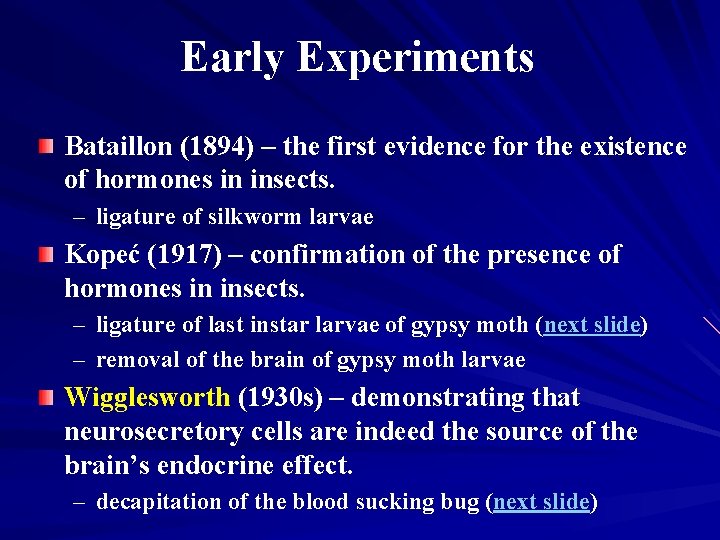
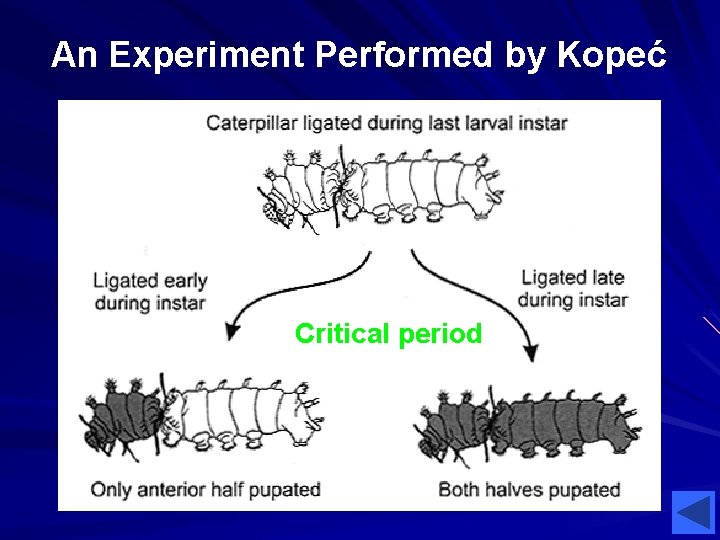
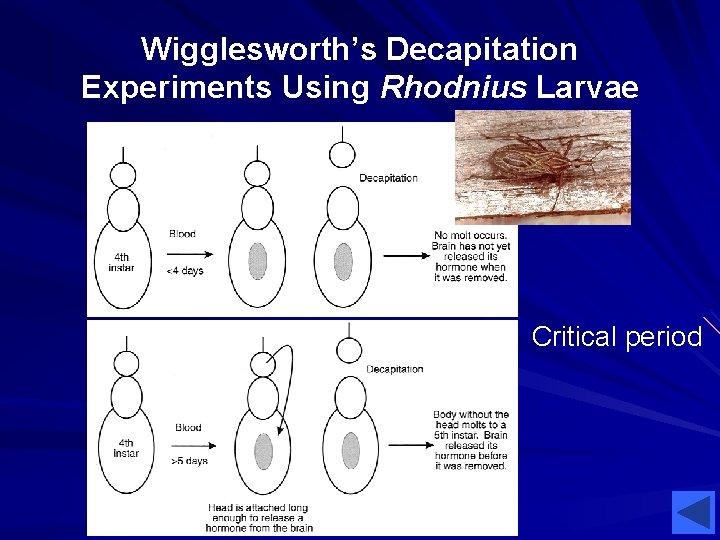
Early Experiments Bataillon (1894) – the first evidence for the existence of hormones in insects. – ligature of silkworm larvae Kopeć (1917) – confirmation of the presence of hormones in insects. – ligature of last instar larvae of gypsy moth (next slide) – removal of the brain of gypsy moth larvae Wigglesworth (1930 s) – demonstrating that neurosecretory cells are indeed the source of the brain’s endocrine effect. – decapitation of the blood sucking bug (next slide)
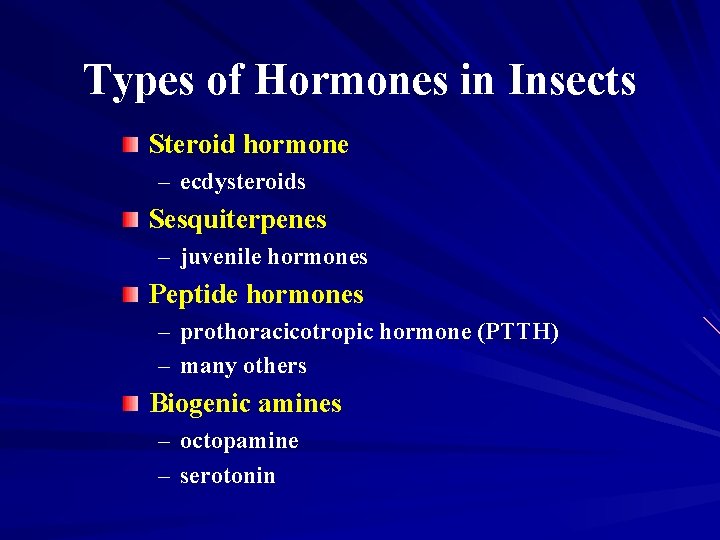
Types of Hormones in Insects Steroid hormone – ecdysteroids Sesquiterpenes – juvenile hormones Peptide hormones – prothoracicotropic hormone (PTTH) – many others Biogenic amines – octopamine – serotonin
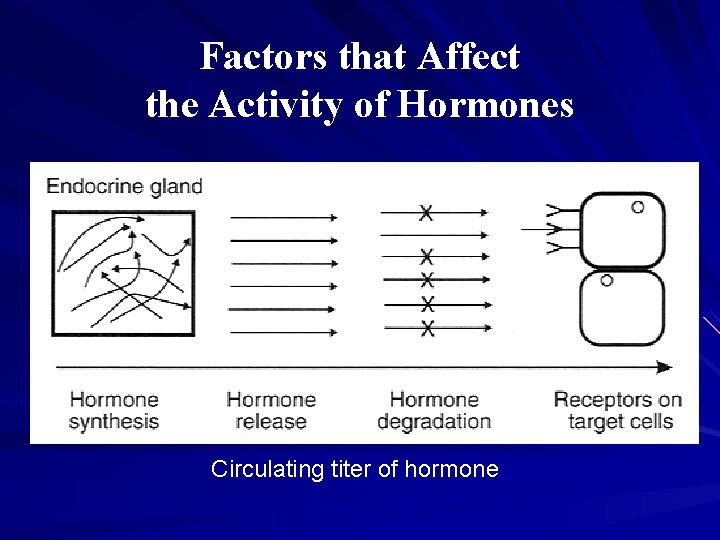
Factors that Affect the Activity of Hormones Circulating titer of hormone
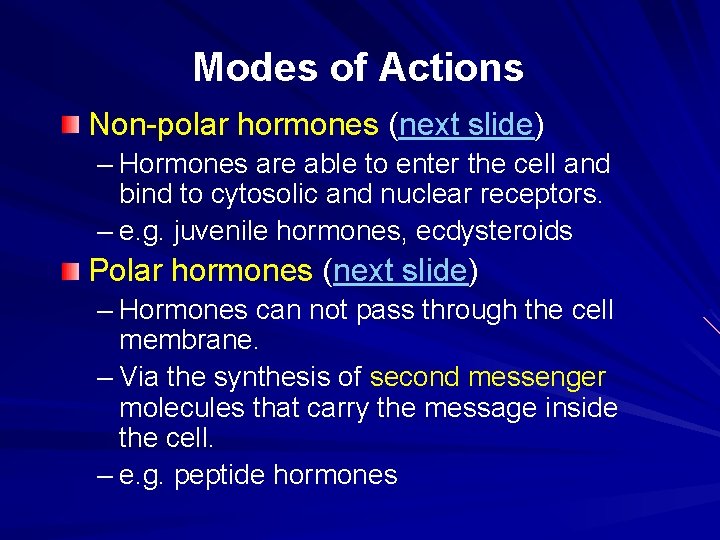
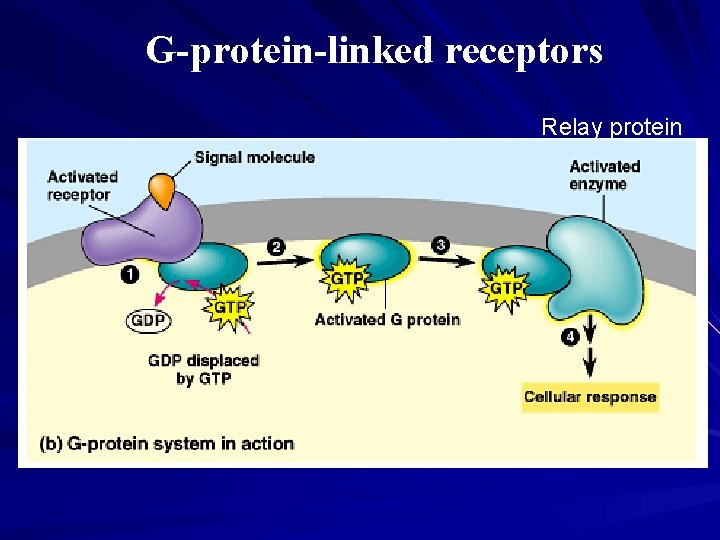
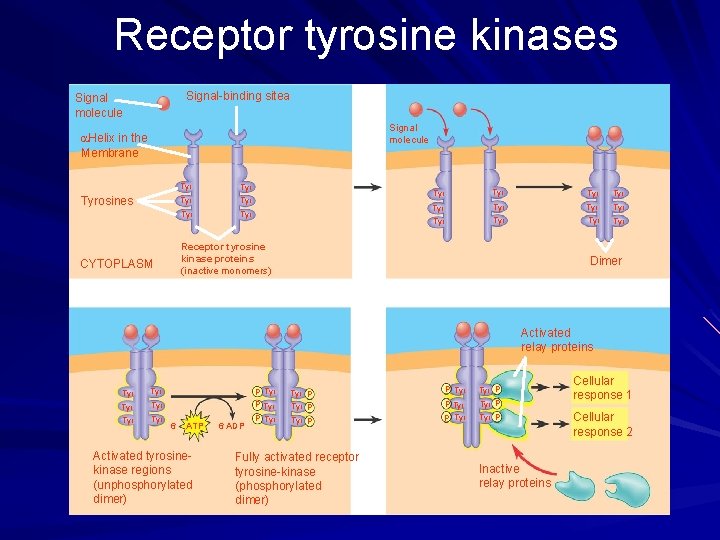
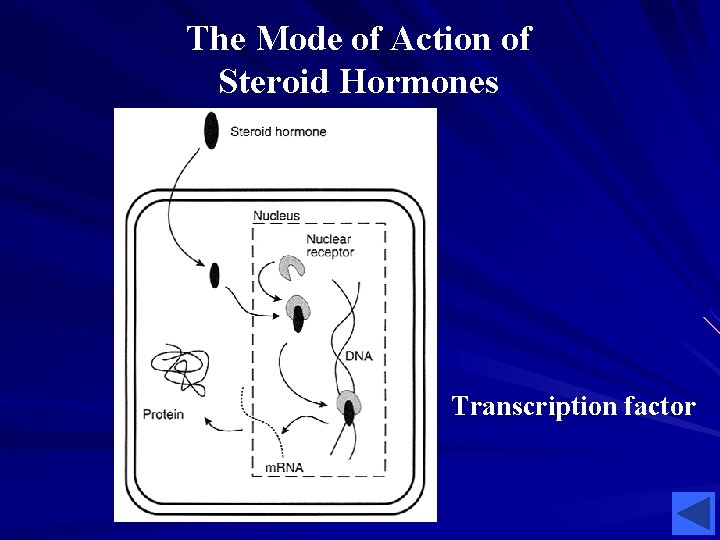
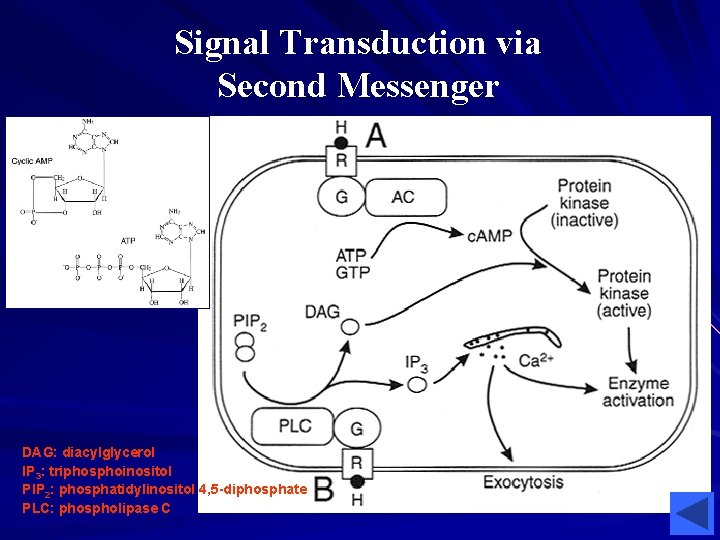
Modes of Actions Non-polar hormones (next slide) – Hormones are able to enter the cell and bind to cytosolic and nuclear receptors. – e. g. juvenile hormones, ecdysteroids Polar hormones (next slide) – Hormones can not pass through the cell membrane. – Via the synthesis of second messenger molecules that carry the message inside the cell. – e. g. peptide hormones
G-protein-linked receptors Relay protein
Receptor tyrosine kinases Signal-binding sitea Signal molecule Helix in the Membrane Tyrosines CYTOPLASM Tyr Tyr Tyr Tyr Tyr Receptor tyrosine kinase proteins (inactive monomers) Dimer Activated relay proteins Tyr Tyr P Tyr Tyr P P Tyr P 6 ATP 6 ADP Activated tyrosinekinase regions (unphosphorylated dimer) Fully activated receptor tyrosine-kinase (phosphorylated dimer) Inactive relay proteins Cellular response 1 Cellular response 2
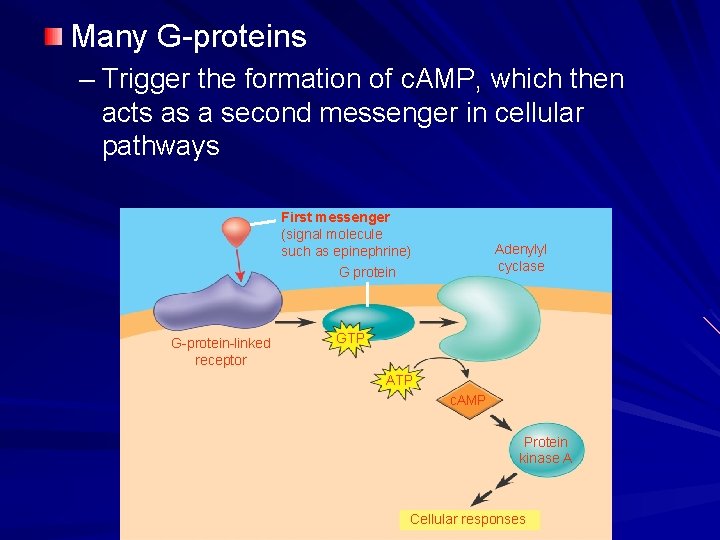
Many G-proteins – Trigger the formation of c. AMP, which then acts as a second messenger in cellular pathways First messenger (signal molecule such as epinephrine) Adenylyl cyclase G protein G-protein-linked receptor GTP ATP c. AMP Protein kinase A Cellular responses
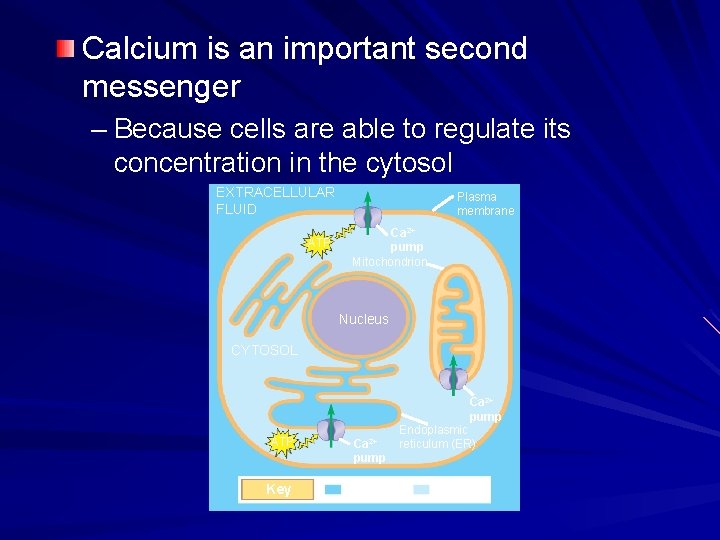
Calcium is an important second messenger – Because cells are able to regulate its concentration in the cytosol EXTRACELLULAR FLUID ATP Plasma membrane Ca 2+ pump Mitochondrion Nucleus CYTOSOL Ca 2+ pump ATP Key Ca 2+ pump Endoplasmic reticulum (ER) High [Ca 2+] Low [Ca 2+]
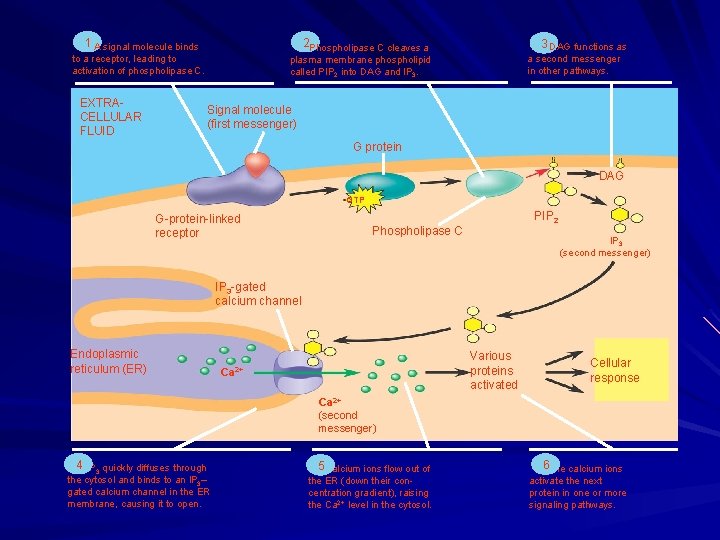
1 A signal molecule binds to a receptor, leading to activation of phospholipase C. EXTRACELLULAR FLUID 2 Phospholipase C cleaves a plasma membrane phospholipid called PIP 2 into DAG and IP 3. 3 DAG functions as a second messenger in other pathways. Signal molecule (first messenger) G protein DAG GTP G-protein-linked receptor PIP 2 Phospholipase C IP 3 (second messenger) IP 3 -gated calcium channel Endoplasmic reticulum (ER) Various proteins activated Ca 2+ Cellular response Ca 2+ (second messenger) 4 3 quickly diffuses through IP the cytosol and binds to an IP 3– gated calcium channel in the ER membrane, causing it to open. 5 Calcium ions flow out of the ER (down their concentration gradient), raising the Ca 2+ level in the cytosol. 6 The calcium ions activate the next protein in one or more signaling pathways.
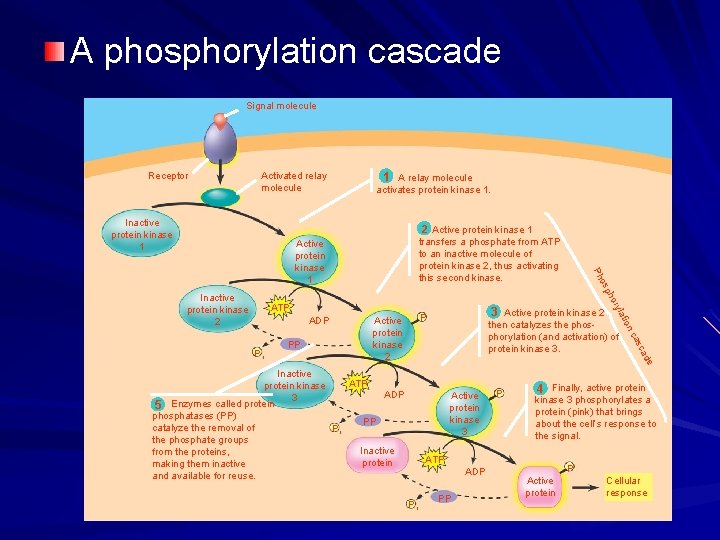
A phosphorylation cascade Signal molecule Receptor Activated relay molecule Inactive protein kinase 1 1 A relay molecule activates protein kinase 1. ory ph ATP PP Inactive ATP protein kinase ADP 3 Enzymes called protein 5 phosphatases (PP) PP catalyze the removal of Pi the phosphate groups Inactive from the proteins, protein making them inactive and available for reuse. Active protein kinase 3 P Finally, active protein 4 kinase 3 phosphorylates a protein (pink) that brings about the cell’s response to the signal. ATP ADP P i PP e ad sc Pi Active protein kinase 2 3 then catalyzes the phosphorylation (and activation) of protein kinase 3. P Active protein kinase 2 ca ion ADP lat Inactive protein kinase 2 os Ph Active protein kinase 1 2 transfers a phosphate from ATP to an inactive molecule of protein kinase 2, thus activating this second kinase. Active protein kinase 1 P Active protein Cellular response
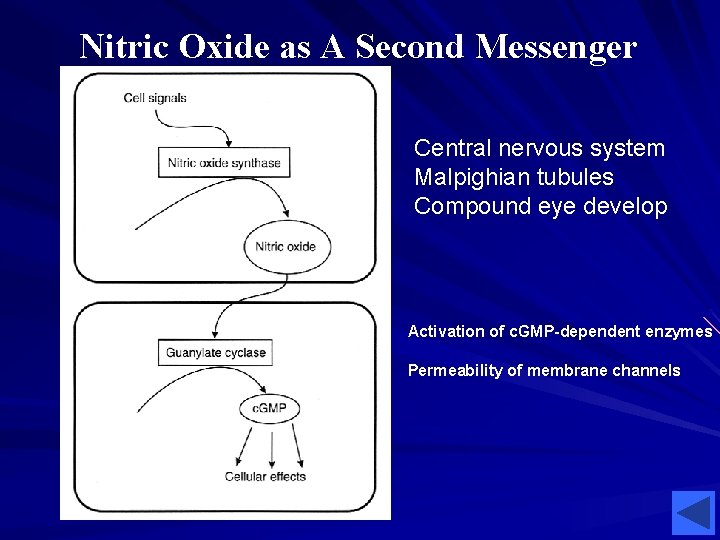
Nitric Oxide as A Second Messenger Central nervous system Malpighian tubules Compound eye develop Activation of c. GMP-dependent enzymes Permeability of membrane channels
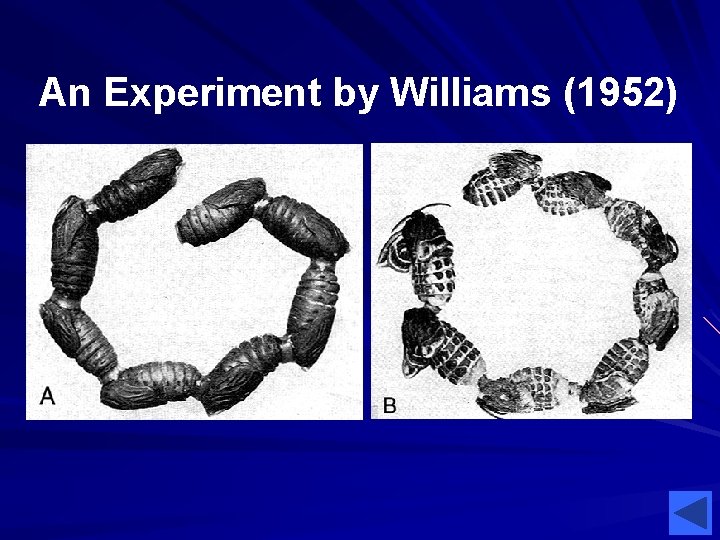
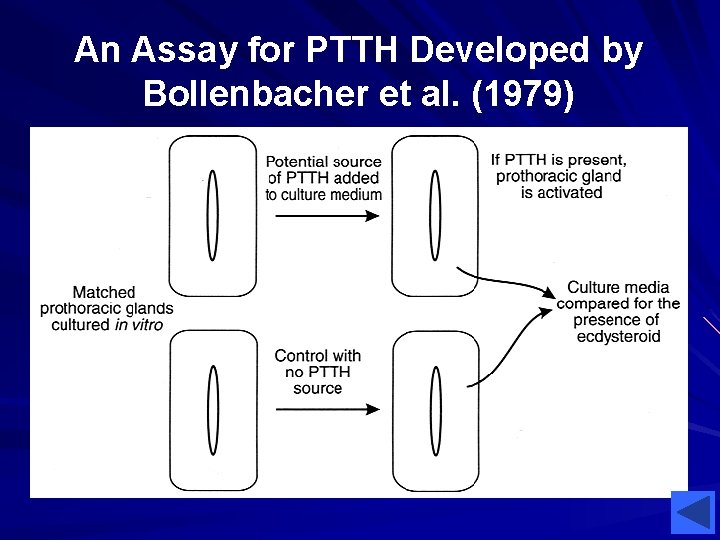
Prothoracicotropic Hormone (PTTH) The first insect hormone to be discovered. PTTH acts on the prothoracic glands (PTGs) to regulate the synthesis of ecdysteroids. Williams (late 1940 s - early 1950 s) demonstrated the relationship of PTTH and PGs. – Implanted both the PGs and a brain into a diapausing pupa – Parabiosis (next slide) Bollenbacher (1979) developed a more direct assay for PTTH. – Using the criterion of ecdysone production by a pair of PGs in vitro. (next slide)
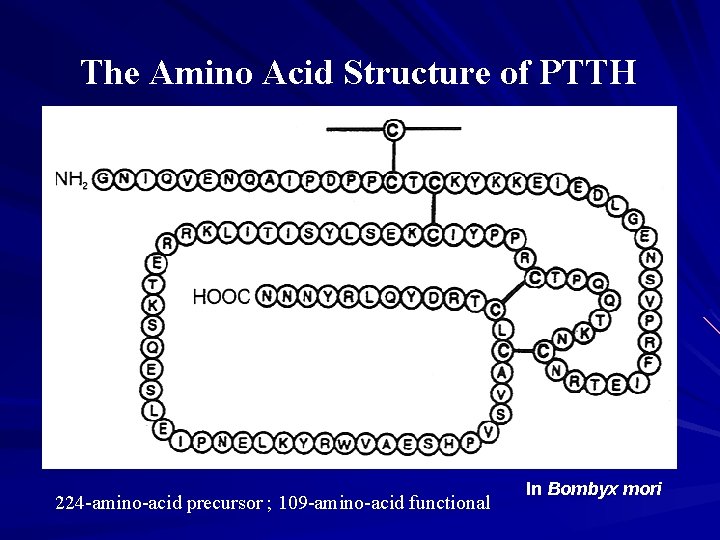
The Amino Acid Structure of PTTH 224 -amino-acid precursor ; 109 -amino-acid functional In Bombyx mori
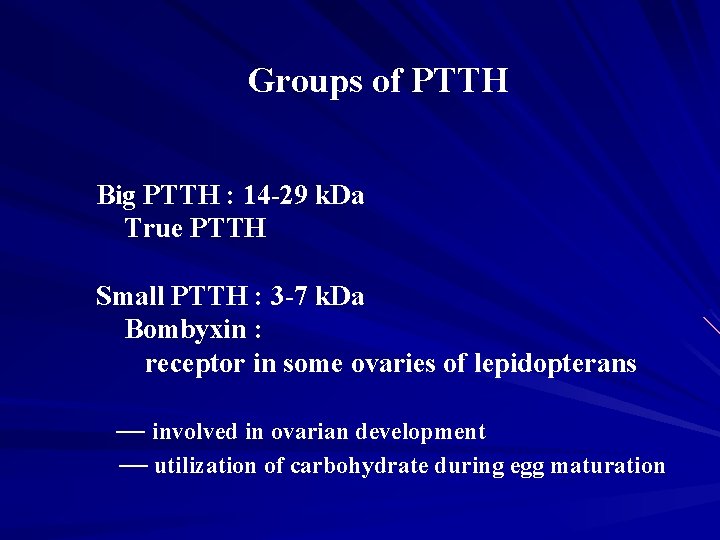
Groups of PTTH Big PTTH : 14 -29 k. Da True PTTH Small PTTH : 3 -7 k. Da Bombyxin : receptor in some ovaries of lepidopterans — involved in ovarian development — utilization of carbohydrate during egg maturation
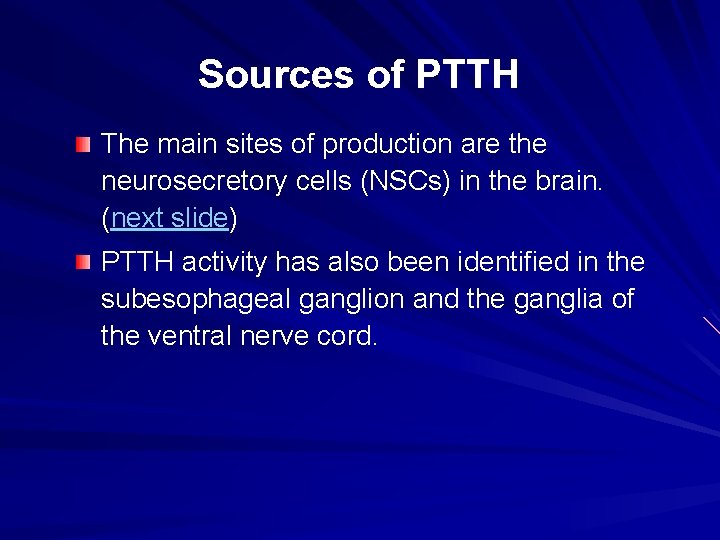
Sources of PTTH The main sites of production are the neurosecretory cells (NSCs) in the brain. (next slide) PTTH activity has also been identified in the subesophageal ganglion and the ganglia of the ventral nerve cord.
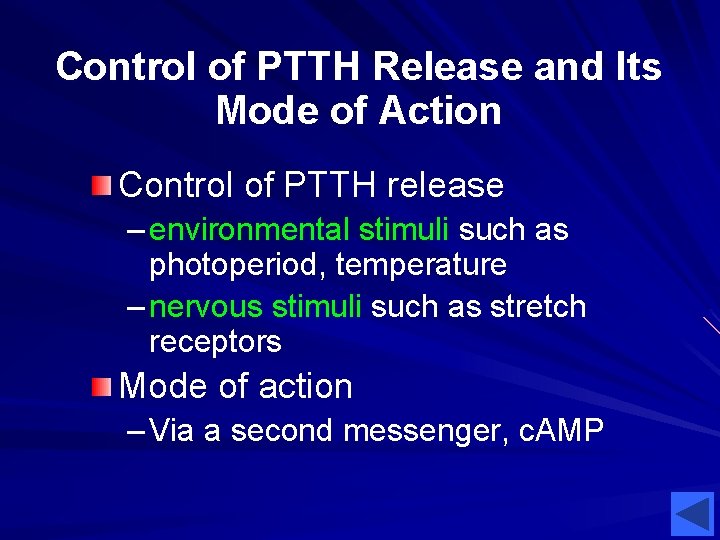
Control of PTTH Release and Its Mode of Action Control of PTTH release – environmental stimuli such as photoperiod, temperature – nervous stimuli such as stretch receptors Mode of action – Via a second messenger, c. AMP
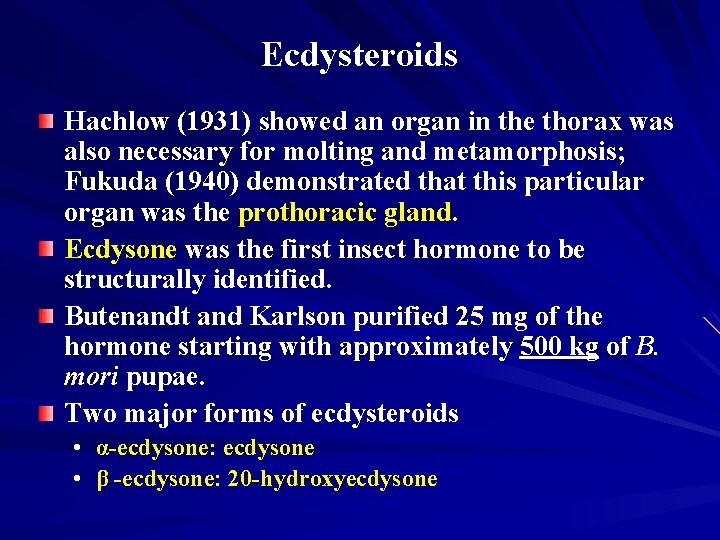
Ecdysteroids Hachlow (1931) showed an organ in the thorax was also necessary for molting and metamorphosis; Fukuda (1940) demonstrated that this particular organ was the prothoracic gland. Ecdysone was the first insect hormone to be structurally identified. Butenandt and Karlson purified 25 mg of the hormone starting with approximately 500 kg of B. mori pupae. Two major forms of ecdysteroids • α-ecdysone: ecdysone • β -ecdysone: 20 -hydroxyecdysone
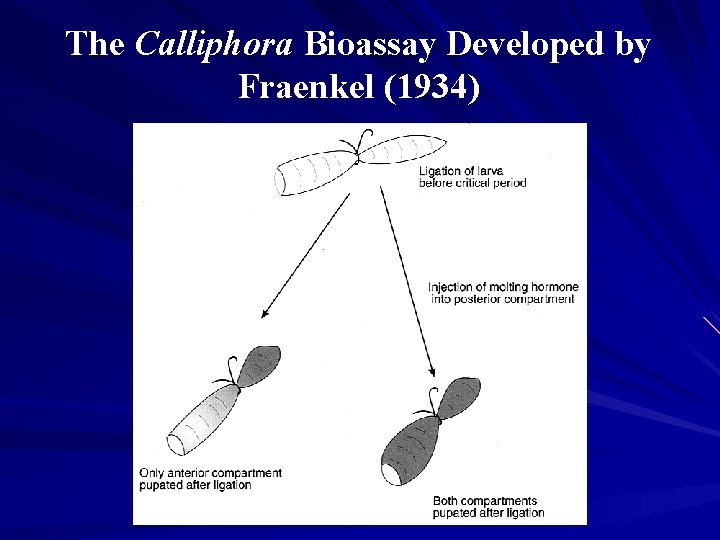
The Calliphora Bioassay Developed by Fraenkel (1934)
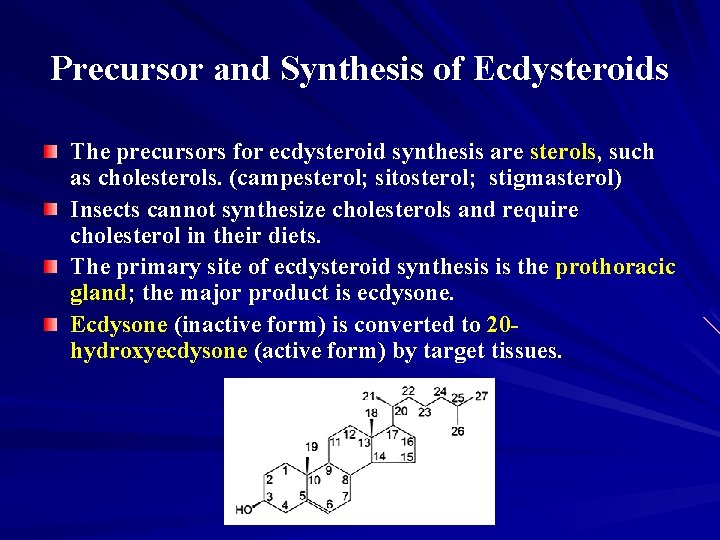
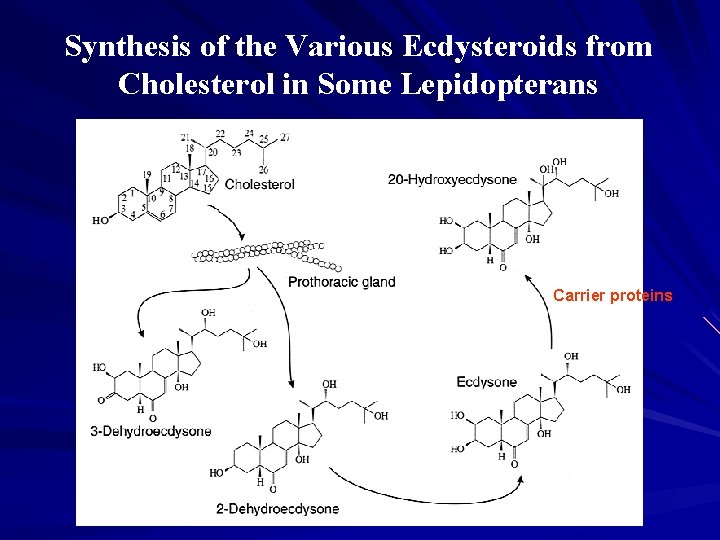
Precursor and Synthesis of Ecdysteroids The precursors for ecdysteroid synthesis are sterols, such as cholesterols. (campesterol; sitosterol; stigmasterol) Insects cannot synthesize cholesterols and require cholesterol in their diets. The primary site of ecdysteroid synthesis is the prothoracic gland; the major product is ecdysone. Ecdysone (inactive form) is converted to 20 hydroxyecdysone (active form) by target tissues.
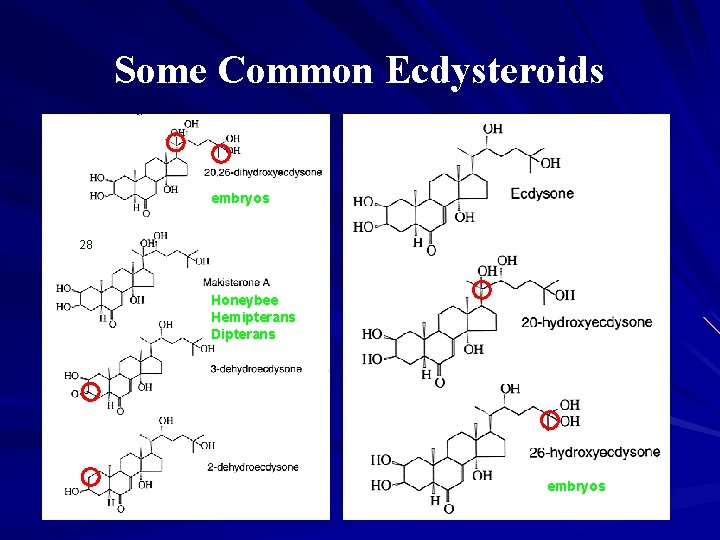
Some Common Ecdysteroids embryos 28 Honeybee Hemipterans Dipterans embryos
Synthesis of the Various Ecdysteroids from Cholesterol in Some Lepidopterans Carrier proteins
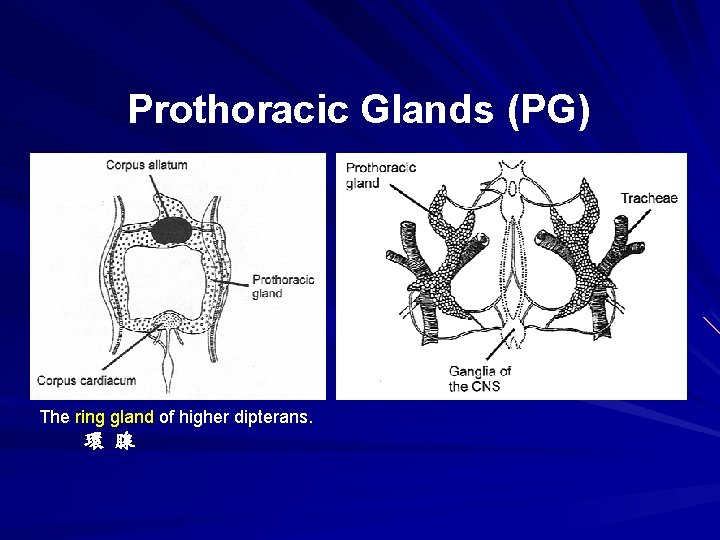
Prothoracic Glands (PG) The ring gland of higher dipterans. 環 腺
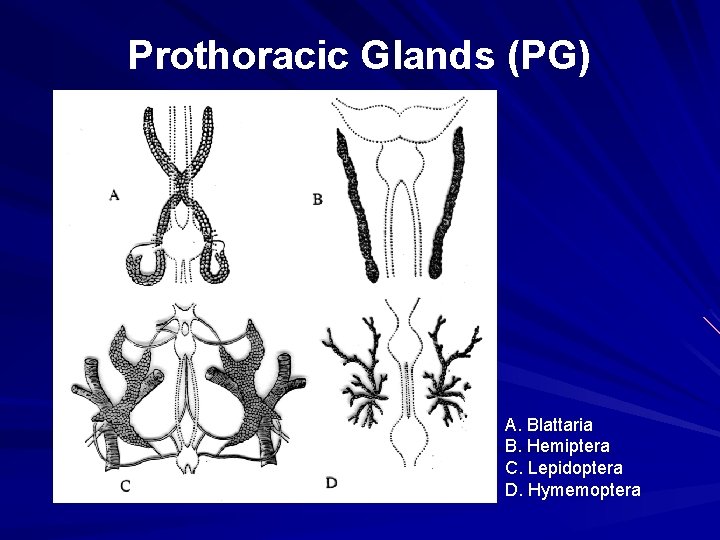
Prothoracic Glands (PG) A. Blattaria B. Hemiptera C. Lepidoptera D. Hymemoptera
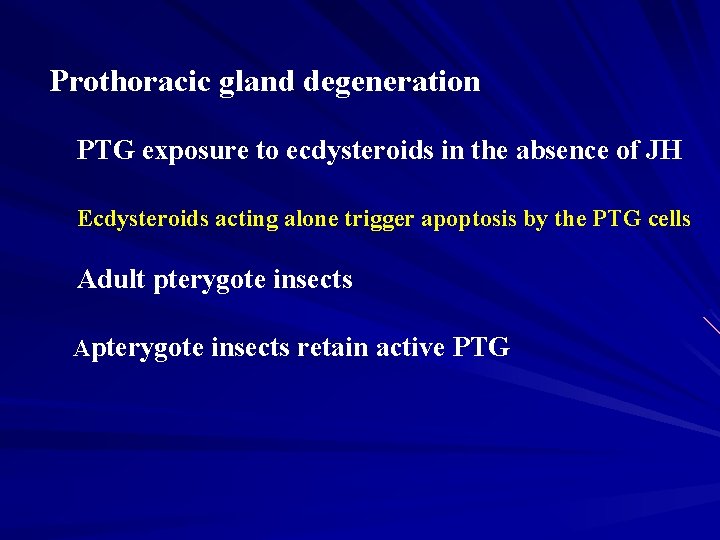
Prothoracic gland degeneration PTG exposure to ecdysteroids in the absence of JH Ecdysteroids acting alone trigger apoptosis by the PTG cells Adult pterygote insects Apterygote insects retain active PTG
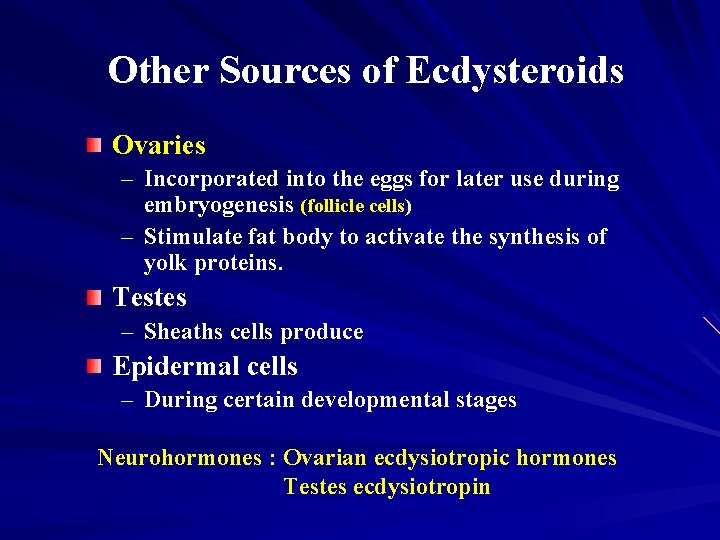
Other Sources of Ecdysteroids Ovaries – Incorporated into the eggs for later use during embryogenesis (follicle cells) – Stimulate fat body to activate the synthesis of yolk proteins. Testes – Sheaths cells produce Epidermal cells – During certain developmental stages Neurohormones : Ovarian ecdysiotropic hormones Testes ecdysiotropin
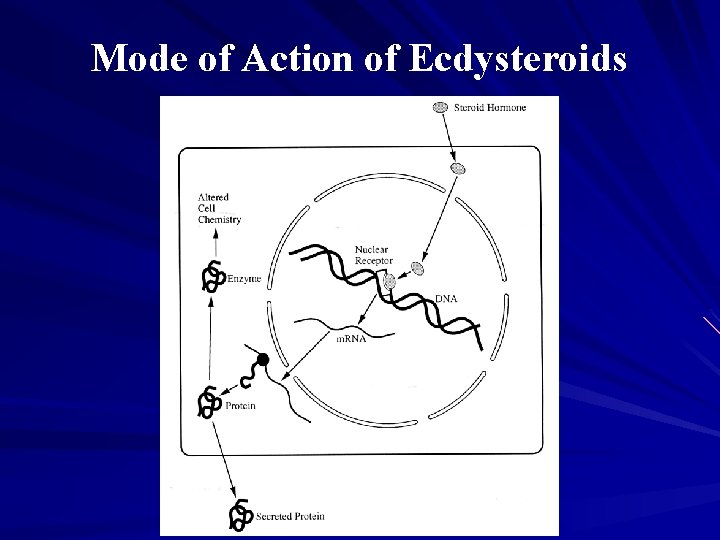
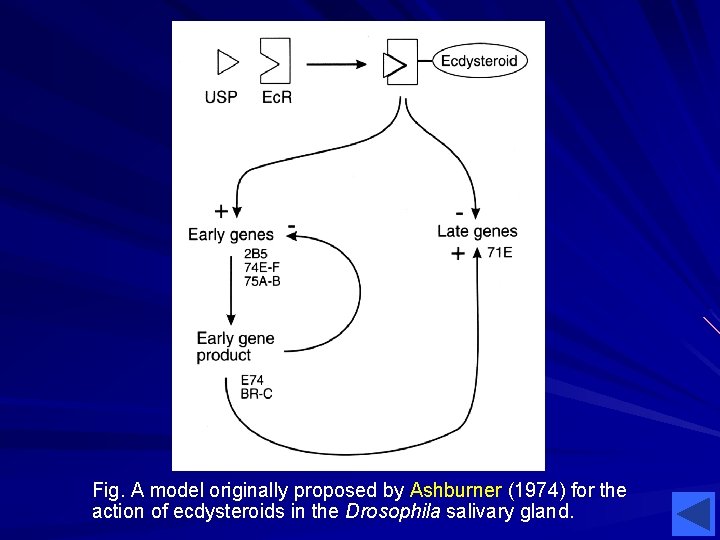
Mode of Action of Ecdysteroids
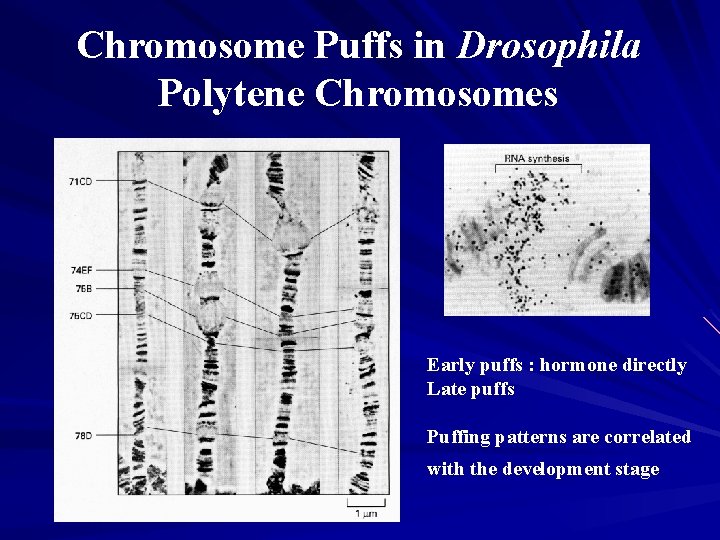
Chromosome Puffs in Drosophila Polytene Chromosomes Early puffs : hormone directly Late puffs Puffing patterns are correlated with the development stage
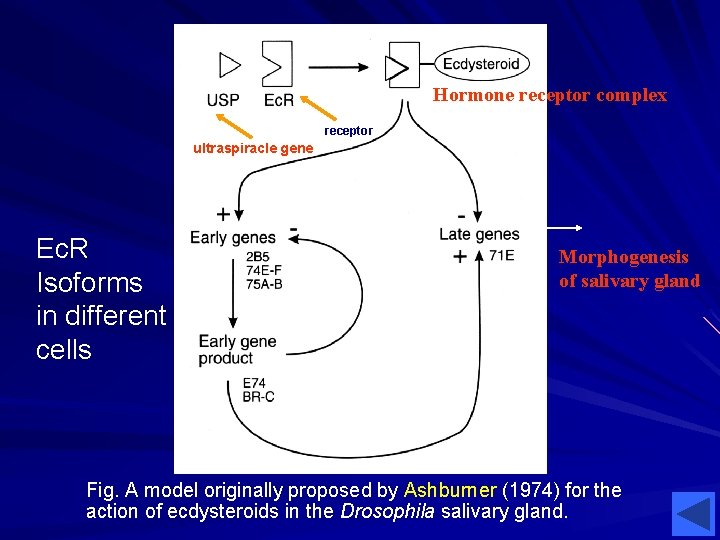
Hormone receptor complex receptor ultraspiracle gene Ec. R Isoforms in different cells Morphogenesis of salivary gland Fig. A model originally proposed by Ashburner (1974) for the action of ecdysteroids in the Drosophila salivary gland.
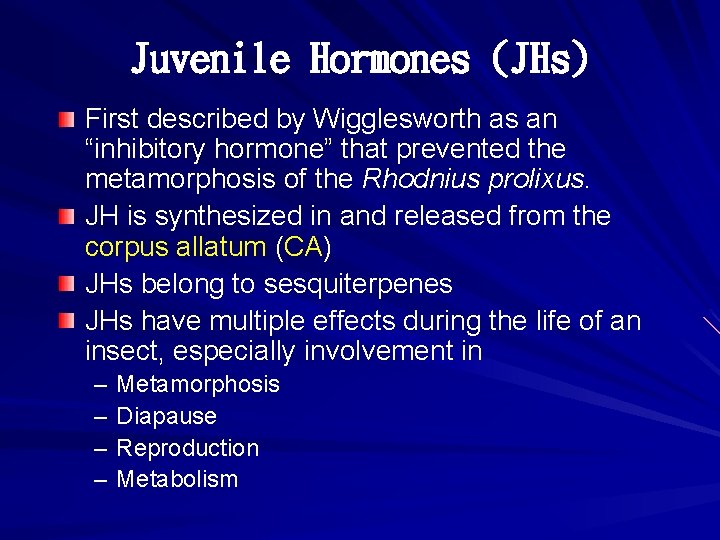
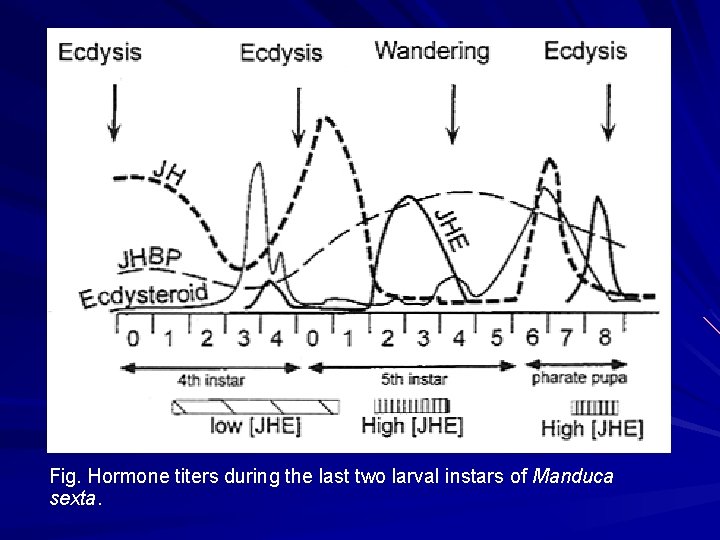
Juvenile Hormones (JHs) First described by Wigglesworth as an “inhibitory hormone” that prevented the metamorphosis of the Rhodnius prolixus. JH is synthesized in and released from the corpus allatum (CA) JHs belong to sesquiterpenes JHs have multiple effects during the life of an insect, especially involvement in – – Metamorphosis Diapause Reproduction Metabolism
Endocrine Organs in Insects
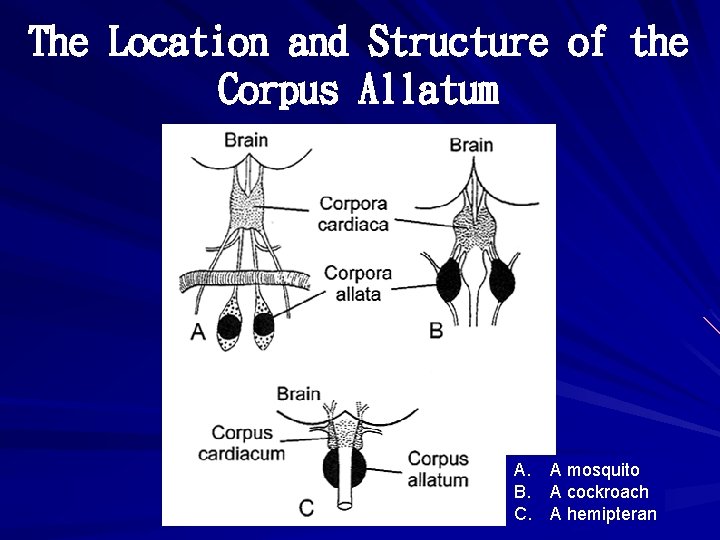
The Location and Structure of the Corpus Allatum A. A mosquito B. A cockroach C. A hemipteran
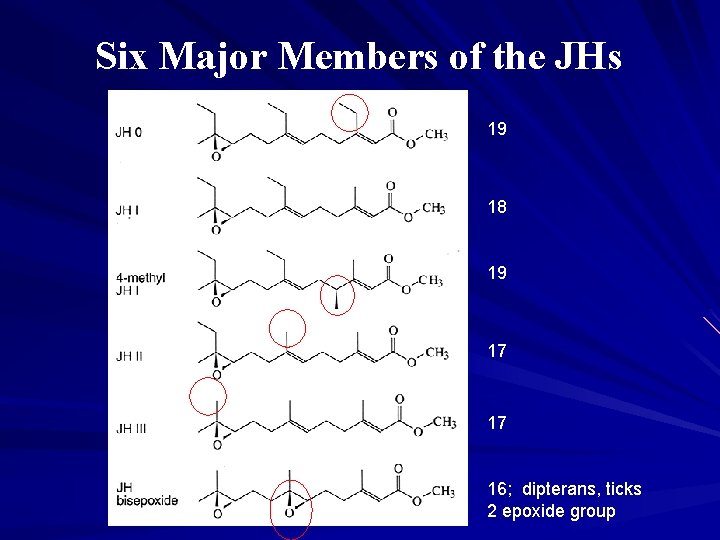
Six Major Members of the JHs 19 18 19 17 17 16; dipterans, ticks 2 epoxide group
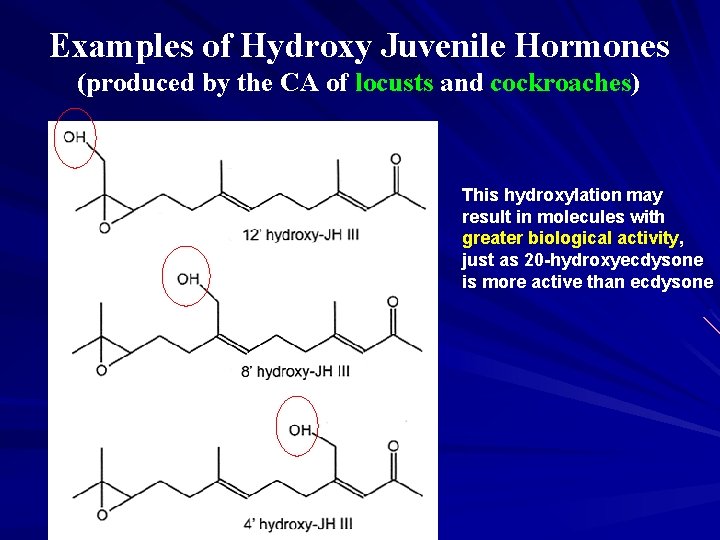
Examples of Hydroxy Juvenile Hormones (produced by the CA of locusts and cockroaches) This hydroxylation may result in molecules with greater biological activity, just as 20 -hydroxyecdysone is more active than ecdysone
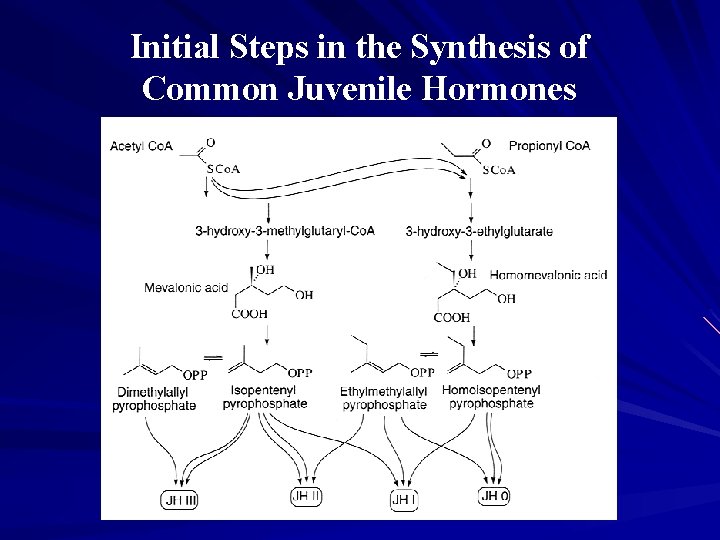
Initial Steps in the Synthesis of Common Juvenile Hormones
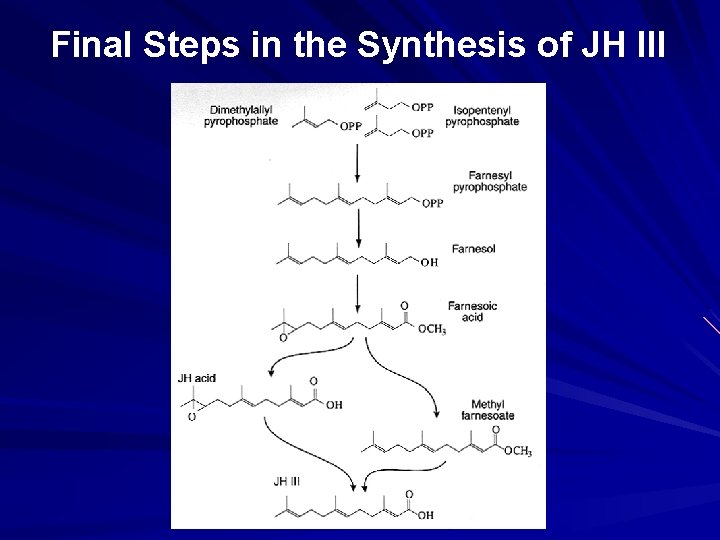
Final Steps in the Synthesis of JH III
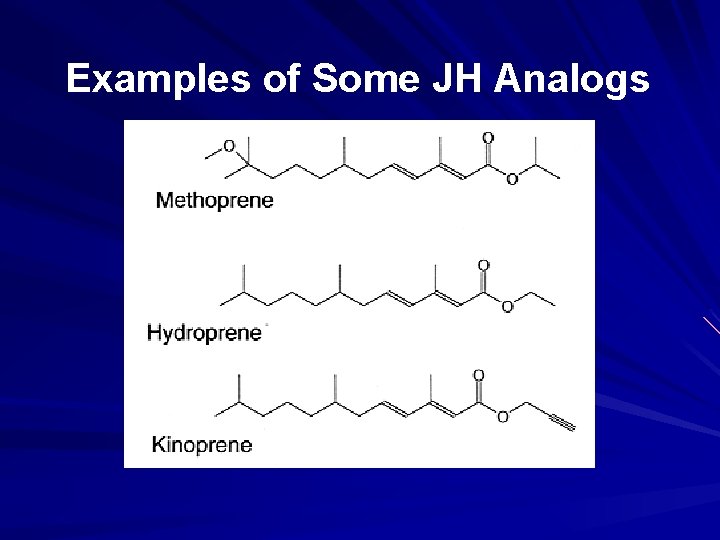
Examples of Some JH Analogs
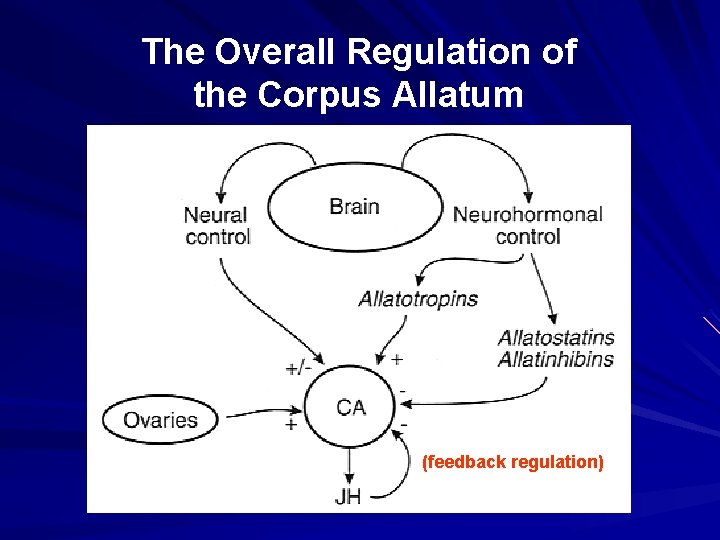
Control of JH Production Hemolymph JH titers are regulated by both biosynthesis and degradation. JH synthesis is rigidly controlled along several avenues – environmental stimuli – e. g. photoperiod – endogenous factors – e. g. mating, nutritional state Neurohormones that affect CA activity – allatotropins – stimulate JH production – allatostatins – inhibit JH synthesis by the CA – allatoinhibin – inhibits the Manduca CA nonreversibly
The Overall Regulation of the Corpus Allatum (feedback regulation)
JH Transportation in the Hemolymph Because of its lipophilic nature, JH must be bound to other molecules in order to move through the aqueous hemolymph. Perhaps more importantly, binding can also protect the hormone from degradation by nonspecific tissue-bound esterases. Juvenile hormone binding proteins (JHBPs) – Low molecular weight binding proteins with single JH binding site. 32 k. Da – High molecular weight binding proteins (i. e. lipophorins) with multiple JH binding sites. 250 and 80 k. Da apoprotein – A 566 k. Da hexameric protein with six JH binding sites
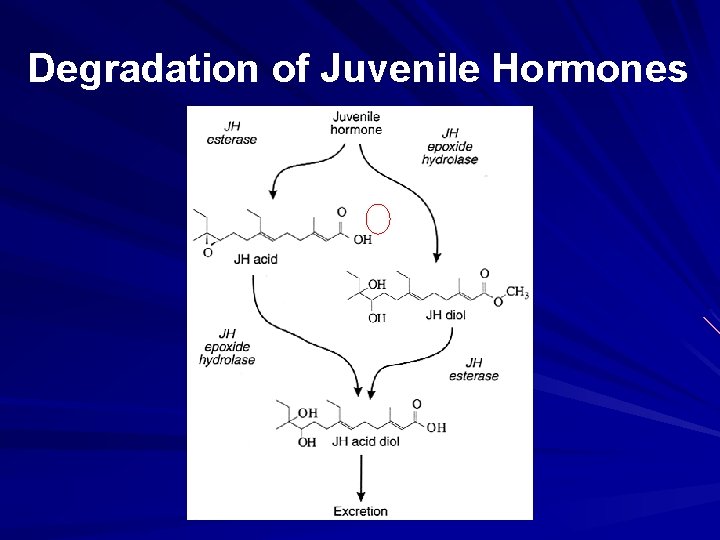
Degradation of Juvenile Hormones
Fig. Hormone titers during the last two larval instars of Manduca sexta.
Mode of Action of JH The major role of JH in insects is to modify the action of ecdysteroids and prevent the switch in the commitment of epidermal cells. JH influences the stage-specific expression of the genome that is initiated by ecdysteroids. USP is a possible nuclear receptor of JH.
Fig. A model originally proposed by Ashburner (1974) for the action of ecdysteroids in the Drosophila salivary gland.
Other Neuropeptides Found in Insects Adipokinetic hormones (AKH) – Mobilization of lipids from fat body to hemolymph in locust – Increase of blood hemolymph trehalose levels in several insects – Stimulation of heart beat frequency in cockroaches – Inhibition of protein synthesis in locust and cricket – Inhibition of fatty acid and RNA synthesis in locust fat body – Source: CC
Other Neuropeptides Found in Insects Diuretic hormone (DH) – Water balance – Source: abdominal ganglia, brain, CC Proctolin – Muscular contraction – Source: ganglia of the CNS Pheromone-biosynthesis-activating neuropeptides (PBAN) – Regulate sex pheromone biosynthesis – Source: ganglia of the CNS Eclosion hormone (EH) – Ecdysis and eclosion – Source: CC
Other Neuropeptides Found in Insects Crustacean cardioactive peptide (CCAP) – Stimulate heartbeat after adult emergence, facilitate wing inflation, increase hemolymph circulation – Source: abdominal ganglia Bursicon – Sclerotization of the cuticle (hardening and tanning) – Source: most ganglia of the CNS
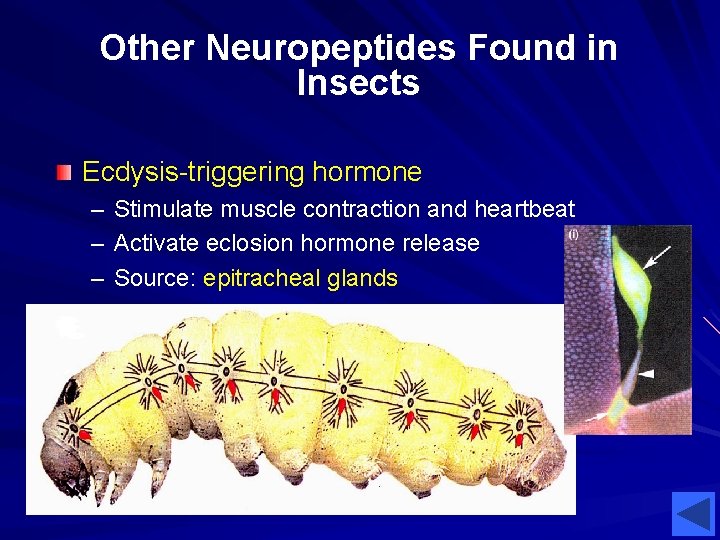
Other Neuropeptides Found in Insects Ecdysis-triggering hormone – Stimulate muscle contraction and heartbeat – Activate eclosion hormone release – Source: epitracheal glands
Vertebrate-type Hormone in Insects Insulin Bombyxin – homology with the A chain of vertebrate insulin Melanization-reddish coloration hormone in B. mori – homology with insulin-like growth hormone Sulfakinins – similar to gastrin and cholecystokinin (CCK) Somatostatin-like hormone control other hormone release Adipokinetic hormone – similar to glucagon FMRFamid-related peptides Melatonin
In Conclusion
An Experiment Performed by Kopeć Critical period
Wigglesworth’s Decapitation Experiments Using Rhodnius Larvae Critical period
The Mode of Action of Steroid Hormones Transcription factor
Signal Transduction via Second Messenger DAG: diacylglycerol IP 3: triphosphoinositol PIP 2: phosphatidylinositol 4, 5 -diphosphate PLC: phospholipase C
An Experiment by Williams (1952)
An Assay for PTTH Developed by Bollenbacher et al. (1979)
Endocrine Organs in Insects