
Insect Biology Spring 2020 Insects as Medically Important
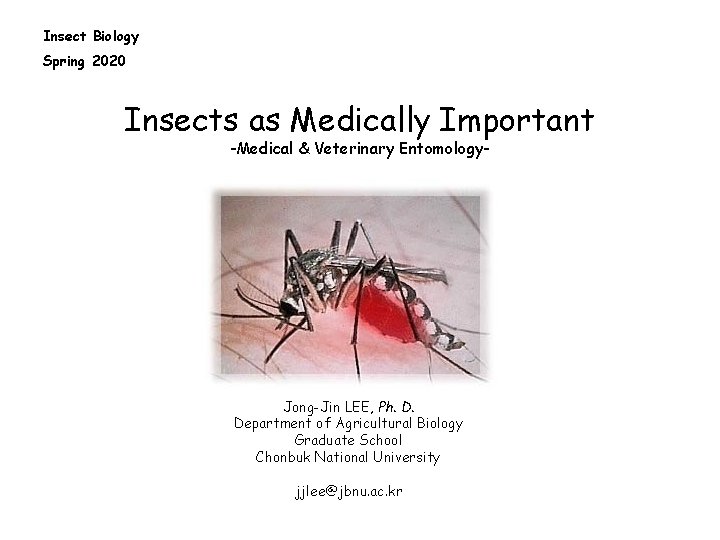
Insect Biology Spring 2020 Insects as Medically Important -Medical & Veterinary Entomology- Jong-Jin LEE, Ph. D. Department of Agricultural Biology Graduate School Chonbuk National University jjlee@jbnu. ac. kr
Definition Medical Entomology : - concerned with the role of insects in the causation of disease in animals and humans. - expected to deal with the insects and other arthropods such as spiders, scorpion, and ticks - included veterinary and urban entomolgy
Interactions of Insects and Human beings • Direct Effects - Some types of injury may be caused by insect feeding. - Direct effects, whether on humans, livestock, or other animals, also have less quantifiable results, including pain and suffering. • Indirect Effects - The primary indirect effect of medical insects is disease transmission. - Disease transmission is more important than any other effect produced by medical pests. - Organisms that produce disease are called Pathogen - Arthropods capable of transmitting pathogens are called vectors.
Six major categories of Direct Effects from insects • Annoyance (and blood loss) • Dermatosis(and dermatitis) • Myiasis • Envenomation • Allergic Reactions (Anaphylaxis) • Entomophobia
Arthropods as vectors of important diseases in human beings • • • Malaria Filariasis Japanese Encephalitis Pediculus Scabies Typhus West Nile Virus Allergy (Cockroaches) Plague Tsutsugamushi disease Microcephaly
We study: • • • Cockroach Mosquitoes Fly Ticks Ants Sting wasps
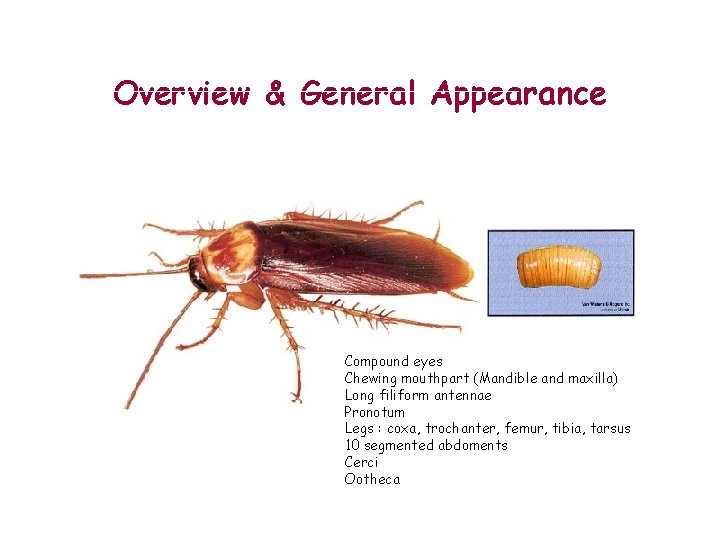
Overview & General Appearance Compound eyes Chewing mouthpart (Mandible and maxilla) Long filiform antennae Pronotum Legs : coxa, trochanter, femur, tibia, tarsus 10 segmented abdoments Cerci Ootheca
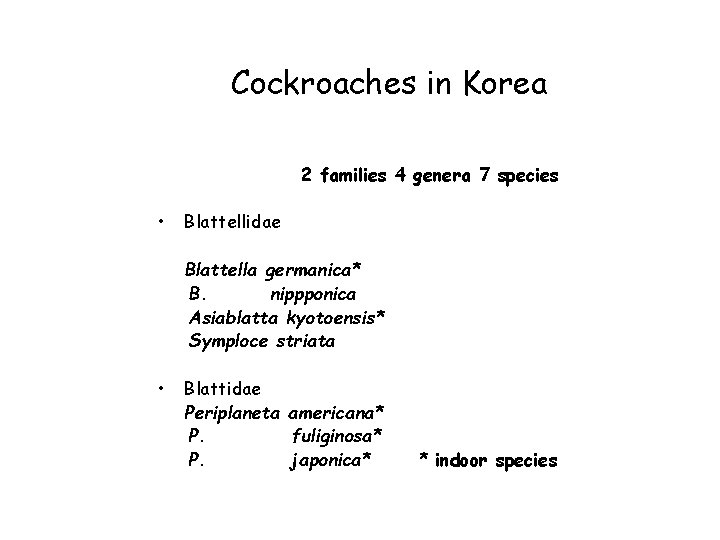
Cockroaches in Korea 2 families 4 genera 7 species • Blattellidae Blattella germanica* B. nippponica Asiablatta kyotoensis* Symploce striata • Blattidae Periplaneta americana* P. fuliginosa* P. japonica* * indoor species
Danger for Living with Cockroaches • • Roaches have been implicated in – increased rates of asthma and – allergies among inner-city children. – The droppings, shed skins, and bodily secretions of roaches appear to be powerful allergens in their own right, even absent the presence of diseasecausing organisms. Cockroaches are also known or suspected vectors of many diseases, including – Salmonella – E. coli – Hepatitis – diarrhea, tuberculosis, leprosy, cholera and dysentery. – Recent research suggests that they may also play a role in the transmission of pneumonia.
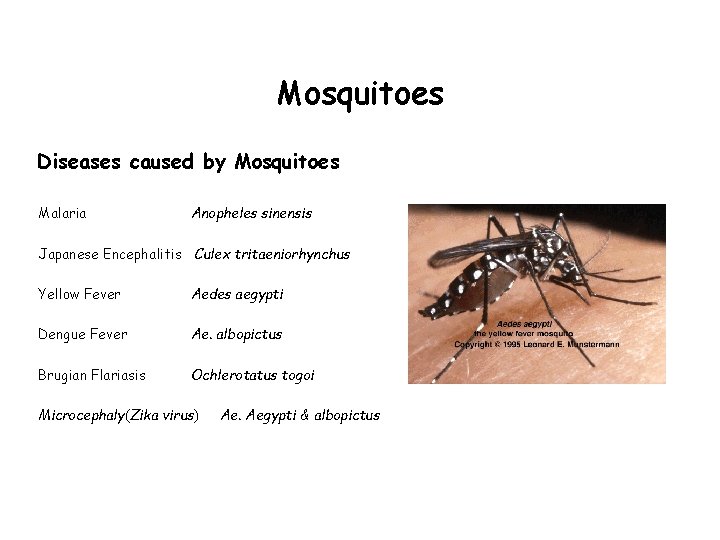
Mosquitoes Diseases caused by Mosquitoes Malaria Anopheles sinensis Japanese Encephalitis Culex tritaeniorhynchus Yellow Fever Aedes aegypti Dengue Fever Ae. albopictus Brugian Flariasis Ochlerotatus togoi Microcephaly(Zika virus) Ae. Aegypti & albopictus
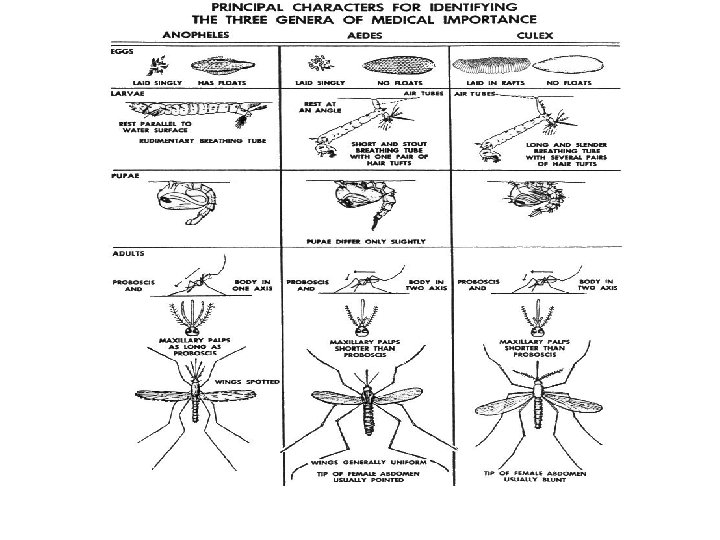
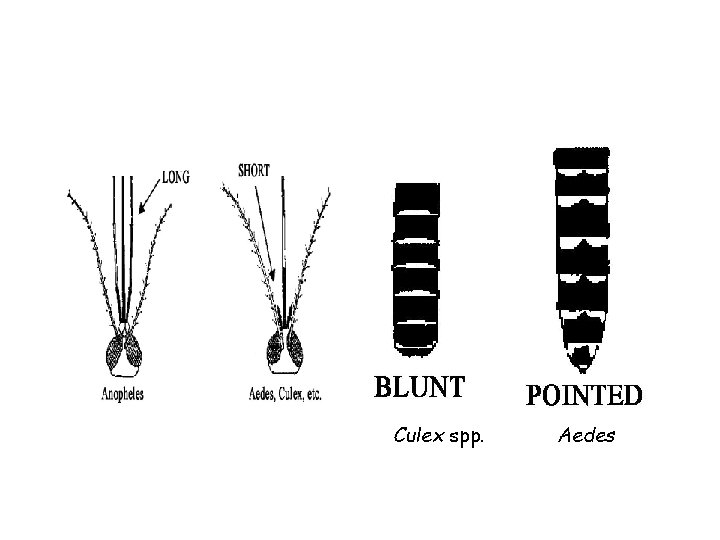
Culex spp. Aedes
The Adult Mosquito • Females of most species need a blood meal in order to develop their eggs. Feeding usually occurs after mating. • Some species feed on human beings in preference to other blood sources are described as anthropophagic. • Others prefer to feed on animals are described as zoophagic
Adult Behavior • Some species feed at any time of day or night. • Some species of mosquito frequently enter houses in order to feed and are described as Endophagic. • Others usually bite their host outside the house and are described as Exophagic.
Adult Behavior • After feeding, mosquitoes seek out shelter where they can digest their blood meal and mature eggs. • Some species seek out shelter within the house and are described as Endophilic. • Others seek shelter outside the house and are called Exophilic. • As an example, female adult Aedes (which vectors yellow fever) is generally anthropophagic, exophagic, and exophilic.
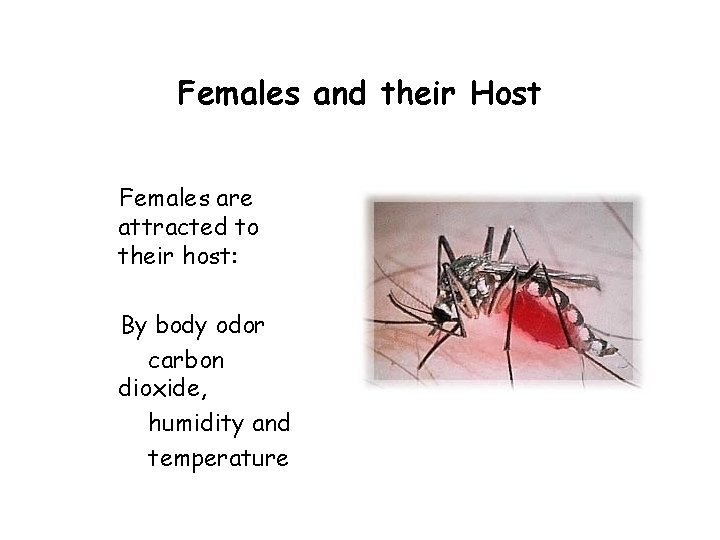
Females and their Host Females are attracted to their host: By body odor carbon dioxide, humidity and temperature
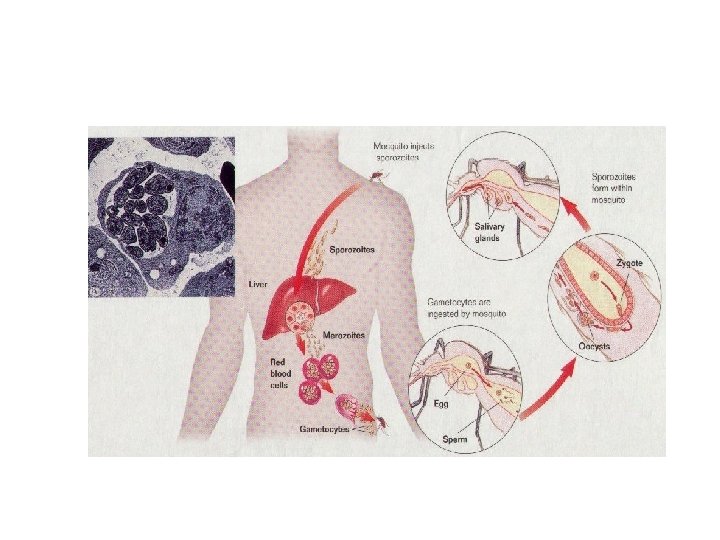
Malaria occurs in over 100 countries and territories. More than 40% of the people in the world are at risk. South America, Central America (Haiti and the Dominican Republic), Africa, Indian subcontinent, Southeast Asia, and Middle East are considered malariarisk areas. The World Health Organization estimates that yearly 300 -500 million cases of malaria occur and more than 1 million people killed by malaria a year.
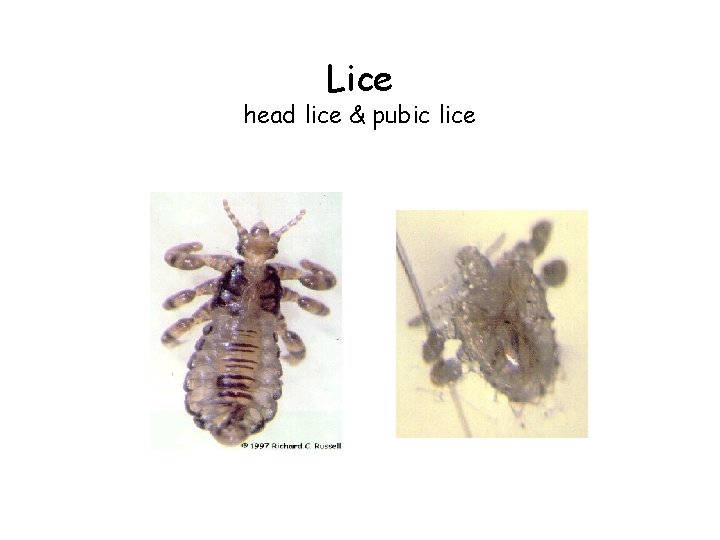
Lice head lice & pubic lice
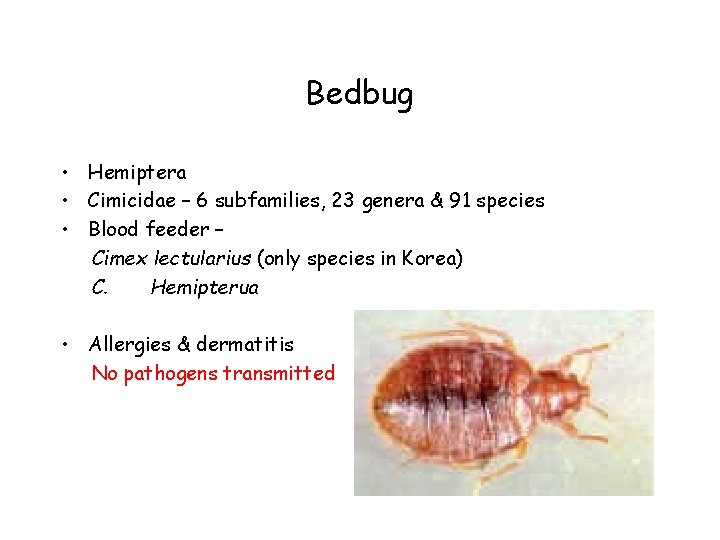
Bedbug • Hemiptera • Cimicidae – 6 subfamilies, 23 genera & 91 species • Blood feeder – Cimex lectularius (only species in Korea) C. Hemipterua • Allergies & dermatitis No pathogens transmitted
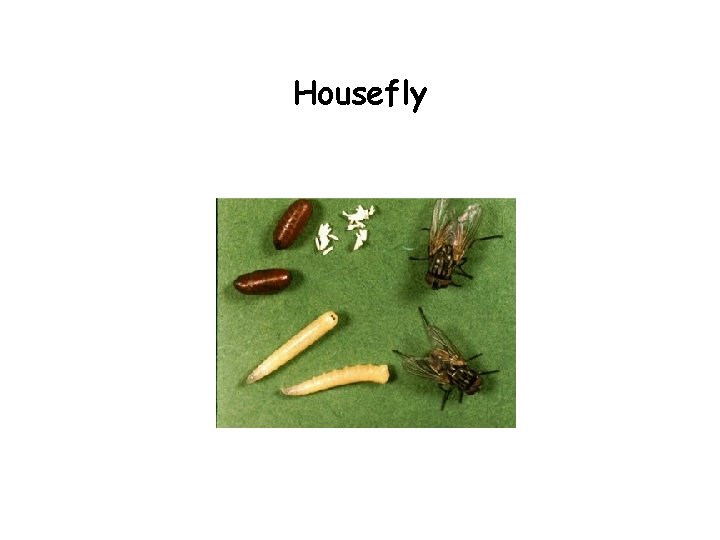
Housefly
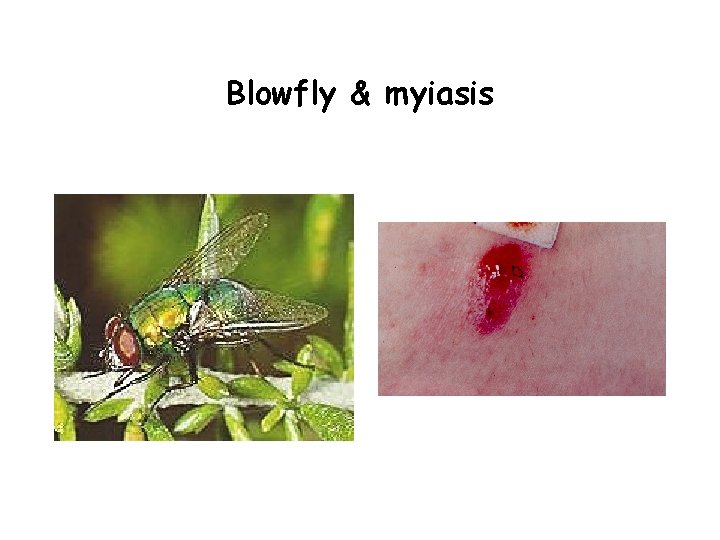
Blowfly & myiasis
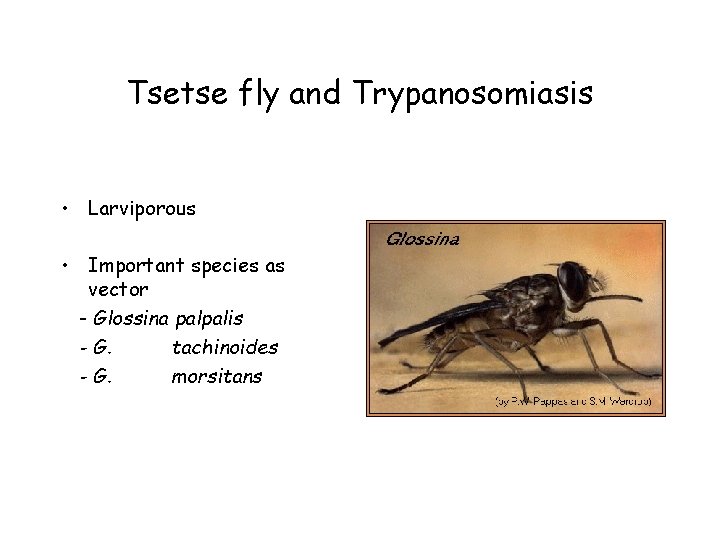
Tsetse fly and Trypanosomiasis • Larviporous • Important species as vector - Glossina palpalis - G. tachinoides - G. morsitans
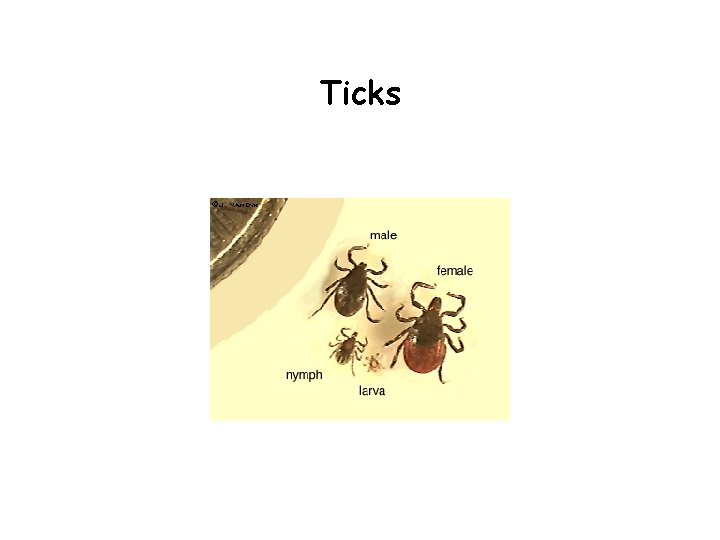
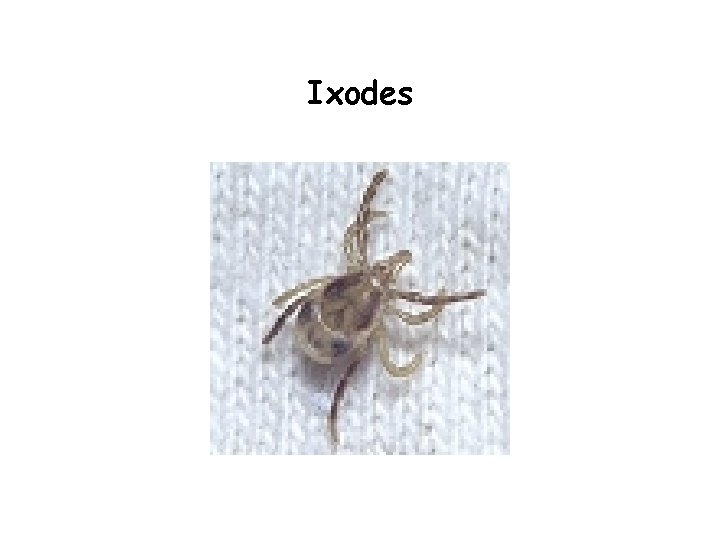
Ticks
Ixodes
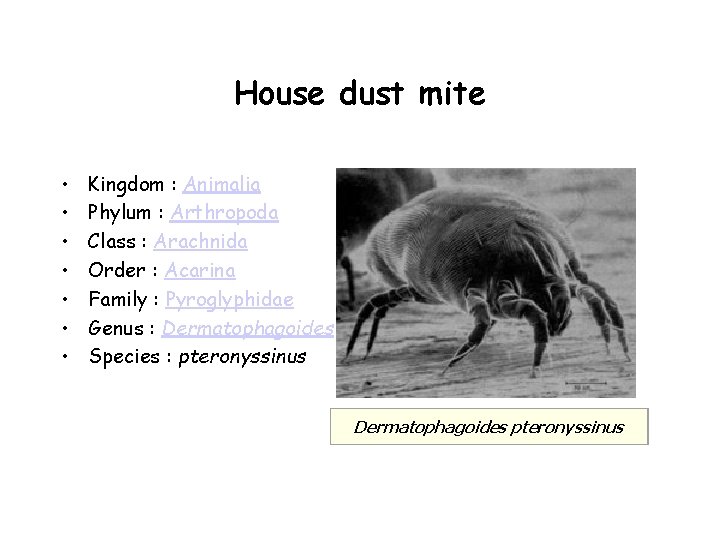
House dust mite • • Kingdom : Animalia Phylum : Arthropoda Class : Arachnida Order : Acarina Family : Pyroglyphidae Genus : Dermatophagoides Species : pteronyssinus Dermatophagoides pteronyssinus
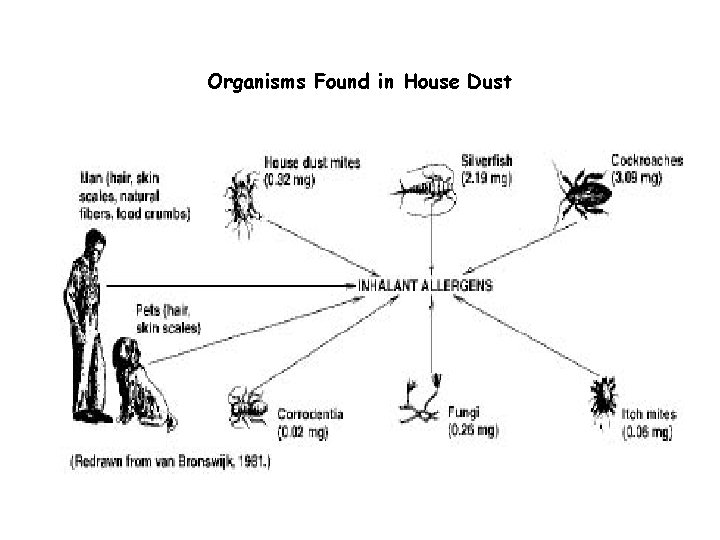
Organisms Found in House Dust
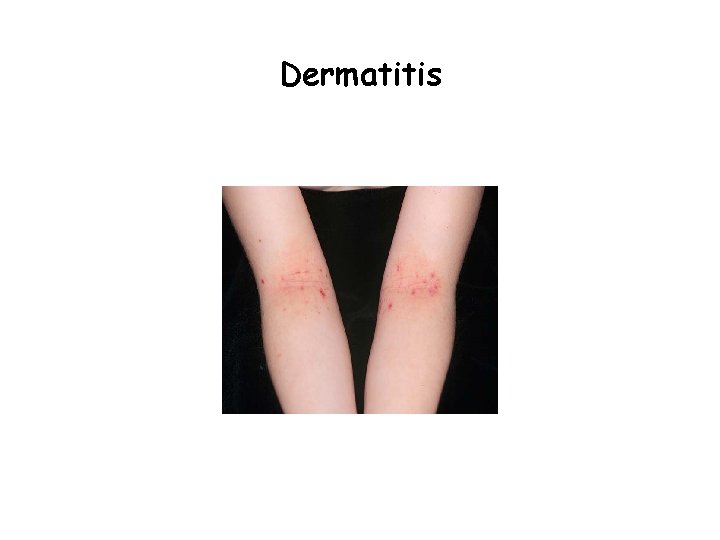
Dermatitis
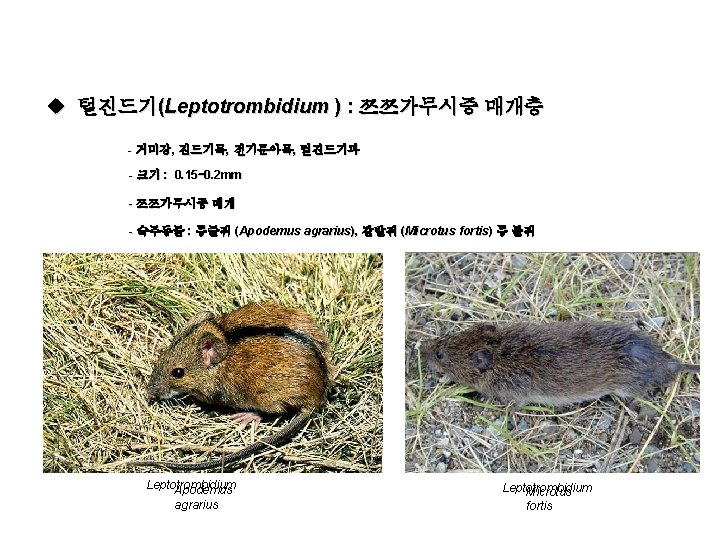
u 털진드기(Leptotrombidium ) : 쯔쯔가무시증 매개충 - 거미강, 진드기목, 전기문아목, 털진드기과 - 크기 : 0. 15∼ 0. 2 mm - 쯔쯔가무시증 매개 - 숙주동물 : 등줄쥐 (Apodemus agrarius), 갈밭쥐 (Microtus fortis) 등 들쥐 Leptotrombidium Apodemus agrarius Leptotrombidium Microtus fortis

Life cycle of Leptotrombidium & Transmission of O. tsutsugamushi ♀ Non-infected larva Infected larva ♀ Sucking Engorged Iarva (1 -2 Days) ♂ ♂ ♀ Hatching infected ♀ ♀ Non-infected Infected adult♀ Egg-laying (Take in insect eggs) ♂ Non-infected ♀ ♀ Dormancy Casting (3 -14 Days) Nymph (Take in insert eggs) Dormancy (2 weeks) Casting Non-infected adult ♂ ♀
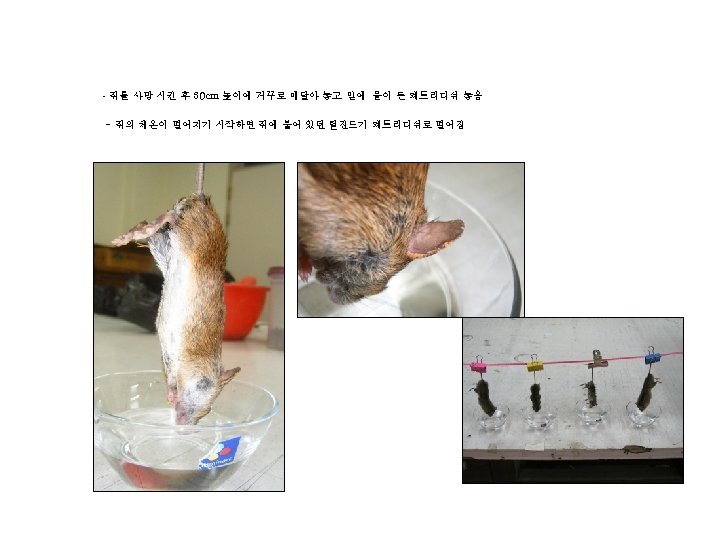
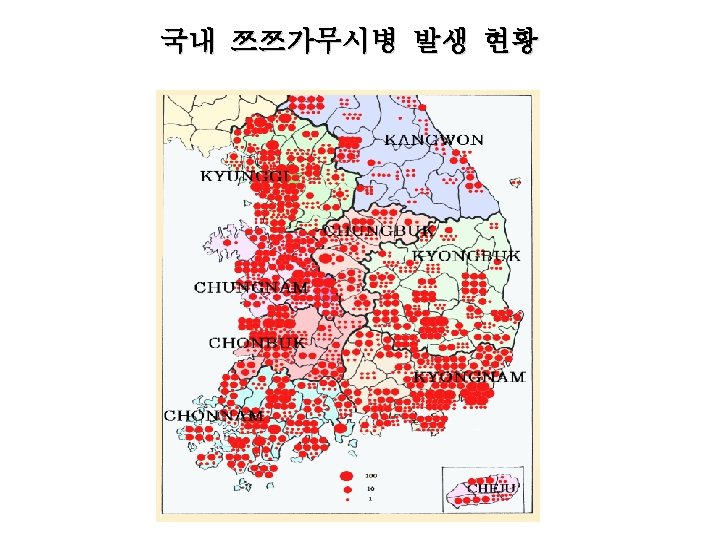
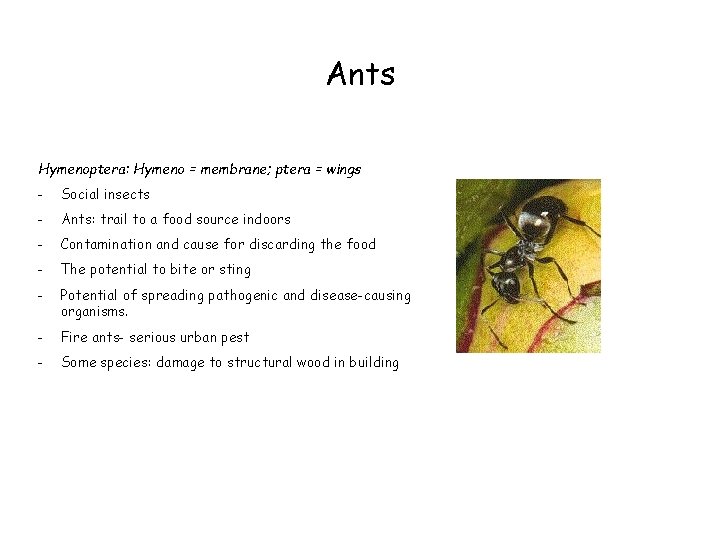
Ants Hymenoptera: Hymeno = membrane; ptera = wings - Social insects - Ants: trail to a food source indoors - Contamination and cause for discarding the food - The potential to bite or sting - Potential of spreading pathogenic and disease-causing organisms. - Fire ants- serious urban pest - Some species: damage to structural wood in building
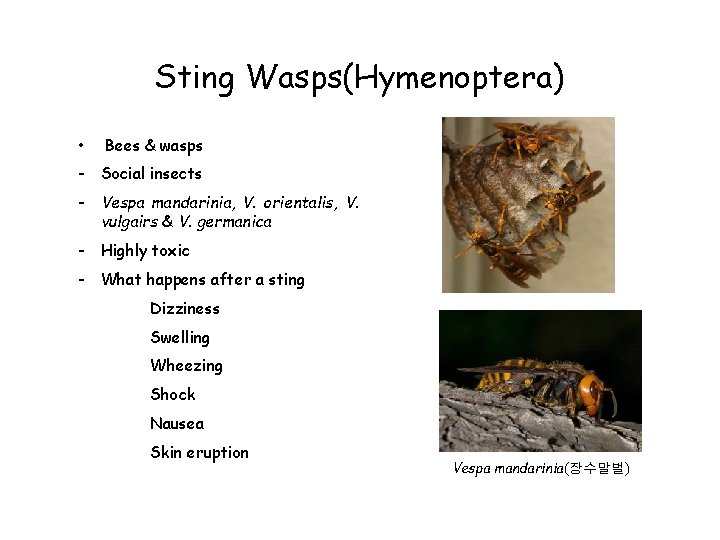
Sting Wasps(Hymenoptera) • Bees & wasps - Social insects - Vespa mandarinia, V. orientalis, V. vulgairs & V. germanica - Highly toxic - What happens after a sting Dizziness Swelling Wheezing Shock Nausea Skin eruption Vespa mandarinia(장수말벌)
- Slides: 35