
Inotropic agents Congestive Heart Failure CHF Heart pumps







- Slides: 38
Inotropic agents
Congestive Heart Failure (CHF) • Heart pumps less blood than it receives, so excess blood pools in the chambers and stretches the walls of the heart
Discussion Why is it dangerous for blood to pool in the chambers of the heart?
Discussion Why is it dangerous for blood to pool in the chambers of the heart? Answer: decreased oxygen supply to tissues; risk of blood clot formation and movement throughout the body
2 MAIN TYPES of CHF SYSTOLIC CHF – insufficiency of output DIASTOLIC CHF - insufficiency of input
CHF • Occurs in 10% of the population over 75 • Can result in death through progressive heart damage or sudden death • Overworking of the heart leads to cardiomegaly and myocardial hypertrophy
Causes of Congestive Heart Failure • Primary causes: – Cardiomyopathy – Coronary artery disease – Hypertension • Secondary causes: – High salt intake – Noncompliance with treatment – Side effects of drug therapy – Kidney failure – Stress – Infection and inflammation – Cigarette smoking – Obesity
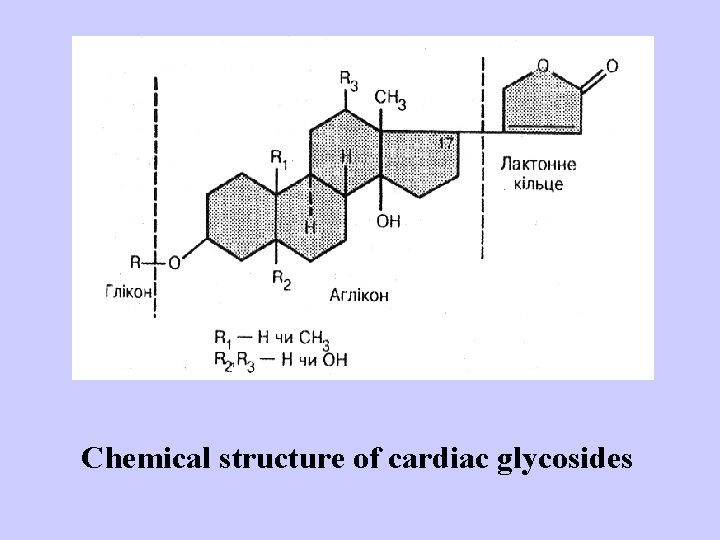
CARDIAC GLYCOSIDES
Purple Foxglove
Foxglove
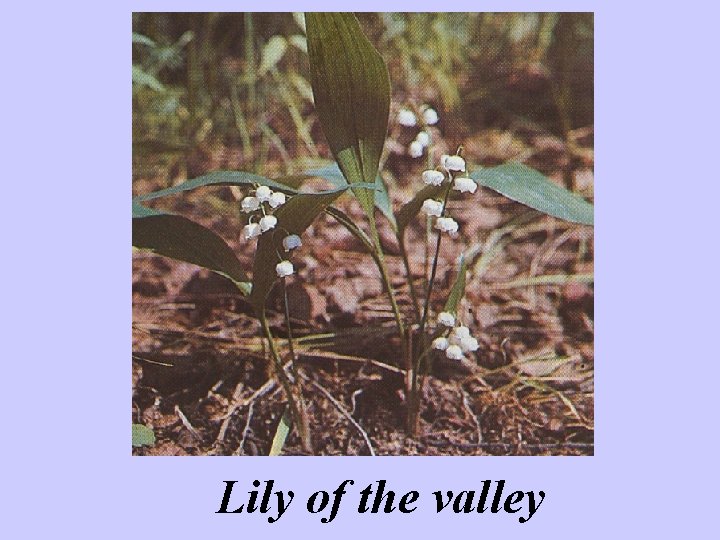
Lily of the valley
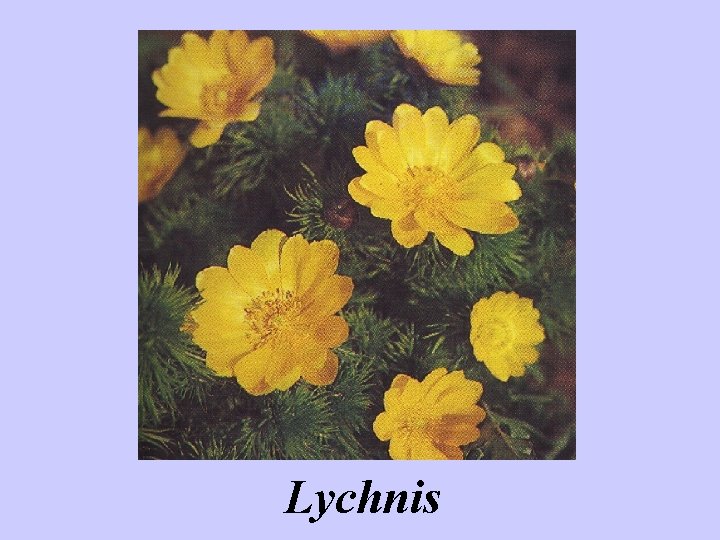
Lychnis
Chemical structure of cardiac glycosides
Pharmacodynamics Cardiac action Extracardiac action
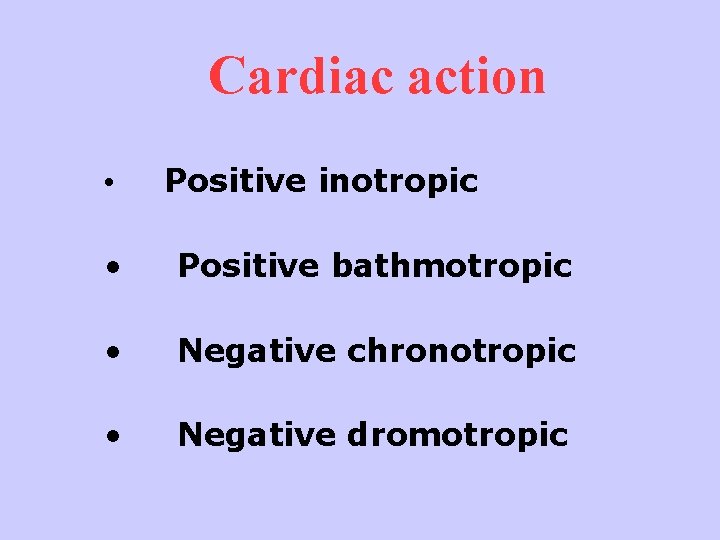
Cardiac action • Positive inotropic • Positive bathmotropic • Negative chronotropic • Negative dromotropic
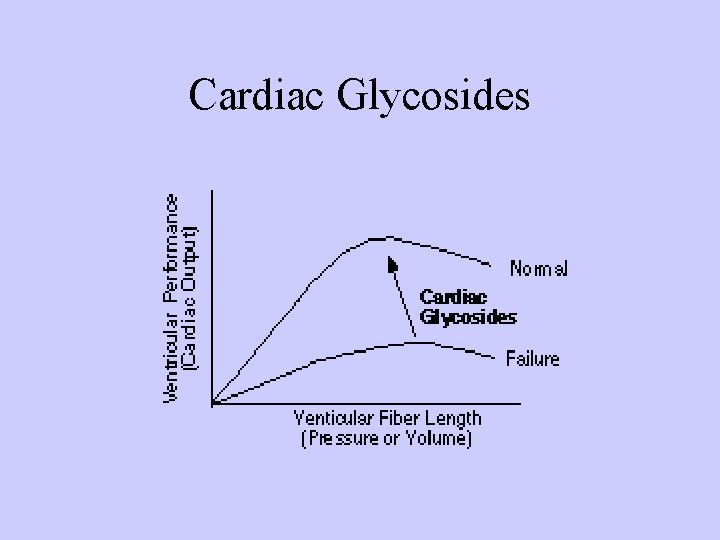
Cardiac Glycosides
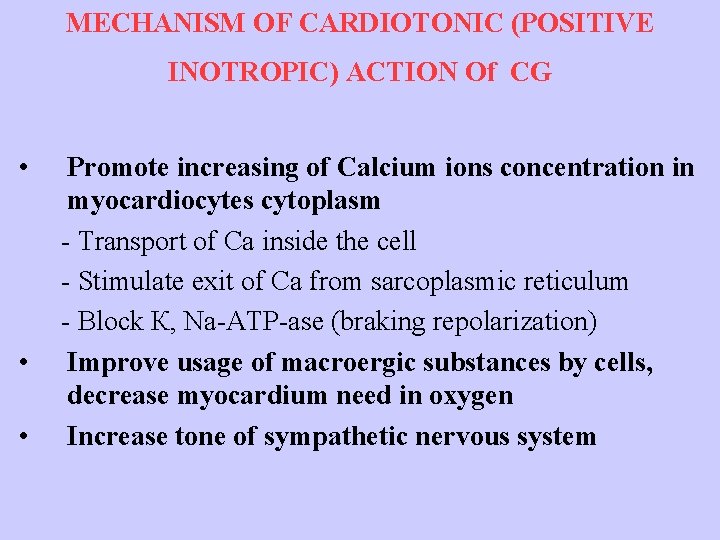
MECHANISM OF CARDIOTONIC (POSITIVE INOTROPIC) ACTION Of CG • • • Promote increasing of Calcium ions concentration in myocardiocytes cytoplasm - Transport of Са inside the cell - Stimulate exit of Са from sarcoplasmic reticulum - Block К, Na-АTP-ase (braking repolarization) Improve usage of macroergic substances by cells, decrease myocardium need in oxygen Increase tone of sympathetic nervous system
Extracardiac action of CG • Diuretic • Sedative • Stimulating influence on smooth muscles
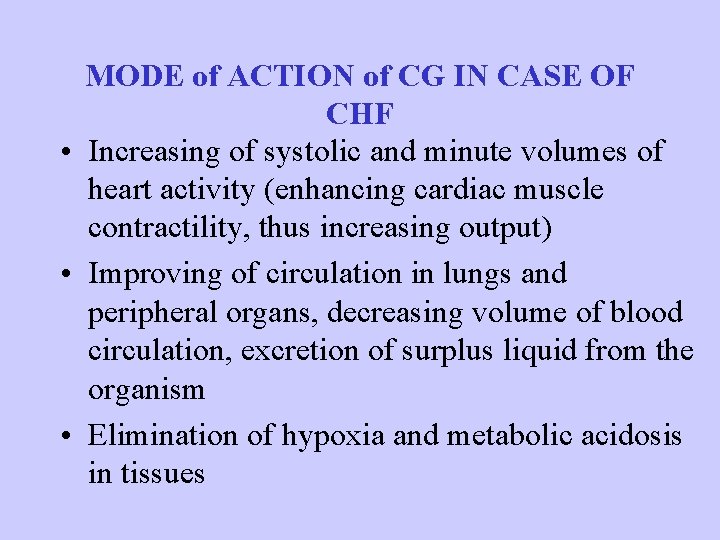
MODE of ACTION of CG IN CASE OF CHF • Increasing of systolic and minute volumes of heart activity (enhancing cardiac muscle contractility, thus increasing output) • Improving of circulation in lungs and peripheral organs, decreasing volume of blood circulation, excretion of surplus liquid from the organism • Elimination of hypoxia and metabolic acidosis in tissues
The following manifestations testify about therapeutic action of CG 1. Improving of general state of the patient (decreasing of weakness, short breath, sleep normalization, disappearing of edema, cyanosis, etc. ) 2. Tachycardia transforms into normo (brady)cardia 3. Increasing of diuresis 4. Typical changes in ECG
Drug List Agents for CHF • digoxin (Lanoxicaps, Lanoxin) Antidote for digoxin toxicity: • digoxin immune Fab (Digibind)
digoxin (Lanoxicaps, Lanoxin) • Increases force of contraction • Increases effective refractory period • Affects SA node, causing direct stimulation
digoxin Dispensing Issues Warning! • “dig toxicity” – Systemic accumulation
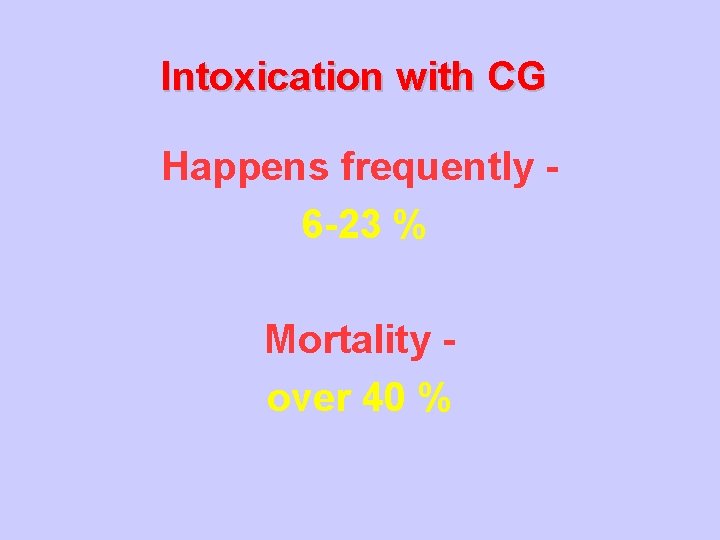
Intoxication with CG Happens frequently 6 -23 % Mortality over 40 %
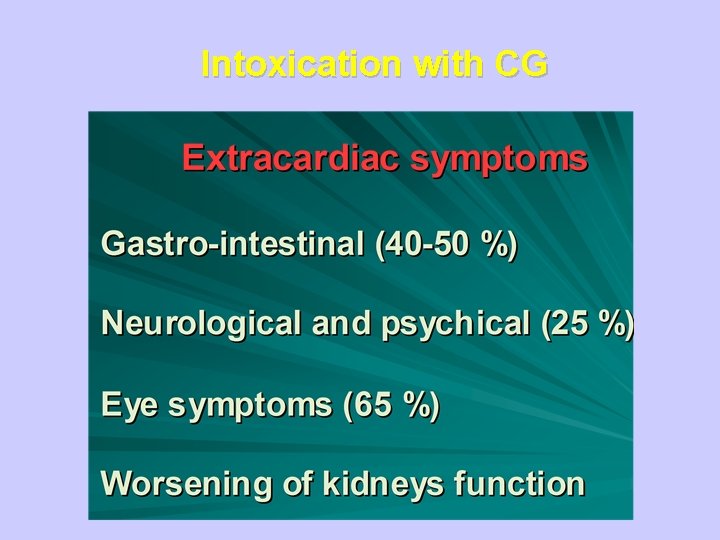
Intoxication with CG
Drug List Agents for CHF Vasodilators • milrinone (Primacor) • nitroprusside (Nitropress)
ACE Inhibitors • Inhibits conversion of angiotensin I to angiotensin II • Lowers blood pressure and lowers the stress on the heart
INHIBITORS OF ANGIOTENSINE CONVERTING ENZYME (IACE) In case of CHF they brake pathological consequences of activation of renin-angiotesine system by inhibiting ACE: • production of angiotensine II decreases (vasoconstrictor, inductor of aldosterone, norepinephrine, endothelin secretion, myocardium hypertrophy) • Accumulation of bradikinin (inductor of prostacycline and nitrogen oxide synthesis)
INHIBITORS OF ANGIOTESINE CONVERTING ENZYME (IACE) • Increase duration and improve quality of life of patients with CHF • Increase tolerance towards physical loads • Decrease risk of recurring MI • Brake development of myocardium hypertrophy
ACE Inhibitor’s Side Effects • Dry, nonproductive cough • Dizziness during first few days
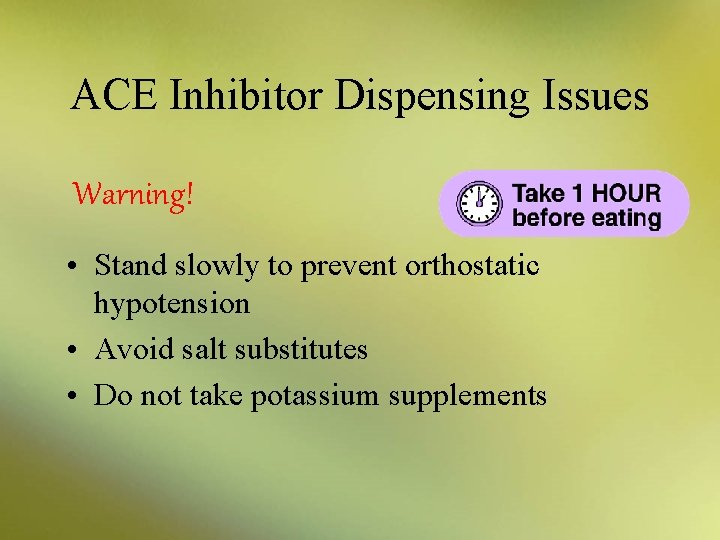
ACE Inhibitor Dispensing Issues Warning! • Stand slowly to prevent orthostatic hypotension • Avoid salt substitutes • Do not take potassium supplements
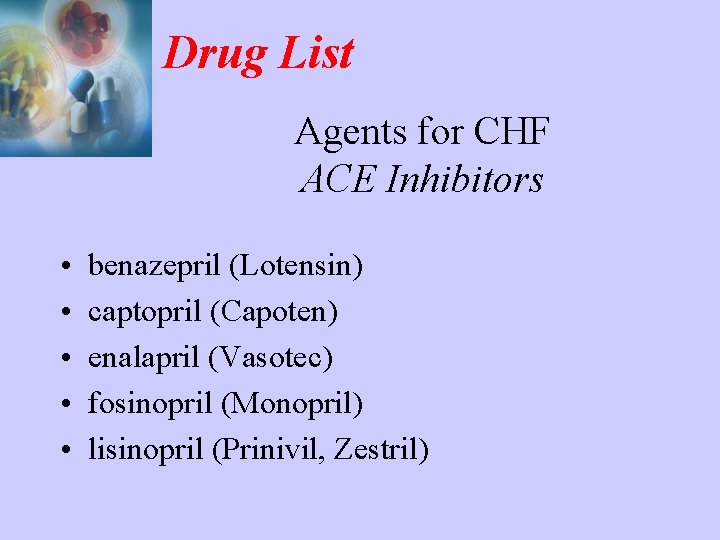
Drug List Agents for CHF ACE Inhibitors • • • benazepril (Lotensin) captopril (Capoten) enalapril (Vasotec) fosinopril (Monopril) lisinopril (Prinivil, Zestril)
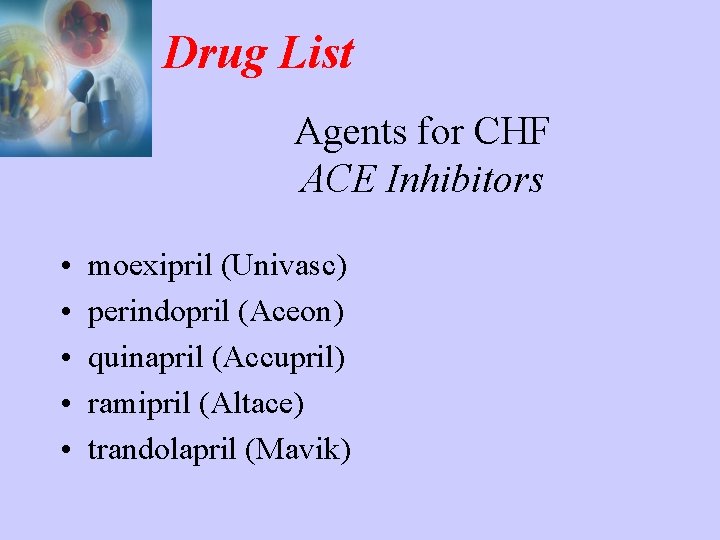
Drug List Agents for CHF ACE Inhibitors • • • moexipril (Univasc) perindopril (Aceon) quinapril (Accupril) ramipril (Altace) trandolapril (Mavik)
Angiotensin II-Receptor Antagonists • Blocks the action of angiotensin II • Works as well as ACE inhibitors with less coughing and better toleration
Angiotensin II-Receptor Antagonist Dispensing Issues Warning! • Look-alike and Sound-alike Drugs: – losartan (Cozaar) – valsartan (Diovan)
Drug List Agents for CHF Angiotensin II-Receptor Antagonists Human B-type Natriuretic Peptide (h. BNP) • nesiritide (Natrecor)
NONGLYCOSIDE CARDIOTONIC DRUGS • Dobutamin – beta 1 -adrenomimetic - in case of acute and chronic CHF – intravenously dropping – 2, 5 -5 -10 mcg/(kg. min); in case of constant infusion tolerance develops after 3 -4 days; in case of increasing of dose – heart arrhythmias • Amrinon, milrinon – inhibitors of phosphodiesterase – for temporary improvement of patient’s condition in terminal stages of CHF