
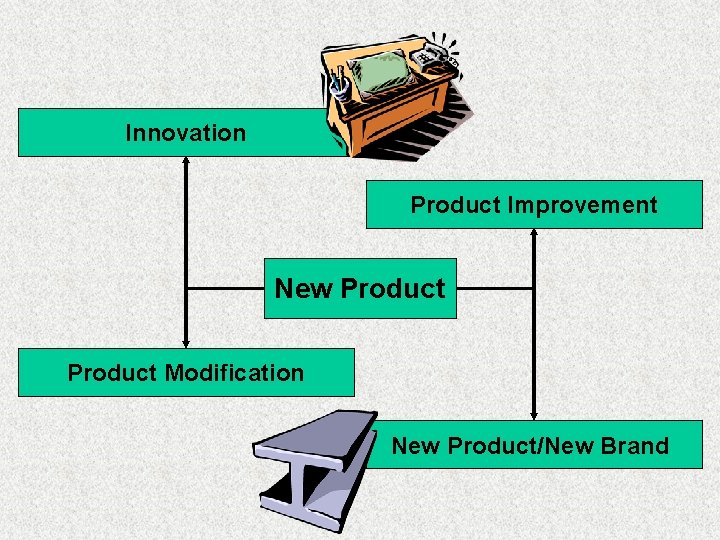
Innovation Product Improvement New Product Modification New ProductNew
- Slides: 17
Innovation Product Improvement New Product Modification New Product/New Brand
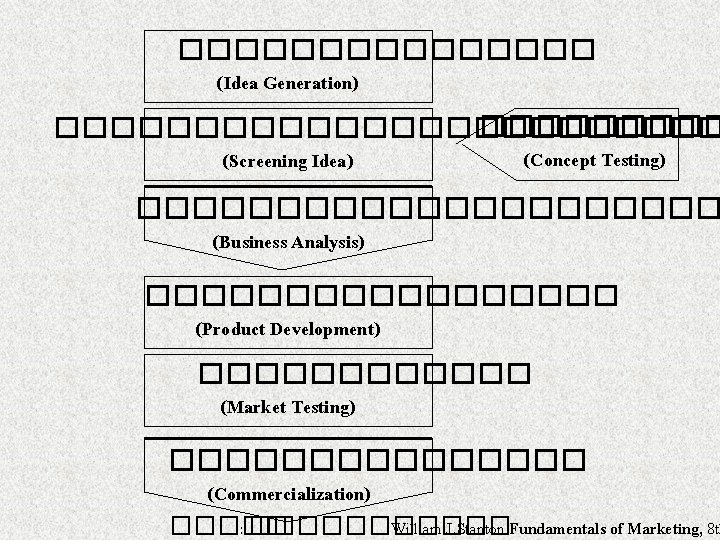
�������� (Idea Generation) ����������������� (Concept Testing) (Screening Idea) ����������� (Business Analysis) ��������� (Product Development) ������ (Market Testing) �������� (Commercialization) ����� : ������ William J. Stanton Fundamentals of Marketing, 8 th
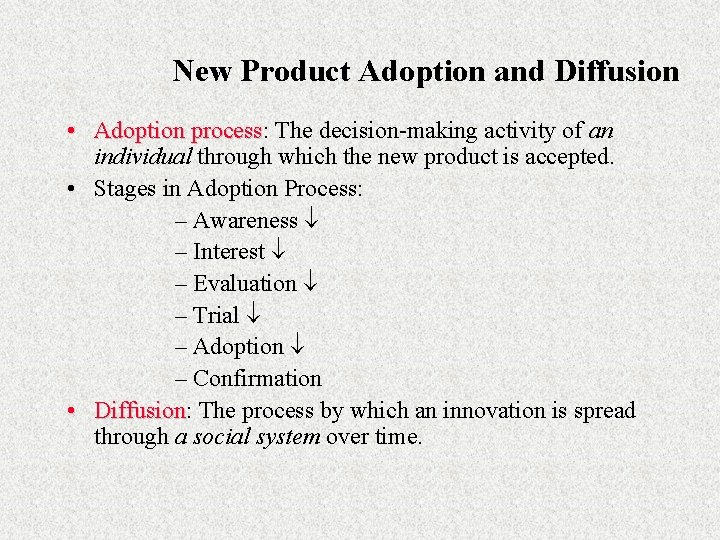
New Product Adoption and Diffusion • Adoption process: process The decision-making activity of an individual through which the new product is accepted. • Stages in Adoption Process: – Awareness – Interest – Evaluation – Trial – Adoption – Confirmation • Diffusion: Diffusion The process by which an innovation is spread through a social system over time.
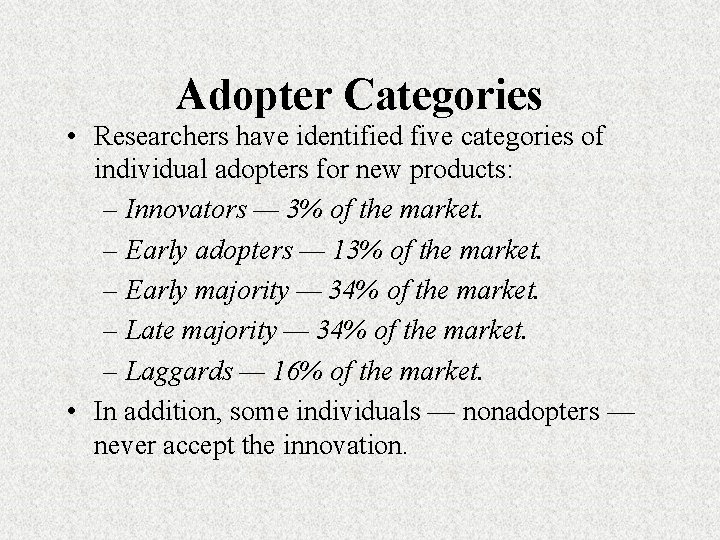
Adopter Categories • Researchers have identified five categories of individual adopters for new products: – Innovators — 3% of the market. – Early adopters — 13% of the market. – Early majority — 34% of the market. – Late majority — 34% of the market. – Laggards — 16% of the market. • In addition, some individuals — nonadopters — never accept the innovation.
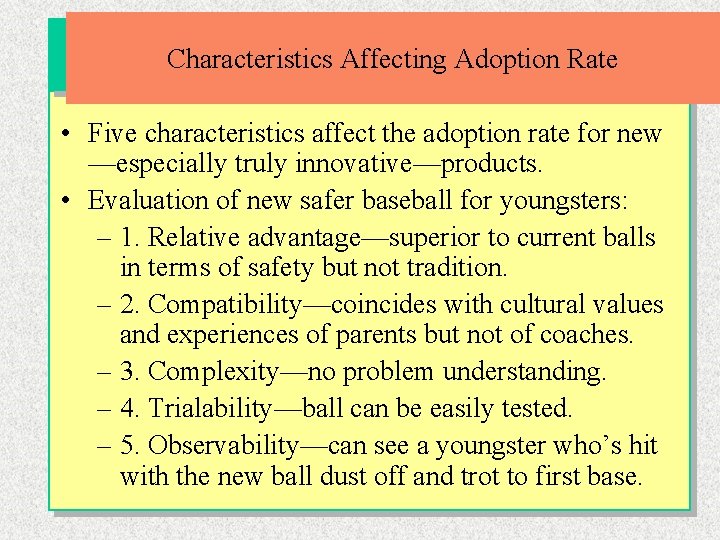
Characteristics Affecting Adoption Rate • Five characteristics affect the adoption rate for new —especially truly innovative—products. • Evaluation of new safer baseball for youngsters: – 1. Relative advantage—superior to current balls in terms of safety but not tradition. – 2. Compatibility—coincides with cultural values and experiences of parents but not of coaches. – 3. Complexity—no problem understanding. – 4. Trialability—ball can be easily tested. – 5. Observability—can see a youngster who’s hit with the new ball dust off and trot to first base.
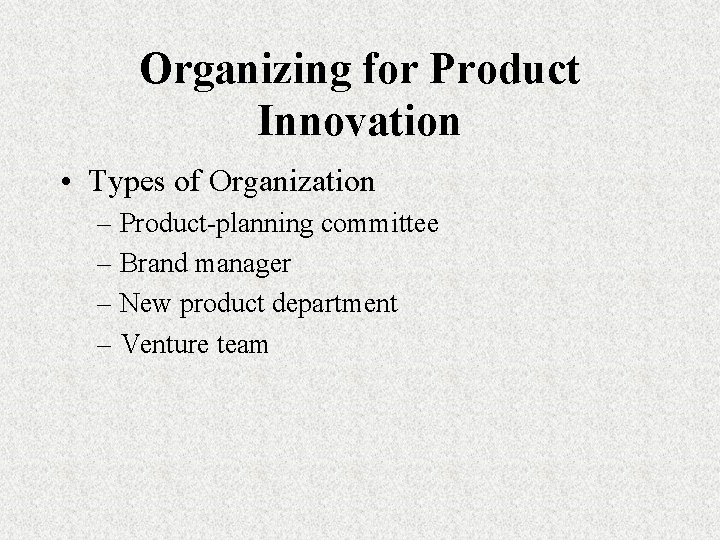
Organizing for Product Innovation • Types of Organization – Product-planning committee – Brand manager – New product department – Venture team
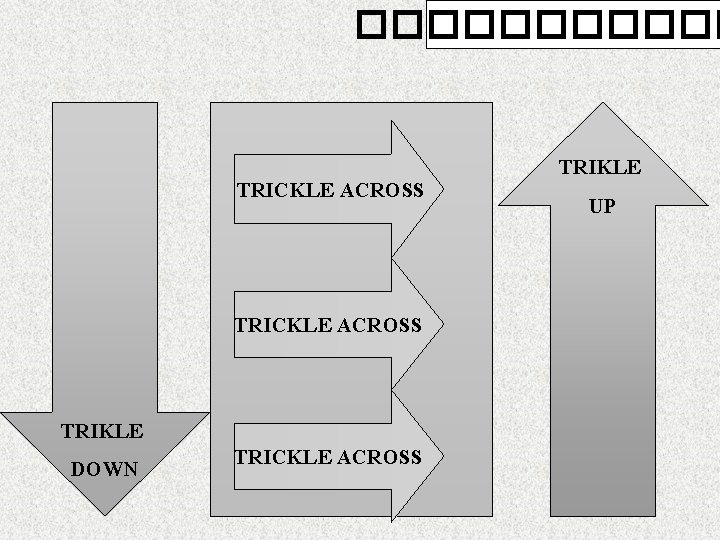
������ TRICKLE ACROSS TRIKLE DOWN TRICKLE ACROSS TRIKLE UP