
Inner Life of the Cell Harvards gorgeous animation

- Slides: 15
Inner Life of the Cell (Harvard’s gorgeous animation of a cell contents doing their thing) • 3 D Interactive cell Utah cell
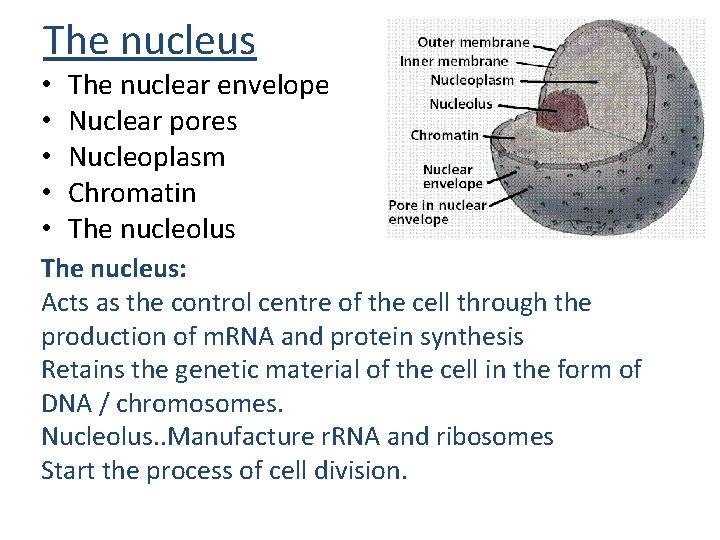
The nucleus • • • The nuclear envelope Nuclear pores Nucleoplasm Chromatin The nucleolus The nucleus: Acts as the control centre of the cell through the production of m. RNA and protein synthesis Retains the genetic material of the cell in the form of DNA / chromosomes. Nucleolus. . Manufacture r. RNA and ribosomes Start the process of cell division.
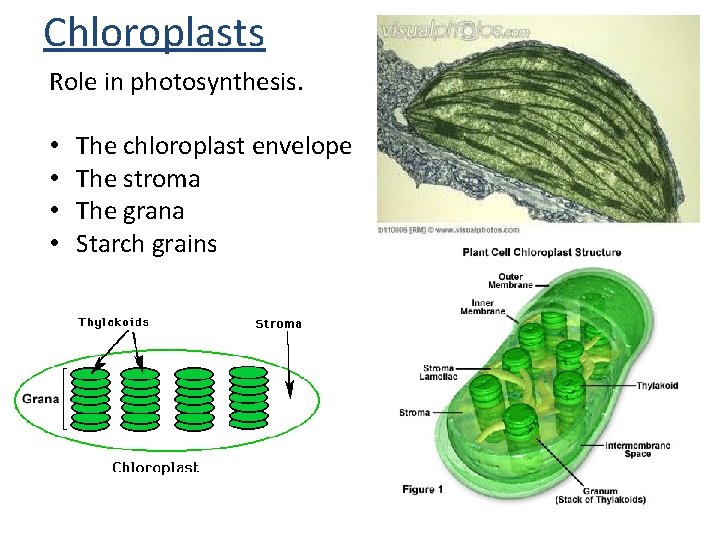
Chloroplasts Role in photosynthesis. • • The chloroplast envelope The stroma The grana Starch grains
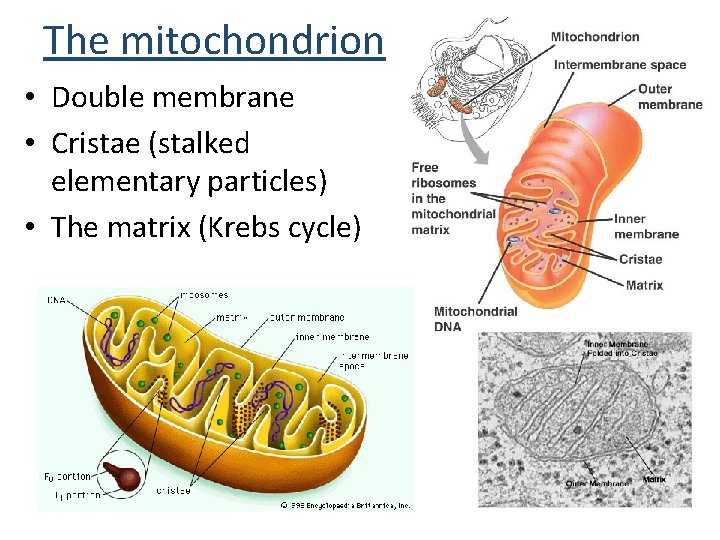
The mitochondrion • Double membrane • Cristae (stalked elementary particles) • The matrix (Krebs cycle)
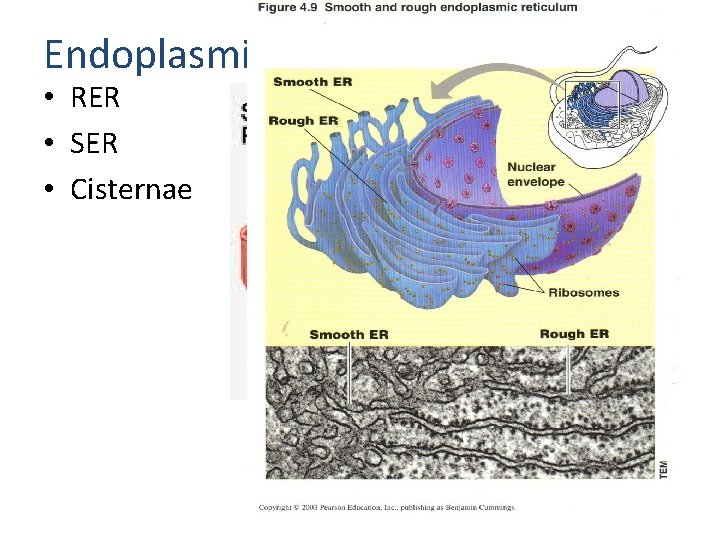
Endoplasmic reticulum • RER • SER • Cisternae
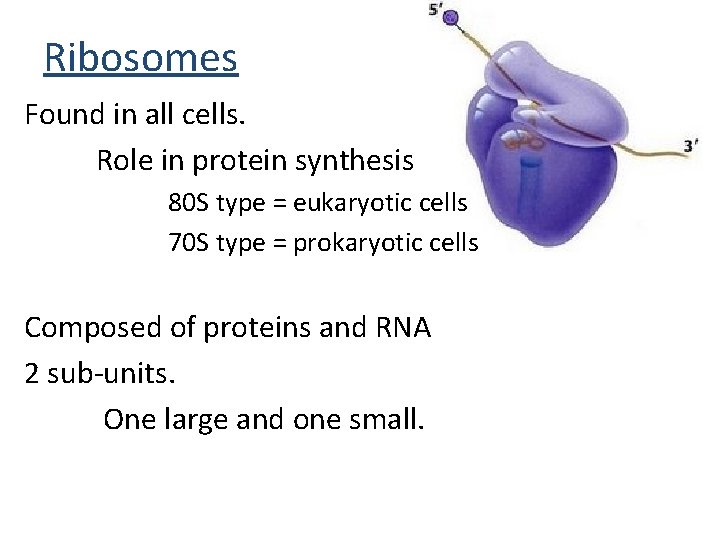
Ribosomes Found in all cells. Role in protein synthesis 80 S type = eukaryotic cells 70 S type = prokaryotic cells Composed of proteins and RNA 2 sub-units. One large and one small.
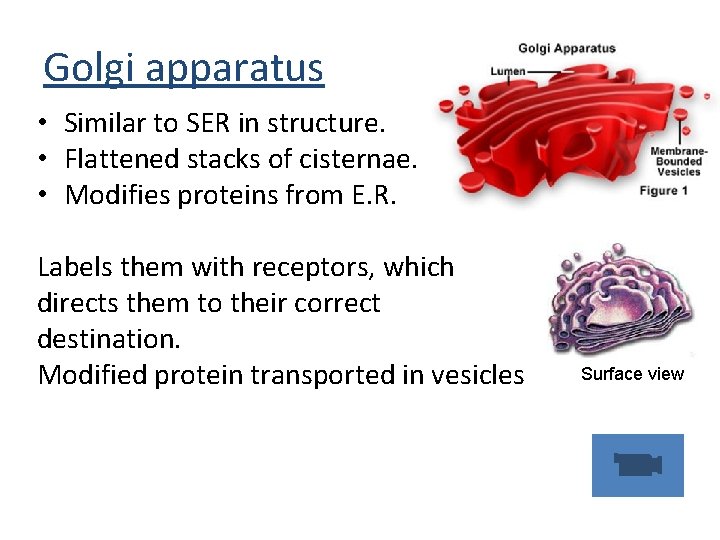
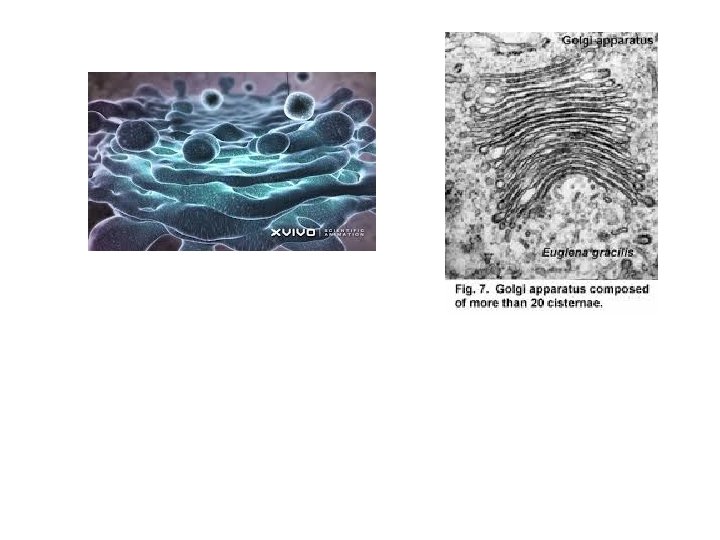
Golgi apparatus • Similar to SER in structure. • Flattened stacks of cisternae. • Modifies proteins from E. R. Labels them with receptors, which directs them to their correct destination. Modified protein transported in vesicles Surface view
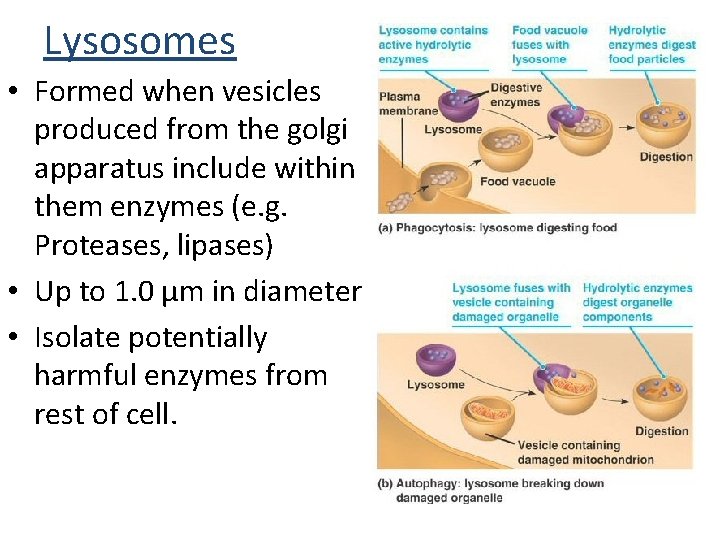
Lysosomes • Formed when vesicles produced from the golgi apparatus include within them enzymes (e. g. Proteases, lipases) • Up to 1. 0 μm in diameter • Isolate potentially harmful enzymes from rest of cell.
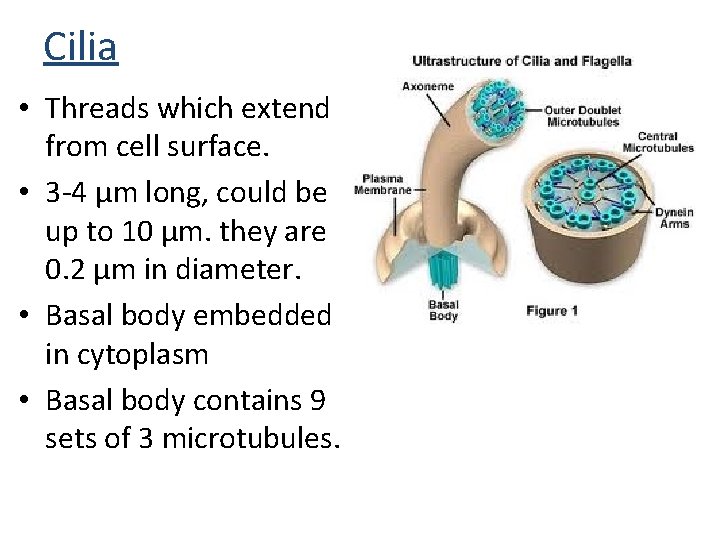
Cilia • Threads which extend from cell surface. • 3 -4 μm long, could be up to 10 μm. they are 0. 2 μm in diameter. • Basal body embedded in cytoplasm • Basal body contains 9 sets of 3 microtubules.
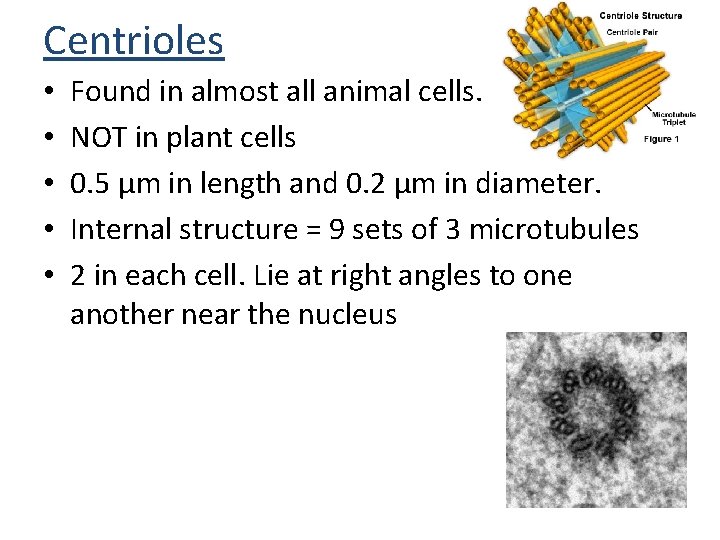
Centrioles • • • Found in almost all animal cells. NOT in plant cells 0. 5 μm in length and 0. 2 μm in diameter. Internal structure = 9 sets of 3 microtubules 2 in each cell. Lie at right angles to one another near the nucleus
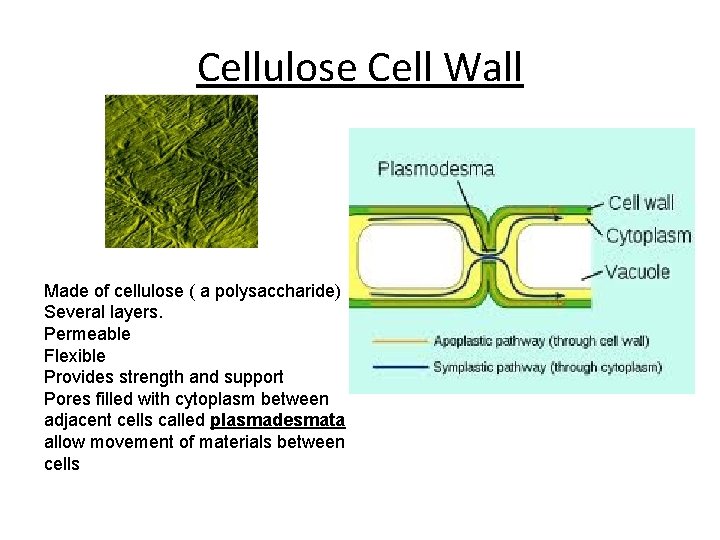
Cellulose Cell Wall Made of cellulose ( a polysaccharide) Several layers. Permeable Flexible Provides strength and support Pores filled with cytoplasm between adjacent cells called plasmadesmata allow movement of materials between cells
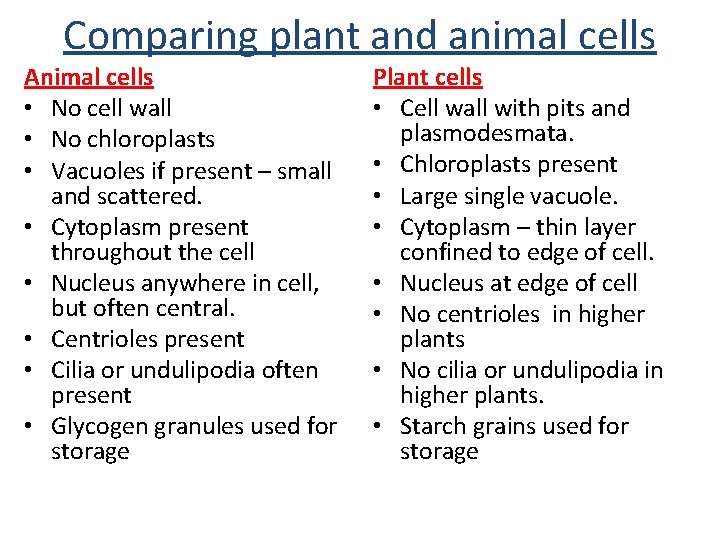
Comparing plant and animal cells Animal cells • No cell wall • No chloroplasts • Vacuoles if present – small and scattered. • Cytoplasm present throughout the cell • Nucleus anywhere in cell, but often central. • Centrioles present • Cilia or undulipodia often present • Glycogen granules used for storage Plant cells • Cell wall with pits and plasmodesmata. • Chloroplasts present • Large single vacuole. • Cytoplasm – thin layer confined to edge of cell. • Nucleus at edge of cell • No centrioles in higher plants • No cilia or undulipodia in higher plants. • Starch grains used for storage
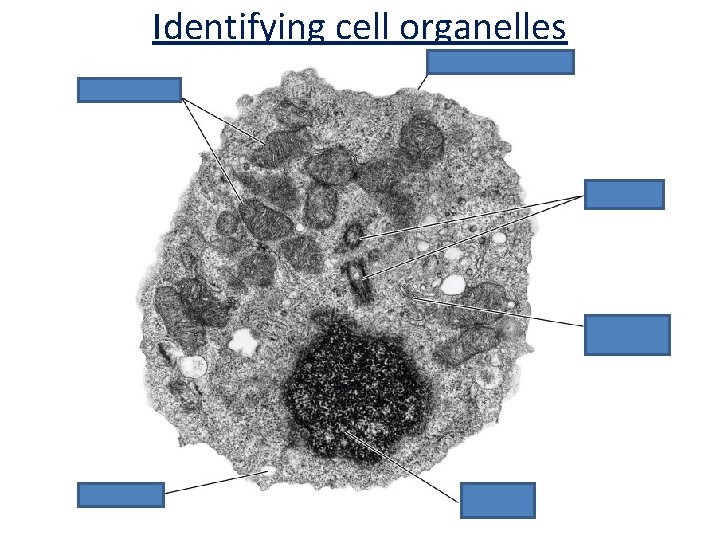
Identifying cell organelles
Plenary activity: Complete short answer questions on cell organelles. Complete Q 3 from Q booklet Homework: Q 1 part (a) only & Q 4 all parts. Due: Next lesson.