
Inner life of a cell http www aimediaserver


- Slides: 62
Inner life of a cell http: //www. aimediaserver. com/st udiodaily/harvard. swf With naration http: //multimedia. mcb. harvard. edu /media. html
Section 3 -2 (pages 55 -60) Cell Features Objectives: 1. List the three parts of the cell theory. (pg. 55) 2. Determine why cells must be relatively small. (pg 55) 3. Compare the structure of prokaryotic cells with that of eukaryotic cells. (pg. 57) 4. Describe the structure of cell membranes. (p. 59)
Key Terms Cell Theory Cell Membrane Cytoplasm Ribosome Prokaryote Cell Wall Flagellum Eukaryote Nucleus Organelle Cillium Phospholipid Lipid Bilayer
What are three parts of the Cell theory 1. All living things are made up of cells. 2. Cells are the basic units of structure and function in organisms. 3. All cells arise from existing cells.
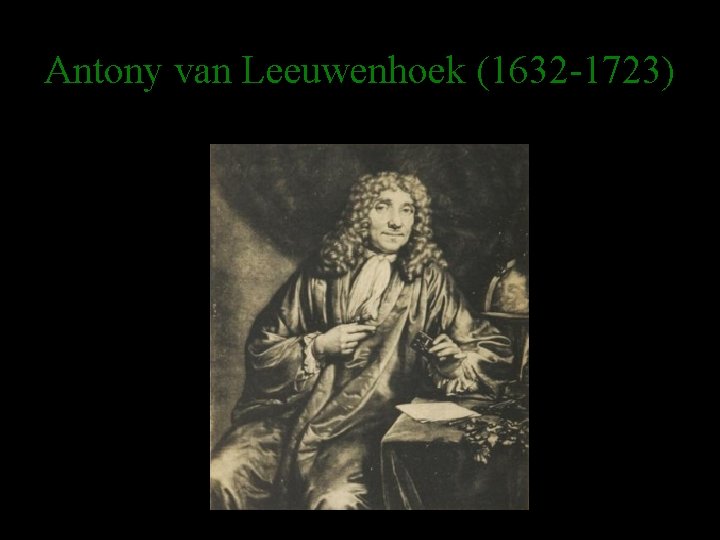
Antony van Leeuwenhoek (1632 -1723)
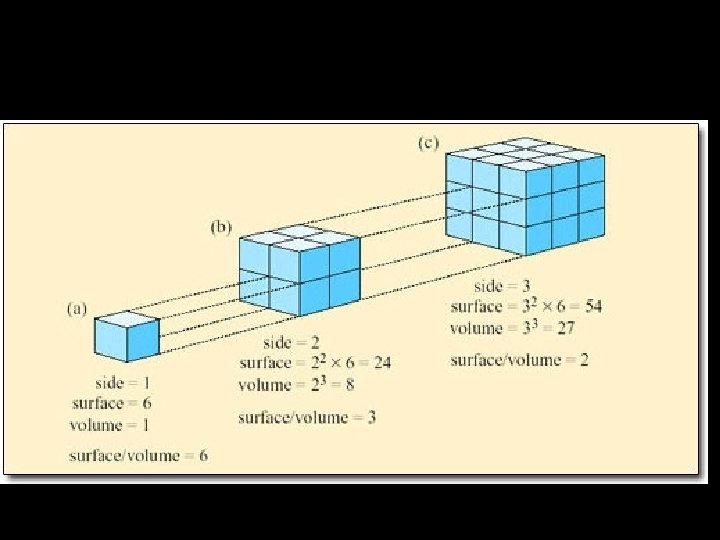
Why Must Cells be Small? If the cell’s surface area-to-volume ratio is too low, substances cannot enter and leave the cell in numbers large enough to meet the cell’s needs.
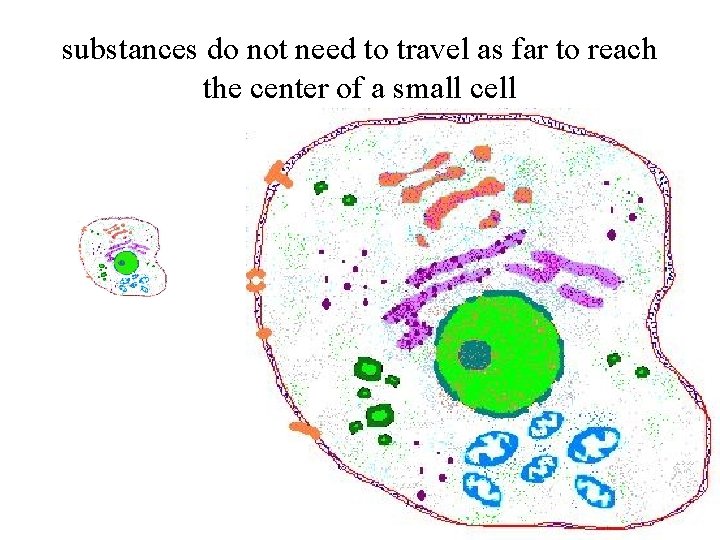
substances do not need to travel as far to reach the center of a small cell
What Features are Common of cells? Cell membrane Cytoplasm Cytoskeleton Ribosomes
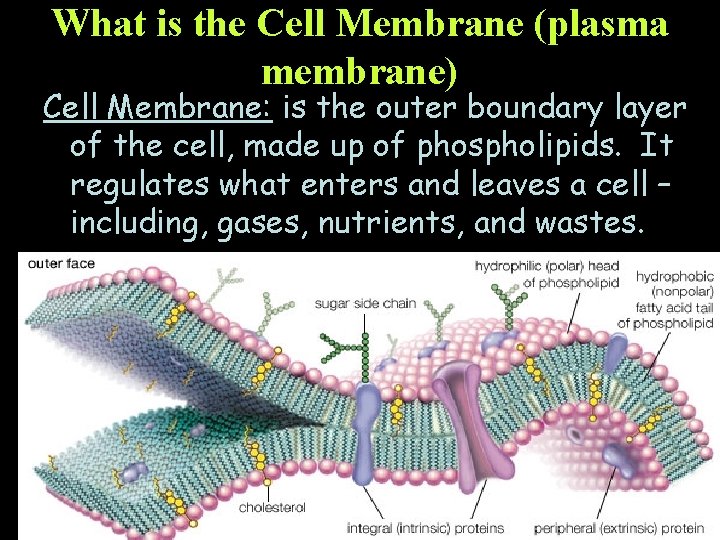
What is the Cell Membrane (plasma membrane) Cell Membrane: is the outer boundary layer of the cell, made up of phospholipids. It regulates what enters and leaves a cell – including, gases, nutrients, and wastes.
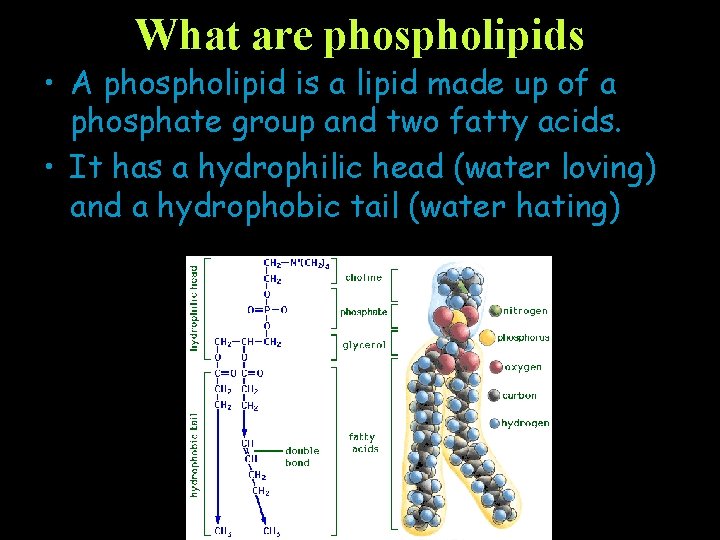
What are phospholipids • A phospholipid is a lipid made up of a phosphate group and two fatty acids. • It has a hydrophilic head (water loving) and a hydrophobic tail (water hating)
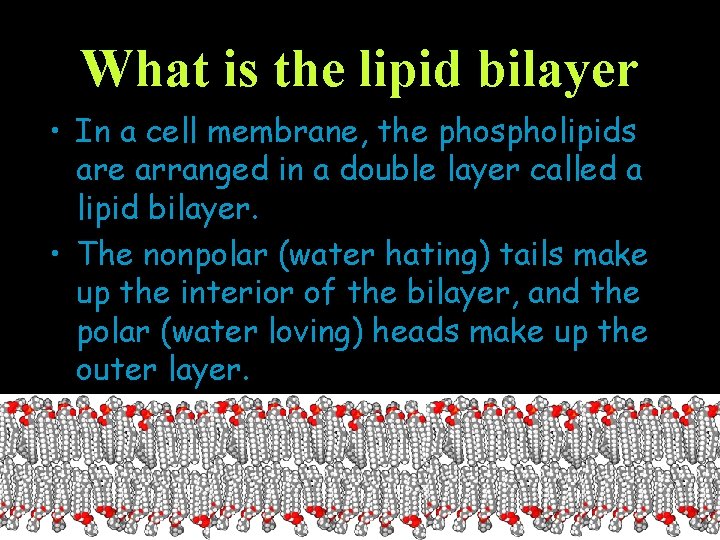
What is the lipid bilayer • In a cell membrane, the phospholipids are arranged in a double layer called a lipid bilayer. • The nonpolar (water hating) tails make up the interior of the bilayer, and the polar (water loving) heads make up the outer layer.
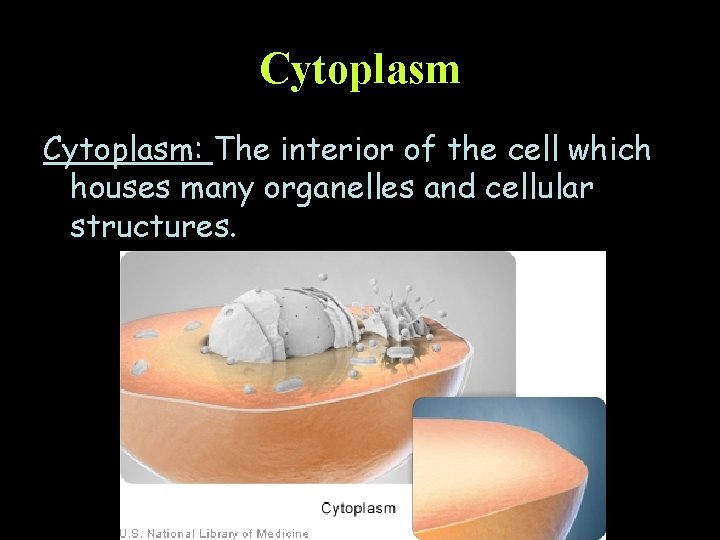
Cytoplasm: The interior of the cell which houses many organelles and cellular structures.
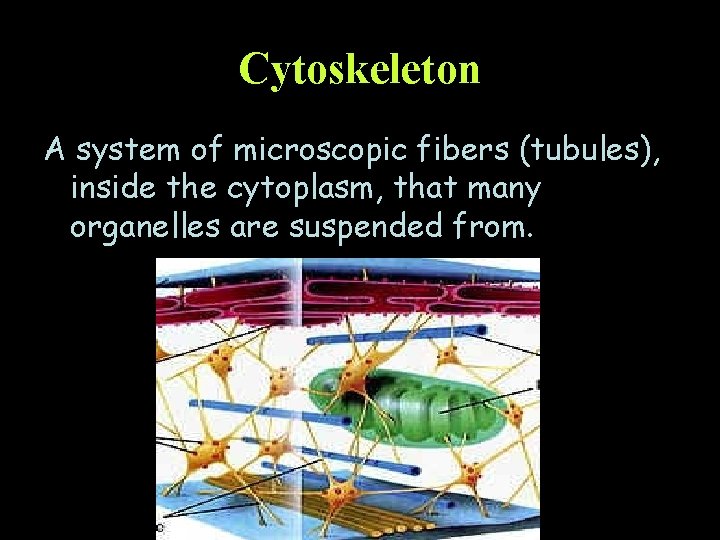
Cytoskeleton A system of microscopic fibers (tubules), inside the cytoplasm, that many organelles are suspended from.
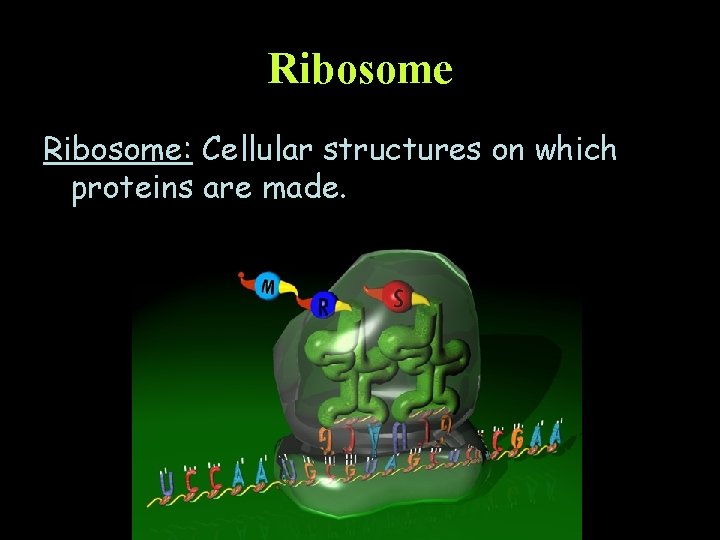
Ribosome: Cellular structures on which proteins are made.
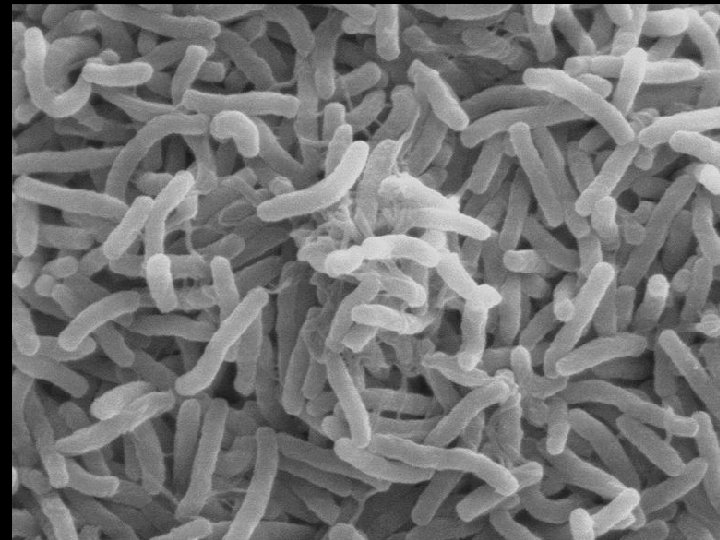
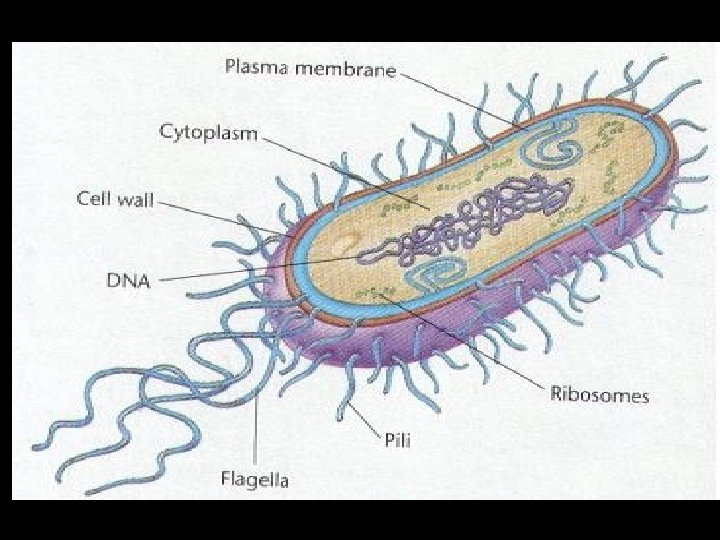
What is a Prokaryote (Bacteria) • Prokaryotes are the smallest and simplest cells • They are singled celled organisms that lack a nucleus, cytoskeleton, and other internal compartments.
What are the Characteristics of Prokaryotes (Bacteria) • Bacterium’s enzymes and ribosomes are free to move around in the cytoplasm because they lack internal compartments. • Bacteria have a cell wall providing structure and support • Some bacteria have a flagella, long threadlike structures that enable movement.
What are Eukaryotes • Eukaryotes are organisms whose cells have a nucleus, other internal compartments, and organelles.
What are Organelles • An organelle is a structure that carries out a specific function in the cells.
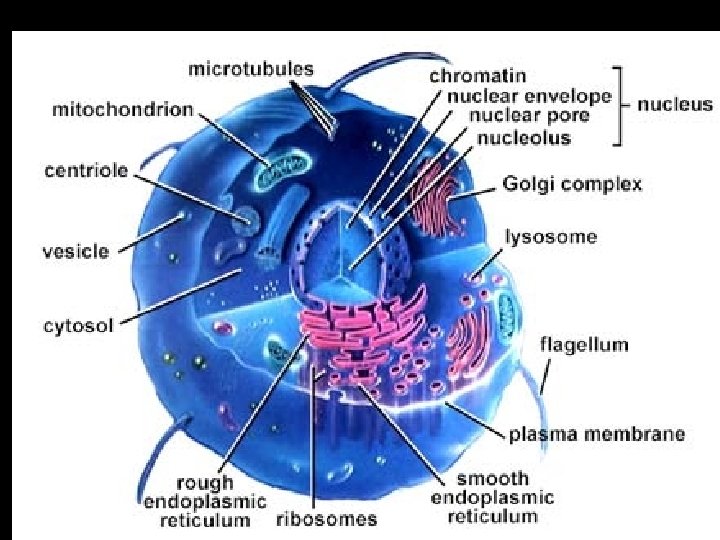
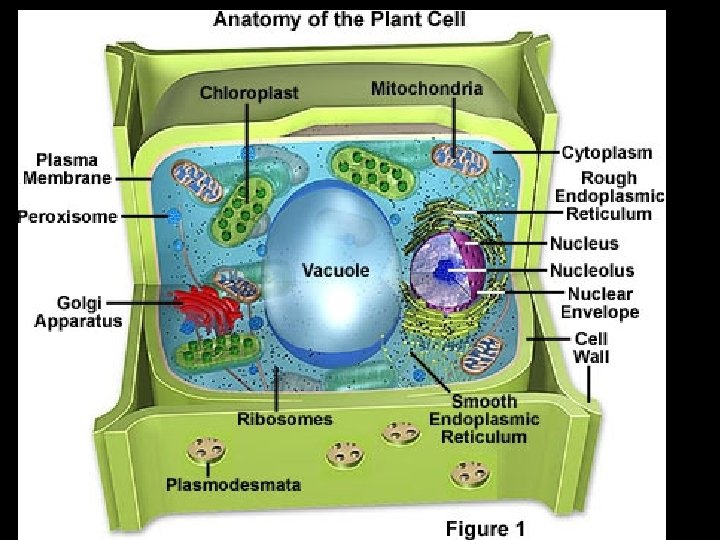
What organelles are found only in Eukaryotes Nucleus Mitochondria Chloroplasts Cytoskeleton Vacuole Golgi bodies Lysosomes (vesicles) Smooth endoplasmic reticulum Rough endoplasmic reticulum
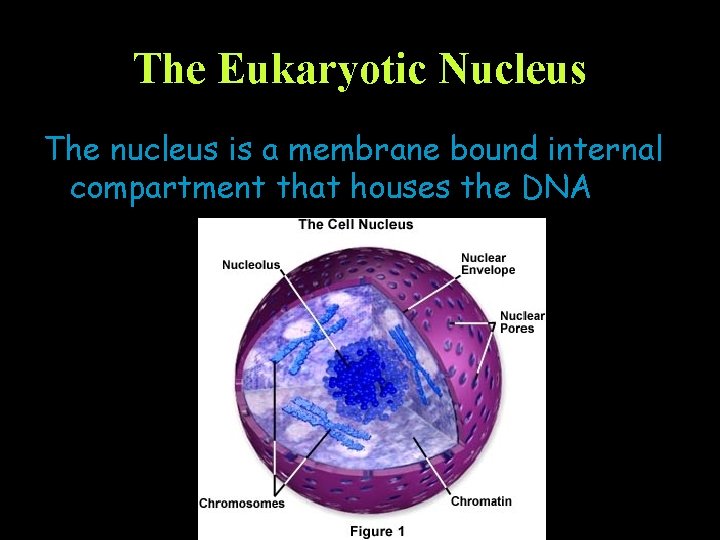
The Eukaryotic Nucleus The nucleus is a membrane bound internal compartment that houses the DNA
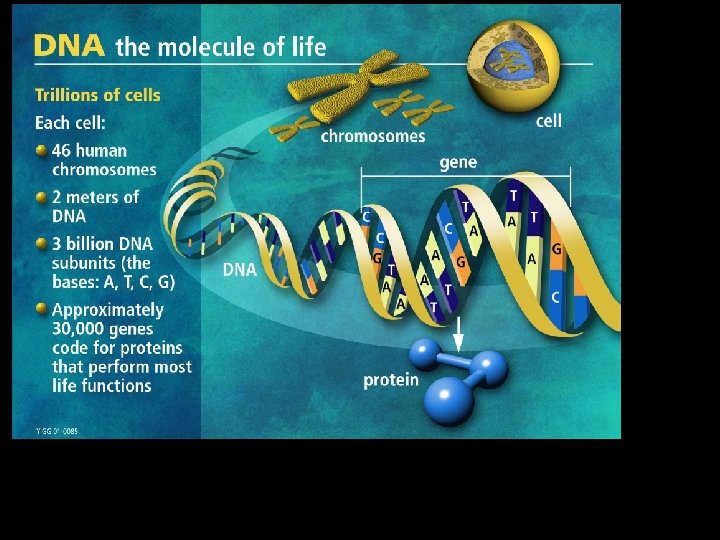
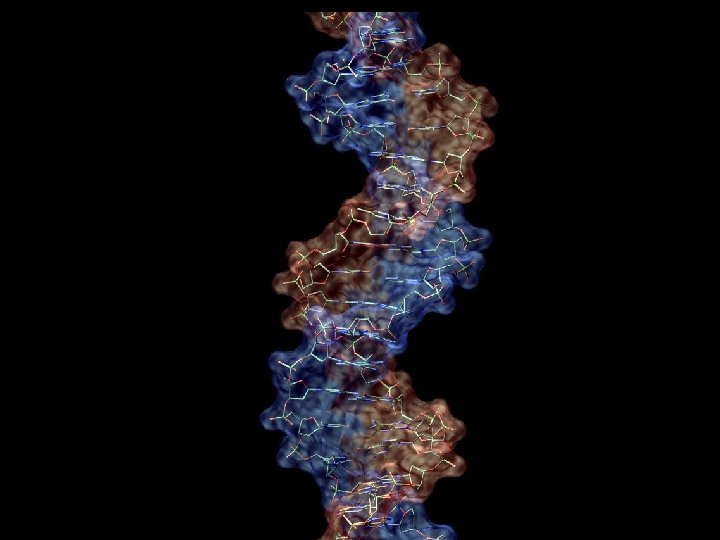
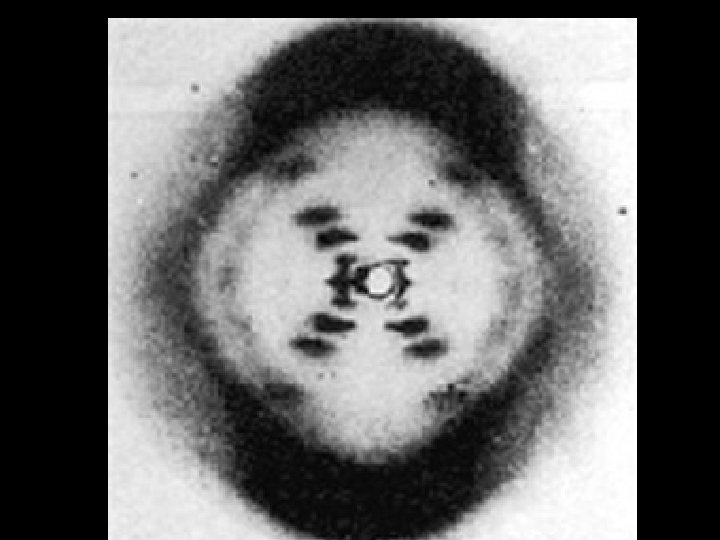
What is the Form and Function of the DNA molecule Form: A double helix (looks like a twisted extension ladder) Function: Stores the hereditary information that controls all cell processes.
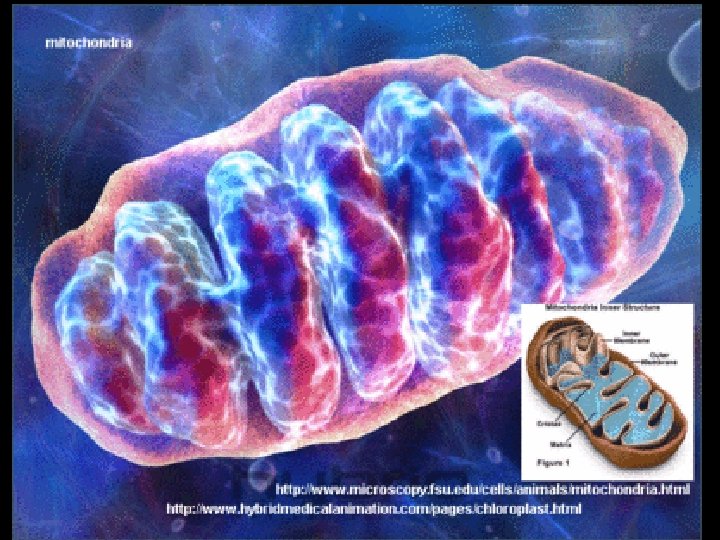
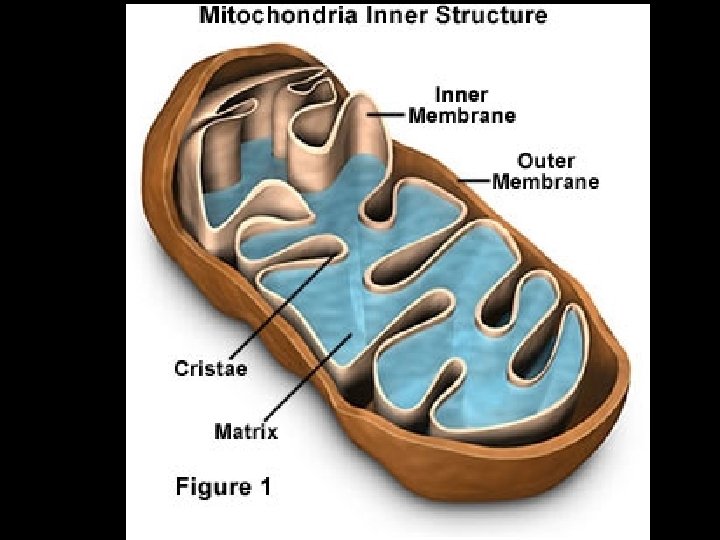
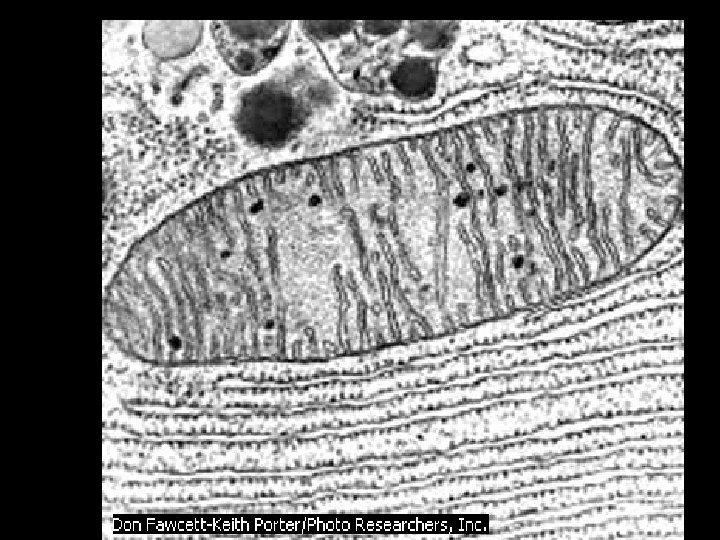
What is the Form and Function of the Mitochondria? Form: A kidney shaped organelle floating around in the cytoplasm, with a set of internal folding membranes. Function: It converts the energy stored in food compounds into a useful form, called ATP (adenosine triphosphate)
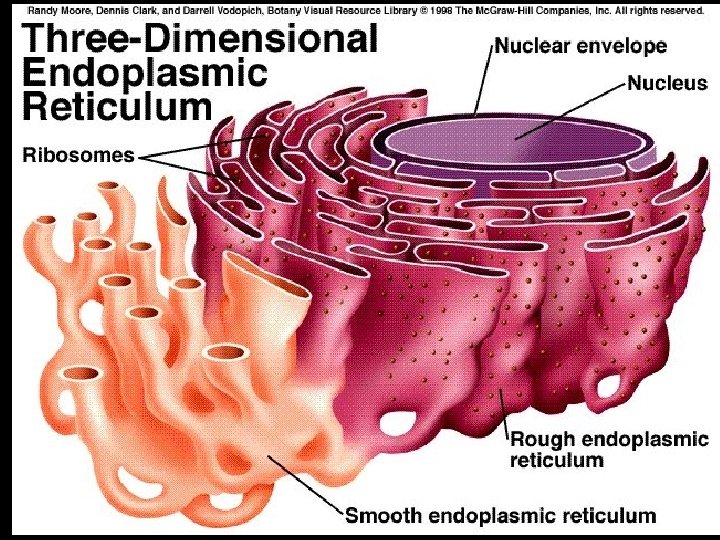
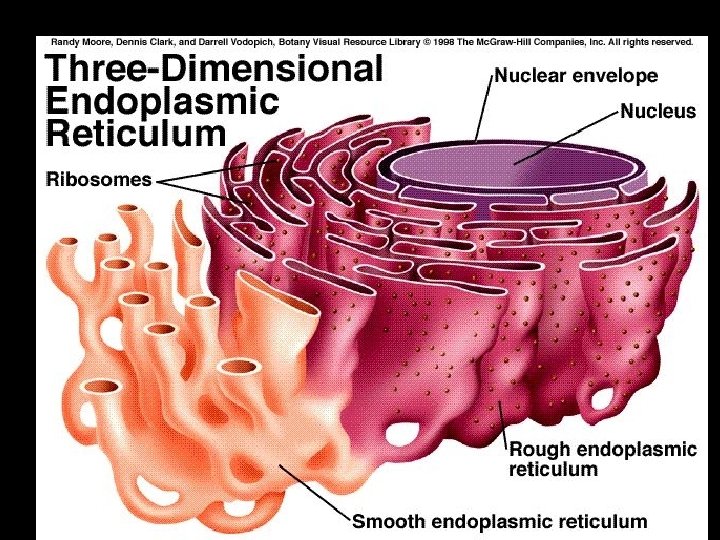
Form and Function of the Endoplasmic Reticulum (ER) Form: A network of lipid bilayer membranes. Function: Moves proteins and other substances through the cell
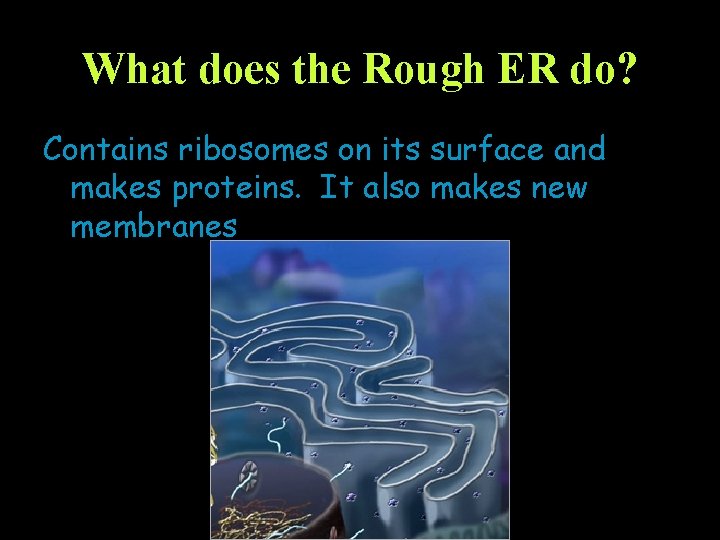
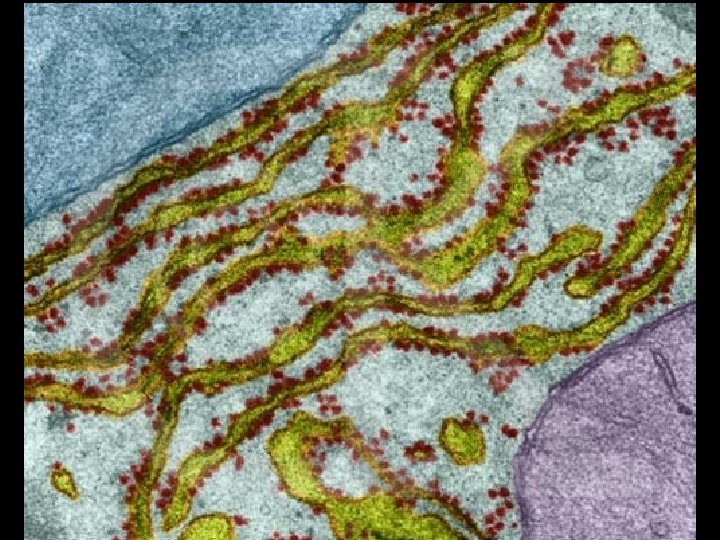
What does the Rough ER do? Contains ribosomes on its surface and makes proteins. It also makes new membranes
What does the Smooth Endoplamsic Reticulum do? Makes lipids, Also processes carbohydrates and modifies toxic chemicals in the cell
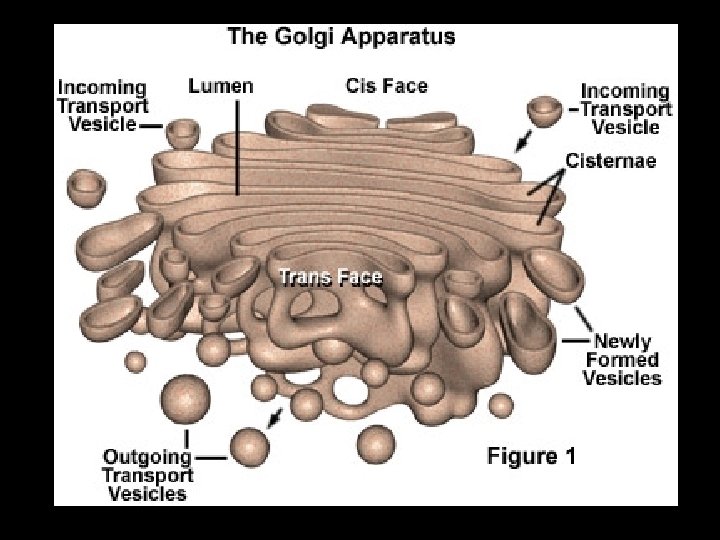
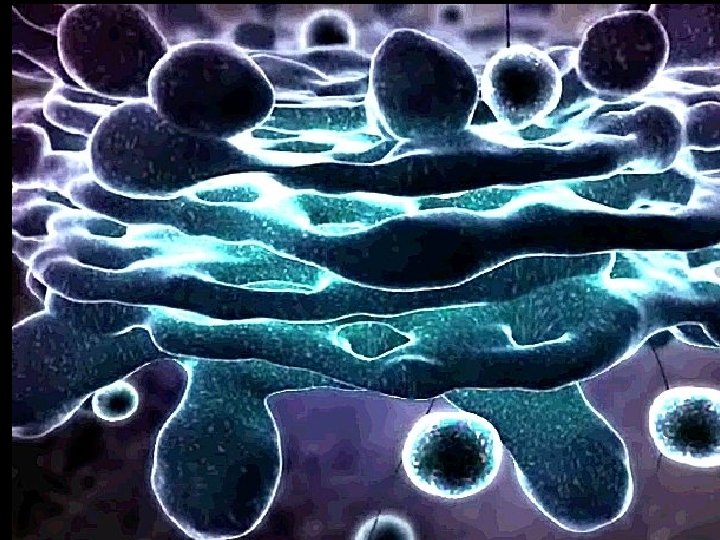
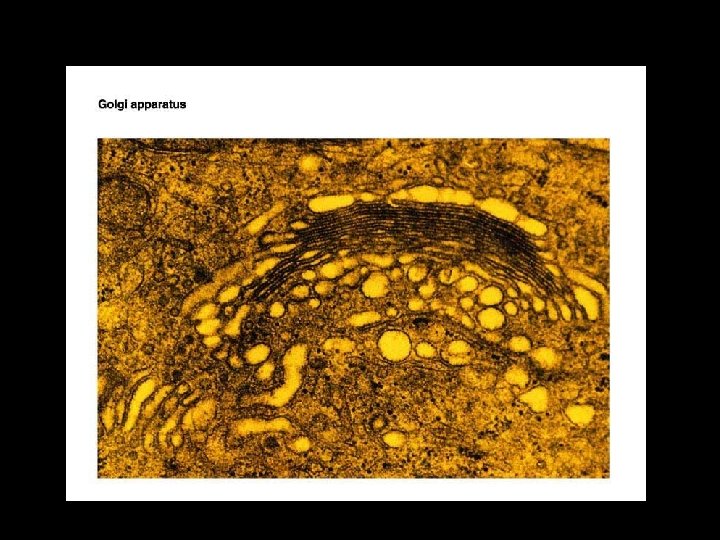
What is the Form and Function of the Golgi Apparatus? Form: Flat pancake like sacs Function: It’s the post office the cell. It makes vesicles, such as lysosomes; that store, sort, changes, packages, and distributes proteins throughout the cell.
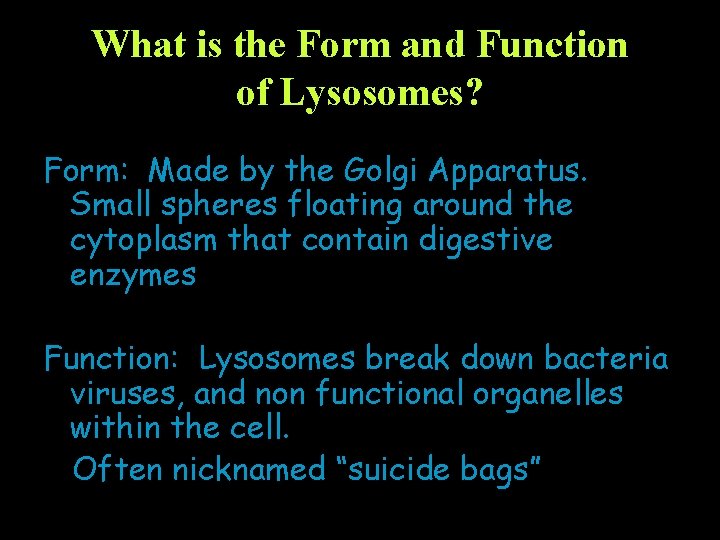
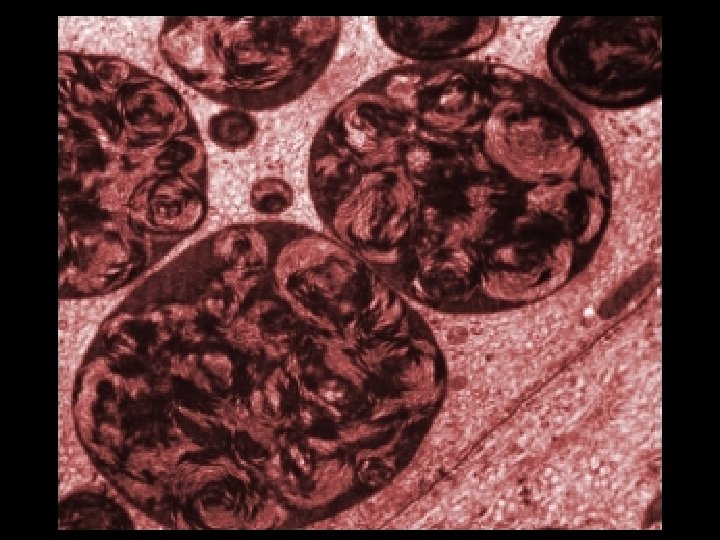
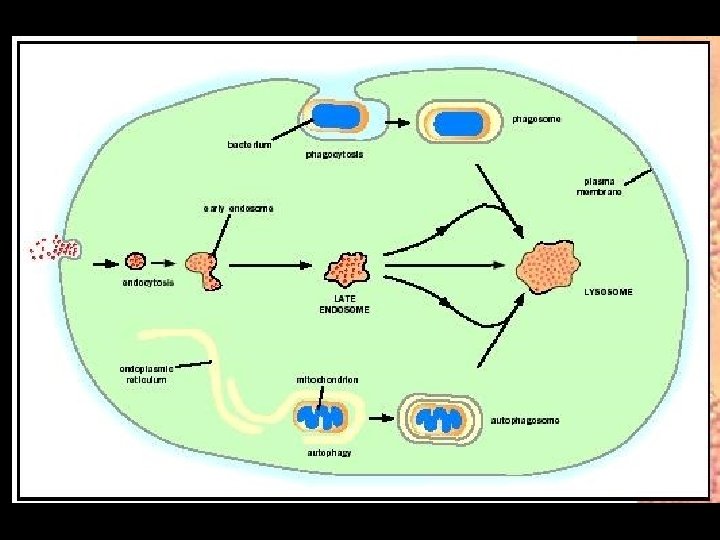
What is the Form and Function of Lysosomes? Form: Made by the Golgi Apparatus. Small spheres floating around the cytoplasm that contain digestive enzymes Function: Lysosomes break down bacteria viruses, and non functional organelles within the cell. Often nicknamed “suicide bags”
Vacuoles Cell Walls Chloroplasts
What is the Form and Function of Vacuoles? Form: Sacs that are often found in plants cells Function: They absorb water, store proteins, ions and waste products.
What is the form and function of Cell walls? Form: A tough ridged outer covering that surrounds the cell membrane of plants and bacteria cells. Function: It protects the plant cell and give it shape.
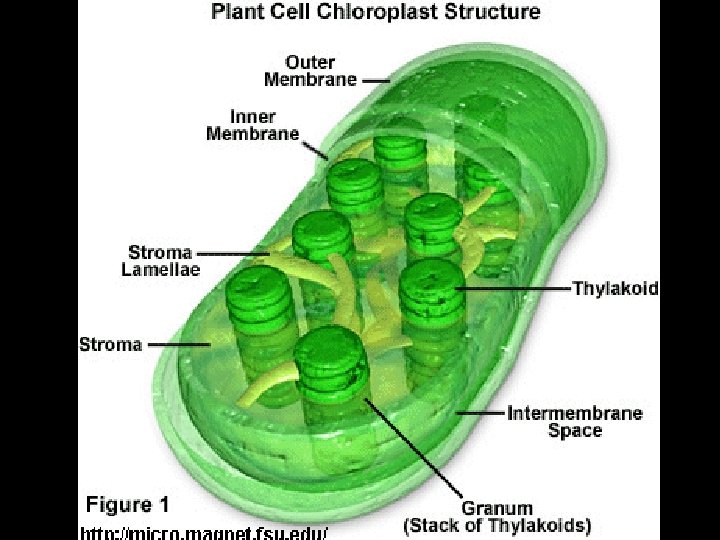
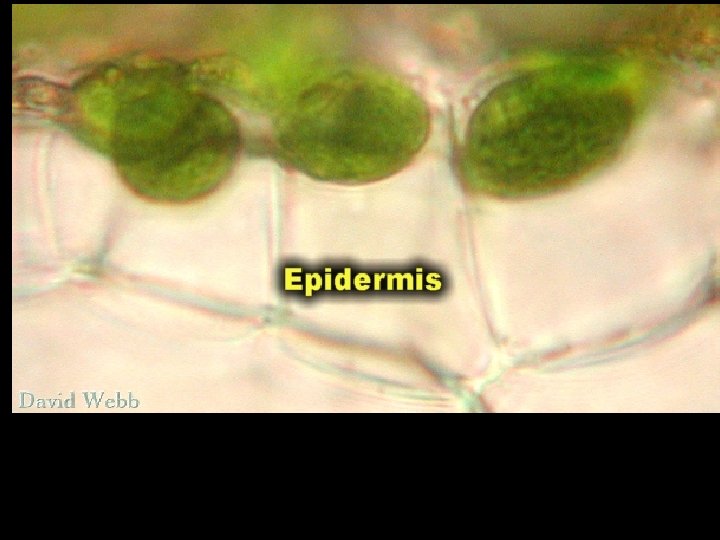
What is the Form and Function of Chloroplasts? Form: Green oval-shaped structures Function: enable plants to make sugars through photosynthesis
Yeah!!!!! We’re Done!!