
Innate Behaviours Behavioural Systems Complexity Observe behavioural endpoint
Innate Behaviours
Behavioural Systems • • • Complexity Observe behavioural “endpoint” Reductionism Constituent elements Simple systems interact producing complex outcomes • Gestält
Why Study Innate Behaviours? • Evolved – Learned behaviours have roots in innate behaviours – Parallels between learned and innate behaviours • Some innate behaviours modifiable • Types of innate behaviours – Homeostasis, reflexes, tropisms, modal action patterns, reaction chains
Elicited Behaviours • Behaviour occurs in reaction to an environmental stimulus • For example: – Face moving stimulus in peripheral vision – Sneeze if inhaling dust, a bug, etc.
Homeostasis • Internal balance of the body • Drives • Regulatory drives
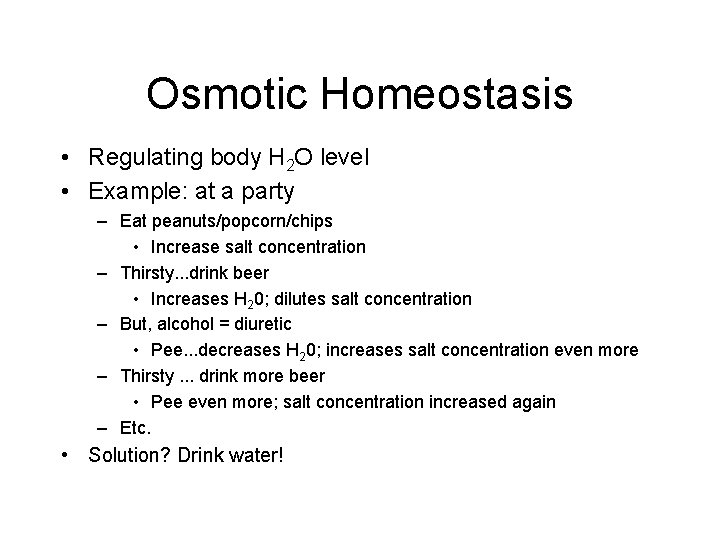
Osmotic Homeostasis • Regulating body H 2 O level • Example: at a party – Eat peanuts/popcorn/chips • Increase salt concentration – Thirsty. . . drink beer • Increases H 20; dilutes salt concentration – But, alcohol = diuretic • Pee. . . decreases H 20; increases salt concentration even more – Thirsty. . . drink more beer • Pee even more; salt concentration increased again – Etc. • Solution? Drink water!
Control System • • Comparator Reference input Actual input Action system Output Feedback system (closed-loop system) Response lag
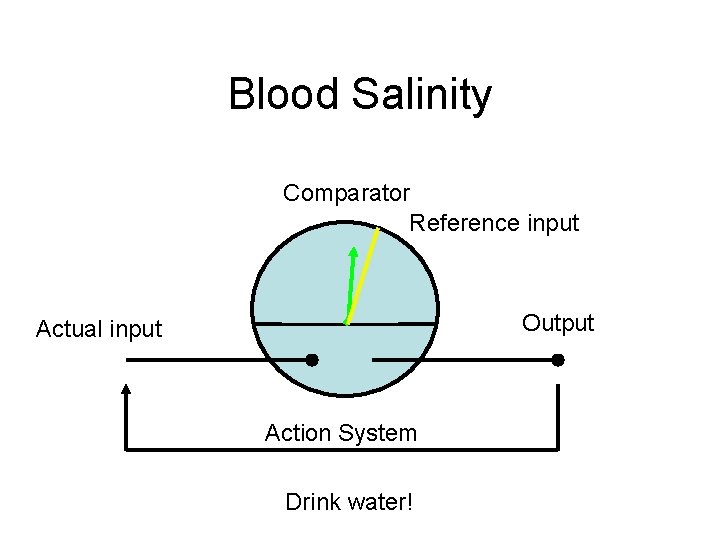
Blood Salinity Comparator Reference input Output Actual input Action System Eat more peanuts! Drink water! peanuts!
Reflexes • Stereotypic movement patterns • Reliably elicited by appropriate stimulus • Survival benefit
Principles • • • C. S. Sherrington Spinal animals (dogs) Threshold for activation Latency until response Irradiation of response
Reflex Arc • Monosynaptic – One sensory and one motor neuron • Polysynaptic – One or more interneurons connect sensory and motor neurons – Interneurons allow processing and/or inhibition within spinal cord – All but simplest reflexes
Patellar Reflex • Monosynaptic – Patellar tendon struck – Stimulates stretch sensory receptors (muscle spindles) – Triggers afferent impulse in sensory nerve fiber of femoral nerve leading to L 4 of spinal cord – Sensory neuron synapses directly with motor neuron, conveying efferent impulse to quadriceps • Necessary for walking without conscious thought en. eikipedia. org/wiki/File: Patellar-knee-reflex. png Animation
Pupillary Light Reflex • Controls diameter of pupil – Greater light --> pupil contracting – Lower light --> pupil expands • Cranial nerves; two sensory, two motor en. wikipedia. org/wiki/File: Ciliary _ganglion_pathways. png
Tropisms • Orientation or movement of whole organism • Kinesis – Movement random with respect to stimulus • Taxis – Non-random (directed) movement with respect to stimulus • Control systems
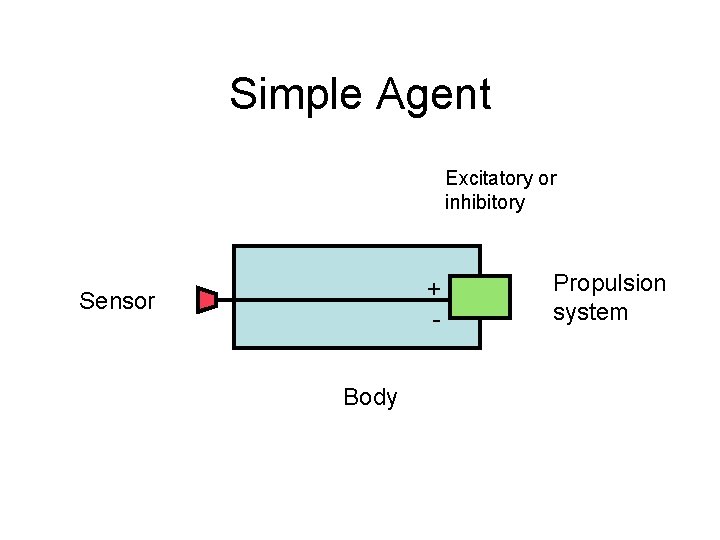
Simple Agent Excitatory or inhibitory + - Sensor Body Propulsion system
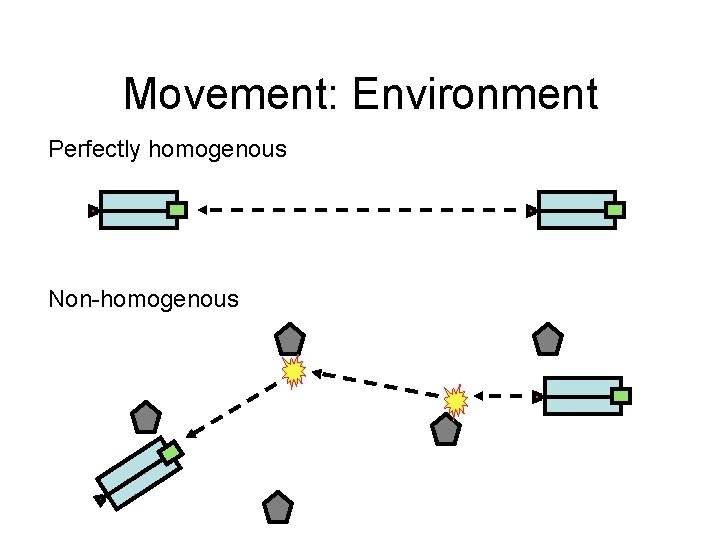
Movement: Environment Perfectly homogenous Non-homogenous
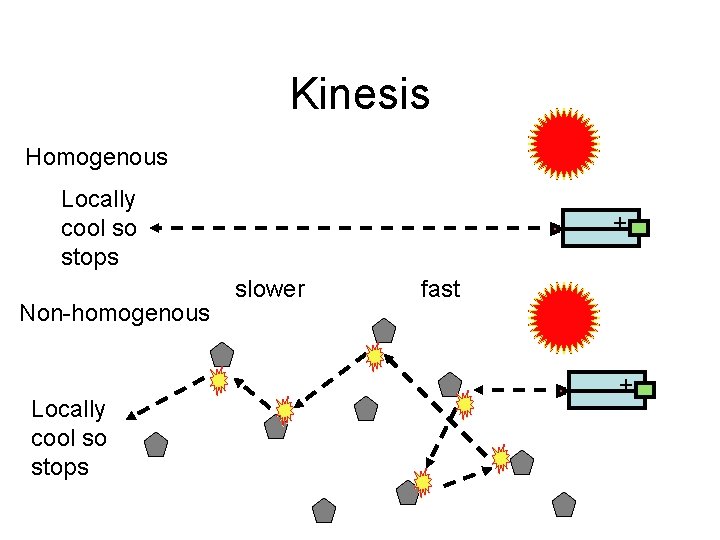
Kinesis Homogenous Locally cool so stops Non-homogenous Locally cool so stops + slower fast +
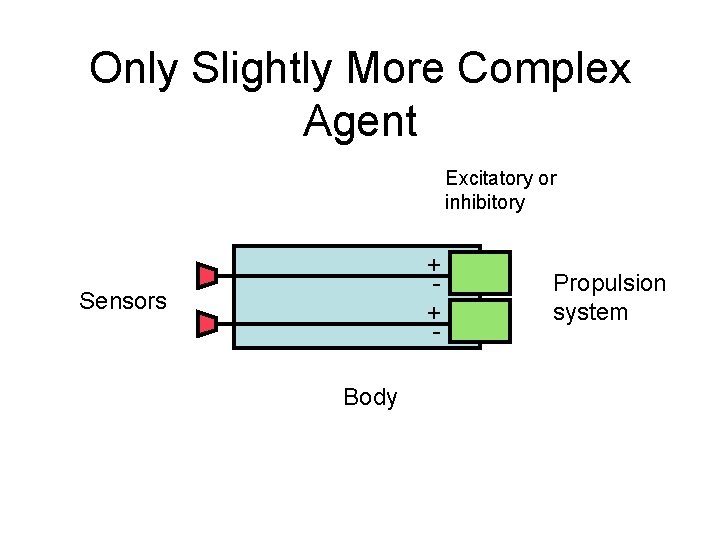
Only Slightly More Complex Agent Excitatory or inhibitory + + - Sensors Body Propulsion system
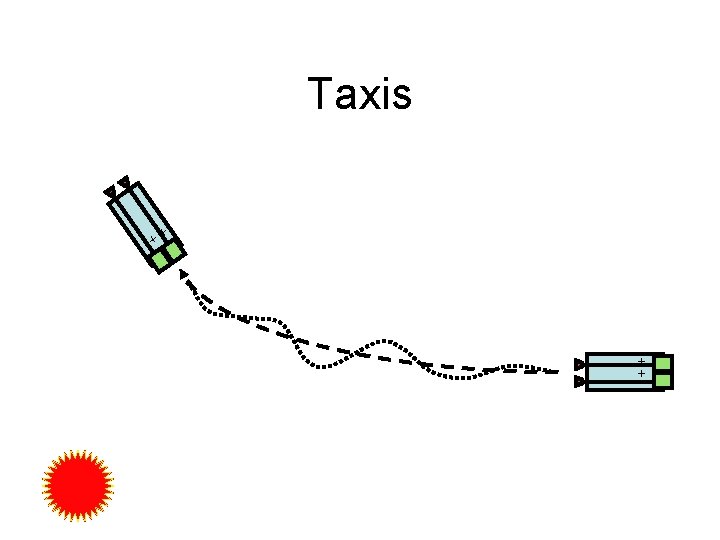
Taxis + +
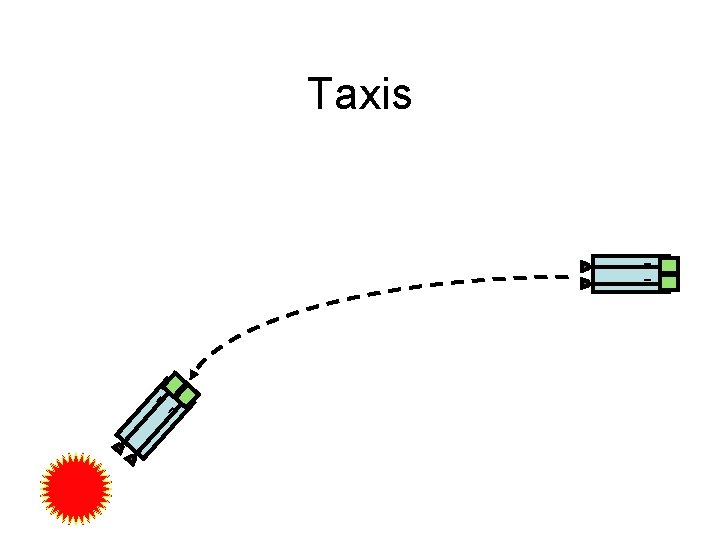
Taxis -- -
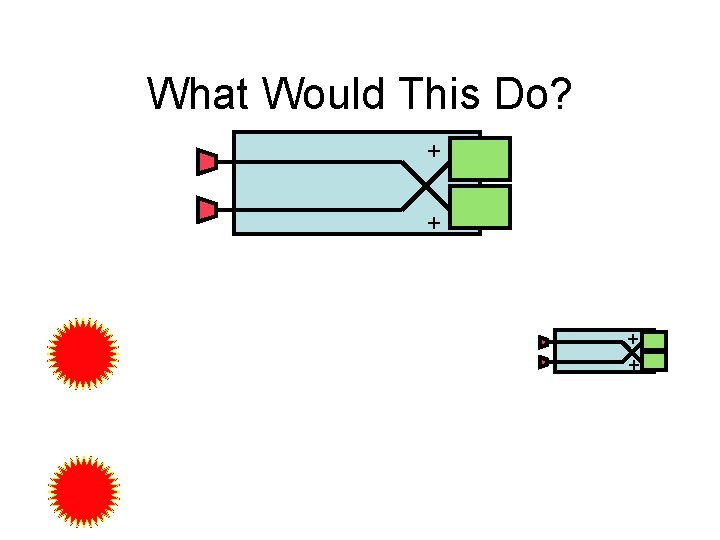
What Would This Do? + +
Modal Action Patterns • Originally “fixed”; variable to some degree • Species specific, often state dependent • Sign stimulus activates a dedicated neural network (innate releasing mechanism) • Go to completion in sequential
MAPs • Graylag goose – Rolls displaced egg near its nest back with beak – Sign stimulus: displaced egg – Remove egg during sequence – Goose keeps pulling head back as if egg was there – MAP video www. cerebromente. org. br/n 09/fastfacts/comportold_I. htm
Supernormal Stimuli • • • Extreme version of sign stimulus Size Colouration Preference for supernormal stimuli Sometimes detrimental
Beetles on the Bottle • Gwynne & Rentz (1983) • Male Jewel beetles (Julodimorpha bakewelli) • Colour and reflection of bumps on bottle as supernormal stimuli for female beetle
Mimicry • • Code-breaking Brood parasitism Cowbird, cuckoo Noisier, more energetic behaviour • Conveys urgent need for food Reed warbler feeding cuckoo Wikipedia. org/wiki/Fixed_action_pattern
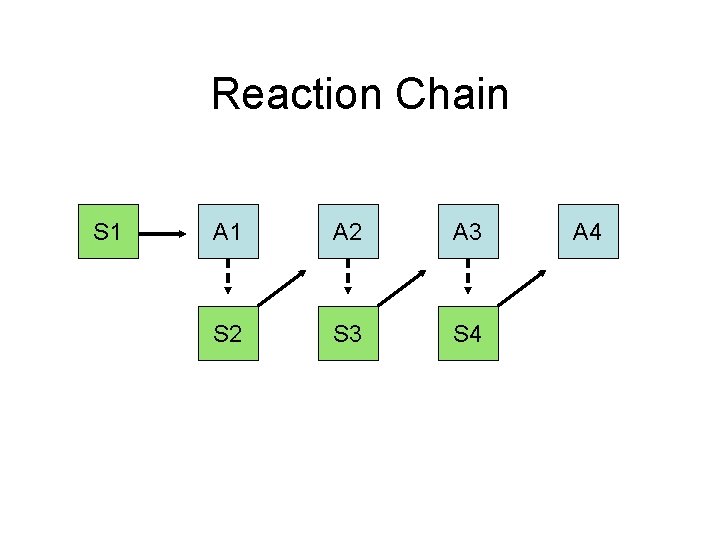
Reaction Chains • Initiated by a particular stimulus • Progression condition dependent • Starts with most appropriate behaviour in chain • Can end before chain complete
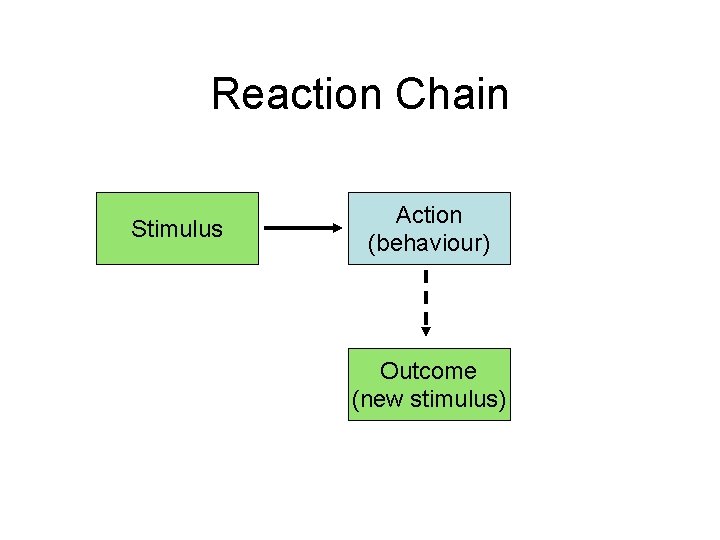
Reaction Chain Stimulus Action (behaviour) Outcome (new stimulus)
Reaction Chain S 1 A 2 A 3 S 2 S 3 S 4 A 4
Sequential Organization • Functionally effective behaviour sequences • Non-random • Appetitive behaviour – Early components of sequence • Consummatory (i. e. , completion) behaviour – End components of sequence
Variability to Fixed • Appetitive behaviours – Can take a variety of forms dependent upon situation • Consumatory behaviours – Highly stereotypic
E. g. , Foraging • • General search mode Focal search mode Food handling Injestion General to specific
Habituation and Sensitization Simplest form of Learning
Habituation • Decrease in a response following repeated stimulus presentation • Note: not everything that results in a decrease in response is habituation Sensitization • Increase in a response following repeated stimulus presentation
Time Course • Habituation – Short-term • Seconds to minutes • When many stimuli presented frequently – Long-term • Hours to days • When fewer stimuli presented less frequently • Sensitization – Short-lived – Seconds to minutes
Stimulus Specificity • Habituation – Quite stimulus specific – Stimulus generalization of habituation • Sensitization – Not very stimulus specific – But not totally generalizable (e. g. , sensitization to shock only generalizes to other exteroceptive cues)
Spontaneous Recovery • Post habituation or sensitization • Return of original level of responding • Due to passage of time
Dishabituation • Quickly restores response after habituation • Exposure to extraneous stimulus • Essentially, sensitization • Habituation and sensitization working in opposition
Sensory Adaptation • Temporary change in neural response to a stimulus as a result of the preceding stimulus • Habituation is response specific; sensory adaptation is not
Response Fatigue • Due to use neurons or muscle fibers no longer functioning optimally or at all • Habituation is stimulus specific, response fatigue is not
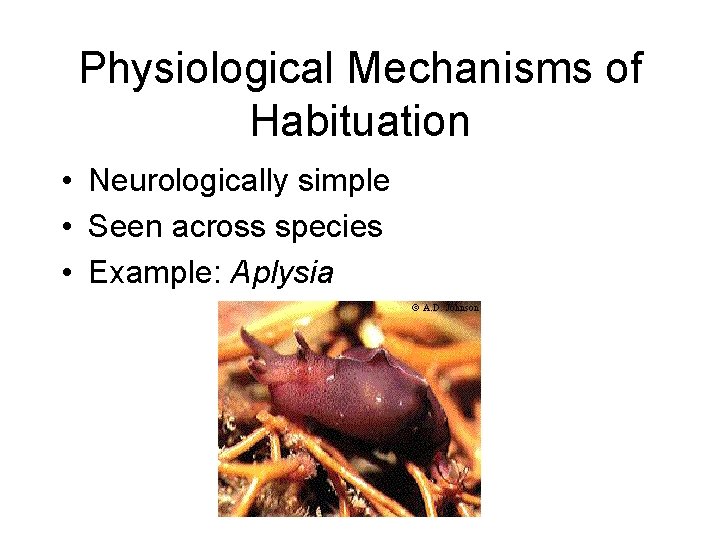
Physiological Mechanisms of Habituation • Neurologically simple • Seen across species • Example: Aplysia
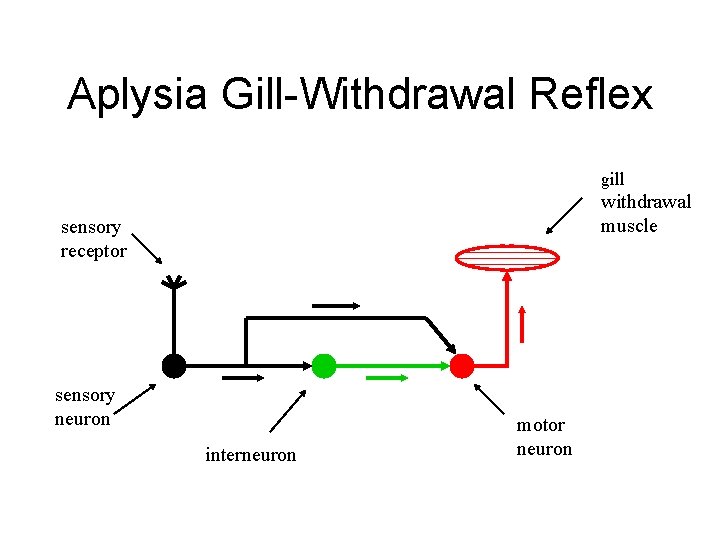
Aplysia Gill-Withdrawal Reflex gill withdrawal muscle sensory receptor sensory neuron interneuron motor neuron
Synaptic Effects of Habituation • • Decrease in excitatory conductance No change in postsynaptic sensitivity Reduced neurotransmitter release Decrease in active zones
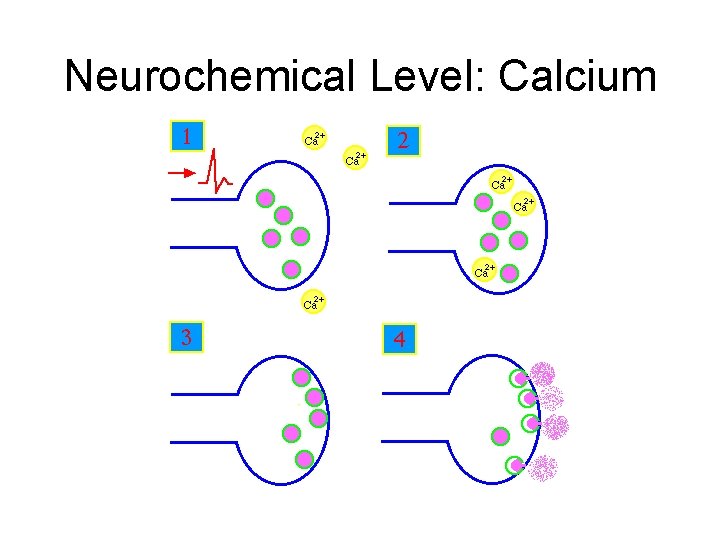
Neurochemical Level: Calcium
Learning Through Habituation • Learning without new axons/synapses • Chemical change at synapse • Plasticity
Opponent-Process Theories • Assumes two opposing components • Observable behaviour • Net sum of two underlying processes
Dual-Process Theory of Habituation • Groves & Thompson (1970) • Competitive • Habituation process and sensitization process • Behaviour of habituation or sensitization is the net sum effect of the two processes
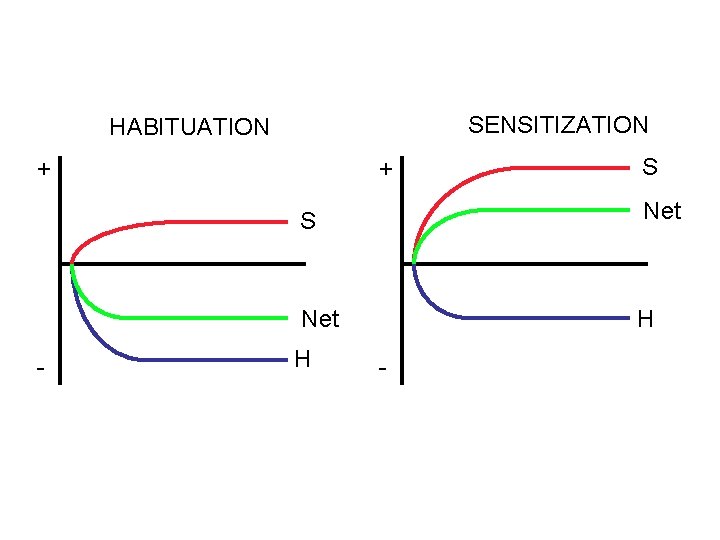
SENSITIZATION HABITUATION + - + S S Net H H -
Habituation Process • S-R system • Shortest neural path connecting sense organs to muscles • Reflex arc • Activated with each presentation of eliciting stimulus
Sensitization Process • State system • Nervous system components determining organisms general level of responsiveness • Only activated by arousing events • Altered by drugs, emotional experiences
Implications • S-R system activated by each stimulus that elicits a response – Each activation is stimulus specific – S-R activation and resultant habituation process universal features of elicited behaviour • State system only activated by particular stimuli – Not stimulus specific • Both processes decay with time --> spontaneous recovery
Emotions • Solomon & Corbit (1974) • Emotional reactions are biphasic • Primary reaction becomes weaker with repeated stimulations • Weakening of primary reaction accompanied by strengthening of after reaction • Change with experience
Examples • Christmas – Excitement and depression – Young – Older – Incidence of suicides post-holidays • Drug tolerance • Thrill seekers • Romance
OPT of Motivation • Homeostatic theory • Underlying neurophysiological mechanisms • Emotional stability • Emotion-arousing stimuli pushes emotional state out of stability
Processes • Primary (a): – Quality of emotion with stimulus • Opponent (b): – Elicited by primary process – Opposite emotion
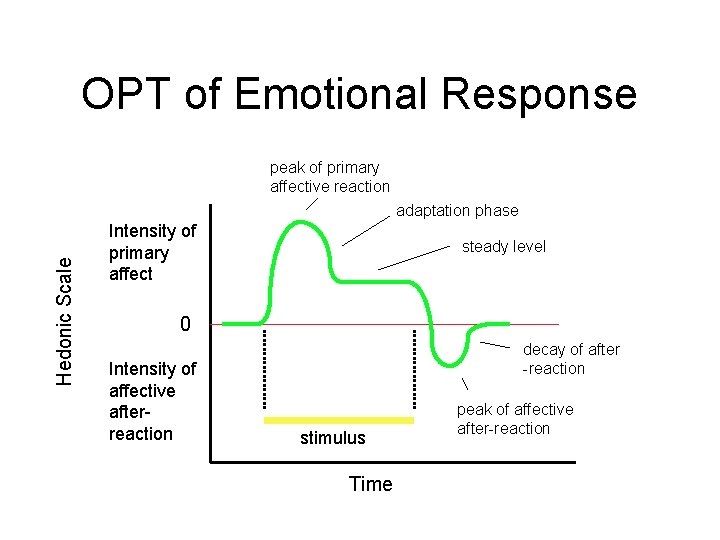
OPT of Emotional Response peak of primary affective reaction Hedonic Scale adaptation phase Intensity of primary affect steady level 0 Intensity of affective afterreaction decay of after -reaction stimulus Time peak of affective after-reaction
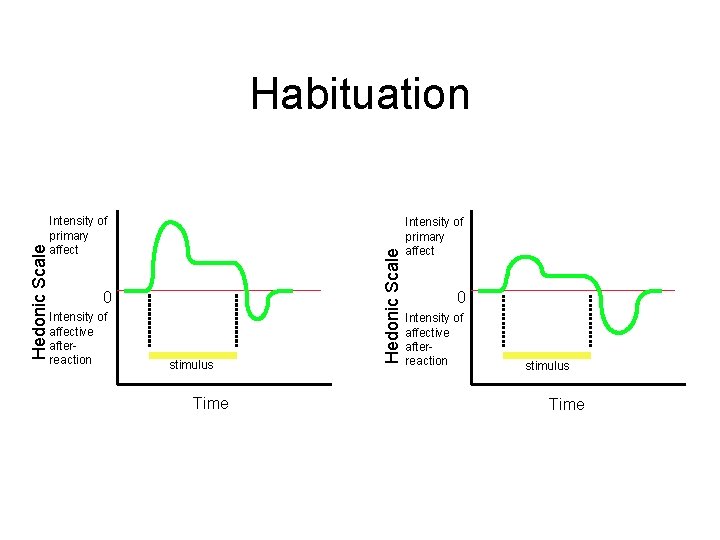
Intensity of primary affect 0 Intensity of affective afterreaction stimulus Time Hedonic Scale Habituation Intensity of primary affect 0 Intensity of affective afterreaction stimulus Time
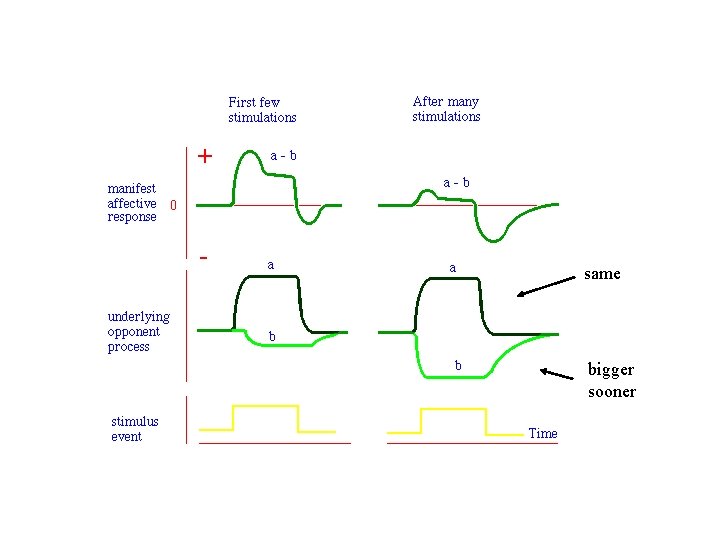
+ - same bigger sooner
- Slides: 58