
Injury to Internal organs Accident or Abuse Anne
Injury to Internal organs: Accident or Abuse? Anne Smith VFPMS
Internal organ injury Basic principles • Solid organs may lacerate and bleed • Hollow organs may rupture and leak Stomach, intestines, bladder, ureters + gall bladder • • • Bone fragments may penetrate & damage deeper tissues Vessels in mesentery may tear resulting in large volume haemorrhage and organ ischaemia Veins are more vulnerable to physical trauma than arteries Higher pressures are required to compress arteries than veins • • • Probably under-recognised / under-detected Can be fatal Overlying skin may appear uninjured
A brief overview • Intra-thoracic injury • Intra-abdominal trauma • Strangulation (neck trauma)
Intra-thoracic injury • • • Sternum, scapula and ribs, flail chest Pleura and pericardium Heart Lungs Mediastinal tissues (thymus)
Rib fractures Children’s ribs are more pliable than adults’. Bend > break Posterior rib fractures are highly correlated with abuse Rib fractures are a rare complication of CPR in children (only 3 out of 923 children) all multiple and anterior, no posterior (WCPSRG Cardiff) Can be missed on routine CXR Mortality increases (linear) with number of ribs fractured No breakpoint for mortality in pediatric rib fractures. Rosenberg G, Bryant AK, Davis KA, Schuster KM J Trauma Acute Care Surg. 2016; 80(3): 427.
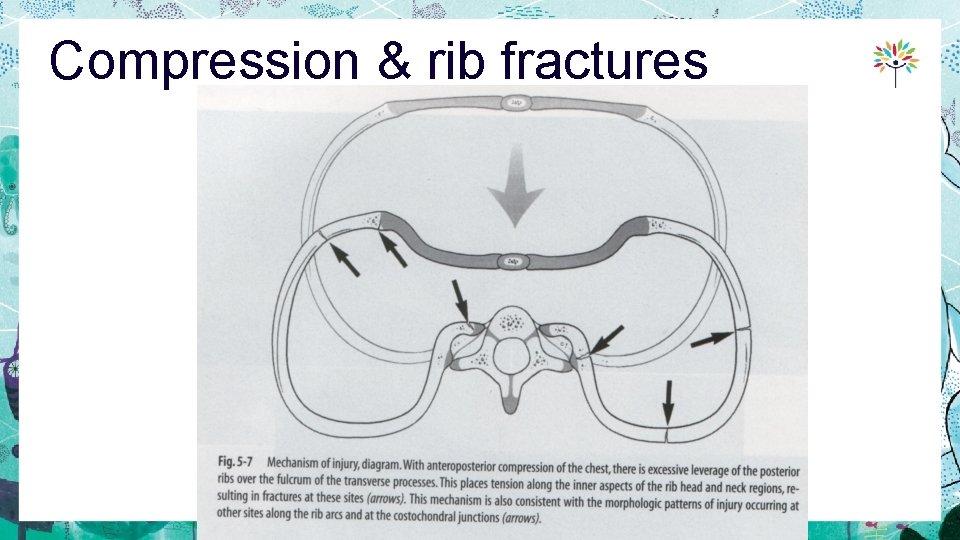
Compression & rib fractures
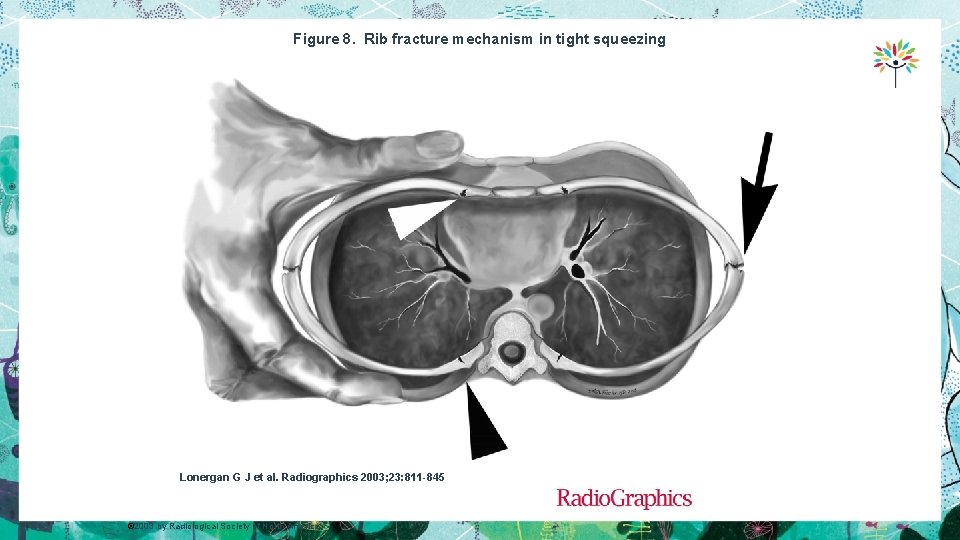
Figure 8. Rib fracture mechanism in tight squeezing Lonergan G J et al. Radiographics 2003; 23: 811 -845 © 2003 by Radiological Society of North America
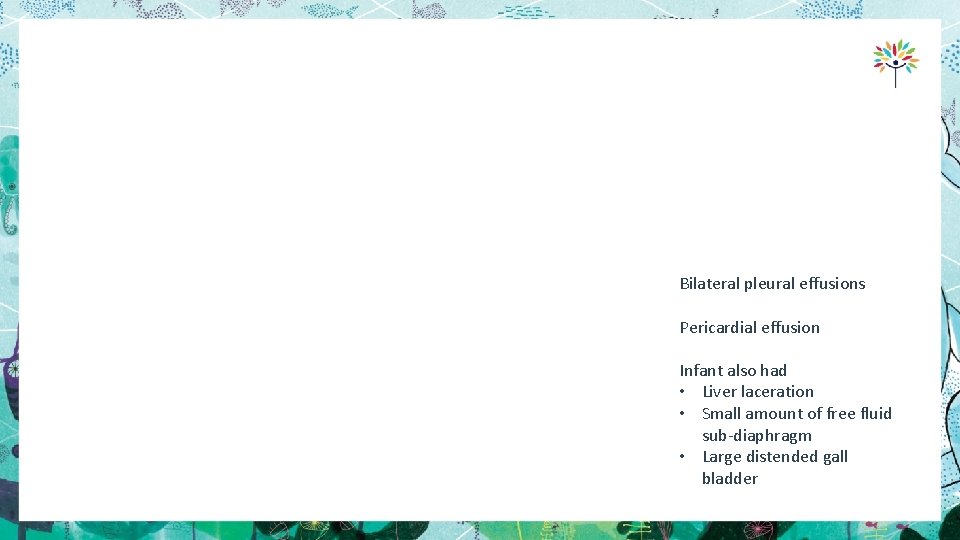
Bilateral pleural effusions Pericardial effusion Infant also had • Liver laceration • Small amount of free fluid sub-diaphragm • Large distended gall bladder
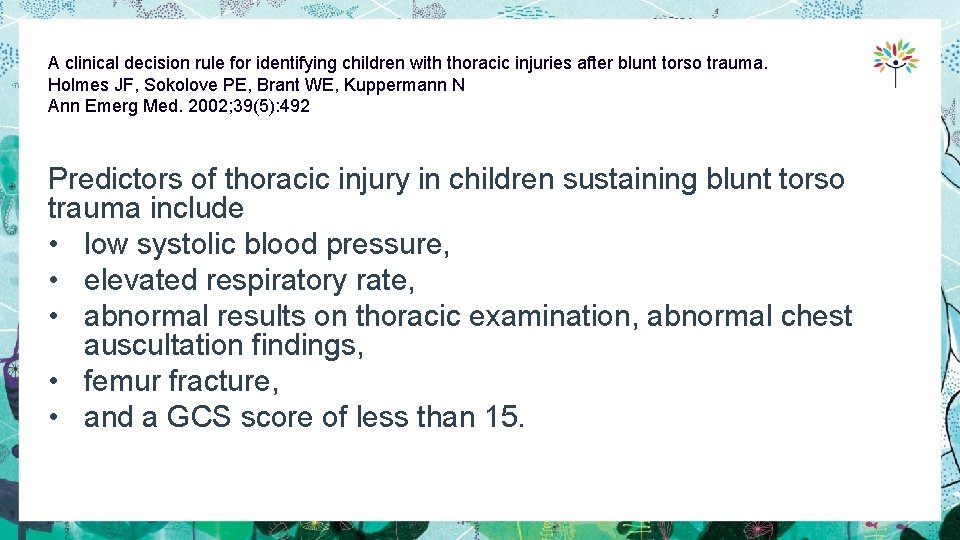
A clinical decision rule for identifying children with thoracic injuries after blunt torso trauma. Holmes JF, Sokolove PE, Brant WE, Kuppermann N Ann Emerg Med. 2002; 39(5): 492 Predictors of thoracic injury in children sustaining blunt torso trauma include • low systolic blood pressure, • elevated respiratory rate, • abnormal results on thoracic examination, abnormal chest auscultation findings, • femur fracture, • and a GCS score of less than 15.
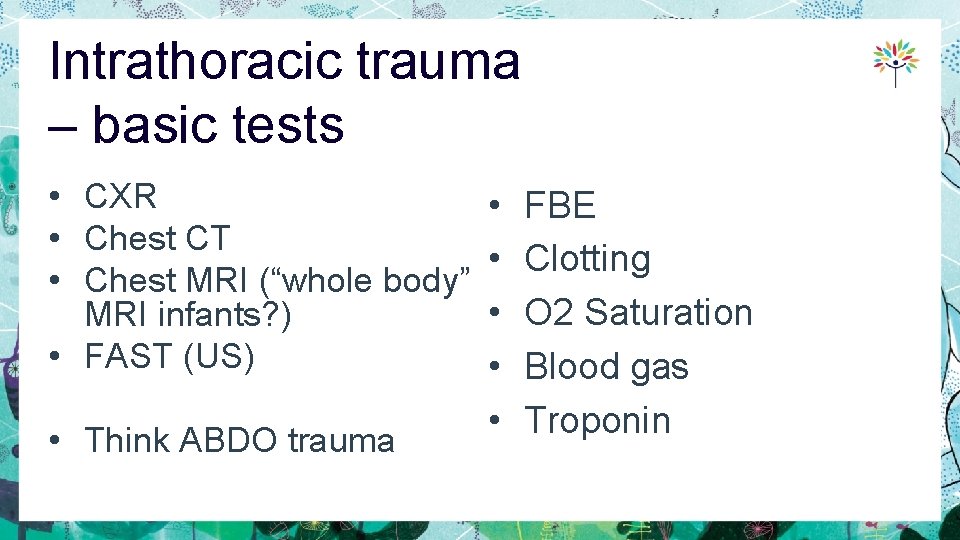
Intrathoracic trauma – basic tests • CXR • Chest CT • Chest MRI (“whole body” MRI infants? ) • FAST (US) • Think ABDO trauma • • • FBE Clotting O 2 Saturation Blood gas Troponin
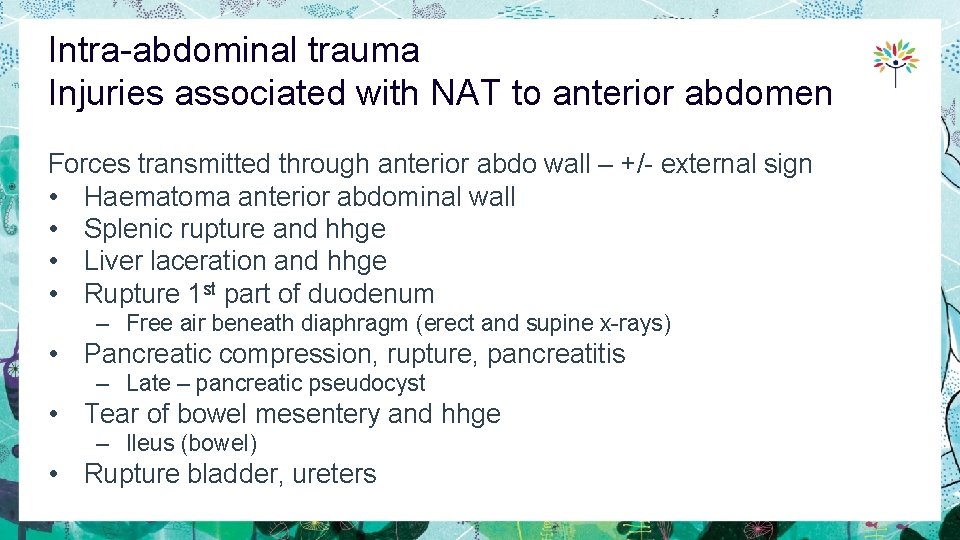
Intra-abdominal trauma Injuries associated with NAT to anterior abdomen Forces transmitted through anterior abdo wall – +/- external sign • Haematoma anterior abdominal wall • Splenic rupture and hhge • Liver laceration and hhge • Rupture 1 st part of duodenum – Free air beneath diaphragm (erect and supine x-rays) • Pancreatic compression, rupture, pancreatitis – Late – pancreatic pseudocyst • Tear of bowel mesentery and hhge – Ileus (bowel) • Rupture bladder, ureters
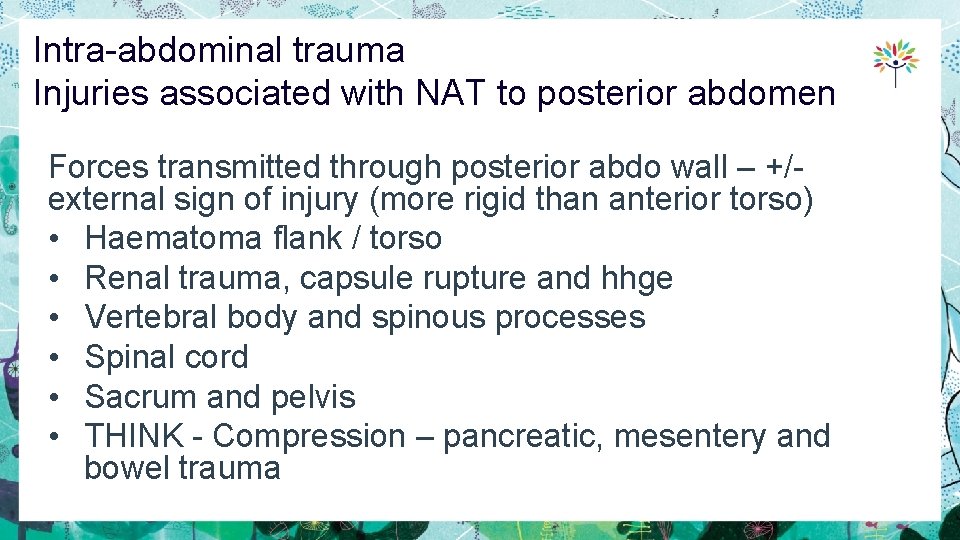
Intra-abdominal trauma Injuries associated with NAT to posterior abdomen Forces transmitted through posterior abdo wall – +/external sign of injury (more rigid than anterior torso) • Haematoma flank / torso • Renal trauma, capsule rupture and hhge • Vertebral body and spinous processes • Spinal cord • Sacrum and pelvis • THINK - Compression – pancreatic, mesentery and bowel trauma
Intra-abdominal trauma Liver laceration with intraabdominal haemorrhage Attributed to NAI
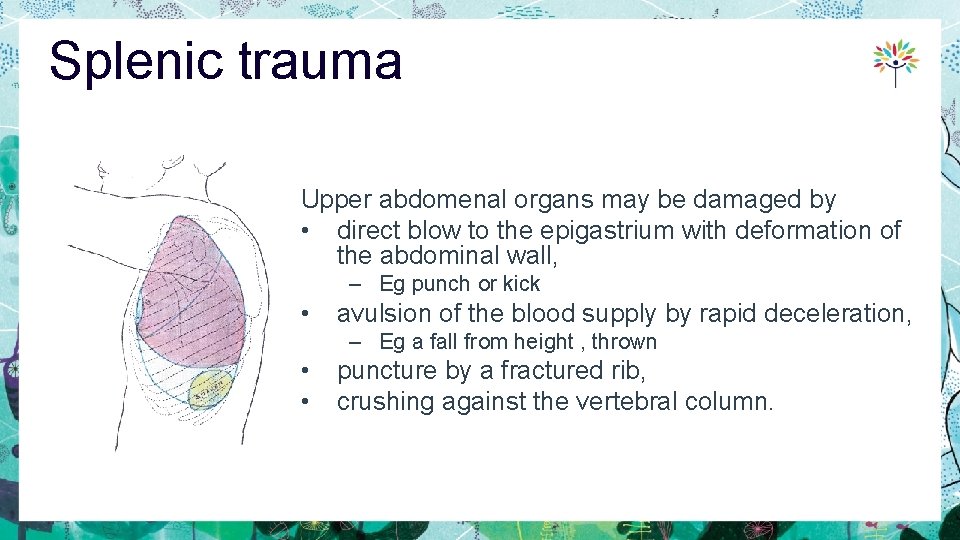
Splenic trauma Upper abdomenal organs may be damaged by • direct blow to the epigastrium with deformation of the abdominal wall, – Eg punch or kick • avulsion of the blood supply by rapid deceleration, – Eg a fall from height , thrown • • puncture by a fractured rib, crushing against the vertebral column.
Duodenal haematoma • Duodenal haematoma from blow to abdomen (Medscape) • May cause bowel obstruction
Pancreatic trauma Pseudocyst Epigastric abdo pain + raised enzymes Pancreatitis in children 23% caused by trauma (25% unknown cause)
Renal contusion and subcapsular haemorrhage URINALYSIS • So easy to do • So often forgotten!
Intra-abdo trauma tests • FAST -ve result reassuring • Abdo CT • Abdo x-ray (E&S) • MRI (“whole body” infants) • Lavage / laparoscopy • • • FBE (Serial Hb, retics) Clotting LFT (might repeat) U&E Lipase, amylase URINALYSIS
Spinal /vertebral trauma Image cervical spine in infants when AHT is considered Subdural blood may track down from SDH in posterior fossa Hyperflexion/hyperextension forces can occur during shaking Hyperflexion can occur when thrown, punched or kicked Compression vertebral body fractures may occur when infant “slammed” onto firm surface
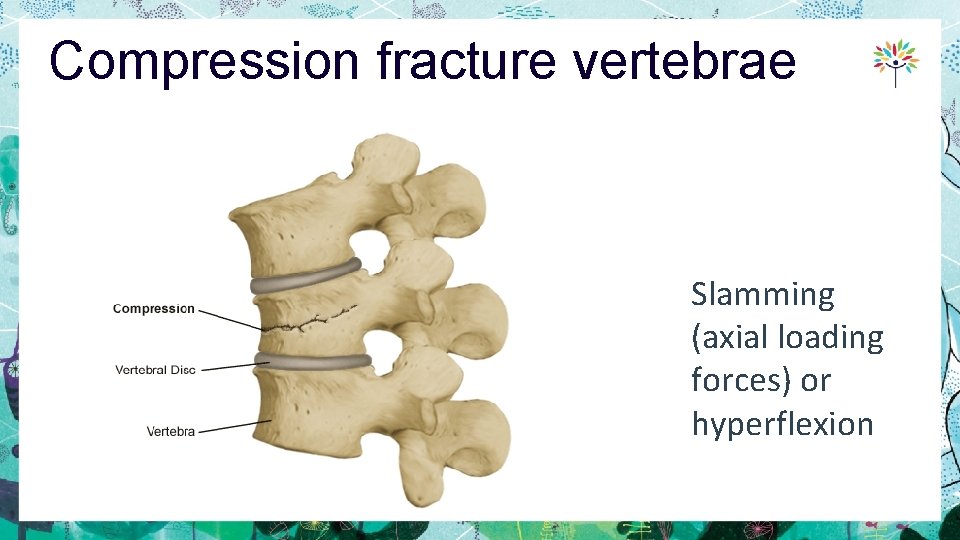
Compression fracture vertebrae Slamming (axial loading forces) or hyperflexion
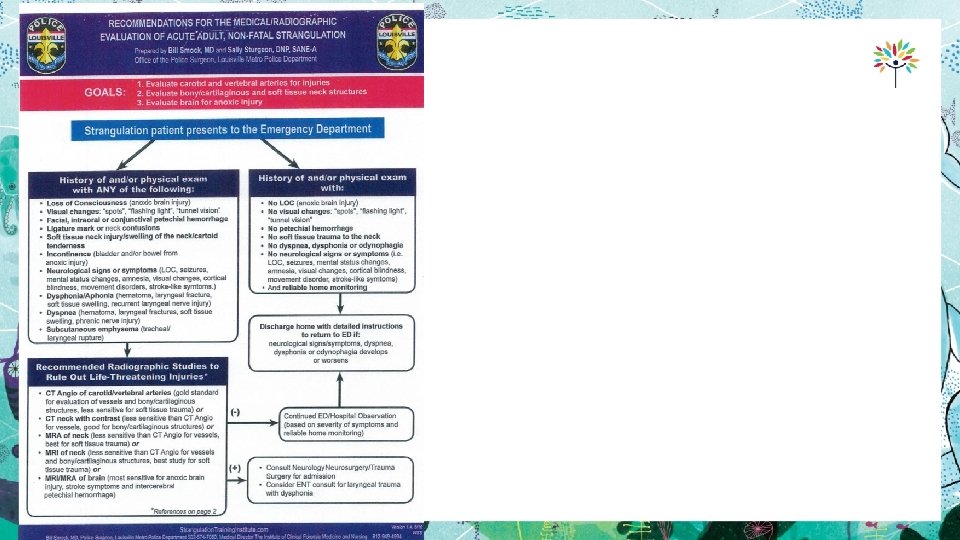
Strangulation In adults/adolescents – seen in context of sexual assault and intimate partner violence In children – probably under-recognised Beware if story of LOC or memory gaps after assault Might need 24 close observation because neck structures swell and airways can be suddenly compromised! Treat any symptoms and signs of neck trauma VERY seriously
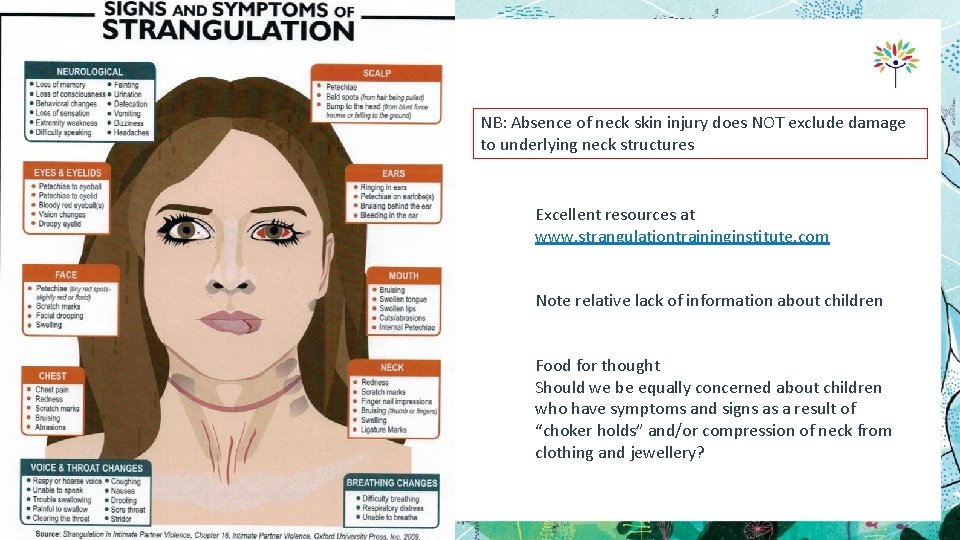
NB: Absence of neck skin injury does NOT exclude damage to underlying neck structures Excellent resources at www. strangulationtraininginstitute. com Note relative lack of information about children Food for thought Should we be equally concerned about children who have symptoms and signs as a result of “choker holds” and/or compression of neck from clothing and jewellery?
- Slides: 23