
Injuries to the athletic shoulder Dr H Saremi

- Slides: 95
Injuries to the athletic shoulder ﺿﺎیﻌﺎﺕ ﺷﺎﻧﻪ ﺩﺭ ﻭﺭﺯﺷکﺎﺭﺍﻥ Dr. H. Saremi Orthopaedic surgeon, Hand & Shoulder fellowship Hamedan university of medical sciences Besat Hospital
Sport injuries • Sport specific injuries • Regional Injuries
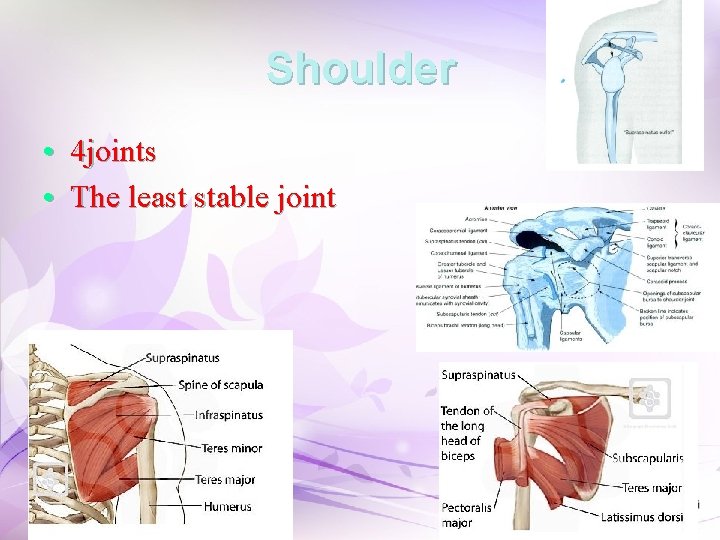
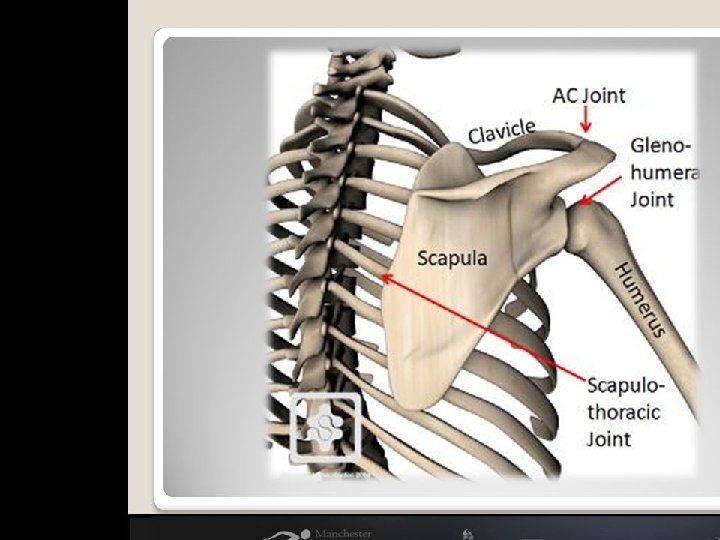
Shoulder • 4 joints • The least stable joint
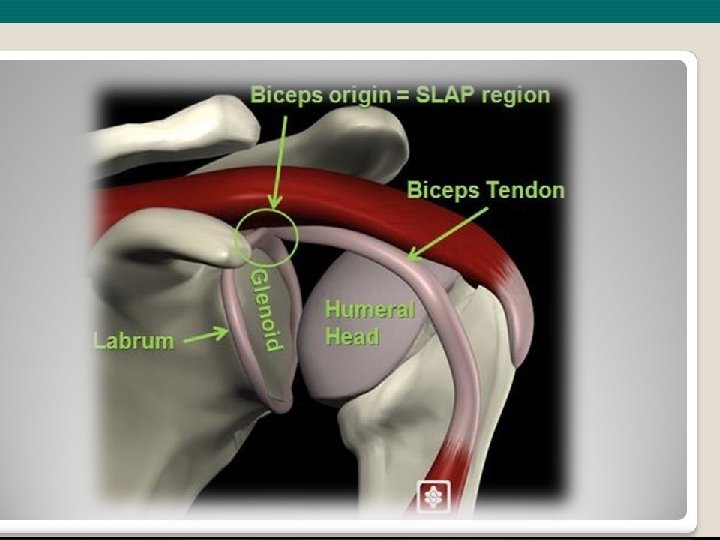
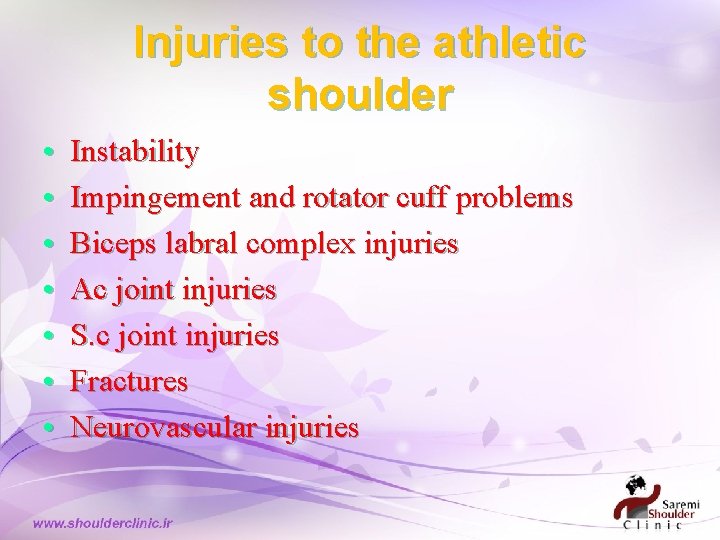
Injuries to the athletic shoulder • • Instability Impingement and rotator cuff problems Biceps labral complex injuries Ac joint injuries S. c joint injuries Fractures Neurovascular injuries
Instability • Unique anatomy for Mobility and Stability • Sports that stress the static and dynamic stabilizers beyond their physiological limit(repeatative overhead maneuvers)
Instability • Pain • Feeling that the shoulder is loose • Painfull giving way associated with dead arm syndrom • Dislocation
Instability • • • Post traumatic anterior SX or DX Post traumatic posterior SX or DX Atraumatic Anterior SX or DX Atraumatic posterior SX or DX Multidirectional SX or DX
Instability • Description of arm position when symptoms occur • Is it completely involuntary
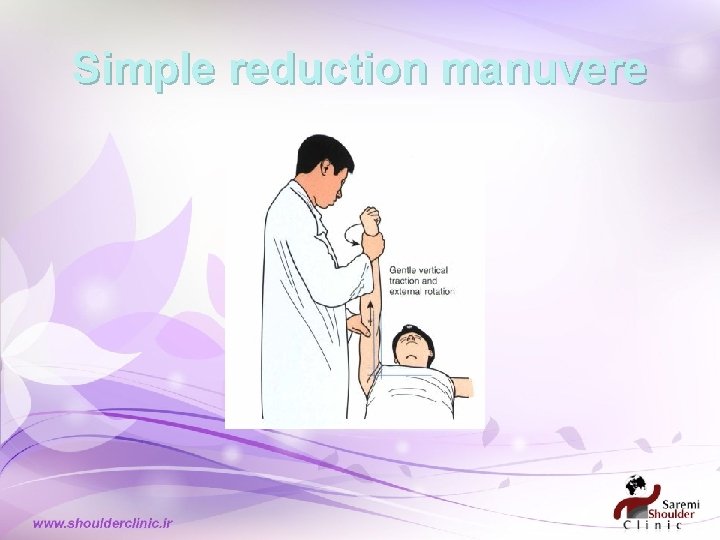
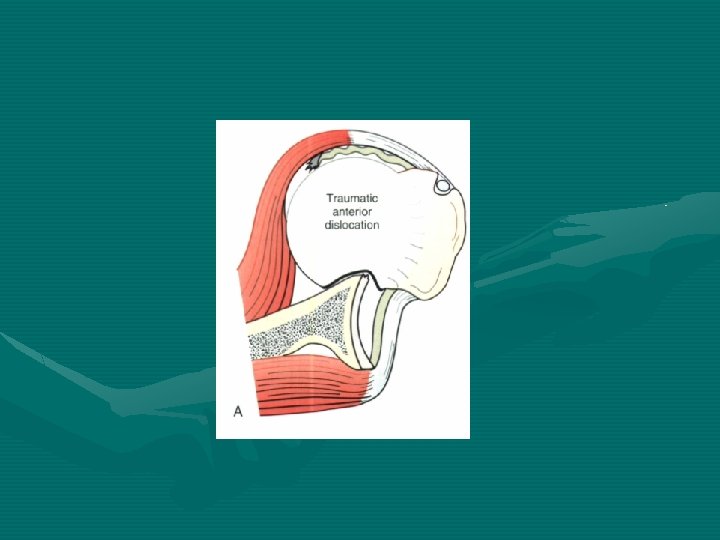
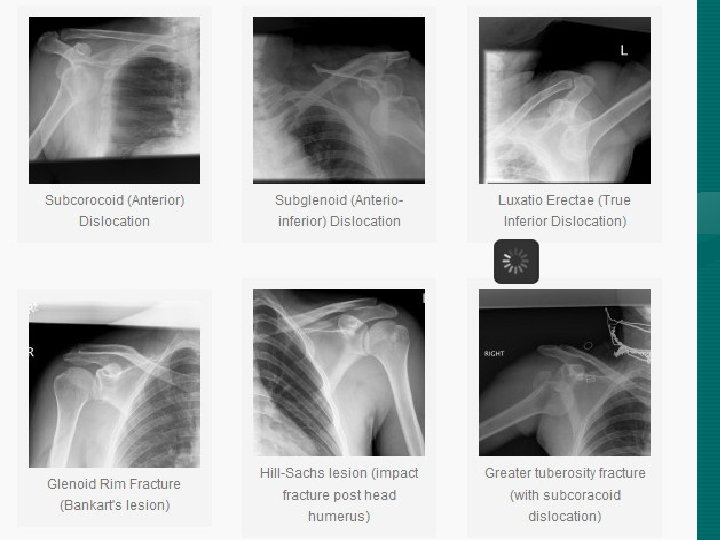
Traumatic anterior DX • • • 98% of shoulder dislocations Excessive abduction and Ex rotation Direct blow from the behind Pain , decreased ROM , guarding An immediate reduction may be attempted on the playing field, if unsuccessful another attemp can be made in the locker room
Simple reduction manuvere
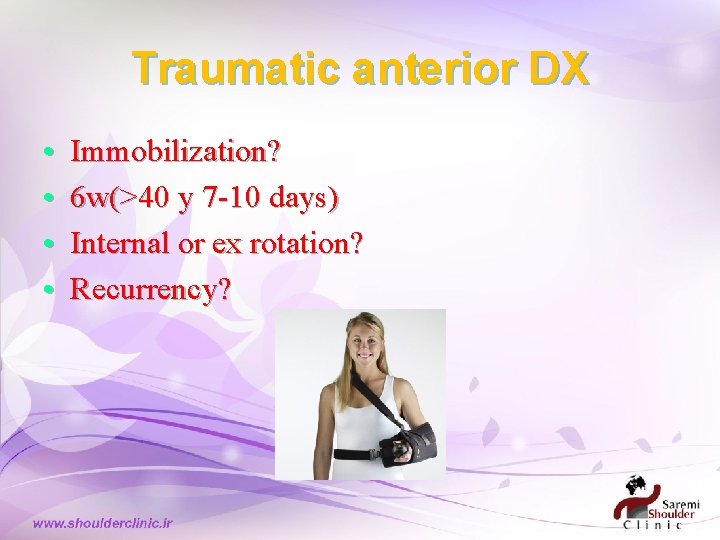
Traumatic anterior DX • • Immobilization? 6 w(>40 y 7 -10 days) Internal or ex rotation? Recurrency?
Traumatic anterior DX • The criteria for returning to sport are based on a FULL ROM and FULL strength
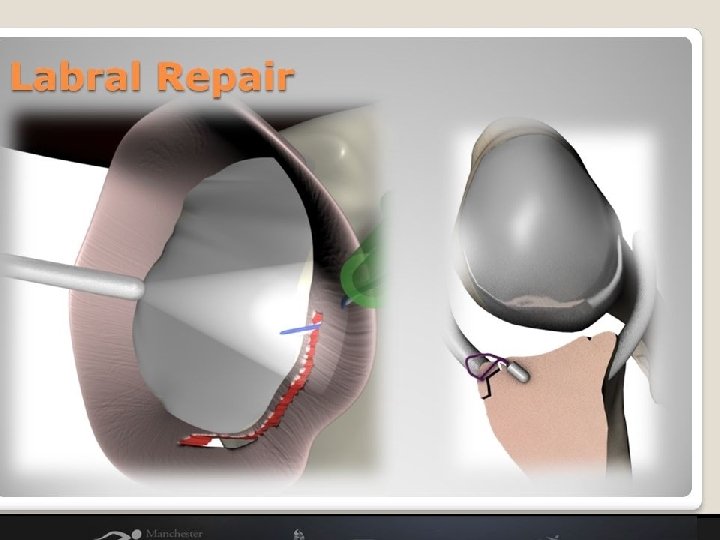
Traumatic anterior DX • If repeated or sustained instability symptoms and signs ARTHROSCOPIC REPAIR
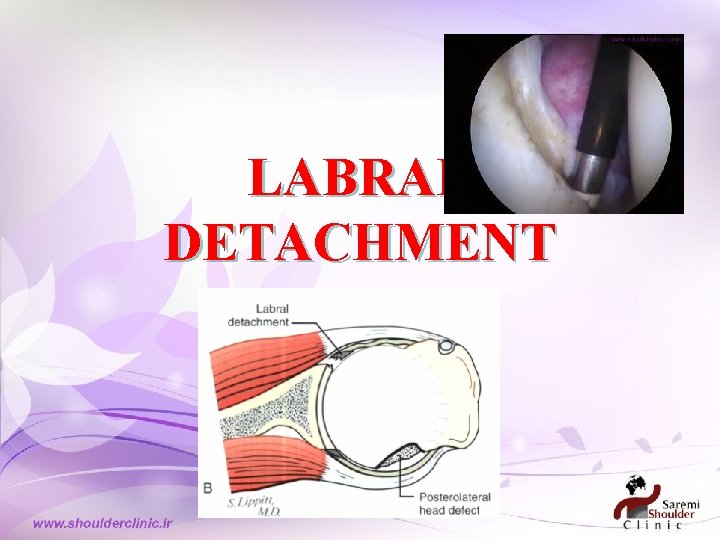
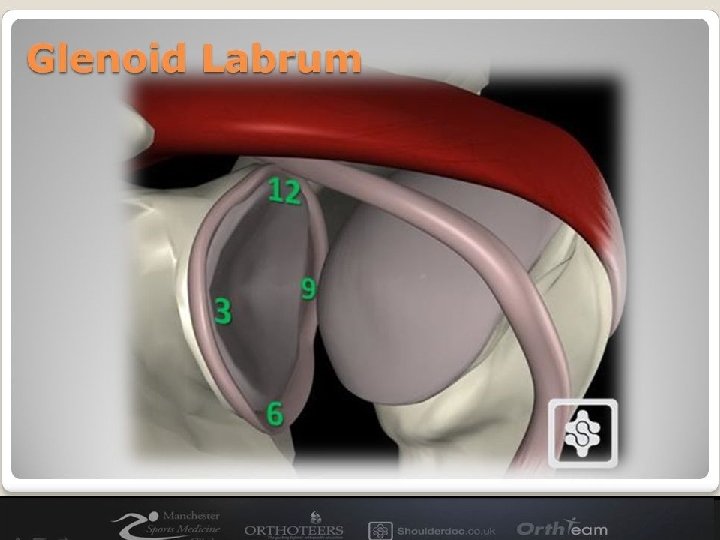
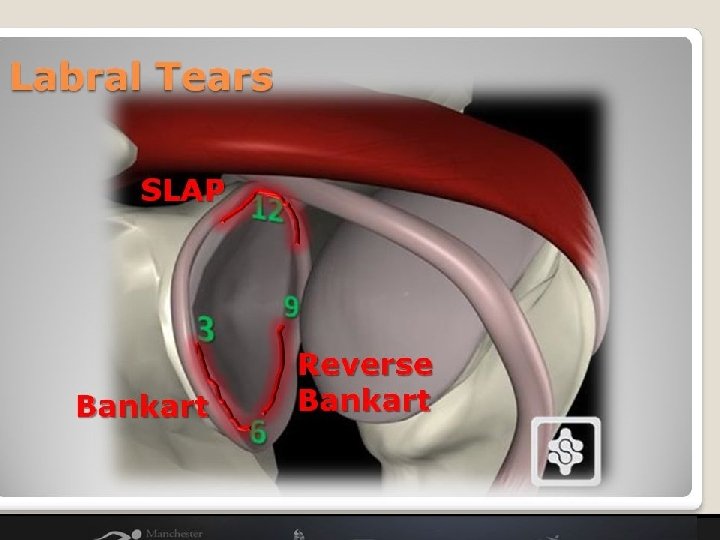
LABRAL DETACHMENT
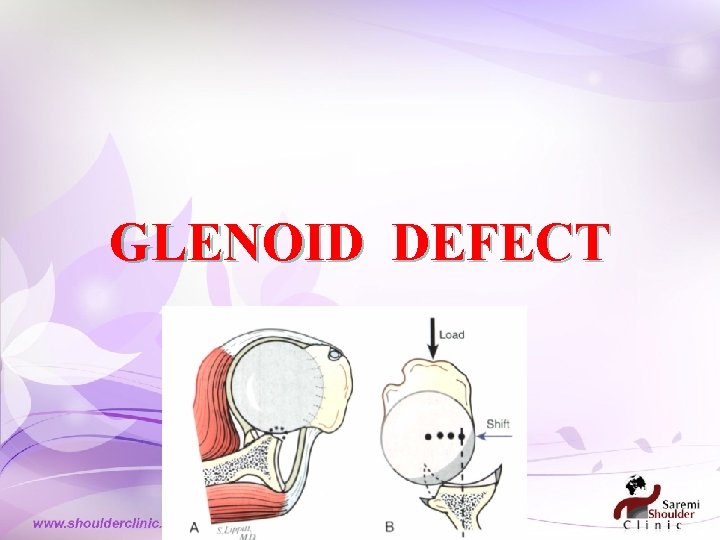
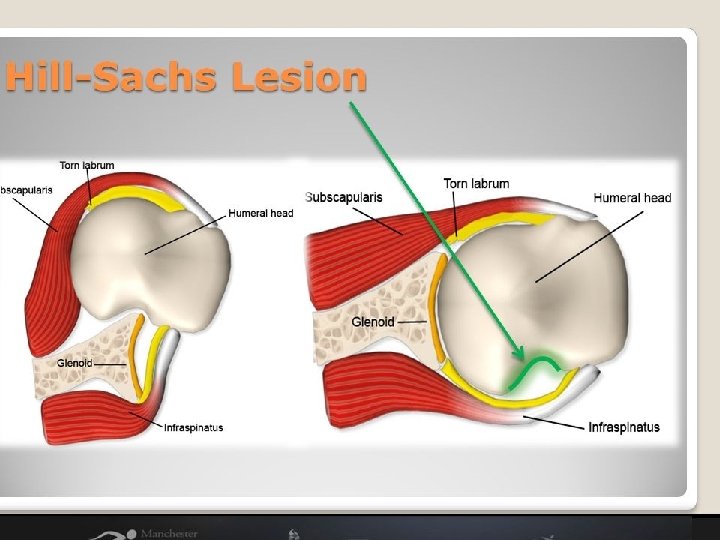
GLENOID DEFECT
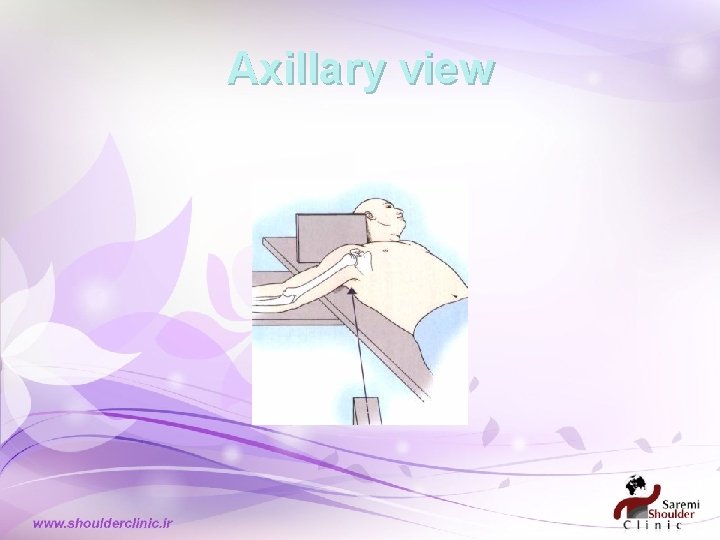
Posterior traumatic sx or dx • • • Less common Direct blow to the anterior shoulder Direct forces with the arm I flx, Add, int rot • Axillary view is critical • <40 y ----4 -6 w immobilization, >40 y---23 w
Atramatic anterior shoulder instability • Sign and symptoms of instability without significant initial trauma • Repetitive over head activity • Thrawers in acceleration phase • Swimmers during the backsroke or turns • Pain may be posterior
Atramatic anterior shoulder instability • • • Sling and antiinflamatory medication Vigorous physical therapy Arthroscopic repair
Atraumatic posterior shoulder instability • Unlike posterior dislocation , is relatively common • Athlete usually complain of pain rather than instability • Follow through in pitching, pull through phase in swimming , serving motions or backhand in tennis
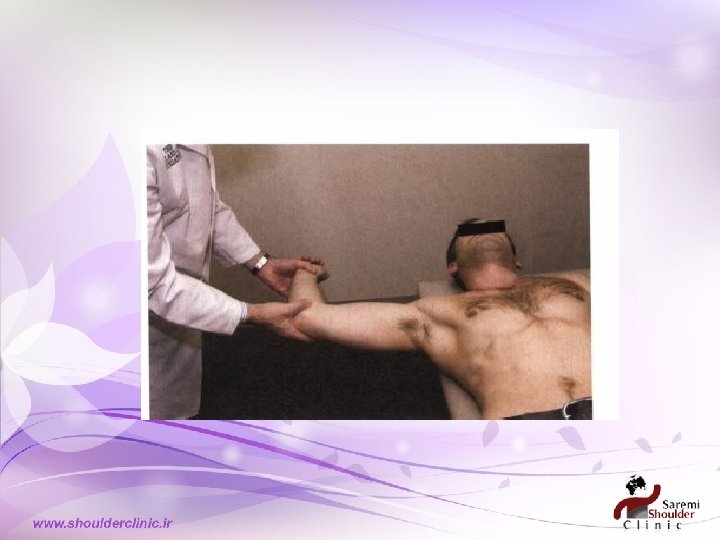
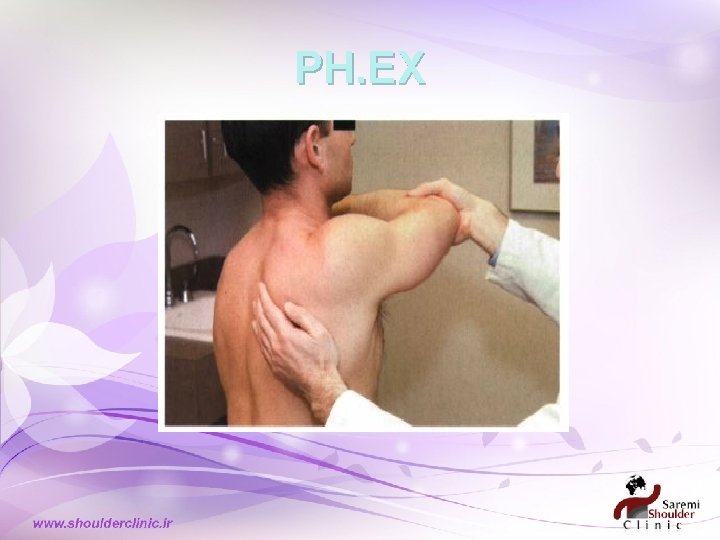
PH. EX
Atraumatic posterior shoulder instability • • • Sling and antiinflamatory Physiotherapy Arthroscopic repair
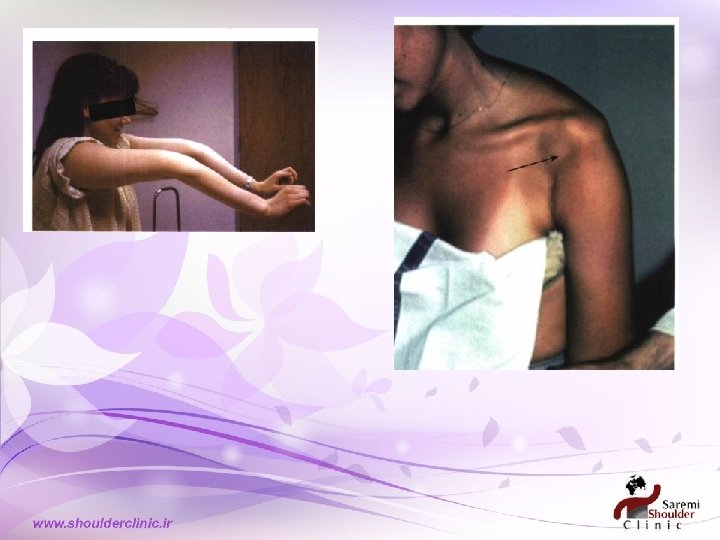
Multidirectional instability • Instability occurring in more than one plan(antero inferior, posteroinferior, or three directions • May have generalized ligamentous laxity(beighton hypermobility score) • Physical therapy
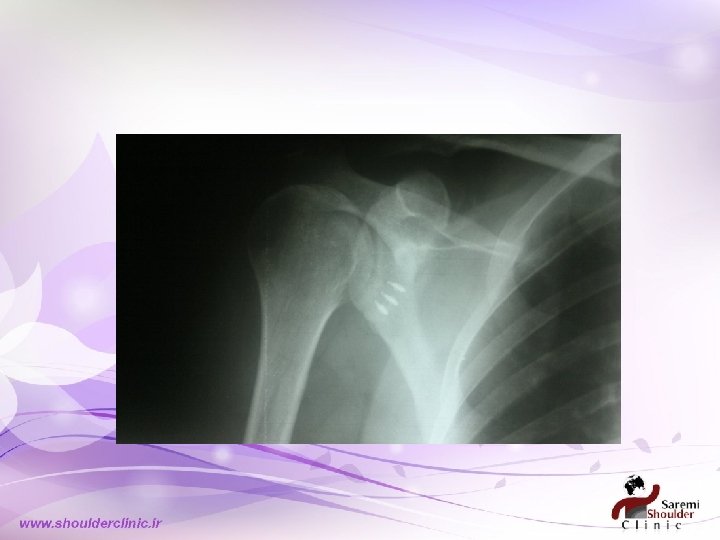
Multidirectional instability • The athlete may return to activity at a low level during therapy as long as the specific activities that couse that symptoms are avoided • Therapy should progress until the patient can return to activities without symptoms • Arthroscopic repair and capsular shift
A
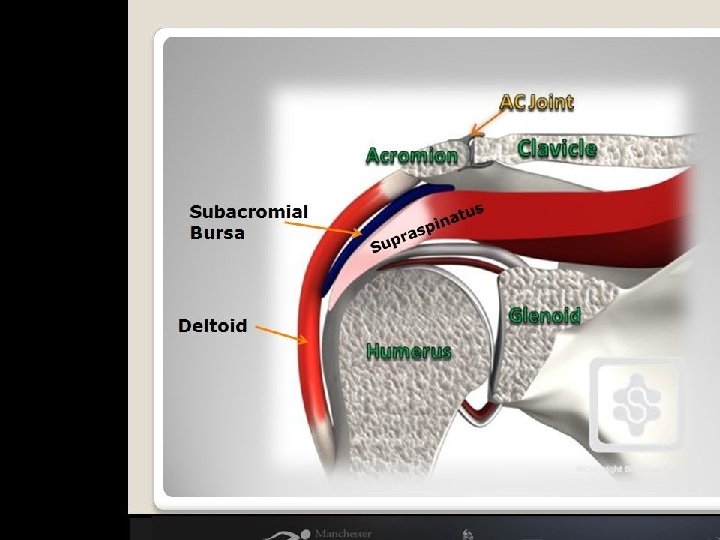
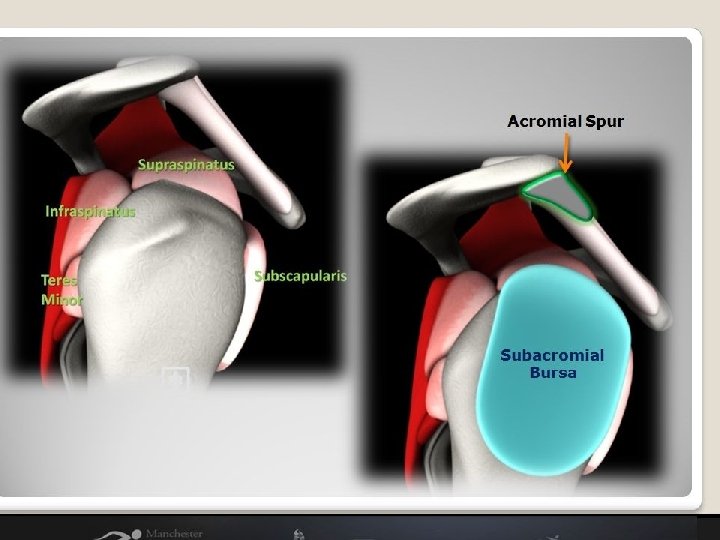
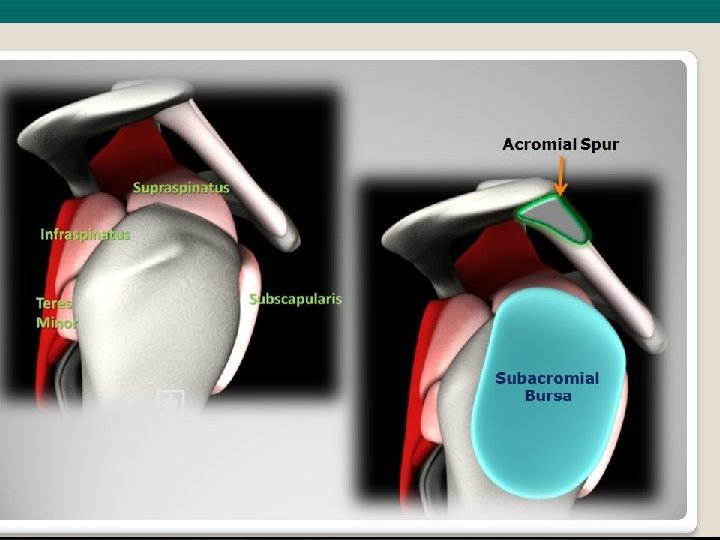
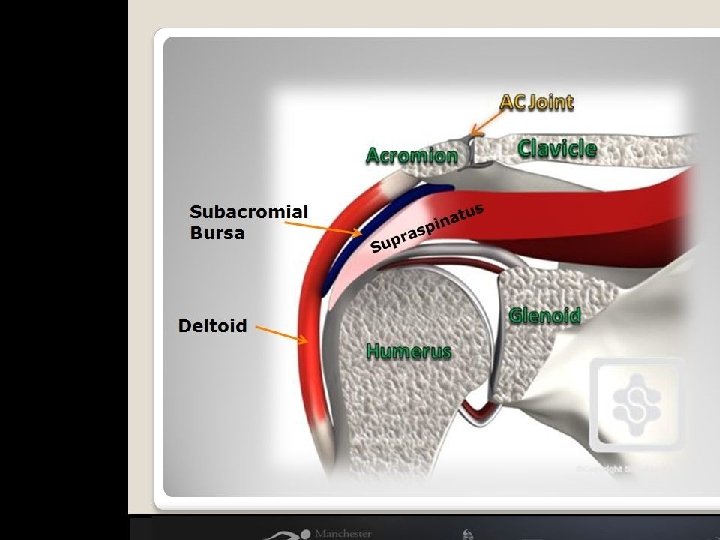
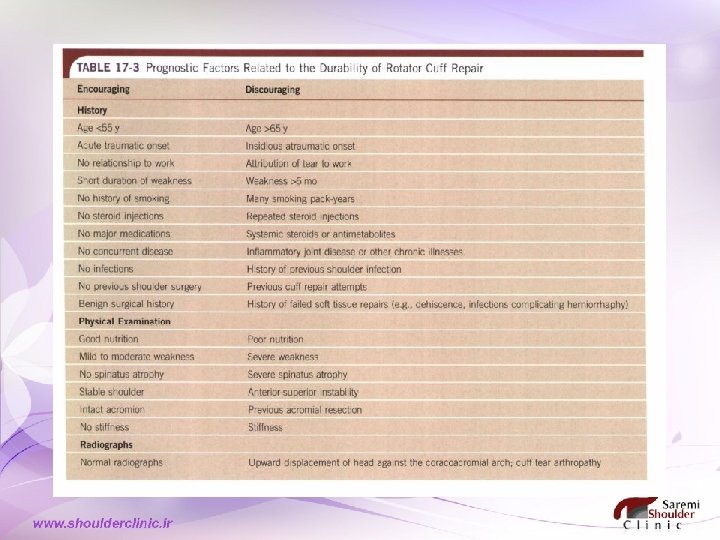
Impingement and rotator cuff problems • Subacromial impingement is one of the most common couse s of shoulder pain in athletes
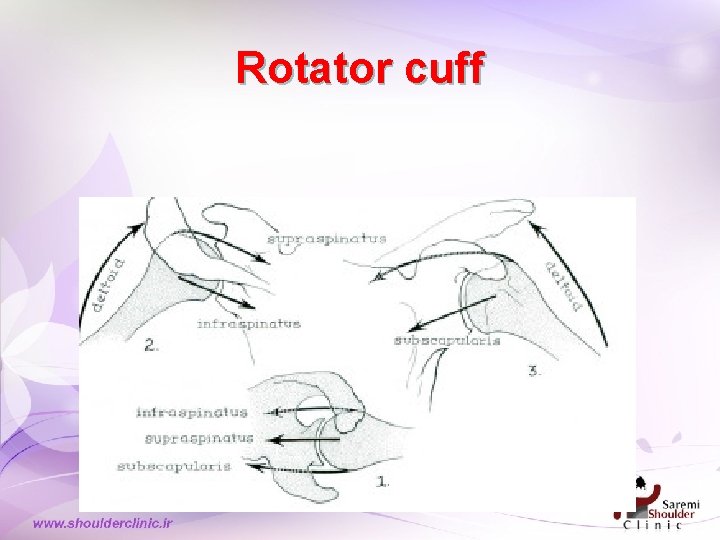
Rotator cuff
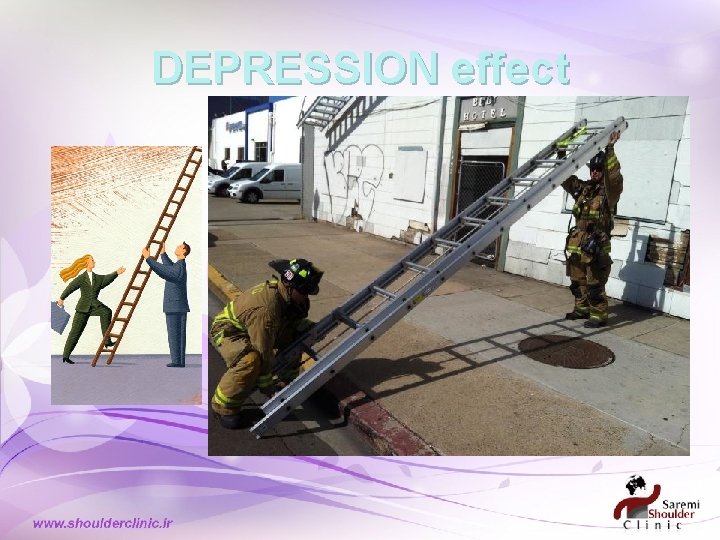
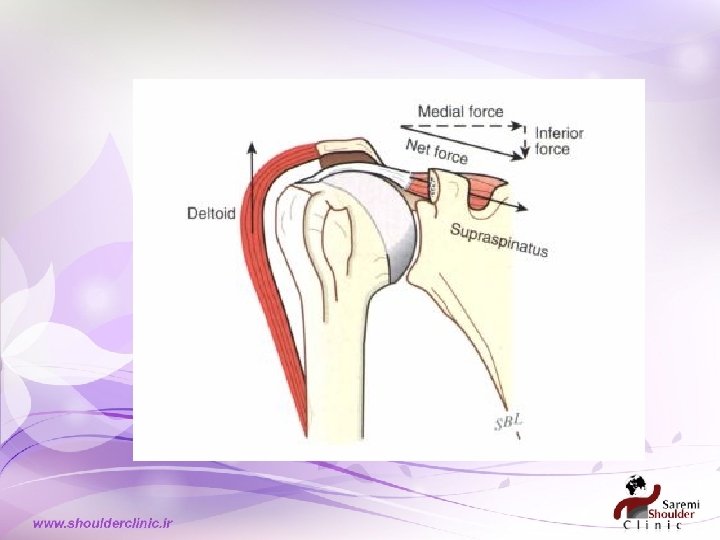
DEPRESSION effect
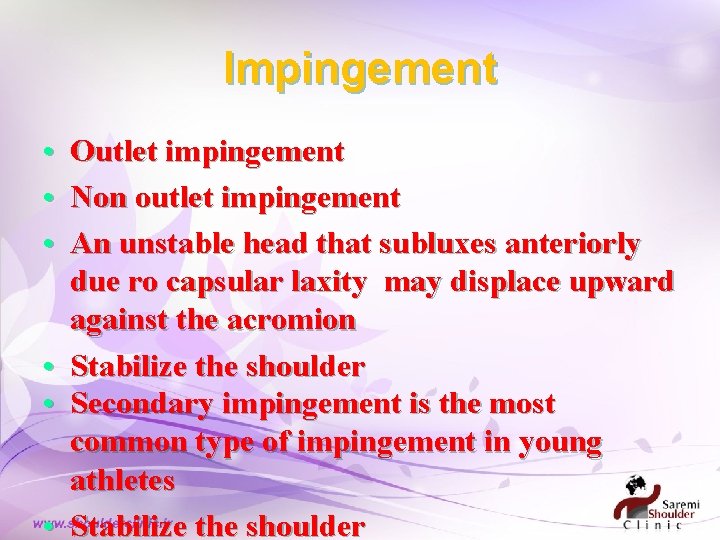
Impingement • Outlet impingement • Non outlet impingement • An unstable head that subluxes anteriorly due ro capsular laxity may displace upward against the acromion • Stabilize the shoulder • Secondary impingement is the most common type of impingement in young athletes • Stabilize the shoulder
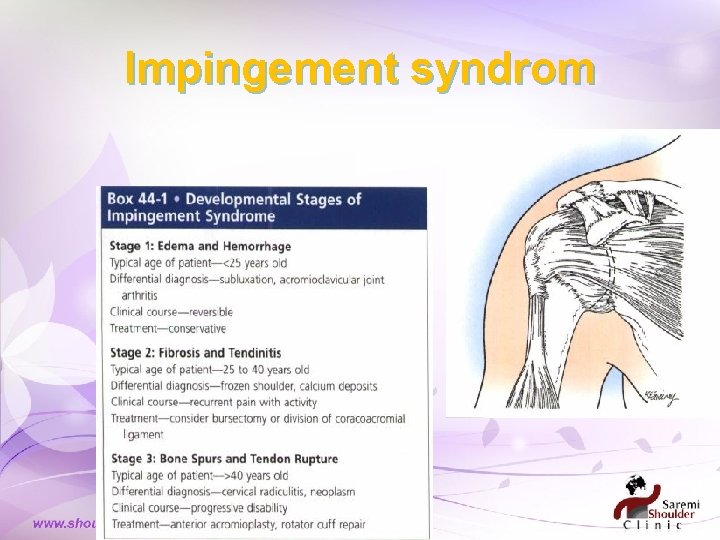
Impingement syndrom
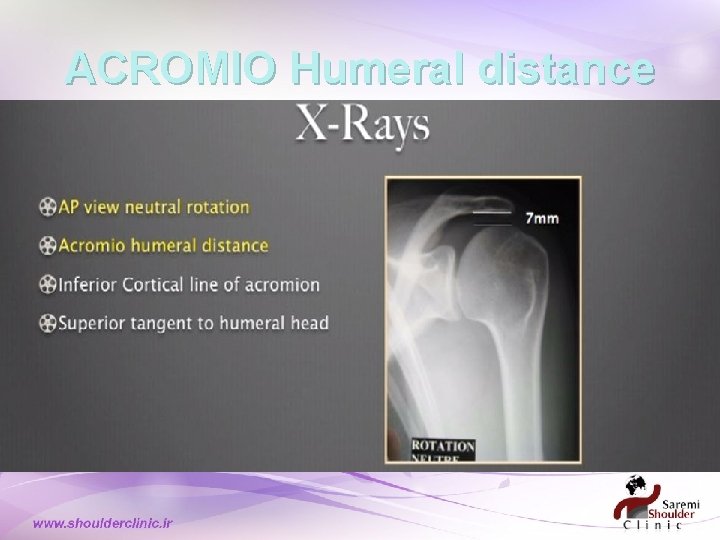
ACROMIO Humeral distance
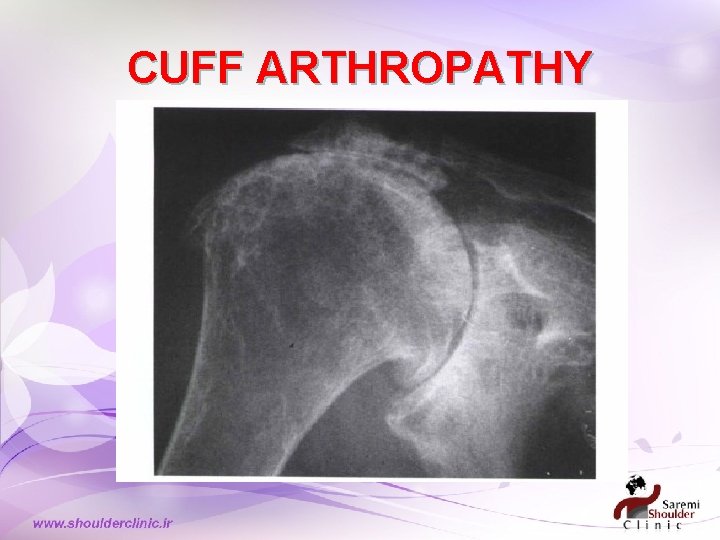
CUFF ARTHROPATHY
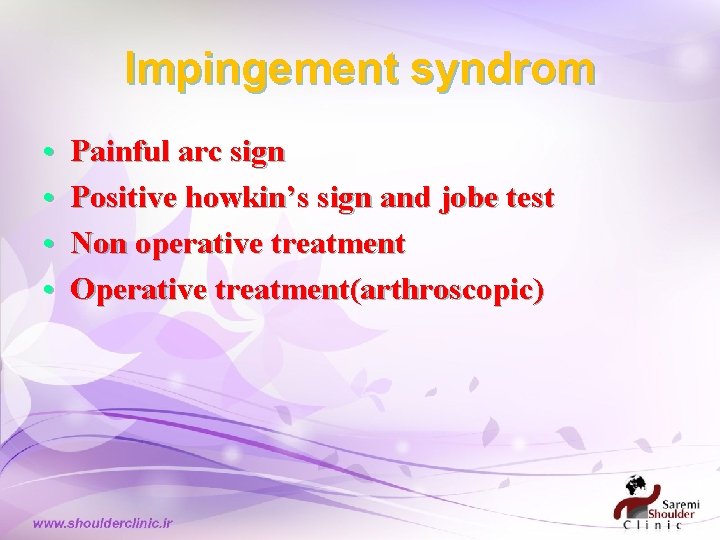
Impingement syndrom • • Painful arc sign Positive howkin’s sign and jobe test Non operative treatment Operative treatment(arthroscopic)
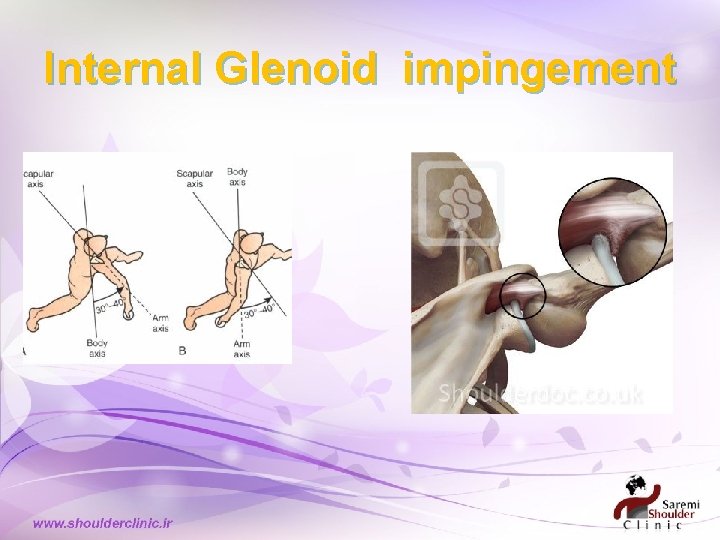
Internal Glenoid impingement
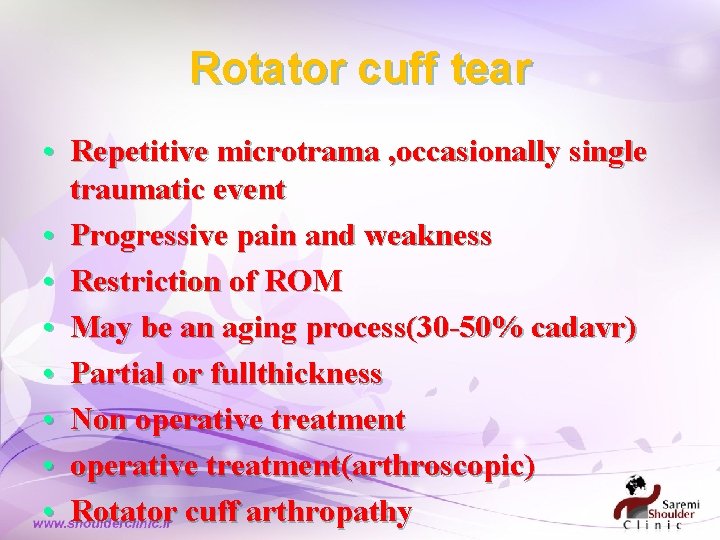
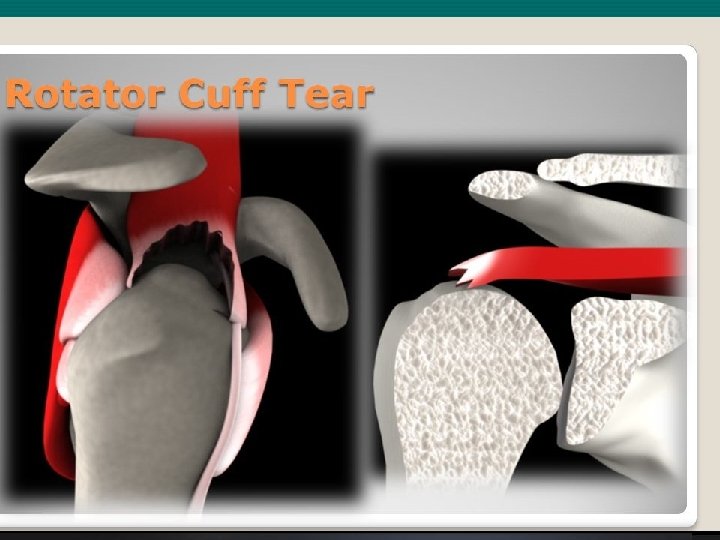
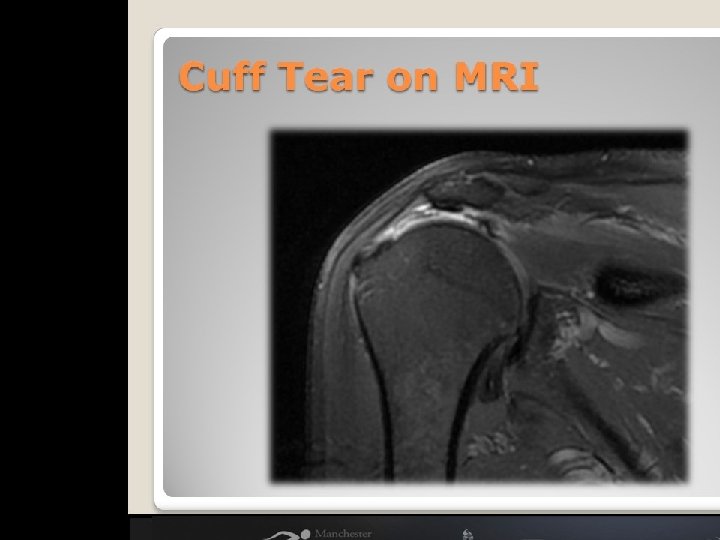
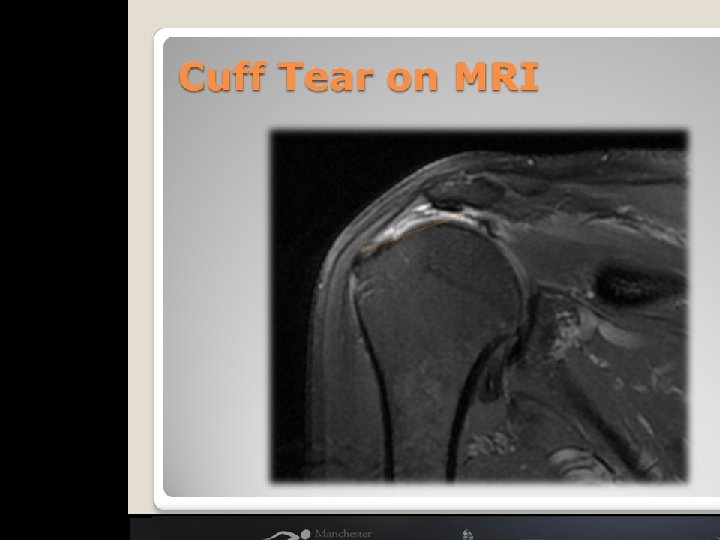
Rotator cuff tear • Repetitive microtrama , occasionally single traumatic event • Progressive pain and weakness • Restriction of ROM • May be an aging process(30 -50% cadavr) • Partial or fullthickness • Non operative treatment • operative treatment(arthroscopic) • Rotator cuff arthropathy
Non operative treatment • Physio therapy • NASAID • Corticoid injection
Non operative Treatment • STEP 1 : Avoid repeated injury • Work • Sport
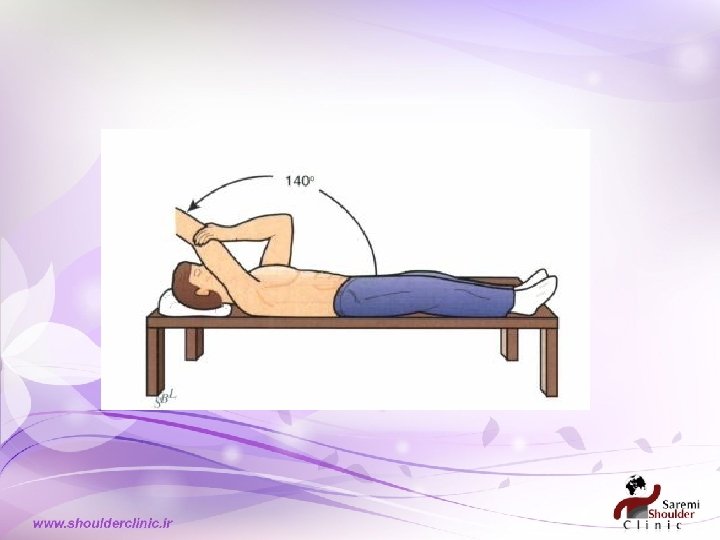
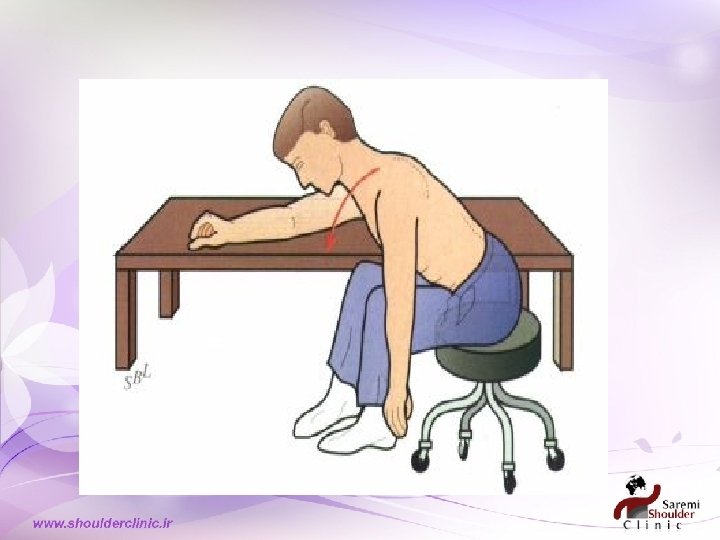
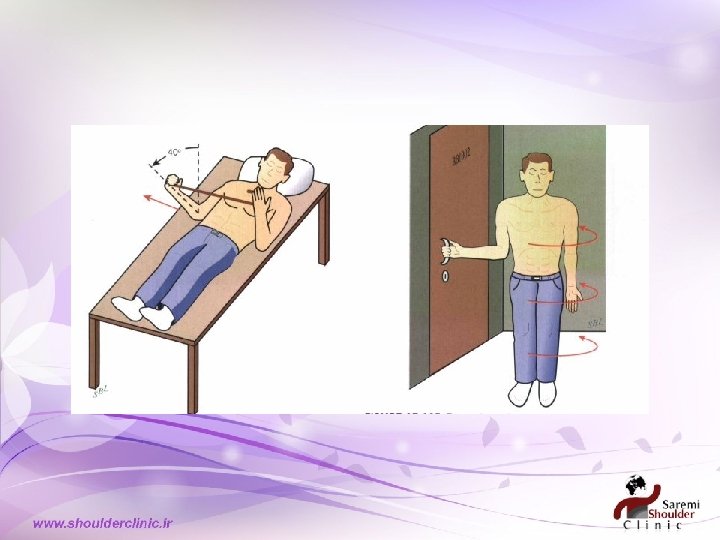
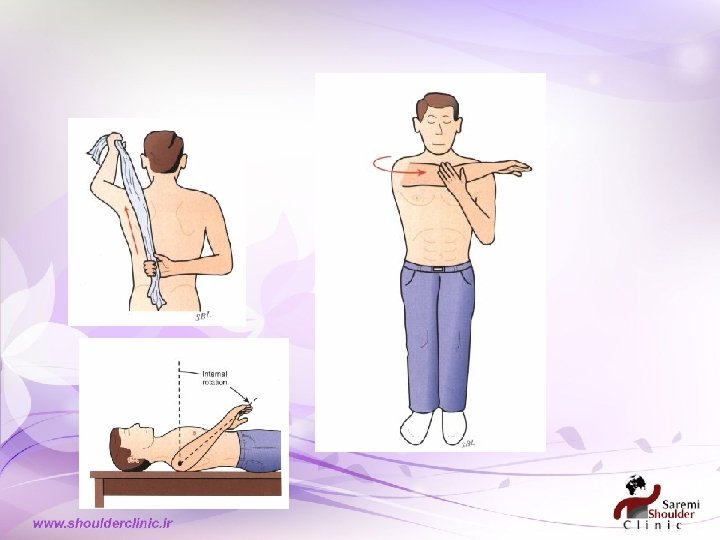
Non operative treatment • STEP 2: Restore normal flexibility • Stretch out all the direction of tightnessspecially posterior • Most effective by the patient • Gentle stretched five times a day by patient • To the point of pull of tightness not to the point of pain • Each stretche for 1 min----30 min a day • Obvious improvement---1 m may be 3 m
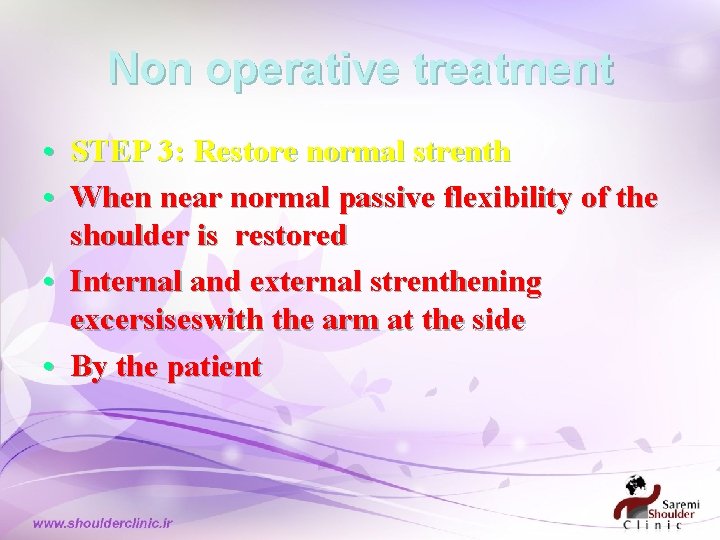
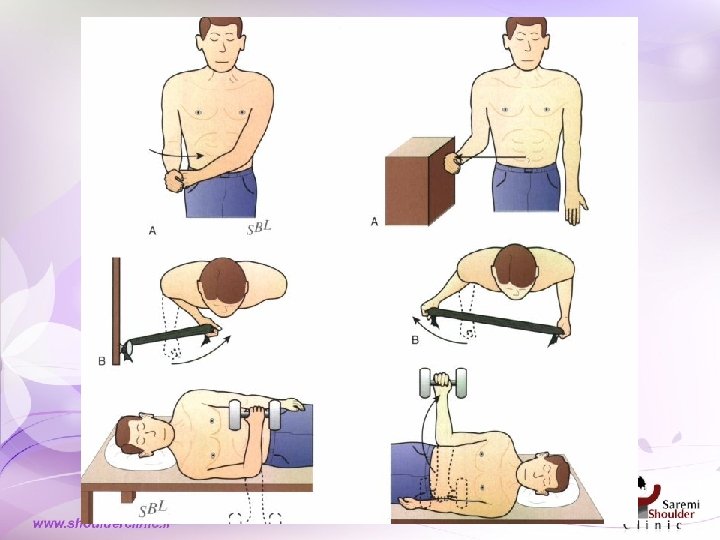
Non operative treatment • STEP 3: Restore normal strenth • When near normal passive flexibility of the shoulder is restored • Internal and external strenthening excersiseswith the arm at the side • By the patient
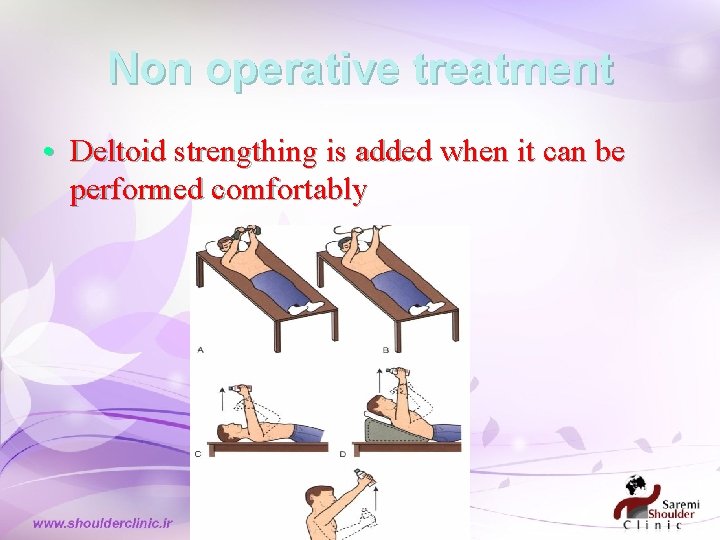
Non operative treatment • Deltoid strengthing is added when it can be performed comfortably
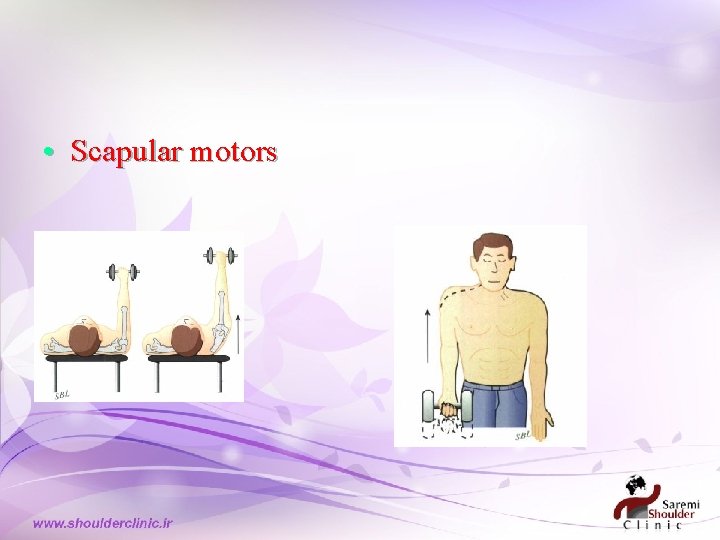
• Scapular motors
Non operative treatment • STEP 4: Perform aerobic exercise • To get back in shape and improve the sense of well being • 5 days a week, sweaty ex 30 min
Non operative treatment • STEP 5: Modify work or sport • Reviewe the technique of sport • Modifiy the job
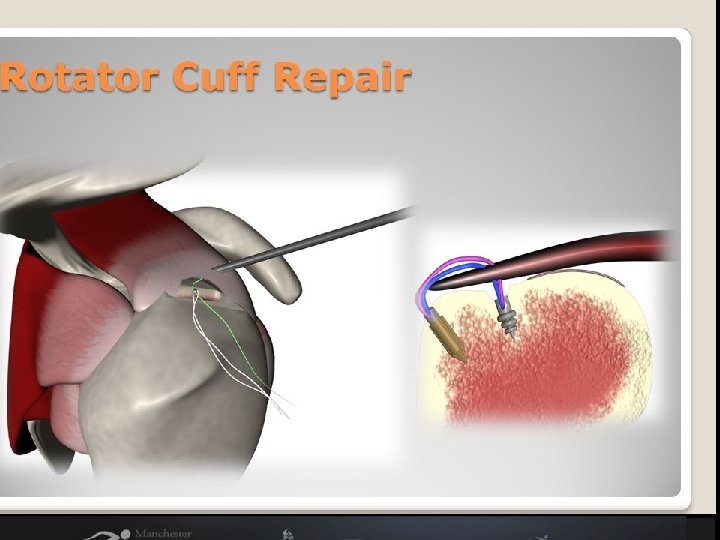
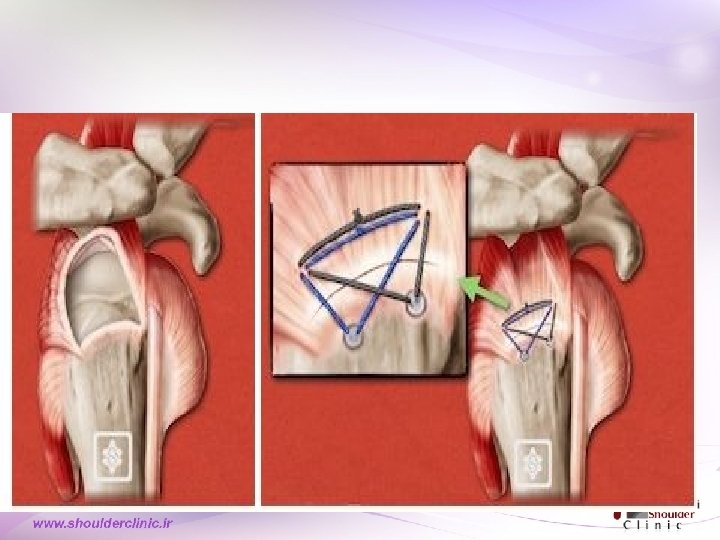
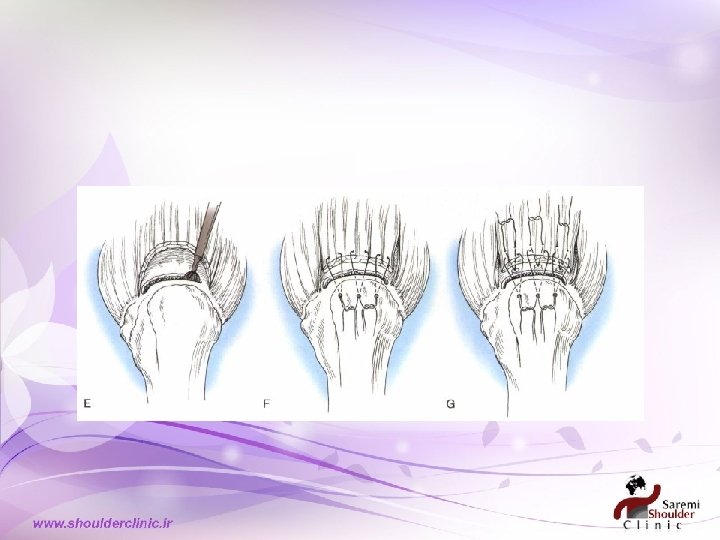
Operative treatment • Sub acromial decompression • Rotator cuff repair (Arthroscopic)
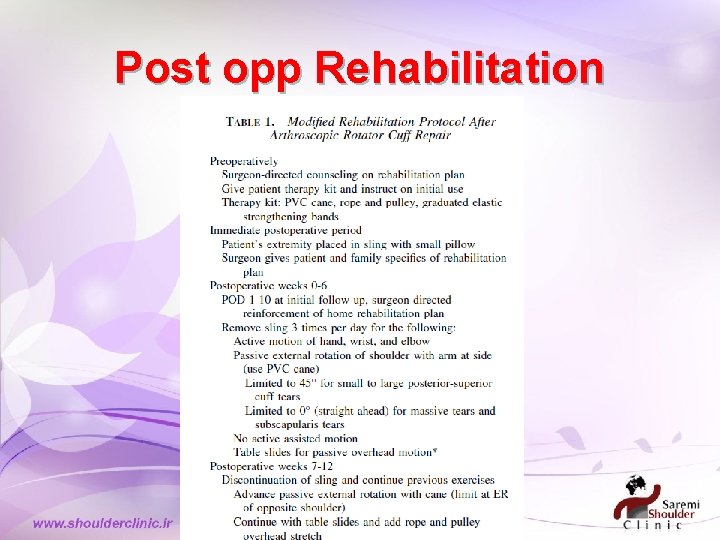
Post opp Rehabilitation
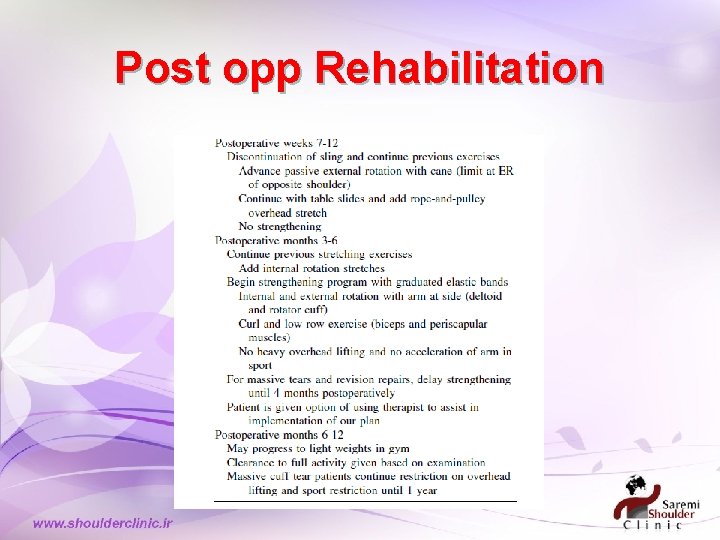
Post opp Rehabilitation
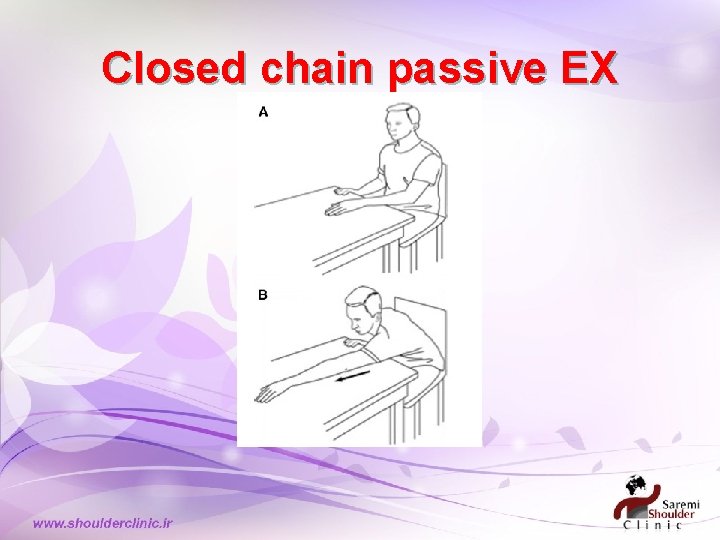
Closed chain passive EX
• A hundred times every day , I remained myself that my inner and outer life are based on the labors of other men living and dead, and that I must exert myself in order to give in the same measure as I have received. ALBERT EINSTEIN
Frozen shoulder(adhessive capsulitis) • Restricted active and passive motion • Idiopathic(DM, IHD, cervical discopathyimmmobilizationhyperthyroidis m, stroke, Mi • Secondary(trauma, shoulder surgery) • Pain and restricted. ROM(Int. R, Flex, ext. Rot) • Pain, Stiffness, Thawing • Non operative treatment
Calcific tendinitis • Site of diminished blood suply(1. 5 -2 cm to insertion of supraspinatus) • >30 y/o • W>M • Precalcification stage • Calcification stage v Phase of formation v Resting phase v Resorptive phase • Post calcification phase
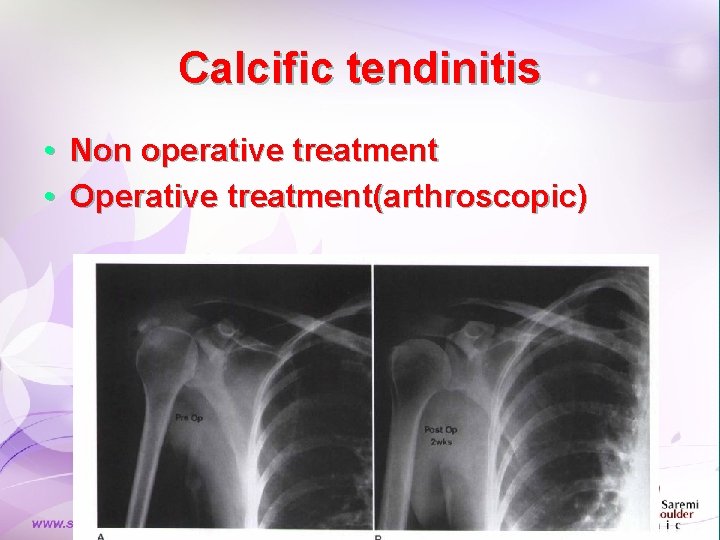
Calcific tendinitis • Non operative treatment • Operative treatment(arthroscopic)
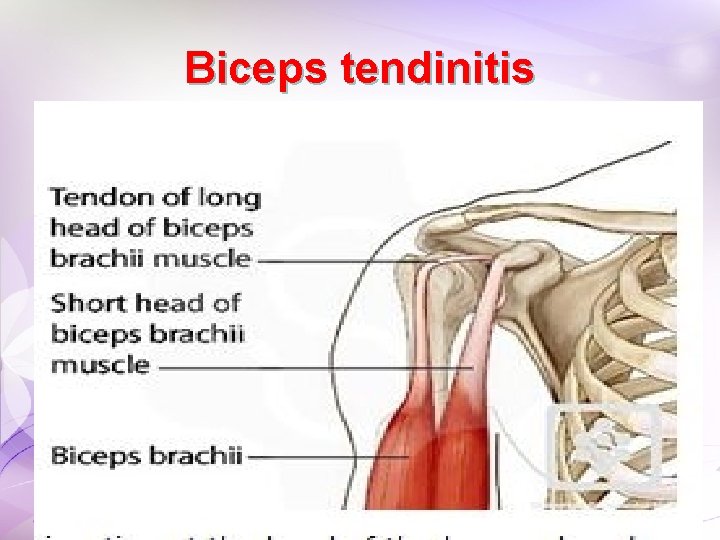
Biceps tendinitis
Biceps tendinitis • • • >30 -40 years Pain during flx and supination of elbow Non operative treatment Operative treatment RUPTURE
Trauma to shoulder Fx of the clavicle Most common fx in children mechanism N. V damage Open Skin irritation 1/3 distal >2 cm over riding Fliale shoulder
FX of clavicle Complications N. V damage Non union malunion
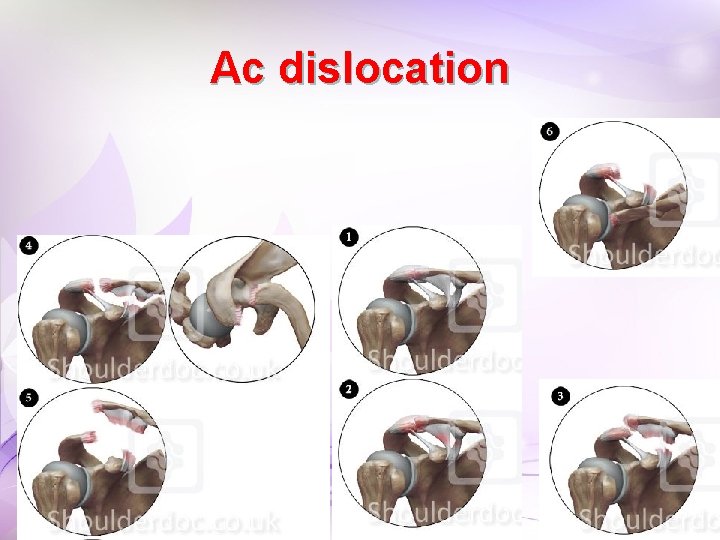
AC dislocation • • • Mechanism Classification treatment
Ac dislocation
Sc dislocation • Anterior • posterior
Scapular fx • Glenoid • Body
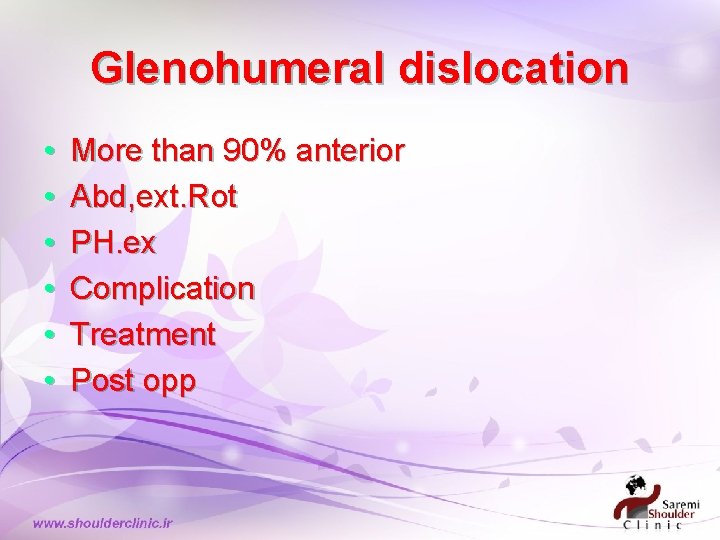
Glenohumeral dislocation • • • More than 90% anterior Abd, ext. Rot PH. ex Complication Treatment Post opp
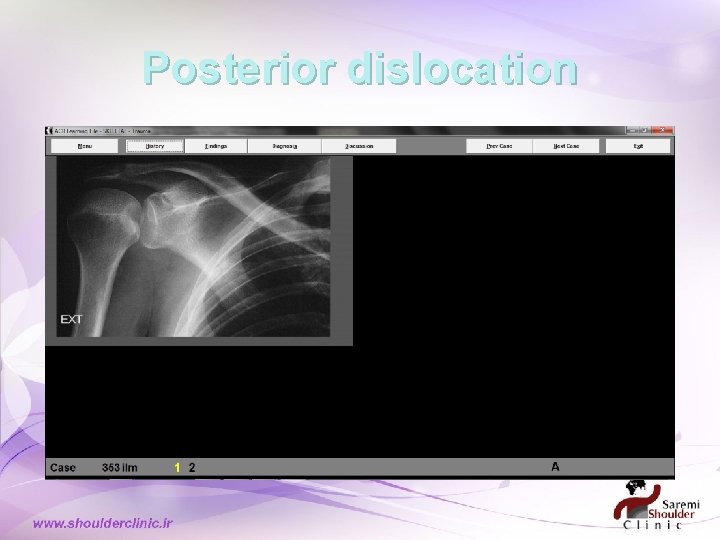
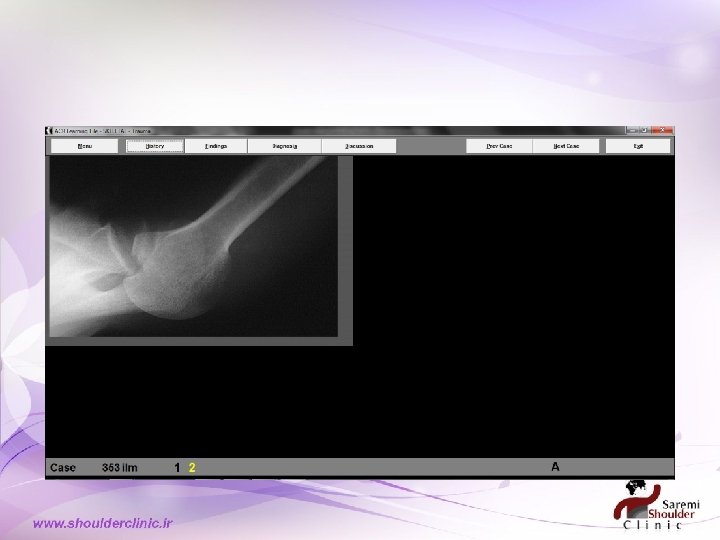
Posterior dislocation • • • Not obvious in Ap view Abd, Int. rot Following seizure
Posterior dislocation
Fx arround the shoulder • • • Greater tuberosity Surgical neck shaft
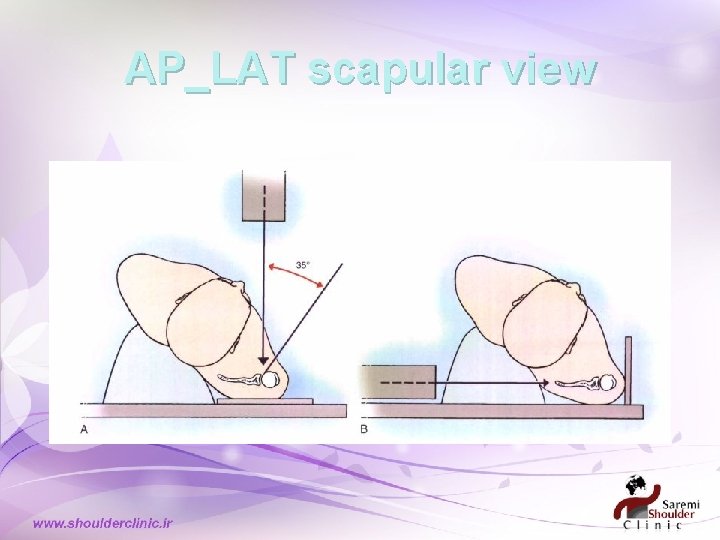
AP_LAT scapular view
Axillary view
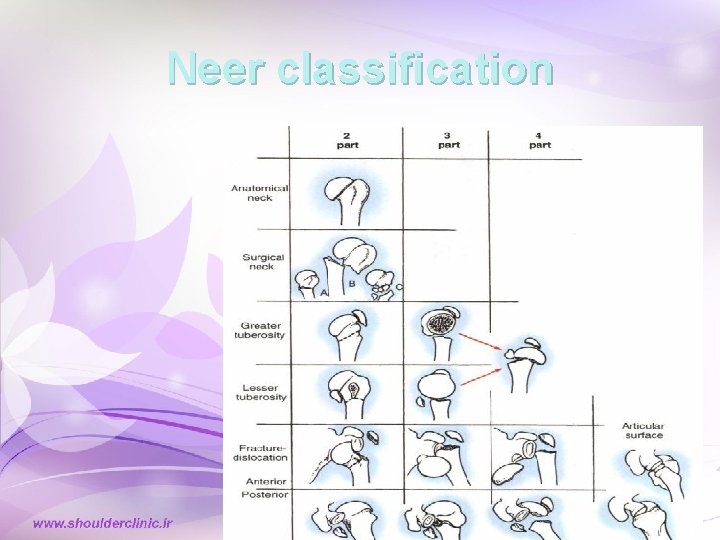
Neer classification