
Initiation and Evolution of the South Dakota Tornado




- Slides: 38
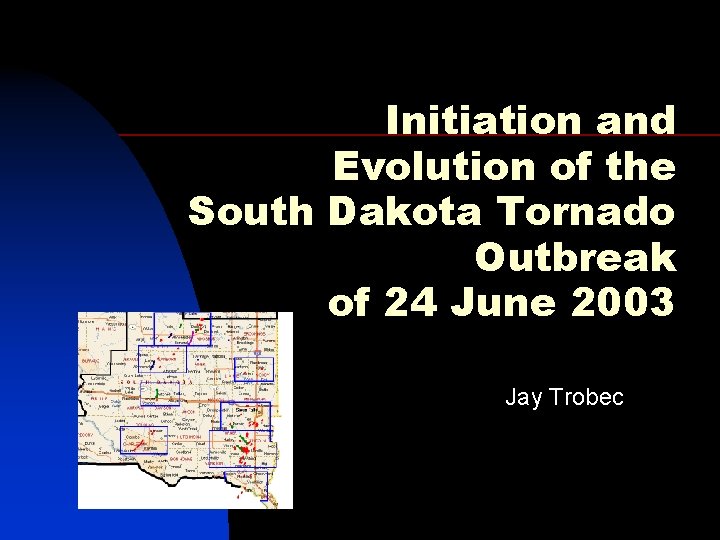
Initiation and Evolution of the South Dakota Tornado Outbreak of 24 June 2003 Jay Trobec
Issues that advance existing scientific work n n n Determination of air parcel source region for this and other major tornado outbreaks in SD Anomalous tornado motion case #1: First tornado of the outbreak Anomalous tornado motion case #2: Warm sector tornadoes 2
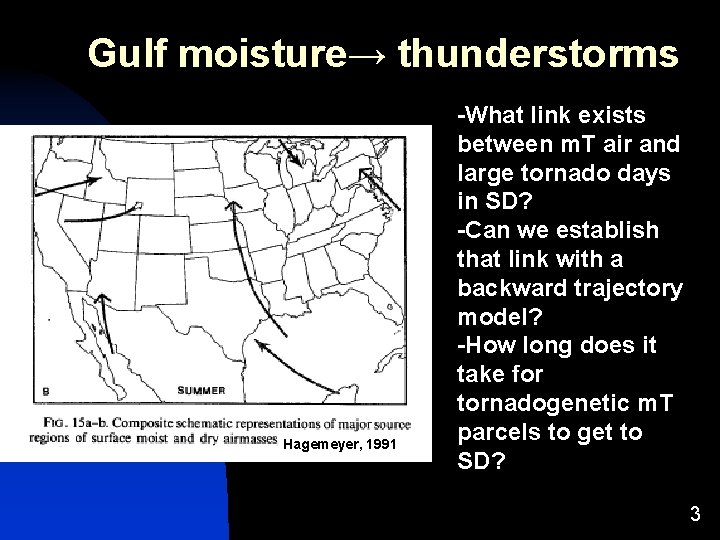
Gulf moisture→ thunderstorms Hagemeyer, 1991 -What link exists between m. T air and large tornado days in SD? -Can we establish that link with a backward trajectory model? -How long does it take for tornadogenetic m. T parcels to get to SD? 3
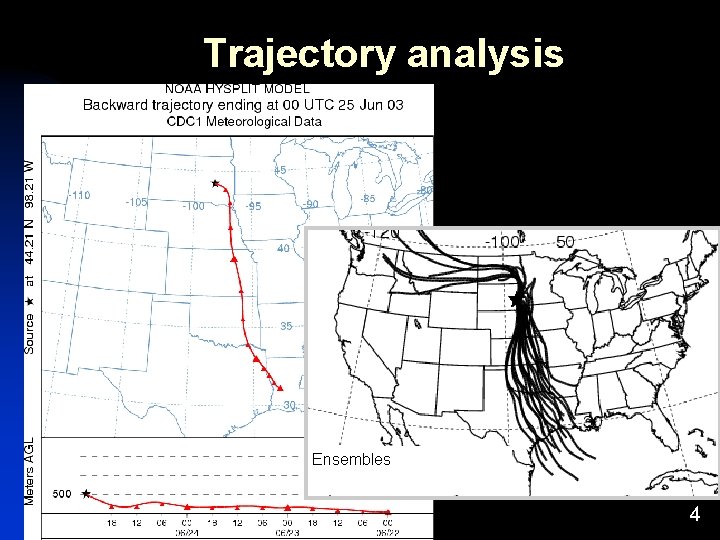
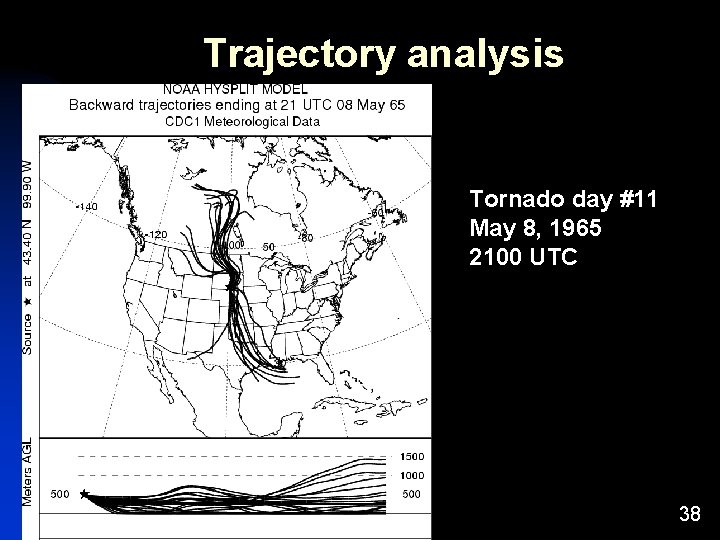
Trajectory analysis End point Ensembles 4
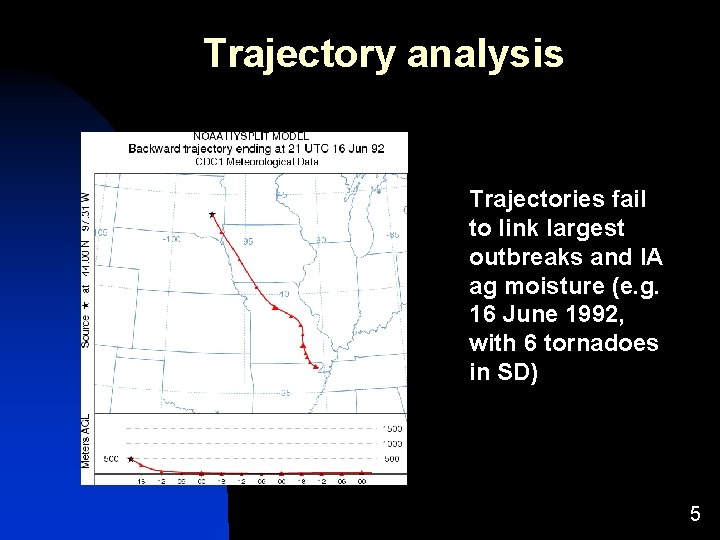
Trajectory analysis Trajectories fail to link largest outbreaks and IA ag moisture (e. g. 16 June 1992, with 6 tornadoes in SD) 5
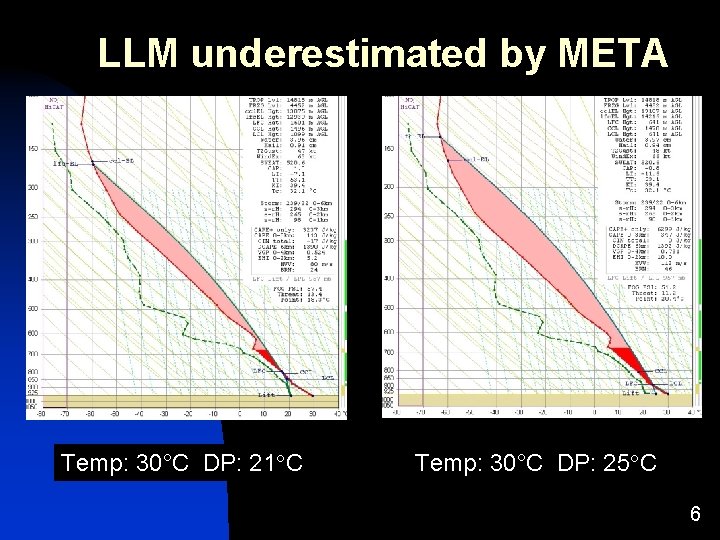
LLM underestimated by META Temp: 30°C DP: 21°C Temp: 30°C DP: 25°C 6
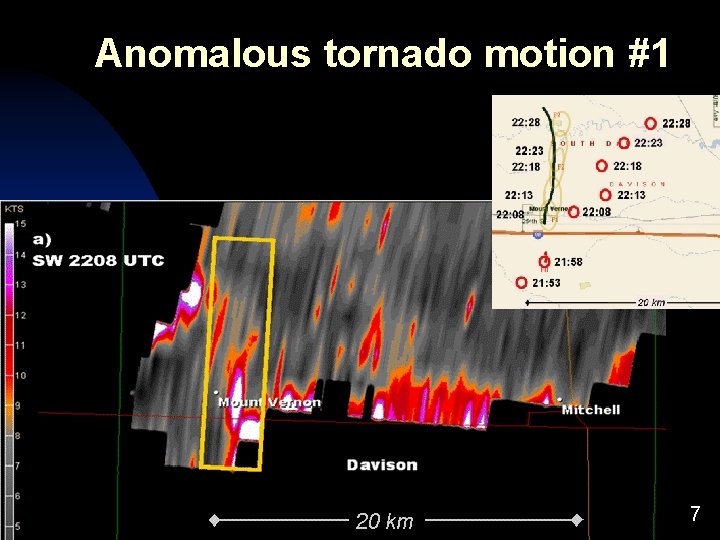
Anomalous tornado motion #1 7
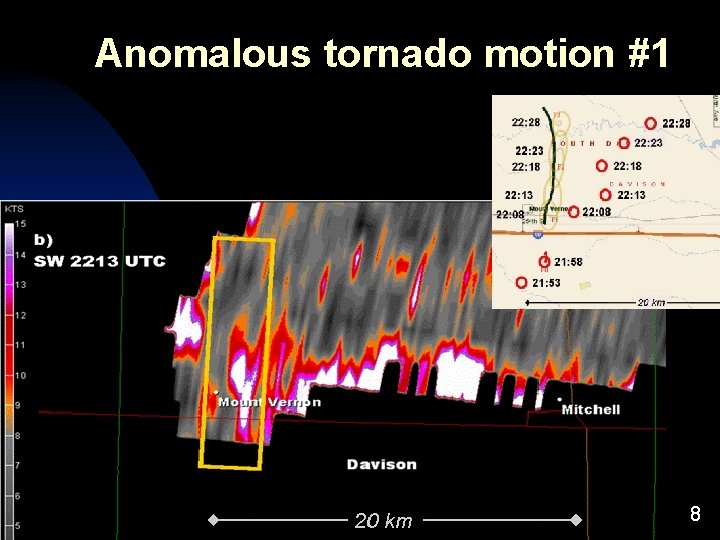
Anomalous tornado motion #1 8
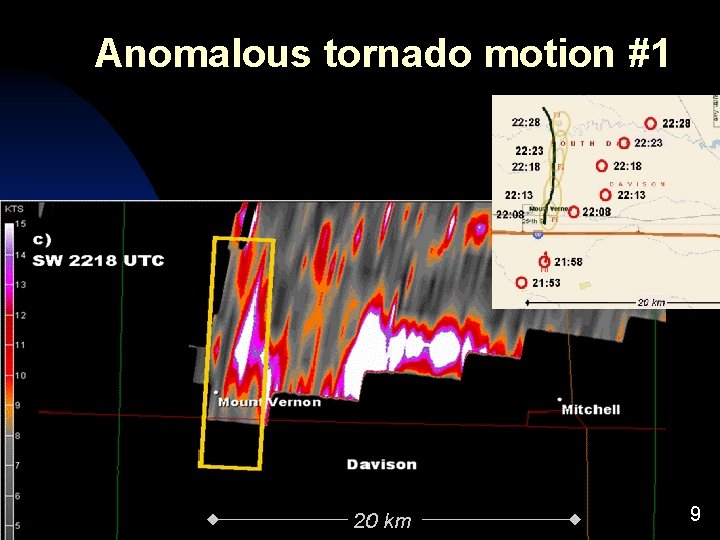
Anomalous tornado motion #1 9
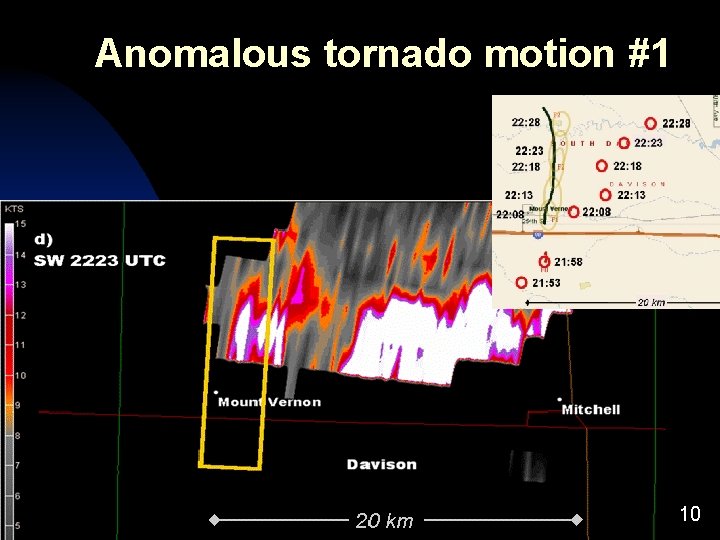
Anomalous tornado motion #1 10
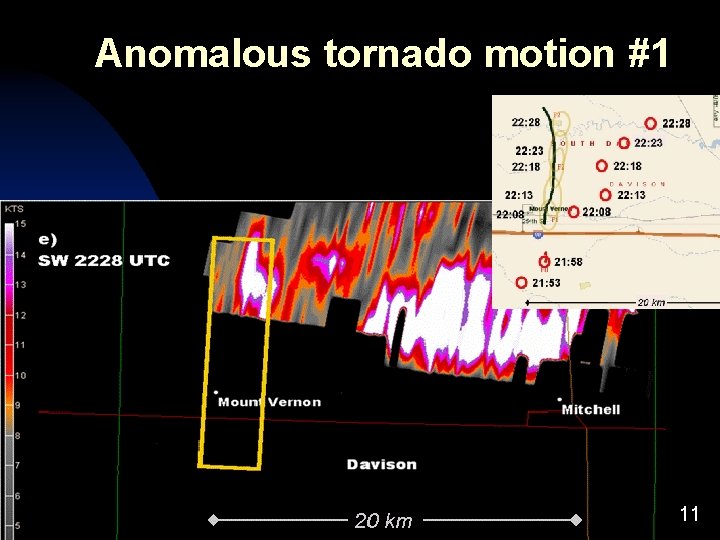
Anomalous tornado motion #1 11
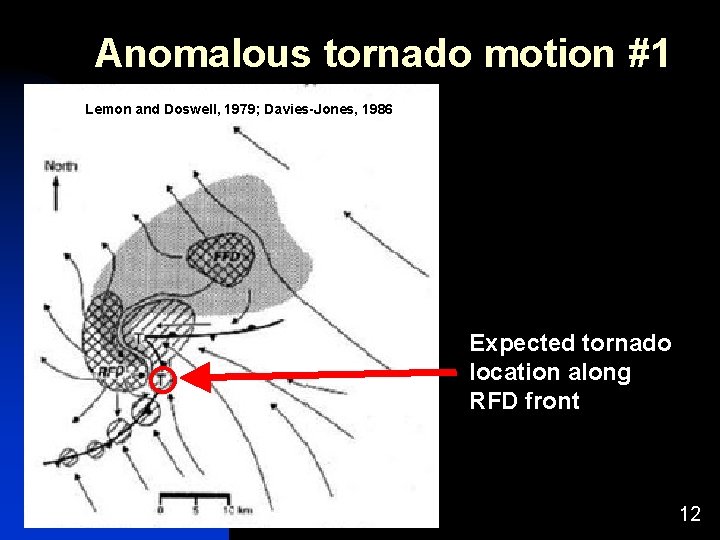
Anomalous tornado motion #1 Lemon and Doswell, 1979; Davies-Jones, 1986 ° Expected tornado location along RFD front 12
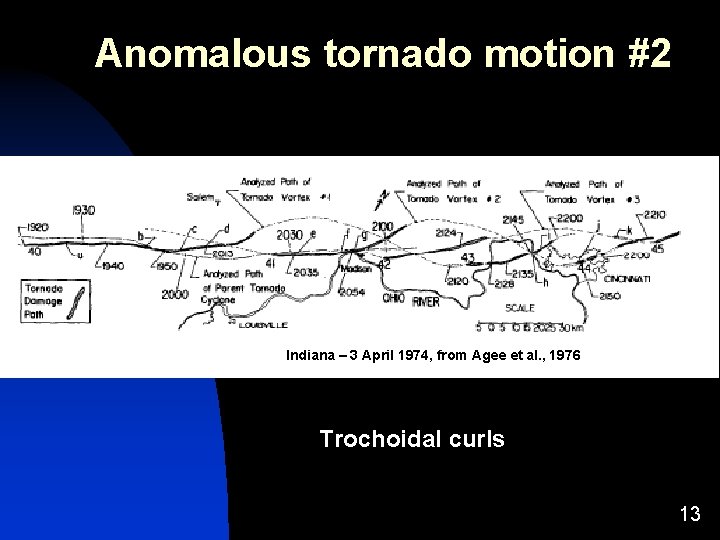
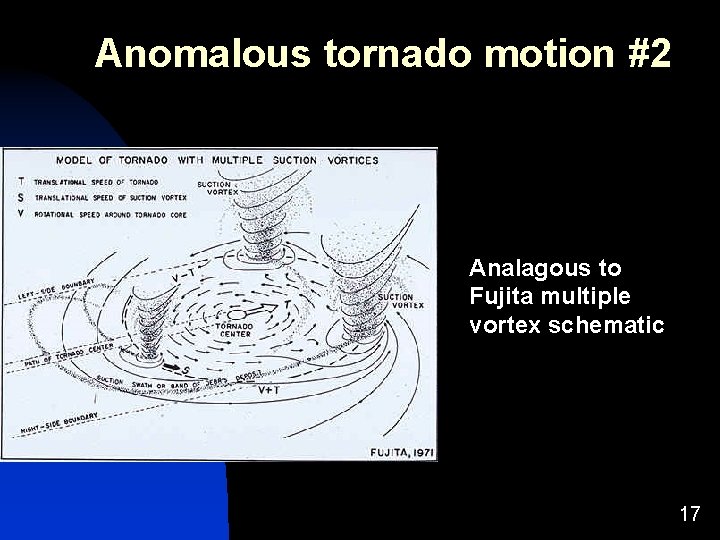
Anomalous tornado motion #2 Indiana – 3 April 1974, from Agee et al. , 1976 Trochoidal curls 13
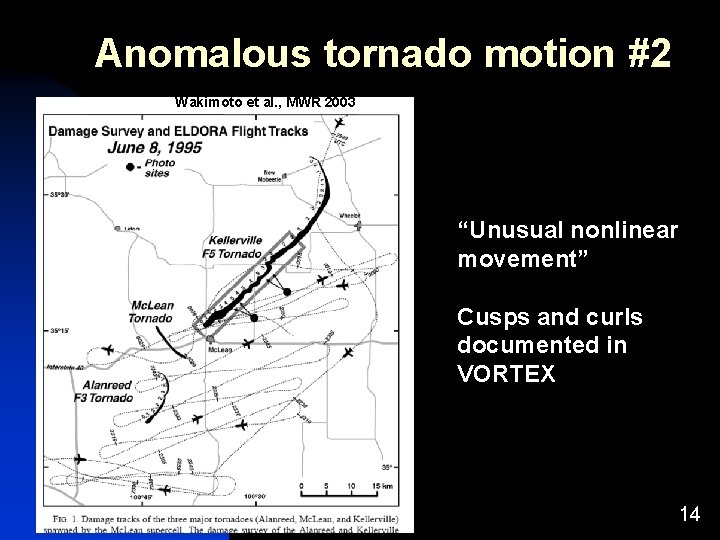
Anomalous tornado motion #2 Wakimoto et al. , MWR 2003 “Unusual nonlinear movement” Cusps and curls documented in VORTEX 14
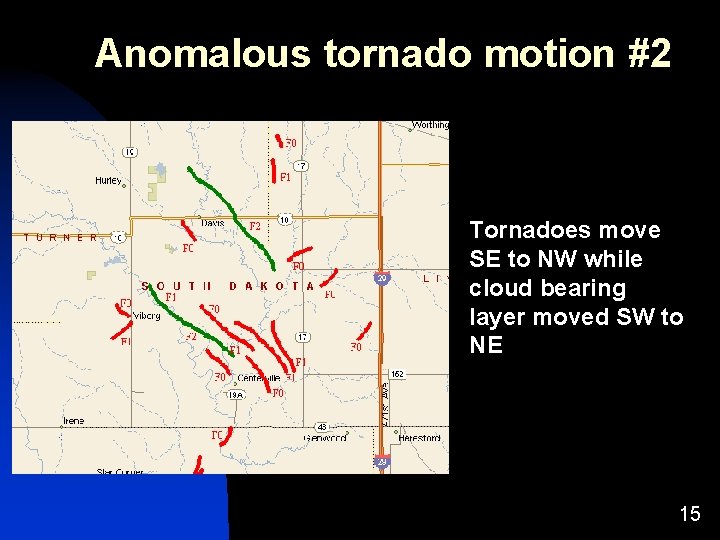
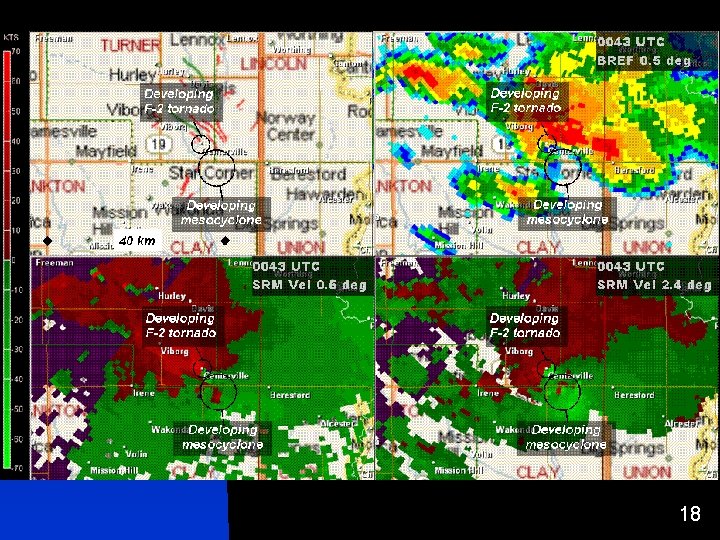
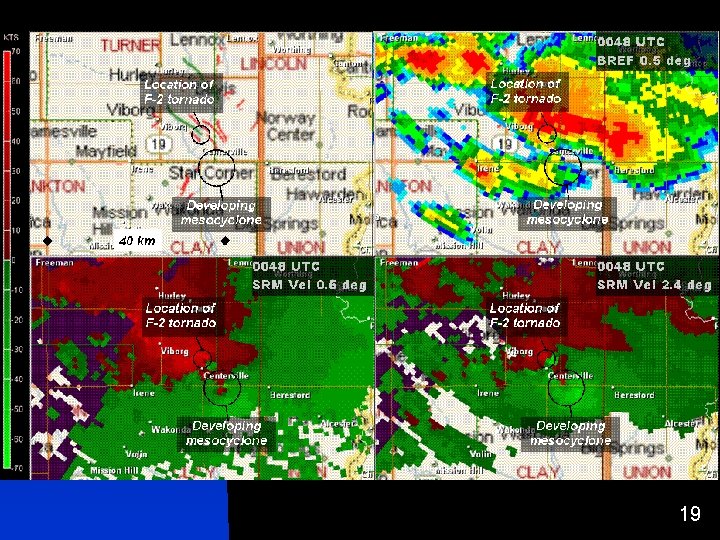
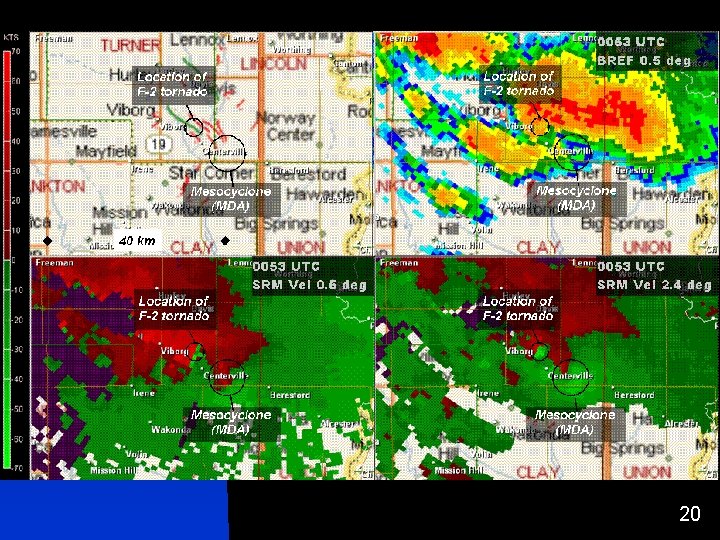
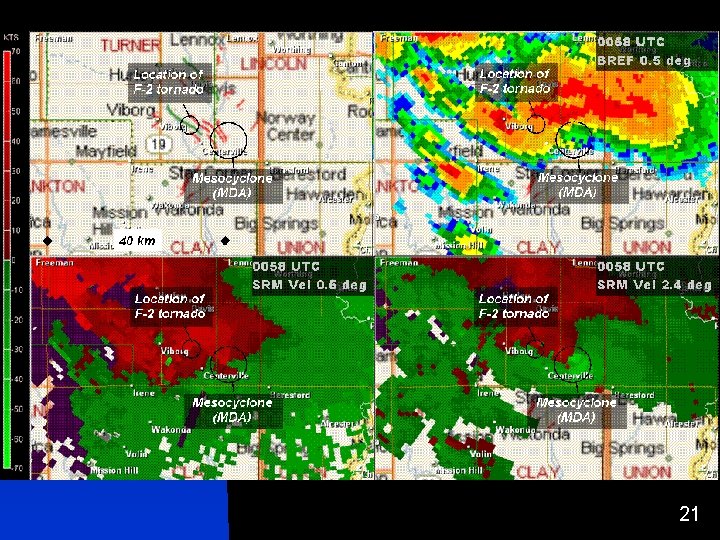
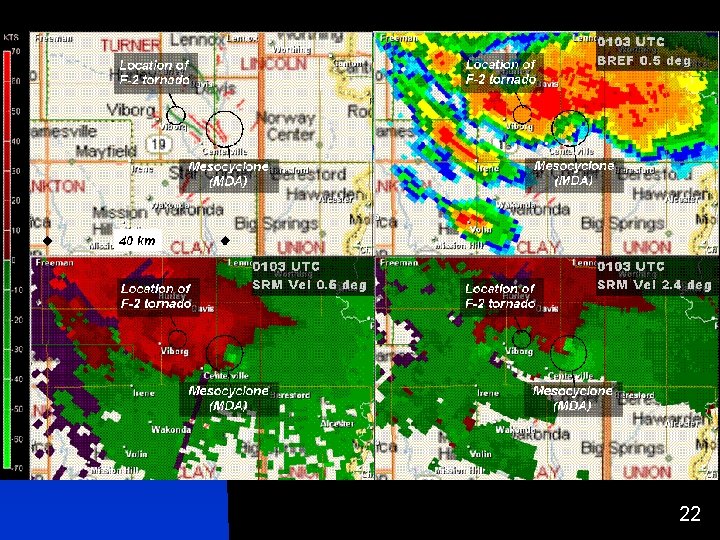
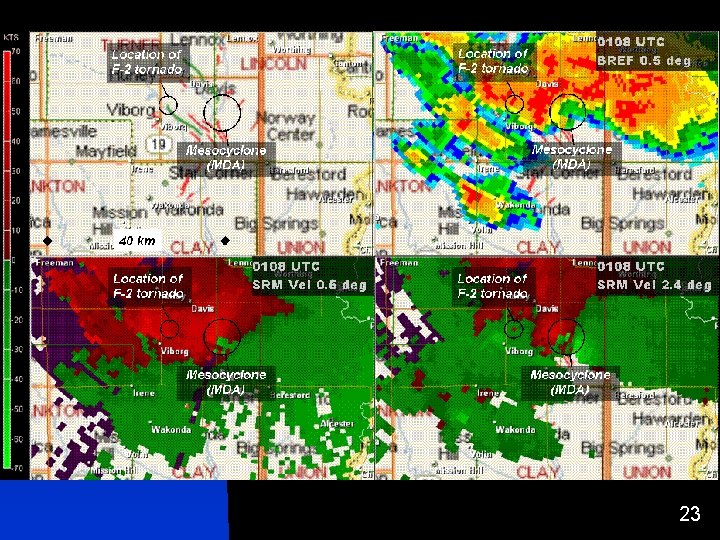
Anomalous tornado motion #2 Tornadoes move SE to NW while cloud bearing layer moved SW to NE 15
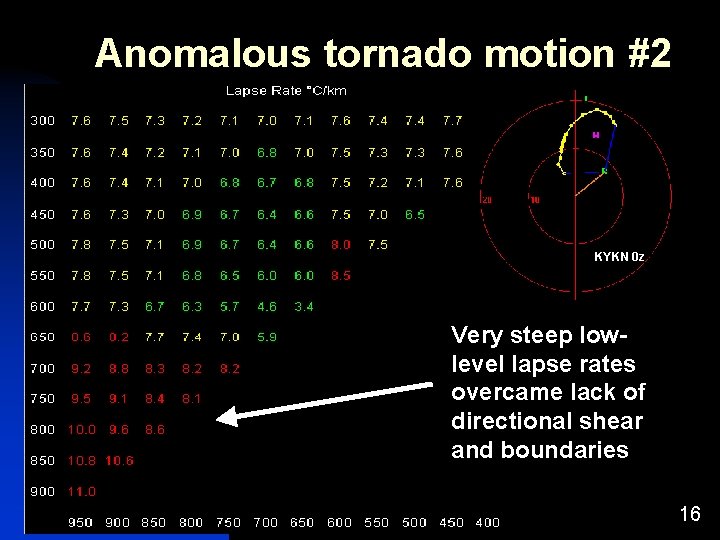
Anomalous tornado motion #2 KYKN 0 z Very steep lowlevel lapse rates overcame lack of directional shear and boundaries 16
Anomalous tornado motion #2 Analagous to Fujita multiple vortex schematic 17
18
19
20
21
22
23
Anomalous tornado motion #2 n n n Most cases in where trochoidal motion is demonstrated in scientific journals, it occurs near the end of tornado lifecycle (and in many cases, before subsequent cyclic tornadogenesis) Here curtate cycloid motion caused tornadoes to produce damage paths semi-tangentially to translational storm movement from their outset Vortexes benefited from high SBCAPE and steep lapse rates in the lowest 2 km 24
25
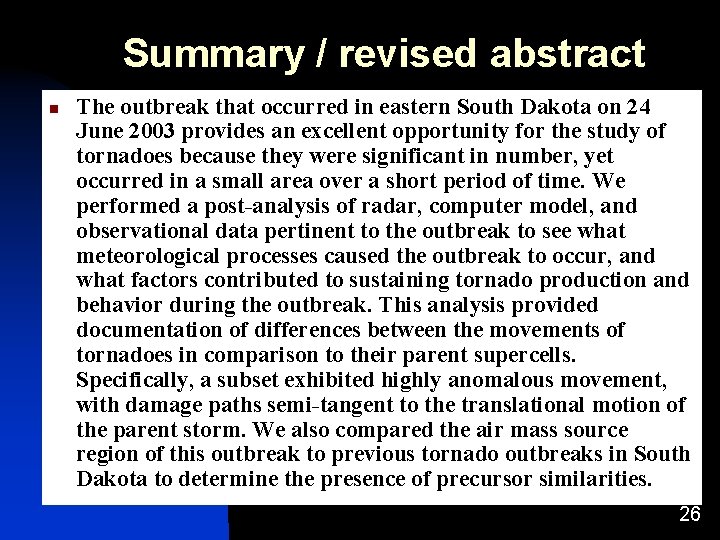
Summary / revised abstract n The outbreak that occurred in eastern South Dakota on 24 June 2003 provides an excellent opportunity for the study of tornadoes because they were significant in number, yet occurred in a small area over a short period of time. We performed a post-analysis of radar, computer model, and observational data pertinent to the outbreak to see what meteorological processes caused the outbreak to occur, and what factors contributed to sustaining tornado production and behavior during the outbreak. This analysis provided documentation of differences between the movements of tornadoes in comparison to their parent supercells. Specifically, a subset exhibited highly anomalous movement, with damage paths semi-tangent to the translational motion of the parent storm. We also compared the air mass source region of this outbreak to previous tornado outbreaks in South Dakota to determine the presence of precursor similarities. 26
27
Future work 28
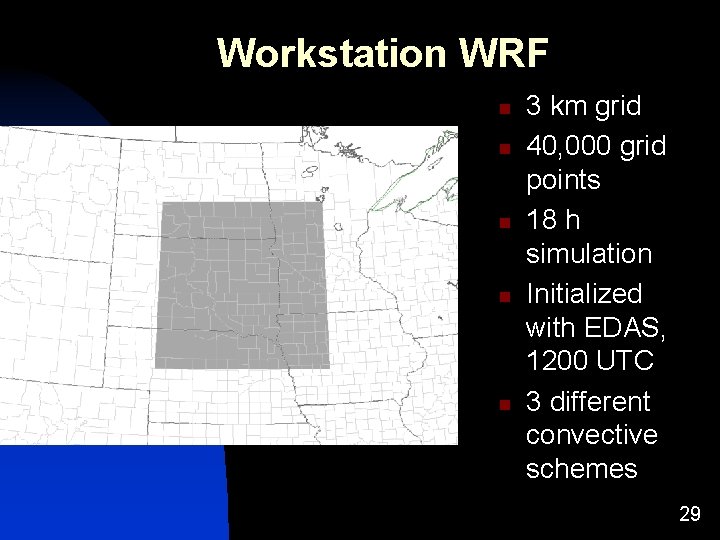
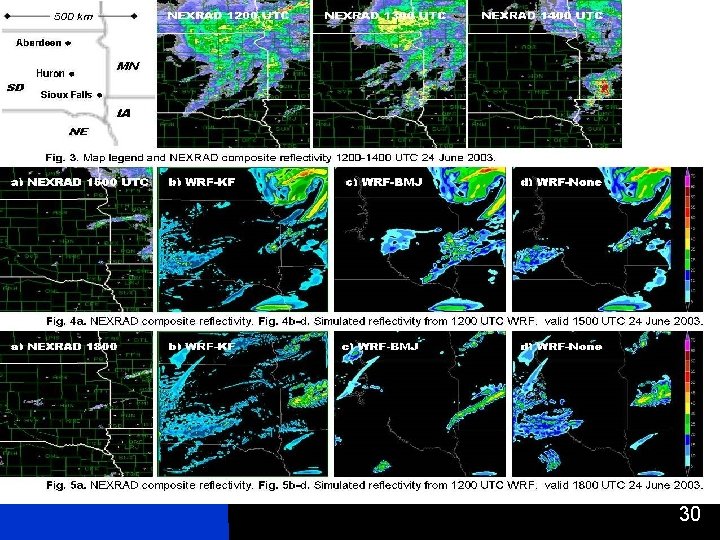
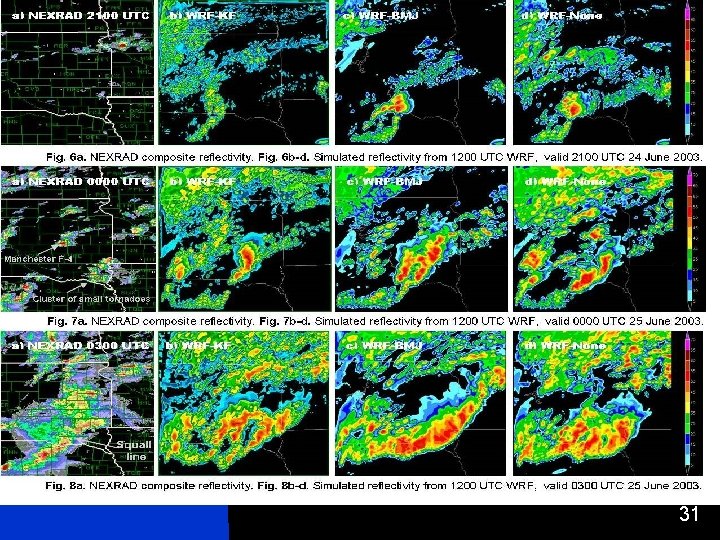
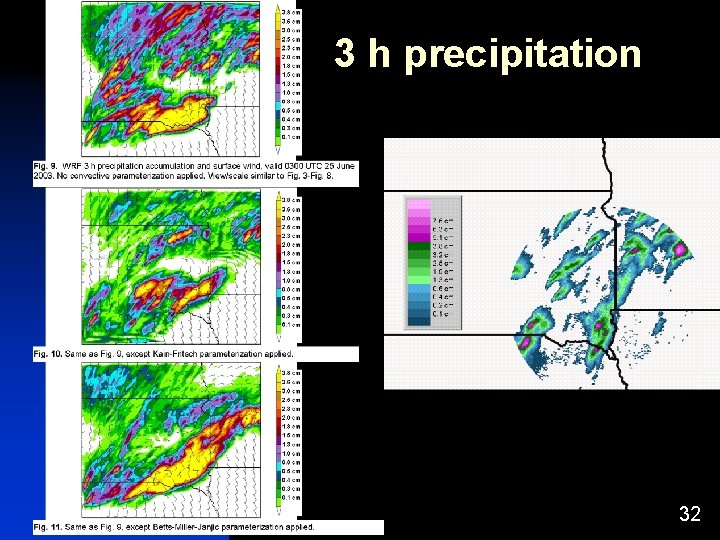
Workstation WRF n n n 3 km grid 40, 000 grid points 18 h simulation Initialized with EDAS, 1200 UTC 3 different convective schemes 29
30
31
3 h precipitation 32
33
Extra 34
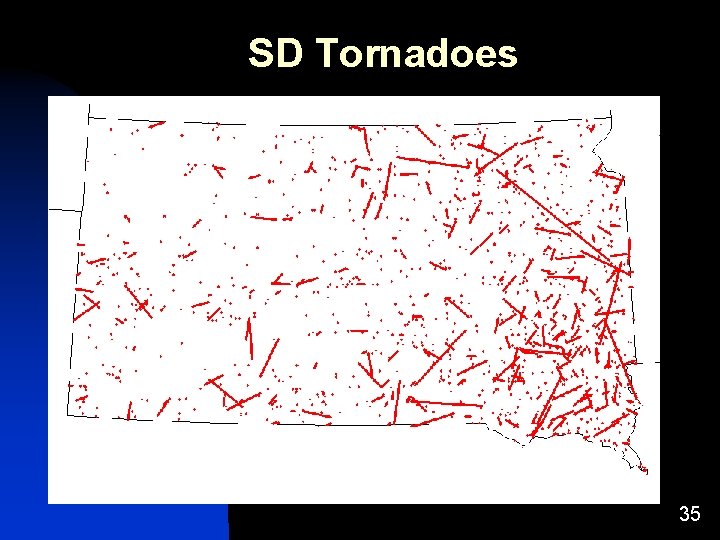
SD Tornadoes 35
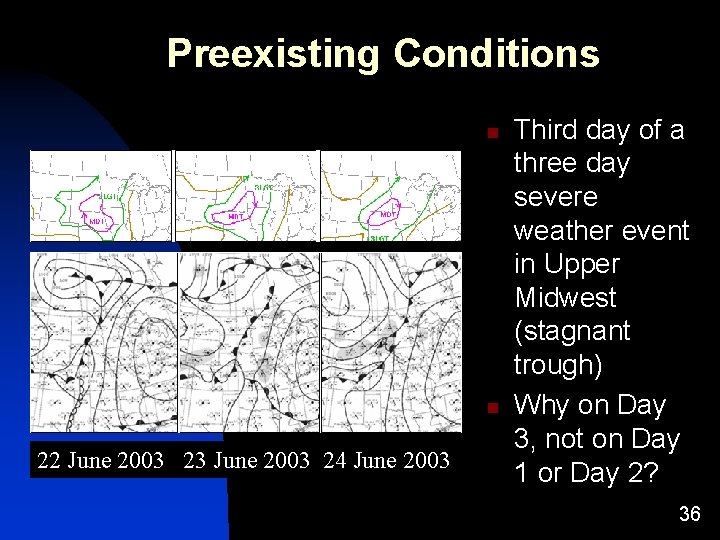
Preexisting Conditions n n 22 June 2003 23 June 2003 24 June 2003 Third day of a three day severe weather event in Upper Midwest (stagnant trough) Why on Day 3, not on Day 1 or Day 2? 36
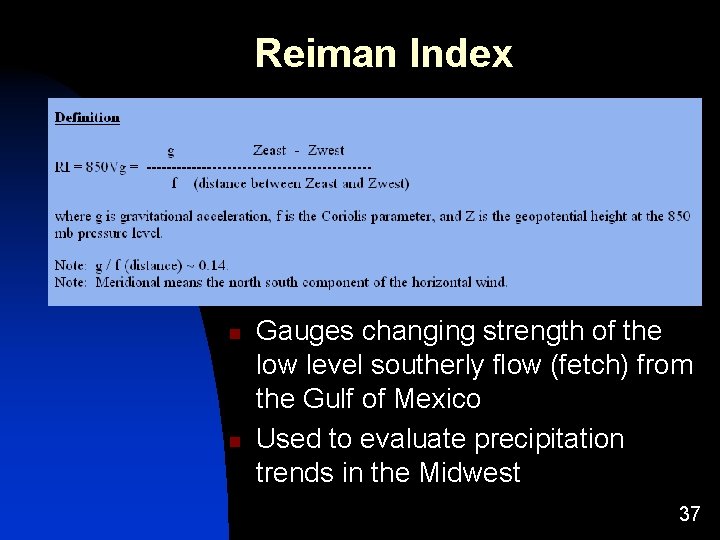
Reiman Index n n Gauges changing strength of the low level southerly flow (fetch) from the Gulf of Mexico Used to evaluate precipitation trends in the Midwest 37
Trajectory analysis Tornado day #11 May 8, 1965 2100 UTC 38