
Ingrid Ulrey Policy Director Ingrid Ulreykingcounty gov What
- Slides: 25
Ingrid Ulrey, Policy Director Ingrid. Ulrey@kingcounty. gov
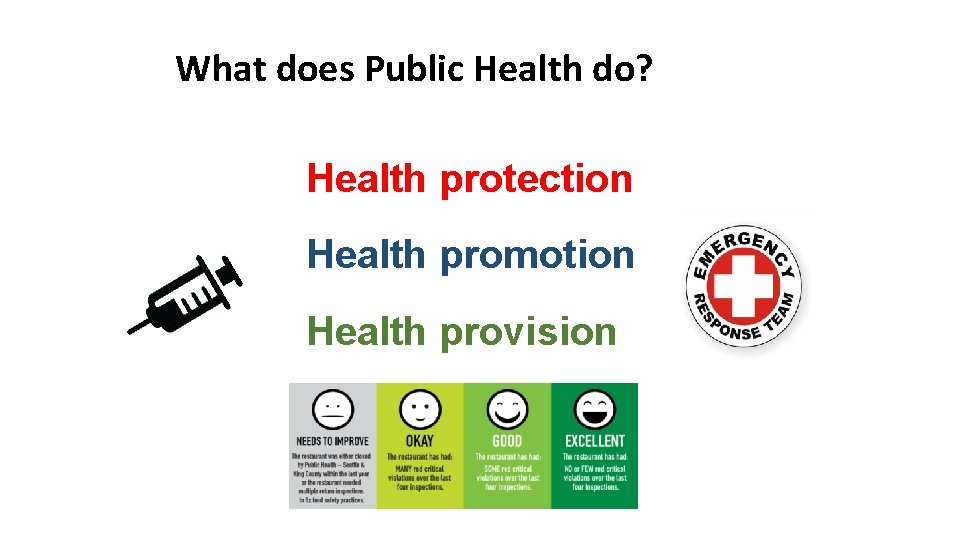
What does Public Health do? Health protection Health promotion Health provision
The Age Wave
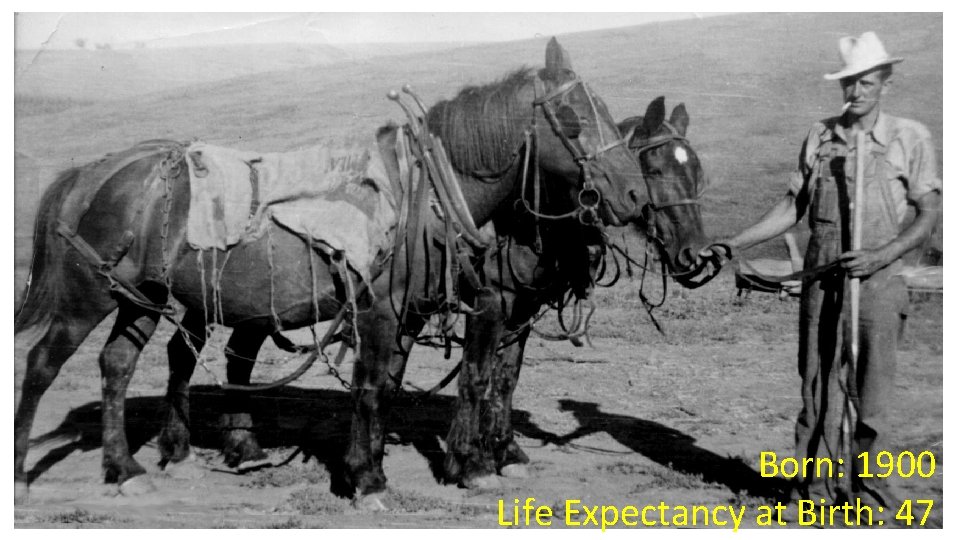
Born: 1900 Life Expectancy at Birth: 47
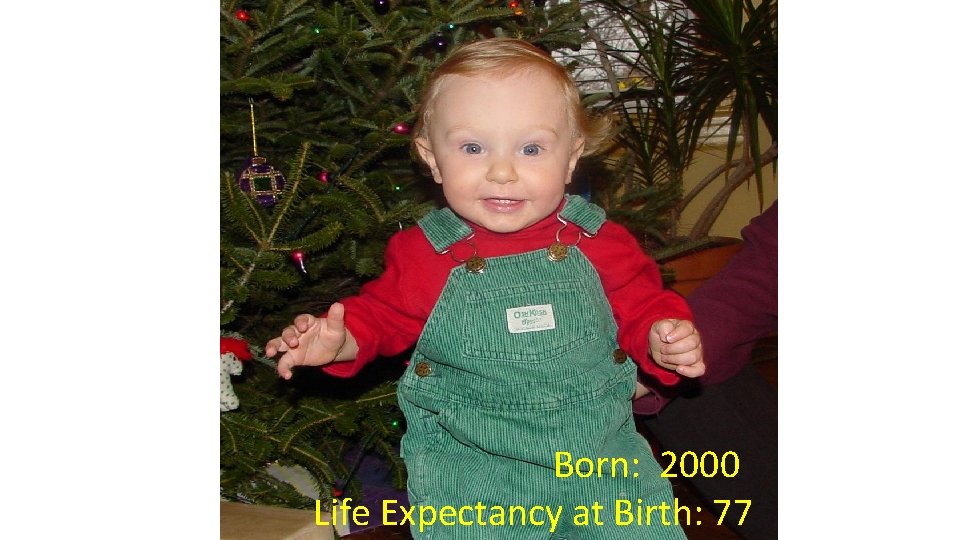
Born: 2000 Life Expectancy at Birth: 77
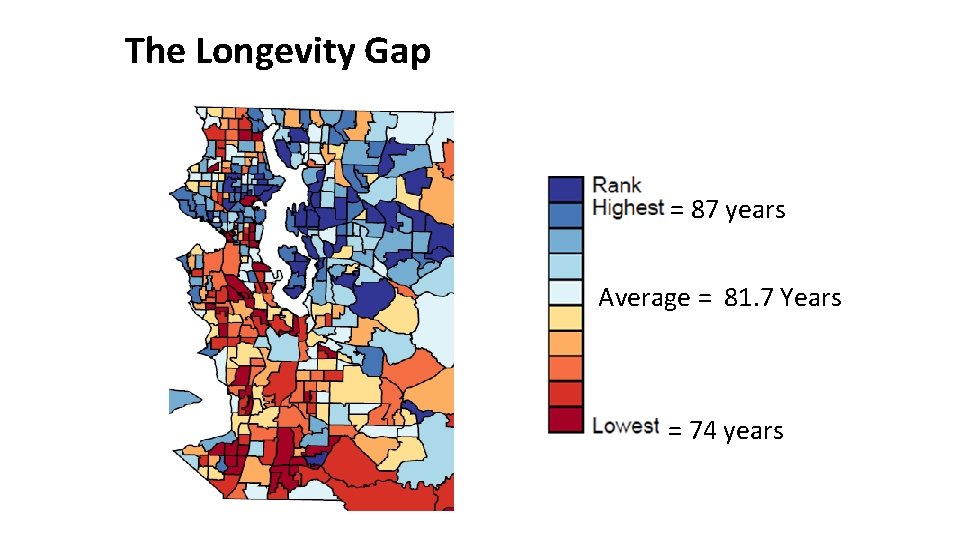
The Longevity Gap = 87 years Average = 81. 7 Years = 74 years
Four Top Public Health Threats: Impacts on Older Adults 1. Dementia 2. Opioid Crisis 3. Gun Violence 4. Homelessness
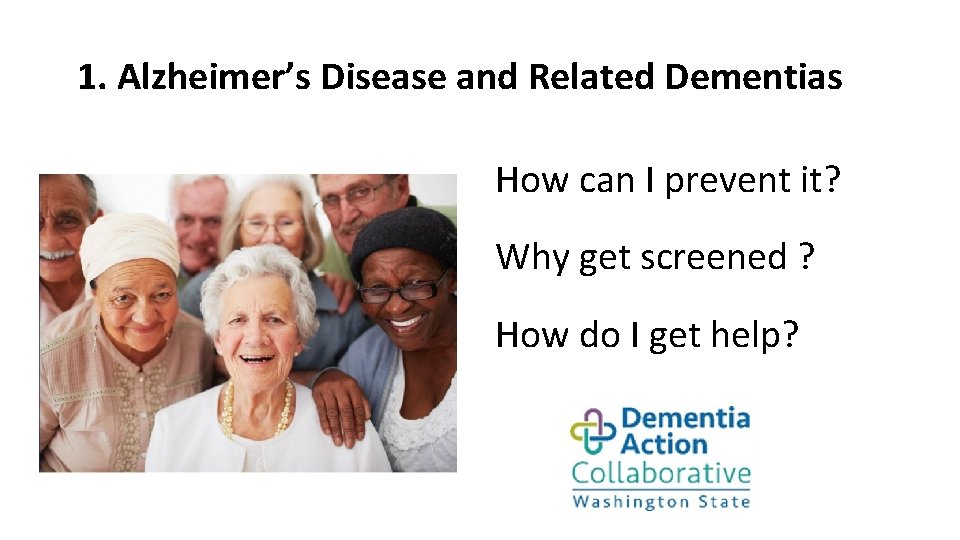
1. Alzheimer’s Disease and Related Dementias How can I prevent it? Why get screened ? How do I get help?
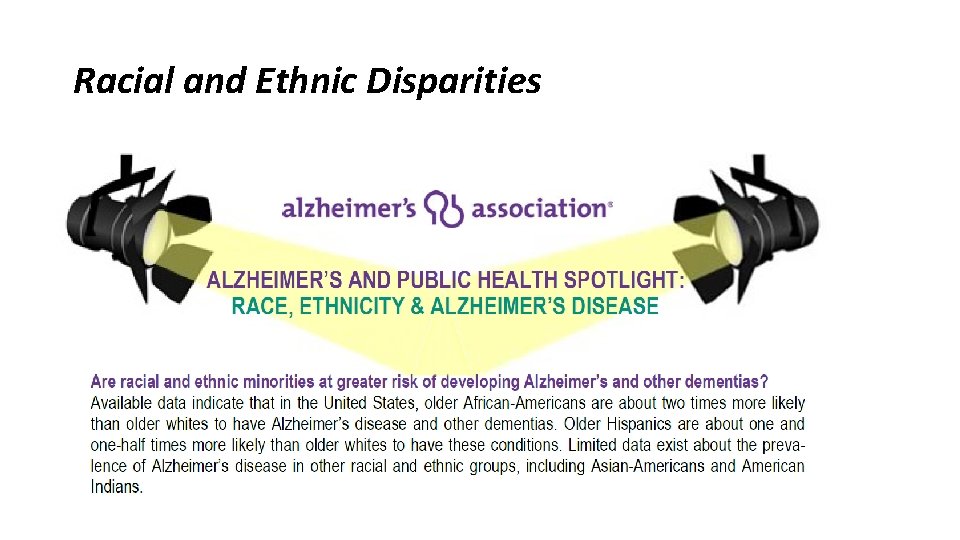
Racial and Ethnic Disparities
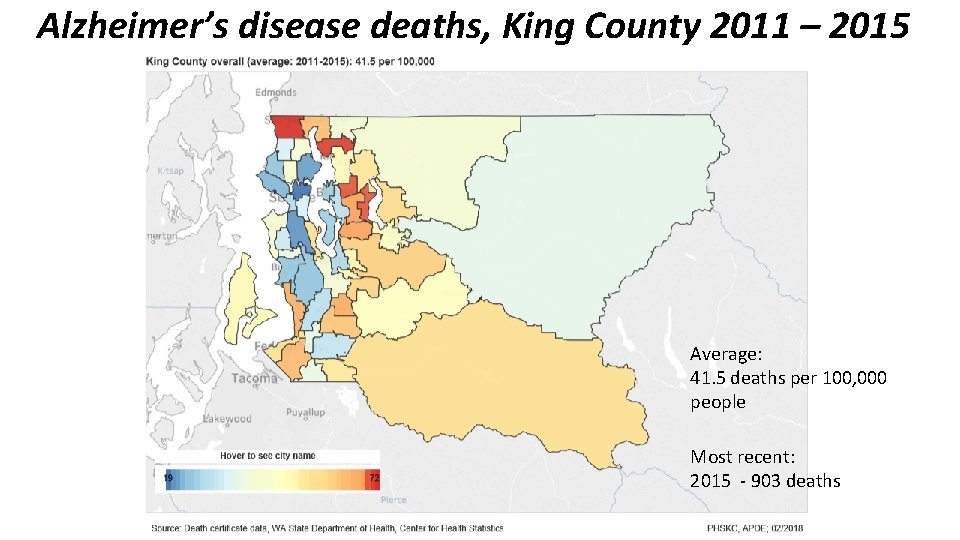
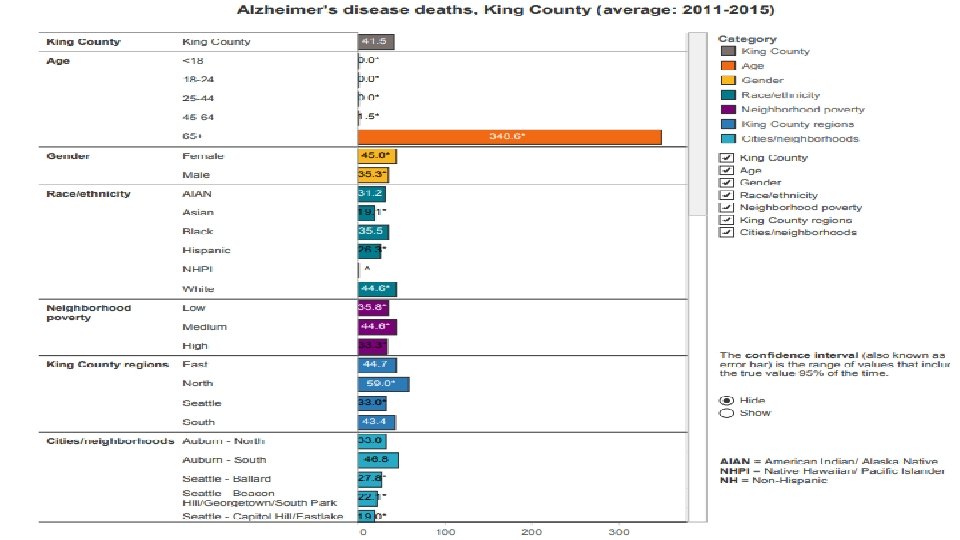
Alzheimer’s disease deaths, King County 2011 – 2015 Average: 41. 5 deaths per 100, 000 people Most recent: 2015 - 903 deaths
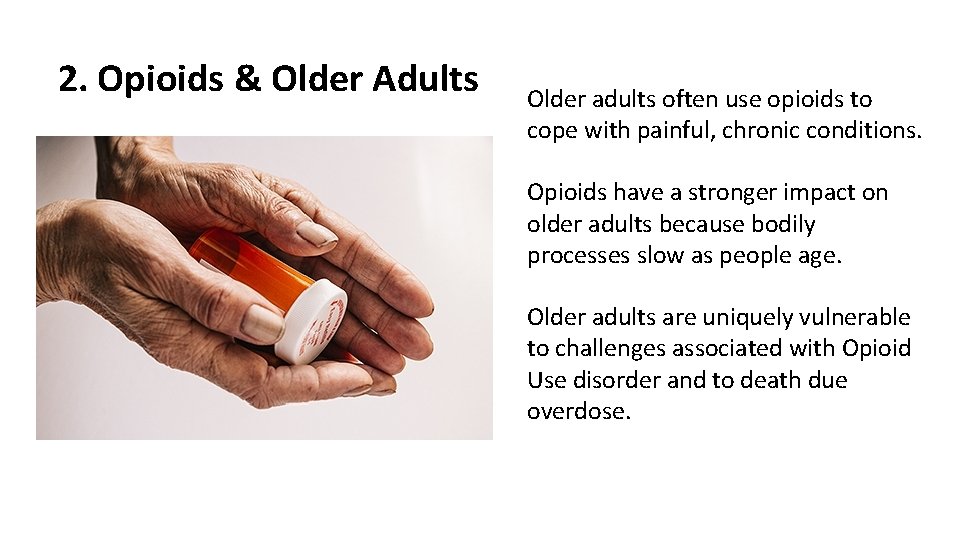
2. Opioids & Older Adults Older adults often use opioids to cope with painful, chronic conditions. Opioids have a stronger impact on older adults because bodily processes slow as people age. Older adults are uniquely vulnerable to challenges associated with Opioid Use disorder and to death due overdose.
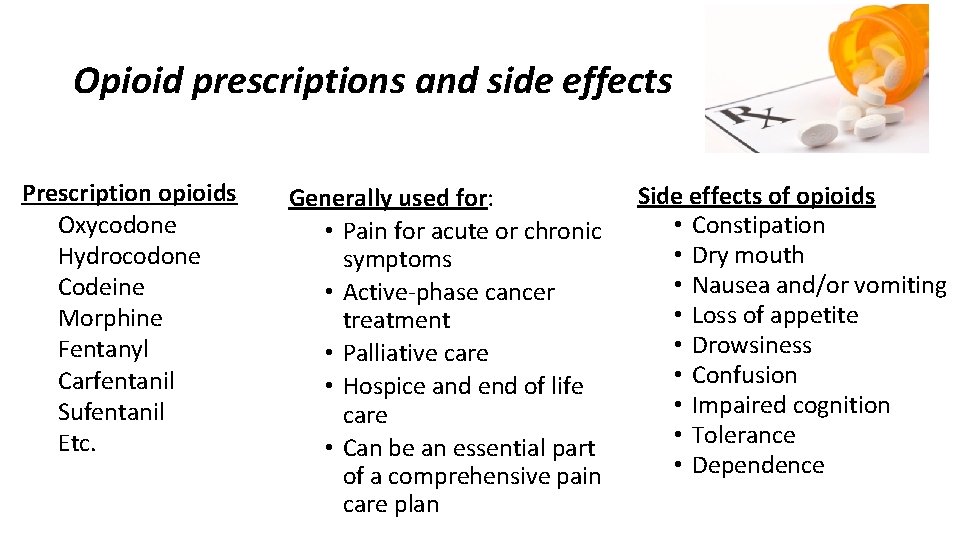
Opioid prescriptions and side effects Prescription opioids Oxycodone Hydrocodone Codeine Morphine Fentanyl Carfentanil Sufentanil Etc. Generally used for: • Pain for acute or chronic symptoms • Active-phase cancer treatment • Palliative care • Hospice and end of life care • Can be an essential part of a comprehensive pain care plan Side effects of opioids • Constipation • Dry mouth • Nausea and/or vomiting • Loss of appetite • Drowsiness • Confusion • Impaired cognition • Tolerance • Dependence
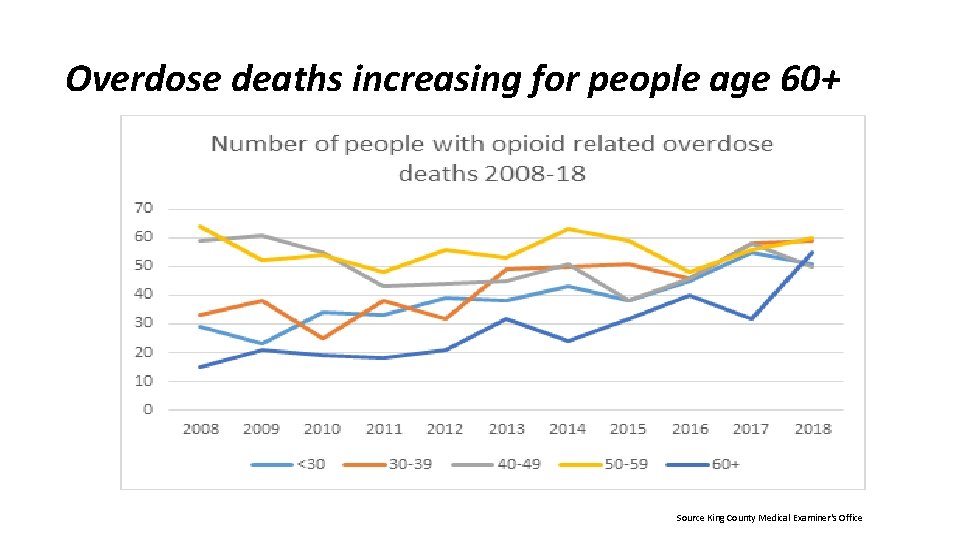
Overdose deaths increasing for people age 60+ Source King County Medical Examiner's Office
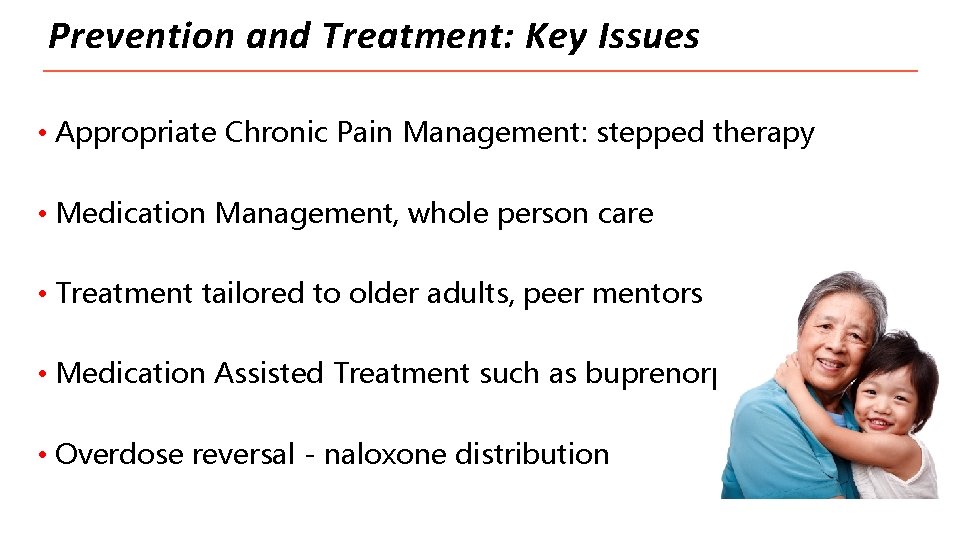
Prevention and Treatment: Key Issues • Appropriate Chronic Pain Management: stepped therapy • Medication Management, whole person care • Treatment tailored to older adults, peer mentors • Medication Assisted Treatment such as buprenorphine • Overdose reversal - naloxone distribution
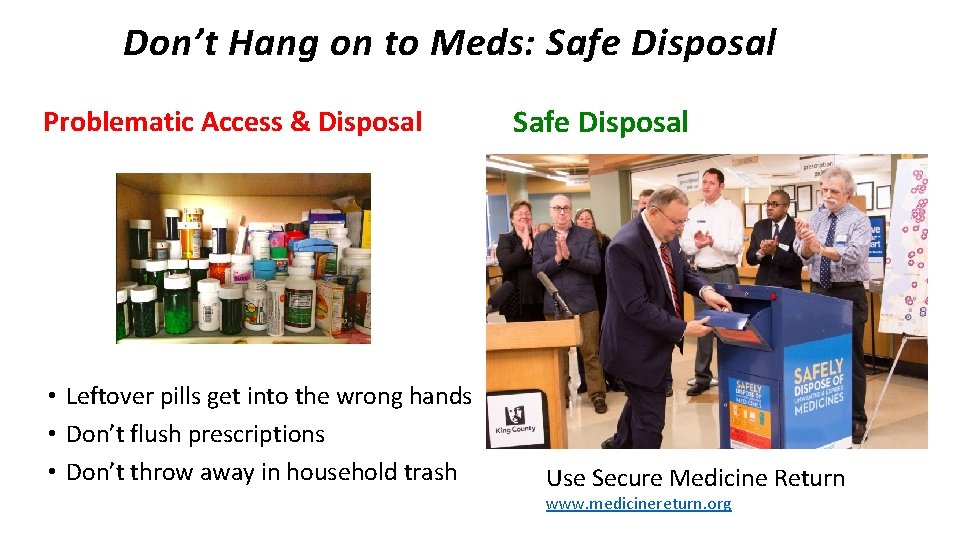
Don’t Hang on to Meds: Safe Disposal Problematic Access & Disposal • Leftover pills get into the wrong hands • Don’t flush prescriptions • Don’t throw away in household trash Safe Disposal Use Secure Medicine Return www. medicinereturn. org
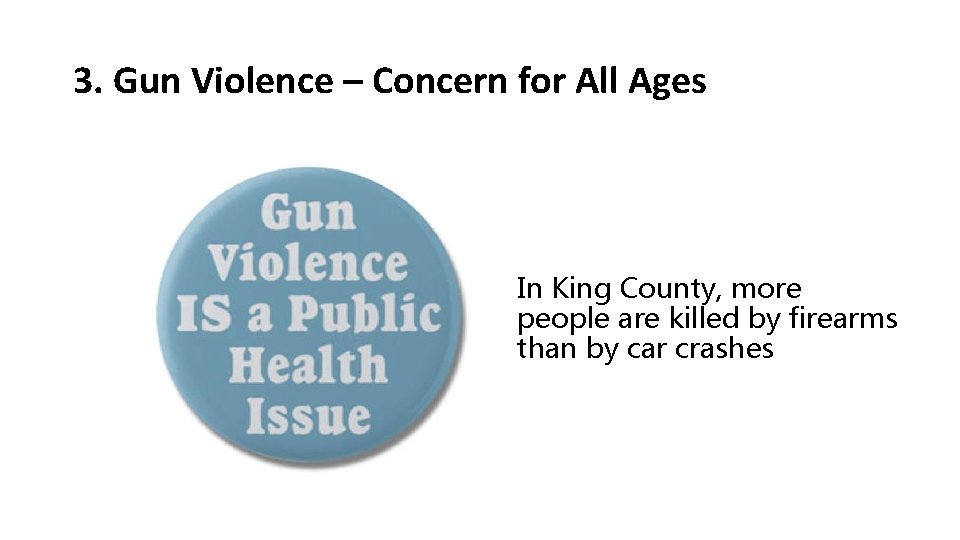
3. Gun Violence – Concern for All Ages In King County, more people are killed by firearms than by car crashes
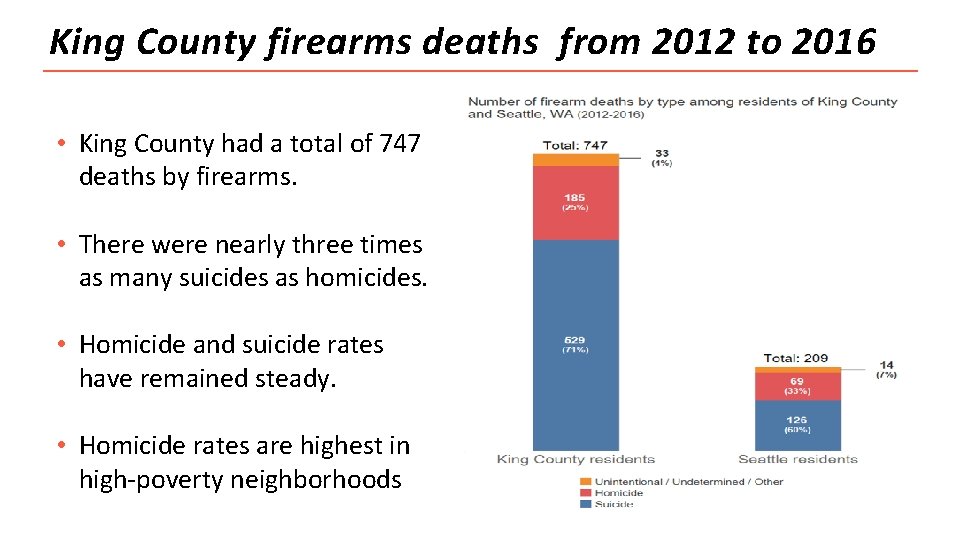
King County firearms deaths from 2012 to 2016 • King County had a total of 747 deaths by firearms. • There were nearly three times as many suicides as homicides. • Homicide and suicide rates have remained steady. • Homicide rates are highest in high-poverty neighborhoods
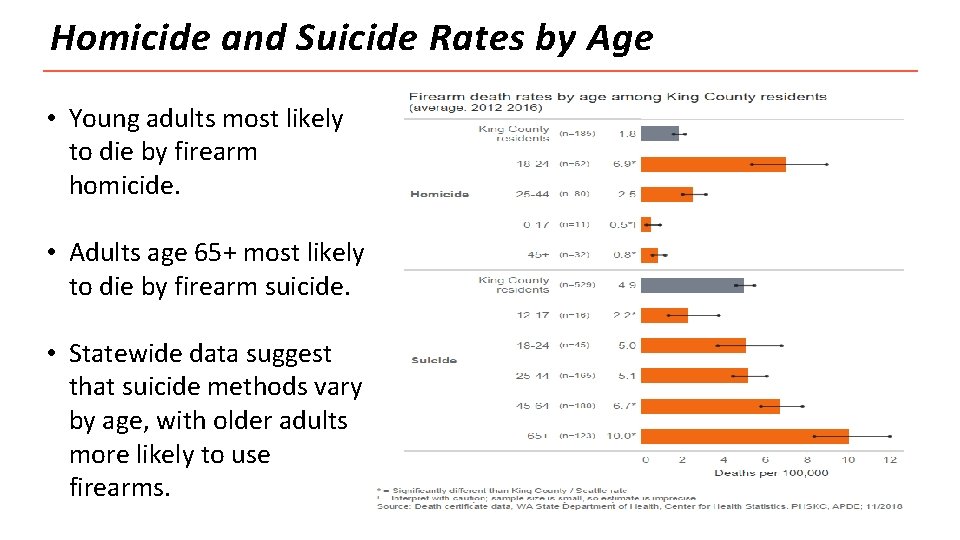
Homicide and Suicide Rates by Age • Young adults most likely to die by firearm homicide. • Adults age 65+ most likely to die by firearm suicide. • Statewide data suggest that suicide methods vary by age, with older adults more likely to use firearms.
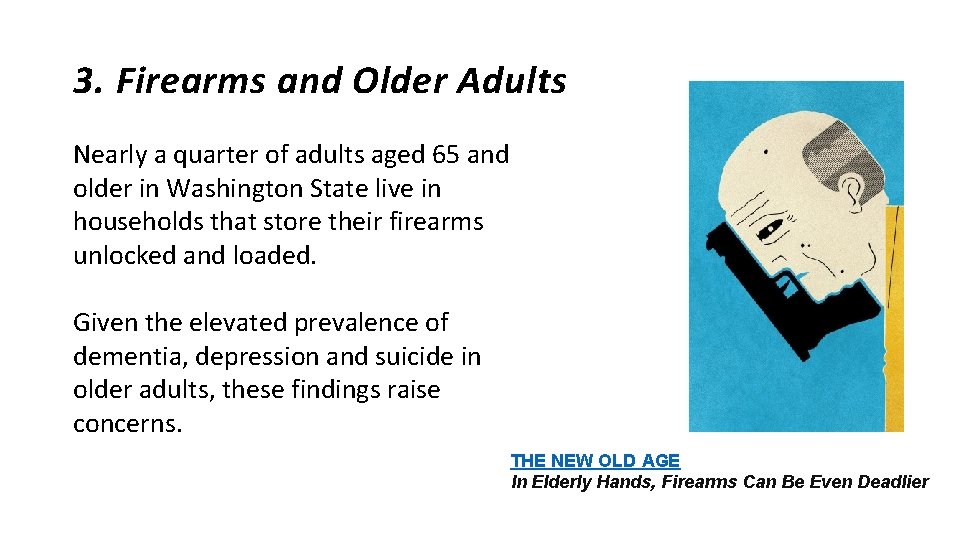
3. Firearms and Older Adults Nearly a quarter of adults aged 65 and older in Washington State live in households that store their firearms unlocked and loaded. Given the elevated prevalence of dementia, depression and suicide in older adults, these findings raise concerns. THE NEW OLD AGE In Elderly Hands, Firearms Can Be Even Deadlier
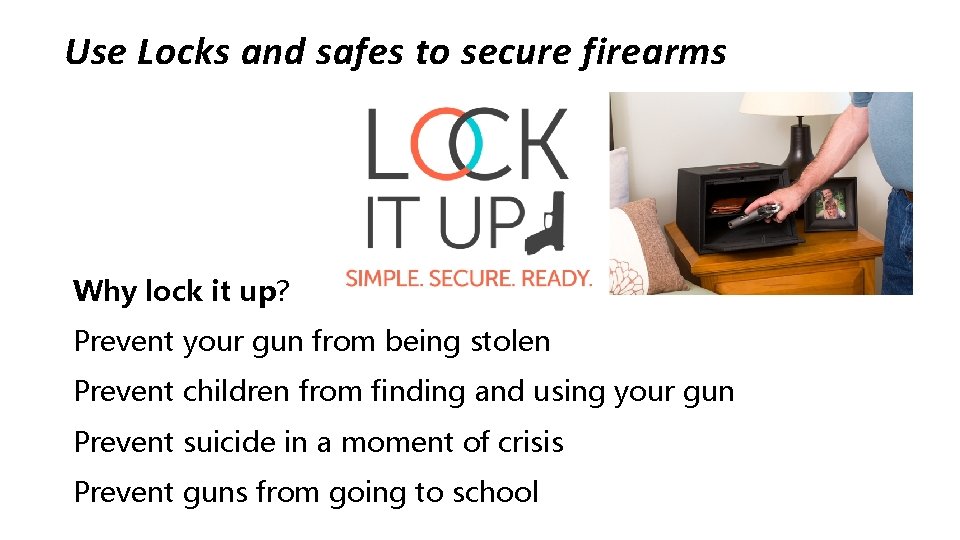
Use Locks and safes to secure firearms Why lock it up? Prevent your gun from being stolen Prevent children from finding and using your gun Prevent suicide in a moment of crisis Prevent guns from going to school
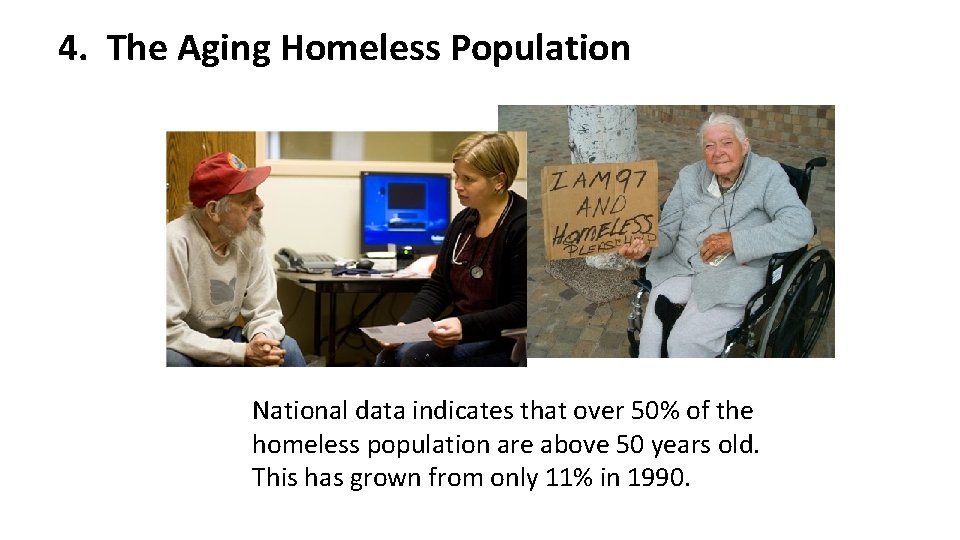
4. The Aging Homeless Population National data indicates that over 50% of the homeless population are above 50 years old. This has grown from only 11% in 1990.
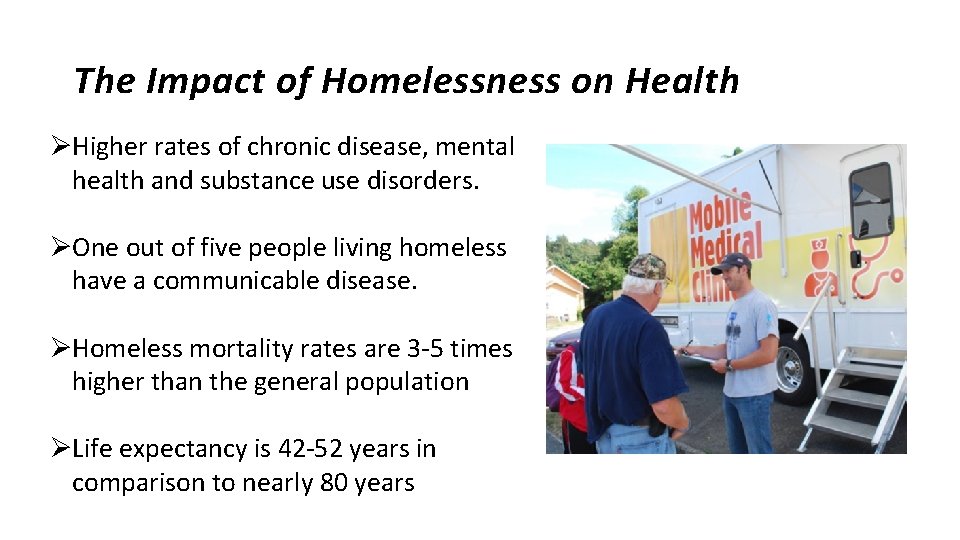
The Impact of Homelessness on Health ØHigher rates of chronic disease, mental health and substance use disorders. ØOne out of five people living homeless have a communicable disease. ØHomeless mortality rates are 3 -5 times higher than the general population ØLife expectancy is 42 -52 years in comparison to nearly 80 years
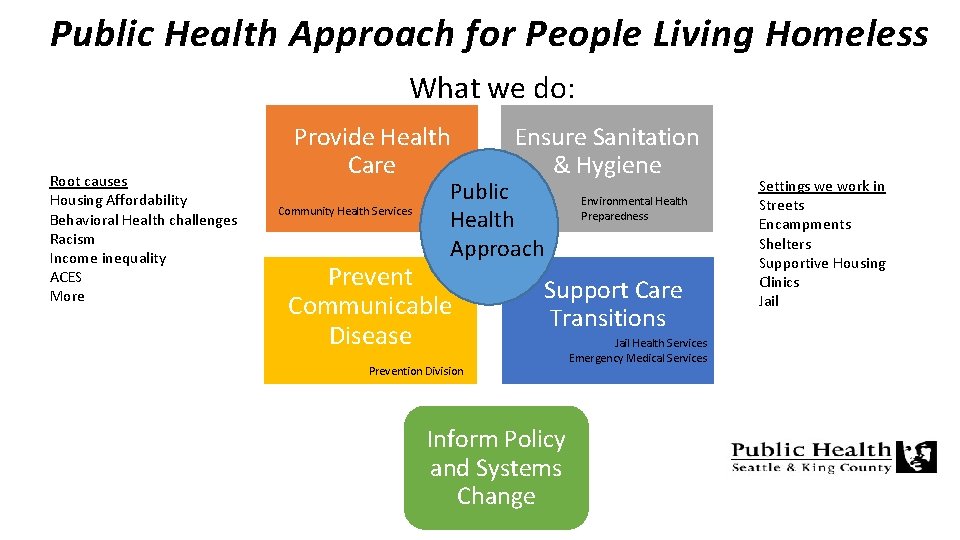
Public Health Approach for People Living Homeless What we do: Root causes Housing Affordability Behavioral Health challenges Racism Income inequality ACES More Provide Health Care Community Health Services Ensure Sanitation & Hygiene Public Health Approach Prevent Communicable Disease Environmental Health Preparedness Support Care Transitions Prevention Division Inform Policy and Systems Change Jail Health Services Emergency Medical Services Settings we work in Streets Encampments Shelters Supportive Housing Clinics Jail
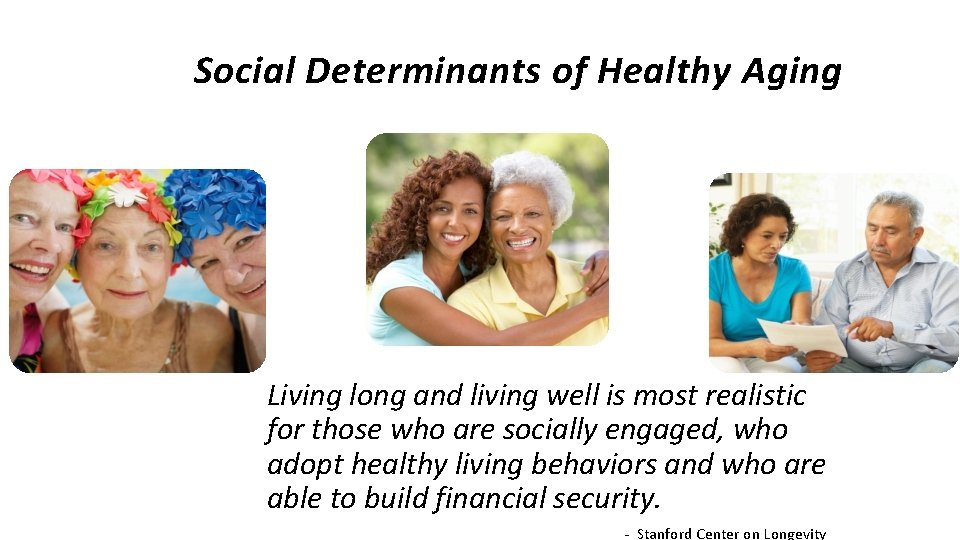
Social Determinants of Healthy Aging Living long and living well is most realistic for those who are socially engaged, who adopt healthy living behaviors and who are able to build financial security. - Stanford Center on Longevity