
INFORMATION TECHNOLOGY BASICS TESTOUT IT FUNDAMENTALS PRO Recall
INFORMATION TECHNOLOGY BASICS TESTOUT IT FUNDAMENTALS PRO
Recall significant developments in the history of modern computing. Identify uses of computers in today's world. Identify the basic functions of computers. Describe various roles for today’s supercomputers. Describe the basic principles of human-computer interaction. TESTOUT IT FUNDAMENTALS PRO
Input Processing Output Storage Hollerith's Tabulating Machine TESTOUT IT FUNDAMENTALS PRO
Transistor Microchip World Wide Web Smartphone Supercomputers Human-computer Interaction TESTOUT IT FUNDAMENTALS PRO
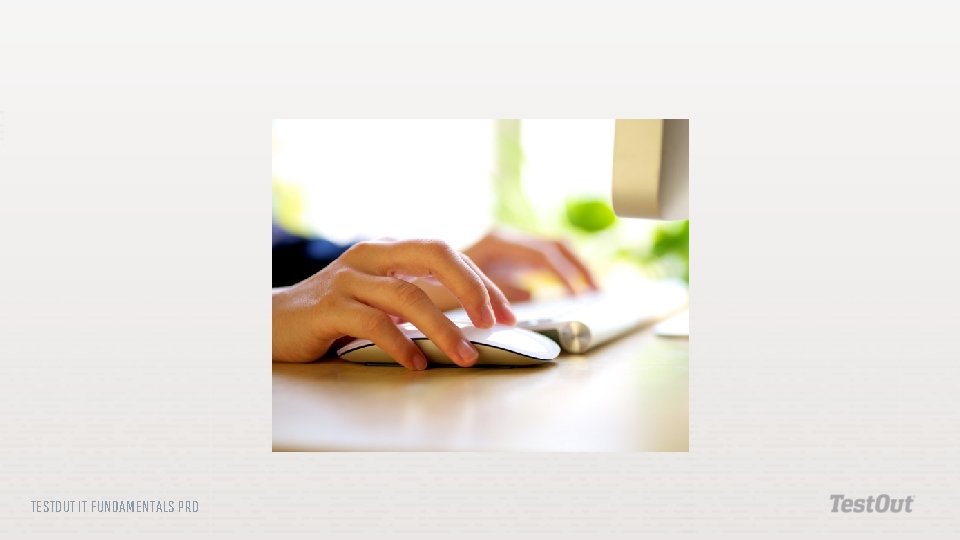
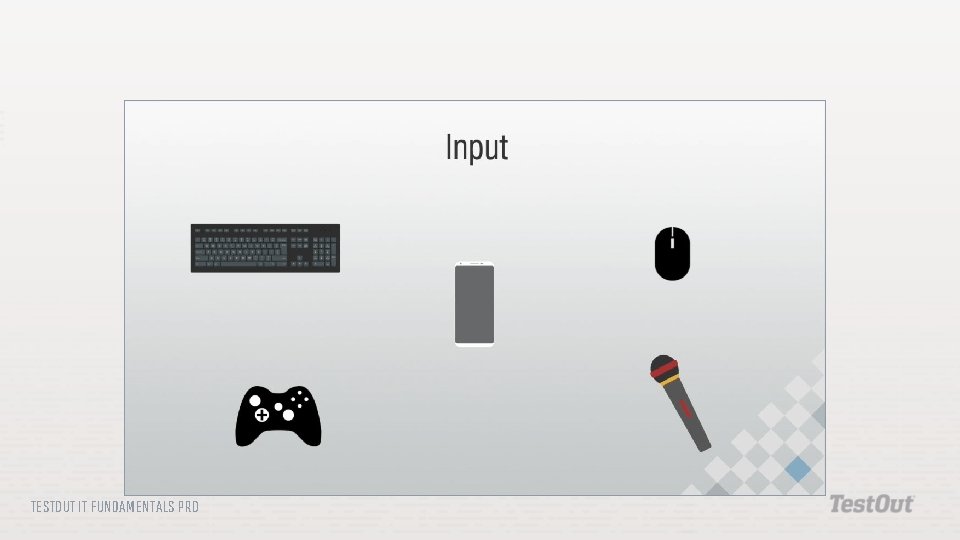
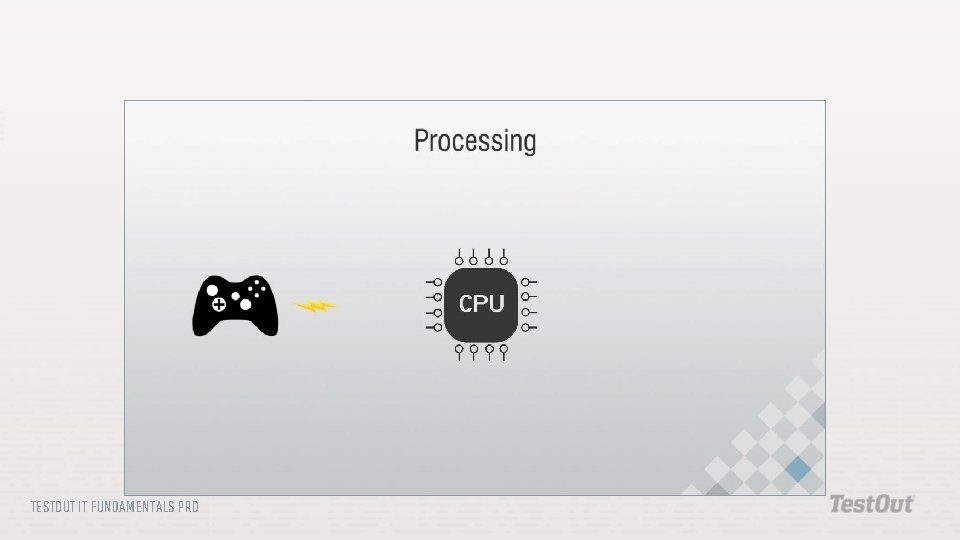
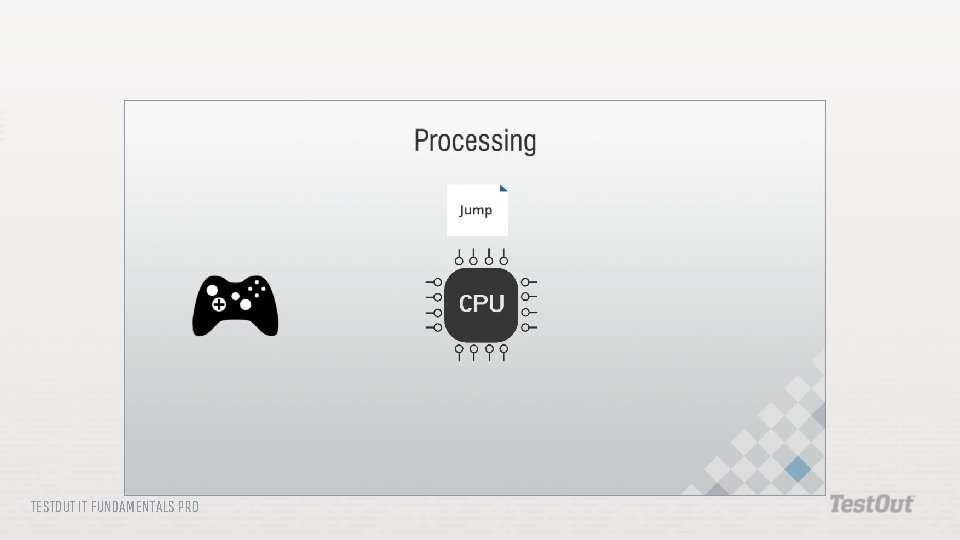
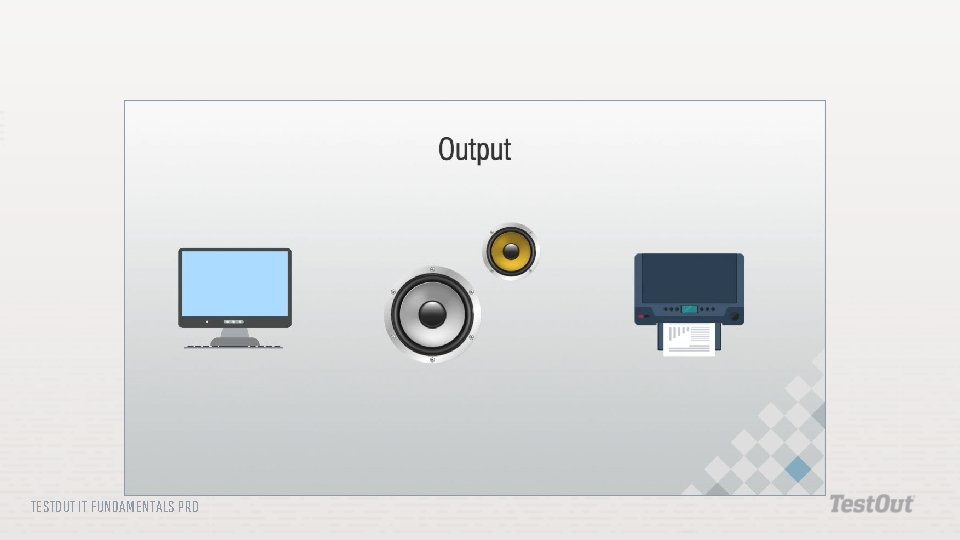
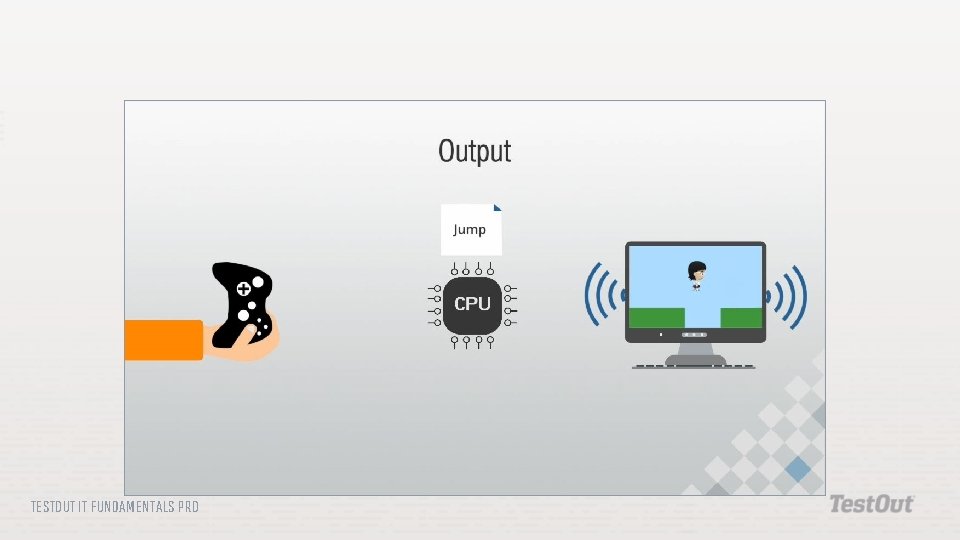
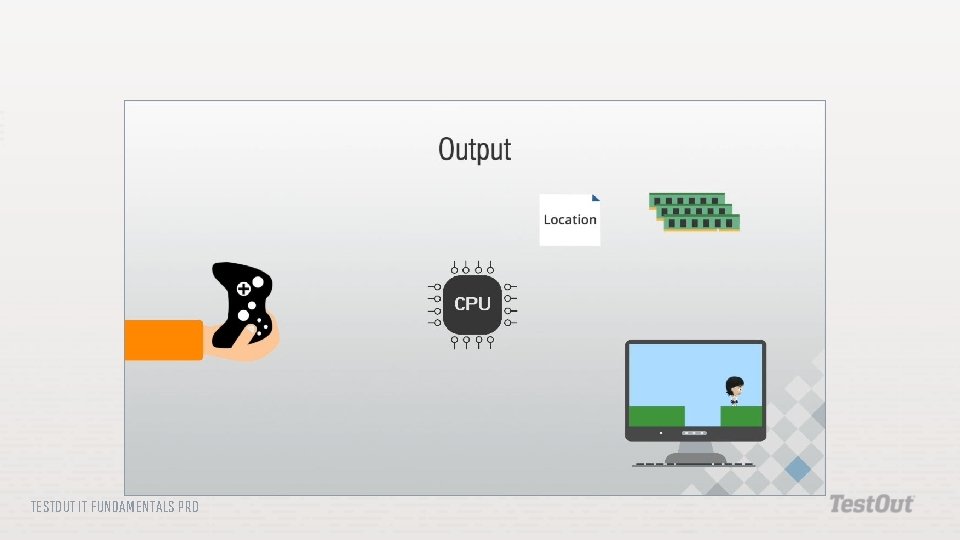
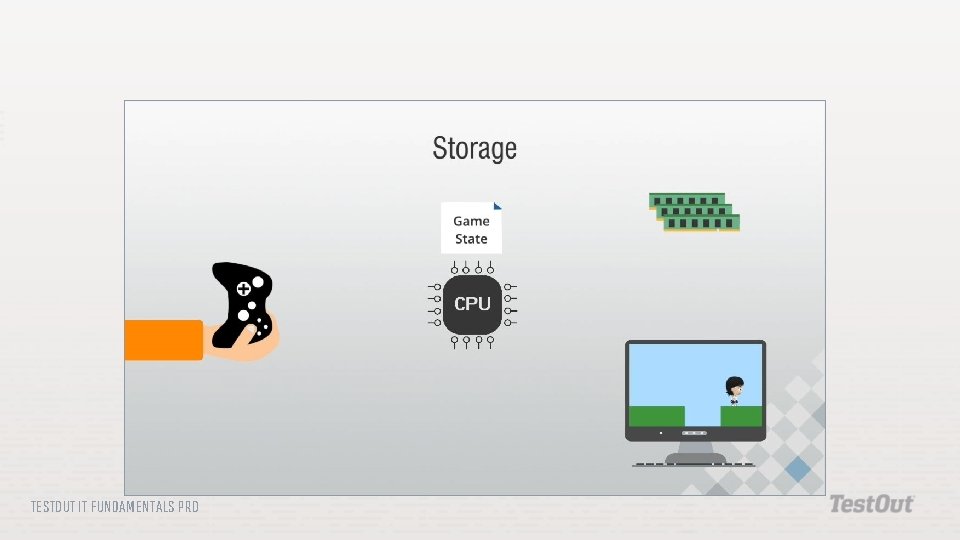
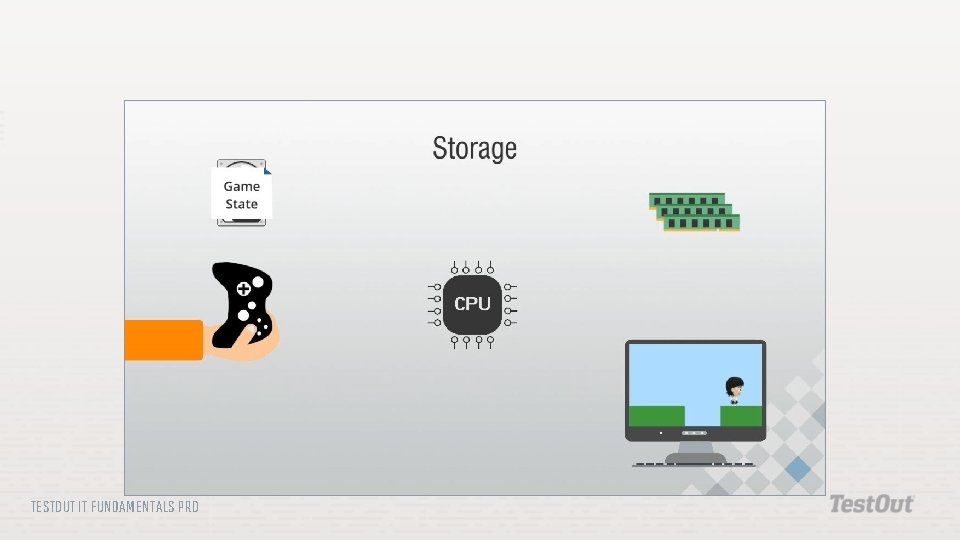
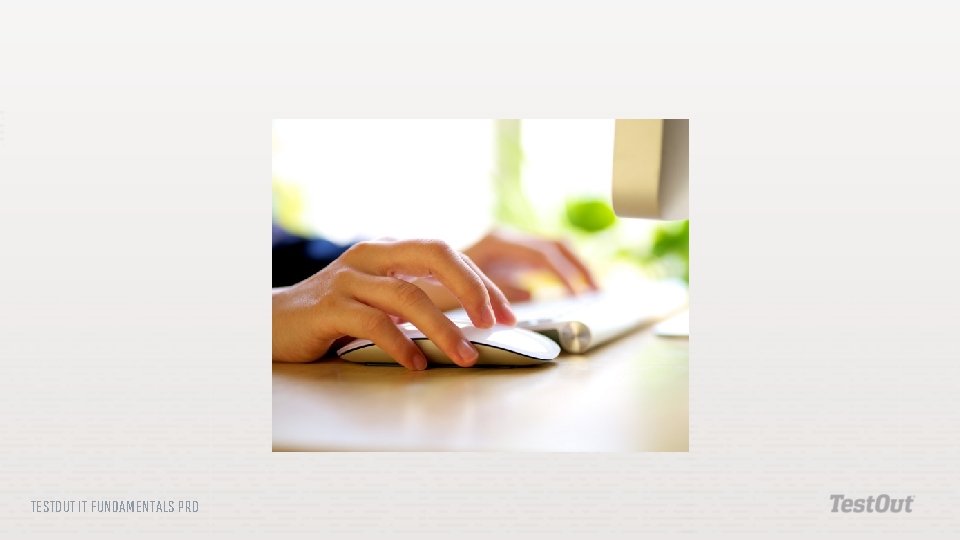
Input: Information that a user physically enters into a computer by pressing a key on a keyboard, clicking a mouse, tapping a touch screen, pushing a button on a game controller, speaking into a microphone, etc. Processing: The operations performed by a computer to retrieve, transform, or classify information. Output: Information that a computer returns to a user such as images on a screen, sounds from speakers, and printed pages. Storage: The saving of information on memory chips, discs, or other storage media by a computer for later use. TESTOUT IT FUNDAMENTALS PRO
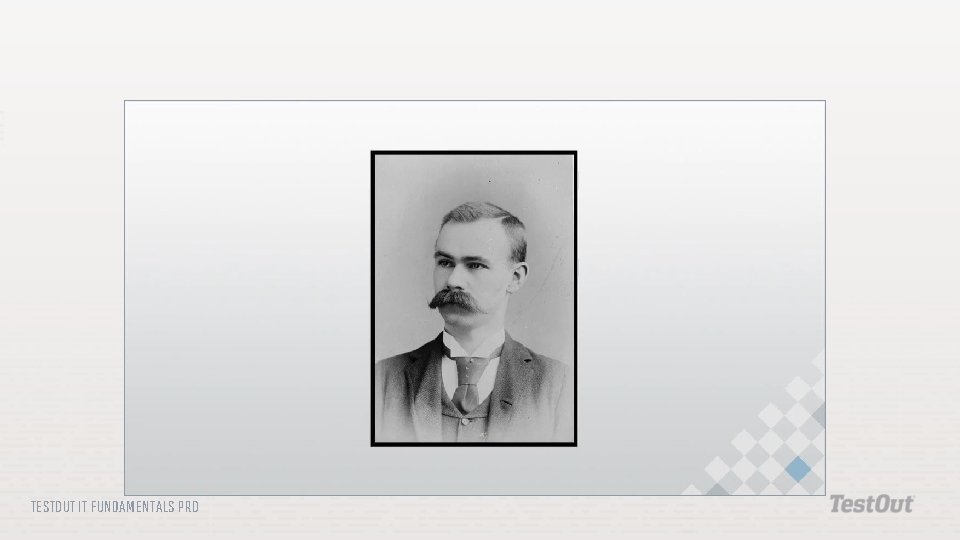
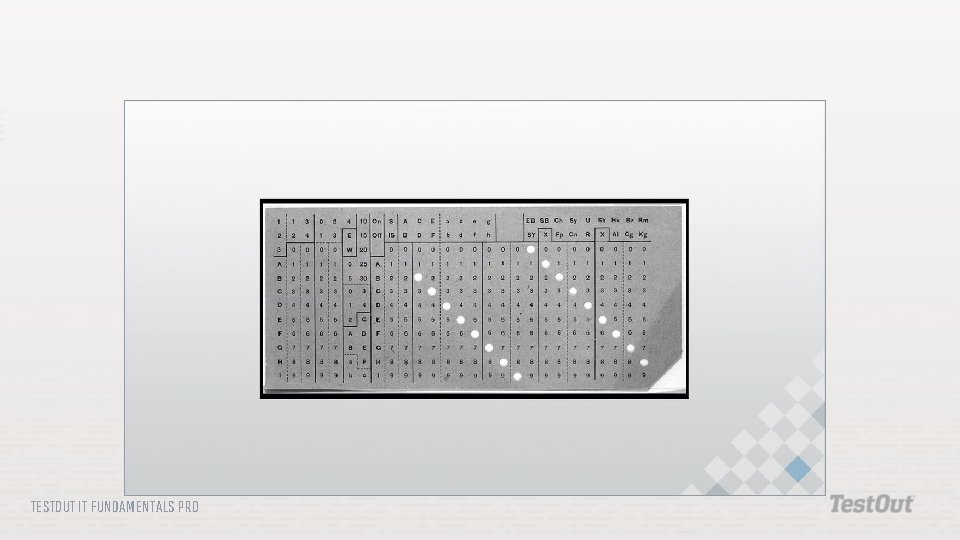
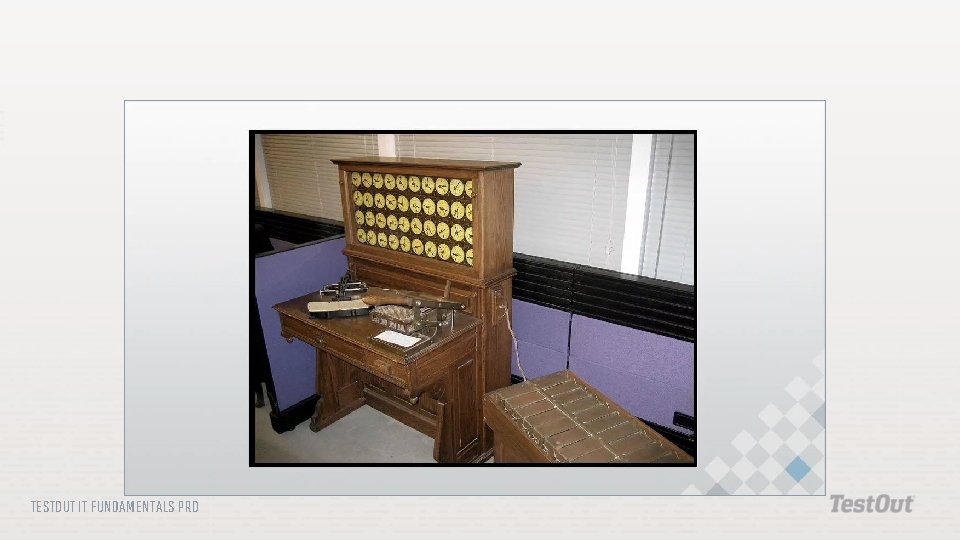
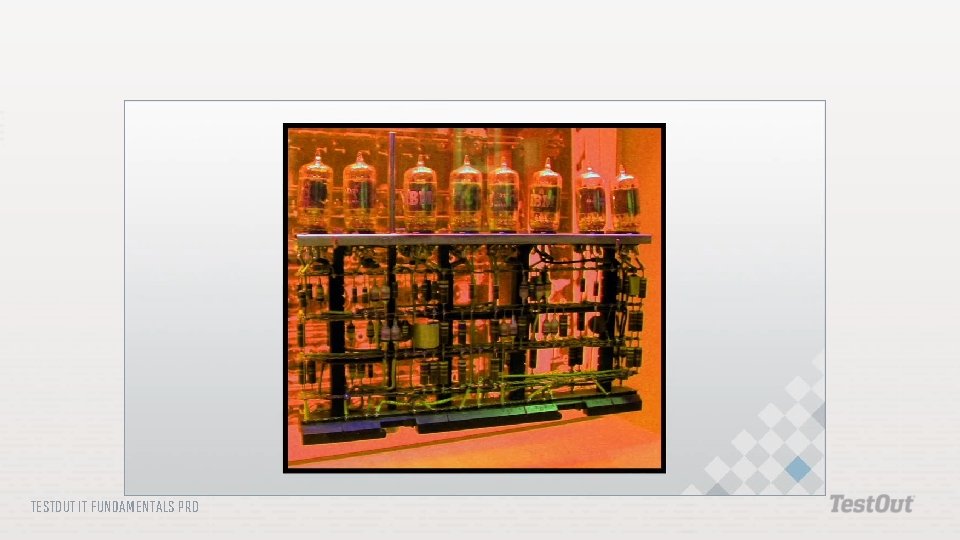
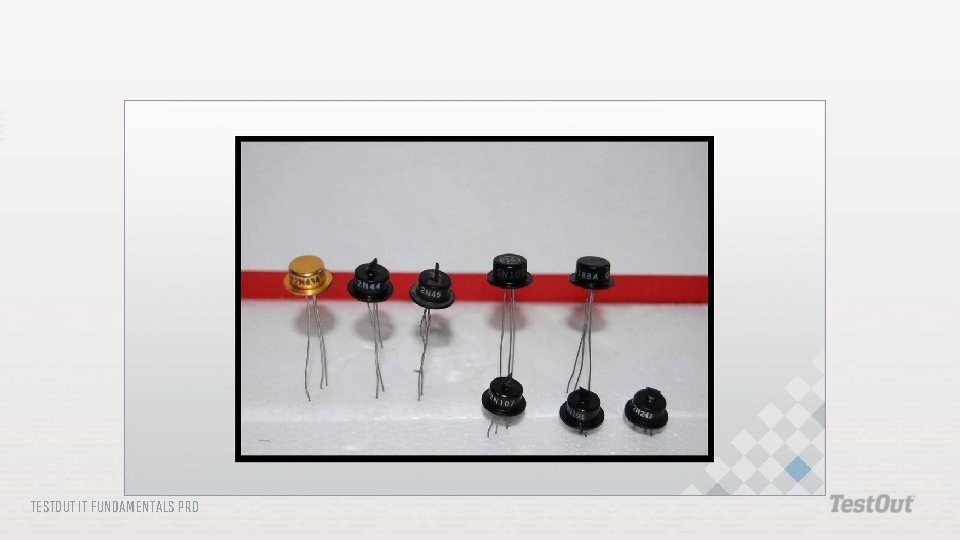
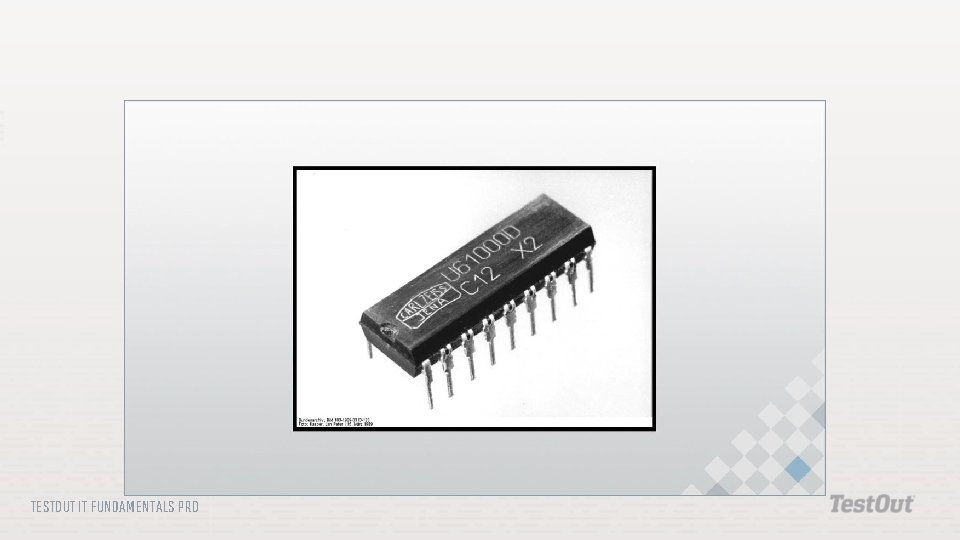
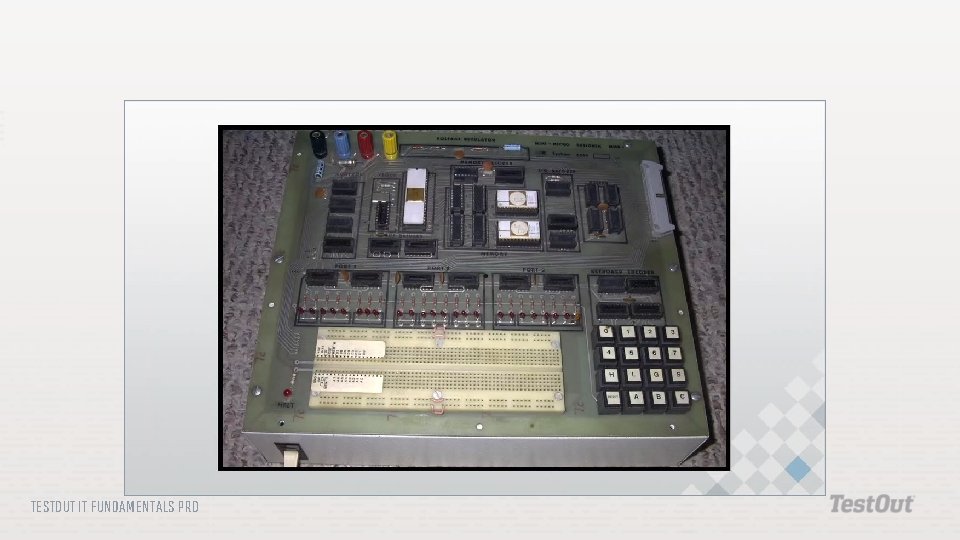
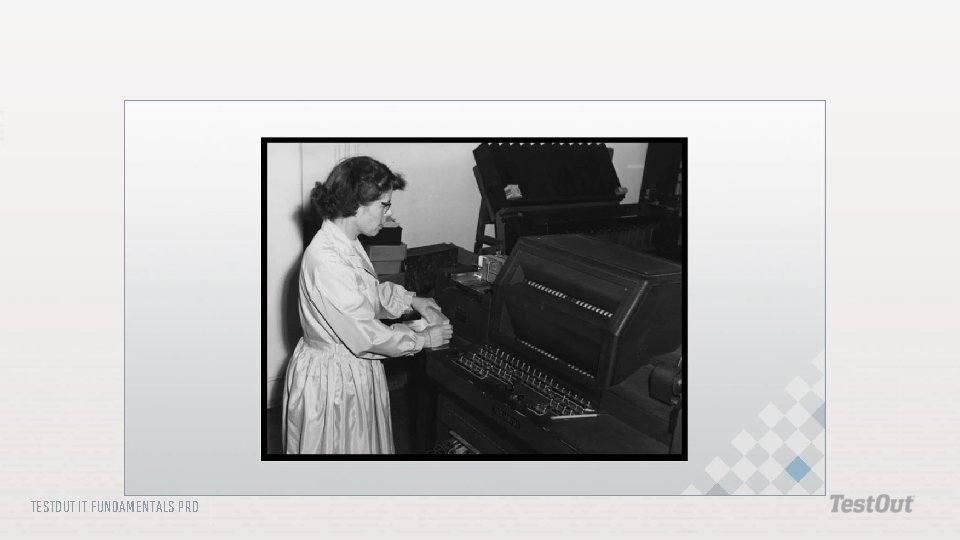
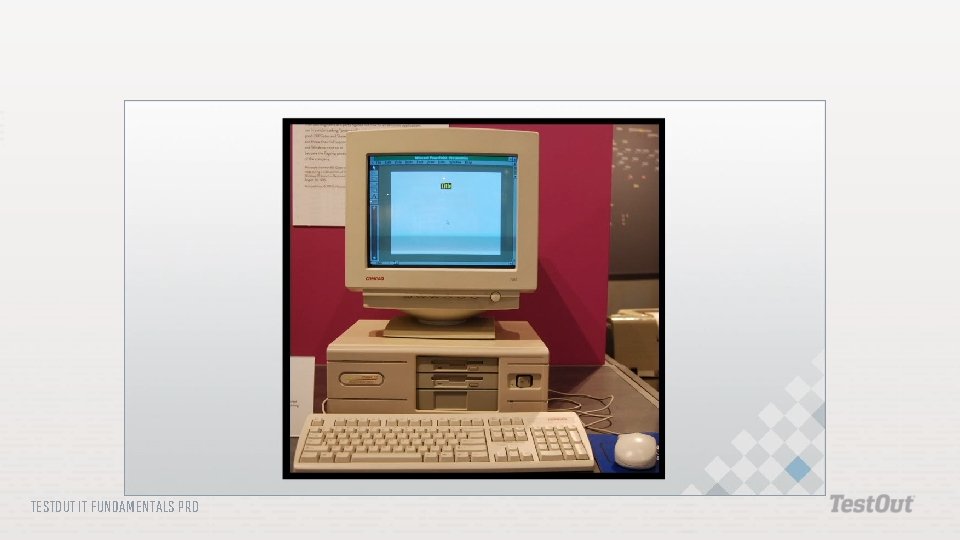
Hollerith's Tabulating Machine: An early computing machine that used punched cards and metal pins. It was used to compile the 1890 US census. Transistor: A smaller, faster, cheaper, and more durable electronic device that replaced mechanical relays, which were slow and tended to wear down over time. Microchip: An electronic device that allowed entire computers to be built into a single board, replacing modules for each part of the computer. Microchips paved the way for personal computer ownership. TESTOUT IT FUNDAMENTALS PRO
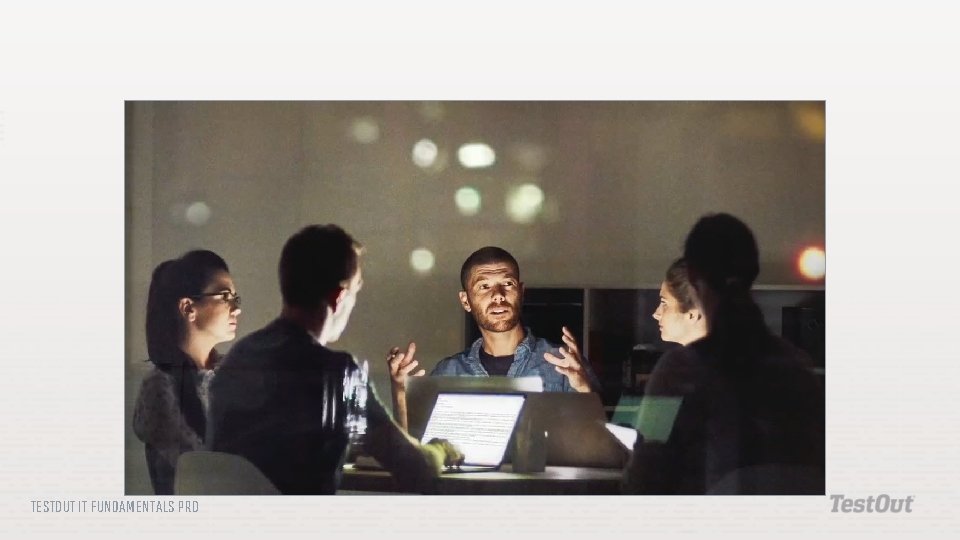
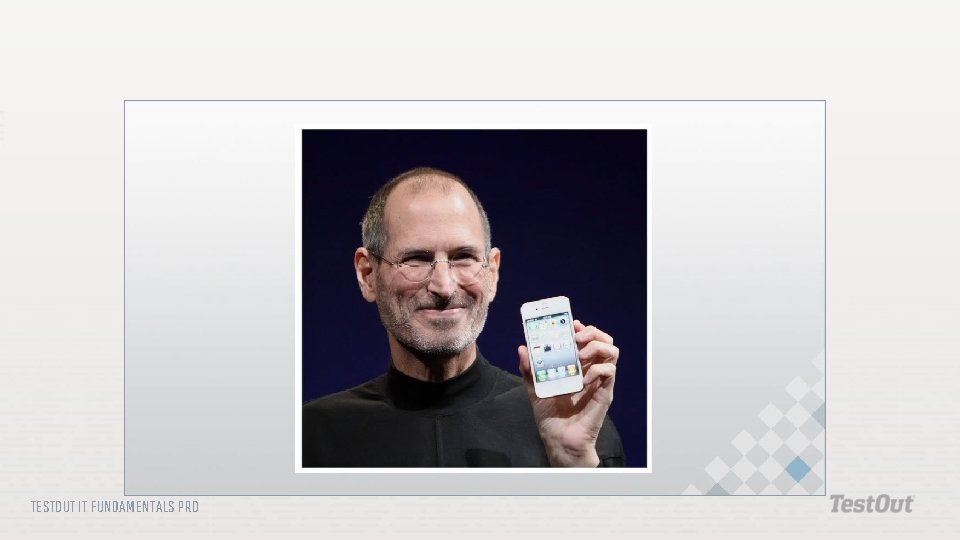
World Wide Web: A system for making digital resources publicly available over the internet using a web browser that paved the way for email, chatrooms, and social media sites. Smartphone: A mobile phone that functions as a computer and allows users to access the internet. Supercomputers: The fastest, most powerful computers that exist at a given time. These computers have processing capabilities designed to solve problems that are too complex for regular computers. They play vital roles in the advancement of national defense, science, and social change. Human-computer Interaction: A field of study that looks at how computers and other kinds of technology interact with humans. TESTOUT IT FUNDAMENTALS PRO
TESTOUT IT FUNDAMENTALS PRO
TESTOUT IT FUNDAMENTALS PRO
TESTOUT IT FUNDAMENTALS PRO
TESTOUT IT FUNDAMENTALS PRO
TESTOUT IT FUNDAMENTALS PRO
TESTOUT IT FUNDAMENTALS PRO
TESTOUT IT FUNDAMENTALS PRO
TESTOUT IT FUNDAMENTALS PRO
TESTOUT IT FUNDAMENTALS PRO
Input Processing Output Storage TESTOUT IT FUNDAMENTALS PRO
TESTOUT IT FUNDAMENTALS PRO
TESTOUT IT FUNDAMENTALS PRO
TESTOUT IT FUNDAMENTALS PRO
TESTOUT IT FUNDAMENTALS PRO
TESTOUT IT FUNDAMENTALS PRO
TESTOUT IT FUNDAMENTALS PRO
TESTOUT IT FUNDAMENTALS PRO
TESTOUT IT FUNDAMENTALS PRO
TESTOUT IT FUNDAMENTALS PRO
TESTOUT IT FUNDAMENTALS PRO
TESTOUT IT FUNDAMENTALS PRO
TESTOUT IT FUNDAMENTALS PRO
TESTOUT IT FUNDAMENTALS PRO
TESTOUT IT FUNDAMENTALS PRO
TESTOUT IT FUNDAMENTALS PRO
TESTOUT IT FUNDAMENTALS PRO
TESTOUT IT FUNDAMENTALS PRO
TESTOUT IT FUNDAMENTALS PRO
TESTOUT IT FUNDAMENTALS PRO
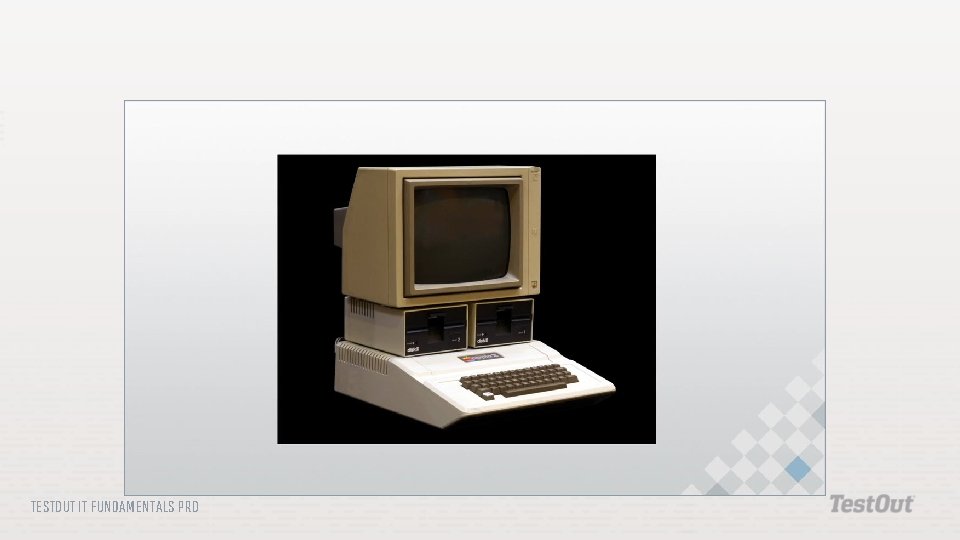
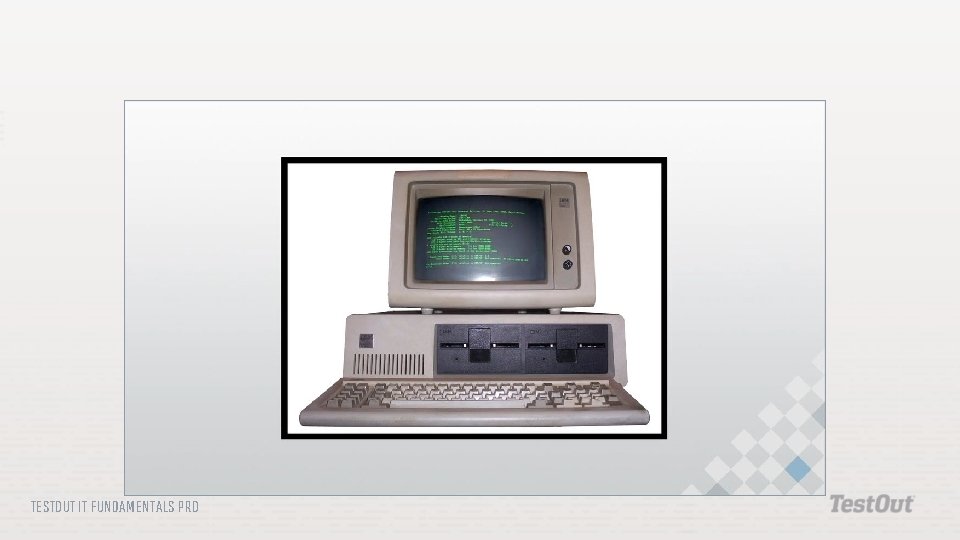
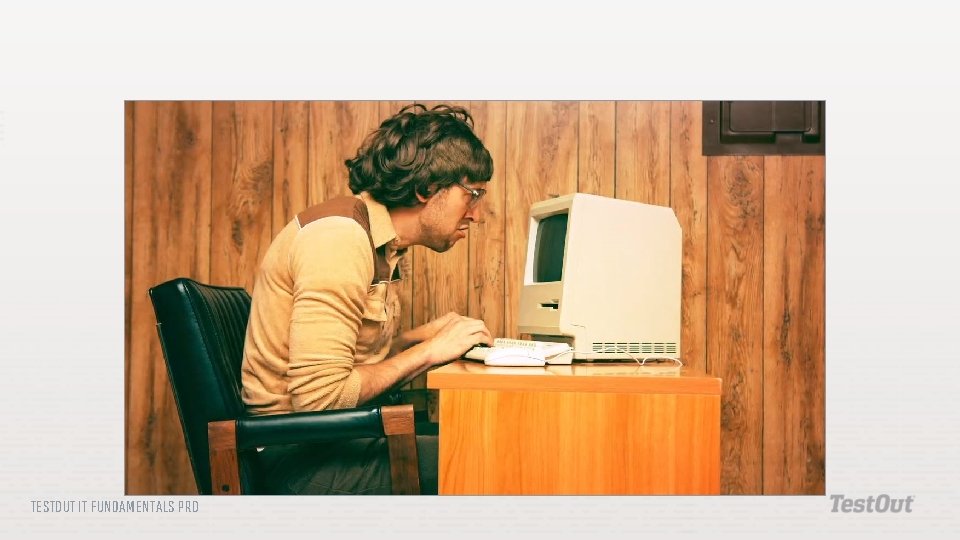
How are modern computers similar to early computers? How are they different? What is the relationship between input, processing, output, and storage? TESTOUT IT FUNDAMENTALS PRO
- Slides: 37