
INFORMATION GATHERING INTERACTIVE METHODS SYSTEM ANALYSIS AND DESIGN


- Slides: 58
INFORMATION GATHERING: INTERACTIVE METHODS SYSTEM ANALYSIS AND DESIGN, 8 E KENDALL & KENDALL Group 1: Pham Minh Hieu 1611046 Nguyen Ho Minh Phuoc Nguyen Thi Nhu Y Huynh Trung Thuc 1612736 1614246 1513404
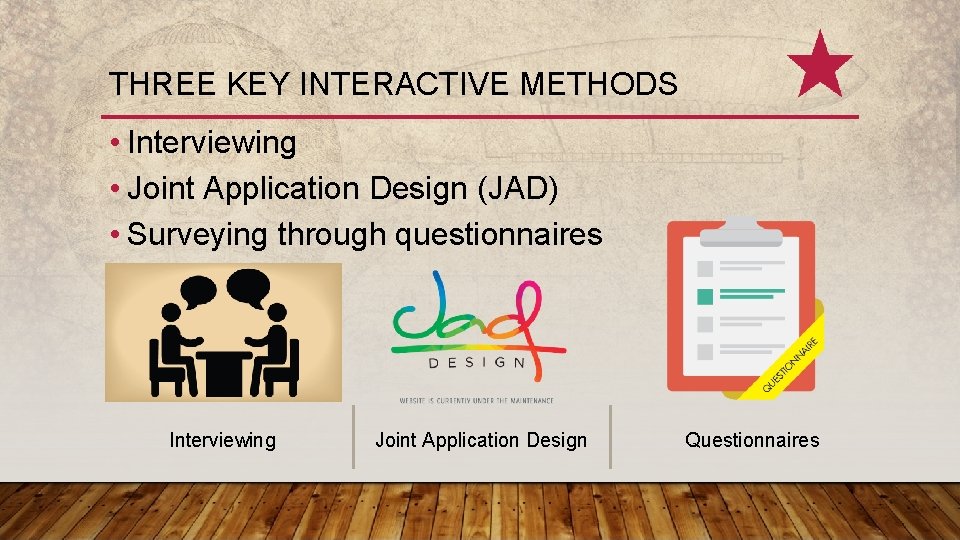
THREE KEY INTERACTIVE METHODS • Interviewing • Joint Application Design (JAD) • Surveying through questionnaires Interviewing Joint Application Design Questionnaires
INTERVIEWING • Interview preparation • Question types • Arranging questions • The interview report
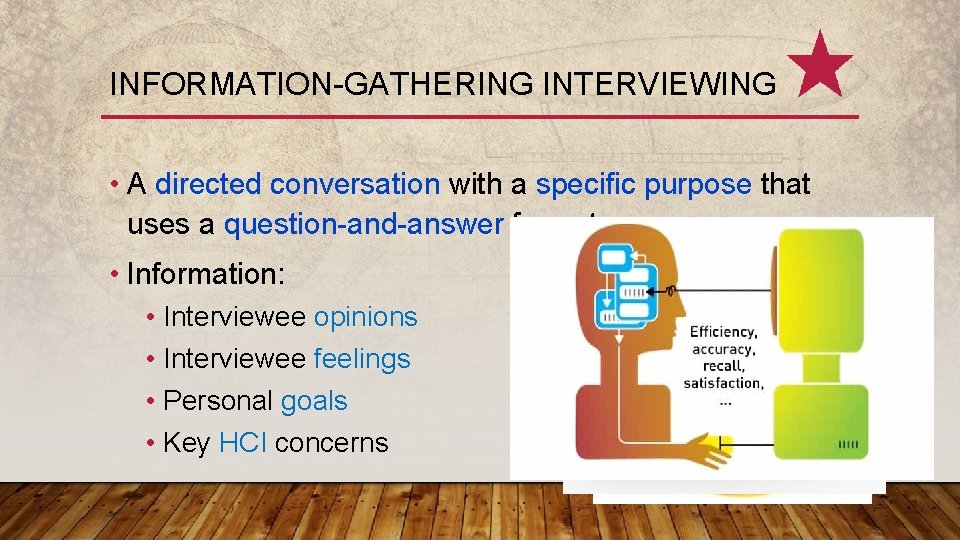
INFORMATION-GATHERING INTERVIEWING • A directed conversation with a specific purpose that uses a question-and-answer format. • Information: • Interviewee opinions • Interviewee feelings • Personal goals • Key HCI concerns
INTERVIEW PREPARATION 1. Reading background material 2. Establishing interview objectives 3. Deciding whom to interview 4. Preparing the interviewee 5. Deciding on question types and structure
QUESTION TYPES • Open-ended questions • Closed questions • Bipolar questions • Probes
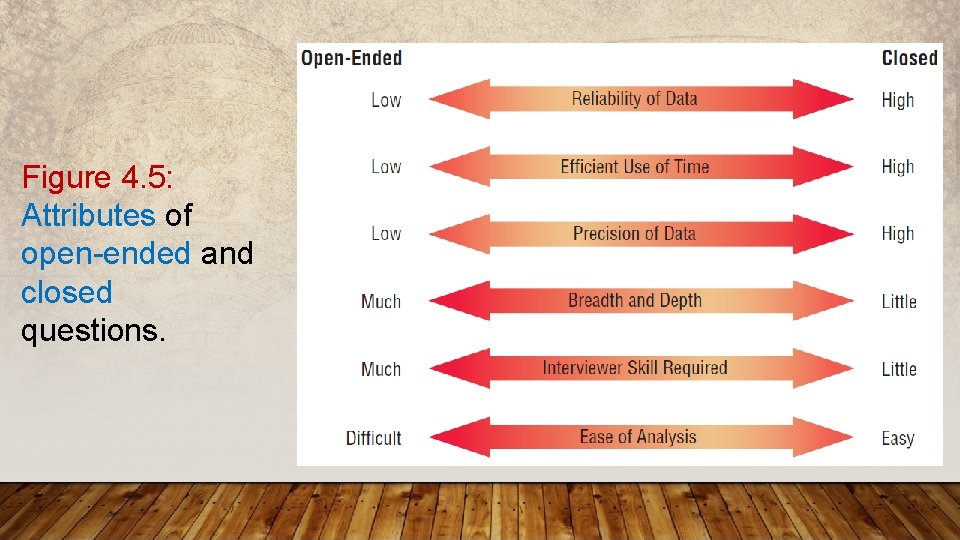
OPEN-ENDED QUESTIONS • Open-ended questions allow interviewees to respond how they wish, and to what length they wish. • Open-ended questions are appropriate when the analyst is interested in breadth and depth of reply.
BENEFITS OF OPEN-ENDED QUESTIONS 1. Putting the interviewee at ease. 2. Allowing the interviewer to pick up on the vocabulary. 3. Providing richness of detail. 4. Revealing avenues of untapped questions.
BENEFITS OF OPEN-ENDED QUESTIONS 5. More interesting for the interviewee. 6. Allowing more spontaneity. 7. Making phrasing easier. 8. Useful if interviewer is unprepared.
DRAWBACKS OF OPEN-ENDED QUESTIONS 1. Irrelevant detail. 2. Losing control of the interview. 3. Too much time for useful information. 4. The interviewer is unprepared. 5. “Fishing expedition”.
CLOSED QUESTIONS • Closed questions limit the number of possible responses. • Closed questions are appropriate for generating precise, reliable data that is easy to analyze. • Little skill are required for interviewers to administer.
BENEFITS OF CLOSED QUESTIONS 1. Saving time. 2. Easily comparing interviews. 3. Getting to the point. 4. Keeping control over the interview. 5. Covering lots of ground quickly. 6. Getting to relevant data.
DRAWBACKS OF CLOSED QUESTIONS 1. Boring for the interviewee. 2. Failing to obtain rich detail. 3. Missing main ideas. 4. Failing to build rapport.
Figure 4. 5: Attributes of open-ended and closed questions.
BIPOLAR QUESTIONS • Bilolar questions are those that may be answered with a ‘yes’ or ‘no’ or ‘agree’ or ‘disagree’. • Bipolar questions should be used sparingly.
PROBES • Probing questions elicit more detail about previous questions. • The purpose: • To get more meaning. • To clarify. • To draw out the interviewee’s point.
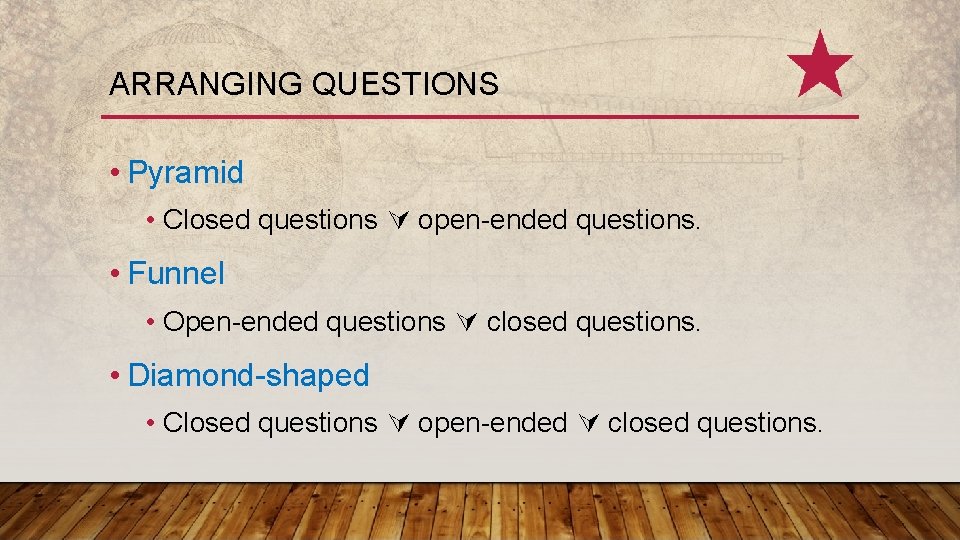
ARRANGING QUESTIONS • Pyramid • Closed questions open-ended questions. • Funnel • Open-ended questions closed questions. • Diamond-shaped • Closed questions open-ended closed questions.
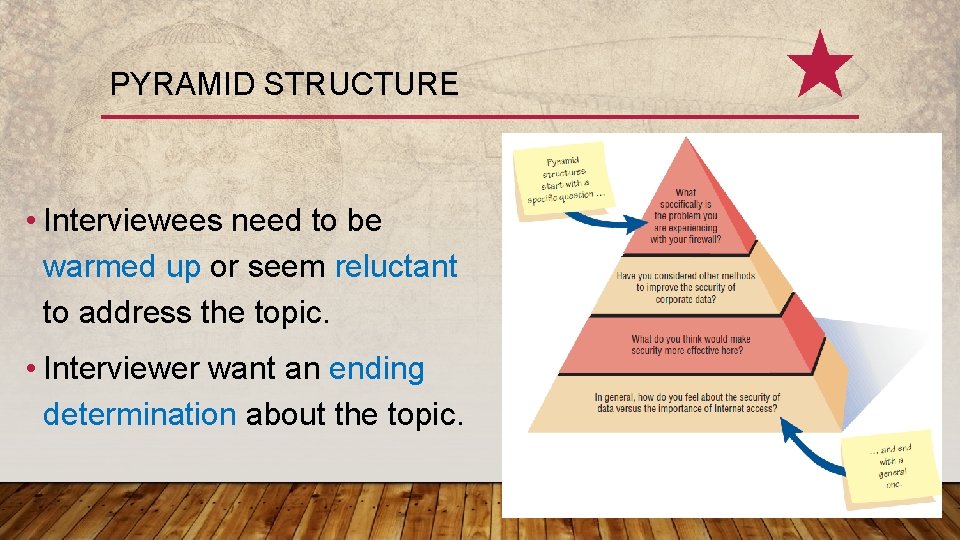
PYRAMID STRUCTURE • Interviewees need to be warmed up or seem reluctant to address the topic. • Interviewer want an ending determination about the topic.
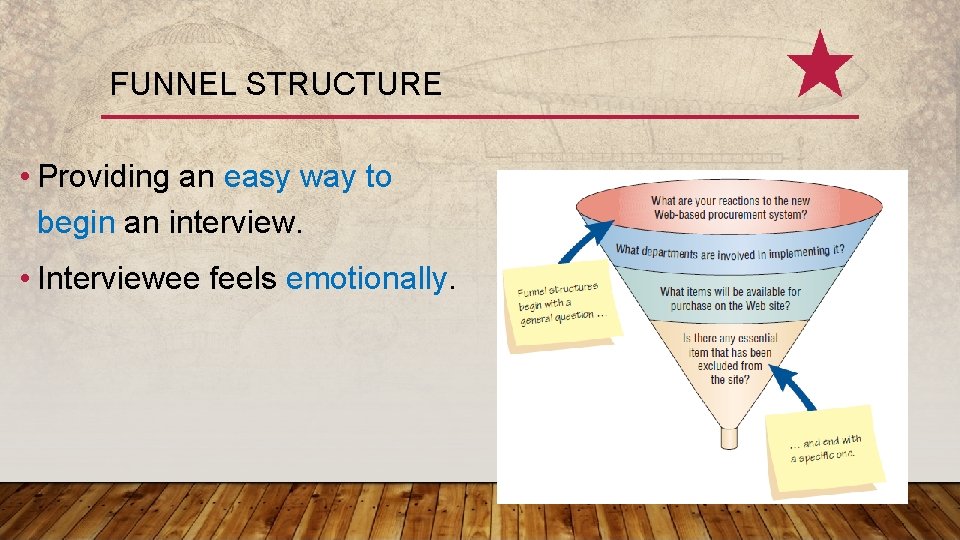
FUNNEL STRUCTURE • Providing an easy way to begin an interview. • Interviewee feels emotionally.
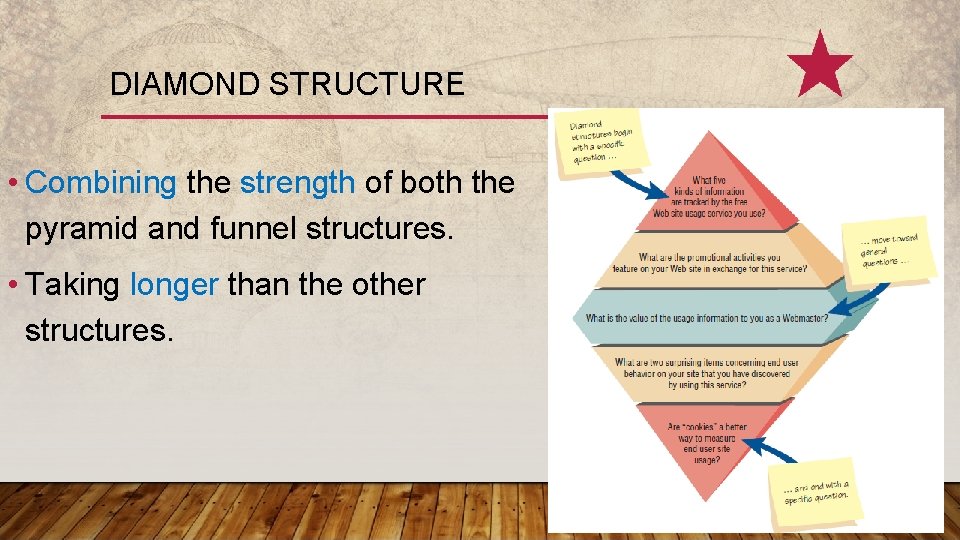
DIAMOND STRUCTURE • Combining the strength of both the pyramid and funnel structures. • Taking longer than the other structures.
CLOSING THE INTERVIEW • “Is there any thing else that you would like to add? ” • Summarize and provide feedback. • Whom you should talk with next? • Future appointments. • Thank the interviewee, shake hands.
WRITING REPORT • Write as soon as possible. • Provide an initial summary, then more detail. • Review the report with the respondent.
Q&A 1. How many kinds of information should be sought? 2. How many steps in interview preparation? 3. How many types of questions? 4. How many ways to arrange the questions?
JOINT APPLICATION DESIGN (JAD) • Joint Application Design (JAD) can replace a series of interviews with the user community • JAD is a technique that allows the analyst to accomplish requirements analysis and design the user interface with the users in a group setting 4 -24 Kendall & Kendall
CONDITIONS THAT SUPPORT THE USE OF JAD • Users are restless and want something new • The organizational culture supports joint problem-solving behaviors • Analysts forecast an increase in the number of ideas using JAD • Personnel may be absent from their jobs for the length of time required 4 -25 Kendall & Kendall
WHO IS INVOLVED • Executive sponsor • IS Analyst • Users • Session leader • Observers • Scribe 4 -26 Kendall & Kendall
WHERE TO HOLD JAD MEETINGS • Offsite • Comfortable surroundings • Minimize distractions • Attendance • Schedule when participants can attend • Agenda • Orientation meeting 4 -27 Kendall & Kendall
BENEFITS OF JAD • Time is saved, compared with traditional interviewing • Rapid development of systems • Improved user ownership of the system • Creative idea production is improved 4 -28 Kendall & Kendall
DRAWBACKS OF USING JAD • JAD requires a large block of time to be available for all session participants • If preparation or the follow-up report is incomplete, the session may not be successful • The organizational skills and culture may not be conducive to a JAD session 4 -29 Kendall & Kendall
Q&A 1. Watching the video summary. Link: https: //www. youtube. com/watch? v=TAhzj. CTf. Q 0 2. List the situations that warrant use of JAD in place of personal organizational interviews.
QUESTIONNAIRES Questionnaires are useful in gathering information from key organization members about: • Attitudes • Beliefs • Behaviors • Characteristics 4 -31 Kendall & Kendall
PLANNING FOR THE USE OF QUESTIONNAIRES • Organization members are widely dispersed • Many members are involved with the project • Exploratory work is needed • Problem solving prior to interviews is necessary 4 -32 Kendall & Kendall
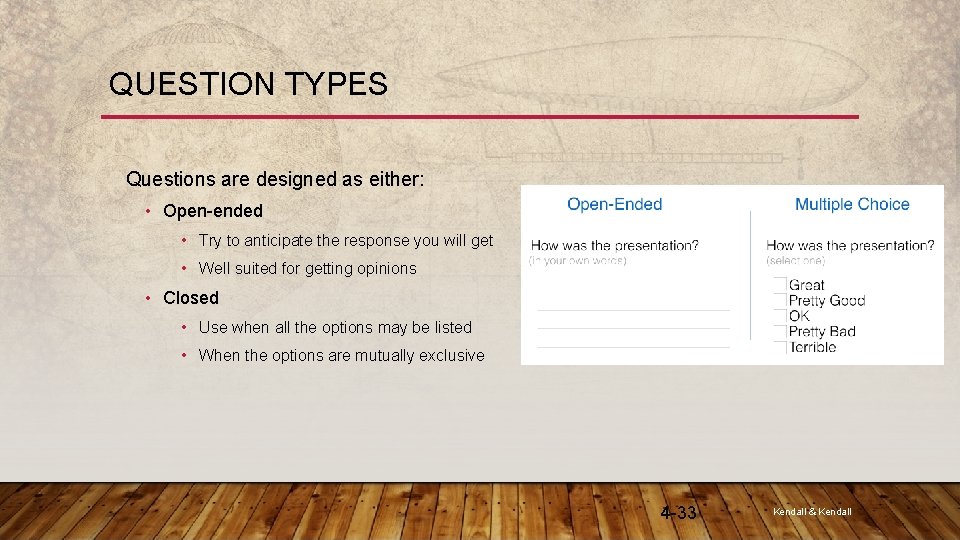
QUESTION TYPES Questions are designed as either: • Open-ended • Try to anticipate the response you will get • Well suited for getting opinions • Closed • Use when all the options may be listed • When the options are mutually exclusive 4 -33 Kendall & Kendall
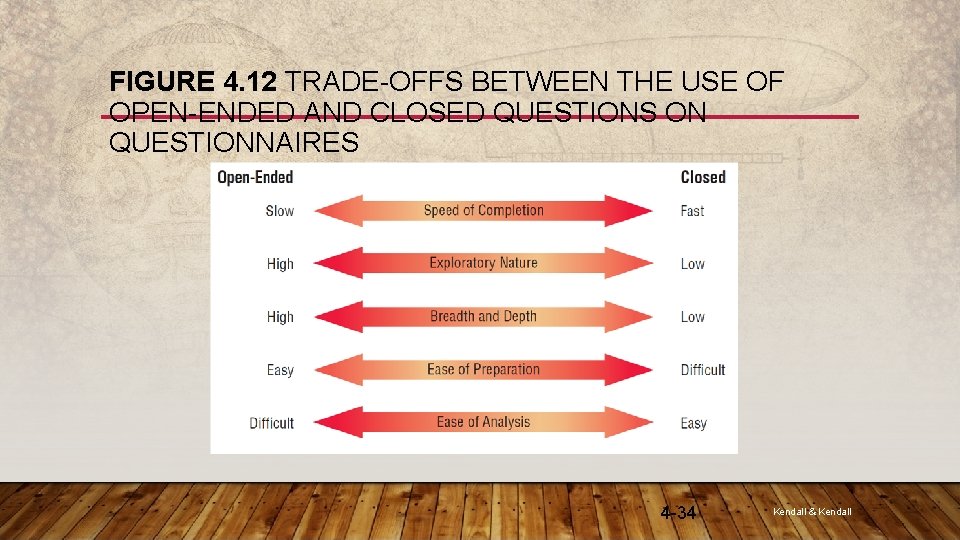
FIGURE 4. 12 TRADE-OFFS BETWEEN THE USE OF OPEN-ENDED AND CLOSED QUESTIONS ON QUESTIONNAIRES 4 -34 Kendall & Kendall
QUESTIONNAIRE LANGUAGE • Simple • Specific • Short • Not patronizing • Free of bias • Addressed to those who are knowledgeable • Technically accurate • Appropriate for the reading level of the respondent 4 -35 Kendall & Kendall
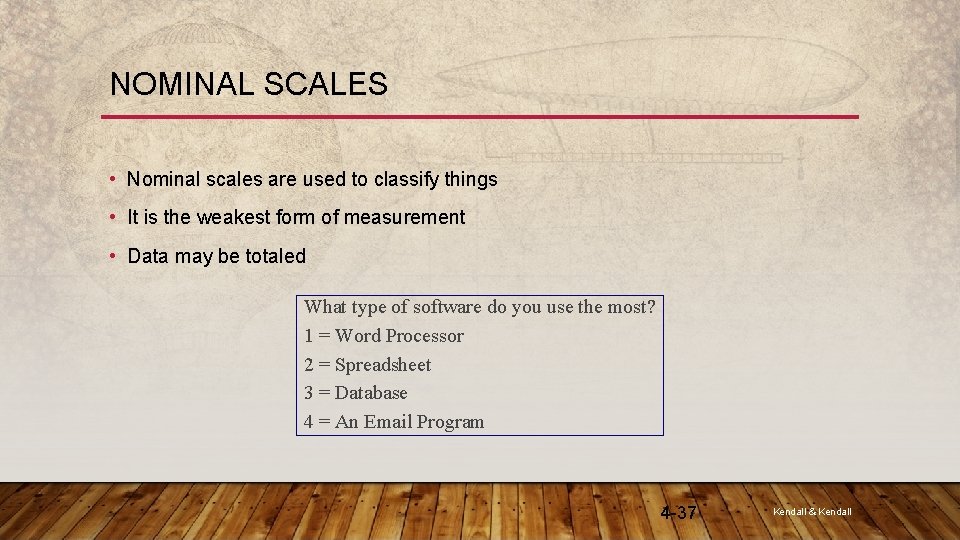
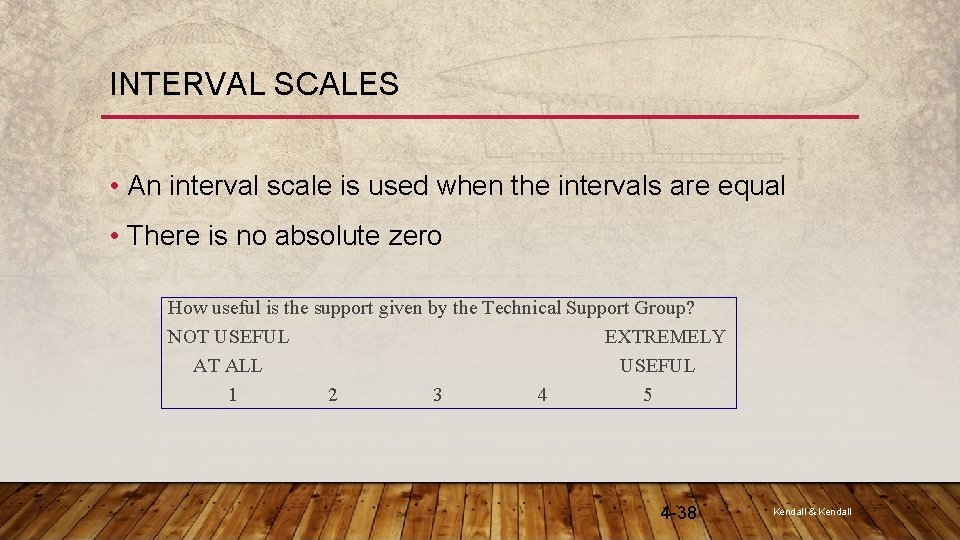
MEASUREMENT SCALES • The two different forms of measurement scales are: • Nominal • Interval 4 -36 Kendall & Kendall
NOMINAL SCALES • Nominal scales are used to classify things • It is the weakest form of measurement • Data may be totaled What type of software do you use the most? 1 = Word Processor 2 = Spreadsheet 3 = Database 4 = An Email Program 4 -37 Kendall & Kendall
INTERVAL SCALES • An interval scale is used when the intervals are equal • There is no absolute zero How useful is the support given by the Technical Support Group? NOT USEFUL EXTREMELY AT ALL USEFUL 1 2 3 4 5 4 -38 Kendall & Kendall
VALIDITY AND RELIABILITY • Reliability of scales refers to consistency in response—getting the same results if the same questionnaire was administered again under the same conditions • Validity is the degree to which the question measures what the analyst intends to measure 4 -39 Kendall & Kendall
PROBLEMS WITH SCALES • Leniency • Central tendency • Halo effect 4 -40 Kendall & Kendall
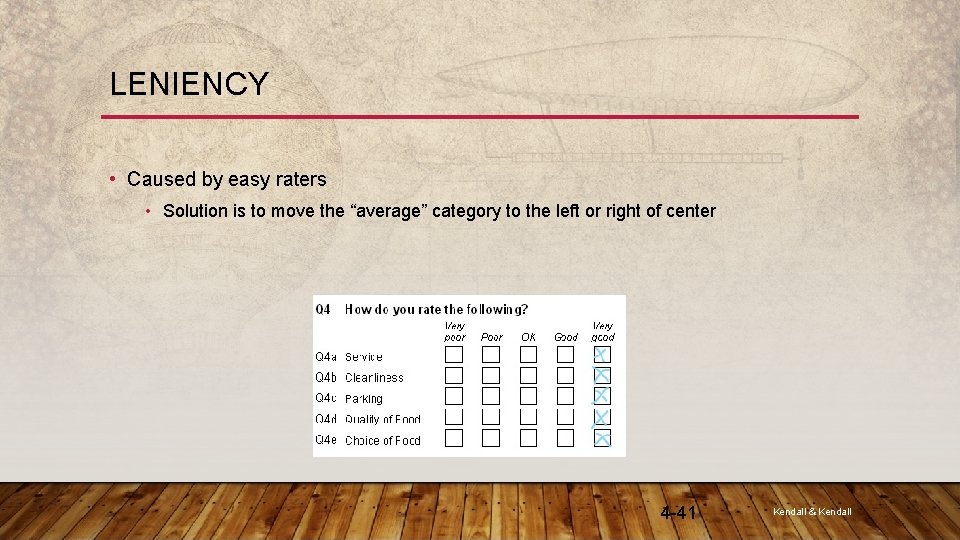
LENIENCY • Caused by easy raters • Solution is to move the “average” category to the left or right of center 4 -41 Kendall & Kendall
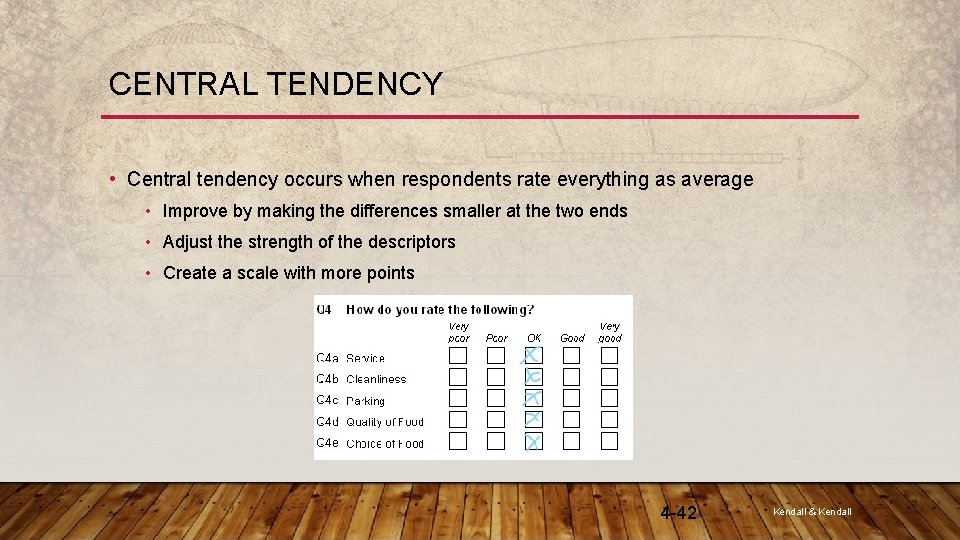
CENTRAL TENDENCY • Central tendency occurs when respondents rate everything as average • Improve by making the differences smaller at the two ends • Adjust the strength of the descriptors • Create a scale with more points 4 -42 Kendall & Kendall
HALO EFFECT • When the impression formed in one question carries into the next question • Solution is to place one trait and several items on each page 4 -43 Kendall & Kendall
Q&A 1. What are the two basic question types used on questionnaires? 2. What are two kinds of information or scales that are most commonly used by systems analysts? 3. List three problems that can occur because of careless construction of scales.
DESIGNING THE QUESTIONNAIRE Allow ample white space Allow ample space to write or type in responses Make it easy for respondents to clearly mark their answers Be consistent in style
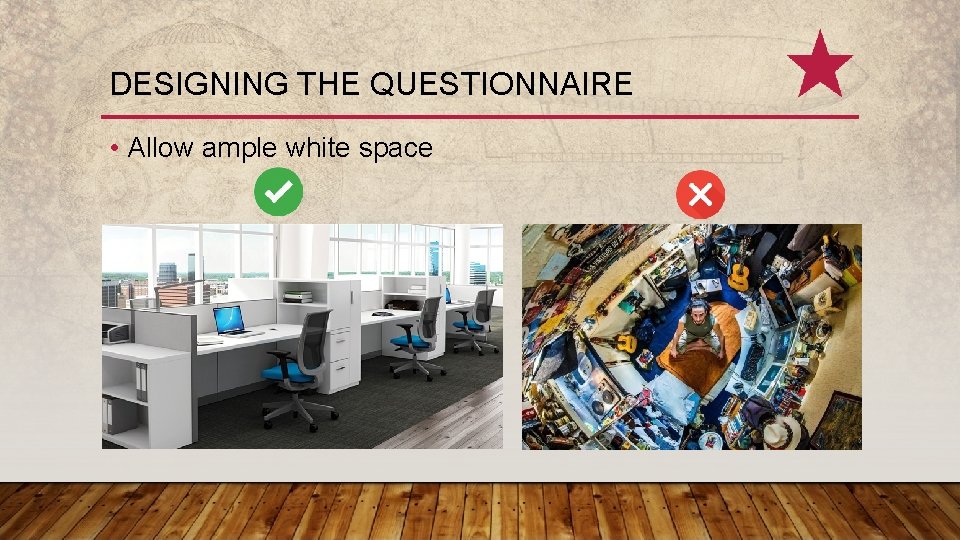
DESIGNING THE QUESTIONNAIRE • Allow ample white space
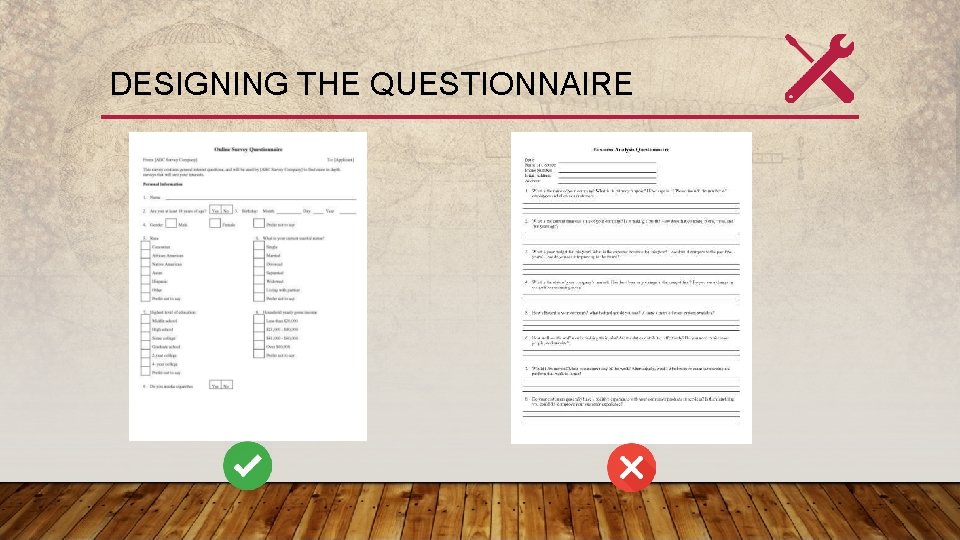
DESIGNING THE QUESTIONNAIRE
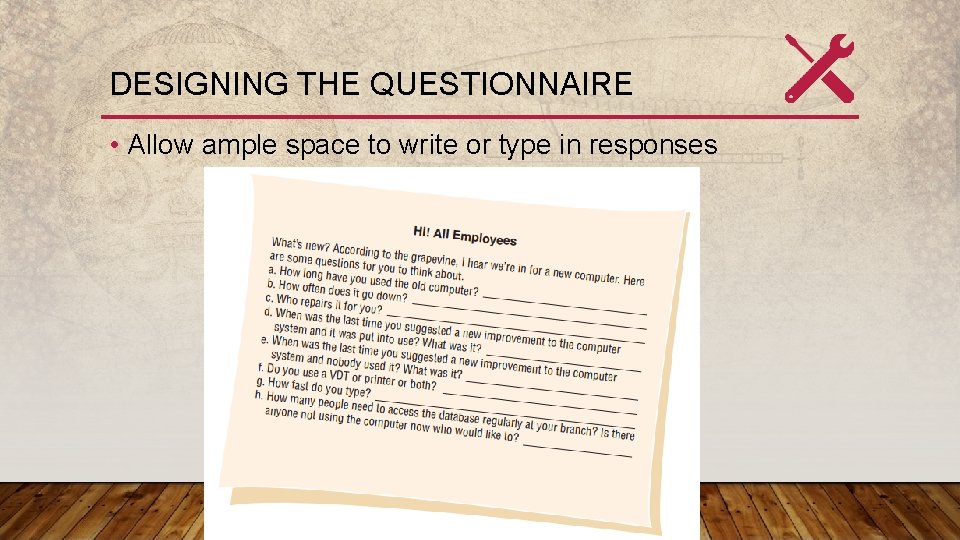
DESIGNING THE QUESTIONNAIRE • Allow ample space to write or type in responses
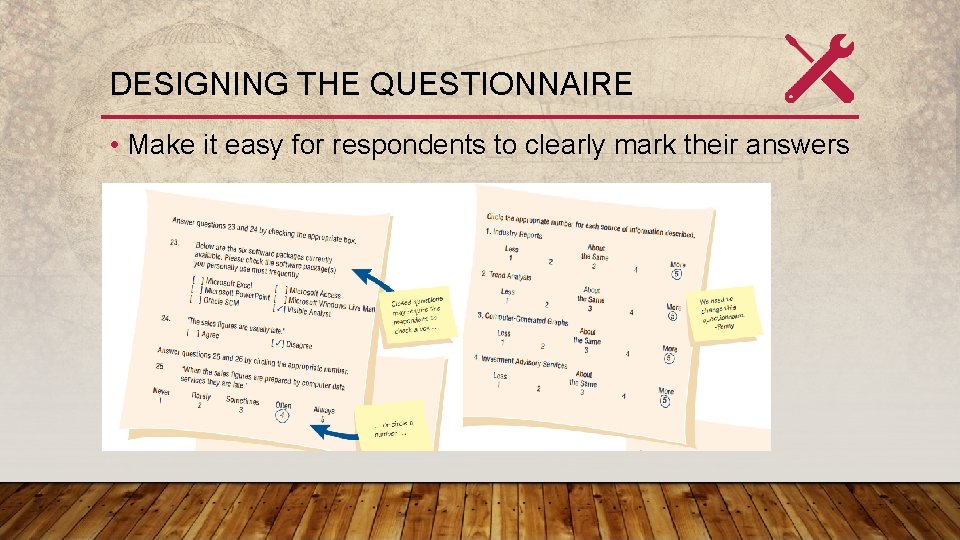
DESIGNING THE QUESTIONNAIRE • Make it easy for respondents to clearly mark their answers
DESIGNING THE QUESTIONNAIRE • Be consistent in style
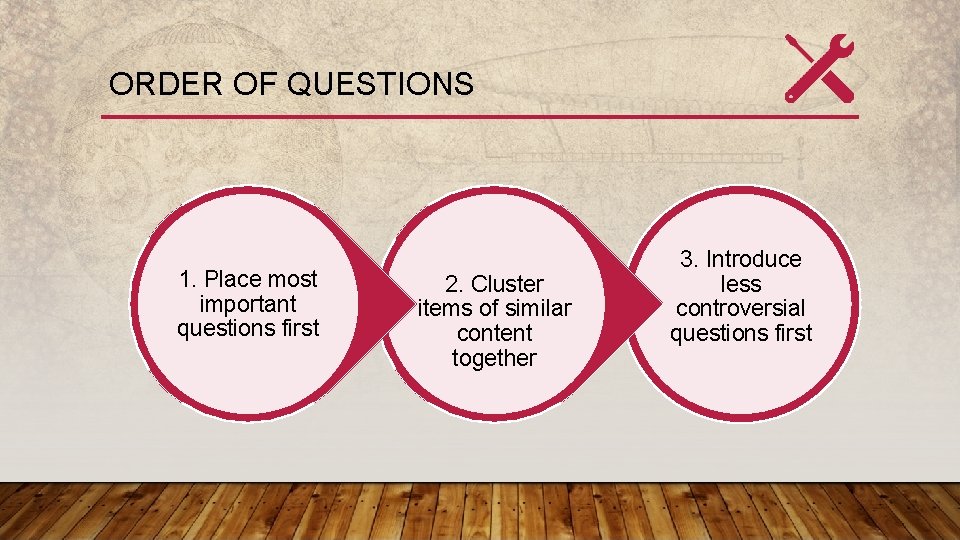
ORDER OF QUESTIONS 1. Place most important questions first 2. Cluster items of similar content together 3. Introduce less controversial questions first
ADMINISTERING QUESTIONNAIRES
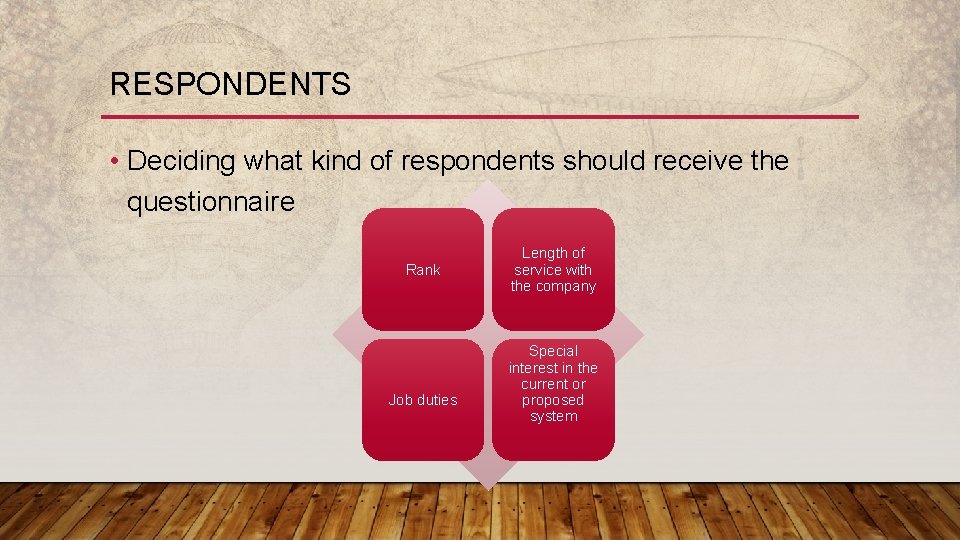
RESPONDENTS • Deciding what kind of respondents should receive the questionnaire Rank Job duties Length of service with the company Special interest in the current or proposed system
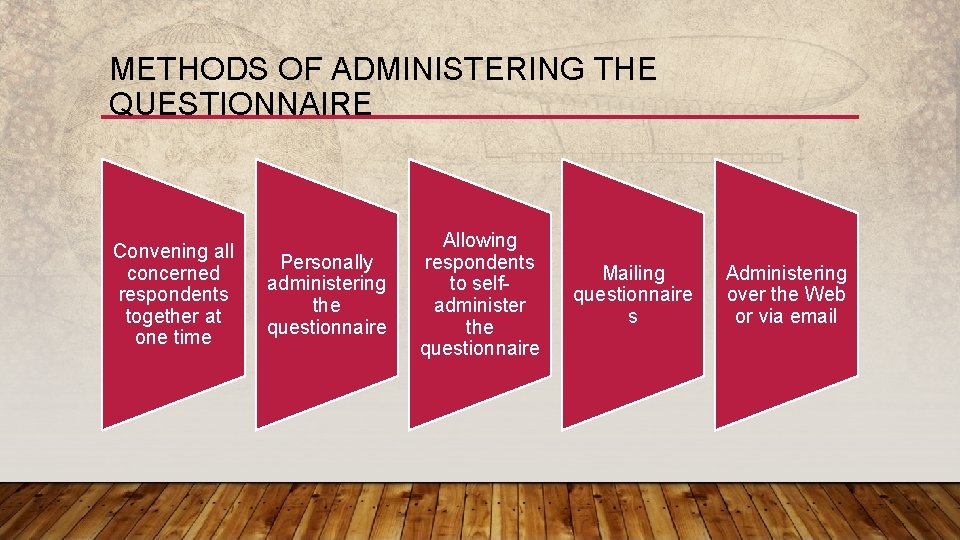
METHODS OF ADMINISTERING THE QUESTIONNAIRE Convening all concerned respondents together at one time Personally administering the questionnaire Allowing respondents to selfadminister the questionnaire Mailing questionnaire s Administering over the Web or via email
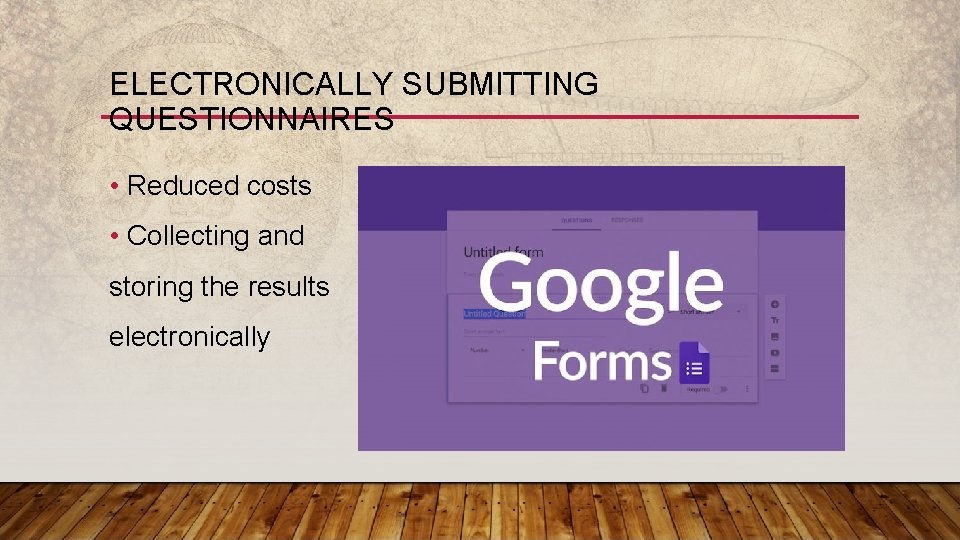
ELECTRONICALLY SUBMITTING QUESTIONNAIRES • Reduced costs • Collecting and storing the results electronically
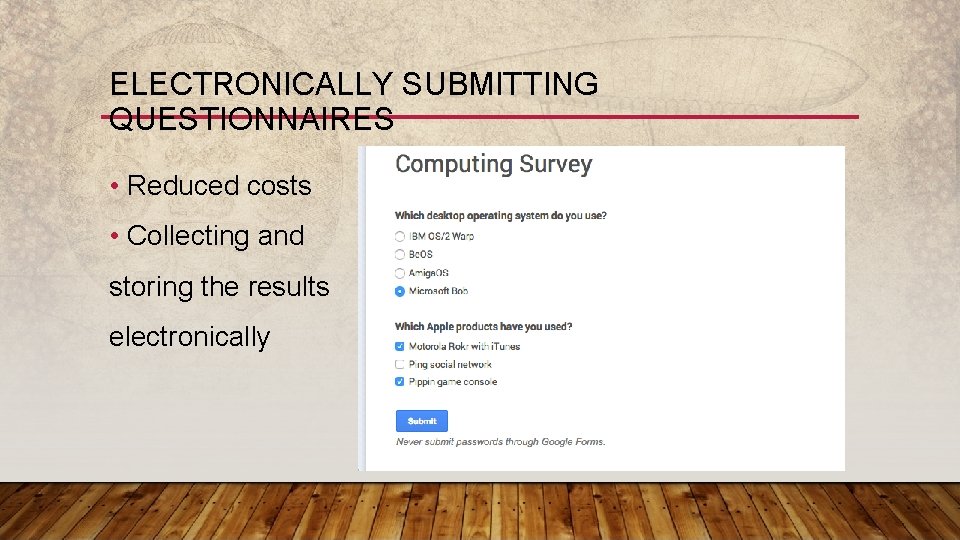
ELECTRONICALLY SUBMITTING QUESTIONNAIRES • Reduced costs • Collecting and storing the results electronically
DESIGNING WITH WEB SERVICES • Easy to do • Solves almost problems • Flexible
SUMMARY