
Influence of Biodiesel on Engine Emissions and Performance
Influence of Biodiesel on Engine Emissions and Performance http: //courses. washington. edu/dtsclass/Chem_E_486_05. html Sources “A Comprehensive Analysis of Biodiesel Impacts on Exhaust Emissions, ” October 2002 (EPA 420 -P-02 -001) Gokalp I, Lebas E, “Alternative fuels for industrial gas turbines (AFTUR)” APPLIED THERMAL ENGINEERING 24 (11 -12): 1655 -1663 AUG 2004 Cetinkaya M, Ulusoy Y, Tekin Y, et al. , “Engine and winter road test performances of used cooking oil originated biodiesel , ” ENERGY CONVERSION AND MANAGEMENT 46 (7 -8): 1279 -1291 MAY 2005
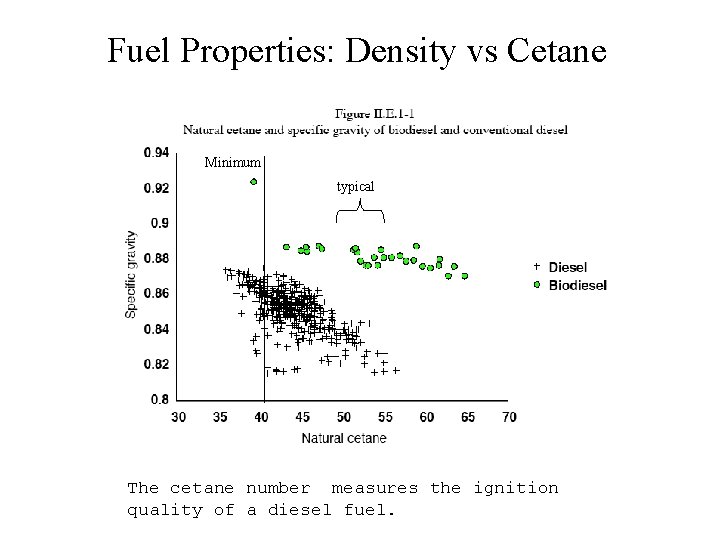
Fuel Properties: Density vs Cetane Minimum typical The cetane number measures the ignition quality of a diesel fuel.
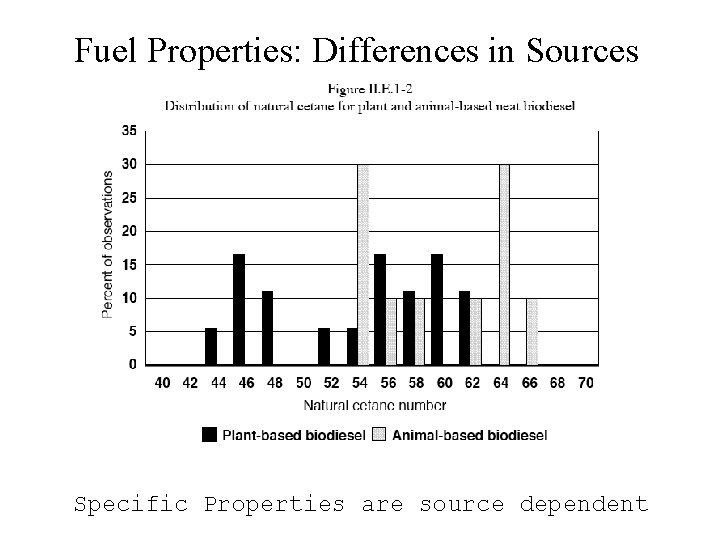
Fuel Properties: Differences in Sources Specific Properties are source dependent
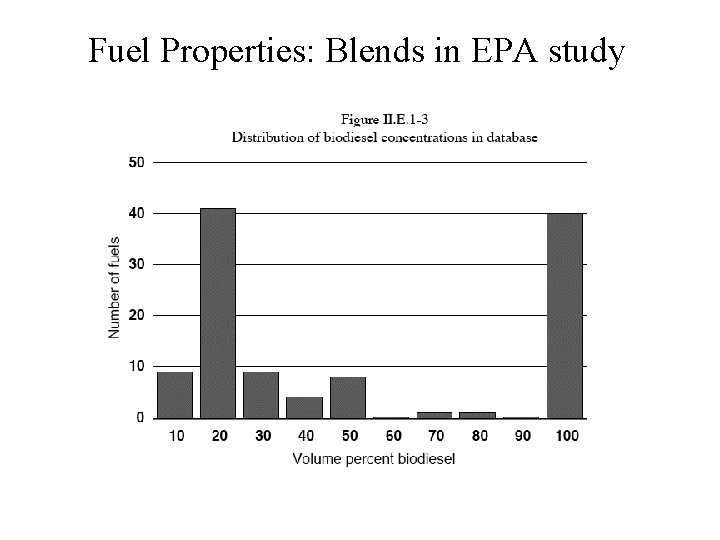
Fuel Properties: Blends in EPA study
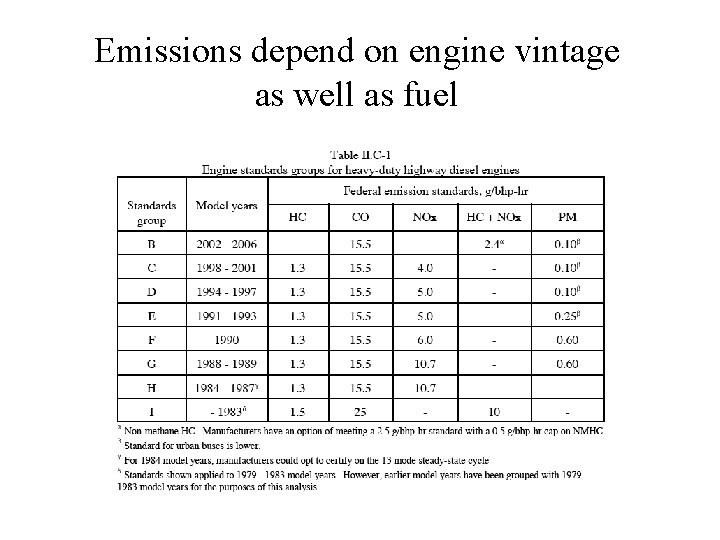
Emissions depend on engine vintage as well as fuel
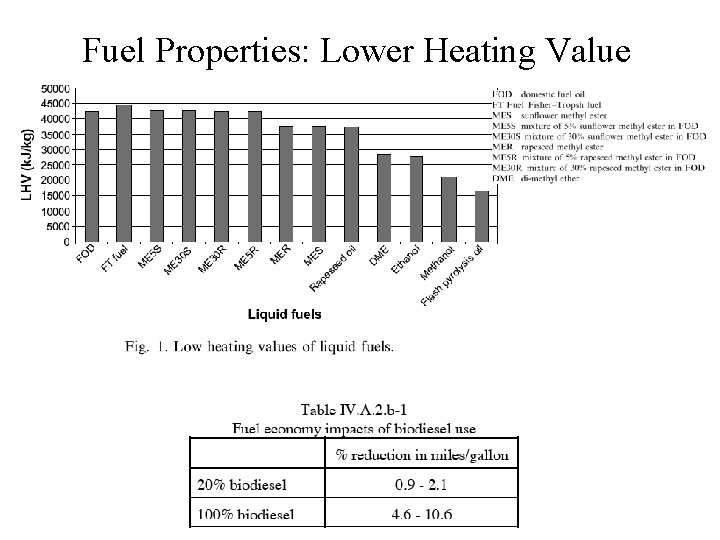
Fuel Properties: Lower Heating Value
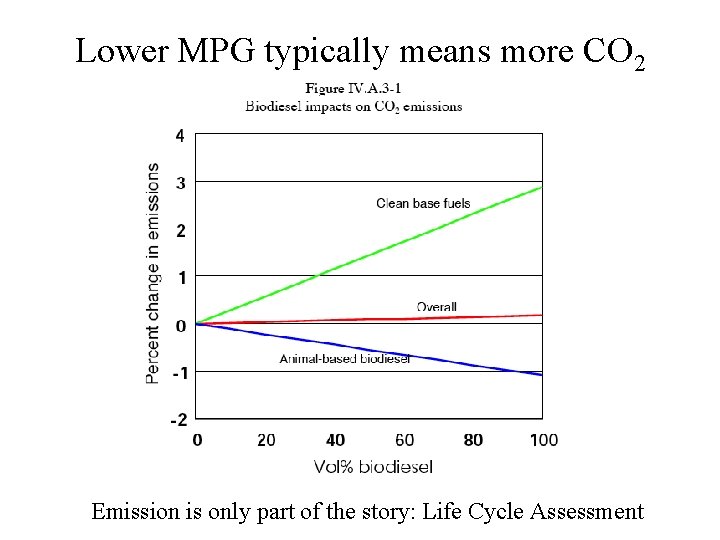
Lower MPG typically means more CO 2 Emission is only part of the story: Life Cycle Assessment
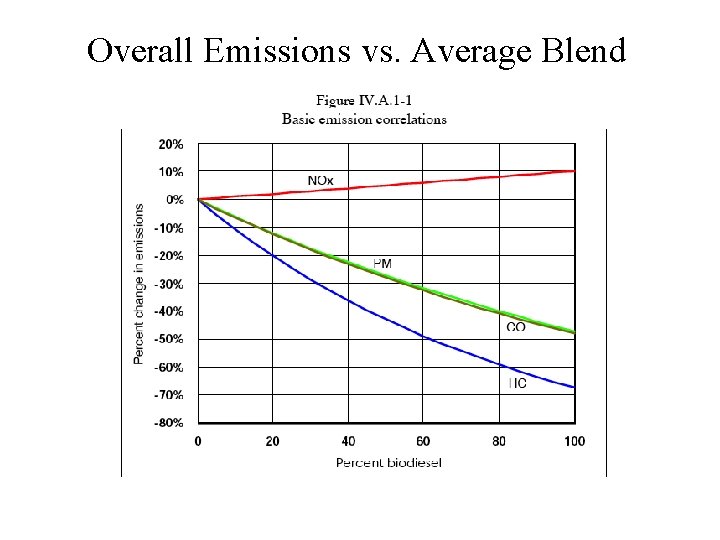
Overall Emissions vs. Average Blend
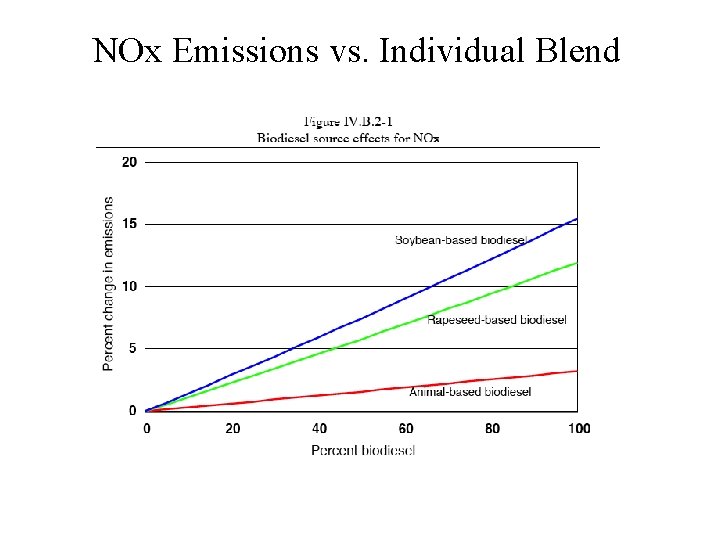
NOx Emissions vs. Individual Blend
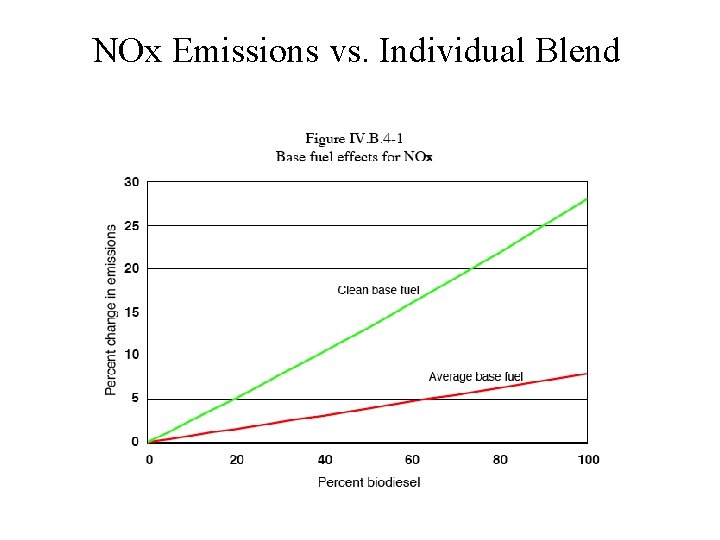
NOx Emissions vs. Individual Blend

PM Emissions vs. Individual Blend
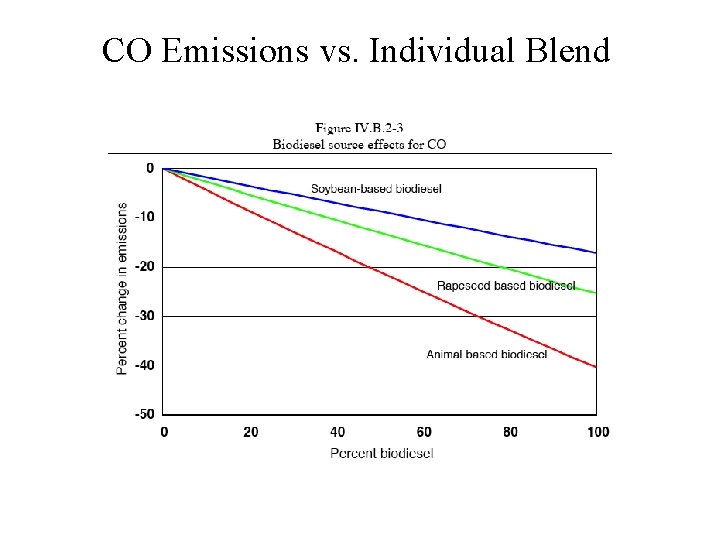
CO Emissions vs. Individual Blend
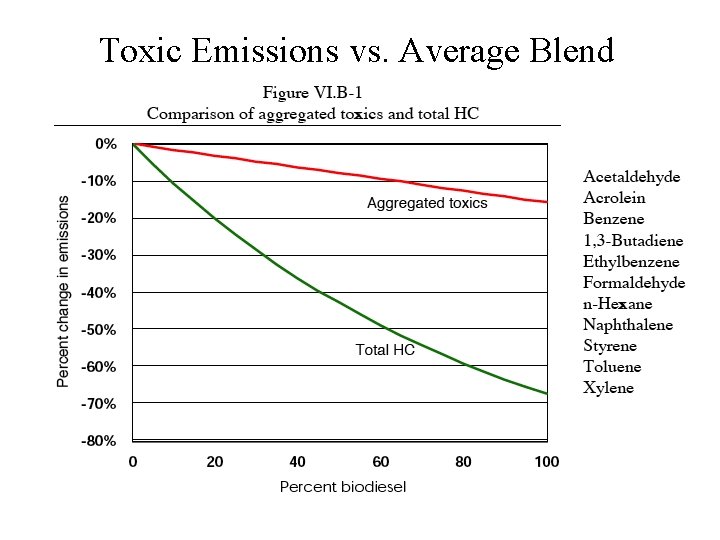
Toxic Emissions vs. Average Blend
Biodiesel Emissions vis-a-vis Diesel What can we conclude? What more do we need to know?
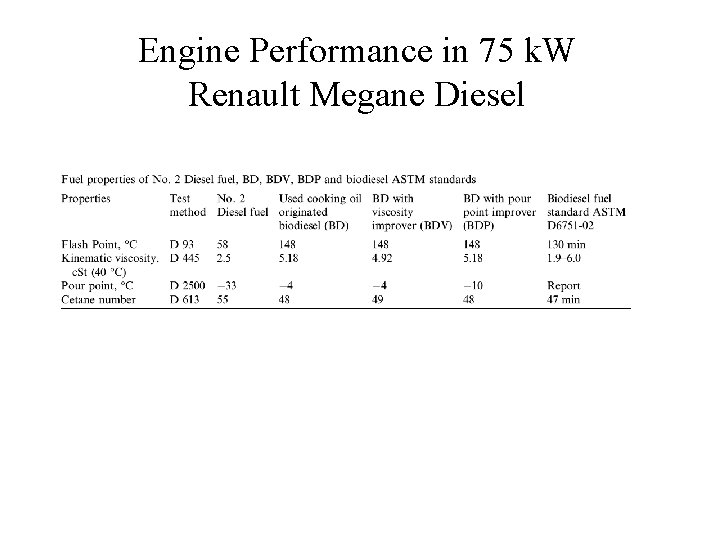
Engine Performance in 75 k. W Renault Megane Diesel
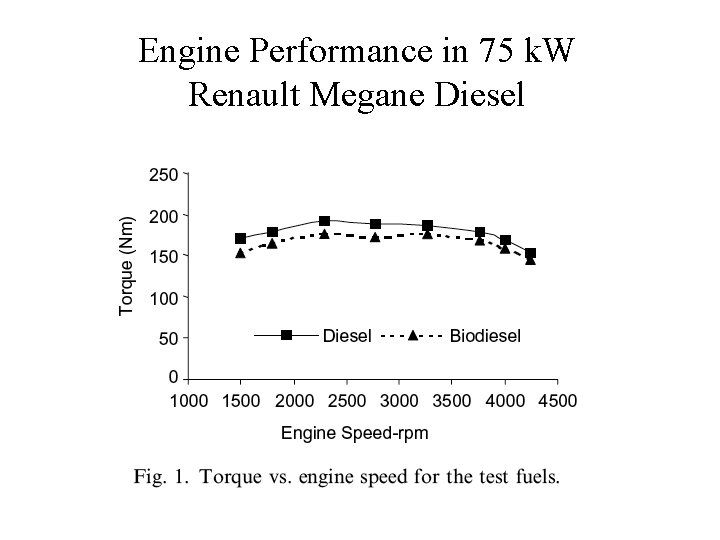
Engine Performance in 75 k. W Renault Megane Diesel
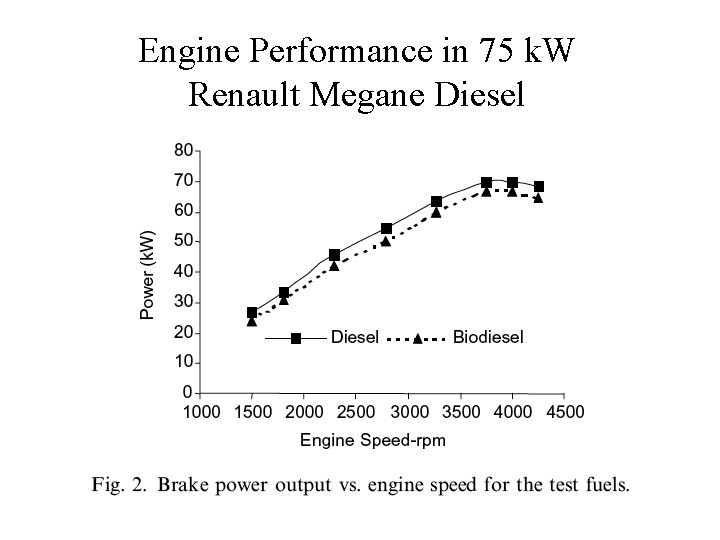
Engine Performance in 75 k. W Renault Megane Diesel
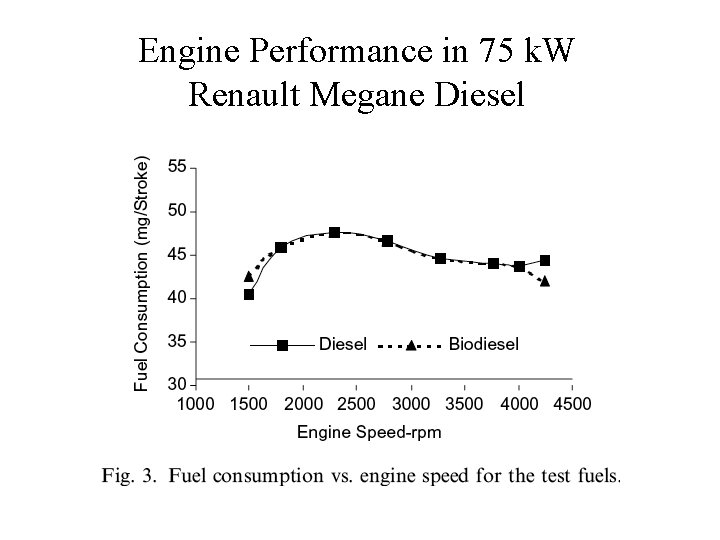
Engine Performance in 75 k. W Renault Megane Diesel
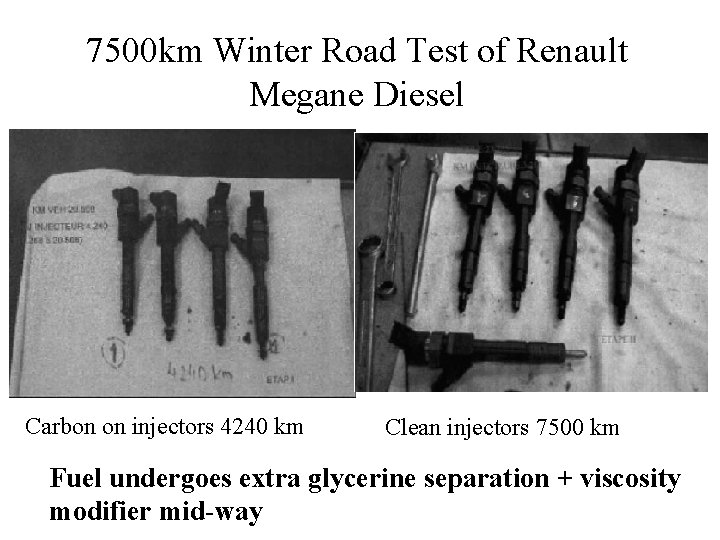
7500 km Winter Road Test of Renault Megane Diesel Carbon on injectors 4240 km Clean injectors 7500 km Fuel undergoes extra glycerine separation + viscosity modifier mid-way
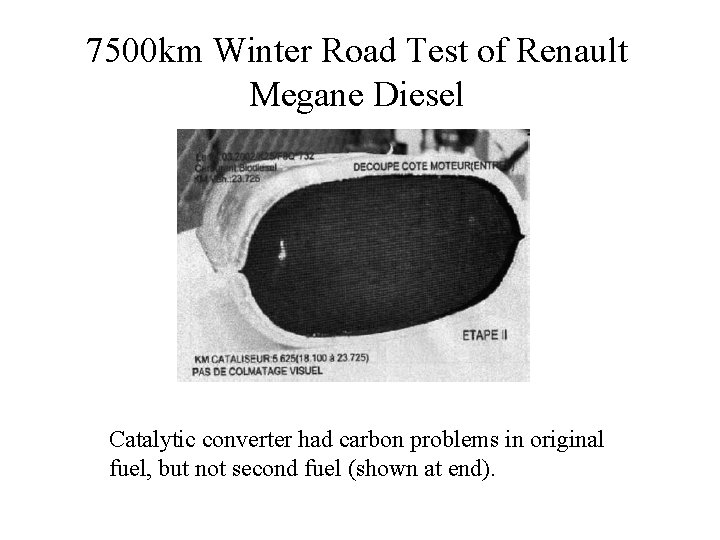
7500 km Winter Road Test of Renault Megane Diesel Catalytic converter had carbon problems in original fuel, but not second fuel (shown at end).
Manufacturer Warranty Information “Most major engine companies have stated formally that the use of blends up to B 20 will not void their parts and workmanship warranties. This includes blends below 20% biodiesel, such as the 2% biodiesel blends that are becoming more common. Some engine companies have already specified that the biodiesel must meet ASTM D-6751 as a condition, while others are still in the process of adopting D-6751 within their company or have their own set of guidelines for biodiesel use that were developed prior to the approval of D-6751. ” Statements • Caterpillar • Cummins • Detroit Diesel • Ford • GM Motors • International • John Deere From http: //www. biodiesel. org/resources/fuelfactsheets/standards_and_warranties. shtm#statements
Biodiesel Performance vis-a-vis Diesel What can we conclude? What more do we need to know?
- Slides: 22