
Influence and Passivity in Social Media Daniel M
- Slides: 21
Influence and Passivity in Social Media Daniel M. Romero, Wojciech Galuba, Sitaram Asur, and Bernardo A. Huberman Social Computing Lab, HP Labs
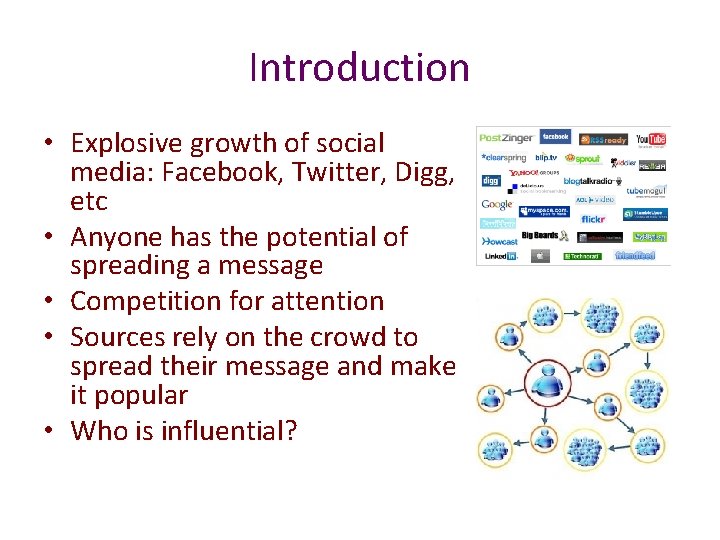
Introduction • Explosive growth of social media: Facebook, Twitter, Digg, etc • Anyone has the potential of spreading a message • Competition for attention • Sources rely on the crowd to spread their message and make it popular • Who is influential?
Outline 1. Twitter background and data 2. Description of the algorithm to assign an influence score to each user on Twitter 3. Algorithm evaluation through popularity prediction 4. Discussion of possible extensions and applications of the algorithm 5. Conclusion
Twitter Background Microblogging service 200 million users as of March 2011 User follow other users Many business, celebrities, news organizations, and others use Twitter • Tweet: A shot post of at most 140 characters • Retweet: A tweet originally posted by a user and reposted by another user • •
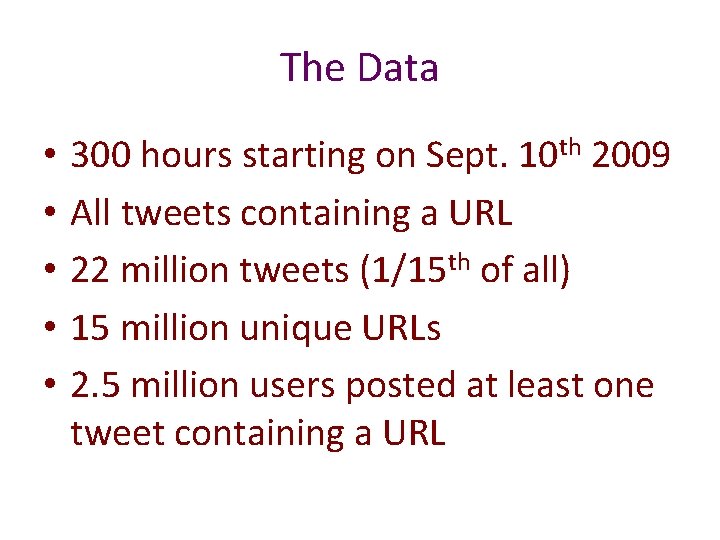
The Data • • • 300 hours starting on Sept. 10 th 2009 All tweets containing a URL 22 million tweets (1/15 th of all) 15 million unique URLs 2. 5 million users posted at least one tweet containing a URL
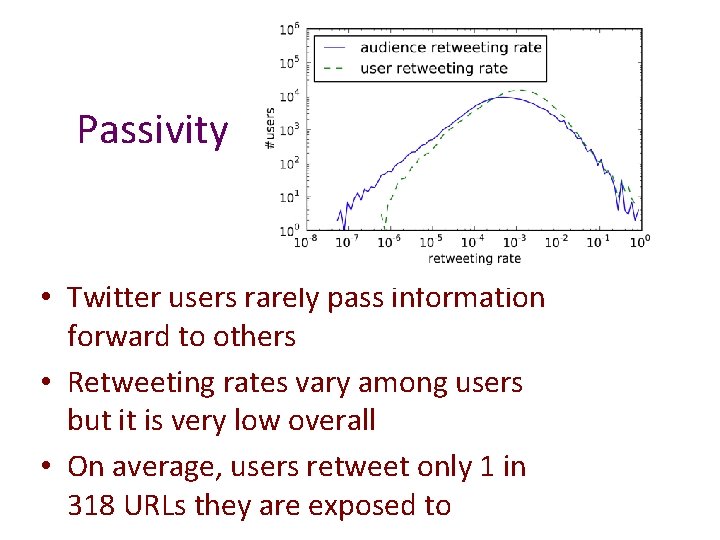
Passivity • Twitter users rarely pass information forward to others • Retweeting rates vary among users but it is very low overall • On average, users retweet only 1 in 318 URLs they are exposed to
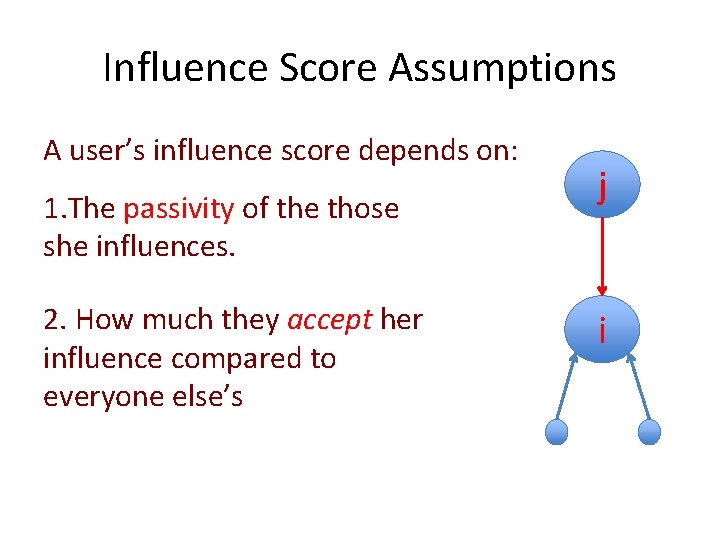
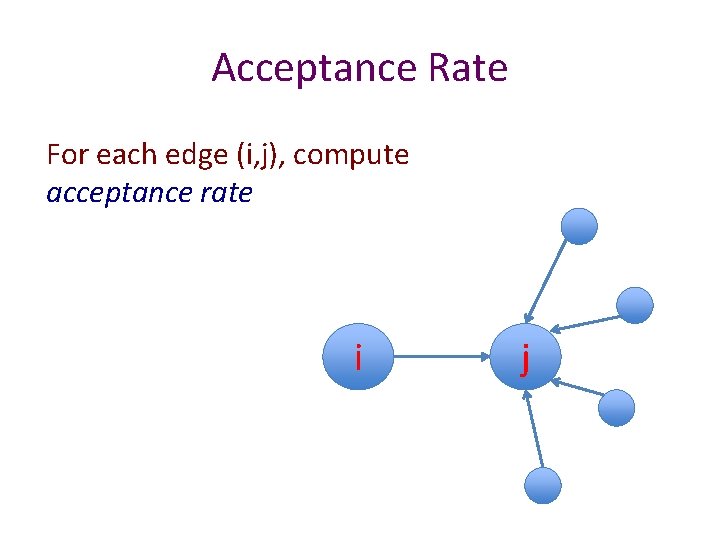
Influence Score Assumptions A user’s influence score depends on: 1. The passivity of the those she influences. 2. How much they accept her influence compared to everyone else’s j i
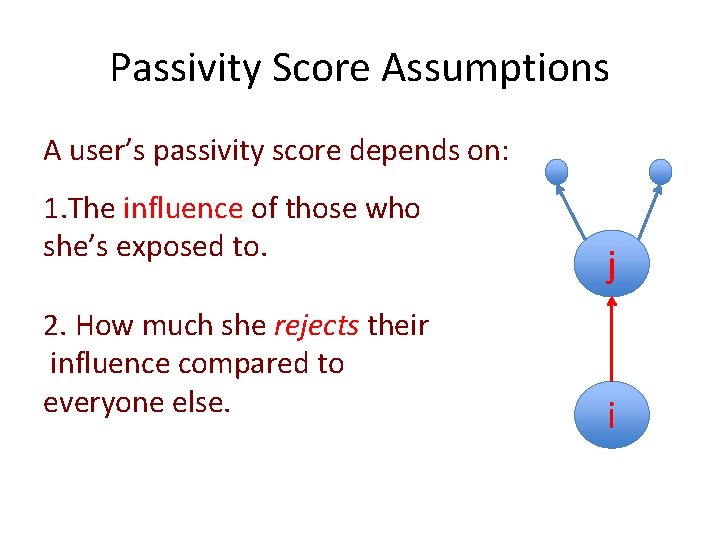
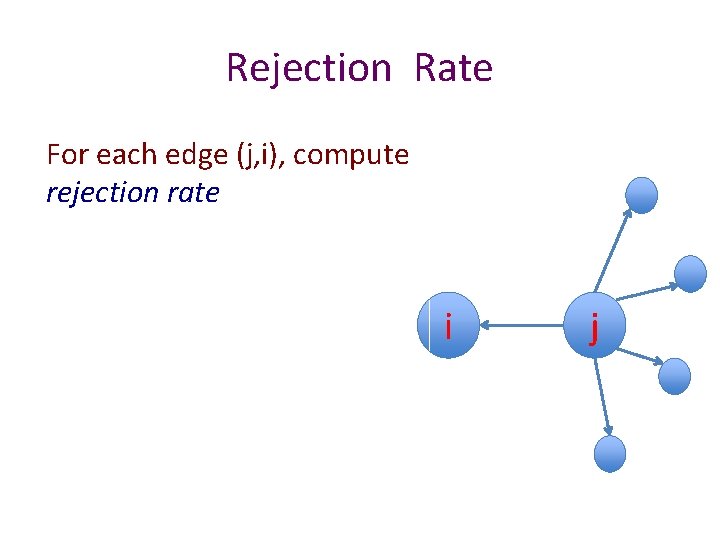
Passivity Score Assumptions A user’s passivity score depends on: 1. The influence of those who she’s exposed to. 2. How much she rejects their influence compared to everyone else. j i
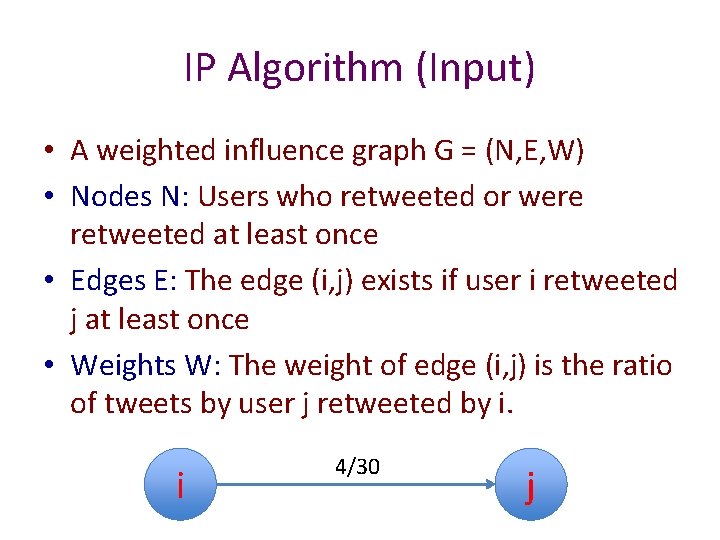
IP Algorithm (Input) • A weighted influence graph G = (N, E, W) • Nodes N: Users who retweeted or were retweeted at least once • Edges E: The edge (i, j) exists if user i retweeted j at least once • Weights W: The weight of edge (i, j) is the ratio of tweets by user j retweeted by i. i 4/30 j
Acceptance Rate For each edge (i, j), compute acceptance rate i j
Rejection Rate For each edge (j, i), compute rejection rate i j
IP Algorithm Operations
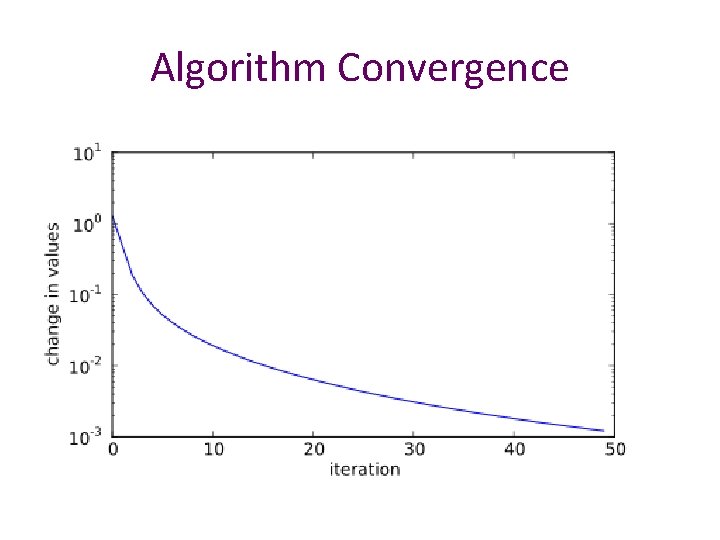
Algorithm Convergence
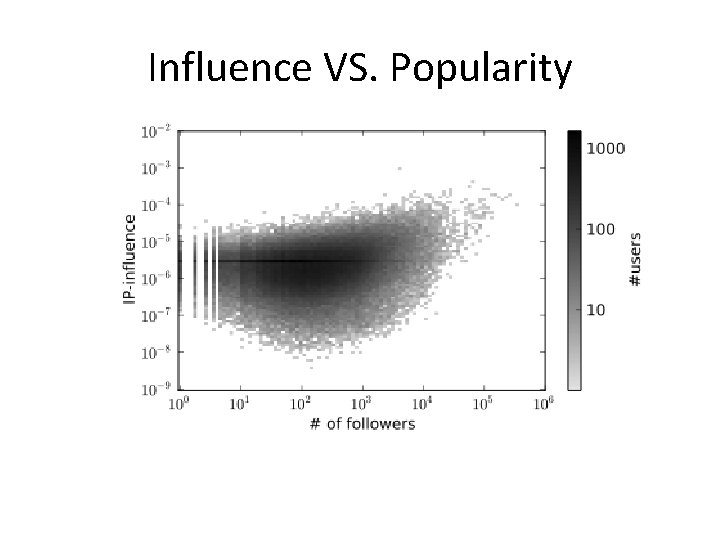
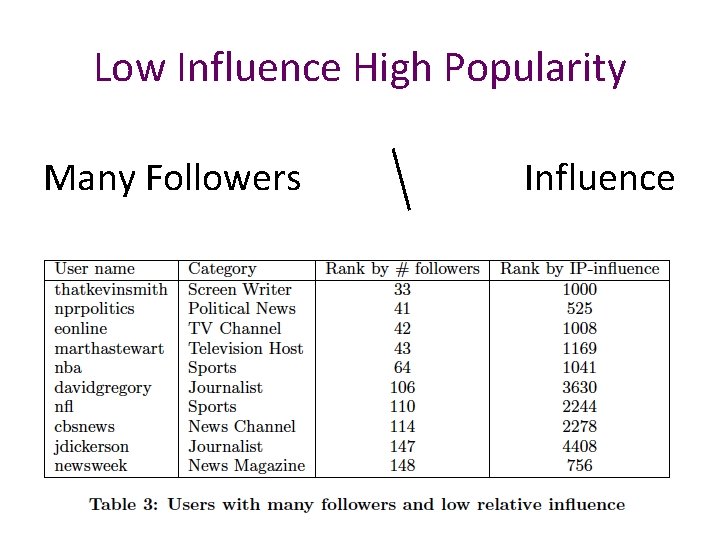
Influence VS. Popularity
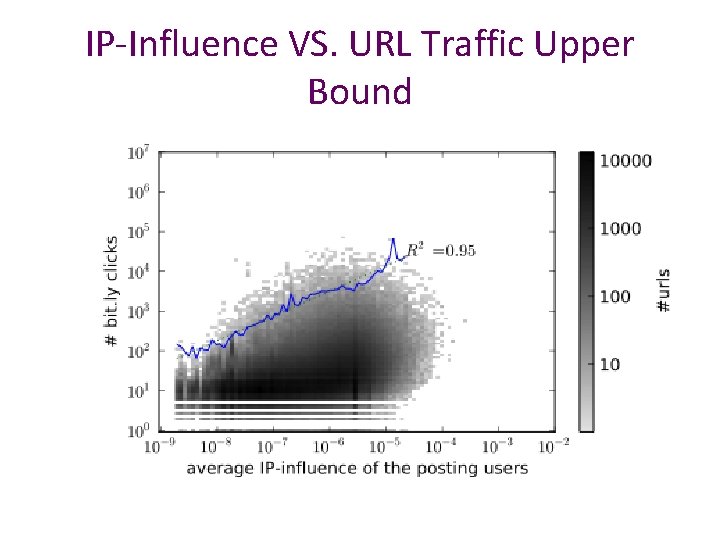
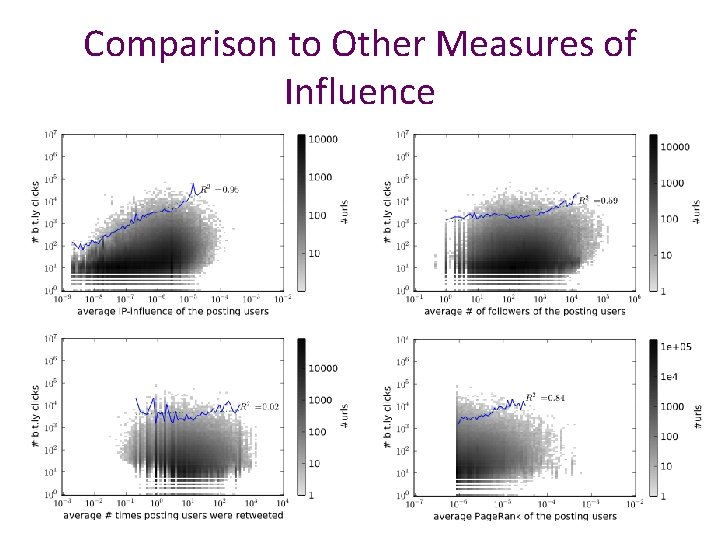
Evaluation • No ground truth for influence • We used URL traffic as an evaluation tool • bit. ly is a URL shortening service that keeps track or URL traffic • 3. 2 million bit. ly URLs in our data set • For each URL we find the average IP-influence of the users that mentioned it
IP-Influence VS. URL Traffic Upper Bound
Comparison to Other Measures of Influence
Low Influence High Popularity Many Followers Influence
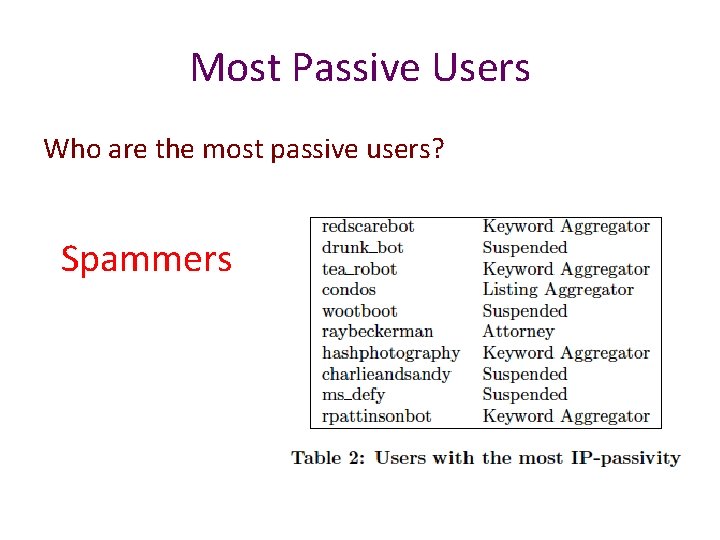
Most Passive Users Who are the most passive users? Spammers
Conclusion • Passivity in social media is hard but necessary to overcome to be influential • Weak correlation between influence and popularity • IP-influence can be a good predictor on upper abound of URL traffic
Future Work • • Content specific ranking Content ranking Extensions to other online social networks Application