
Inflation and Monetary Policy ECONOMICS Principles and Applications
- Slides: 10
Inflation and Monetary Policy ECONOMICS: Principles and Applications 3 e HALL & LIEBERMAN © 2005 Thomson Business and Professional Publishing
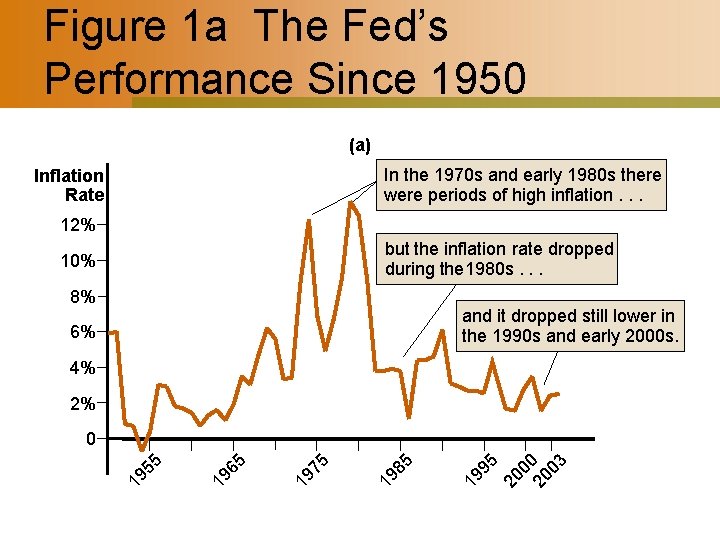
Figure 1 a The Fed’s Performance Since 1950 (a) In the 1970 s and early 1980 s there were periods of high inflation. . . Inflation Rate 12% but the inflation rate dropped during the 1980 s. . . 10% 8% and it dropped still lower in the 1990 s and early 2000 s. 6% 4% 2% 19 95 20 0 03 19 85 19 75 19 65 19 55 0
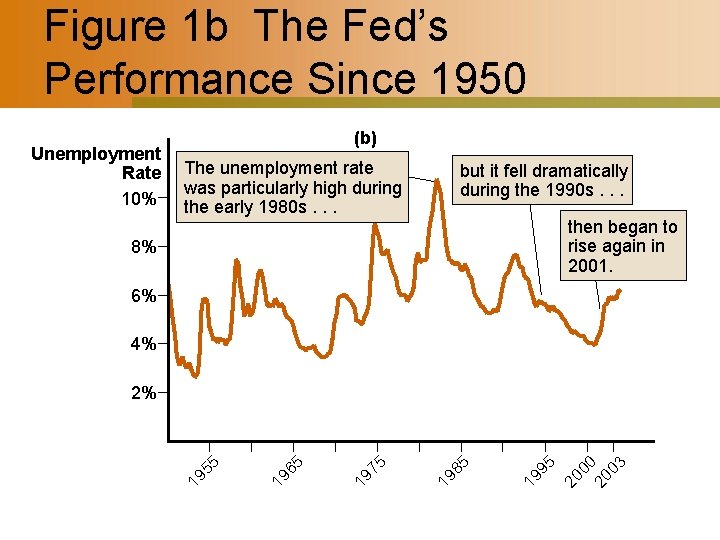
Figure 1 b The Fed’s Performance Since 1950 Unemployment Rate 10% (b) The unemployment rate was particularly high during the early 1980 s. . . but it fell dramatically during the 1990 s. . . then began to rise again in 2001. 8% 6% 4% 00 20 03 20 95 19 85 19 75 19 65 19 19 55 2%
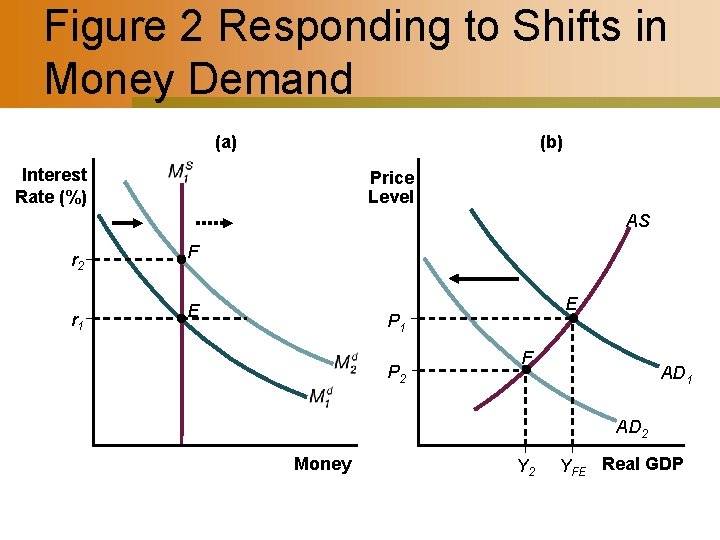
Figure 2 Responding to Shifts in Money Demand (a) (b) Interest Rate (%) Price Level AS r 2 F r 1 E E P 1 P 2 F AD 1 AD 2 Money Y 2 YFE Real GDP
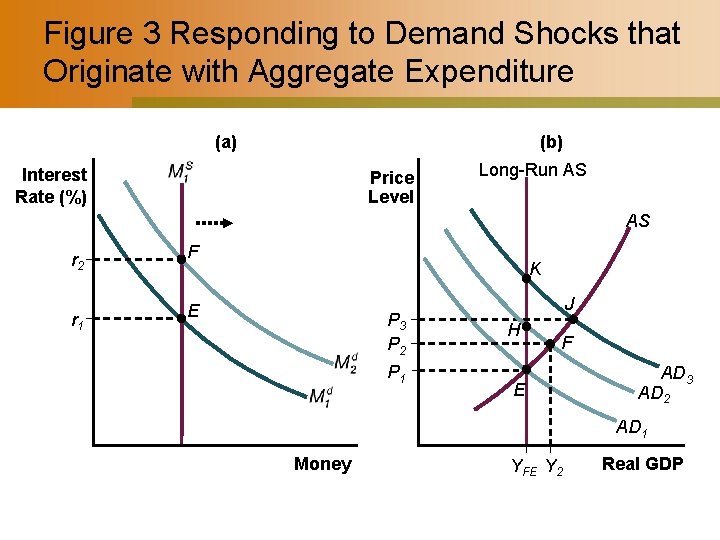
Figure 3 Responding to Demand Shocks that Originate with Aggregate Expenditure (a) (b) Interest Rate (%) Price Level Long-Run AS AS r 2 F r 1 E K P 3 P 2 P 1 J H F E AD 3 AD 2 AD 1 Money YFE Y 2 Real GDP
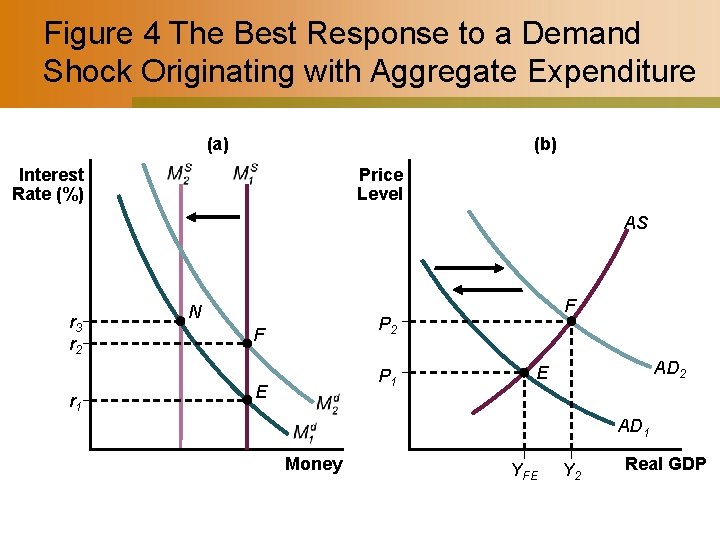
Figure 4 The Best Response to a Demand Shock Originating with Aggregate Expenditure (a) (b) Interest Rate (%) Price Level AS r 3 r 2 r 1 N F P 2 F P 1 E AD 2 E AD 1 Money YFE Y 2 Real GDP
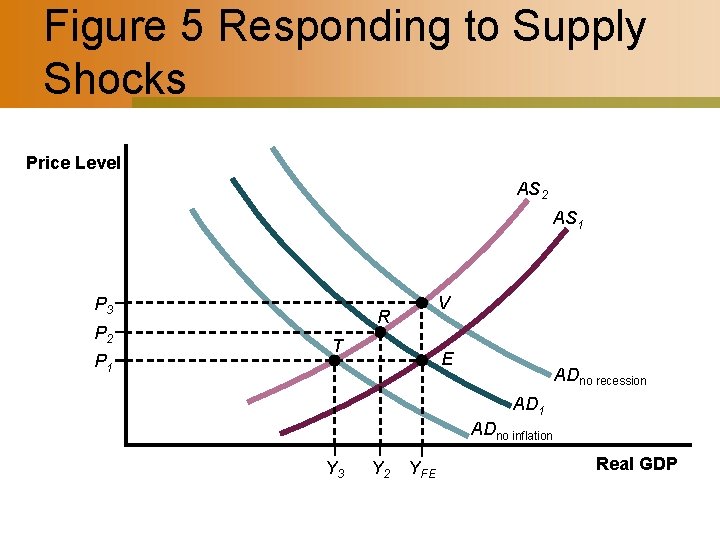
Figure 5 Responding to Supply Shocks Price Level AS 2 AS 1 P 3 P 2 P 1 V R T E ADno recession AD 1 ADno inflation Y 3 Y 2 YFE Real GDP
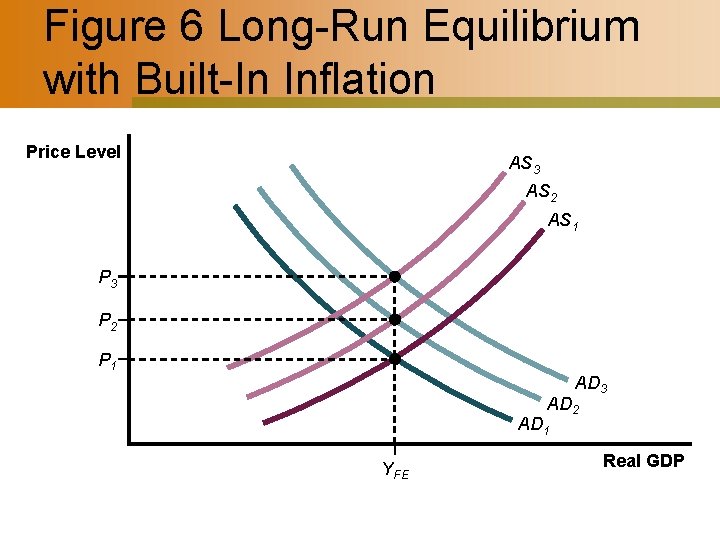
Figure 6 Long-Run Equilibrium with Built-In Inflation Price Level AS 3 AS 2 AS 1 P 3 P 2 P 1 AD 3 AD 2 AD 1 YFE Real GDP
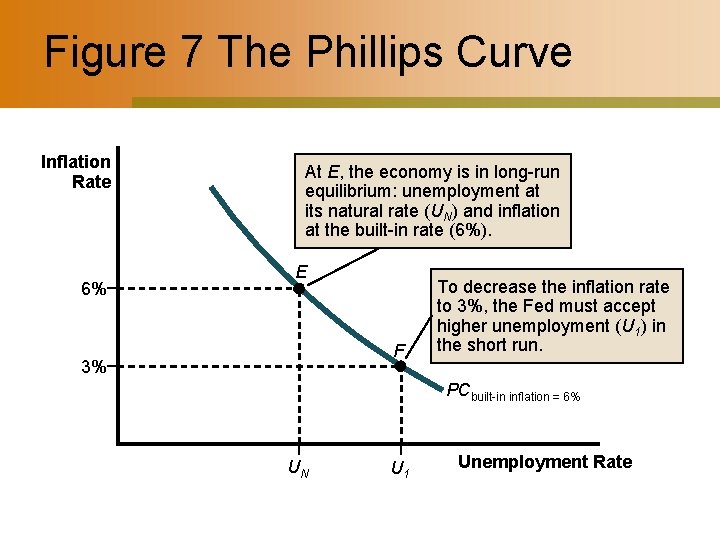
Figure 7 The Phillips Curve Inflation Rate 6% At E, the economy is in long-run equilibrium: unemployment at its natural rate (UN) and inflation at the built-in rate (6%). E F 3% To decrease the inflation rate to 3%, the Fed must accept higher unemployment (U 1) in the short run. PCbuilt-in inflation = 6% UN U 1 Unemployment Rate
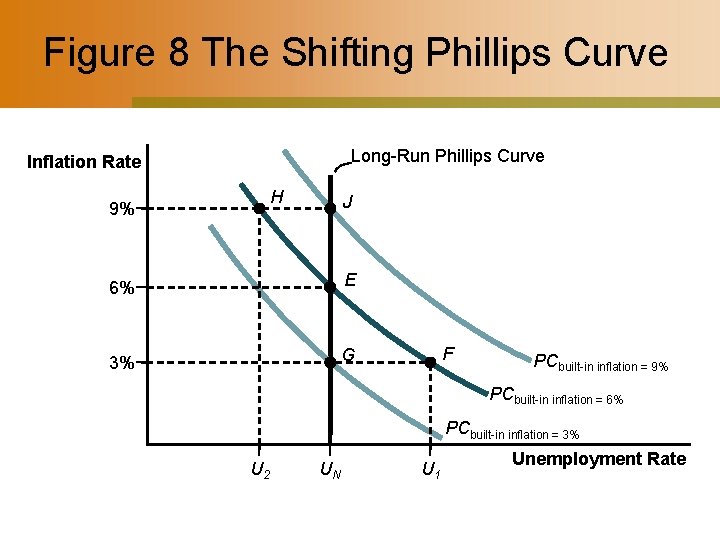
Figure 8 The Shifting Phillips Curve Long-Run Phillips Curve Inflation Rate H 9% J 6% E 3% G F PCbuilt-in inflation = 9% PCbuilt-in inflation = 6% PCbuilt-in inflation = 3% U 2 UN U 1 Unemployment Rate