
Inflammation A complex of series of events that

- Slides: 17
Inflammation A complex of series of events that finish in the accumulation of proteins, fluid, and phagocytic cells in an area of tissue that has been injured or invaded by microorganisms.
Inflammation o Goals n n Limit and control the inflammatory process Prevent and limit infection and further damage Interact with components of the adaptive immune system Prepare the area of injury for healing
Signs of inflammation Calor (heat) Rubor (redness) Tumor (swelling) Dolor (pain) Heat is due to the increasing of blood in the inflamed area. Redness is caused by the dilation of the blood vessels. Swelling is due to enlargement of the blood vessels and movement of fluid into the tissues (edema). Pain is caused by pressure on the nerve ending by the swollen tissues and also by the action of kinins on the nerve endings.
BASIC SIGNS OF ACUTE INFLAMMATION Heat Redness Swelling Celsius (30 BC) Pain Loss of function Virchow (1902)
The inflammatory response is an important mechanism in the maintenance of our health, it is a two-edged sword. In many allergic reactions, this inflammatory process is activated inappropriately and may produce widespread tissue destruction, which may result in severe weakness and on occasion may result in death. For example rheumatoid arthritis is caused by inappropriate inflammation of the joints, and glomerulonephritis results from inappropriate inflammation and destruction of many kidney glomeruli which causes thousands of death each year.
Stage of inflammation • Acute inflammation • Sub-acute inflammation • Chronic inflammation All inflammations start with an acute phase from which they normally progress into a subacute stage. However relatively few acute inflammations will progress into a chronic stage.
Acute inflammation Most acute inflammations result from infections caused by mechanical injury like cut, wood fragment, burn, or damaged stomach wall. For example, when a person steps on a rusty nail, the nail will have millions of bacteria on its surface, which remains behind when the nail is removed. Microscopic tissue analysis of the infected area should reveal the infected area is swarming with neutrophils. During acute inflammatory phase, few lymphocytes or macrophages are encountered at the site of inflammation. This acute phase is usually associated with tissue destruction, pain, and swelling.
Sub-acute inflammation A few days after initial acute inflammatory response, the infected area proceeds to a sub-acute phase. Swelling becomes less marked and pain becomes less throbbing. Microscopic analysis of the infected tissue will reveal that the neutrophils have been largely replaced by macrophages and lymphocytes. This phase is associated with the formation of new tiny blood vessels and connective tissue. Many fibroblasts appear in the area and begin to produce new collagen fibers to repair the damaged tissues. The acute phase is associated with tissue destruction, and the sub-acute phase is associated with reconstruction. Within about a week, the sub-acute phase disappears and the infection appears to be over.
Chronic inflammation In a few situations macrophages and lymphocytes may be unable to eradicate the infection because the pathogens multiply faster than WBCs can destroy them. In that case additional macrophages migrate to the infected area. Macrophages undergo a change that transforms them into giant cells. Such extra large cells are produced by the process of endomitosis that is, the nucleus keeps dividing within a common cytoplasm. Each time the nucleus divides, the cell becomes larger until it reaches giant proportions. These giant cells warp themselves around the pockets of infection. They are aided by newly arrived fibroblasts, which will continue to produce vast amounts of dense connective tissue fibers.
These pockets of multiplying microorganisms become completely surrounded by giant cells and fibrous connective tissue. As a result they are separated from nutrients supplied by the blood and hence die inside these clumps of connective tissue called granulomas. If many granulomas are produced in vital tissues such as heart muscle, liver, lungs, or kidneys, they may interfere with the normal functioning of the host, which may lead to other complications. However such chronic inflammations are relatively rare and may occur in such infectious diseases as tuberculosis and leprosy.
Acute inflammatory response The acute inflammatory response consists of the following two basic independent events which can occur simultaneously or in sequence 1 -Changes in the permeability of the blood vessel walls in the infected area due to the blood vessel dilation. 2 -Accumulation of phagocyte cells near the inflamed area due to the process of chemotaxis.
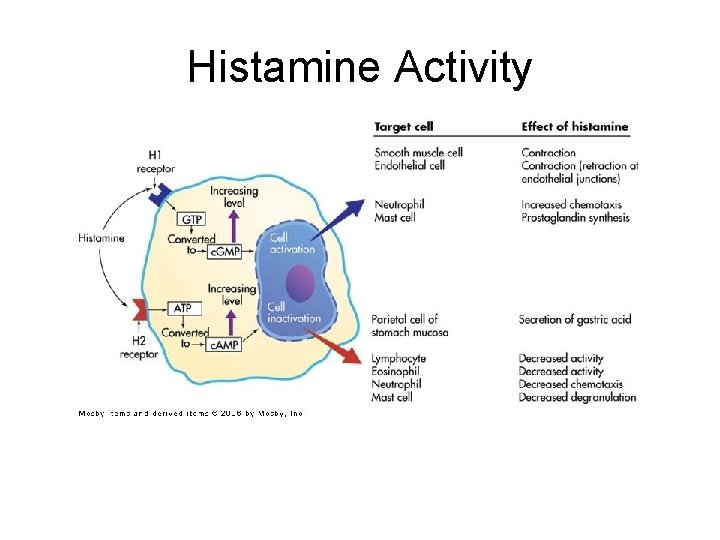
Blood vessel dilation The first phase is short and transient lasting not more than a few minutes. The second phase begins about 2 to 4 hours after the initial swelling and is more prolonged, often lasting several hours or even days. The first phase is exclusively mediated by the histamine, which found inside mast cells, basophils, and platelets. The second phase is not exclusively dependant on histamine but is mediated by a variety of chemical compounds.
Capillary Permeability Proteins can only leak out when there is increased capillary permeability
Histamine Activity
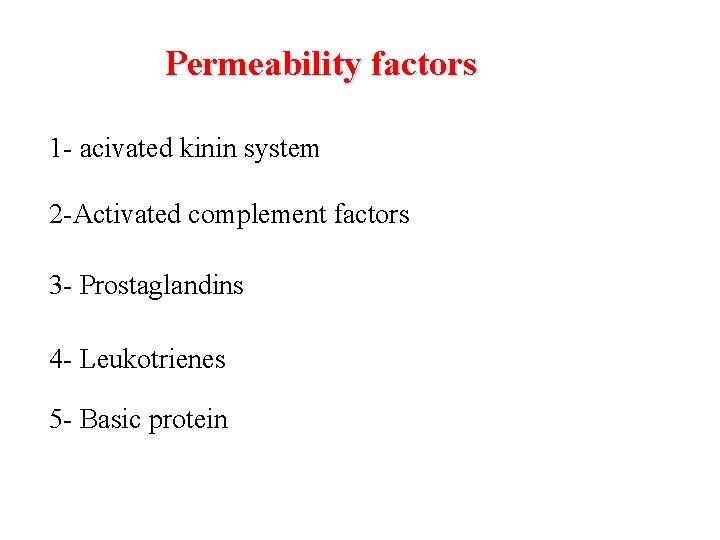
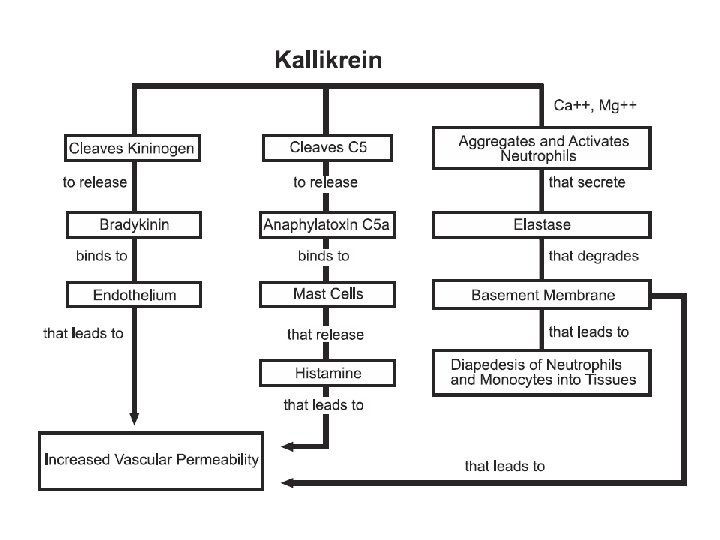
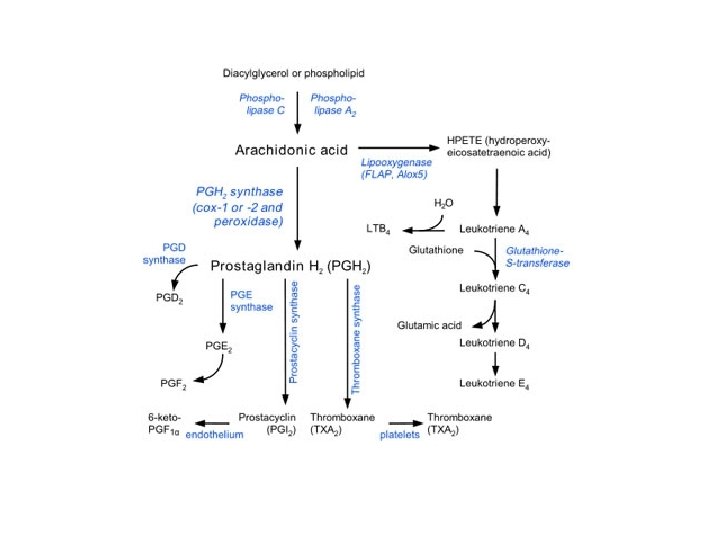
Permeability factors 1 - acivated kinin system 2 -Activated complement factors 3 - Prostaglandins 4 - Leukotrienes 5 - Basic protein