
Infective endocarditis Hypertension Ischemic heart disease Cardiac arrhythmias



- Slides: 174
Infective endocarditis Hypertension Ischemic heart disease Cardiac arrhythmias Heart failure
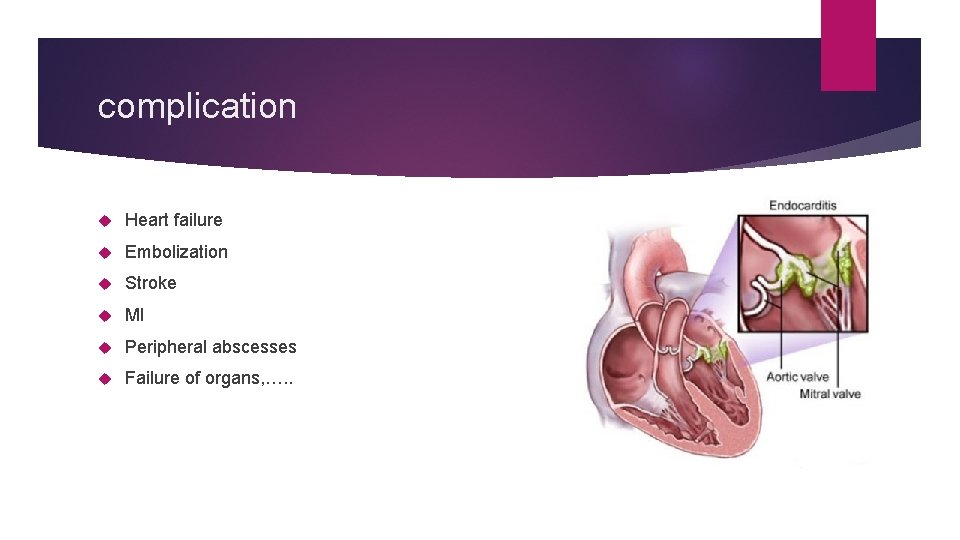
complication Heart failure Embolization Stroke MI Peripheral abscesses Failure of organs, …. .
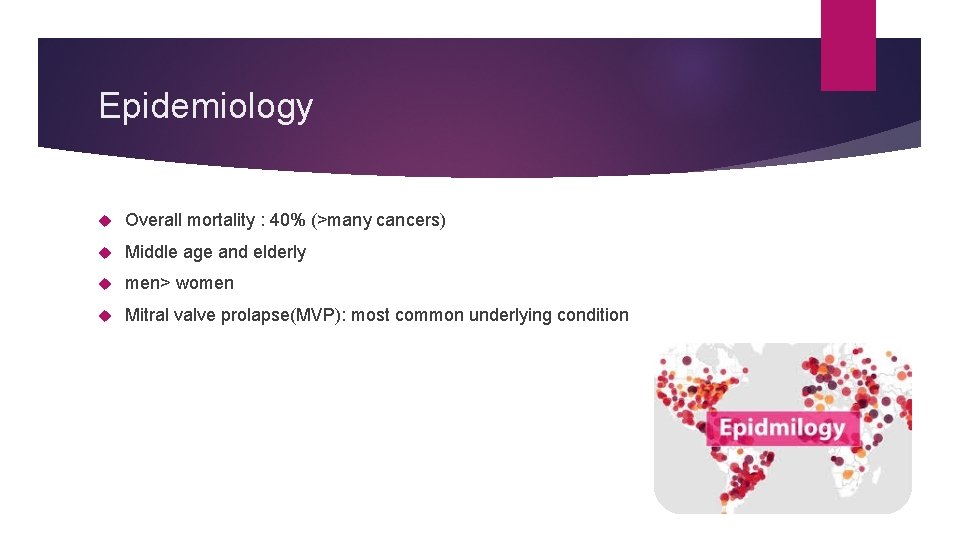
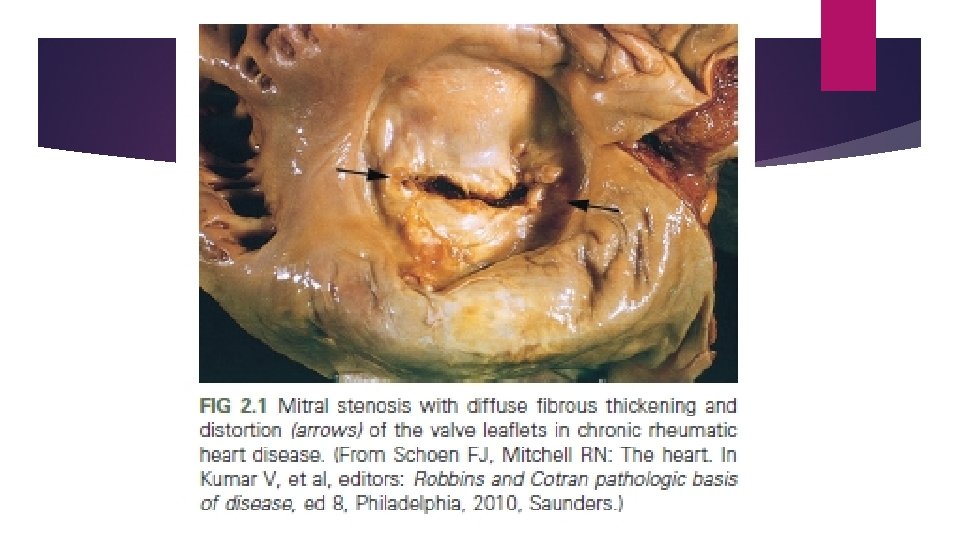
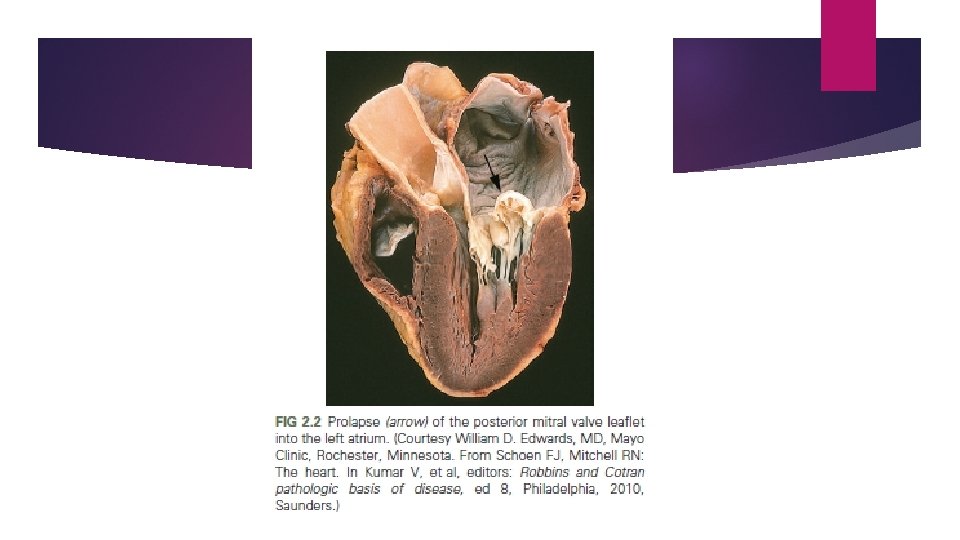
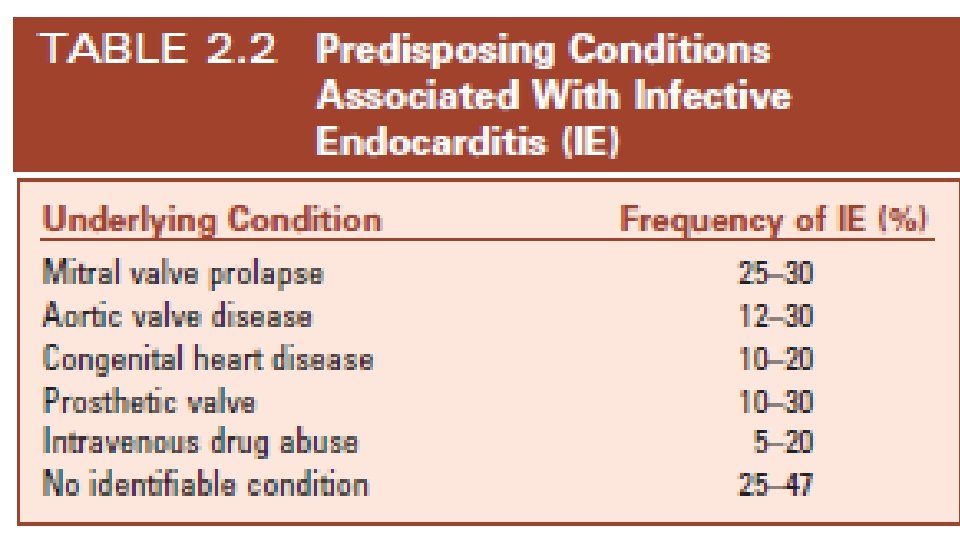
Epidemiology Overall mortality : 40% (>many cancers) Middle age and elderly men> women Mitral valve prolapse(MVP): most common underlying condition
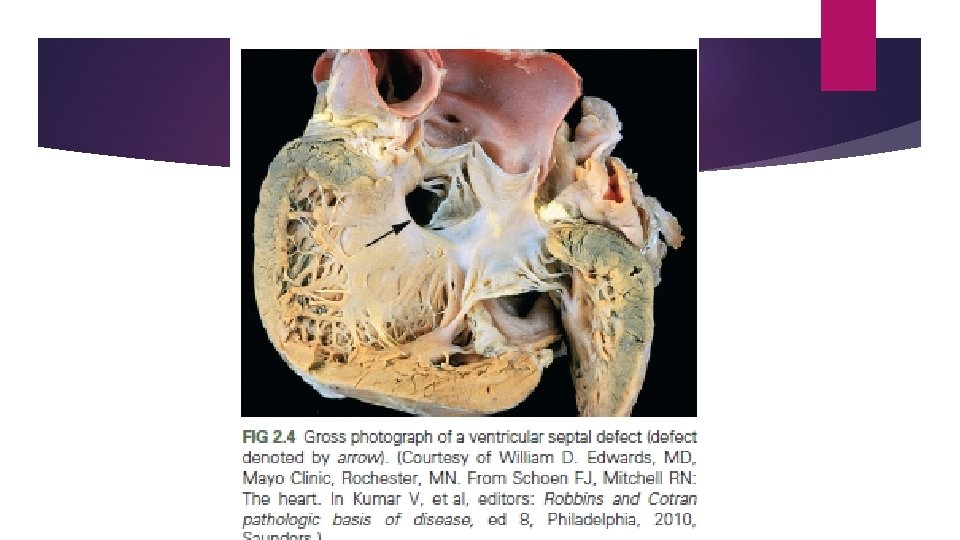
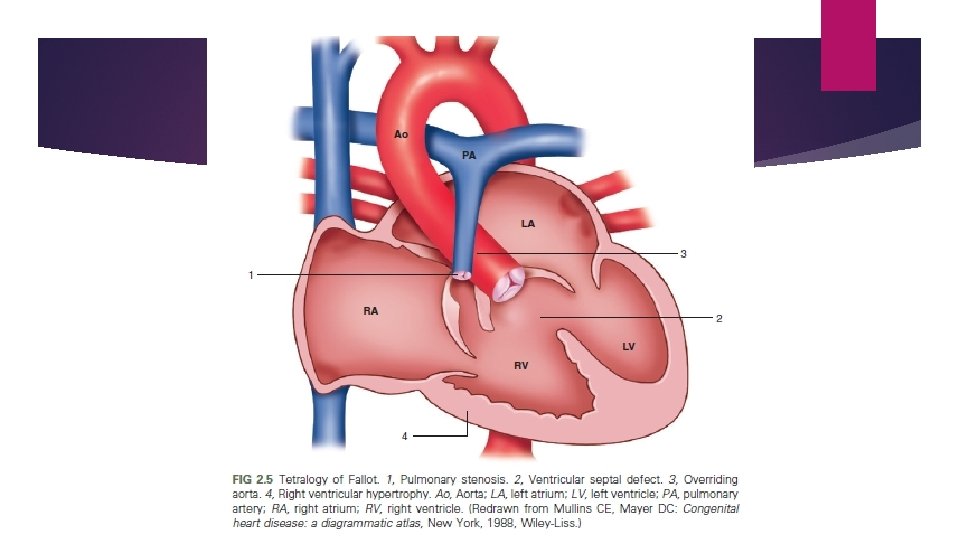
Table 2. 2
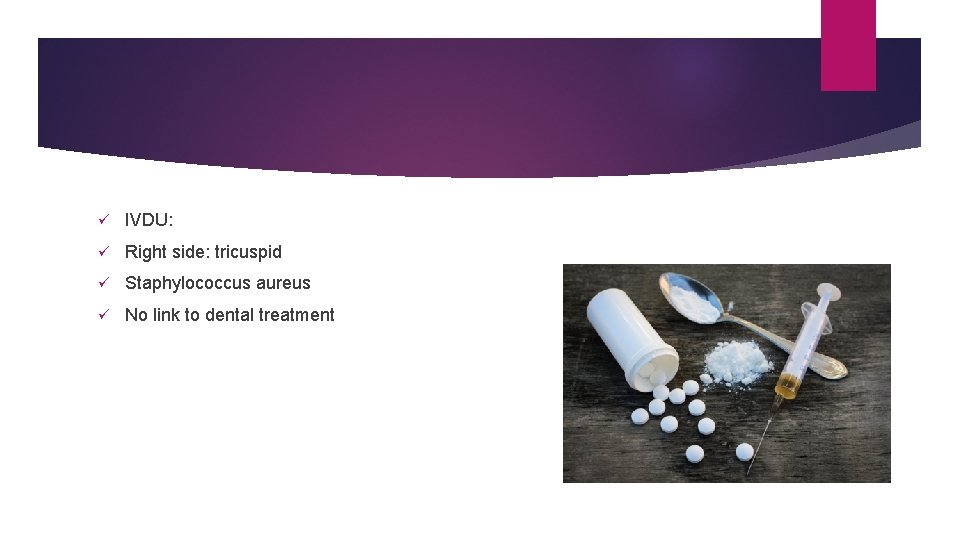
ü IVDU: ü Right side: tricuspid ü Staphylococcus aureus ü No link to dental treatment
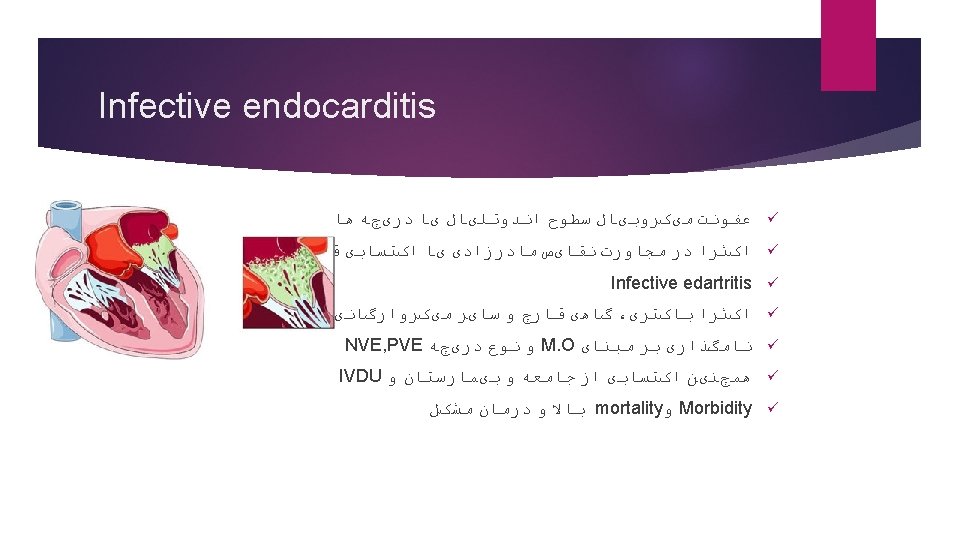
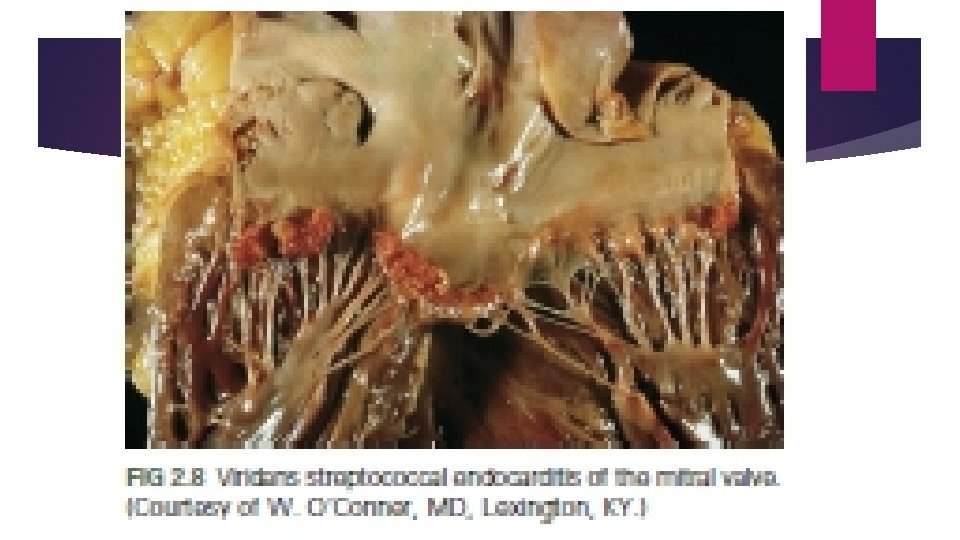
Etiology Most common: streptococci Staph: IVDU, hospital Strep viridans alpha haemolytic (normal oral & GI flora): NVE community Staph. aureus: (not normal oral flora)most common in acute, non vulvar PVE: early, intermediate: staph PVE: late: strep
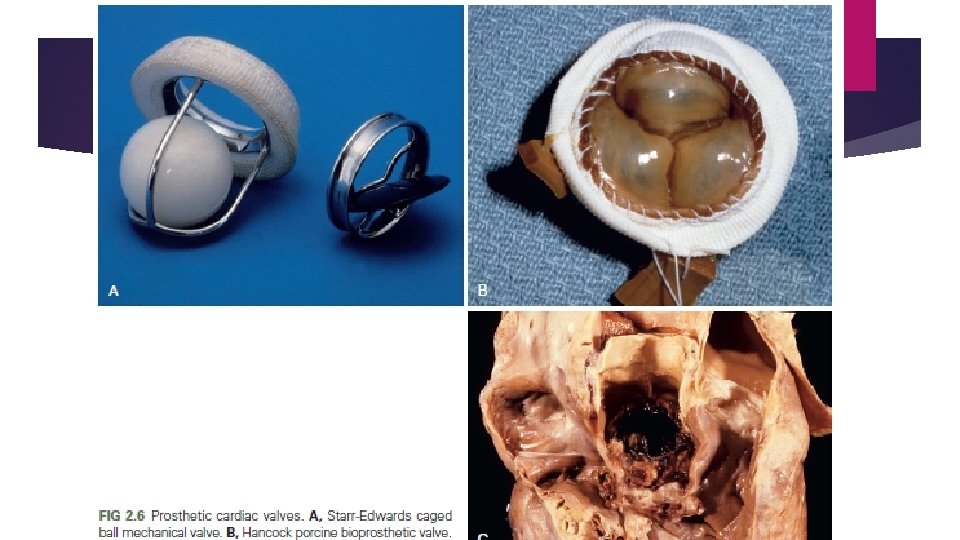
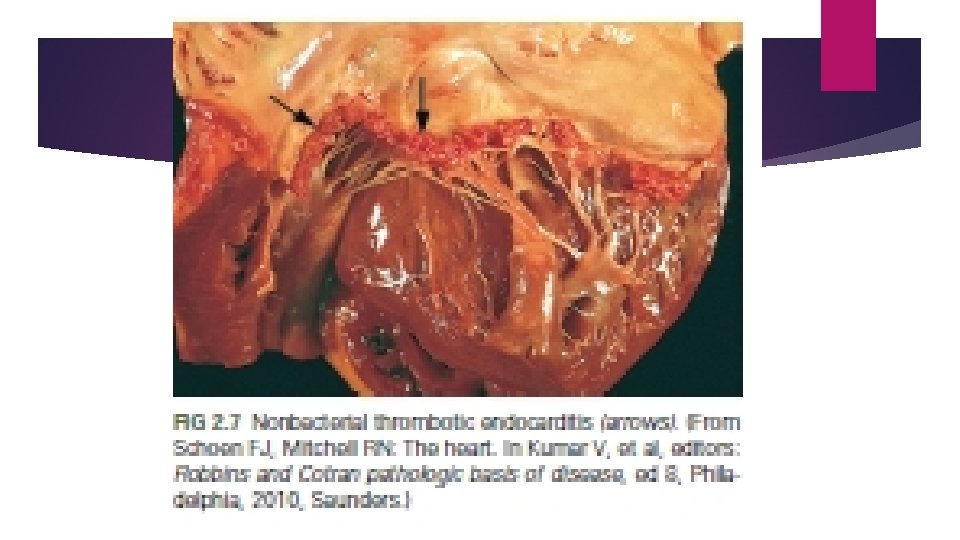
Pathophysiology and complication Usually adjacent to endothelial damage or prosthesis Adherence of fibrin and platelets: non bacterial thrombotic endocarditis Similar condition: libman-sacks verrucous endocarditis in SLE Bacteria can be added: additional fibrin & platelets Vegetation of bacteria Continuous bacteraemia Embolization
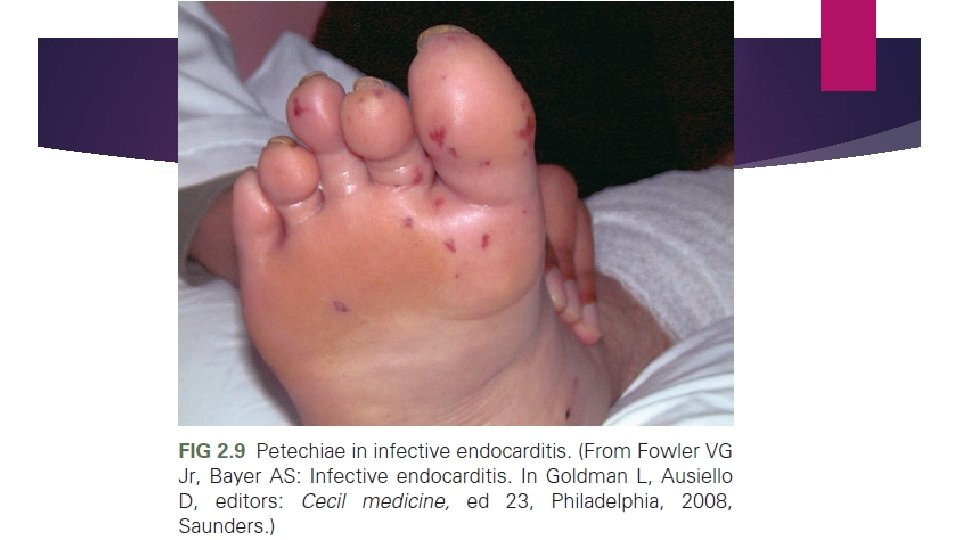
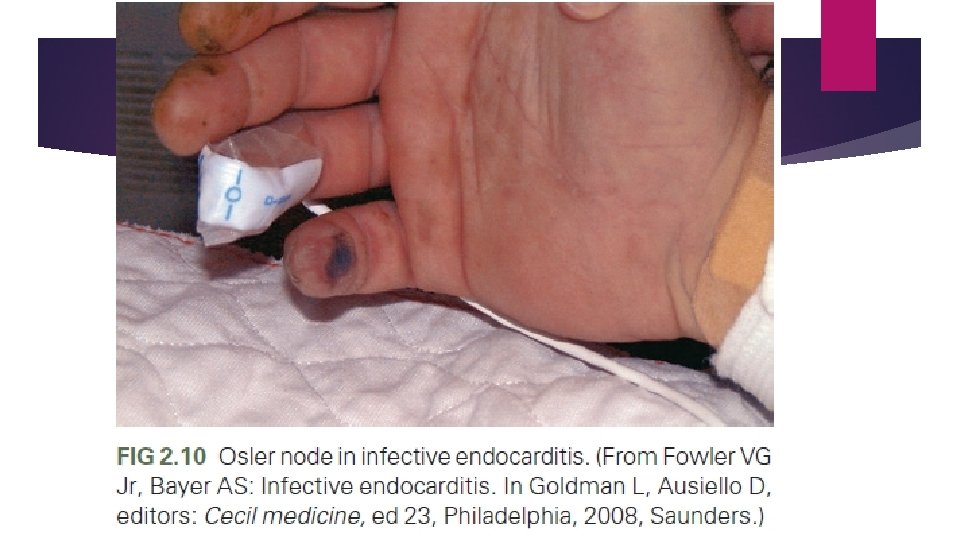
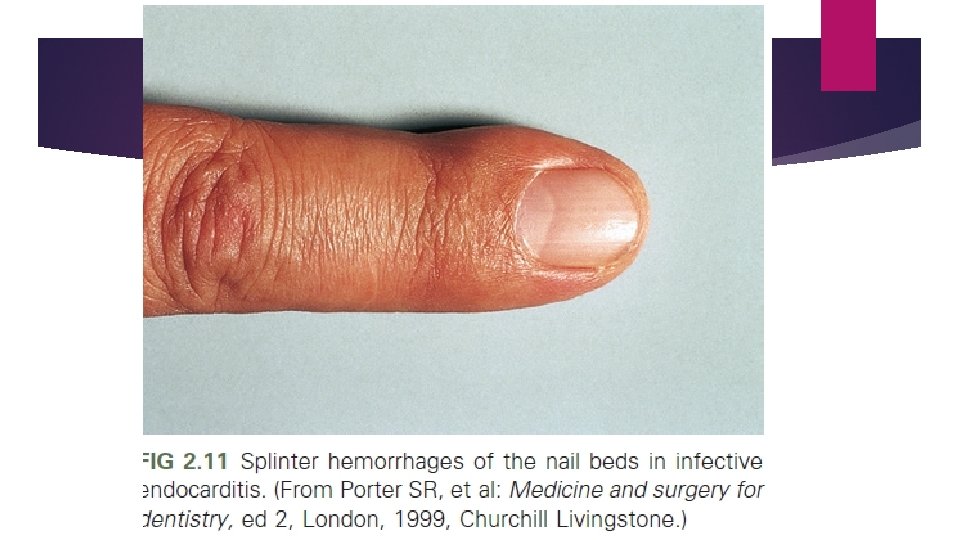
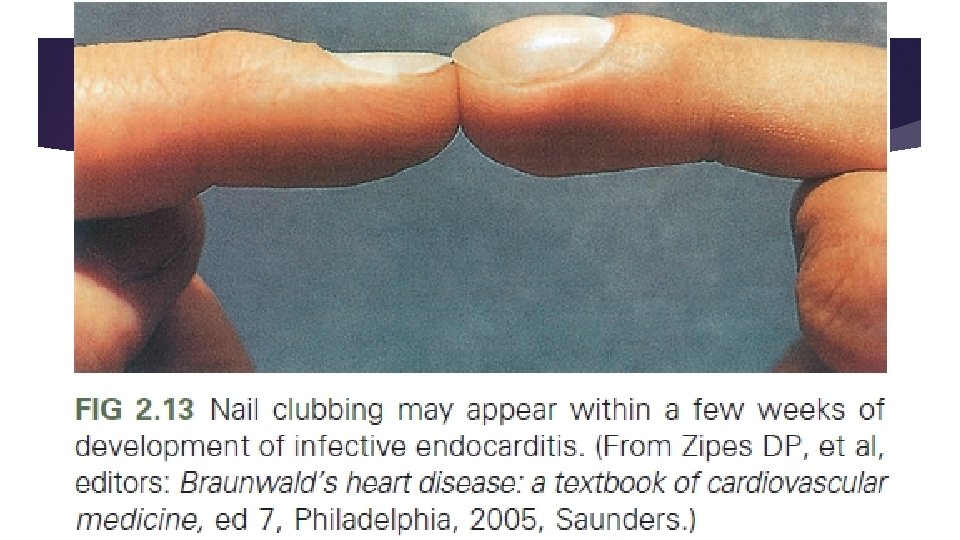
Clinical presentation Sign & symptoms: Classical finding: fever, murmur, positive blood culture 80%: interval< 2 weeks Dental treatment> 2 weeks Other findings: petechial on buccal, palatal, conjunctiva, extremities Osler nodule: tender subcutaneous in pulp of digits Janeway lesions: non tender erythematous or haemorrhages in palms, soles
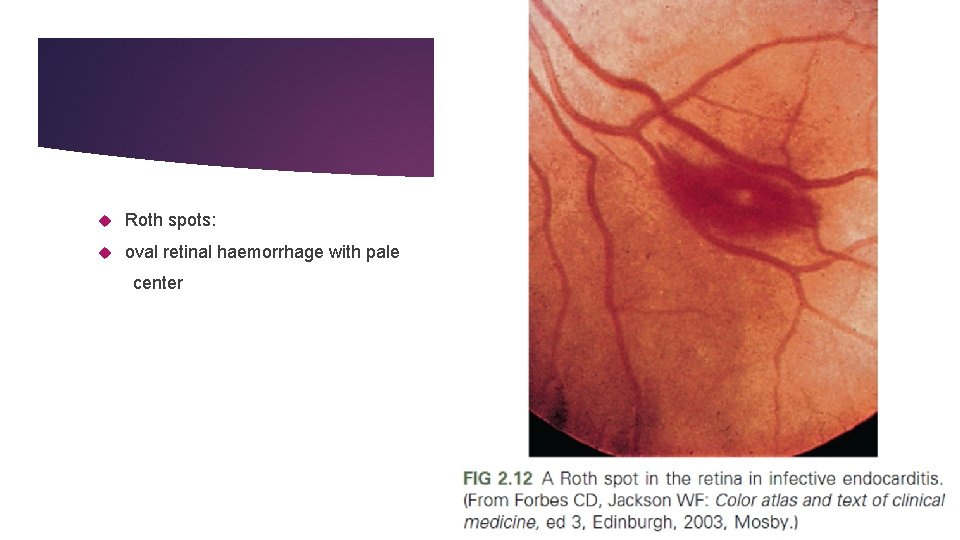
Roth spots: oval retinal haemorrhage with pale center
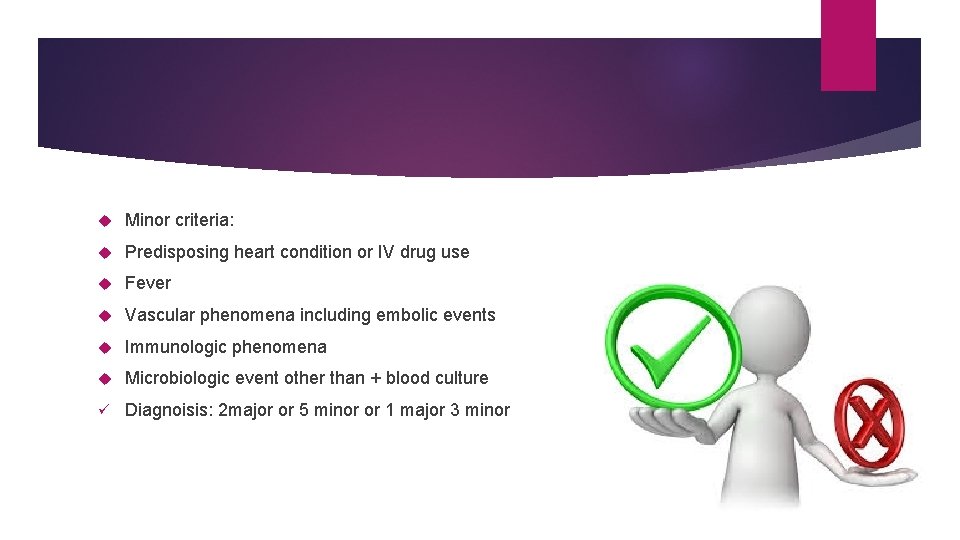
Sustained bacteraemia is typical 3 sets of blood culture over 24 hours Duke criteria: Major : + blood culture endocardia involvement(+finding in echocardio, new valvular regurgitation)
Minor criteria: Predisposing heart condition or IV drug use Fever Vascular phenomena including embolic events Immunologic phenomena Microbiologic event other than + blood culture ü Diagnoisis: 2 major or 5 minor or 1 major 3 minor
Medical management Antibiotics or surgery or both Mortality: 40% Max mortality: fungal endocarditis Penicillin, ceftriaxone, vancomycin
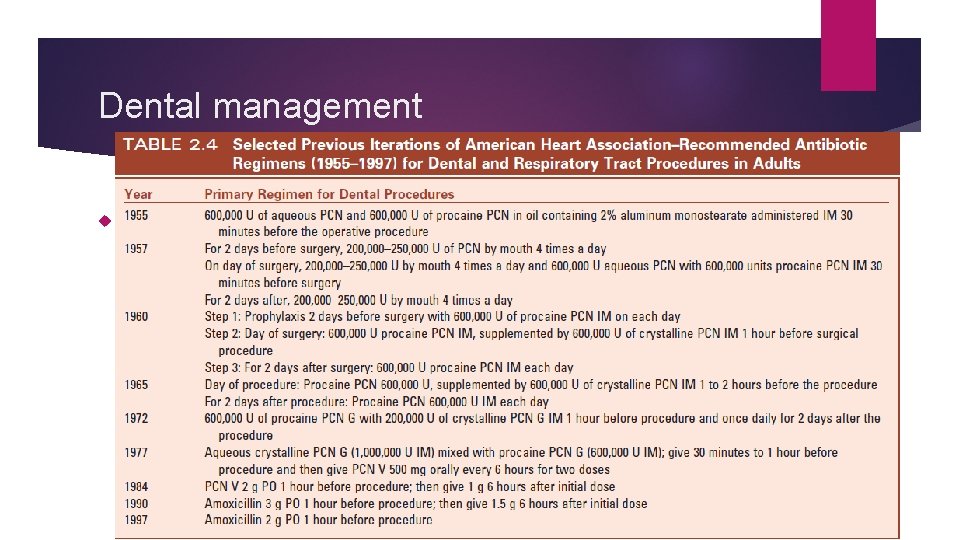
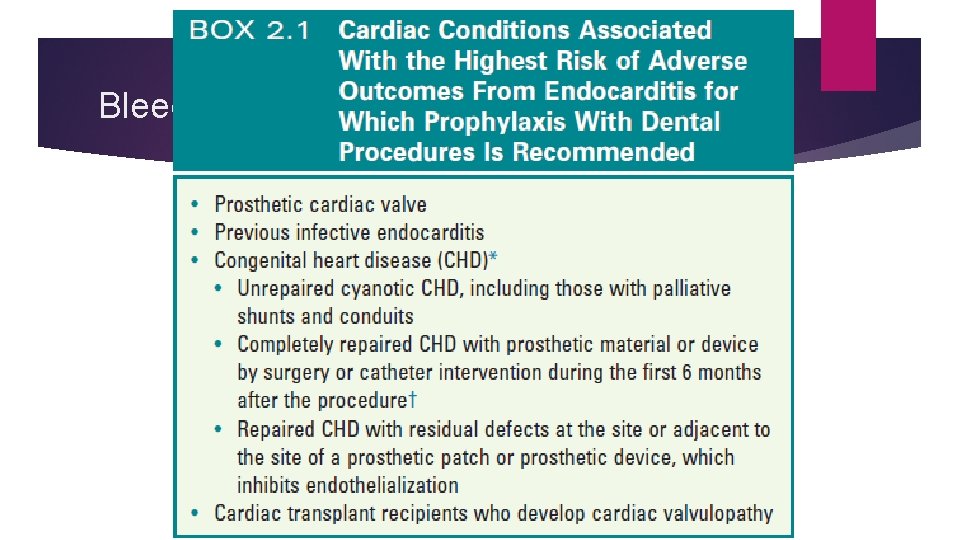
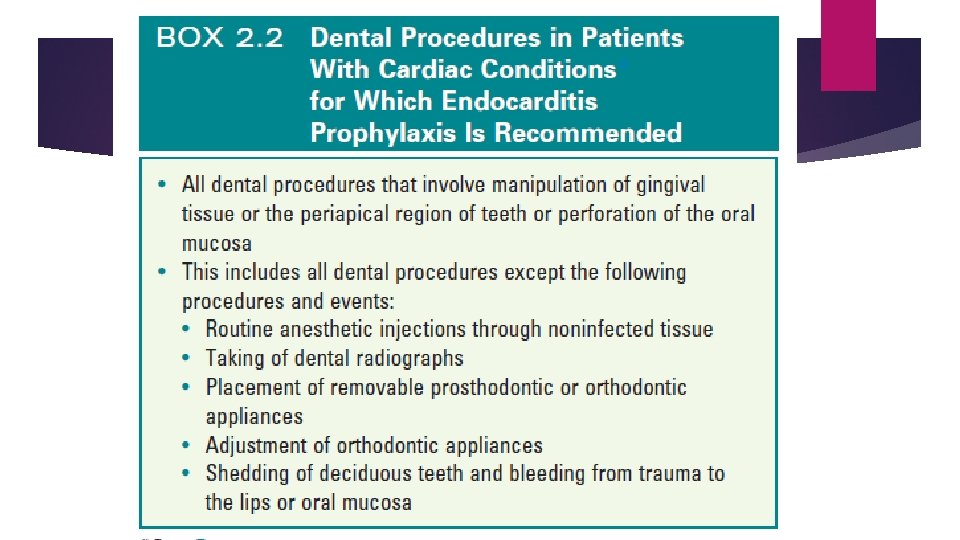
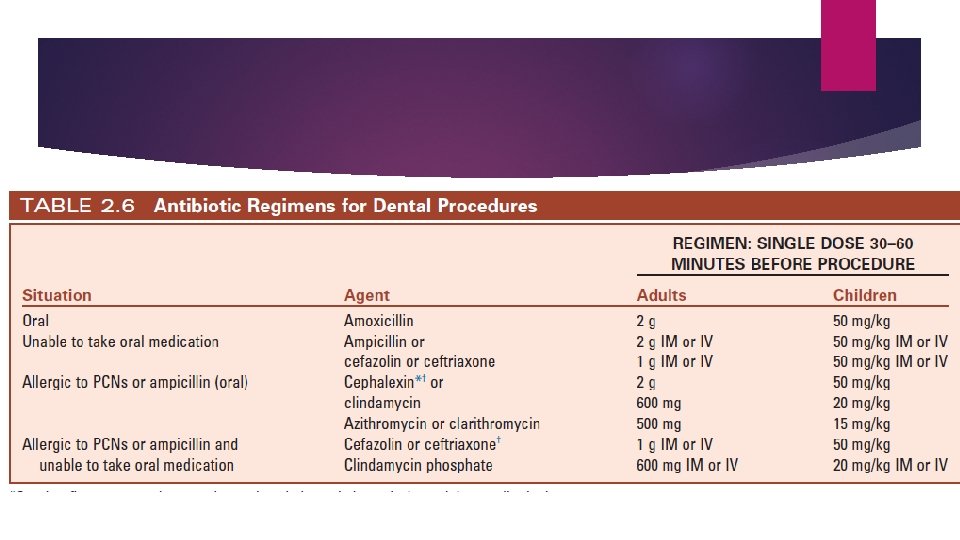
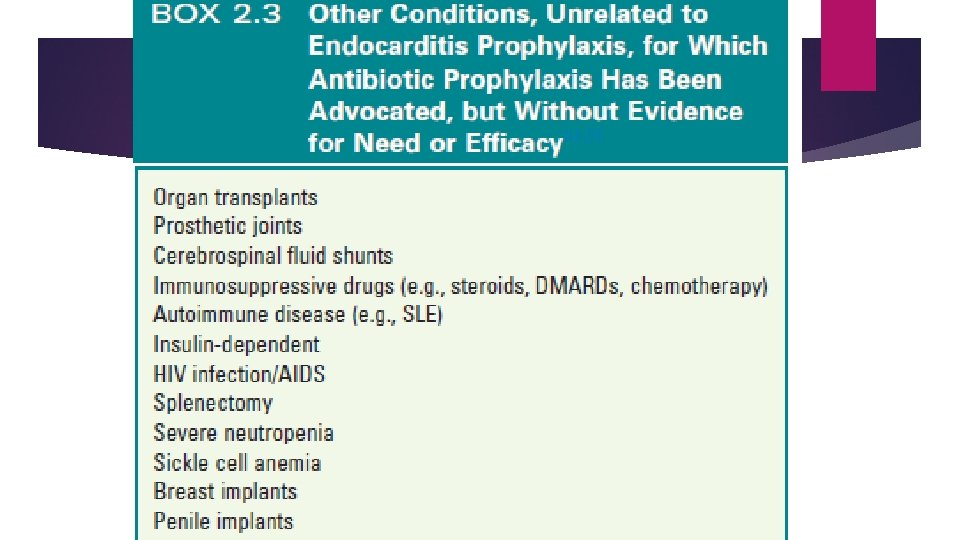
Dental management Antibiotic prophylaxis:
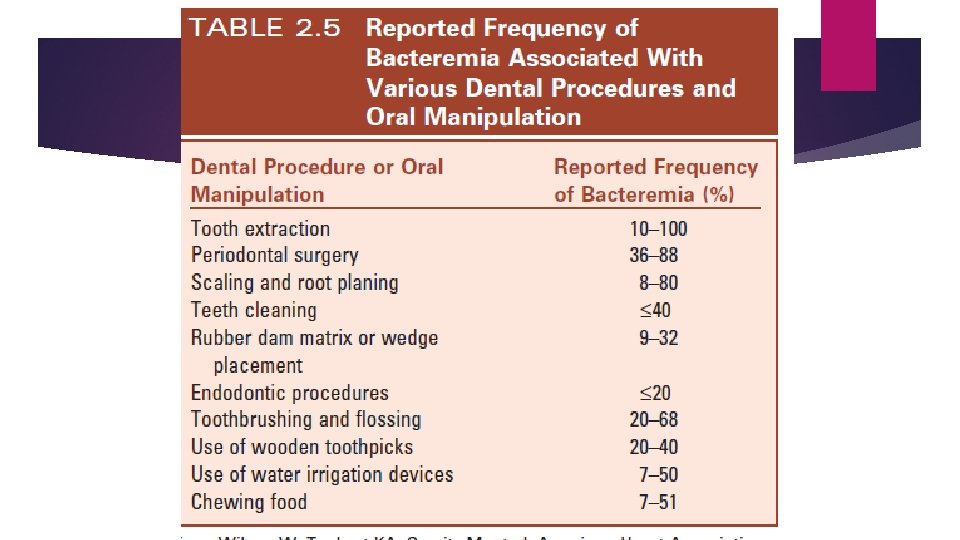
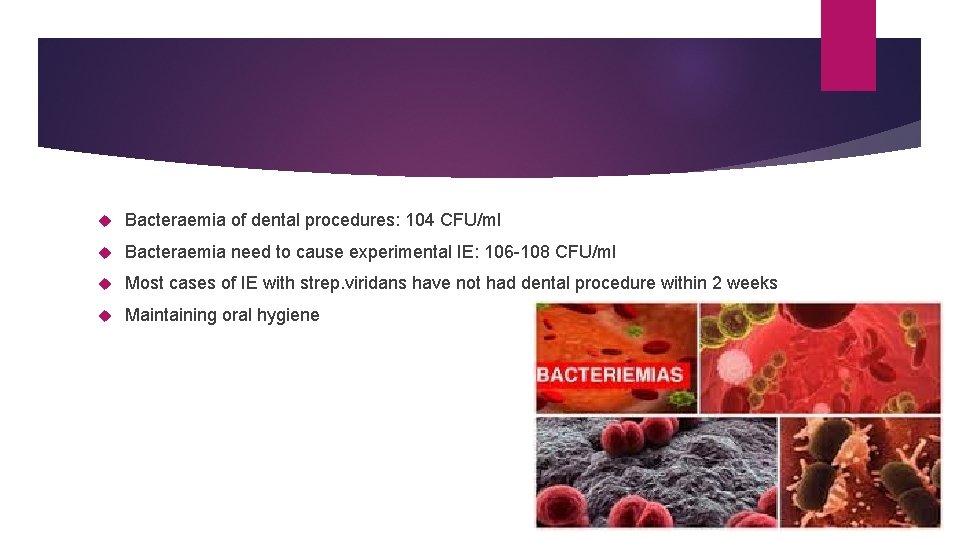
Bacteraemia of dental procedures: 104 CFU/ml Bacteraemia need to cause experimental IE: 106 -108 CFU/ml Most cases of IE with strep. viridans have not had dental procedure within 2 weeks Maintaining oral hygiene
Bleeding and bacteremia
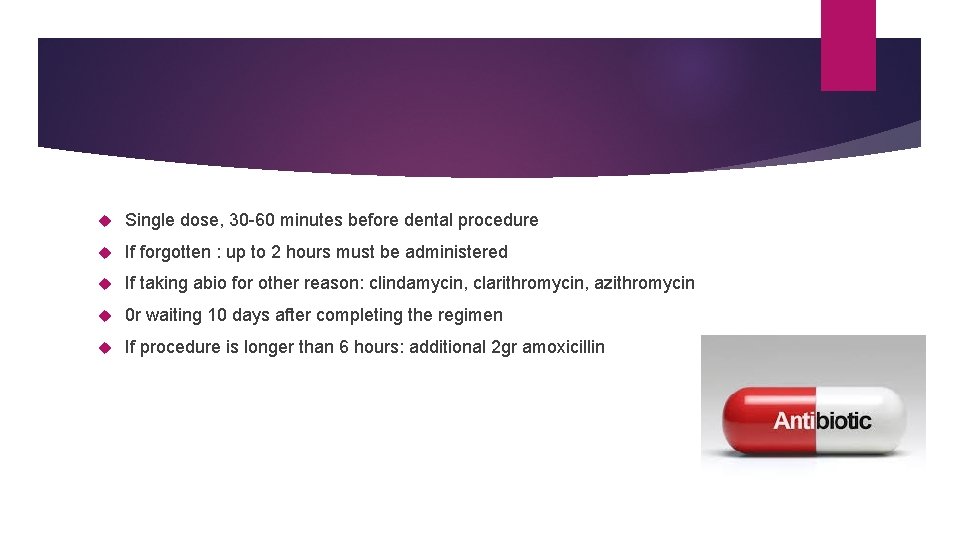
Single dose, 30 -60 minutes before dental procedure If forgotten : up to 2 hours must be administered If taking abio for other reason: clindamycin, clarithromycin, azithromycin 0 r waiting 10 days after completing the regimen If procedure is longer than 6 hours: additional 2 gr amoxicillin
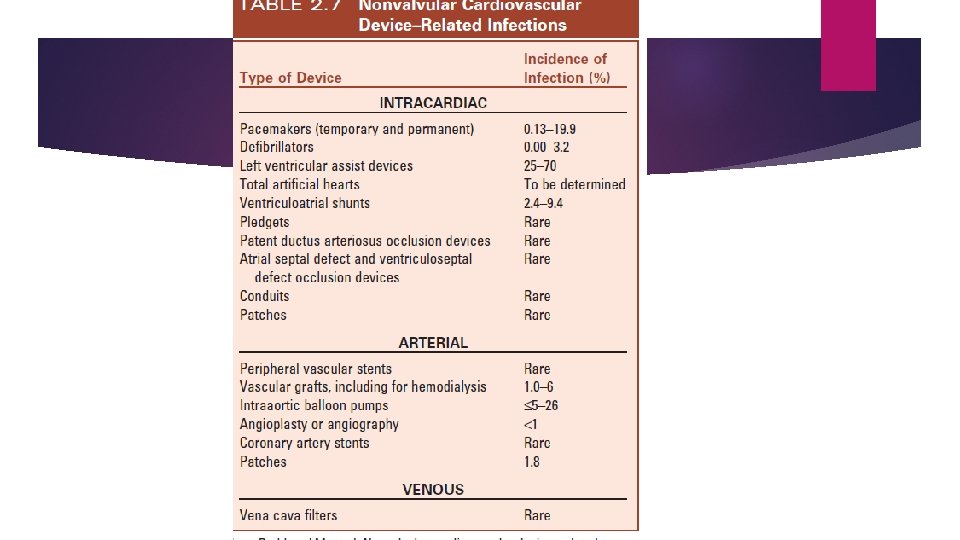
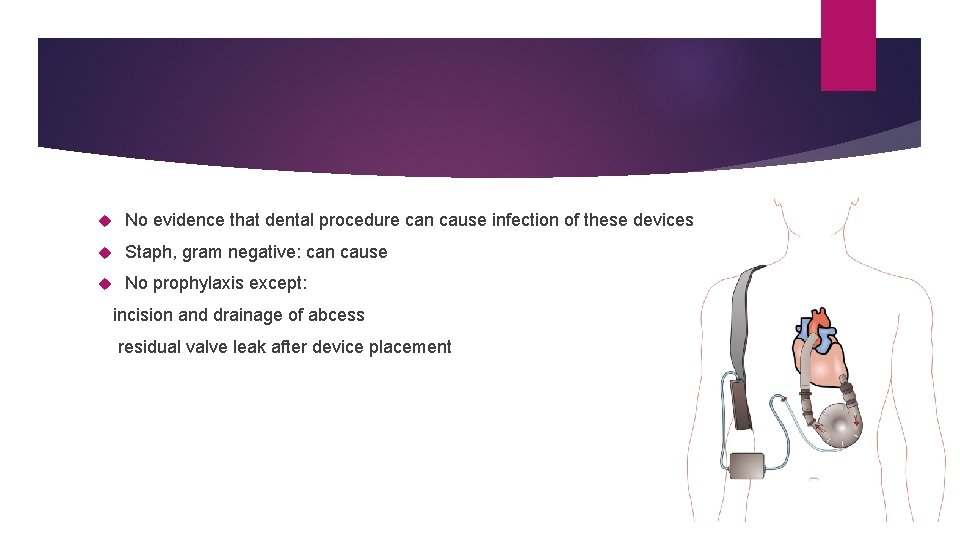
No evidence that dental procedure can cause infection of these devices Staph, gram negative: can cause No prophylaxis except: incision and drainage of abcess residual valve leak after device placement
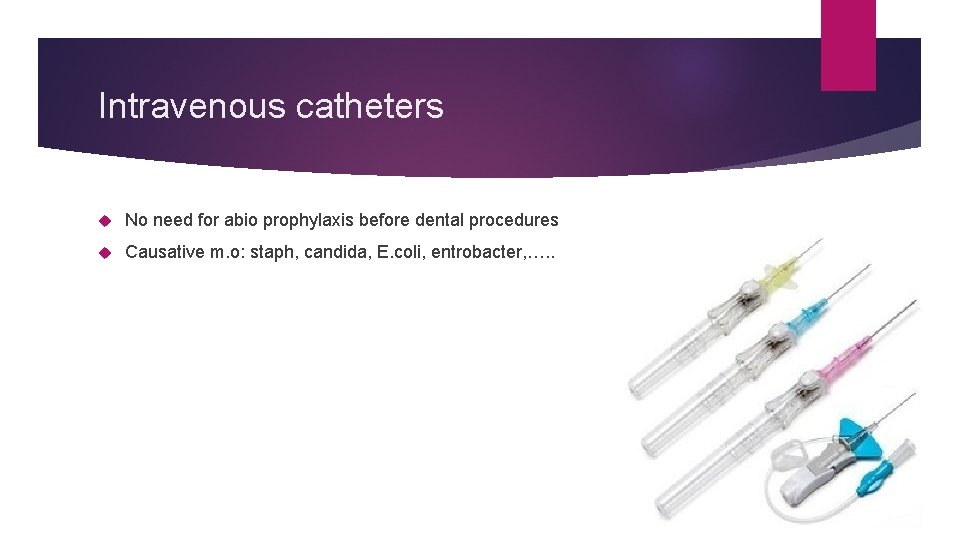
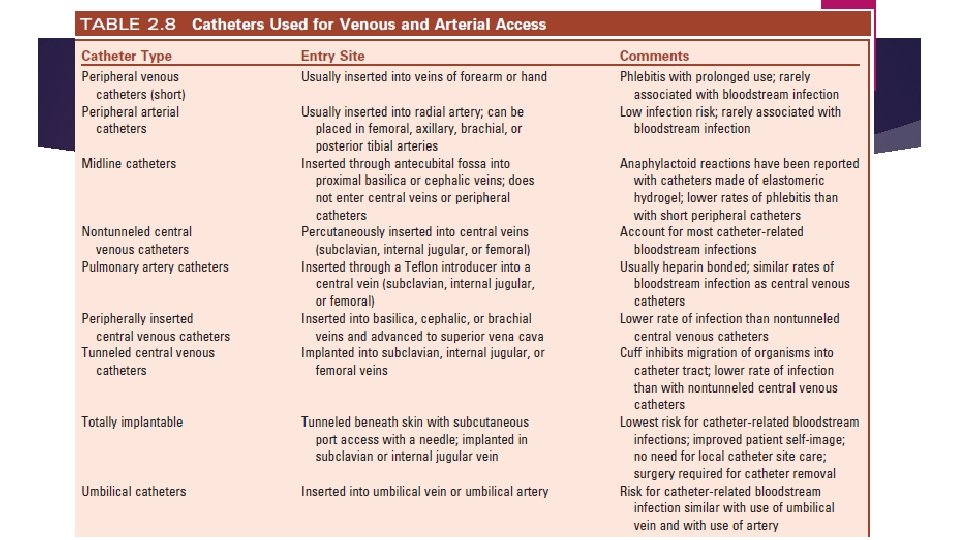
Intravenous catheters No need for abio prophylaxis before dental procedures Causative m. o: staph, candida, E. coli, entrobacter, …. .
Hypertension
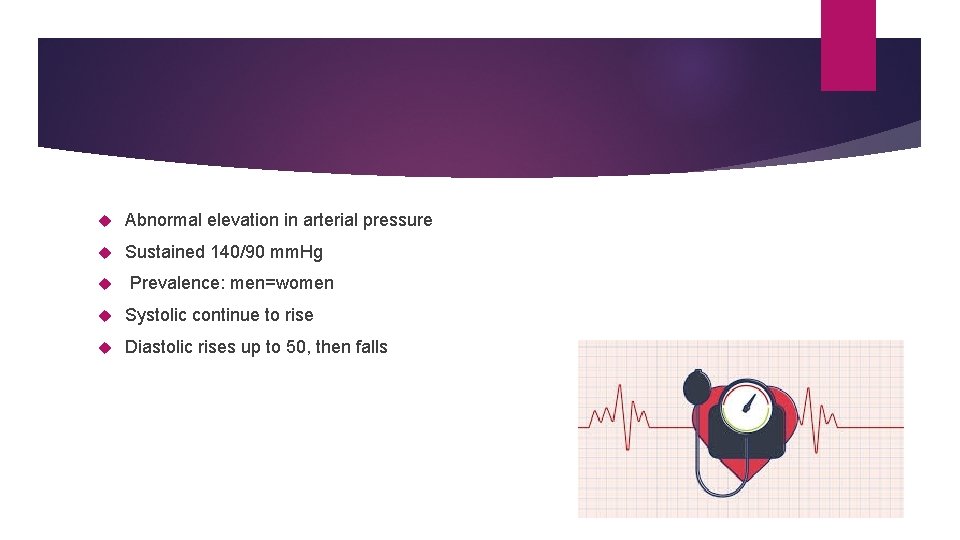
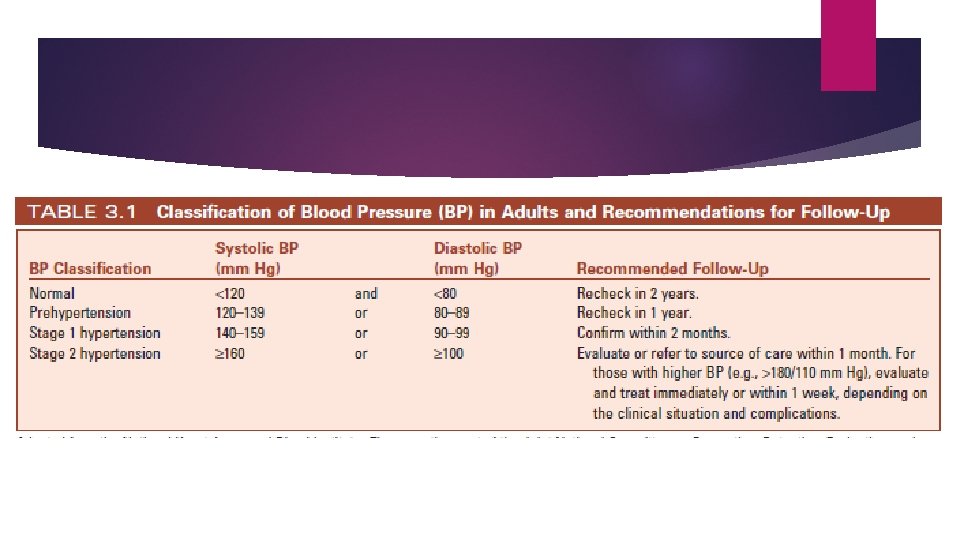
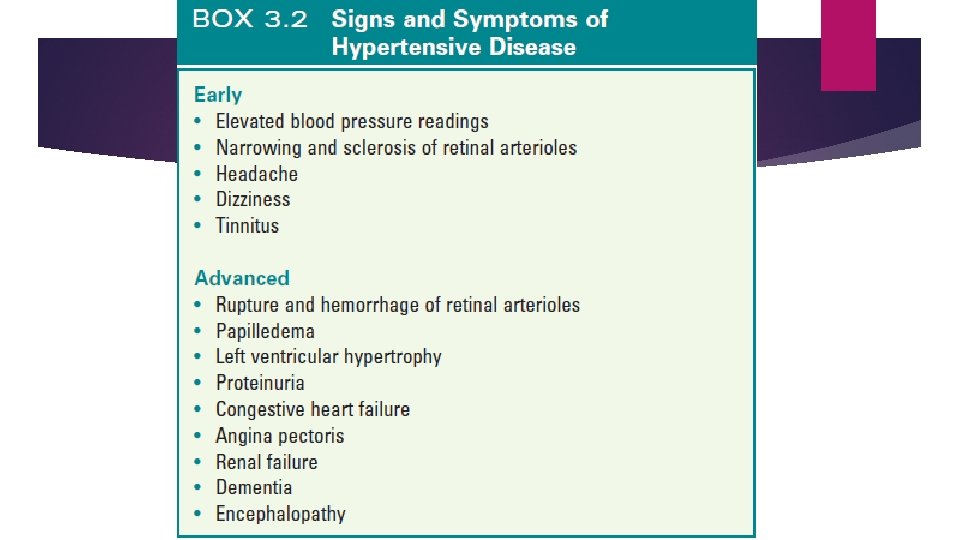
Abnormal elevation in arterial pressure Sustained 140/90 mm. Hg Prevalence: men=women Systolic continue to rise Diastolic rises up to 50, then falls
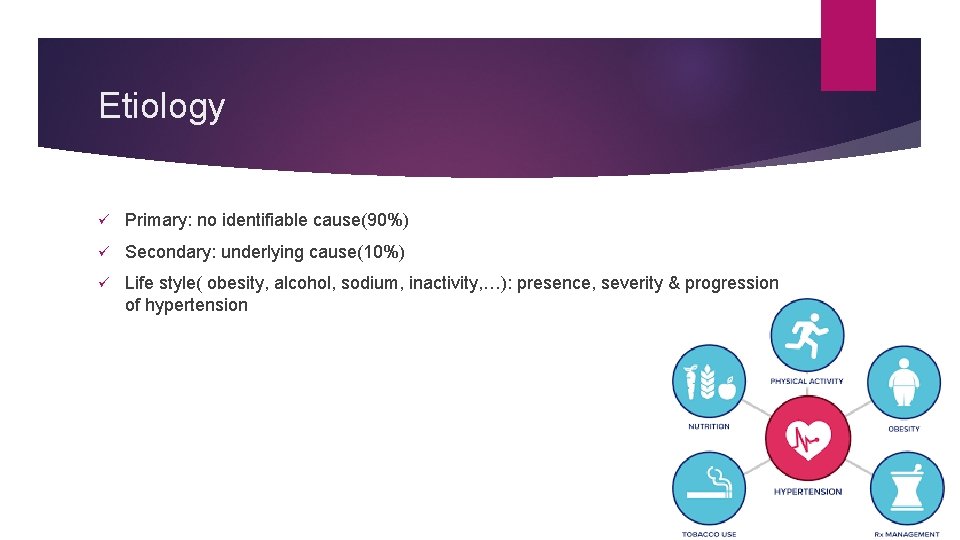
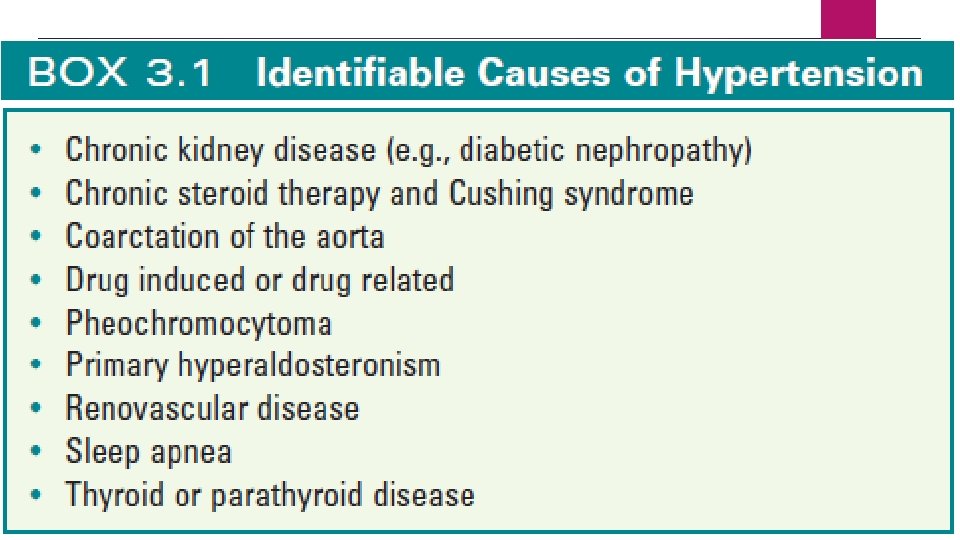
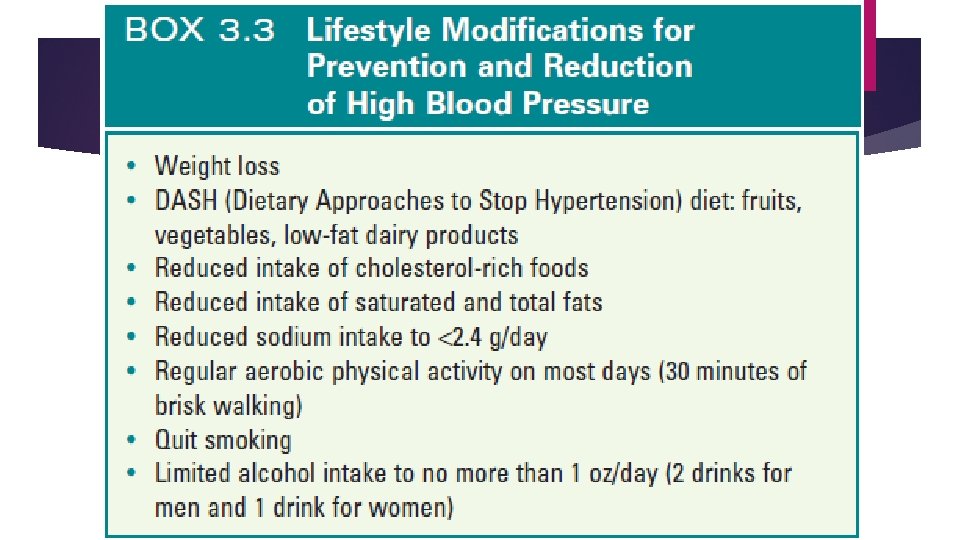
Etiology ü Primary: no identifiable cause(90%) ü Secondary: underlying cause(10%) ü Life style( obesity, alcohol, sodium, inactivity, …): presence, severity & progression of hypertension
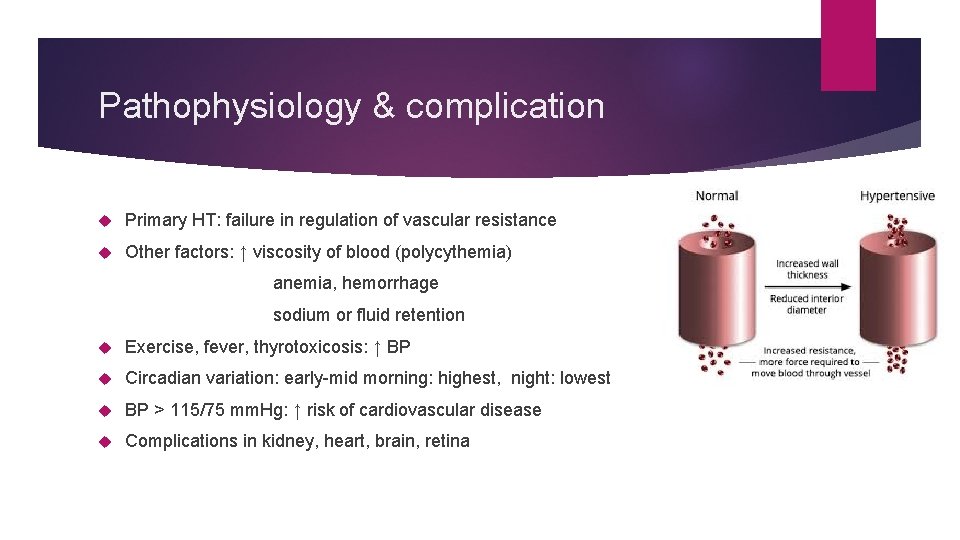
Pathophysiology & complication Primary HT: failure in regulation of vascular resistance Other factors: ↑ viscosity of blood (polycythemia) anemia, hemorrhage sodium or fluid retention Exercise, fever, thyrotoxicosis: ↑ BP Circadian variation: early-mid morning: highest, night: lowest BP > 115/75 mm. Hg: ↑ risk of cardiovascular disease Complications in kidney, heart, brain, retina
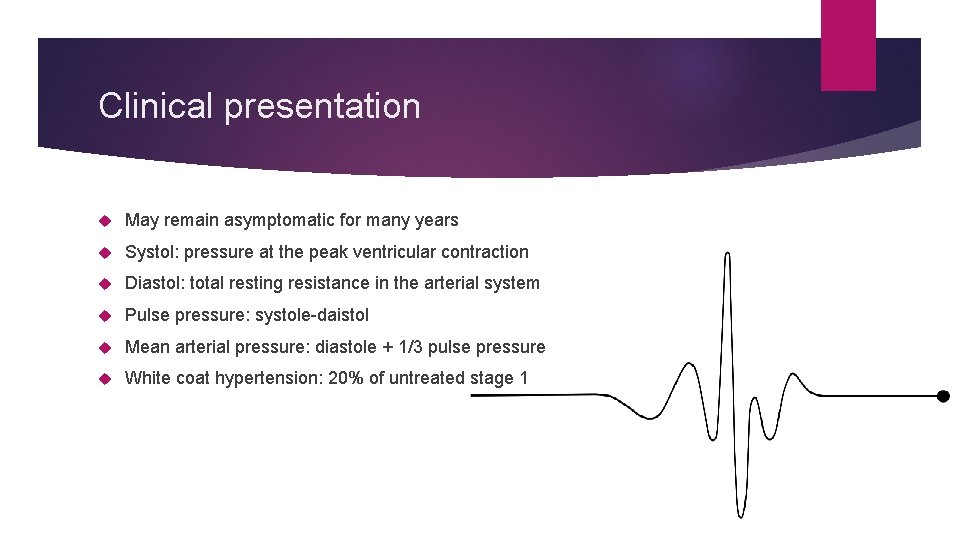
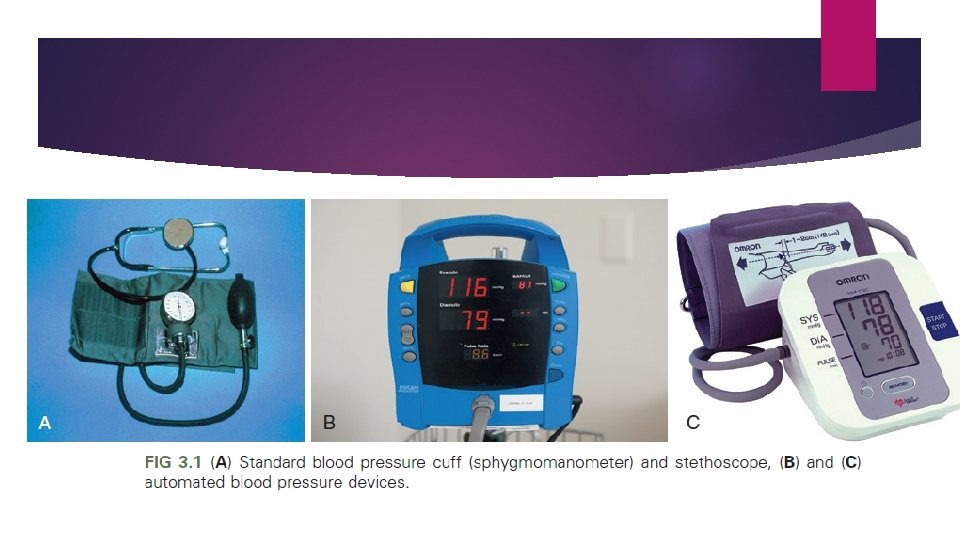
Clinical presentation May remain asymptomatic for many years Systol: pressure at the peak ventricular contraction Diastol: total resting resistance in the arterial system Pulse pressure: systole-daistol Mean arterial pressure: diastole + 1/3 pulse pressure White coat hypertension: 20% of untreated stage 1
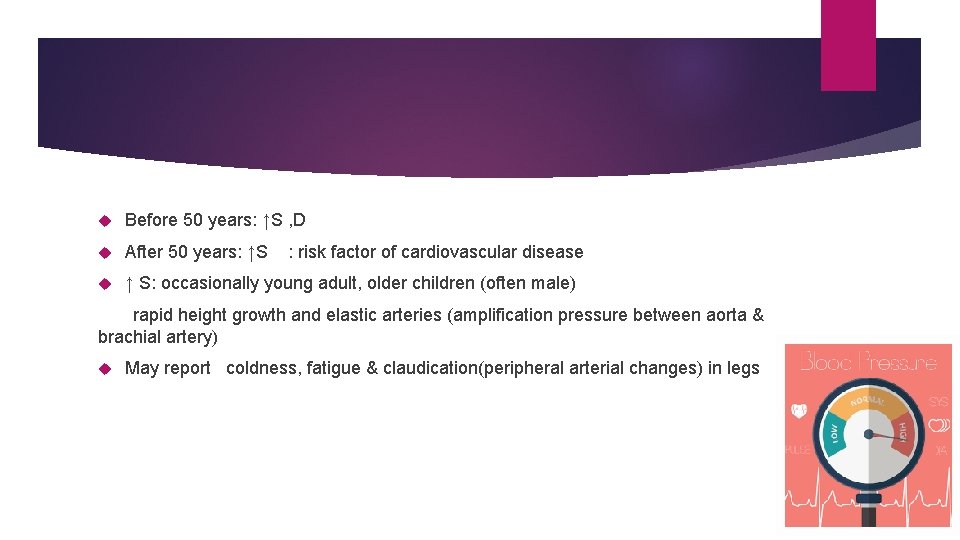
Before 50 years: ↑S , D After 50 years: ↑S ↑ S: occasionally young adult, older children (often male) : risk factor of cardiovascular disease rapid height growth and elastic arteries (amplification pressure between aorta & brachial artery) May report coldness, fatigue & claudication(peripheral arterial changes) in legs
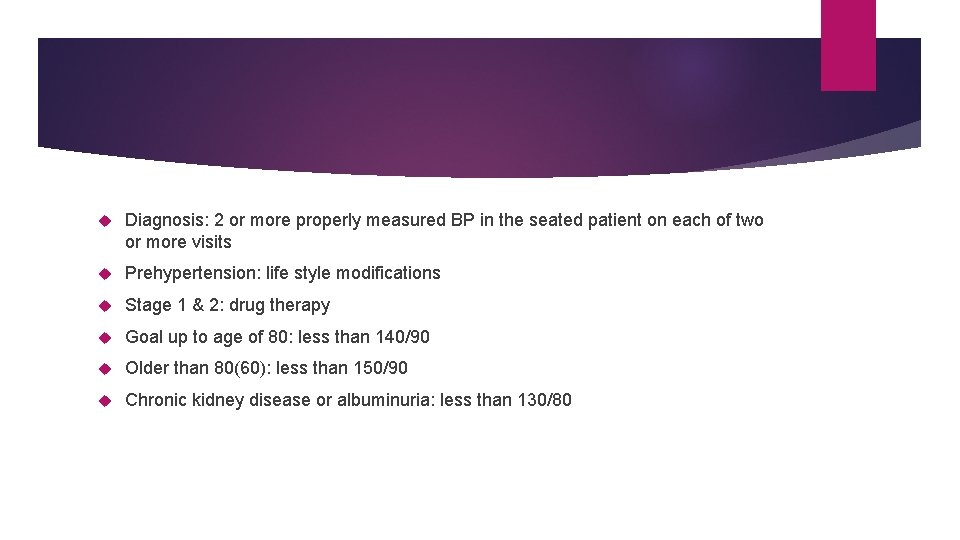
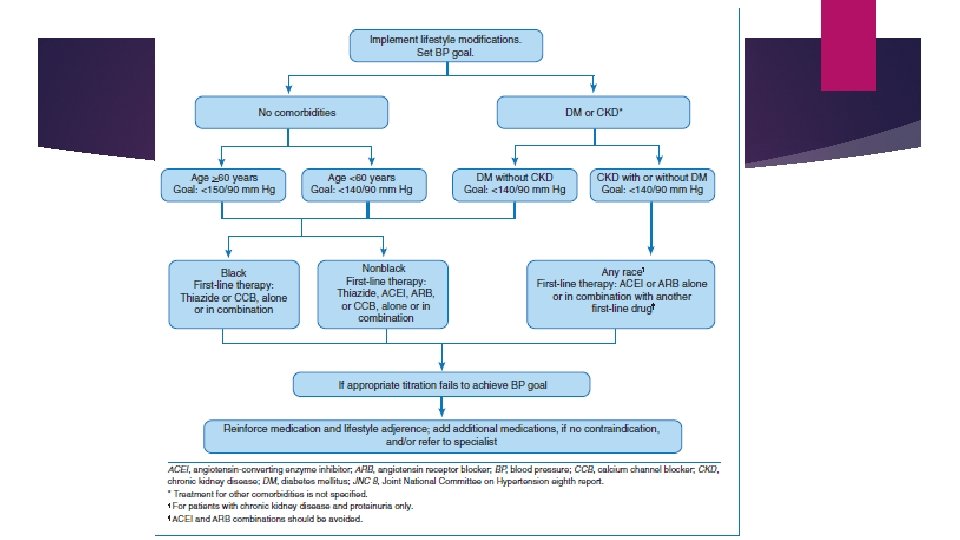
Diagnosis: 2 or more properly measured BP in the seated patient on each of two or more visits Prehypertension: life style modifications Stage 1 & 2: drug therapy Goal up to age of 80: less than 140/90 Older than 80(60): less than 150/90 Chronic kidney disease or albuminuria: less than 130/80
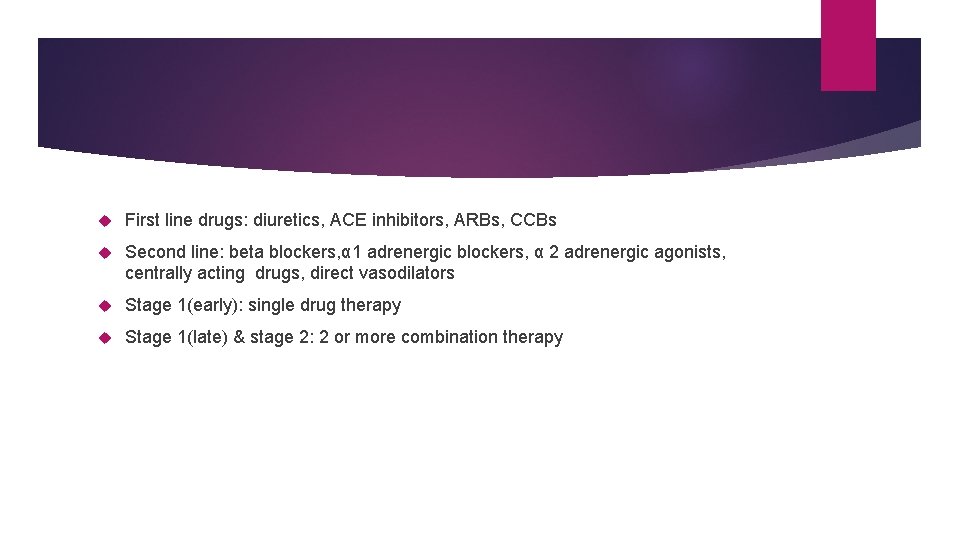
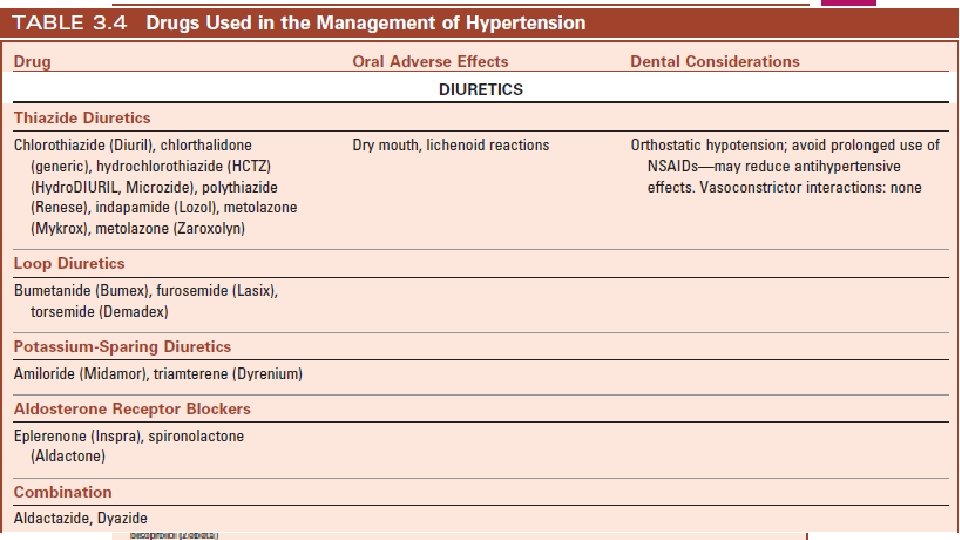
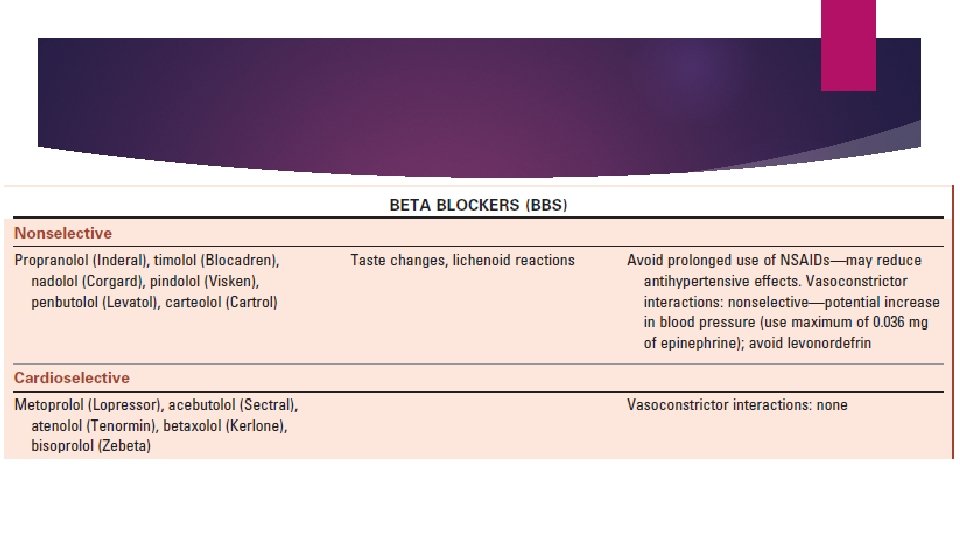
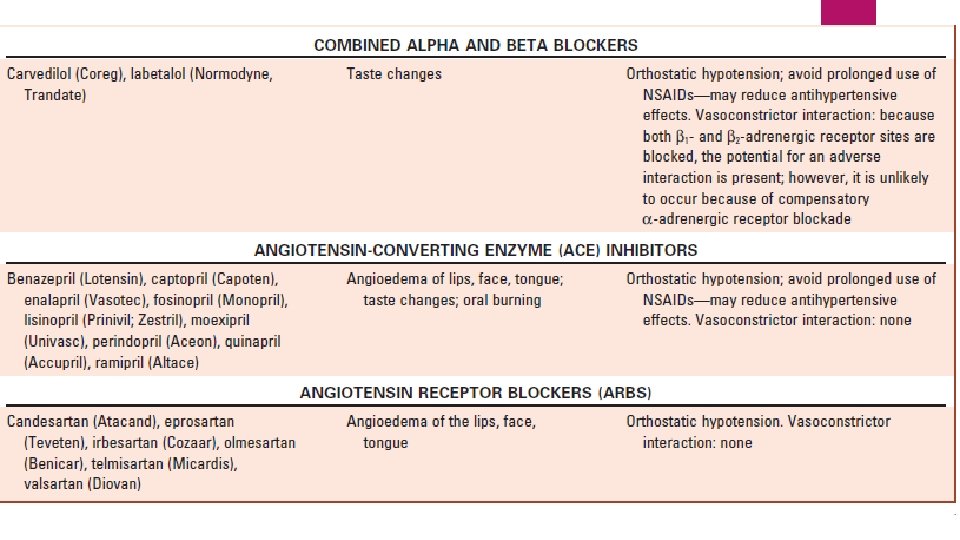
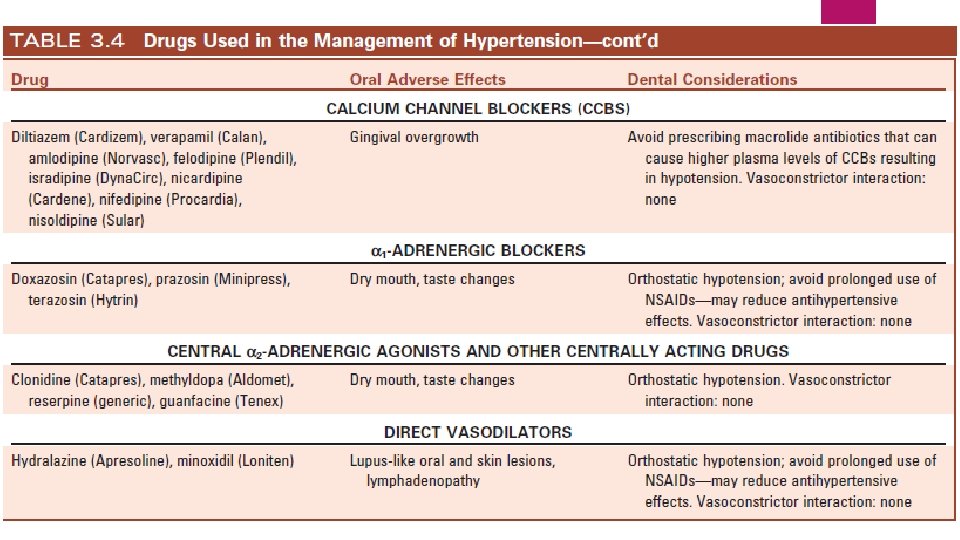
First line drugs: diuretics, ACE inhibitors, ARBs, CCBs Second line: beta blockers, α 1 adrenergic blockers, α 2 adrenergic agonists, centrally acting drugs, direct vasodilators Stage 1(early): single drug therapy Stage 1(late) & stage 2: 2 or more combination therapy
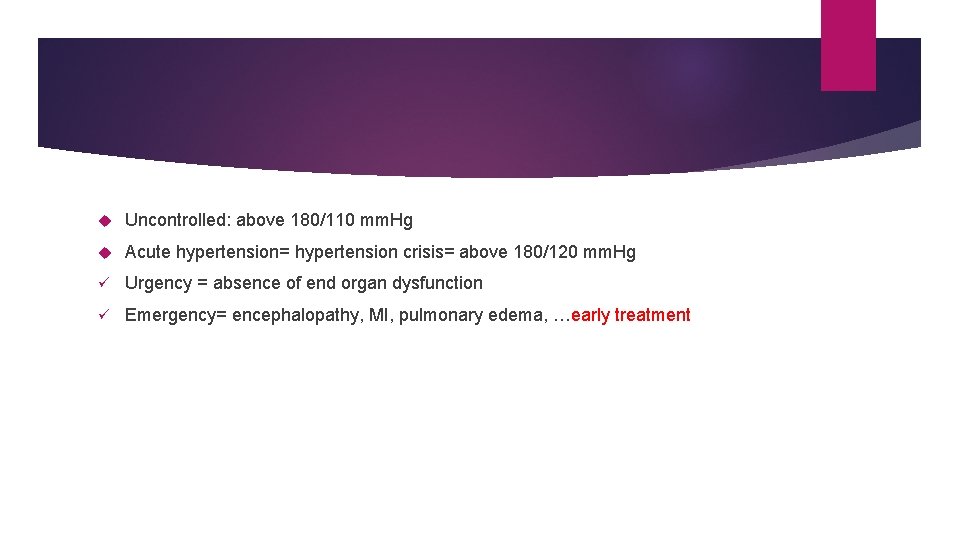
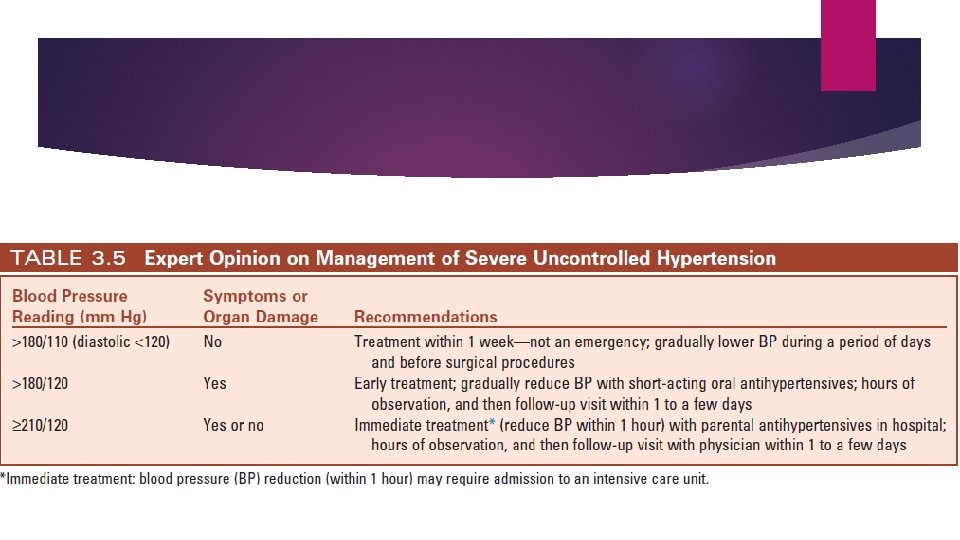
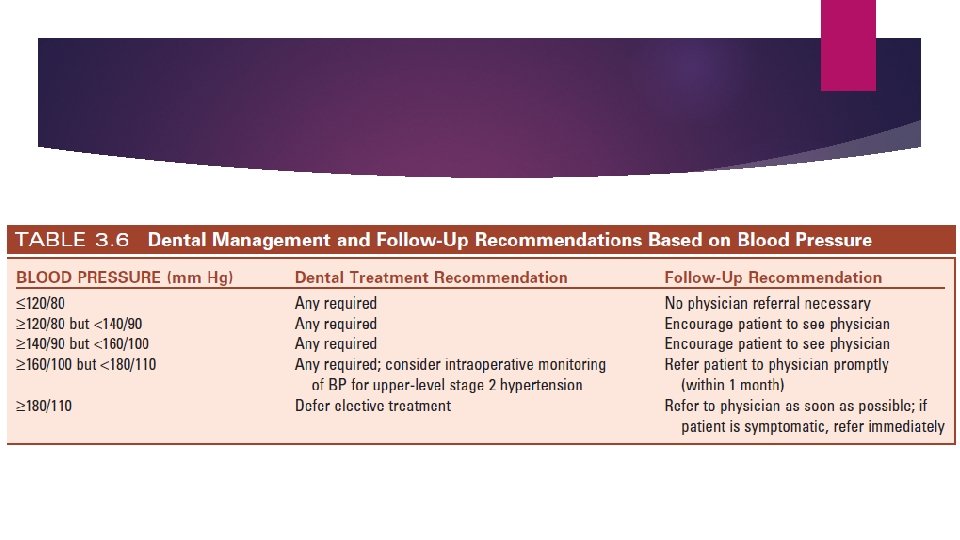
Uncontrolled: above 180/110 mm. Hg Acute hypertension= hypertension crisis= above 180/120 mm. Hg ü Urgency = absence of end organ dysfunction ü Emergency= encephalopathy, MI, pulmonary edema, …early treatment
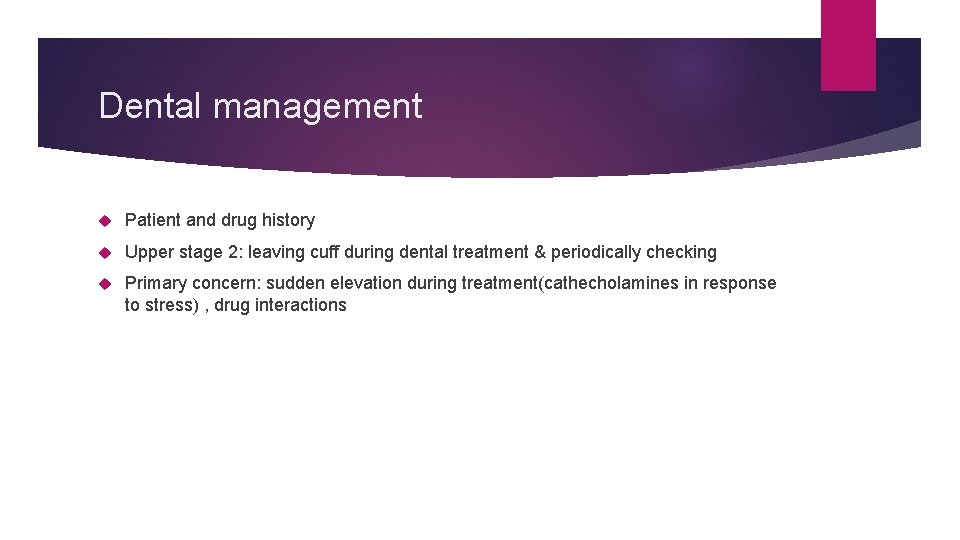
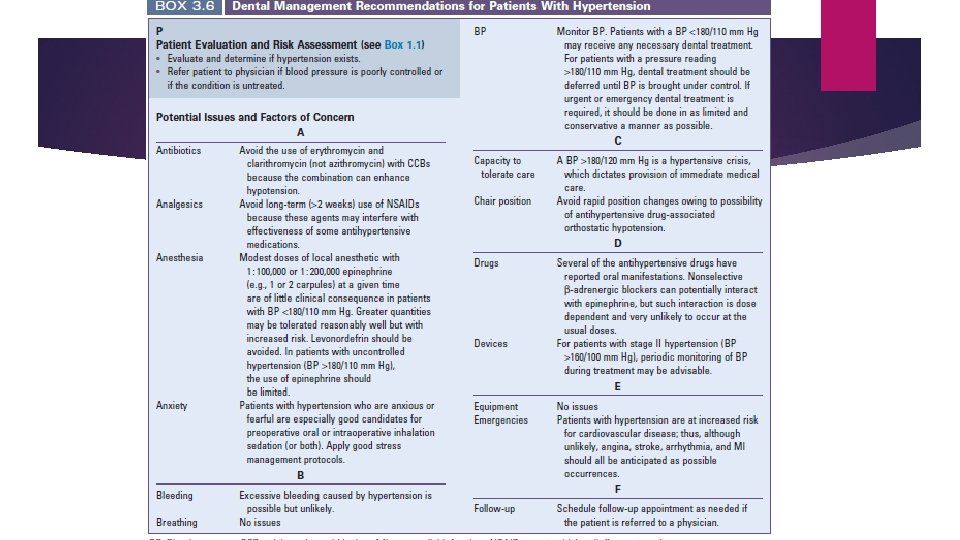
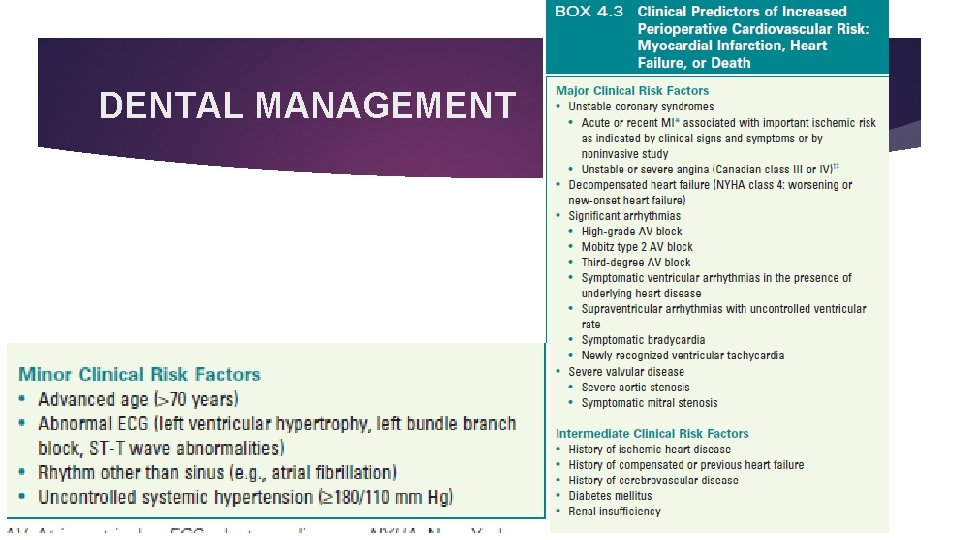
Dental management Patient and drug history Upper stage 2: leaving cuff during dental treatment & periodically checking Primary concern: sudden elevation during treatment(cathecholamines in response to stress) , drug interactions
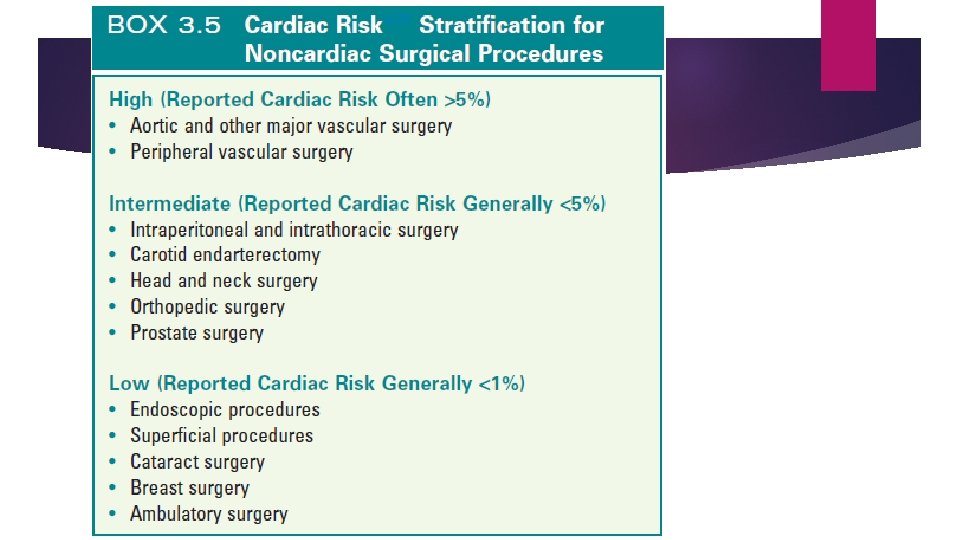
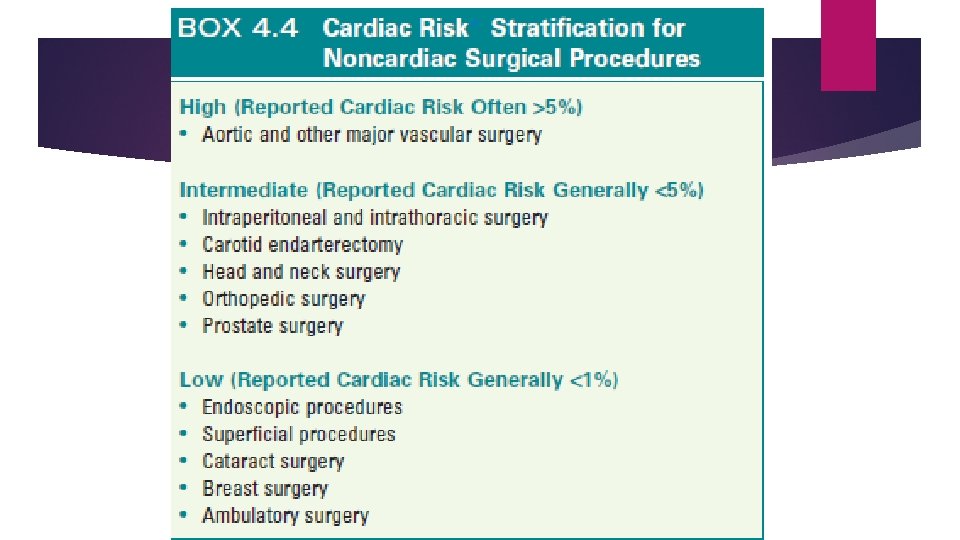
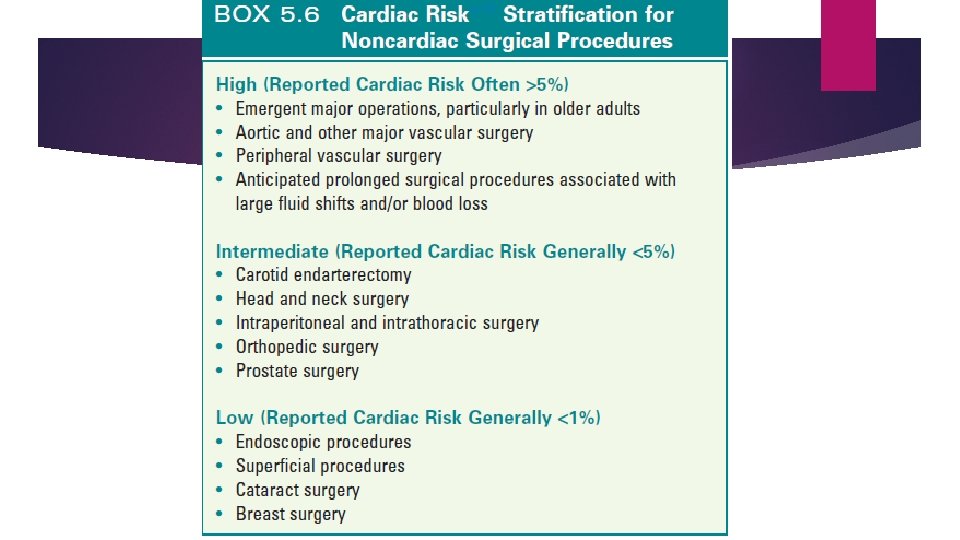
Risk by type of surgery: v High >5 % v Intermediate < 5% v Low < 1%
BP> 179/109 : terminate the procedures Short morning appointment is preferred Stress: short acting benzodiazepine(triazolam) IM 1 hour before o 2+nitrous oxide Ortho hypotension: α blocker, α β blocker, diuretics ASA І, ІІ: outpatient dental visit
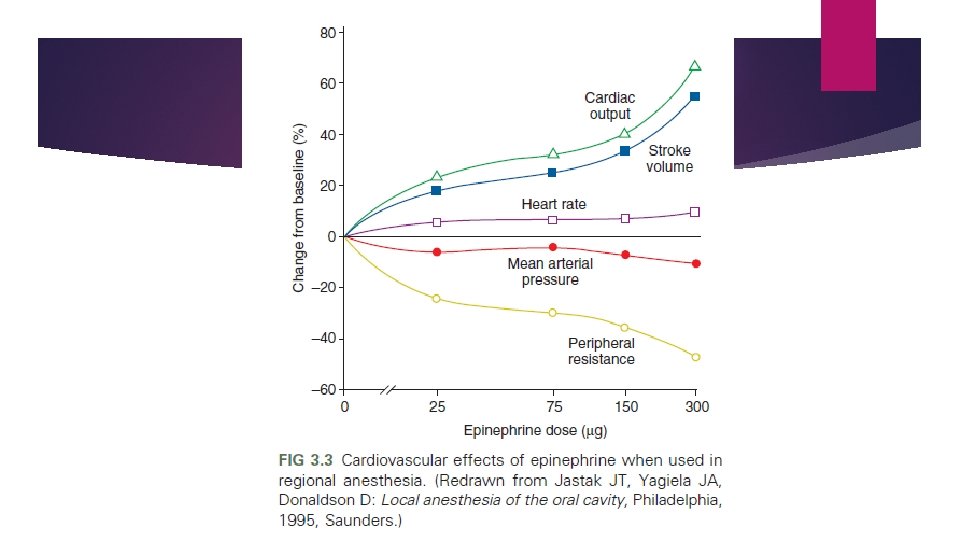
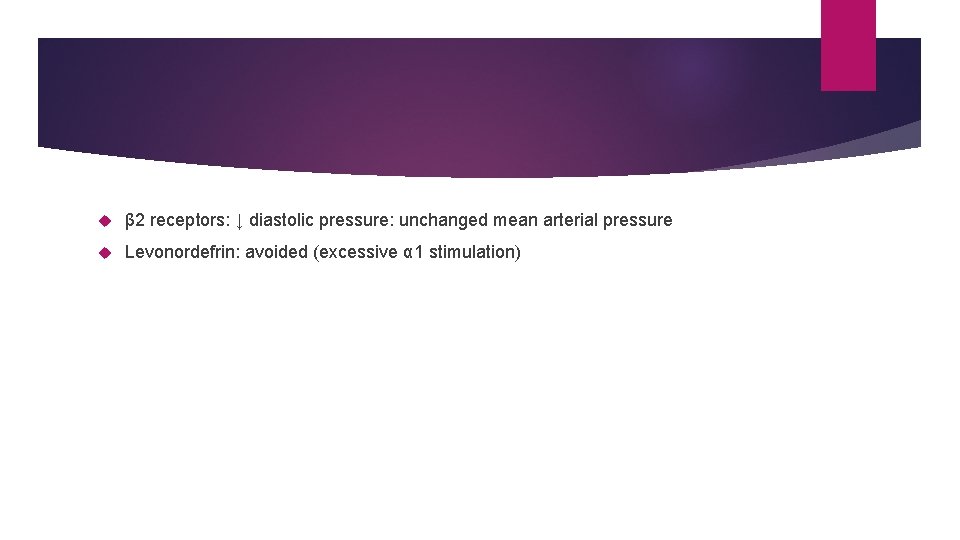
β 2 receptors: ↓ diastolic pressure: unchanged mean arterial pressure Levonordefrin: avoided (excessive α 1 stimulation)
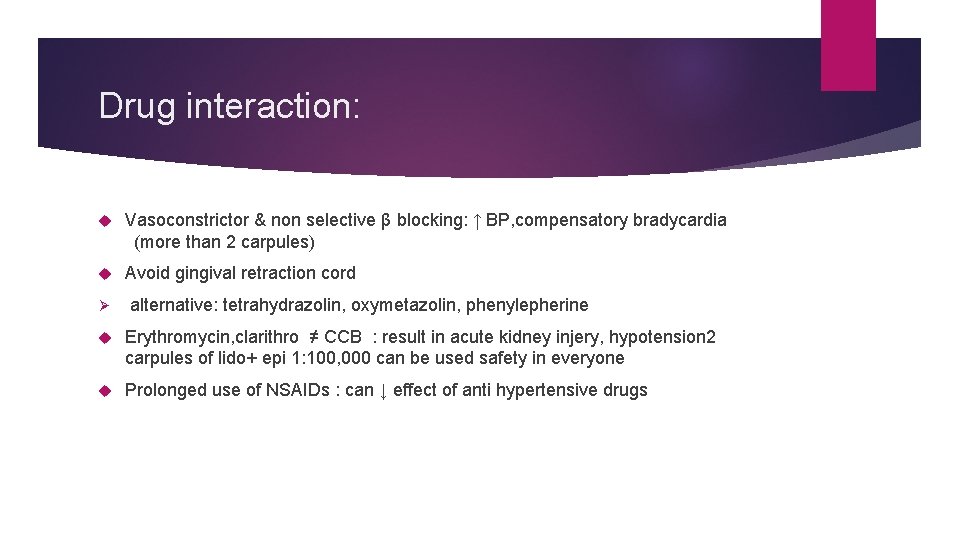
Drug interaction: Vasoconstrictor & non selective β blocking: ↑ BP, compensatory bradycardia (more than 2 carpules) Avoid gingival retraction cord Ø alternative: tetrahydrazolin, oxymetazolin, phenylepherine Erythromycin, clarithro ≠ CCB : result in acute kidney injery, hypotension 2 carpules of lido+ epi 1: 100, 000 can be used safety in everyone Prolonged use of NSAIDs : can ↓ effect of anti hypertensive drugs
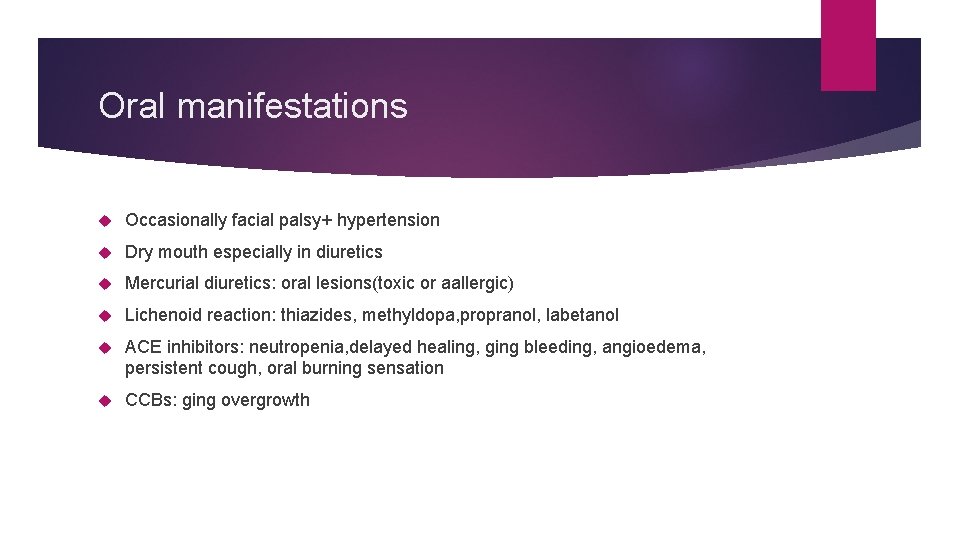
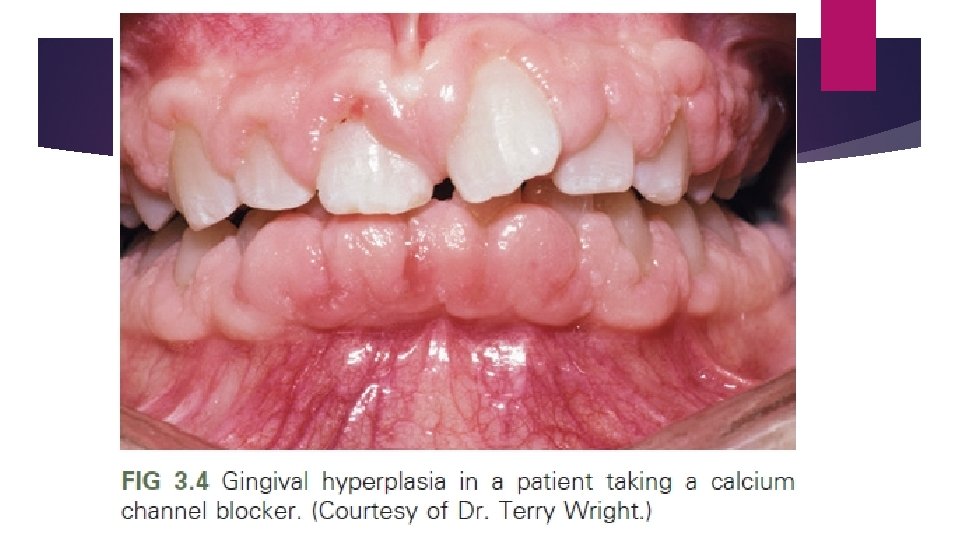
Oral manifestations Occasionally facial palsy+ hypertension Dry mouth especially in diuretics Mercurial diuretics: oral lesions(toxic or aallergic) Lichenoid reaction: thiazides, methyldopa, propranol, labetanol ACE inhibitors: neutropenia, delayed healing, ging bleeding, angioedema, persistent cough, oral burning sensation CCBs: ging overgrowth
Ischemic heart disease
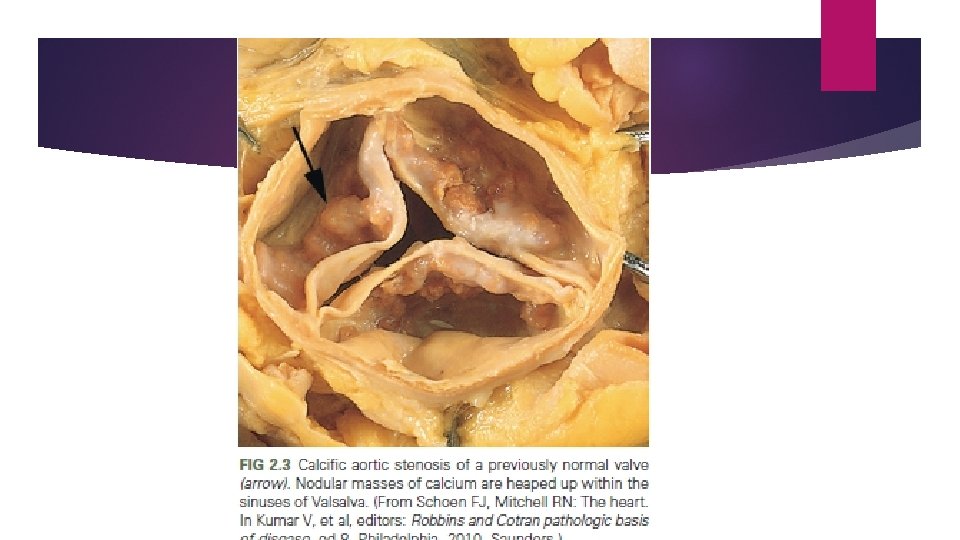
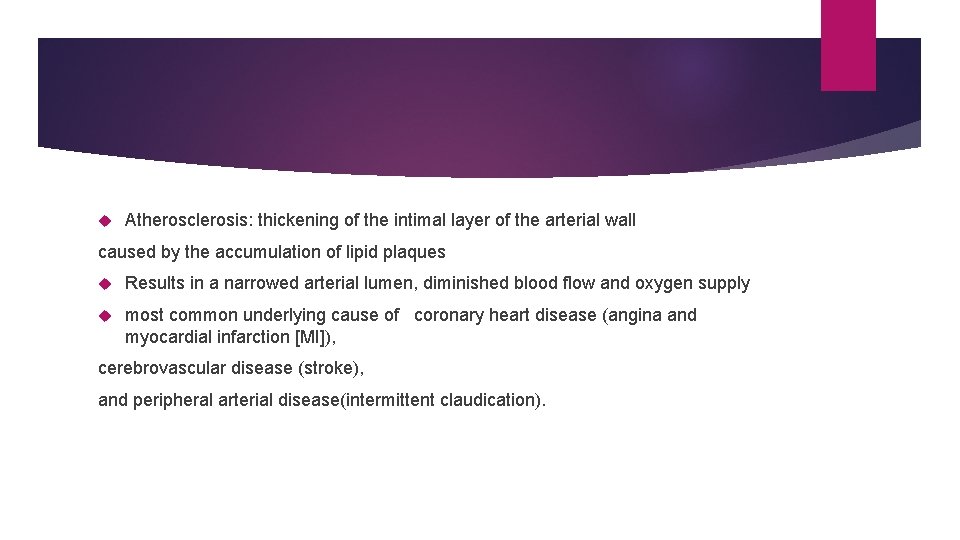
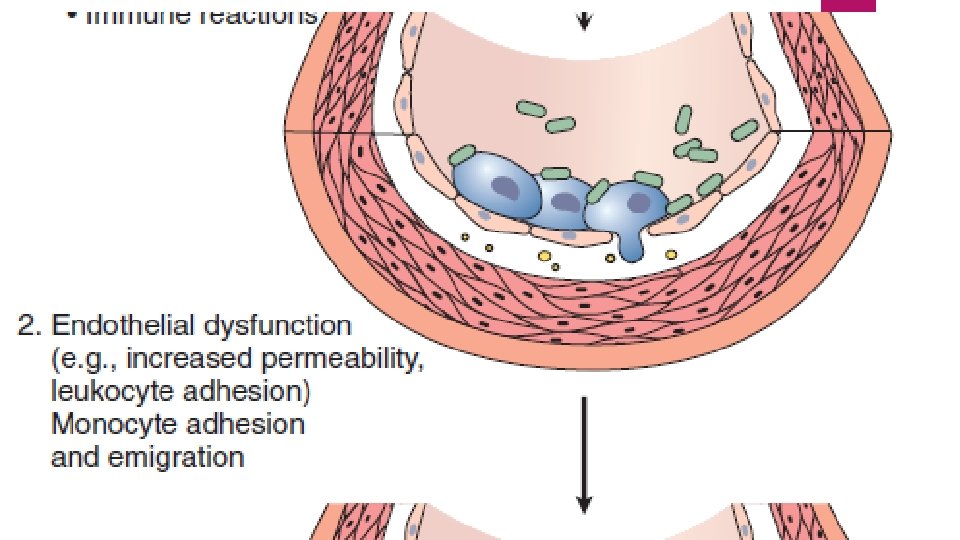
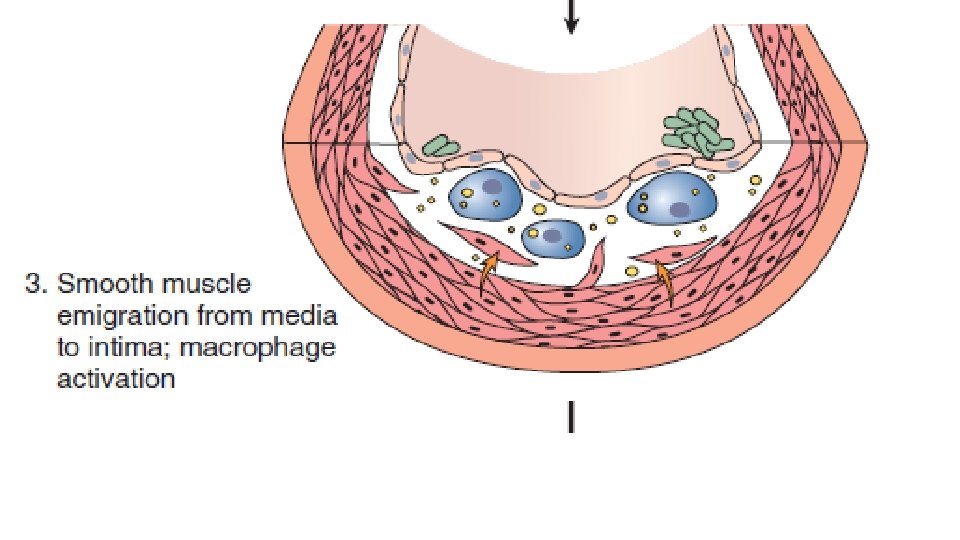
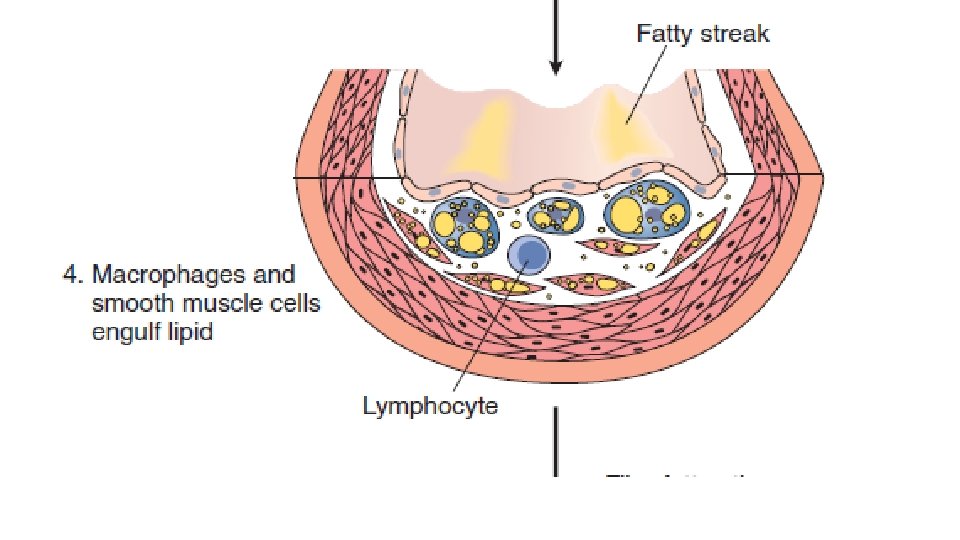
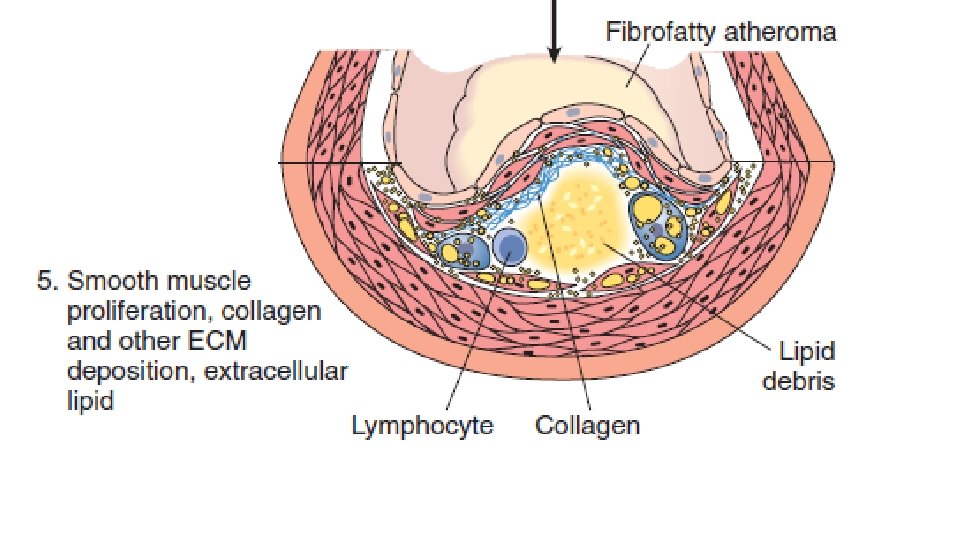
Atherosclerosis: thickening of the intimal layer of the arterial wall caused by the accumulation of lipid plaques Results in a narrowed arterial lumen, diminished blood flow and oxygen supply most common underlying cause of coronary heart disease (angina and myocardial infarction [MI]), cerebrovascular disease (stroke), and peripheral arterial disease(intermittent claudication).
Epidemiology The incidence and prevalence increase with age symptoms and complications typically manifest later in midlife more than half of those affected are> 59 Men > women
ETIOLOGY Risk factors: male gender older age a family history of cardiovascular disease Hyperlipidemia hypertension cigarette smoking Physical inactivity
Obesity insulin resistance and diabetes mellitus mental stress and depression markers of inflammation such as C-reactive protein (CRP, an inflammatory marker) Homocysteine fibrinogen (procoagulant) plasminogen activator inhibitor (thrombolytic) lipoprotein (a)
Before the age of 75 years, the risk of coronary atherosclerosis : men> women after menopause, a rapid reduction occurs in gender difference ↑ low-density lipoprotein (LDL) cholesterol pose the greatest risk for coronary atherosclerosis ↑ high-density lipoprotein (HDL) cholesterol reduce the risk ↑ triglyceride(β-lipoprotein) : increased risk
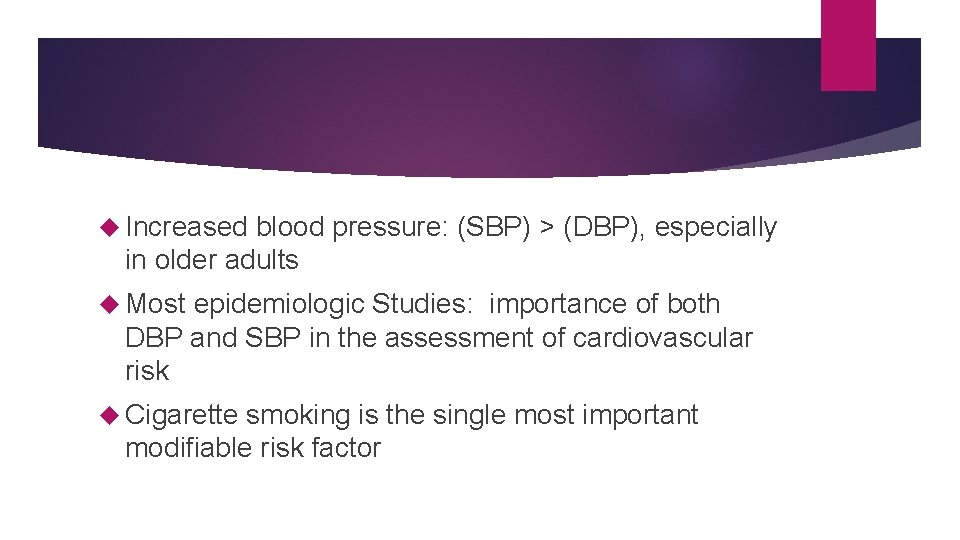
Increased blood pressure: (SBP) > (DBP), especially in older adults Most epidemiologic Studies: importance of both DBP and SBP in the assessment of cardiovascular risk Cigarette smoking is the single most important modifiable risk factor
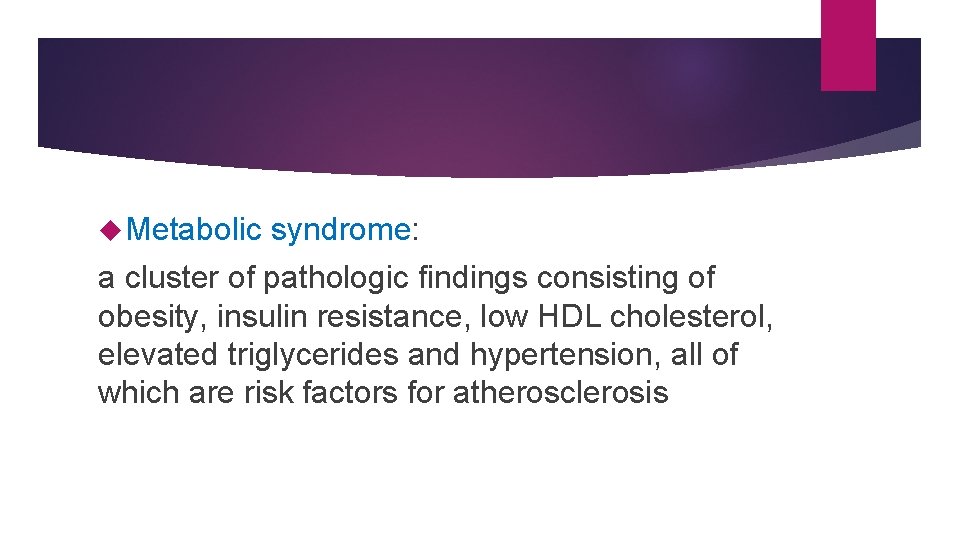
Metabolic syndrome: a cluster of pathologic findings consisting of obesity, insulin resistance, low HDL cholesterol, elevated triglycerides and hypertension, all of which are risk factors for atherosclerosis
Periodontal disease? Mechanism to explain this relationship is unclear chronic inflammatory burden of periodontal disease may lead to impaired functioning of the vascular endothelium
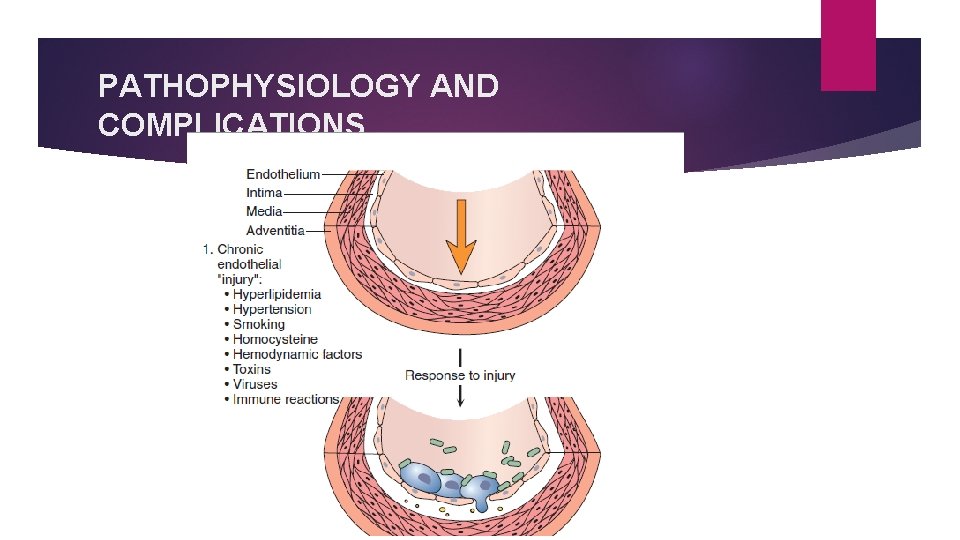
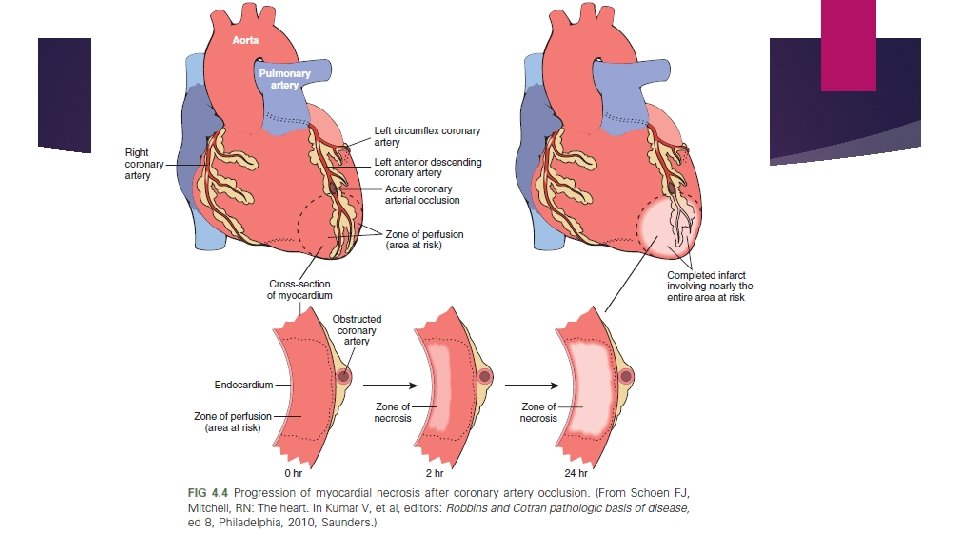
PATHOPHYSIOLOGY AND COMPLICATIONS
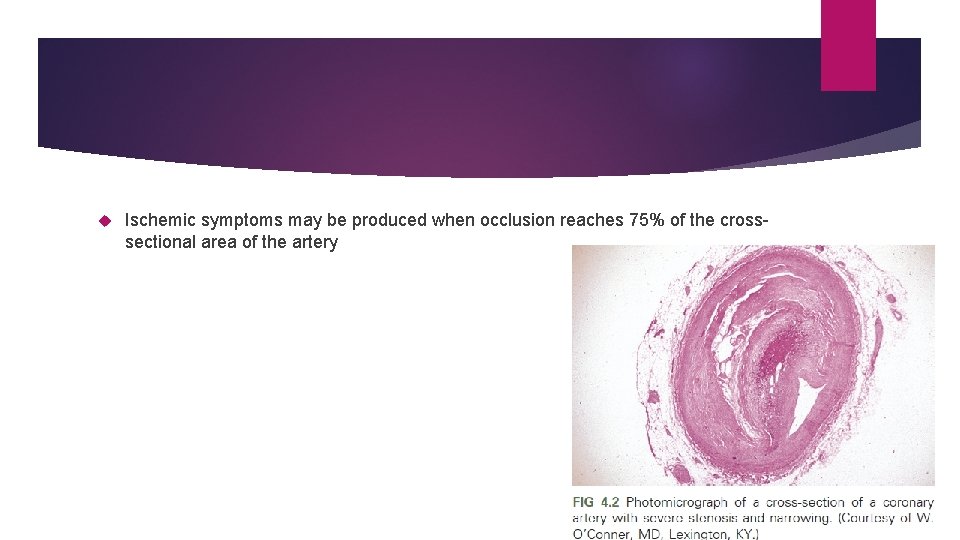
Ischemic symptoms may be produced when occlusion reaches 75% of the crosssectional area of the artery
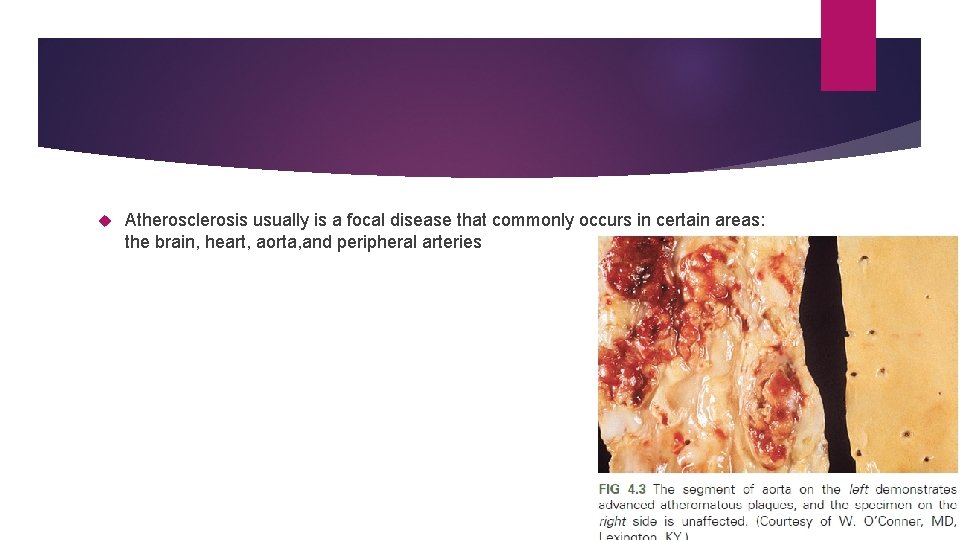
Atherosclerosis usually is a focal disease that commonly occurs in certain areas: the brain, heart, aorta, and peripheral arteries
CLINICAL PRESENTATION symptoms Chest pain is the most important symptom Brief= angina pectoris resulting from temporary ischemia of the myocardium prolonged, = unstable angina or acute MI Results from an imbalance between the oxygen supply and the oxygen demand of the muscle Angina pectoris = a sensation of aching, heavy, squeezing pressure or tightness in the midchest region, lasting 5 to 15 minutes The area of discomfort often is reported to be approximately the size of a fist and may radiate into the shoulder, left or right arm, neck, or lower jaw and teeth
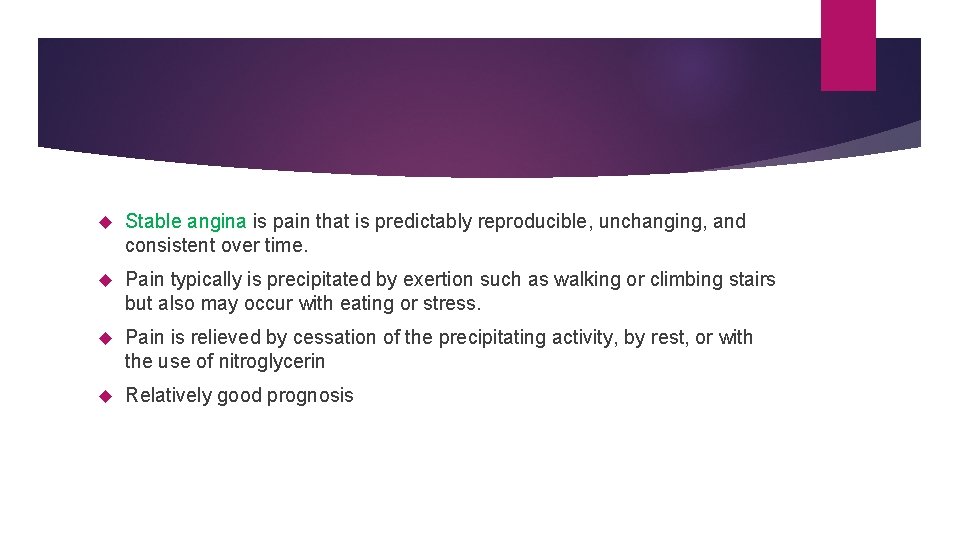
Stable angina is pain that is predictably reproducible, unchanging, and consistent over time. Pain typically is precipitated by exertion such as walking or climbing stairs but also may occur with eating or stress. Pain is relieved by cessation of the precipitating activity, by rest, or with the use of nitroglycerin Relatively good prognosis
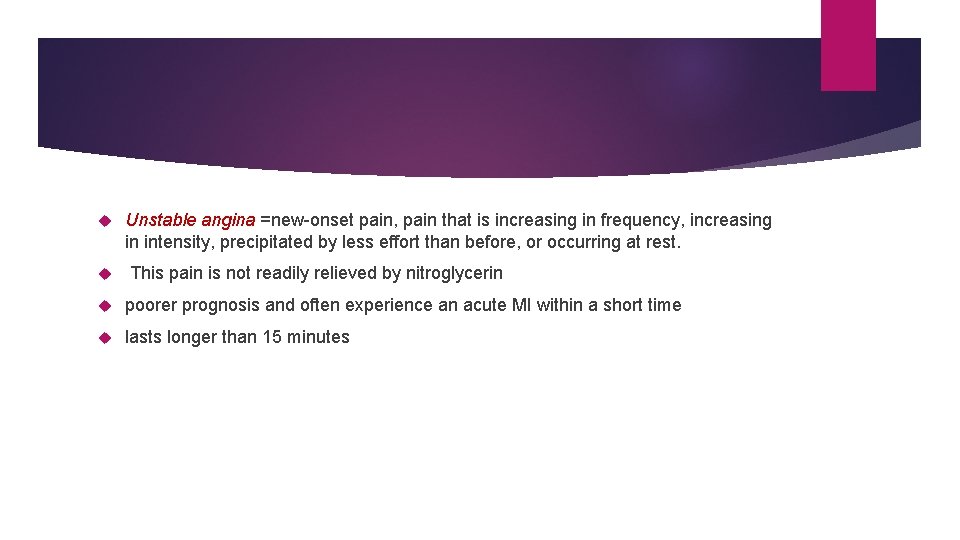
Unstable angina =new-onset pain, pain that is increasing in frequency, increasing in intensity, precipitated by less effort than before, or occurring at rest. This pain is not readily relieved by nitroglycerin poorer prognosis and often experience an acute MI within a short time lasts longer than 15 minutes
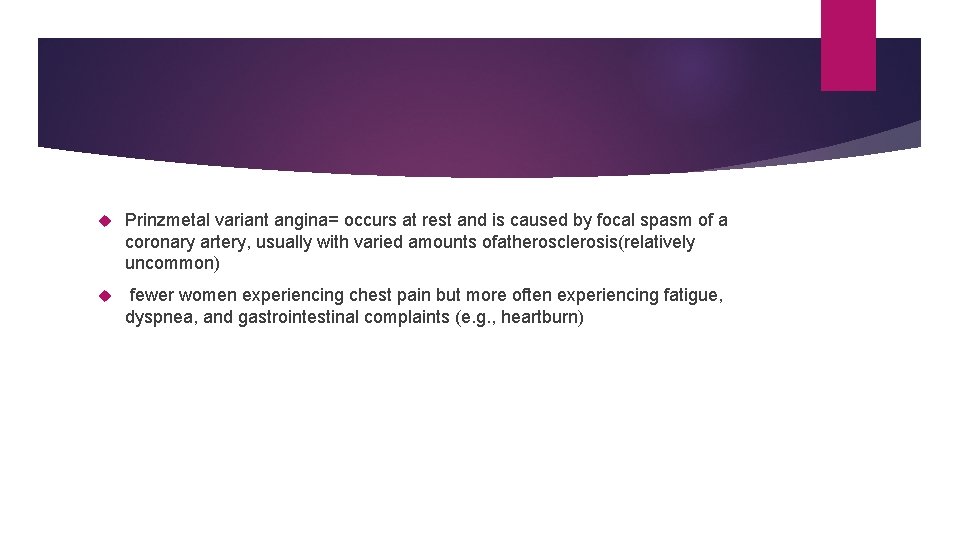
Prinzmetal variant angina= occurs at rest and is caused by focal spasm of a coronary artery, usually with varied amounts ofatherosclerosis(relatively uncommon) fewer women experiencing chest pain but more often experiencing fatigue, dyspnea, and gastrointestinal complaints (e. g. , heartburn)
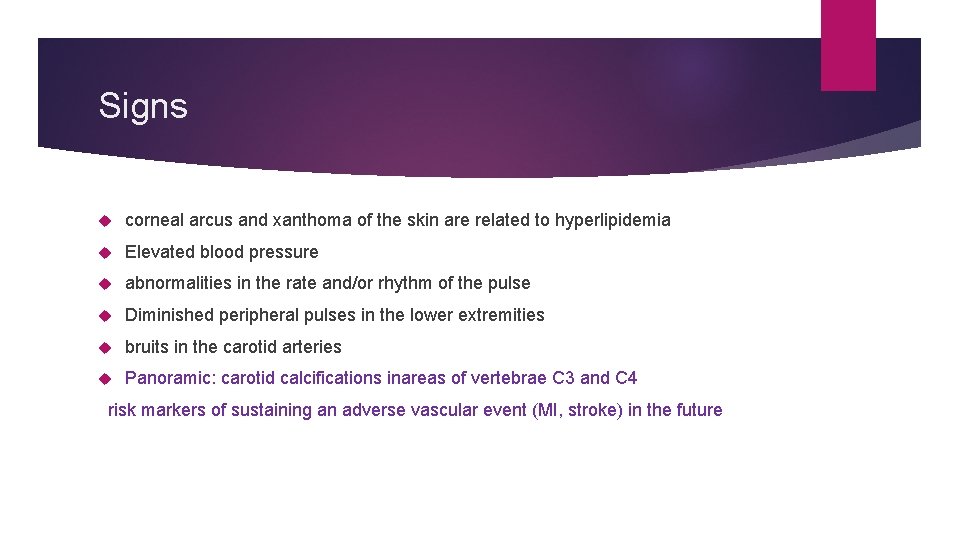
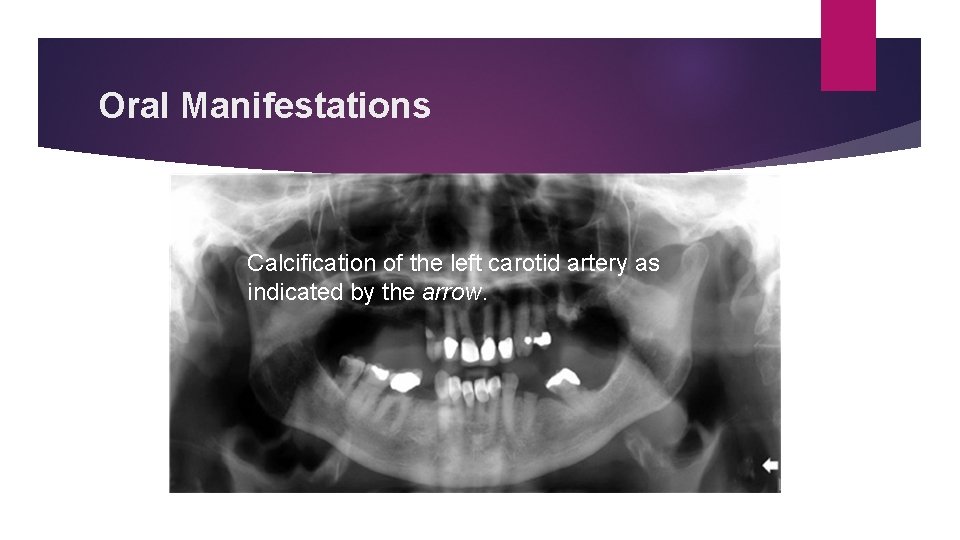
Signs corneal arcus and xanthoma of the skin are related to hyperlipidemia Elevated blood pressure abnormalities in the rate and/or rhythm of the pulse Diminished peripheral pulses in the lower extremities bruits in the carotid arteries Panoramic: carotid calcifications inareas of vertebrae C 3 and C 4 risk markers of sustaining an adverse vascular event (MI, stroke) in the future
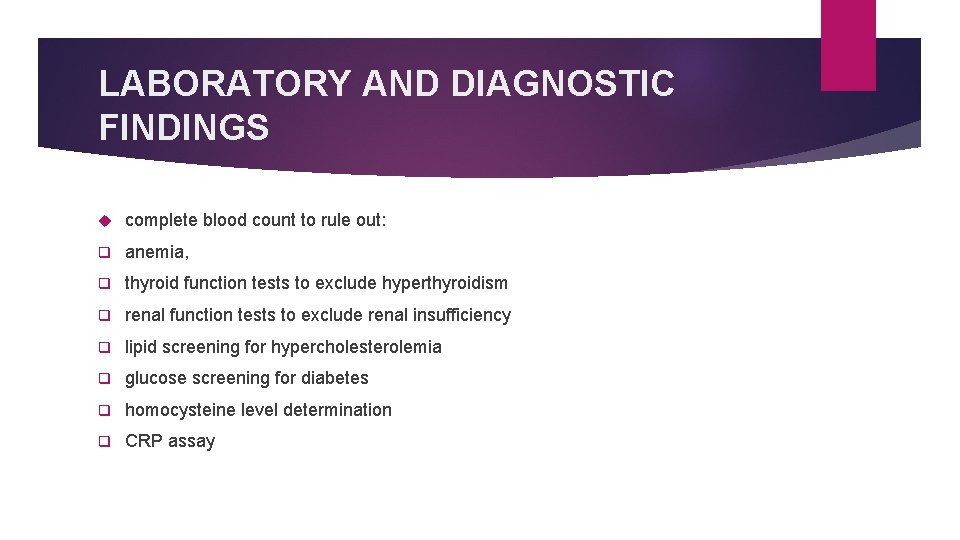
LABORATORY AND DIAGNOSTIC FINDINGS complete blood count to rule out: q anemia, q thyroid function tests to exclude hyperthyroidism q renal function tests to exclude renal insufficiency q lipid screening for hypercholesterolemia q glucose screening for diabetes q homocysteine level determination q CRP assay
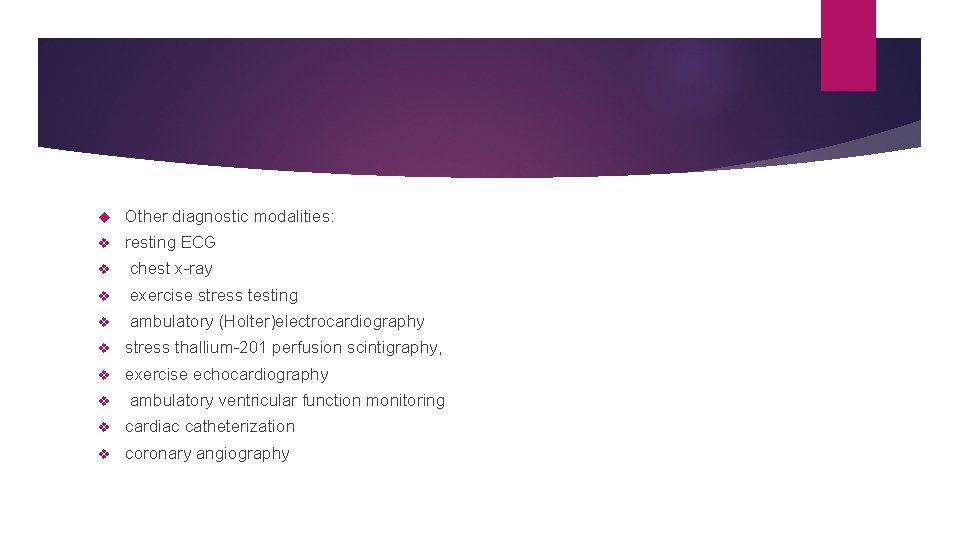
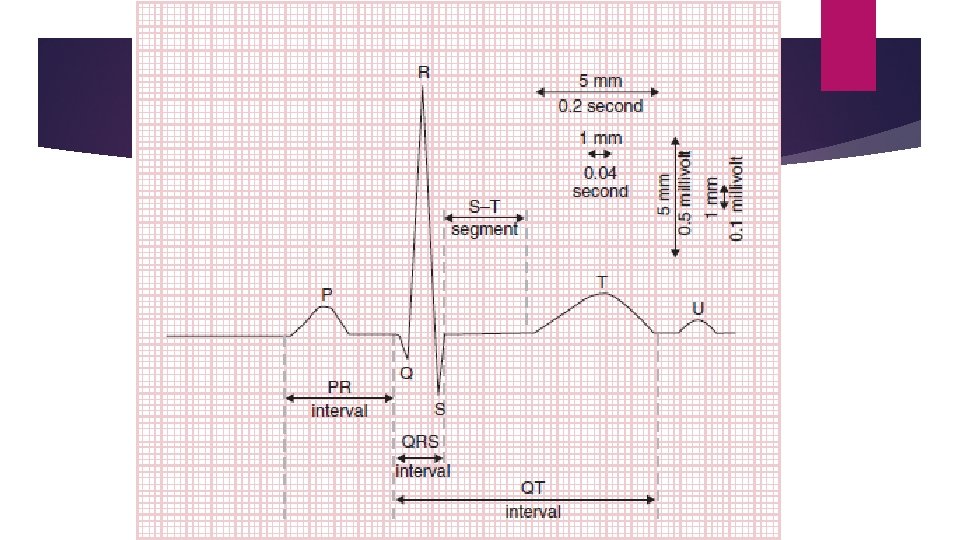
Other diagnostic modalities: v resting ECG v chest x-ray v exercise stress testing v ambulatory (Holter)electrocardiography v stress thallium-201 perfusion scintigraphy, v exercise echocardiography v ambulatory ventricular function monitoring v cardiac catheterization v coronary angiography
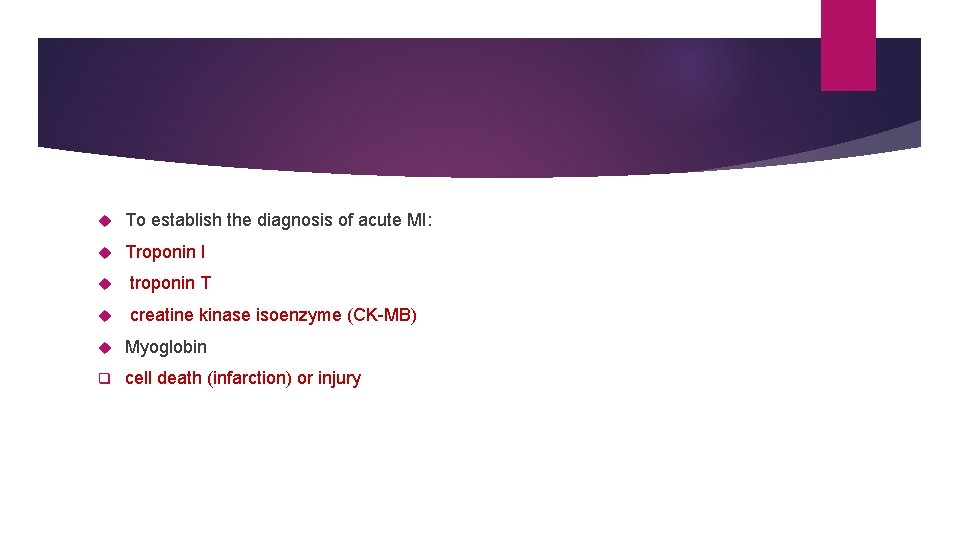
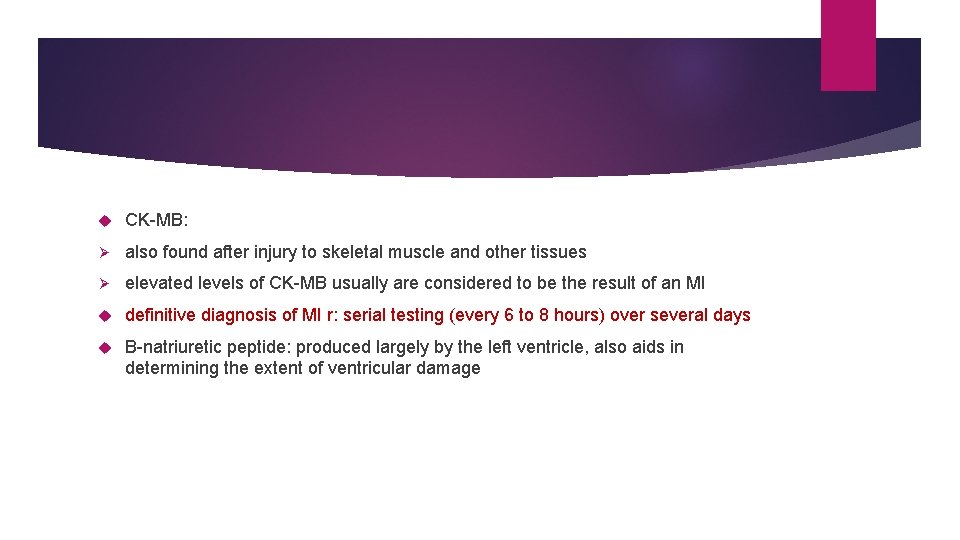
To establish the diagnosis of acute MI: Troponin I troponin T creatine kinase isoenzyme (CK-MB) Myoglobin q cell death (infarction) or injury
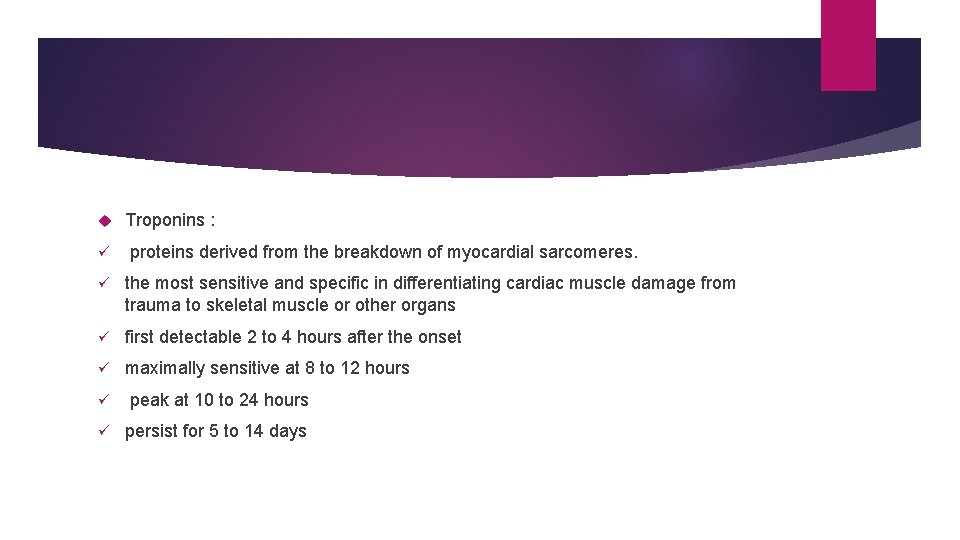
ü Troponins : proteins derived from the breakdown of myocardial sarcomeres. ü the most sensitive and specific in differentiating cardiac muscle damage from trauma to skeletal muscle or other organs ü first detectable 2 to 4 hours after the onset ü maximally sensitive at 8 to 12 hours ü peak at 10 to 24 hours ü persist for 5 to 14 days
CK-MB: Ø also found after injury to skeletal muscle and other tissues Ø elevated levels of CK-MB usually are considered to be the result of an MI definitive diagnosis of MI r: serial testing (every 6 to 8 hours) over several days B-natriuretic peptide: produced largely by the left ventricle, also aids in determining the extent of ventricular damage
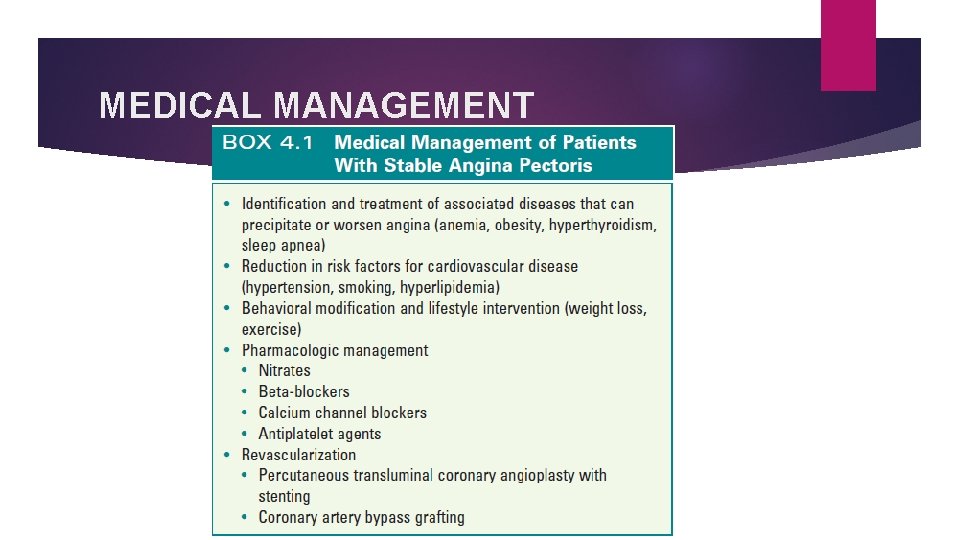
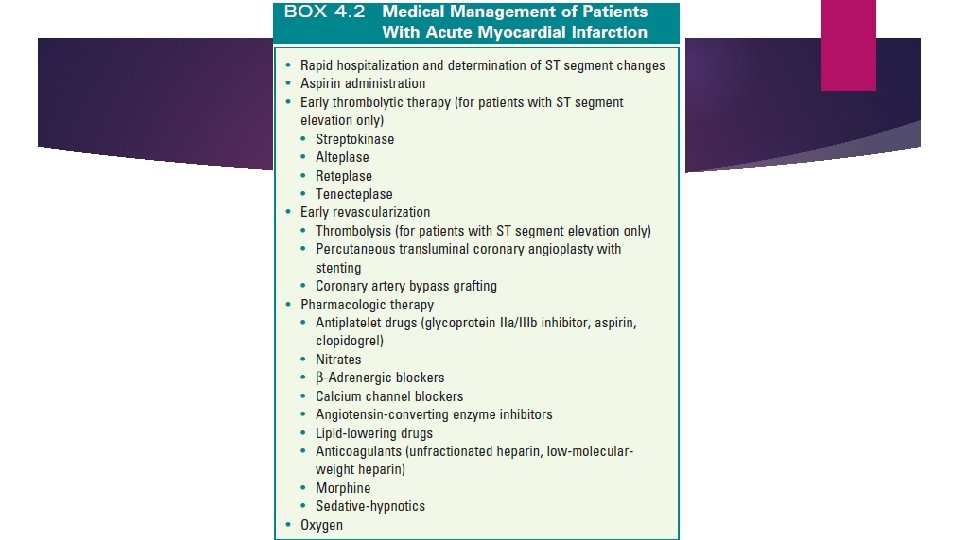
MEDICAL MANAGEMENT
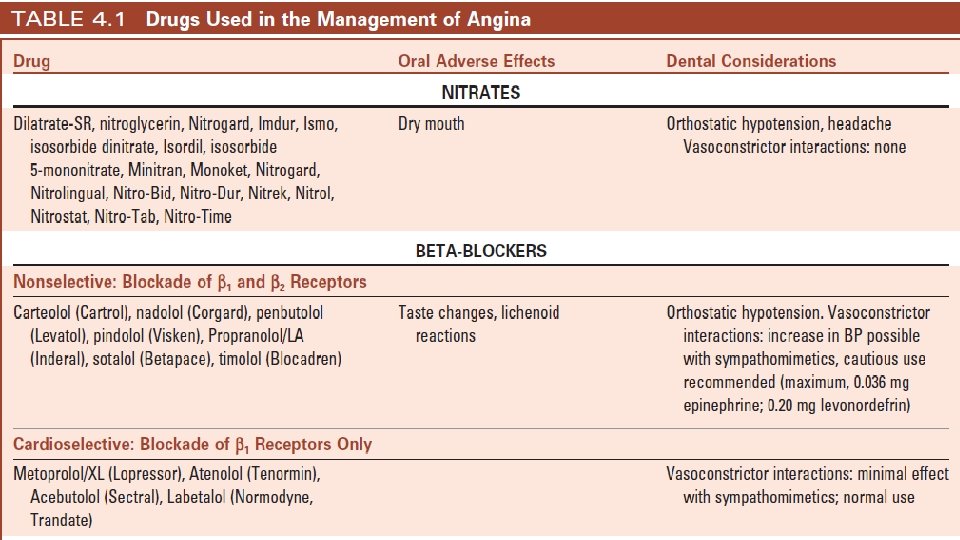
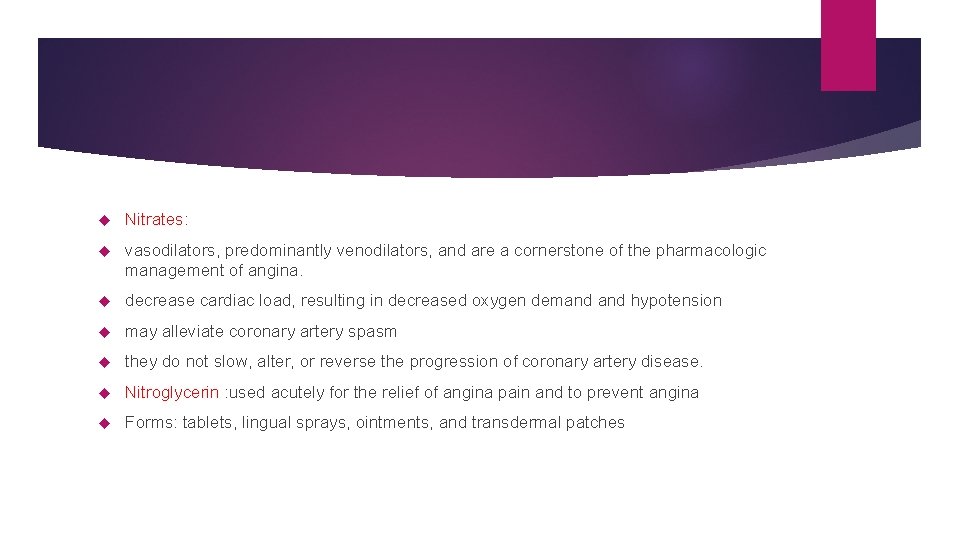
Nitrates: vasodilators, predominantly venodilators, and are a cornerstone of the pharmacologic management of angina. decrease cardiac load, resulting in decreased oxygen demand hypotension may alleviate coronary artery spasm they do not slow, alter, or reverse the progression of coronary artery disease. Nitroglycerin : used acutely for the relief of angina pain and to prevent angina Forms: tablets, lingual sprays, ointments, and transdermal patches
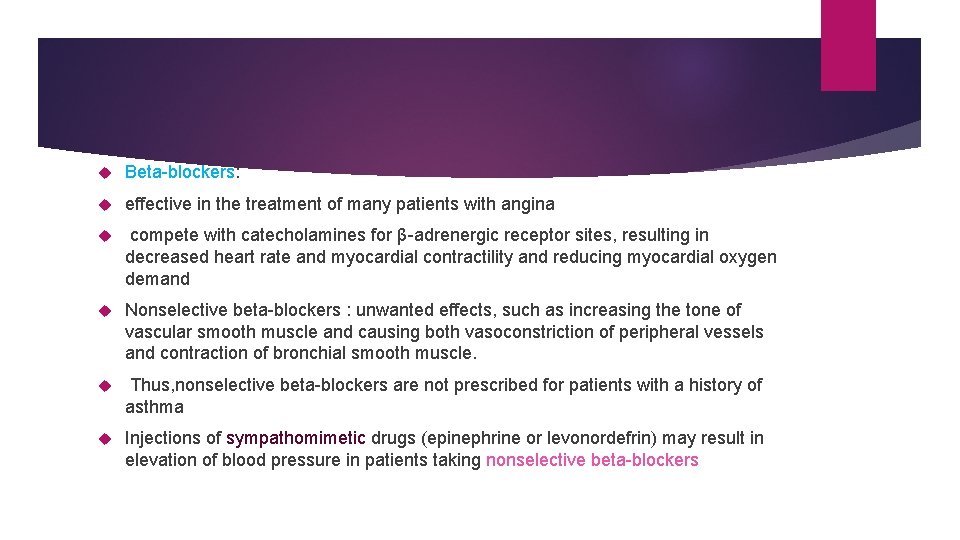
Beta-blockers: effective in the treatment of many patients with angina compete with catecholamines for β-adrenergic receptor sites, resulting in decreased heart rate and myocardial contractility and reducing myocardial oxygen demand Nonselective beta-blockers : unwanted effects, such as increasing the tone of vascular smooth muscle and causing both vasoconstriction of peripheral vessels and contraction of bronchial smooth muscle. Thus, nonselective beta-blockers are not prescribed for patients with a history of asthma Injections of sympathomimetic drugs (epinephrine or levonordefrin) may result in elevation of blood pressure in patients taking nonselective beta-blockers
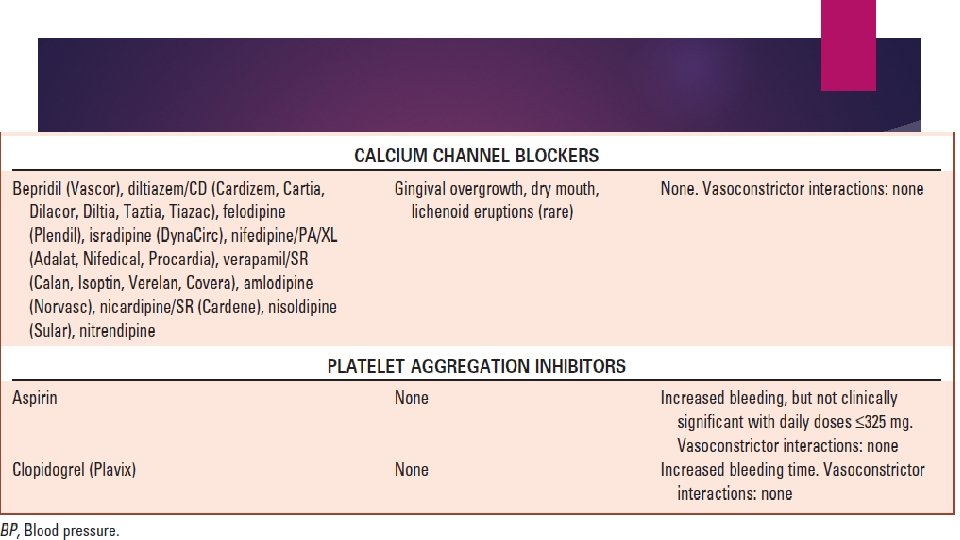
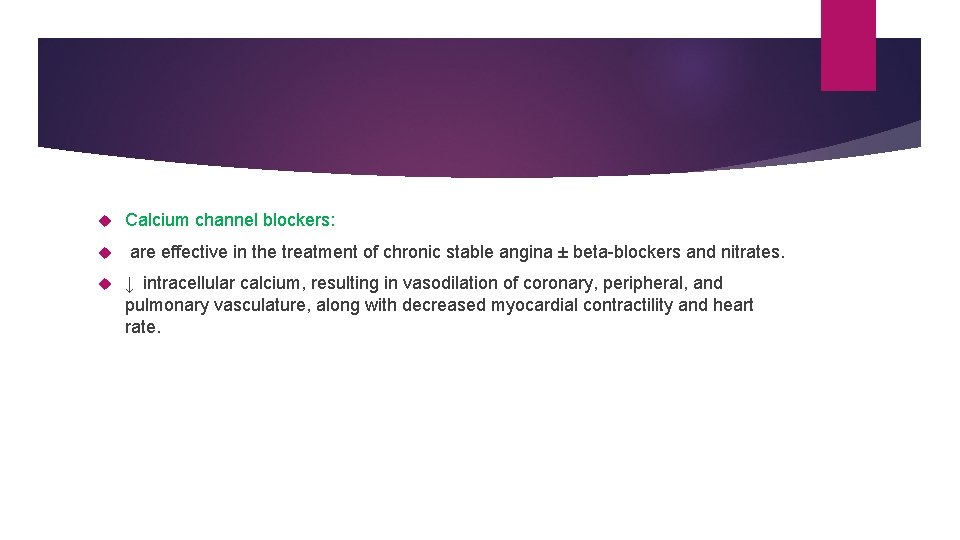
Calcium channel blockers: are effective in the treatment of chronic stable angina ± beta-blockers and nitrates. ↓ intracellular calcium, resulting in vasodilation of coronary, peripheral, and pulmonary vasculature, along with decreased myocardial contractility and heart rate.
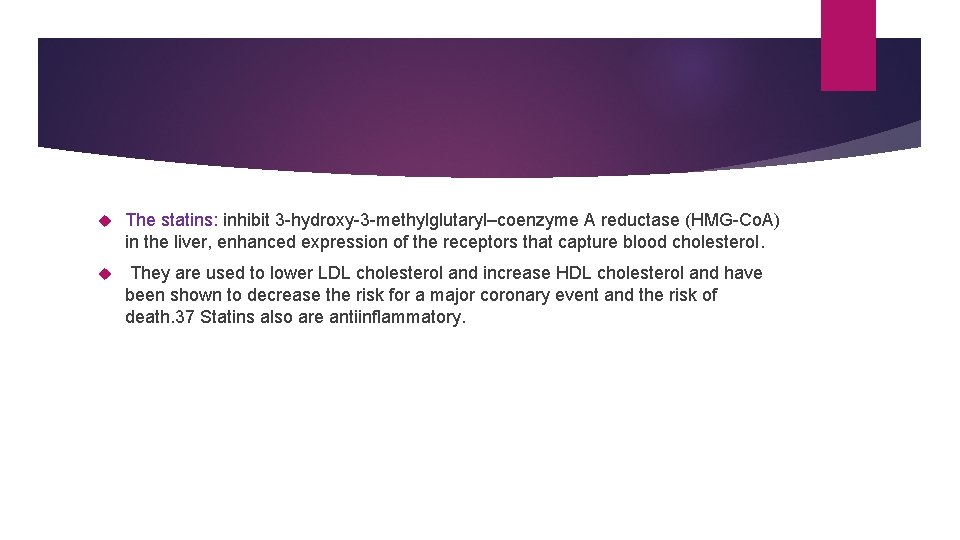
The statins: inhibit 3 -hydroxy-3 -methylglutaryl–coenzyme A reductase (HMG-Co. A) in the liver, enhanced expression of the receptors that capture blood cholesterol. They are used to lower LDL cholesterol and increase HDL cholesterol and have been shown to decrease the risk for a major coronary event and the risk of death. 37 Statins also are antiinflammatory.
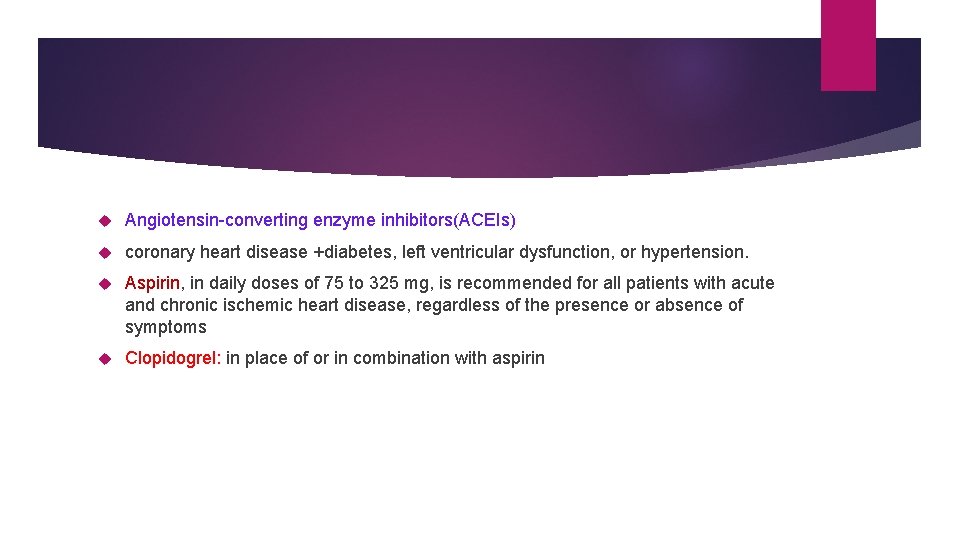
Angiotensin-converting enzyme inhibitors(ACEIs) coronary heart disease +diabetes, left ventricular dysfunction, or hypertension. Aspirin, in daily doses of 75 to 325 mg, is recommended for all patients with acute and chronic ischemic heart disease, regardless of the presence or absence of symptoms Clopidogrel: in place of or in combination with aspirin
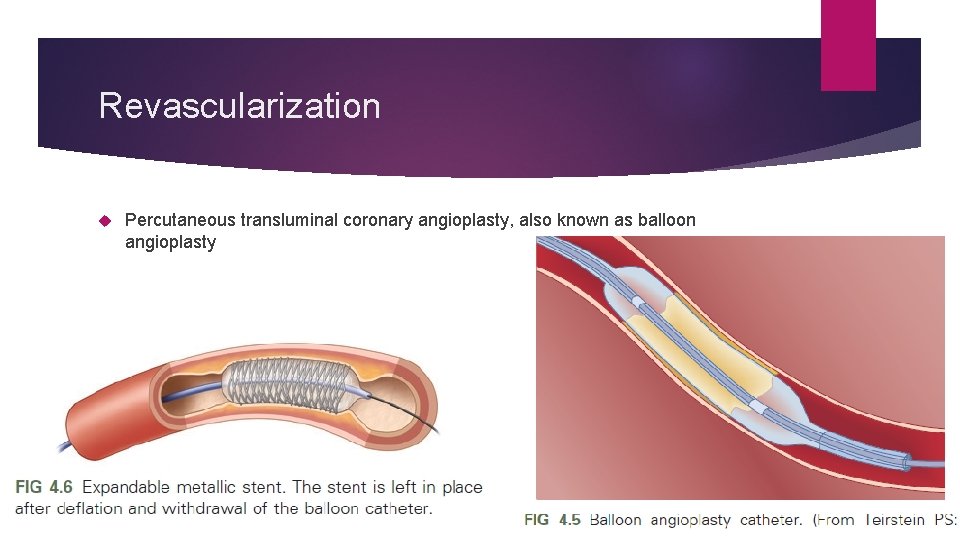
Revascularization Percutaneous transluminal coronary angioplasty, also known as balloon angioplasty
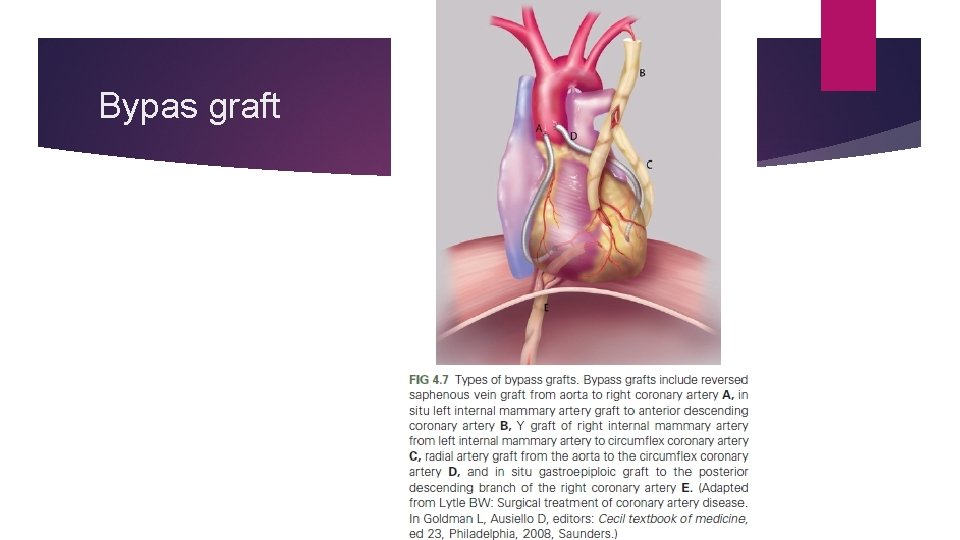
Bypas graft
DENTAL MANAGEMENT
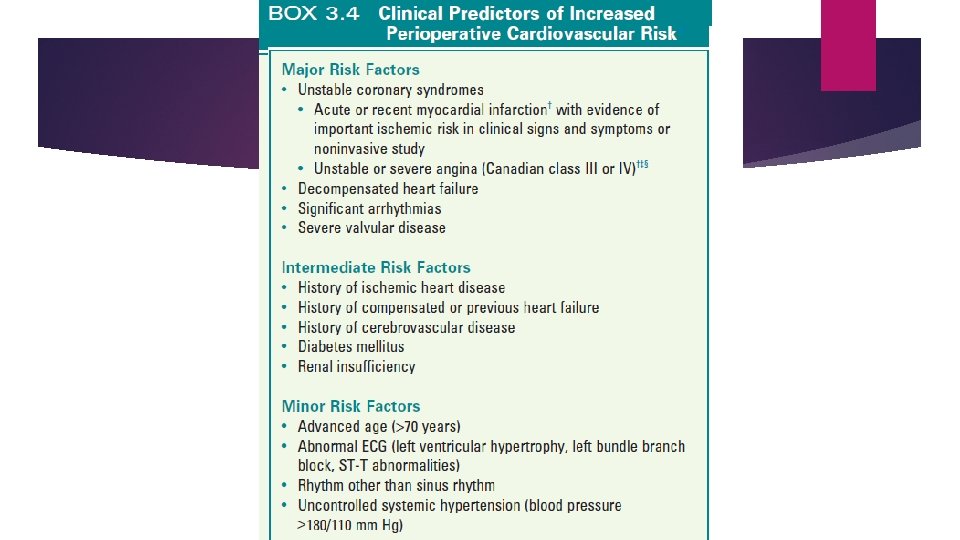
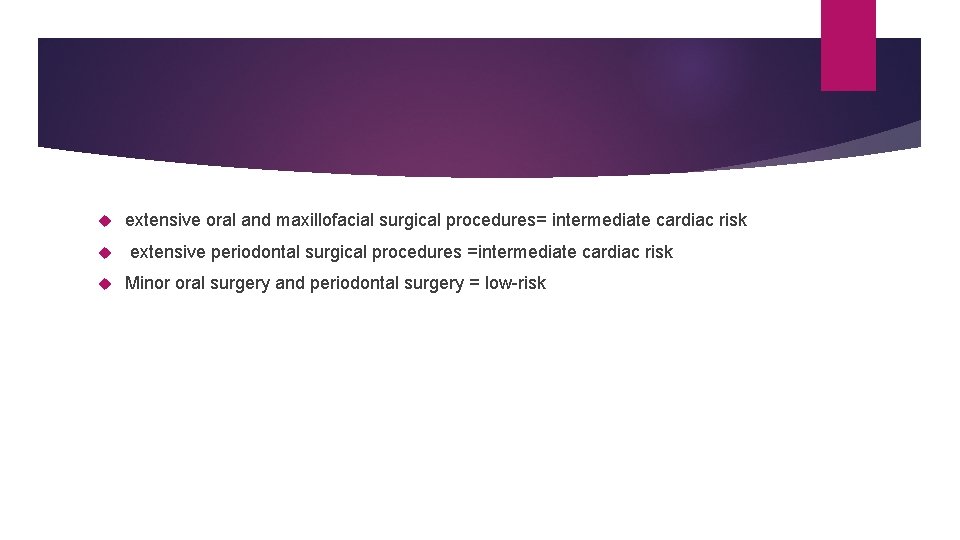
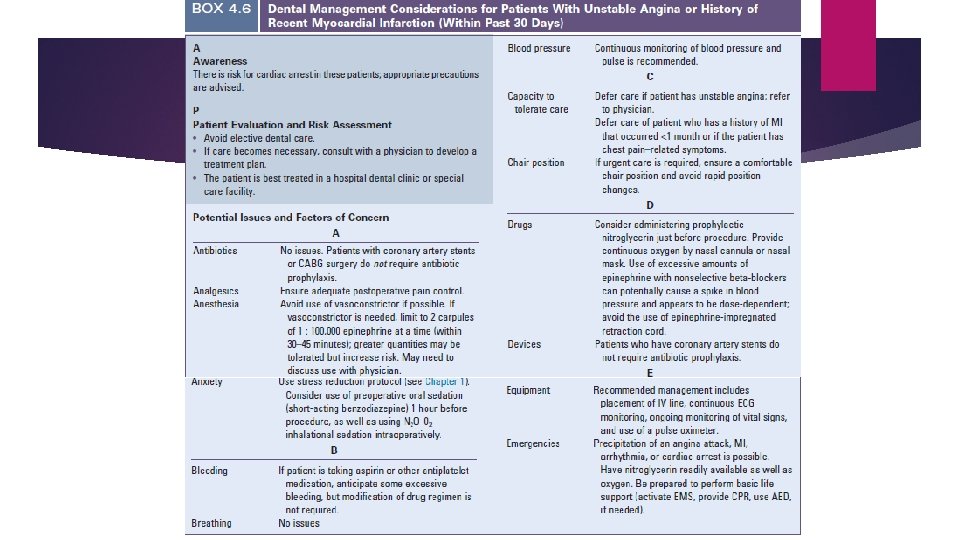
extensive oral and maxillofacial surgical procedures= intermediate cardiac risk extensive periodontal surgical procedures =intermediate cardiac risk Minor oral surgery and periodontal surgery = low-risk
Recommendations q short appointments in the morning q comfortable chair position q reduced stress environment with oral q q q sedation or nitrous oxide–oxygen sedation pretreatment vital signs availability of nitroglycerin q profound local anesthesia q limited amount of vasoconstrictor q avoidance of epinephrine-impregnated retraction cord q effective postoperative pain control
For patients with symptoms of unstable angina , MI within the past 30 days (major risk) =elective care should be postponed If treatment becomes necessary, it should be performed as conservatively as possible: pain relief, infection control, or the control of bleeding, Consultation with the physician is advised. establishing and maintaining an intravenous line, continuously monitoring the ECG and vital signs, using a pulse oximeter, and administering nitroglycerin prophylactically just before the initiation of treatment. may require that the patient be treated in a special patient care facility or hospital dental clinic.
coronary artery stent, or have undergone a CABG procedure, antibiotic prophylaxis is not recommended
Discontinuation of antiplatelet agents before dental treatment generally is unnecessary and can increase the risk of thrombosis, MI, or death Patients Warfarin: INR= or<3. 5 within 24 to 72 hours of invasive procedure Nonsteroidal anti-inflammatory drugs (NSAIDs) (except for aspirin) should be avoided in patients with established hypertension and coronary heart disease Only naproxen did not increase the risk less than 7 days
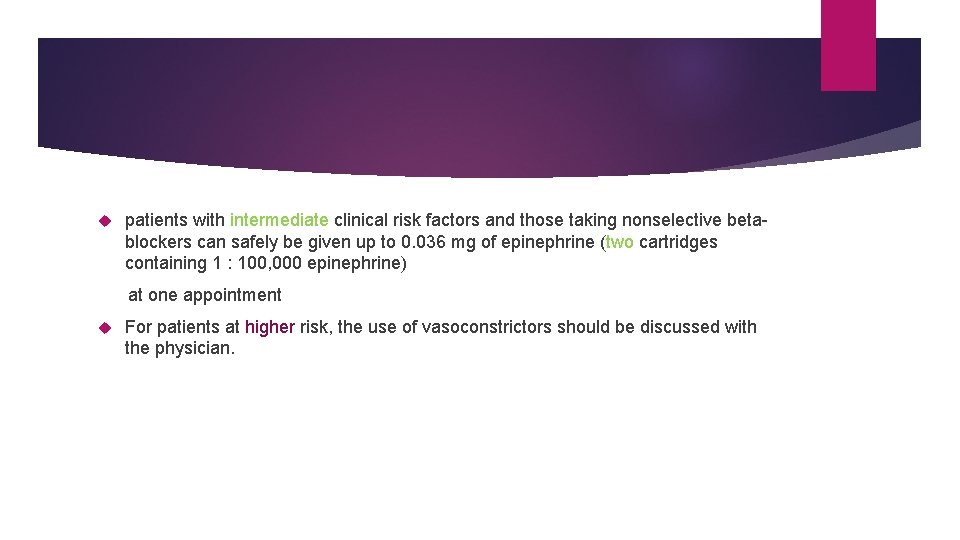
patients with intermediate clinical risk factors and those taking nonselective betablockers can safely be given up to 0. 036 mg of epinephrine (two cartridges containing 1 : 100, 000 epinephrine) at one appointment For patients at higher risk, the use of vasoconstrictors should be discussed with the physician.
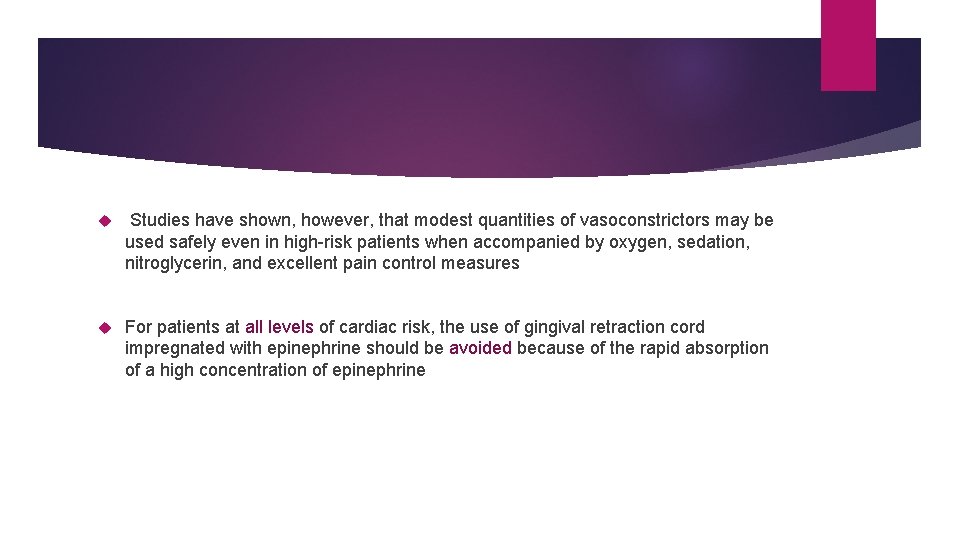
Studies have shown, however, that modest quantities of vasoconstrictors may be used safely even in high-risk patients when accompanied by oxygen, sedation, nitroglycerin, and excellent pain control measures For patients at all levels of cardiac risk, the use of gingival retraction cord impregnated with epinephrine should be avoided because of the rapid absorption of a high concentration of epinephrine
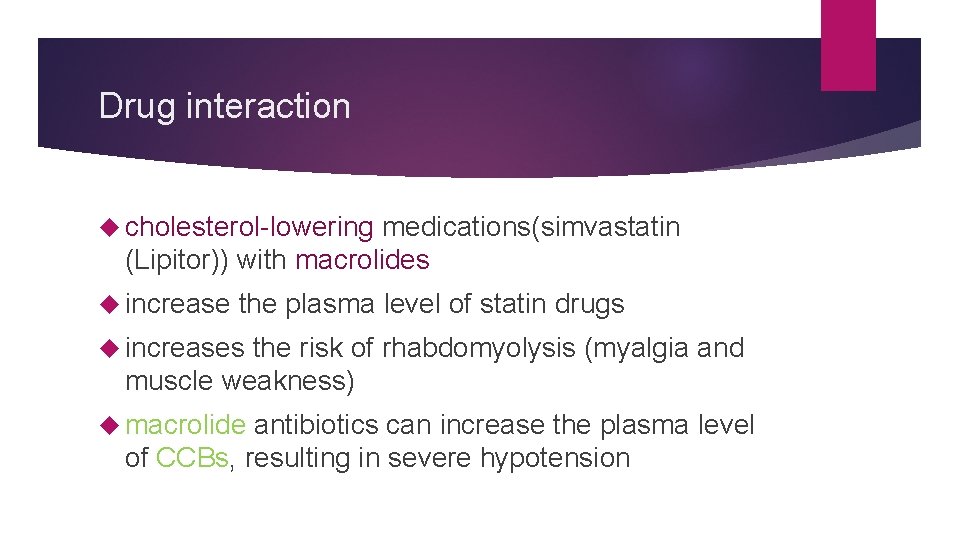
Drug interaction cholesterol-lowering medications(simvastatin (Lipitor)) with macrolides increase the plasma level of statin drugs increases the risk of rhabdomyolysis (myalgia and muscle weakness) macrolide antibiotics can increase the plasma level of CCBs, resulting in severe hypotension
Oral Manifestations Calcification of the left carotid artery as indicated by the arrow.
Drug side effects Referral pain Association with periodontal disease, poor oral health (e. g. , chronic apical periodontitis), and tooth
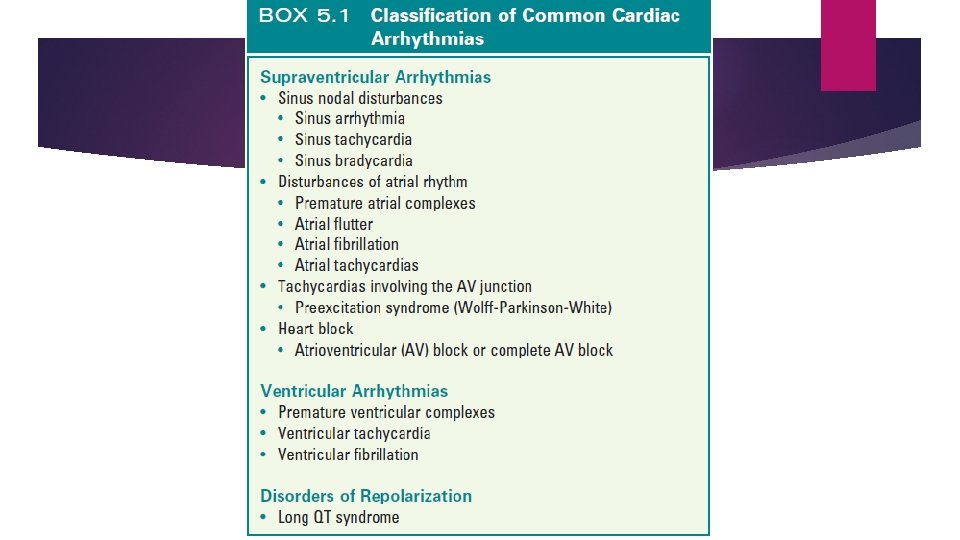
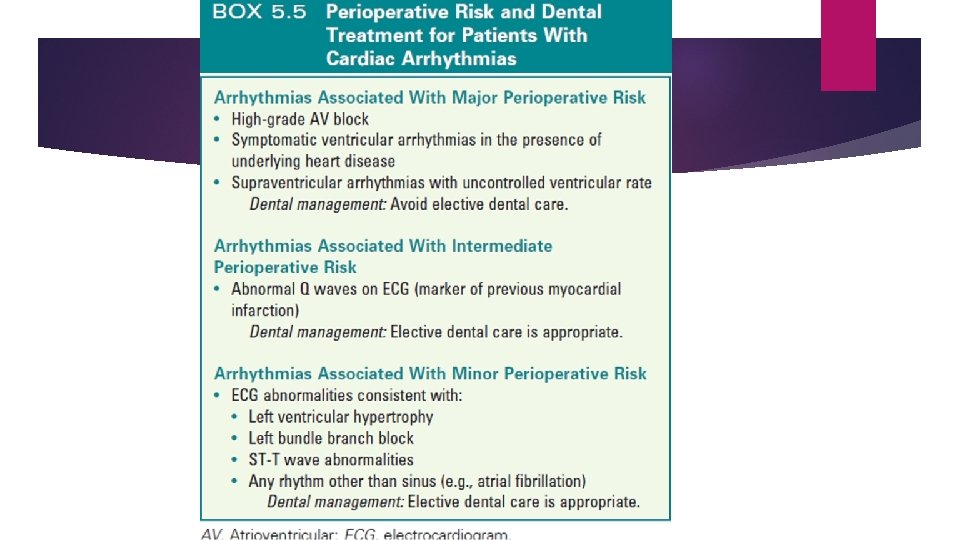
Cardiac Arrhythmias
Any variation in the normal heartbeat and includes disturbances in rhythm, rate, or the conduction pattern of the heart
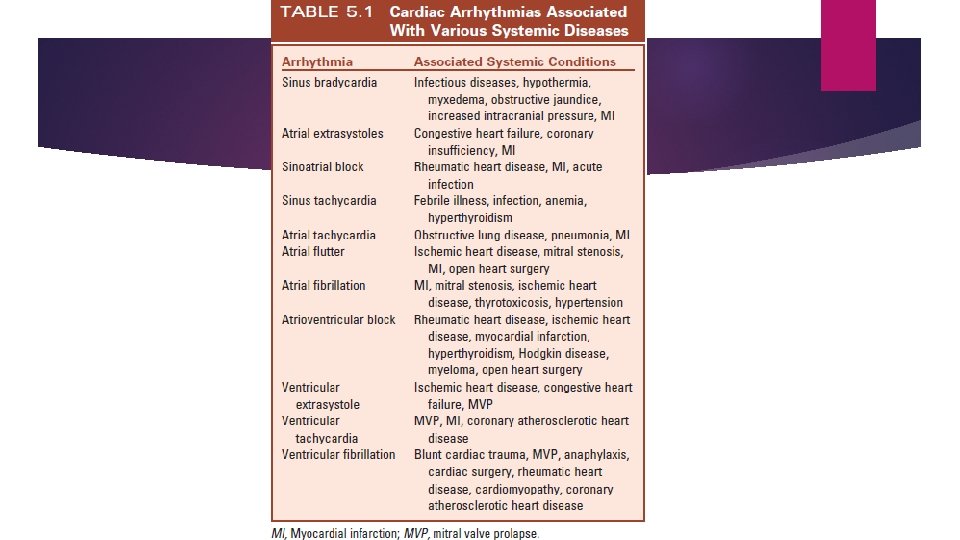
relatively common prevalence increases with age older adults history of smoking or alcohol use, patients with underlying ischemic heart disease those taking certain drugs or who have various systemic diseases
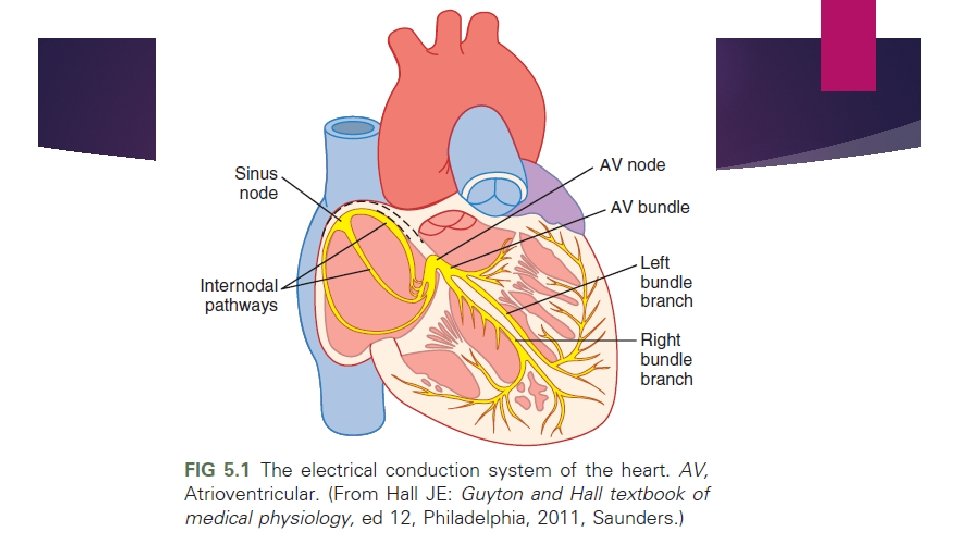
(1) sinoatrial (SA) node: impulse formation rate of 60 to 100 beats/min (2) atrioventricular (AV) node (3) bundle of His (4) right and left bundle branches (5) subendocardial Purkinje network
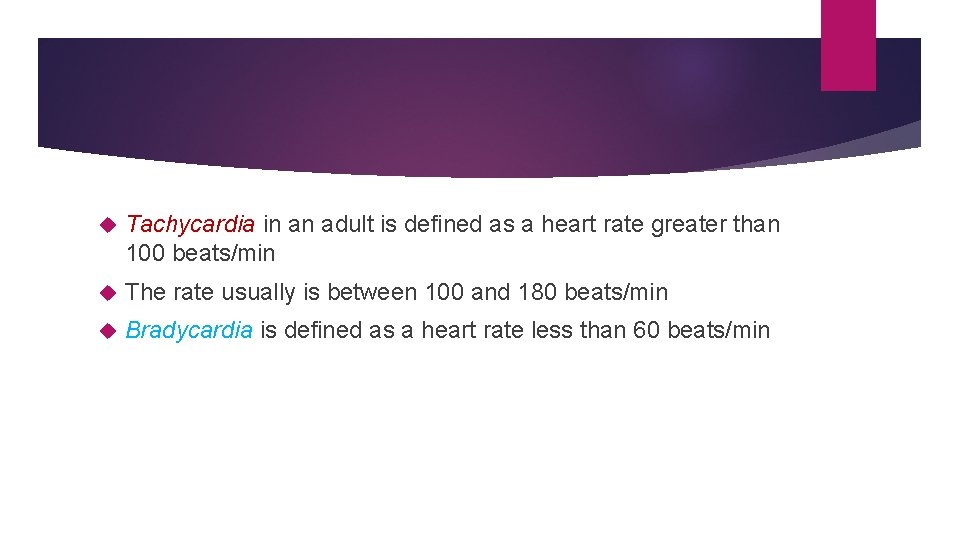
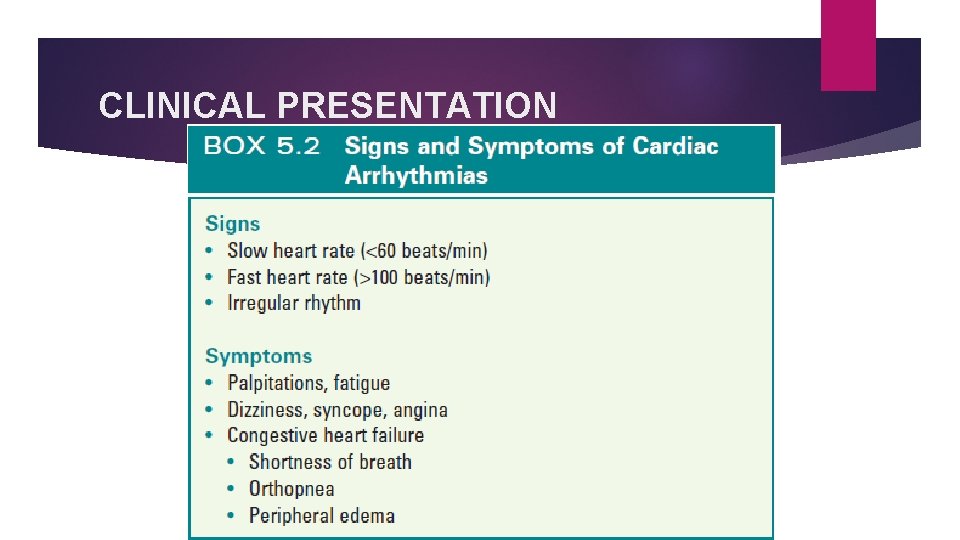
Tachycardia in an adult is defined as a heart rate greater than 100 beats/min The rate usually is between 100 and 180 beats/min Bradycardia is defined as a heart rate less than 60 beats/min
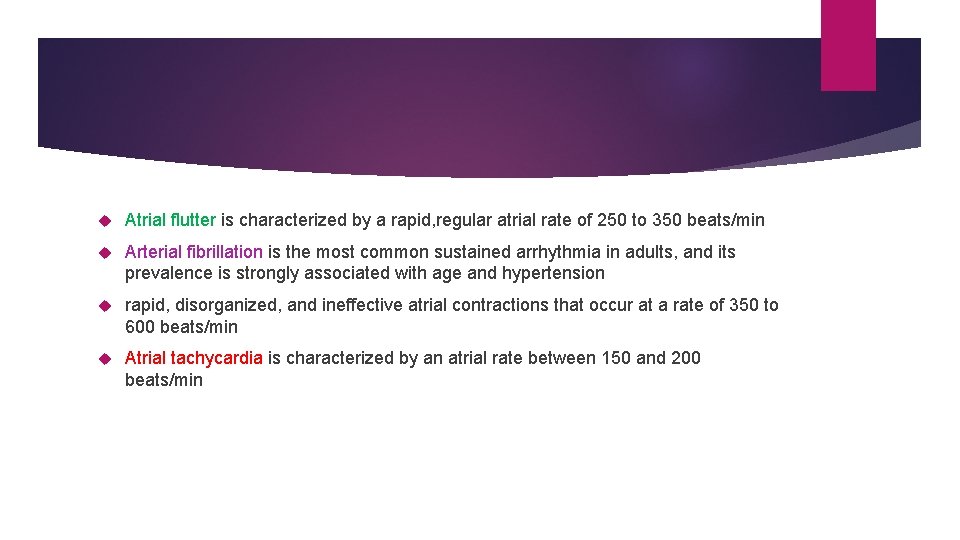
Atrial flutter is characterized by a rapid, regular atrial rate of 250 to 350 beats/min Arterial fibrillation is the most common sustained arrhythmia in adults, and its prevalence is strongly associated with age and hypertension rapid, disorganized, and ineffective atrial contractions that occur at a rate of 350 to 600 beats/min Atrial tachycardia is characterized by an atrial rate between 150 and 200 beats/min
CLINICAL PRESENTATION
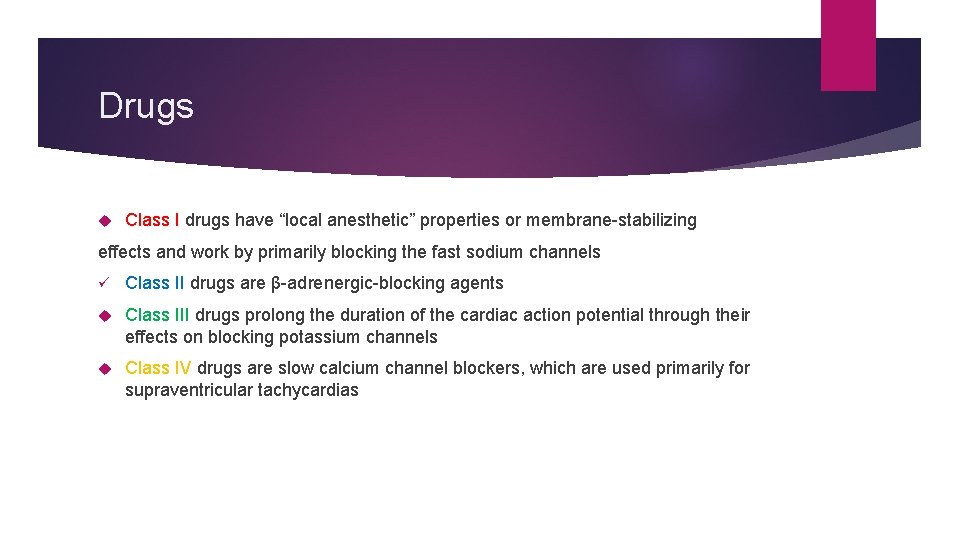
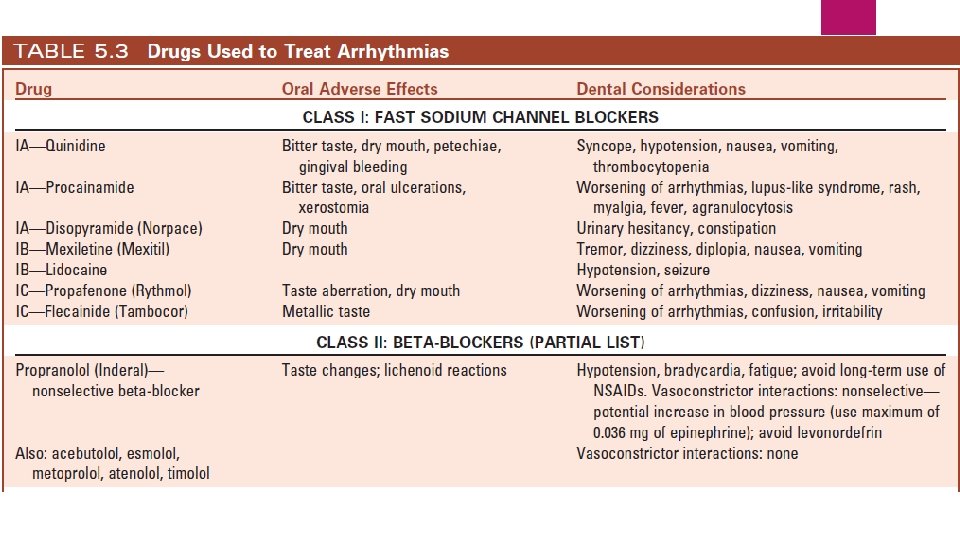
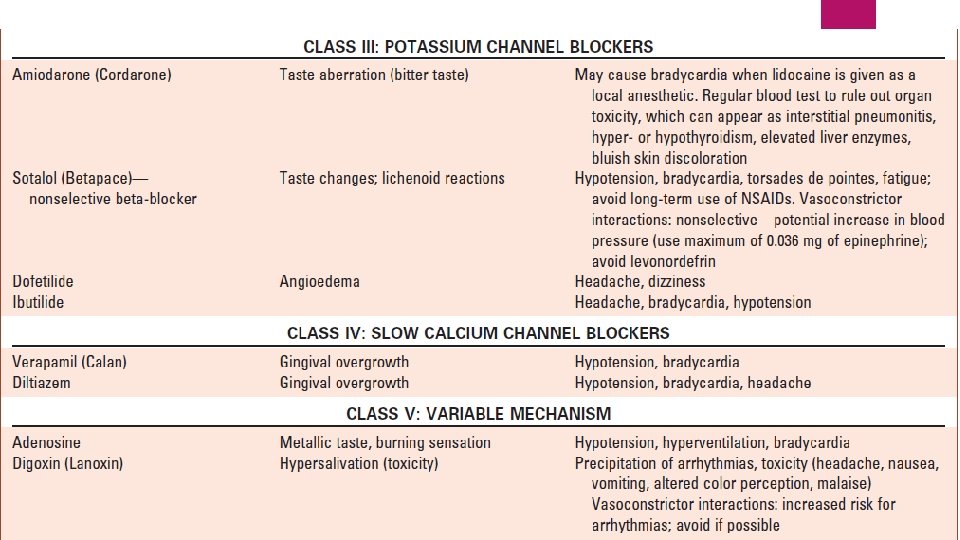
Drugs Class I drugs have “local anesthetic” properties or membrane-stabilizing effects and work by primarily blocking the fast sodium channels ü Class II drugs are β-adrenergic-blocking agents Class III drugs prolong the duration of the cardiac action potential through their effects on blocking potassium channels Class IV drugs are slow calcium channel blockers, which are used primarily for supraventricular tachycardias
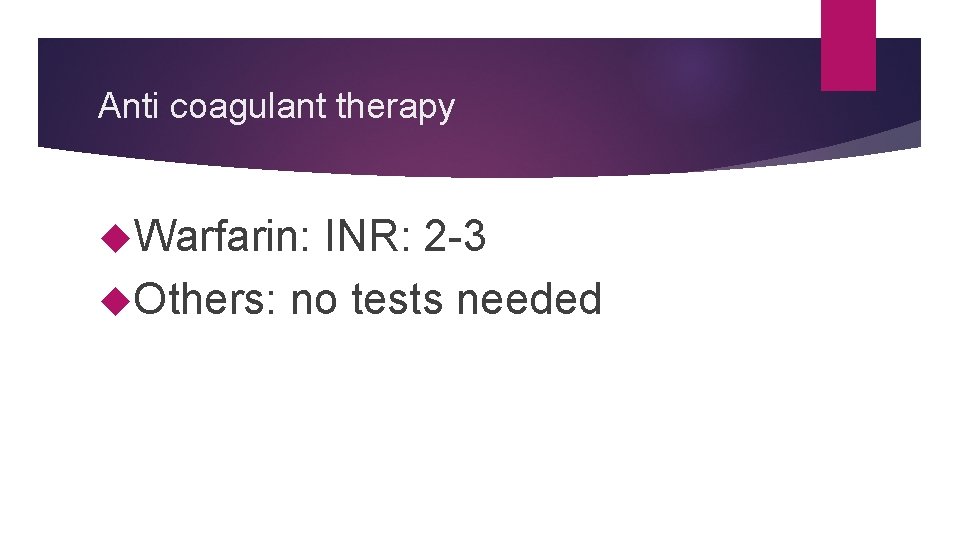
Anti coagulant therapy Warfarin: INR: 2 -3 Others: no tests needed
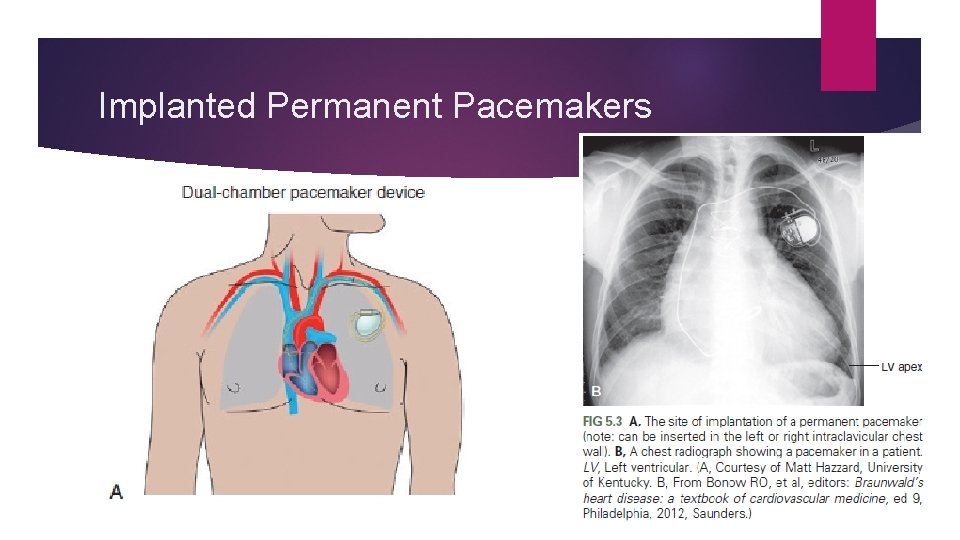
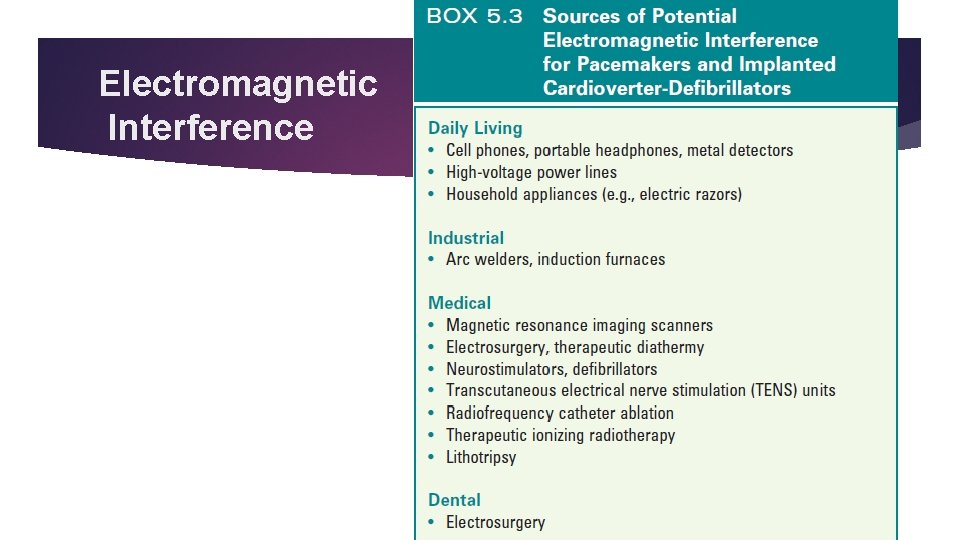
Implanted Permanent Pacemakers
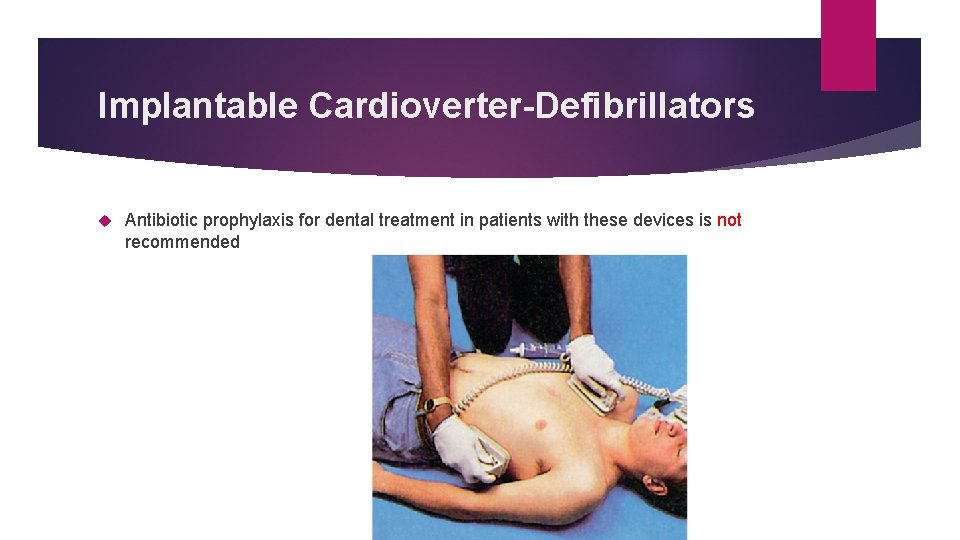
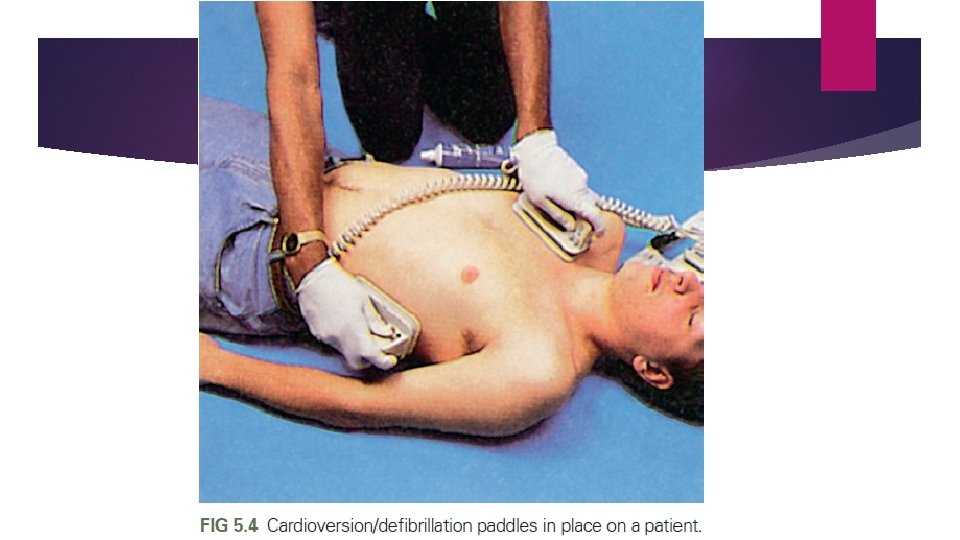
Implantable Cardioverter-Defibrillators Antibiotic prophylaxis for dental treatment in patients with these devices is not recommended
Electromagnetic Interference
DENTAL MANAGEMENT Identification: history & examination Dental treatment: overall low risk Antibiotic prophylaxis is not indicated Minor oral surgery(simple extractions) can be performed without altering or stopping the warfarin regimen, provided that the INR is between 2. 0 and 3. 5
local measures: placing of gelatin sponges, oxidized cellulose, or chitosan hemostatic products in extraction sockets, suturing, gauze sponges for pressure pack, or stents during the surgery and the topical use of tranexamic acid or εaminocaproic acid as a mouth rinse or to soak sponges postoperatively For more significant surgery, consultation with the physician should be obtained
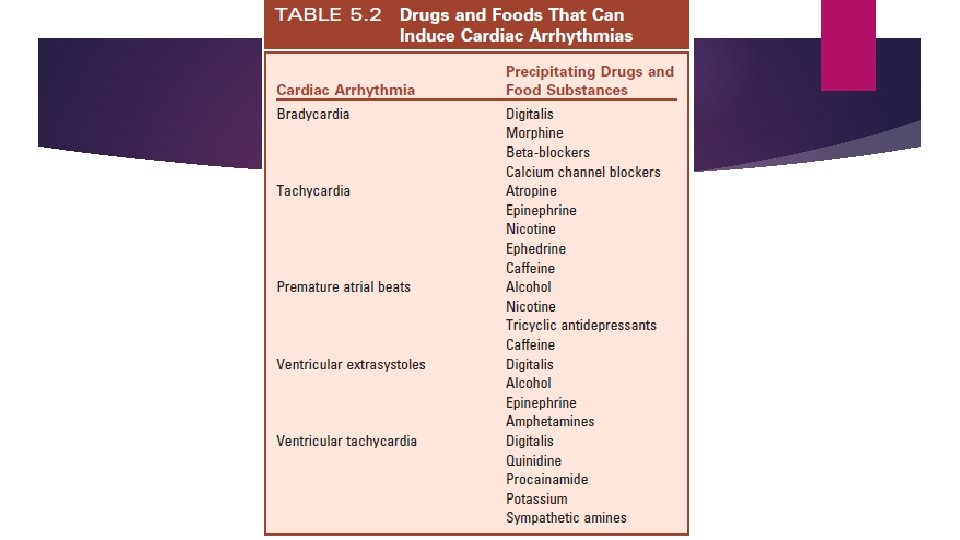
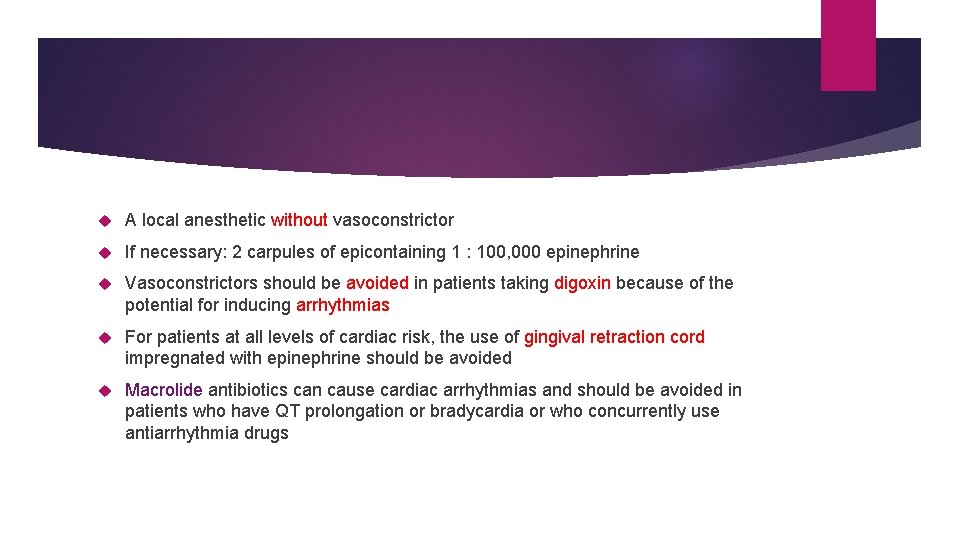
A local anesthetic without vasoconstrictor If necessary: 2 carpules of epicontaining 1 : 100, 000 epinephrine Vasoconstrictors should be avoided in patients taking digoxin because of the potential for inducing arrhythmias For patients at all levels of cardiac risk, the use of gingival retraction cord impregnated with epinephrine should be avoided Macrolide antibiotics can cause cardiac arrhythmias and should be avoided in patients who have QT prolongation or bradycardia or who concurrently use antiarrhythmia drugs
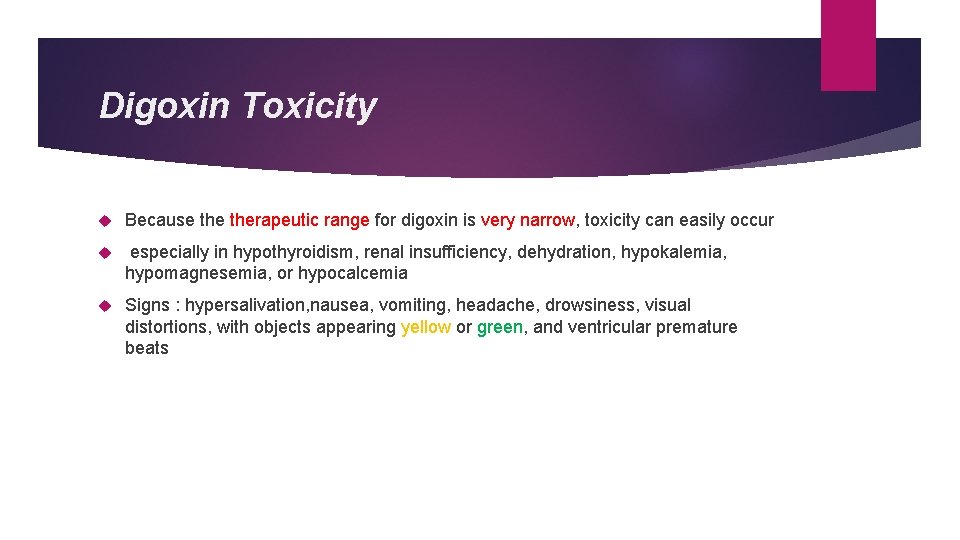
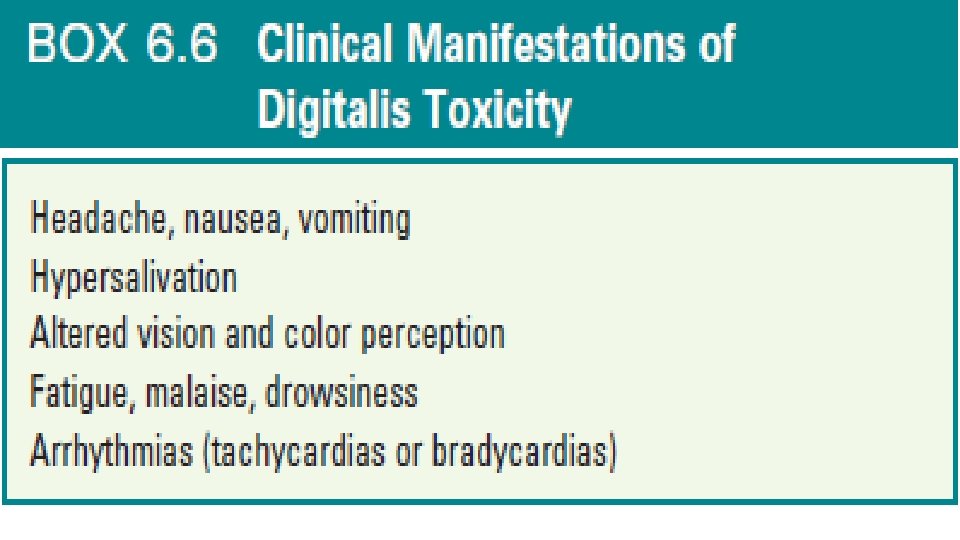
Digoxin Toxicity Because therapeutic range for digoxin is very narrow, toxicity can easily occur especially in hypothyroidism, renal insufficiency, dehydration, hypokalemia, hypomagnesemia, or hypocalcemia Signs : hypersalivation, nausea, vomiting, headache, drowsiness, visual distortions, with objects appearing yellow or green, and ventricular premature beats
Heart Failure (or Congestive Heart Failure)
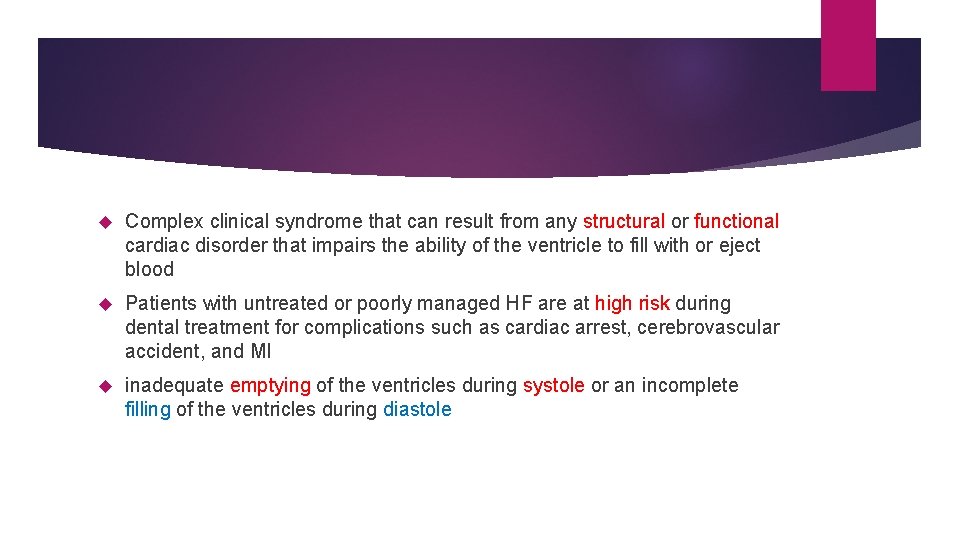
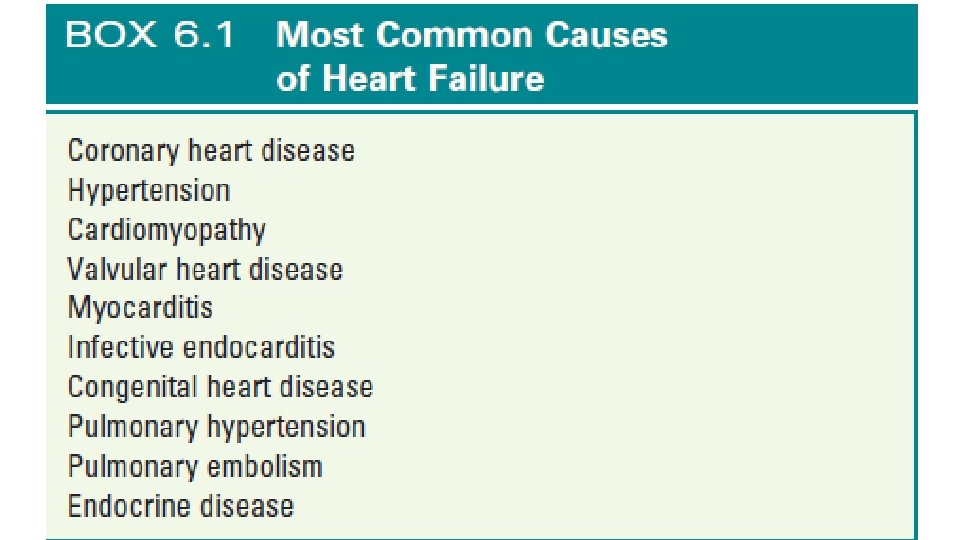
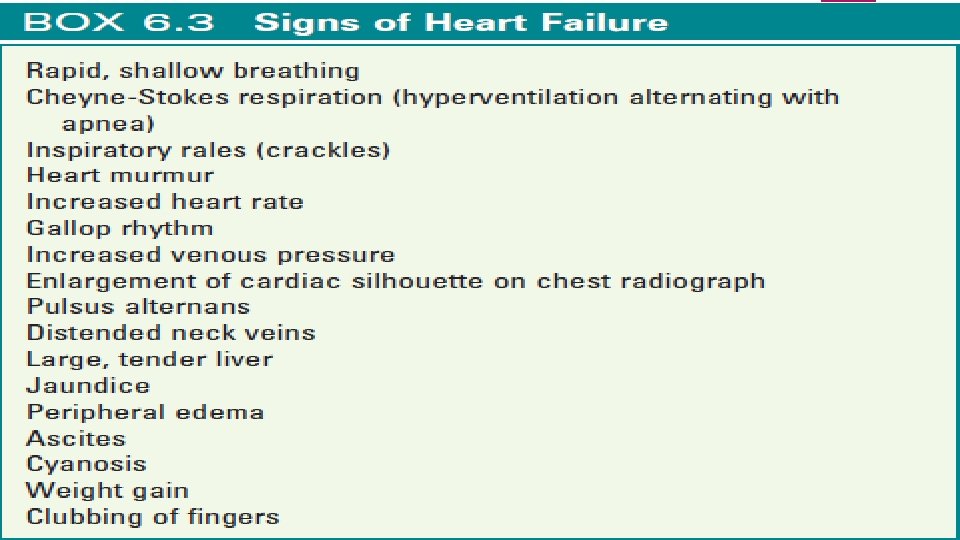
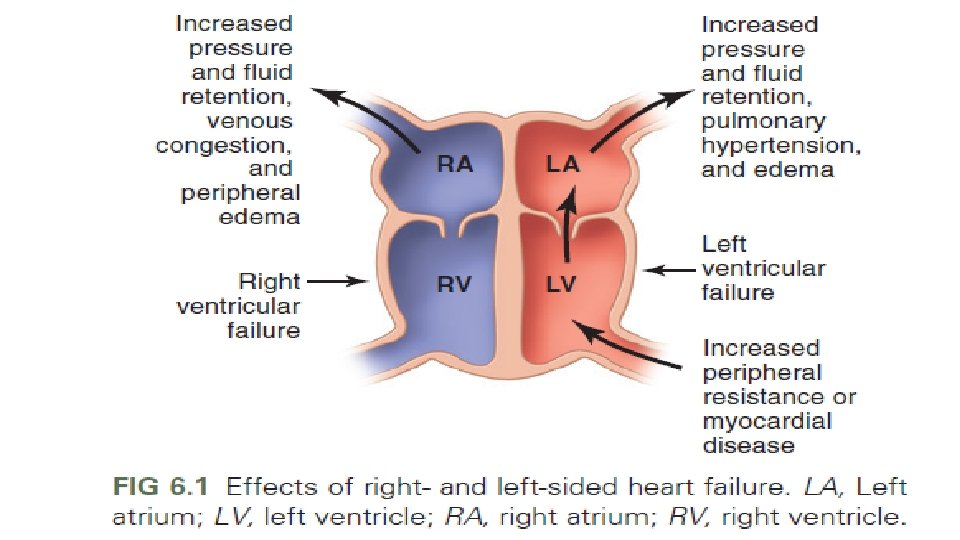
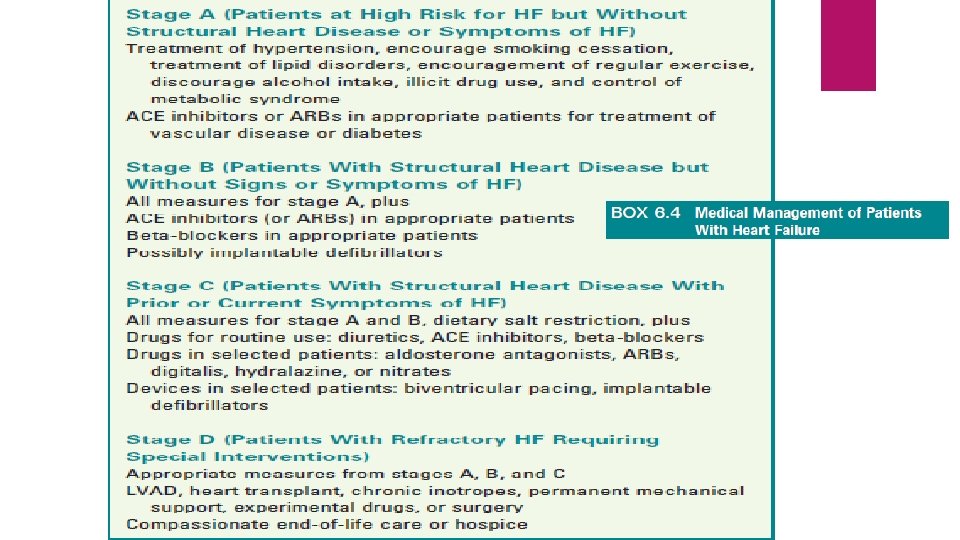
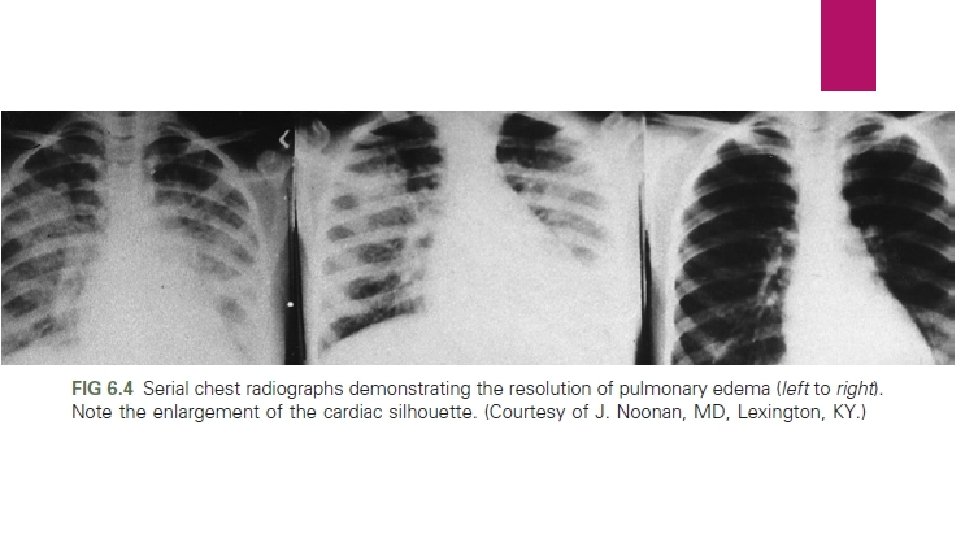
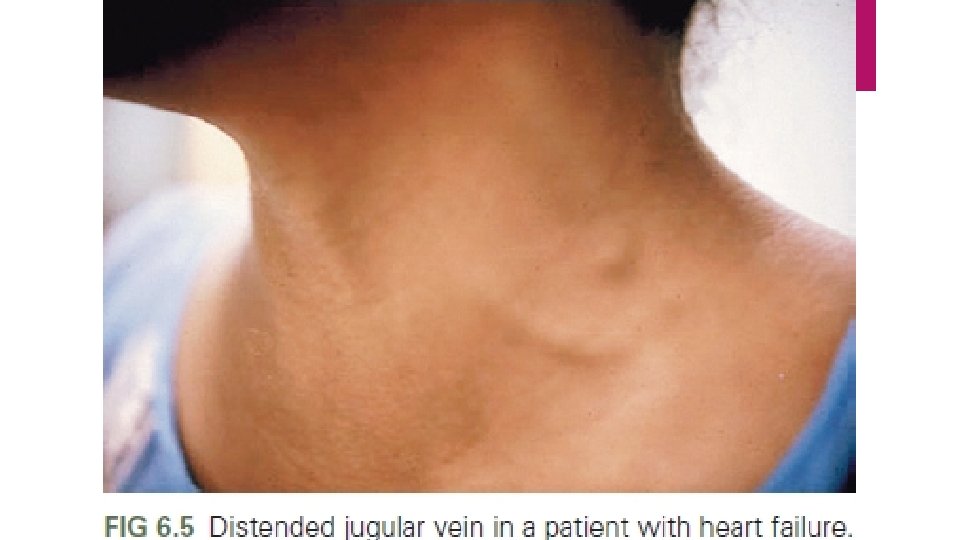
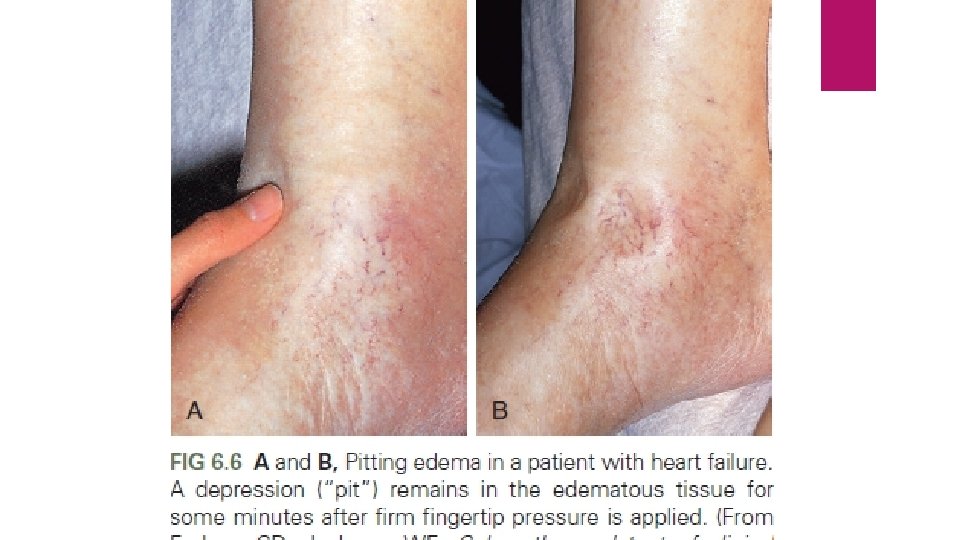
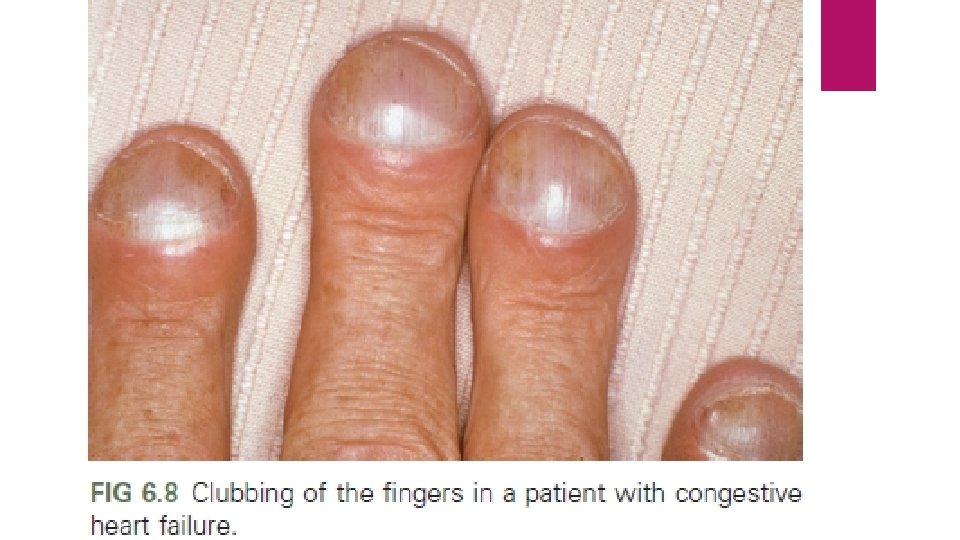
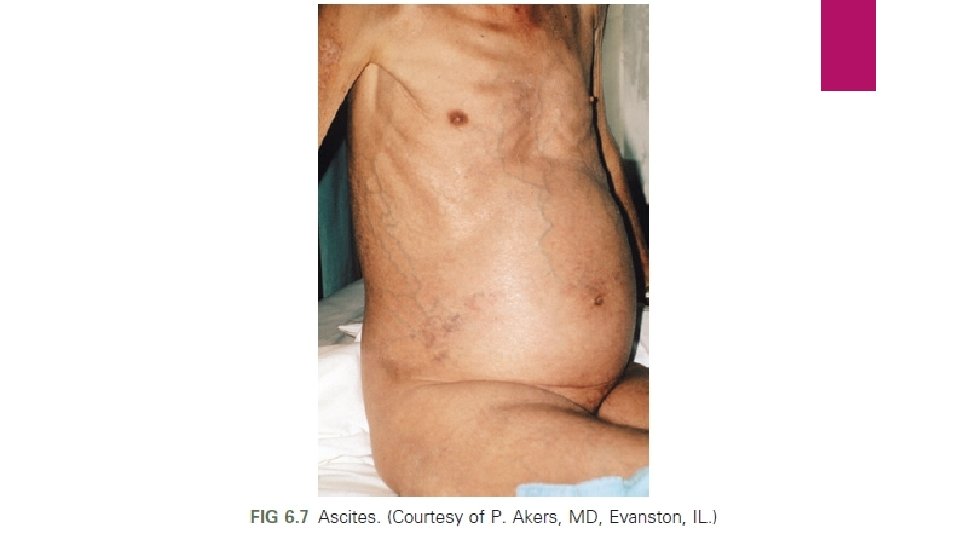
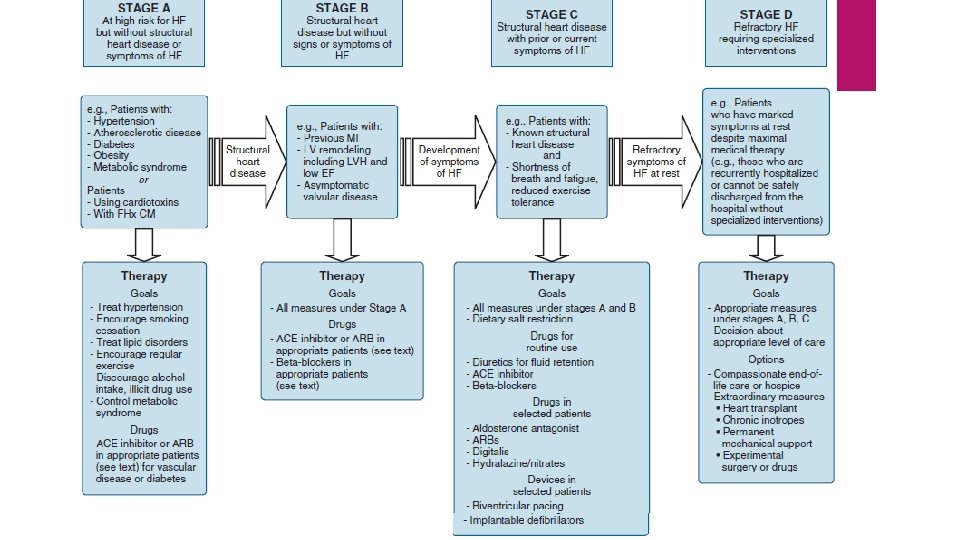
Complex clinical syndrome that can result from any structural or functional cardiac disorder that impairs the ability of the ventricle to fill with or eject blood Patients with untreated or poorly managed HF are at high risk during dental treatment for complications such as cardiac arrest, cerebrovascular accident, and MI inadequate emptying of the ventricles during systole or an incomplete filling of the ventricles during diastole
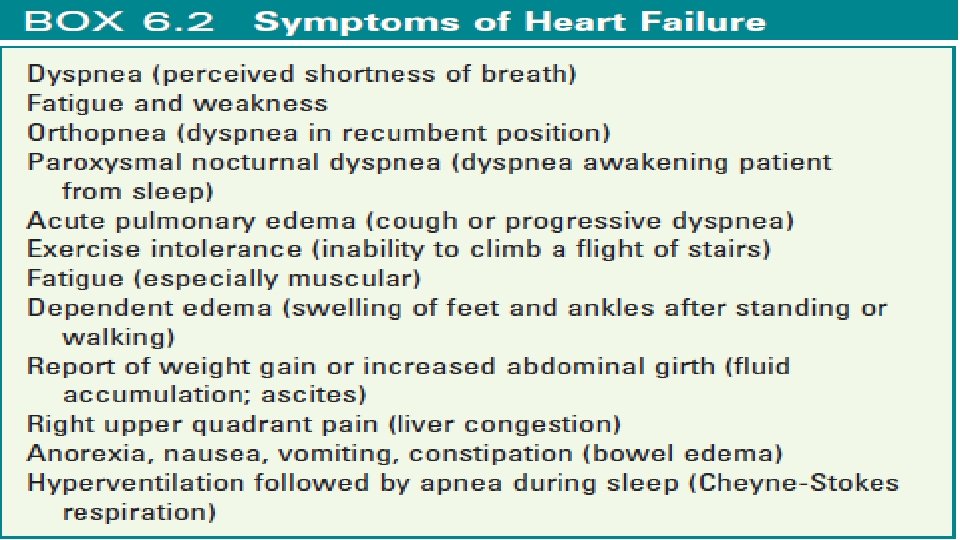
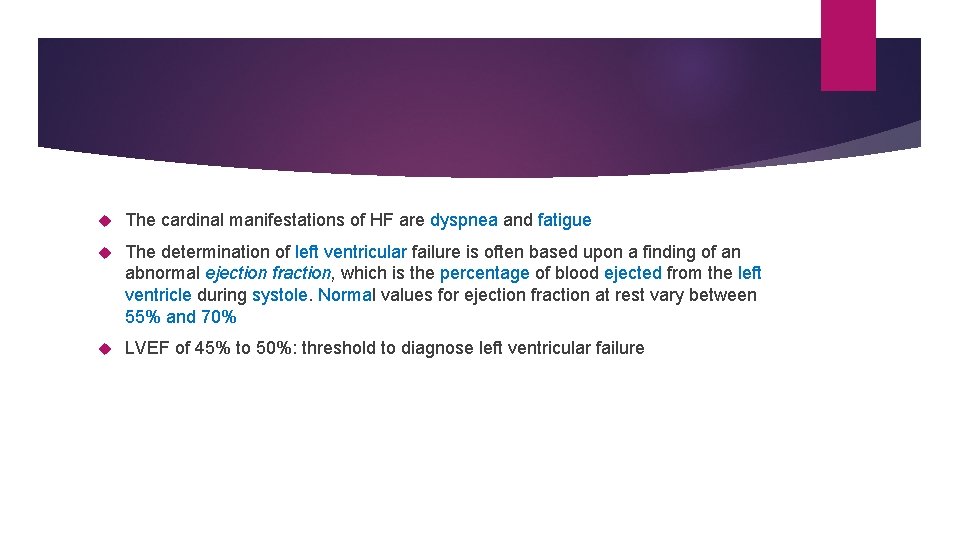
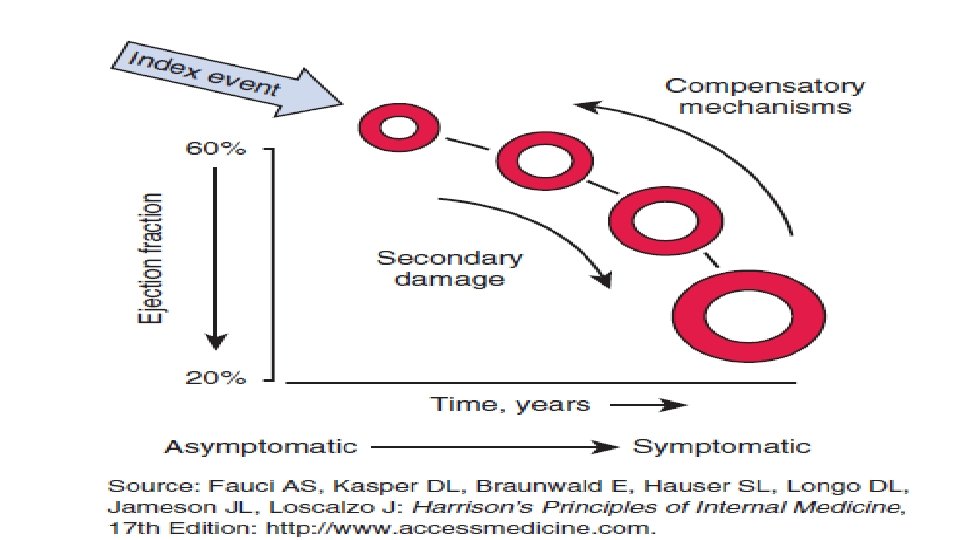
The cardinal manifestations of HF are dyspnea and fatigue The determination of left ventricular failure is often based upon a finding of an abnormal ejection fraction, which is the percentage of blood ejected from the left ventricle during systole. Normal values for ejection fraction at rest vary between 55% and 70% LVEF of 45% to 50%: threshold to diagnose left ventricular failure
cor pulmonale: right-sided ventricular enlargement→pulmonary hypertension Paroxysmal nocturnal dyspnea (PND) : attack of sudden, severe shortness of breath awakening the patient from sleep, usually within 1 to 3 hours after the patient goes to bed, and resolving within 10 to 30 minutes after the patient arises, often gasping for air
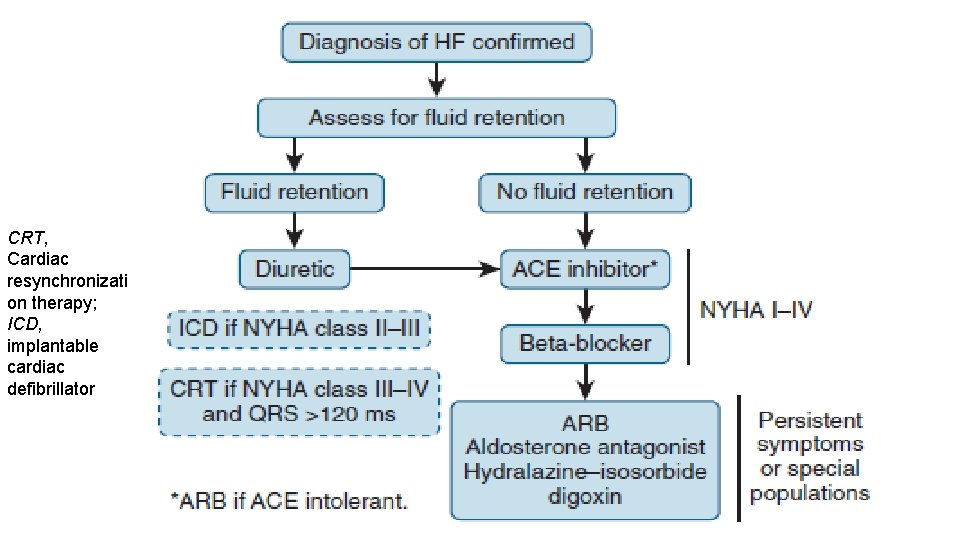
CRT, Cardiac resynchronizati on therapy; ICD, implantable cardiac defibrillator
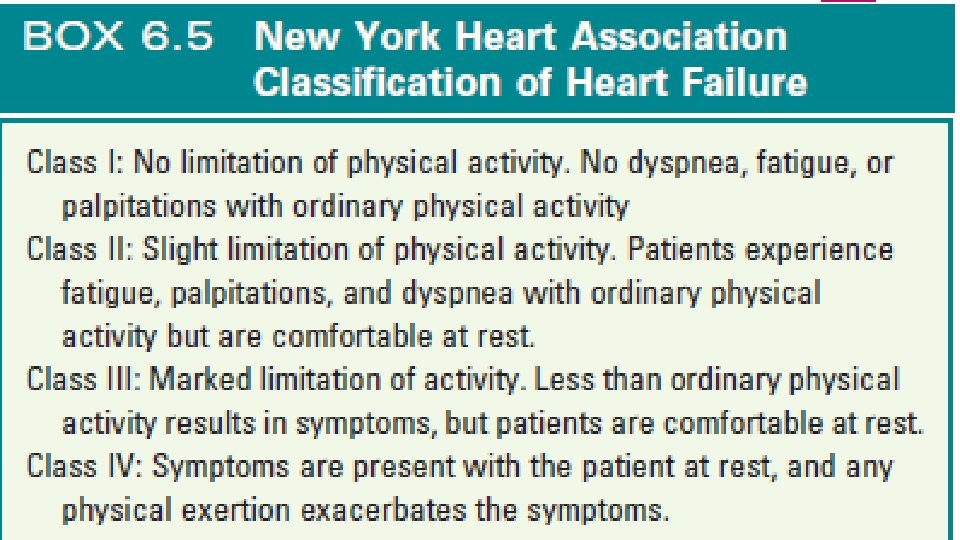
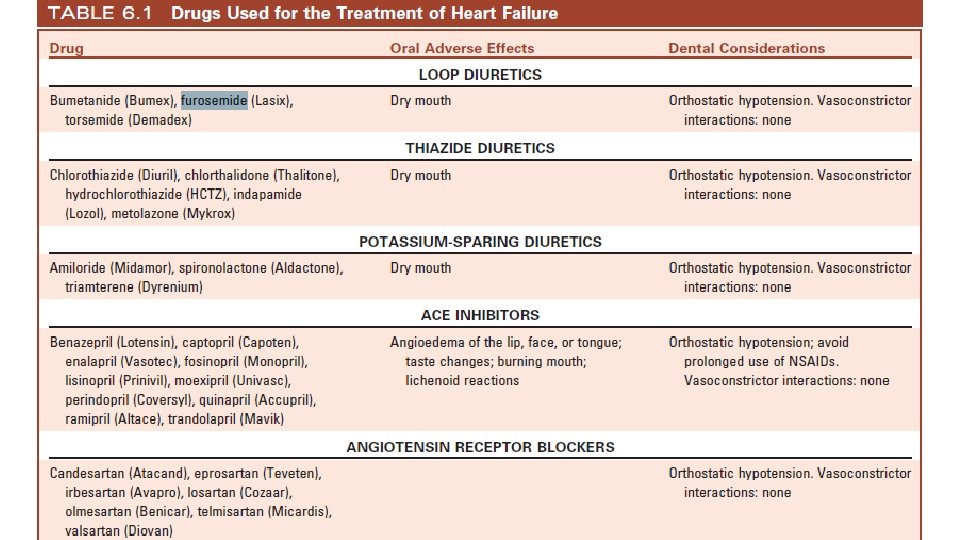
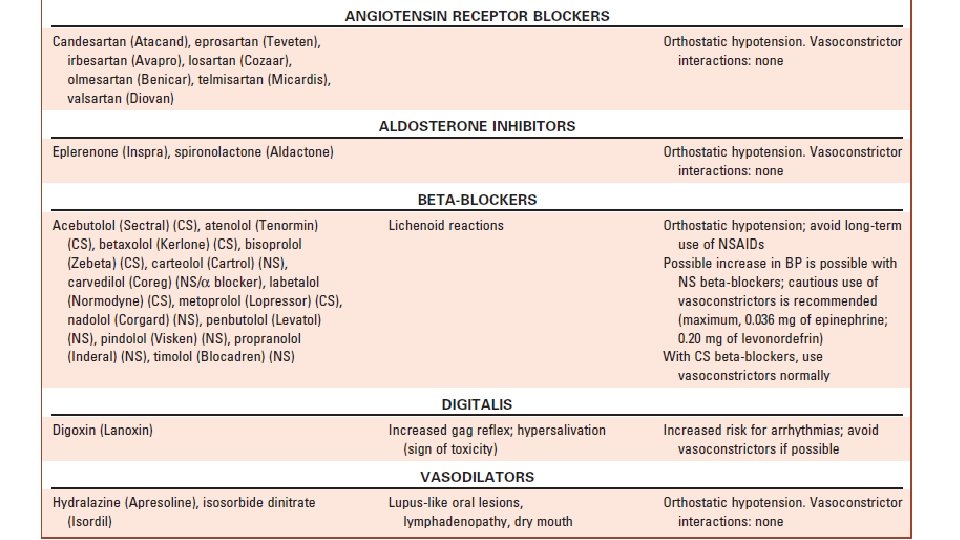
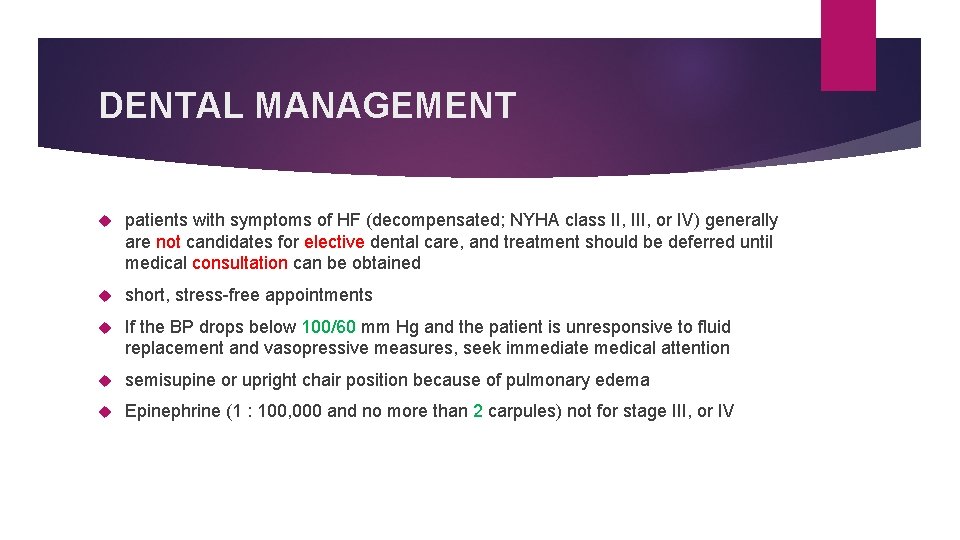
DENTAL MANAGEMENT patients with symptoms of HF (decompensated; NYHA class II, III, or IV) generally are not candidates for elective dental care, and treatment should be deferred until medical consultation can be obtained short, stress-free appointments If the BP drops below 100/60 mm Hg and the patient is unresponsive to fluid replacement and vasopressive measures, seek immediate medical attention semisupine or upright chair position because of pulmonary edema Epinephrine (1 : 100, 000 and no more than 2 carpules) not for stage III, or IV
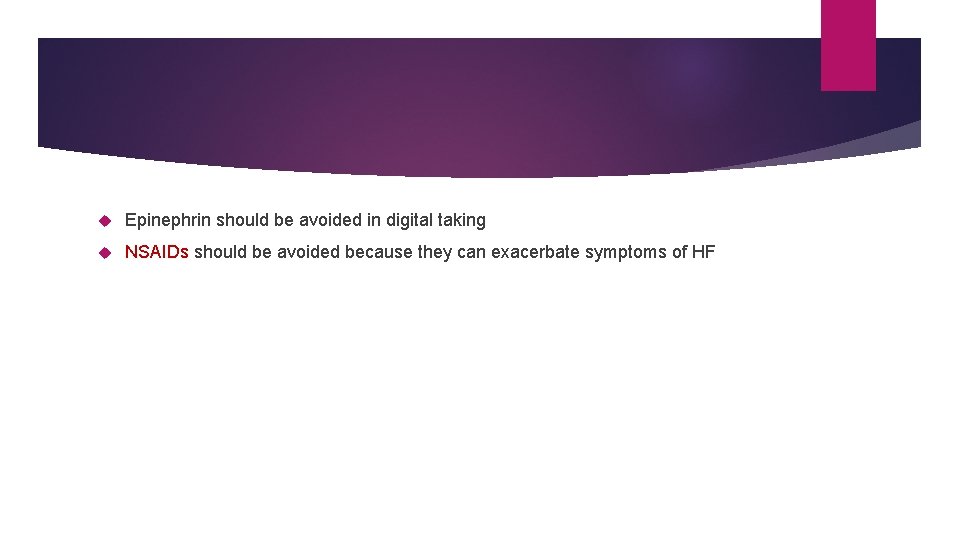
Epinephrin should be avoided in digital taking NSAIDs should be avoided because they can exacerbate symptoms of HF