
Infectious Diseases Guideline Updates Community Acquired Pneumonia and


- Slides: 45
Infectious Diseases Guideline Updates- Community Acquired Pneumonia and Asymptomatic Bacteriuria MOLLY BENNING, PHARMD PGY 2 INFECTIOUS DISEASES PHARMACY RESIDENT
Objectives for Pharmacists • Compare differences between the 2007 and 2019 ATS/IDSA CAP guidelines • Identify guideline-recommended empiric therapies for the outpatient treatment of CAP • Discuss updates to the IDSA Asymptomatic Bacteriuria Guidelines • Identify patients for whom screening and treatment of asymptomatic bacteriuria is recommended
Objectives for Technicians • Discuss updates to the ATS/IDSA CAP guidelines • List guideline-recommended empiric therapies for the outpatient treatment of CAP • Discuss updates to the IDSA Asymptomatic Bacteriuria Guidelines • List indications for screening and treatment of asymptomatic bacteriuria
2019 ATS/IDSA CAP Guidelines
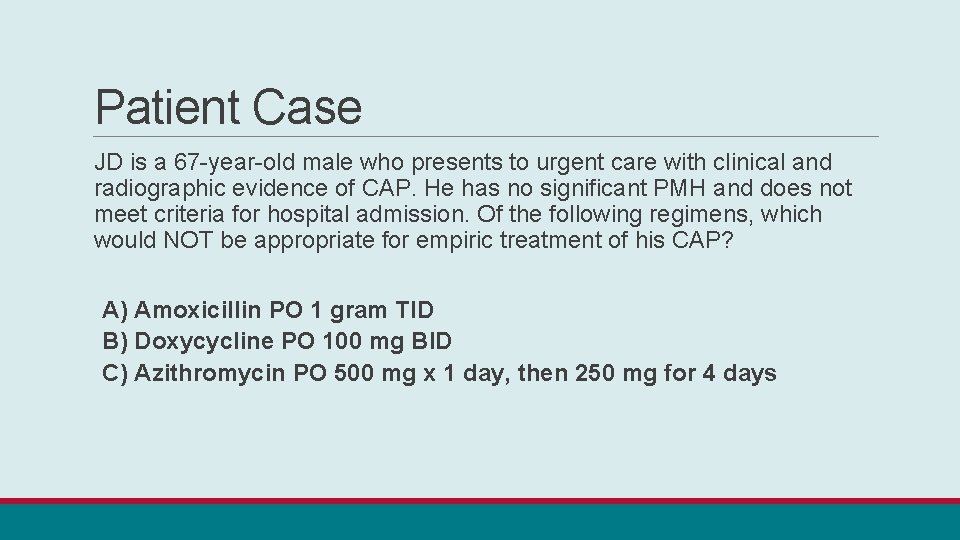
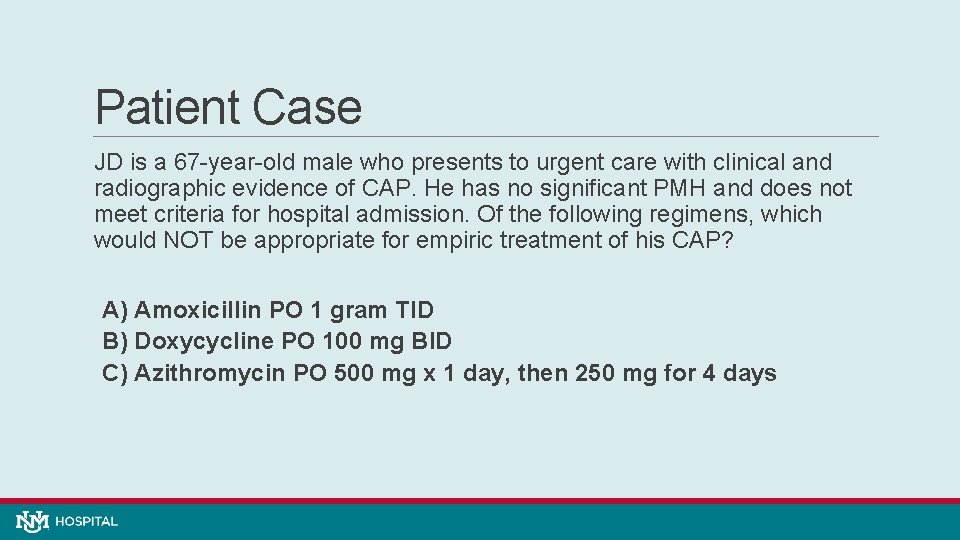
Patient Case JD is a 67 -year-old male who presents to urgent care with clinical and radiographic evidence of CAP. He has no significant PMH and does not meet criteria for hospital admission. Of the following regimens, which would NOT be appropriate for empiric treatment of his CAP? A) Amoxicillin PO 1 gram TID B) Doxycycline PO 100 mg BID C) Azithromycin PO 500 mg x 1 day, then 250 mg for 4 days
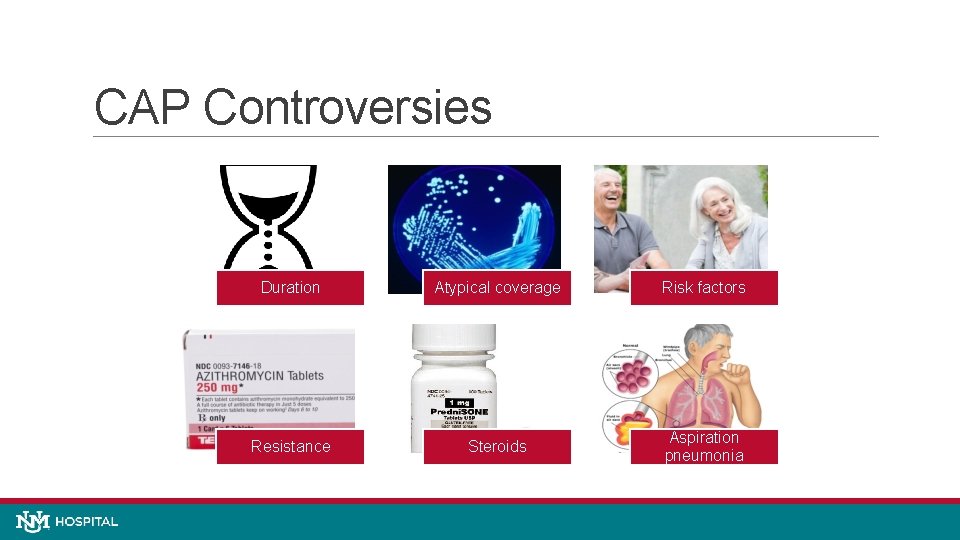
CAP Controversies Duration Atypical coverage Risk factors Resistance Steroids Aspiration pneumonia
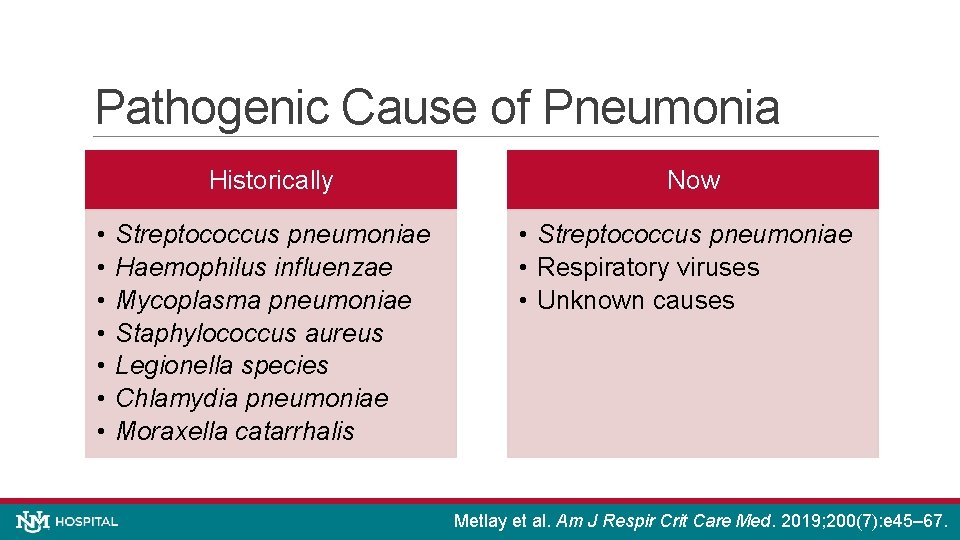
Pathogenic Cause of Pneumonia • • Historically Now Streptococcus pneumoniae Haemophilus influenzae Mycoplasma pneumoniae Staphylococcus aureus Legionella species Chlamydia pneumoniae Moraxella catarrhalis • Streptococcus pneumoniae • Respiratory viruses • Unknown causes Metlay et al. Am J Respir Crit Care Med. 2019; 200(7): e 45– 67.
2007 ATS/IDSA Criteria for Severe CAP One major criterion OR three or more minor criteria Minor Criteria: ◦ ◦ ◦ ◦ ◦ Respiratory rate 30 breaths per min Pa. O 2/Fi. O 2 ratio ≤ 250 Multilobar infiltrates Confusion and/or disorientation Uremia (blood urea nitrogen level 20 mg/d. L) Leukopenia (WBC count <4000 cells/ l) due to infection alone Thrombocytopenia (platelet count <100, 000 platelets/ l) Hypothermia (core temperature <36°C) Hypotension requiring aggressive fluid resuscitation. Major criteria: ◦ Septic shock with need for vasopressors ◦ Respiratory failure requiring mechanical ventilation Metlay et al. Am J Respir Crit Care Med. 2019; 200(7): e 45– 67.
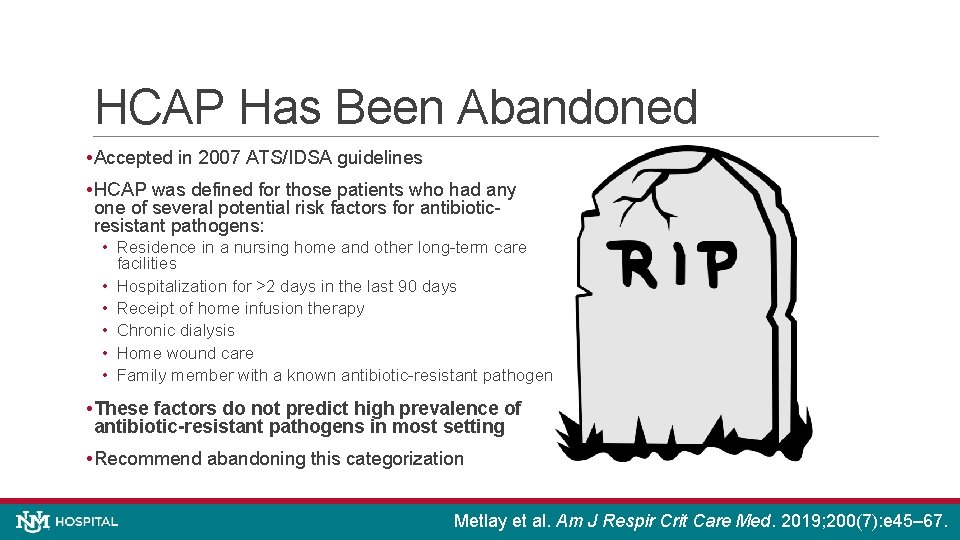
HCAP Has Been Abandoned • Accepted in 2007 ATS/IDSA guidelines • HCAP was defined for those patients who had any one of several potential risk factors for antibioticresistant pathogens: • Residence in a nursing home and other long-term care facilities • Hospitalization for >2 days in the last 90 days • Receipt of home infusion therapy • Chronic dialysis • Home wound care • Family member with a known antibiotic-resistant pathogen • These factors do not predict high prevalence of antibiotic-resistant pathogens in most setting • Recommend abandoning this categorization Metlay et al. Am J Respir Crit Care Med. 2019; 200(7): e 45– 67.
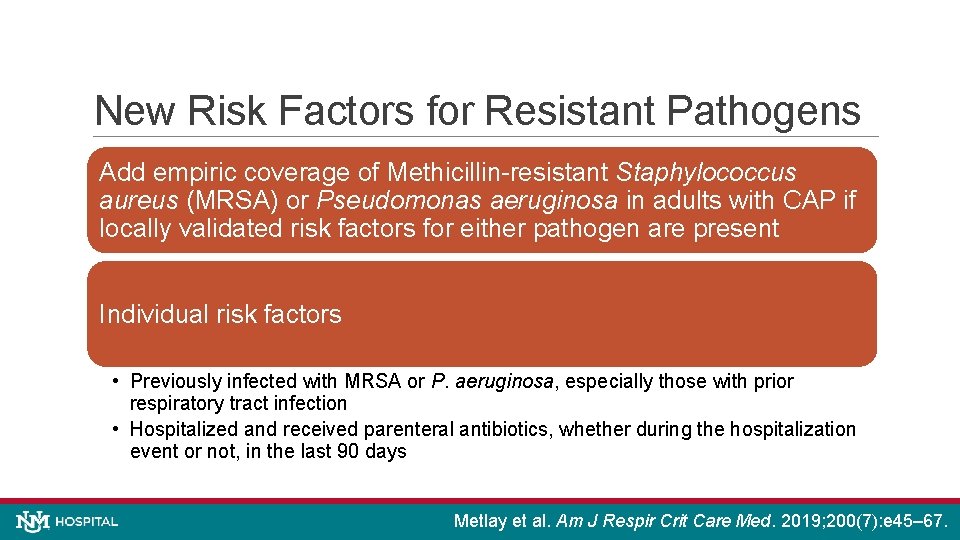
New Risk Factors for Resistant Pathogens Add empiric coverage of Methicillin-resistant Staphylococcus aureus (MRSA) or Pseudomonas aeruginosa in adults with CAP if locally validated risk factors for either pathogen are present Individual risk factors • Previously infected with MRSA or P. aeruginosa, especially those with prior respiratory tract infection • Hospitalized and received parenteral antibiotics, whether during the hospitalization event or not, in the last 90 days Metlay et al. Am J Respir Crit Care Med. 2019; 200(7): e 45– 67.
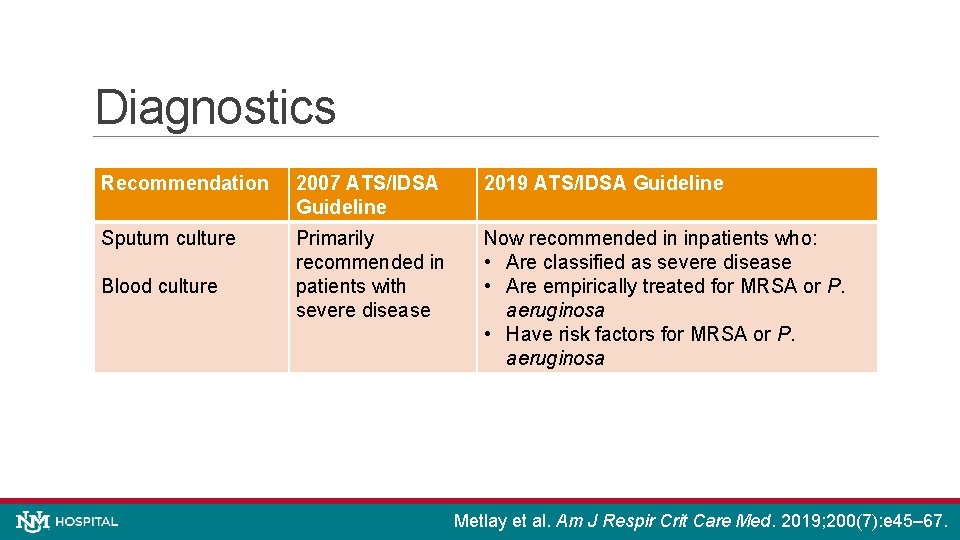
Diagnostics Recommendation 2007 ATS/IDSA Guideline 2019 ATS/IDSA Guideline Sputum culture Primarily recommended in patients with severe disease Now recommended in inpatients who: • Are classified as severe disease • Are empirically treated for MRSA or P. aeruginosa • Have risk factors for MRSA or P. aeruginosa Blood culture Metlay et al. Am J Respir Crit Care Med. 2019; 200(7): e 45– 67.
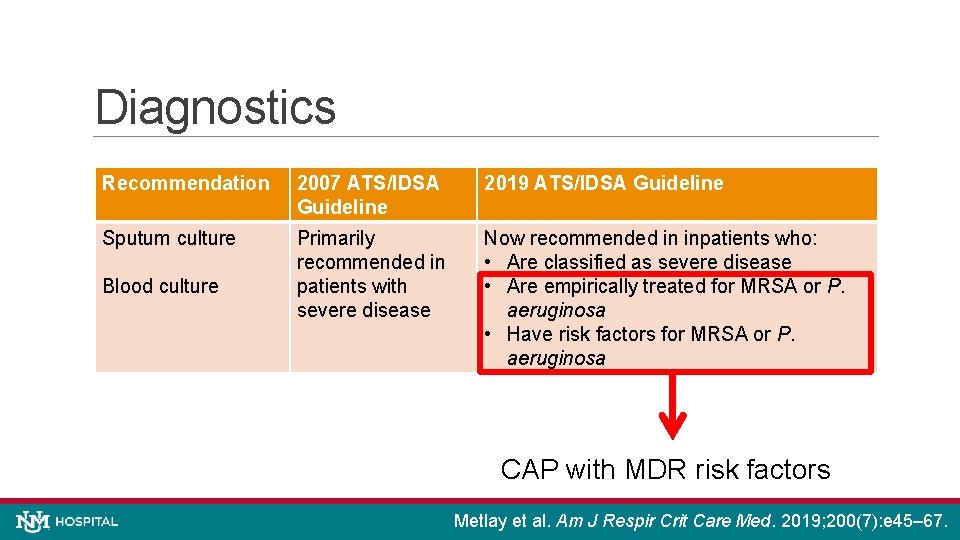
Diagnostics Recommendation 2007 ATS/IDSA Guideline 2019 ATS/IDSA Guideline Sputum culture Primarily recommended in patients with severe disease Now recommended in inpatients who: • Are classified as severe disease • Are empirically treated for MRSA or P. aeruginosa • Have risk factors for MRSA or P. aeruginosa Blood culture CAP with MDR risk factors Metlay et al. Am J Respir Crit Care Med. 2019; 200(7): e 45– 67.
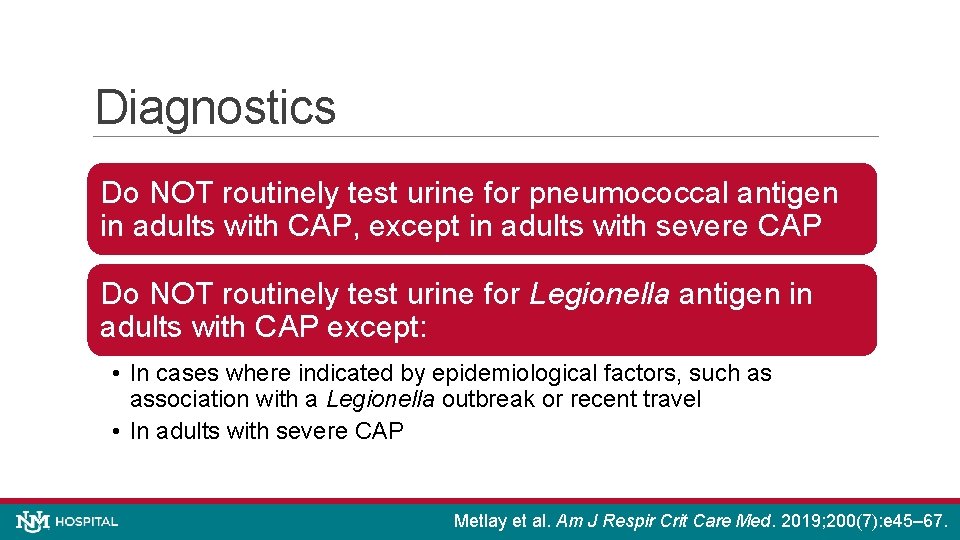
Diagnostics Do NOT routinely test urine for pneumococcal antigen in adults with CAP, except in adults with severe CAP Do NOT routinely test urine for Legionella antigen in adults with CAP except: • In cases where indicated by epidemiological factors, such as association with a Legionella outbreak or recent travel • In adults with severe CAP Metlay et al. Am J Respir Crit Care Med. 2019; 200(7): e 45– 67.
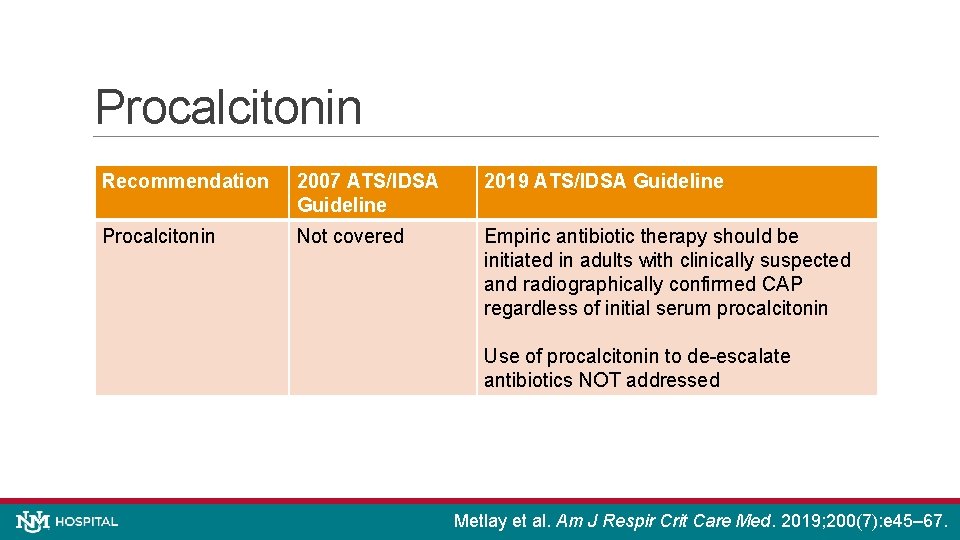
Procalcitonin Recommendation 2007 ATS/IDSA Guideline 2019 ATS/IDSA Guideline Procalcitonin Not covered Empiric antibiotic therapy should be initiated in adults with clinically suspected and radiographically confirmed CAP regardless of initial serum procalcitonin Use of procalcitonin to de-escalate antibiotics NOT addressed Metlay et al. Am J Respir Crit Care Med. 2019; 200(7): e 45– 67.
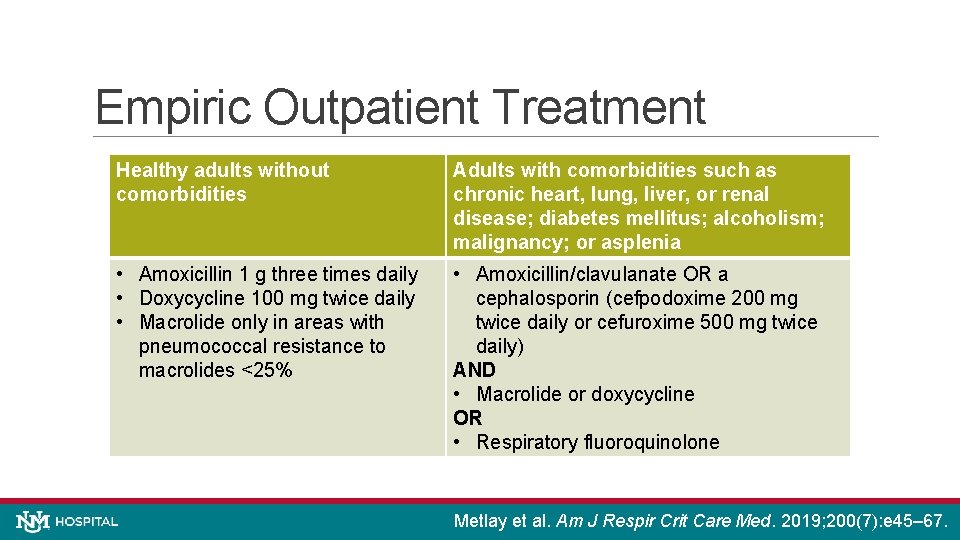
Empiric Outpatient Treatment Healthy adults without comorbidities Adults with comorbidities such as chronic heart, lung, liver, or renal disease; diabetes mellitus; alcoholism; malignancy; or asplenia • Amoxicillin 1 g three times daily • Doxycycline 100 mg twice daily • Macrolide only in areas with pneumococcal resistance to macrolides <25% • Amoxicillin/clavulanate OR a cephalosporin (cefpodoxime 200 mg twice daily or cefuroxime 500 mg twice daily) AND • Macrolide or doxycycline OR • Respiratory fluoroquinolone Metlay et al. Am J Respir Crit Care Med. 2019; 200(7): e 45– 67.
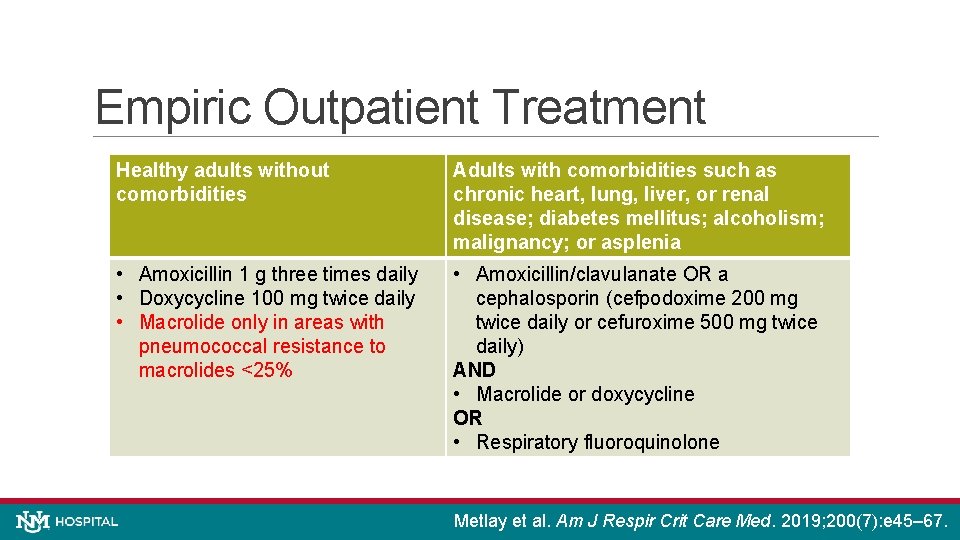
Empiric Outpatient Treatment Healthy adults without comorbidities Adults with comorbidities such as chronic heart, lung, liver, or renal disease; diabetes mellitus; alcoholism; malignancy; or asplenia • Amoxicillin 1 g three times daily • Doxycycline 100 mg twice daily • Macrolide only in areas with pneumococcal resistance to macrolides <25% • Amoxicillin/clavulanate OR a cephalosporin (cefpodoxime 200 mg twice daily or cefuroxime 500 mg twice daily) AND • Macrolide or doxycycline OR • Respiratory fluoroquinolone Metlay et al. Am J Respir Crit Care Med. 2019; 200(7): e 45– 67.
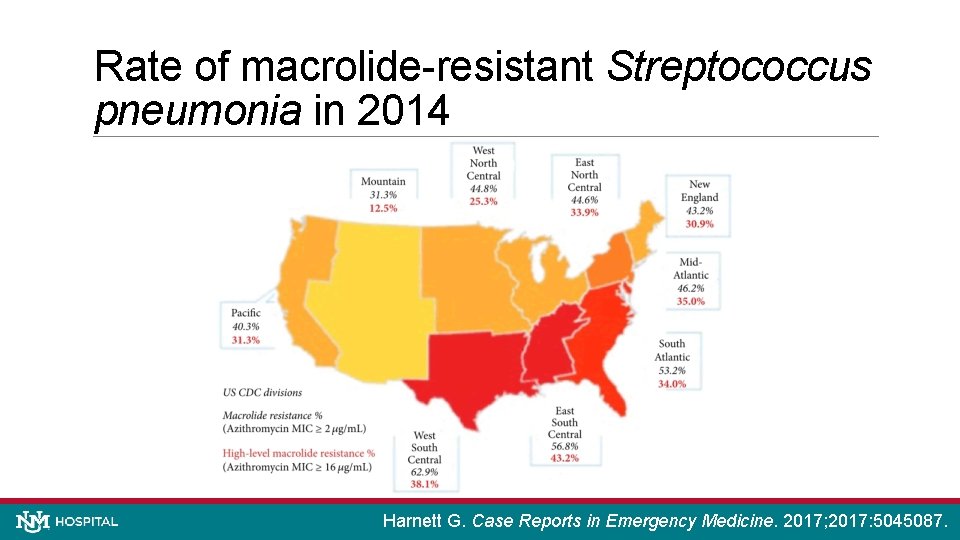
Rate of macrolide-resistant Streptococcus pneumonia in 2014 Harnett G. Case Reports in Emergency Medicine. 2017; 2017: 5045087.
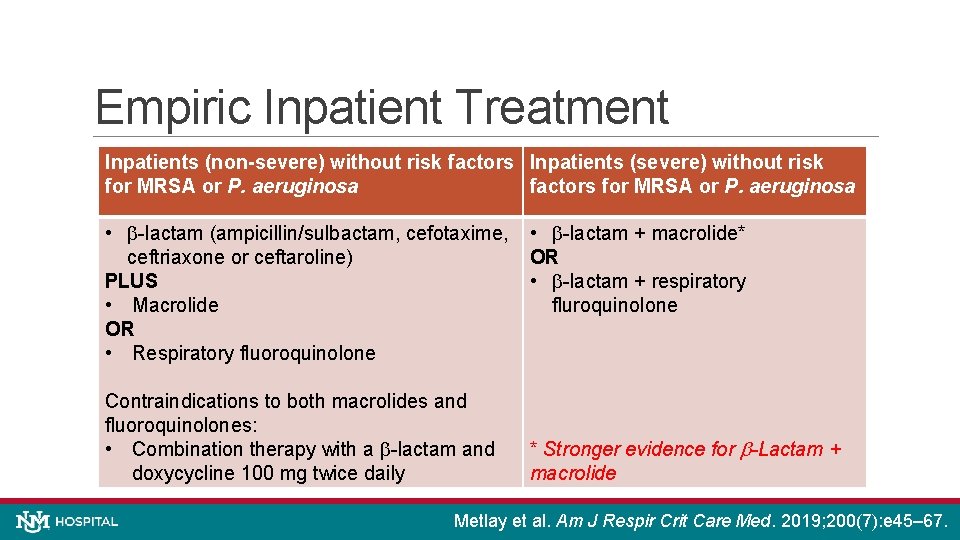
Empiric Inpatient Treatment Inpatients (non-severe) without risk factors Inpatients (severe) without risk for MRSA or P. aeruginosa factors for MRSA or P. aeruginosa • -lactam (ampicillin/sulbactam, cefotaxime, ceftriaxone or ceftaroline) PLUS • Macrolide OR • Respiratory fluoroquinolone Contraindications to both macrolides and fluoroquinolones: • Combination therapy with a -lactam and doxycycline 100 mg twice daily • -lactam + macrolide* OR • -lactam + respiratory fluroquinolone * Stronger evidence for -Lactam + macrolide Metlay et al. Am J Respir Crit Care Med. 2019; 200(7): e 45– 67.
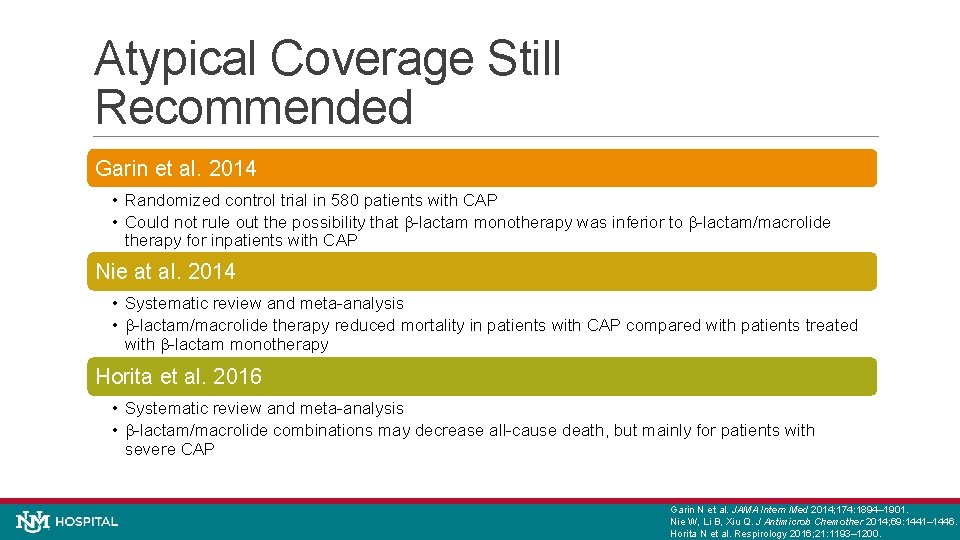
Atypical Coverage Still Recommended Garin et al. 2014 • Randomized control trial in 580 patients with CAP • Could not rule out the possibility that -lactam monotherapy was inferior to -lactam/macrolide therapy for inpatients with CAP Nie at al. 2014 • Systematic review and meta-analysis • -lactam/macrolide therapy reduced mortality in patients with CAP compared with patients treated with -lactam monotherapy Horita et al. 2016 • Systematic review and meta-analysis • -lactam/macrolide combinations may decrease all-cause death, but mainly for patients with severe CAP Garin N et al. JAMA Intern Med 2014; 174: 1894– 1901. Nie W, Li B, Xiu Q. J Antimicrob Chemother 2014; 69: 1441– 1446. Horita N et al. Respirology 2016; 21: 1193– 1200.
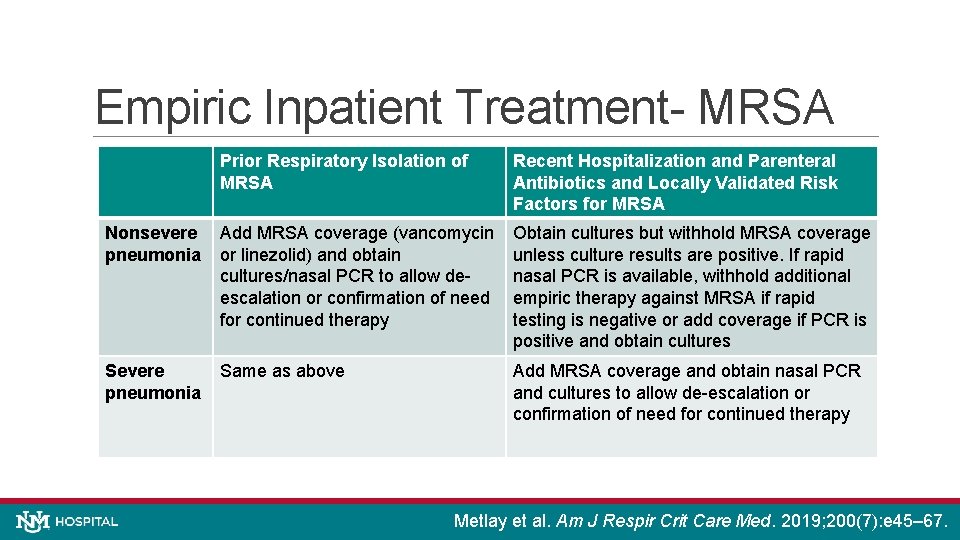
Empiric Inpatient Treatment- MRSA Prior Respiratory Isolation of MRSA Recent Hospitalization and Parenteral Antibiotics and Locally Validated Risk Factors for MRSA Nonsevere pneumonia Add MRSA coverage (vancomycin or linezolid) and obtain cultures/nasal PCR to allow deescalation or confirmation of need for continued therapy Obtain cultures but withhold MRSA coverage unless culture results are positive. If rapid nasal PCR is available, withhold additional empiric therapy against MRSA if rapid testing is negative or add coverage if PCR is positive and obtain cultures Severe pneumonia Same as above Add MRSA coverage and obtain nasal PCR and cultures to allow de-escalation or confirmation of need for continued therapy Metlay et al. Am J Respir Crit Care Med. 2019; 200(7): e 45– 67.
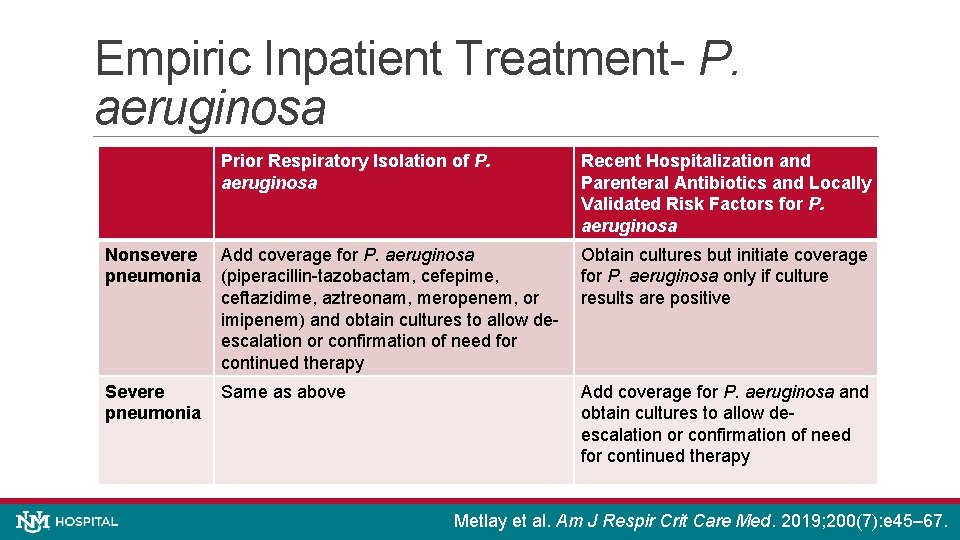
Empiric Inpatient Treatment- P. aeruginosa Prior Respiratory Isolation of P. aeruginosa Recent Hospitalization and Parenteral Antibiotics and Locally Validated Risk Factors for P. aeruginosa Nonsevere pneumonia Add coverage for P. aeruginosa (piperacillin-tazobactam, cefepime, ceftazidime, aztreonam, meropenem, or imipenem) and obtain cultures to allow deescalation or confirmation of need for continued therapy Obtain cultures but initiate coverage for P. aeruginosa only if culture results are positive Severe pneumonia Same as above Add coverage for P. aeruginosa and obtain cultures to allow deescalation or confirmation of need for continued therapy Metlay et al. Am J Respir Crit Care Med. 2019; 200(7): e 45– 67.
De-escalation In patients empirically treated for MRSA or P. aeruginosa: • Deescalate to standard CAP therapy if cultures do not reveal a drug-resistant pathogen and the patient is clinically improving at 48 hours Switching from parenteral to oral antibiotics • No specific time frame given • Either the same agent or the same drug class should be used Metlay et al. Am J Respir Crit Care Med. 2019; 200(7): e 45– 67.
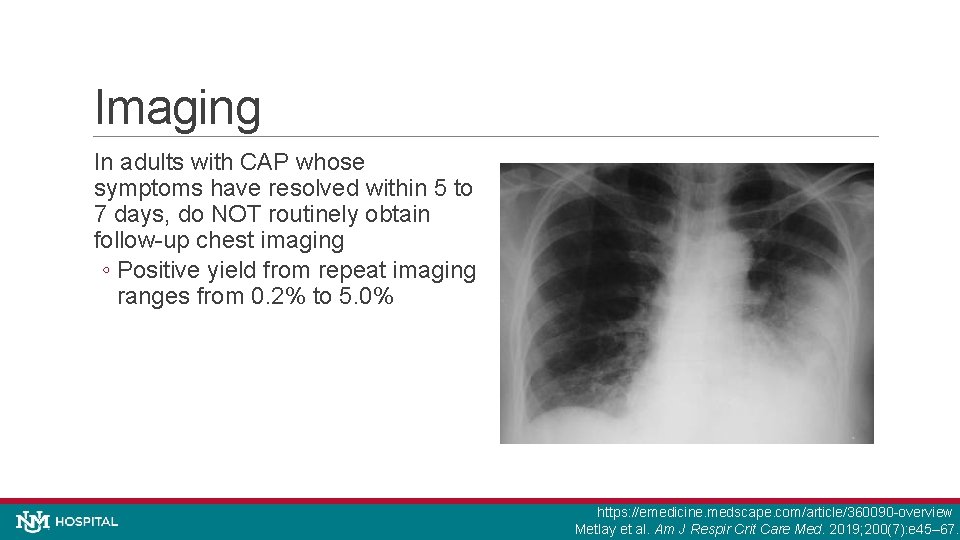
Imaging In adults with CAP whose symptoms have resolved within 5 to 7 days, do NOT routinely obtain follow-up chest imaging ◦ Positive yield from repeat imaging ranges from 0. 2% to 5. 0% https: //emedicine. medscape. com/article/360090 -overview Metlay et al. Am J Respir Crit Care Med. 2019; 200(7): e 45– 67.
Duration Antibiotic therapy should be continued until the patient achieves stability and for no less than a total of 5 days • Resolution of vital sign abnormalities [heart rate, respiratory rate, blood pressure, oxygen saturation, and temperature], ability to eat, and normal mentation Metlay et al. Am J Respir Crit Care Med. 2019; 200(7): e 45– 67.
Aspiration Pneumonia Do NOT routinely add anaerobic coverage for suspected aspiration pneumonia unless lung abscess or empyema is suspected • Recent studies have shown that anaerobes are uncommon in patients hospitalized with suspected aspiration • Patients who aspirate gastric contents are considered to have aspiration pneumonitis. Many of these patients have resolution of symptoms within 24 to 48 hours and require only supportive treatment, without antibiotics Metlay et al. Am J Respir Crit Care Med. 2019; 200(7): e 45– 67.
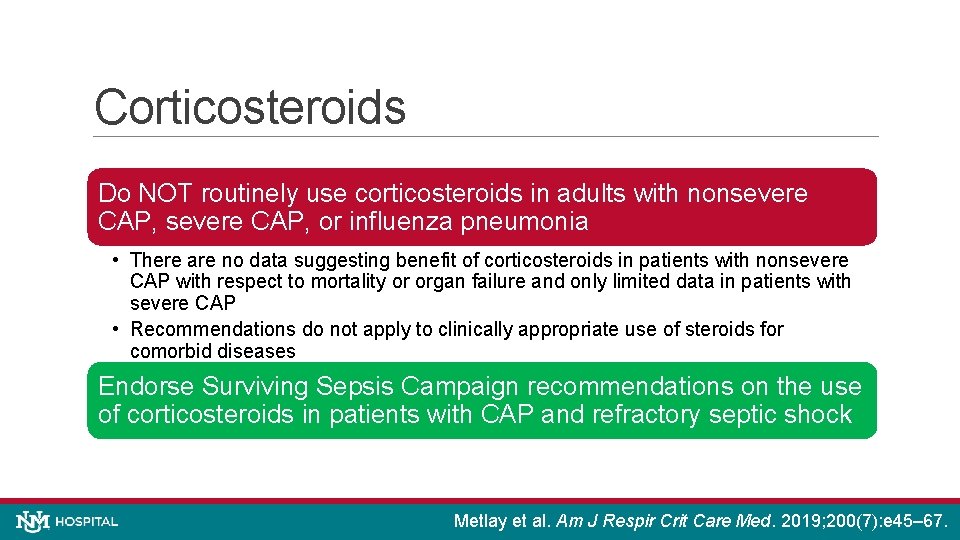
Corticosteroids Do NOT routinely use corticosteroids in adults with nonsevere CAP, or influenza pneumonia • There are no data suggesting benefit of corticosteroids in patients with nonsevere CAP with respect to mortality or organ failure and only limited data in patients with severe CAP • Recommendations do not apply to clinically appropriate use of steroids for comorbid diseases Endorse Surviving Sepsis Campaign recommendations on the use of corticosteroids in patients with CAP and refractory septic shock Metlay et al. Am J Respir Crit Care Med. 2019; 200(7): e 45– 67.
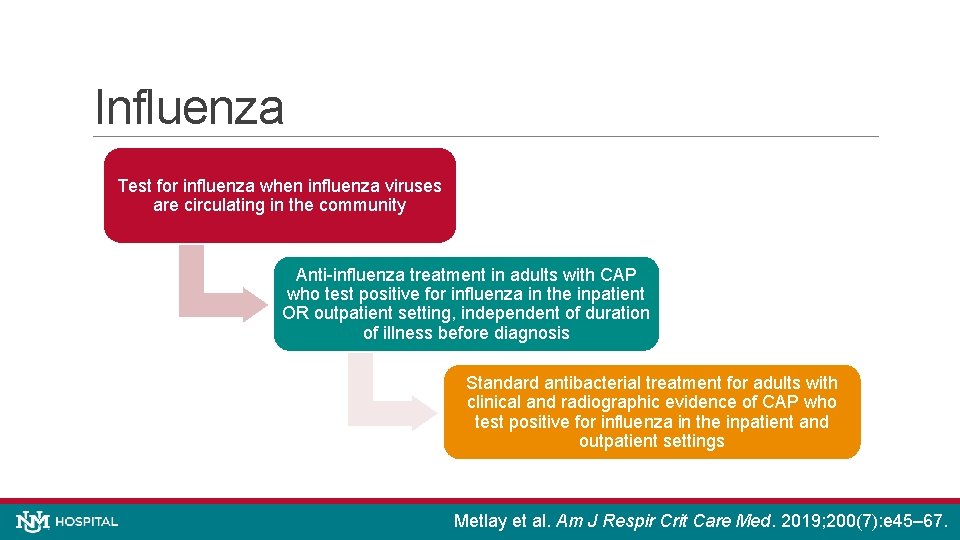
Influenza Test for influenza when influenza viruses are circulating in the community Anti-influenza treatment in adults with CAP who test positive for influenza in the inpatient OR outpatient setting, independent of duration of illness before diagnosis Standard antibacterial treatment for adults with clinical and radiographic evidence of CAP who test positive for influenza in the inpatient and outpatient settings Metlay et al. Am J Respir Crit Care Med. 2019; 200(7): e 45– 67.
Patient Case JD is a 67 -year-old male who presents to urgent care with clinical and radiographic evidence of CAP. He has no significant PMH and does not meet criteria for hospital admission. Of the following regimens, which would NOT be appropriate for empiric treatment of his CAP? A) Amoxicillin PO 1 gram TID B) Doxycycline PO 100 mg BID C) Azithromycin PO 500 mg x 1 day, then 250 mg for 4 days
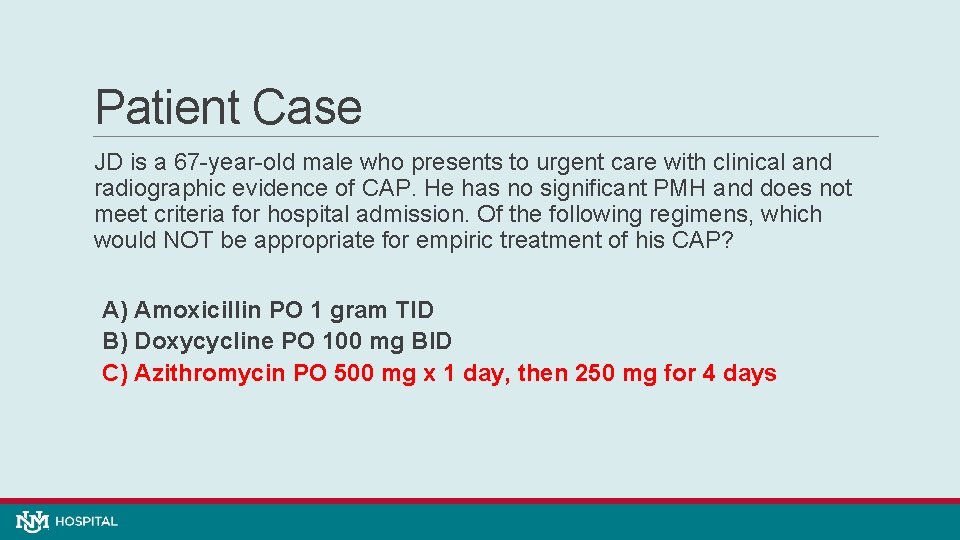
Patient Case JD is a 67 -year-old male who presents to urgent care with clinical and radiographic evidence of CAP. He has no significant PMH and does not meet criteria for hospital admission. Of the following regimens, which would NOT be appropriate for empiric treatment of his CAP? A) Amoxicillin PO 1 gram TID B) Doxycycline PO 100 mg BID C) Azithromycin PO 500 mg x 1 day, then 250 mg for 4 days
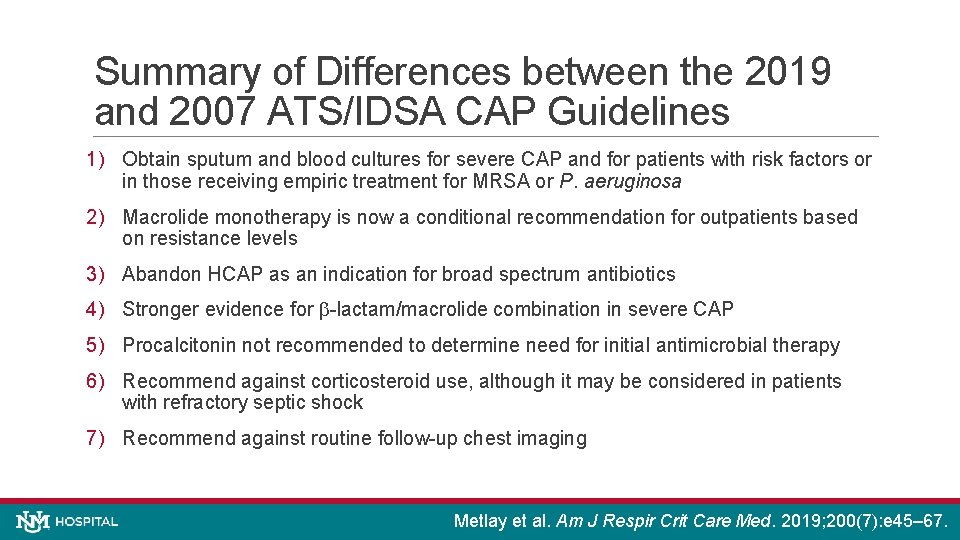
Summary of Differences between the 2019 and 2007 ATS/IDSA CAP Guidelines 1) Obtain sputum and blood cultures for severe CAP and for patients with risk factors or in those receiving empiric treatment for MRSA or P. aeruginosa 2) Macrolide monotherapy is now a conditional recommendation for outpatients based on resistance levels 3) Abandon HCAP as an indication for broad spectrum antibiotics 4) Stronger evidence for -lactam/macrolide combination in severe CAP 5) Procalcitonin not recommended to determine need for initial antimicrobial therapy 6) Recommend against corticosteroid use, although it may be considered in patients with refractory septic shock 7) Recommend against routine follow-up chest imaging Metlay et al. Am J Respir Crit Care Med. 2019; 200(7): e 45– 67.
2019 IDSA Asymptomatic Bacteriuria Guidelines
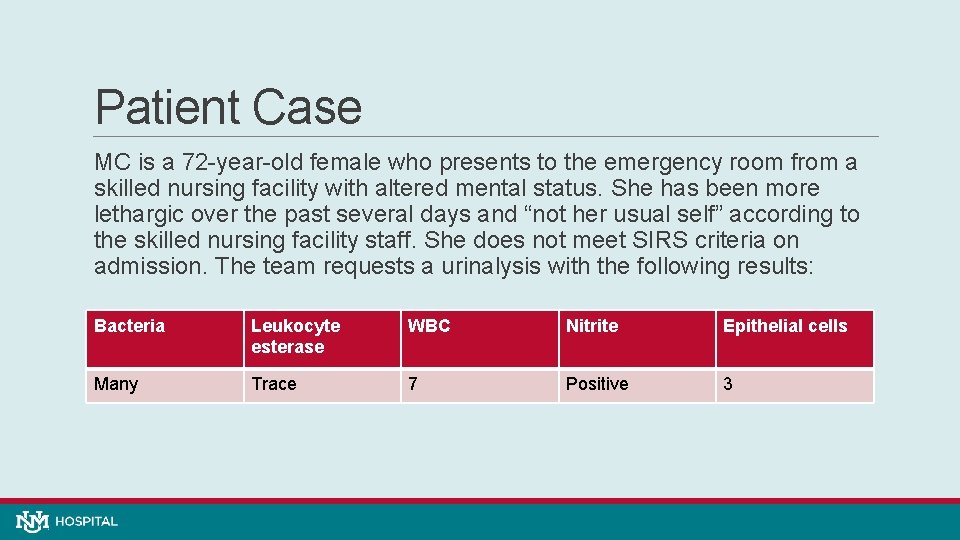
Patient Case MC is a 72 -year-old female who presents to the emergency room from a skilled nursing facility with altered mental status. She has been more lethargic over the past several days and “not her usual self” according to the skilled nursing facility staff. She does not meet SIRS criteria on admission. The team requests a urinalysis with the following results: Bacteria Leukocyte esterase WBC Nitrite Epithelial cells Many Trace 7 Positive 3
Patient Case MC is too altered to report if she is having any urinary symptoms. The team orders antibiotics for empiric treatment of a UTI. How do you proceed?
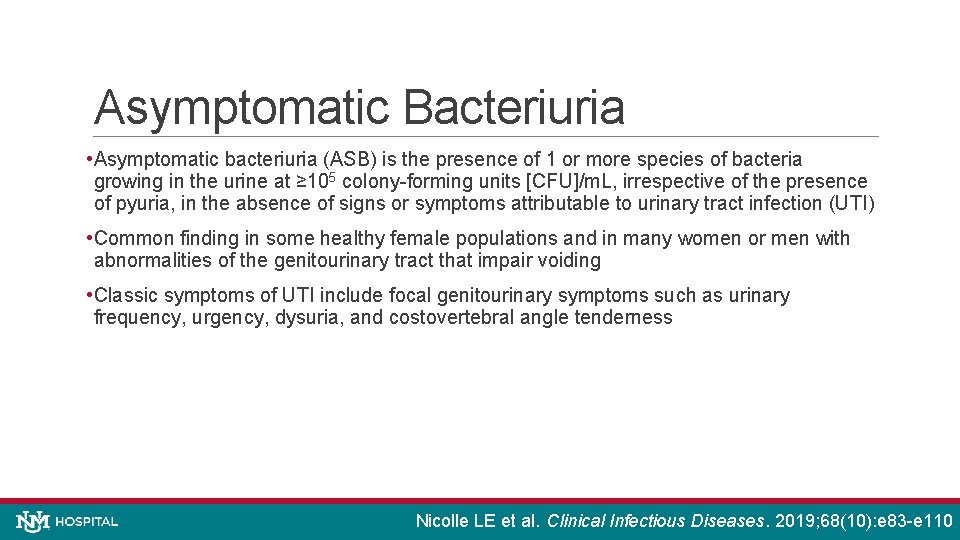
Asymptomatic Bacteriuria • Asymptomatic bacteriuria (ASB) is the presence of 1 or more species of bacteria growing in the urine at ≥ 105 colony-forming units [CFU]/m. L, irrespective of the presence of pyuria, in the absence of signs or symptoms attributable to urinary tract infection (UTI) • Common finding in some healthy female populations and in many women or men with abnormalities of the genitourinary tract that impair voiding • Classic symptoms of UTI include focal genitourinary symptoms such as urinary frequency, urgency, dysuria, and costovertebral angle tenderness Nicolle LE et al. Clinical Infectious Diseases. 2019; 68(10): e 83 -e 110
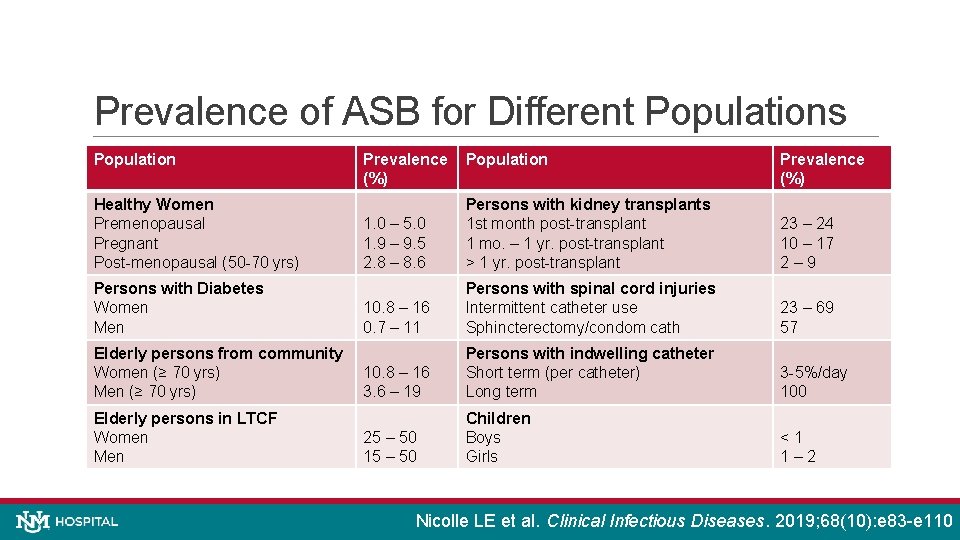
Prevalence of ASB for Different Populations Population Healthy Women Premenopausal Pregnant Post-menopausal (50 -70 yrs) Persons with Diabetes Women Men Elderly persons from community Women (≥ 70 yrs) Men (≥ 70 yrs) Elderly persons in LTCF Women Men Prevalence (%) Population Prevalence (%) 1. 0 – 5. 0 1. 9 – 9. 5 2. 8 – 8. 6 Persons with kidney transplants 1 st month post-transplant 1 mo. – 1 yr. post-transplant > 1 yr. post-transplant 23 – 24 10 – 17 2– 9 10. 8 – 16 0. 7 – 11 Persons with spinal cord injuries Intermittent catheter use Sphincterectomy/condom cath 23 – 69 57 10. 8 – 16 3. 6 – 19 Persons with indwelling catheter Short term (per catheter) Long term 3 -5%/day 100 25 – 50 15 – 50 Children Boys Girls <1 1– 2 Nicolle LE et al. Clinical Infectious Diseases. 2019; 68(10): e 83 -e 110
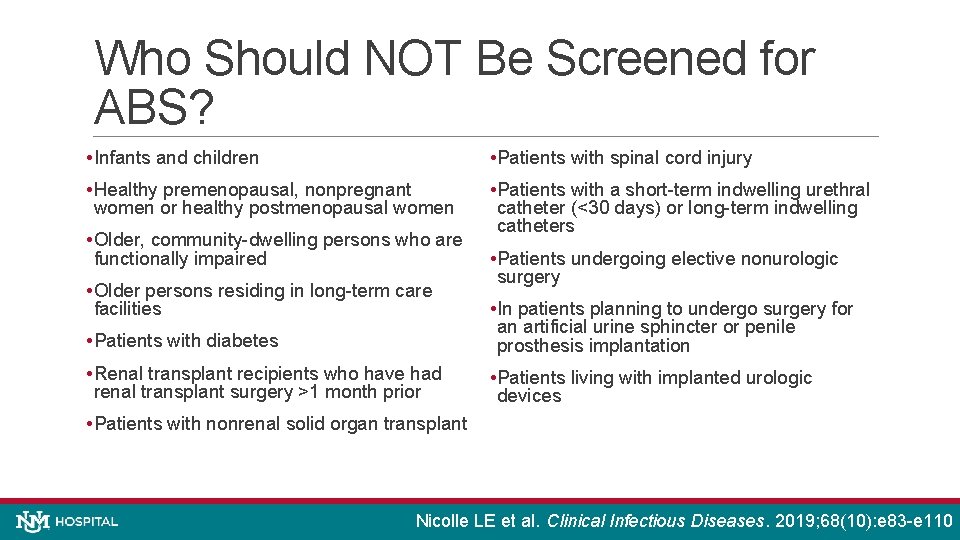
Who Should NOT Be Screened for ABS? • Infants and children • Patients with spinal cord injury • Healthy premenopausal, nonpregnant women or healthy postmenopausal women • Patients with a short-term indwelling urethral catheter (<30 days) or long-term indwelling catheters • Older, community-dwelling persons who are functionally impaired • Older persons residing in long-term care facilities • Patients undergoing elective nonurologic surgery • Patients with diabetes • In patients planning to undergo surgery for an artificial urine sphincter or penile prosthesis implantation • Renal transplant recipients who have had renal transplant surgery >1 month prior • Patients living with implanted urologic devices • Patients with nonrenal solid organ transplant Nicolle LE et al. Clinical Infectious Diseases. 2019; 68(10): e 83 -e 110
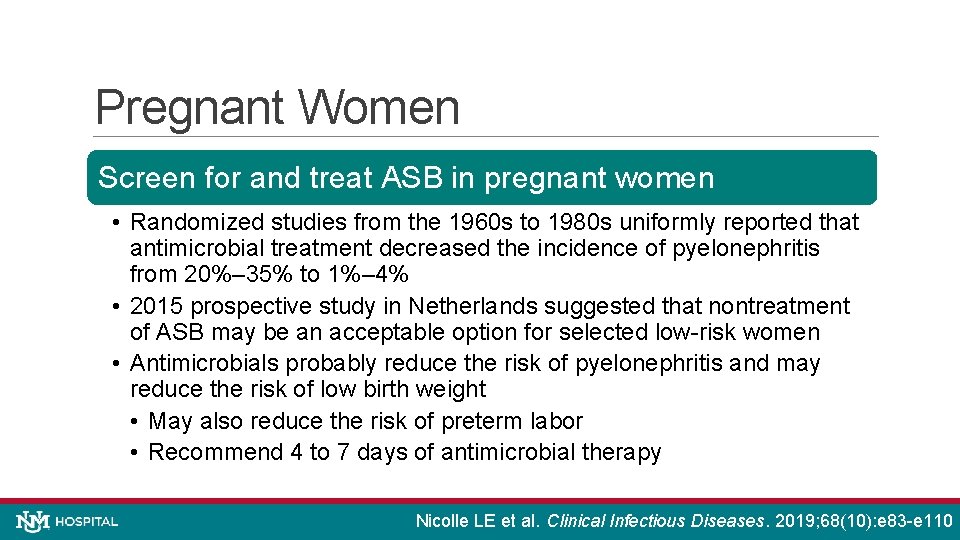
Pregnant Women Screen for and treat ASB in pregnant women • Randomized studies from the 1960 s to 1980 s uniformly reported that antimicrobial treatment decreased the incidence of pyelonephritis from 20%– 35% to 1%– 4% • 2015 prospective study in Netherlands suggested that nontreatment of ASB may be an acceptable option for selected low-risk women • Antimicrobials probably reduce the risk of pyelonephritis and may reduce the risk of low birth weight • May also reduce the risk of preterm labor • Recommend 4 to 7 days of antimicrobial therapy Nicolle LE et al. Clinical Infectious Diseases. 2019; 68(10): e 83 -e 110
Older, Functionally or Cognitively Impaired Patients Careful observation rather than antimicrobial therapy in patients: • With delirium (acute mental status change, confusion) and without local genitourinary symptoms or other systemic signs of infection • Who experience a fall • Treatment of ASB in patients with delirium has not been shown to have any beneficial impact in clinical outcomes compared to no treatment, including reducing severity or duration of delirium and reducing risk of sepsis, death, or hospitalizations Nicolle LE et al. Clinical Infectious Diseases. 2019; 68(10): e 83 -e 110
Patients With Neutropenia No recommendation for or against screening for or treatment of ASB • High-risk neutropenia (absolute neutrophil count <100 cells/mm 3, ≥ 7 days’ duration following chemotherapy) • Current management for patients with high-risk neutropenia typically includes prophylactic antimicrobial therapy • Recent retrospective review of patients admitted to hospital with febrile neutropenia occurring within 4 weeks of chemotherapy reported that only 2. 8% had UTI (2. 9% of those with ANC ≤ 100 cells/mm 3 ), and only 1 of 109 patients had bacteremia from a urinary source Nicolle LE et al. Clinical Infectious Diseases. 2019; 68(10): e 83 -e 110
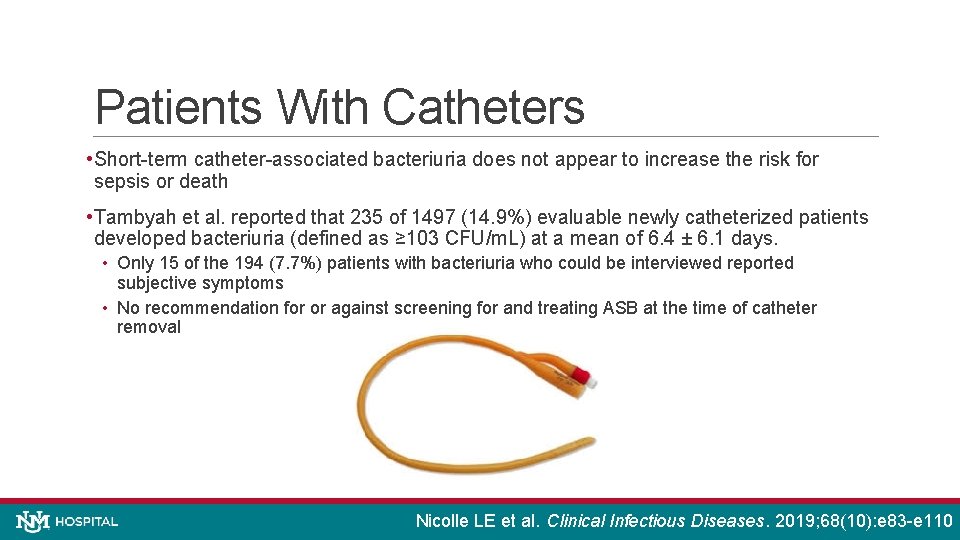
Patients With Catheters • Short-term catheter-associated bacteriuria does not appear to increase the risk for sepsis or death • Tambyah et al. reported that 235 of 1497 (14. 9%) evaluable newly catheterized patients developed bacteriuria (defined as ≥ 103 CFU/m. L) at a mean of 6. 4 ± 6. 1 days. • Only 15 of the 194 (7. 7%) patients with bacteriuria who could be interviewed reported subjective symptoms • No recommendation for or against screening for and treating ASB at the time of catheter removal Nicolle LE et al. Clinical Infectious Diseases. 2019; 68(10): e 83 -e 110
Patients Undergoing Endourological Procedures Screen for and treat ASB prior to surgery in patients who will undergo endoscopic urologic procedures associated with mucosal trauma • High risk of sepsis for patients undergoing invasive endourologic procedures in the presence of bacteriuria • Perioperative antimicrobials probably reduce the risk of sepsis by approximately 6% and of UTIs by approximately 9% • Obtain urine culture prior to procedure, target antimicrobial therapy, recommend 1 to 2 doses rather than prolonged therapy Nicolle LE et al. Clinical Infectious Diseases. 2019; 68(10): e 83 -e 110
Patient Case MC is too altered to report if she is having any urinary symptoms. The team orders antibiotics for empiric treatment of a UTI. How do you proceed?
Patient Case MC is too altered to report if she is having any urinary symptoms. The team orders antibiotics for empiric treatment of a UTI. How do you proceed? Have an informed discussion with the team. As patient does not have systemic signs of an infection, recommend careful observation rather than antimicrobial therapy.
Summary of 2019 IDSA ASB Guidelines • Just say NO to screening and treating ASB! Except for: • Pregnant women • Patients Undergoing Endourological Procedures • No recommendation given for neutropenic patients Nicolle LE et al. Clinical Infectious Diseases. 2019; 68(10): e 83 -e 110
Questions?