
Infectious diseases 5 th Semester Classes on Infectious
- Slides: 32
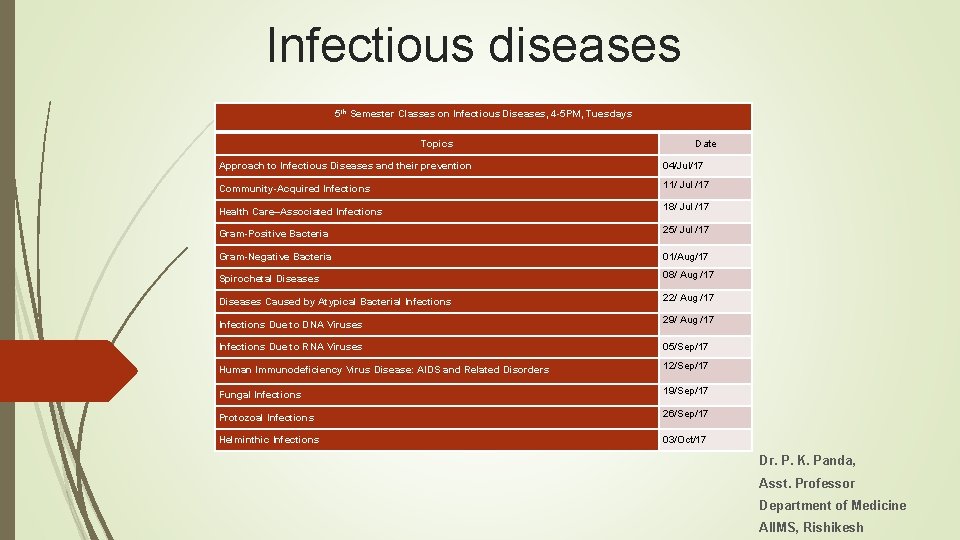
Infectious diseases 5 th Semester Classes on Infectious Diseases, 4 -5 PM, Tuesdays Topics Date Approach to Infectious Diseases and their prevention 04/Jul/17 Community-Acquired Infections 11/ Jul /17 Health Care–Associated Infections 18/ Jul /17 Gram-Positive Bacteria 25/ Jul /17 Gram-Negative Bacteria 01/Aug/17 Spirochetal Diseases 08/ Aug /17 Diseases Caused by Atypical Bacterial Infections 22/ Aug /17 Infections Due to DNA Viruses 29/ Aug /17 Infections Due to RNA Viruses 05/Sep/17 Human Immunodeficiency Virus Disease: AIDS and Related Disorders 12/Sep/17 Fungal Infections 19/Sep/17 Protozoal Infections 26/Sep/17 Helminthic Infections 03/Oct/17 Dr. P. K. Panda, Asst. Professor Department of Medicine AIIMS, Rishikesh
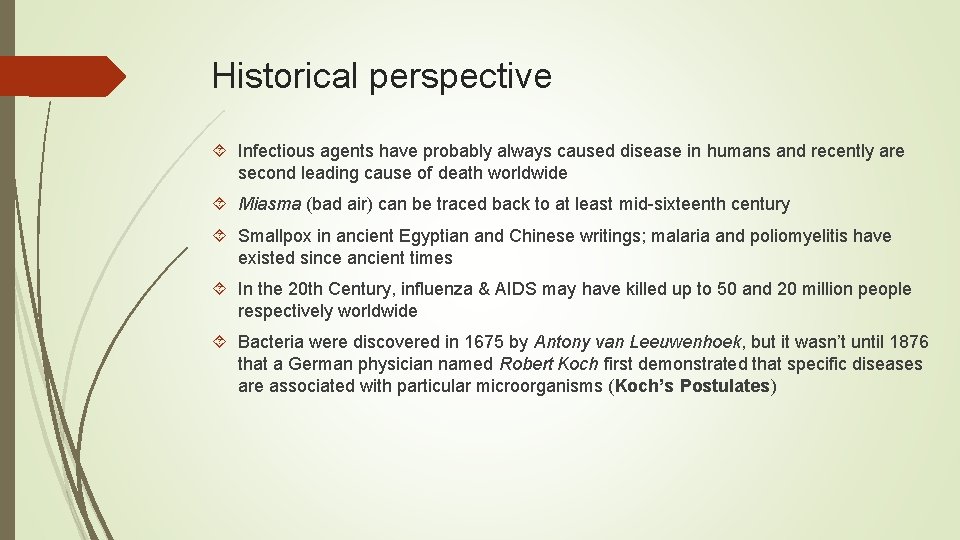
Historical perspective Infectious agents have probably always caused disease in humans and recently are second leading cause of death worldwide Miasma (bad air) can be traced back to at least mid-sixteenth century Smallpox in ancient Egyptian and Chinese writings; malaria and poliomyelitis have existed since ancient times In the 20 th Century, influenza & AIDS may have killed up to 50 and 20 million people respectively worldwide Bacteria were discovered in 1675 by Antony van Leeuwenhoek, but it wasn’t until 1876 that a German physician named Robert Koch first demonstrated that specific diseases are associated with particular microorganisms (Koch’s Postulates)
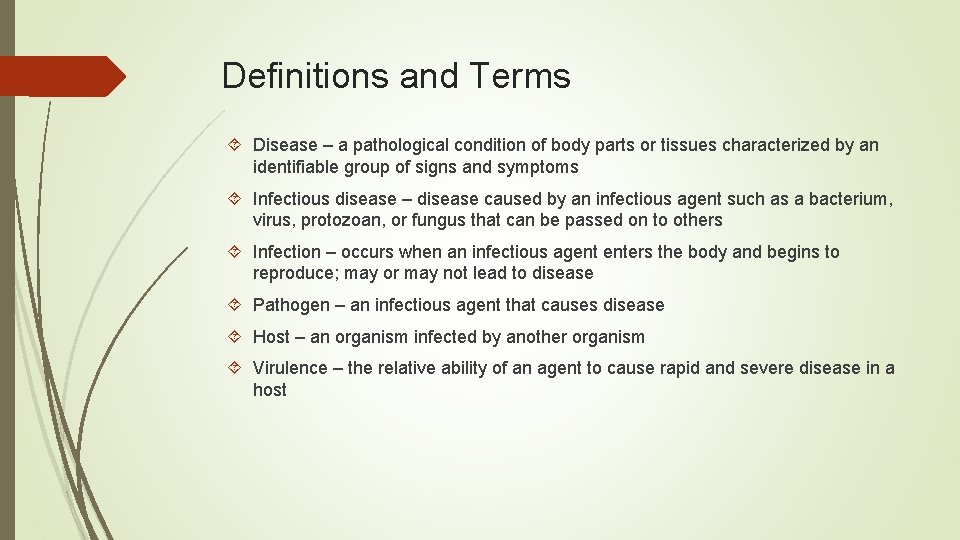
Definitions and Terms Disease – a pathological condition of body parts or tissues characterized by an identifiable group of signs and symptoms Infectious disease – disease caused by an infectious agent such as a bacterium, virus, protozoan, or fungus that can be passed on to others Infection – occurs when an infectious agent enters the body and begins to reproduce; may or may not lead to disease Pathogen – an infectious agent that causes disease Host – an organism infected by another organism Virulence – the relative ability of an agent to cause rapid and severe disease in a host
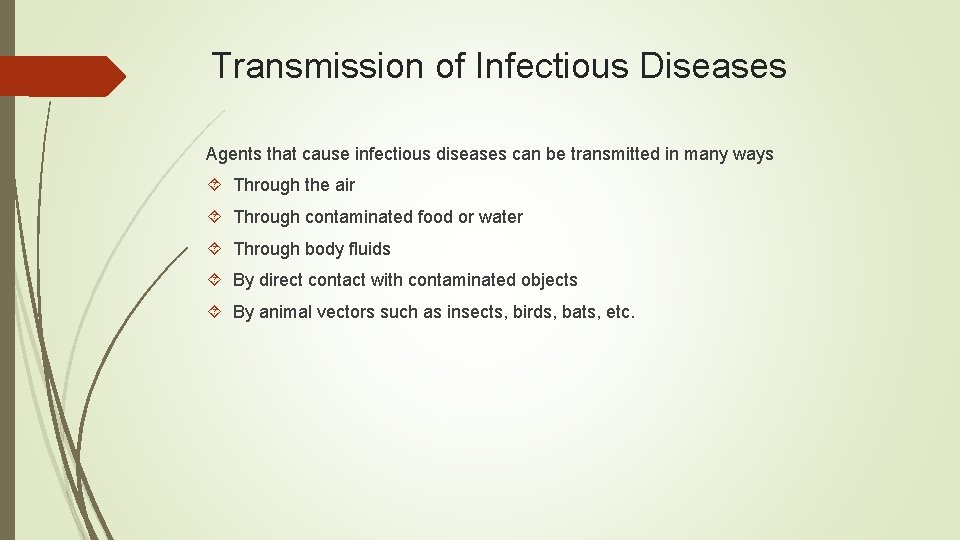
Transmission of Infectious Diseases Agents that cause infectious diseases can be transmitted in many ways Through the air Through contaminated food or water Through body fluids By direct contact with contaminated objects By animal vectors such as insects, birds, bats, etc.
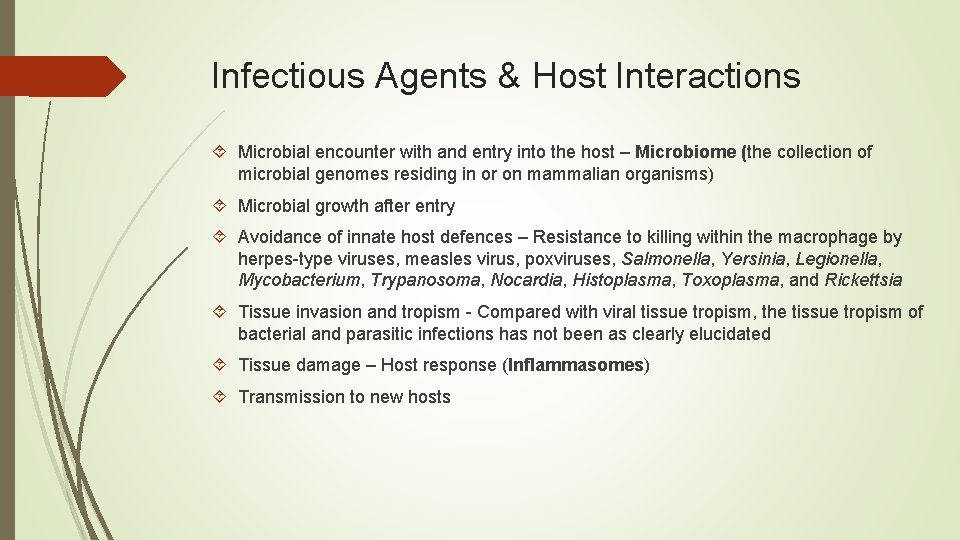
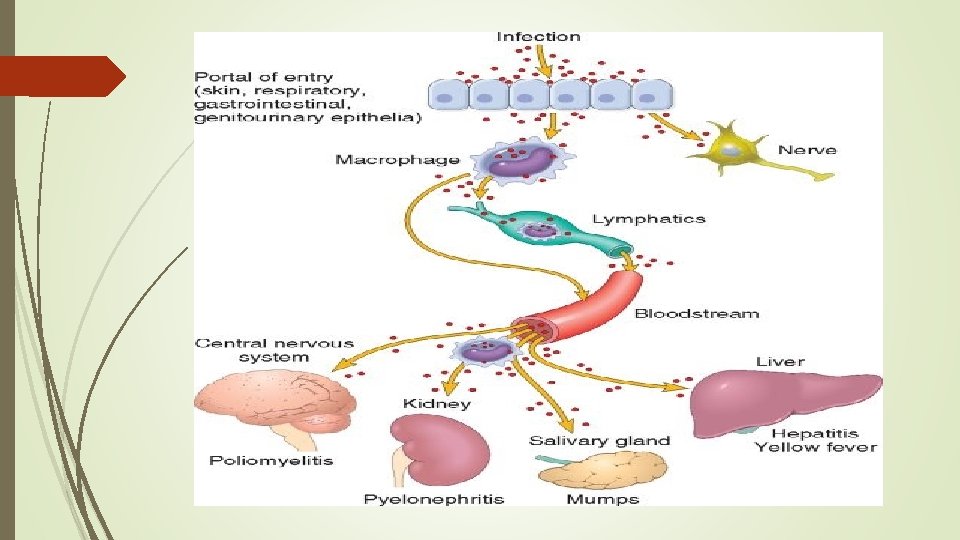
Infectious Agents & Host Interactions Microbial encounter with and entry into the host – Microbiome (the collection of microbial genomes residing in or on mammalian organisms) Microbial growth after entry Avoidance of innate host defences – Resistance to killing within the macrophage by herpes-type viruses, measles virus, poxviruses, Salmonella, Yersinia, Legionella, Mycobacterium, Trypanosoma, Nocardia, Histoplasma, Toxoplasma, and Rickettsia Tissue invasion and tropism - Compared with viral tissue tropism, the tissue tropism of bacterial and parasitic infections has not been as clearly elucidated Tissue damage – Host response (Inflammasomes) Transmission to new hosts
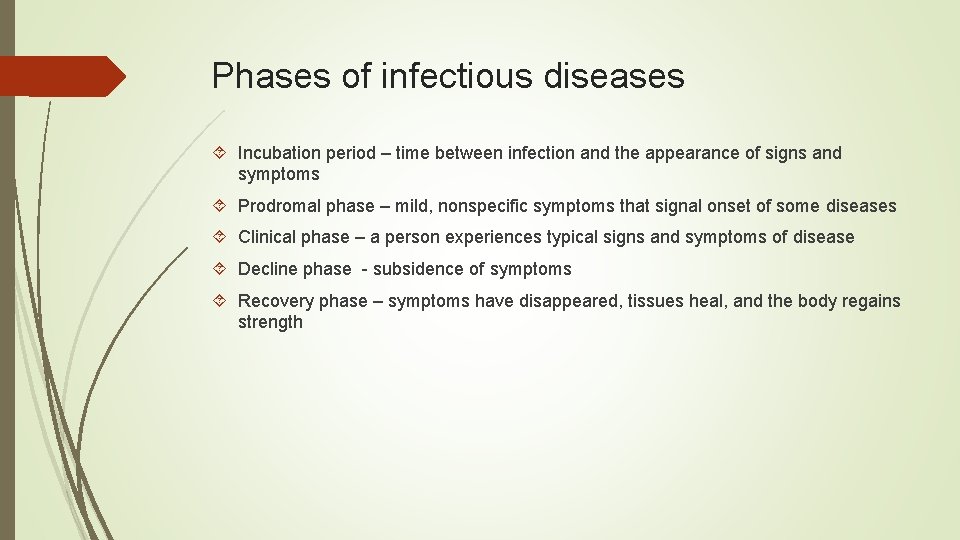
Phases of infectious diseases Incubation period – time between infection and the appearance of signs and symptoms Prodromal phase – mild, nonspecific symptoms that signal onset of some diseases Clinical phase – a person experiences typical signs and symptoms of disease Decline phase - subsidence of symptoms Recovery phase – symptoms have disappeared, tissues heal, and the body regains strength
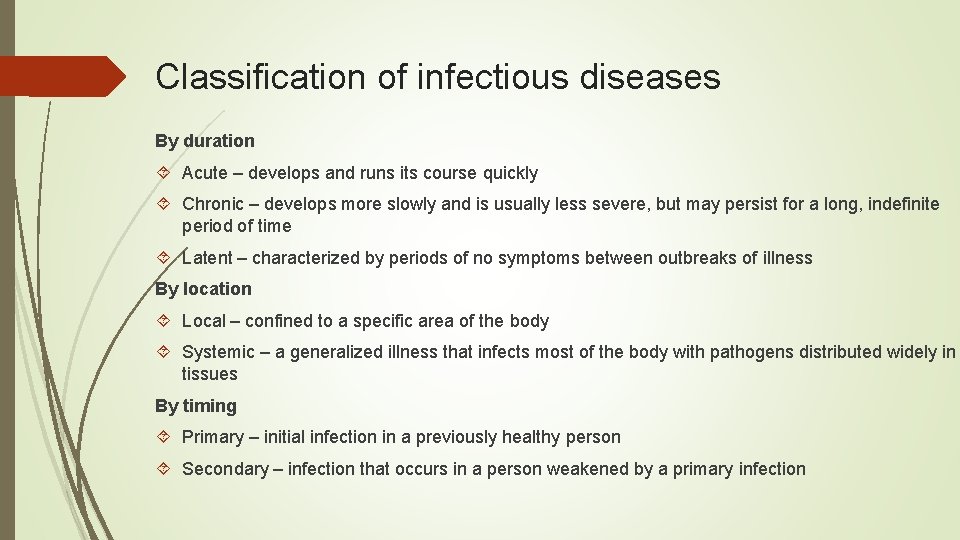
Classification of infectious diseases By duration Acute – develops and runs its course quickly Chronic – develops more slowly and is usually less severe, but may persist for a long, indefinite period of time Latent – characterized by periods of no symptoms between outbreaks of illness By location Local – confined to a specific area of the body Systemic – a generalized illness that infects most of the body with pathogens distributed widely in tissues By timing Primary – initial infection in a previously healthy person Secondary – infection that occurs in a person weakened by a primary infection
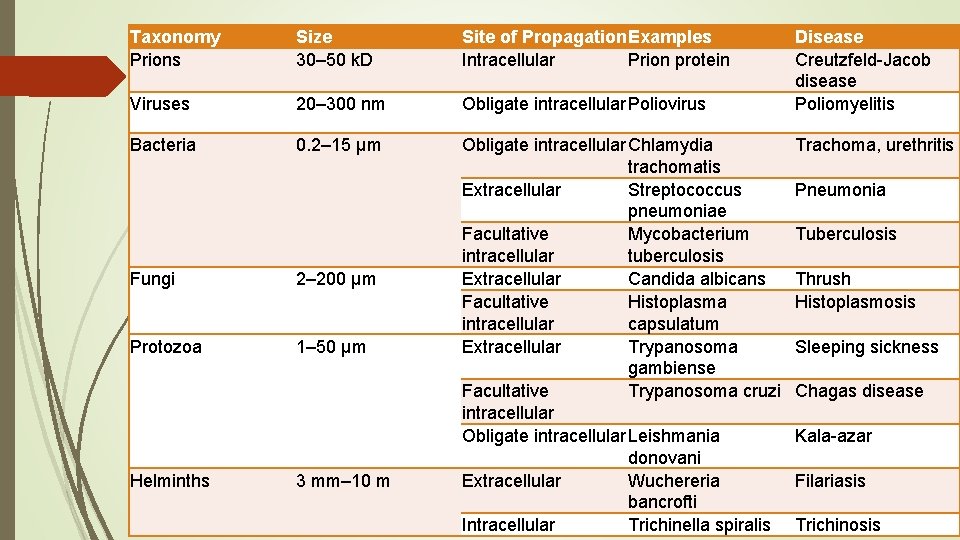
Taxonomy Prions Size 30– 50 k. D Site of Propagation. Examples Intracellular Prion protein Viruses 20– 300 nm Obligate intracellular Poliovirus Bacteria 0. 2– 15 μm Obligate intracellular Chlamydia trachomatis Extracellular Streptococcus pneumoniae Facultative Mycobacterium intracellular tuberculosis Extracellular Candida albicans Facultative Histoplasma intracellular capsulatum Extracellular Trypanosoma gambiense Facultative Trypanosoma cruzi intracellular Obligate intracellular Leishmania donovani Extracellular Wuchereria bancrofti Intracellular Trichinella spiralis Fungi 2– 200 μm Protozoa 1– 50 μm Helminths 3 mm– 10 m Disease Creutzfeld-Jacob disease Poliomyelitis Trachoma, urethritis Pneumonia Tuberculosis Thrush Histoplasmosis Sleeping sickness Chagas disease Kala-azar Filariasis Trichinosis
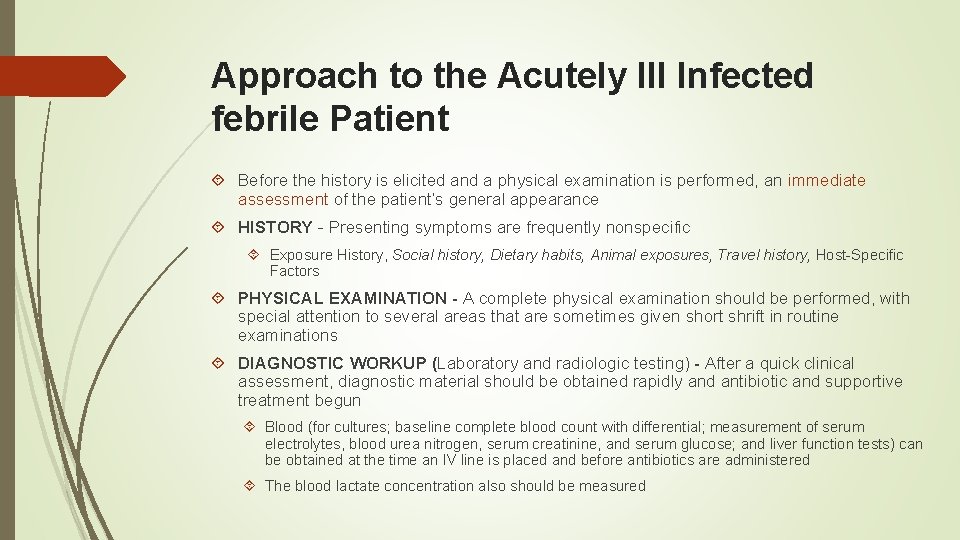
Approach to the Acutely Ill Infected febrile Patient Before the history is elicited and a physical examination is performed, an immediate assessment of the patient’s general appearance HISTORY - Presenting symptoms are frequently nonspecific Exposure History, Social history, Dietary habits, Animal exposures, Travel history, Host-Specific Factors PHYSICAL EXAMINATION - A complete physical examination should be performed, with special attention to several areas that are sometimes given short shrift in routine examinations DIAGNOSTIC WORKUP (Laboratory and radiologic testing) - After a quick clinical assessment, diagnostic material should be obtained rapidly and antibiotic and supportive treatment begun Blood (for cultures; baseline complete blood count with differential; measurement of serum electrolytes, blood urea nitrogen, serum creatinine, and serum glucose; and liver function tests) can be obtained at the time an IV line is placed and before antibiotics are administered The blood lactate concentration also should be measured
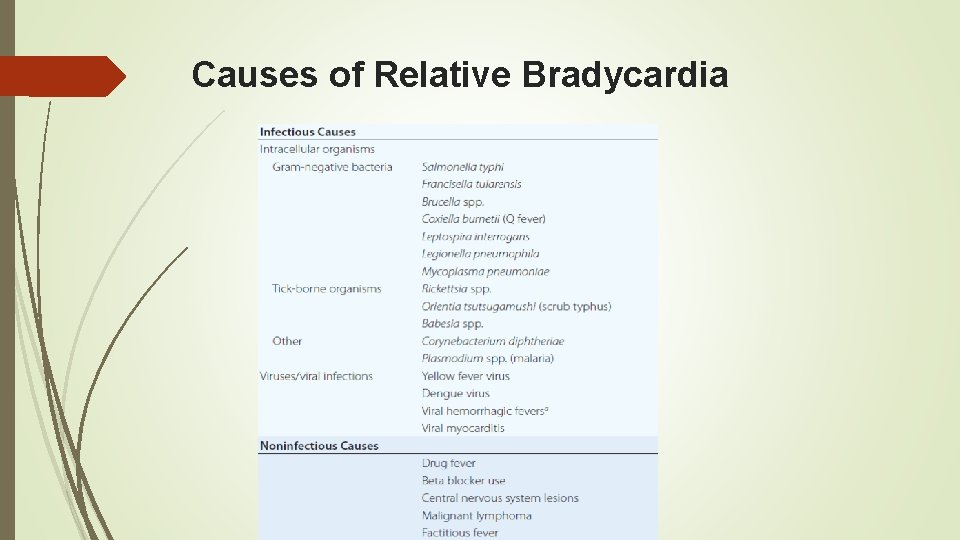
Causes of Relative Bradycardia
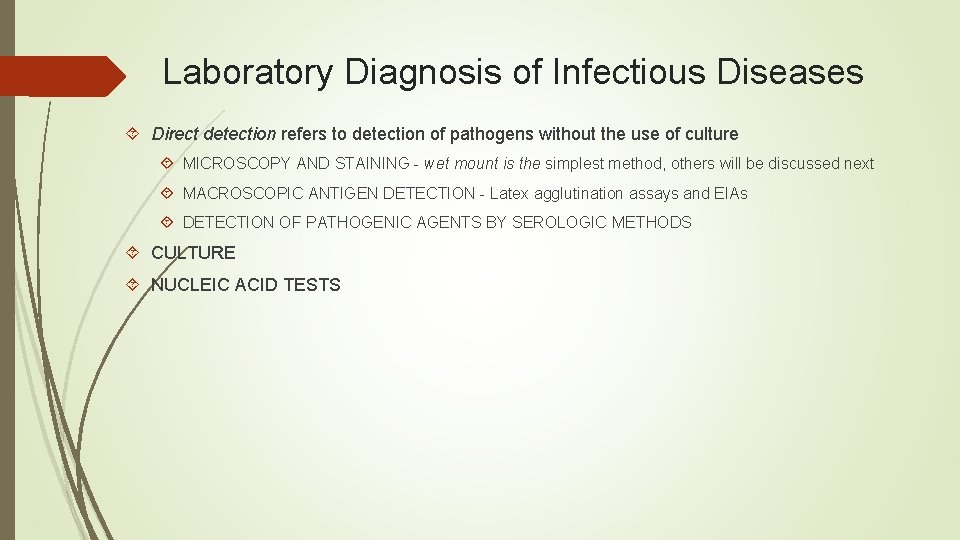
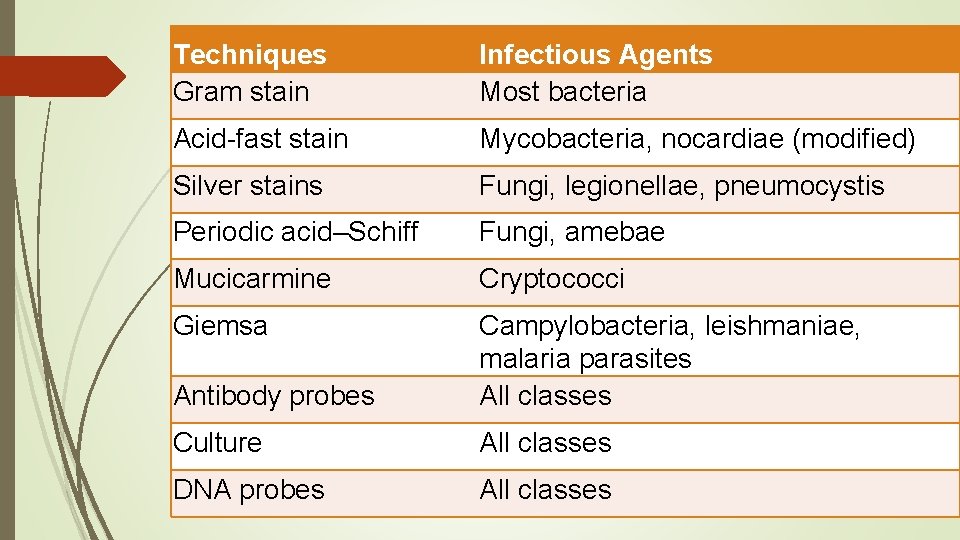
Laboratory Diagnosis of Infectious Diseases Direct detection refers to detection of pathogens without the use of culture MICROSCOPY AND STAINING - wet mount is the simplest method, others will be discussed next MACROSCOPIC ANTIGEN DETECTION - Latex agglutination assays and EIAs DETECTION OF PATHOGENIC AGENTS BY SEROLOGIC METHODS CULTURE NUCLEIC ACID TESTS
Techniques Gram stain Infectious Agents Most bacteria Acid-fast stain Mycobacteria, nocardiae (modified) Silver stains Fungi, legionellae, pneumocystis Periodic acid–Schiff Fungi, amebae Mucicarmine Cryptococci Giemsa Antibody probes Campylobacteria, leishmaniae, malaria parasites All classes Culture All classes DNA probes All classes
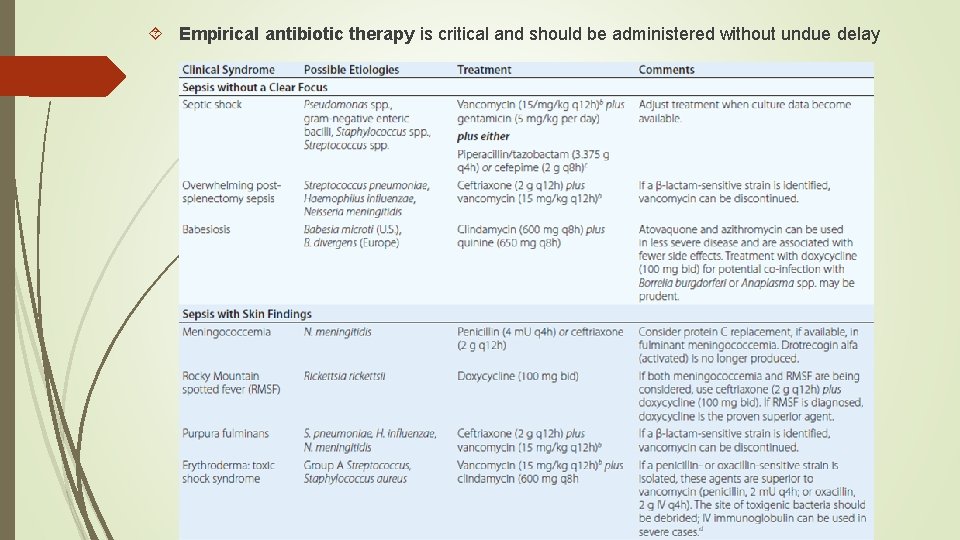
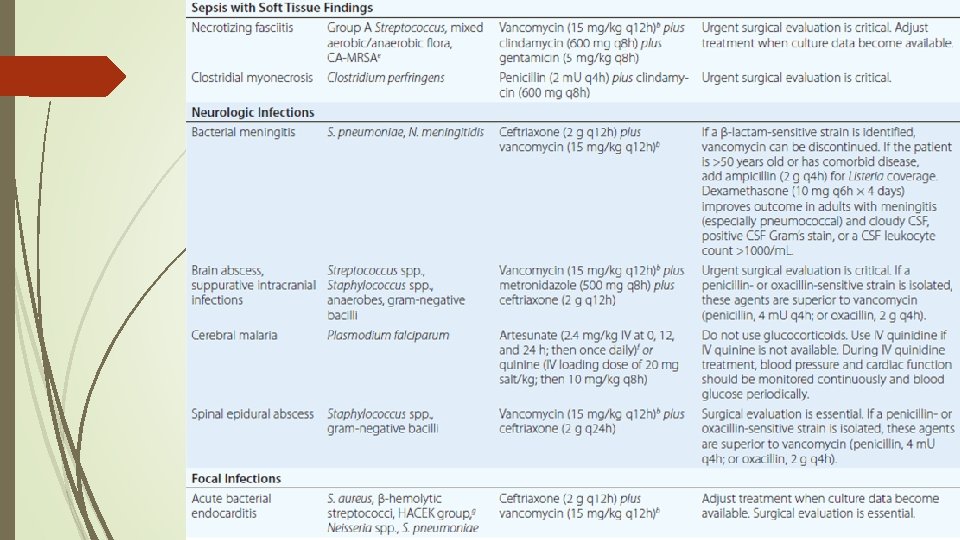
Empirical antibiotic therapy is critical and should be administered without undue delay
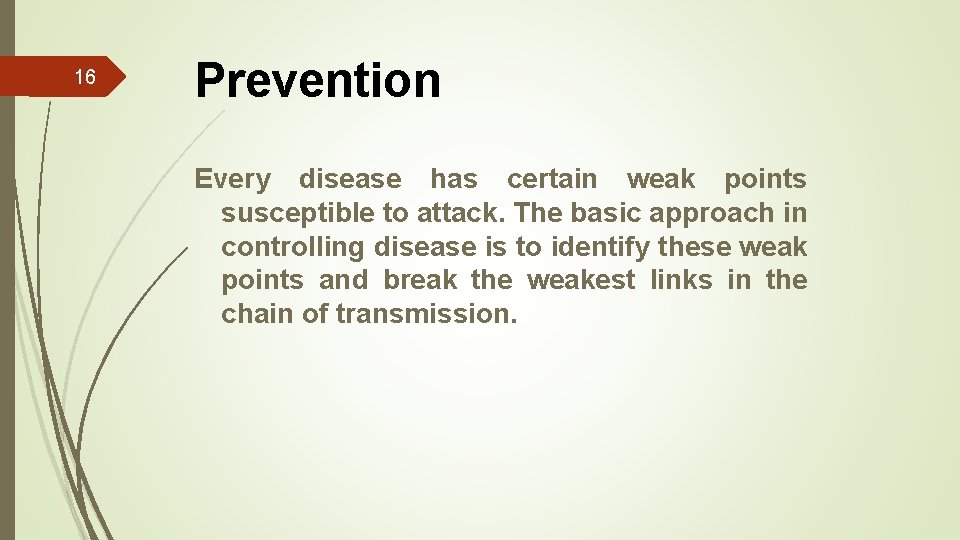
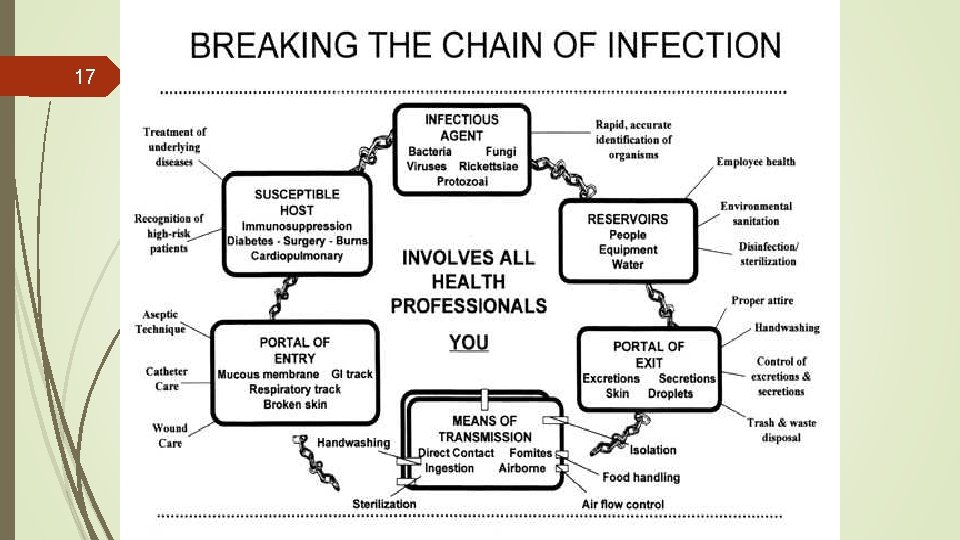
16 Prevention Every disease has certain weak points susceptible to attack. The basic approach in controlling disease is to identify these weak points and break the weakest links in the chain of transmission.
17 D-r Mitova
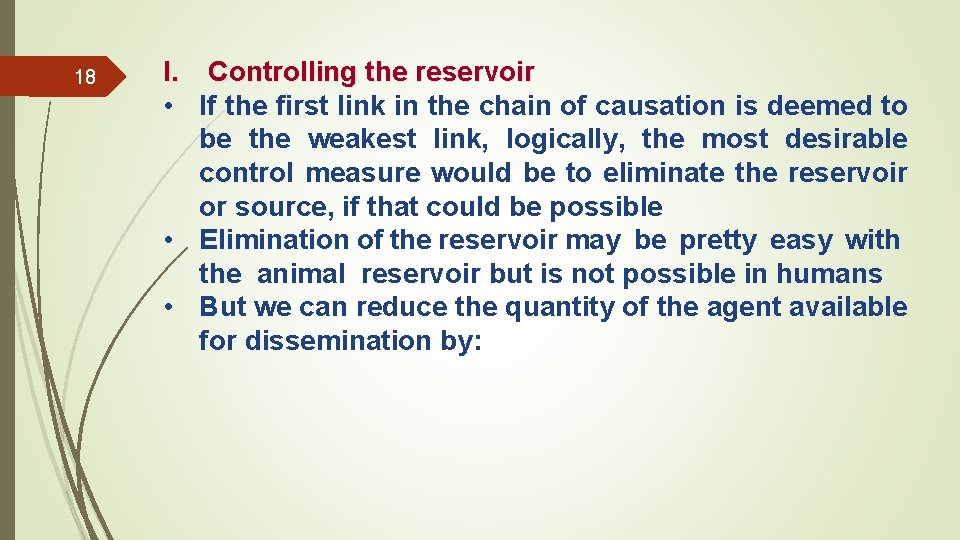
18 I. Controlling the reservoir • If the first link in the chain of causation is deemed to be the weakest link, logically, the most desirable control measure would be to eliminate the reservoir or source, if that could be possible • Elimination of the reservoir may be pretty easy with the animal reservoir but is not possible in humans • But we can reduce the quantity of the agent available for dissemination by:
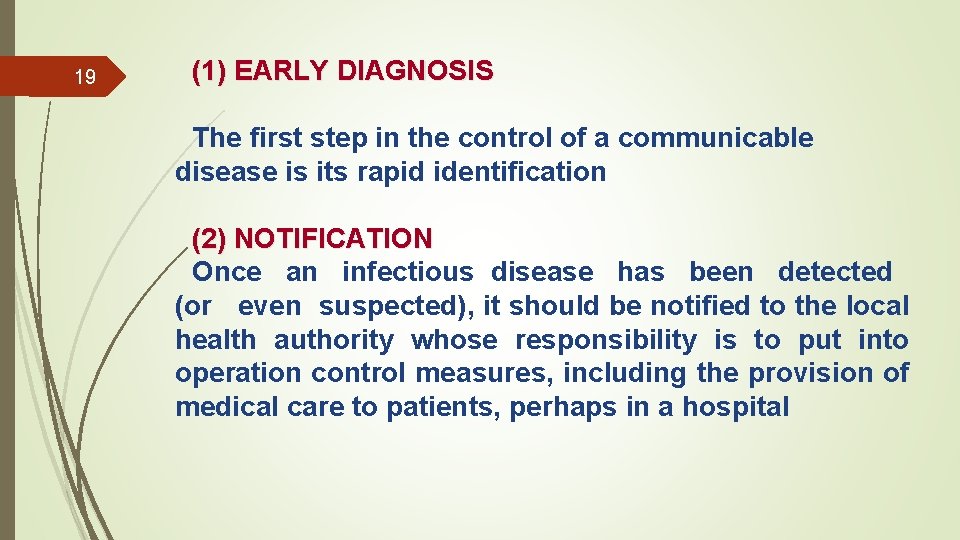
19 (1) EARLY DIAGNOSIS The first step in the control of a communicable disease is its rapid identification (2) NOTIFICATION Once an infectious disease has been detected (or even suspected), it should be notified to the local health authority whose responsibility is to put into operation control measures, including the provision of medical care to patients, perhaps in a hospital
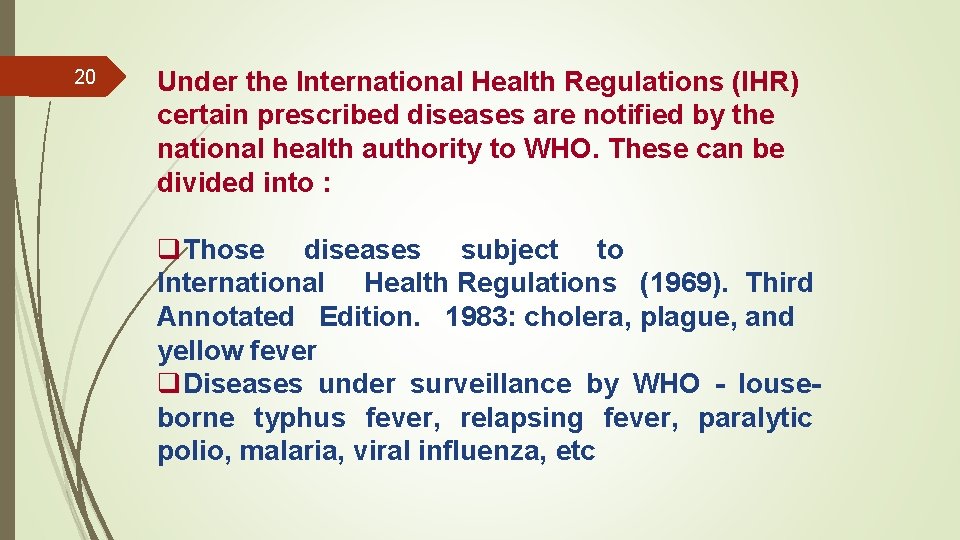
20 Under the International Health Regulations (IHR) certain prescribed diseases are notified by the national health authority to WHO. These can be divided into : q. Those diseases subject to International Health Regulations (1969). Third Annotated Edition. 1983: cholera, plague, and yellow fever q. Diseases under surveillance by WHO - louseborne typhus fever, relapsing fever, paralytic polio, malaria, viral influenza, etc
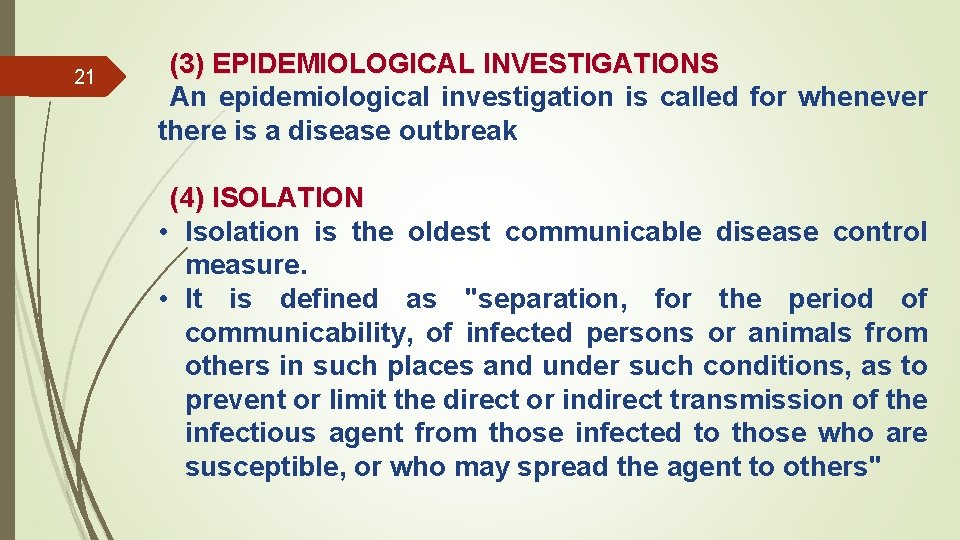
21 (3) EPIDEMIOLOGICAL INVESTIGATIONS An epidemiological investigation is called for whenever there is a disease outbreak (4) ISOLATION • Isolation is the oldest communicable disease control measure. • It is defined as "separation, for the period of communicability, of infected persons or animals from others in such places and under such conditions, as to prevent or limit the direct or indirect transmission of the infectious agent from those infected to those who are susceptible, or who may spread the agent to others"
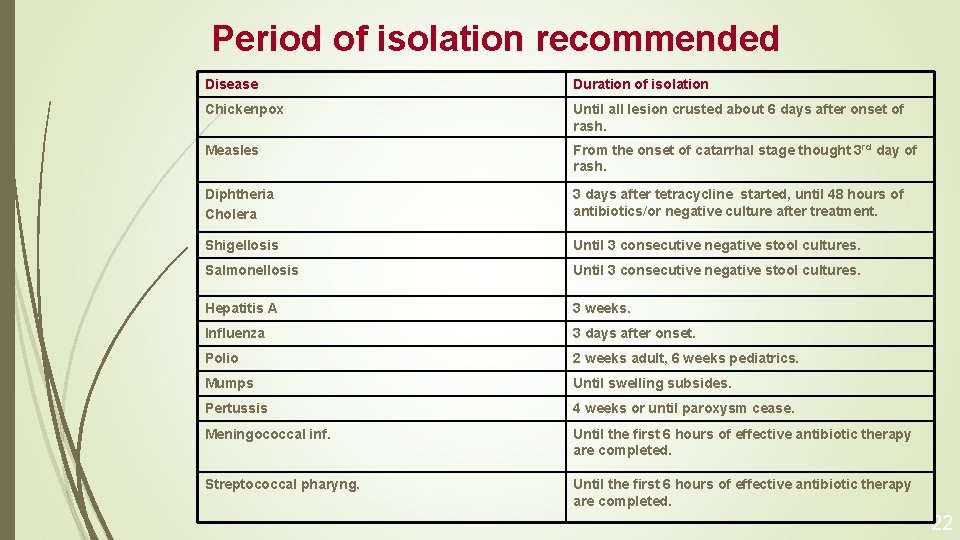
Period of isolation recommended Disease Duration of isolation Chickenpox Until all lesion crusted about 6 days after onset of rash. Measles From the onset of catarrhal stage thought 3 rd day of rash. Diphtheria Cholera 3 days after tetracycline started, until 48 hours of antibiotics/or negative culture after treatment. Shigellosis Until 3 consecutive negative stool cultures. Salmonellosis Until 3 consecutive negative stool cultures. Hepatitis A 3 weeks. Influenza 3 days after onset. Polio 2 weeks adult, 6 weeks pediatrics. Mumps Until swelling subsides. Pertussis 4 weeks or until paroxysm cease. Meningococcal inf. Until the first 6 hours of effective antibiotic therapy are completed. Streptococcal pharyng. Until the first 6 hours of effective antibiotic therapy are completed. 22
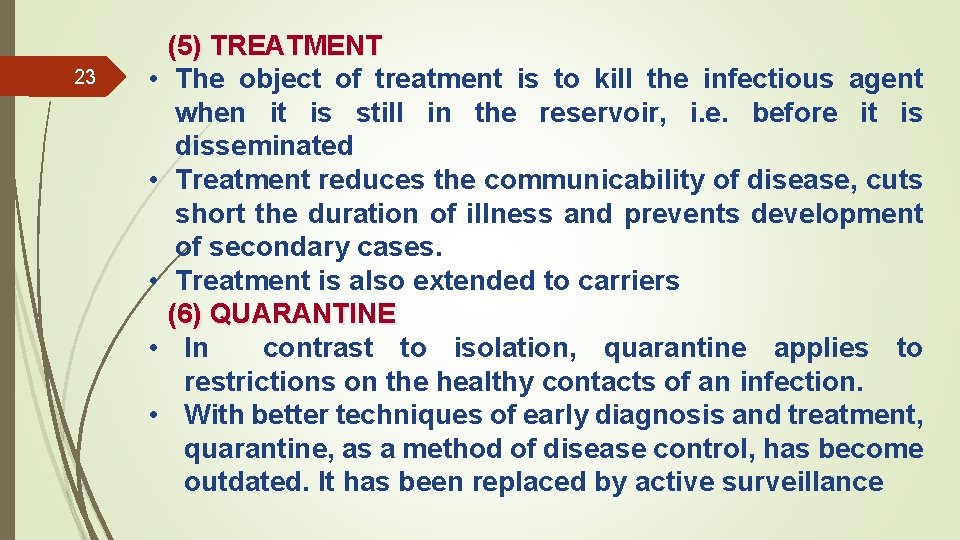
23 • • • (5) TREATMENT The object of treatment is to kill the infectious agent when it is still in the reservoir, i. e. before it is disseminated Treatment reduces the communicability of disease, cuts short the duration of illness and prevents development of secondary cases. Treatment is also extended to carriers (6) QUARANTINE In contrast to isolation, quarantine applies to restrictions on the healthy contacts of an infection. With better techniques of early diagnosis and treatment, quarantine, as a method of disease control, has become outdated. It has been replaced by active surveillance
24 II. Interruption of transmission A major aspect of communicable disease control relates to “breaking” the chain of transmission. This may mean changing some components of man’s environment to prevent the infective agent from a patient or carrier from entering the body of susceptible host
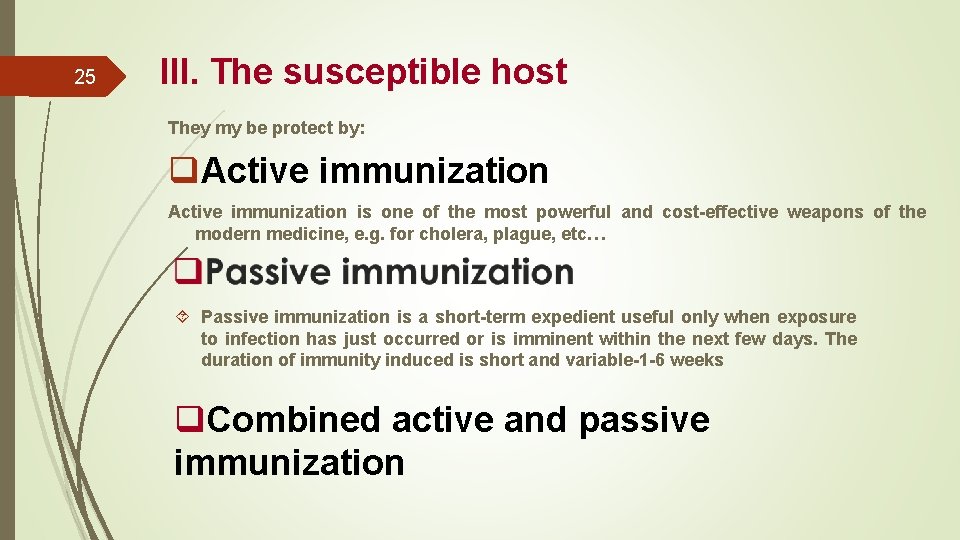
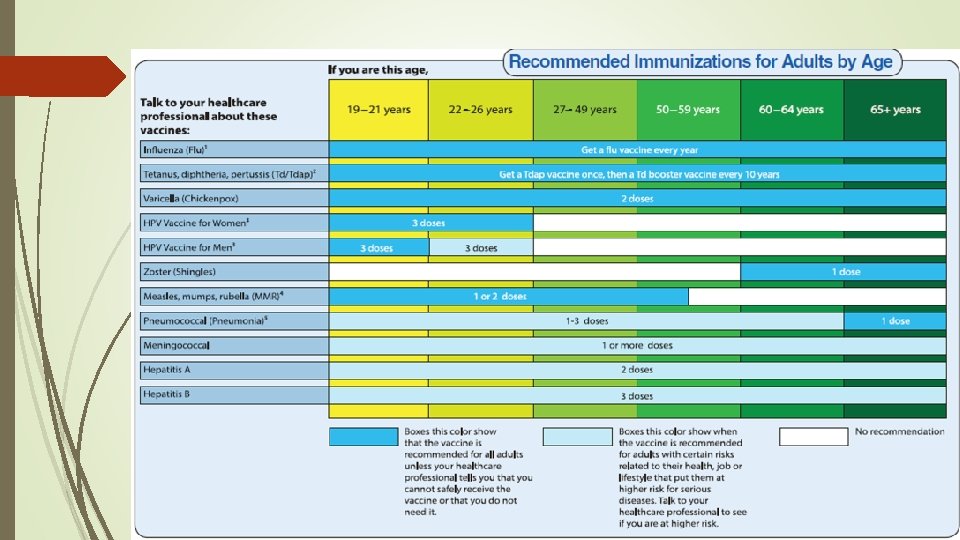
25 III. The susceptible host They my be protect by: q. Active immunization is one of the most powerful and cost-effective weapons of the modern medicine, e. g. for cholera, plague, etc… Passive immunization is a short-term expedient useful only when exposure to infection has just occurred or is imminent within the next few days. The duration of immunity induced is short and variable-1 -6 weeks q. Combined active and passive immunization
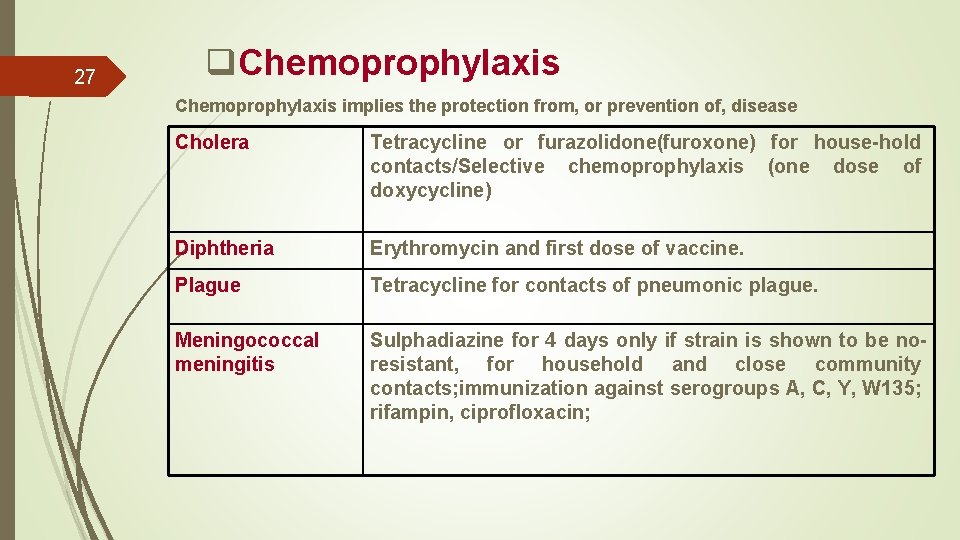
27 q. Chemoprophylaxis implies the protection from, or prevention of, disease Cholera Tetracycline or furazolidone(furoxone) for house-hold contacts/Selective chemoprophylaxis (one dose of doxycycline) Diphtheria Erythromycin and first dose of vaccine. Plague Tetracycline for contacts of pneumonic plague. Meningococcal meningitis Sulphadiazine for 4 days only if strain is shown to be noresistant, for household and close community contacts; immunization against serogroups A, C, Y, W 135; rifampin, ciprofloxacin;
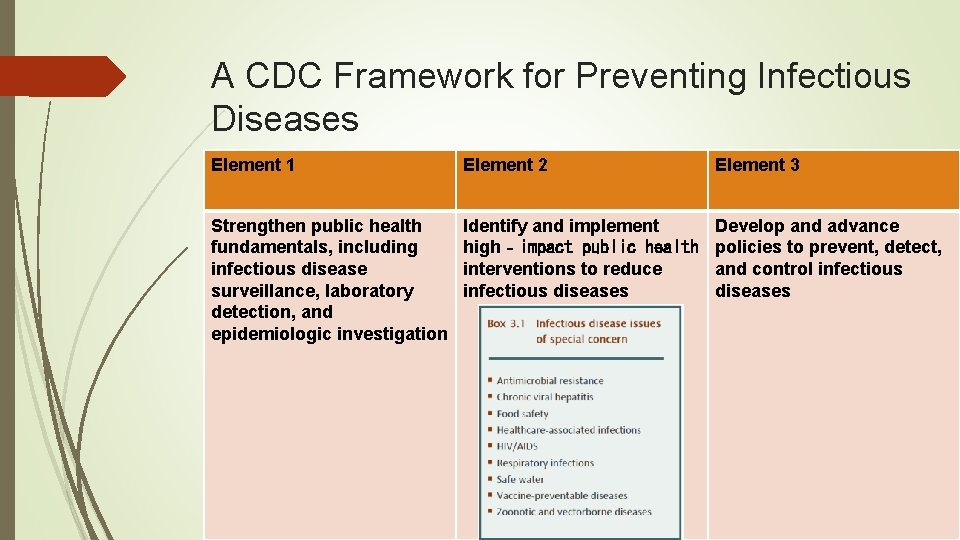
A CDC Framework for Preventing Infectious Diseases Element 1 Element 2 Element 3 Strengthen public health fundamentals, including infectious disease surveillance, laboratory detection, and epidemiologic investigation Identify and implement high‐impact public health interventions to reduce infectious diseases Develop and advance policies to prevent, detect, and control infectious diseases
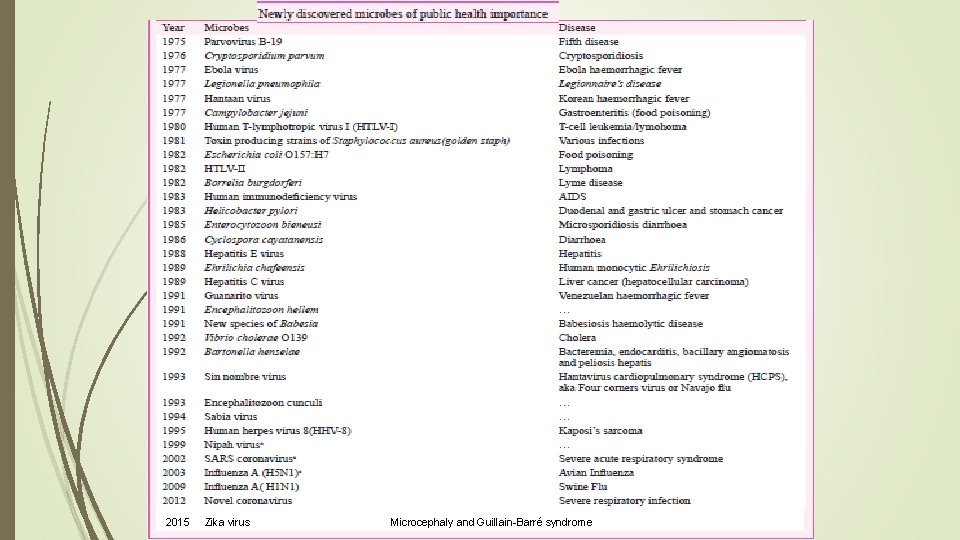
Emerging & Re-emerging of infectious diseases Human demographics and behaviour are among the many variables that contribute to the emergence of infectious diseases Microbial adaptation to widespread antibiotic use contributed to the emergence of drug resistance in many species, including Mycobacterium, gonorrhoeae, Staphylococcus, Salmonella, Enterococcus, and Malaria Some infectious agents are genuinely new to humans, e. g. , HIV, which causes AIDS, and B. burgdorferi, which causes Lyme disease Surprising number of new infectious agents continue to be discovered
2015 Zika virus Microcephaly and Guillain-Barré syndrome
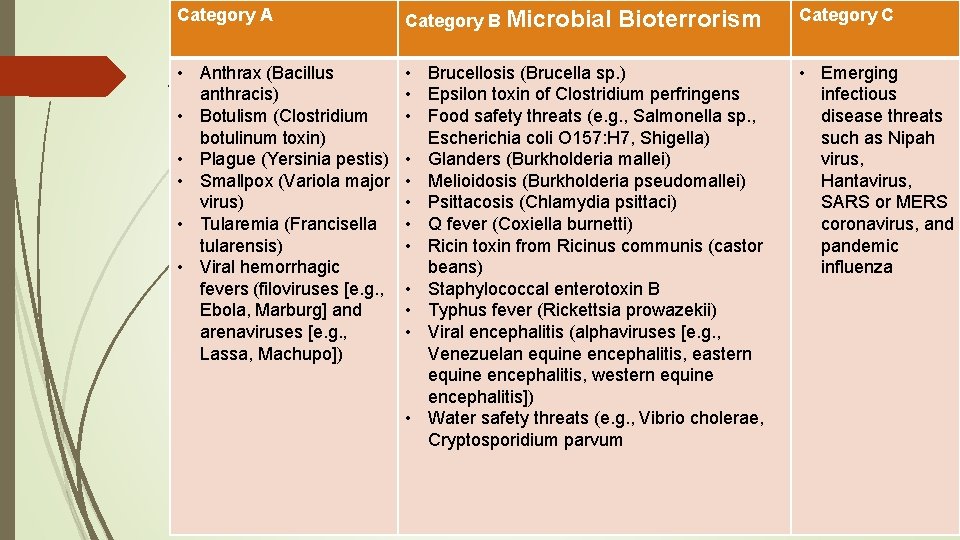
Category A Category B Microbial Bioterrorism • Anthrax (Bacillus • Brucellosis (Brucella sp. ) Agents Of Bioterrorism anthracis) • Epsilon toxin of Clostridium perfringens • Botulism (Clostridium botulinum toxin) • Plague (Yersinia pestis) • Smallpox (Variola major virus) • Tularemia (Francisella tularensis) • Viral hemorrhagic fevers (filoviruses [e. g. , Ebola, Marburg] and arenaviruses [e. g. , Lassa, Machupo]) • Food safety threats (e. g. , Salmonella sp. , Escherichia coli O 157: H 7, Shigella) • Glanders (Burkholderia mallei) • Melioidosis (Burkholderia pseudomallei) • Psittacosis (Chlamydia psittaci) • Q fever (Coxiella burnetti) • Ricin toxin from Ricinus communis (castor beans) • Staphylococcal enterotoxin B • Typhus fever (Rickettsia prowazekii) • Viral encephalitis (alphaviruses [e. g. , Venezuelan equine encephalitis, eastern equine encephalitis, western equine encephalitis]) • Water safety threats (e. g. , Vibrio cholerae, Cryptosporidium parvum Category C • Emerging infectious disease threats such as Nipah virus, Hantavirus, SARS or MERS coronavirus, and pandemic influenza
Thank you Next Class Community-Acquired Infections 11/ Jul /17