
INFECTION PREVENTION INCLUDING HIV STANDARD PRECAUTION BIO WASTE
INFECTION PREVENTION (INCLUDING HIV), STANDARD PRECAUTION, BIO WASTE MANAGEMENT. 1
INFECTION PREVENTION 2
Introduction: Infection is one of the leading causes of preventable death in of hospitals every year. The centre Disease Control and Prevention estimated that there approximately 2 million preventable infections in hospital every year, leading to 90, 000 unnecessary deaths. 3
Regardless of the work area, preventing the transmission of organism is concern of all nurses. One way in which nurse accomplishes this goal is by asepsis. A large number of micro-organism live and multiply on every surface. 4
Infection control addresses factors related to the spread of infections within the healthcare setting (whether patient-topatient, from patients to staff and from staff to patients, or among-staff), including prevention (via hand hygiene/hand washing, cleaning/disinfection/sterilization, vaccination, surveillance), monitoring/investigation of demonstrated or suspected spread of infection within a particular health-care setting (surveillance and outbreak investigation), and 5
management (interruption of outbreaks). 6

Definition of infection: The invasion of bodily tissue by pathogenic microorganisms that proliferate, resulting in tissue injury that can progress to disease. 7
(The invasion and multiplication of microorganisms such as bacteria, viruses, and parasites those are not normally present within the body. An infection may cause no symptoms and be subclinical, or it may cause symptoms and be clinically apparent. An infection may remain localized, or it may spread through the blood or lymphatic vessels to become systemic (body wide). Microorganisms that live naturally in the body are not considered infections. For example, bacteria that normally live within the mouth and intestine are not infections. ) 8

Infection prevention: Infection prevention refers to policies and procedures used to minimize the risk of spreading infections, especially in hospitals and human or animal health care facilities. 9
Infectious diseases: Infectious diseases kill more people worldwide than any other single cause. Infectious diseases are caused by germs. Germs are tiny living things that are found everywhere - in air, soil and water. Person can get infected by touching, eating, drinking or breathing something that contains a germ. 10
Germs can also spread through animal and insect bites, kissing and sexual contact. Vaccines, proper hand washing and medicines can help prevent infections. There are four main kinds of germs: 11
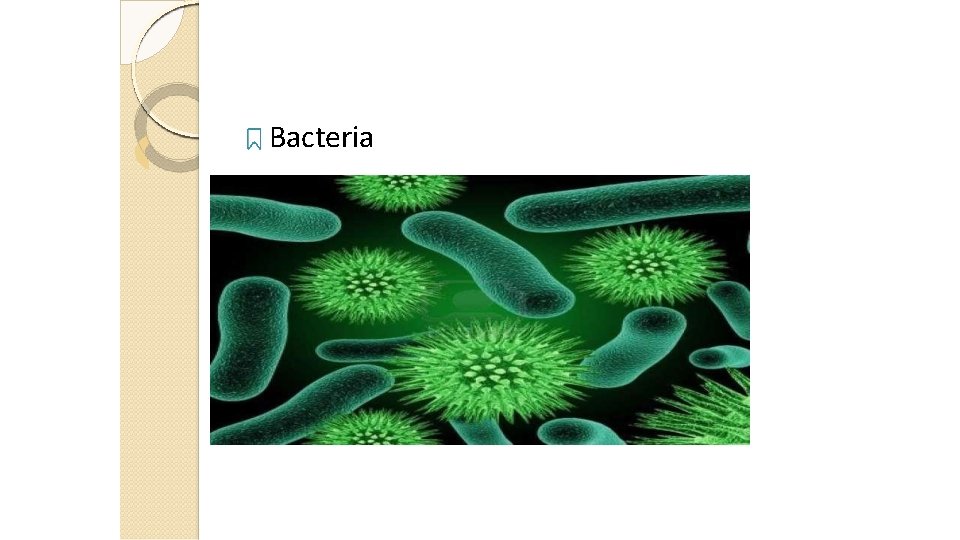
Bacteria 12
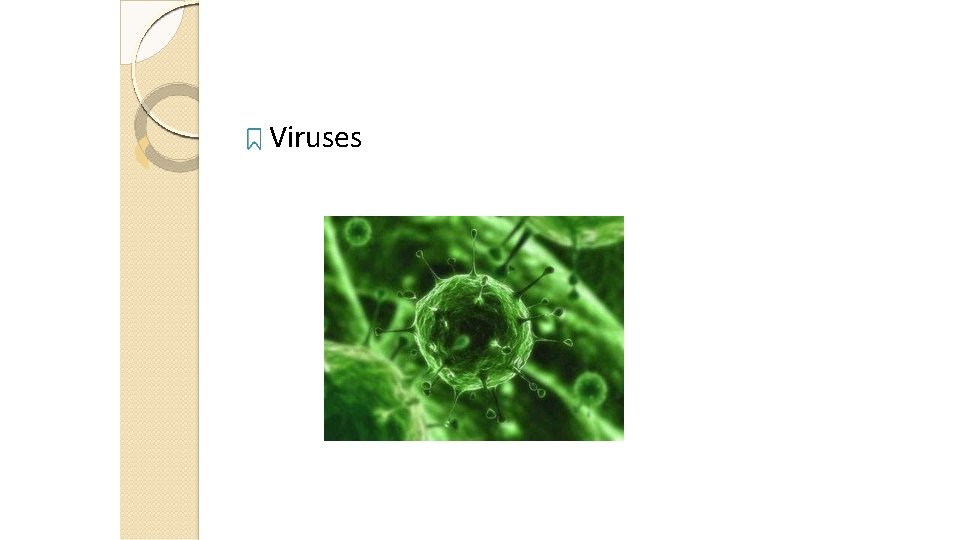
Viruses 13
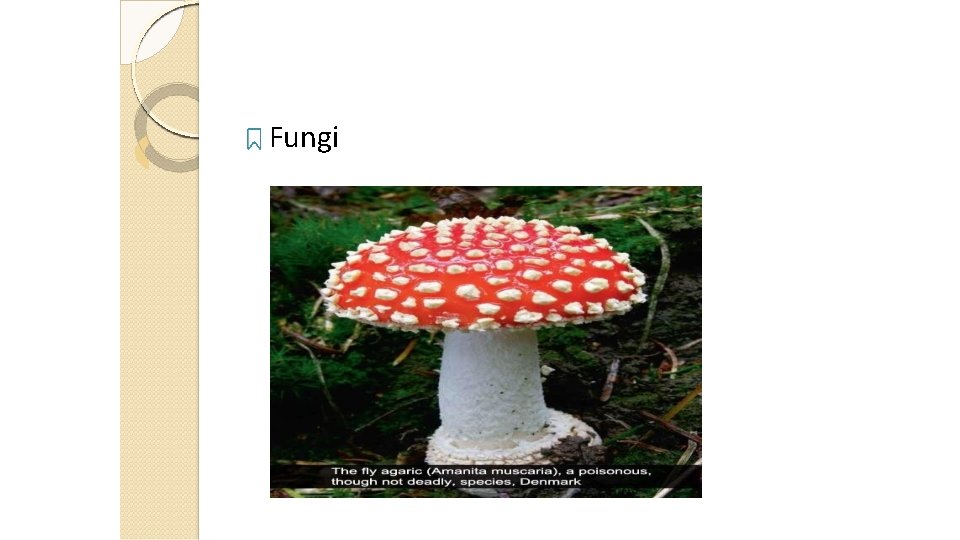
Fungi 14
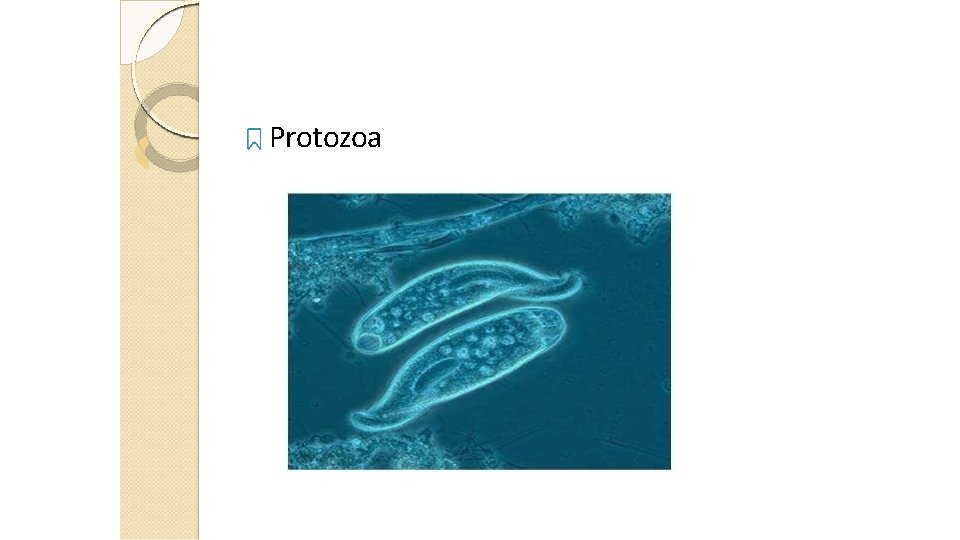
Protozoa 15
Types of infection: Primary infection: Initial infection with an organism to host constitutes primary infection. Secondary infection: When in a host whose resistance is lowered by pre-existing infection, a new organism may set up a new infection. 16
Local infection: Infection that is limited to a defined area or single organ with symptoms that resemble inflammation (redness, tenderness and swelling. ) Systemic infection: Infection that spreads to whole body resulting in a septicemia. Acute infection: 17
It appears suddenly or lasts for a short time. E. g. URI 18
Chronic infection: May occur slowly over a long period and may last months to years. Iatrogenic infection: Infection resulting due to therapeutic and diagnostic procedures. 19
Nosocomial infection: Also known as Hospital-acquired infection (HAI) — is an infection that is contracted from the environment or staff of a healthcare facility. It can be spread in the hospital environment, nursing home environment, rehabilitation facility, clinic, or other clinical settings. Infection is spread to the susceptible patient in the clinical setting by a number of means. Health care staff can spread infection, in addition to contaminated equipment, bed linens, or air droplets. The infection can originate from the outside environment, another infected patient, staff that may be infected, or in some cases, the source of the infection cannot be 20

determined. 21
- Slides: 21