
Infection of lower genital Tract PID Lateefa Al

- Slides: 53
Infection of lower genital Tract & PID Lateefa Al Dakhyel FRCSC, FACOG Assistant professor & consultant Obstetric & gynecology department Collage of medicine King Saud University
What is normal? The normal vaginal flora is predominately aerobic organisms The most common is the H+ peroxide producing lactobacilli The normal PH is <4. 5 Normal vaginal secretions ↑ in the middle of the cycle because of ↑ in the amount of cervical mucus. -it is clear or white. It may become stretchy and slippery during ovulation or OC Complains could be abnormality in the amount, smell or color.
Making the Diagnosis Symptoms discharge, odor, irritation, or itch discharge ▪ Clear, white, green, gray, yellow ▪ Consistency – thin, thick, or curd like Signs excoriations erythema discharge
Vaginal Complaints Most common reason for gyn visits 10 million office visits annually PE and laboratory data are recommended 3 most common etiologies are vaginal candidiasis bacterial vaginosis Trichomoniasis
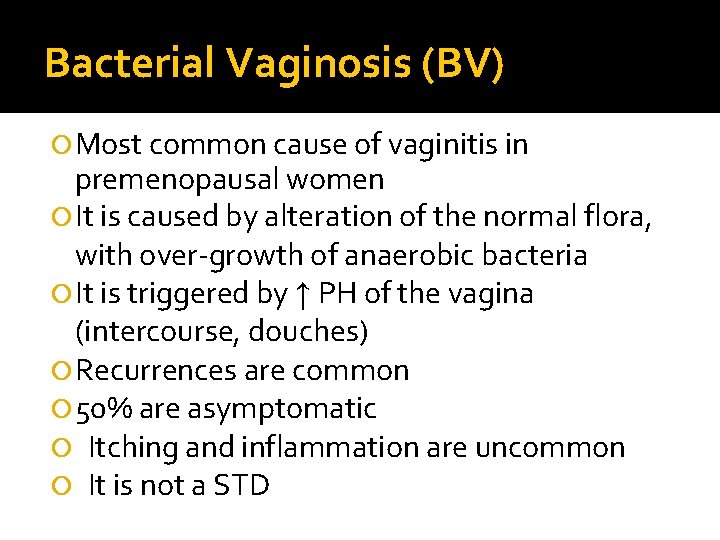
Bacterial Vaginosis (BV) Most common cause of vaginitis in premenopausal women It is caused by alteration of the normal flora, with over-growth of anaerobic bacteria It is triggered by ↑ PH of the vagina (intercourse, douches) Recurrences are common 50% are asymptomatic Itching and inflammation are uncommon It is not a STD
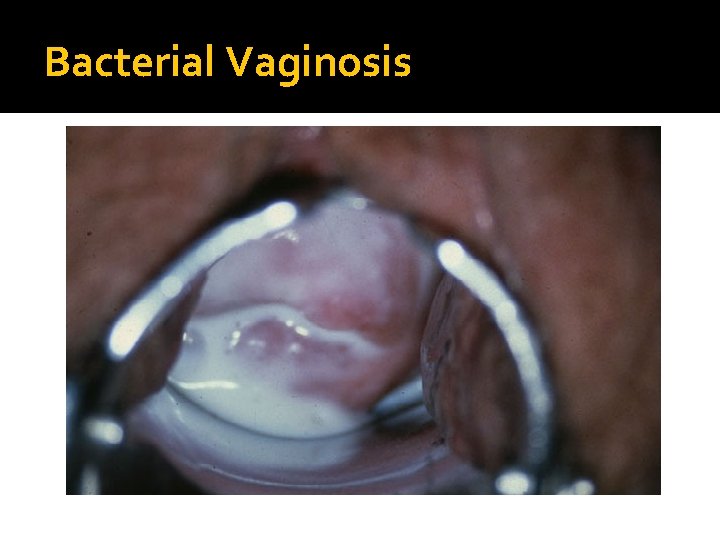
Bacterial Vaginosis
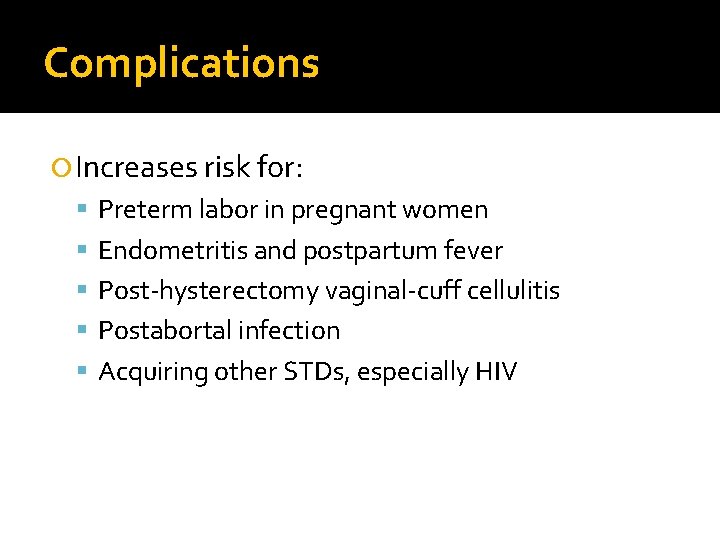
Complications Increases risk for: Preterm labor in pregnant women Endometritis and postpartum fever Post-hysterectomy vaginal-cuff cellulitis Postabortal infection Acquiring other STDs, especially HIV
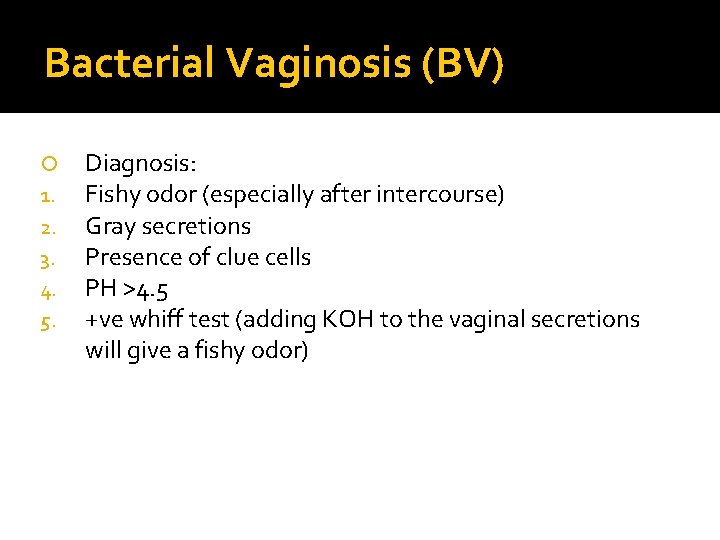
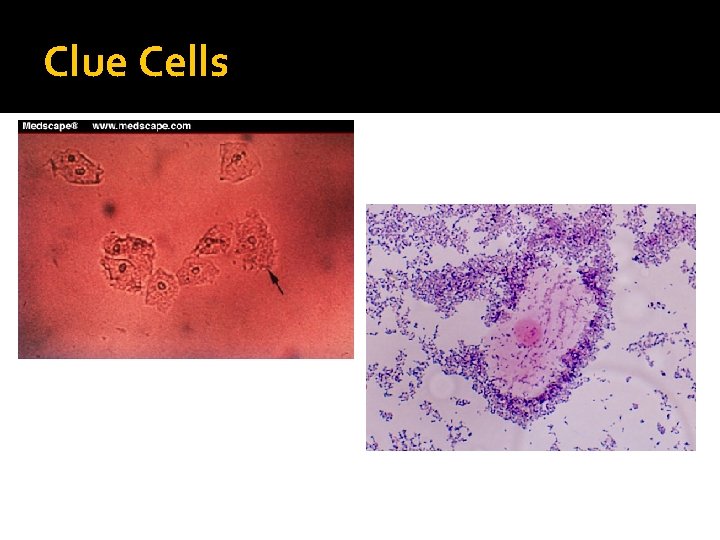
Bacterial Vaginosis (BV) 1. 2. 3. 4. 5. Diagnosis: Fishy odor (especially after intercourse) Gray secretions Presence of clue cells PH >4. 5 +ve whiff test (adding KOH to the vaginal secretions will give a fishy odor)
Clue Cells
Bacterial Vaginosis (BV) 1. 2. 3. 4. 5. Treatment: Flagyl 500 mg Po Bid for one week (95% cure) Flagyl 2 g PO x 1 (84% cure) Flagyl gel PV Clindamycin cream PV Clindamycin PO Treatment of the partner is not recommended
Candidiasis 75% of women will have at least once during their life 45% of women will have two or more episodes/year 15% have chronic infection Rare before menarche, but 50% will have it by age 25 Less common in postmenopausal women, unless taking estrogen
It is not a. STD 90% of yeast infections are secondary to Candida Albican Other species (glabrata, tropicalis) tend to be resistant to treatment
Candidiasis 1. 2. 3. 4. 5. Predisposing factors: Antibiotics: disrupting the normal flora by ↓ lactobacilli Pregnancy (↓ cell-mediated immunity) Diabetes OCP Disinfecting the vagina
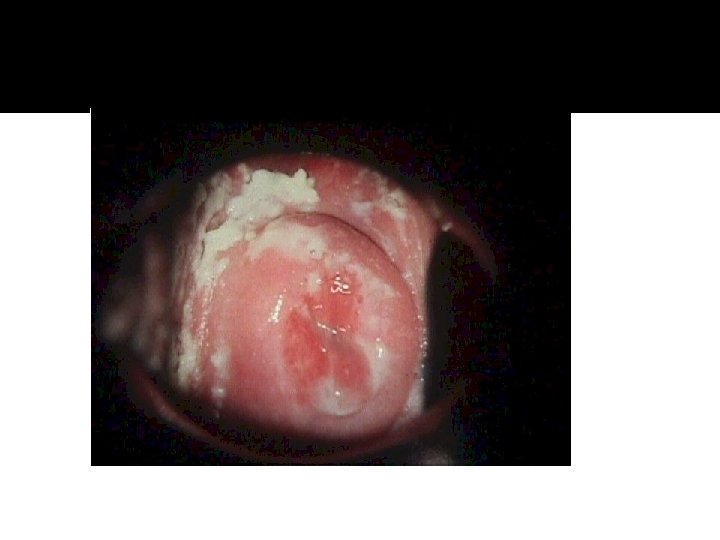
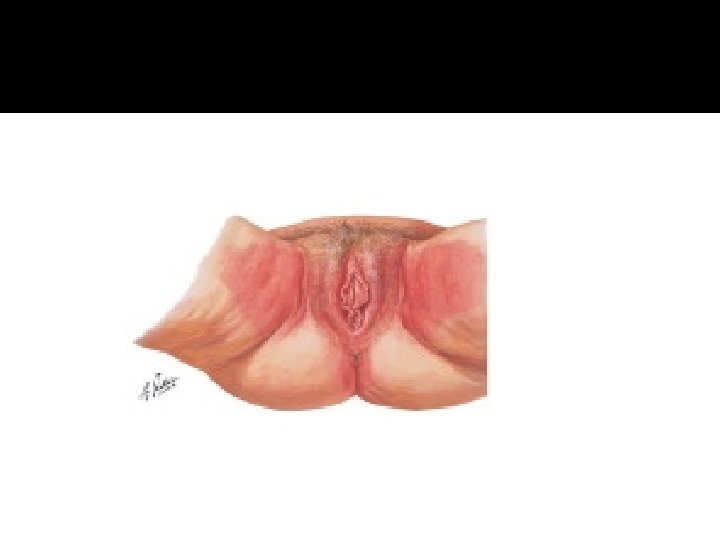
Candidiasis 1. 2. 3. 4. 5. 6. 7. 8. “diagnosis” Vulvar pruritis and burning The discharge vary from watery to thick cottage cheese discharge Vaginal soreness and dysparunea Splash dysuria O/E: erythema and edema of the labia and vulva The vagina may be erythematous with adherent whitish discharge Cervix is normal PH< 4. 5 budding yeast or mycelia on microscopy
Candidiasis 1. 2. 3. 4. Treatment: Topical Azole drugs (80 -90% effective) Fluconazole is equally effective (Diflucan 150 mg PO x 1), but symptoms will not disappear for 2 -3 days 1% hydrocortisone cream may be used as an adjuvant treatment for vulvar irritation Chronic infections may need long-term treatment (6 months) with weekly Fluconazole
Trichomonas Vaginalis It is an anaerobic parasite, that exists only in trophozite form 3 rd most common vaginitis 60% of patients also have BV 70% of males will contract the disease with single exposure Virtually always sexually transmitted Patients should be tested for other STDs (HIV, Syphilis, hepatitis)
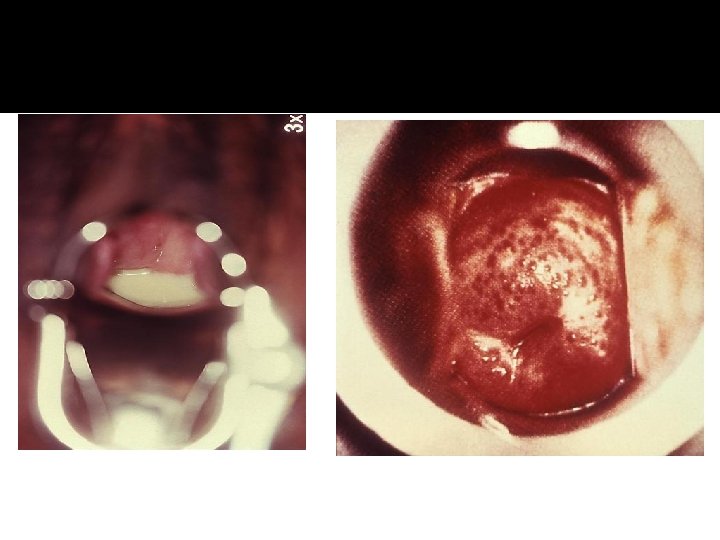
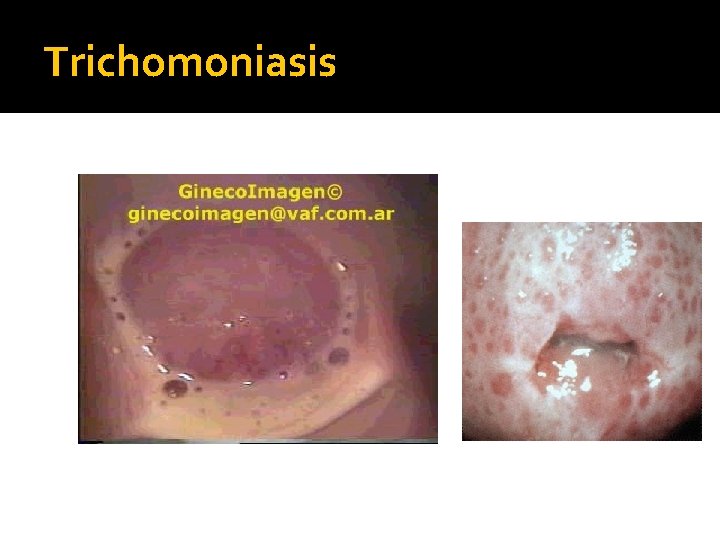
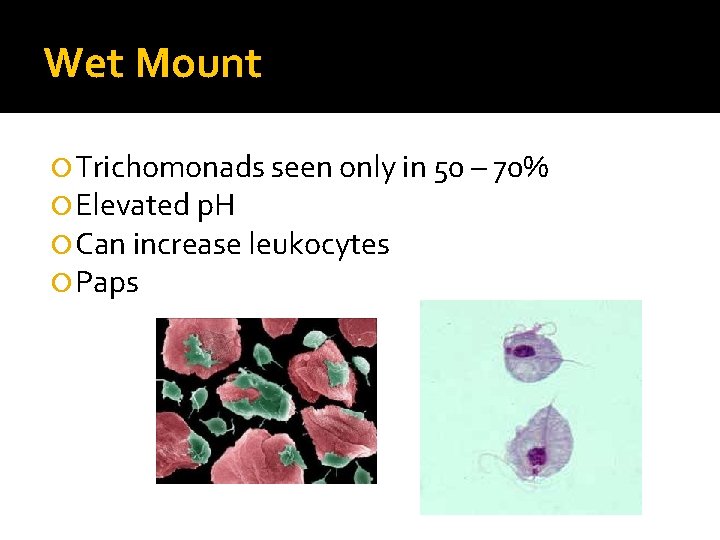
Trichomonas Vaginalis 1. 2. 3. 4. 5. 6. 7. 8. Diagnosis: Profuse, purulent malodorous discharge It may be accompanied by vulvar pruritis Secretions may exudate from the vagina If severe → patchy vaginal edema and strawberry cervix PH >5 Microscopy: motile trichomands and ↑ leukocytes Clue cells may if BV is present Whiff test may be +ve
Trichomoniasis
Wet Mount Trichomonads seen only in 50 – 70% Elevated p. H Can increase leukocytes Paps
Trichomonas Vaginalis 1. 2. 3. 4. Treatment: Falgyl PO (single or multi dose) Flagyl gel is not effective The partner should be treated If refractory to treatment Retreat with 7 day course If fails again, try 2 gm dose daily x 3 – 5 days Assure compliance with partner/culture
Other Causes of Vaginitis Atrophic vaginitis (in post menopausal women) High vaginal p. H, thin epithelium, d/c Parabasal cells on wet mount Topical estrogen cream Atypical manifestations: HSV, HPV Noninfectious vulvovaginitis Irritants/allergens Lichens syndromes (sclerosus, simplex chronicus, planus)
Herpes Simplex Virus The “silent epidemic” > 45 million in the US > 1 million newly diagnosed annually The most common STD in US, and likely the world Almost 25% of Americans have HSV 2 antibodies by the age of 30
Herpes Simplex Virus HSV – 1 Mostly oro-labial, but increasing cause of genital herpes HSV – 2 Almost entirely genital > 95% of recurrent genital lesion
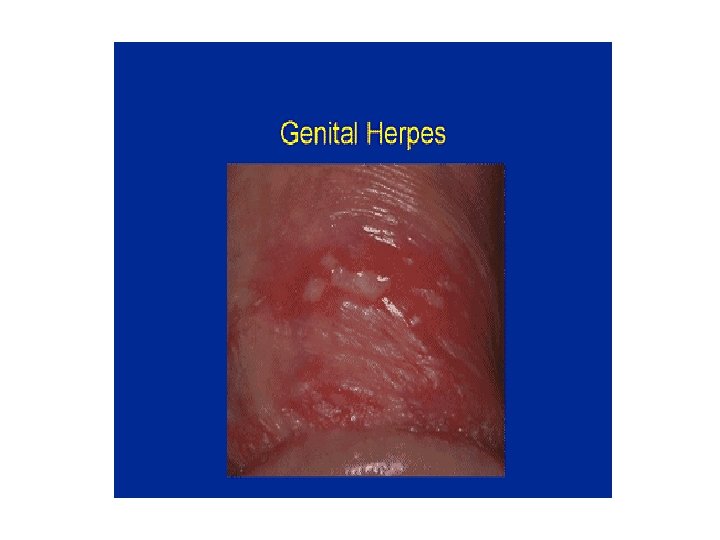
Primary Herpes – Classic Symptoms Systemic – fever, myalgia, malaise Can have meningitis, encephalitis, or hepatitis Local – clusters of small, painful blisters that ulcerate and crust outside of mucous membranes Itching, dysuria, vaginal discharge, inguinal adenopathy, bleeding from cervicitis New lesions form for about 10 days after initial infection, but can last up to 3 weeks Shedding of virus lasts 2 – 10 days
Recurrent Herpes Reactivation of virus Mild, self-limited Localized, lasting 6 -7 days Shedding: 4 -5 days Prodrome: 1 -2 days
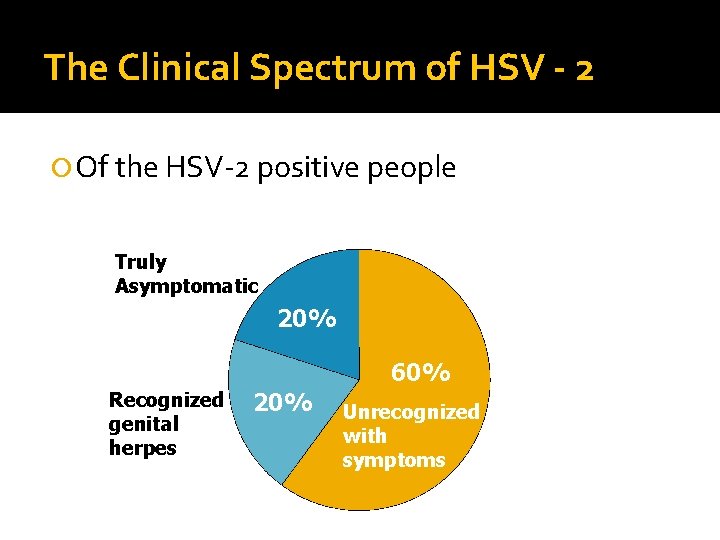
The Clinical Spectrum of HSV - 2 Of the HSV-2 positive people Truly Asymptomatic 20% 60% Recognized genital herpes 20% Unrecognized with symptoms
Diagnosis Viral isolation (culture) High specificity, low sensitivity ▪ 50% for primary infxn ▪ 20% for recurrent infxn Direct detection of virus (Tzcank smears, PCR) Serology Newer tests that are specific for type of virus (Herpes. Select 2, herpes glycoprotein for Ig. G, ELISA)
Management Goals Relieve symptoms Heal lesions Reduce frequency of recurrent episodes Reduce viral transmission Patient support and counseling
Oral Antiviral Therapy Valacyclovir (Valtrex) Famciclovir (Famvir) Acyclovir (Zovirax)
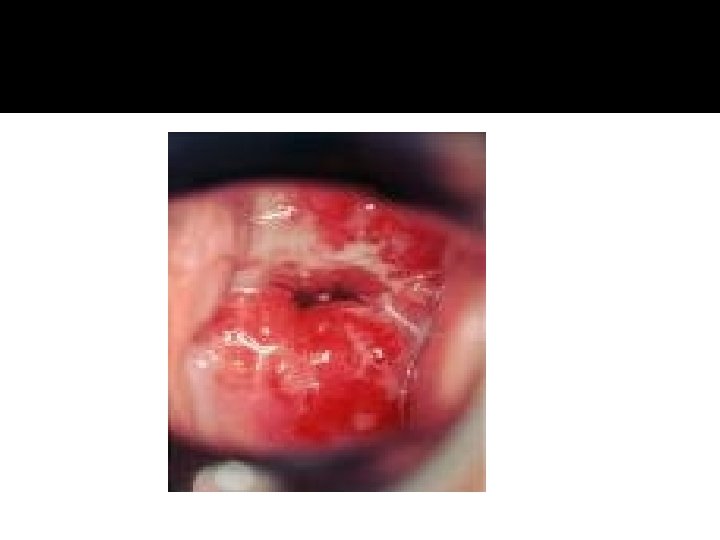
Cervicitis My cause abnormal vaginal discharge , postcoital bleeding or irregular bleeding Neisseria Gonorrhea and Chlamydia Trachomatis infect only the glandular epithelium and are responsible for mucopurulent endocervisitis (MPC) Ectocx epithelium is continuous with the vaginal epithelium, so Trichomonas, HSV and Candida may cause ectocx inflammation
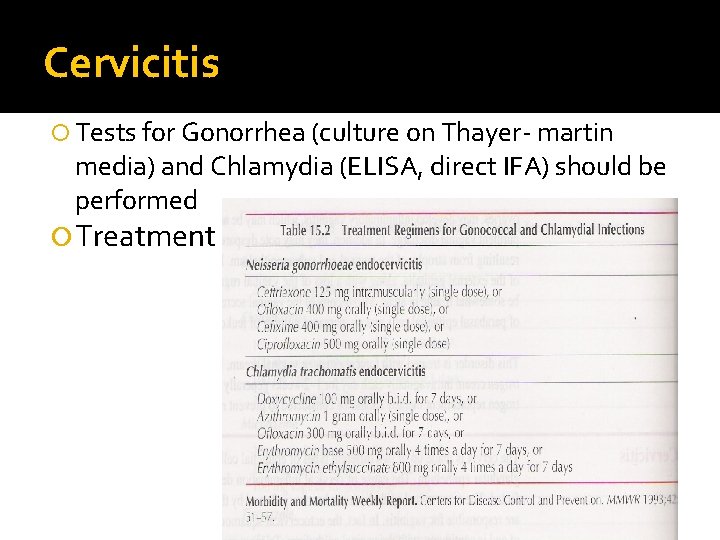
Cervicitis Tests for Gonorrhea (culture on Thayer- martin media) and Chlamydia (ELISA, direct IFA) should be performed Treatment
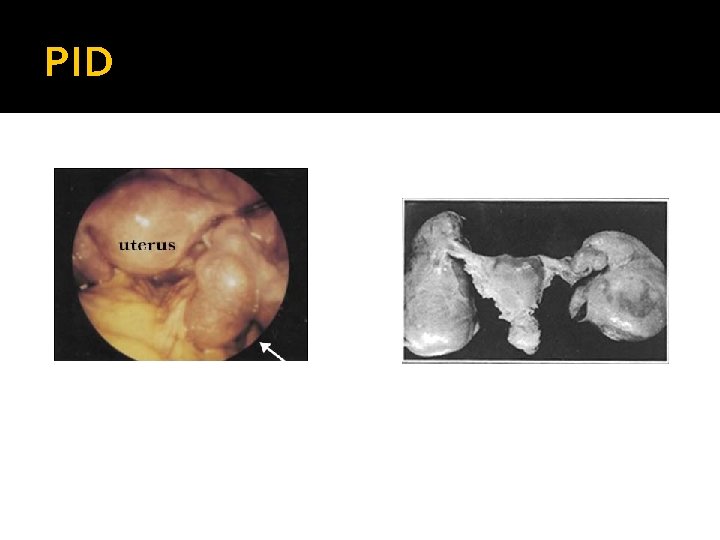
Pelvic Inflammatory Disease (PID) Ascending infection, ? Up to the peritoneal cavity Organisms: Chlamydia, N Gonorrhea Less often: H Influenza, group A Strept, Pneumococci, E-coli acute PID 1 -2% of young sexually active women each year 85% because of STD- 15% occur after procedures that break cervical mucous barrier
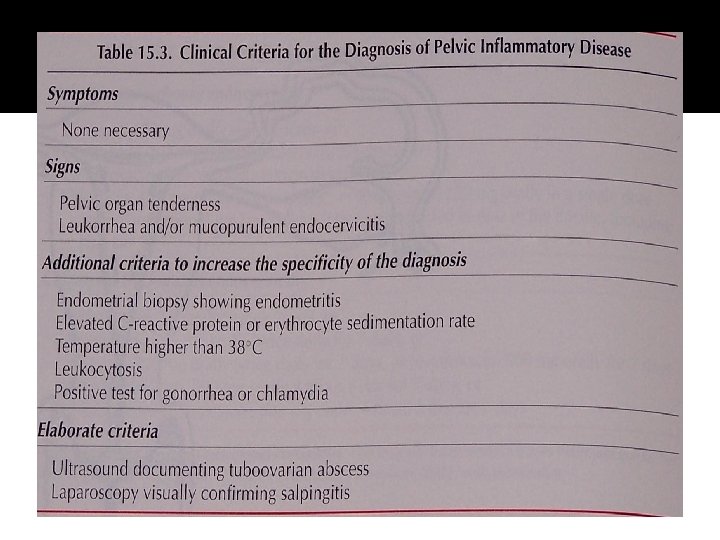
PID Diagnosis: difficult because of wide variation of signs and symptoms Clinical triad: pelvic pain (90%) , cervical motin & adnexal tenderness fever Cervical motion tenderness indicate peritoneal inflammation Patients may or may not have mucopurulent discharge leukocytosis
Differential Diagnosis acute appendicitis Endometriosis torsion/rupture adx mass ectopic preg lower genital tract infection
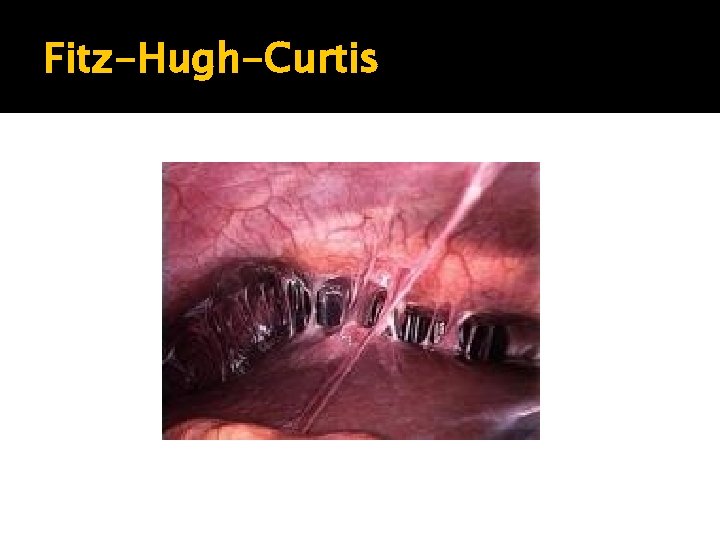
PID 75% asso. endocervical infection & coexist purulent vaginal d/c Fitz-Hugh-Curtis syndrome : 1 -10% perihepatic inflammation & adhesion s/s ; RUQ pain, pleuritic pain, tenderness at RUQ on palpation of the liver mistaken dx ; acute cholecystitis, pneumonia
Fitz-Hugh-Curtis
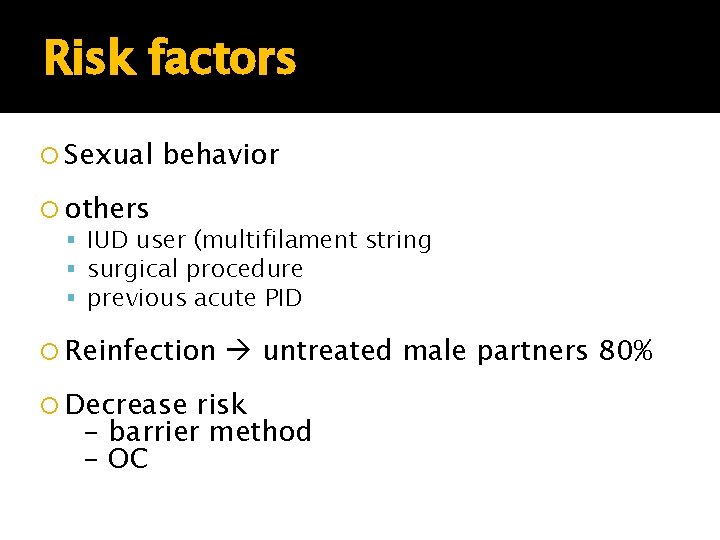
Risk factors Sexual behavior others IUD user (multifilament string surgical procedure previous acute PID Reinfection Decrease untreated male partners 80% risk - barrier method - OC
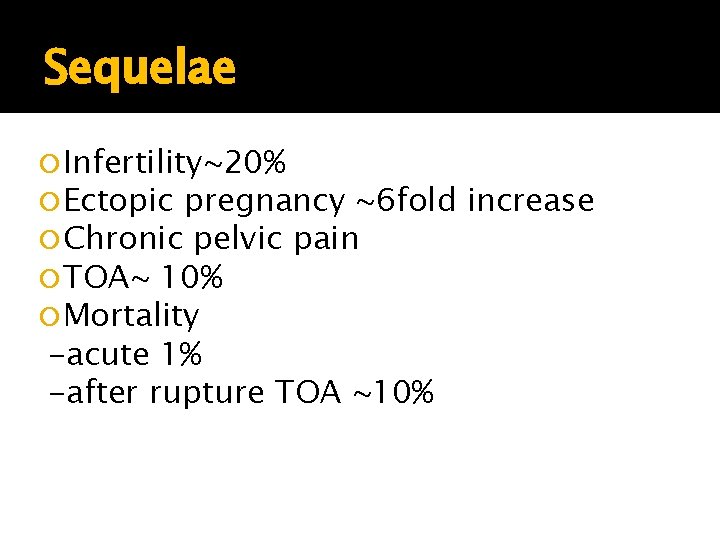
Sequelae Infertility~20% Ectopic pregnancy ~6 fold Chronic pelvic pain TOA~ 10% Mortality -acute 1% -after rupture TOA ~10% increase
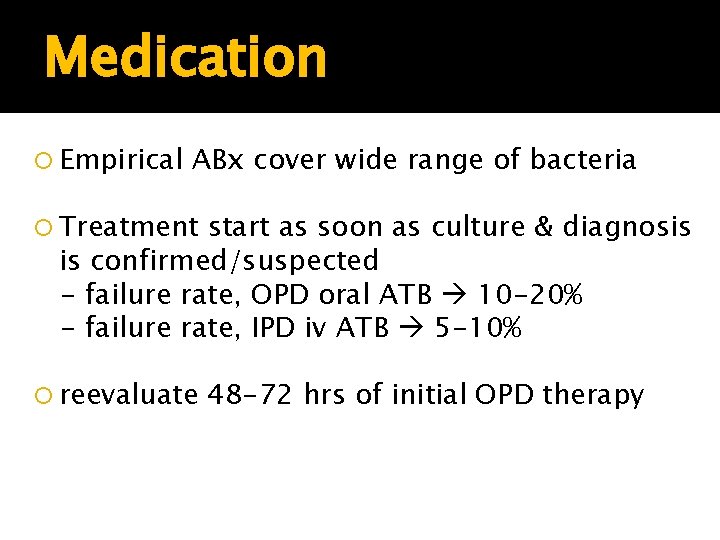
Medication Empirical ABx cover wide range of bacteria Treatment start as soon as culture & diagnosis is confirmed/suspected - failure rate, OPD oral ATB 10 -20% - failure rate, IPD iv ATB 5 -10% reevaluate 48 -72 hrs of initial OPD therapy
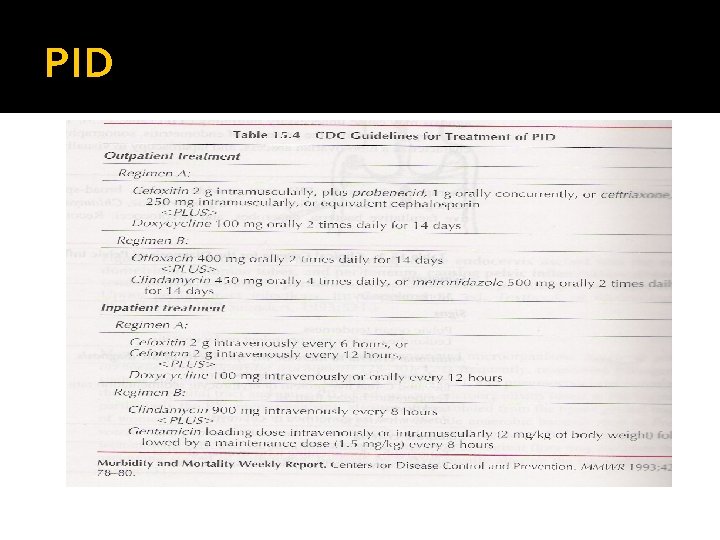
PID
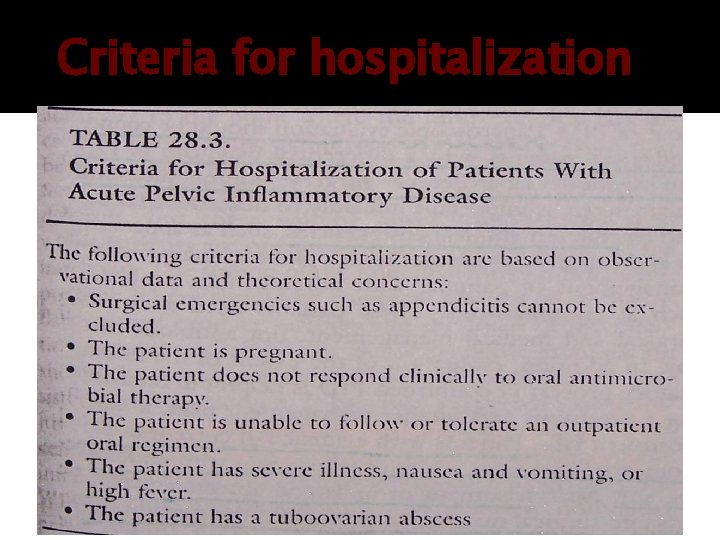
Criteria for hospitalization
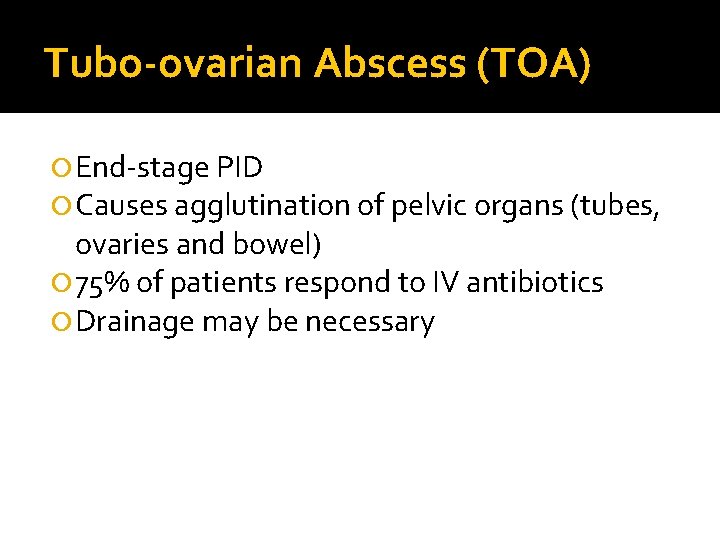
Tubo-ovarian Abscess (TOA) End-stage PID Causes agglutination of pelvic organs (tubes, ovaries and bowel) 75% of patients respond to IV antibiotics Drainage may be necessary
PID
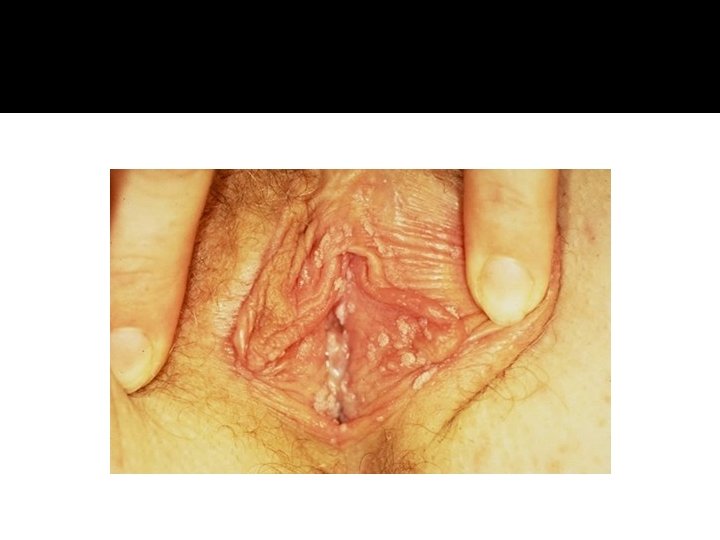
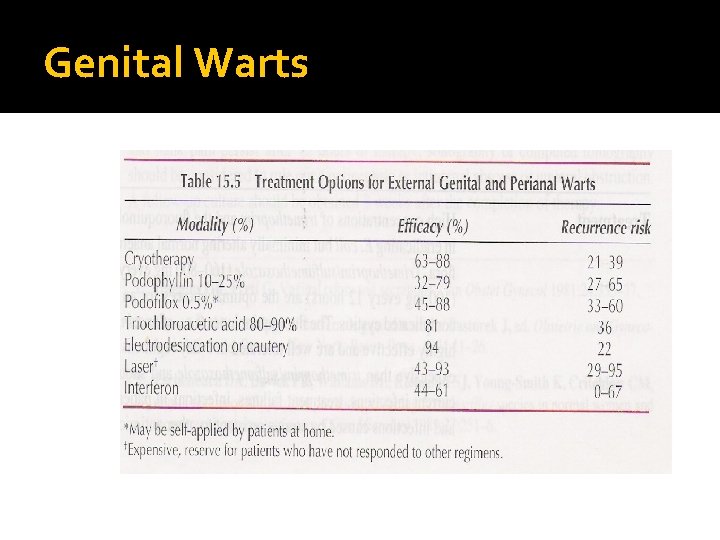
Genital Warts Condyloma accuminata secondary to HPV infection (usually 6&11), these are non-oncogenic types Usually at areas affected by coitus (posterior fourchette) 75% of partners are infected when exposed Recurrences after treatment are secondary to reactivation of subclinical infection
Genital Warts
Thank you