
Industrialization in the th Late 19 Century 1

- Slides: 54
Industrialization in the th Late 19 Century
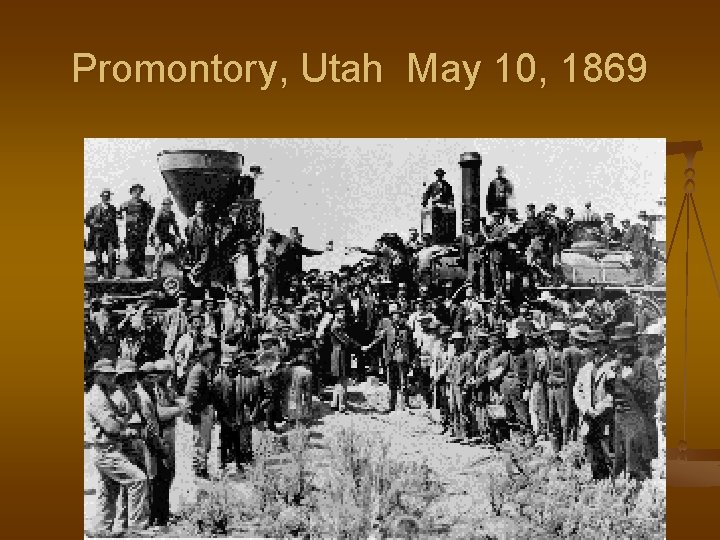
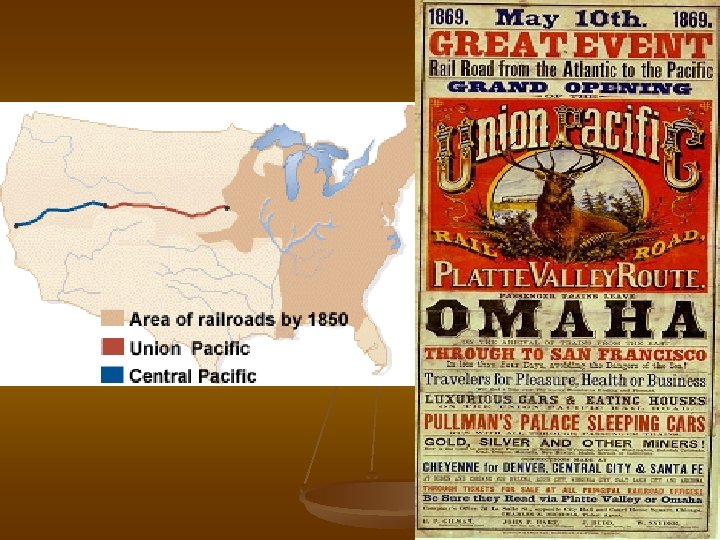
1 st Transcontinental Railroad n Pacific Railway Act of 1862 n n Central Pacific n n Started in Sacramento, CA Union Pacific n n U. S. Government hired Union Pacific and Central Pacific Railway Company to extend railways across the United States. Started in Omaha, NE The two railroad companies met in Promontory, Utah to drive the “Golden Spike” on May 10, 1869
Promontory, Utah May 10, 1869
The Workers n n Workers were mainly Chinese and Irish immigrants Working conditions were poor n Reasons: Weather n Rough terrain n
Railroad Developments n Train problems: n n 1869 George Westinghouse: n n Dirty, noisy, uncomfortable Development of air brakes 1887 Granville Woods: n Telegraph system for train communication
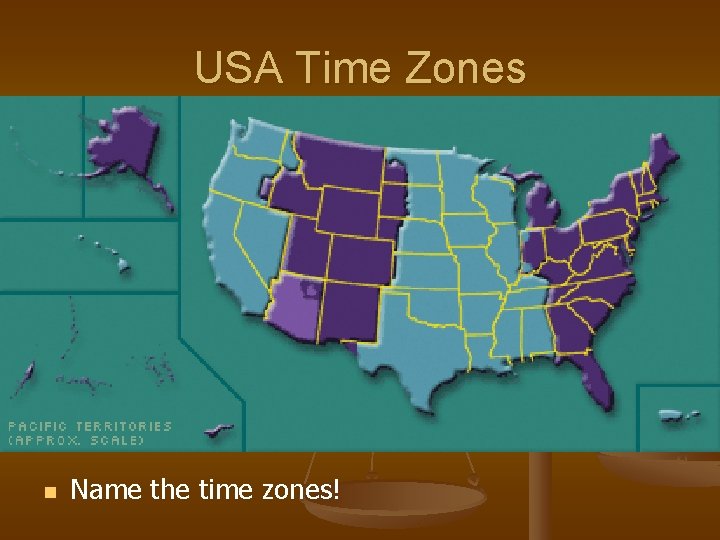
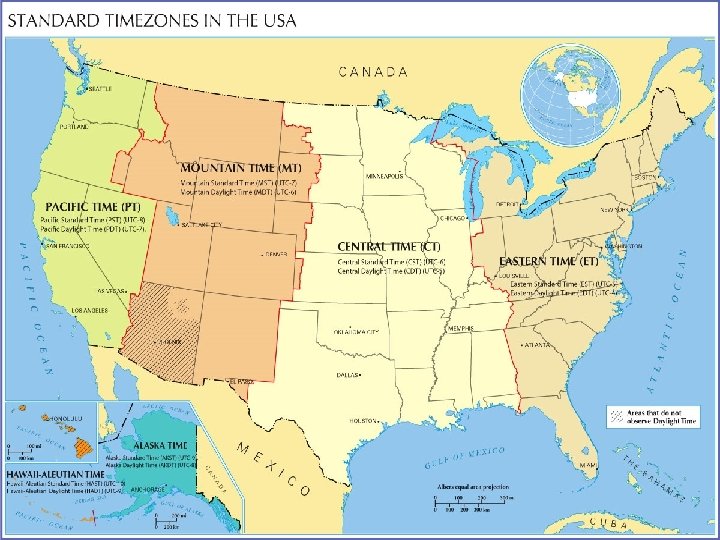
Time Zones n Scheduling was a major concern Set clocks according to solar time n Time differences from town to town created confusion. n n 1883: National System of Time Zones n How many total time zones does the USA have?
USA Time Zones n Name the time zones!
Who did the Railroad Impact? n Native Americans n n n called it the Iron Horse Helped Westward expansion Trade much easier Became crucial to the U. S. economy – shipping costs dropped drastically. Hurt farmers economically Made deals with wealthy businessmen n Corruption
Legislation n Interstate Commerce Act of 1887 – put in place for Govt to supervise railroad activities Led to more financial problems (railroads were forced out of business, which led to the Panic of 1893) This caused the Large Firms to start buying up the railways, which paved the way for Big Businesses
Industrialization Factors n n Unskilled and semi-skilled labor in abundance New, talented entrepreneurs Oil Inventions New technology that allows mass production n Bessemer Process n n n Railroads Changes in business strategy Vertical Integration & Horizontal Consolidation n Social Darwinism n
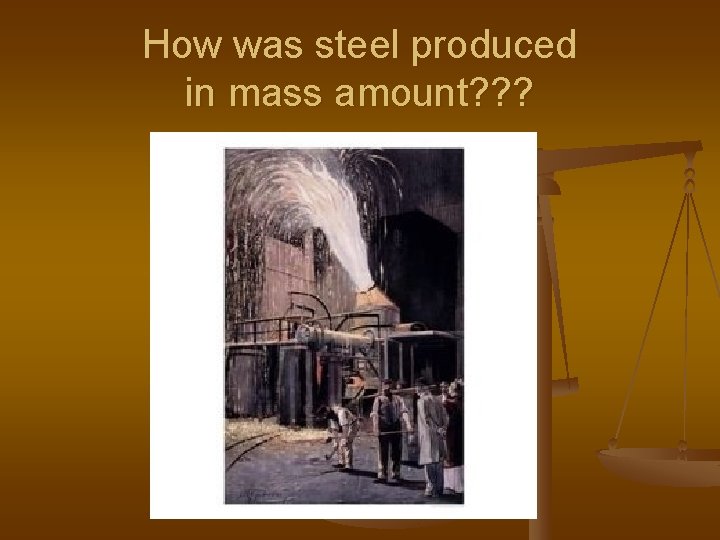
How was steel produced in mass amount? ? ?
The Bessemer Process n Henry Bessemer n n English businessman William Kelly n n Kentucky businessman Developed new way of making steel: Melt iron, add carbon, remove impurities
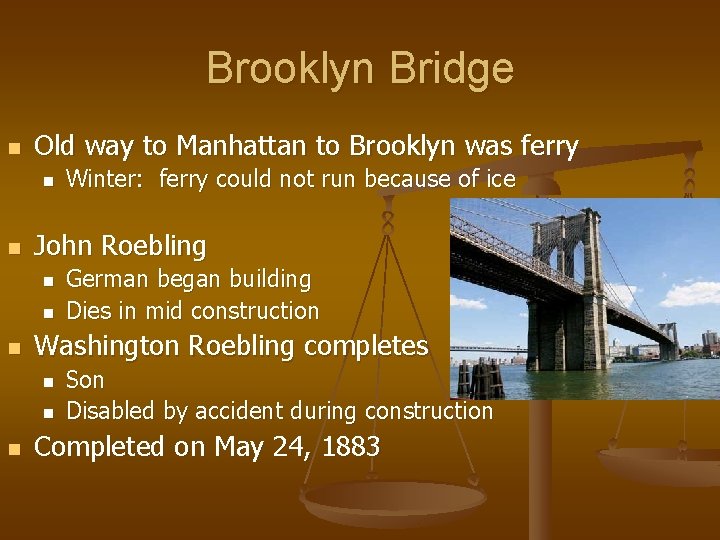
Brooklyn Bridge n Old way to Manhattan to Brooklyn was ferry n n John Roebling n n n German began building Dies in mid construction Washington Roebling completes n n n Winter: ferry could not run because of ice Son Disabled by accident during construction Completed on May 24, 1883
Growth of Big Business
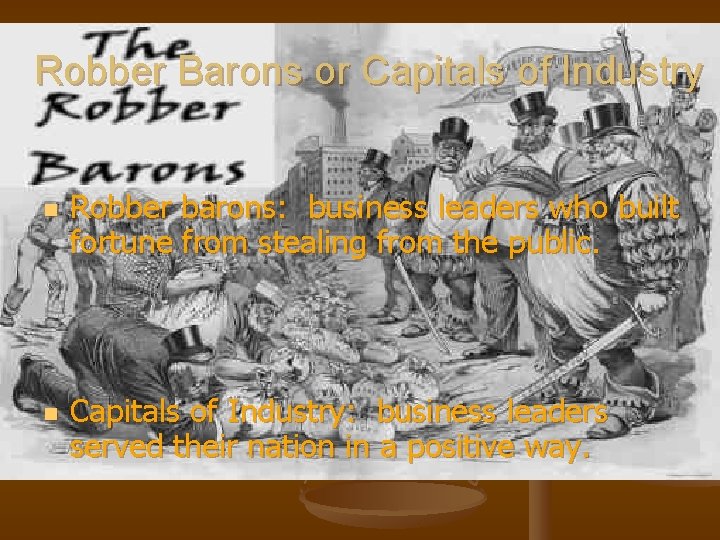
Robber Barons or Capitals of Industry n n Robber barons: business leaders who built fortune from stealing from the public. Capitals of Industry: business leaders served their nation in a positive way.
Social Darwinism n Charles Darwin – survival of the fittest Social Darwin theory evolved: n Society should do as little as possible to interfere with peoples pursuit of success n AS A RESULT Government did not TAX or REGULATE businesses!!!
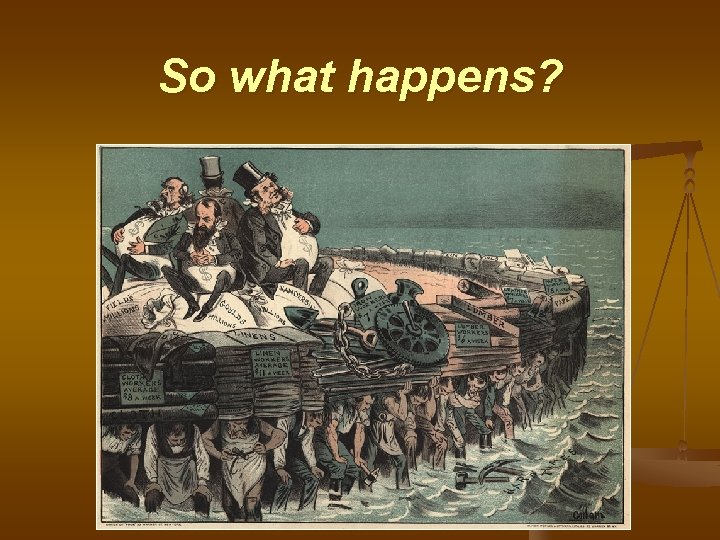
So what happens?
Monopoly n n How does the game work? What is the goal of the game?
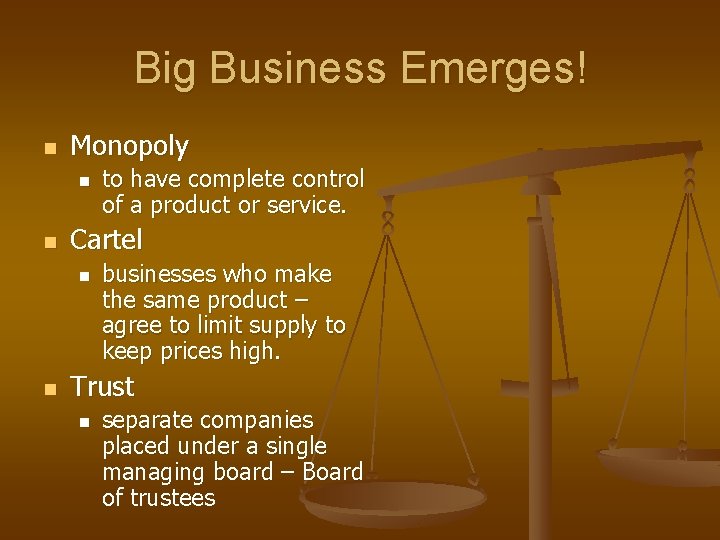
Big Business Emerges! n Monopoly n n Cartel n n to have complete control of a product or service. businesses who make the same product – agree to limit supply to keep prices high. Trust n separate companies placed under a single managing board – Board of trustees
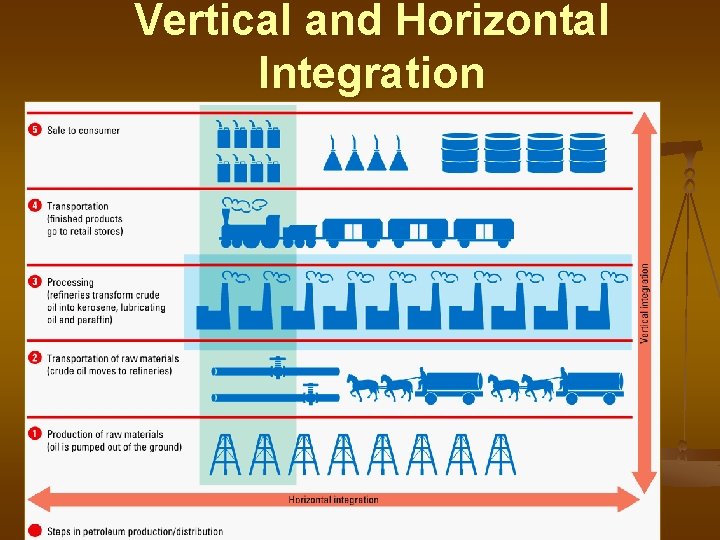
Vertical and Horizontal Integration
Who did this? ?
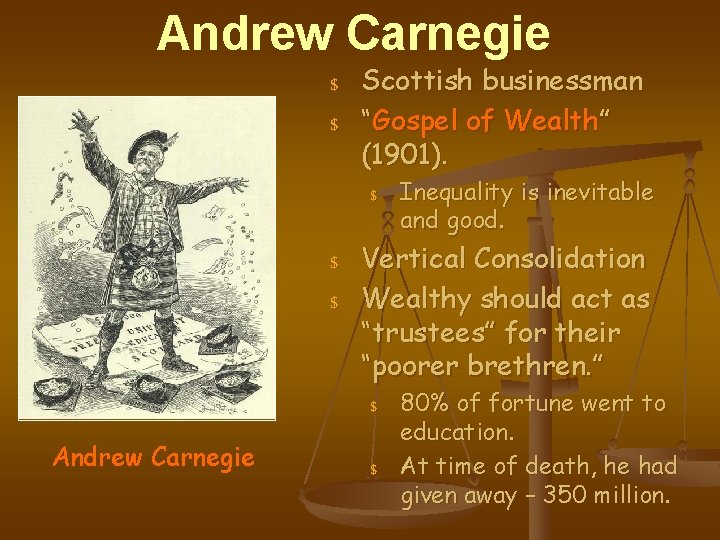
Andrew Carnegie $ Scottish businessman $ “Gospel of Wealth” (1901). $ Inequality is inevitable and good. $ Vertical Consolidation $ Wealthy should act as “trustees” for their “poorer brethren. ” $ 80% of fortune went to Andrew Carnegie education. $ At time of death, he had given away – 350 million.
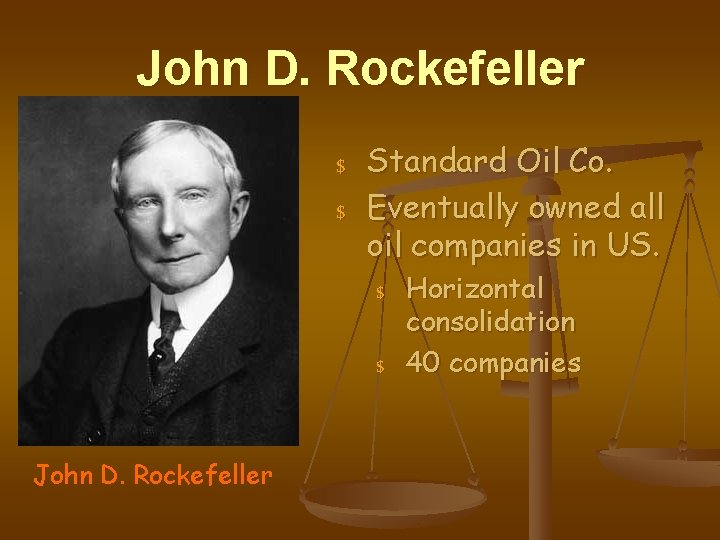
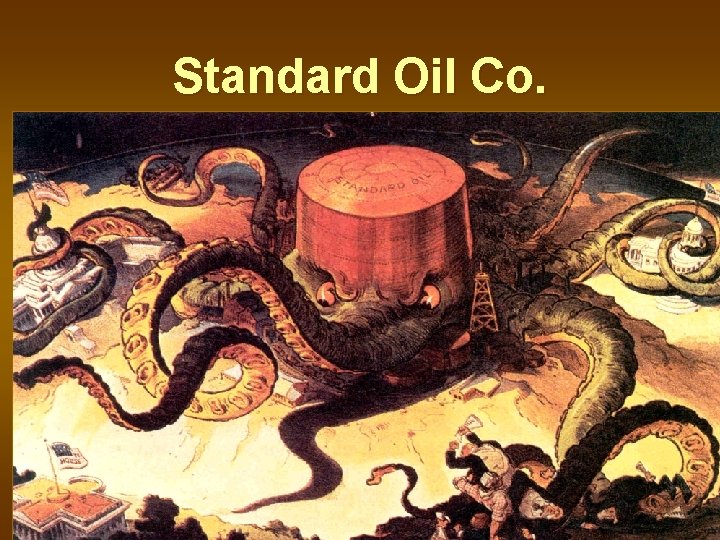
John D. Rockefeller $ Standard Oil Co. $ Eventually owned all oil companies in US. $ Horizontal consolidation $ 40 companies John D. Rockefeller
Standard Oil Co.
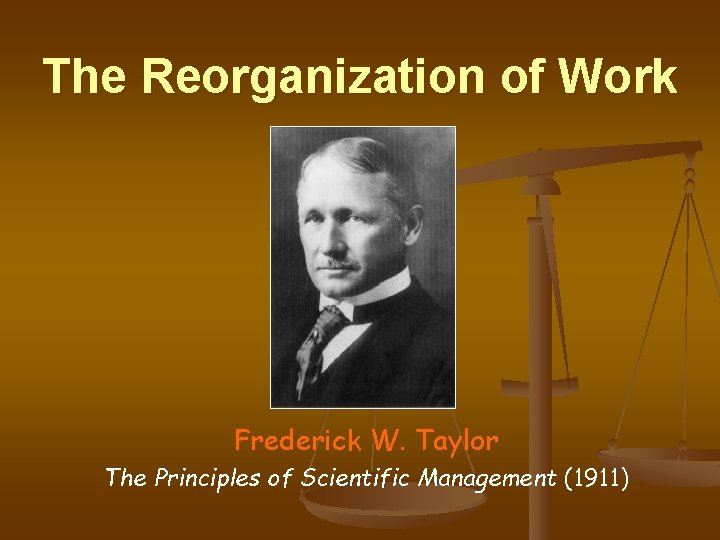
The Reorganization of Work Frederick W. Taylor The Principles of Scientific Management (1911)
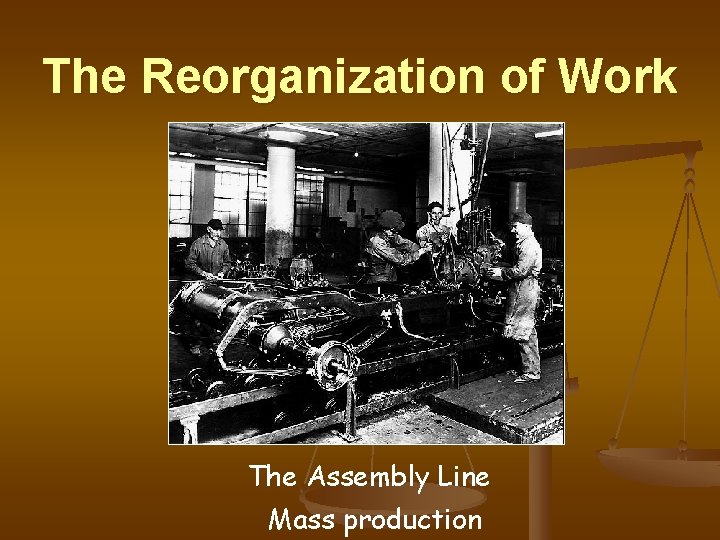
The Reorganization of Work The Assembly Line Mass production
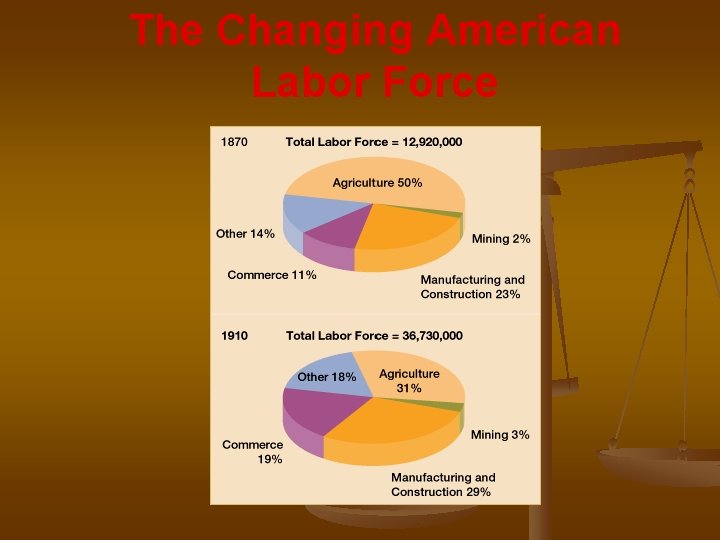
The Changing American Labor Force
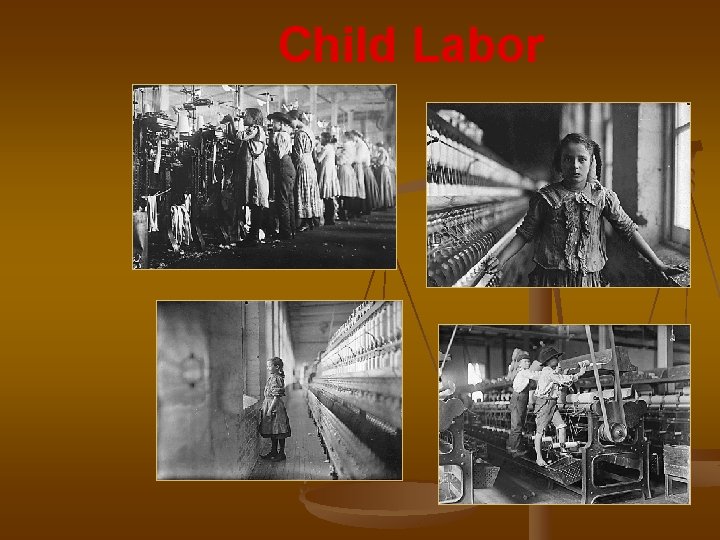
Child Labor
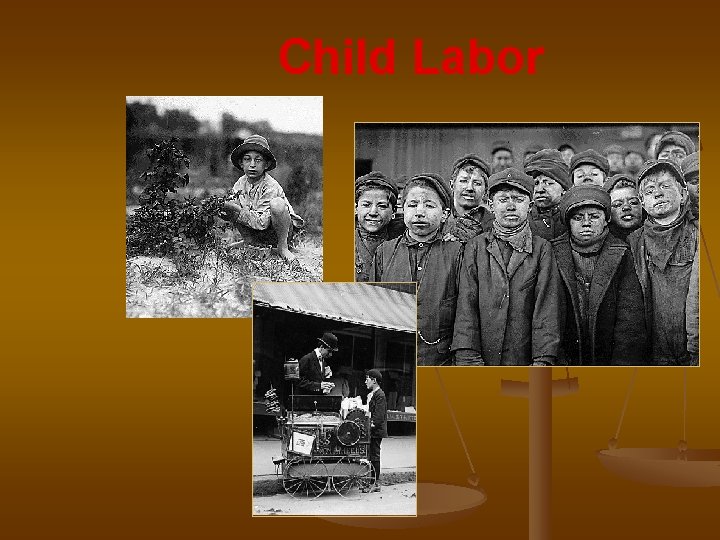
Child Labor
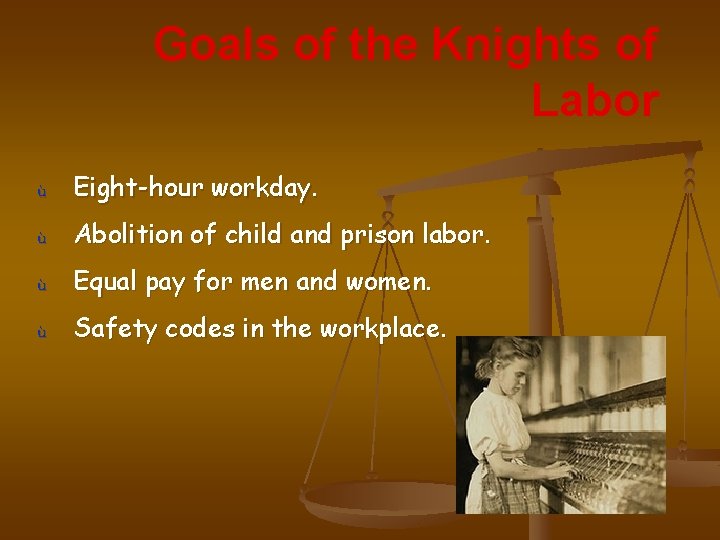
Conditions n n n Long hours Less than $1. 00 per week Difficult, dangerous and unhealthy work Heavy machinery n Could lose finger, arm or be scalped by machinery n Dusty, cold/hot respiratory conditions n n Corporal punishment
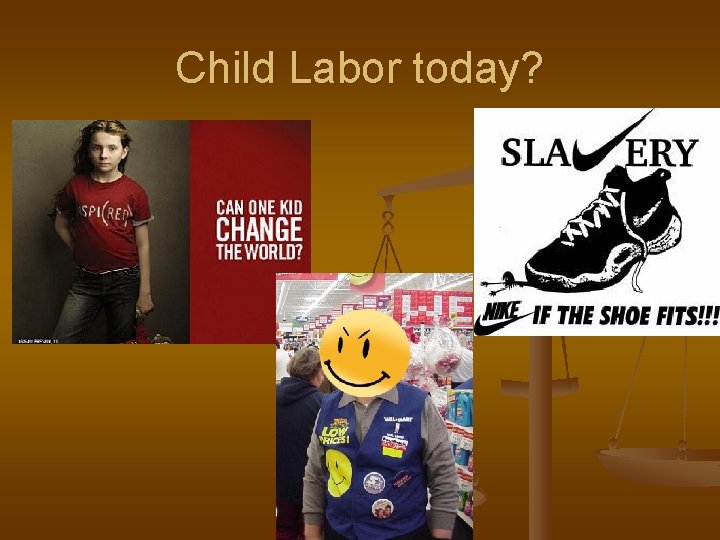
Child Labor today?
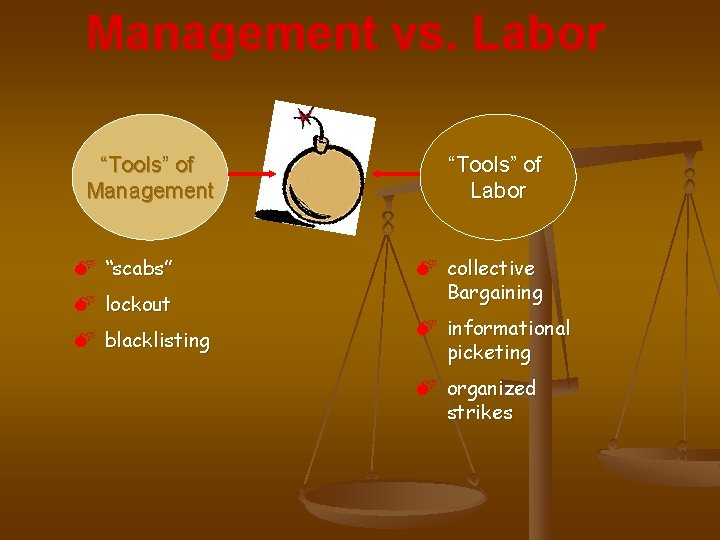
Management vs. Labor “Tools” of Management M “scabs” M lockout M blacklisting “Tools” of Labor M collective Bargaining M informational picketing M organized strikes
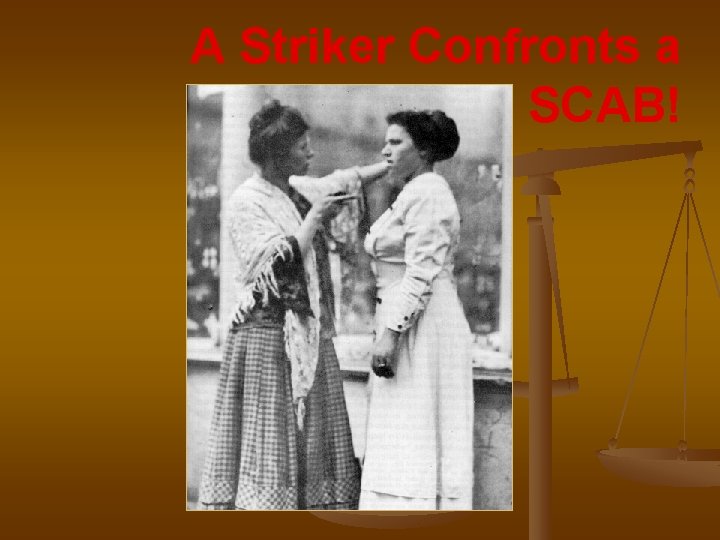
A Striker Confronts a SCAB!
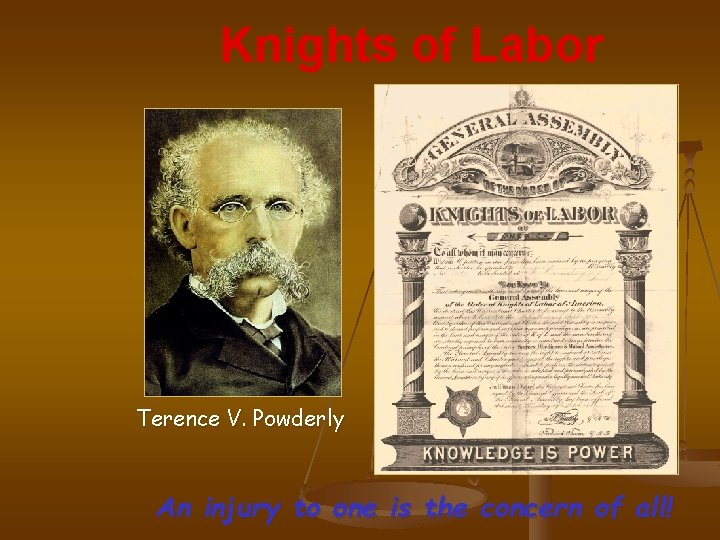
Knights of Labor Terence V. Powderly An injury to one is the concern of all!
Goals of the Knights of Labor ù Eight-hour workday. ù Abolition of child and prison labor. ù Equal pay for men and women. ù Safety codes in the workplace.
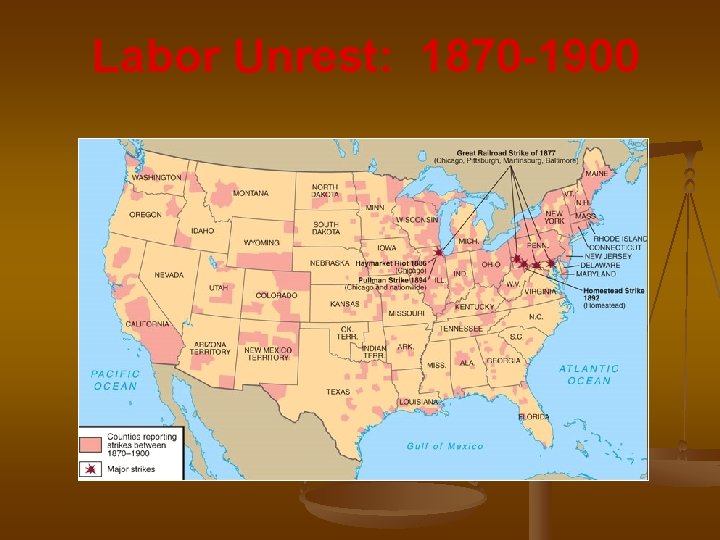
Labor Unrest: 1870 -1900
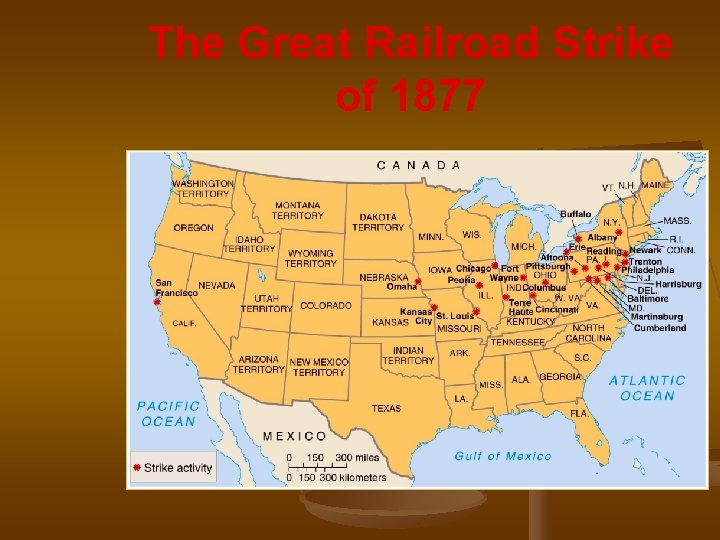
The Great Railroad Strike of 1877
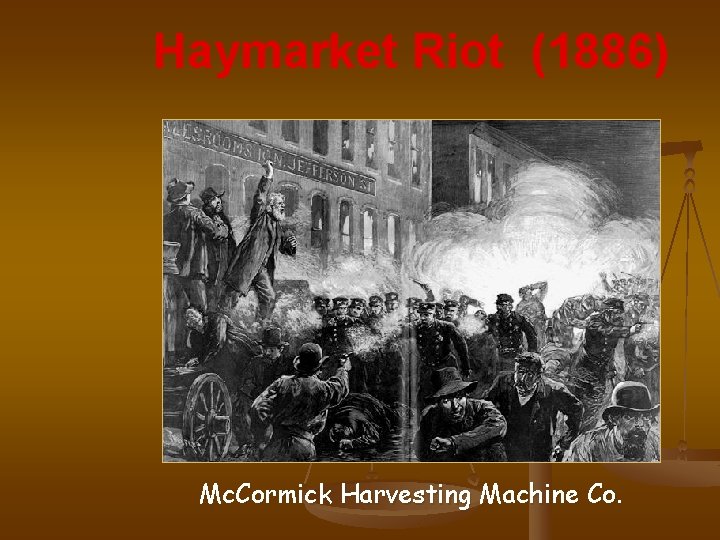
Haymarket Riot (1886) Mc. Cormick Harvesting Machine Co.
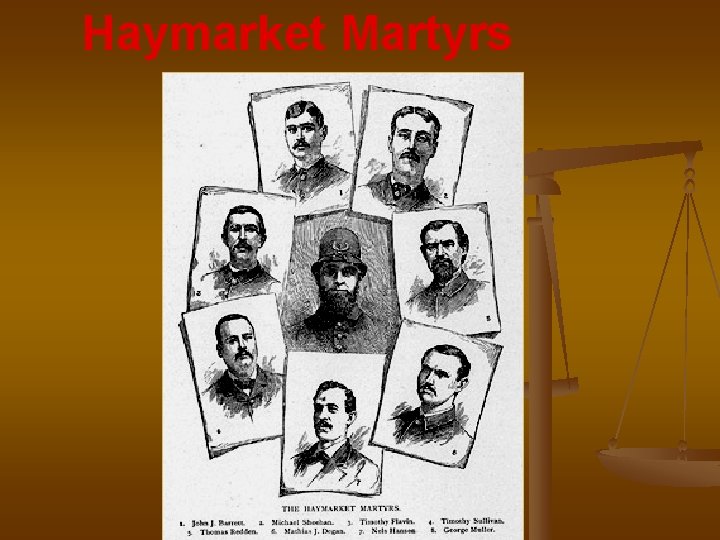
Haymarket Martyrs
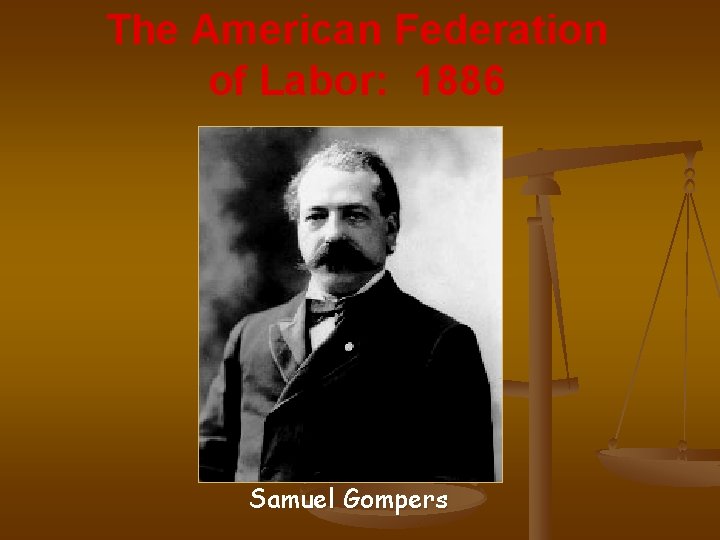
The American Federation of Labor: 1886 Samuel Gompers
How the AF of L Would Help the Workers ù Catered to the skilled worker. ù Represented workers in matters of national legislation. ù Maintained a national strike fund. ù Evangelized the cause of unionism. ù Prevented disputes among the many craft unions. ù Mediated disputes between management and labor. ù Pushed for closed shops.
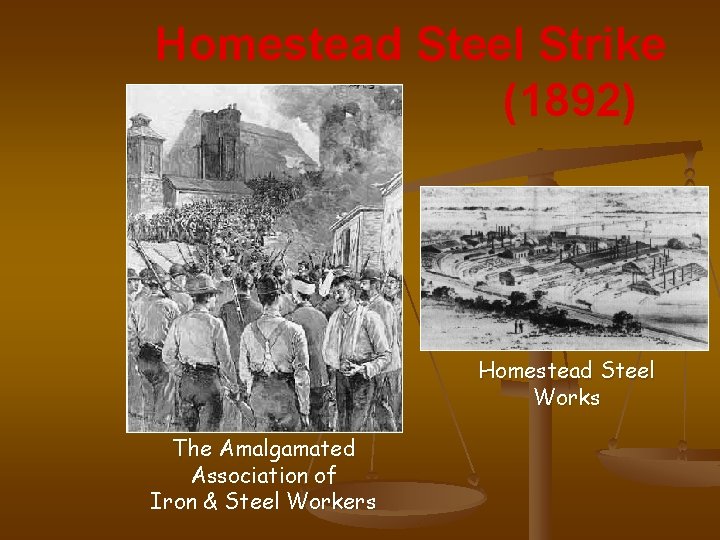
Homestead Steel Strike (1892) Homestead Steel Works The Amalgamated Association of Iron & Steel Workers
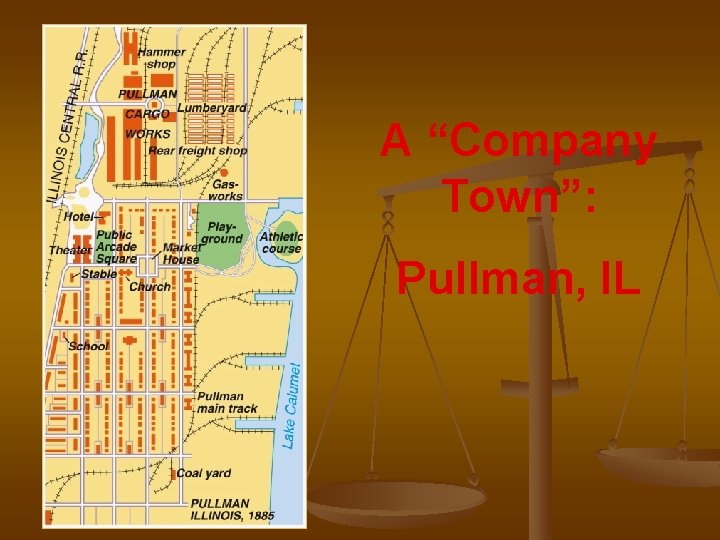
A “Company Town”: Pullman, IL
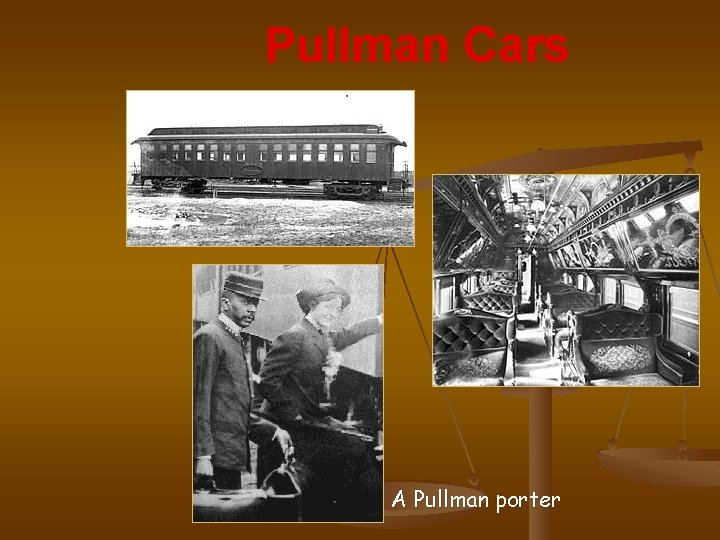
Pullman Cars A Pullman porter
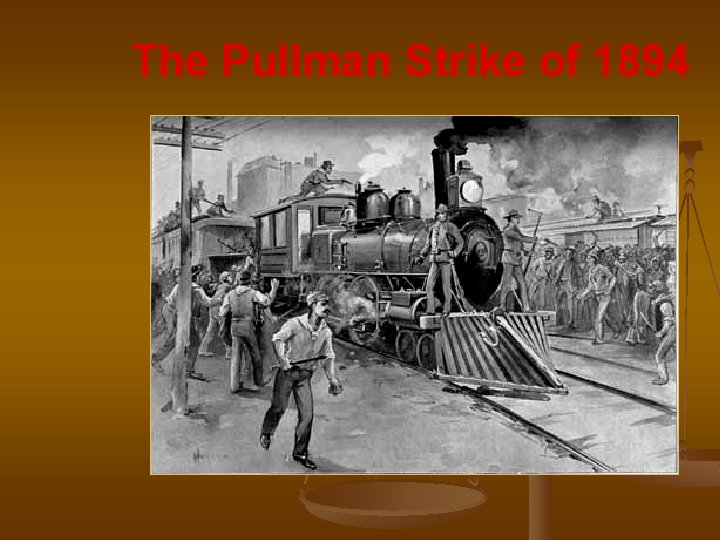
The Pullman Strike of 1894
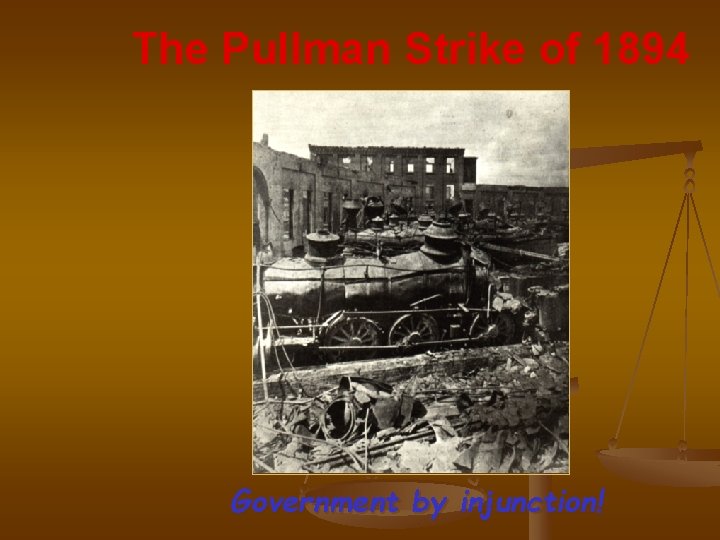
The Pullman Strike of 1894 Government by injunction!
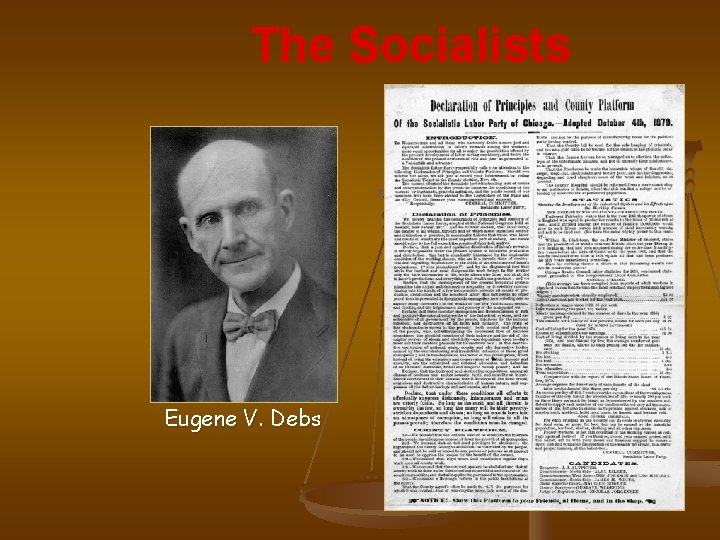
The Socialists Eugene V. Debs
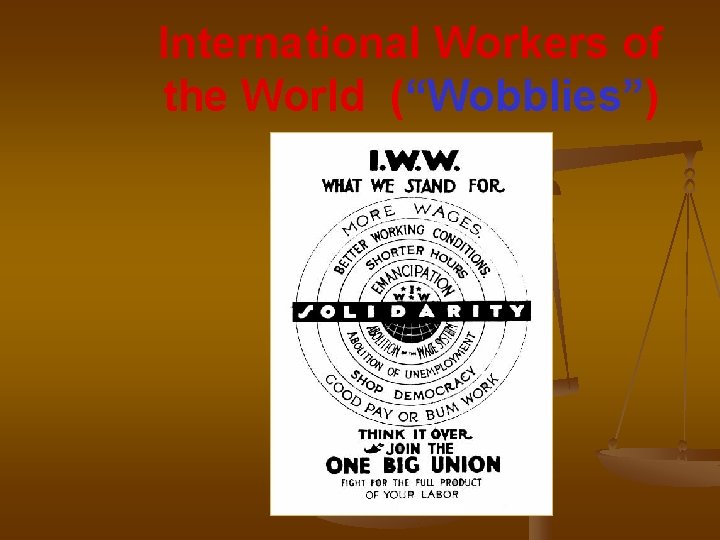
International Workers of the World (“Wobblies”)
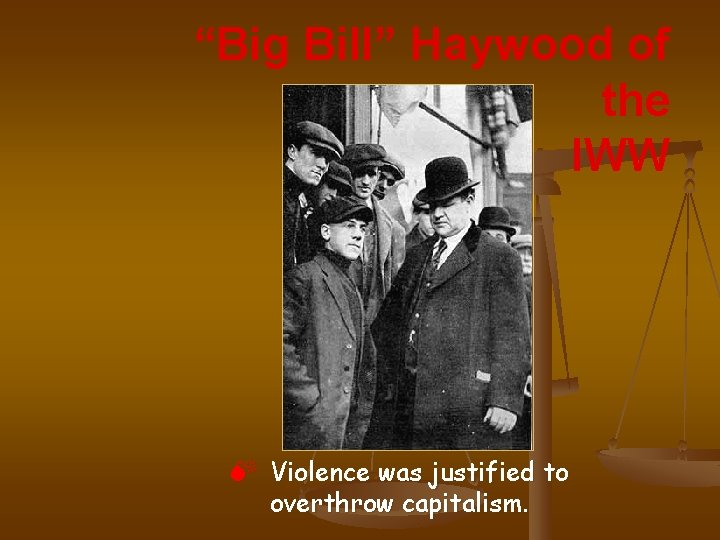
“Big Bill” Haywood of the IWW M Violence was justified to overthrow capitalism.
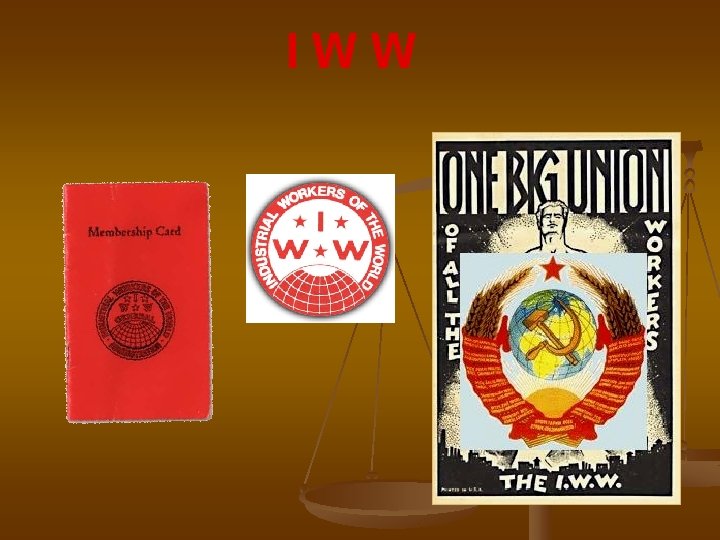
IWW
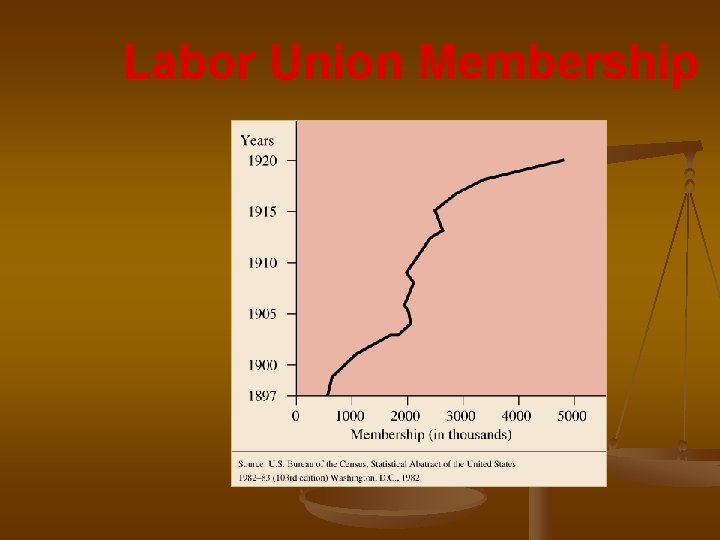
Labor Union Membership
Discussion Questions n n What were the cost and benefits of the industrial transformation of the Post- Civil War era? Was the growing class division of the time a threat to American democracy? Why or why not?