
Industrial Revolution Vocabulary Terms Industrial Revolution 1 was

Industrial Revolution Vocabulary Terms
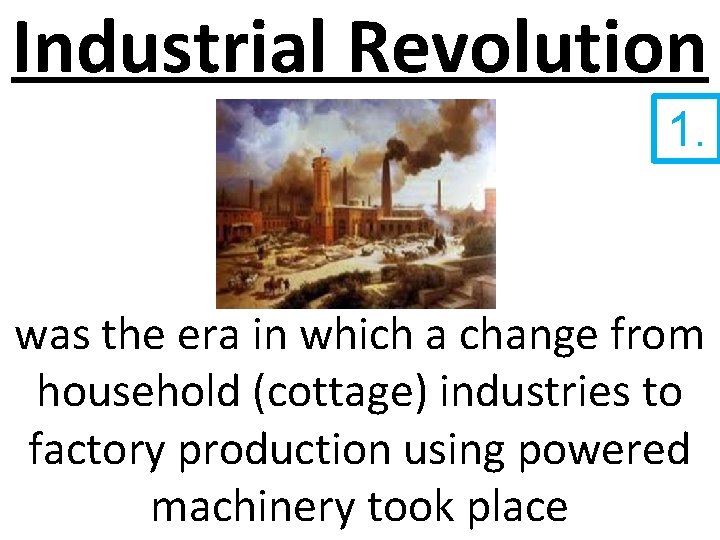
Industrial Revolution 1. was the era in which a change from household (cottage) industries to factory production using powered machinery took place
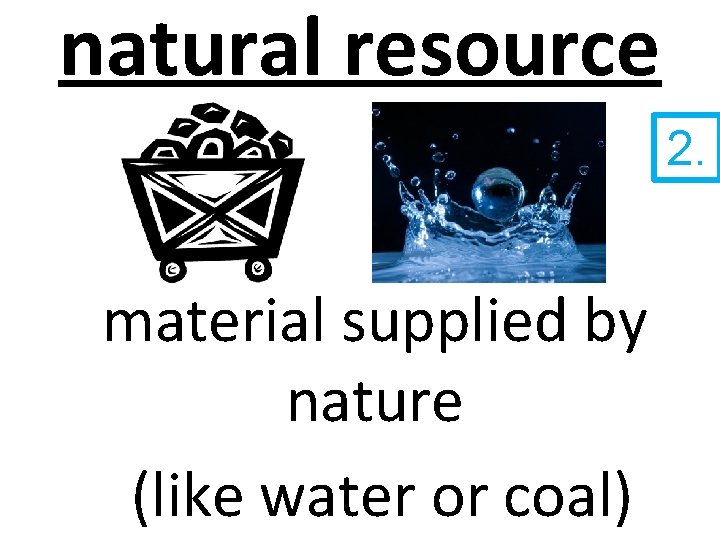
natural resource 2. material supplied by nature (like water or coal)
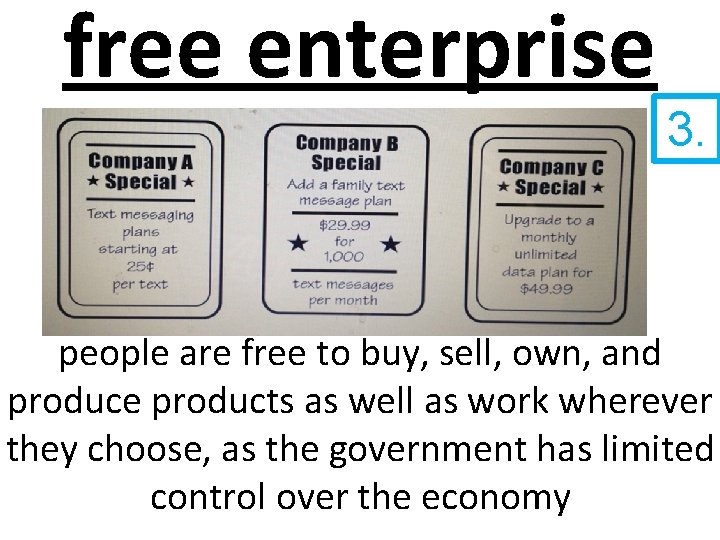
free enterprise 3. people are free to buy, sell, own, and produce products as well as work wherever they choose, as the government has limited control over the economy
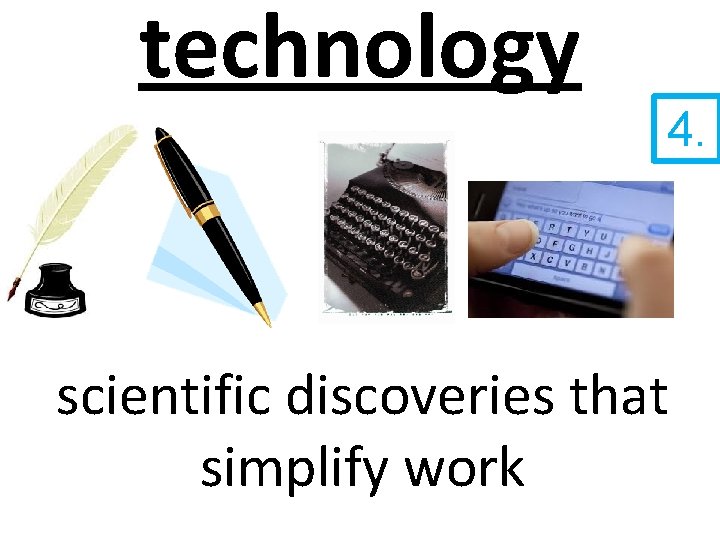
technology 4. scientific discoveries that simplify work
innovation something new or different 5.
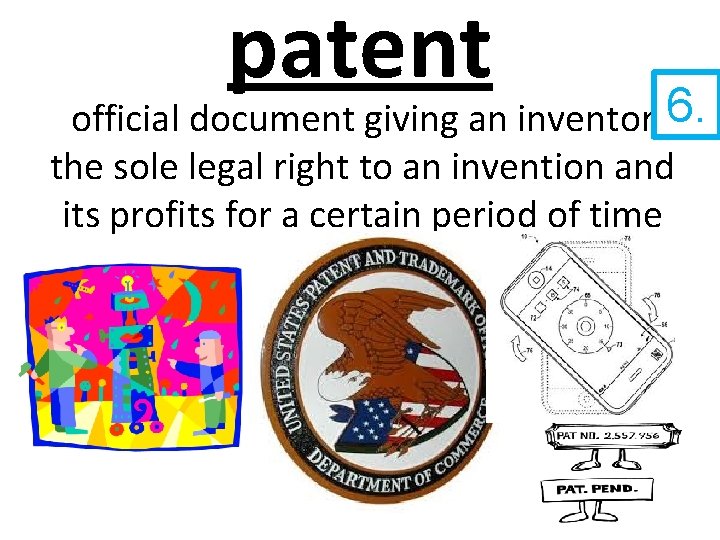
patent official document giving an inventor 6. the sole legal right to an invention and its profits for a certain period of time
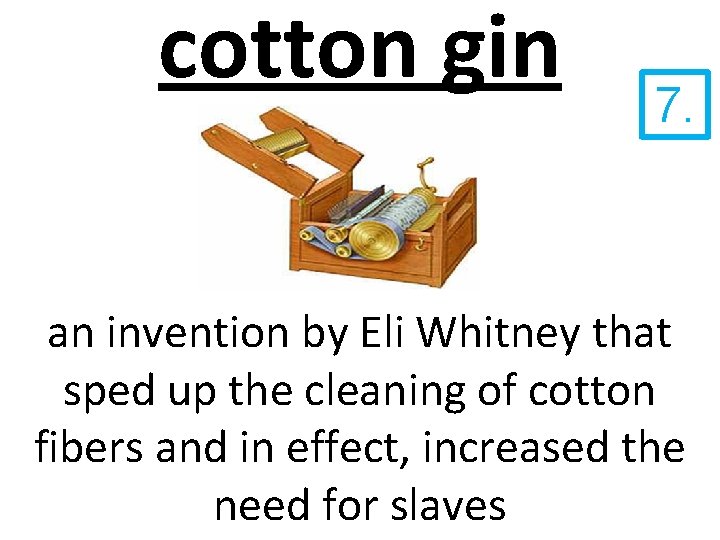
cotton gin 7. an invention by Eli Whitney that sped up the cleaning of cotton fibers and in effect, increased the need for slaves
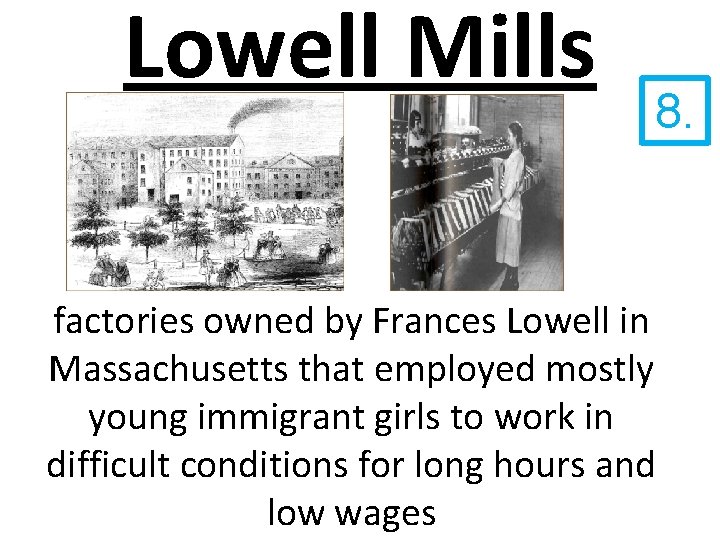
Lowell Mills 8. factories owned by Frances Lowell in Massachusetts that employed mostly young immigrant girls to work in difficult conditions for long hours and low wages
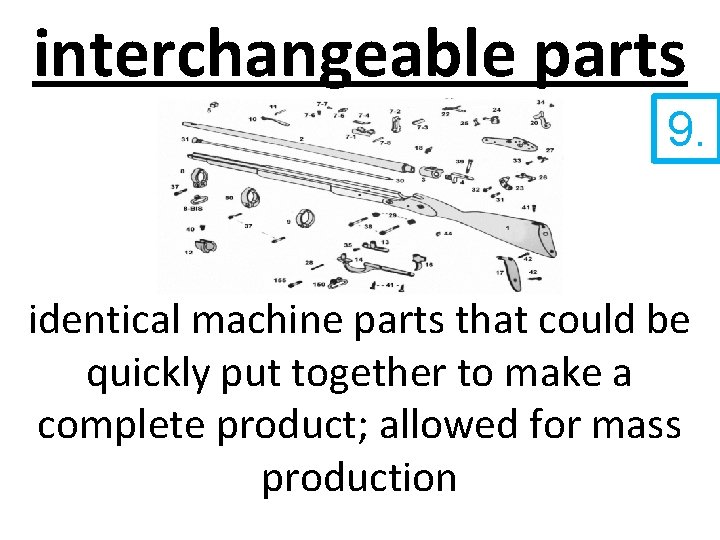
interchangeable parts 9. identical machine parts that could be quickly put together to make a complete product; allowed for mass production
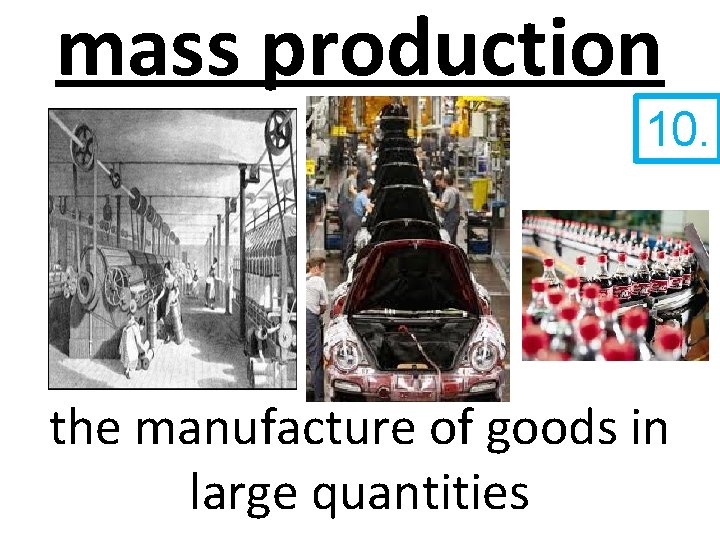
mass production 10. the manufacture of goods in large quantities
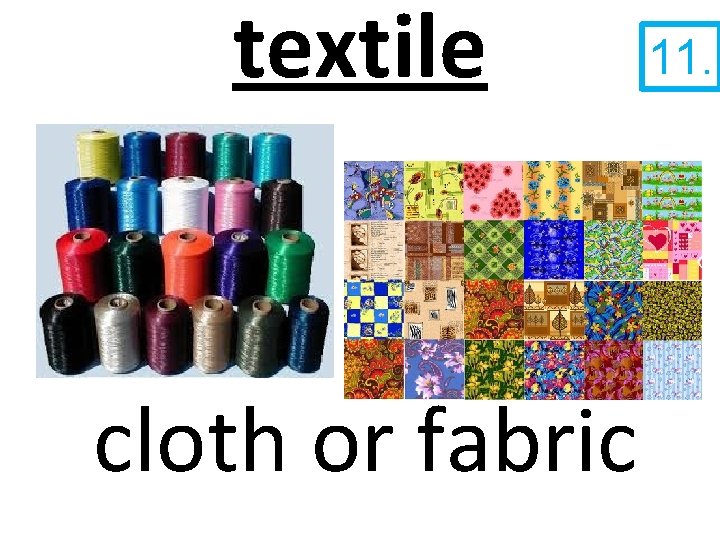
textile cloth or fabric 11.
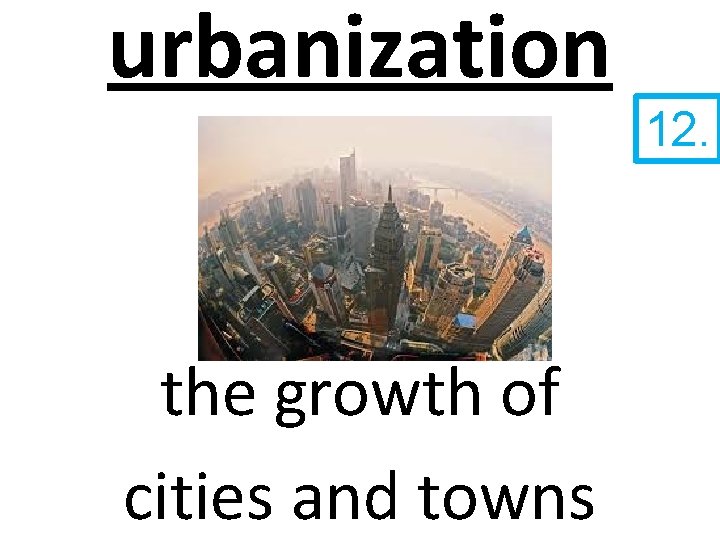
urbanization the growth of cities and towns 12.
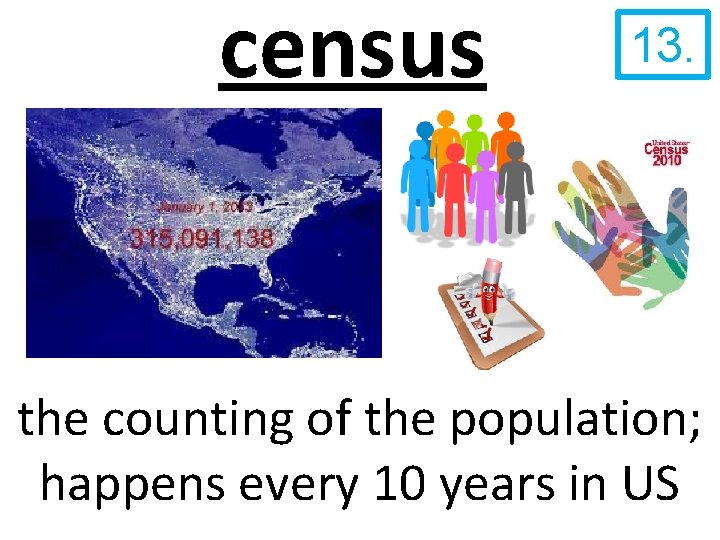
census 13. the counting of the population; happens every 10 years in US
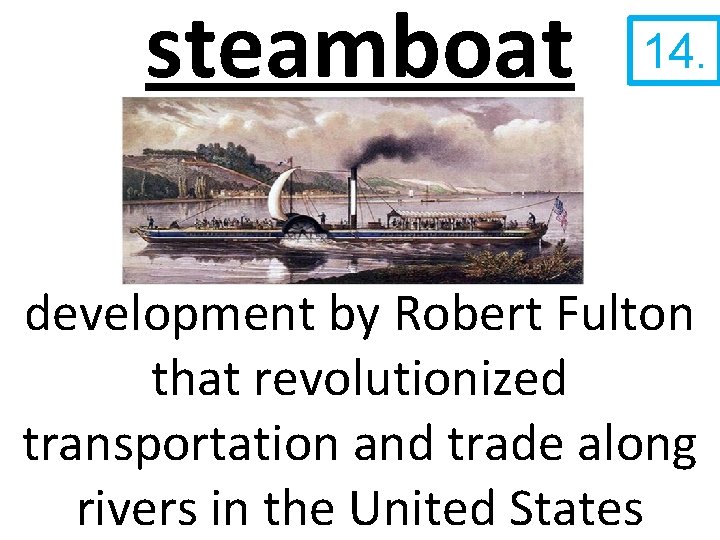
steamboat 14. development by Robert Fulton that revolutionized transportation and trade along rivers in the United States
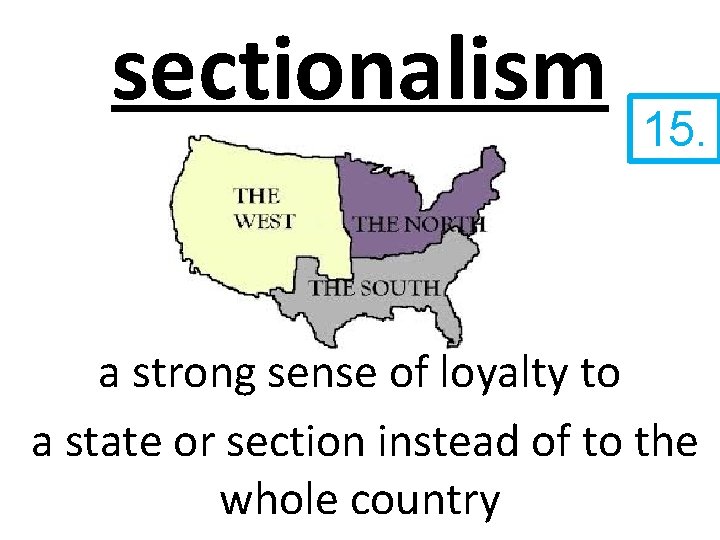
sectionalism 15. a strong sense of loyalty to a state or section instead of to the whole country
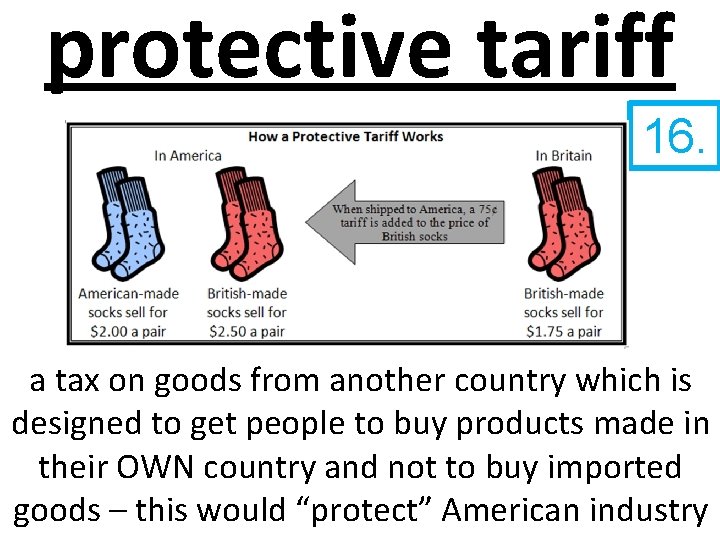
protective tariff 16. a tax on goods from another country which is designed to get people to buy products made in their OWN country and not to buy imported goods – this would “protect” American industry
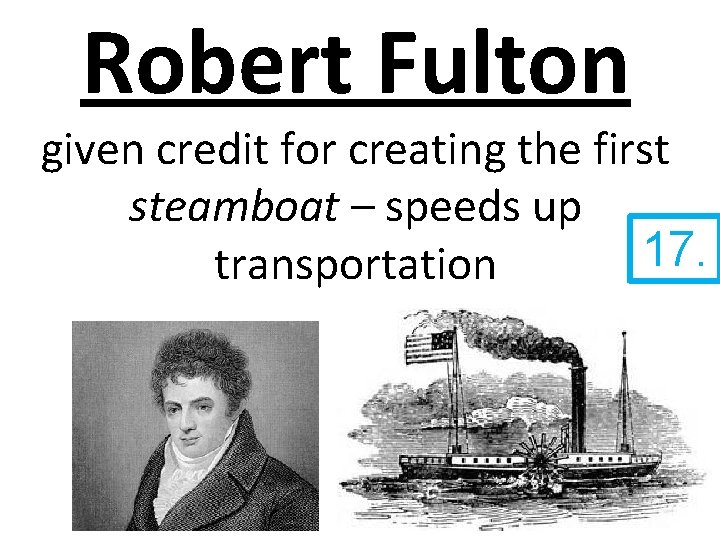
Robert Fulton given credit for creating the first steamboat – speeds up 17. transportation
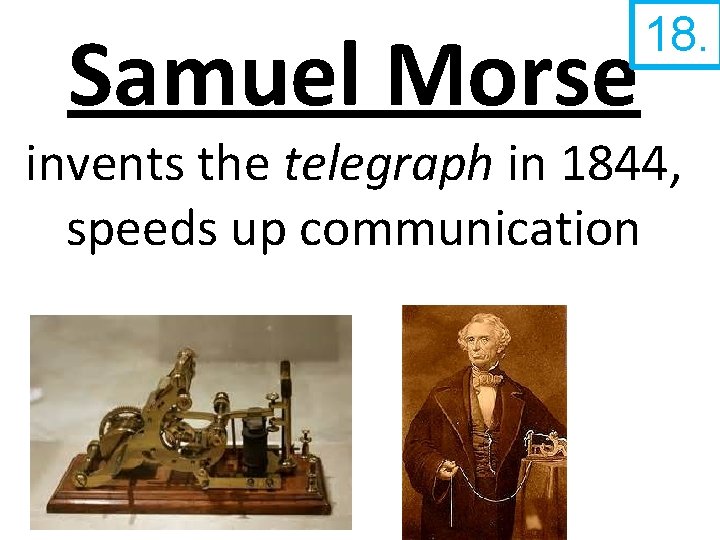
Samuel Morse 18. invents the telegraph in 1844, speeds up communication
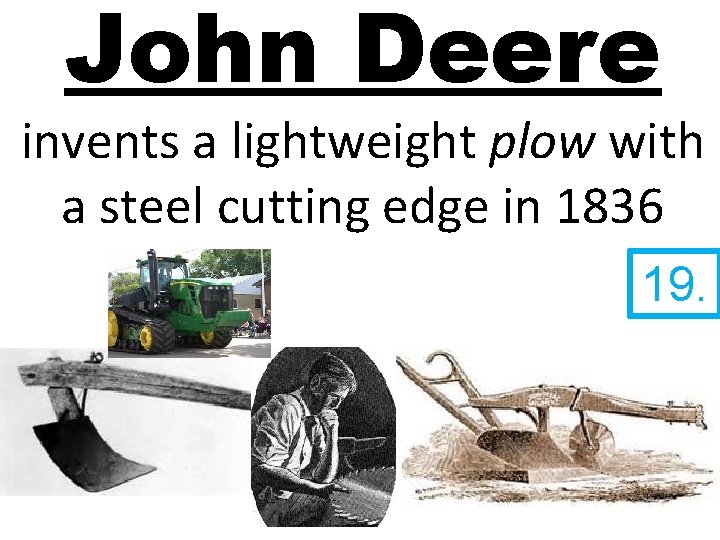
John Deere invents a lightweight plow with a steel cutting edge in 1836 19.
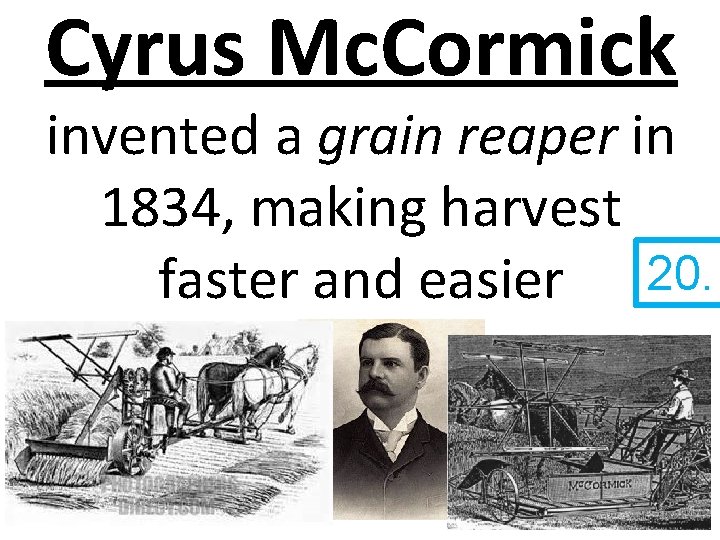
Cyrus Mc. Cormick invented a grain reaper in 1834, making harvest faster and easier 20.
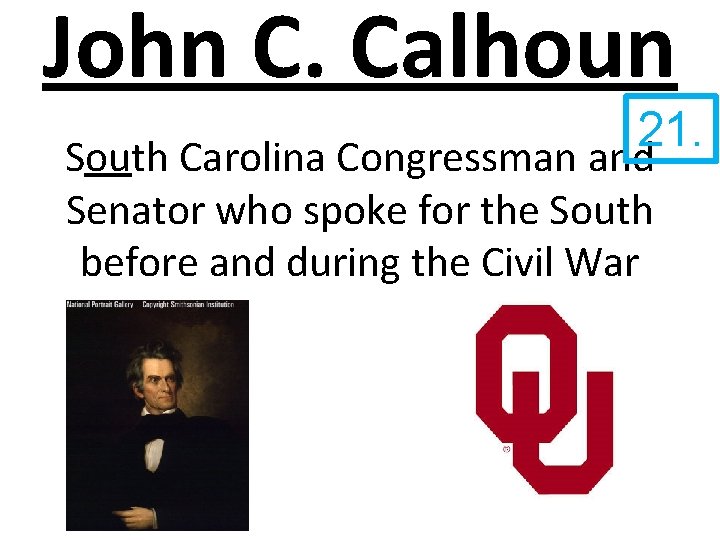
John C. Calhoun 21. South Carolina Congressman and Senator who spoke for the South before and during the Civil War
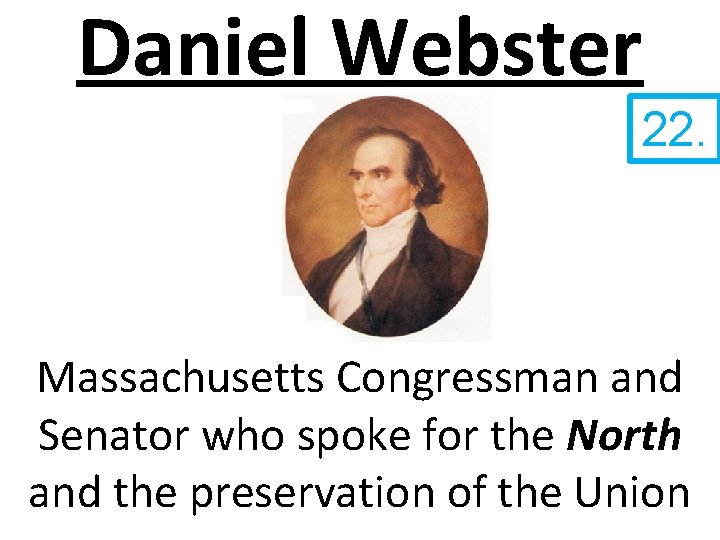
Daniel Webster 22. Massachusetts Congressman and Senator who spoke for the North and the preservation of the Union
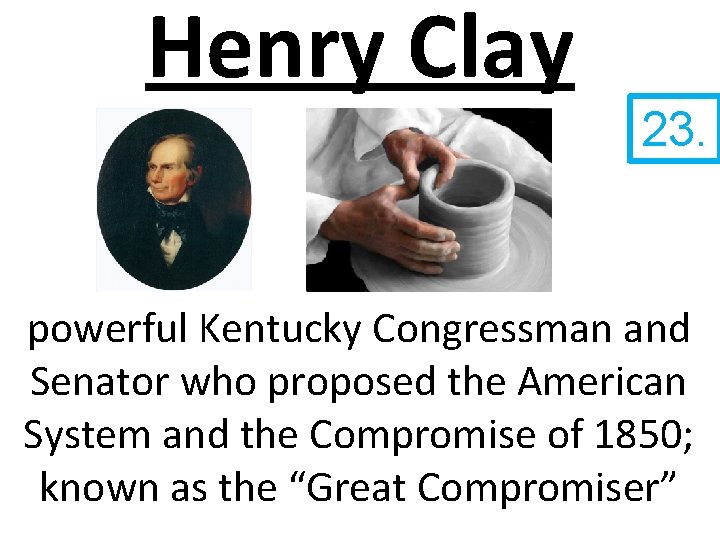
Henry Clay 23. powerful Kentucky Congressman and Senator who proposed the American System and the Compromise of 1850; known as the “Great Compromiser”
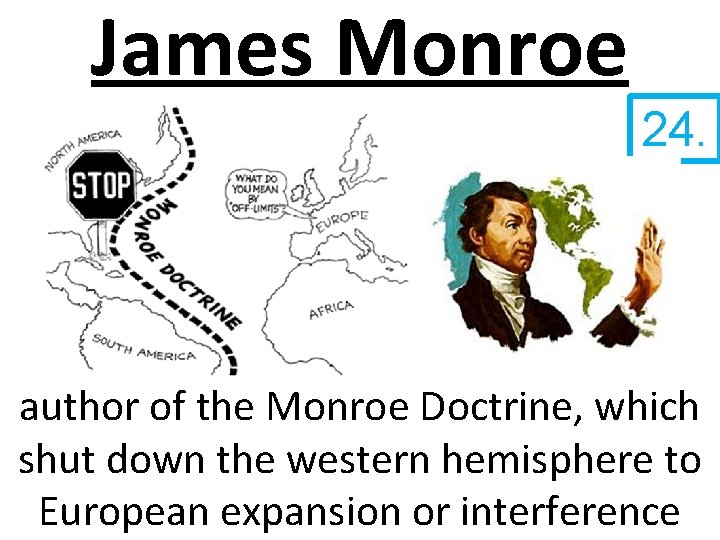
James Monroe 24. author of the Monroe Doctrine, which shut down the western hemisphere to European expansion or interference
- Slides: 25