
Industrial Activity and European Forests Industrial activity is




- Slides: 20
Industrial Activity and European Forests
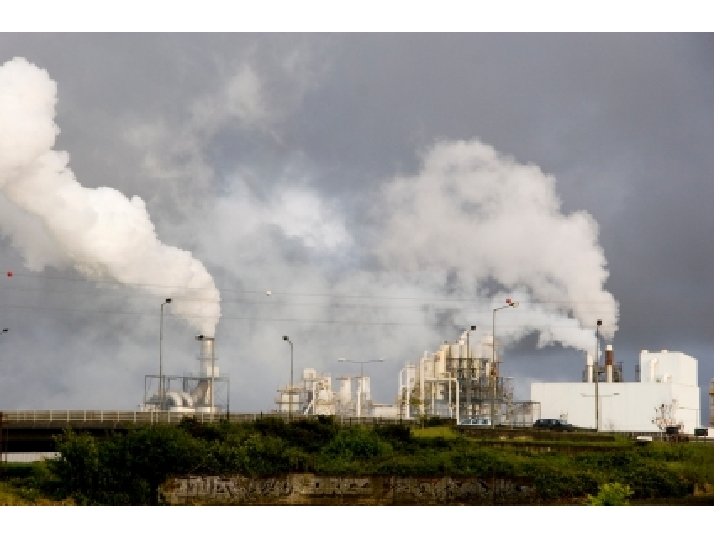
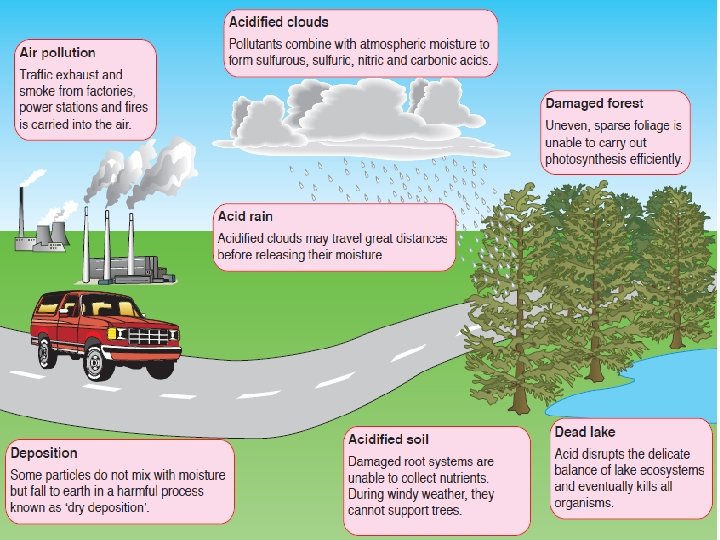
• Industrial activity is a primary cause of acid rain. • The acid in acid rain comes from 2 types of air pollutants: sulfur dioxide (S 02) and nitrogen oxides (N 0 x). • These are produced by power stations burning fossil fuels as well as by car, truck and bus exhausts.
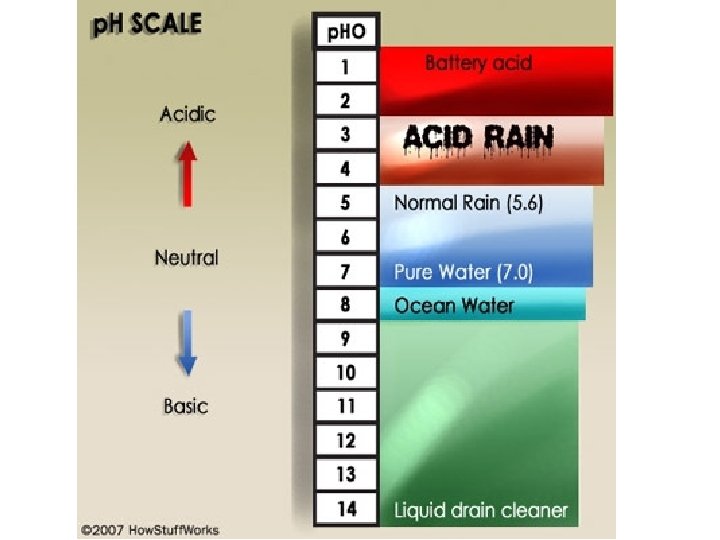
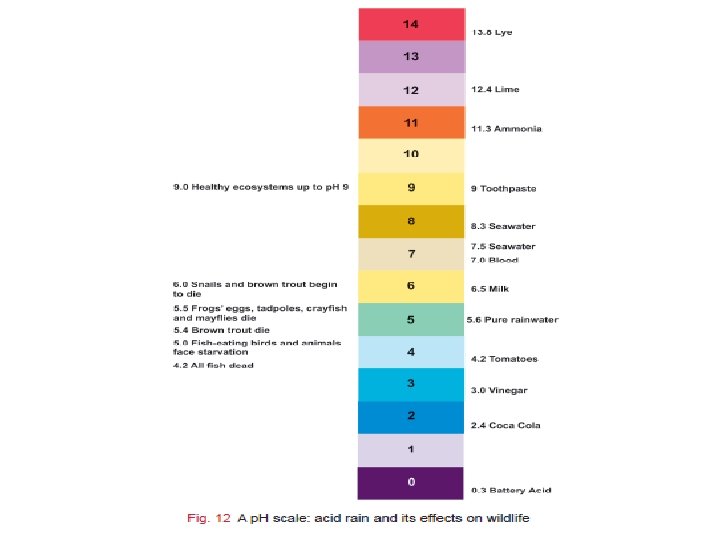
• When these pollutants reach the atmosphere they combine with water in clouds and change to sulfuric acid and nitric acid. • Rain and snow wash these acids from the air onto the land. • Acid rain refers to all types of precipitation such as rain, snow, sleet, hail and fog that is acidic in nature. • Acidic means that these forms of water have a p. H lower than 5. 6 which is the p. H of average rainwater.
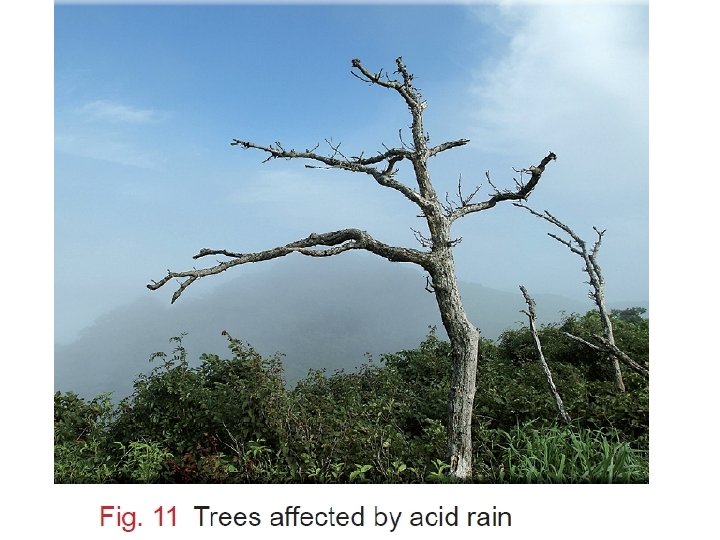
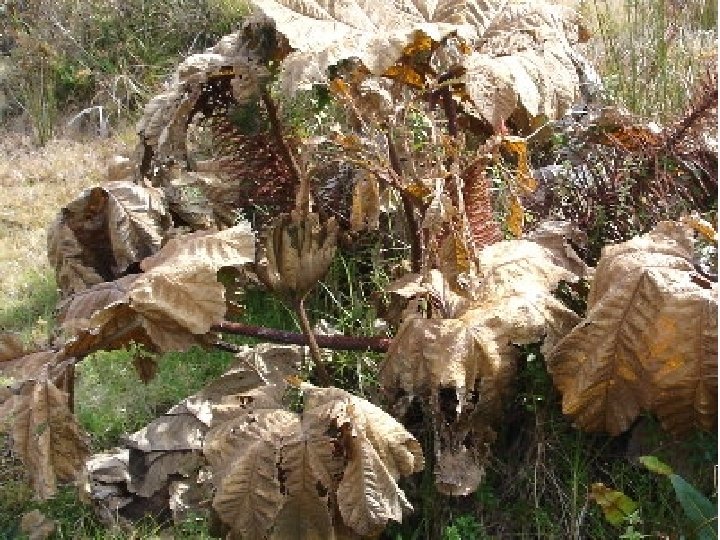
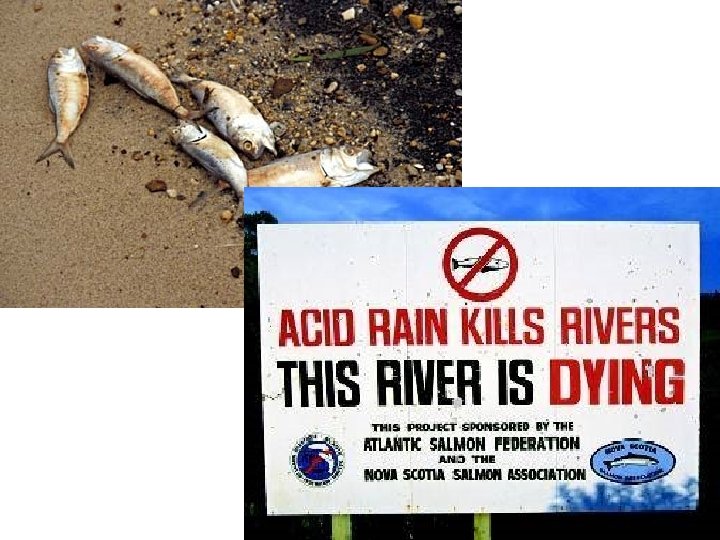
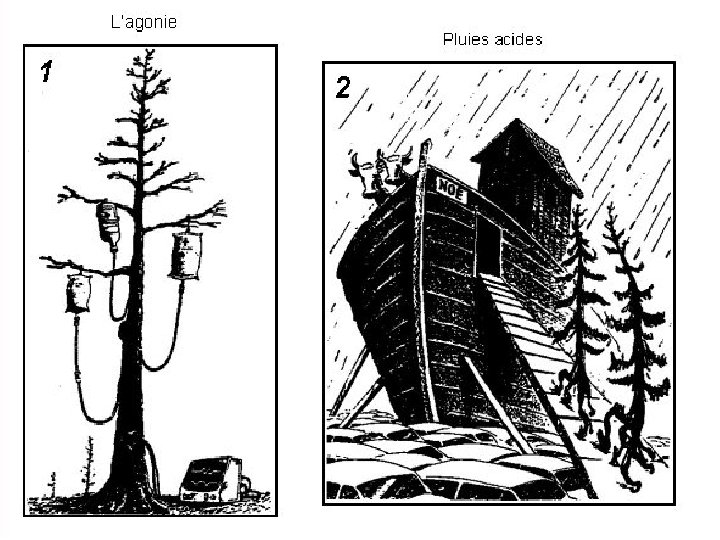
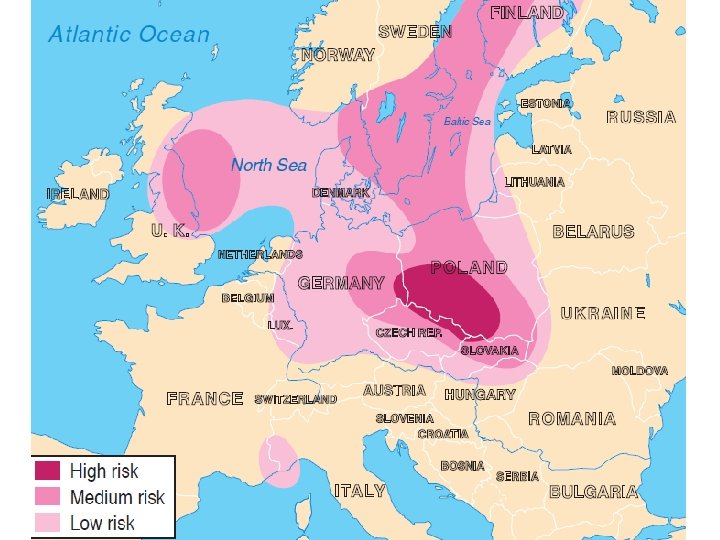
• Acid rain kills or damages trees, aquatic life, crops, other vegetation, buildings and monuments. • It corrodes copper and lead piping, reduces soil fertility and can cause toxic metals to leach into underground drinking water sources. • Acid rain is a particular concern for coniferous forests in Scandinavia and Eastern Europe. • It is estimated that more than 65% of trees in the UK and over 50% of the trees in Germany, the Netherlands and Switzerland are affected by dieback due to acid rain
Forest dieback is a condition in trees or woody plants in which peripheral parts are killed, either by parasites or due to conditions like acid rain and drought. [1]
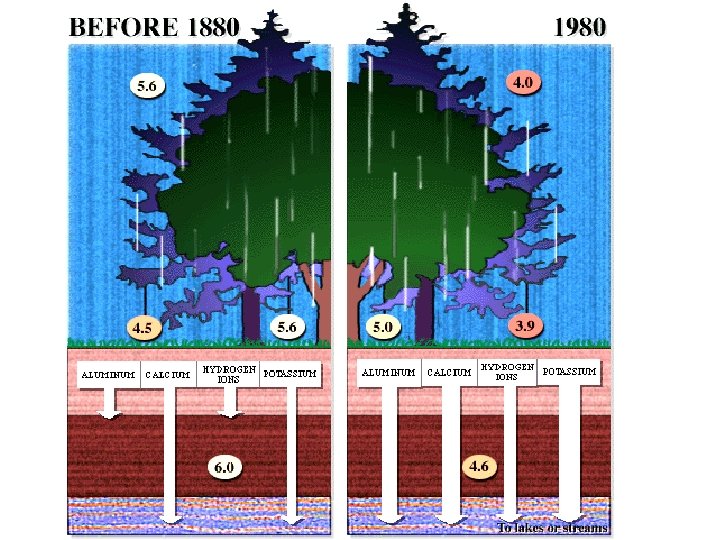
The effects of acid rain on forests. • Some of the most important effects of acid rain on forests involve nutrient leaching, the accumulation of toxic metals and the release of toxic aluminium into the water and soil. • Nutrient leaching occurs when acid rain displaces calcium, magnesium and potassium from soil particles, depriving trees of these important plant minerals.
• Toxic metals such as lead, zinc, copper, chromium and aluminium are deposited in the forest from the atmosphere. • The acid rain releases these metals and they stunt the growth of trees and also that of mosses, algae, nitrogen-fixing bacteria and fungi needed forest growth. • Trees are harmed by acid rain in a variety of ways : • the waxy surface of leaves is broken down and nutrients are lost, making trees more susceptible to frost, fungi and insects. • Root growth slows and as a result fewer nutrients are taken up.