
Indus Valley Art Indus Valley Art I The

- Slides: 20
Indus Valley Art
Indus Valley Art I • The Indus Valley is one of the world's earliest urban civilizations, along with its contemporaries, Mesopotamia and Ancient Egypt • Date: 3300 BCE to 1500 BCE • The civilization is noted for its cities built of bricks, roadside drainage system, and multistoried houses. • So planned cities
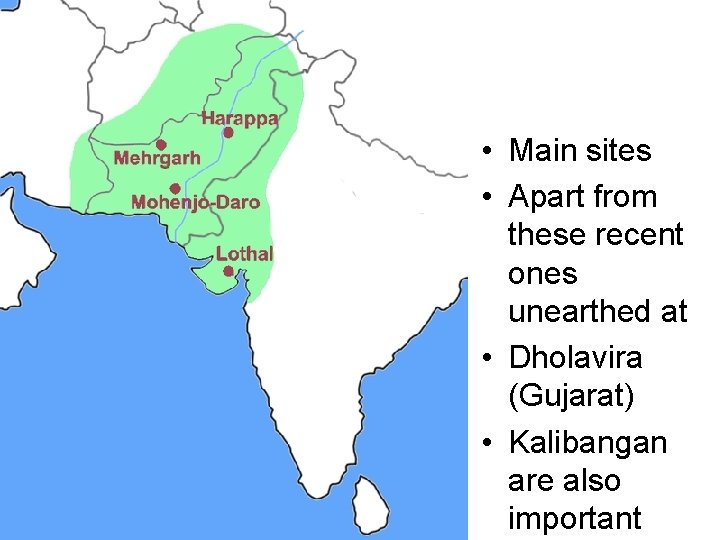
• Main sites • Apart from these recent ones unearthed at • Dholavira (Gujarat) • Kalibangan are also important
• Though it seems to have been a very well advanced society we know little about it because the script has not yet been deciphered (cannot be read) • So a lot of mystery about various facets of the civilization from its origin to extinction
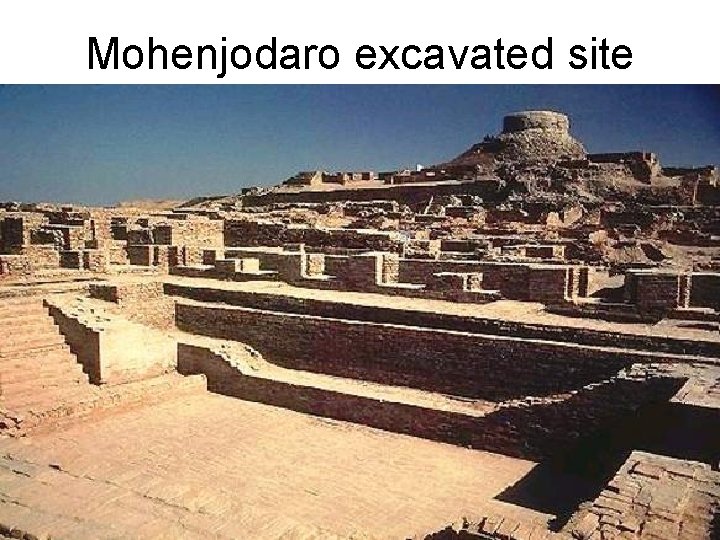
Mohenjodaro excavated site
Art • Varied and extremely curious kinds of artifacts have been found from Indus valley sites • Sculptures, seals, pottery, gold jewelry, and anatomically detailed figurines in terracotta, bronze, and steatite (a kind of soapstone) have been found at excavation sites.
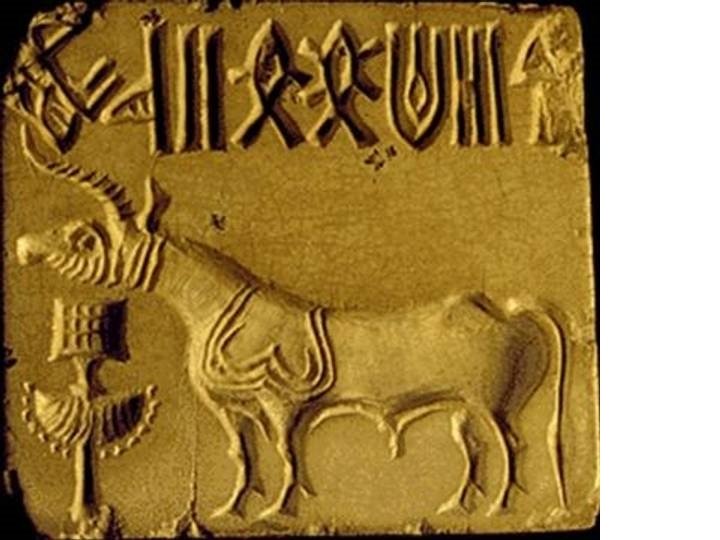
Seals • Steatite seals have images of animals, people (perhaps gods), and other types of inscriptions, including the yet undeciphered writing system of the Indus Valley Civilization. • Some of the seals were used to stamp clay on trade goods and most probably had other uses as well. • Many of them preserved in National Museum, Delhi
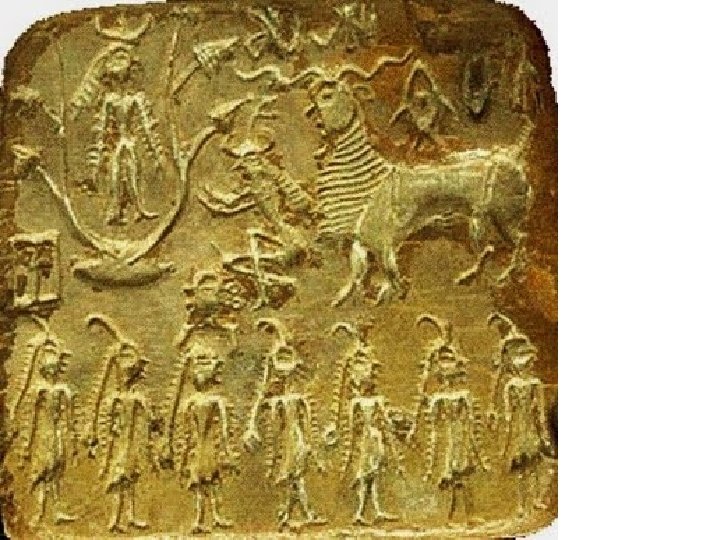
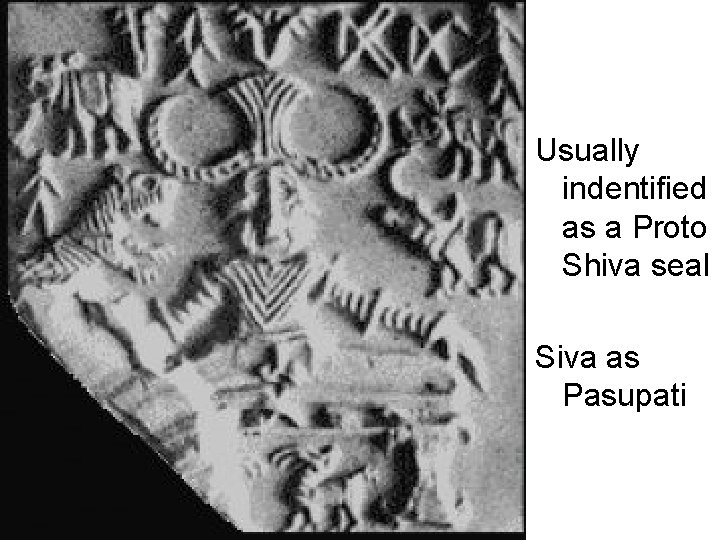
Usually indentified as a Proto Shiva seal Siva as Pasupati
• The Pashupati Seal: This seal depicts what is probably the modern Hindu God, Shiv. Lord Shiv is surrounded by various animals like the rhino, the buffalo, the elephant and deer
• tiger. He wears a crown of horns on his head. He is believed to have been considered by the Indus Valley Civilization people as the lord of the animals. • The Unicorn Seal: This is based on a fictional animal that the Indus Valley Civilization people had conjured up. It is an example of early fictional art.
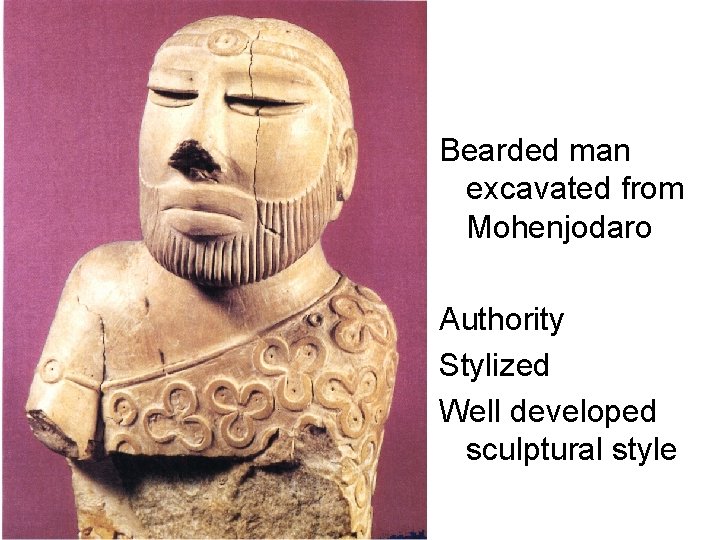
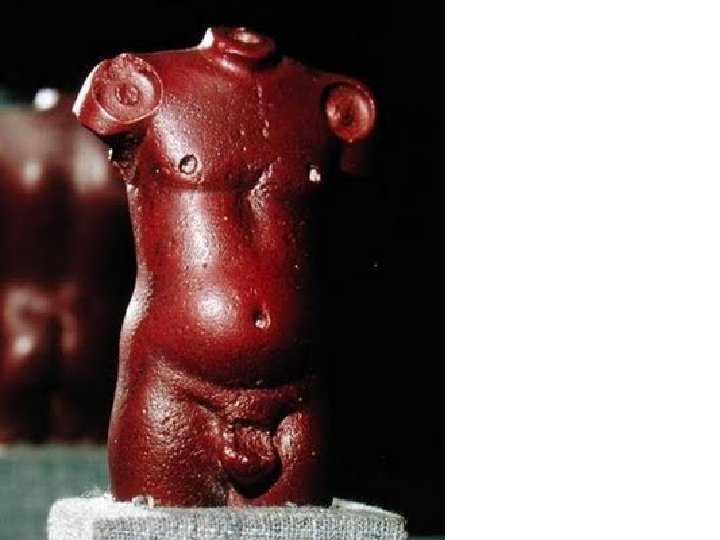
Sculpture • Sculpture appeared to have made great advancements based on the various artifacts that have been found. • The Indus Valley Civilization made sculptures mainly in stone, metal and terra-cotta. • The famous bust of the bearded man, and the male torso are examples of such work.
Bearded man excavated from Mohenjodaro Authority Stylized Well developed sculptural style
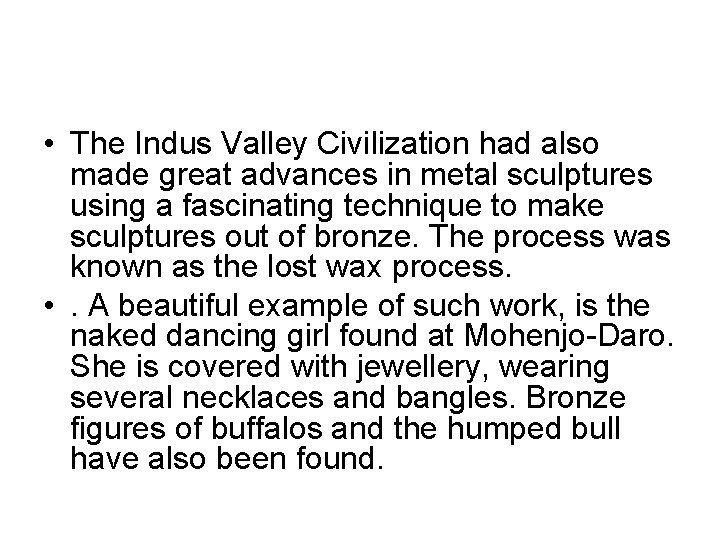
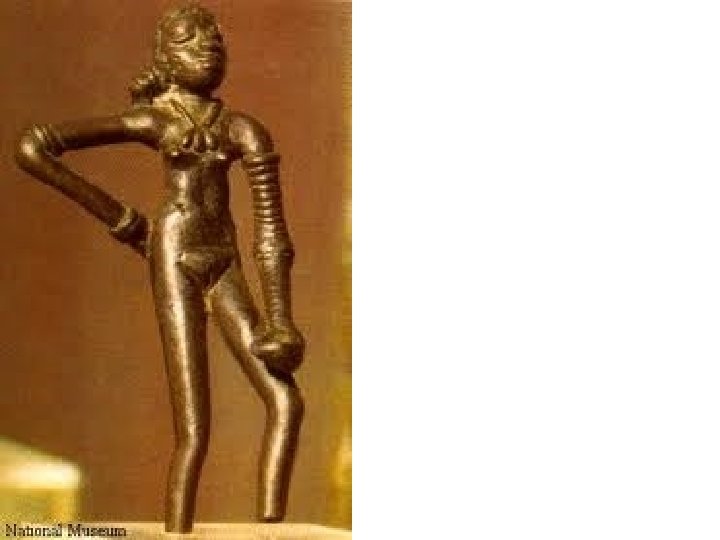
• The Indus Valley Civilization had also made great advances in metal sculptures using a fascinating technique to make sculptures out of bronze. The process was known as the lost wax process. • . A beautiful example of such work, is the naked dancing girl found at Mohenjo-Daro. She is covered with jewellery, wearing several necklaces and bangles. Bronze figures of buffalos and the humped bull have also been found.
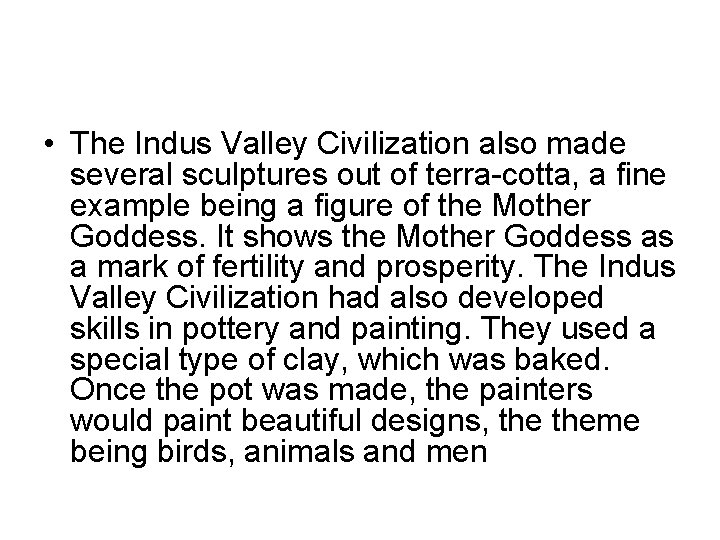
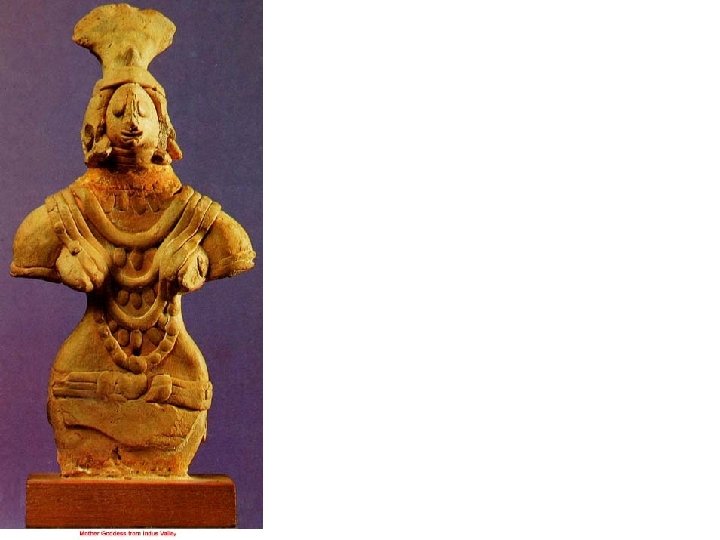
• The Indus Valley Civilization also made several sculptures out of terra-cotta, a fine example being a figure of the Mother Goddess. It shows the Mother Goddess as a mark of fertility and prosperity. The Indus Valley Civilization had also developed skills in pottery and painting. They used a special type of clay, which was baked. Once the pot was made, the painters would paint beautiful designs, theme being birds, animals and men