
Induction and Support Keeping Teachers Teaching Shauna Lane


- Slides: 29
Induction and Support: Keeping Teachers Teaching Shauna Lane, Education Specialist Lela Taubert, Education Specialist
Purpose – Guiding Questions • Look at how to create a network of support so that new teachers have more than a chance to be successful: • Why do we need an induction program? • Who are they? Where are they? (skill level) • What do they need? • How much and when? • How do we do this? 2
Highly Qualified Beginning Teachers -NCTAF • Possess a deep understanding of the subjects they teach • Evidence a firm understanding of how students learn • Demonstrate the teaching skills necessary to help all students achieve high standards • Create a positive learning environment • Use a variety of assessment strategies to diagnose and respond to individual learning needs • Demonstrate and integrate modern technology into the school curriculum to support student learning • Collaborate with colleagues, parents and community members, and other educators to improve student learning • Reflect on their practice to improve future teaching and student achievement • Pursue professional growth in both content and pedagogy • Instill a passion for learning in their students. 3
To understand, we must know why we need an induction program… 4
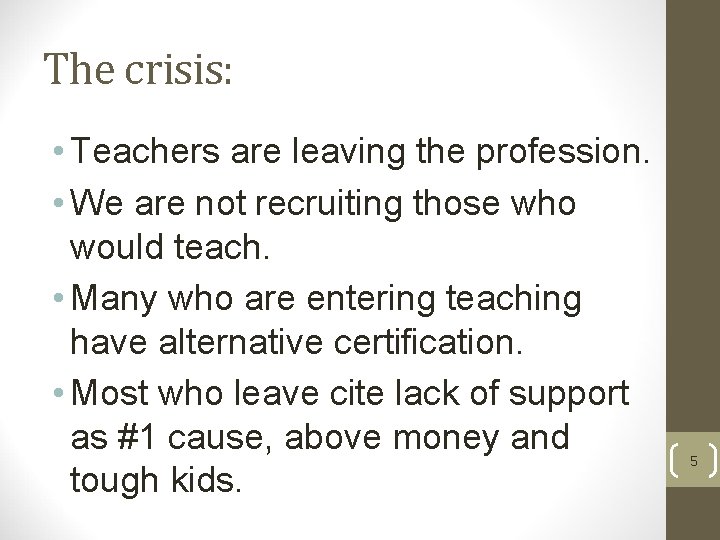
The crisis: • Teachers are leaving the profession. • We are not recruiting those who would teach. • Many who are entering teaching have alternative certification. • Most who leave cite lack of support as #1 cause, above money and tough kids. 5
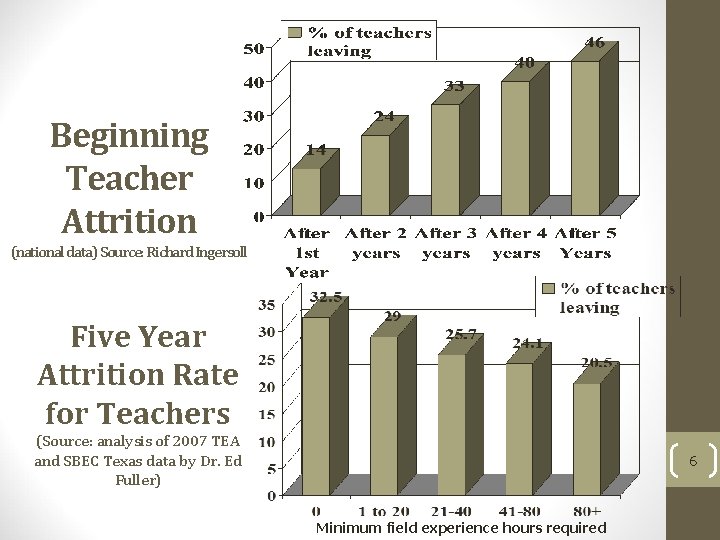
Beginning Teacher Attrition (national data) Source: Richard Ingersoll Five Year Attrition Rate for Teachers (Source: analysis of 2007 TEA and SBEC Texas data by Dr. Ed Fuller) 6 Minimum field experience hours required
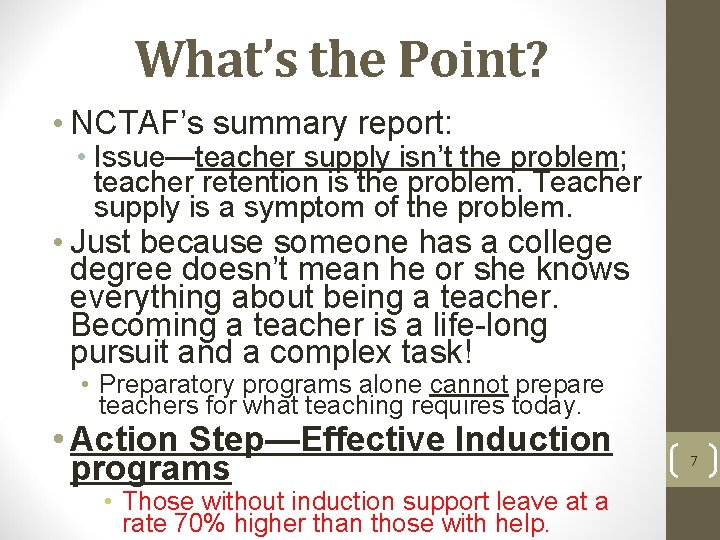
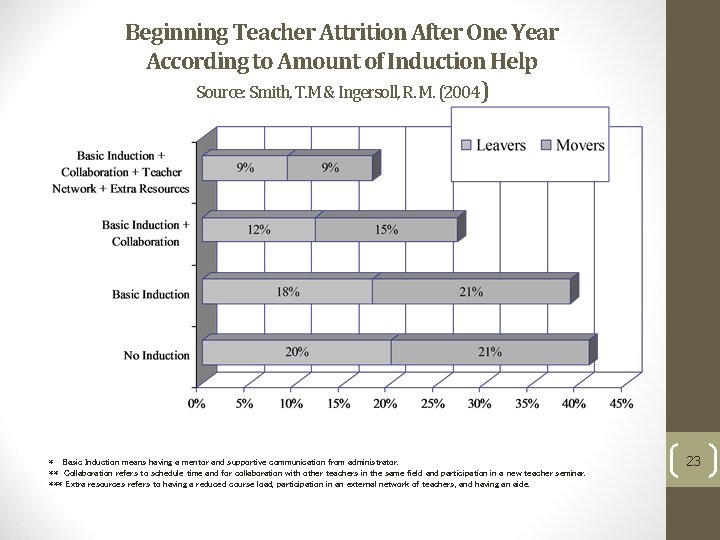
What’s the Point? • NCTAF’s summary report: • Issue—teacher supply isn’t the problem; teacher retention is the problem. Teacher supply is a symptom of the problem. • Just because someone has a college degree doesn’t mean he or she knows everything about being a teacher. Becoming a teacher is a life-long pursuit and a complex task! • Preparatory programs alone cannot prepare teachers for what teaching requires today. • Action Step—Effective Induction programs • Those without induction support leave at a rate 70% higher than those with help. 7
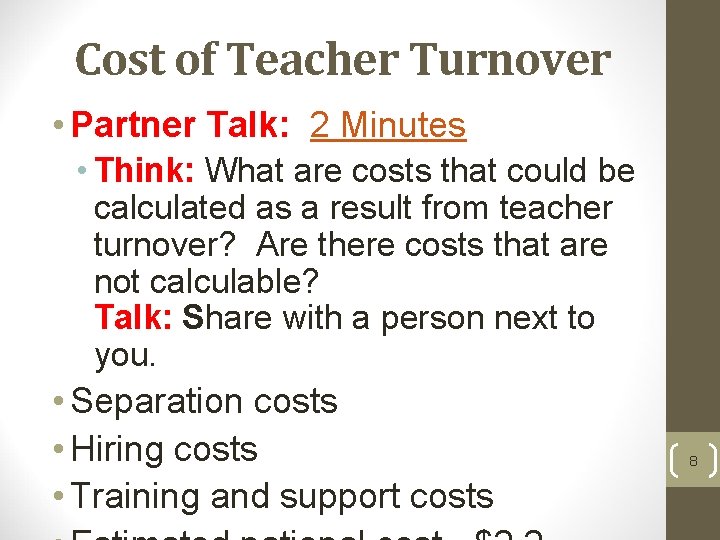
Cost of Teacher Turnover • Partner Talk: 2 Minutes • Think: What are costs that could be calculated as a result from teacher turnover? Are there costs that are not calculable? Talk: Share with a person next to you. • Separation costs • Hiring costs • Training and support costs 8
To help, we must understand who they are and where they are… 9
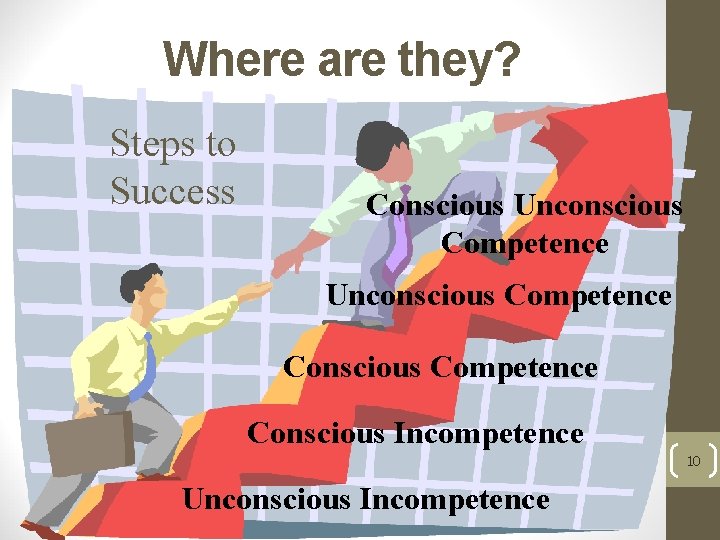
Where are they? Steps to Success Conscious Unconscious Competence Conscious Incompetence 10 Unconscious Incompetence
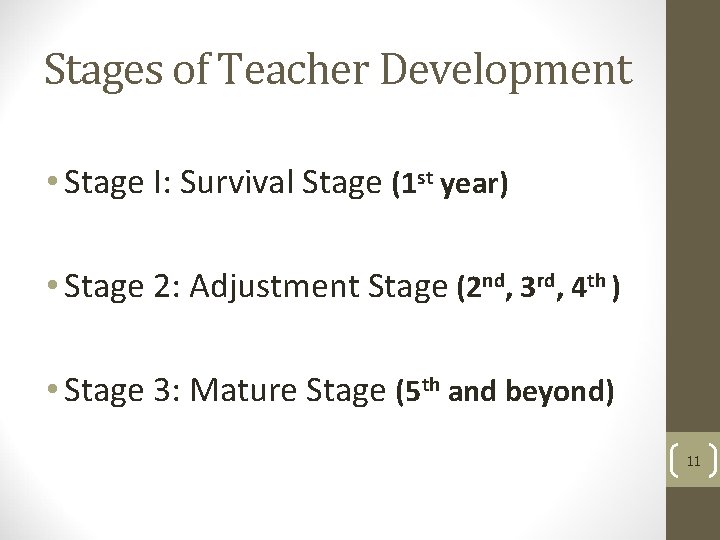
Stages of Teacher Development • Stage I: Survival Stage (1 st year) • Stage 2: Adjustment Stage (2 nd, 3 rd, 4 th ) • Stage 3: Mature Stage (5 th and beyond) 11
Remember…NEW teachers are NEW! …it doesn’t get easier; we get better! • To achieve better results, we can either • Get better students, • Get better teachers, or • Improve the people we have! New teachers have a variety of needs, but cannot do everything at once. We must provide on-going support that is timely and responsive to their unique needs… 12
To implement, we need to know what they need and when… 13
FYTs need: Mentoring & Support • Training and Coaching • Time to try • Feedback and follow up 14
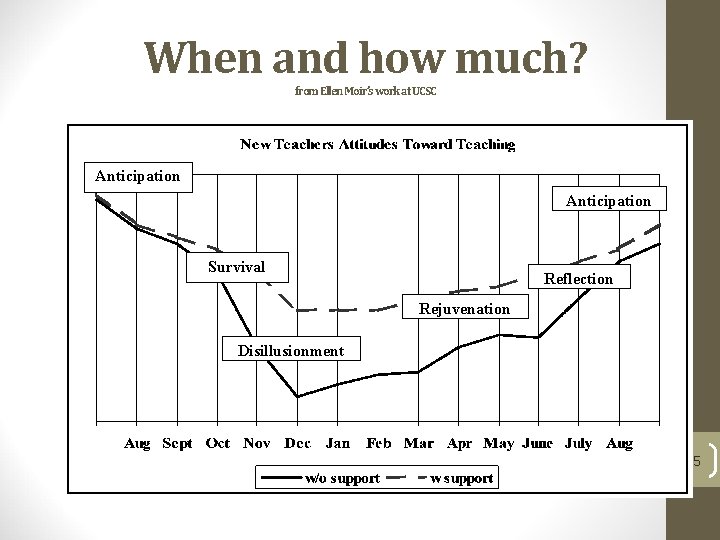
When and how much? from Ellen Moir’s work at UCSC Anticipation Survival Reflection Rejuvenation Disillusionment 15
First Year Teacher Needs: Perceptions before school starts • Needs: • • Classroom Organization Getting the room and lessons ready Meeting parents Getting resources Who to ask; where to find… Dealing with students with special needs Maintaining control of the classroom • Thoughts: • Can I do it? • Will they like me? 16
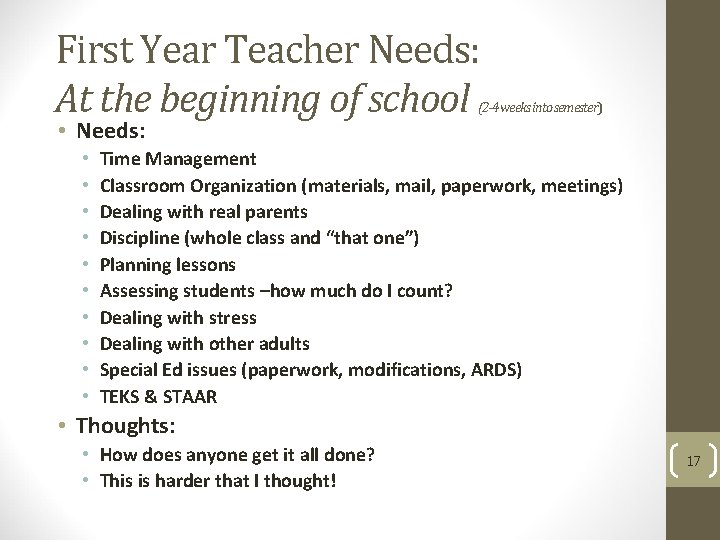
First Year Teacher Needs: At the beginning of school • Needs: • • • (2 -4 weeks into semester) Time Management Classroom Organization (materials, mail, paperwork, meetings) Dealing with real parents Discipline (whole class and “that one”) Planning lessons Assessing students –how much do I count? Dealing with stress Dealing with other adults Special Ed issues (paperwork, modifications, ARDS) TEKS & STAAR • Thoughts: • How does anyone get it all done? • This is harder that I thought! 17
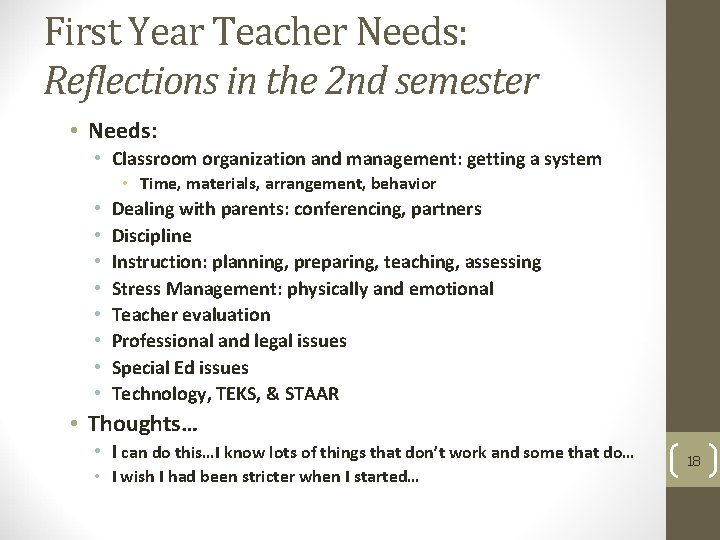
First Year Teacher Needs: Reflections in the 2 nd semester • Needs: • Classroom organization and management: getting a system • Time, materials, arrangement, behavior • • Dealing with parents: conferencing, partners Discipline Instruction: planning, preparing, teaching, assessing Stress Management: physically and emotional Teacher evaluation Professional and legal issues Special Ed issues Technology, TEKS, & STAAR • Thoughts… • I can do this…I know lots of things that don’t work and some that do… • I wish I had been stricter when I started… 18
To evaluate our process, we need to know what a system of support looks like… 19
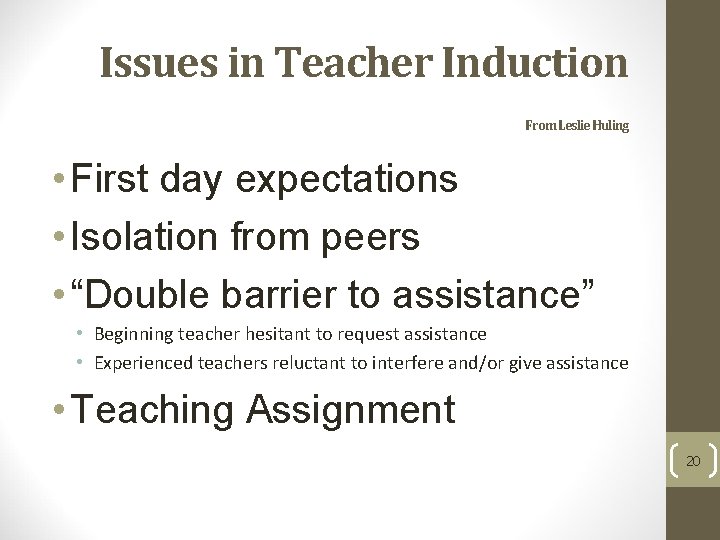
Issues in Teacher Induction From Leslie Huling • First day expectations • Isolation from peers • “Double barrier to assistance” • Beginning teacher hesitant to request assistance • Experienced teachers reluctant to interfere and/or give assistance • Teaching Assignment 20
The Solution? • 3 Powerful Strategies • Teacher Preparation • Schools as Learning Communities • Comprehensive Induction Program 21 Those schools without induction support
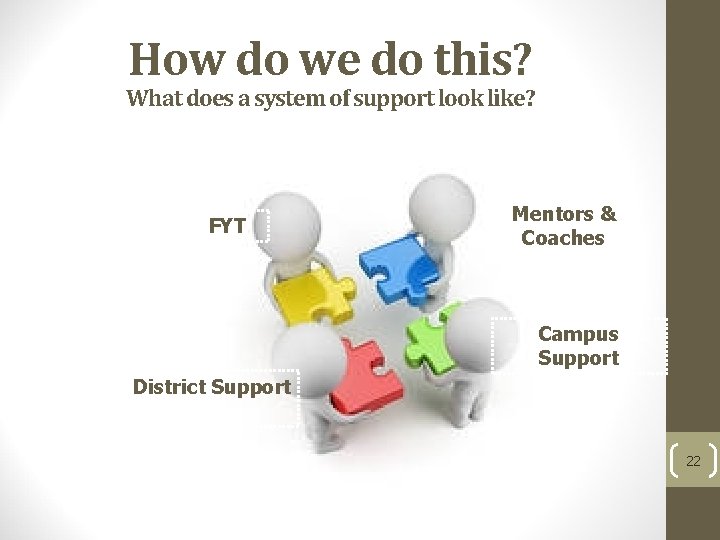
How do we do this? What does a system of support look like? FYT Mentors & Coaches Campus Support District Support 22
Beginning Teacher Attrition After One Year According to Amount of Induction Help Source: Smith, T. M & Ingersoll, R. M. (2004) * Basic Induction means having a mentor and supportive communication from administrator. ** Collaboration refers to schedule time and for collaboration with other teachers in the same field and participation in a new teacher seminar. *** Extra resources refers to having a reduced course load, participation in an external network of teachers, and having an aide. 23
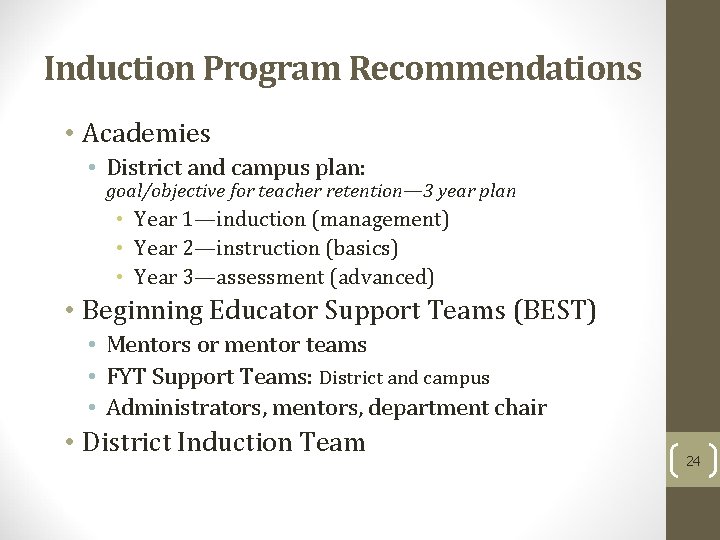
Induction Program Recommendations • Academies • District and campus plan: goal/objective for teacher retention— 3 year plan • Year 1—induction (management) • Year 2—instruction (basics) • Year 3—assessment (advanced) • Beginning Educator Support Teams (BEST) • Mentors or mentor teams • FYT Support Teams: District and campus • Administrators, mentors, department chair • District Induction Team 24
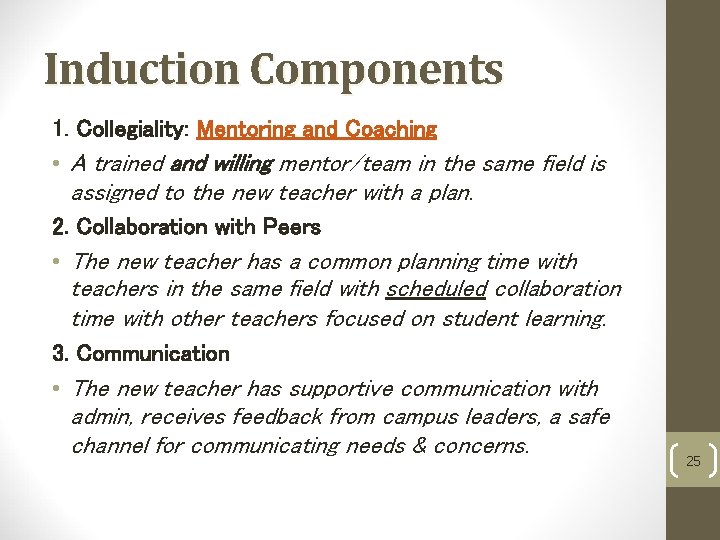
Induction Components 1. Collegiality: Mentoring and Coaching • A trained and willing mentor/team in the same field is assigned to the new teacher with a plan. 2. Collaboration with Peers • The new teacher has a common planning time with teachers in the same field with scheduled collaboration time with other teachers focused on student learning. 3. Communication • The new teacher has supportive communication with admin, receives feedback from campus leaders, a safe channel for communicating needs & concerns. 25
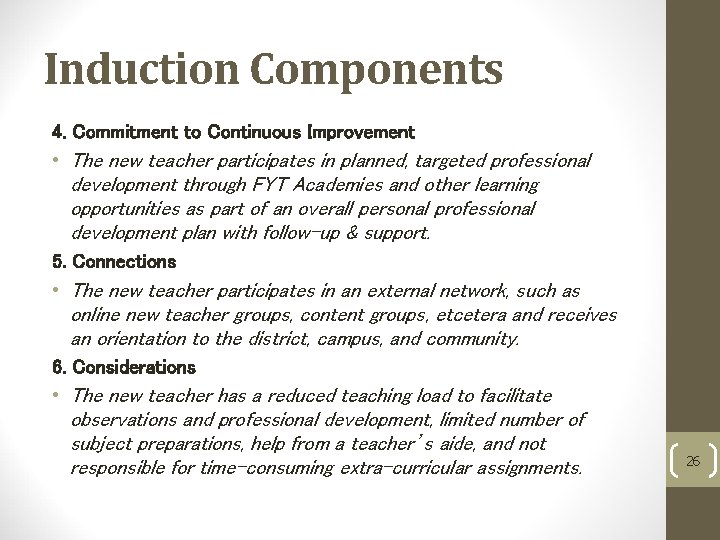
Induction Components 4. Commitment to Continuous Improvement • The new teacher participates in planned, targeted professional development through FYT Academies and other learning opportunities as part of an overall personal professional development plan with follow-up & support. 5. Connections • The new teacher participates in an external network, such as online new teacher groups, content groups, etcetera and receives an orientation to the district, campus, and community. 6. Considerations • The new teacher has a reduced teaching load to facilitate observations and professional development, limited number of subject preparations, help from a teacher’s aide, and not responsible for time-consuming extra-curricular assignments. 26
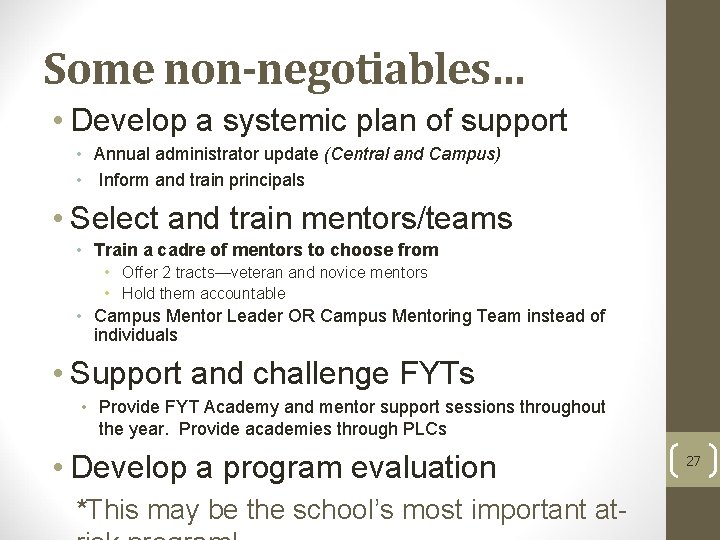
Some non-negotiables… • Develop a systemic plan of support • Annual administrator update (Central and Campus) • Inform and train principals • Select and train mentors/teams • Train a cadre of mentors to choose from • Offer 2 tracts—veteran and novice mentors • Hold them accountable • Campus Mentor Leader OR Campus Mentoring Team instead of individuals • Support and challenge FYTs • Provide FYT Academy and mentor support sessions throughout the year. Provide academies through PLCs • Develop a program evaluation *This may be the school’s most important at- 27
Resources… Ginger Tucker’s The Heart of Teaching Series NCTAF National Commission on Teaching and America’s Future Smith, T. M. & Ingersoll, R. M. , (2004) SBEC Texas Data by Dr. Ed Fuller Alliance for Excellent Education (July 2014) William S. Howell, Bob Pike Leslie Huling 28
Shauna Lane ESC 17 Education Specialist slane@esc 17. net Lela Taubert ESC 17 Education Specialist ltaubert@esc 17. net INUCTION AND SUPPORT: KEEPING TEACHERS TEACHING 29