
Individual Differences Deviation from Social Norms Starter Which


- Slides: 19
Individual Differences Deviation from Social Norms
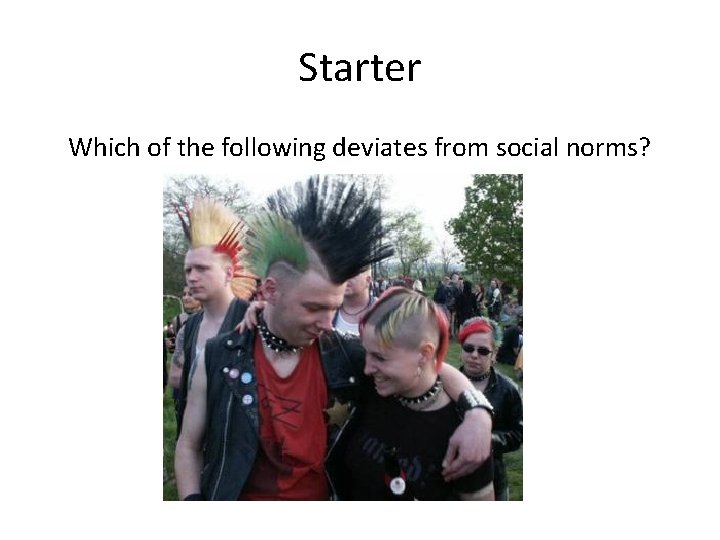
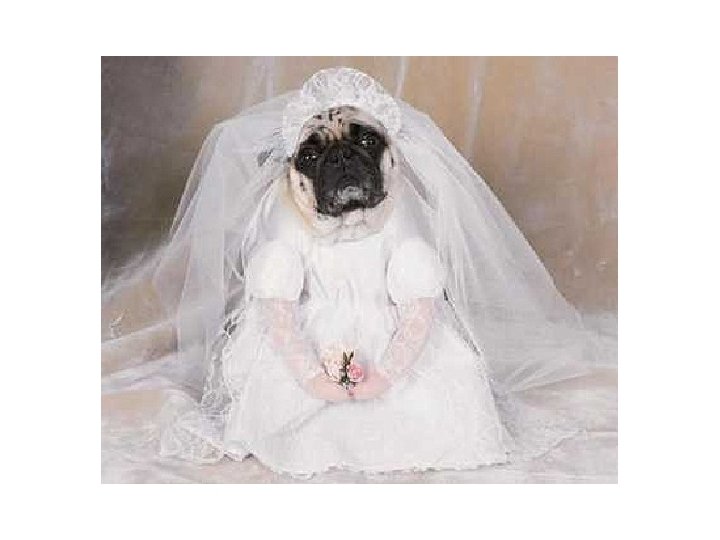
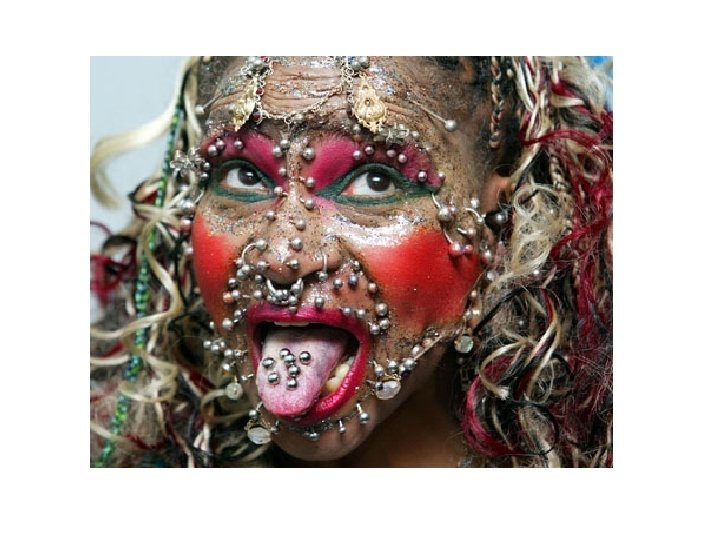
Starter Which of the following deviates from social norms?
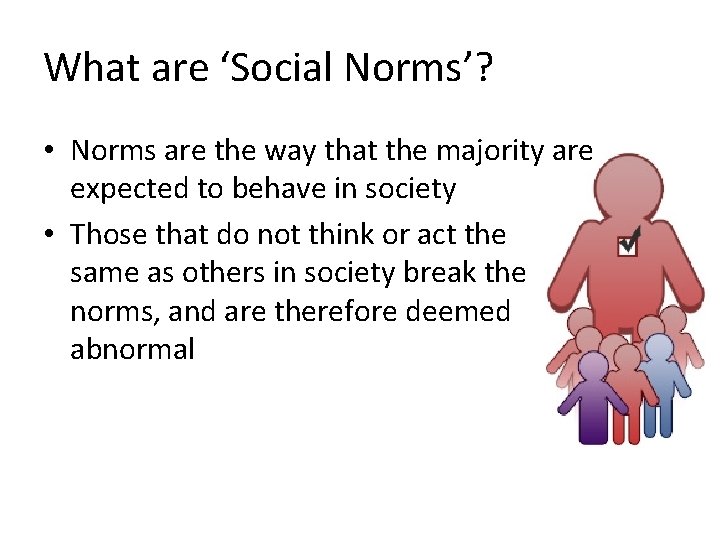
What are ‘Social Norms’? • Norms are the way that the majority are expected to behave in society • Those that do not think or act the same as others in society break the norms, and are therefore deemed abnormal
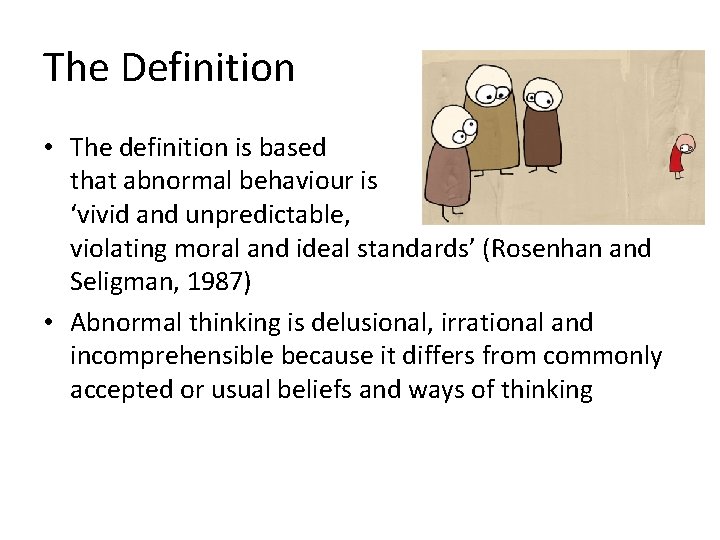
The Definition • The definition is based on the fact that abnormal behaviour is ‘vivid and unpredictable, violating moral and ideal standards’ (Rosenhan and Seligman, 1987) • Abnormal thinking is delusional, irrational and incomprehensible because it differs from commonly accepted or usual beliefs and ways of thinking
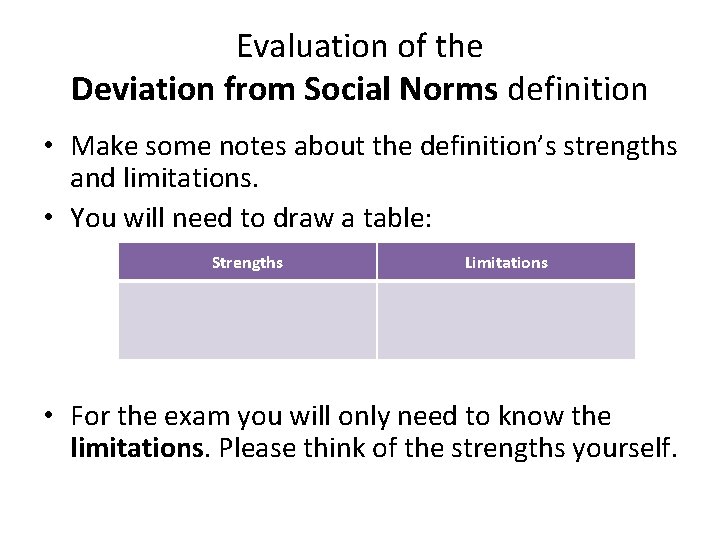
Evaluation of the Deviation from Social Norms definition • Make some notes about the definition’s strengths and limitations. • You will need to draw a table: Strengths Limitations • For the exam you will only need to know the limitations. Please think of the strengths yourself.
Strengths • The model distinguishes acceptable behaviour from the unacceptable • Takes into account how our behaviour has an effect on others • Social rules are there to help us live happily with one another, if someone breaks these rules then it does make it hard to live with them • Takes into account the greater good of society, and recognises that deviant behaviour damages others
Limitations - Subjective Change over time Human rights abuse Value of breaking social norms Situational and developmental norms ‘Conforming neurotics’ Cultural relativism Ethnocentric bias in diagnosis
Subjective • Often social norms are based on the opinions of the elite Change over time • Social norms change as social attitudes change • For example the wearing of trousers by women
Human rights abuse • The social norms definition has been used to abuse human rights, for example, the term ‘mental illness’ is a form of social control Value of breaking social norms • Sometimes it’s beneficial to break social norms, for example, the suffragettes • Are these people classified as abnormal?
Situational and developmental norms • Sometimes when you break a social norm there are not mental health consequences, for example, naturists (situational norms) • There also developmental norms, for example, think of a 60 year-old having a temper tantrum! ‘Conforming neurotics’ • Sometimes sticking to the norms so strictly can cause problems
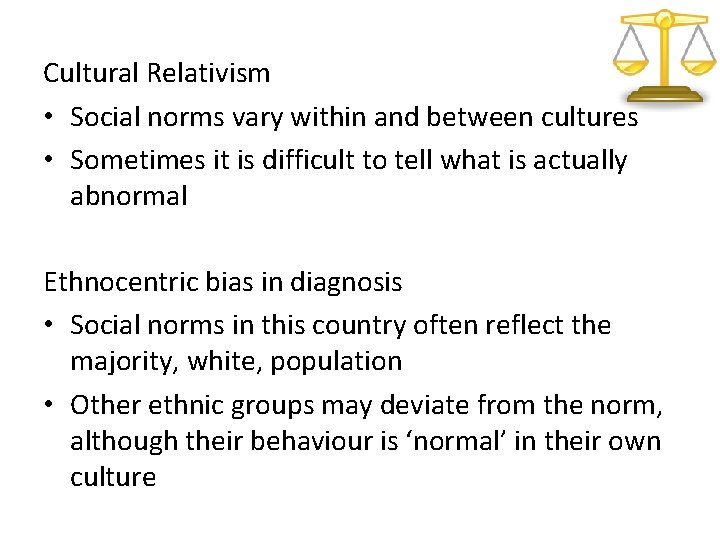
Cultural Relativism • Social norms vary within and between cultures • Sometimes it is difficult to tell what is actually abnormal Ethnocentric bias in diagnosis • Social norms in this country often reflect the majority, white, population • Other ethnic groups may deviate from the norm, although their behaviour is ‘normal’ in their own culture
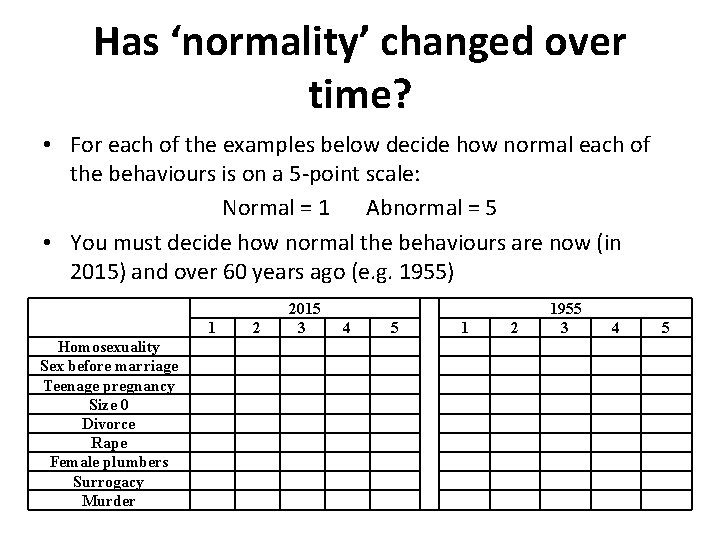
Has ‘normality’ changed over time? • For each of the examples below decide how normal each of the behaviours is on a 5 -point scale: Normal = 1 Abnormal = 5 • You must decide how normal the behaviours are now (in 2015) and over 60 years ago (e. g. 1955) 1 Homosexuality Sex before marriage Teenage pregnancy Size 0 Divorce Rape Female plumbers Surrogacy Murder 2 2015 3 4 5 1 2 1955 3 4 5
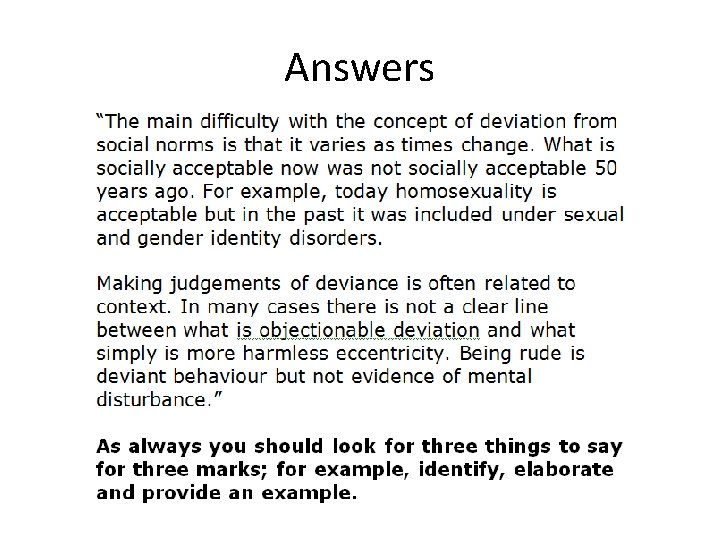
Cut & Stick • Cut out the essay answer and put it back together in the correct order • Stick the essay into your booklet (page 6) • Give the essay a mark • Make changes to the essay and suggest areas for improvement
Answers
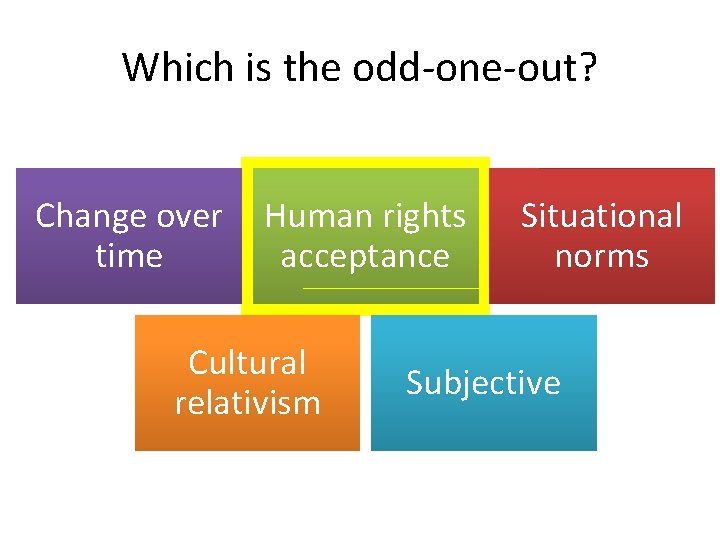
Which is the odd-one-out? Change over time Human rights acceptance Cultural relativism Situational norms Subjective