
Indices Tomasz Bartoszewski Inverted Index Search Construction Compression

Indices Tomasz Bartoszewski

Inverted Index • Search • Construction • Compression
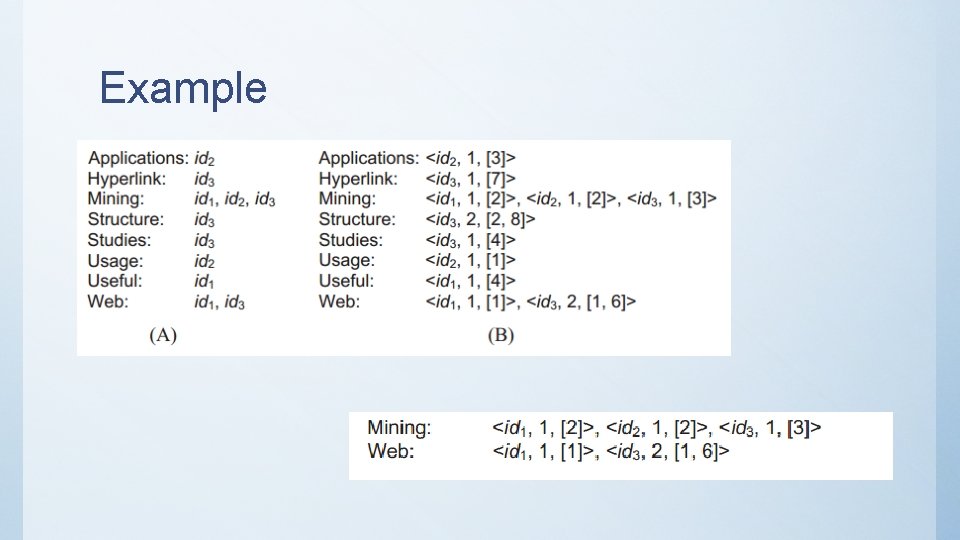
Inverted Index • In its simplest form, the inverted index of a document collection is basically a data structure that attaches each distinctive term with a list of all documents that contains the term.
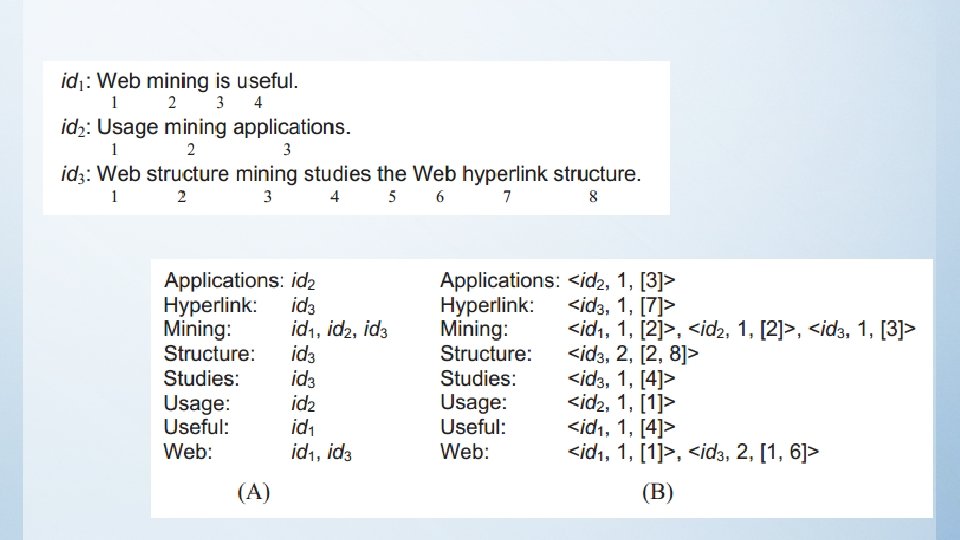

Search Using an Inverted Index
Step 1 – vocabulary search finds each query term in the vocabulary If (Single term in query){ goto step 3; } Else{ } goto step 2;
Step 2 – results merging • merging of the lists is performed to find their intersection • use the shortest list as the base • partial match is possible
Step 3 – rank score computation • based on a relevance function (e. g. okapi, cosine) • score used in the final ranking
Example

Index Construction
Time complexity • O(T), where T is the number of all terms (including duplicates) in the document collection (after pre-processing)

Index Compression
Why? • avoid disk I/O • the size of an inverted index can be reduced dramatically • the original index can also be reconstructed • all the information is represented with positive integers -> integer compression
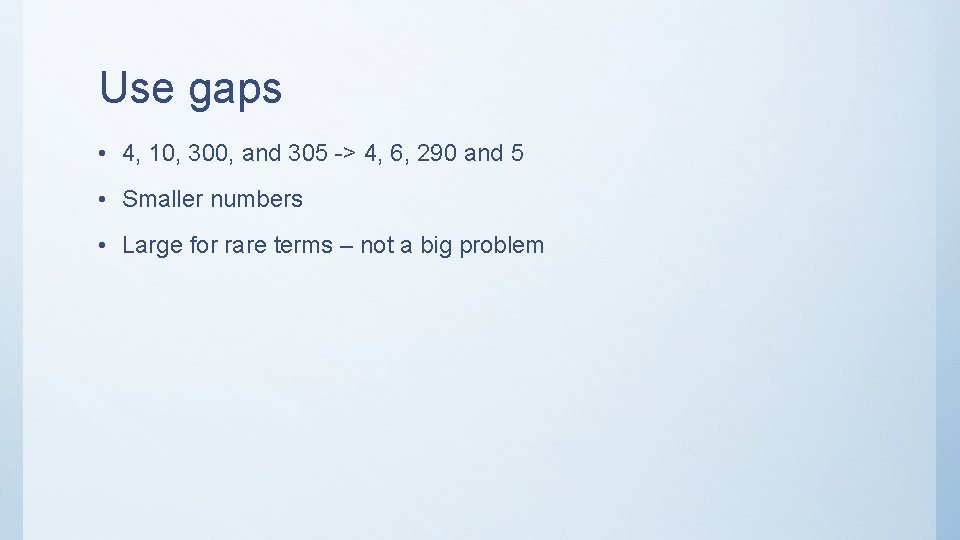
Use gaps • 4, 10, 300, and 305 -> 4, 6, 290 and 5 • Smaller numbers • Large for rare terms – not a big problem
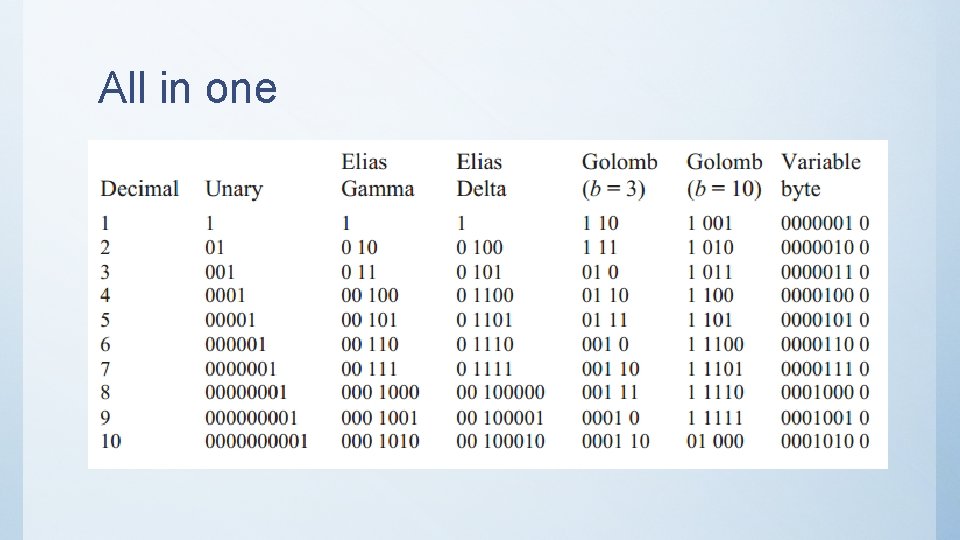
All in one

Unary • For x: X-1 bits of 0 and one of 1 e. g. 5 -> 00001 7 -> 0000001
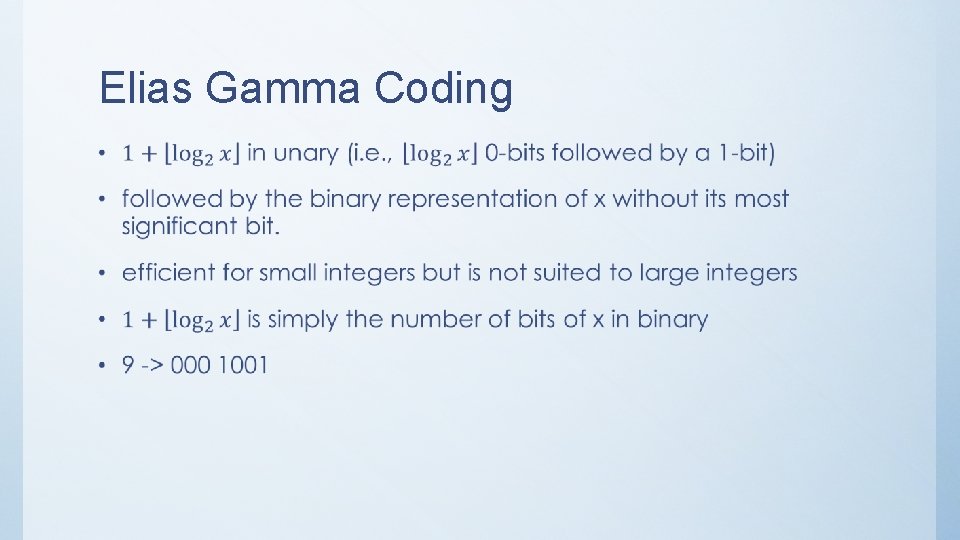
Elias Gamma Coding •
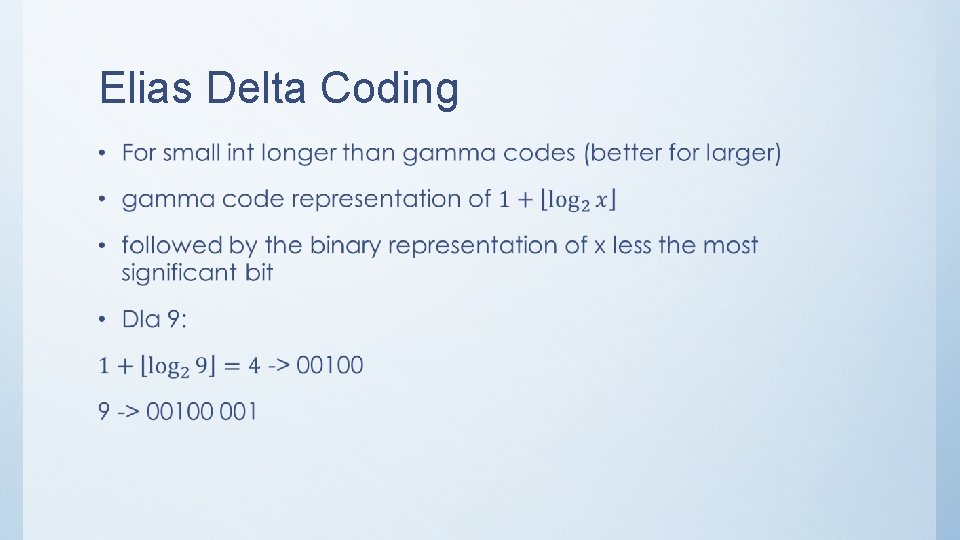
Elias Delta Coding •
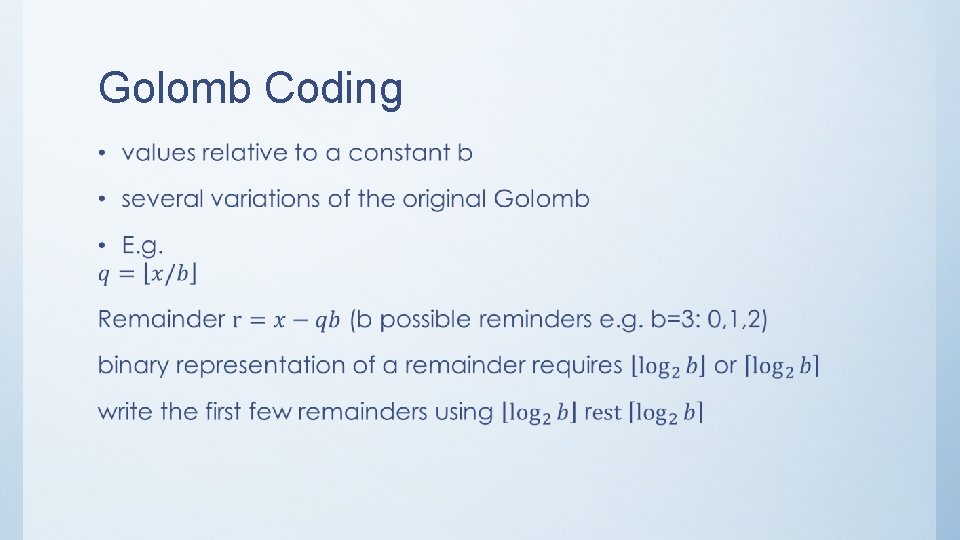
Golomb Coding •
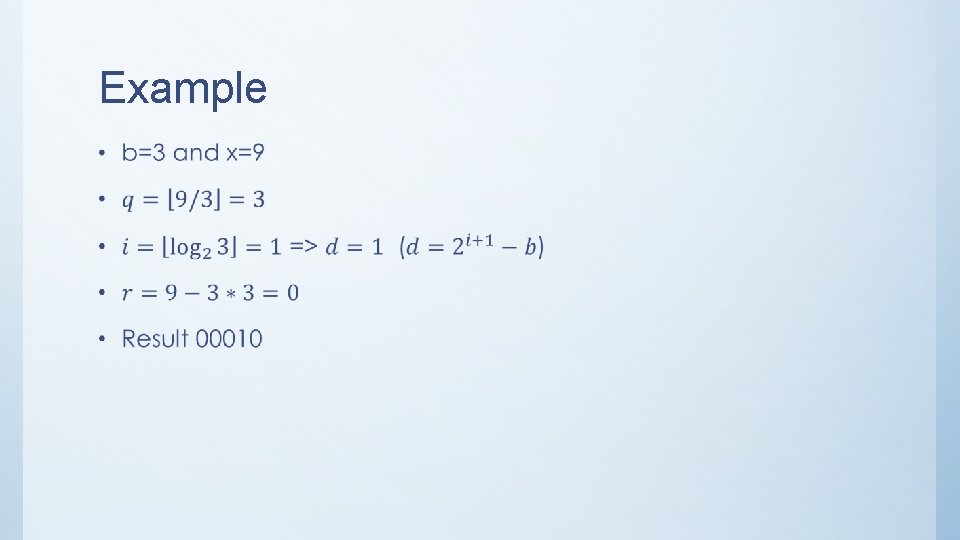
Example •
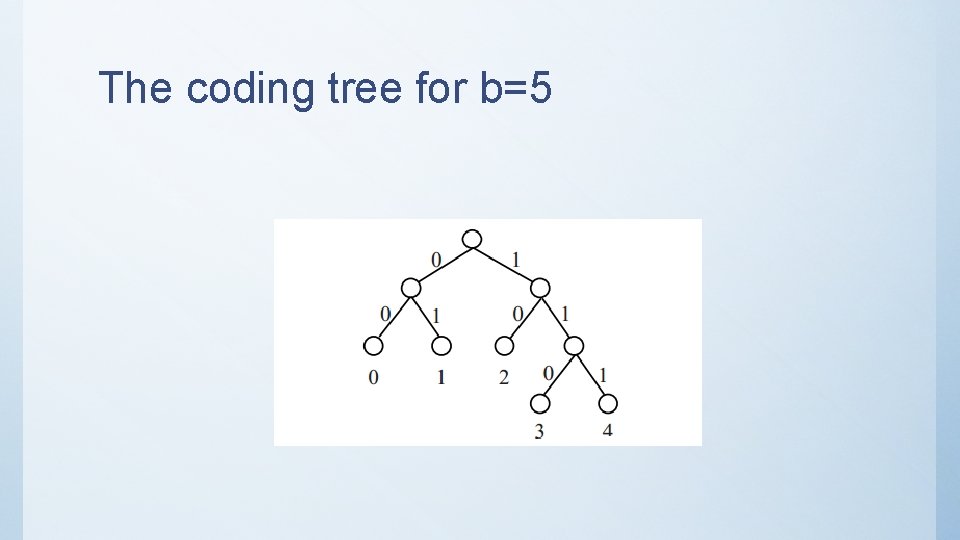
The coding tree for b=5
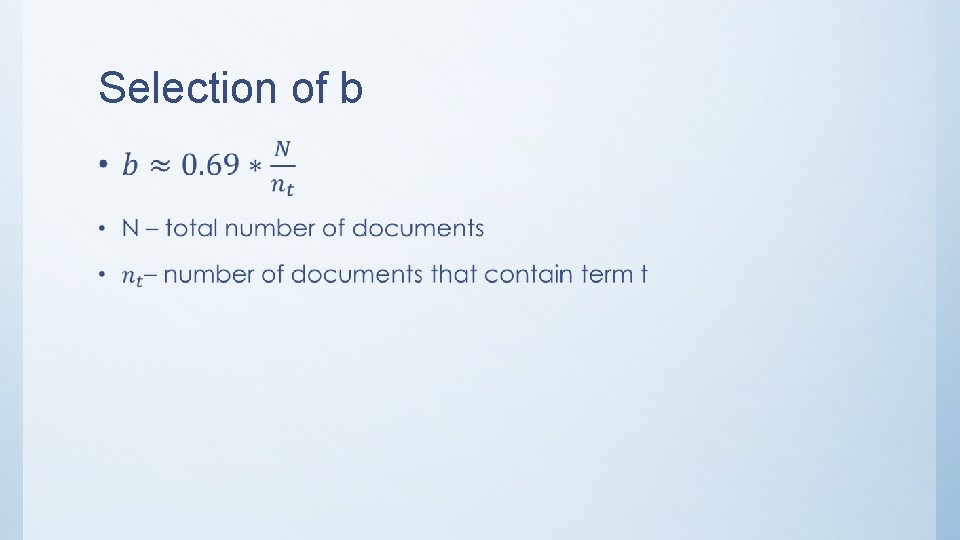
Selection of b •
Variable-Byte Coding • seven bits in each byte are used to code an integer • last bit 0 – end, 1 – continue • E. g. 135 -> 0000001110
Summary • Golomb coding better than Elias • Gamma coding does not work well • Variable-byte integers are often faster than Variable-bit (higher storage costs) • compression technique can allow retrieval to be up to twice as fast than without compression • space requirement averages 20% – 25% of the cost of storing uncompressed integers

Latent Semantic Indexing
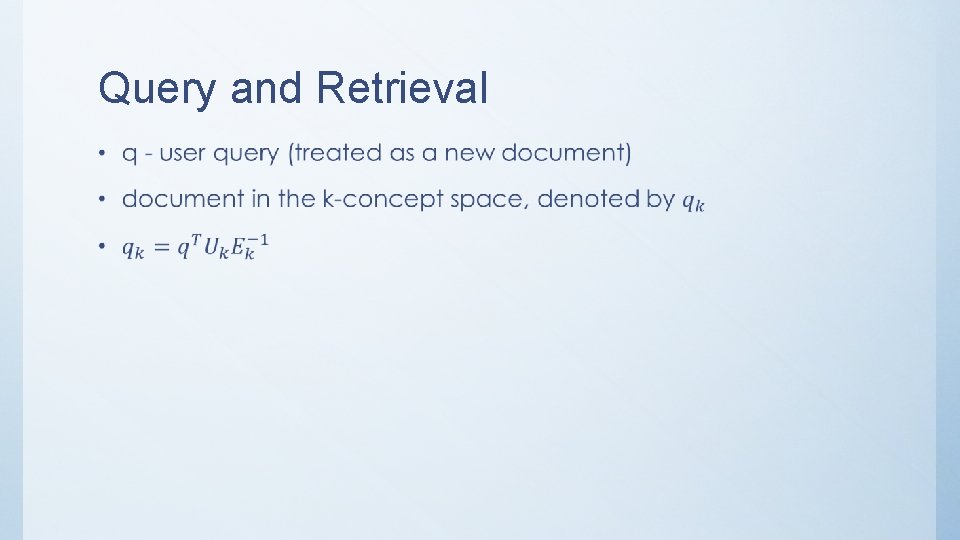
Reason • many concepts or objects can be described in multiple ways • find using synonyms of the words in the user query • deal with this problem through the identification of statistical associations of terms
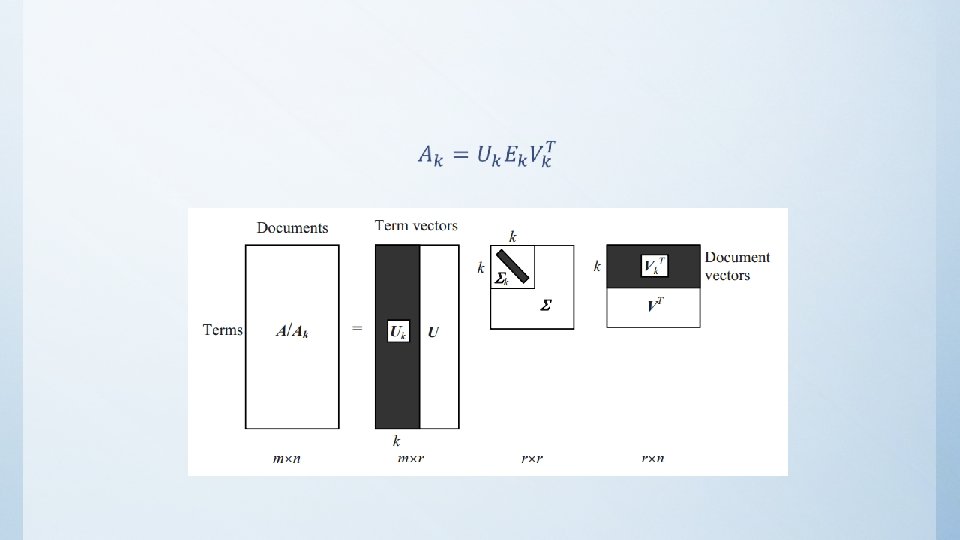
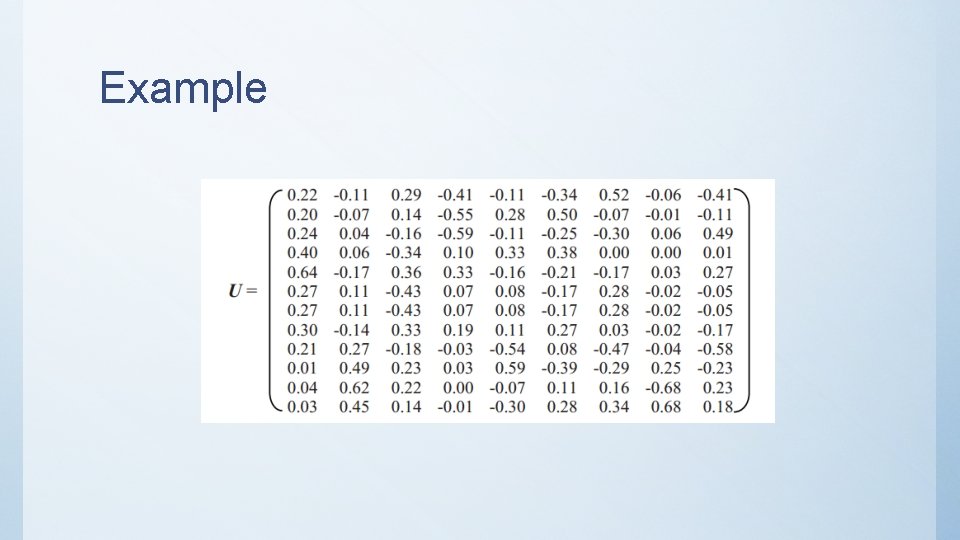
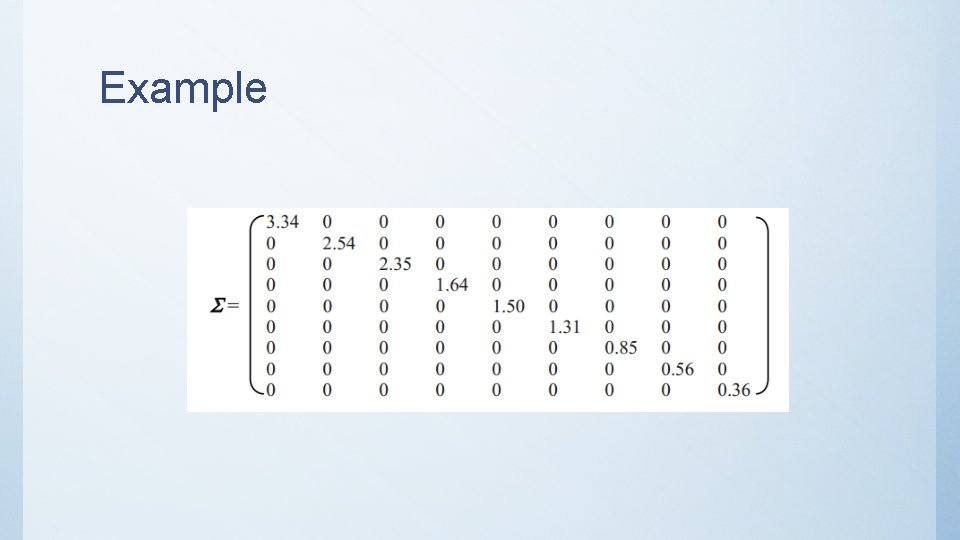
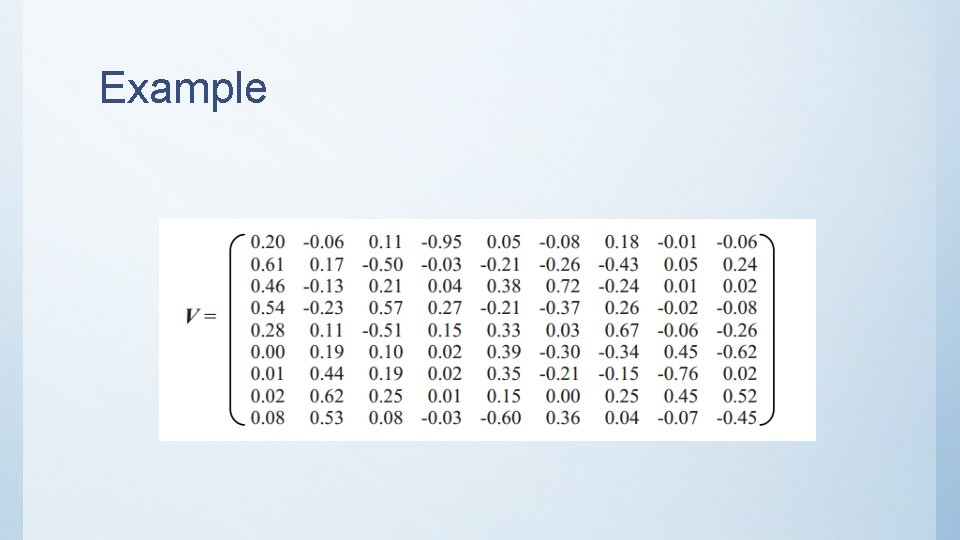
Singular value decomposition (SVD) • estimate latent structure, and to remove the “noise” • hidden “concept” space, which associates syntactically different but semantically similar terms and documents
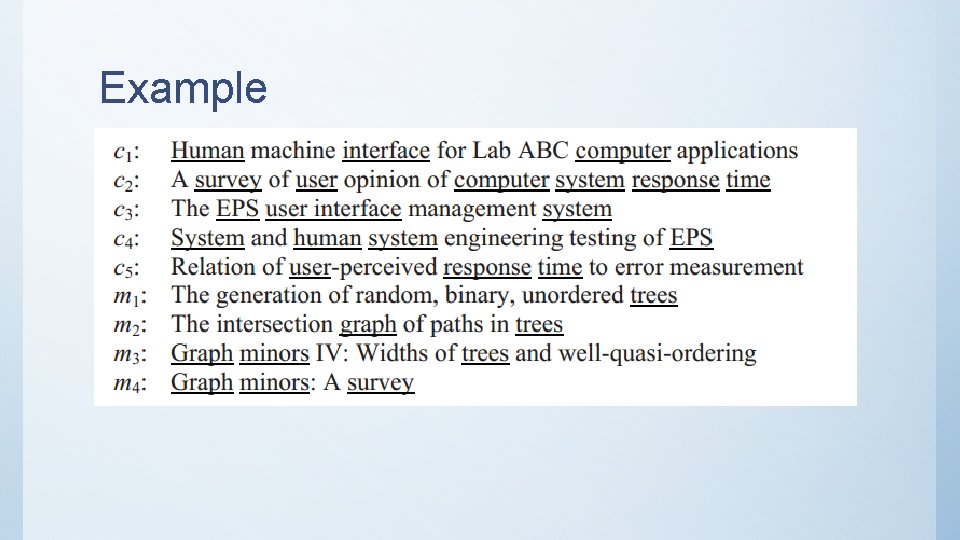
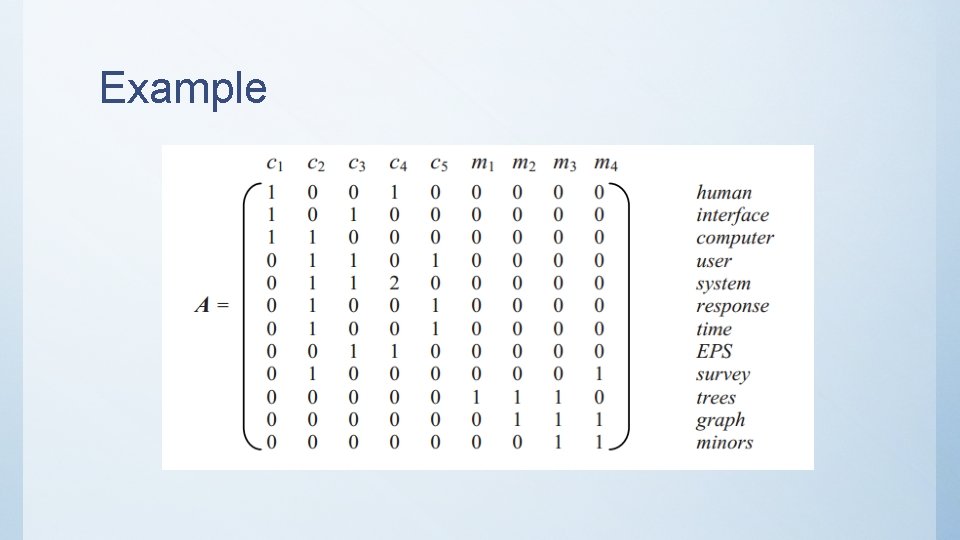
LSI • LSI starts with an m*n termdocument matrix A • row = term; column = document • value e. g. term frequency
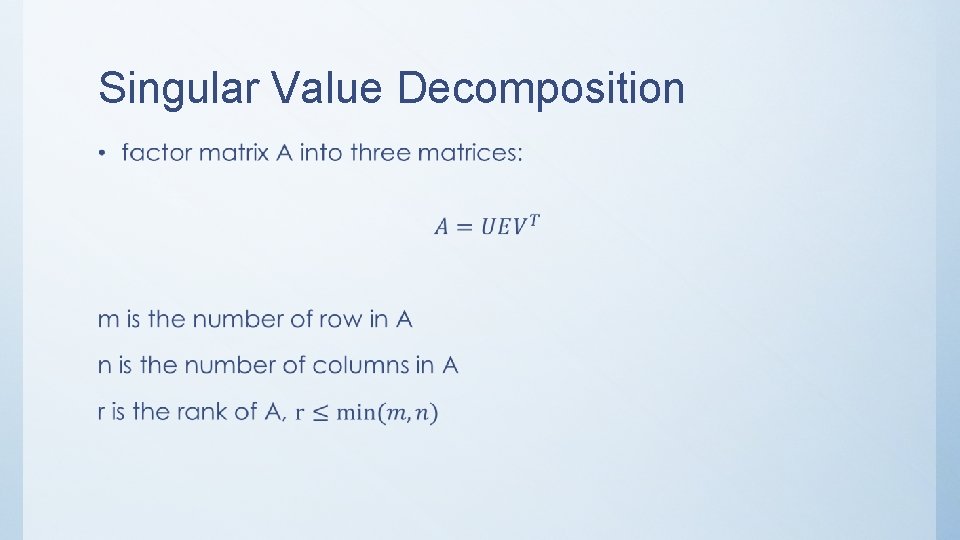
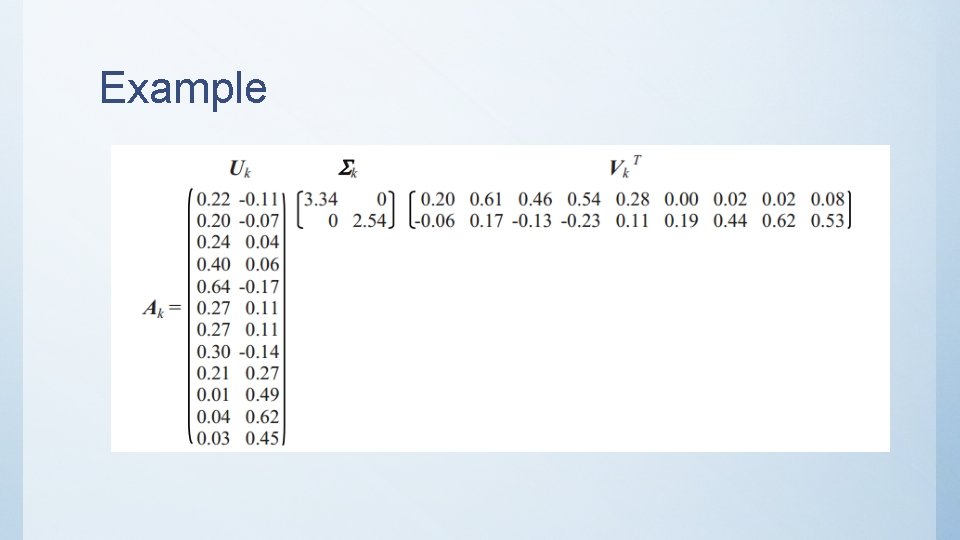
Singular Value Decomposition •
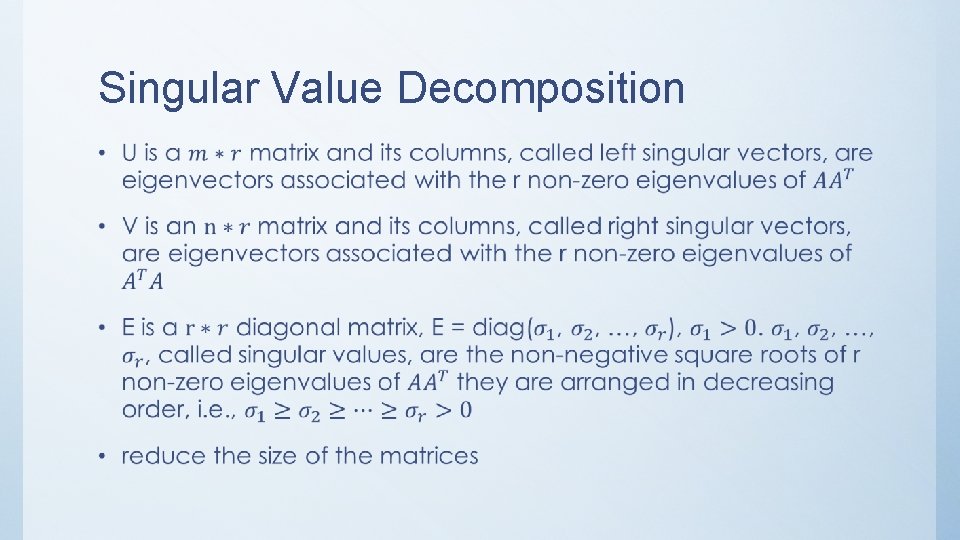
Singular Value Decomposition •
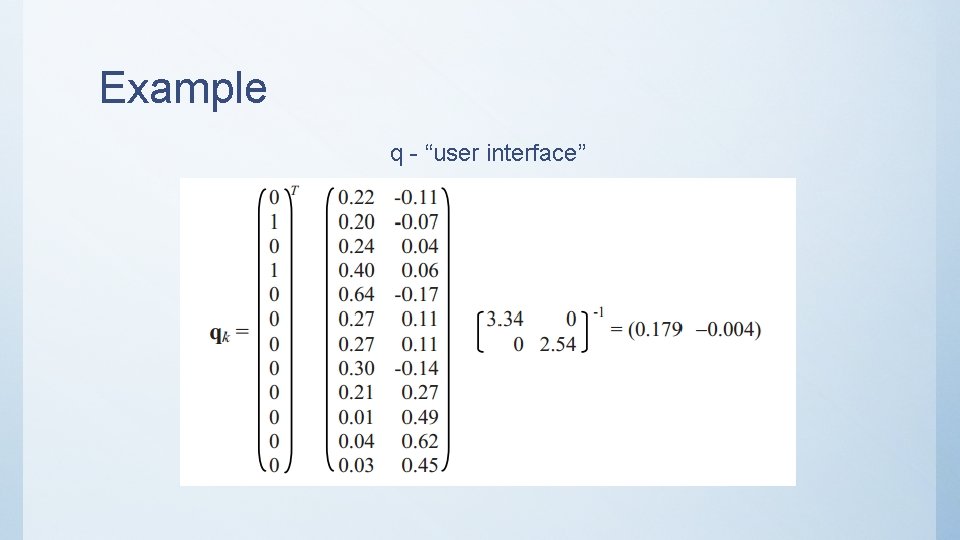
Query and Retrieval •
Example
Example
Example
Example
Example
Example
Example q - “user interface”
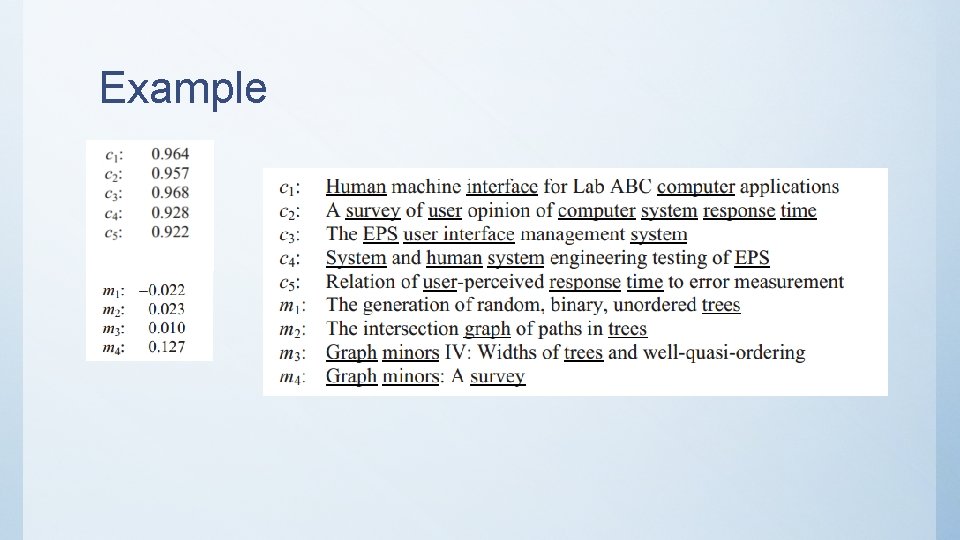
Example
Summary • The original paper of LSI suggests 50– 350 dimensions. • k needs to be determined based on the specific document collection • association rules may be able to approximate the results of LSI
- Slides: 41