
Indications of ICD in 2010 Dr Mervat Aboulmaaty
Indications of ICD in 2010 Dr Mervat Aboulmaaty Professor of Cardiology Ain Shams University DAF 1 st EP course 2010
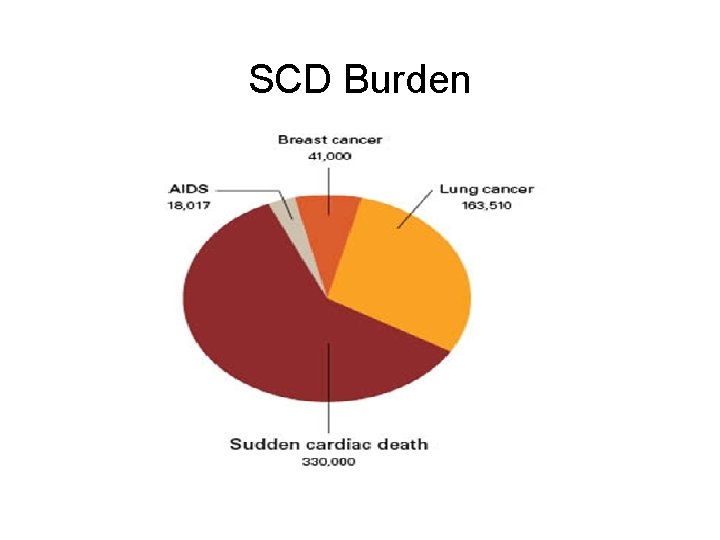
SCD Burden
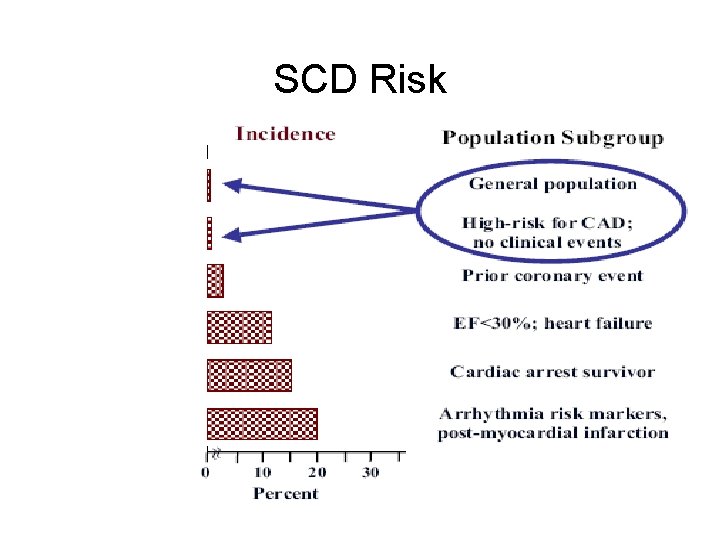
SCD Risk
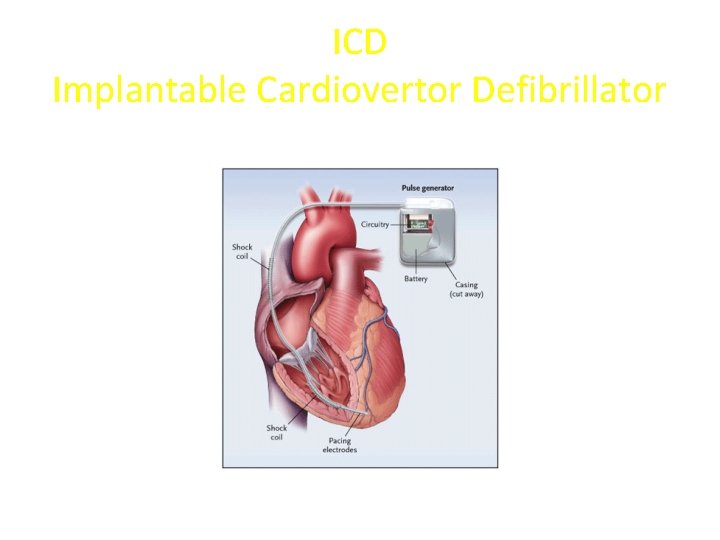
ICD Implantable Cardiovertor Defibrillator
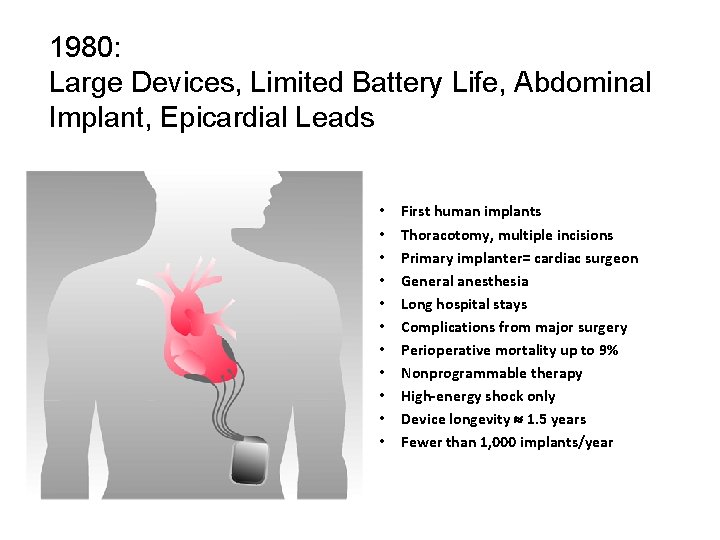
1980: Large Devices, Limited Battery Life, Abdominal Implant, Epicardial Leads • • • First human implants Thoracotomy, multiple incisions Primary implanter= cardiac surgeon General anesthesia Long hospital stays Complications from major surgery Perioperative mortality up to 9% Nonprogrammable therapy High-energy shock only Device longevity 1. 5 years Fewer than 1, 000 implants/year
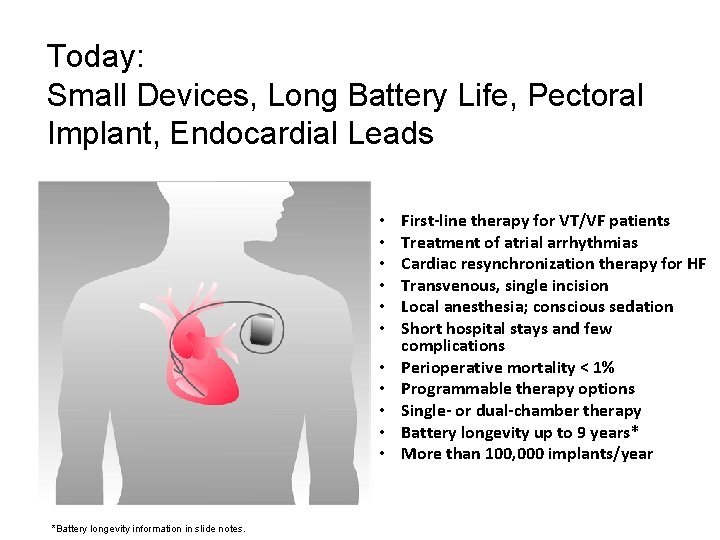
Today: Small Devices, Long Battery Life, Pectoral Implant, Endocardial Leads • • • *Battery longevity information in slide notes. First-line therapy for VT/VF patients Treatment of atrial arrhythmias Cardiac resynchronization therapy for HF Transvenous, single incision Local anesthesia; conscious sedation Short hospital stays and few complications Perioperative mortality < 1% Programmable therapy options Single- or dual-chamber therapy Battery longevity up to 9 years* More than 100, 000 implants/year
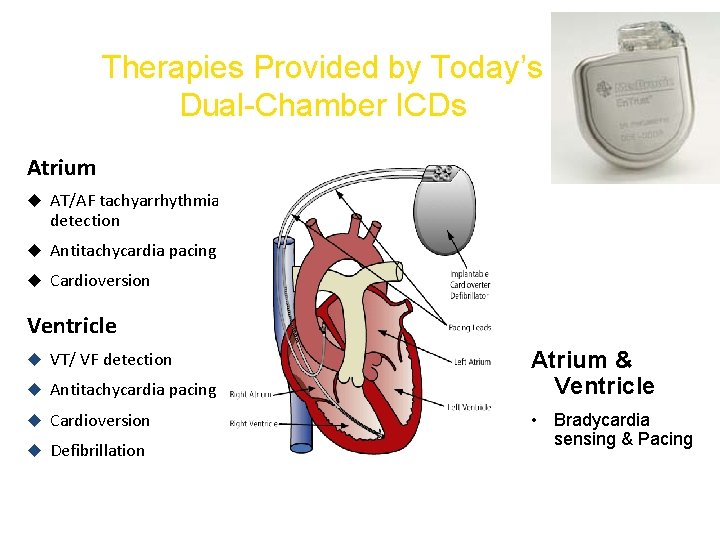
Therapies Provided by Today’s Dual-Chamber ICDs Atrium AT/AF tachyarrhythmia detection Antitachycardia pacing Cardioversion Ventricle Antitachycardia pacing Atrium & Ventricle Cardioversion • VT/ VF detection Defibrillation Bradycardia sensing & Pacing

CRT-D Multisite ICD
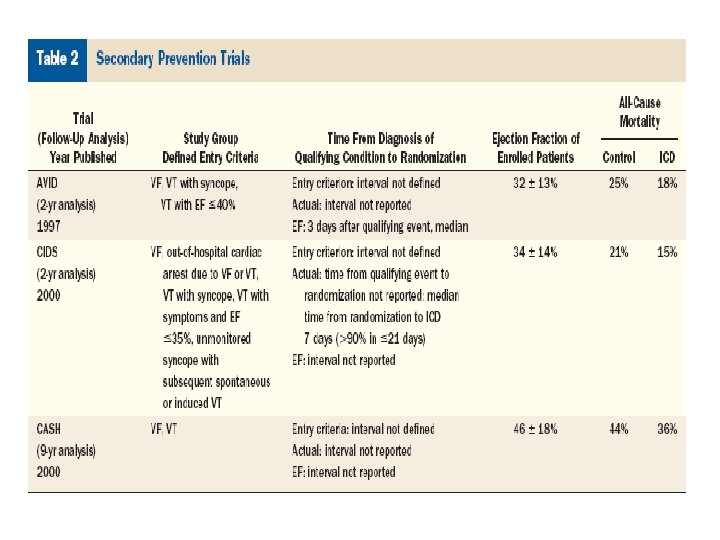
Indications for ICDs • Primary – Prevent a SCD event before it occurs • Define patients at risk • Secondary – Prevent SCD event after an initial event survival • Exclude transient or reversible causes for VF
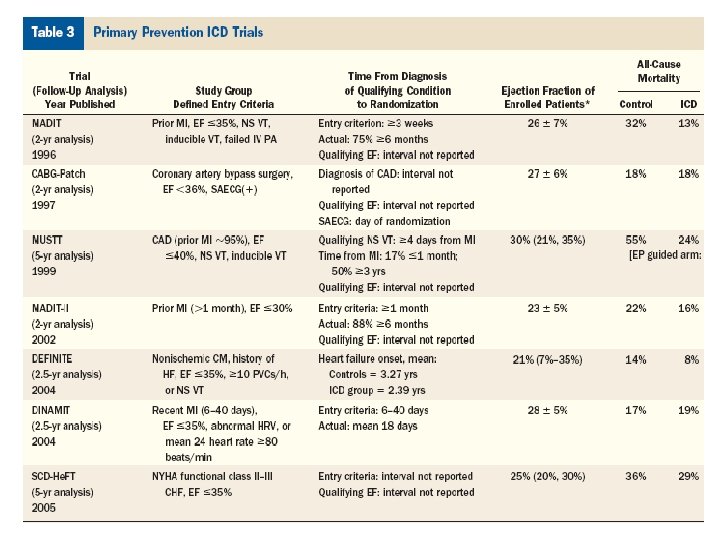
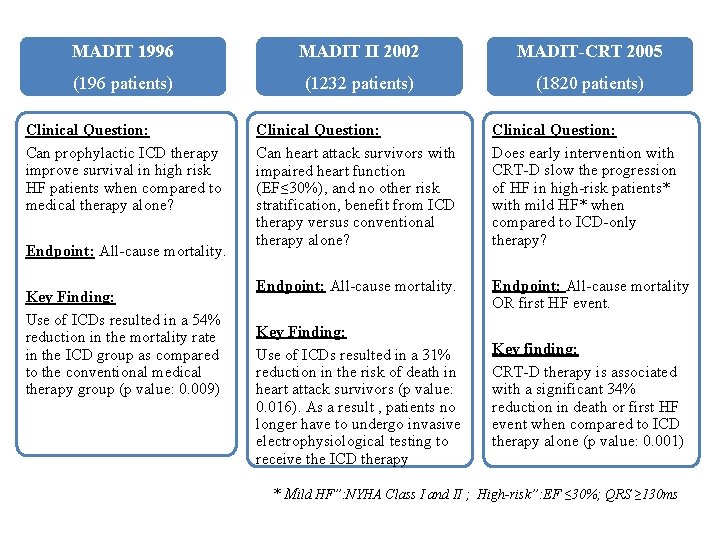
MADIT 1996 MADIT II 2002 MADIT-CRT 2005 (196 patients) (1232 patients) (1820 patients) Clinical Question: Can prophylactic ICD therapy improve survival in high risk HF patients when compared to medical therapy alone? Clinical Question: Can heart attack survivors with impaired heart function (EF≤ 30%), and no other risk stratification, benefit from ICD therapy versus conventional therapy alone? Clinical Question: Does early intervention with CRT-D slow the progression of HF in high-risk patients* with mild HF* when compared to ICD-only therapy? Endpoint: All-cause mortality OR first HF event. Endpoint: All-cause mortality. Key Finding: Use of ICDs resulted in a 54% reduction in the mortality rate in the ICD group as compared to the conventional medical therapy group (p value: 0. 009) Key Finding: Use of ICDs resulted in a 31% reduction in the risk of death in heart attack survivors (p value: 0. 016). As a result , patients no longer have to undergo invasive electrophysiological testing to receive the ICD therapy Key finding: CRT-D therapy is associated with a significant 34% reduction in death or first HF event when compared to ICD therapy alone (p value: 0. 001) * Mild HF”: NYHA Class I and II ; High-risk”: EF ≤ 30%; QRS ≥ 130 ms
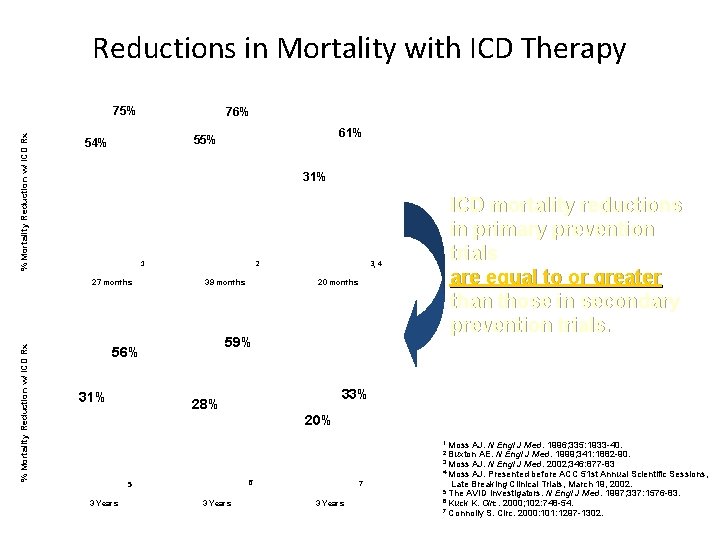
Reductions in Mortality with ICD Therapy % Mortality Reduction w/ ICD Rx 75% 61% 55% 54% 31% 1 27 months % Mortality Reduction w/ ICD Rx 76% 2 39 months 3, 4 20 months 59% 56% 31% ICD mortality reductions in primary prevention trials are equal to or greater than those in secondary prevention trials. 33% 28% 20% Moss AJ. N Engl J Med. 1996; 335: 1933 -40. Buxton AE. N Engl J Med. 1999; 341: 1882 -90. 3 Moss AJ. N Engl J Med. 2002; 346: 877 -83 4 Moss AJ. Presented before ACC 51 st Annual Scientific Sessions, Late Breaking Clinical Trials, March 19, 2002. 5 The AVID Investigators. N Engl J Med. 1997; 337: 1576 -83. 6 Kuck K. Circ. 2000; 102: 748 -54. 7 Connolly S. Circ. 2000: 101: 1297 -1302. 1 2 6 5 3 Years 7 3 Years
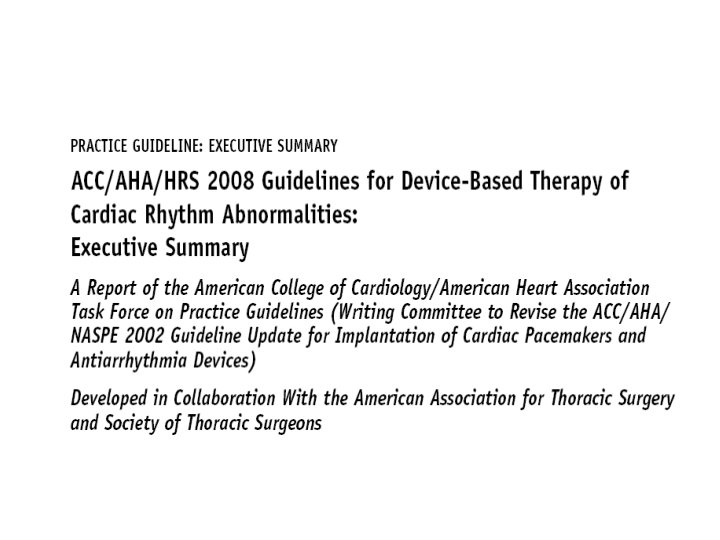
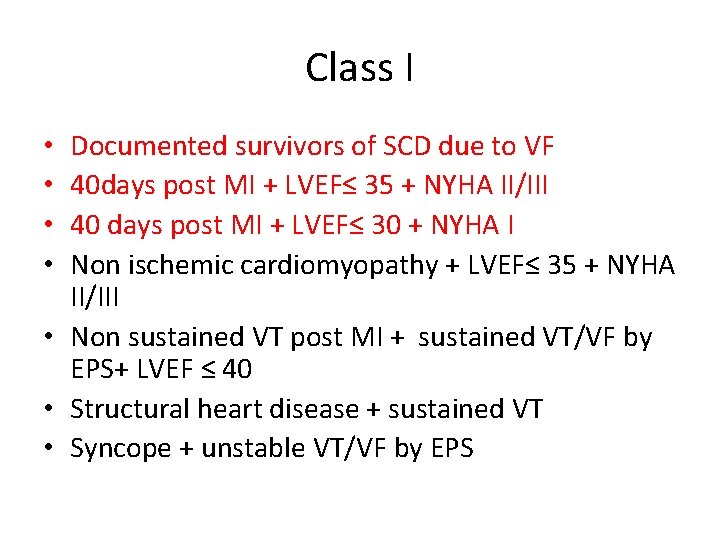
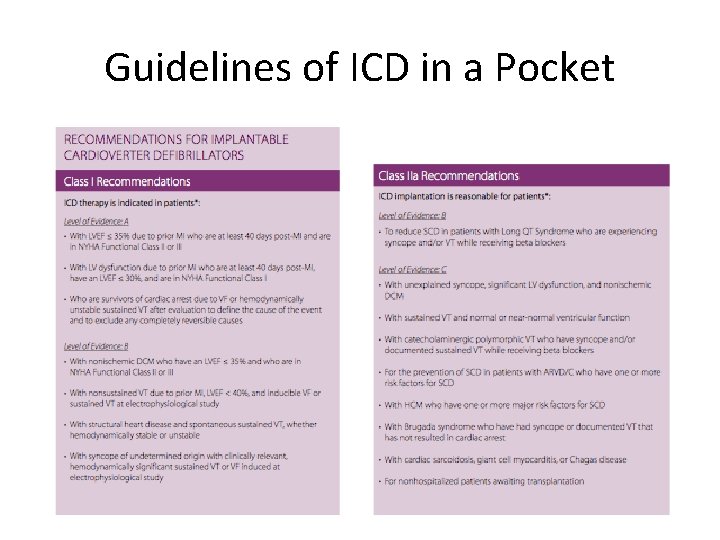
Class I Documented survivors of SCD due to VF 40 days post MI + LVEF≤ 35 + NYHA II/III 40 days post MI + LVEF≤ 30 + NYHA I Non ischemic cardiomyopathy + LVEF≤ 35 + NYHA II/III • Non sustained VT post MI + sustained VT/VF by EPS+ LVEF ≤ 40 • Structural heart disease + sustained VT • Syncope + unstable VT/VF by EPS • •
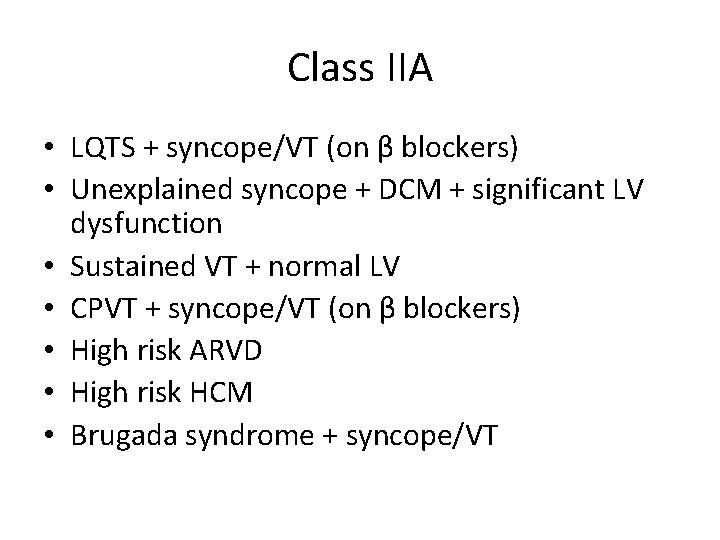
Class IIA • LQTS + syncope/VT (on β blockers) • Unexplained syncope + DCM + significant LV dysfunction • Sustained VT + normal LV • CPVT + syncope/VT (on β blockers) • High risk ARVD • High risk HCM • Brugada syndrome + syncope/VT
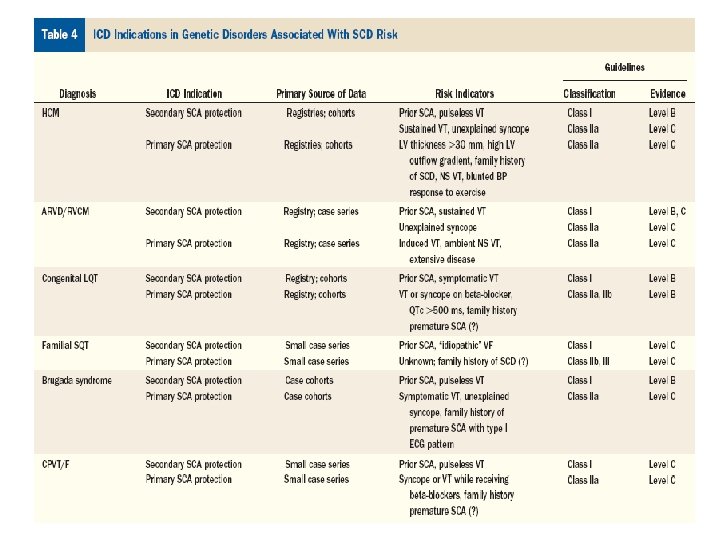
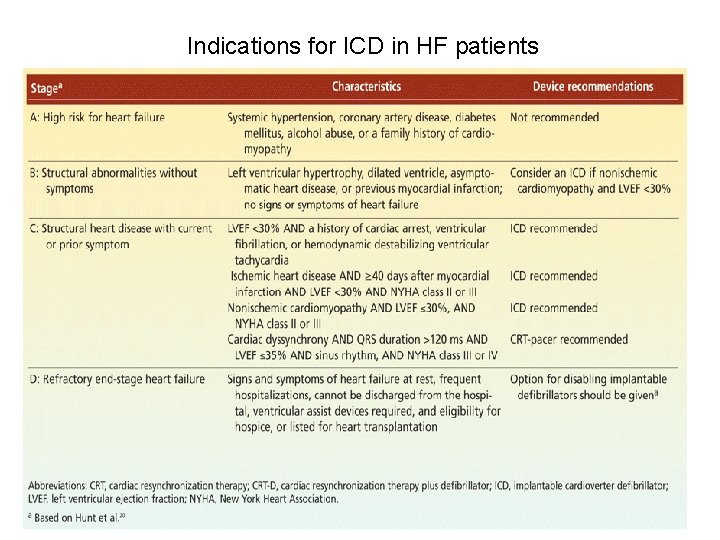
Indications for ICD in HF patients
Guidelines of ICD in a Pocket
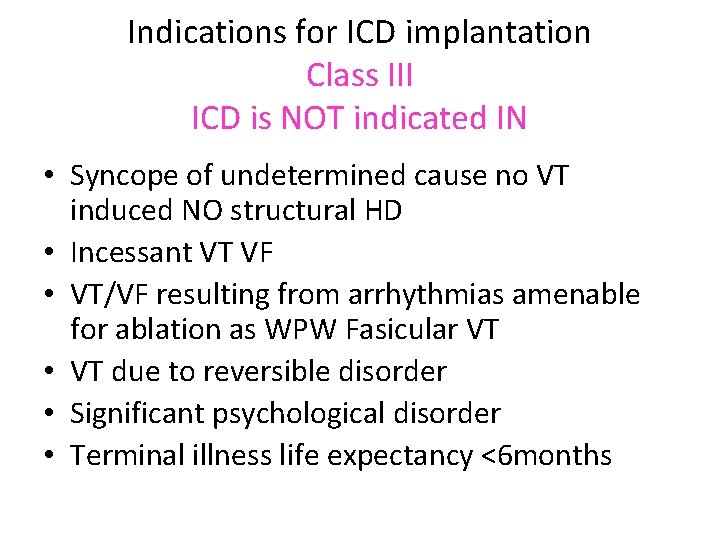
Indications for ICD implantation Class III ICD is NOT indicated IN • Syncope of undetermined cause no VT induced NO structural HD • Incessant VT VF • VT/VF resulting from arrhythmias amenable for ablation as WPW Fasicular VT • VT due to reversible disorder • Significant psychological disorder • Terminal illness life expectancy <6 months
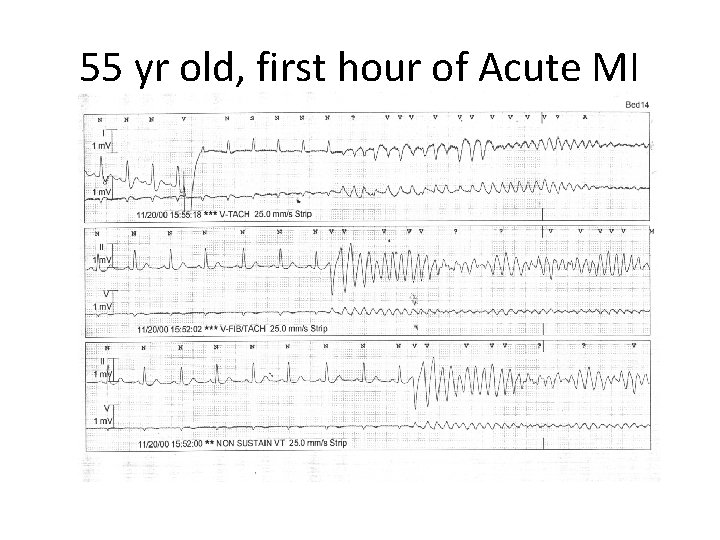
55 yr old, first hour of Acute MI
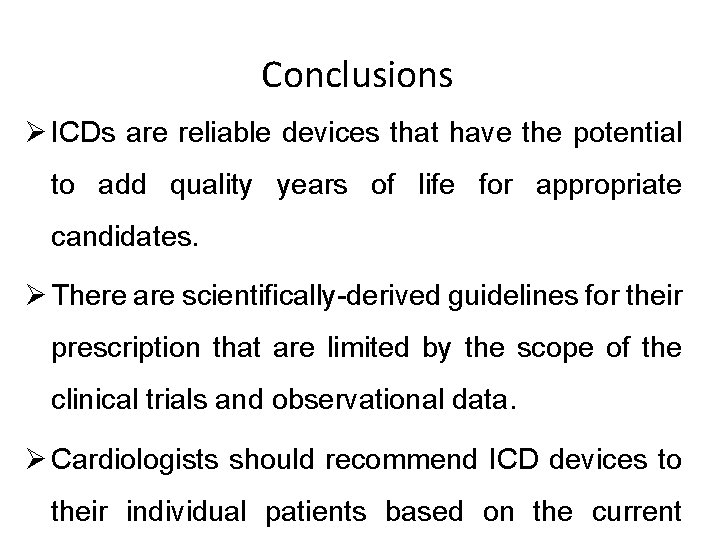
Conclusions Ø ICDs are reliable devices that have the potential to add quality years of life for appropriate candidates. Ø There are scientifically-derived guidelines for their prescription that are limited by the scope of the clinical trials and observational data. Ø Cardiologists should recommend ICD devices to their individual patients based on the current
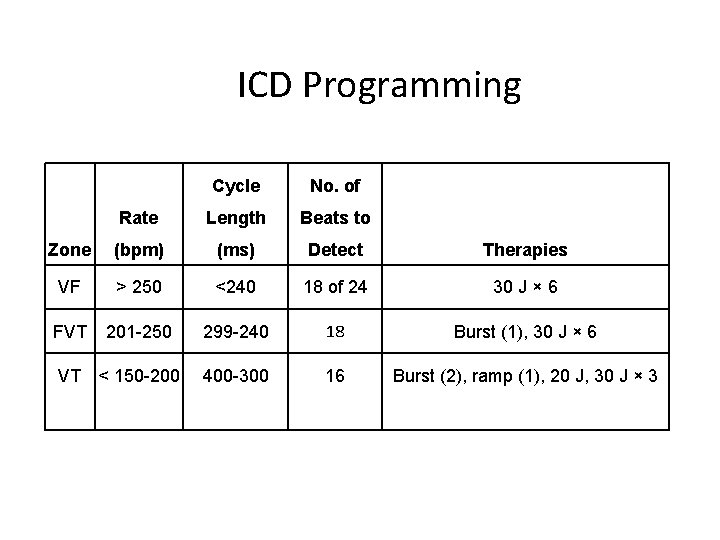
ICD Programming Cycle No. of Rate Length Beats to Zone (bpm) (ms) Detect Therapies VF > 250 <240 18 of 24 30 J × 6 FVT 201 -250 299 -240 18 Burst (1), 30 J × 6 400 -300 16 Burst (2), ramp (1), 20 J, 30 J × 3 VT < 150 -200
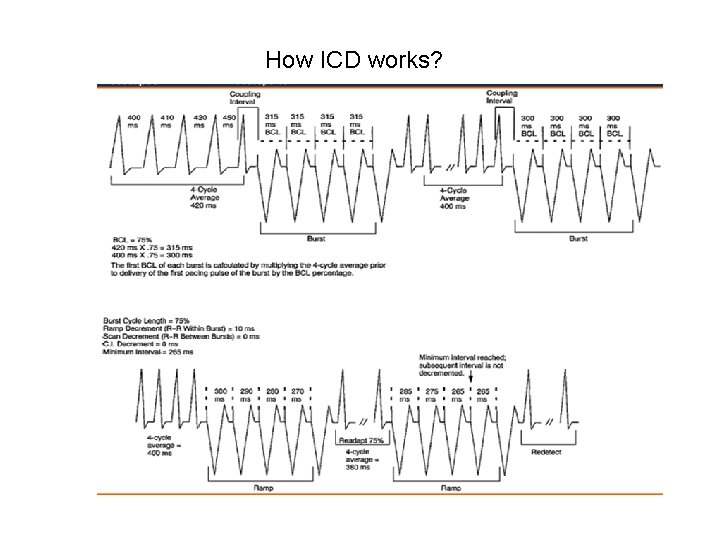
How ICD works?
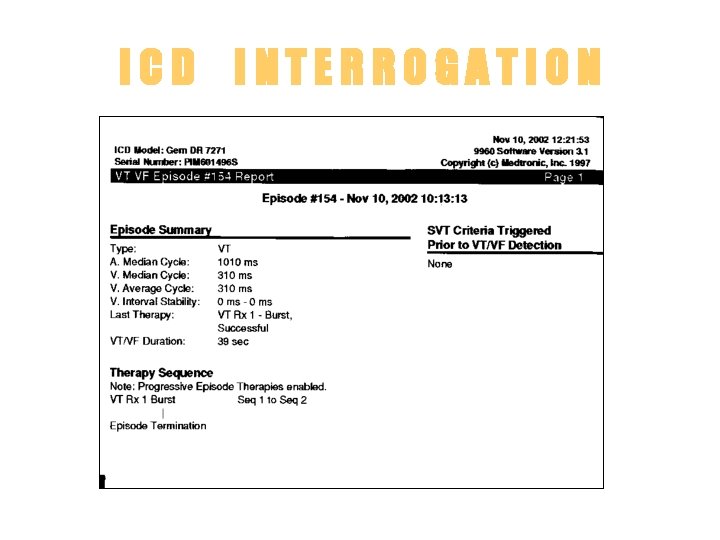
ICD INTERROGATION
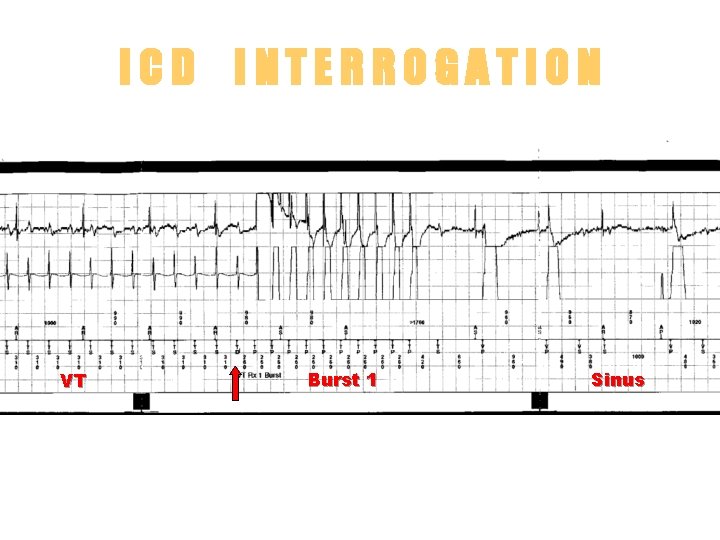
ICD INTERROGATION VT Burst 1 Sinus
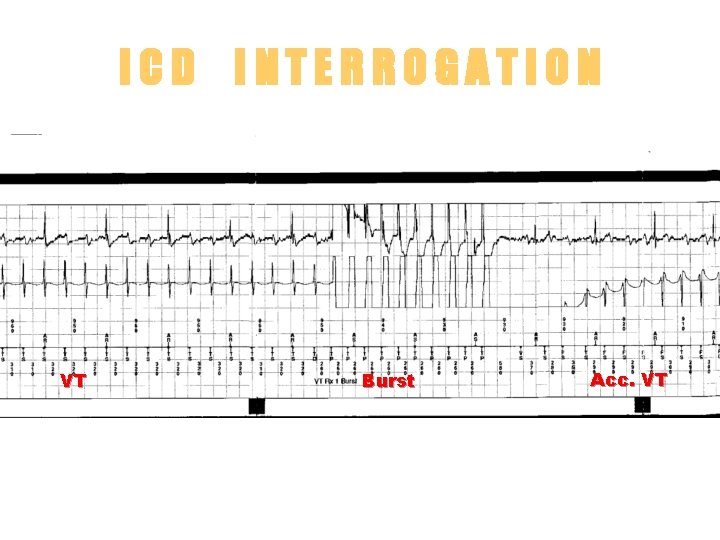
ICD INTERROGATION VT Burst Acc. VT
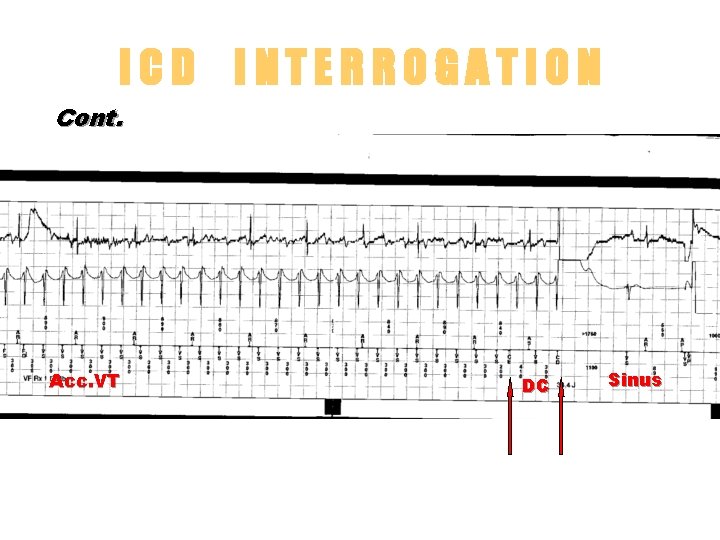
ICD INTERROGATION Cont. Acc. VT DC Sinus

Thank you
- Slides: 29