
Indian People The Caste System Lesson 7 Classes
- Slides: 38
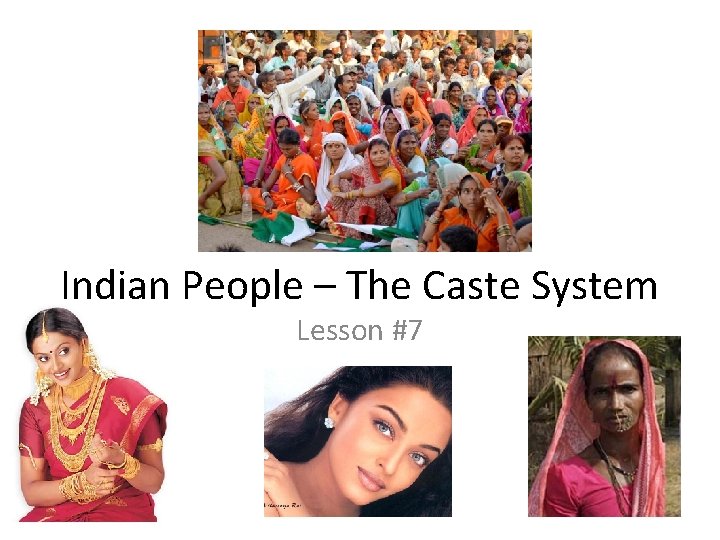
Indian People – The Caste System Lesson #7
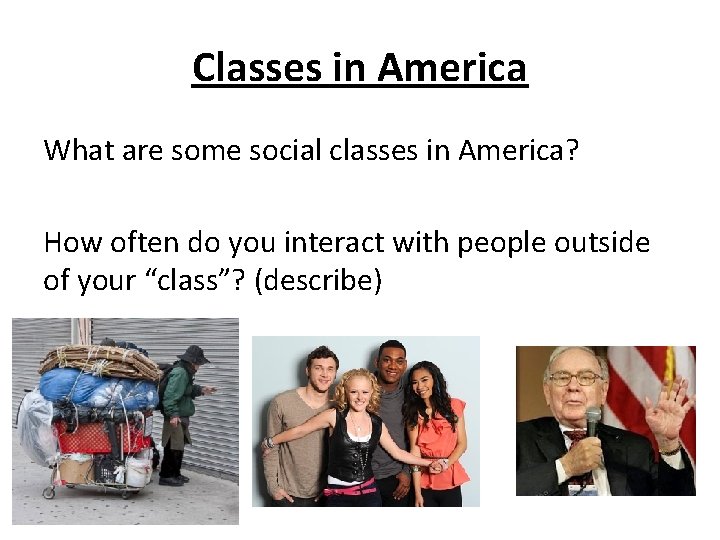
Classes in America What are some social classes in America? How often do you interact with people outside of your “class”? (describe)
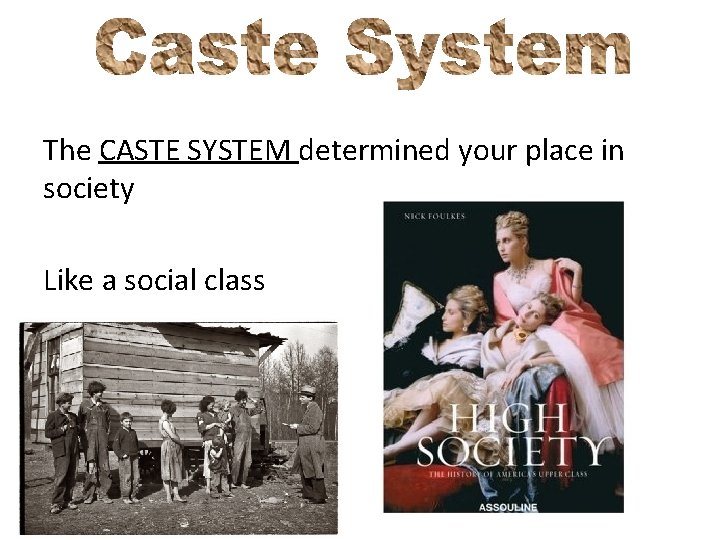
The CASTE SYSTEM determined your place in society Like a social class
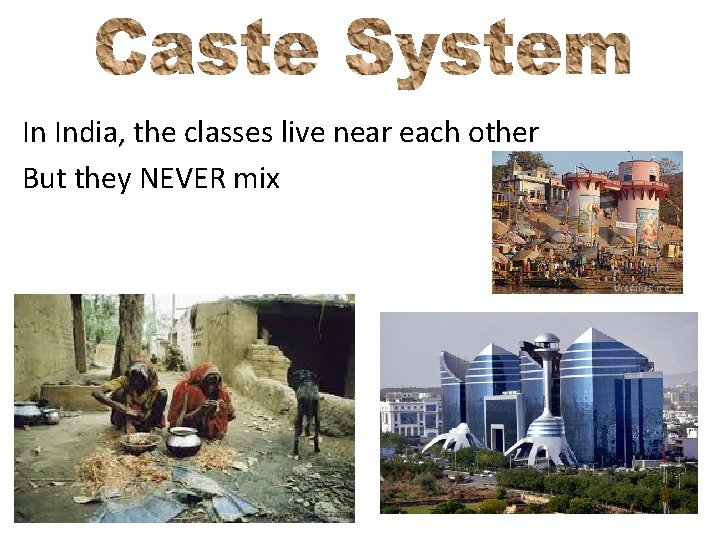
In India, the classes live near each other But they NEVER mix
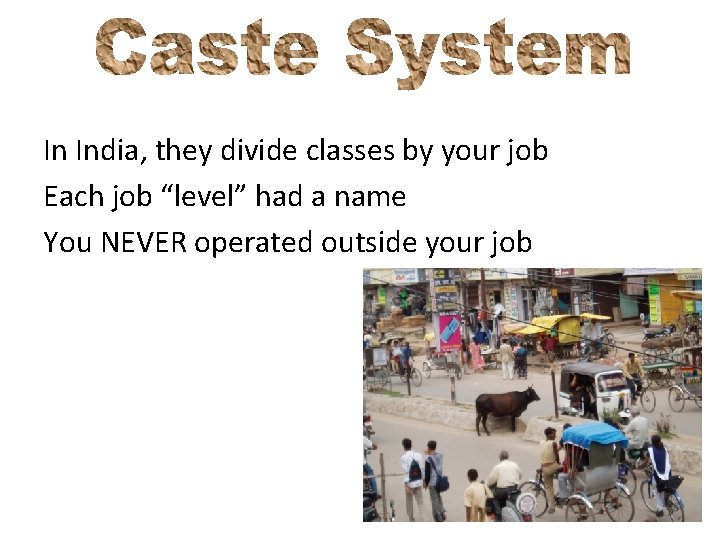
In India, they divide classes by your job Each job “level” had a name You NEVER operated outside your job
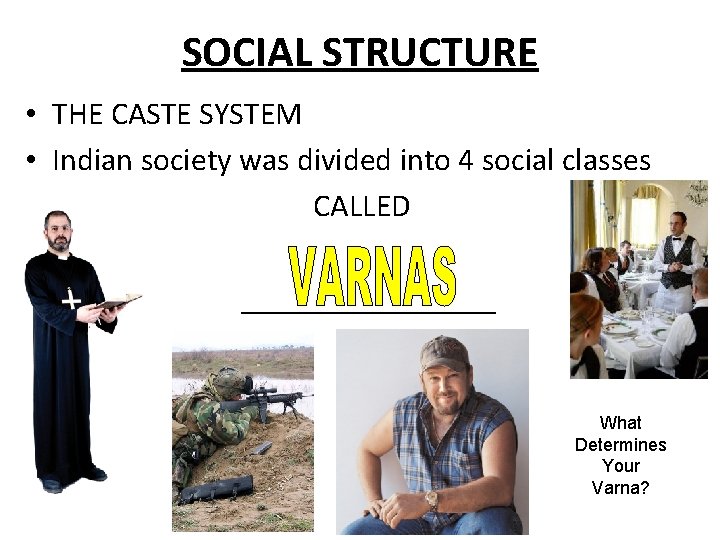
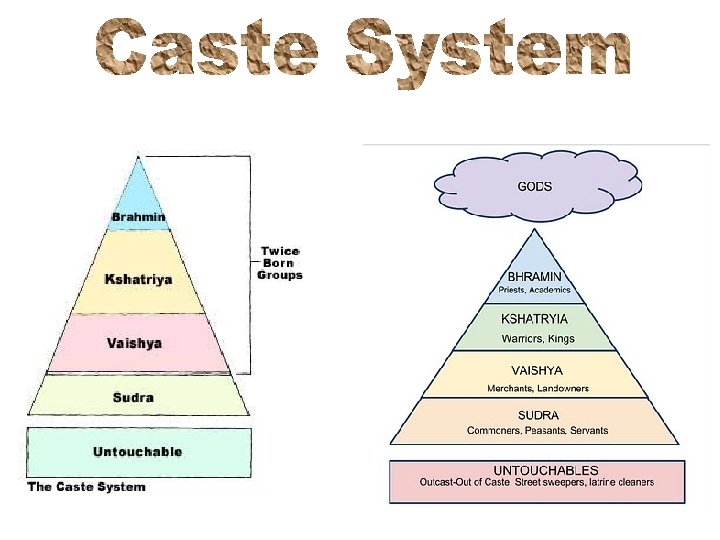
SOCIAL STRUCTURE • THE CASTE SYSTEM • Indian society was divided into 4 social classes CALLED ________ What Determines Your Varna?
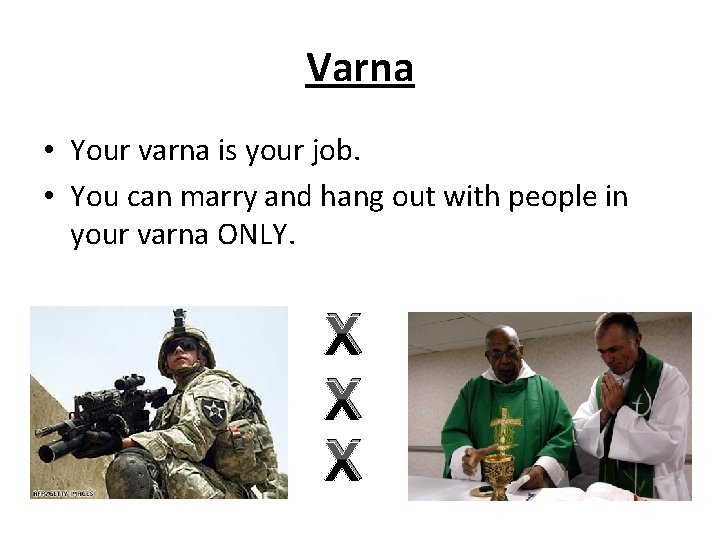
Varna • Your varna is your job. • You can marry and hang out with people in your varna ONLY. X X X
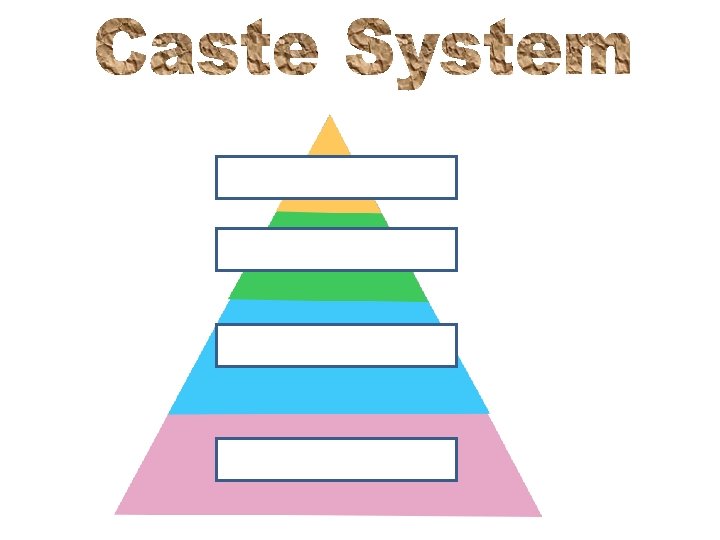
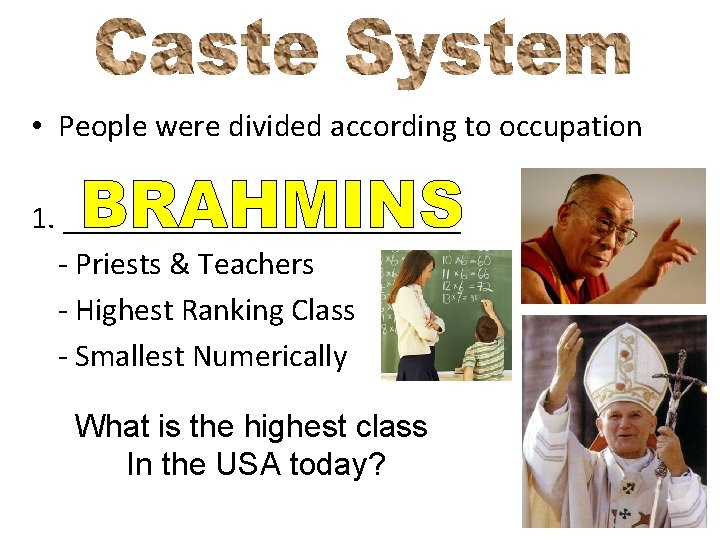
• People were divided according to occupation 1. _____________ - Priests & Teachers - Highest Ranking Class - Smallest Numerically What is the highest class In the USA today?
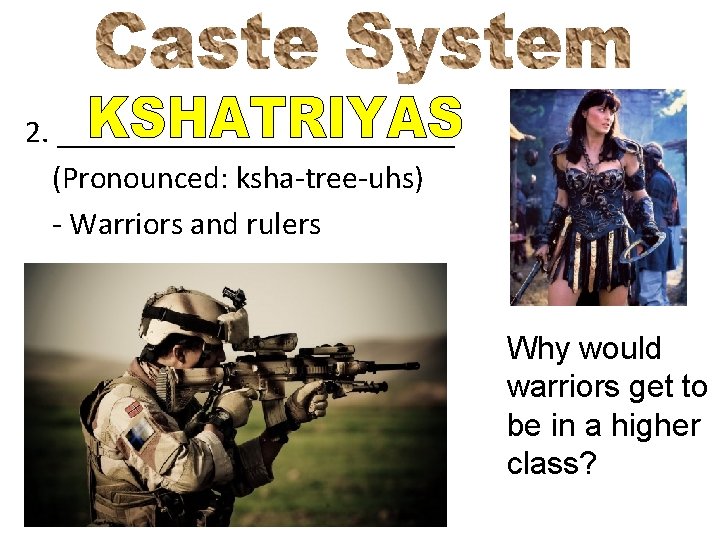
2. _____________ (Pronounced: ksha-tree-uhs) - Warriors and rulers Why would warriors get to be in a higher class?
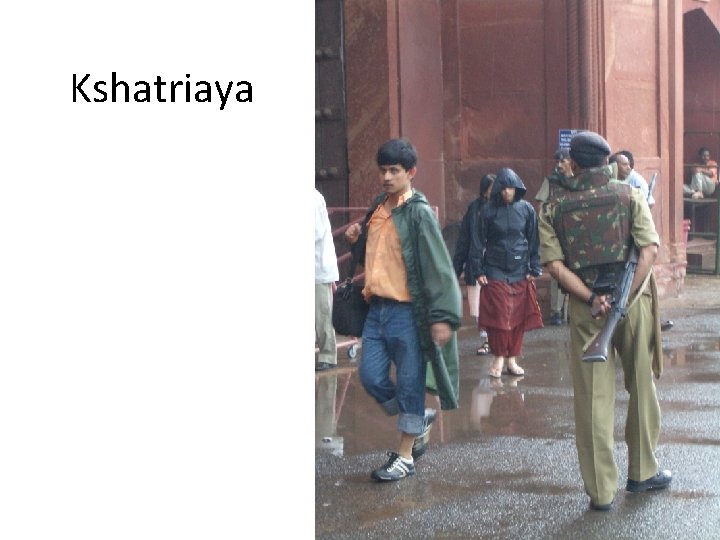
Kshatriaya
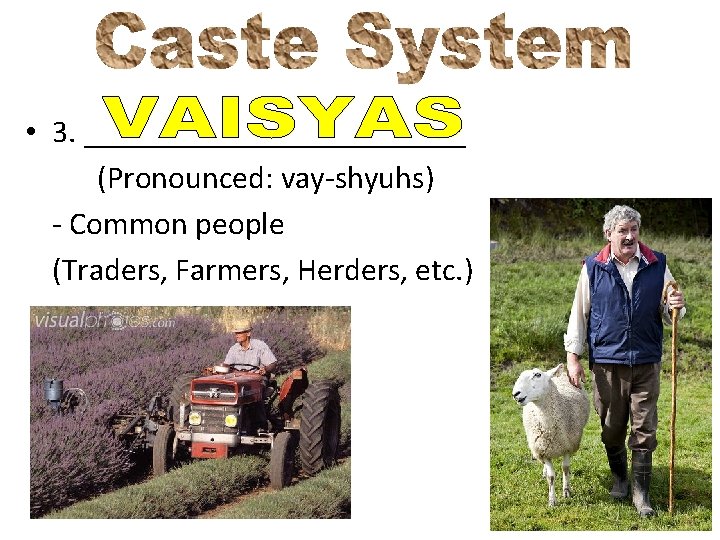
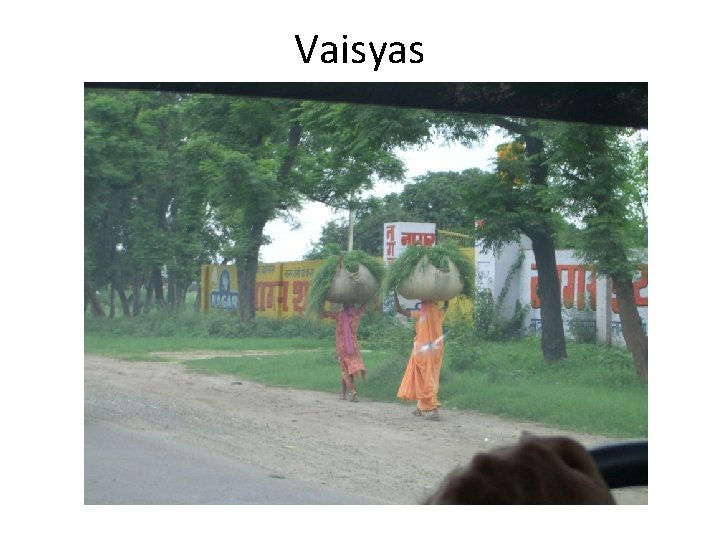
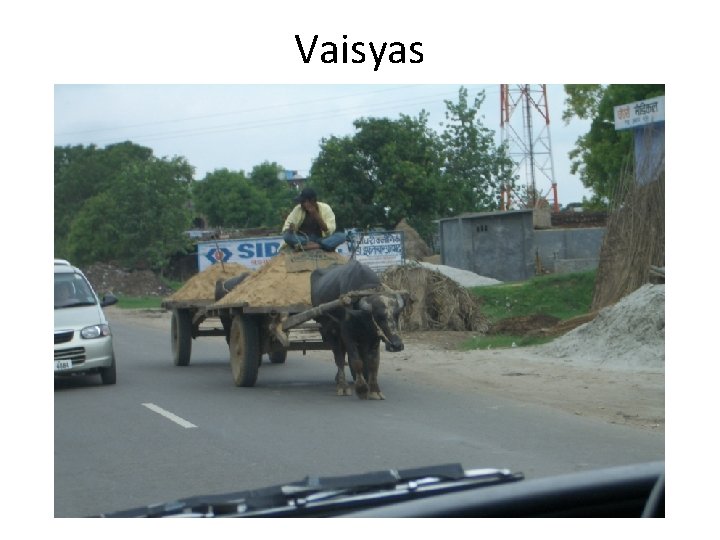
• 3. ____________ (Pronounced: vay-shyuhs) - Common people (Traders, Farmers, Herders, etc. )
Vaisyas
Vaisyas
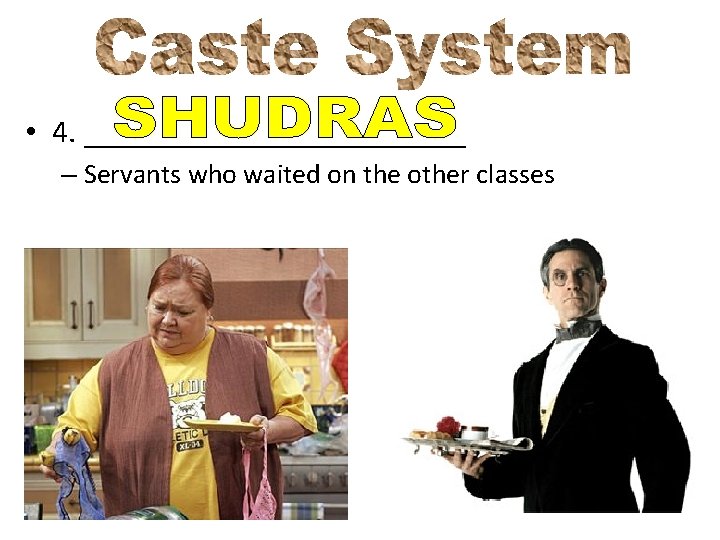
• 4. ____________ – Servants who waited on the other classes
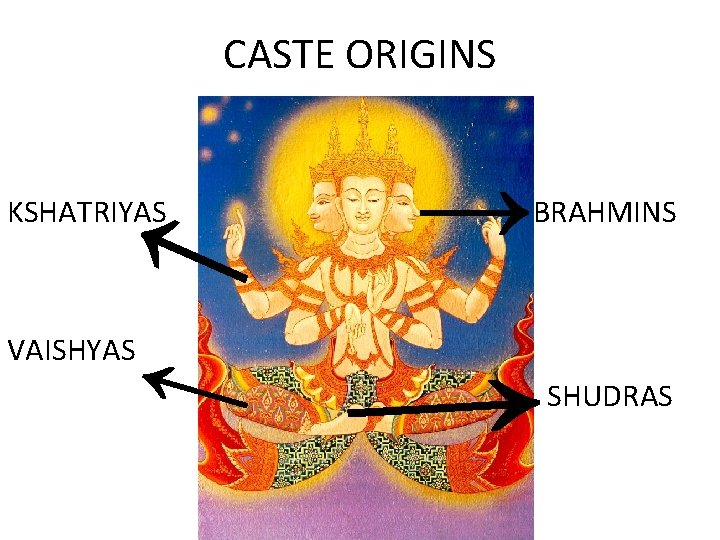
CASTE ORIGINS KSHATRIYAS BRAHMINS VAISHYAS SHUDRAS
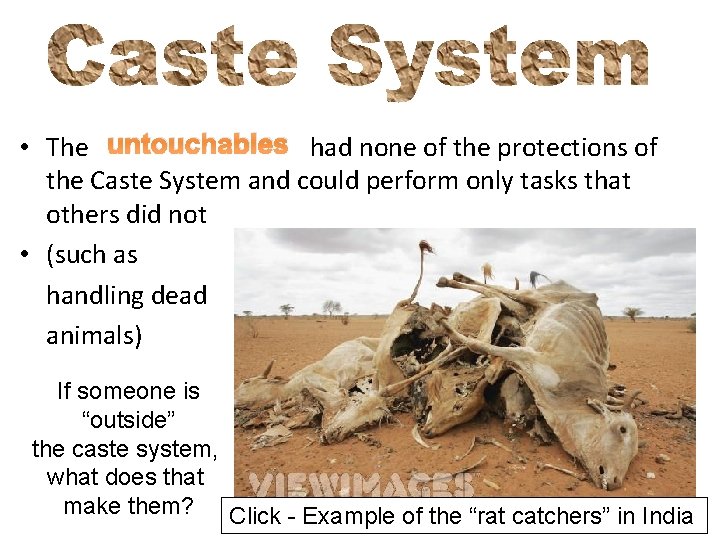
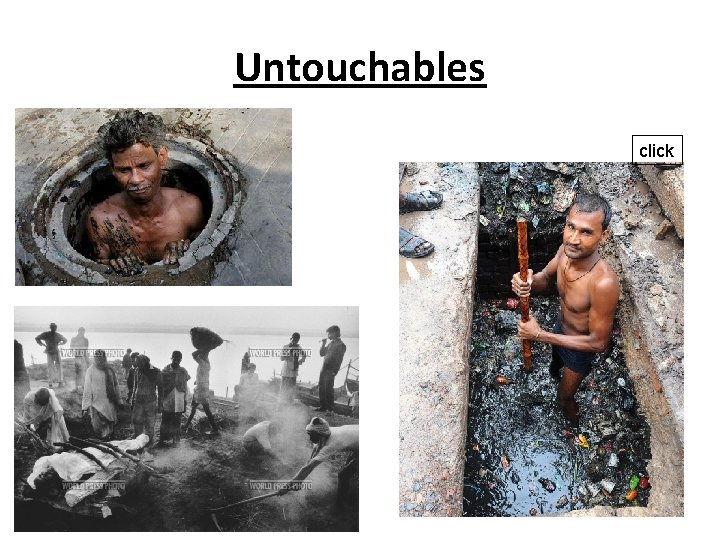
• The untouchables had none of the protections of the Caste System and could perform only tasks that others did not • (such as handling dead animals) If someone is “outside” the caste system, what does that make them? Click - Example of the “rat catchers” in India
Untouchables click
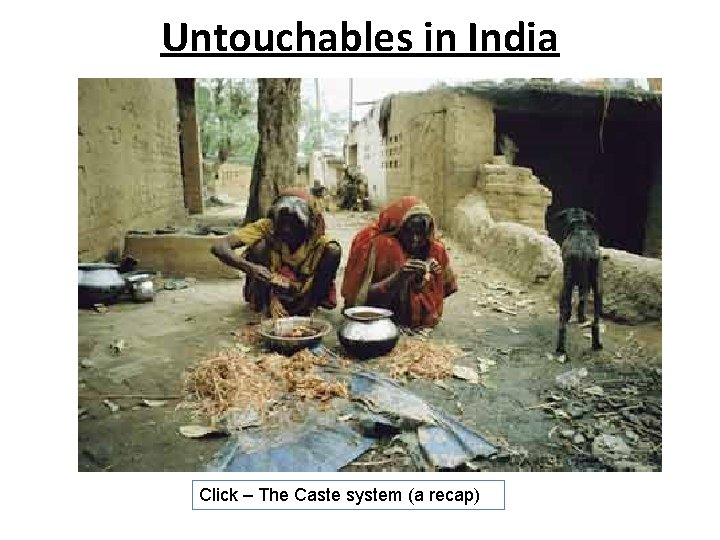
Untouchables in India Click – The Caste system (a recap)
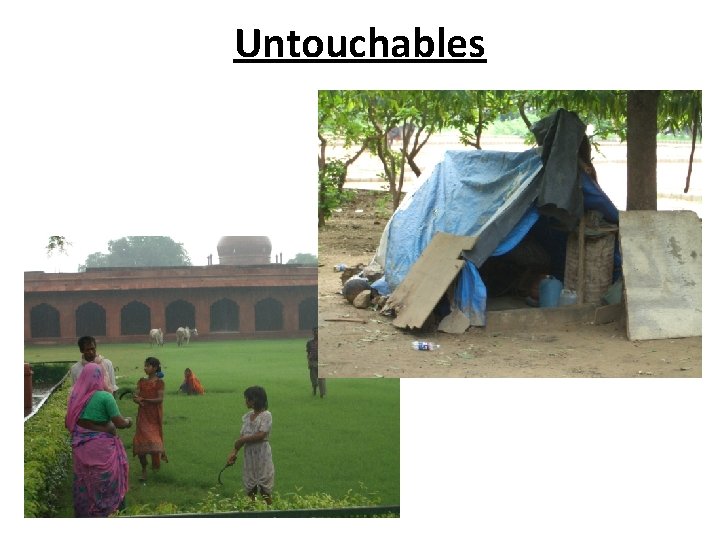
Untouchables
1. 2. 3. 4. 5. 6. 7. 8. What is a Varna? What determines your Varna? What makes varnas different? What is expected of you when you reach marrying age, in terms of your Varna? What is the job of a Brahmin? What is the job of a Kshatrya? What is the job of a Vaisya? What is the job of a Shudra?
Other Religions in India Buddhism Islam Sikhism Ba’hai
Buddhism
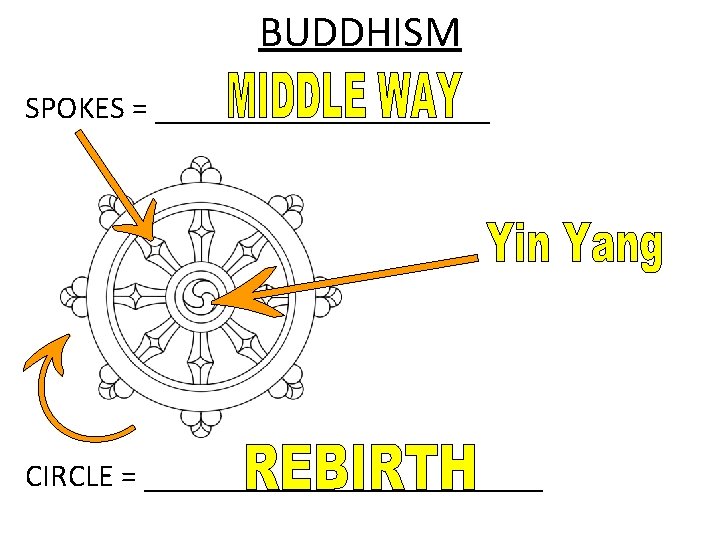
BUDDHISM SPOKES = ___________ CIRCLE = _____________
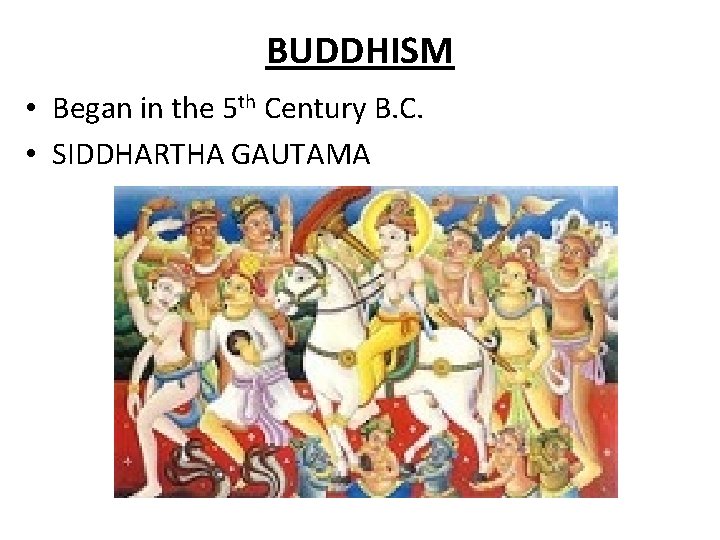
BUDDHISM • Began in the 5 th Century B. C. • SIDDHARTHA GAUTAMA
BUDDHISM • • Began in the 5 th Century B. C. SIDDHARTHA GAUTAMA NO BEGINNING NO ENDLESS REINCARNATION BLISS (HEAVEN) IS FOUND ON EARTH BLISS – NIRVANAH = FULL SATISFACTION IN LIFE
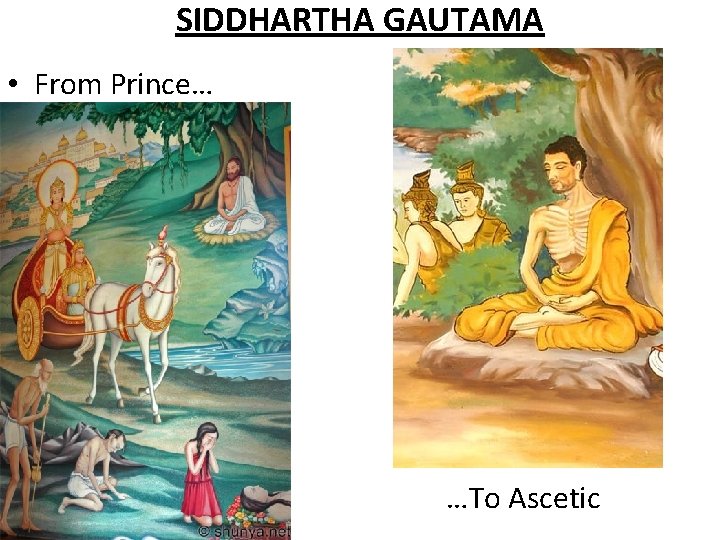
SIDDHARTHA GAUTAMA • From Prince… …To Ascetic
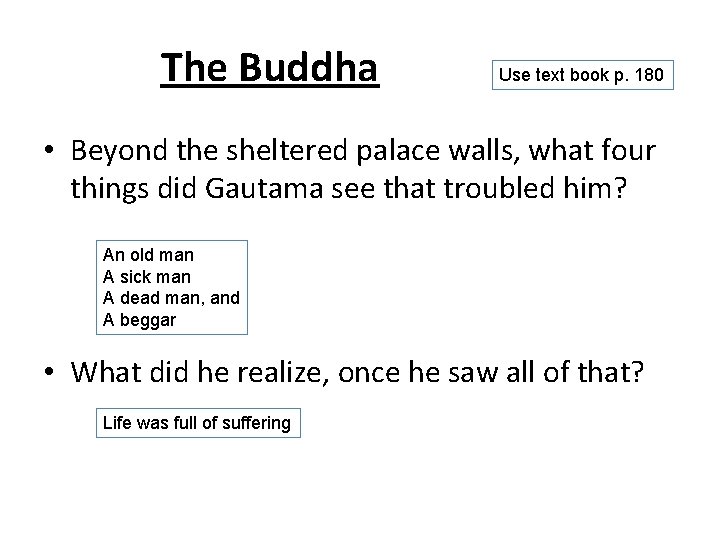
The Buddha Use text book p. 180 • Beyond the sheltered palace walls, what four things did Gautama see that troubled him? An old man A sick man A dead man, and A beggar • What did he realize, once he saw all of that? Life was full of suffering
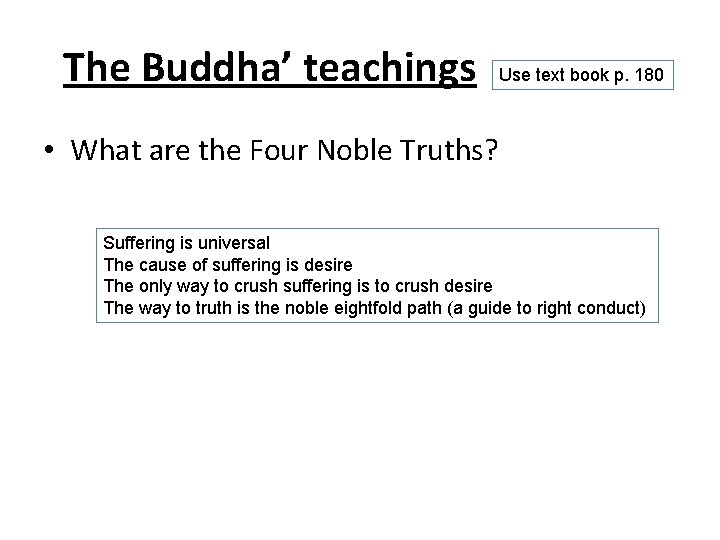
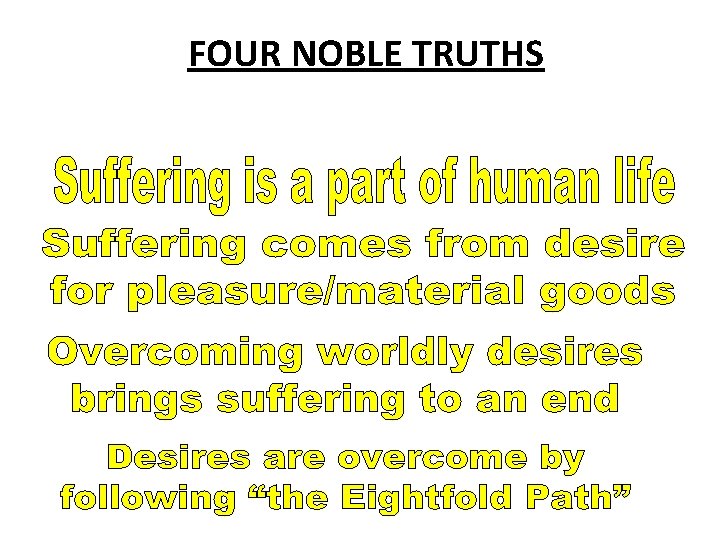
The Buddha’ teachings Use text book p. 180 • What are the Four Noble Truths? Suffering is universal The cause of suffering is desire The only way to crush suffering is to crush desire The way to truth is the noble eightfold path (a guide to right conduct)
FOUR NOBLE TRUTHS
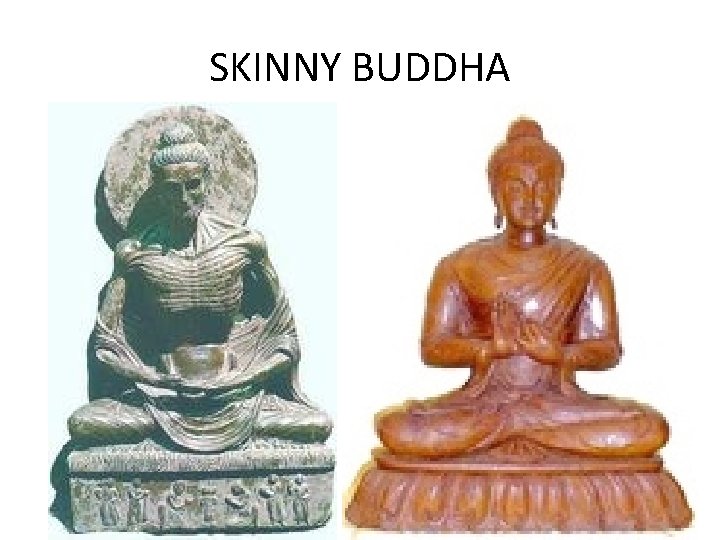
SKINNY BUDDHA
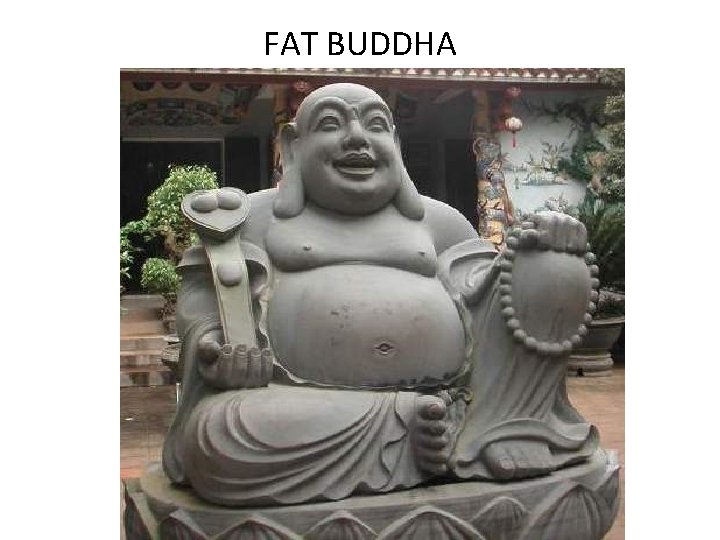
FAT BUDDHA
The Spread of Buddhism • Name eight places Buddhism spread to, using the map on p. 181
Other Religions
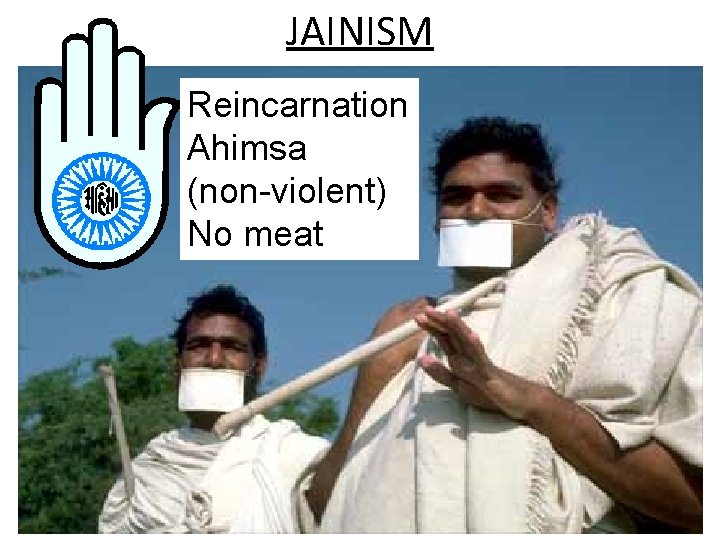
JAINISM Reincarnation Ahimsa (non-violent) No meat
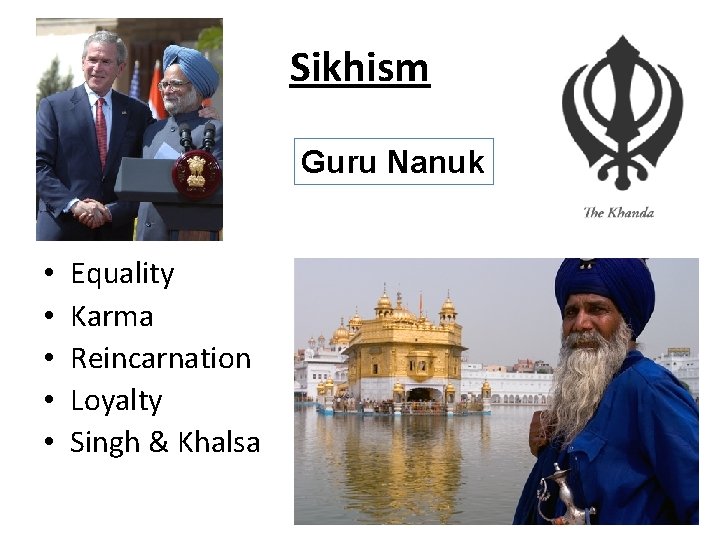
Sikhism Guru Nanuk • • • Equality Karma Reincarnation Loyalty Singh & Khalsa
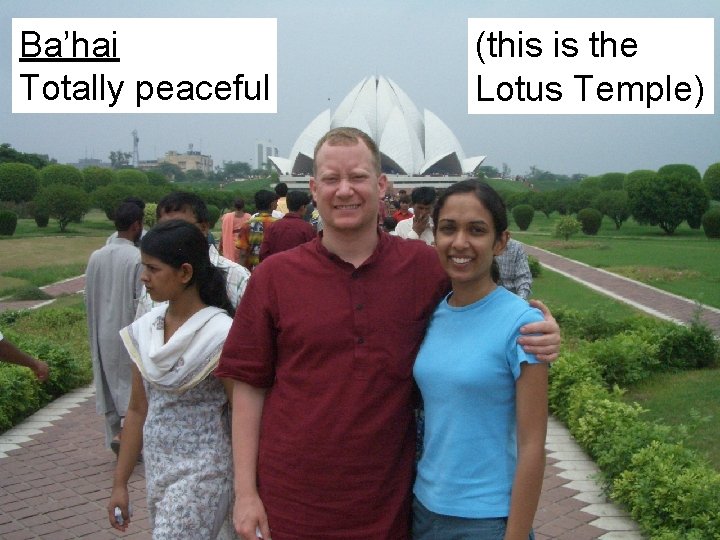
SIKHISM Ba’hai (this is the • Totally Monotheistic, but belief in reincarnation peaceful Lotus Temple) • Life’s Goal = Break free of the cycle of life and attain unity with God • Turbans symbolize social equality • Don’t cut their hair or beards to honor the human form as created by God