
India Indian Administrative Structure Basics Over 1 Billion
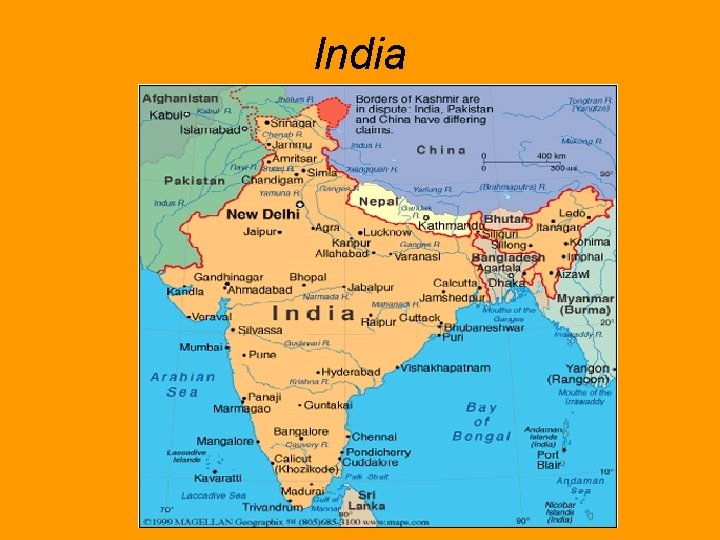
India

Indian Administrative Structure
Basics • Over 1 Billion people • Opening to the world economically since 1991 • Importance of the US-Indian-Chinese relationship in the future

Paradoxes 1. Democracy and Inequality 2. Religion and Separation of Church and State 3. Indian Economic Model 4. Wealth and Poverty 5. Diversity 6. National vs Regional
Paradox One: Democracy and Inequality • Largest democracy in the World • But… – Economic inequality – Social inequality (due to lingering Hindu caste system)
Paradox Two: Religion and Separation of Church and State • Religion: 80% Hindu • But… a national ideology of separation of church and state… • But the Bharatiya Janata and “Hindu nationalism” or Hindutva
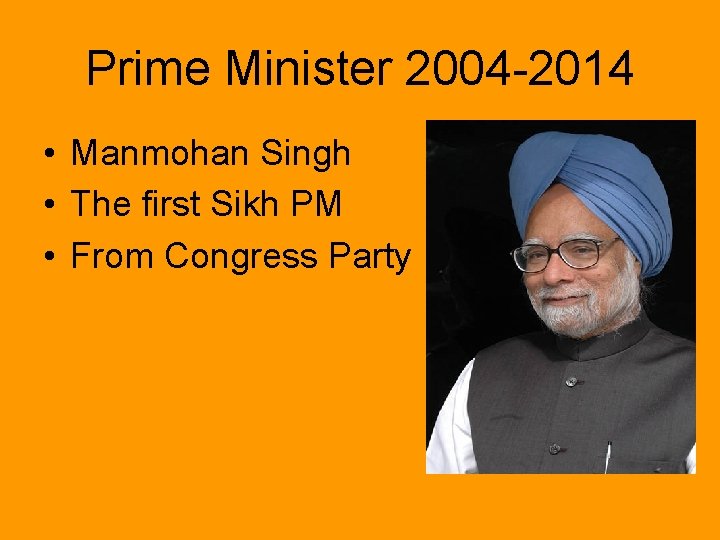
Prime Minister 2004 -2014 • Manmohan Singh • The first Sikh PM • From Congress Party
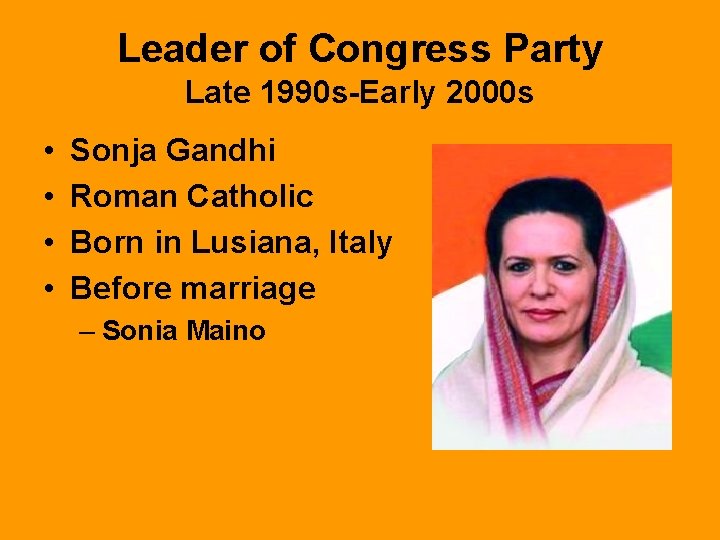
Leader of Congress Party Late 1990 s-Early 2000 s • • Sonja Gandhi Roman Catholic Born in Lusiana, Italy Before marriage – Sonia Maino
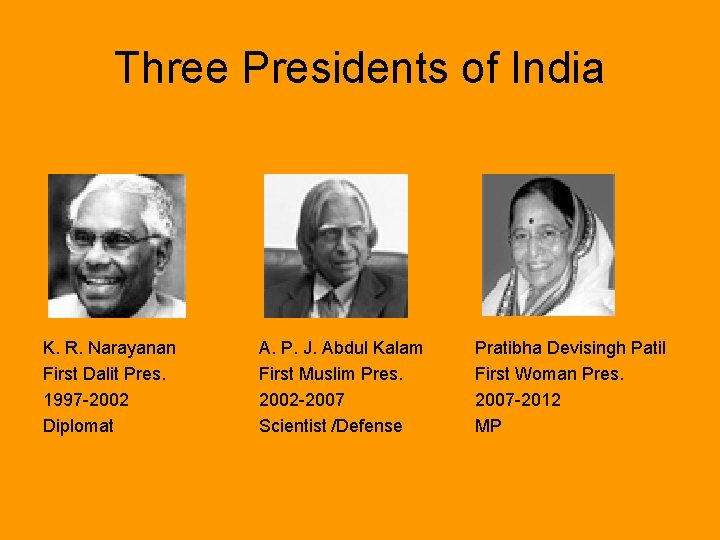
Three Presidents of India K. R. Narayanan First Dalit Pres. 1997 -2002 Diplomat A. P. J. Abdul Kalam First Muslim Pres. 2002 -2007 Scientist /Defense Pratibha Devisingh Patil First Woman Pres. 2007 -2012 MP
Paradox Three: Indian Economic Model • East Asian Model: Authoritarian and capitalist • India: Democratic with a socialist economy (until 1991 when economic reforms began)
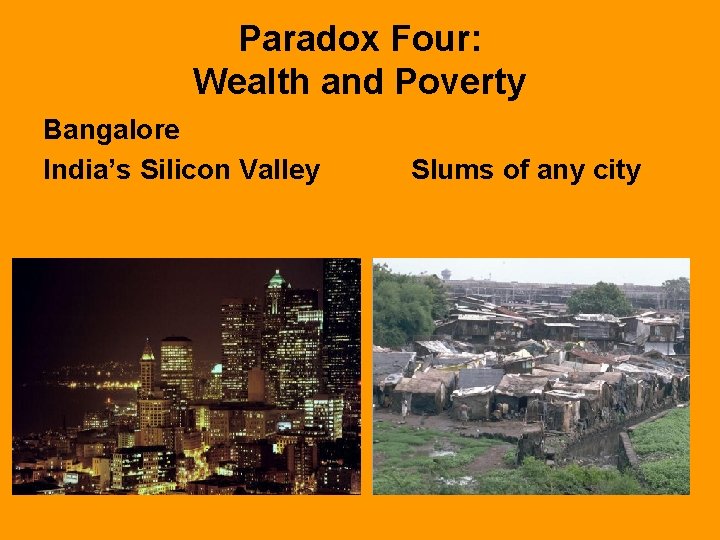
Paradox Four: Wealth and Poverty Bangalore India’s Silicon Valley Slums of any city
Paradox Five: Diversity • 80% Hindu, but… • 22 Official languages now • Over 140 million Muslims (the nation in the world with the third largest Muslim population)
Paradox Six: National vs. Regional • Two major national parties: – Congress Party – BJP 2014 election (16 th Lok Sabha) 36 regional parties in Parliament • Lok Sabha Party-wise
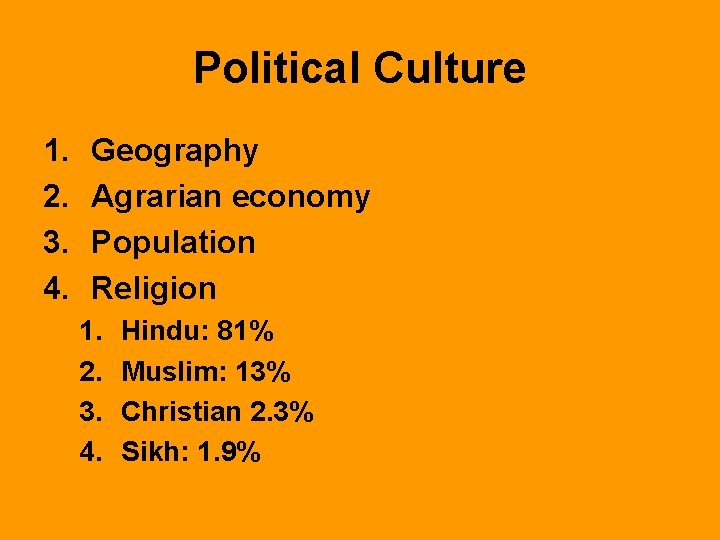
Political Culture 1. 2. 3. 4. Geography Agrarian economy Population Religion 1. 2. 3. 4. Hindu: 81% Muslim: 13% Christian 2. 3% Sikh: 1. 9%

Hindu Caste System Thousands of castes 1. Priests – Brahmins 2. Warriors – Kahtriyas 3. Landowners/merchants – Vaishyas 4. Small Farmers – Sudras Outcastes, sub-castes, backward tribes, and “Untouchables” or Dalits or Harijans Bhimrao Ambedkar
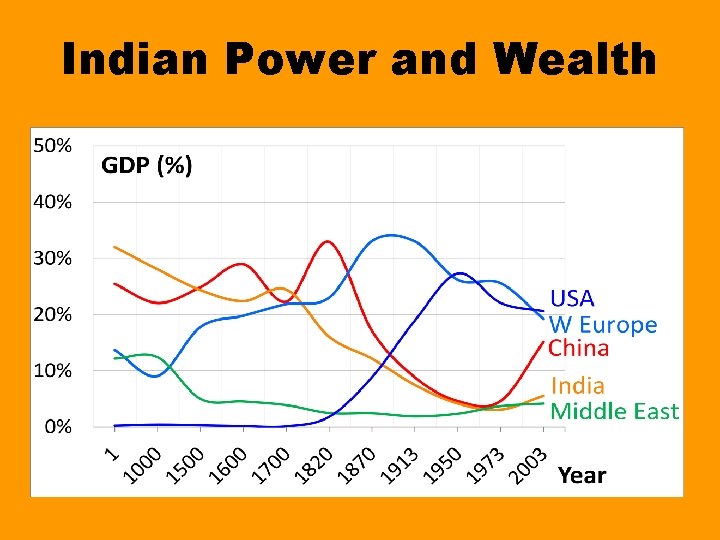
Indian Power and Wealth • fdgbdvdv

Mauryan Dynasty, 321 -185 BC
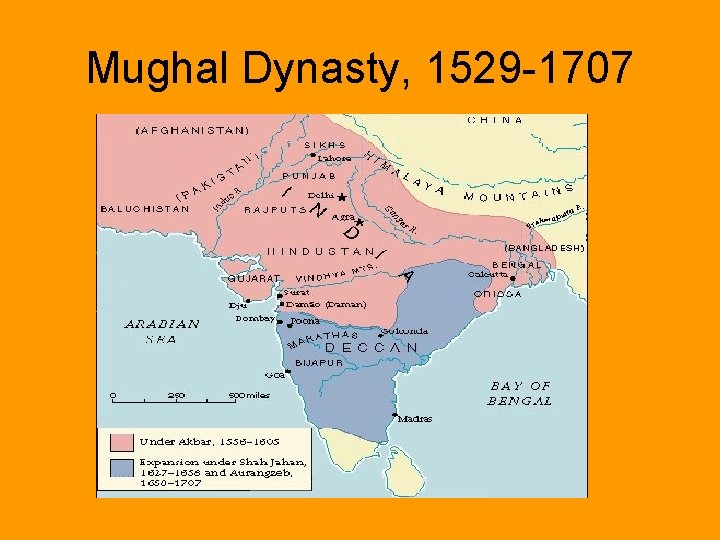
Mughal Dynasty, 1529 -1707
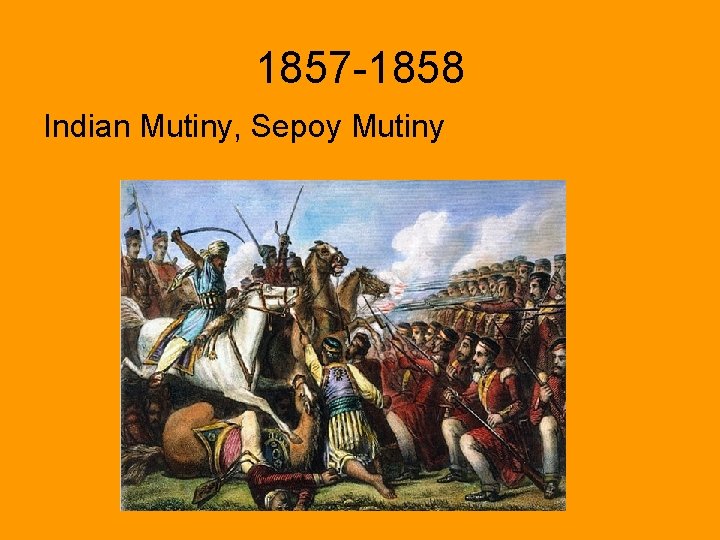
1857 -1858 Indian Mutiny, Sepoy Mutiny
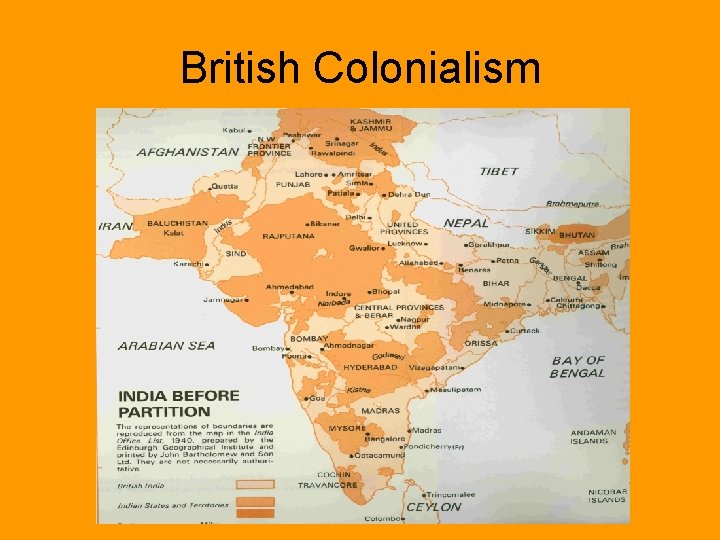
British Colonialism
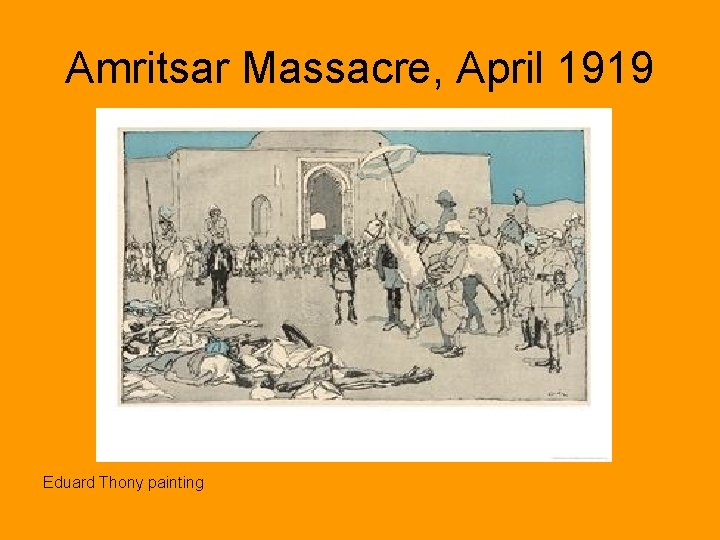
Amritsar Massacre, April 1919 Eduard Thony painting
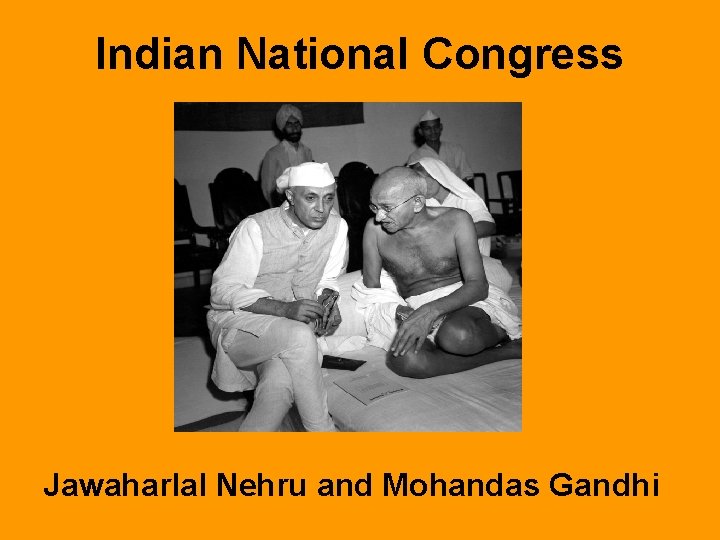
Indian National Congress Jawaharlal Nehru and Mohandas Gandhi
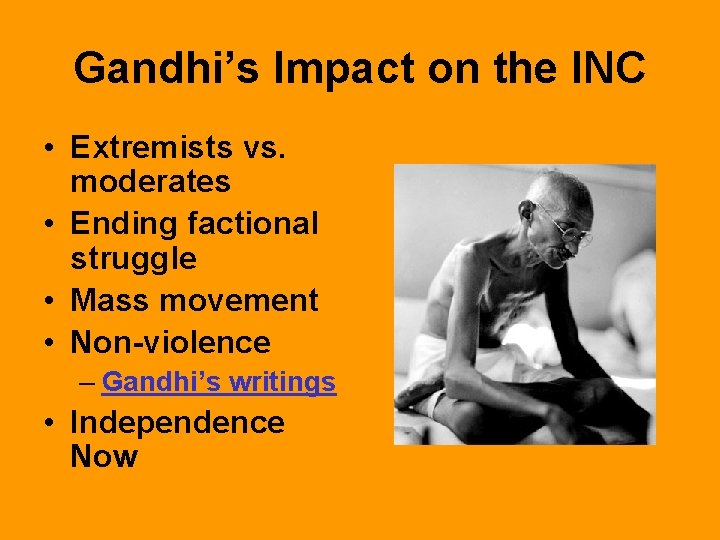
Gandhi’s Impact on the INC • Extremists vs. moderates • Ending factional struggle • Mass movement • Non-violence – Gandhi’s writings • Independence Now
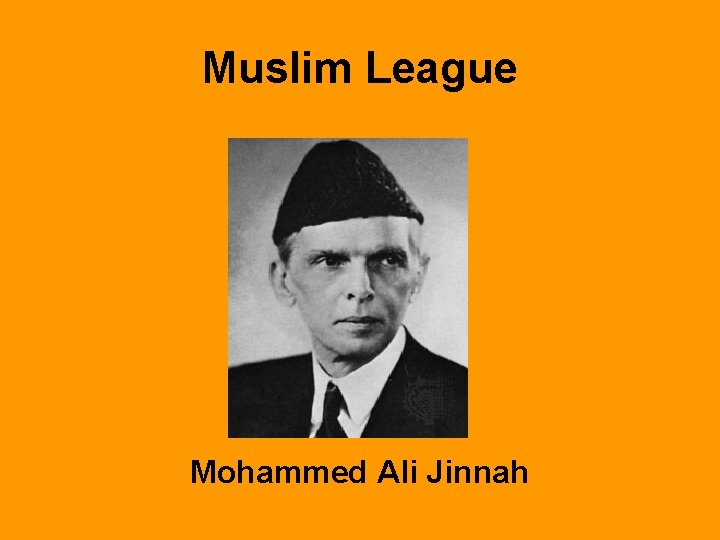
Muslim League Mohammed Ali Jinnah
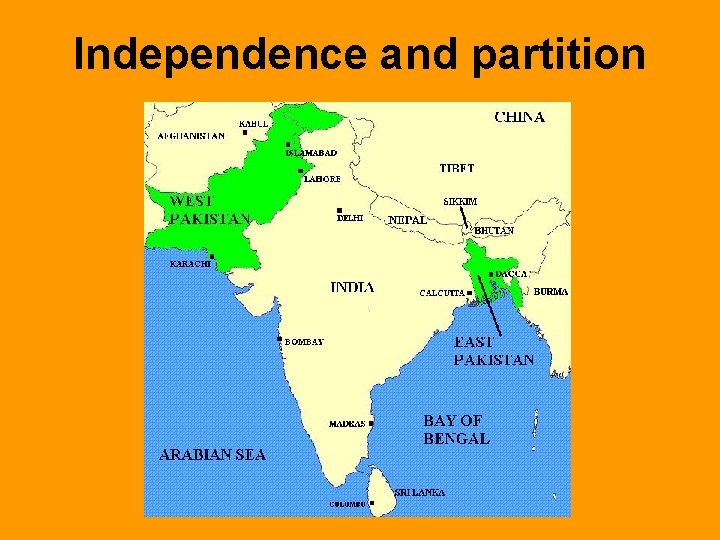
Independence and partition
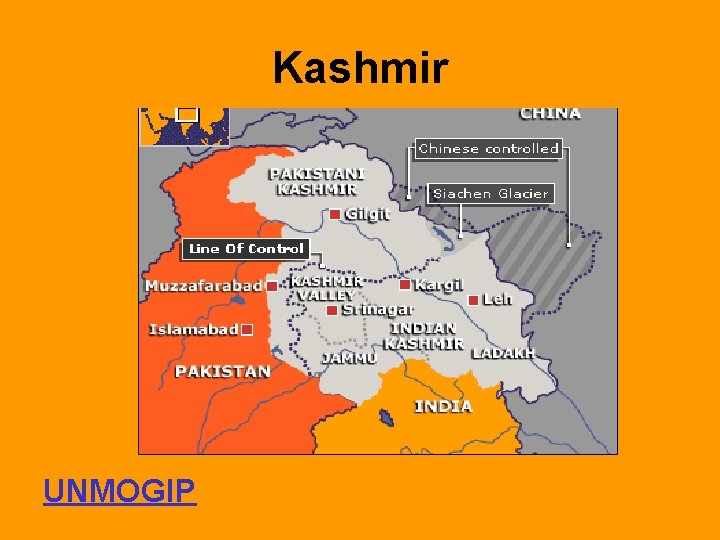
Kashmir UNMOGIP
- Slides: 27