
India Early Indus River Civilizations Harappan Civilization HarappaAn
- Slides: 19
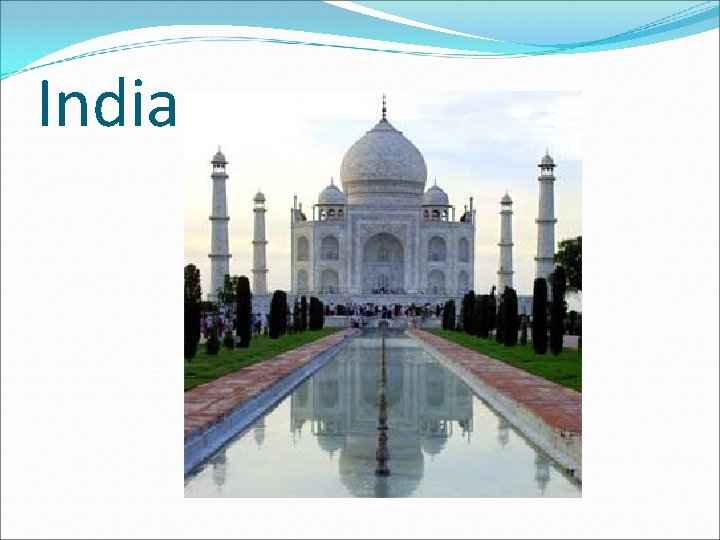
India
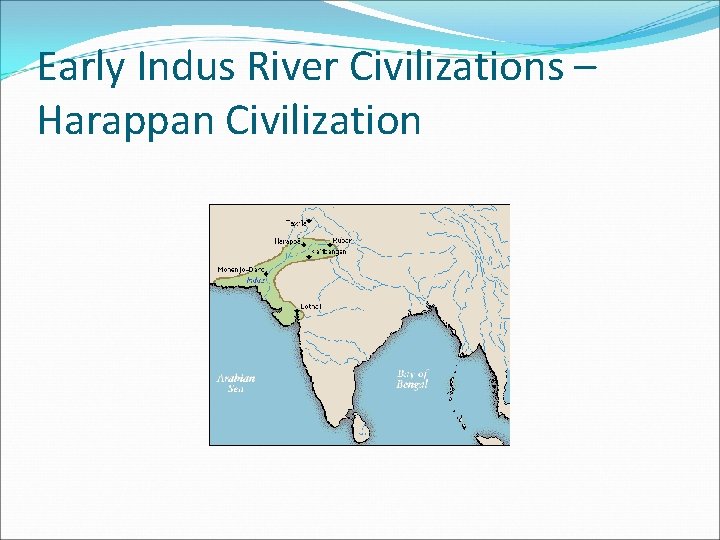
Early Indus River Civilizations – Harappan Civilization
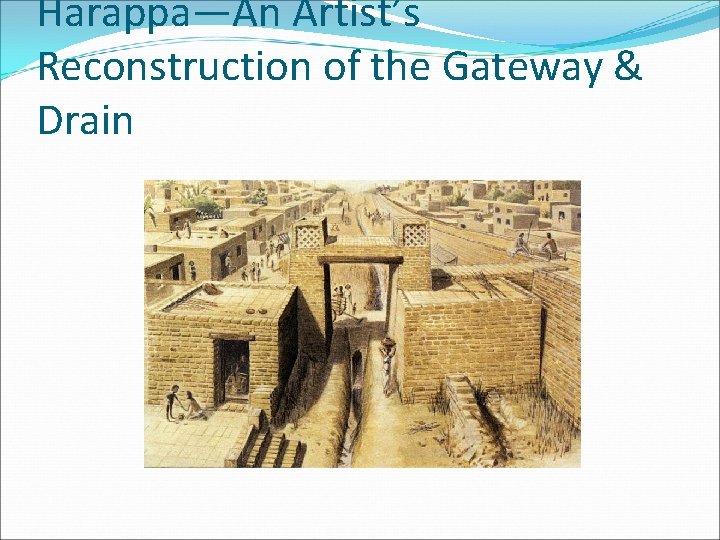
Harappa—An Artist’s Reconstruction of the Gateway & Drain
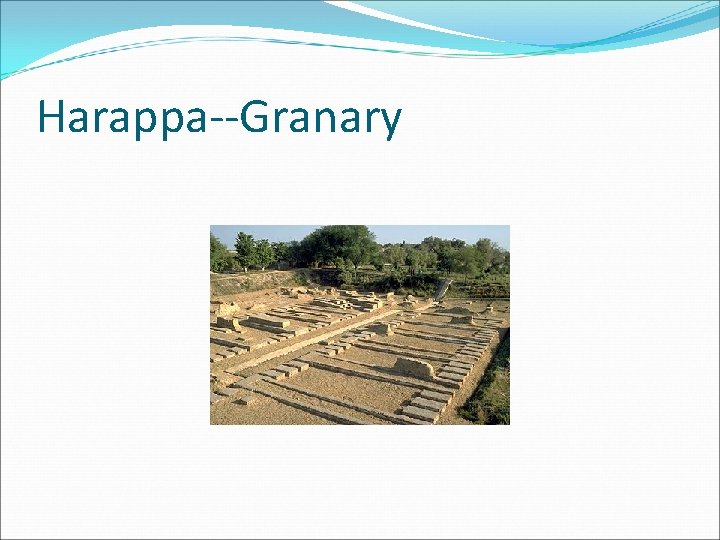
Harappa--Granary
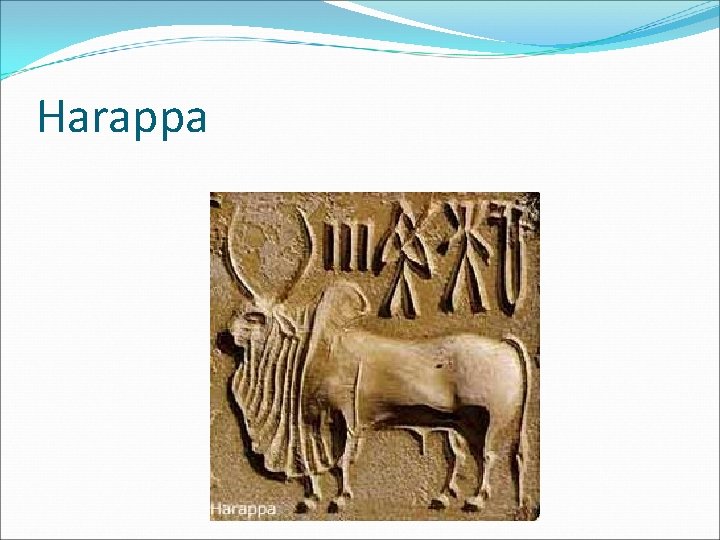
Harappa
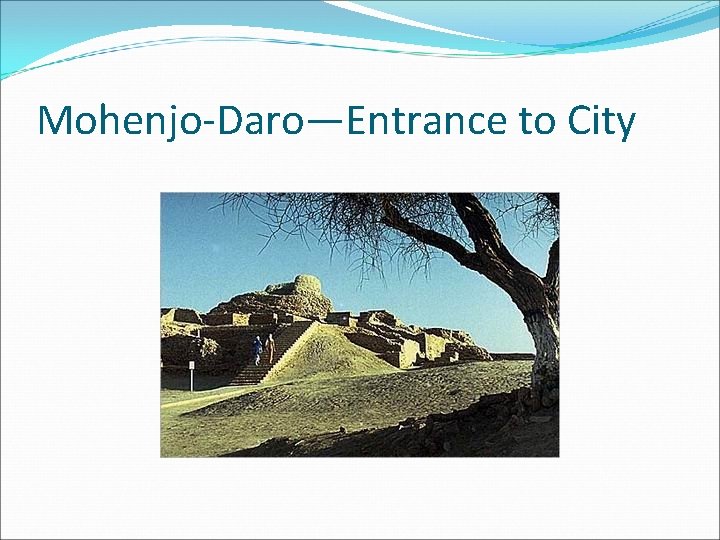
Mohenjo-Daro—Entrance to City
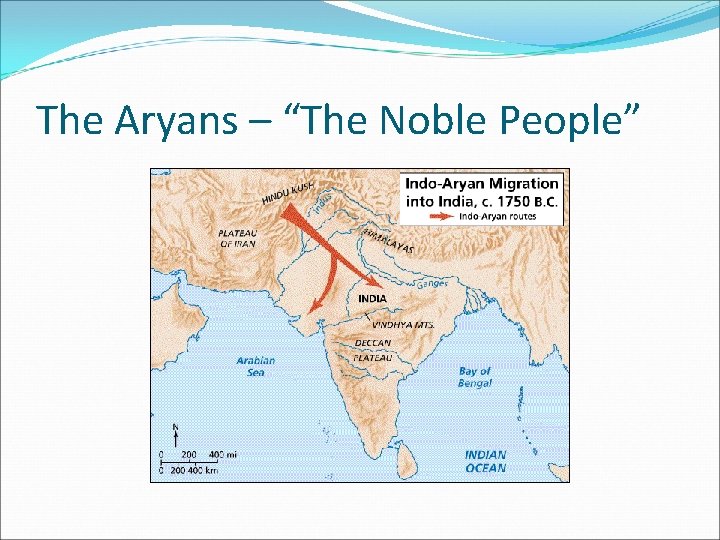
The Aryans – “The Noble People”
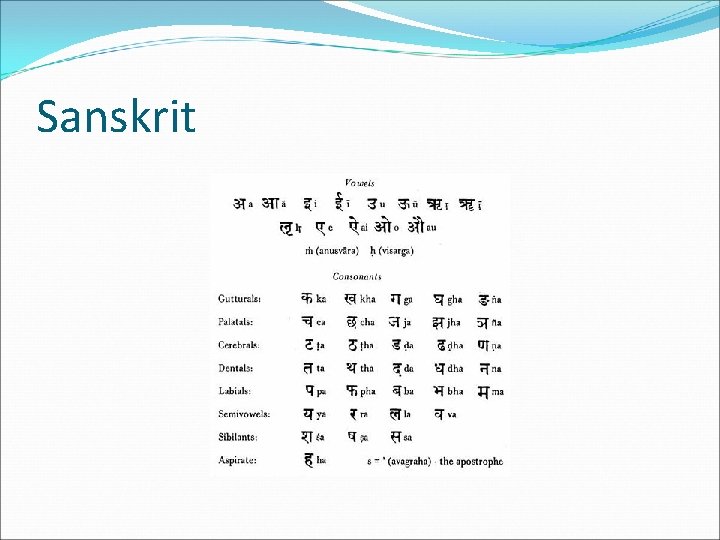
Sanskrit
The Vedas
The Vedas A collection of poems and sacred hymns (c. 1, 500 B. C. ) describing Aryan beliefs and daily life “Veda” means knowledge 1, 500 – 1, 000 B. C. – Vedic Period
Government Raja (“Prince”) Maharajas (“Major Princes”)
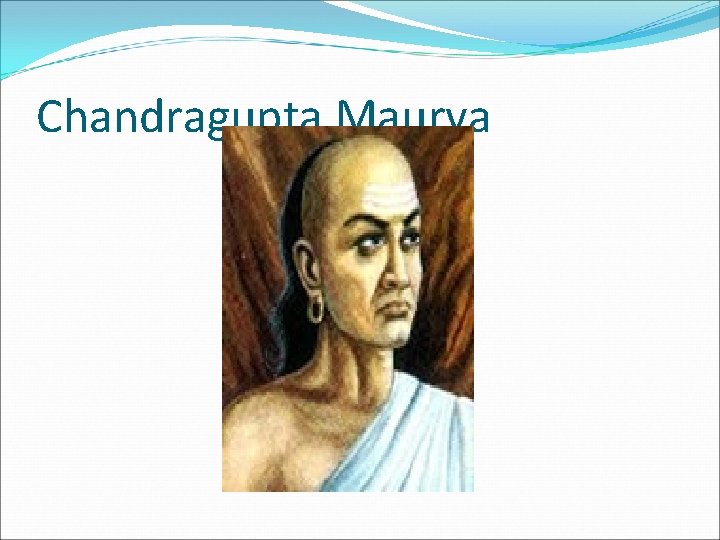
Chandragupta Maurya
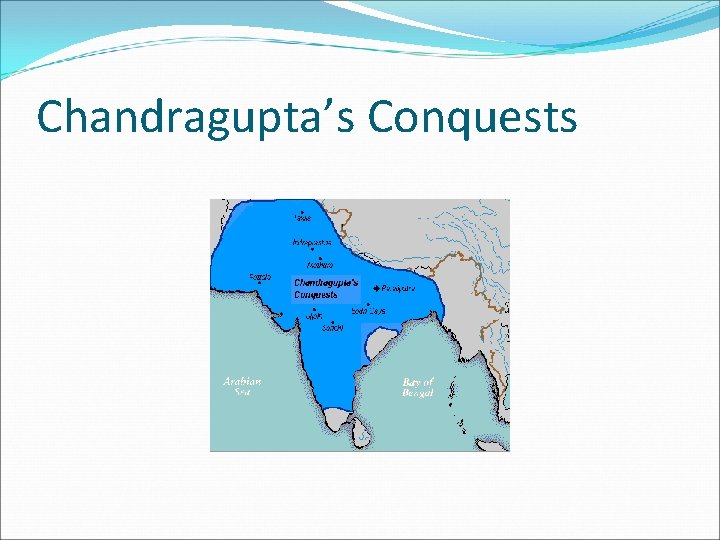
Chandragupta’s Conquests
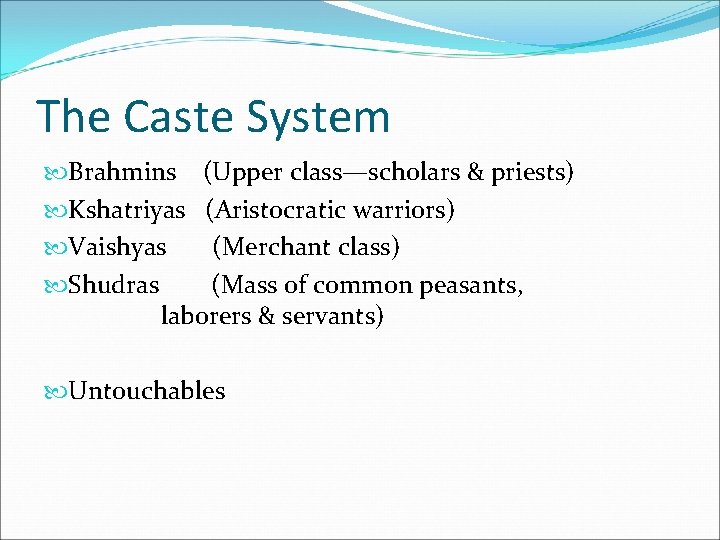
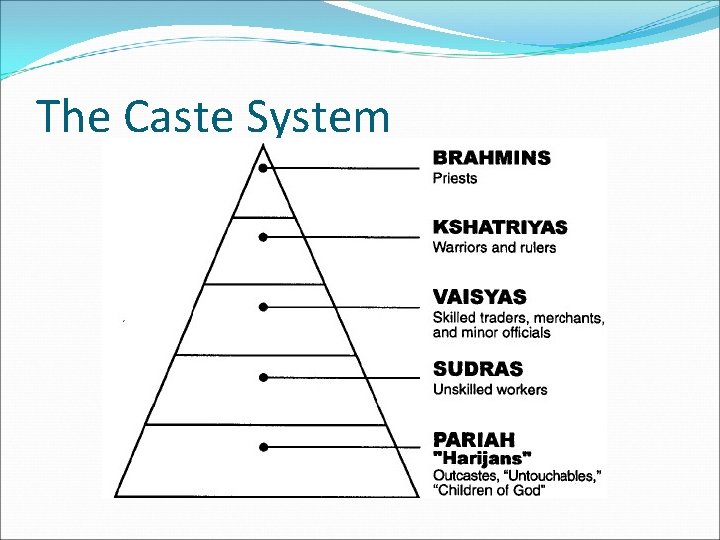
The Caste System Brahmins (Upper class—scholars & priests) Kshatriyas (Aristocratic warriors) Vaishyas (Merchant class) Shudras (Mass of common peasants, laborers & servants) Untouchables
The Caste System
The Upanishads (6 th century B. C. ) Commentaries on the Vedas Rejected Brahmin rituals & inspired people to reach spiritual truth and peace through meditation & an ascetic lifestyle
Hinduism Emerged from the ideas in the Upanishads Karma & Reincarnation (the rebirth of the soul in a different form after death, determined by actions in the previous life according to the dharma, a law regulating human behavior)
Three Major Hindu Gods Brahman the Creator Vishnu the Preserver Shiva the Destroyer Plus thousands of lesser deities
Another Name for Hinduism Sanatana dharma Sanatana—”that which has no beginning or end and that which is there always” Dharma—refers to the right way or living or proper conduct