
Incubator care Infection Control in high risk unit
Incubator care Infection Control in high risk unit
Out lines • Factors that increase risk of infection in neonatal units • Staffing • Uniforms and clothing • Gloves • Environment • Hand washing • Employee Health Illness
Out lines • Visitors • Floors and walls • Equipment: • A. Feeding equipment • B. Scales, monitors, and supplies: • C. IV lines and equipment • Infants

Factors that increase risk of infection in neonatal units
• Immaturity of the immune system in the neonate • Overcrowding and understaffing of the unit • Inadequate numbers of sinks, or their poor accessibility, may contribute to decreased hand washing • Neonates who are colonized with pathogens may have no overt signs of illness

• Invasive procedures increase the risk of infection due to the interruption of the normal barriers. • Examples of such procedures are the use of fetal scalp nasogastric electrodes, tube, heel endotracheal sticks, tubes, intravascular lines, and urinary catheters

Staffing
• Sufficient personnel are, required to provide appropriate care for infants with adequate time for hand washing between patient contact. • One nurse per 1 -2 neonates
Uniforms and clothing
• Hospital issued uniforms should be worn in the neonatal care units. • The uniform can be laundered at home or in the hospital laundry. • Personal clothing and belongings (including jewelry) should be left in an assigned locker area and not be kept in patient care area
• A cover gown is applied over the scrub suit whenever it is necessary to leave the nursery. • The cover gown should be taken off prior to re-entering the nursery. • Long sleeve cover gowns are required for the care of infants in isolation.
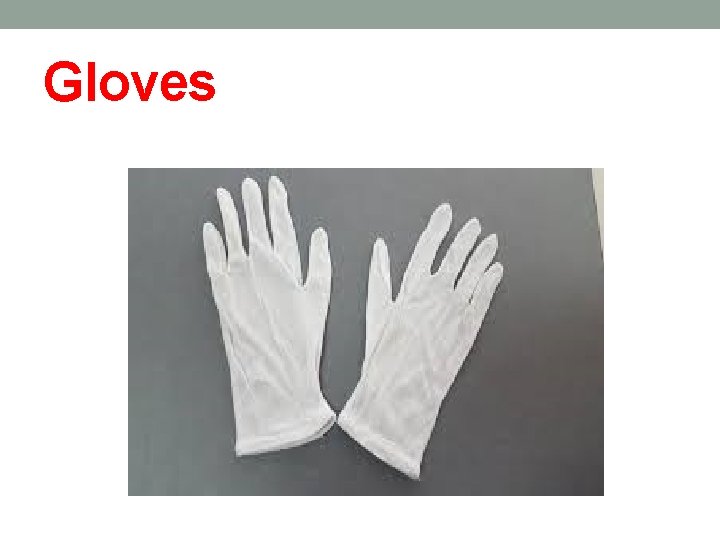
Gloves
• Disposable gloves should be worn on both hands for all suctioning procedures and for contact with any body fluids. • Gloves should be worn on both hands for all blood specimen withdrawals, phlebotomy, or intravenous insertions.
Masks, sterile gowns, head covers, and sterile gloves should be used according to the nature of the invasive procedure (as when placing central or umbilical lines) and the patient's risk of infection.
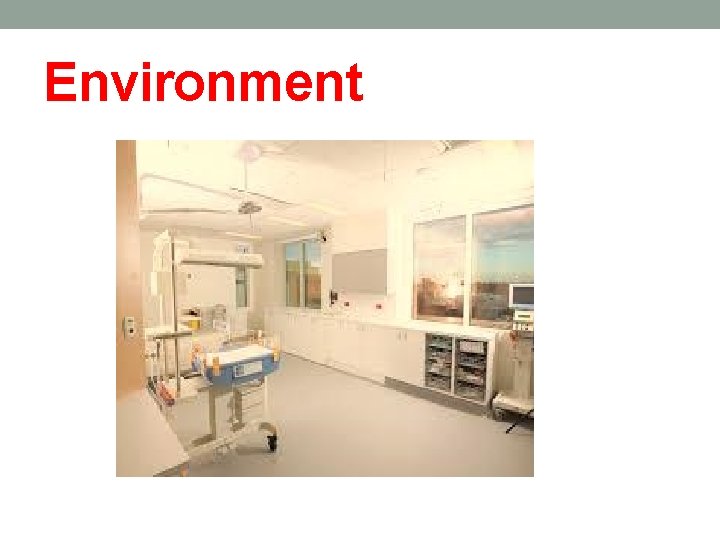
Environment
• Food and drink are not to be consumed at the bedside. • Live plants and flowers are not allowed in the Intensive care unit patient area.
• Sterile solutions opened for suction or irrigation. All solutions should be labeled with the date and time opened
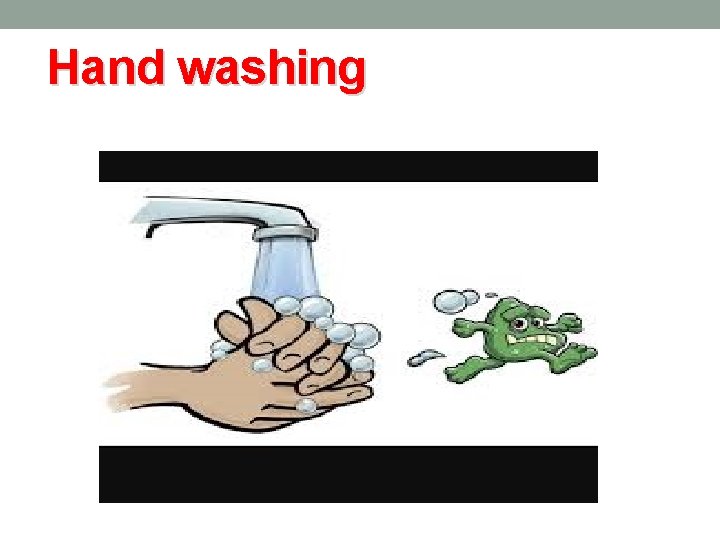
Hand washing
• Hand washing is recognized as the single most important infection control measure in the all neonatal units. • Roll sleeves to elbow and remove all jewelry. • Wash hands thoroughly up to elbows for 2 -3 minutes using a wet scrub brush and an antiseptic hand washing agent such as chlorhexidine
• Dry with paper towels. • Any person entering any neonatal care unit for the first time, or after handling patients on other floors, performs a 2 -3 minute scrub. During work in the unit, a 5 -30 second hand washing should be done in between patients

Employee Health Illness
• Employees with respiratory infections or conjunctivitis should not be encouraged to work until their condition has been appropriately evaluated. • Employees with infectious skin lesions should not touch patients or equipment.
Vaccines: • Hepatitis B vaccine is advised for all employees. • Influenza vaccine is annually, but is optional. encouraged
Visitors
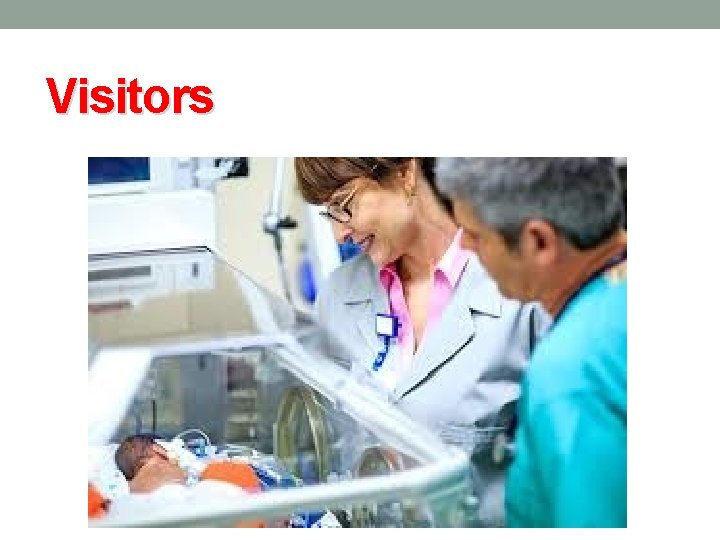
• All visitors must do a 2 -3 minute scrub before entering the unit. • Visitors should wear a cover gown before entering the unit. • Visits should be restricted during community outbreaks of respiratory tract infections
• The number of visitors at a time and the duration of visits should be limited. • Visitors should not have contact with neonates and should not handle patient care equipment
• Visitors should be advised to report any symptoms of infection that they suffer or recent exposure to certain diseases (such as Varicella, measles, or rubella in a non-immune person

Floors and walls

• Floors of the nursery should be swept every 8 hours to eliminate dust. • Wet cleaning of the floors and other horizontal surfaces with a disinfectant should be done at least once a day. • Walls, curtains, and window blinds should be cleaned weekly to prevent dust accumulation.
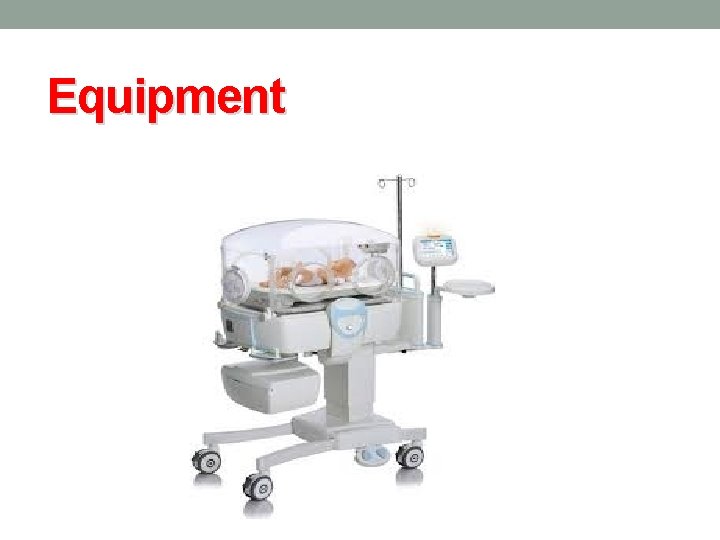
Equipment
• Ventilator circuits should be replaced every 48 hours. • Water condensed in the ventilator tubing should be drained and discarded periodically. • Only sterile water should be used for ventilator humidifiers.
• Ventilators should be replaced and disinfected every week • Each infant should have its own resuscitation bag and mask. They should kept clean and away from the floor and other surfaces. They should be disinfected every week
• Disposable suction catheters should be discarded after a single use. • Suction tubing should be changed every day. • Suction reservoir liner should be changed between infants and when full.
• Sterile one-time-use 5 ml saline containers should be used for tracheal suctioning. • Sterile gloves should be used during tracheal suctioning. • All plastic tubing should be disposed of after a single use. A nasogastric tube car used for 2 -3 days after which it is discarded
A. Feeding equipment
• Nasogastric tubes should be changed every three days and as needed. • Syringes used for continuous pump infusion of feedings should be replaced with new syringes every 4 hours. sterile
For infants on intermittent gavage feeding, a new sterile tube should be used for each feed
B. Scales, monitors, and supplies
• Diaper weighing scales should be wiped with disinfectant in between infants. • Blood pressure machines should be wiped with disinfectant in between infants.
Cardiac monitors and pulse oximeters should be disinfected daily and after use on individual infants
• Each infant should have its own supplies available at its bedside. Supplies should not be shared between infants. • Soiled items must never be mixed with clean items
C. IV lines and equipment: (check every 48 -72 hours)
• The date of insertion of umbilical vessel lines, arterial lines and central lines should be documented on the ICU flow sheets. • Umbilical lines should not be used for more than 15 days.

• Dressings over central and arterial lines should be evaluated daily. Dressings will be changed if soiled or wet.
• No cover dressing is required for umbilical lines. • If the insertion site becomes moist, betadine or alcohol should be applied to the site
If the insertion site looks infected cultures should be obtained from the insertion site
• If a central line is suspected to be the source of sepsis, blood cultures should be obtained from it as well as from a peripheral stick. • The tip of the line should be cultured if it is removed
• Continuous infusion of heparinized fluid should run at all times in central, umbilical, and arterial lines. No heparinlock should be used on any of these lines.
• Sterile fluids used for infusion should be replaced daily. • IV pumps should be cleaned with disinfectant every 8 hours and when soiled

Infants
• Infants should be moved from radiant warmers to an incubator as soon as possible unless they are unstable and it is anticipated that they will need to have chest tubes, lines or performed special procedures
• Infants admitted from the community should be admitted to the isolation area with tact precaution for at least 72 hours. Screening cultures from the nose, skin, wounds and insertion sites is recommended
• Chest electrodes should be changed every 3 days. • Umbilical stump should be cleaned with alcohol with each diaper change
• Infants should be bathed three times a week wit, baby soap. Soap should not be applied to the face


Dr. Hrisa ELShimy Research Design
- Slides: 56