
Increased load capacity of arch bridge using slab
Increased load capacity of arch bridge using slab reinforced concrete T. G. Hughes & M. Miri Cardiff School of Engineering Arch 04, Barcelona, Nov. 17 -19, 2004
Outline n Introduction n Strengthening Techniques n Model details and description n Soil / Masonry interaction n Service load results n Ultimate load results n Conclusions
Introduction n Considerable interest in the UK in repair techniques n Closure of the road during construction is an issue n Much debate about “Strengthening” v “Repair” n Objective of this study – to investigate a less intrusive form of reinforcement
Strengthening Techniques n Grouting n Saddling n Lining n Reinforced masonry
Grouting n Effectively stiffens soil and random rubble masonry n Can be achieved with minimum disruption from surface or soffit n Unquantifiable improvement n May create difficulties with future flexibility
Saddling n Forms new arch with existing barrel as shutter n Disruptive to traffic during construction n Composite action difficult to model n A “new” bridge n Some question marks on long term flexibility
Lining n Less disruption during construction n Normally “adds” to existing barrel n Loss of headroom n Loss of visual effect n Some concern about durability
Reinforced Masonry n Undertaken by drilling or slot cutting in intrados n Can be achieved with minimum disruption n Slot cutting can cause loss of visual effect n May create difficulties with future flexibility n May be issues about long term durability of bond between reinforcement and masonry
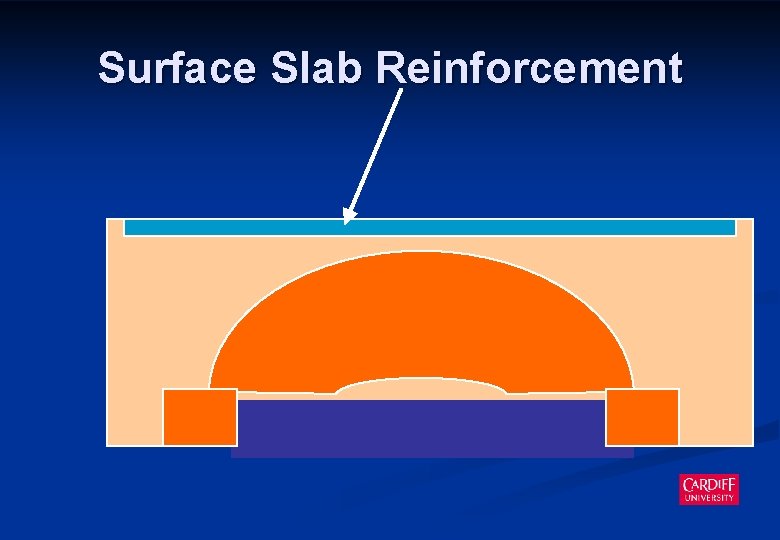
Surface Slab Reinforcement
Surface Slab Reinforcement n Can be achieved with minimum disruption n Maintains integrity of arch behaviour n Issues about utility service access n Relatively cheap solution
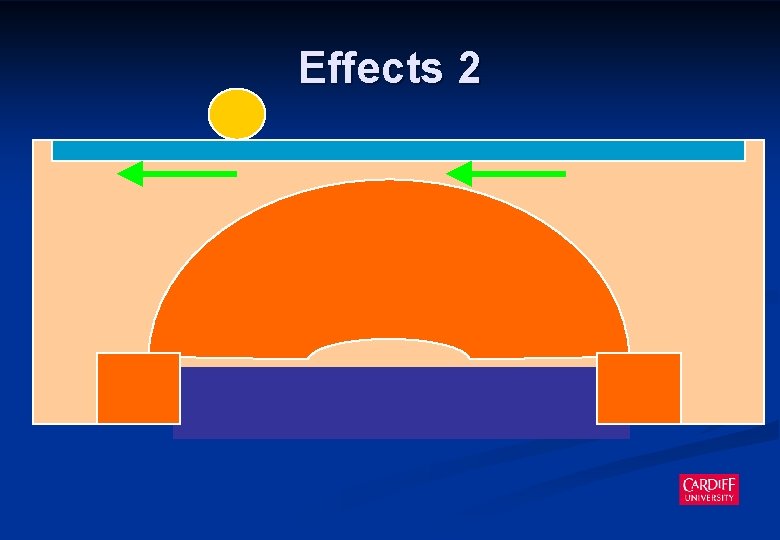
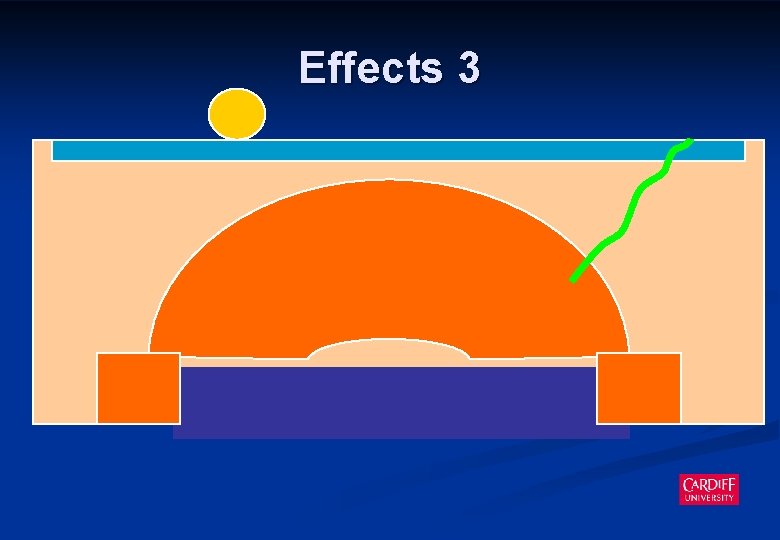
Surface Slab Reinforcement n Works by increasing load distribution without increasing load n Also provides additional support to soil in preventing sway movements n Increases resistance of soil
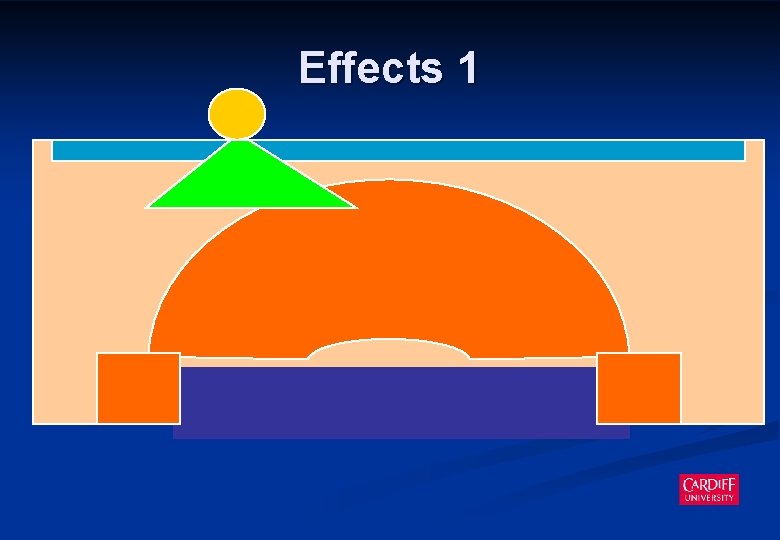
Effects 1
Effects 2
Effects 3
Centrifuge Models n Undertaken some 50+ scale models of arch bridges at 6, 12 g, 20 g and 55 g n Stresses are as full scale, similar materials –therefore full scale strains n Full range of instrumentation pressure sensors, LVDTsm Load cells and moving loads
Model description n 1/12 scale, 6 -m single span n Shallow & Deep geometry n Three ring arch n Bricks n Micro concrete n Reinforcement
Test Methodology n Build “New” Arch n Undertake service load – typically 14 passes n Load at 1/4 or 1/3 point to peak and unload n Remove and strengthen n Repeat service loading n Load at 1/4 or 1/3 point until collapse
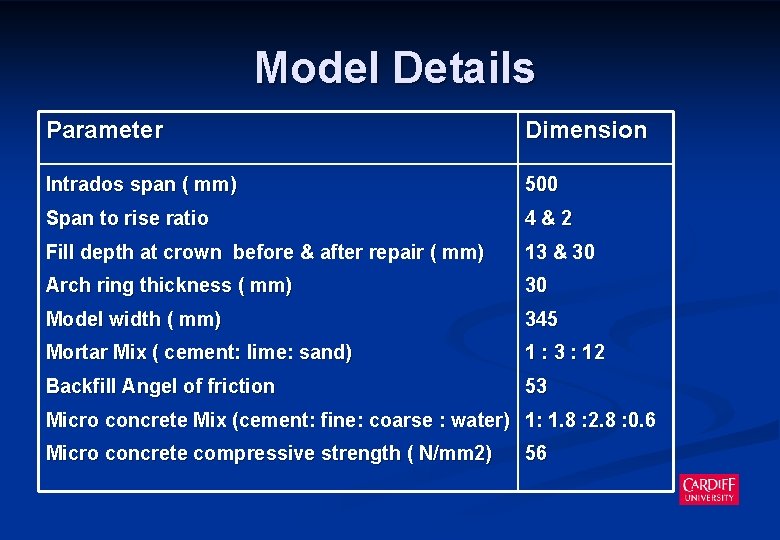
Model Details Parameter Dimension Intrados span ( mm) 500 Span to rise ratio 4&2 Fill depth at crown before & after repair ( mm) 13 & 30 Arch ring thickness ( mm) 30 Model width ( mm) 345 Mortar Mix ( cement: lime: sand) 1 : 3 : 12 Backfill Angel of friction 53 Micro concrete Mix (cement: fine: coarse : water) 1: 1. 8 : 2. 8 : 0. 6 Micro concrete compressive strength ( N/mm 2) 56
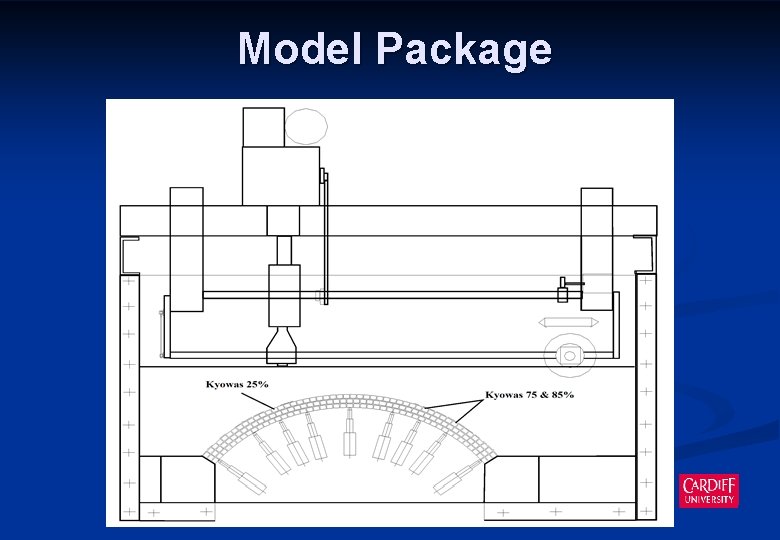
Model Package
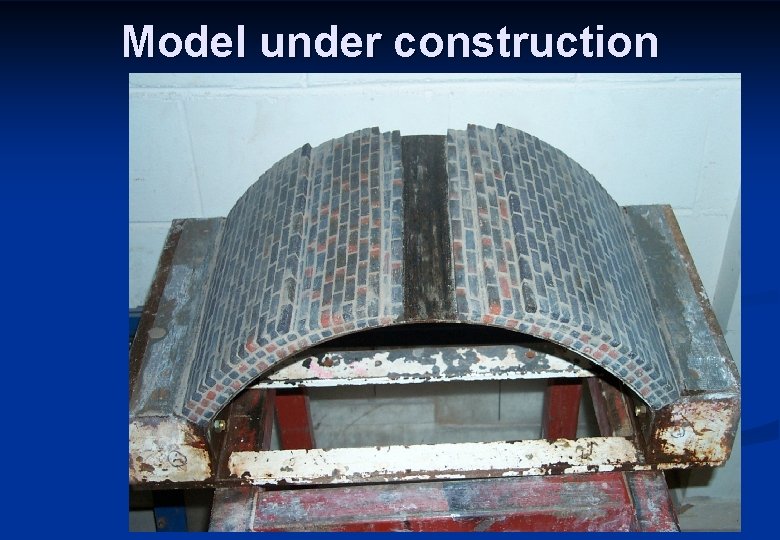
Model under construction
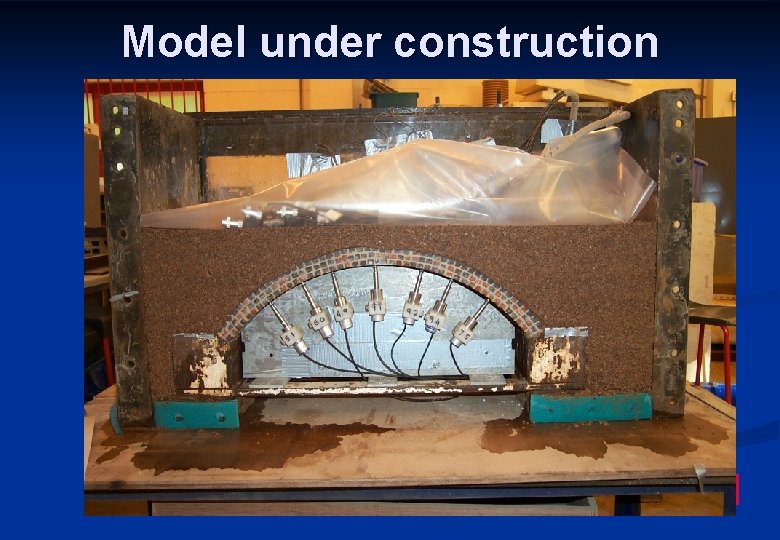
Model under construction
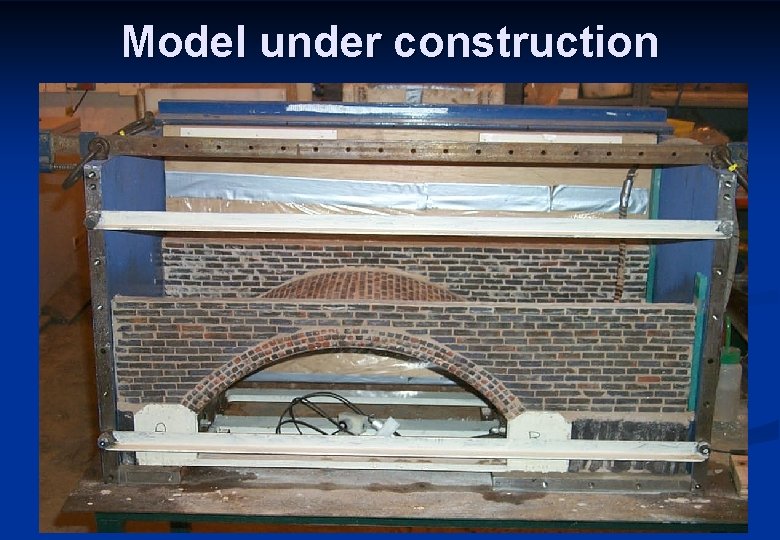
Model under construction
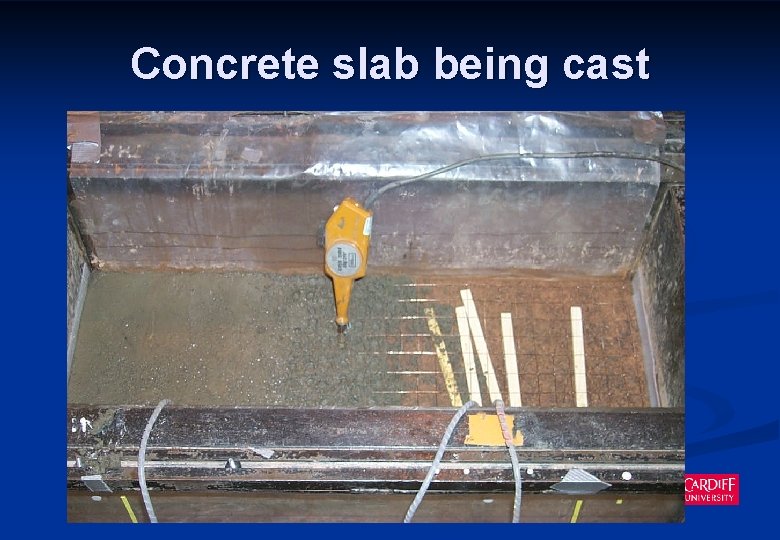
Concrete slab being cast
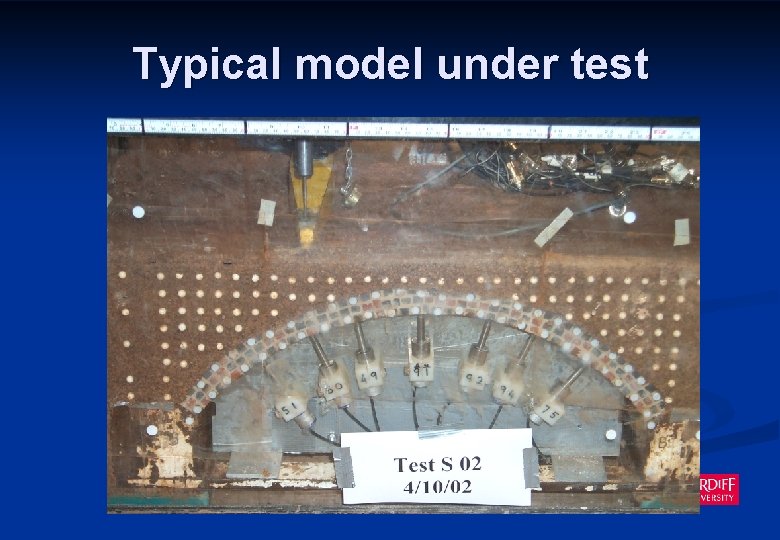
Typical model under test
Service load n Steel roller (equal 12 tonnes) n Whole Width n Soil / Masonry interaction n n Arch deflection Load direction effect
Result Nomenclature n Actual benchmark (“new”) result n Average over a series of “new” arches n Strengthened result
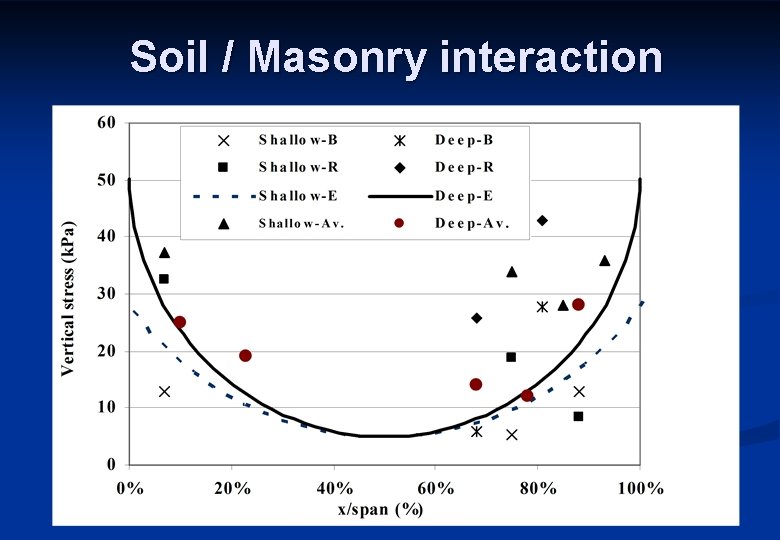
Soil / Masonry interaction
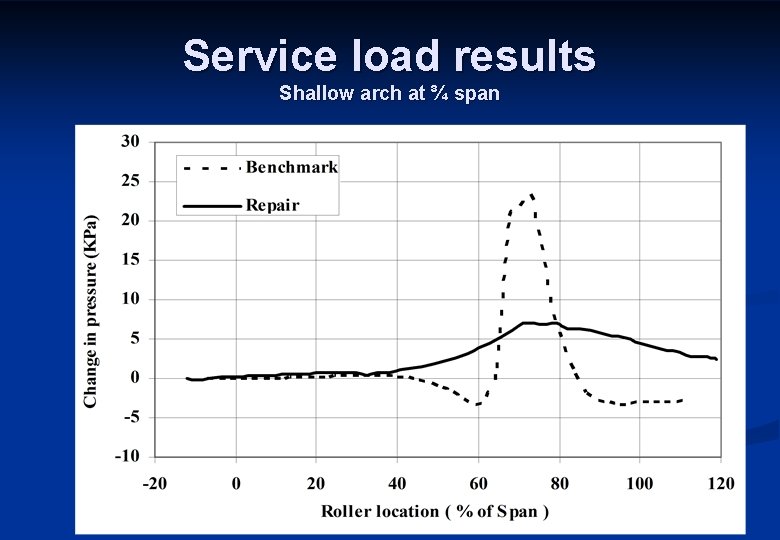
Service load results Shallow arch at ¾ span
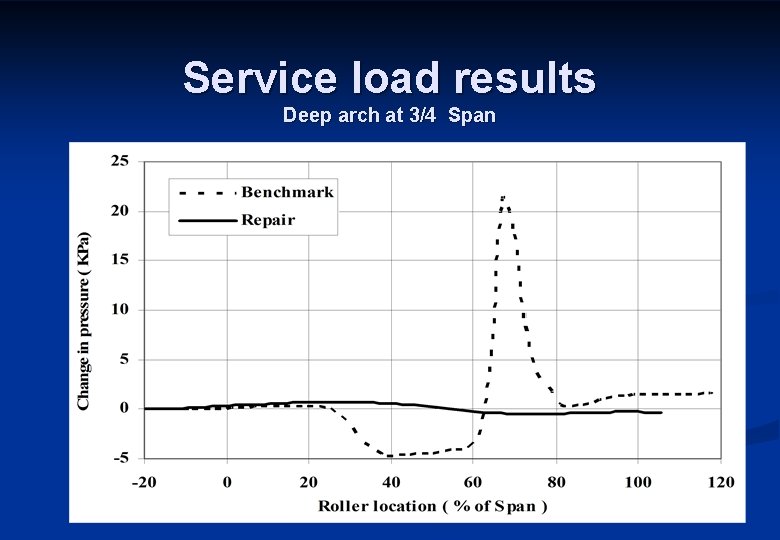
Service load results Deep arch at 3/4 Span
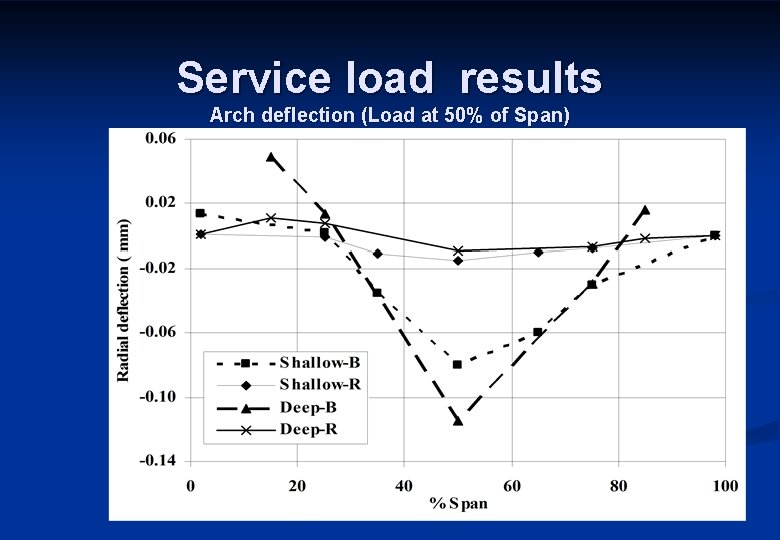
Service load results Arch deflection (Load at 50% of Span)
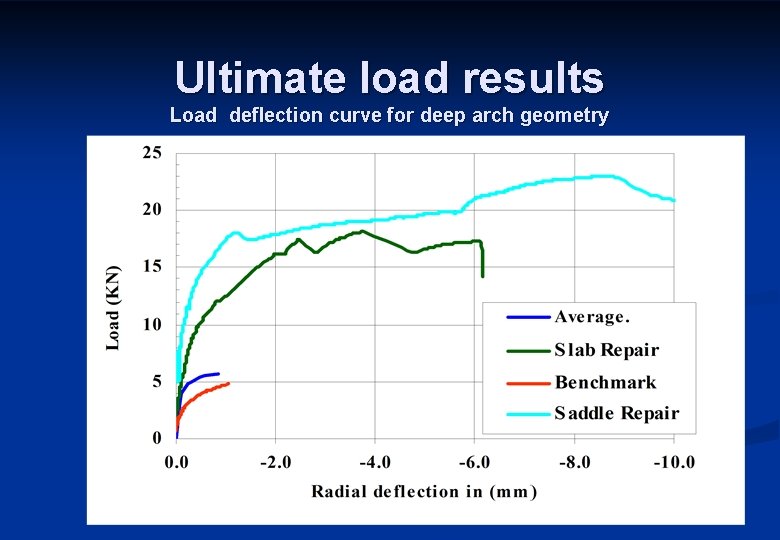
Ultimate load results Load deflection curve for deep arch geometry
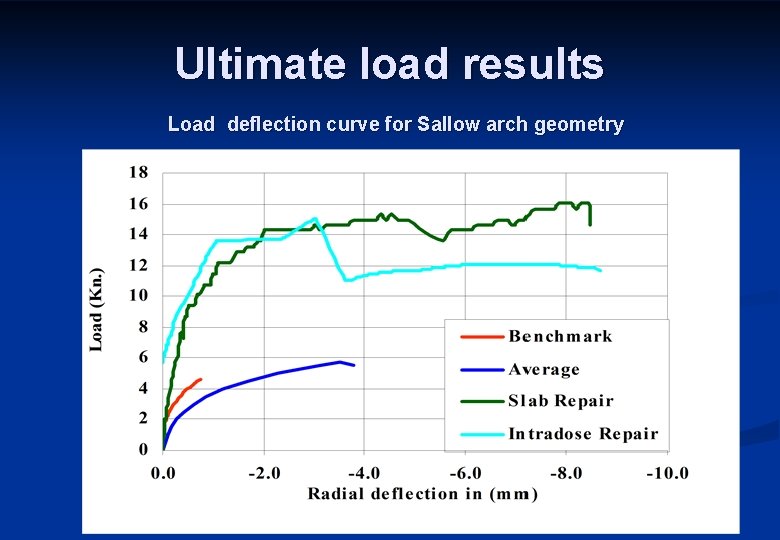
Ultimate load results Load deflection curve for Sallow arch geometry
Conclusions n Better distribution of pressures within the soil at service loads n Decrease arch deflection after repair at service loads n Significant improvement in ultimate load capacity
Conclusions n Construction with limited disruption n Reinforced concrete equally as effective as when acting compositely with the barrel n Should maintain flexibility of exiting arch to respond to future movements

- Slides: 35