
INCENDIARY FIRE CAUSES AND DEVICES Slide 7 1

- Slides: 63
INCENDIARY FIRE CAUSES AND DEVICES Slide 7 -1
OBJECTIVES • Motives of Arson • Describe various indicators of incendiary fires. • Evaluate physical evidence to determine possible relevance to an incendiary fire. Slide 7 -2
MOTIVES OF ARSON • • • Spite/Revenge Profit/Insurance Fraud Excitement Vandalism Crime Concealment Extremism
INCENDIARY FIRE CAUSES • • • Absence of all accidental fire causes. Multiple fires. Trailers. Presence of liquid accelerants. Incendiary devices used as a means to delay the detection, accelerate the fire’s spread, or slow the extinguishment of the fire. Slide 7 -4
INDICATORS OF INCENDIARISM • Altered equipment and/or appliances. • Structural damage prior to fire. • Removal or substitution of contents prior to the fire. • Absence of personal items or important papers. Slide 7 -5
INDICATORS OF INCENDIARISM (cont’d) • Location of fire. • Evidence of other crimes in the structure. • Unnatural fire spread, excessive damage, and/or extreme heat. • Limited entry or view. Slide 7 -6
INDICATORS OF INCENDIARISM (cont’d) • Injuries possibly sustained while starting the fire. • The relationship between the time the occupants leave the area and the time of the fire’s discovery. • Previous fires in same structure. • Presence of fuel near point of origin. Slide 7 -7
INDICATORS OF INCENDIARISM (cont’d) • Fires on holidays or weekends at commercial/industrial complexes. • Time of day. • Convenient heat source, to mimic an accidental fire. • Fires during renovations/remodeling. Slide 7 -8
INDICATORS OF INCENDIARISM (cont’d) • Fires during electrical storms or bad weather. • Suspicious Activities of owners/occupants. • Inconsistent statements by owners or occupants. Slide 7 -9
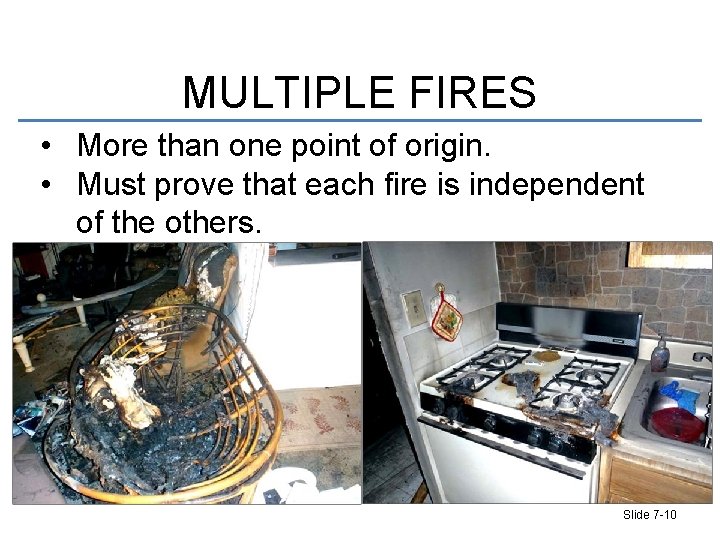
MULTIPLE FIRES • More than one point of origin. • Must prove that each fire is independent of the others. Slide 7 -10
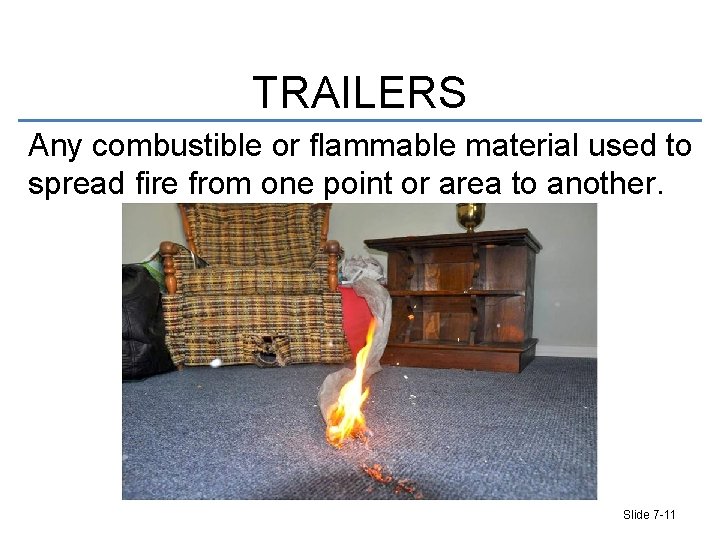
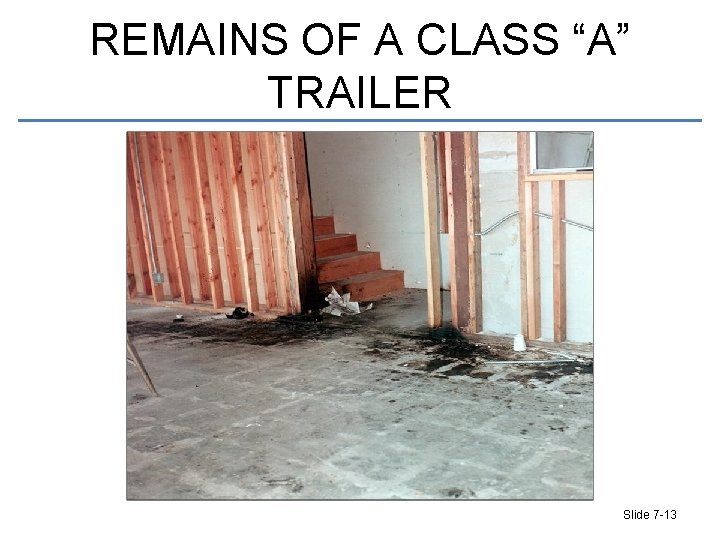
TRAILERS Any combustible or flammable material used to spread fire from one point or area to another. Slide 7 -11
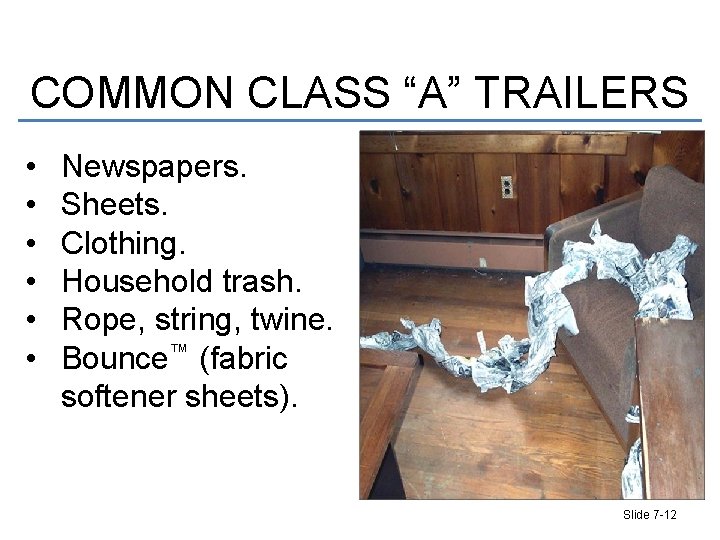
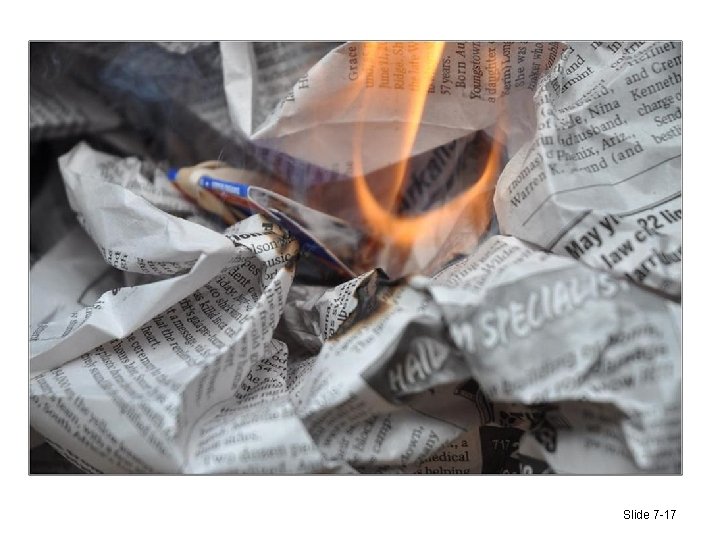
COMMON CLASS “A” TRAILERS • • • Newspapers. Sheets. Clothing. Household trash. Rope, string, twine. Bounce™ (fabric softener sheets). Slide 7 -12
REMAINS OF A CLASS “A” TRAILER Slide 7 -13
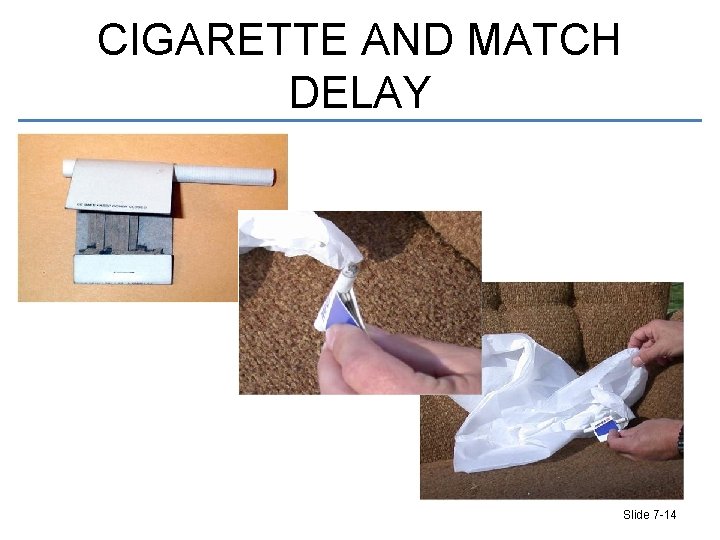
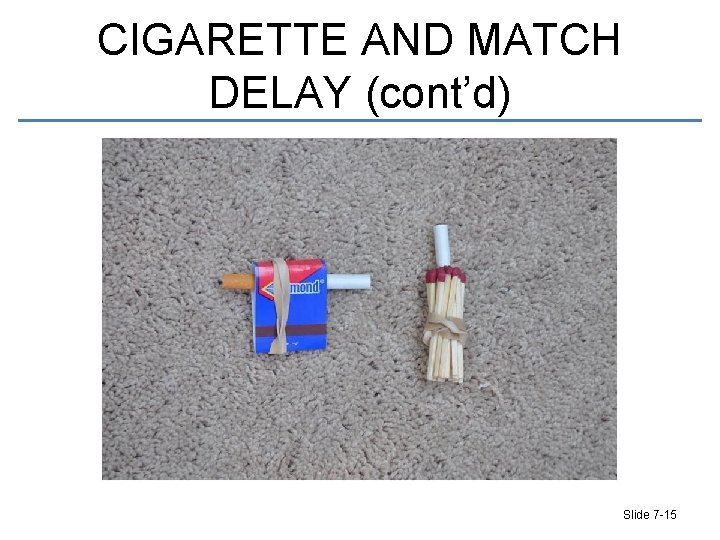
CIGARETTE AND MATCH DELAY Slide 7 -14
CIGARETTE AND MATCH DELAY (cont’d) Slide 7 -15
Slide 7 -16
Slide 7 -17
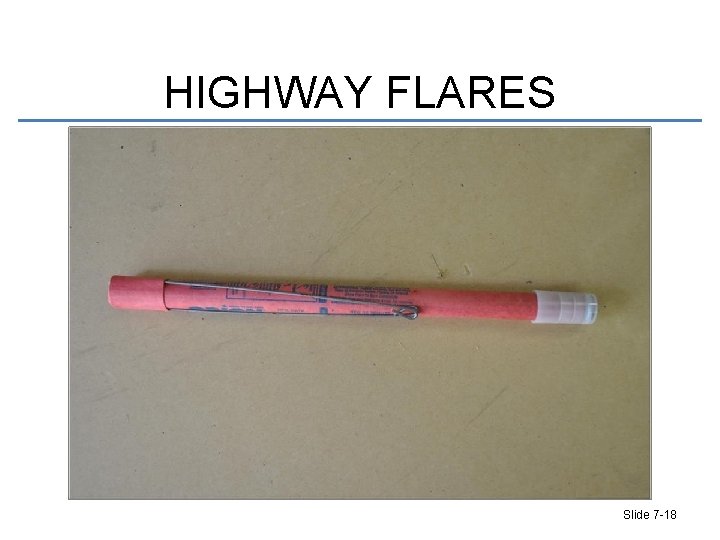
HIGHWAY FLARES Slide 7 -18
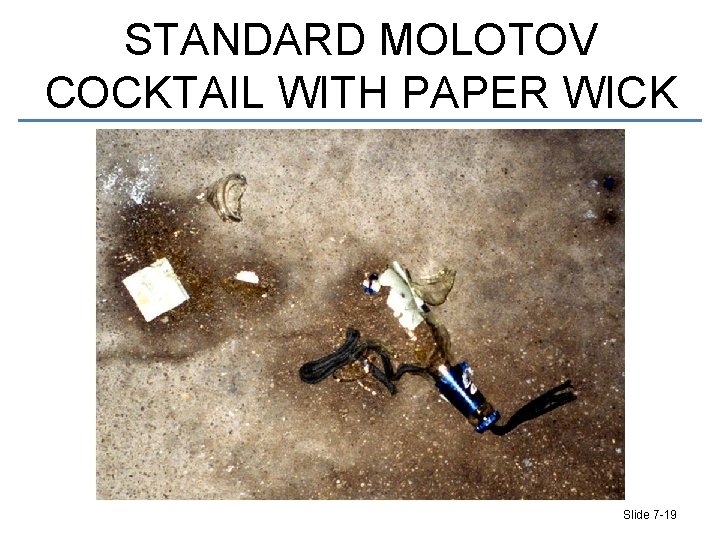
STANDARD MOLOTOV COCKTAIL WITH PAPER WICK Slide 7 -19
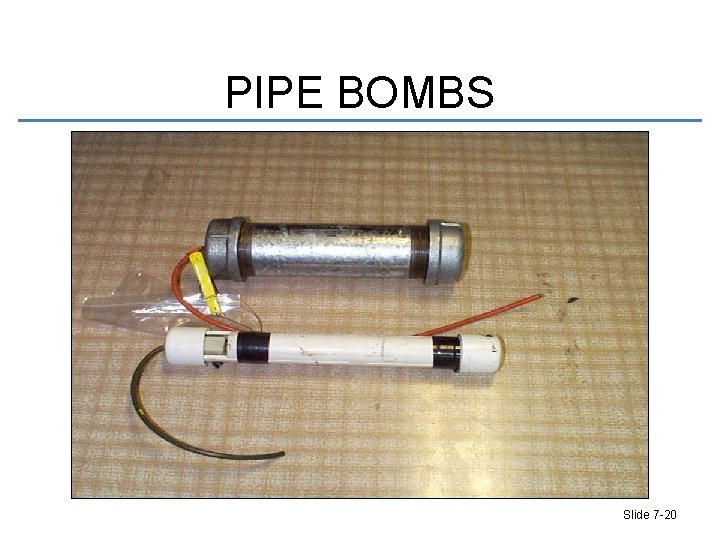
PIPE BOMBS Slide 7 -20
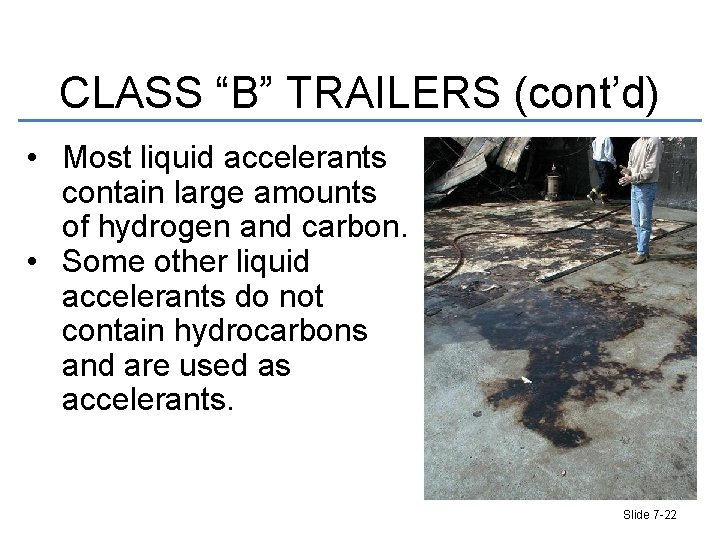
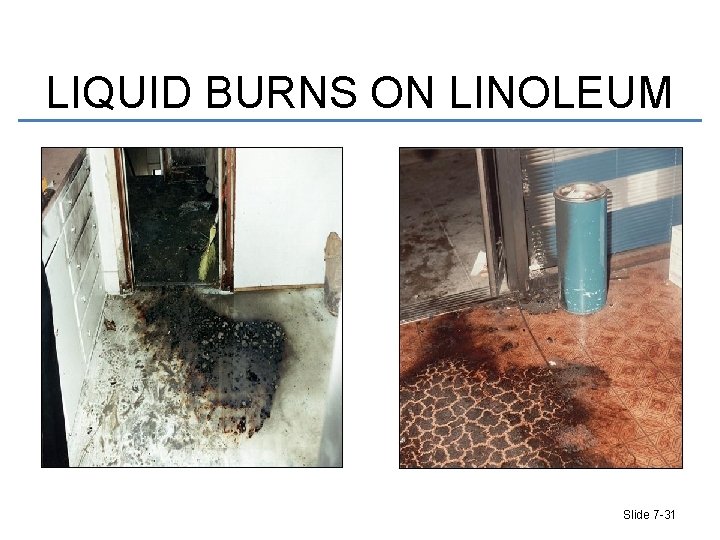
CLASS “B” TRAILERS • Liquid accelerant. • Any flammable/combustible liquid can be used. • Liquids soak into and through certain overlays (i. e. , carpet, foam padding). • Usually leave a deep burn in overlays. • Liquids on tile or linoleum overlay usually blister the surface. Slide 7 -21
CLASS “B” TRAILERS (cont’d) • Most liquid accelerants contain large amounts of hydrogen and carbon. • Some other liquid accelerants do not contain hydrocarbons and are used as accelerants. Slide 7 -22
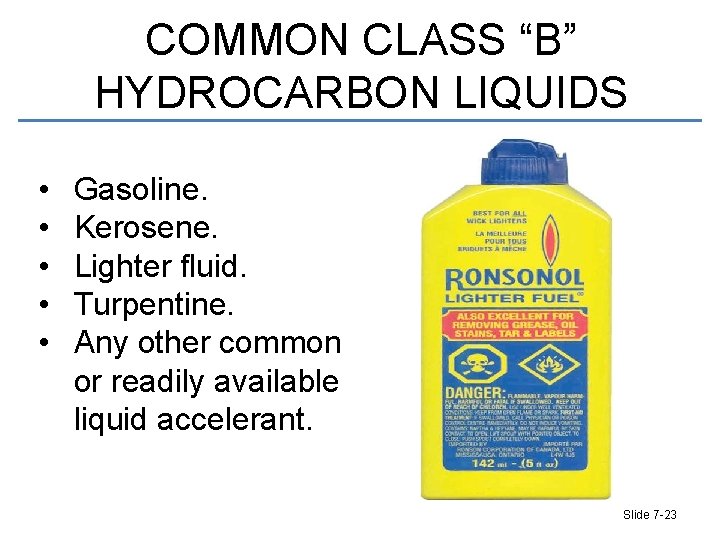
COMMON CLASS “B” HYDROCARBON LIQUIDS • • • Gasoline. Kerosene. Lighter fluid. Turpentine. Any other common or readily available liquid accelerant. Slide 7 -23
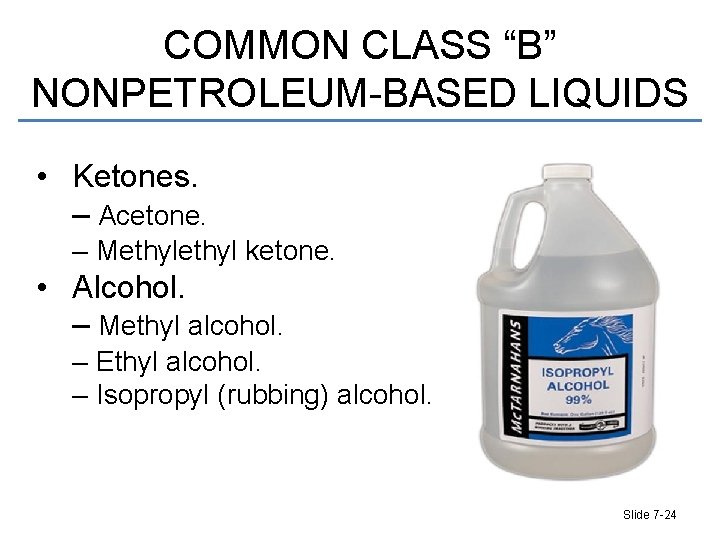
COMMON CLASS “B” NONPETROLEUM-BASED LIQUIDS • Ketones. – Acetone. – Methyl ketone. • Alcohol. – Methyl alcohol. – Ethyl alcohol. – Isopropyl (rubbing) alcohol. Slide 7 -24
PRESENCE OF LIQUID ACCELERANTS • In unusual locations. • Throughout the area. • Above floor area. Slide 7 -25
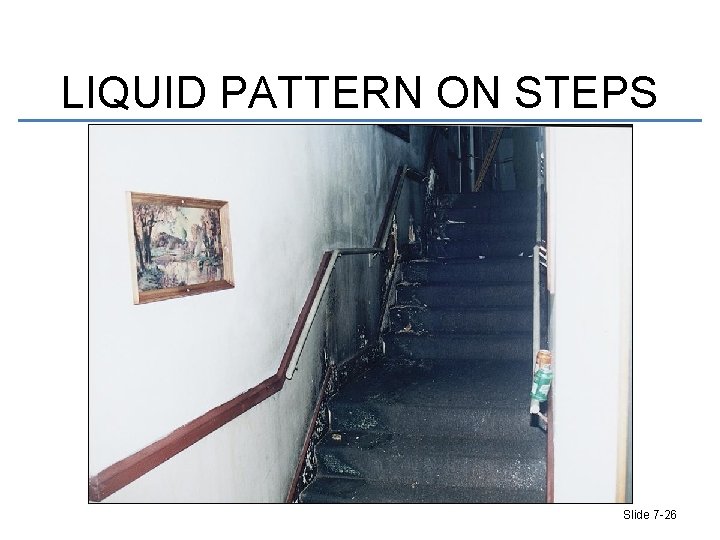
LIQUID PATTERN ON STEPS Slide 7 -26
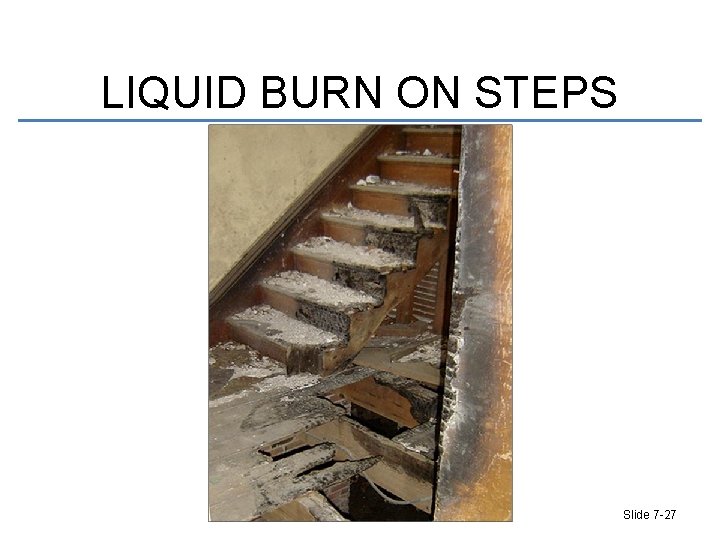
LIQUID BURN ON STEPS Slide 7 -27
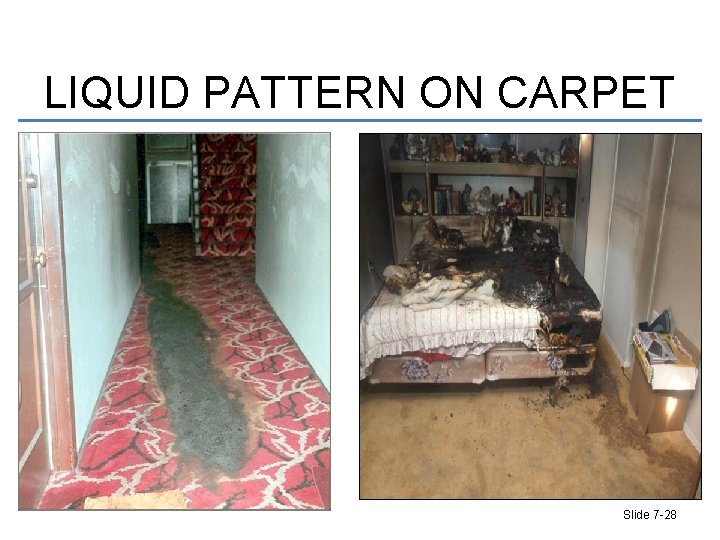
LIQUID PATTERN ON CARPET Slide 7 -28
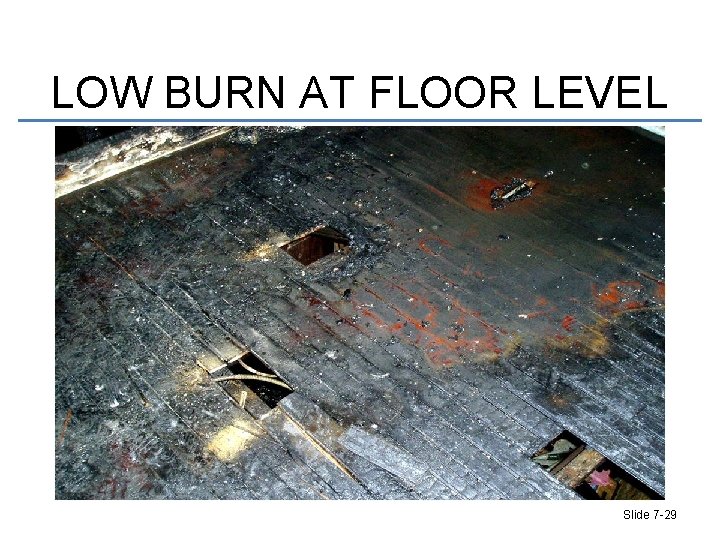
LOW BURN AT FLOOR LEVEL Slide 7 -29
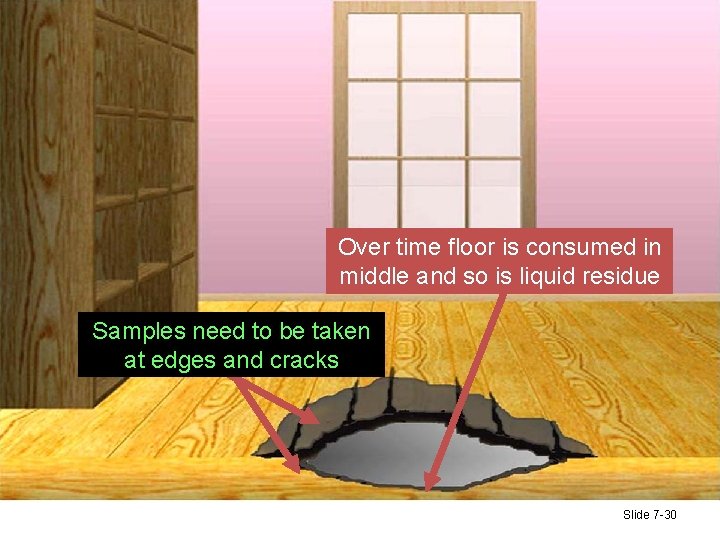
Over time floor is consumed in middle and so is liquid residue Samples need to be taken at edges and cracks Slide 7 -30
LIQUID BURNS ON LINOLEUM Slide 7 -31
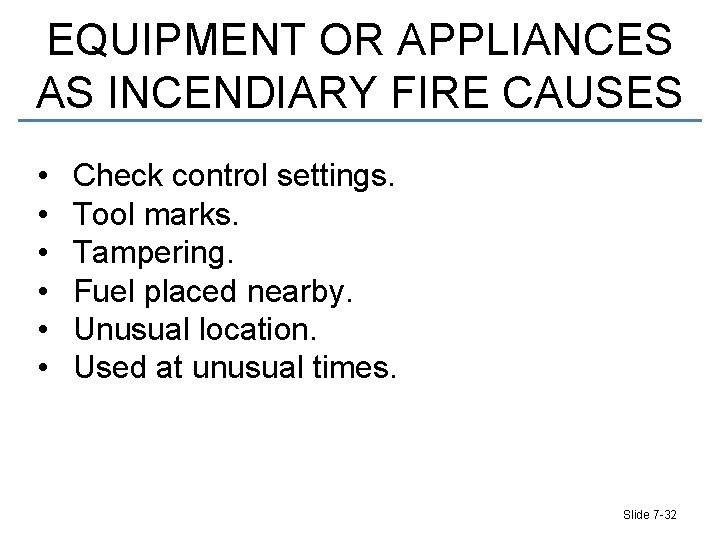
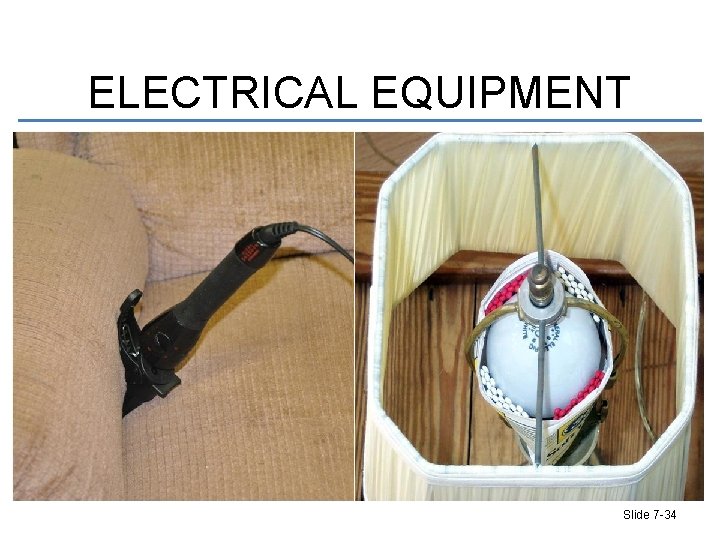
EQUIPMENT OR APPLIANCES AS INCENDIARY FIRE CAUSES • • • Check control settings. Tool marks. Tampering. Fuel placed nearby. Unusual location. Used at unusual times. Slide 7 -32
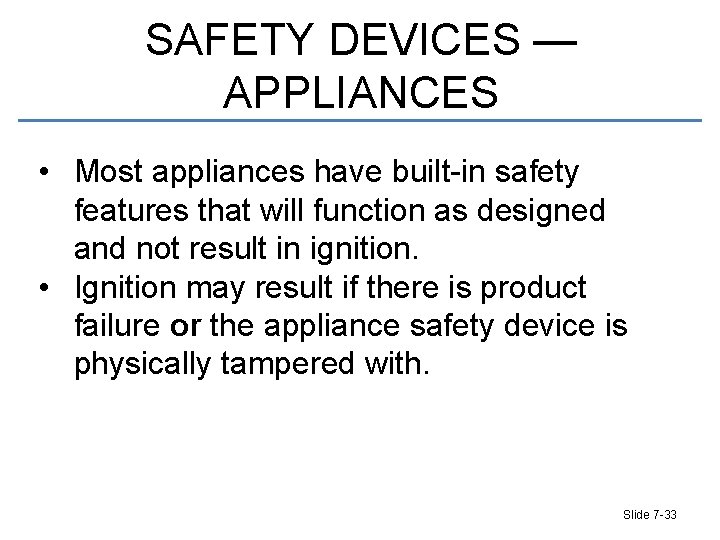
SAFETY DEVICES — APPLIANCES • Most appliances have built-in safety features that will function as designed and not result in ignition. • Ignition may result if there is product failure or the appliance safety device is physically tampered with. Slide 7 -33
ELECTRICAL EQUIPMENT Slide 7 -34
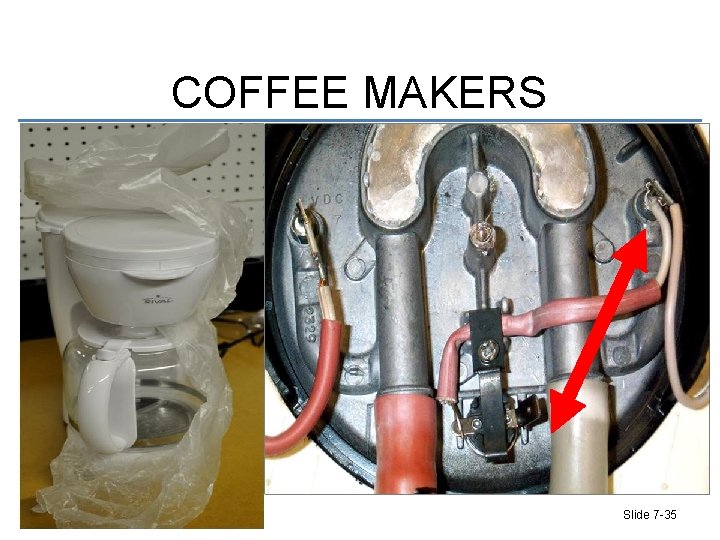
COFFEE MAKERS Slide 7 -35
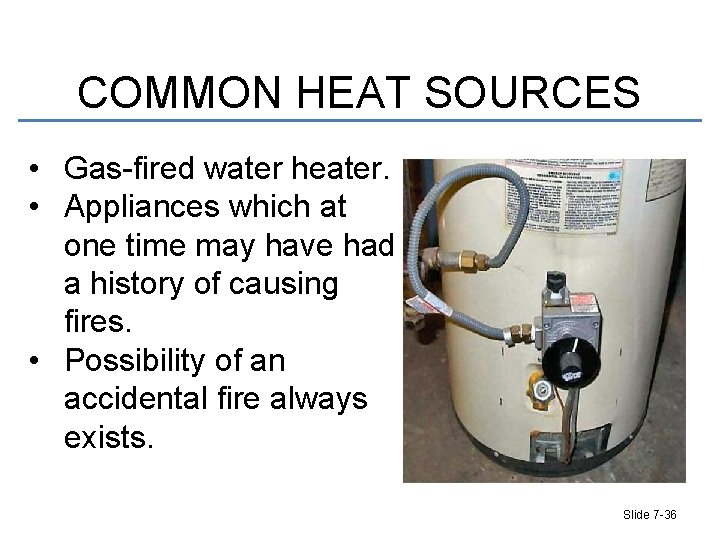
COMMON HEAT SOURCES • Gas-fired water heater. • Appliances which at one time may have had a history of causing fires. • Possibility of an accidental fire always exists. Slide 7 -36
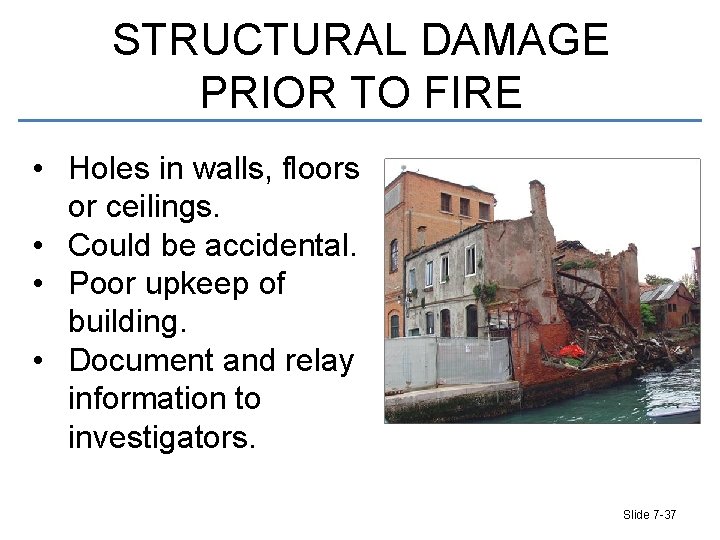
STRUCTURAL DAMAGE PRIOR TO FIRE • Holes in walls, floors or ceilings. • Could be accidental. • Poor upkeep of building. • Document and relay information to investigators. Slide 7 -37
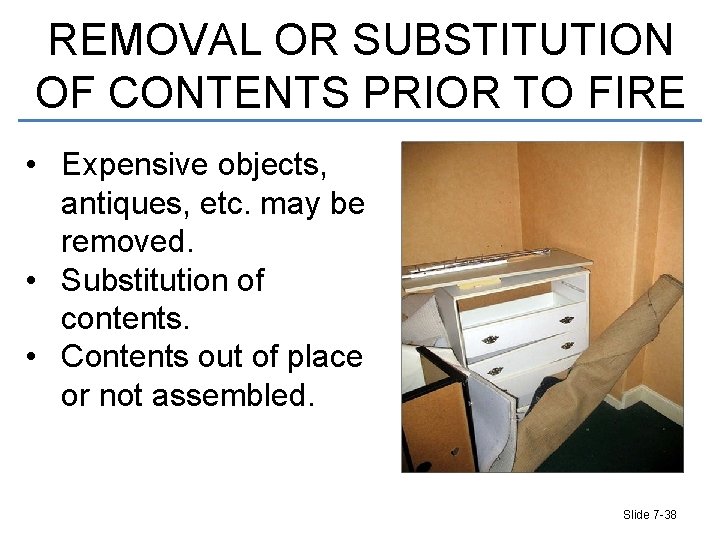
REMOVAL OR SUBSTITUTION OF CONTENTS PRIOR TO FIRE • Expensive objects, antiques, etc. may be removed. • Substitution of contents. • Contents out of place or not assembled. Slide 7 -38
ABSENCE OF PERSONAL ITEMS OR IMPORTANT PAPERS • Most homes or businesses contain personal items. • Absence of personal items may indicate only low-value contents were left to burn. • Important papers often are removed. Slide 7 -39
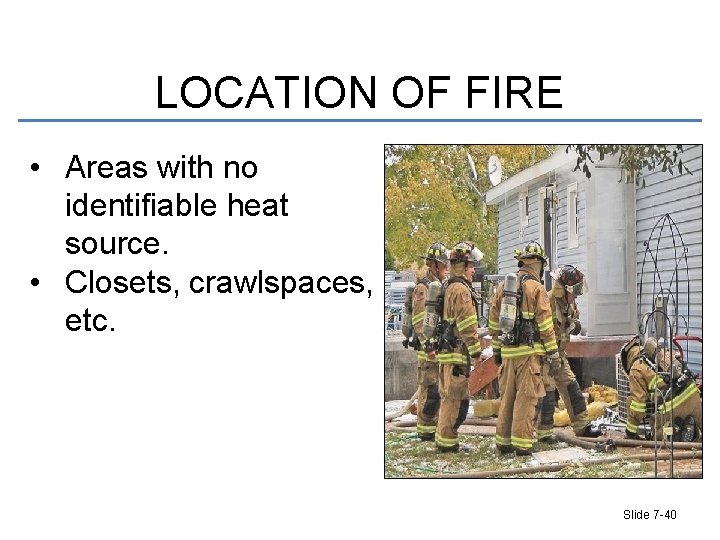
LOCATION OF FIRE • Areas with no identifiable heat source. • Closets, crawlspaces, etc. Slide 7 -40
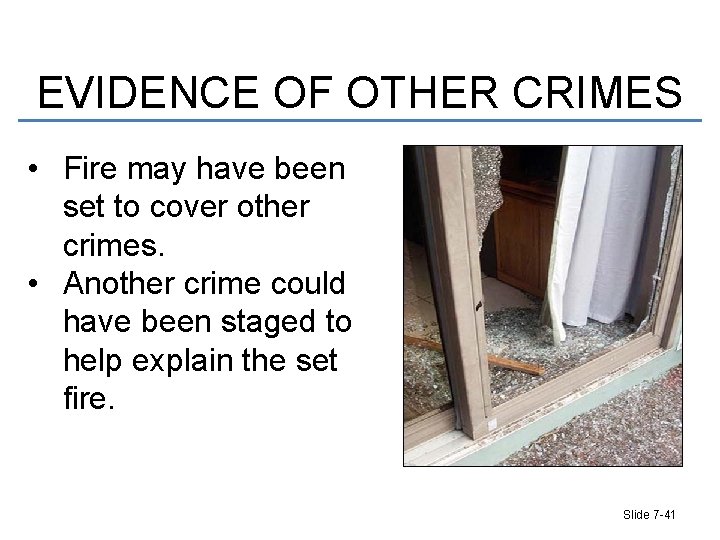
EVIDENCE OF OTHER CRIMES • Fire may have been set to cover other crimes. • Another crime could have been staged to help explain the set fire. Slide 7 -41
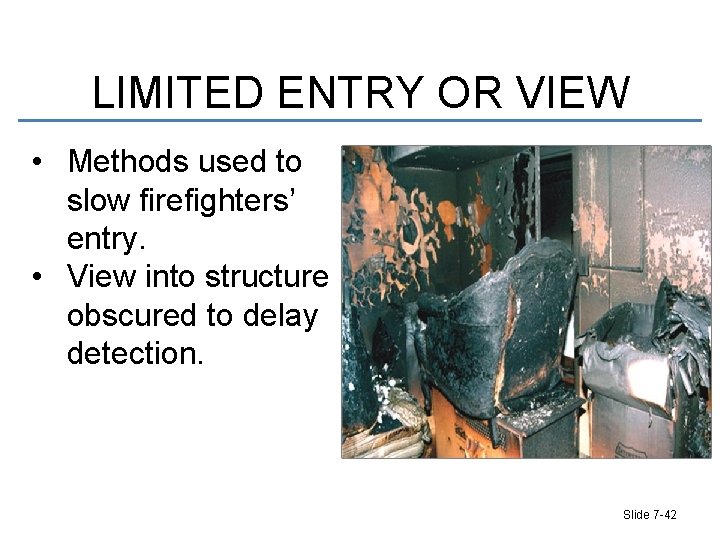
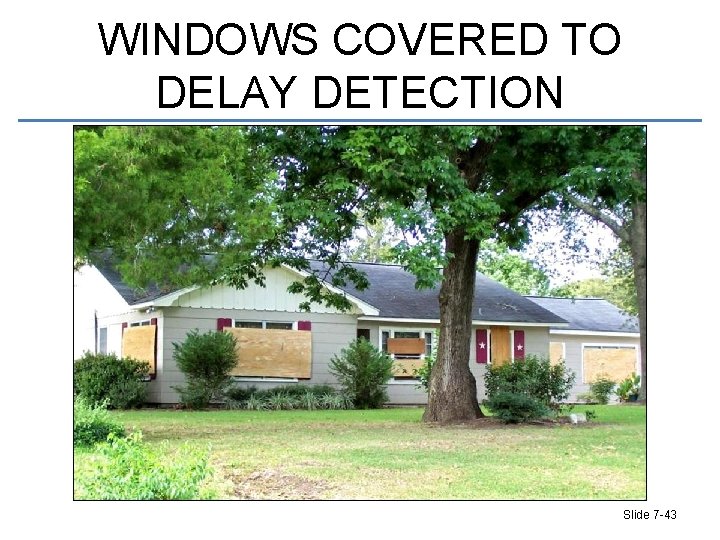
LIMITED ENTRY OR VIEW • Methods used to slow firefighters’ entry. • View into structure obscured to delay detection. Slide 7 -42
WINDOWS COVERED TO DELAY DETECTION Slide 7 -43
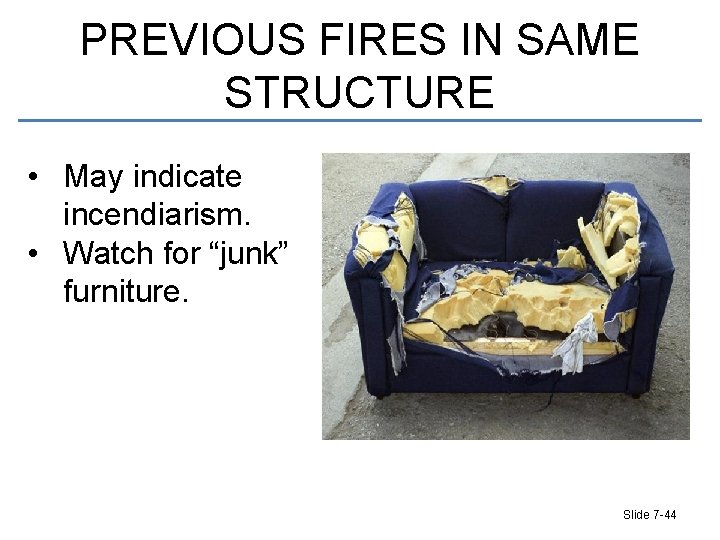
PREVIOUS FIRES IN SAME STRUCTURE • May indicate incendiarism. • Watch for “junk” furniture. Slide 7 -44
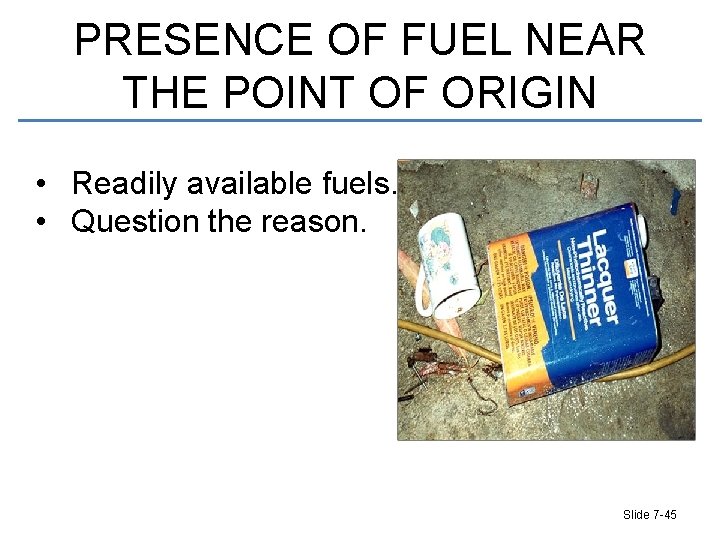
PRESENCE OF FUEL NEAR THE POINT OF ORIGIN • Readily available fuels. • Question the reason. Slide 7 -45
FIRES ON HOLIDAYS OR WEEKENDS • • Necessary setup time. Excuse for owner to be out of town. Delayed detection and more burn time. Arsonist believes there is less chance of injury. Slide 7 -46
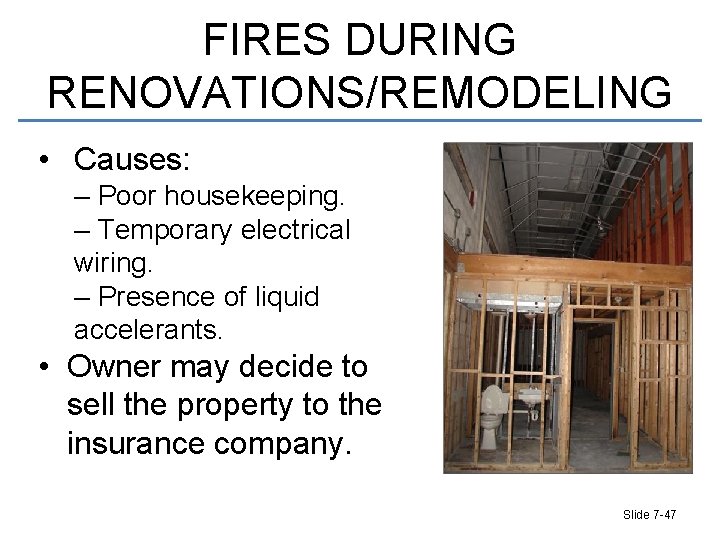
FIRES DURING RENOVATIONS/REMODELING • Causes: – Poor housekeeping. – Temporary electrical wiring. – Presence of liquid accelerants. • Owner may decide to sell the property to the insurance company. Slide 7 -47
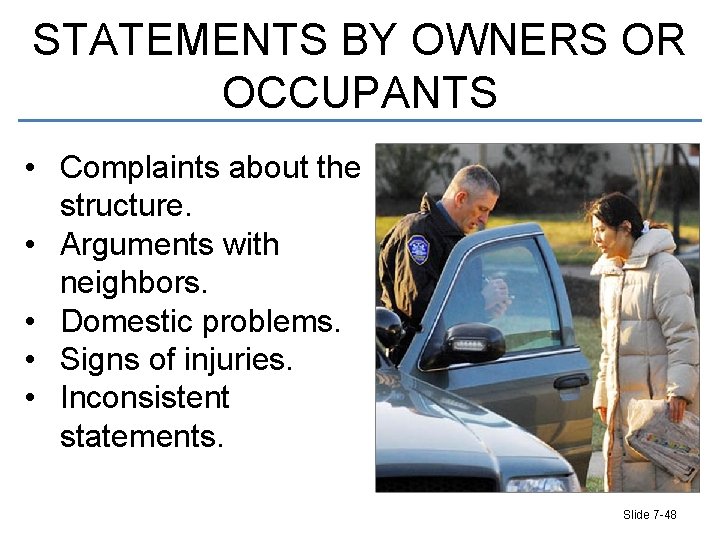
STATEMENTS BY OWNERS OR OCCUPANTS • Complaints about the structure. • Arguments with neighbors. • Domestic problems. • Signs of injuries. • Inconsistent statements. Slide 7 -48
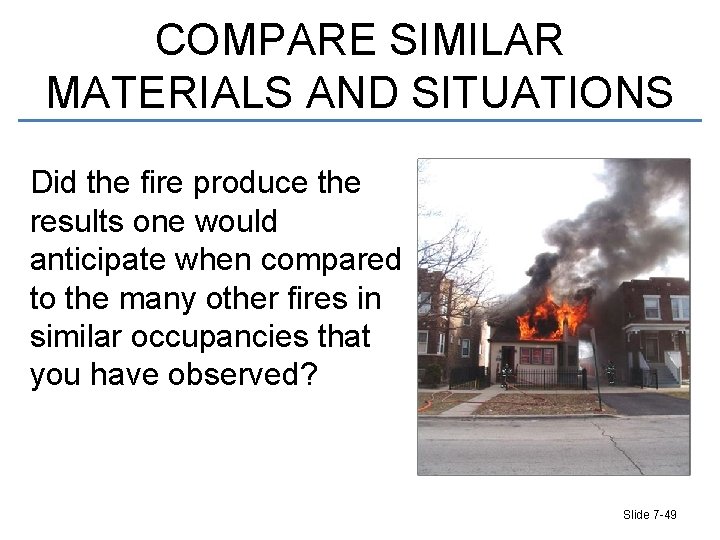
COMPARE SIMILAR MATERIALS AND SITUATIONS Did the fire produce the results one would anticipate when compared to the many other fires in similar occupancies that you have observed? Slide 7 -49
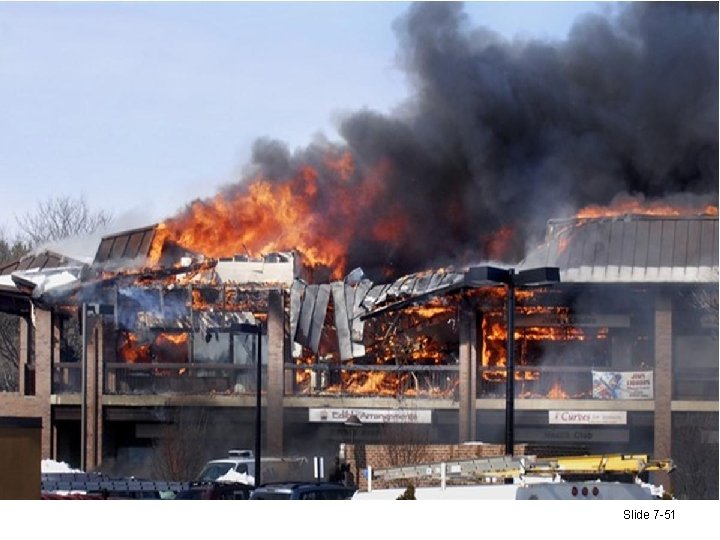
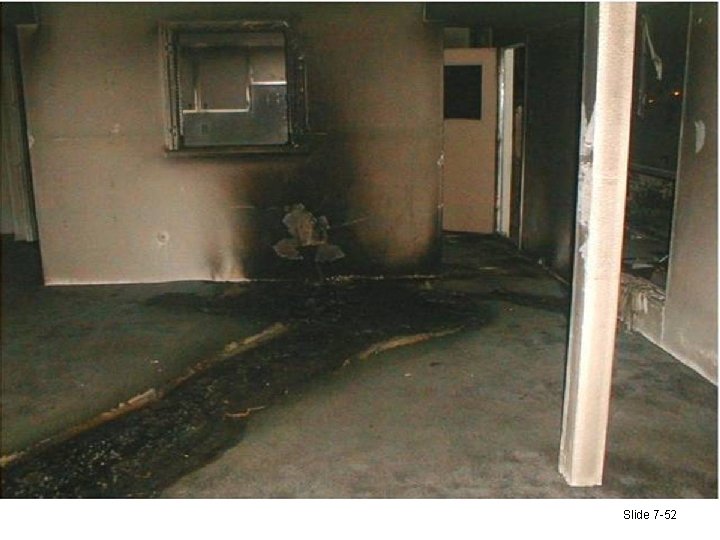
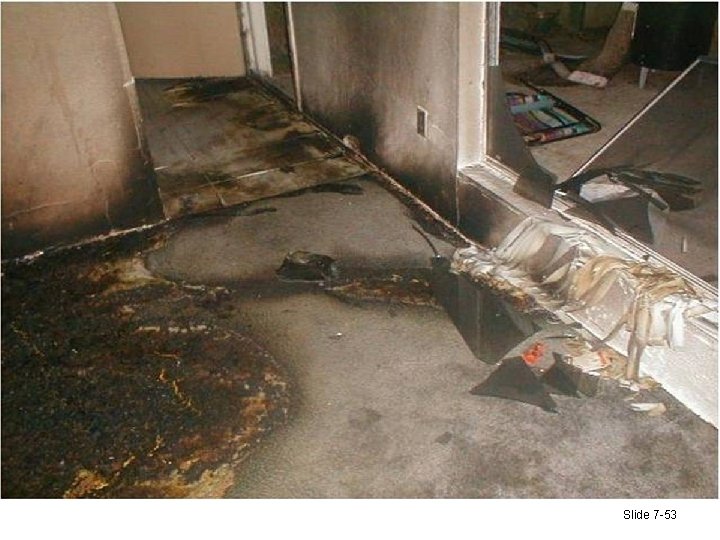
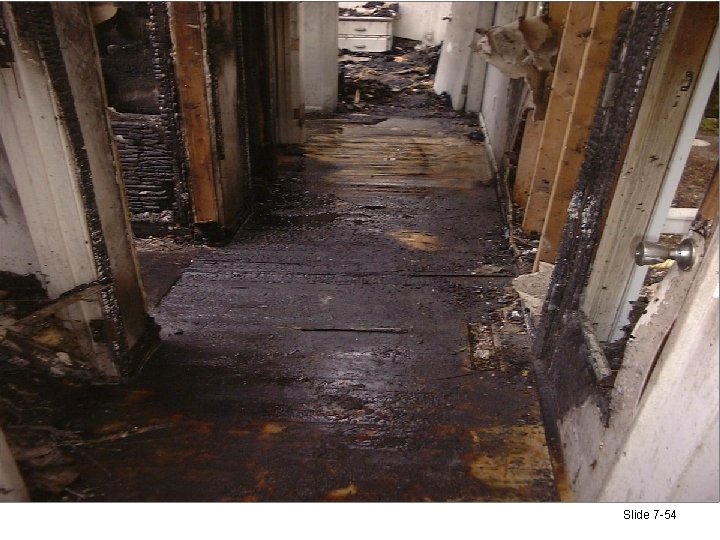
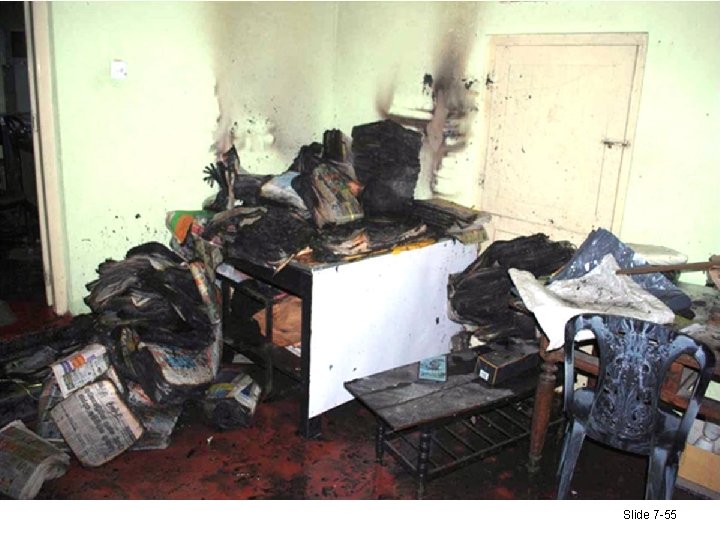
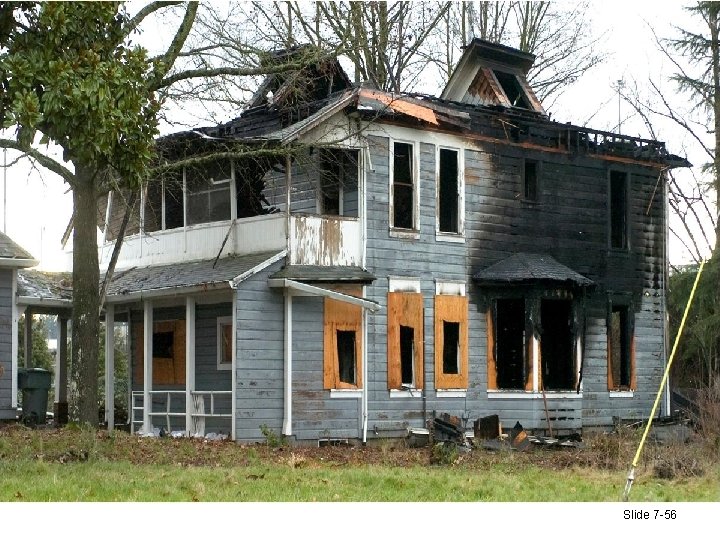
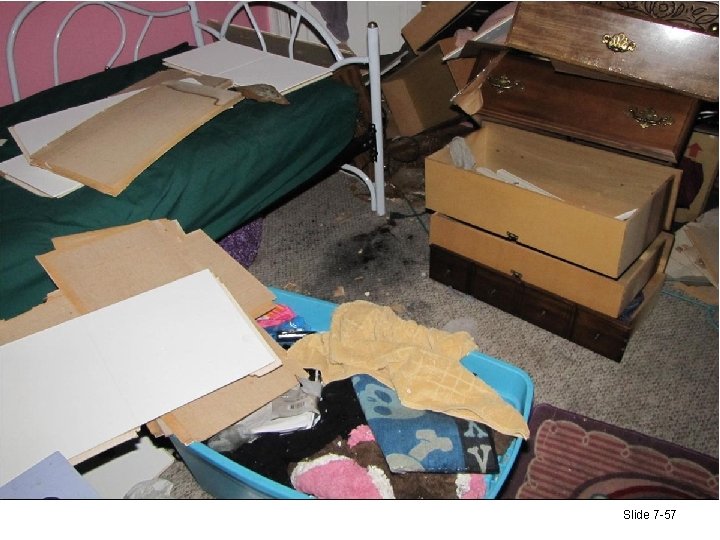
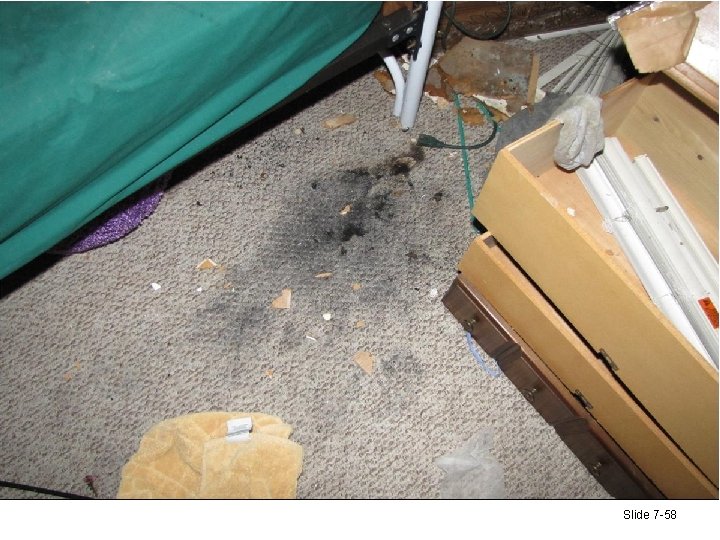
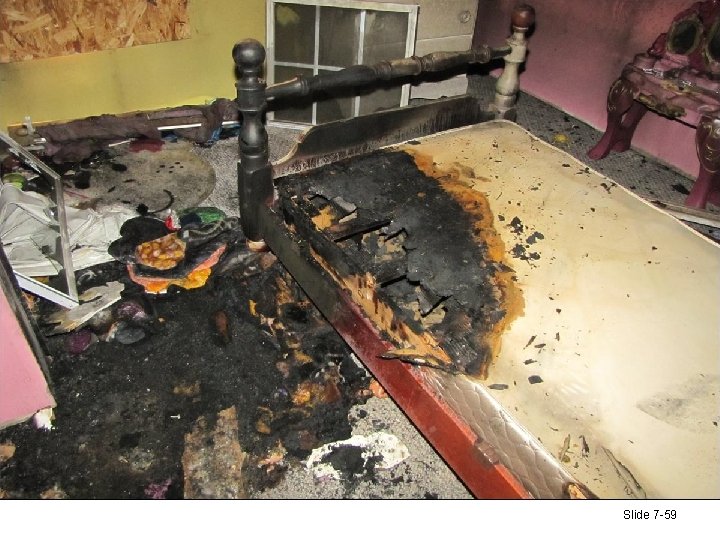
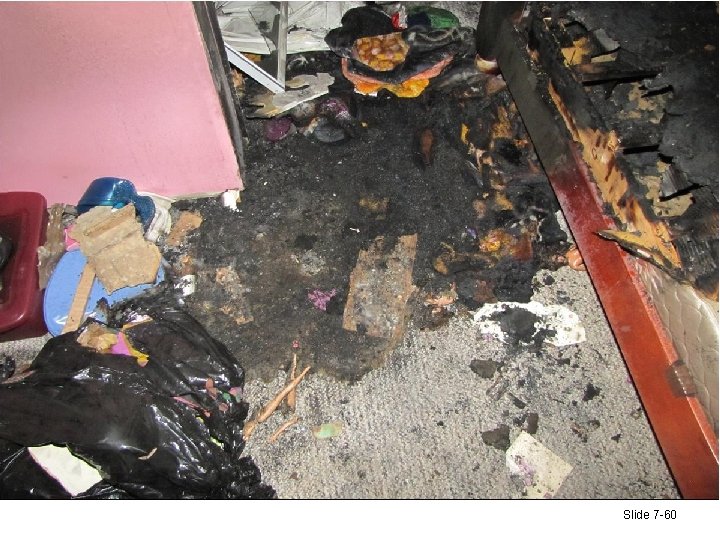
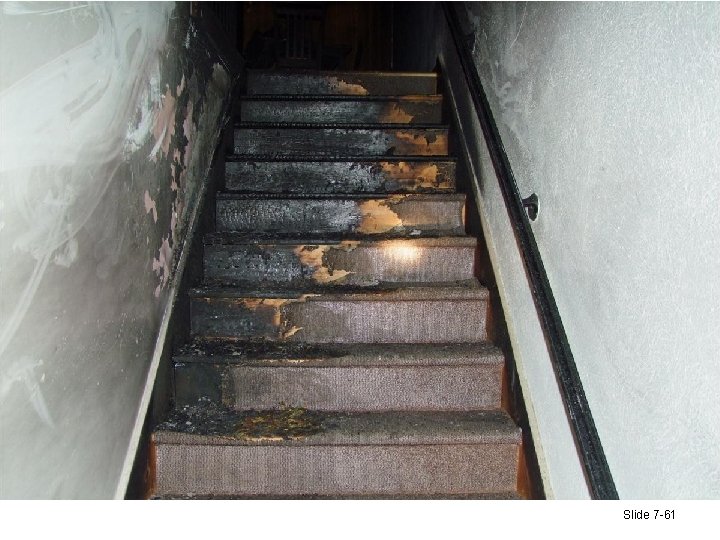
ACTIVITY Incendiary Fire Slide 7 -50
Slide 7 -51
Slide 7 -52
Slide 7 -53
Slide 7 -54
Slide 7 -55
Slide 7 -56
Slide 7 -57
Slide 7 -58
Slide 7 -59
Slide 7 -60
Slide 7 -61
SUMMARY • • • Indicators of incendiarism. Trailers. Incendiary devices. Presence of flammable accelerants. Common equipment or appliances as incendiary fire causes. • Removal or substitution of contents prior to fire. Slide 7 -62
SUMMARY (cont’d) • Absence of personal items or important papers. • Other factors related to incendiarism. • Limited entry or view. • Previous fire in same structure. • Timing of incendiary fires. Slide 7 -63