
In the name of GOD Radiobiology and Radiation

In the name of GOD
Radiobiology and Radiation protection
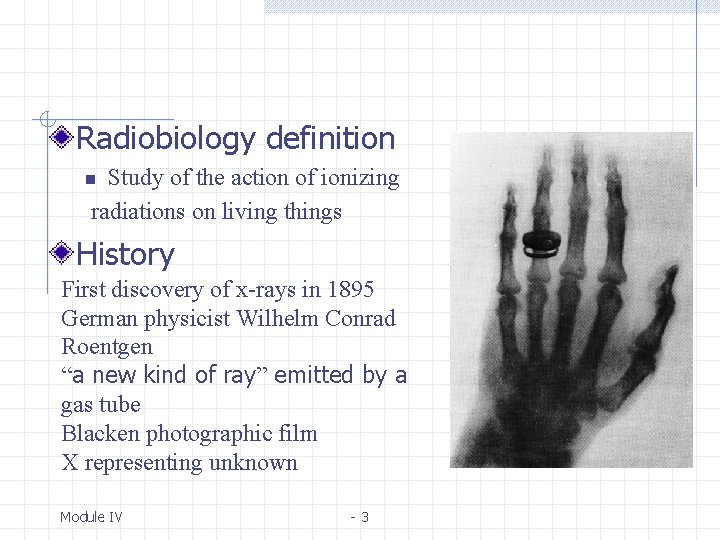
Radiobiology definition Study of the action of ionizing radiations on living things n History First discovery of x-rays in 1895 German physicist Wilhelm Conrad Roentgen “a new kind of ray” emitted by a gas tube Blacken photographic film X representing unknown Module IV - 3
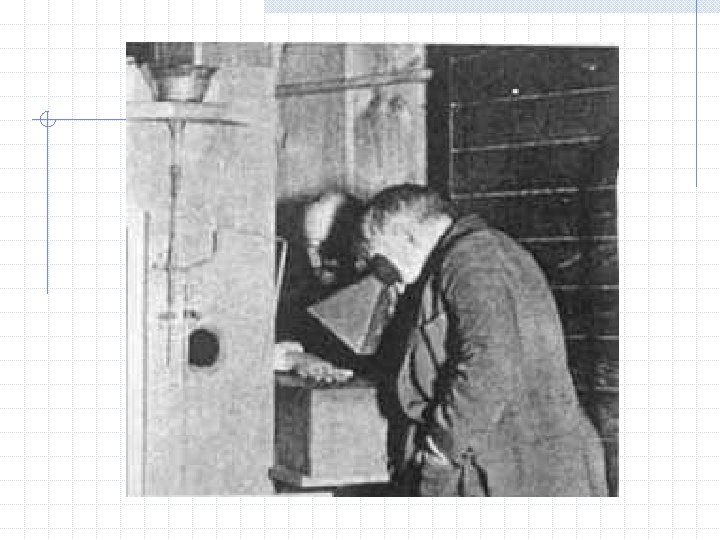
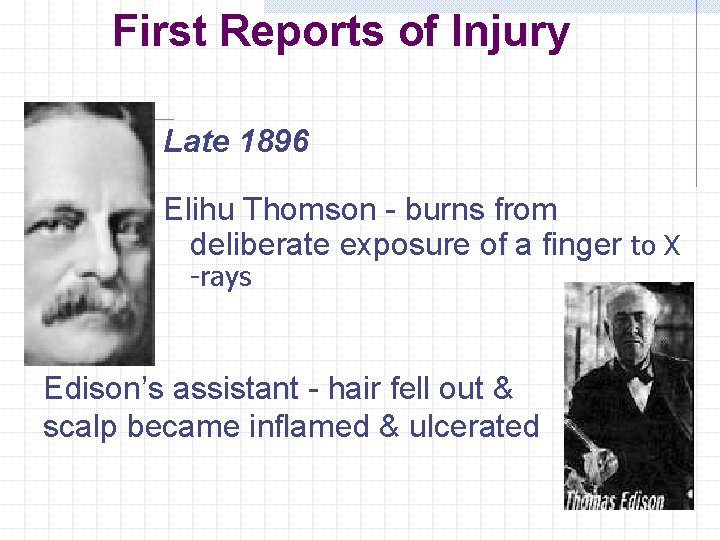
First Reports of Injury Late 1896 Elihu Thomson - burns from deliberate exposure of a finger to X -rays Edison’s assistant - hair fell out & scalp became inflamed & ulcerated
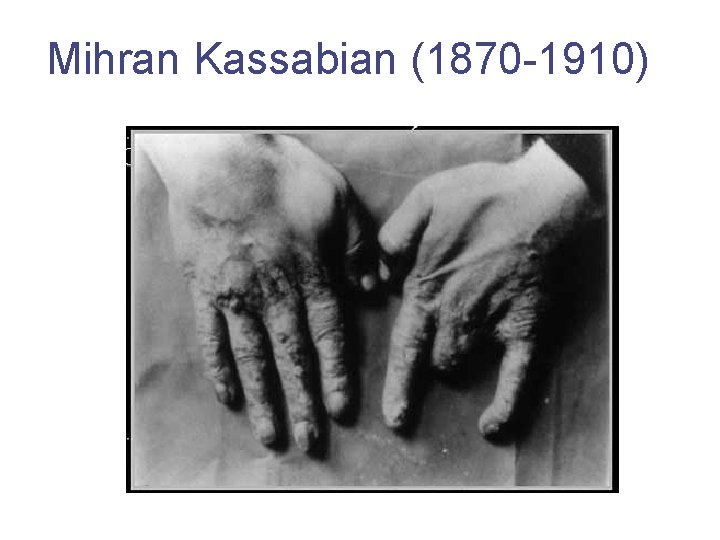
Mihran Kassabian (1870 -1910)
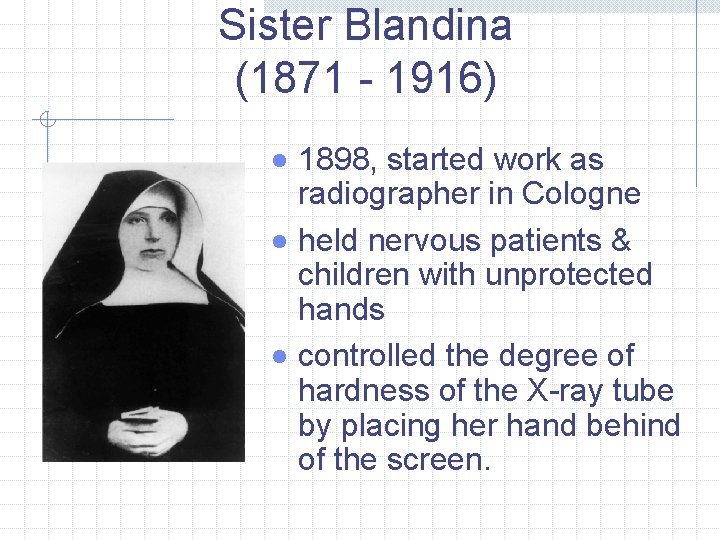
Sister Blandina (1871 - 1916) · 1898, started work as radiographer in Cologne · held nervous patients & children with unprotected hands · controlled the degree of hardness of the X-ray tube by placing her hand behind of the screen.
What is radiation? Non-Ionizing: RF, IR, VL, UV Ionizing: X, gamma, Alfa, Beta, . . Module IV - 8
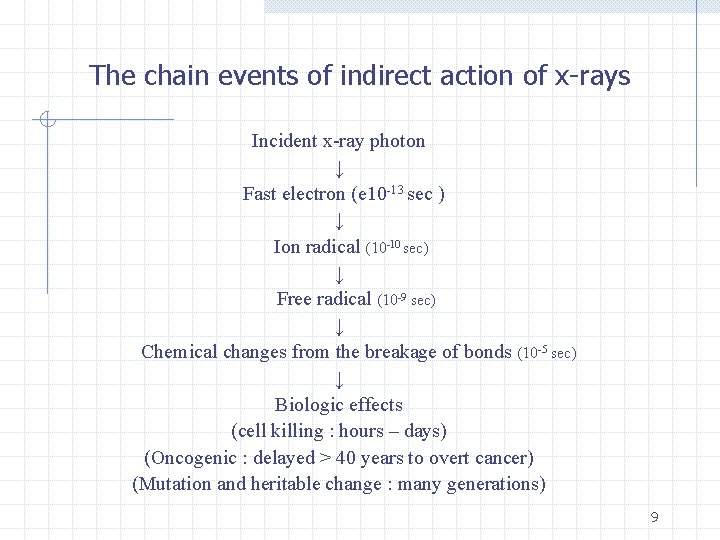
The chain events of indirect action of x-rays Incident x-ray photon ↓ Fast electron (e 10 -13 sec ) ↓ Ion radical (10 -10 sec) ↓ Free radical (10 -9 sec) ↓ Chemical changes from the breakage of bonds (10 -5 sec) ↓ Biologic effects (cell killing : hours – days) (Oncogenic : delayed > 40 years to overt cancer) (Mutation and heritable change : many generations) 9
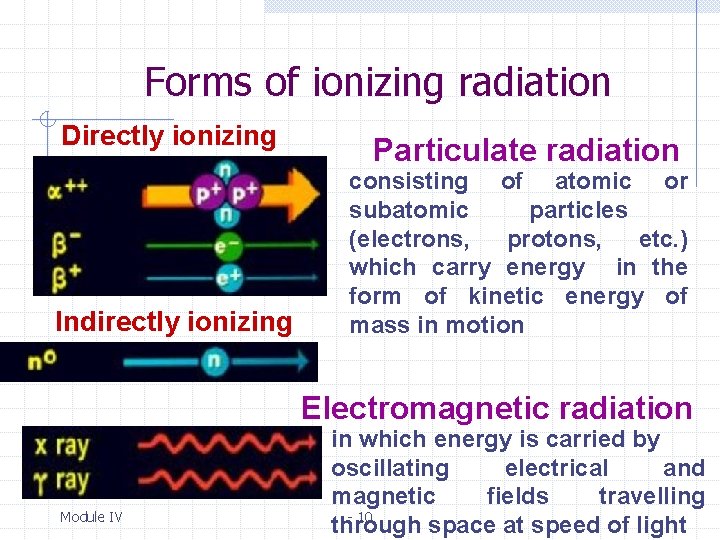
Forms of ionizing radiation Directly ionizing Indirectly ionizing Particulate radiation consisting of atomic or subatomic particles (electrons, protons, etc. ) which carry energy in the form of kinetic energy of mass in motion Electromagnetic radiation Module IV in which energy is carried by oscillating electrical and magnetic fields travelling - 10 through space at speed of light
Direct and Indirect action of radiation Biologic effects of radiation result from damage of DNA (critical target) Direct action of radiation n High Linear energy transfer (LET) (e. g. neutrons or α-particles) n Process w Interact directly with the critical target in the cells (DNA) w Atoms of the target ionized or excited w Initiated the chain of events of biological change Indirect action of radiation n Sparse ionizing radiation (e. g. x-rays) n Process w Radiation interact with other atoms or molecules in the cells (e. g water) w Produce free radicals w Damage the critical targets 11
Direct and indirect action of radiation Radiation interacts with a water molecule n n 80% of a cell composed of water H 2 O → H 2 O+ + e� w H 2 O+ w Ion radical w Extremely short lifetime → 10 -10 sec n H 2 O+ + H 2 O → H 3 O+ + OH. w OH· → Hydroxyl radical n n n Highly reactive free radical Can diffuse a short distance to reach a critical target in a cell Cause 2/3 x-ray damage to DNA of mammalian cell 12
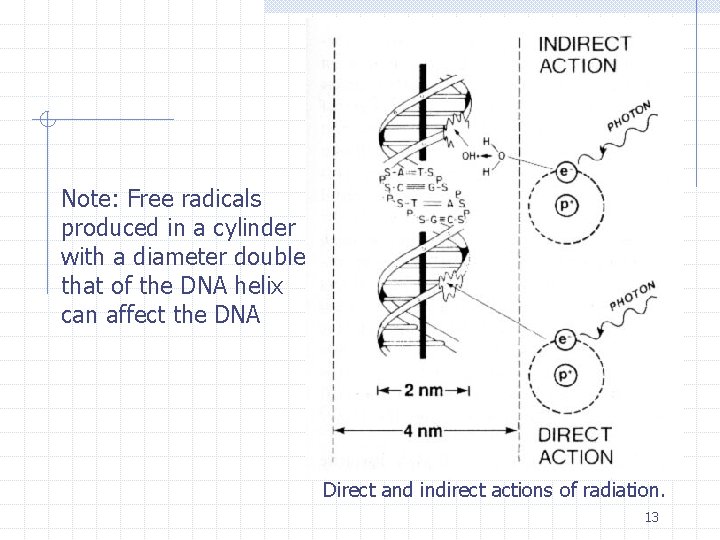
Note: Free radicals produced in a cylinder with a diameter double that of the DNA helix can affect the DNA Direct and indirect actions of radiation. 13
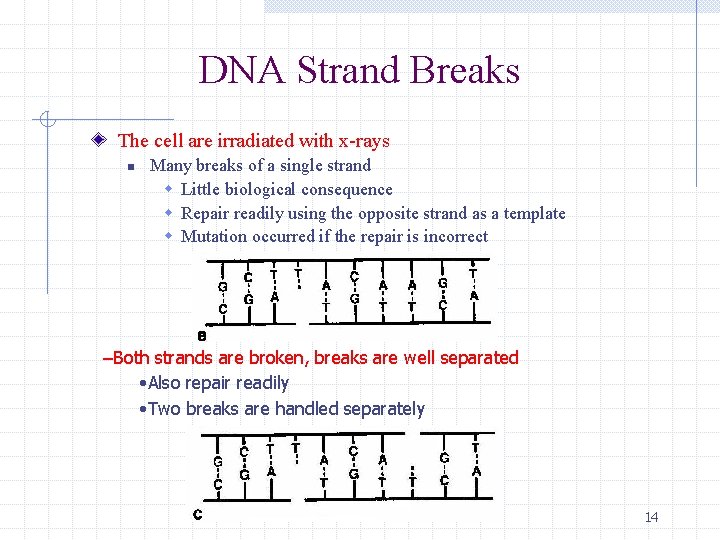
DNA Strand Breaks The cell are irradiated with x-rays n Many breaks of a single strand w Little biological consequence w Repair readily using the opposite strand as a template w Mutation occurred if the repair is incorrect –Both strands are broken, breaks are well separated • Also repair readily • Two breaks are handled separately 14
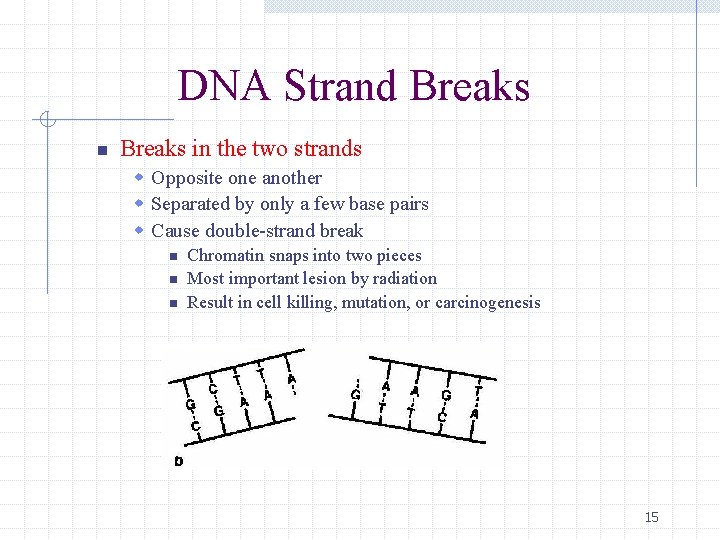
DNA Strand Breaks n Breaks in the two strands w Opposite one another w Separated by only a few base pairs w Cause double-strand break n n n Chromatin snaps into two pieces Most important lesion by radiation Result in cell killing, mutation, or carcinogenesis 15
DNA Strand Breaks Double-strand breaks n Types: w Distance between the breaks on the two DNA strands w Kinds of end groups formed n n Yield: 0. 04 x of single-strand breaks Induced linearly with dose w Formed by single tracks of ionizing radiation 16
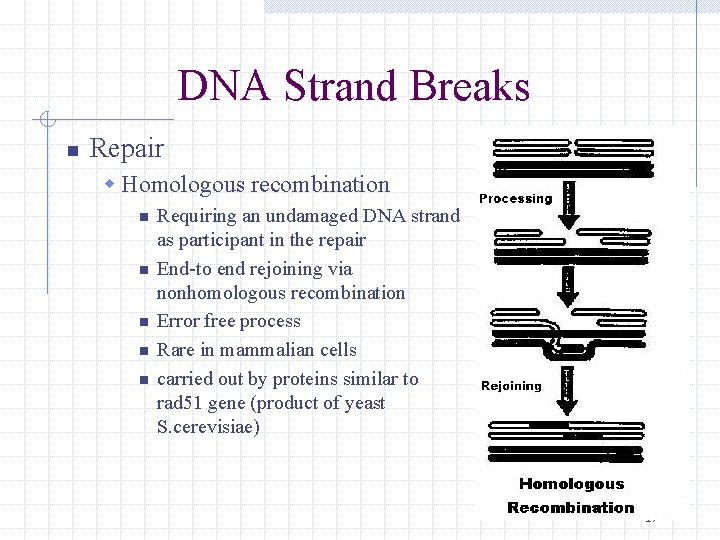
DNA Strand Breaks n Repair w Homologous recombination n n Requiring an undamaged DNA strand as participant in the repair End-to end rejoining via nonhomologous recombination Error free process Rare in mammalian cells carried out by proteins similar to rad 51 gene (product of yeast S. cerevisiae) 17
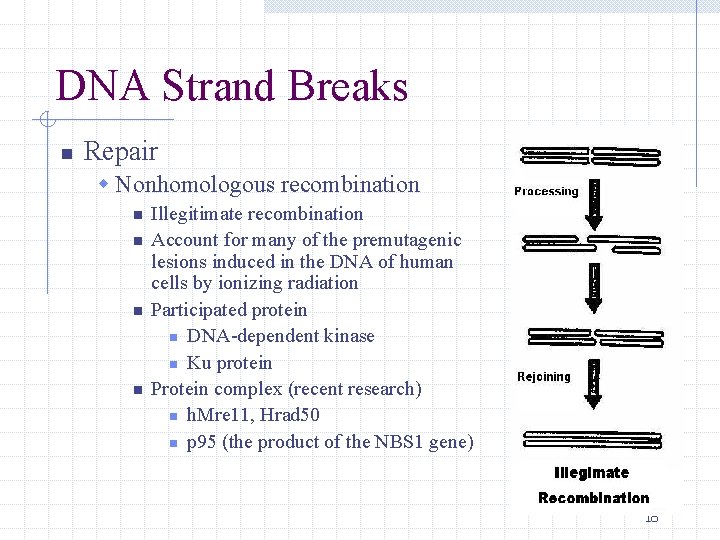
DNA Strand Breaks n Repair w Nonhomologous recombination n n Illegitimate recombination Account for many of the premutagenic lesions induced in the DNA of human cells by ionizing radiation Participated protein n DNA-dependent kinase n Ku protein Protein complex (recent research) n h. Mre 11, Hrad 50 n p 95 (the product of the NBS 1 gene) 18
Conclusion The results are also: a-Repair with no any error b-Repair with error Types of chromosome aberrations are: 1 -Translocation 2 -Inversion 3 -Dicentric chromosome 4 -Circular chromosome
Effects on cells
Effects on cells The results are: 1 -Lethal Damage (LD) 2 -Sublethal Damage (SLD) 3 -Potentially Lethal Damage (PLD)
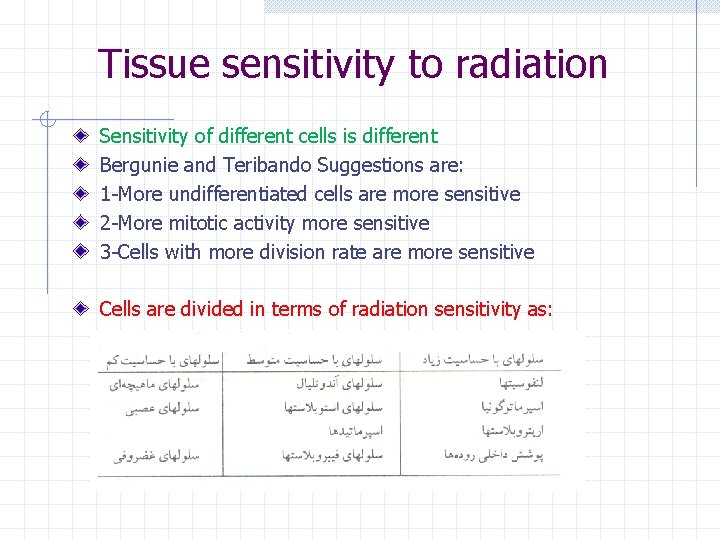
Tissue sensitivity to radiation Sensitivity of different cells is different Bergunie and Teribando Suggestions are: 1 -More undifferentiated cells are more sensitive 2 -More mitotic activity more sensitive 3 -Cells with more division rate are more sensitive Cells are divided in terms of radiation sensitivity as:
Cell survival curves Dose plotted on linear scale Survival fraction plotted on logarithmic scale
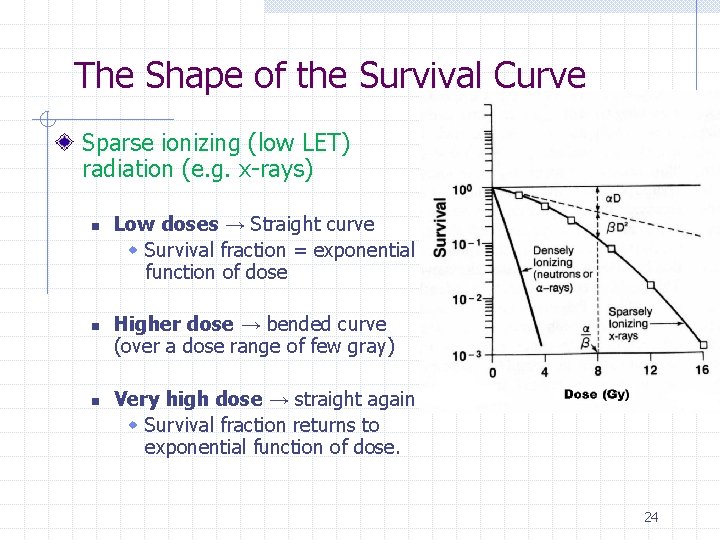
The Shape of the Survival Curve Sparse ionizing (low LET) radiation (e. g. x-rays) n n n Low doses → Straight curve w Survival fraction = exponential function of dose Higher dose → bended curve (over a dose range of few gray) Very high dose → straight again w Survival fraction returns to exponential function of dose. 24
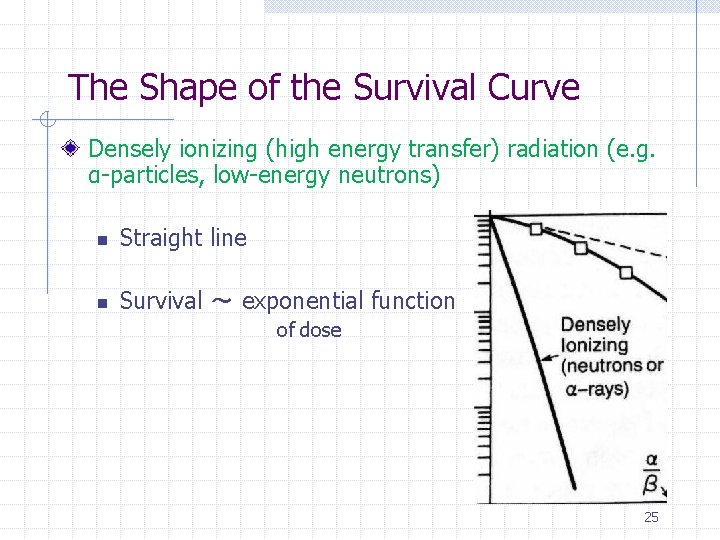
The Shape of the Survival Curve Densely ionizing (high energy transfer) radiation (e. g. α-particles, low-energy neutrons) n Straight line n Survival ~ exponential function of dose 25
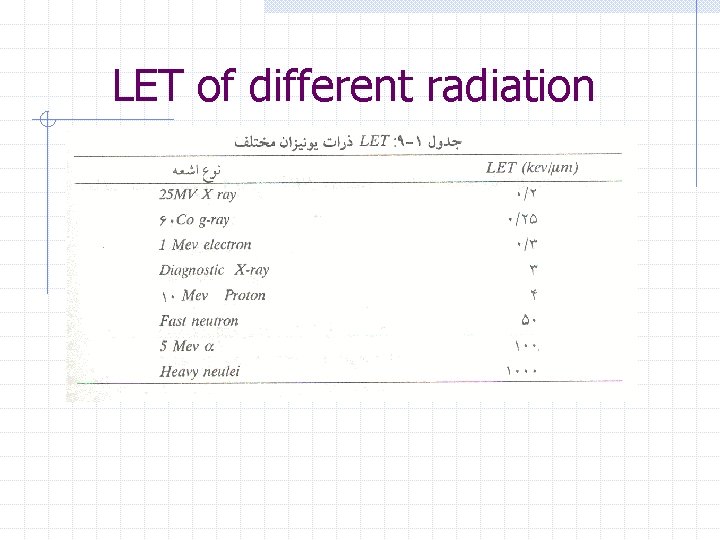
LET of different radiation
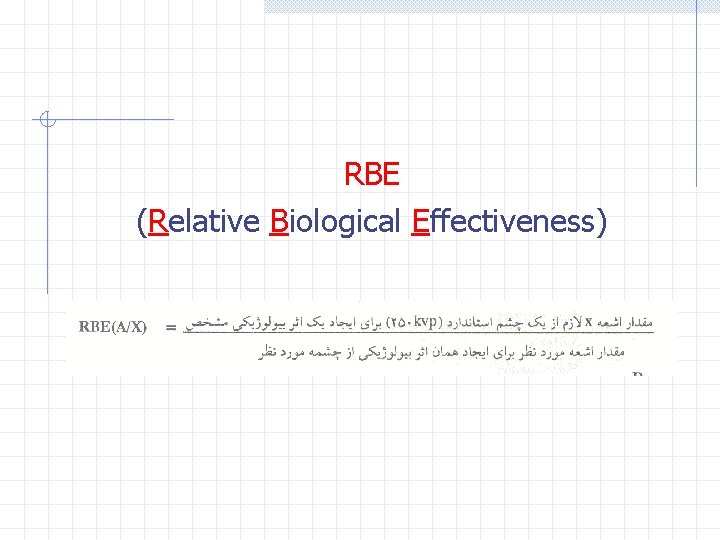
RBE (Relative Biological Effectiveness)
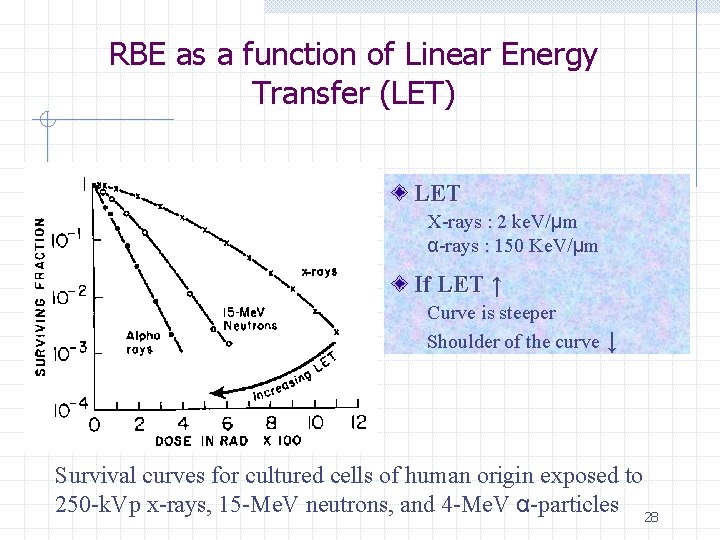
RBE as a function of Linear Energy Transfer (LET) LET X-rays : 2 ke. V/μm α-rays : 150 Ke. V/μm If LET ↑ Curve is steeper Shoulder of the curve ↓ Survival curves for cultured cells of human origin exposed to 250 -k. Vp x-rays, 15 -Me. V neutrons, and 4 -Me. V α-particles 28
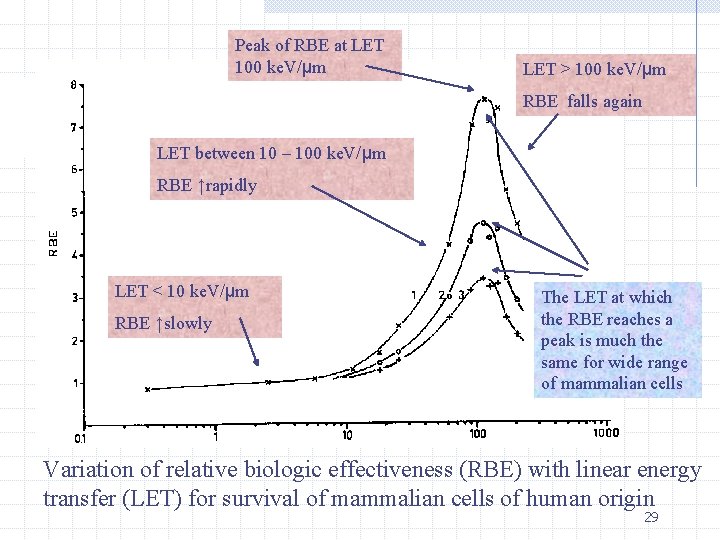
Peak of RBE at LET 100 ke. V/μm LET > 100 ke. V/μm RBE falls again LET between 10 – 100 ke. V/μm RBE ↑rapidly LET < 10 ke. V/μm RBE ↑slowly The LET at which the RBE reaches a peak is much the same for wide range of mammalian cells Variation of relative biologic effectiveness (RBE) with linear energy transfer (LET) for survival of mammalian cells of human origin 29
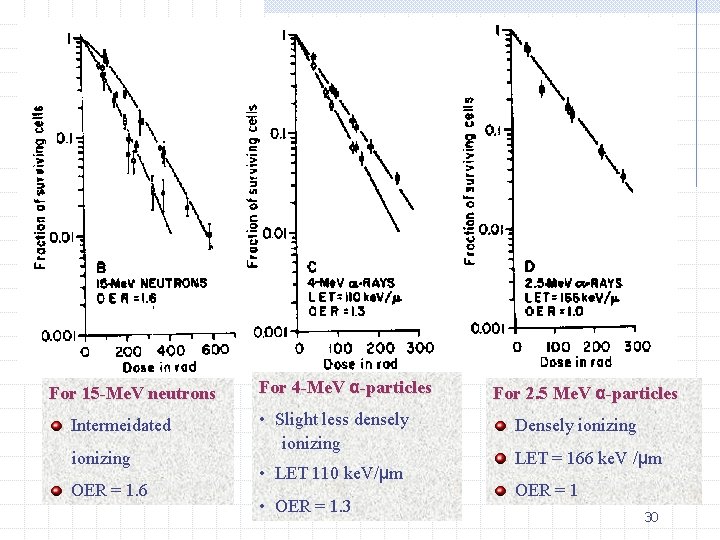
For 15 -Me. V neutrons Intermeidated ionizing OER = 1. 6 For 4 -Me. V α-particles • Slight less densely ionizing • LET 110 ke. V/μm • OER = 1. 3 For 2. 5 Me. V α-particles Densely ionizing LET = 166 ke. V /μm OER = 1 30
RBE and Fractionated Doses 31
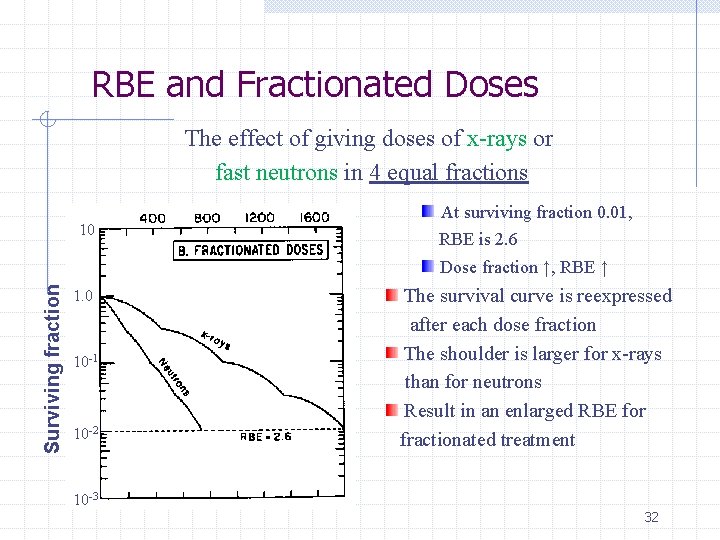
RBE and Fractionated Doses The effect of giving doses of x-rays or fast neutrons in 4 equal fractions 10 At surviving fraction 0. 01, RBE is 2. 6 Surviving fraction Dose fraction ↑, RBE ↑ 1. 0 10 -1 10 -2 10 -3 The survival curve is reexpressed after each dose fraction The shoulder is larger for x-rays than for neutrons Result in an enlarged RBE for fractionated treatment 32
RBE and Fractionated Doses Conclusion n The net result is that neutrons become progressively more efficient than x-rays as w the dose per fractions ↓ w The number of fractions ↑ 33
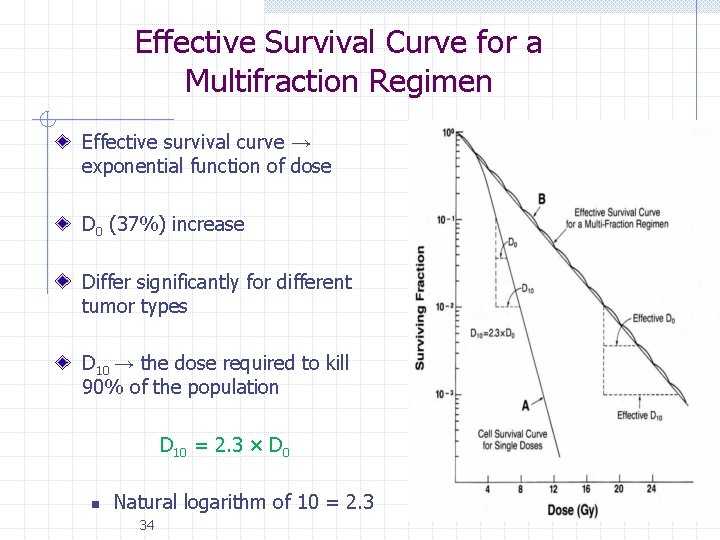
Effective Survival Curve for a Multifraction Regimen Effective survival curve → exponential function of dose D 0 (37%) increase Differ significantly for different tumor types D 10 → the dose required to kill 90% of the population D 10 = 2. 3 × D 0 n Natural logarithm of 10 = 2. 3 34
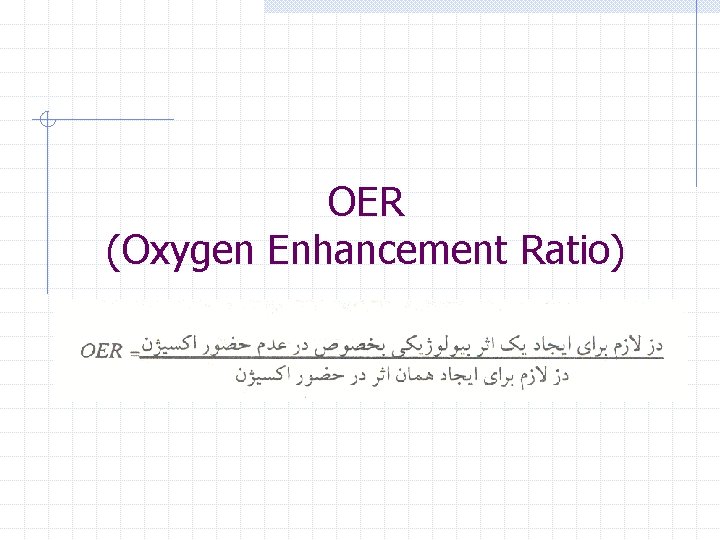
OER (Oxygen Enhancement Ratio)
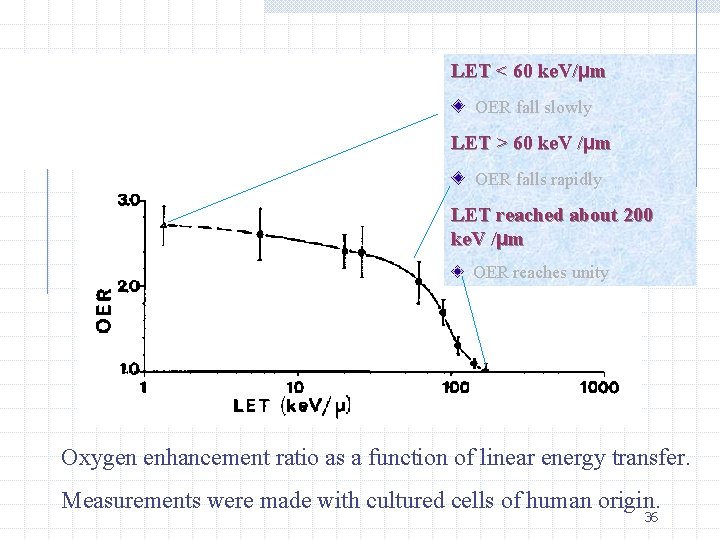
LET < 60 ke. V/μm OER fall slowly LET > 60 ke. V /μm OER falls rapidly LET reached about 200 ke. V /μm OER reaches unity Oxygen enhancement ratio as a function of linear energy transfer. Measurements were made with cultured cells of human origin. 36

Variation of the oxygen enhancement ratio (OER) and the relative biologic effectiveness (RBE) as a function of the linear energy transfer (LET) of the radiation involved. The two curves are virtually mirror images of one another Rapid increase of RBE and the rapid fall of OER occur at about the same LET, 100 ke. V /μm 37
The Dose-Rate Effect 38
The Dose-Rate Effect Dose rate n One of the principal factors that determine the biological consequences of a given absorbed dose w e. g. Dose rate ↓ n n Exposure time ↑ Biological effect ↓ 39
Examples of the Dose-rate Effect In Vitro and In Vivo 40
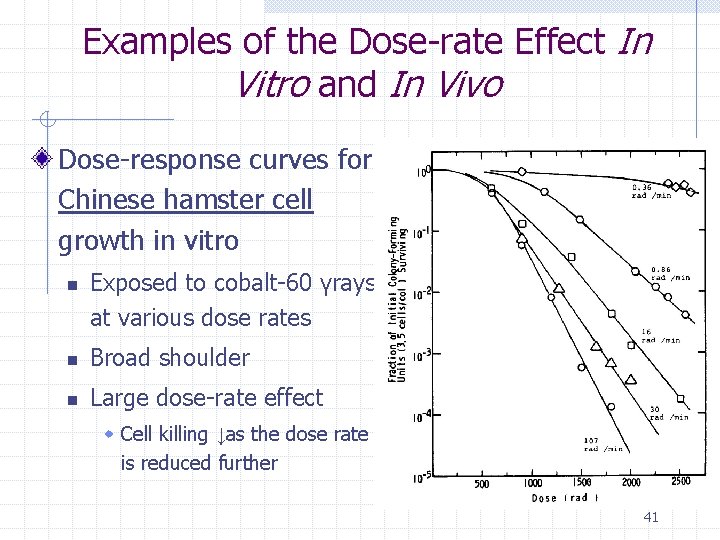
Examples of the Dose-rate Effect In Vitro and In Vivo Dose-response curves for Chinese hamster cell growth in vitro n Exposed to cobalt-60 γrays at various dose rates n Broad shoulder n Large dose-rate effect w Cell killing ↓as the dose rate is reduced further 41
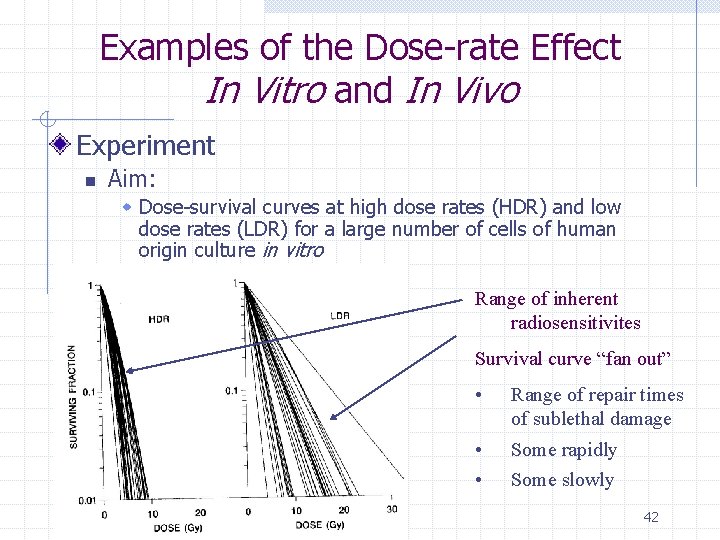
Examples of the Dose-rate Effect In Vitro and In Vivo Experiment n Aim: w Dose-survival curves at high dose rates (HDR) and low dose rates (LDR) for a large number of cells of human origin culture in vitro Range of inherent radiosensitivites Survival curve “fan out” • Range of repair times of sublethal damage • • Some rapidly Some slowly 42
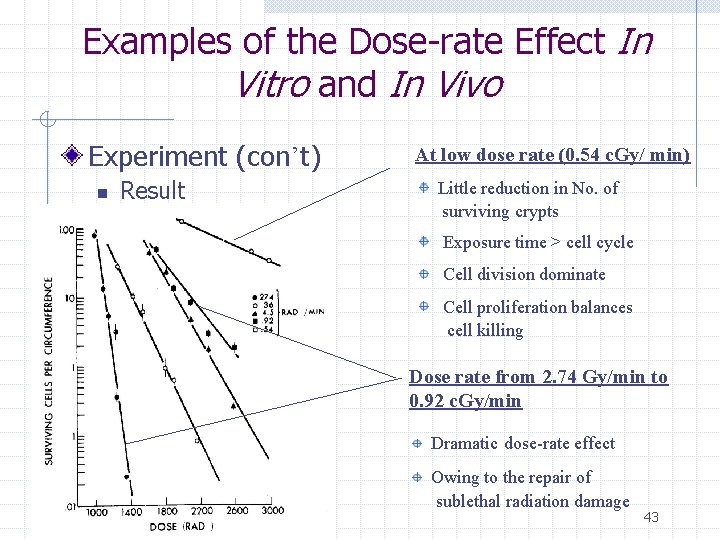
Examples of the Dose-rate Effect In Vitro and In Vivo Experiment (con’t) n Result At low dose rate (0. 54 c. Gy/ min) Little reduction in No. of surviving crypts Exposure time > cell cycle Cell division dominate Cell proliferation balances cell killing Dose rate from 2. 74 Gy/min to 0. 92 c. Gy/min Dramatic dose-rate effect Owing to the repair of sublethal radiation damage 43
Effective parameters on radiation sensitivity 1 -LET 2 -Time 3 -Age 4 -Repair process 5 -Radioprotectors such as systeaine and cysteamine 6 -Radiosensitizers such as oxygen
Radiation effects on whole body
Radiation effects on whole body 1 -Acute effects 2 -Choronic effects 3 -Genetic effects
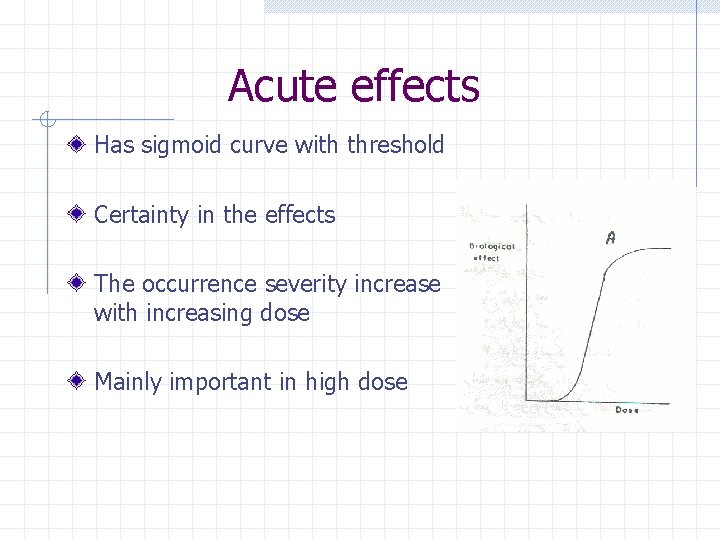
Acute effects Has sigmoid curve with threshold Certainty in the effects The occurrence severity increase with increasing dose Mainly important in high dose
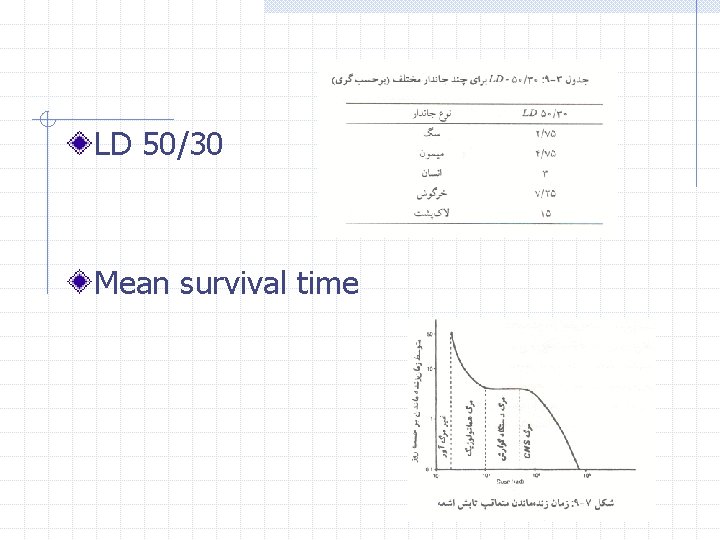
LD 50/30 Mean survival time
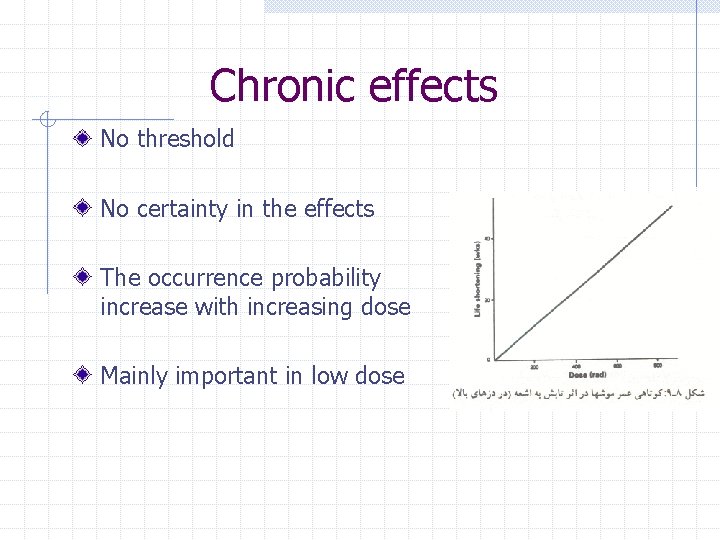
Chronic effects No threshold No certainty in the effects The occurrence probability increase with increasing dose Mainly important in low dose
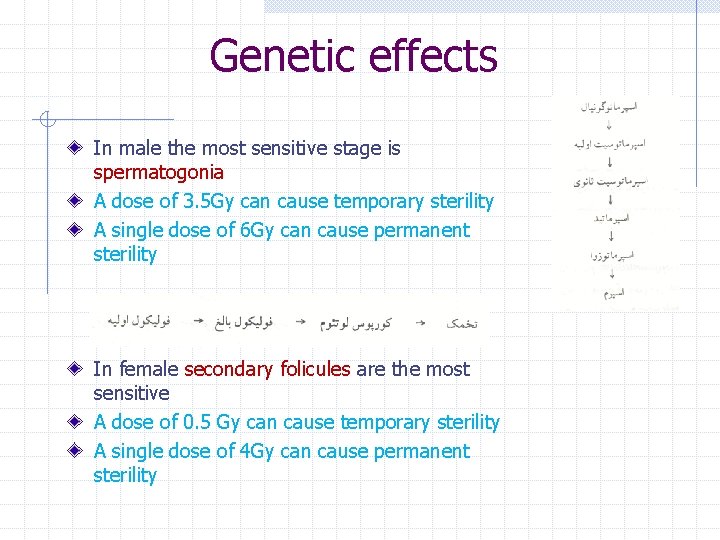
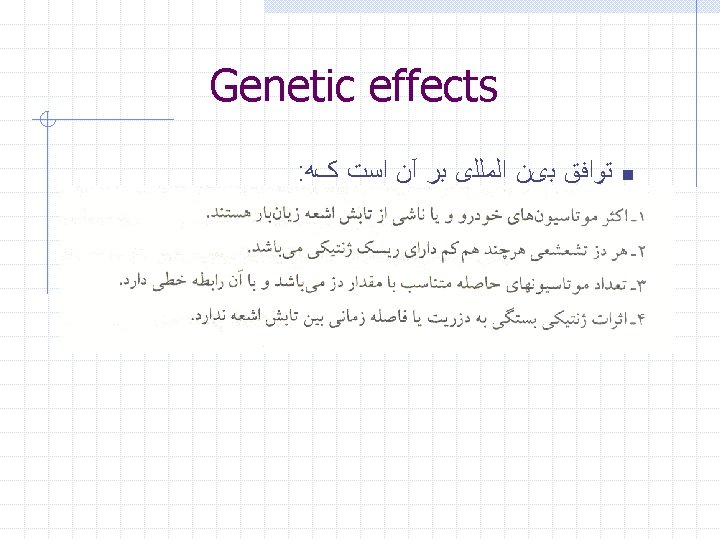
Genetic effects In male the most sensitive stage is spermatogonia A dose of 3. 5 Gy can cause temporary sterility A single dose of 6 Gy can cause permanent sterility In female secondary folicules are the most sensitive A dose of 0. 5 Gy can cause temporary sterility A single dose of 4 Gy can cause permanent sterility
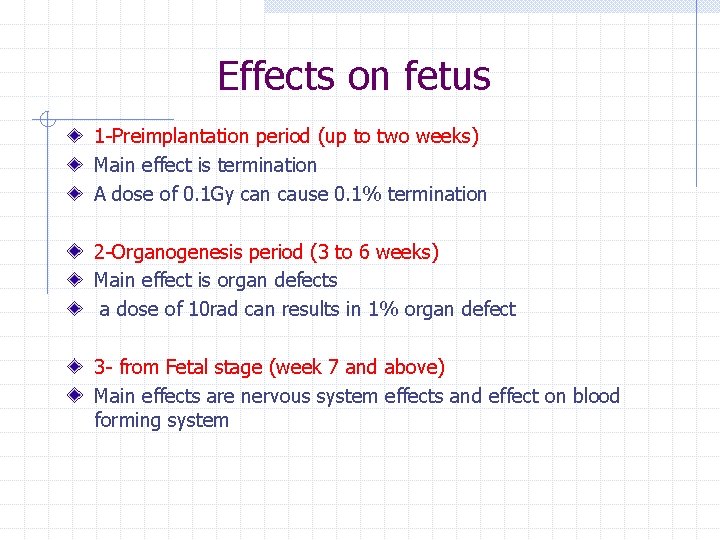
Effects on fetus 1 -Preimplantation period (up to two weeks) Main effect is termination A dose of 0. 1 Gy can cause 0. 1% termination 2 -Organogenesis period (3 to 6 weeks) Main effect is organ defects a dose of 10 rad can results in 1% organ defect 3 - from Fetal stage (week 7 and above) Main effects are nervous system effects and effect on blood forming system
Radiation Protection
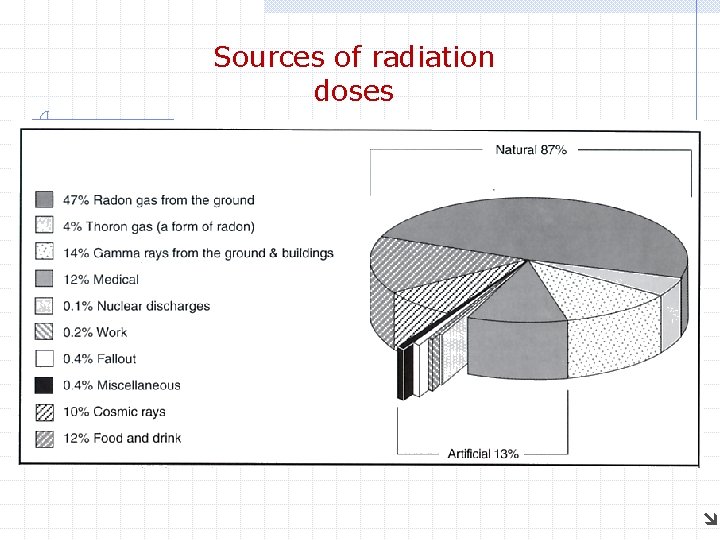
Sources of radiation doses
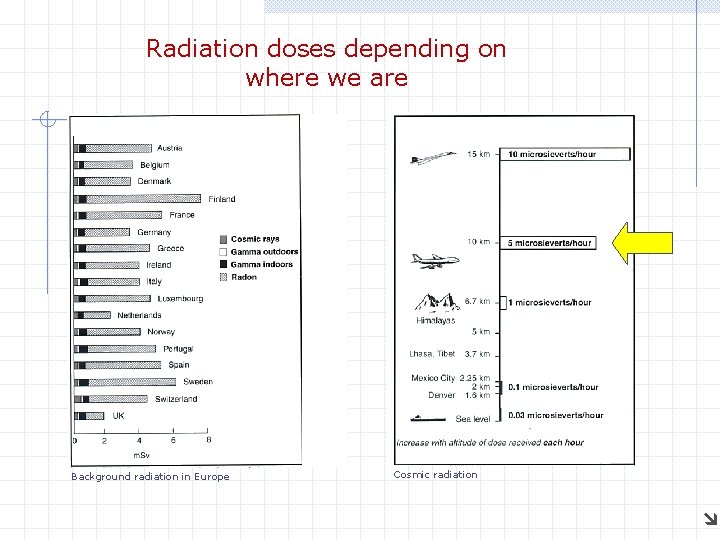
Radiation doses depending on where we are Background radiation in Europe Cosmic radiation
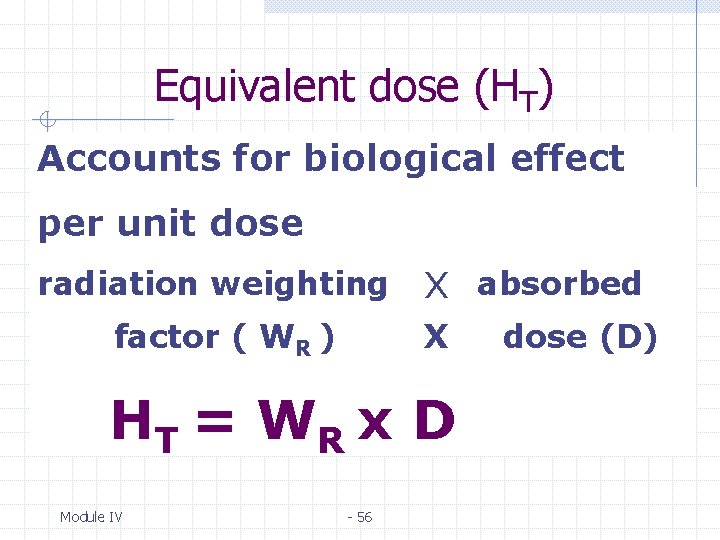
Equivalent dose (HT) Accounts for biological effect per unit dose radiation weighting factor ( WR ) X absorbed X HT = W R x D Module IV - 56 dose (D)
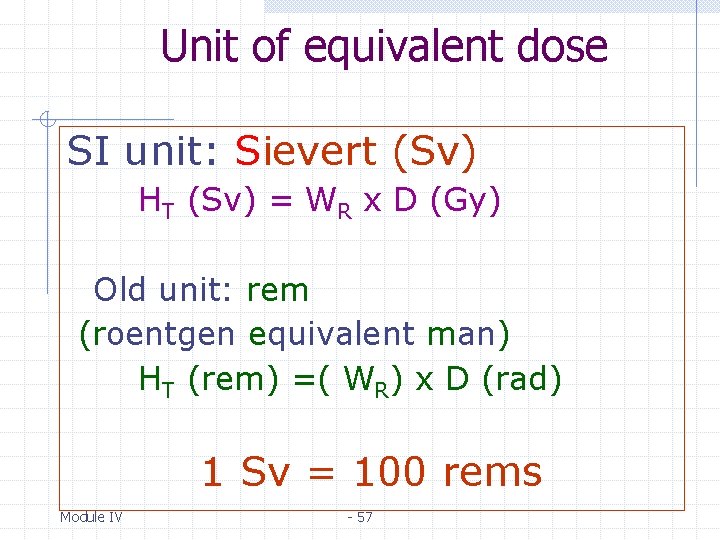
Unit of equivalent dose SI unit: Sievert (Sv) HT (Sv) = WR x D (Gy) Old unit: rem (roentgen equivalent man) HT (rem) =( WR) x D (rad) 1 Sv = 100 rems Module IV - 57
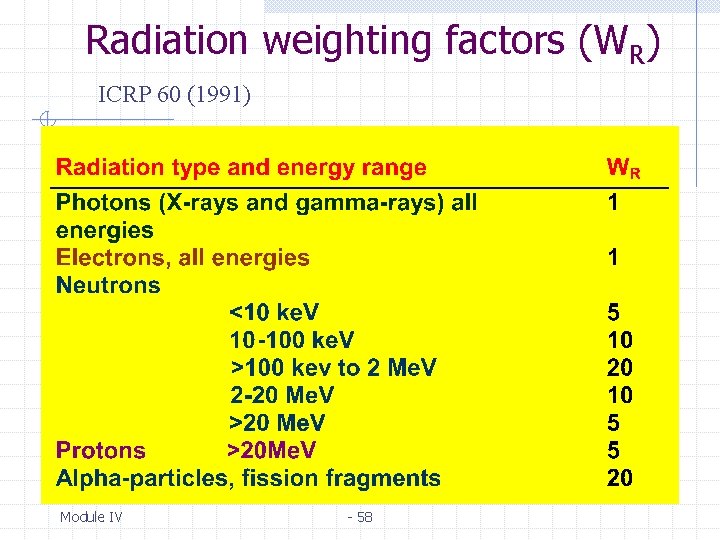
Radiation weighting factors (WR) ICRP 60 (1991) Module IV - 58
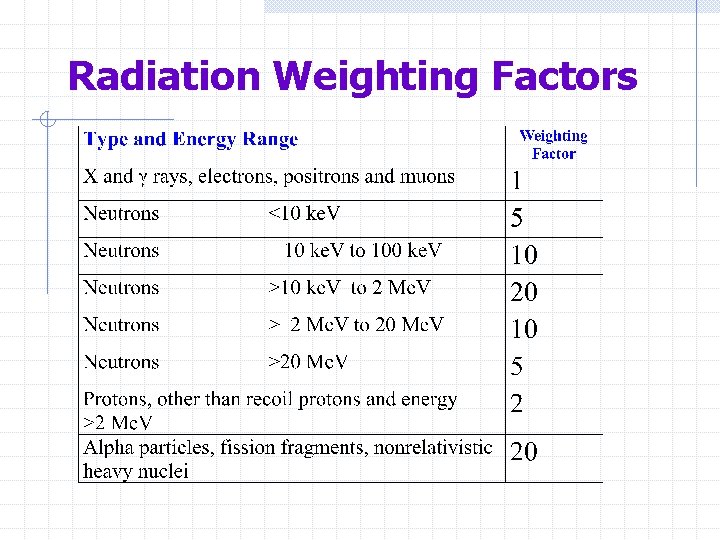
Radiation Weighting Factors
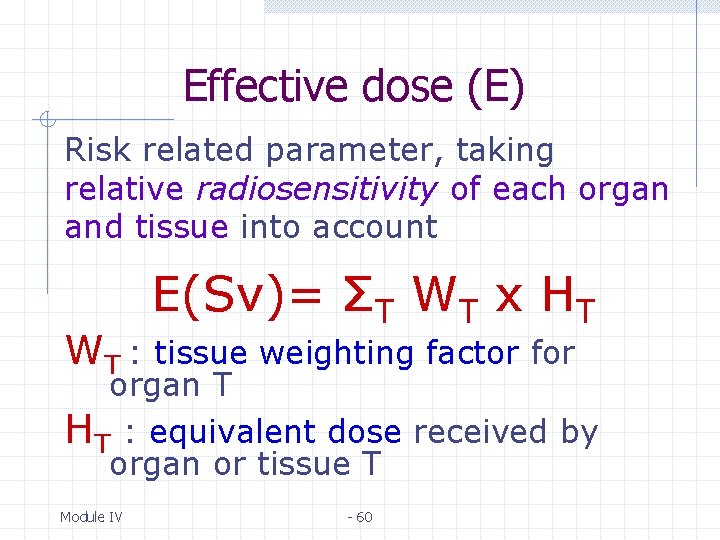
Effective dose (E) Risk related parameter, taking relative radiosensitivity of each organ and tissue into account E(Sv)= ΣT WT x HT WT : tissue weighting factor for organ T HT : equivalent dose received by organ or tissue T Module IV - 60
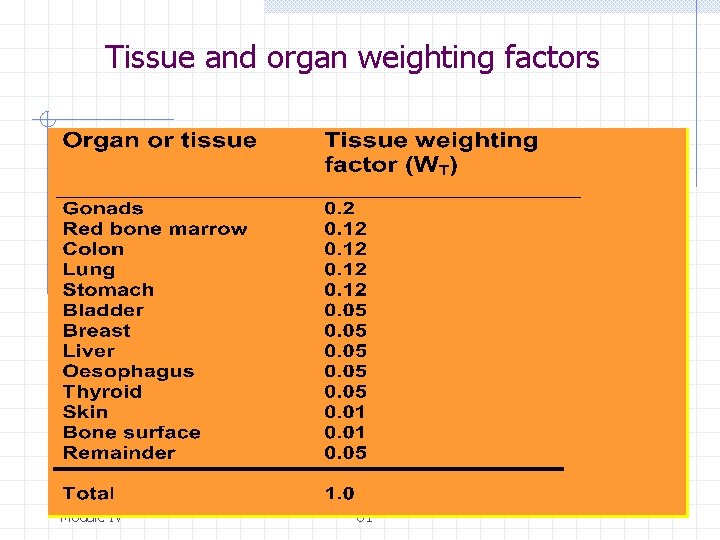
Tissue and organ weighting factors Module IV - 61
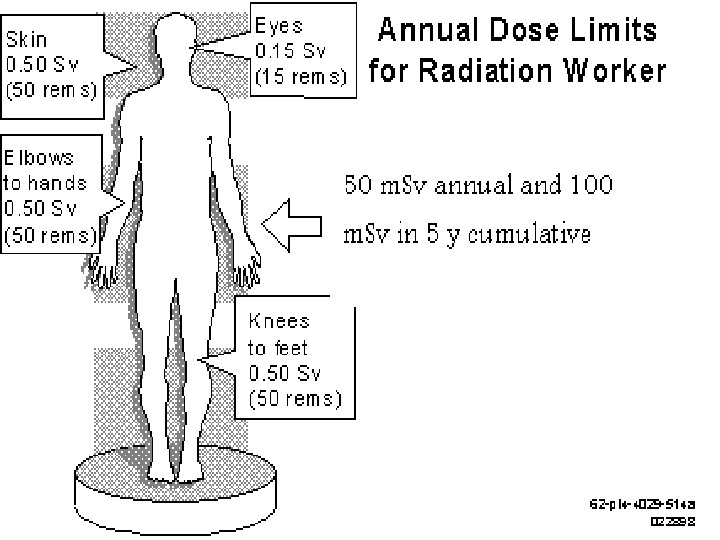
Dose limits 1 -Radiation workers 2 -General population

Annual effective dose limits ICRP 60 Radiation workers Public Fetus 2 m. Sv equivalent dose to the women's abdomen once pregnancy has been declared and limitaing intakes of radionuclides to about 1/20 of an ALI Based on Stochastic Effects 50 m. Sv annual and 100 m. Sv in 5 y cumulative 1 m. Sv and, if needed, higher values provided that the annual average over 5 y does not exceed 1 m. Sv Based on Deterministic Effects 150 m. Sv annual to lens of eye and 500 m. Sv annual to the skin, hands and feet 15 m. Sv annual to lens of eye and 50 m. Sv annual to skin, hands, and feet Annual Limit on Intake (ALI) 20 m. Sv E (50) Bq-1
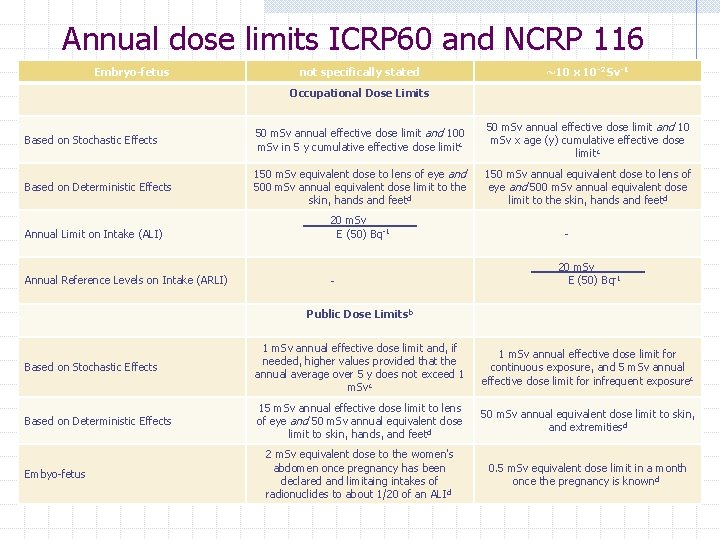
Annual dose limits ICRP 60 and NCRP 116 Embryo-fetus not specifically stated ~10 x 10 -2 Sv-1 Occupational Dose Limits Based on Stochastic Effects 50 m. Sv annual effective dose limit and 100 m. Sv in 5 y cumulative effective dose limitc 50 m. Sv annual effective dose limit and 10 m. Sv x age (y) cumulative effective dose limitc Based on Deterministic Effects 150 m. Sv equivalent dose to lens of eye and 500 m. Sv annual equivalent dose limit to the skin, hands and feetd 150 m. Sv annual equivalent dose to lens of eye and 500 m. Sv annual equivalent dose limit to the skin, hands and feetd Annual Limit on Intake (ALI) 20 m. Sv E (50) Bq-1 _ Annual Reference Levels on Intake (ARLI) _ 20 m. Sv E (50) Bq-1 Public Dose Limitsb Based on Stochastic Effects 1 m. Sv annual effective dose limit and, if needed, higher values provided that the annual average over 5 y does not exceed 1 m. Svc 1 m. Sv annual effective dose limit for continuous exposure, and 5 m. Sv annual effective dose limit for infrequent exposurec Based on Deterministic Effects 15 m. Sv annual effective dose limit to lens of eye and 50 m. Sv annual equivalent dose limit to skin, hands, and feetd 50 m. Sv annual equivalent dose limit to skin, and extremitiesd 2 m. Sv equivalent dose to the women's abdomen once pregnancy has been declared and limitaing intakes of radionuclides to about 1/20 of an ALId 0. 5 m. Sv equivalent dose limit in a month once the pregnancy is knownd Embyo-fetus
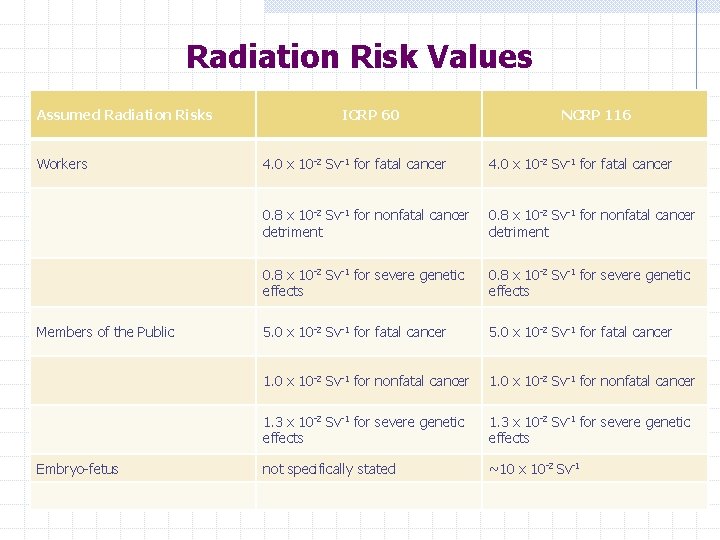
Radiation Risk Values Assumed Radiation Risks ICRP 60 NCRP 116 Workers 4. 0 x 10 -2 Sv-1 for fatal cancer 0. 8 x 10 -2 Sv-1 for nonfatal cancer detriment 0. 8 x 10 -2 Sv-1 for severe genetic effects Members of the Public 5. 0 x 10 -2 Sv-1 for fatal cancer 1. 0 x 10 -2 Sv-1 for nonfatal cancer 1. 3 x 10 -2 Sv-1 for severe genetic effects Embryo-fetus not specifically stated ~10 x 10 -2 Sv-1
Radiation protection Basic principles and primary methods Module IV - 67
Basic principles of radiation protection Justification of practice Optimization of protection Individual dose limits Module IV - 68
ALARA As low as reasonably achievable Module IV - 69
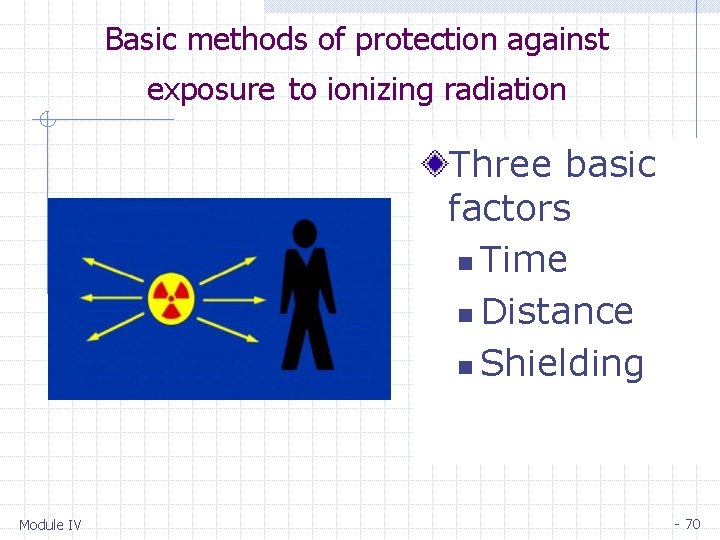
Basic methods of protection against exposure to ionizing radiation Three basic factors n Time n Distance n Shielding Module IV - 70
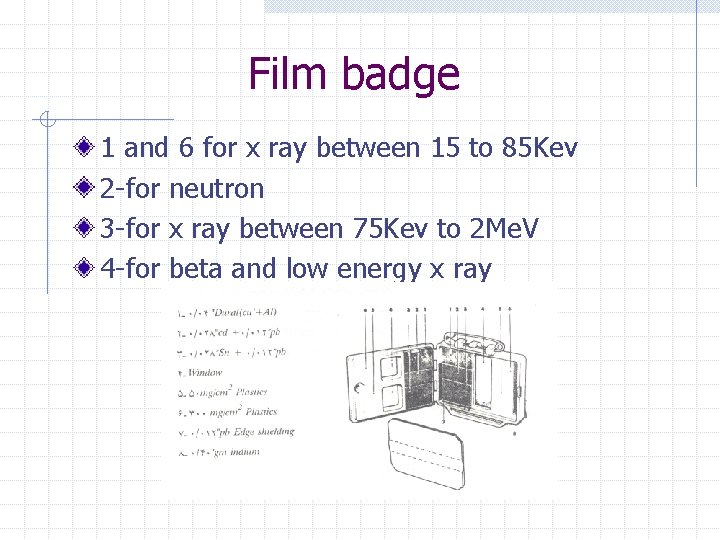
Film badge 1 and 6 for x ray between 15 to 85 Kev 2 -for neutron 3 -for x ray between 75 Kev to 2 Me. V 4 -for beta and low energy x ray

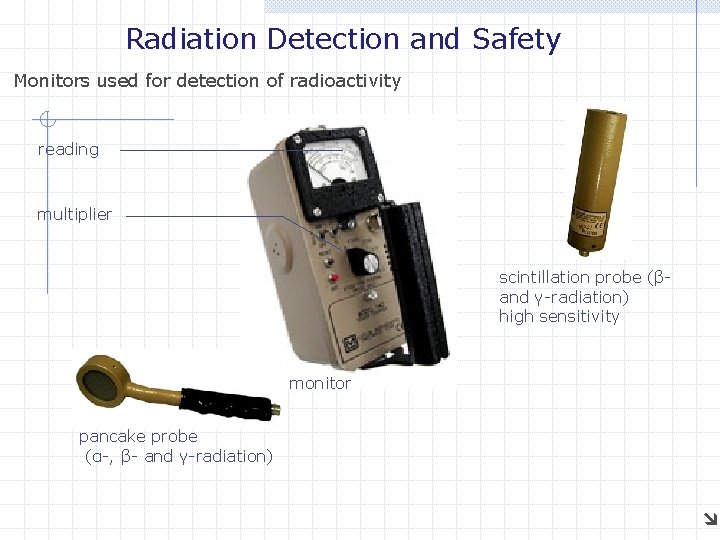
Radiation Detection and Safety Monitors used for detection of radioactivity reading multiplier scintillation probe (βand γ-radiation) high sensitivity monitor pancake probe (α-, β- and γ-radiation)
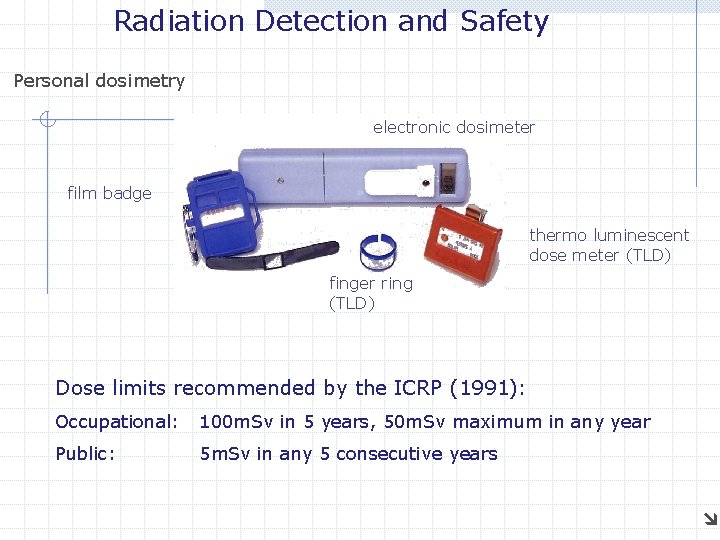
Radiation Detection and Safety Personal dosimetry electronic dosimeter film badge thermo luminescent dose meter (TLD) finger ring (TLD) Dose limits recommended by the ICRP (1991): Occupational: 100 m. Sv in 5 years, 50 m. Sv maximum in any year Public: 5 m. Sv in any 5 consecutive years

- Slides: 76