
In Search of Leveraged Returns for Longterm Investment






- Slides: 37
In Search of Leveraged Returns for Long-term Investment Jeff Stollman Rocky Mountain Technical Marketing, Inc. 1
Assumptions • It is hard to outperform the market on a sustained, long-term basis. • Certain broad indices (e. g. , S&P 500) provide diversity and have shown the ability to increase in value over long periods of time • Obtaining leveraged returns on such indices is desirable to long-term investors seeking returns in excess of the long-term gains of these broad indices. 2
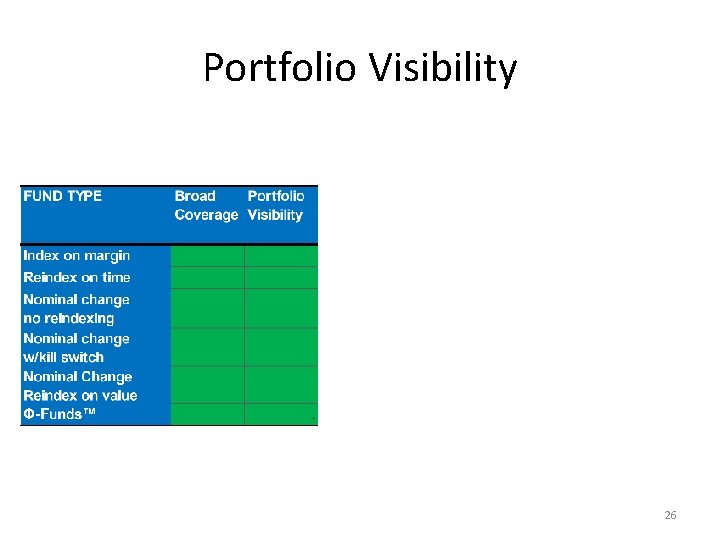
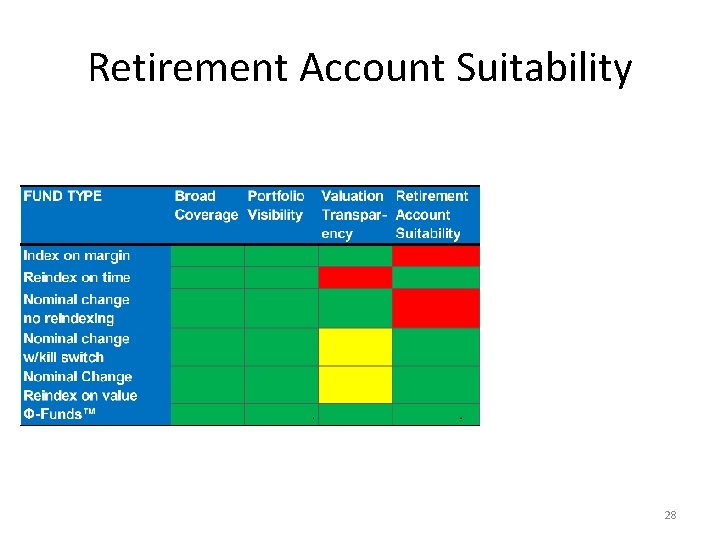
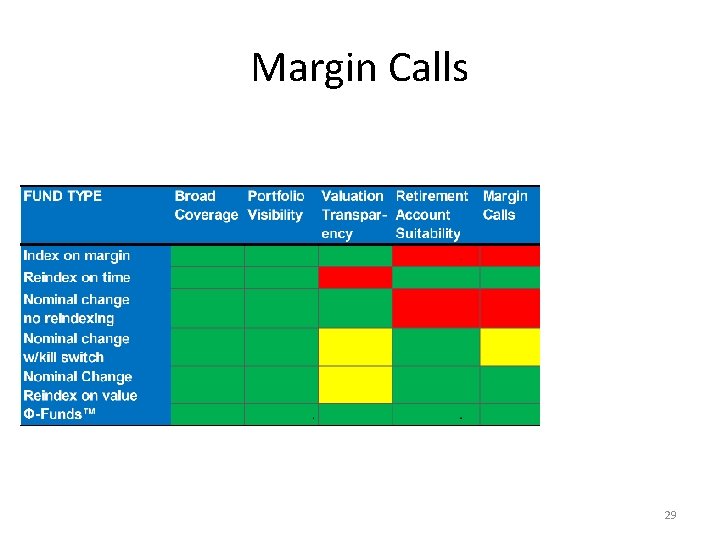
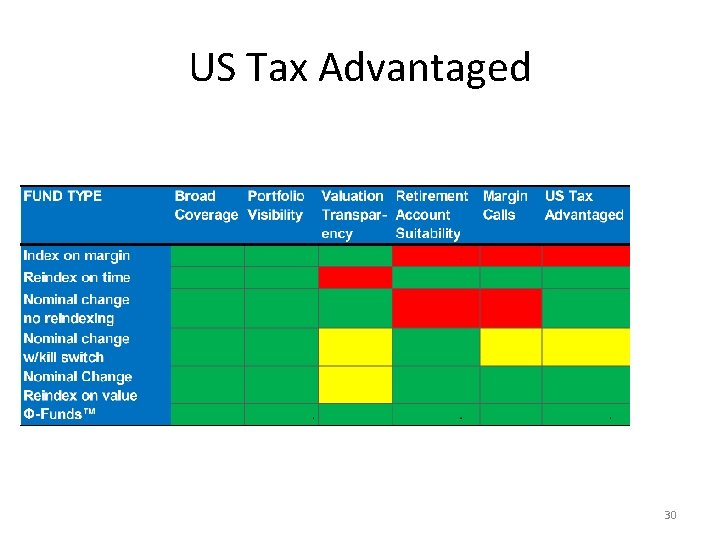
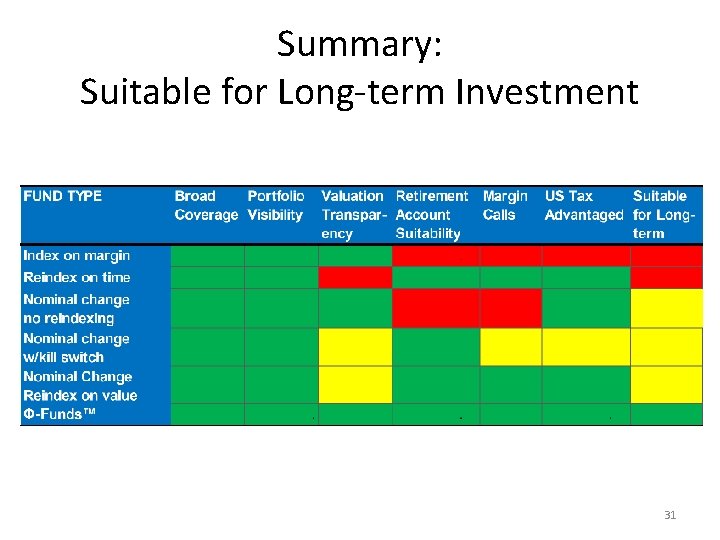
Desirable Characteristics of Leveraged Long-term Investment Vehicle 1. 2. 3. 4. Broad coverage Portfolio Visibility Valuation transparency Suitability for retirement accounts 1. No margin calls 5. US tax advantaged 3
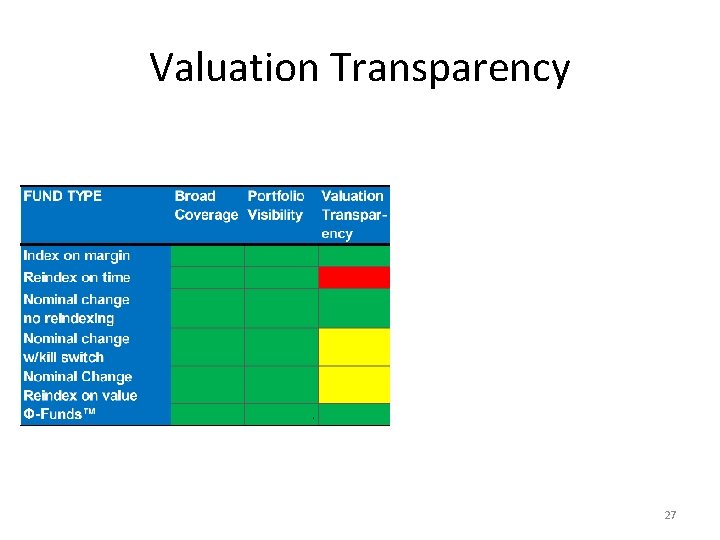
Investment Candidates 1. Purchase of non-leveraged index funds on margin (State Street SPDR® S&P 500® ETF) 2. Leveraged Index Products (LIPs) that re-index based on time (Pro. Shares 2 X S&P 500 ETF) 3. LIPs based on nominal change that don’t reindex 4. LIPs based on nominal change that don’t reindex w/kill switch (Barclays i. Path® extended ETN) 5. LIPs based on nominal change that reindex based on value (UBS FI Enhanced Big Cap Growth ETN) 6. LIPs based on nominal change that don’t reindex using Φ-Fund. TM technology (Φ-Fund™ C) 4
BROAD COVERAGE 5
Linking Funds to Indices Provides Broad Coverage • Many indices specific target providing broad coverage • Selection of appropriate indices as the underlying basis of a fund provides the identical breadth afforded by the index, itself 6
PORTFOLIO VISIBILITY 7
Linking Funds to Indices Also Provides Portfolio Visibility • Most indices identify their components • Most Indices change components infrequently • Announcements of changes are generally advertised in advance and widely desiminated • Selection of appropriate indexes as the underlying basis of a fund provides the identical visibility afforded by the index, itself 8
VALUATION TRANSPARENCY 9
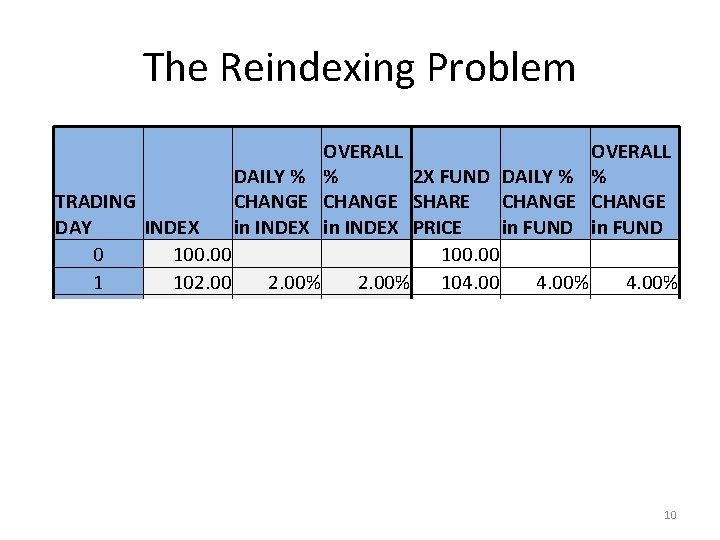
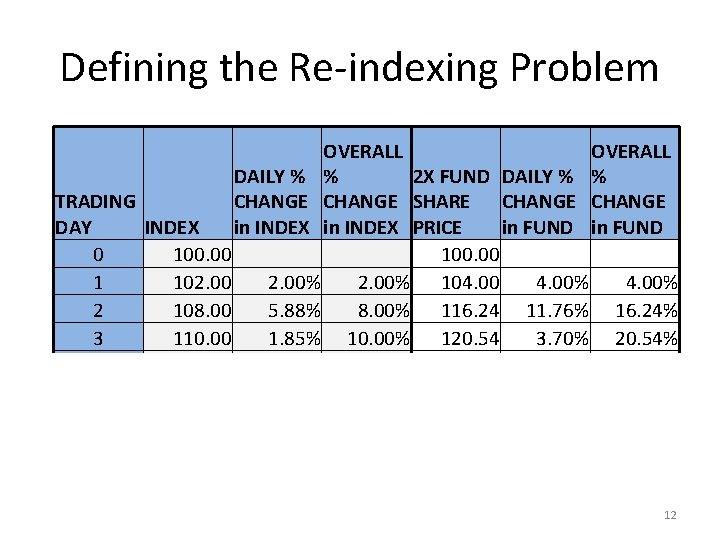
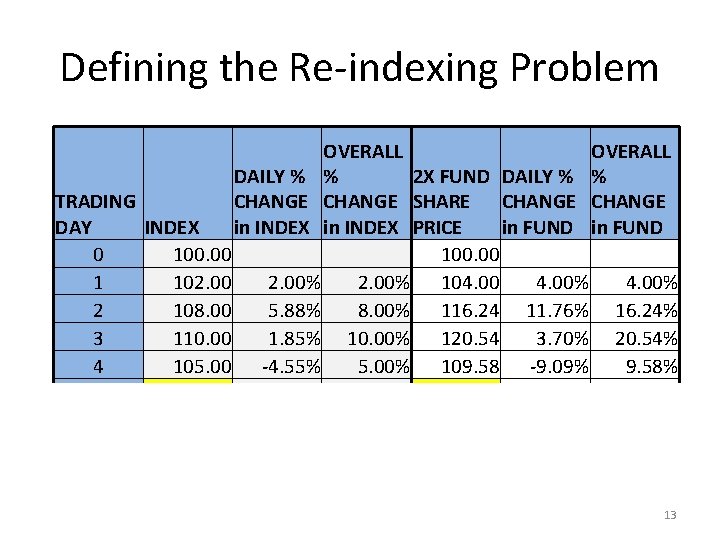
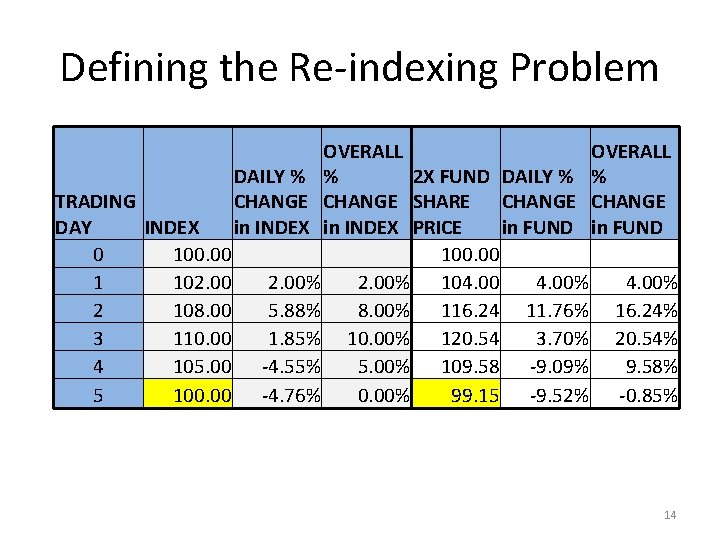
The Reindexing Problem OVERALL DAILY % % 2 X FUND DAILY % % TRADING CHANGE SHARE CHANGE INDEX DAY in INDEX PRICE in FUND 0 100. 00 1 102. 00% 104. 00% 2 108. 00 5. 88% 8. 00% 116. 24 11. 76% 16. 24% 3 110. 00 1. 85% 10. 00% 120. 54 3. 70% 20. 54% 4 105. 00 -4. 55% 5. 00% 109. 58 -9. 09% 9. 58% 5 100. 00 -4. 76% 0. 00% 99. 15 -9. 52% -0. 85% 10
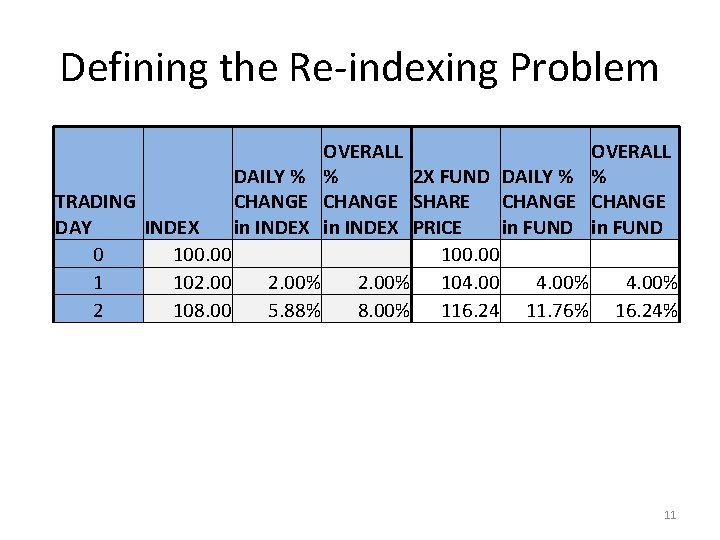
Defining the Re-indexing Problem OVERALL DAILY % % 2 X FUND DAILY % % TRADING CHANGE SHARE CHANGE INDEX DAY in INDEX PRICE in FUND 0 100. 00 1 102. 00% 104. 00% 2 108. 00 5. 88% 8. 00% 116. 24 11. 76% 16. 24% 3 110. 00 1. 85% 10. 00% 120. 54 3. 70% 20. 54% 4 105. 00 -4. 55% 5. 00% 109. 58 -9. 09% 9. 58% 5 100. 00 -4. 76% 0. 00% 99. 15 -9. 52% -0. 85% 11
Defining the Re-indexing Problem OVERALL DAILY % % 2 X FUND DAILY % % TRADING CHANGE SHARE CHANGE INDEX DAY in INDEX PRICE in FUND 0 100. 00 1 102. 00% 104. 00% 2 108. 00 5. 88% 8. 00% 116. 24 11. 76% 16. 24% 3 110. 00 1. 85% 10. 00% 120. 54 3. 70% 20. 54% 4 105. 00 -4. 55% 5. 00% 109. 58 -9. 09% 9. 58% 5 100. 00 -4. 76% 0. 00% 99. 15 -9. 52% -0. 85% 12
Defining the Re-indexing Problem OVERALL DAILY % % 2 X FUND DAILY % % TRADING CHANGE SHARE CHANGE INDEX DAY in INDEX PRICE in FUND 0 100. 00 1 102. 00% 104. 00% 2 108. 00 5. 88% 8. 00% 116. 24 11. 76% 16. 24% 3 110. 00 1. 85% 10. 00% 120. 54 3. 70% 20. 54% 4 105. 00 -4. 55% 5. 00% 109. 58 -9. 09% 9. 58% 5 100. 00 -4. 76% 0. 00% 99. 15 -9. 52% -0. 85% 13
Defining the Re-indexing Problem OVERALL DAILY % % 2 X FUND DAILY % % TRADING CHANGE SHARE CHANGE INDEX DAY in INDEX PRICE in FUND 0 100. 00 1 102. 00% 104. 00% 2 108. 00 5. 88% 8. 00% 116. 24 11. 76% 16. 24% 3 110. 00 1. 85% 10. 00% 120. 54 3. 70% 20. 54% 4 105. 00 -4. 55% 5. 00% 109. 58 -9. 09% 9. 58% 5 100. 00 -4. 76% 0. 00% 99. 15 -9. 52% -0. 85% 14
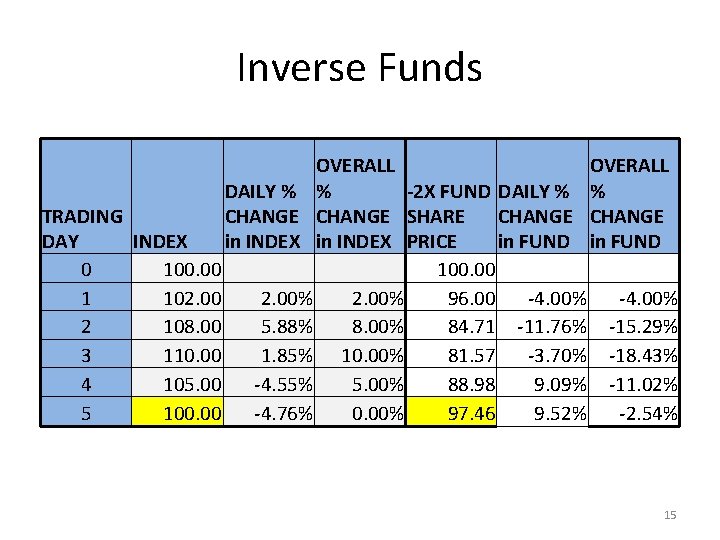
Inverse Funds OVERALL DAILY % % -2 X FUND DAILY % % TRADING CHANGE SHARE CHANGE DAY INDEX in INDEX PRICE in FUND 0 100. 00 1 102. 00% 96. 00 -4. 00% 2 108. 00 5. 88% 8. 00% 84. 71 -11. 76% -15. 29% 3 110. 00 1. 85% 10. 00% 81. 57 -3. 70% -18. 43% 4 105. 00 -4. 55% 5. 00% 88. 98 9. 09% -11. 02% 5 100. 00 -4. 76% 0. 00% 97. 46 9. 52% -2. 54% 15
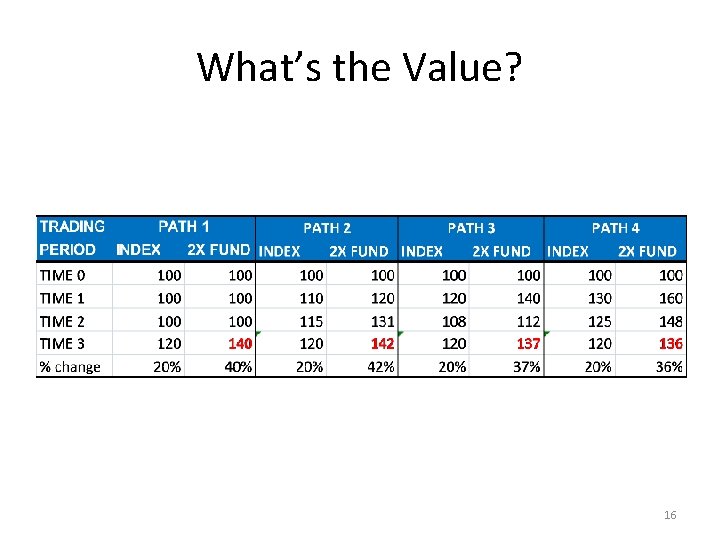
What’s the Value? 16
SUITABILITY FOR RETIREMENT ACCOUNTS 17
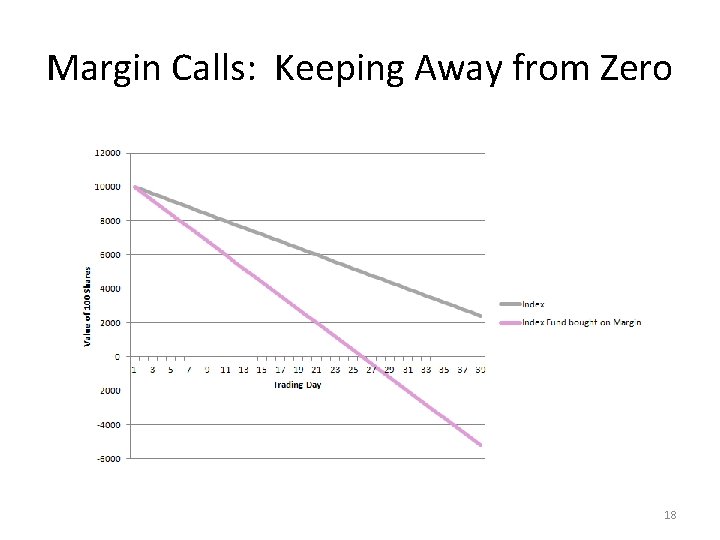
Margin Calls: Keeping Away from Zero 18
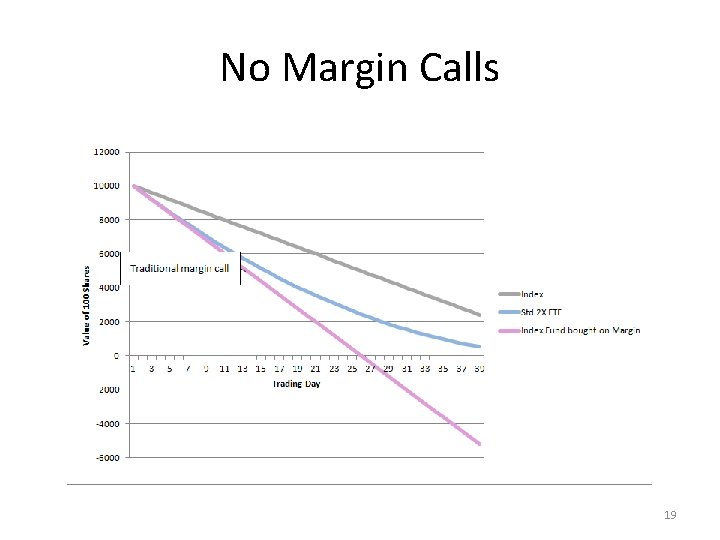
No Margin Calls 19
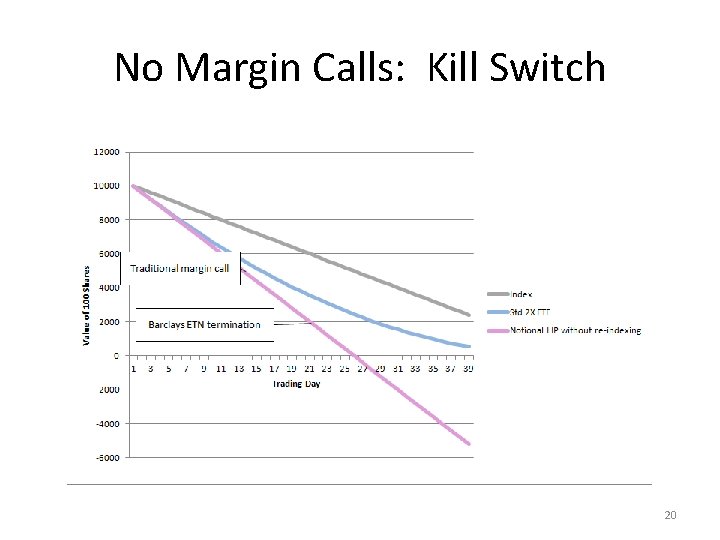
No Margin Calls: Kill Switch 20
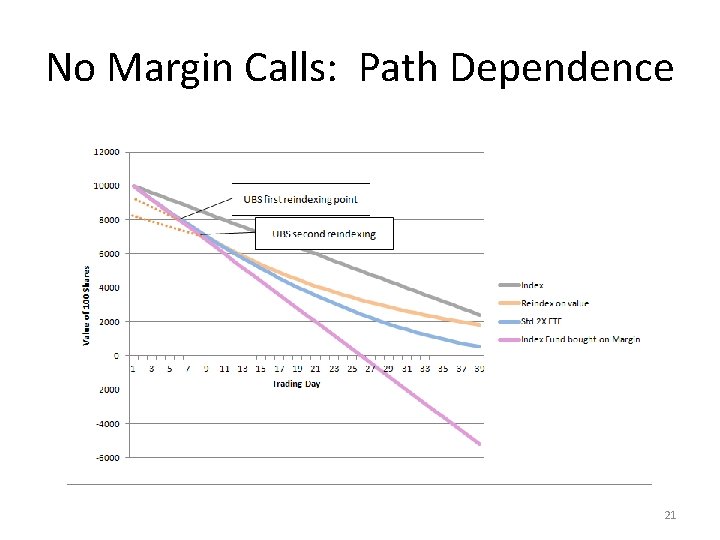
No Margin Calls: Path Dependence 21
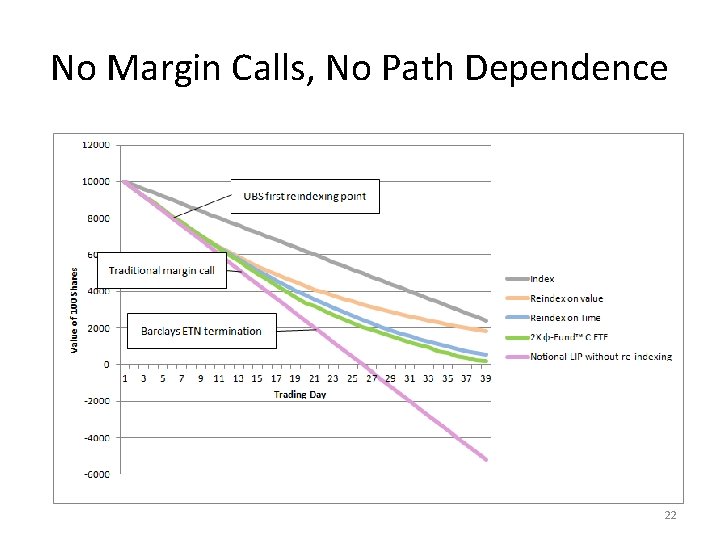
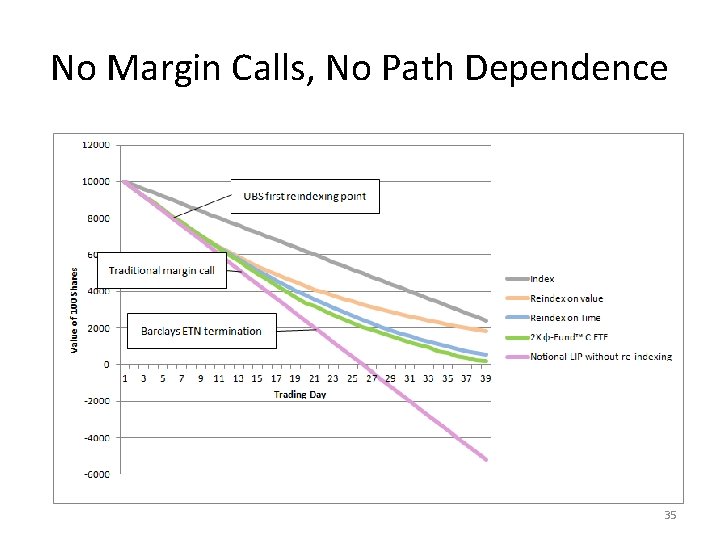
No Margin Calls, No Path Dependence 22
US TAX ADVANTAGED 23
The Structure of a Fund Can Provide Tax Advantages • If swap-based hedges are not directly tied to the underlying collateral of the counter-party, the fund may be free from taxable distributions • Using a holding period of longer than 1 year makes the investment eligible to be task as a long-term capital gain 24
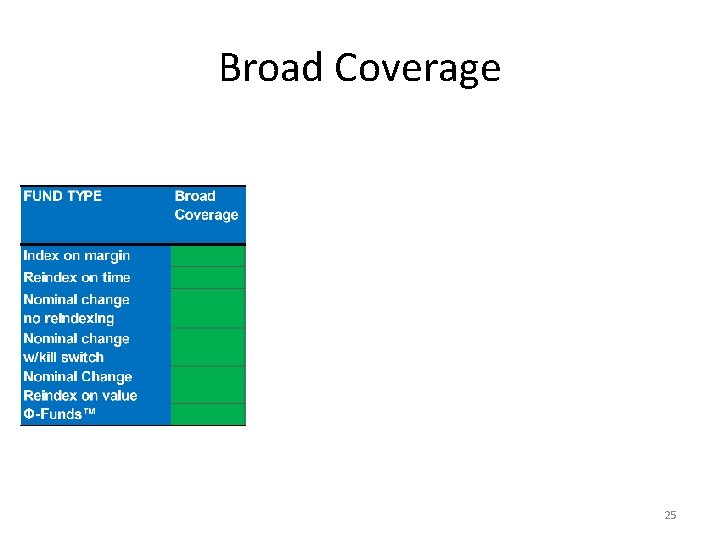
Broad Coverage 25
Portfolio Visibility 26
Valuation Transparency 27
Retirement Account Suitability 28
Margin Calls 29
US Tax Advantaged 30
Summary: Suitable for Long-term Investment 31
WHAT IS A Φ-FUND™? 32
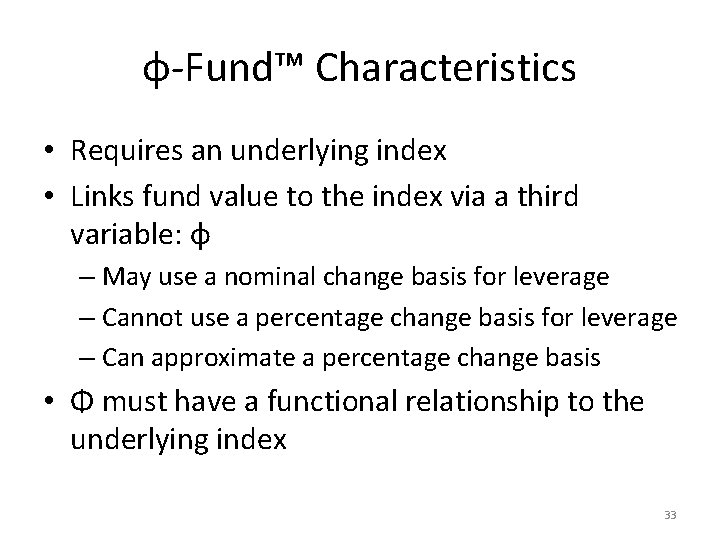
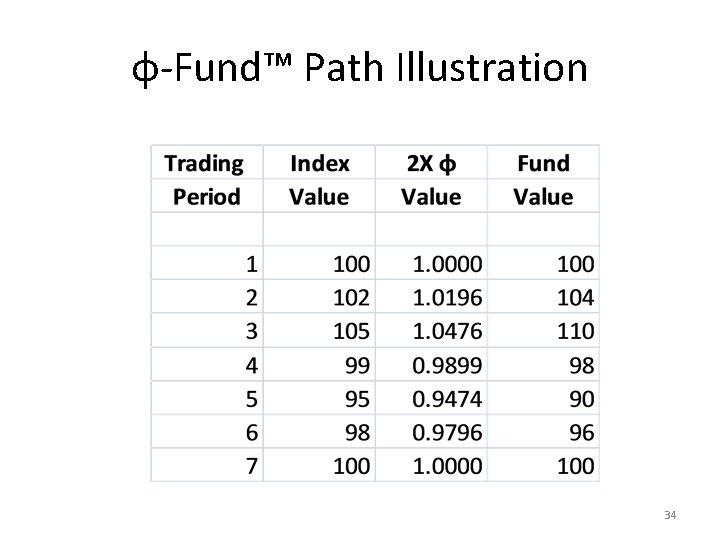
φ-Fund™ Characteristics • Requires an underlying index • Links fund value to the index via a third variable: φ – May use a nominal change basis for leverage – Cannot use a percentage change basis for leverage – Can approximate a percentage change basis • Φ must have a functional relationship to the underlying index 33
φ-Fund™ Path Illustration 34
No Margin Calls, No Path Dependence 35
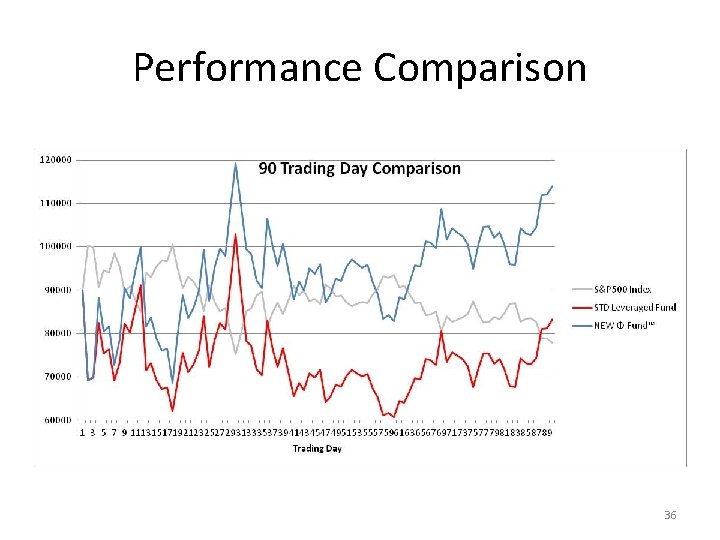
Performance Comparison 36
For more information Jeff Stollman stollman. j@gmail. com +1 202. 683. 8699 37